Kumato-Tomate
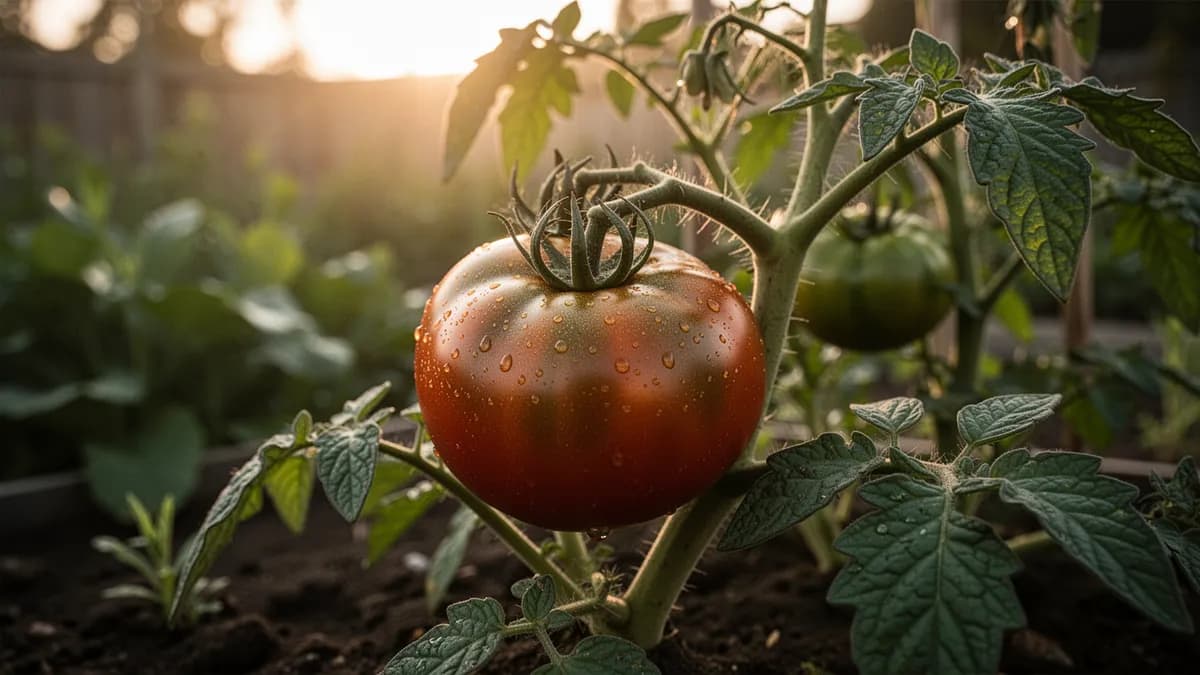
Eine braunhäutige Tomate mit außergewöhnlich süßem, intensivem Geschmack und fester Textur, die sich hervorragend in Salaten hält.





Auf dieser SeiteÜberblick
Kumato-Tomate im Überblick
Eine braunhäutige Tomate mit außergewöhnlich süßem, intensivem Geschmack und fester Textur, die sich hervorragend in Salaten hält. Ursprünglich aus der Genetik wilder Galapagos-Tomaten gezüchtet, verdunkeln sich die Früchte von Grün zu tiefem Rotbraun bei voller Reife. Die Pflanzen sind kräftige, indeterminierte Wuchstypen, die von regelmäßiger Düngung während der gesamten Saison profitieren. Die einzigartige Farbe und Süße machen sie zu einem Hingucker auf Wochenmärkten.
Wann Kumato-Tomate pflanzen
Starten Sie Kumato- oder ähnliche dunkle Tomatensamen 6–8 Wochen vor dem letzten Frost drinnen. Säen Sie 6 mm tief bei 24–29 °C aus; die Keimung erfolgt in 7–14 Tagen. Sorgen Sie für 14–16 Stunden starkes Licht täglich. Topfen Sie um, wenn die echten Blätter erscheinen, und vergraben Sie die Stängel jedes Mal tief. Härten Sie 10–14 Tage ab, bevor Sie umpflanzen, wenn die Nachttemperaturen über 10 °C bleiben. Pflanzen Sie tief in den Garten und vergraben Sie zwei Drittel des Stängels. Beachten Sie, dass echte Kumato möglicherweise nicht als Saatgut erhältlich sind; ähnliche Sorten liefern vergleichbare Ergebnisse.
Dein Kumato-Tomate-Jahr
Abgestimmt auf Zone 7 · typische Saison · Frost geht um den 2. Apr. und kehrt um den 1. Nov. zurück
Kumato-Tomate Feb – Mai pflanzen, Jul – Sep ernten. Beachte die Pflanzmethoden unten und wähle dein Klima für passende Zeiträume.
So baust du Kumato-Tomate an
Kumato-Tomaten sind markante braunhäutige Tomaten mit außergewöhnlich süßem, intensivem Geschmack und fester Textur. Ursprünglich in Spanien entwickelt, werden diese indeterminierten Pflanzen 150–210 cm hoch und produzieren mittelgroße Früchte von 85–140 g mit einzigartiger dunkelrotbrauner Färbung. Starten Sie die Samen 6–8 Wochen vor dem letzten Frost drinnen. Pflanzen Sie nach draußen um, wenn der Boden 15 °C erreicht hat.
Setzen Sie die Pflanzen mit 60–75 cm Abstand und verwenden Sie stabile Stäbe oder Käfige. Kumato-Pflanzen sind kräftige Wuchstypen, die vom Rückschnitt auf 2–3 Haupttriebe profitieren. Gießen Sie gleichmäßig mit 2,5–4 cm pro Woche. Die dunkle Färbung entwickelt sich am besten bei warmen Bedingungen mit guter Sonneneinstrahlung. Mulchen Sie, um eine gleichmäßige Bodenfeuchtigkeit zu erhalten.
Kumato-Tomaten reifen in 70–80 Tagen nach dem Umpflanzen. Die dunkle Farbe entwickelt sich allmählich während der Reifung und wechselt von dunkelgrün zu schokoladenbraun. Die feste Textur ermöglicht eine längere Verweildauer an der Pflanze ohne Aufplatzen oder Abfallen, was den Gärtnern ein breiteres Erntefenster bietet als bei vielen Tomatensorten. Der außergewöhnlich süße Geschmack mit Noten von Beeren und Schokolade macht Kumato sehr begehrt. Diese Tomaten erzielen Premiumpreise auf Wochenmärkten.
8 Pflanzen passen in ein Beet von 120 × 240 cm
Kumato-Tomate braucht 60 cm Platz pro Pflanze. Der Planer hält diesen Abstand für dich ein — jede Pflanze, jedes Beet.
Die besten Nachbarn für Kumato-Tomate
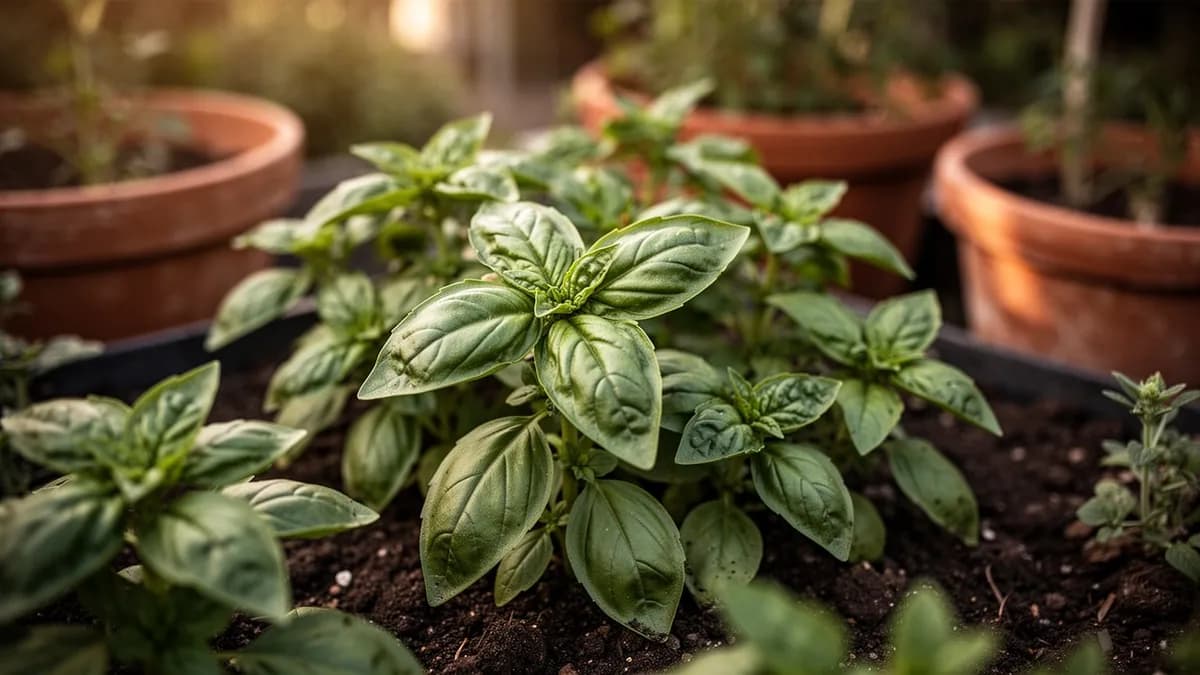
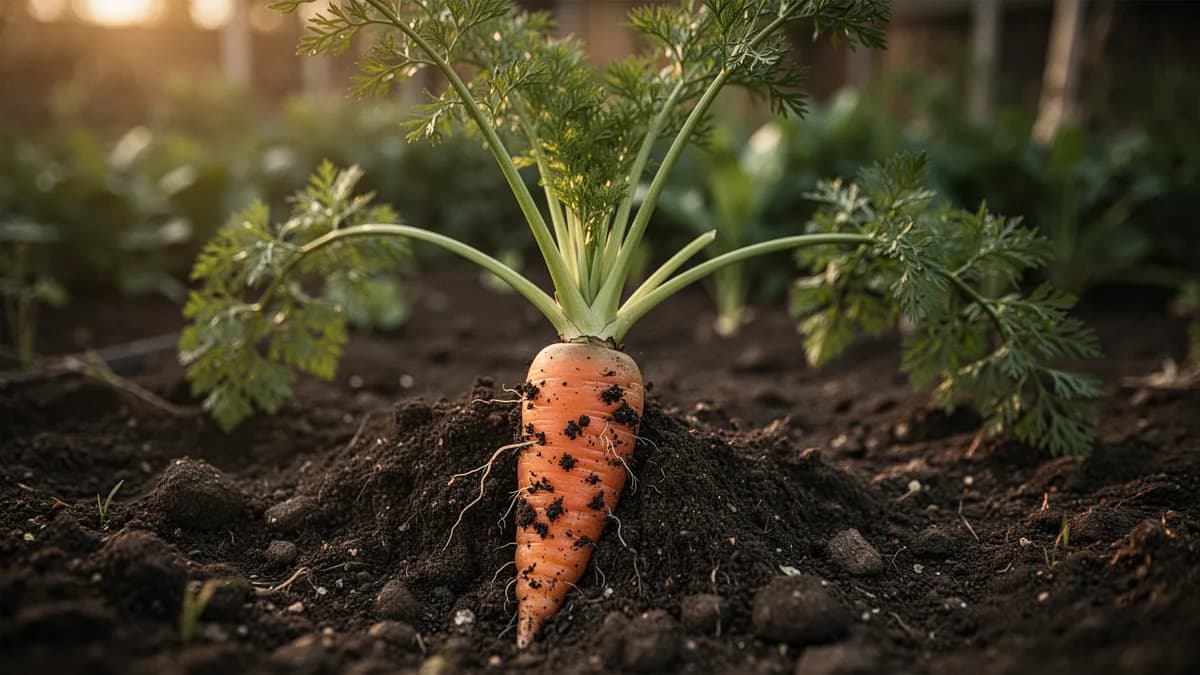
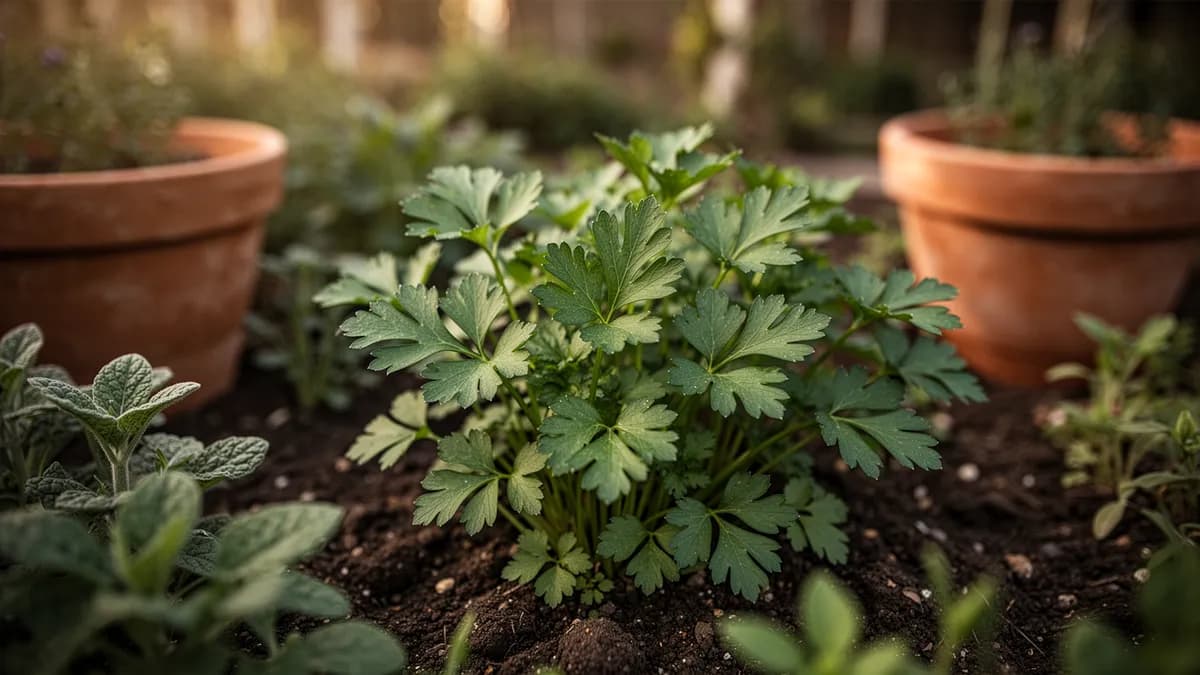
Kumato-Tomaten profitieren von in der Nähe gepflanztem Basilikum zur Schädlingsabwehr und möglichen Geschmacksverbesserung. Tagetes vertreiben Nematoden und locken Nützlinge an. Karotten, Petersilie und Kopfsalat sind gute Begleitpflanzen auf Bodenniveau. Borretsch lockt Bestäuber an. Vermeiden Sie die Pflanzung in der Nähe von Fenchel, Kohlgewächsen und reifem Dill. Als kräftige indeterminierte Pflanzen sollten Sie ausreichend Abstand zu Nachbarpflanzen für die Luftzirkulation einhalten. Zwiebeln und Knoblauch an der Basis können helfen, Blattläuse und andere Schädlinge abzuschrecken.
Basilikum gehört daneben. Kohl nicht.
Altes Gärtnerwissen, geprüft an der echten Nachbartabelle von Kumato-Tomate — teste jede Pflanze, die du anbaust.
Probiere Kumato-Tomate direkt hier im Beet
Ein echtes Planer-Beet, Kumato-Tomate steht schon drin. Tippe einen Begleiter an, platziere ihn und sieh, wie die Nachbarschaftsprüfung antwortet — grün für gute Nachbarn, rot bei Streit.


Passende Anbau-Ratgeber
Richtig düngen
Kumato-Tomaten gedeihen in nährstoffreichem, gut durchlässigem Boden mit einem pH-Wert von 6,2–6,8. Arbeiten Sie großzügig Kompost ein und stellen Sie eine gute Drainage sicher. Geben Sie beim Umpflanzen einen ausgewogenen Dünger und wechseln Sie zu einem phosphorbetonten Dünger, wenn die Blüte beginnt. Düngen Sie monatlich mit Kompost nach. Eine gleichmäßige Nährstoffversorgung unterstützt die kontinuierliche Produktion hochwertiger Früchte während der gesamten Saison. Vermeiden Sie übermäßigen Stickstoff, der das Blattwachstum auf Kosten der Fruchtbildung fördert. Kalziumzugabe beugt Blütenendfäule vor und sorgt für eine feste Fruchttextur.
Ideale Temperatur
Winterhärtezone-Kompatibilität
Von der Saat zur Ernte, Schritt für Schritt
Aussaat
Kumato-Samen keimen unter warmen, feuchten Bedingungen innerhalb von 5–10 Tagen. Die winzigen Samen bilden hellgrüne Keimblätter, die durch die Erdoberfläche stoßen. Wie bei allen Tomaten ist eine gleichmäßige Wärme von 21–27 °C in dieser Phase entscheidend. Bodenwärme durch eine Heizmatte verbessert die Keimrate und -geschwindigkeit deutlich.
Setzlingsentwicklung
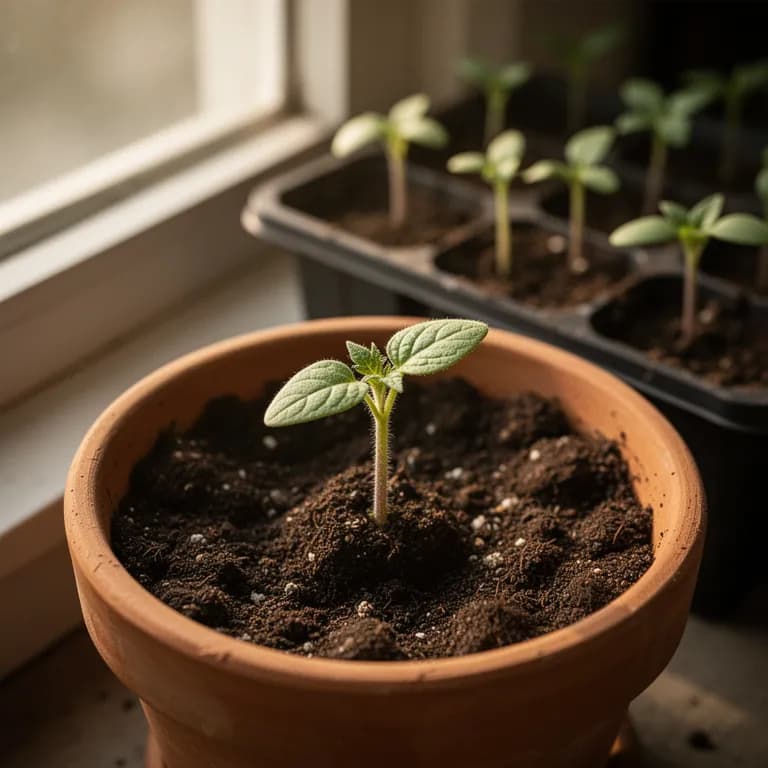
Echte Blätter erscheinen mit der charakteristischen gezahnten Tomatenblattform. Der Stängel verdickt sich und kann feine Härchen entwickeln. Setzlinge sollten in größere Behälter umgetopft werden, sobald sie 2–3 Paar echte Blätter haben, um Wurzelballen-Verfilzung zu vermeiden und ein kräftiges Wurzelsystem zu fördern.
Vegetatives Wachstum
Nach dem Umpflanzen ins Freie wachsen die Kumato-Ranken als indeterminierter Typ kräftig und bilden an jeder Blattachsel Seitentriebe (Geiztriebe). Die Pflanze kann bei warmen Bedingungen 30–60 cm pro Woche wachsen. Ein stabiles Spalier oder Stützgerüst ist unerlässlich, da die Ranke schnell schwer mit Laub wird.
Blüte und Fruchtansatz
Gelbe Blütenrispen erscheinen entlang des Hauptstängels. Jede Rispe trägt typischerweise 5–8 Blüten. Kumato-Blüten sind selbstbestäubend, profitieren aber stark von sanfter Vibration oder Bienenbesuch für vollständige Bestäubung und Früchte in voller Größe. Die sich entwickelnden Früchte sind zunächst grün und beginnen, die charakteristischen dunklen Schultern zu zeigen.
Fruchtentwicklung
Die Früchte schwellen über 3–4 Wochen schnell an und wechseln von hellgrün zu dunkelgrün mit zunehmend ausgeprägten dunklen Schultern. Die einzigartigen Anthocyan- und Chlorophyllpigmente, die Kumato ihr markantes Erscheinungsbild verleihen, entwickeln sich in dieser Phase. Zucker- und Säuregehalt bauen sich progressiv auf, während die Frucht reift.
Reifung und Ernte
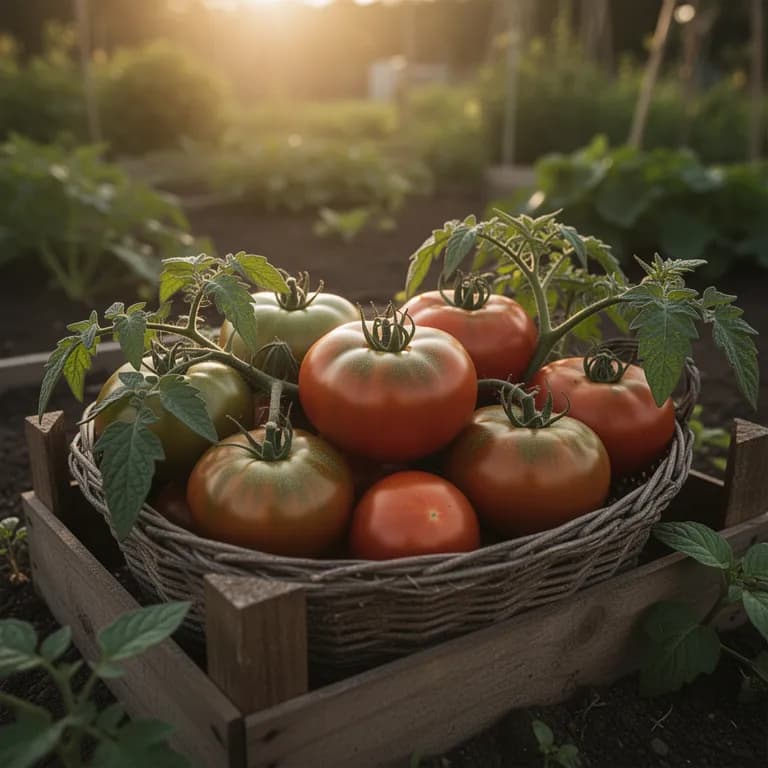
Die Früchte reifen von unten nach oben an der Pflanze und wechseln von dunkelgrün zur typischen tiefrotbraunen bis schokoladenfarbenen Färbung. Eine reife Kumato gibt bei sanftem Druck leicht nach und hat eine gleichmäßig dunkle Farbe, möglicherweise mit einer schwach verbleibenden grünen Schulter. Die Pflanze setzt weiterhin neue Früchte an, während untere Rispen reifen, und produziert über ein 6–10-wöchiges Erntefenster.
Starten Sie die Samen 6–8 Wochen vor dem letzten erwarteten Frost drinnen. Säen Sie 6 mm tief in sterile Anzuchterde und halten Sie die Oberfläche mit einer Feuchtigkeitshaube feucht. Sorgen Sie für 14–16 Stunden Licht durch eine Pflanzenlampe, die 5–10 cm über den Setzlingen positioniert ist.
Kumato-Tomate Monat für Monat pflegen
Was du jeden Monat für deine Kumato-Tomate tun solltest
Oktober
Aktueller MonatLetzte Ernten in den Zonen 5–7 vor dem Frost. Pflücken Sie alle verbleibenden Früchte, einschließlich grüner, die in einer Papiertüte mit einer Banane drinnen nachreifen können. Ziehen Sie abgetragene Ranken heraus und kompostieren Sie krankheitsfreies Material. Bewahren Sie Samen Ihrer geschmacklich besten Früchte auf, wenn Sie samenfeste Sorten anbauen.
Immer wissen, was jetzt im Garten zu tun ist
Eine E-Mail zum Monatsanfang: was du jetzt säen, pflanzen und anpacken solltest — für deine Kumato-Tomate und alles, was drumherum wächst. Dazu ein kurzer Startkurs, der dich vor den klassischen Fehlern bewahrt.
- Was jetzt zu tun ist
- Passend zu deiner Saison
- Startkurs inklusive
Kumato-Tomate ernten
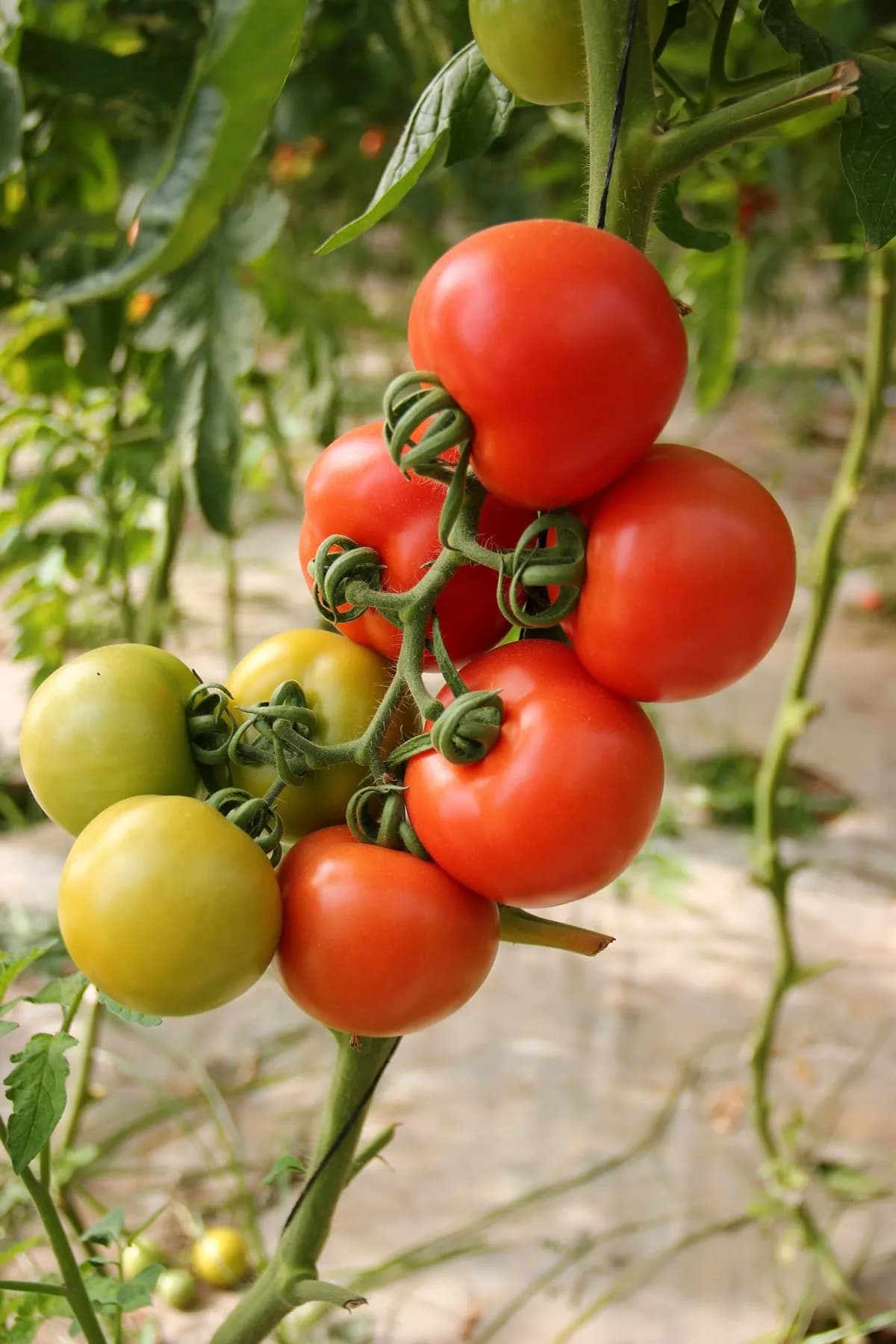
Ernten Sie Kumato-Tomaten, wenn die Schale gleichmäßig dunkelrotbraun ist und die Früchte bei sanftem Druck leicht nachgeben. Im Gegensatz zu einigen dunklen Tomaten sind die Farbveränderungen bei Kumato graduell; die Früchte wechseln von dunkelgrün über olivfarben zu schokoladenbraun. Die feste Textur bedeutet, dass Kumato länger an der Pflanze verbleiben kann als die meisten Tomaten, ohne aufzuplatzen. Ernten Sie während der Hauptsaison alle 2–3 Tage. Jede Pflanze liefert moderate bis gute Erträge an 85–140 g schweren Früchten. Das feste Fruchtfleisch macht sie widerstandsfähiger gegen Beschädigungen beim Handling als viele Heirloom-Sorten.
angenommen, du pflanzt zu Beginn des Zeitraums — trage dein tatsächliches Datum ein
Ernte Kumato-Tomate zügig, dann trägt die Pflanze weiter.
Lagerung & Konservierung
Kumato-Tomaten haben dank ihrer festen Textur eine ausgezeichnete Haltbarkeit und halten sich 7–10 Tage bei Raumtemperatur. Für besten Geschmack nicht kühlen. Das feste Fruchtfleisch macht sie ideal zum Aufschneiden und zum Formerhalt in zubereiteten Gerichten. Zur Konservierung rösten und einfrieren für konzentrierte, süße Wintersaucen. Einkochen mit Standard-Tomatenmethoden. Die einzigartige Farbe und Süße machen Kumato außergewöhnlich gut geeignet zum Trocknen oder Halbtrocknen in Öl. Ganz einfrieren für spätere Saucenherstellung. Sie ergeben auch einen besonderen Ketchup mit tieferem, komplexerem Geschmack.
Was schiefgeht — und die Lösung
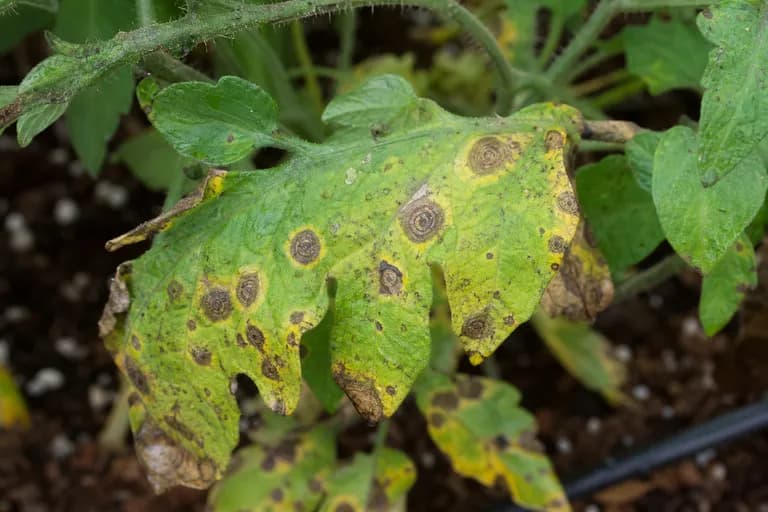
Dürrfleckenkrankheit
KrankheitBraune, zielscheibenartige Flecken auf den unteren Blättern, die sich nach oben durch das Blätterdach ausbreiten.
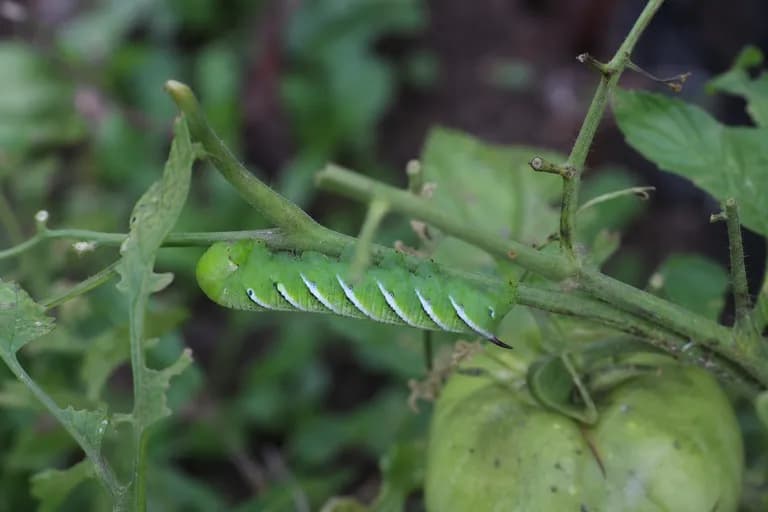
Tomatenschwärmer
SchädlingGroße Raupen, die Pflanzen schnell entlauben und sich entwickelnde Fruchtrispen beschädigen.
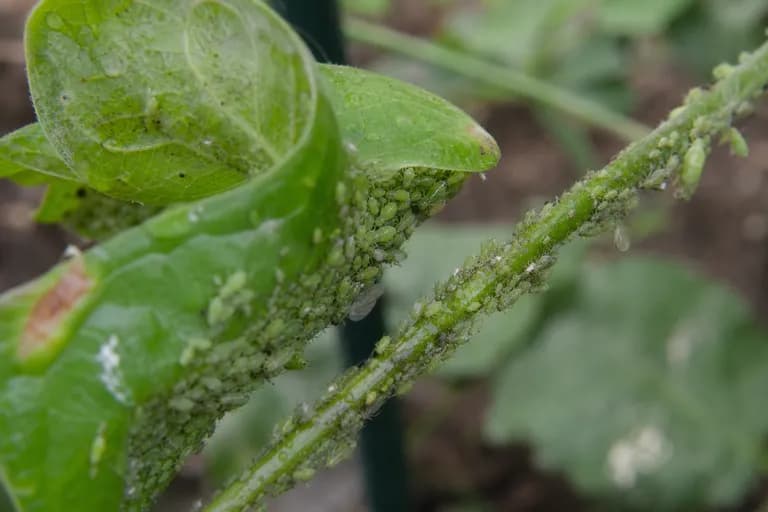
Blattläuse
SchädlingAnsammlungen an Neutrieben, die Blatteinrollen und klebrige Honigtauablagerungen verursachen.
Fehlerbehebung bei häufigen Problemen
Die Original-Kumato ist eine geschützte Sorte, weshalb Saatgut schwer zu beschaffen ist. Ähnliche dunkelhäutige Sorten wie Black Prince liefern vergleichbare Ergebnisse für Hobbygärtner. Die Farbentwicklung erfordert warme Bedingungen; kühle Sommer können zu matteren Farbtönen führen. Die feste Textur, obwohl ein Vorteil beim Handling, bedeutet, dass Kumato weniger saftig ist als einige Sorten, was nicht jedem Geschmack entspricht. Standardmäßige Tomatenkrankheiten befallen auch Kumato; gute Kulturpraktiken sind unerlässlich. Rissbildung ist aufgrund der festen Schale weniger häufig als bei vielen anderen Sorten.
Anbautipps
- Pflanzen Sie tief – vergraben Sie beim Umpflanzen mindestens zwei Drittel des Stängels. Tomaten bilden Adventivwurzeln entlang vergrabener Stängel und entwickeln so ein deutlich stärkeres und trockenheitsresistenteres Wurzelsystem. Entfernen Sie die unteren Blätter vor dem Eingraben.
- Geizen Sie gewissenhaft für beste Ergebnisse. Kumato ist eine indeterminierte Sorte, die an jeder Blattachsel Geiztriebe bildet. Entfernen Sie alle Geiztriebe unterhalb der ersten Blütenrispe und halten Sie einen oder zwei Haupttriebe für die größten, geschmackvollsten Früchte mit der besten Luftzirkulation.
- Lernen Sie, die einzigartigen Reifeanzeichen zu lesen. Anders als bei roten Tomaten, wo der Farbwechsel offensichtlich ist, reift Kumato von Grün zu dunkelbraunrot. Eine reife Frucht gibt bei sanftem Daumendruck leicht nach, hat eine gleichmäßig dunkle Farbe und kann eine schwache grüne Schulter behalten – das ist normal und kein Zeichen von Unreife.
- Gießen Sie gleichmäßig und tief, um Rissbildung zu verhindern. Kumatos dichtes Fruchtfleisch und dicke Schale machen sie weniger rissanfällig als dünnschalige Heirloom-Sorten, aber unregelmäßiges Gießen (Trockenheit gefolgt von starkem Regen) verursacht dennoch Risse. Tröpfchenbewässerung mit Zeitschaltuhr ist die ideale Lösung.
- Reduzieren Sie die Bewässerung in der letzten Reifephase. Sobald die Frucht beginnt, sich zu verfärben, konzentriert eine leichte Wasserreduktion die Zucker und intensiviert das komplexe süß-säuerliche Aroma, das Kumato besonders macht. Stellen Sie die Bewässerung nicht völlig ein – reduzieren Sie nur um etwa 20–30 %.
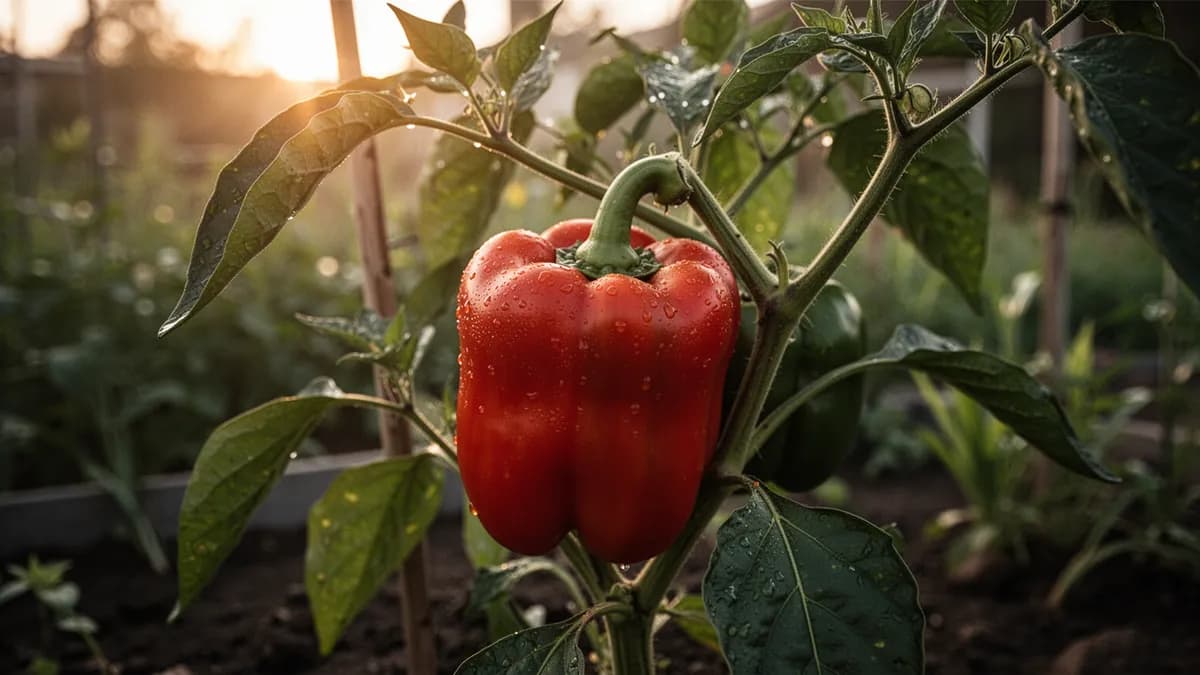
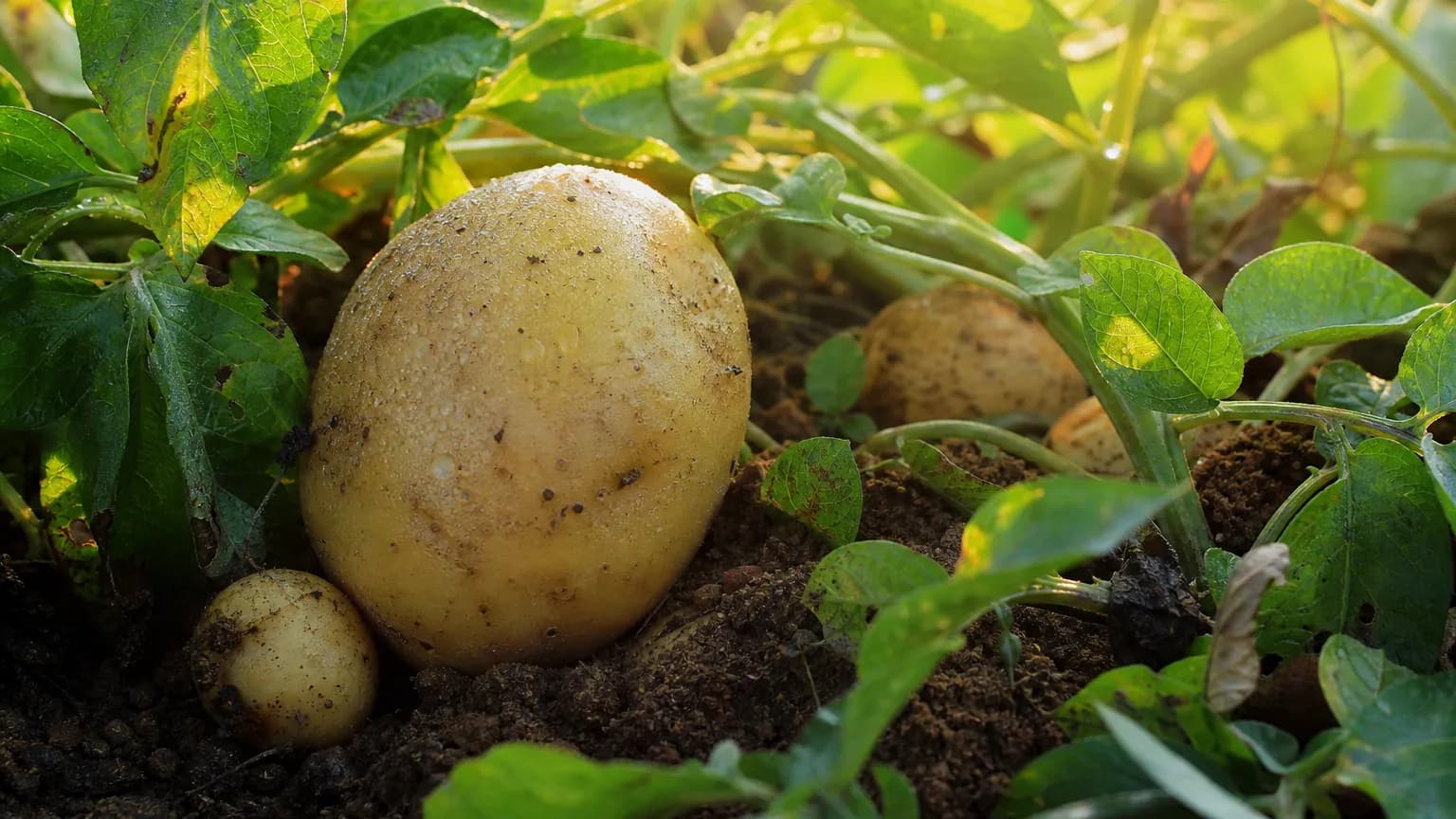
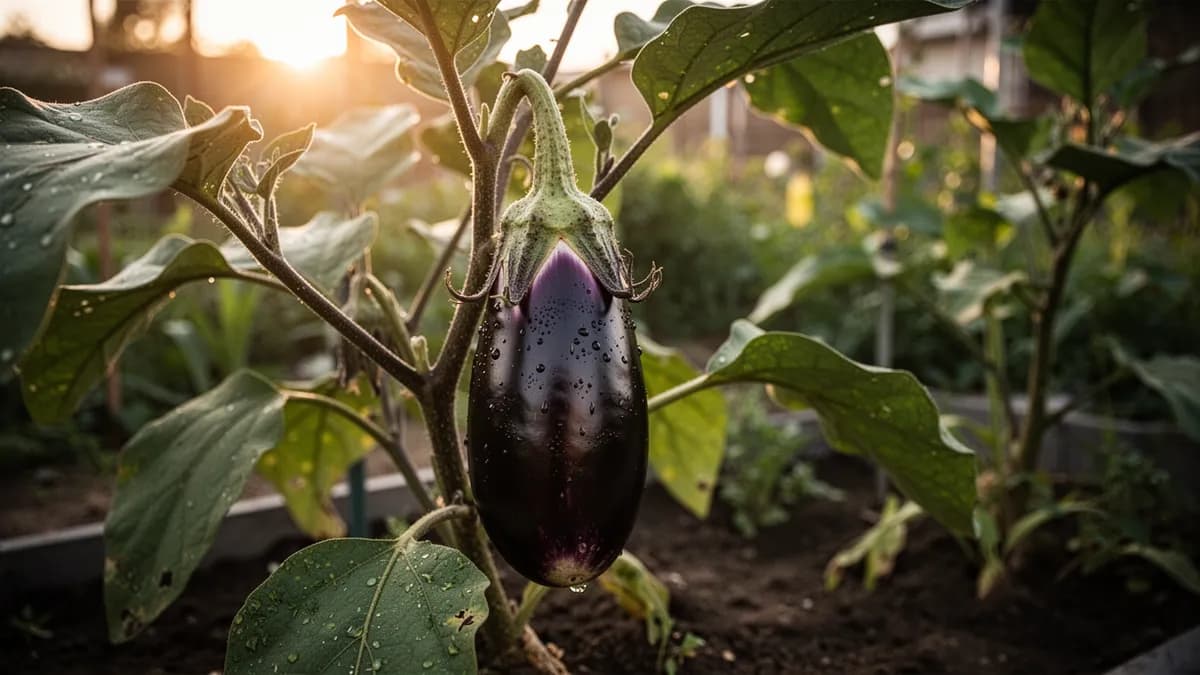
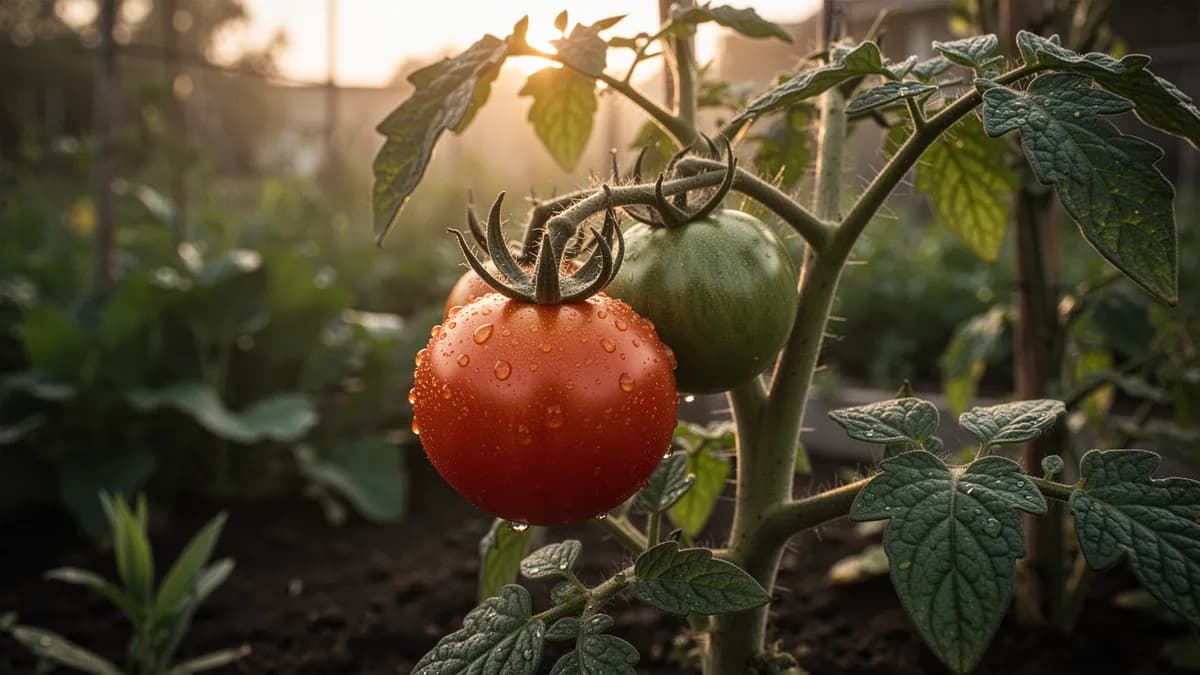
- Wechseln Sie den Pflanzstandort jährlich und folgen Sie niemals auf Kartoffeln, Paprika oder Auberginen, die dieselben bodenbürtigen Krankheiten teilen (Verticillium, Fusarium, Dürrfleckenkrankheit). Eine mindestens 3-jährige Fruchtfolge zwischen Nachtschattengewächsen im selben Beet ist essentiell für die langfristige Bodengesundheit.
- Ergänzen Sie Kalzium während der gesamten Saison. Kumatos dichtes, fleischiges Fruchtfleisch macht sie anfällig für Blütenendfäule, wenn Kalzium unzureichend ist. Geben Sie beim Pflanzen Krusitenkalk oder Gips hinzu und düngen Sie während der Fruchtbildung monatlich mit kalziumreichen Zusätzen nach.
- Lassen Sie die Früchte wann immer möglich vollständig an der Ranke ausreifen. Anders als kommerzielle Kumatos, die fest für den Transport gepflückt werden, entwickeln selbst angebaute Früchte ein dramatisch komplexeres Aroma und einen höheren Zuckergehalt, wenn sie vollständig an der Pflanze reifen – das ist der Hauptvorteil des eigenen Anbaus.
Bau deine beste Kumato-Tomate an — und alles drumherum.
Starte heute kostenlos. Lege deine Beete an, setze deine Kumato-Tomate ein und lass PlotMyGarden Timing, Abstände, Begleiter und Erinnerungen von der Saat bis zum Erntekorb übernehmen.
Finde deine Kumato-Tomate
Kumato
Die ursprüngliche spanische Sorte mit dunkelbrauner Schale und intensiv süßem Geschmack. Feste Textur und einzigartiges Erscheinungsbild.
Black Prince
Ähnliche dunkelhäutige russische Heirloom-Sorte mit reichem, komplexem Geschmack. Breiter verfügbar als samenfeste Sorte.
Cherokee Chocolate
Braune Fleischtomatensorte mit reichem, süßem Geschmack und großen Früchten. Mahagonifarbig mit komplexem Aroma.
Japanese Black Trifele
Birnenförmige dunkle Tomate mit rauchigem, reichem Geschmack. Sehr ertragreich mit wunderschönen dunklen Früchten.
Kumato und andere Premium-Dunkeltomaten kosten im Einzelhandel 10–16 € pro Kilogramm – oft 2–3 mal so viel wie rote Standardtomaten. Eine einzelne gut gepflegte Pflanze mit 4–7 kg Ertrag pro Saison repräsentiert 40–110 € an Premium-Tomaten aus einer Investition von 3–5 € für einen Setzling. Der Anbau von 3–4 Pflanzen liefert genug zum frischen Verzehr, Kochen und Konservieren während der gesamten Saison. Die Ersparnis ist umso beeindruckender, wenn man bedenkt, dass im Laden gekaufte Kumatos oft unreif für den Transport gepflückt werden und nie den Spitzengeschmack einer rankenreifen, selbst angebauten Frucht erreichen.
Schnelle Rezepte
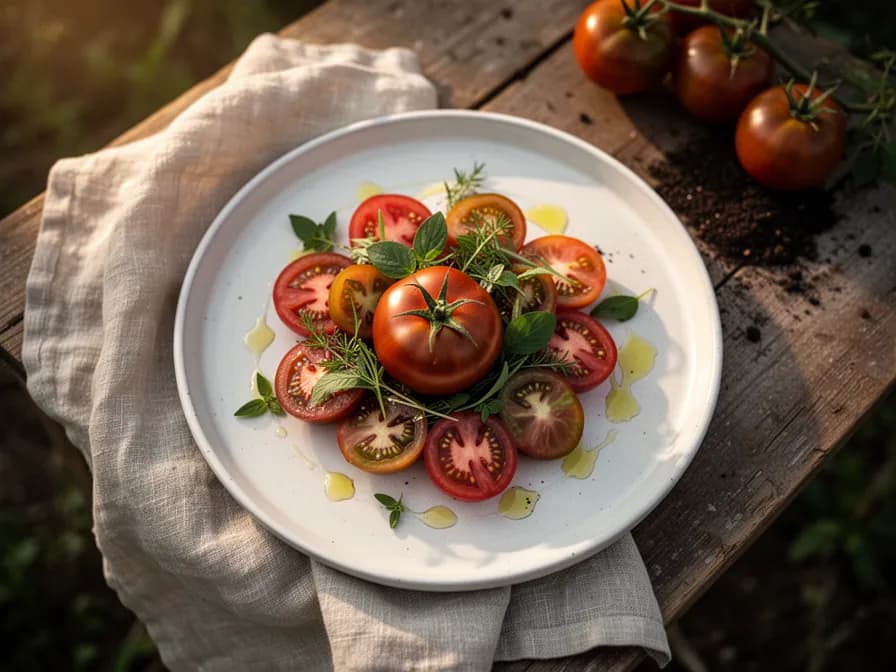
Kumato-Bruschetta mit Balsamico-Glasur
15 Min.Die intensive Süße und feste Textur der Kumato-Tomaten machen sie ideal für Bruschetta – gewürfelt und mit frischem Basilikum und Knoblauch vermengt, dann auf knusprig geröstetem Brot aufgehäuft und mit gereifter Balsamico-Reduktion beträufelt für eine elegante Vorspeise.
7 ZutatenGeröstete Kumato-Tomatensuppe
45 Min.Langsames Rösten von Kumato-Tomaten bei hoher Hitze konzentriert ihren natürlich hohen Zuckergehalt und erzeugt eine unglaublich reichhaltige, tiefkaramellisierte Suppe mit einer Komplexität, die Standardtomaten nicht erreichen können. Die dunkle Schale verleiht eine wunderschöne Farbe und zusätzliche Antioxidantien.
9 ZutatenKumato-Caprese mit Burrata
10 Min.Eine atemberaubende, kochfreie Präsentation für Kumato-Tomaten aus der Hauptsaison – ihre dunklen, juwelenartigen Scheiben werden mit cremiger Burrata, frischem Basilikum und dem besten Olivenöl geschichtet. Die natürliche Süße der Kumato macht jeglichen Zucker- oder Balsamico-Zusatz überflüssig.
6 ZutatenKulinarische Verwendung
Kumatos feste Textur und süßer, komplexer Geschmack machen sie außergewöhnlich gut geeignet zum Aufschneiden in Salaten und auf Sandwiches, wo sie ihre Form behalten und keine überschüssige Feuchtigkeit abgeben. Ihre einzigartige Farbe verleiht Caprese-Salaten und Bruschetta eine optische Dramatik. Die Süße mit Noten von Beeren und Schokolade harmoniert wunderbar mit gereiftem Balsamico, Ziegenkäse und Prosciutto. Hervorragend ganz oder halbiert geröstet, wobei sich der Zucker konzentriert. Verwenden Sie sie in gehobenen frischen Salsas und Getreideschalen. Das feste Fruchtfleisch ist ideal zum Grillen, ohne auseinanderzufallen.
Was drinsteckt
Gesundheitsvorteile
- Außergewöhnlich hoher Lycopingehalt – dunkelhäutige Tomatensorten wie Kumato können bis zu 40 % mehr Lycopin enthalten als rote Standardtomaten. Lycopin ist ein starkes Antioxidans, das umfassend auf seine Rolle bei der Verringerung des Risikos von Prostata-, Lungen- und Magenkrebs untersucht wurde.
- Enthält Anthocyane in der Schale, dieselben starken antioxidativen Verbindungen, die in Blaubeeren und lila Trauben vorkommen und mit verringerten Entzündungen, verbesserter kardiovaskulärer Gesundheit und gesteigerter kognitiver Funktion in Verbindung gebracht werden.
- Reich an Vitamin C (23 % TW pro 100 g), essentiell für die Immunabwehr, Kollagensynthese und verbesserte Eisenaufnahme aus pflanzlichen Lebensmitteln – das macht Kumato zu einer ausgezeichneten Ergänzung zu eisenreichen Mahlzeiten.
- Liefert bedeutendes Beta-Carotin (Vitamin-A-Vorstufe) mit 17 % TW pro 100 g, das Augengesundheit, Hautzellenerneuerung und Immunfunktion unterstützt – die dunklere Pigmentierung korreliert mit höheren Carotinoid-Konzentrationen.
- Die Kombination aus Kalium (8 % TW pro 100 g) und niedrigem Natriumgehalt macht Kumato-Tomaten herzfreundlich und hilft, den Blutdruck zu regulieren sowie das Risiko von Schlaganfall und Herz-Kreislauf-Erkrankungen zu senken.
- Enthält Chrom, ein Spurenelement, das die Insulinsensitivität verbessert und den Blutzuckerstoffwechsel reguliert – in Kombination mit dem Ballaststoffgehalt wird regelmäßiger Tomatenkonsum mit einer verbesserten glykämischen Kontrolle in Verbindung gebracht.
Woher Kumato-Tomate stammt
Die Kumato-Tomate ist eine moderne Kultursorte, die durch konventionelle Pflanzenzüchtung vom Schweizer Saatgutunternehmen Syngenta entwickelt und Anfang der 2000er Jahre auf den Markt gebracht wurde. Ihre Entwicklung griff auf wilde Tomatenarten zurück, die auf den Galapagos-Inseln sowie in den Küstenwüsten und Andenhochländern von Chile und Peru beheimatet sind, wo Tomaten-Verwandte seit Jahrtausenden unter rauen, sonnenintensiven Bedingungen gedeihen. Die Züchter kreuzten diese widerstandsfähigen Wildverwandten mit Kulturtomatenlinien und selektierten über mehrere Generationen auf die markante dunkle Pigmentierung, den erhöhten Zuckergehalt und das intensiv komplexe Aroma, die diese Sorte charakterisieren.
Die Sorte wurde offiziell 'Olmeca' benannt, aber weltweit unter der Marke 'Kumato' vermarktet, um eine eigenständige Premium-Markenidentität zu schaffen. Sie erschien erstmals um 2004 in spanischen und französischen Supermärkten, wo der anfängliche Widerstand der Verbraucher gegen die unkonventionelle dunkelbraune Farbe durch offensive Verkostungskampagnen in den Geschäften überwunden wurde. Einmal probiert, verkaufte sich die Tomate von selbst – das bemerkenswert süße, komplexe Aroma und die feste, dennoch saftige Textur überzeugten skeptische Käufer, und Kumato wurde schnell zu einer der am schnellsten wachsenden Premium-Tomatenmarken in Europa.
Heute werden Kumato-Tomaten kommerziell in Spanien, Frankreich, Belgien, der Türkei, Australien und Kanada angebaut, vorwiegend in klimakontrollierten Gewächshäusern, die ihre einzigartigen Reifungseigenschaften optimieren. Die Sorte hat dazu beigetragen, die Verbraucherwahrnehmung davon abzurücken, dass alle guten Tomaten leuchtend rot sein müssen, und hat Marktplatz für andere dunkle, gestreifte und ungewöhnlich gefärbte Tomatensorten eröffnet. Für Hobbygärtner sind Kumato-ähnliche Samen unter verschiedenen Namen erhältlich, da die Originalsorte unter kommerziellem Schutz steht, und mehrere samenfeste dunkle Tomatensorten wie Black Krim, Cherokee Purple und Carbon teilen ähnliche Geschmacksprofile, obwohl keine die spezifische Balance aus Süße, Säure und Umami der Kumato exakt repliziert.
Kumato-Tomate: Schon gewusst?
Faszinierende Fakten über Kumato-Tomate
Kumato wurde Anfang der 2000er Jahre von Syngenta durch konventionelle Kreuzung (nicht durch Gentechnik) von Kulturpflanzen mit wilden Solanum-Arten von den Galapagos-Inseln und den Anden Südamerikas entwickelt, wobei speziell auf das natürlich vorkommende Merkmal eines hohen Anthocyangehalts selektiert wurde, das die dunkle Schale erzeugt.
Kumato-Tomate: Fragen & Antworten
Wann sollte ich Kumato-Tomate pflanzen?
Was sind gute Begleitpflanzen für Kumato-Tomate?
In welchen Winterhärtezonen kann Kumato-Tomate wachsen?
Wie viel Sonne braucht Kumato-Tomate?
Welchen Abstand sollte ich zwischen Kumato-Tomate lassen?
Welche Schädlinge und Krankheiten befallen Kumato-Tomate?
Wie lagere ich Kumato-Tomate nach der Ernte?
Was sind die besten Kumato-Tomate-Sorten zum Anbauen?
Welchen Boden braucht Kumato-Tomate?
Woran erkenne ich, dass eine Kumato-Tomate reif ist?
Kann ich Samen von Kumato-Tomaten aufbewahren?
Warum platzen oder reißen meine Kumato-Tomaten?
Kann ich Kumato-Tomaten in Kübeln anbauen?
Warum produzieren meine Kumato-Pflanzen Blüten, aber keine Früchte?
Wie unterscheidet sich Kumato geschmacklich von anderen dunklen Tomaten wie Cherokee Purple oder Black Krim?
Du hast die Theorie gelesen. Jetzt baue sie auf Autopilot an.
Alles, was Kumato-Tomate knifflig macht — das Timing, die Abstände, die Begleiter, das Erntefenster — genau das übernimmt PlotMyGarden für dich, für jede Pflanze im Garten.
Ein Plan, der dein Wetter kennt
Standort einmal festlegen. Aussaat-, Dünge- und Erntedaten rund um deinen echten letzten Frosttermin und die Live-Vorhersage — kein Raten mehr nach Saattüte.
Aus dem Abschnitt „Pflanzzeit“Beetplaner per Drag & Drop
Beete auf einem Raster gestalten. Jede Pflanze rastet im richtigen Abstand ein, und du siehst die ganze Saison, bevor du einen Cent für Saatgut ausgibst.
Aus dem Abschnitt „Anbau“Begleiter-Konflikte früh erkannt
Über 200 gute und schlechte Kombinationen werden beim Pflanzen live geprüft — so landet ein saisonruinierender Fehler nie in der Erde.
Aus dem Abschnitt „Begleiter“Erinnerungen, nach denen du wirklich handelst
„Gieß die Bohnen.“ „Heute ernten, bevor's umschlägt.“ Pünktlich, konkret und auf deine echten Pflanzen bezogen.
Aus dem Abschnitt „Ernte“Staffel-Aussaat, geplant
Sechs Wochen ernten statt sechs Tage? Die App verteilt deine Aussaaten automatisch und erinnert dich, wenn der nächste Satz fällig ist.
Aus dem Abschnitt „Pflanzzeit“Ein Verlauf, der schlauer wird
Jede protokollierte Ernte bringt der App deinen Garten bei. Der Plan fürs nächste Jahr startet bei dem, was in deinem Boden wirklich funktioniert hat.
Aus dem Abschnitt „Überblick“Pflanze diese neben Kumato-Tomate
Weitere Nachtschattengewächse
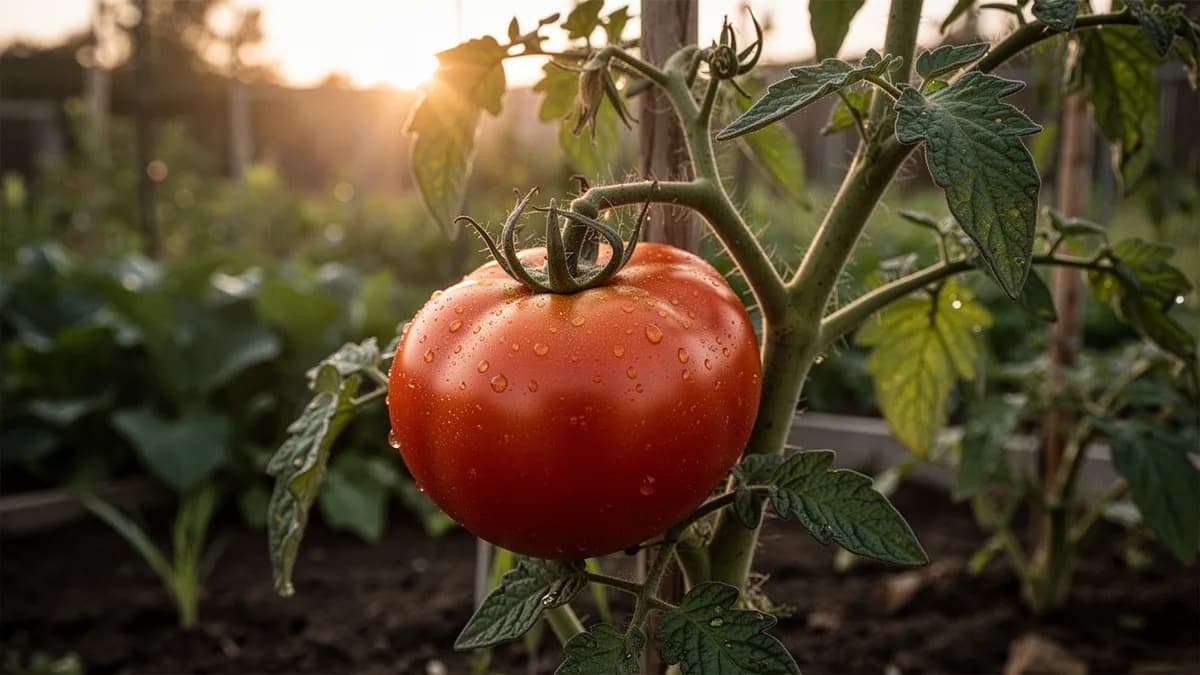
Halte Kumato-Tomate von diesen fern
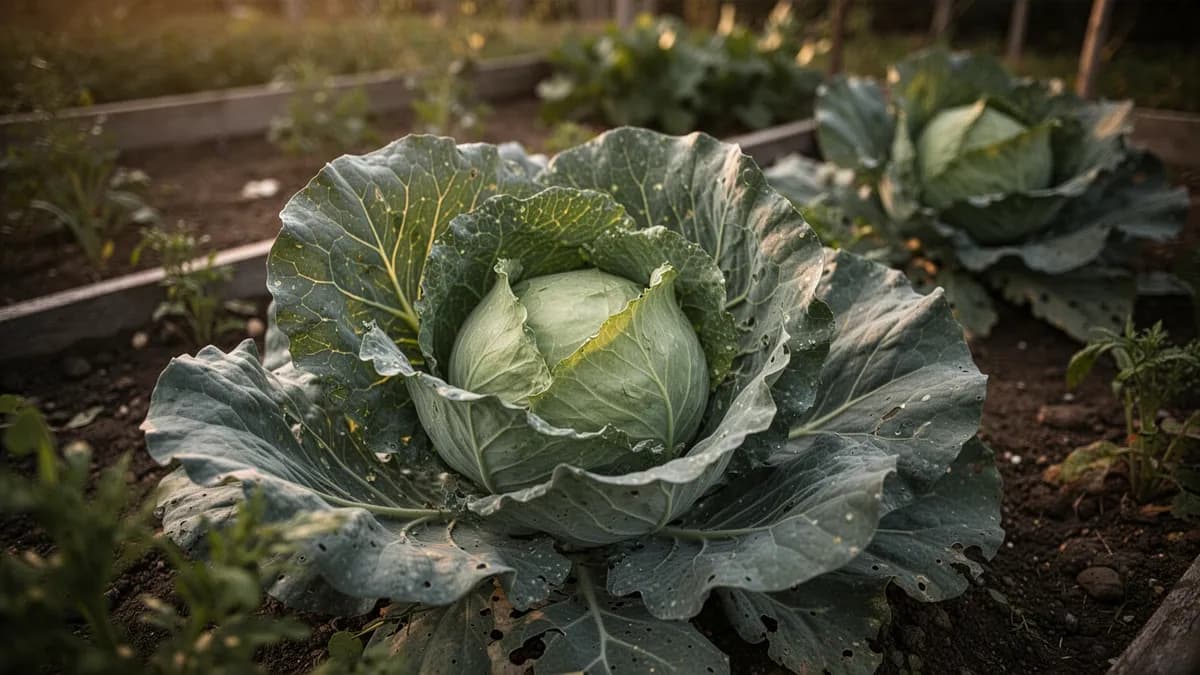
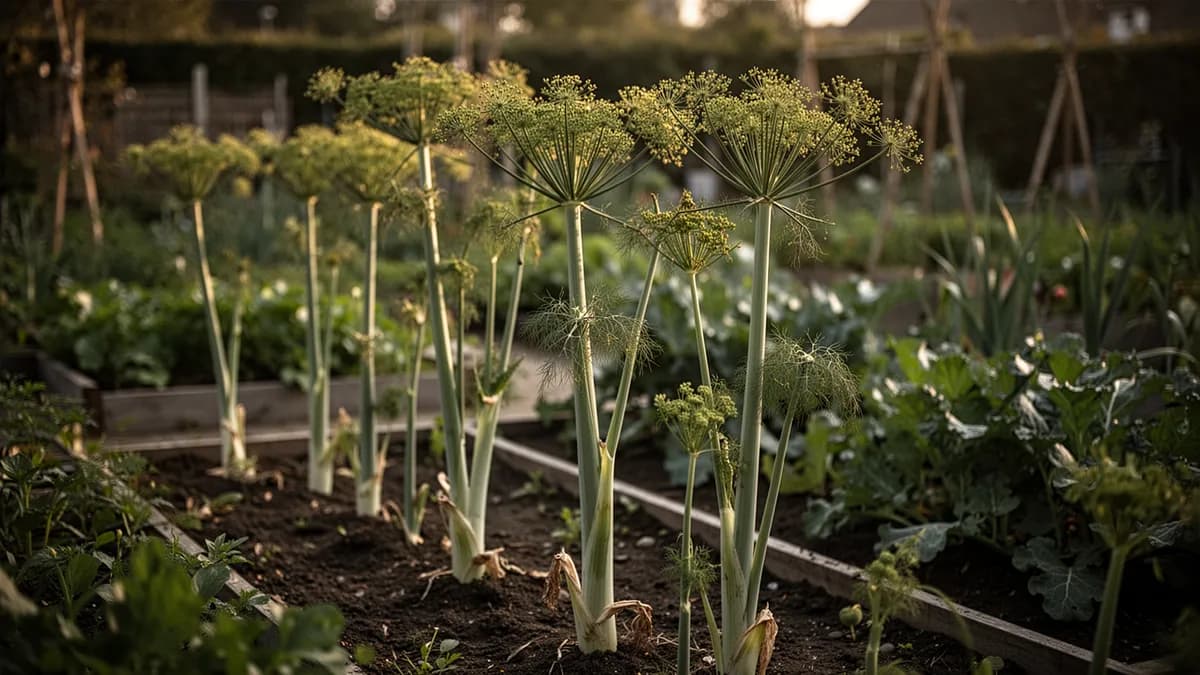
Bau deine beste Kumato-Tomate an — und alles drumherum.
Starte heute kostenlos. Lege deine Beete an, setze deine Kumato-Tomate ein und lass PlotMyGarden Timing, Abstände, Begleiter und Erinnerungen von der Saat bis zum Erntekorb übernehmen.