Tomate Indigo
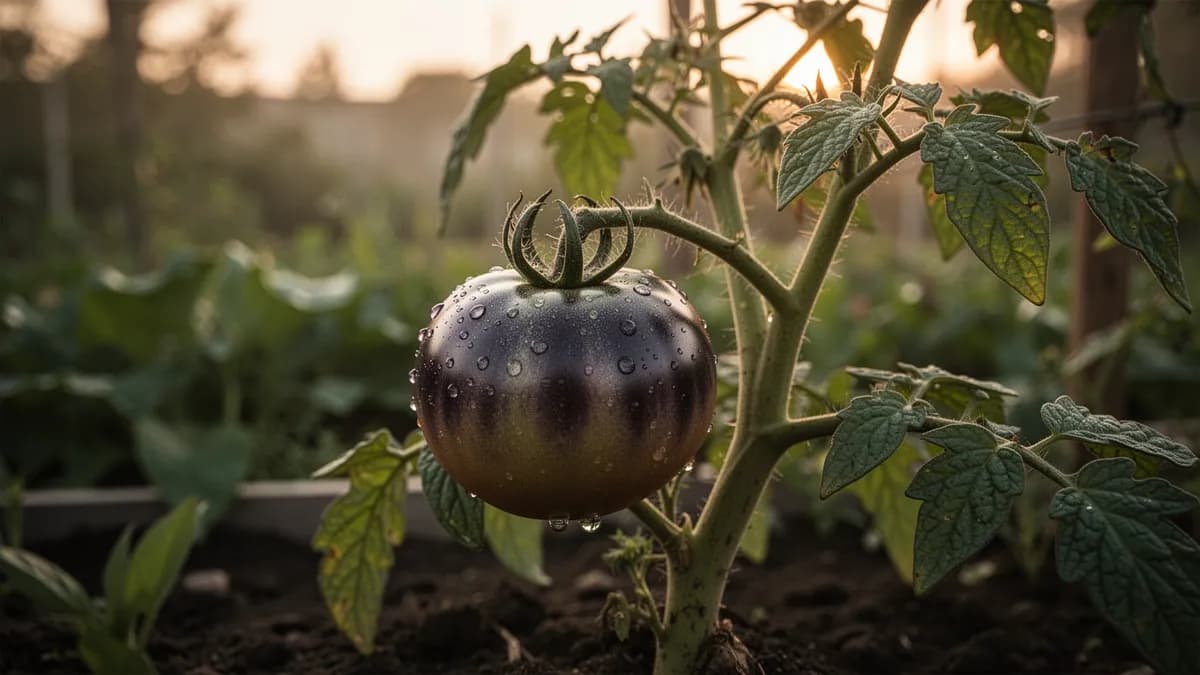
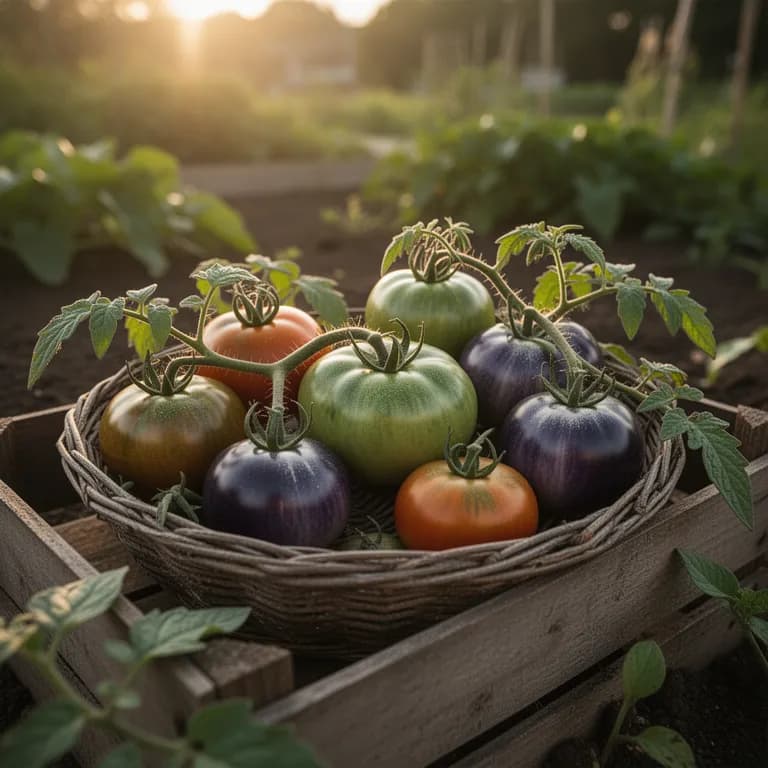
El tomate Indigo Rose es una variedad revolucionaria desarrollada por la Universidad Estatal de Oregón, primera en producir frutos con altos niveles de antocianinas en la piel, confiriéndoles un espectacular color violeta-negro donde reciben la luz solar.





En esta páginaResumen
Conoce Tomate Indigo
El tomate Indigo Rose es una variedad revolucionaria desarrollada por la Universidad Estatal de Oregón, primera en producir frutos con altos niveles de antocianinas en la piel, confiriéndoles un espectacular color violeta-negro donde reciben la luz solar. Los frutos de 30-60 g combinan las propiedades antioxidantes de los arándanos con el sabor del tomate, representando un avance en la nutrición vegetal.
Cuándo plantar Tomate Indigo
Inicie las semillas en interior 6-8 semanas antes de la última helada, a 0,5 cm de profundidad en sustrato a 20-25 °C. La germinación tarda 7-14 días. Las plántulas pueden mostrar un tinte púrpura en los tallos desde temprano, lo cual es normal. Trasplante a macetas individuales con las primeras hojas verdaderas. Endurezca 7-10 días antes de plantar al exterior.
Tu año de Tomate Indigo
Ajustado a Zona 7 · temporada típica · la helada se va hacia el 2 abr y vuelve hacia el 1 nov
Planta Tomate Indigo Feb – May y cosecha Jul – Sep. Consulta los métodos de plantación y elige tu clima para adaptar los periodos.
Cómo cultivar Tomate Indigo
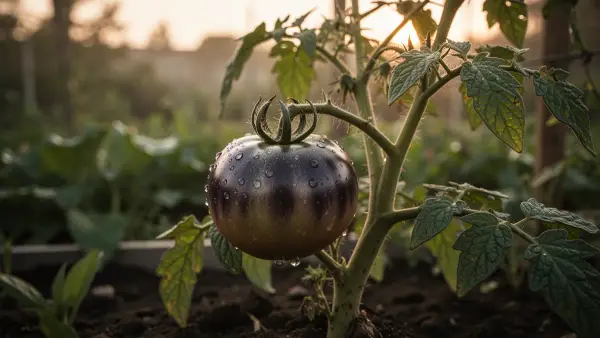
El tomate Indigo se cultiva como cualquier tomate indeterminado pero necesita exposición máxima al sol para desarrollar su color púrpura característico causado por las antocianinas. Elija el lugar más soleado del jardín con al menos 8 horas de luz directa, suelo rico y bien drenado con pH entre 6,0 y 6,8.
Inicie las semillas en interior 6-8 semanas antes de la última helada, a 0,5 cm de profundidad y 20-25 °C. Trasplante al exterior cuando las temperaturas nocturnas superen los 10 °C. Instale tutores de 1,5 metros y pode los chupones laterales para una planta más abierta que permita máxima exposición solar a los frutos.
Riegue profunda y regularmente por goteo o en la base. Aplique fertilizante equilibrado durante el crecimiento y cambie a uno rico en potasio durante la fructificación. Retire las hojas que den sombra a los frutos para favorecer la coloración púrpura. Los frutos que no reciben sol directo permanecen verdes o rojos en esas zonas.
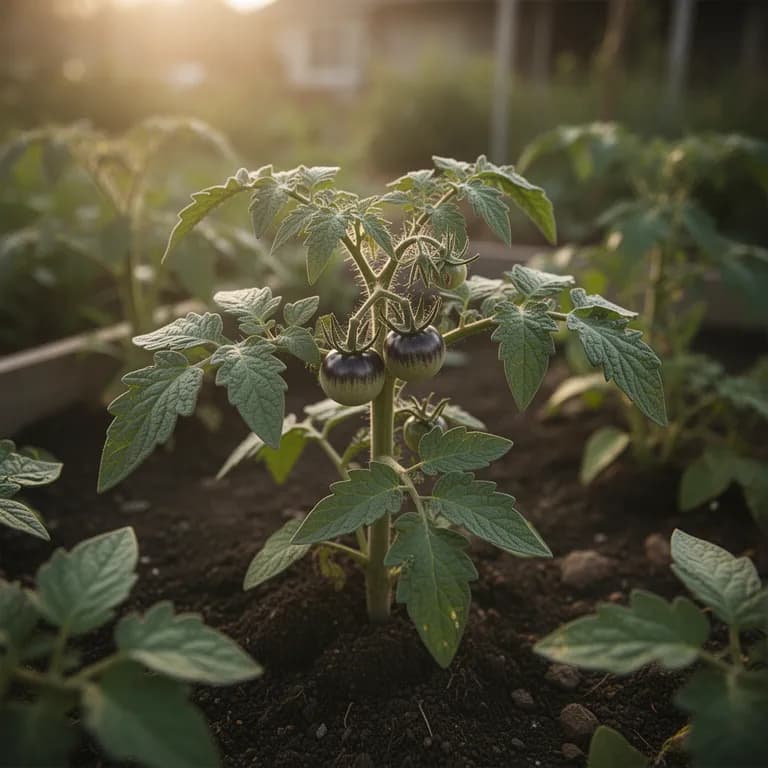
8 plantas caben en un bancal de 120 × 240 cm
Cada Tomate Indigo pide 60 cm de margen. El planificador guarda ese marco por ti — cada planta, cada bancal.
Los mejores vecinos de Tomate Indigo
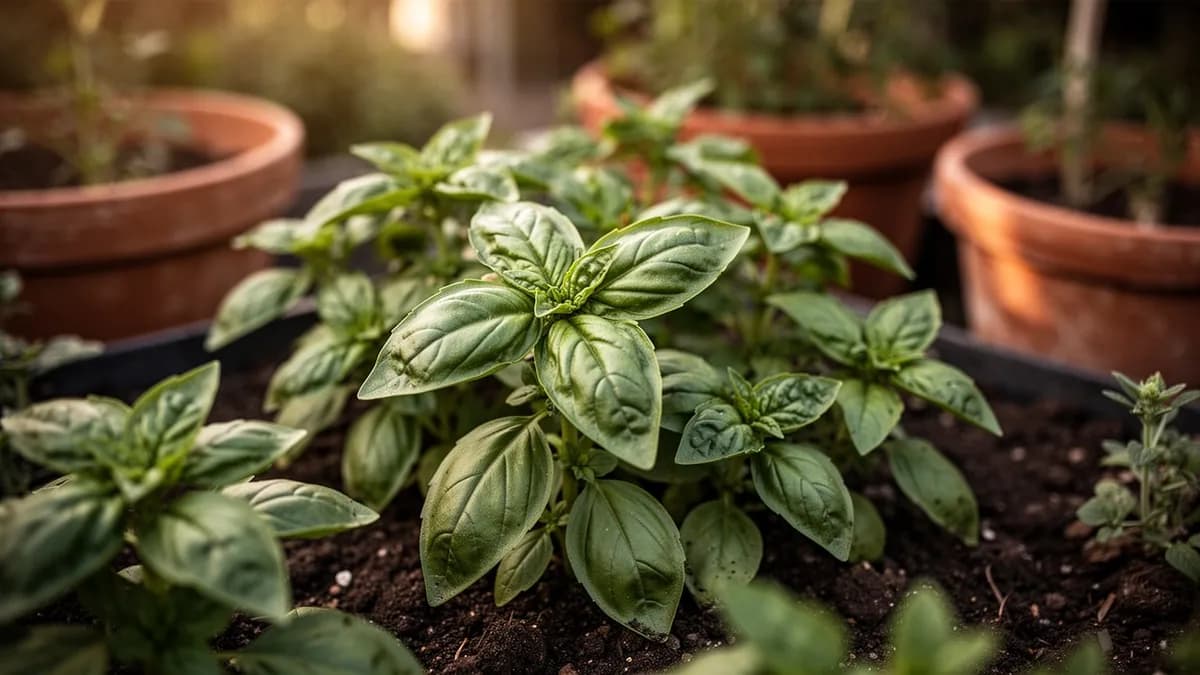
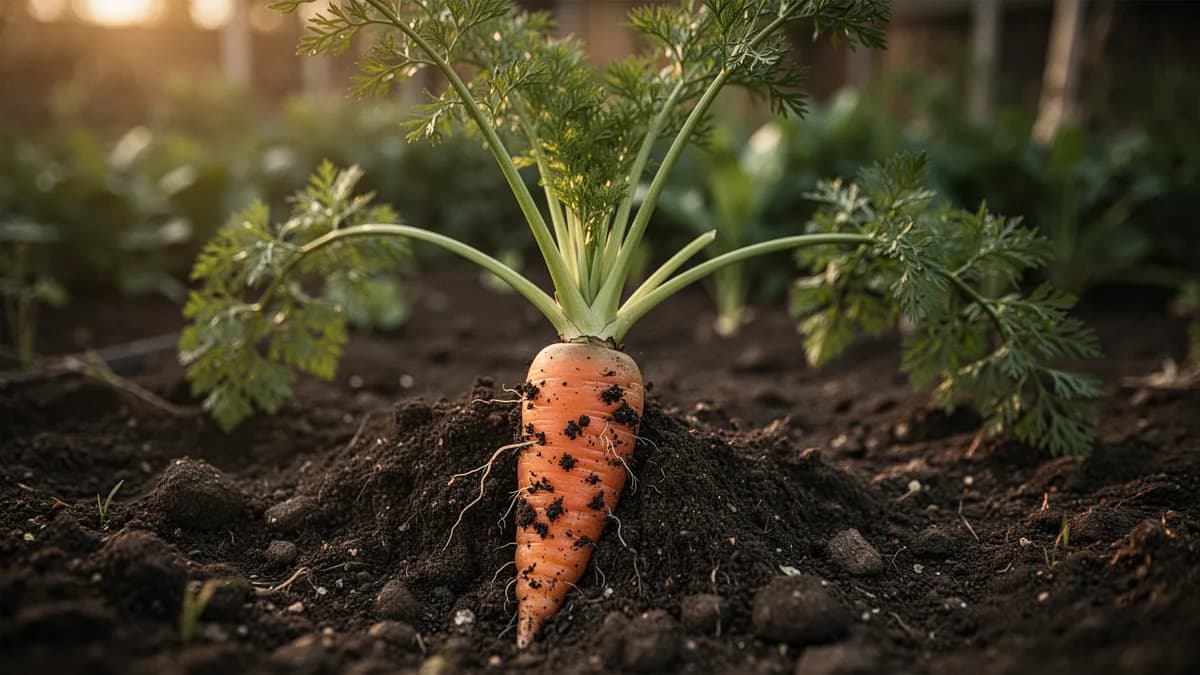
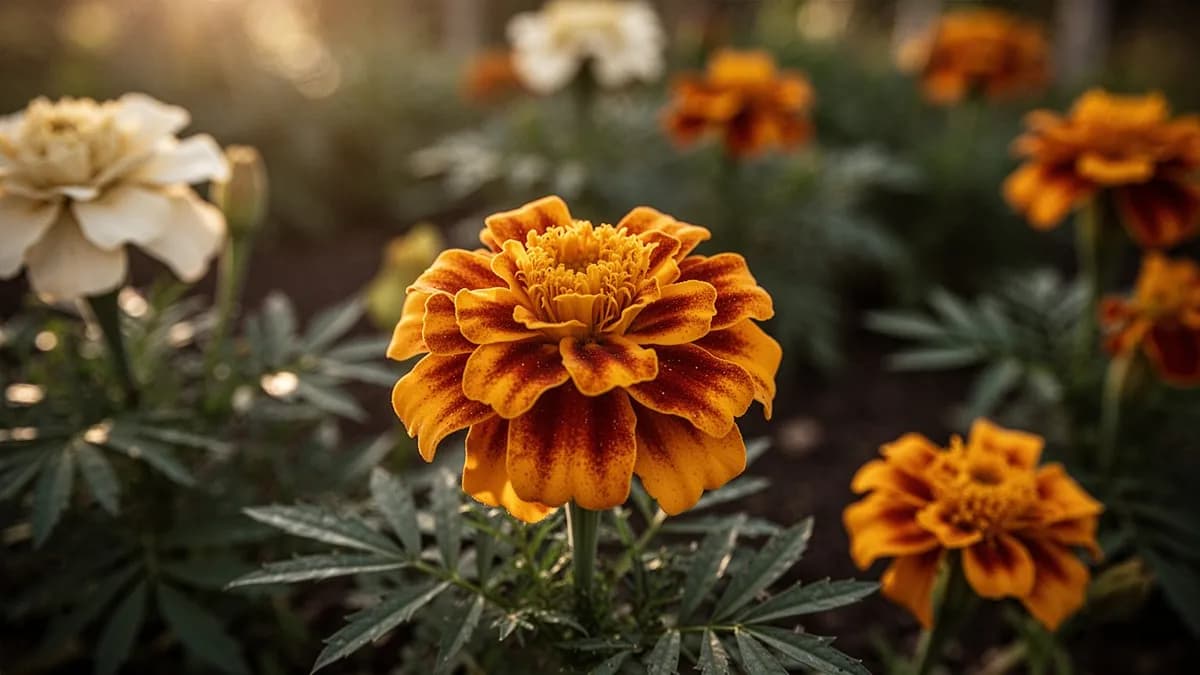
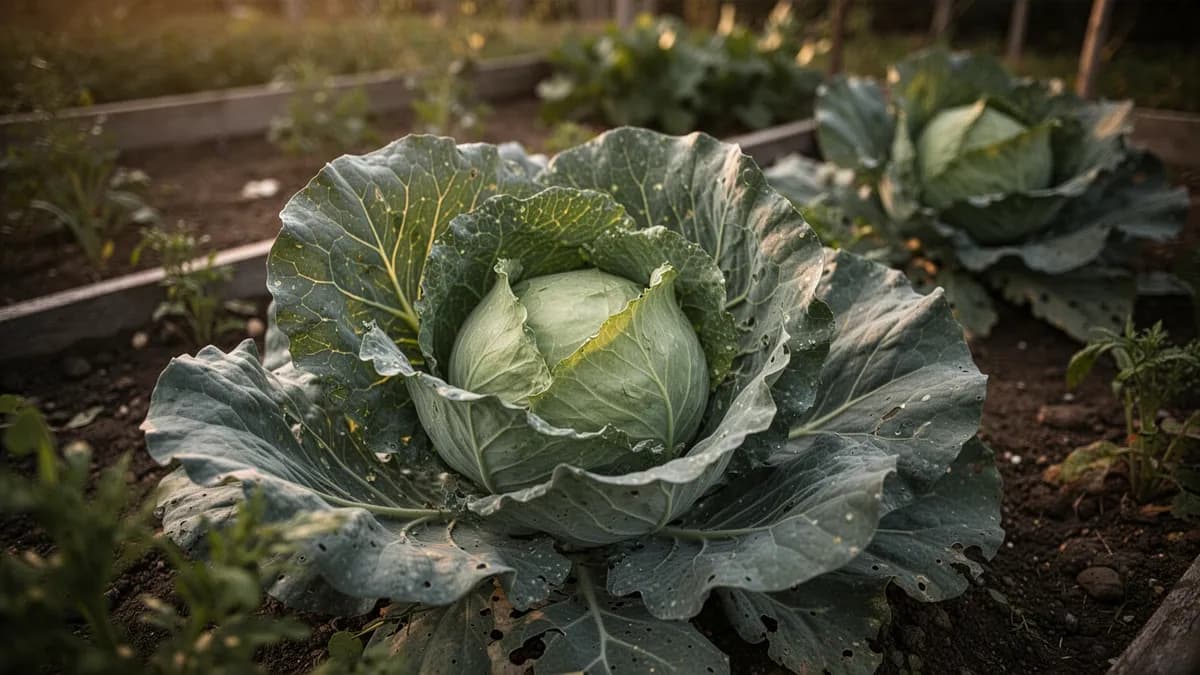
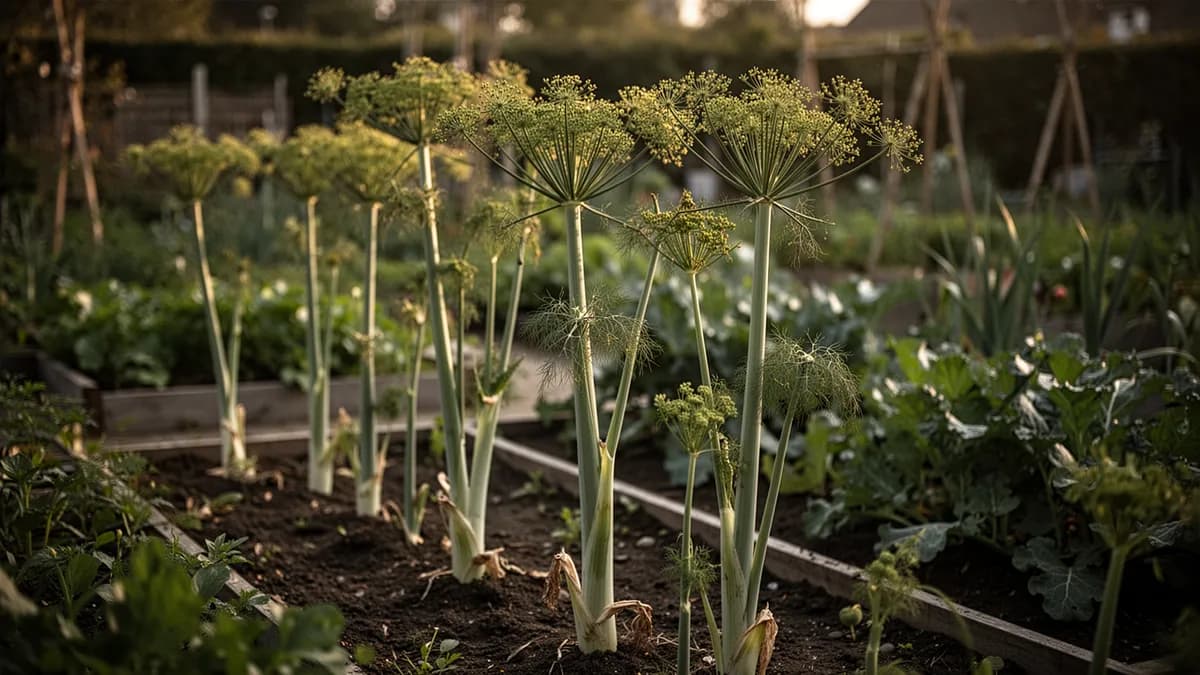
El Indigo se beneficia de las mismas compañías que otros tomates: albahaca para repeler plagas y mejorar el sabor, zanahorias, tagetes y caléndulas para atraer polinizadores y repeler plagas del suelo. Evite plantar junto a hinojo, eneldo y miembros de la familia de las brassicas. No repita solanáceas en el mismo lugar durante 3 años.
Albahaca va a su lado. Repollo no.
Saber de huerto de siempre, cotejado con la tabla real de Tomate Indigo — prueba cualquier planta que cultives.
Prueba Tomate Indigo en un bancal, aquí mismo
Un bancal real del planificador con Tomate Indigo ya plantado. Toca una planta compañera para colocarla y mira cómo responde la comprobación de vecinos: verde para buenos vecinos, rojo si hay conflicto.


Guías de cultivo relacionadas
Abónalo bien
El Indigo necesita suelo rico, bien drenado y con pH entre 6,0 y 6,8. Incorpore abundante compost antes del trasplante. Aplique fertilizante equilibrado durante el crecimiento y cambie a uno alto en potasio cuando aparezcan las flores. El fósforo es importante para la producción de antocianinas; asegure un aporte adecuado en el suelo.
Temperatura ideal
Compatibilidad de zonas de rusticidad
De la semilla a la cosecha, etapa por etapa
Siembra
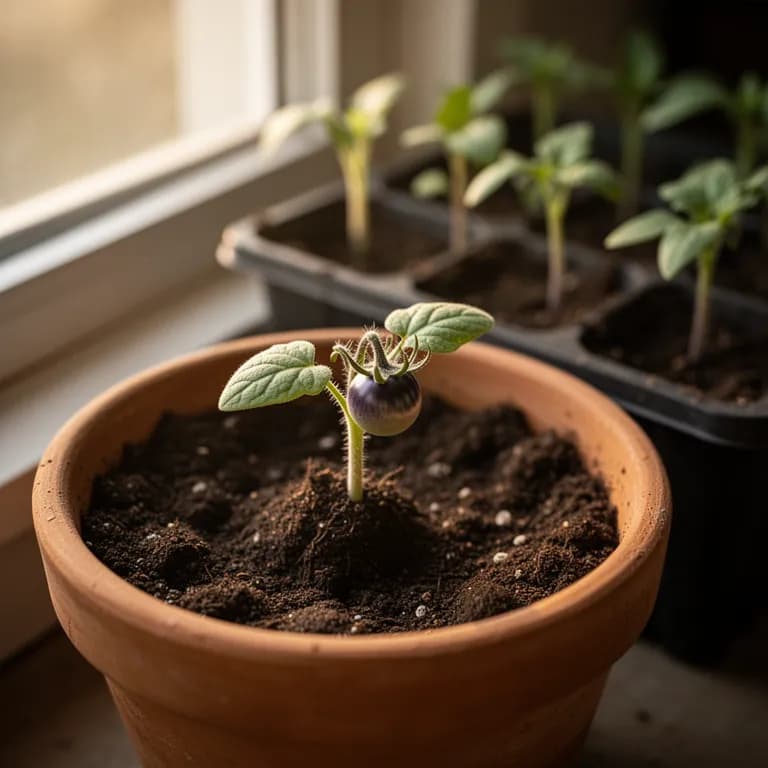
Las semillas germinan en 5-10 días en temperaturas óptimas. Las semillas de tomate Indigo Rose parecen iguales a las de un tomate normal, pero las plántulas pronto se distinguen por hipocótilos y tallos con tonos púrpura. Empieza las semillas en interior 6-8 semanas antes de la última helada, en un lugar cálido y bien iluminado.
Desarrollo de plántulas
Las hojas verdaderas desarrollan bordes aserrados y pueden mostrar una ligera coloración púrpura a lo largo de las nervaduras y los pecíolos, especialmente con luz intensa. El tallo se engrosa y el sistema radicular se expande rápidamente. Las plántulas deben pasarse a contenedores más grandes cuando tengan 2-3 pares de hojas verdaderas.
Crecimiento vegetativo
Después del trasplante al exterior, las plantas crecen con vigor como tipo indeterminado y producen largas enredaderas que requieren tutores, jaulas o espalderas. La pigmentación púrpura se vuelve prominente en los tallos y pecíolos. Los brotes laterales (chupones) se desarrollan con rapidez en cada axila foliar y deben manejarse para mantener la estructura de la planta.
Maduración del fruto
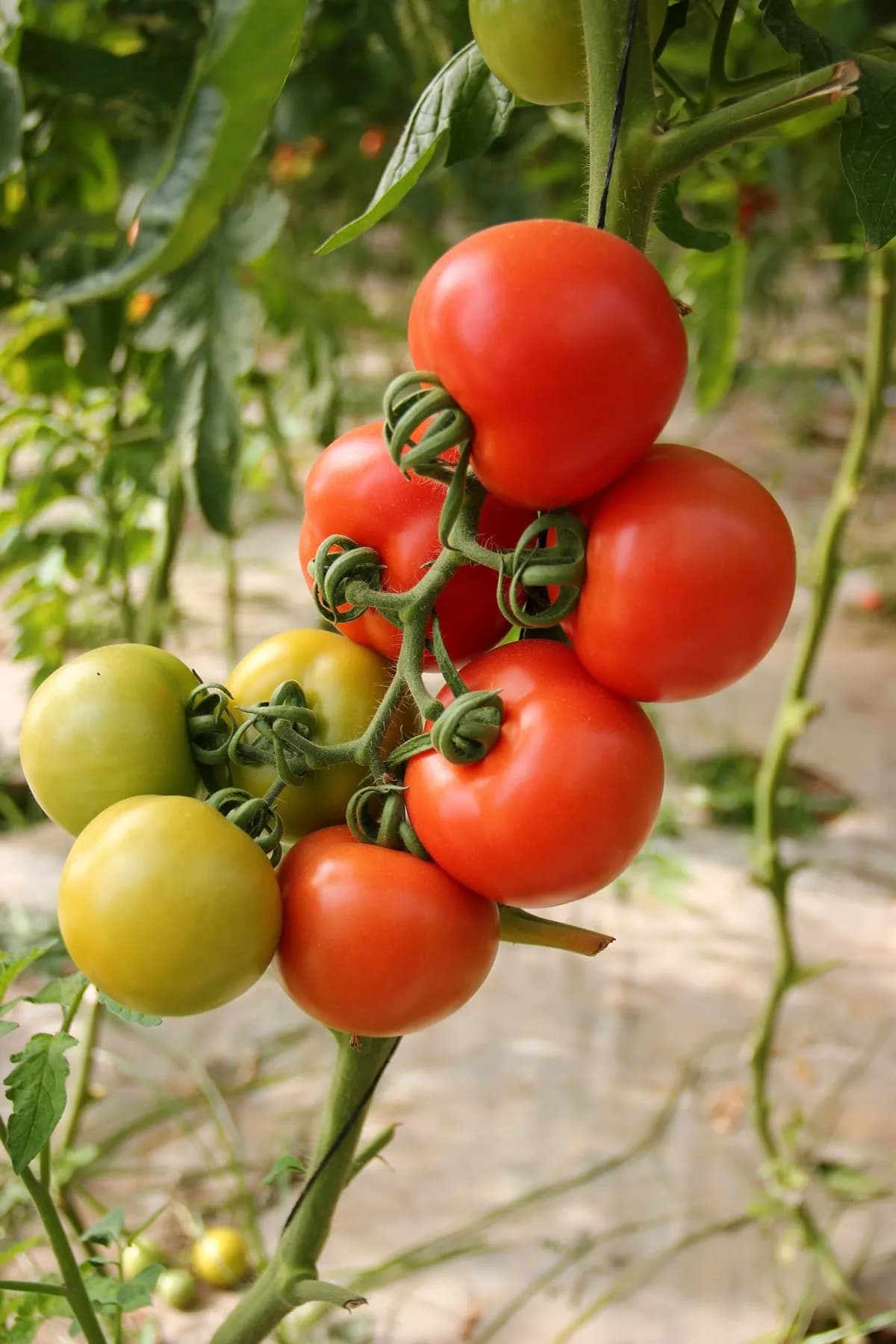
Los frutos maduran de abajo hacia arriba, desde el extremo floral. El indicador clave de madurez es que el extremo floral cambie de verde a rojo intenso o granate; los hombros púrpura-negros por sí solos no indican madurez. Los frutos maduros ceden un poco al presionarlos suavemente, como una ciruela madura. Cada fruto alcanza 4-6 cm de diámetro y pesa 30-60 gramos.
Después de la cosecha
Las plantas de tomate Indigo son anuales indeterminadas que siguen floreciendo y produciendo frutos hasta que la helada termina la temporada.
Cosecha prolongada
Como variedad indeterminada, Indigo Rose sigue floreciendo, cuajando y madurando frutos al mismo tiempo hasta que la helada mata la planta. La producción alcanza su pico en pleno verano y disminuye gradualmente a medida que acortan los días y bajan las temperaturas. Los frutos verdes de final de temporada pueden cosecharse y madurarse en interior antes de la primera helada.
Mantén la temperatura del sustrato en 21-27 °C (70-80 °F) usando una manta térmica para una germinación fiable. Siembra las semillas a 6 mm de profundidad en un sustrato estéril para semilleros y mantenlo húmedo de forma constante, pero no empapado. Proporciona luz intensa inmediatamente después de la emergencia para evitar que las plántulas se estiren.
Cuidar Tomate Indigo mes a mes
Qué hacer cada mes para tu Tomate Indigo
Octubre
Mes actualHarvest all remaining fruits before the first frost — green Indigo Rose tomatoes can be ripened indoors in a paper bag with a banana at room temperature. Pull plants after frost and compost healthy material. Save seeds from your best fruits if desired.
Ten claro qué hacer en tu huerto, cada mes
Un correo al empezar cada mes: qué sembrar, plantar y hacer ahora mismo — para tu Tomate Indigo y todo lo que crece alrededor. Más un breve curso inicial para esquivar los errores clásicos.
- Qué hacer ahora mismo
- Ajustado a tu temporada
- Curso inicial incluido
Cosechar Tomate Indigo
La madurez del Indigo Rose es más difícil de detectar que en tomates convencionales, ya que el color púrpura aparece antes de la madurez plena. El indicador clave es la parte inferior del fruto (que no recibe sol): cuando cambia de verde a rojo o rosado, el tomate está maduro. También debe ceder ligeramente a la presión suave. Generalmente tarda 75-85 días desde el trasplante.
se supone que plantas al comenzar el periodo — indica tu fecha real
Cosecha cuando el extremo floral cambie de verde a rojo o granate y el fruto ceda ligeramente al presionarlo con suavidad; durante el pico de producción cosecha cada 2-3 días.
Almacenamiento y conservación
Almacene a temperatura ambiente durante 5-7 días. No refrigere para mantener el sabor. Los tomates Indigo se prestan bien a la deshidratación, donde su color intenso se concentra. También se pueden conservar en aceite de oliva o preparar en salsas de color espectacular.
Qué falla — y cómo solucionarlo
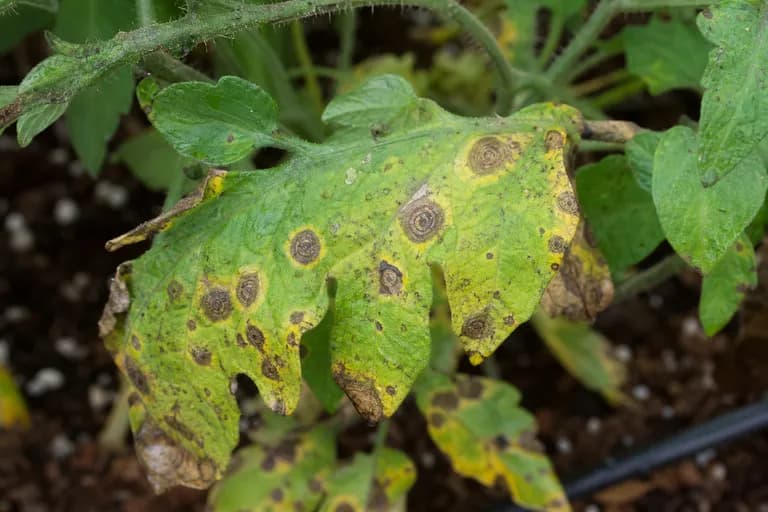
Tizón tardío (Phytophthora infestans)
EnfermedadManchas acuosas marrón oscuro que se expanden rápidamente en hojas y tallos en condiciones húmedas y frescas. Los frutos desarrollan lesiones firmes y marrones.
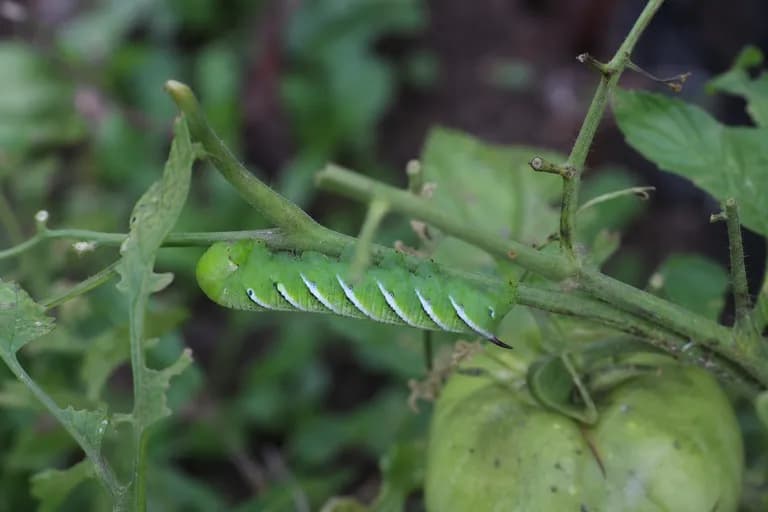
Araña roja (Tetranychus urticae)
PlagaPunteado amarillento fino en las hojas causado por la alimentación de ácaros diminutos en el envés. En infestaciones avanzadas, finas telarañas cubren las hojas y éstas se secan.
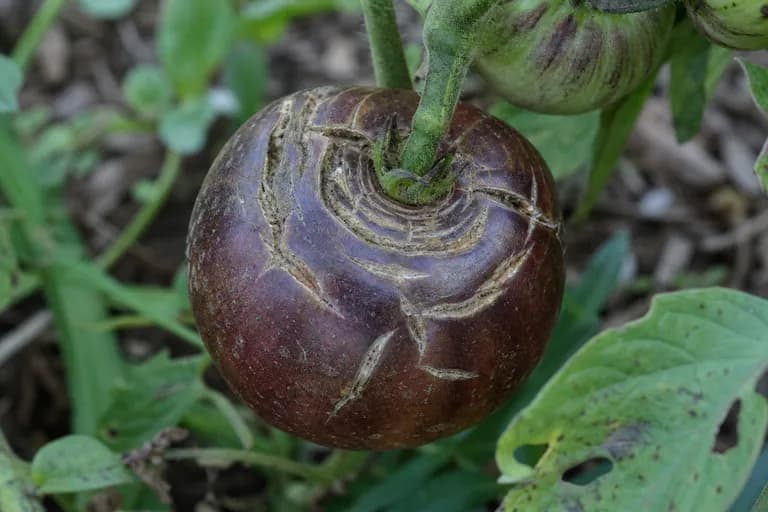
Virus del mosaico del tomate (TMV)
EnfermedadMoteado verde claro y oscuro en las hojas con deformación y enrollamiento. Los frutos pueden desarrollar manchas irregulares. El crecimiento se ralentiza.
Solución de problemas comunes
El mayor desafío es determinar el punto de madurez, ya que el color púrpura de las antocianinas aparece mucho antes de que el fruto esté maduro. Fíjese siempre en la parte inferior (sin sol) del fruto: debe ser roja o rosada, no verde. Los frutos que no reciben suficiente sol directo no desarrollan el color púrpura deseado. El sabor puede ser decepcionante en comparación con heirlooms clásicos.
Consejos de cultivo
- Learn to read ripeness correctly — this is the single most important skill for growing Indigo Rose. The purple-black color develops weeks before the fruit is actually ripe. Ignore the shoulders and check the blossom end: when it turns from green to deep red or maroon and the fruit yields slightly to a gentle squeeze, it is ready to pick.
- Maximize anthocyanin color by ensuring fruits receive direct sunlight. Prune excess foliage around developing fruit clusters to increase sun exposure. Shaded fruits will remain green or only lightly purple, missing the dramatic dark coloring that makes this variety special.
- Provide strong, consistent support from the beginning. Indigo Rose is a vigorous indeterminate variety that can easily reach 150-180cm tall with heavy fruit loads. A sturdy cage, tall stakes, or a string trellis system is essential — flimsy supports will collapse under the weight.
- Manage suckers strategically for the best balance of yield and fruit size. Prune to 2-3 main leaders by removing all suckers below the first flower cluster. Above the first cluster, allow selected strong suckers to become additional leaders but remove weak ones to prevent overcrowding.
- Water deeply and consistently at the base of the plant, never overhead. Inconsistent watering causes blossom end rot (a calcium uptake issue) and fruit cracking — both common problems with Indigo Rose. Drip irrigation or soaker hoses with 2.5-4cm of water per week is ideal.
- Rotate tomato planting locations every 3-4 years to break disease cycles. Indigo Rose is susceptible to the same fungal diseases as other tomatoes — early blight, late blight, and septoria leaf spot. Remove and destroy (do not compost) any leaves showing spots or yellowing.
- Feed regularly but avoid excessive nitrogen, which promotes lush foliage at the expense of fruiting. Start with balanced fertilizer at transplanting, then switch to a high-potassium formula (such as 5-10-10) once flowering begins to maximize fruit production and anthocyanin development.
- Harvest frequently to keep the plant productive. Like all indeterminate tomatoes, Indigo Rose produces more prolifically when ripe fruits are removed promptly. Leaving ripe fruits on the vine signals the plant to slow down flower and fruit production.
Cultiva tu mejor Tomate Indigo — y todo lo que la rodea.
Empieza un plan gratis hoy. Diseña tus bancales, coloca tu Tomate Indigo y deja que PlotMyGarden gestione el momento, el espaciado, las asociaciones y los recordatorios de la semilla a la cesta.
Elige tu Tomate Indigo
Indigo Rose
La variedad original de la Universidad de Oregón con piel negro-violácea y pulpa roja. Frutos de 30-60 g con alto contenido en antocianinas. 75-80 días.
Indigo Apple
Variedad más grande (100-200 g) con hombros violeta oscuro y base roja. Sabor más dulce y complejo que el Indigo Rose original. 80-85 días.
Blue Beauty
Cruce entre tomate azul e heirloom con frutos grandes (150-300 g) de hombros púrpura y base roja. Sabor excepcional con notas frutales. 80-90 días.
Dancing with Smurfs
Tomate cherry indigo con frutos pequeños (15-25 g) de color negro-azulado intenso. Muy productivo en racimos. Dulce y sabroso. 70-75 días.
Indigo Rose and other specialty purple tomatoes are premium products at farmers markets, typically selling for $8-14 per pound — two to three times the price of standard red tomatoes — due to their novelty and antioxidant reputation. A single plant costing $3-5 as a transplant (or pennies from seed) can produce 4-9 pounds of fruit worth $35-125 at market prices. Growing 3-4 plants provides a substantial summer supply of these luxury tomatoes and saves $100-400 compared to purchasing them. Seeds saved from your harvest eliminate even the minimal seed cost in subsequent years.
Recetas rápidas
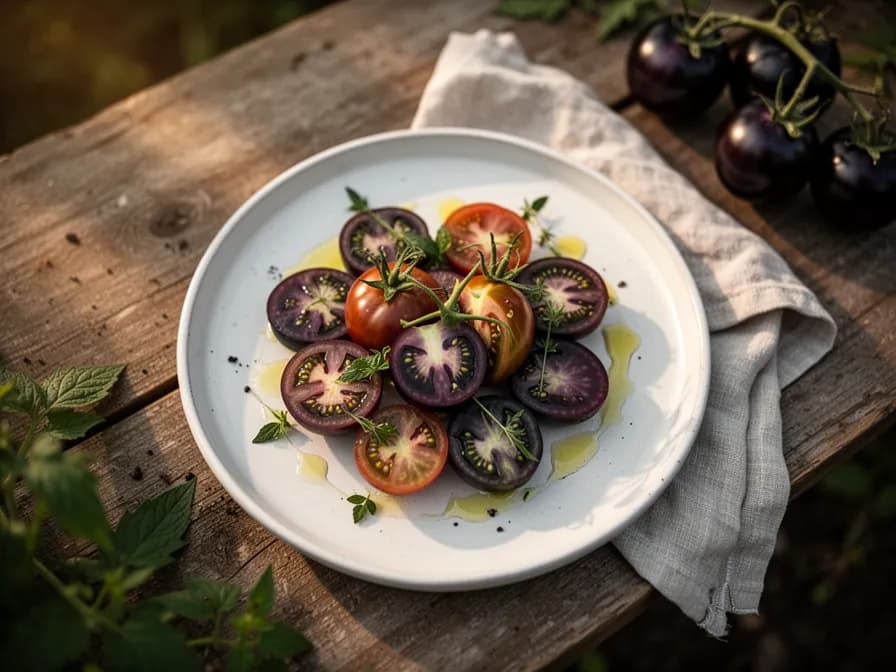
Indigo Rose Caprese Salad
10 minA stunning twist on the classic Caprese that showcases the dramatic purple-black skin of Indigo Rose tomatoes against white mozzarella and green basil. The visual contrast is extraordinary, and the slightly sweet, complex flavor of these tomatoes elevates the simple dish.
6 ingredientesRoasted Indigo Tomato Bruschetta
25 minSlow-roasting concentrates the naturally sweet, slightly plummy flavor of Indigo Rose tomatoes and deepens their color to an almost black gem-like appearance. Piled on crusty bread with garlic and fresh herbs, this bruschetta is both visually spectacular and deeply satisfying.
7 ingredientesPurple Tomato and Red Onion Jam
45 minA savory-sweet jam that transforms Indigo Rose tomatoes into a gorgeous dark preserve. The anthocyanin-rich skin adds a unique depth of color and a subtle berry-like complexity. Exceptional with aged cheeses, grilled meats, or spread on a sandwich.
8 ingredientesUsos culinarios
Los tomates Indigo aportan un espectáculo visual impresionante en cualquier plato. Cortados por la mitad, revelan el contraste entre la piel púrpura y la pulpa roja. Son ideales en ensaladas mixtas con tomates de diferentes colores, en bruschettas donde su color oscuro crea un contraste dramático, y como guarnición decorativa. Su sabor, aunque no tan excepcional como el de los heirlooms clásicos, es agradable y mejora con la madurez plena.
Qué contiene
Beneficios para la salud
- Exceptionally rich in anthocyanins — the same class of antioxidants found in blueberries and blackberries — which have been shown in clinical studies to support cardiovascular health by improving blood vessel function and reducing inflammation.
- Contains high levels of lycopene, a carotenoid antioxidant strongly linked to reduced risk of prostate cancer, heart disease, and macular degeneration. The combination of anthocyanins and lycopene in a single fruit is nutritionally unique.
- The anthocyanin-rich skin has demonstrated anti-inflammatory properties in laboratory studies, potentially helping to reduce chronic low-grade inflammation associated with metabolic syndrome, arthritis, and age-related conditions.
- Good source of vitamin C, supporting immune function, collagen production, and iron absorption. The vitamin C content also helps protect the anthocyanins from degradation during digestion, improving their bioavailability.
- Provides potassium, which helps regulate blood pressure by counteracting the effects of dietary sodium. Adequate potassium intake is associated with reduced risk of stroke and kidney stones.
- Research at Oregon State University found that anthocyanin-rich tomatoes like Indigo Rose extended the lifespan of cancer-prone laboratory mice, suggesting potential protective effects that are now being studied in human clinical trials.
De dónde viene Tomate Indigo
Indigo Rose is a modern open-pollinated tomato variety born from a pioneering breeding program at Oregon State University, led by plant geneticist Dr. Jim Myers. The project began in the early 2000s with the goal of introducing health-promoting anthocyanin pigments — the powerful antioxidants responsible for the dark colors of blueberries, blackberries, and purple grapes — into the edible portion of tomatoes. Wild tomato species, particularly Solanum chilense from Chile and Solanum cheesmaniae from the Galapagos Islands, naturally produce anthocyanins in their fruit skin as protection against intense UV radiation at high altitudes and equatorial latitudes. These wild species, however, produce tiny, often bitter or inedible fruits entirely unsuitable for the kitchen.
Dr. Myers and his team spent over a decade making traditional crosses between these wild anthocyanin-producing species and cultivated tomato lines, then selecting generation after generation for improved flavor, fruit size, and stable purple pigmentation. The breeding process involved no genetic modification — only conventional pollination and selection techniques used by plant breeders for centuries. Thousands of individual plants were evaluated over the years before a stable line emerged that combined reliably dark purple-black skin with acceptable flavor, yield, and garden performance.
Indigo Rose was officially released to the public in 2012 and immediately generated enormous interest from gardeners and food enthusiasts worldwide. It was the first tomato variety available to home growers with true anthocyanin pigmentation in the fruit skin, and it opened the door for an entire new class of purple and dark-skinned tomato breeding. Since its release, Indigo Rose has inspired dozens of subsequent varieties from breeders around the world — including larger-fruited types like Indigo Apple and Blue Beauty — all tracing their anthocyanin genetics back to the Oregon State University program. The variety remains one of the most popular specialty tomatoes grown in home gardens today, valued for its striking appearance, unique antioxidant profile, and reliable open-pollinated genetics.
Tomate Indigo: ¿sabías que?
Datos fascinantes sobre Tomate Indigo
Indigo Rose was the first truly purple-skinned tomato ever released to home gardeners, developed by Dr. Jim Myers at Oregon State University and officially introduced in 2012 after over a decade of traditional crossbreeding — no genetic modification was involved.
Tomate Indigo: preguntas frecuentes
¿Cuándo debo plantar Tomate Indigo?
¿Cuáles son buenas plantas acompañantes para Tomate Indigo?
¿En qué zonas de rusticidad puede crecer Tomate Indigo?
¿Cuánto sol necesita Tomate Indigo?
¿A qué distancia debo espaciar Tomate Indigo?
¿Qué plagas y enfermedades afectan a Tomate Indigo?
¿Cómo almaceno Tomate Indigo después de la cosecha?
¿Cuáles son las mejores variedades de Tomate Indigo para cultivar?
¿Qué suelo necesita Tomate Indigo?
How do I tell when Indigo Rose tomatoes are ripe?
Do Indigo Rose tomatoes really have the same antioxidants as blueberries?
Why are some of my Indigo Rose tomatoes more purple than others?
Is Indigo Rose a GMO tomato?
What do Indigo Rose tomatoes taste like compared to regular tomatoes?
Can I save seeds from my Indigo Rose tomatoes?
Acabas de leer la teoría. Ahora cultívala en piloto automático.
Todo lo que hace que Tomate Indigo sea delicado — el momento, el espaciado, las asociaciones, la ventana de cosecha — es justo lo que PlotMyGarden resuelve por ti, para cada planta de tu huerto.
Un plan que conoce tu clima
Indica tu ubicación una vez. Recibe fechas de siembra, abonado y cosecha basadas en tu última helada real y el pronóstico en vivo — sin adivinar con un sobre genérico.
De la sección “Cuándo plantar”Planificador de bancales de arrastrar y soltar
Diseña bancales sobre una cuadrícula. Cada planta encaja con su espaciado correcto y ves toda la temporada antes de gastar un céntimo en semillas.
De la sección “Cultivo”Conflictos de asociación, detectados a tiempo
Más de 200 buenas y malas combinaciones comprobadas en vivo mientras plantas — para que un error que arruine la temporada nunca llegue a la tierra.
De la sección “Asociaciones”Recordatorios que sí vas a seguir
“Riega las judías.” “Recoge hoy antes de que se pase.” Oportunos, concretos y ligados a las plantas que de verdad cultivas.
De la sección “Cosecha”Escalonado, programado
¿Quieres cosechar seis semanas en vez de seis días? Reparte tus siembras automáticamente y te avisa cuando toca el siguiente lote.
De la sección “Cuándo plantar”Un registro que se vuelve más listo
Cada cosecha que registras le enseña tu huerto. El plan del año que viene parte de lo que de verdad funcionó en tu suelo, no en un manual.
De la sección “Resumen”Planta estos junto a Tomate Indigo
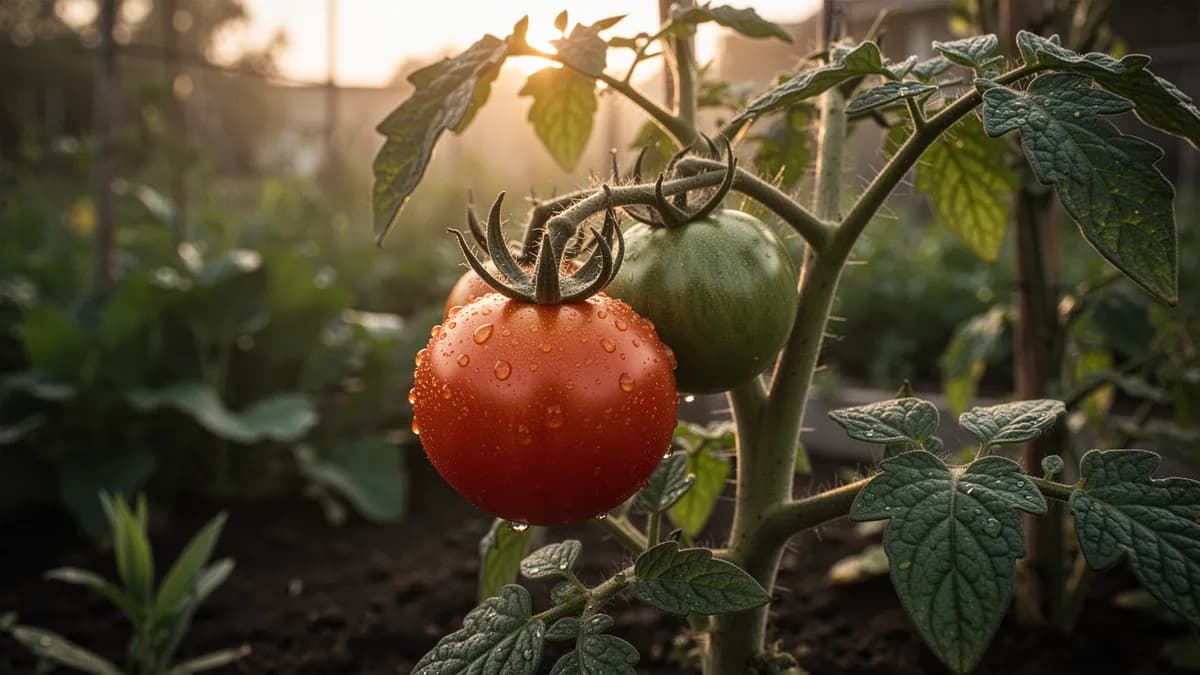
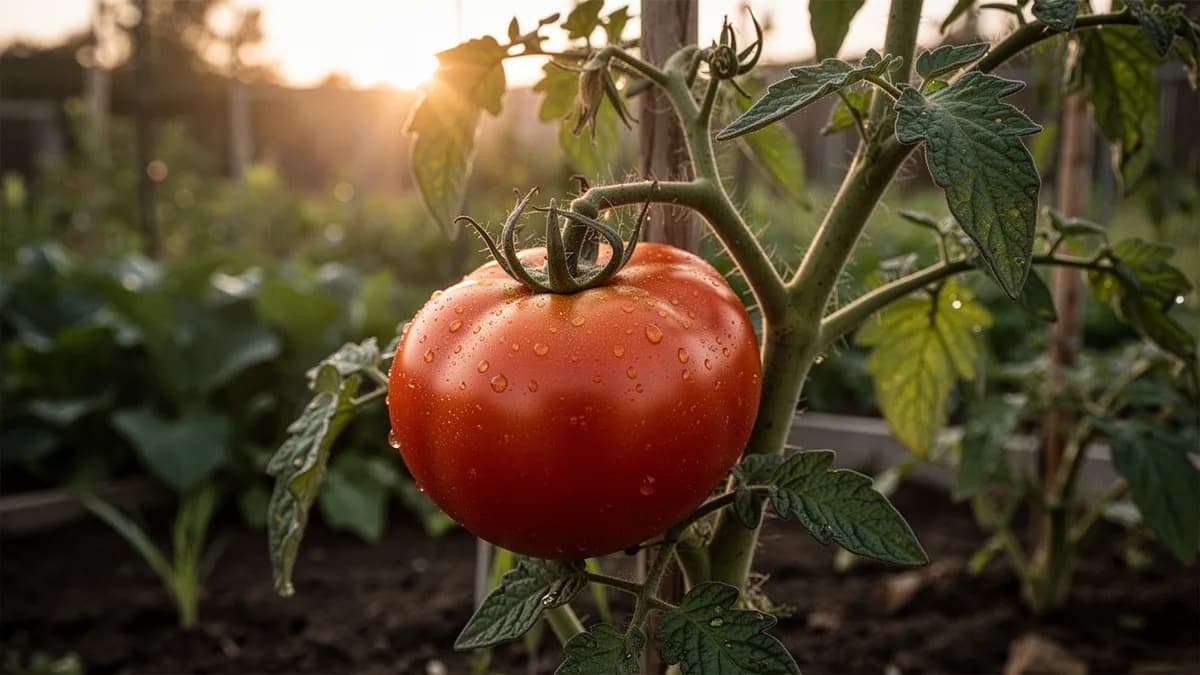
Más Solanáceas
Mantén Tomate Indigo lejos de estos
Diseños de jardín con Tomate Indigo
Cultiva tu mejor Tomate Indigo — y todo lo que la rodea.
Empieza un plan gratis hoy. Diseña tus bancales, coloca tu Tomate Indigo y deja que PlotMyGarden gestione el momento, el espaciado, las asociaciones y los recordatorios de la semilla a la cesta.