Heirloom Tomato
Open-pollinated varieties passed down through generations, prized for exceptional flavor diversity and unusual colors.





On this pageOverview
Meet Heirloom Tomato
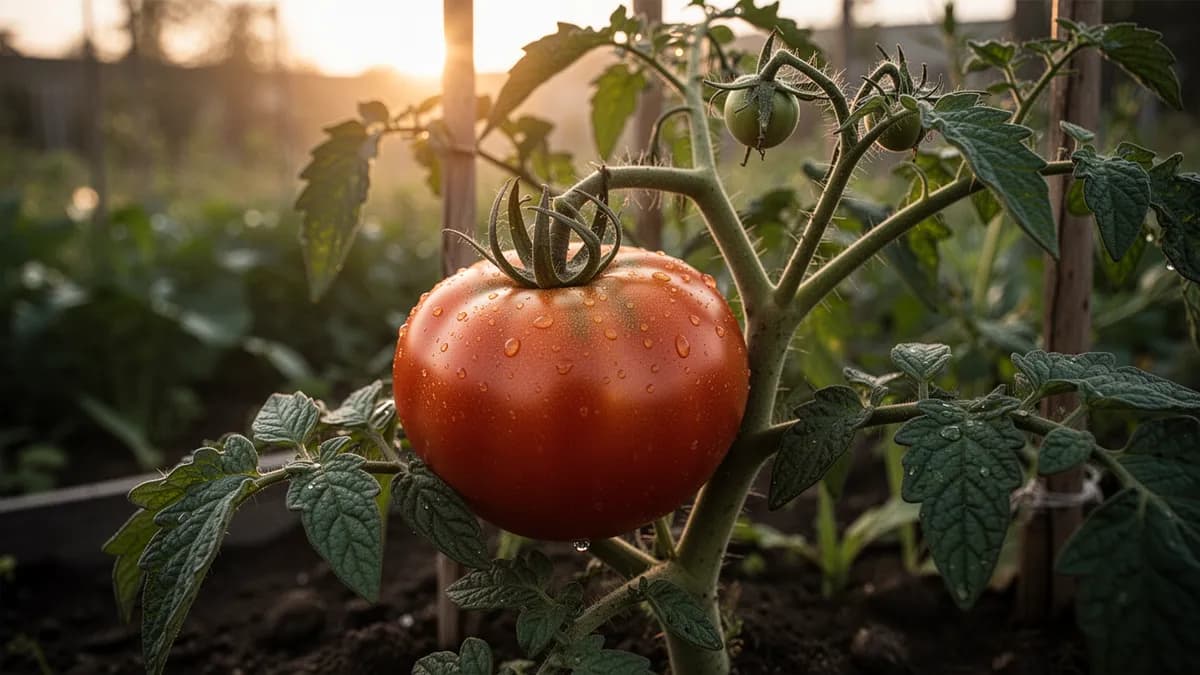
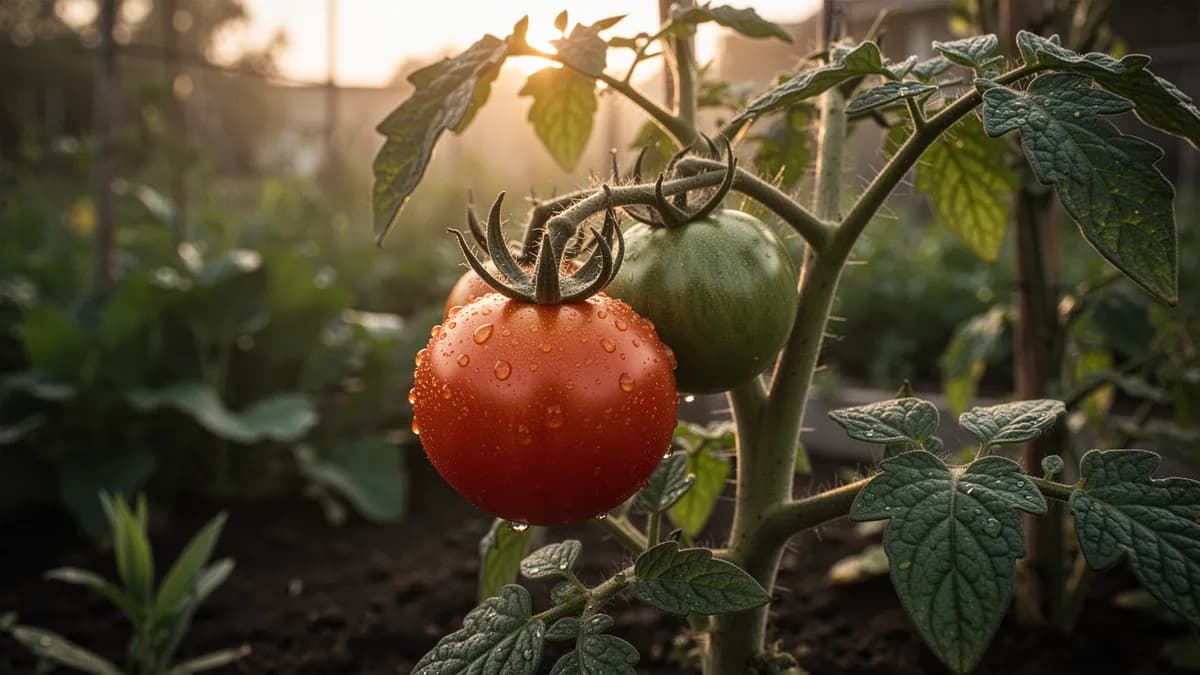
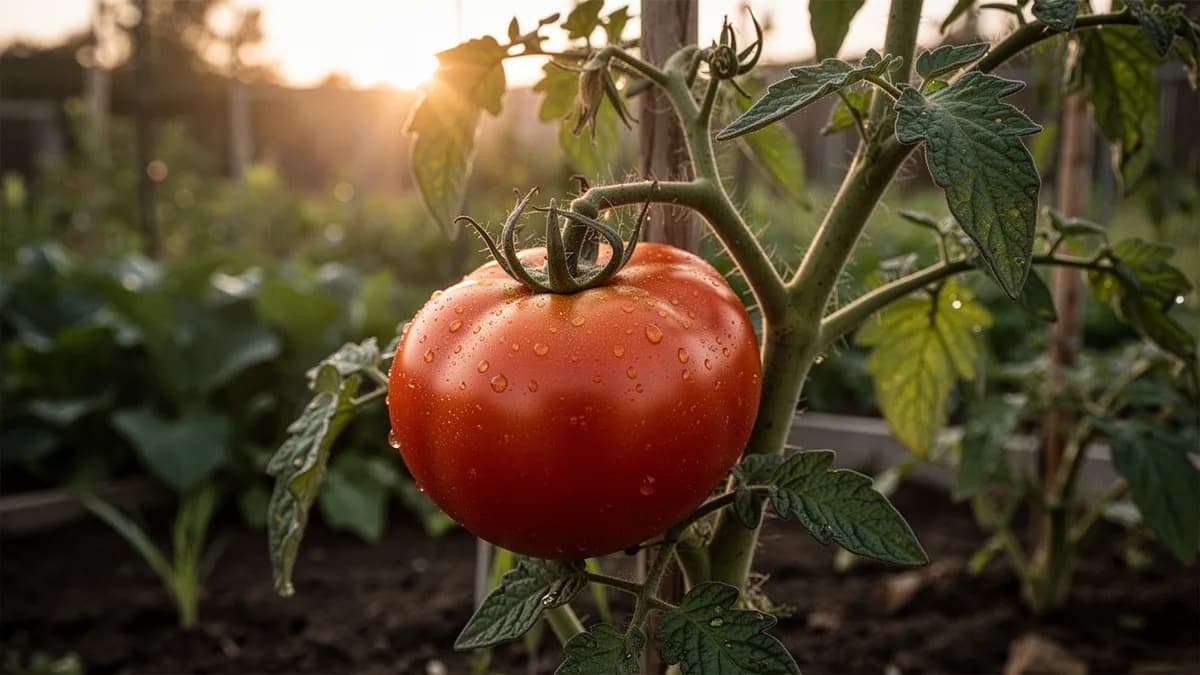
Open-pollinated varieties passed down through generations, prized for exceptional flavor diversity and unusual colors. Heirloom tomatoes come in shades of red, pink, yellow, green, purple, and striped combinations. They are often less disease resistant than modern hybrids and may need extra attention to prevent common tomato diseases. Save seeds from your best fruits each year to continue these living pieces of agricultural heritage.
When to plant Heirloom Tomato
Heirloom tomato seeds are open-pollinated, meaning you can save seeds from your harvest each year and they will grow true to type — this is one of the great advantages of growing heirlooms. Start seeds indoors 6-8 weeks before the last frost, sowing 6mm deep at 24-29°C (75-85°F). Germination takes 5-14 days (some heirlooms are slower than hybrids). Provide 14-16 hours of strong light. Pot up when first true leaves appear. Harden off for 10-14 days before transplanting. Bury stems deeply at transplanting. For seed saving, allow fruits to ripen fully on the vine, scoop seeds into water, ferment for 2-3 days until a mold forms on top, rinse clean, and dry on paper plates for 1-2 weeks.
Your Heirloom Tomato Year
Composed for Zone 7 · typical seasons · frost passes Apr 2, returns Nov 1
Plant Heirloom Tomato Feb – May, pick Jul – Sep. Check the planting methods below and set your climate to personalize these windows.
How to grow Heirloom Tomato
Heirloom tomatoes are open-pollinated varieties that have been saved and passed down for at least 50 years, cherished for their extraordinary flavor diversity, unusual colors, and unique shapes that modern hybrids cannot match. Growing heirlooms requires more attentive care than hybrids because they generally lack built-in disease resistance genes. Start seeds indoors 6-8 weeks before the last frost at 24-29°C (75-85°F), keeping in mind that many heirloom varieties take 75-95 days from transplant to first harvest.
Most heirlooms are indeterminate and grow vigorously, requiring tall stakes (1.8m) or heavy cages. Space plants 60-90 cm apart with generous airflow between them, as heirlooms are particularly susceptible to foliar diseases. Prune to 2-3 main stems for better air circulation, earlier ripening, and larger individual fruits. Remove all leaves below the first fruit cluster to reduce disease splash from rain.
The keys to successful heirloom growing are proactive disease management and consistent watering. Mulch heavily with straw to prevent soil-borne pathogen splash onto leaves. Water only at the base with drip irrigation. Apply copper fungicide preventively every 7-10 days during humid weather. Many heirloom varieties are prone to cracking, catfacing, and irregular shapes — these are cosmetic issues that do not affect flavor. The reward for extra vigilance is unmatched flavor complexity: from the dusky sweetness of Cherokee Purple to the perfectly balanced acidity of Brandywine to the tropical brightness of Pineapple tomato.
3 plants fit a 4 × 8 ft bed
Each Heirloom Tomato wants 75 cm of elbow room. The planner keeps that spacing for you — every plant, every bed.
Heirloom Tomato's best neighbours
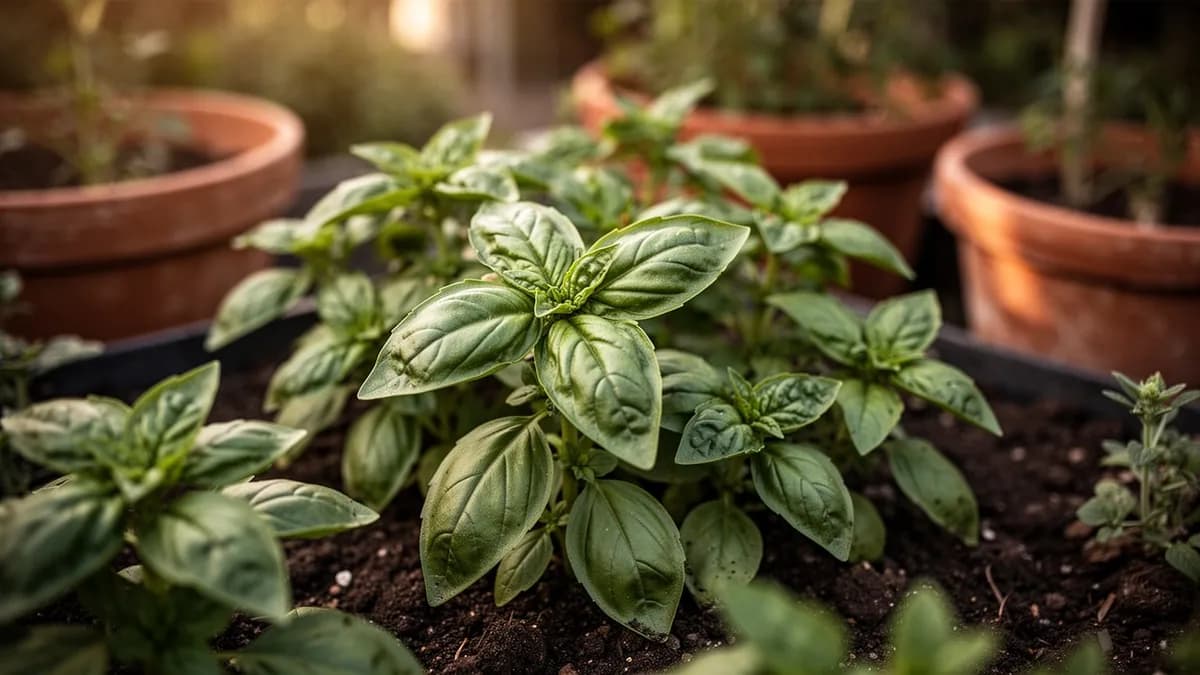
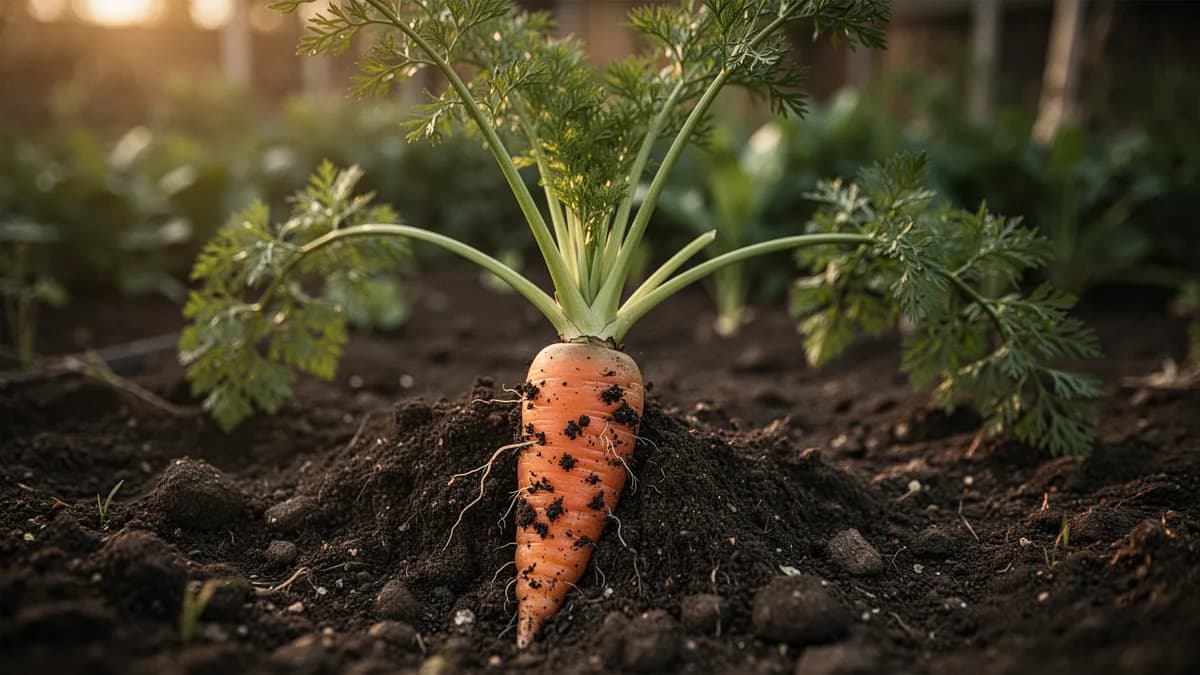
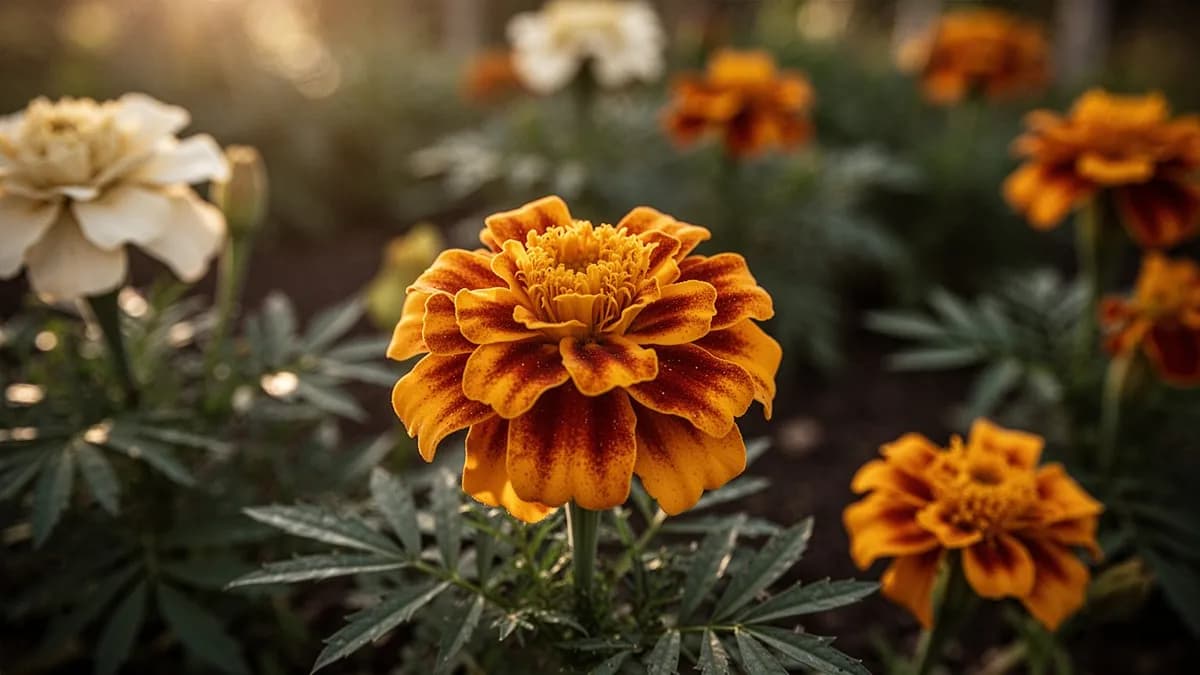
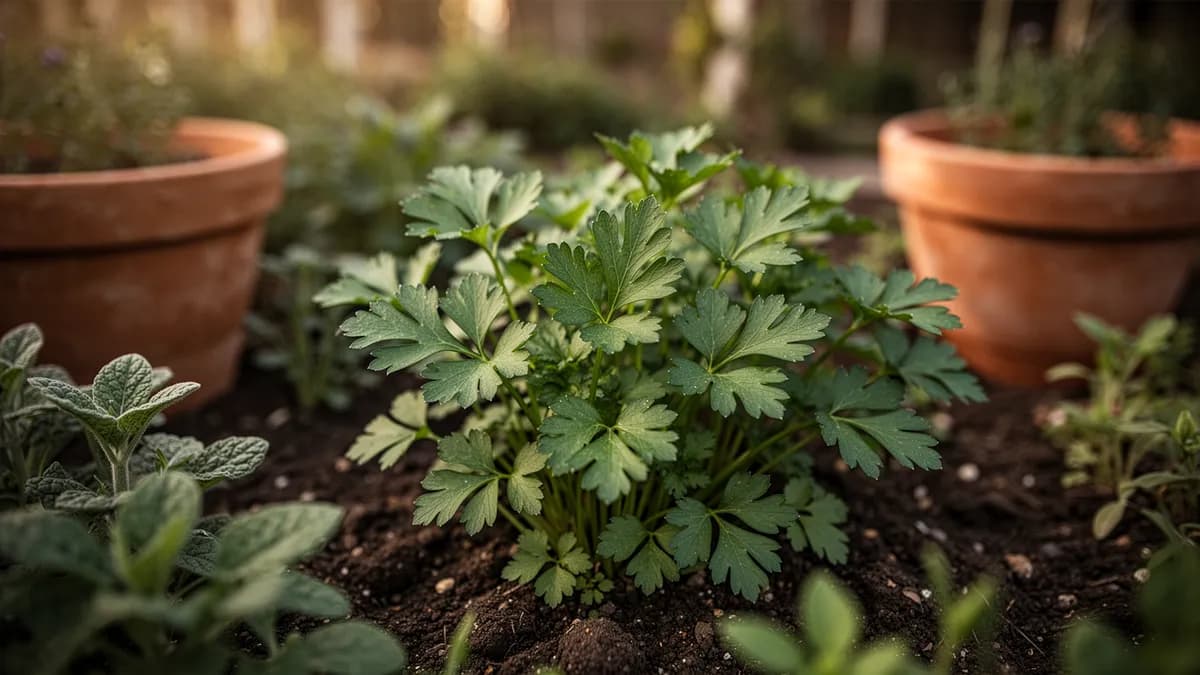
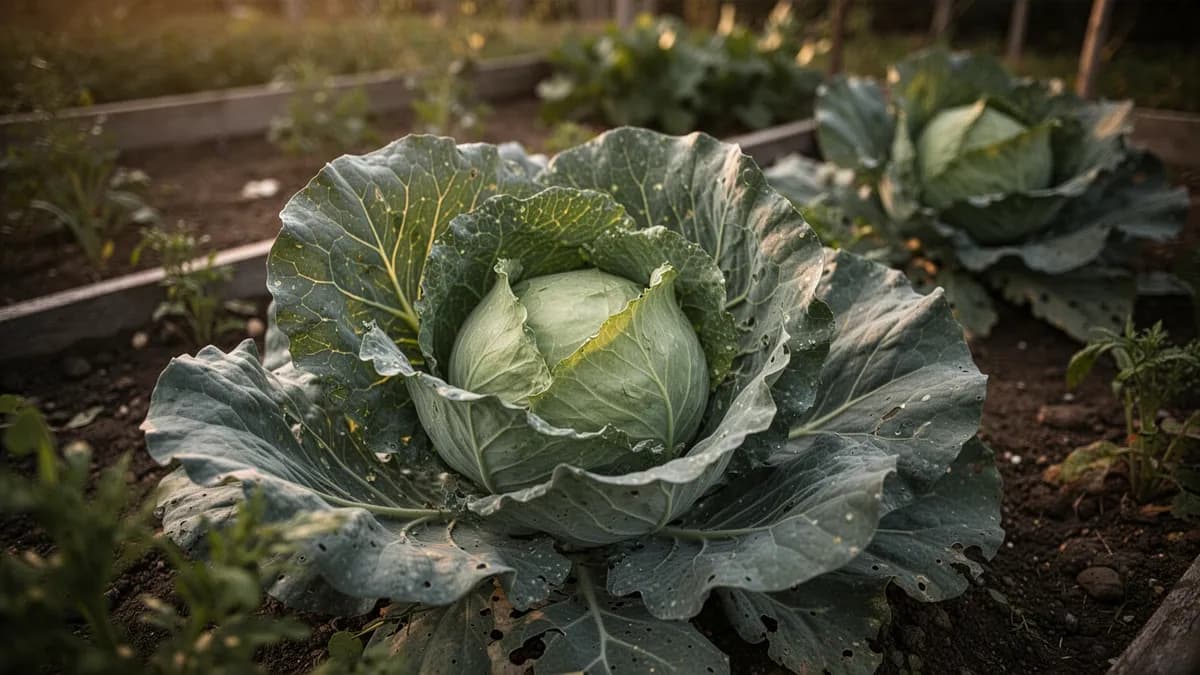
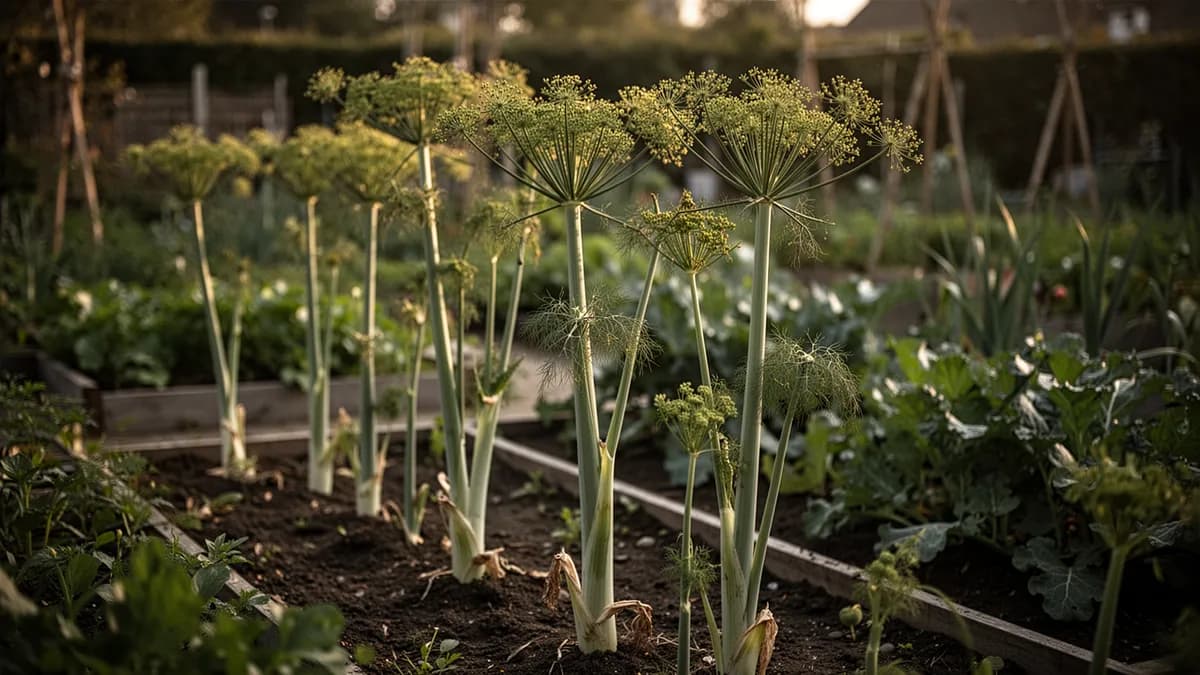
Basil is the traditional heirloom tomato companion, believed to enhance flavor and repel aphids. Carrots and parsley are compatible neighbors that attract beneficial insects without competing for nutrients. Marigolds suppress root-knot nematodes. Borage attracts pollinators and is said to improve tomato flavor and pest resistance. Avoid planting near cabbage family crops and fennel. Space heirlooms generously from each other for air circulation, and if saving seeds, maintain at least 3 meters between different varieties to minimize cross-pollination.
Basil belongs beside it. Cabbage doesn't.
Old growers' knowledge, checked against Heirloom Tomato's real companion table below — test any plant you're growing.
Try Heirloom Tomato in a bed — right here
A real planner bed with Heirloom Tomato already in it. Tap a companion to place it and watch the pairing checks answer — green for good neighbours, red for a clash.


Related growing guides
Feed it well
Heirloom tomatoes need deeply fertile, well-drained soil with a pH of 6.2-6.8. Amend generously with aged compost and a balanced organic fertilizer at planting. Because heirlooms lack the vigor-enhancing traits bred into hybrids, they benefit from richer soil preparation. Apply a low-nitrogen, high-potassium fertilizer (5-10-10) when fruiting begins to enhance flavor development. Calcium is essential — incorporate gypsum or bone meal before planting. Side-dress with compost tea every 2 weeks during the growing season. Avoid synthetic high-nitrogen fertilizers, which produce lush growth that is more susceptible to the diseases heirlooms already struggle with.
Ideal Temperature
Hardiness Zone Compatibility
From seed to harvest, stage by stage
Seed Starting
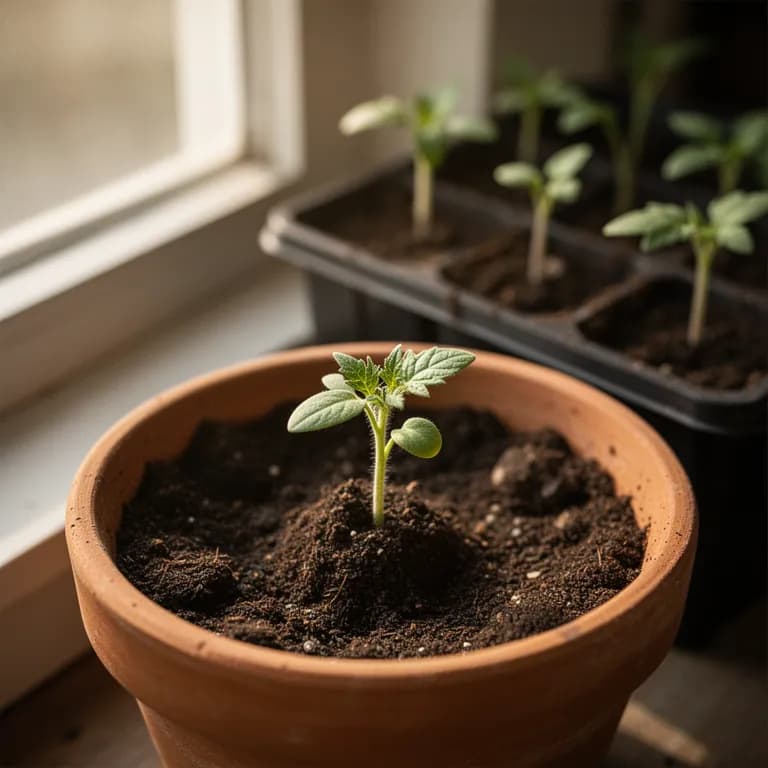
Seeds germinate in warm conditions, with a tiny radicle root emerging first, followed by the hypocotyl arch pushing cotyledon leaves above the soil surface. Heirloom varieties may germinate more slowly and less uniformly than modern hybrids, taking 7-14 days at optimal temperatures of 24-29°C (75-85°F). The cotyledons are elongated, smooth, and pale green.
Seedling Growth
True leaves develop with the characteristic tomato leaf shape — compound, serrated, and covered in fine, aromatic trichomes. The stem thickens and develops a slightly purple tint in many heirloom varieties. Potato-leaf varieties like Brandywine produce smooth-edged, larger leaflets that are distinctly different from regular-leaf types. Seedlings should be potted up to larger containers when roots fill their cells.
Transplant and Establishment
After 10-14 days of hardening off, seedlings are transplanted to the garden once nighttime temperatures consistently stay above 10°C (50°F). The stem is buried deeply — up to two-thirds of its length — to encourage extensive adventitious root formation along the buried stem. The plant focuses on root development for the first 1-2 weeks after transplanting.
Vegetative Growth and Flowering
Indeterminate heirloom vines grow rapidly, producing new leaves, suckers, and flower clusters simultaneously. The first flower clusters appear and small green fruits begin to set. The plant may reach 1-1.5 meters during this phase. Pruning to 2-3 main stems improves air circulation and directs energy toward fewer but larger fruits.
Fruit Development
Green fruits swell and mature over 4-6 weeks, gradually developing their variety-specific color from the blossom end upward. Heirloom fruits grow large — Brandywine and Pineapple can exceed 500g per fruit. The plant continues flowering and setting new fruit clusters while earlier fruits ripen. Cracking and catfacing may appear on developing fruits, especially after heavy rain.
Harvest Season
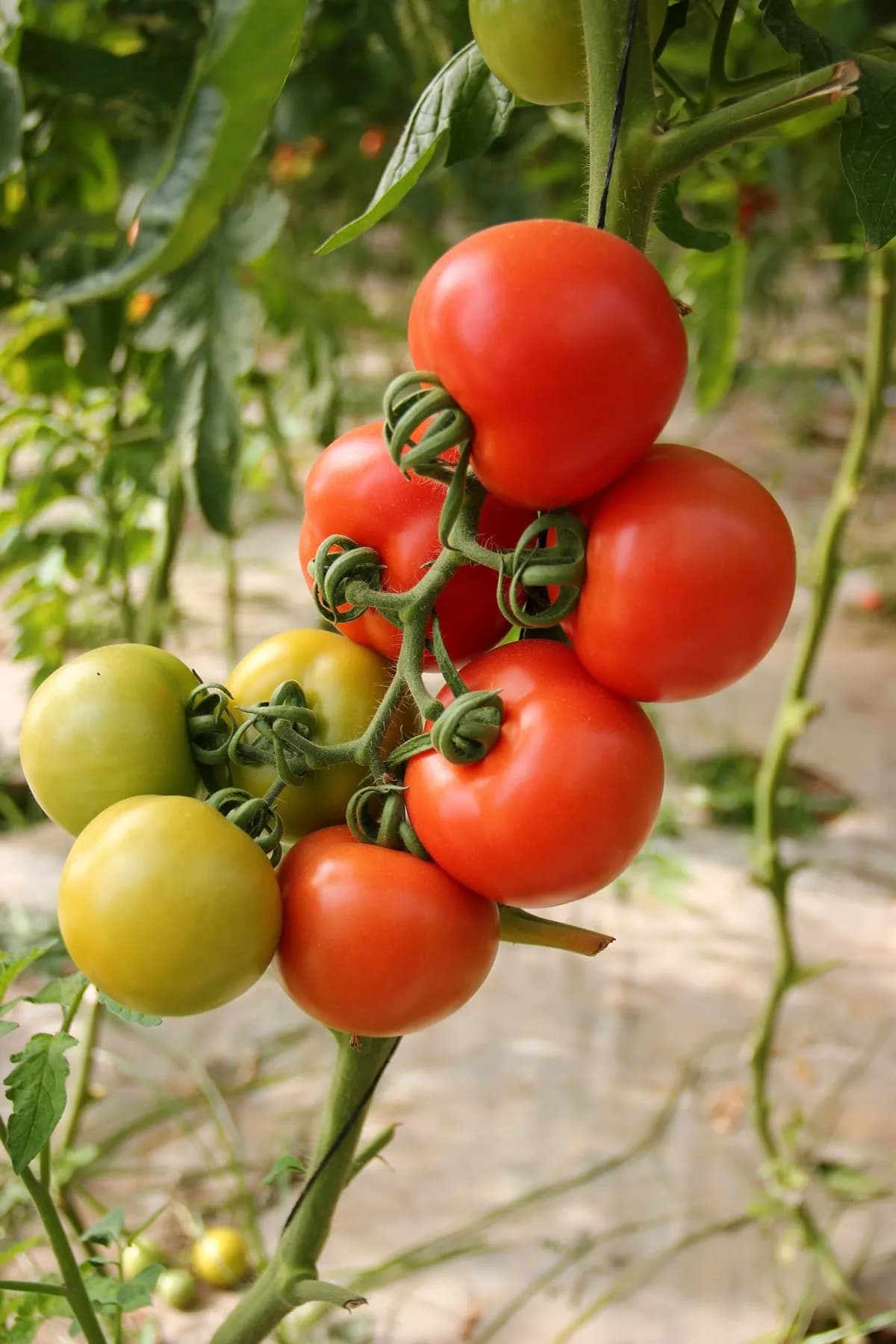
Fruits reach full maturity at their variety-specific color — deep pink for Brandywine, dusky purple-brown for Cherokee Purple, yellow-green striped for Green Zebra. Flavor peaks when fruits are fully vine-ripened and slightly soft to gentle pressure. Indeterminate plants continue producing new fruits until frost kills the vines, providing weeks of continuous harvest.
Maintain consistent warmth of 24-29°C (75-85°F) using a heat mat. Do not let the soil dry out during germination. Once seedlings emerge, immediately provide 14-16 hours of strong light to prevent leggy, weak growth.
Caring for Heirloom Tomato month by month
What to do each month for your Heirloom Tomato
October
You are hereFinal harvests in most zones before frost. Pick all remaining green tomatoes before the first hard frost — ripen indoors in a paper bag with a banana. Pull spent vines and discard any diseased material (do not compost). Clean and store stakes and cages.
Know exactly what to do in your garden — every month
One email at the start of each month: what to sow, plant, and tackle right now — for your Heirloom Tomato and everything growing around it. Plus a short starter course that helps you dodge the classic mistakes.
- What to do, right now
- Matched to your season
- Starter course included
Harvesting Heirloom Tomato
Heirloom tomatoes reach peak flavor when fully vine-ripened at the variety-specific color — this varies dramatically from deep red (Brandywine Pink) to green-when-ripe (Green Zebra) to dark purple-brown (Black Krim). Learn the mature color of each variety you grow, as harvesting too early misses the complex flavor development that makes heirlooms special. Heirlooms are softer when ripe than hybrids, so handle gently to avoid bruising. Harvest with scissors or pruners rather than twisting to avoid tearing branches. Many heirlooms crack easily, so harvest promptly after rain. Use immediately for best flavor or within 2-3 days at room temperature.
assuming you plant when the window opens — set your real date
Pick Heirloom Tomato promptly and the plant keeps producing.
Storage & Preservation
Store at room temperature away from direct sunlight — never refrigerate heirloom tomatoes, as cold destroys the complex volatile compounds that create their exceptional flavor. Use within 2-3 days of harvest, as heirlooms are softer and more perishable than hybrids. For preserving, can whole or crushed with citric acid in water bath canner. Heirlooms make outstanding fresh-packed salsa and gazpacho. Freeze whole for winter cooking — wash, core, and freeze on sheets. For seed saving, scoop seeds from your best fully-ripe fruit into a jar with water, ferment for 3 days, rinse clean, and dry thoroughly. Properly saved heirloom seeds remain viable for 4-5 years.
What goes wrong — and the fix
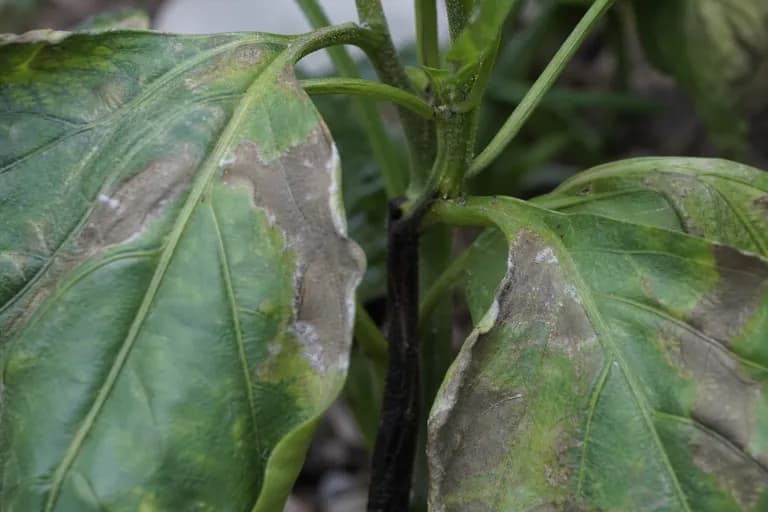
Late Blight
DiseaseLarge, dark, water-soaked lesions spread rapidly on leaves, stems, and fruits in cool, wet conditions. White fuzzy growth on leaf undersides. Heirlooms are devastated since they lack resistance genes found in modern hybrids.
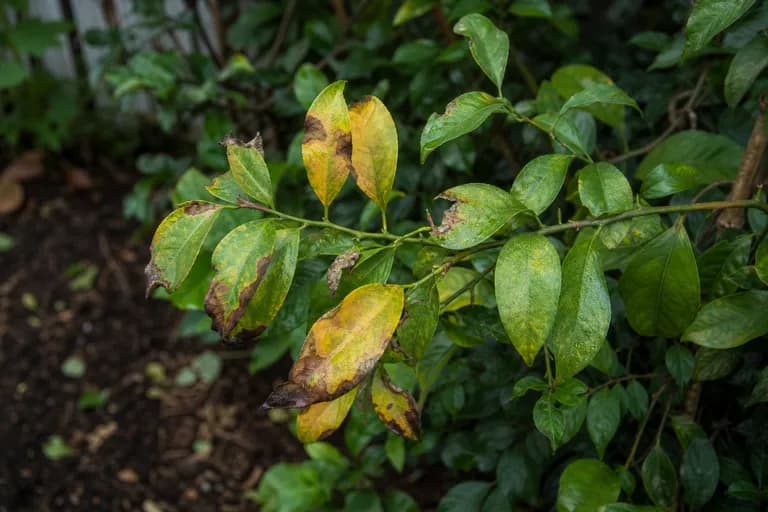
Verticillium Wilt
DiseaseLower leaves develop V-shaped yellowing starting from the leaf margin. Wilting occurs on one side of the plant initially. Brown vascular discoloration visible when stems are cut lengthwise. Plants slowly decline over weeks.
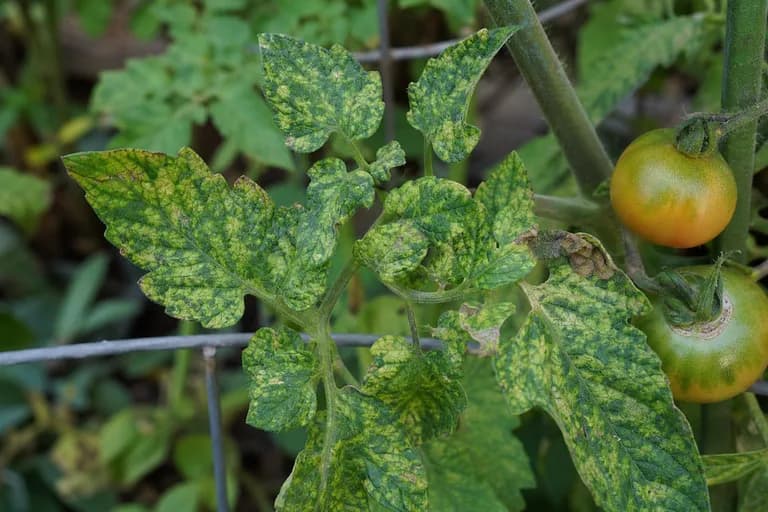
Tobacco Mosaic Virus
DiseaseLeaves develop a light and dark green mosaic mottling pattern. Growth is stunted. Fruits may show uneven ripening or brown streaks internally. The virus is extremely stable and can survive on surfaces for years.
Troubleshooting Common Problems
Lower disease resistance than hybrids is the primary challenge — proactive prevention with copper fungicide and good cultural practices (mulching, drip irrigation, air circulation) is essential. Lower yields than modern hybrids are normal — heirlooms were selected for flavor, not productivity. Cracking and catfacing are common cosmetic issues that do not affect flavor. Irregular shapes and sizes are characteristic, not defects. Soft texture at ripeness means heirlooms bruise easily and have a shorter shelf life than hybrids. Some varieties (especially Brandywine) set fruit poorly in very hot weather above 35°C (95°F).
Growing Tips
- Bury the stem deeply at transplanting — remove lower leaves and bury up to two-thirds of the plant. Every buried node produces adventitious roots, creating a massive root system that improves drought tolerance, nutrient uptake, and overall plant vigor.
- Prune indeterminate heirlooms to 2-3 main stems by removing suckers (the shoots that emerge in the crotch between the main stem and leaf branches). This improves air circulation, reduces disease pressure, and directs energy toward fewer but larger, better-flavored fruits.
- Mulch with 10-15 cm of straw, shredded leaves, or wood chips around the base of plants. Mulch prevents soil-borne disease spores from splashing onto lower leaves during rain — the single most effective cultural practice for preventing early blight and septoria leaf spot.
- Water exclusively at the base using drip irrigation or soaker hoses — never overhead. Wet foliage is the primary vector for fungal disease spread, and heirlooms lack the disease resistance genes that help hybrids tolerate occasional foliage wetting.
- Apply copper fungicide preventively every 7-10 days beginning at transplanting in humid climates. Waiting until disease symptoms appear is too late — once fungal infections establish on heirloom leaves, they spread rapidly due to the lack of genetic resistance.
- Remove all leaves below the lowest fruit cluster once fruits begin to set. These lower leaves contribute little to photosynthesis but serve as entry points for soil-borne diseases. Removing them also improves air circulation at the base of the plant.
- Grow multiple heirloom varieties to spread disease risk and extend the harvest window. Different varieties have different levels of tolerance to various diseases, so a diverse planting ensures some harvest even in a bad disease year.
- Save seeds from your healthiest, most productive plants to gradually develop a strain adapted to your specific garden conditions. Over several generations, seed saving naturally selects for plants that thrive in your local soil, climate, and disease pressure.
Grow your best Heirloom Tomato yet — and everything around it.
Start a free plan today. Lay out your beds, drop in your Heirloom Tomato, and let PlotMyGarden handle the timing, spacing, companions and reminders from seed to harvest basket.
Pick your Heirloom Tomato
Brandywine (Pink)
The most famous heirloom tomato, with large pink-red fruits and rich, complex, perfectly balanced flavor considered the gold standard. 80 days. Potato-leaf foliage. Low yield but incomparable taste.
Cherokee Purple
Dusky brownish-purple fruits with a smoky, complex sweetness that ranks among the best in taste tests. 80 days. Pre-Columbian Cherokee origin. Rich, full-bodied flavor with low acidity.
Green Zebra
Small to medium fruits that are ripe when they turn from solid green to yellow-green with dark green stripes. 75 days. Tart, bright, zingy flavor that is unique among tomatoes. Beautiful in salads.
Black Krim
A Russian heirloom with dark reddish-brown to black fruits and intensely rich, salty-sweet flavor. 80 days. Thin skin and soft texture when ripe. One of the best-tasting dark tomatoes.
Pineapple
Large yellow-orange fruits with red marbling through the flesh and a fruity, tropical sweetness unlike any other tomato. 85 days. Beautiful bicolor interior when sliced. Low acidity with bright flavor.
A single heirloom tomato plant costing $3-6 (or nearly free from saved seed) can produce 4-7 kg of fruit per season. At farmers market prices of $6-12 per kg for heirloom tomatoes, one plant yields $24-84 worth of fruit. Growing just 4-6 plants can save $100-400 per season. The savings compound further because heirloom seeds can be saved year after year at no cost, and a single fruit contains enough seeds to grow dozens of plants — making heirlooms the most economically self-sustaining crop in the garden.
Quick recipes
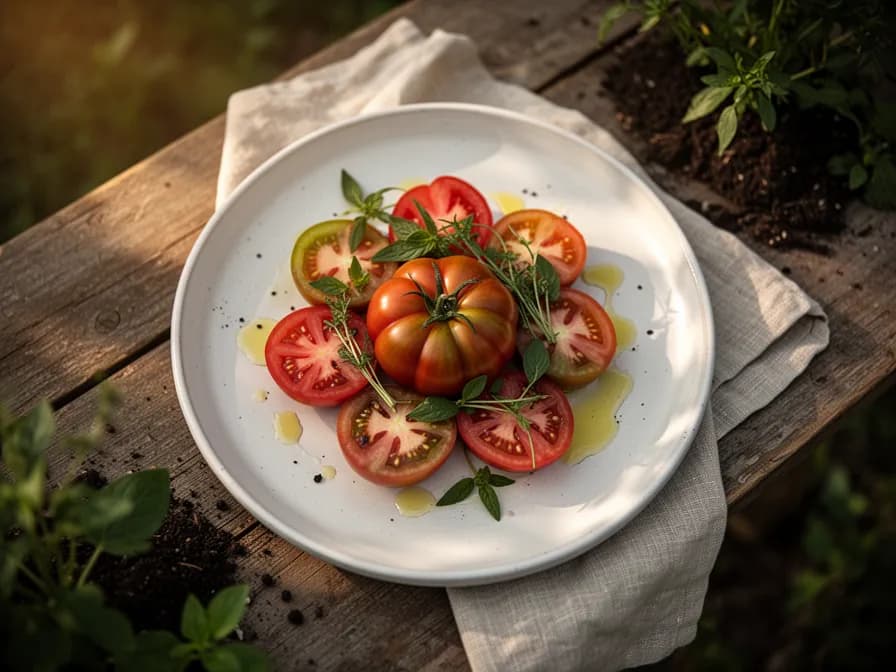
Classic Heirloom Caprese Salad
10 minThe ultimate showcase for heirloom tomatoes — thick slices of multicolored varieties layered with fresh mozzarella, basil leaves, and a drizzle of the best extra-virgin olive oil. Use at least three different heirloom varieties for a stunning visual and flavor contrast.
6 ingredientsRustic Heirloom Tomato Bruschetta
15 minRipe heirloom tomatoes chopped and tossed with garlic, basil, and olive oil, then piled onto grilled crusty bread. The varied textures and flavor profiles of different heirloom varieties create a bruschetta far more complex than any single-variety version.
7 ingredientsHeirloom Tomato Gazpacho
20 min (plus 2 hours chilling)A chilled Spanish soup that lets the complex flavors of heirloom tomatoes shine. Cherokee Purple or Brandywine varieties create an exceptionally rich, deeply flavored gazpacho with a velvety texture that surpasses any hybrid version.
8 ingredientsCulinary Uses
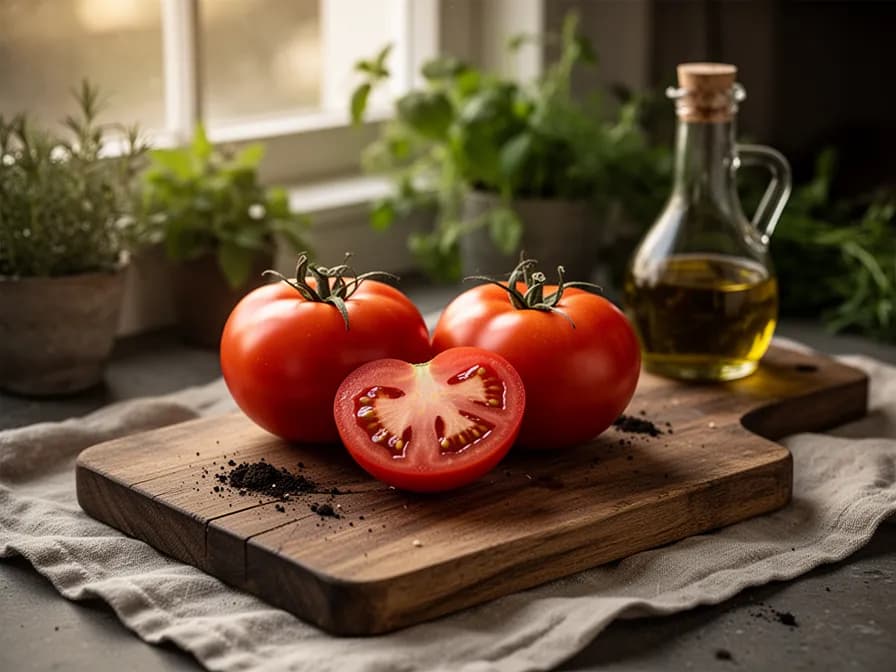
Heirloom tomatoes showcase best in preparations that highlight their unique flavors raw. Classic pairings include Caprese salad with fresh mozzarella and basil, multicolor tomato platters with sea salt and olive oil, and fresh bruschetta. The variety of colors makes stunning visual presentations. Heirloom tomato sandwiches on fresh bread are a summer ritual. Green Zebra adds tart brightness to salads. Cherokee Purple makes an extraordinary gazpacho. Use imperfect or cracked fruits for quick-cook sauces that preserve their nuanced flavor.
What's inside
Health Benefits
- Lycopene, the red pigment in tomatoes, is one of the most potent dietary antioxidants — studies link regular tomato consumption to reduced risk of prostate cancer, cardiovascular disease, and UV-induced skin damage. Cooking tomatoes increases lycopene bioavailability by up to 5-fold.
- Dark-fleshed heirloom varieties like Cherokee Purple and Black Krim contain anthocyanins in addition to lycopene, providing a broader spectrum of antioxidant protection than standard red tomatoes.
- Excellent source of vitamin C (14% DV per 100g), supporting immune function, collagen synthesis, and enhanced absorption of non-heme iron from plant-based foods eaten at the same meal.
- Rich in potassium (7% DV per 100g), which supports healthy blood pressure by counteracting the effects of dietary sodium — important for cardiovascular health.
- Contains beta-carotene (vitamin A precursor), lutein, and zeaxanthin — carotenoid antioxidants that support eye health and may reduce the risk of age-related macular degeneration.
- Very low calorie density (18 calories per 100g) combined with high water content and fiber makes tomatoes an excellent food for weight management and hydration during hot summer months.
Where Heirloom Tomato comes from
The wild ancestor of all tomatoes, Solanum pimpinellifolium, originated in the coastal deserts and Andean foothills of western South America, primarily in present-day Peru and Ecuador. These tiny, currant-sized wild fruits were first domesticated by indigenous peoples in Mesoamerica — likely in present-day Mexico — where Aztec and other cultures cultivated larger-fruited forms and called them 'tomatl.' Spanish conquistadors encountered the cultivated tomato in the early 16th century and carried seeds back to Europe, where the plant initially served as a botanical curiosity and ornamental rather than a food crop.
European acceptance of the tomato as food was slow and uneven. In southern Europe, particularly Italy and Spain, tomatoes entered the cuisine by the late 1600s, but in northern Europe and colonial America, they were widely regarded with suspicion due to their membership in the nightshade family (Solanaceae), which includes deadly nightshade and other toxic plants. The infamous 'poison apple' reputation persisted well into the 1800s in parts of North America and Britain. It was not until the mid-19th century that tomatoes became a mainstream food crop across the Western world.
The golden age of heirloom tomato diversity occurred from the mid-1800s to the early 1900s, when seed companies listed hundreds of distinct open-pollinated varieties in their catalogs — Brandywine (1885), Mortgage Lifter (1930s), and Rutgers (1934) date from this era. Immigrant communities brought treasured tomato seeds from their homelands, creating a rich mosaic of regional varieties adapted to local climates and cuisines. The arrival of hybrid tomatoes in the 1940s-1960s, bred for disease resistance, uniform ripening, and shipping durability, gradually displaced heirlooms from commercial agriculture.
The modern heirloom tomato revival began in the 1980s and 1990s, driven by seed savers, farmers market growers, and food writers who championed the superior flavor of old varieties. Organizations like Seed Savers Exchange, founded in 1975, played a crucial role in preserving hundreds of varieties that might otherwise have been lost. Today, heirloom tomatoes command premium prices at farmers markets and have become symbols of the local food movement, biodiversity preservation, and the belief that flavor should take precedence over commercial convenience.
Heirloom Tomato: did you know?
Fascinating facts about Heirloom Tomato
The term 'heirloom' in tomato growing refers to open-pollinated varieties that have been passed down for at least 50 years, with some dating back over 200 years — Brandywine has been documented since 1885, making it older than many countries.
Heirloom Tomato questions, answered
When should I plant Heirloom Tomato?
What are good companion plants for Heirloom Tomato?
What hardiness zones can Heirloom Tomato grow in?
How much sun does Heirloom Tomato need?
How far apart should I space Heirloom Tomato?
What pests and diseases affect Heirloom Tomato?
How do I store Heirloom Tomato after harvest?
What are the best Heirloom Tomato varieties to grow?
What soil does Heirloom Tomato need?
Why do my heirloom tomatoes crack and split more than hybrids?
Why are my Brandywine tomatoes dropping blossoms without setting fruit?
How do I save seeds from heirloom tomatoes?
Are heirloom tomatoes more nutritious than hybrid tomatoes?
Can I grow heirloom tomatoes in containers?
Why do my heirloom tomatoes have ugly shapes and catfacing?
You just read the theory. Now grow it on autopilot.
Everything that makes Heirloom Tomato fiddly — the timing, the spacing, the companions, the harvest window — is exactly what PlotMyGarden handles for you, for every plant in your garden.
A plan that knows your weather
Set your location once. Get sow, feed and harvest dates built around your real last-frost date and live forecast — no more guessing from a generic seed packet.
From the “When to plant” sectionDrag-and-drop bed planner
Design beds on a grid. Every plant snaps to its proper spacing, and you can see your whole season laid out before you spend a cent on seed.
From the “Growing guide” sectionCompanion conflicts, caught early
200+ good-and-bad pairings checked live as you plant — so a season-wrecking mistake never makes it into the ground.
From the “Companions” sectionReminders you'll actually act on
“Water the beans.” “Pick today before it turns.” Timely, specific, and tied to the plants you're really growing.
From the “Harvest” sectionSuccession, scheduled
Want a harvest for six weeks, not six days? It spaces your sowings automatically and reminds you when each new block is due.
From the “When to plant” sectionA record that gets smarter
Every harvest you log teaches it your garden. Next year's plan starts from what actually worked in your soil, not a textbook's.
From the “Overview” sectionPlant these alongside Heirloom Tomato
More Nightshades
Keep Heirloom Tomato away from these
Grow your best Heirloom Tomato yet — and everything around it.
Start a free plan today. Lay out your beds, drop in your Heirloom Tomato, and let PlotMyGarden handle the timing, spacing, companions and reminders from seed to harvest basket.