Green Zebra Tomato
A visually striking tomato with green and yellow striped skin and tangy, complex flavor.





On this pageOverview
Meet Green Zebra Tomato
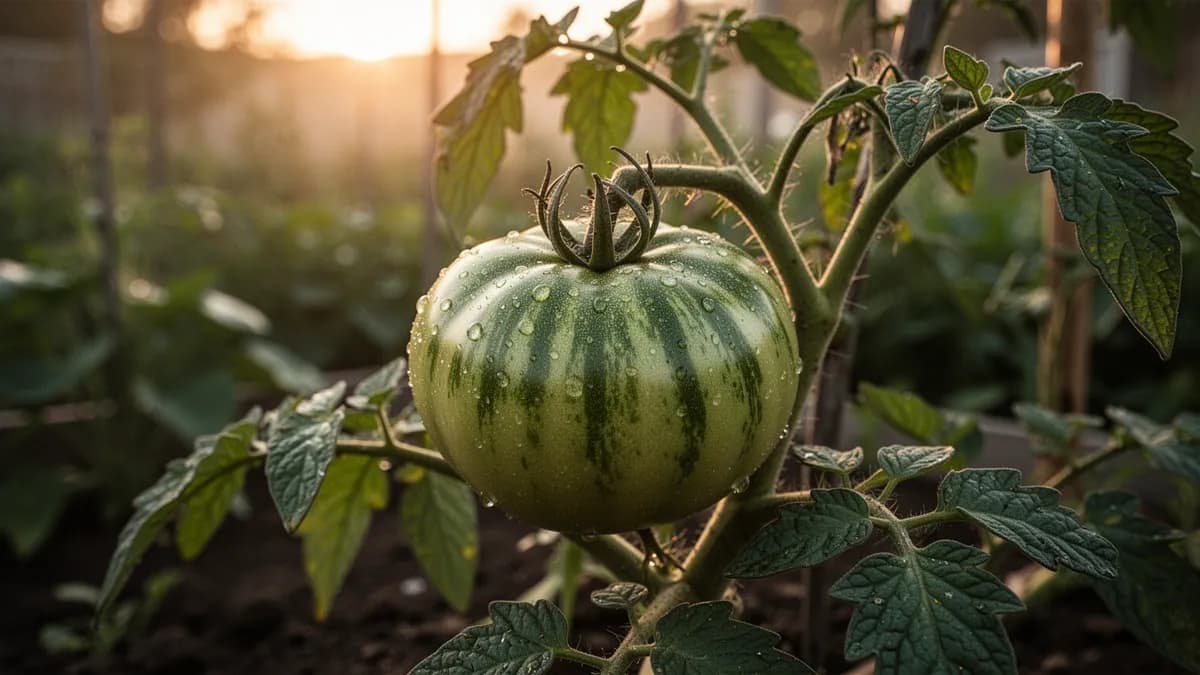
A visually striking tomato with green and yellow striped skin and tangy, complex flavor. Fruits are ripe when the green darkens and yellow stripes appear, with a slight give when gently squeezed. Excellent for salads, fried green tomato dishes, and adding visual interest to tomato platters. Indeterminate vines produce steadily through summer and need reliable staking support.
When to plant Green Zebra Tomato
Start Green Zebra seeds indoors 6-8 weeks before the last frost. Plant one-quarter inch deep at 75-85°F for germination in 7-14 days. Provide strong light for 14-16 hours daily. Pot up to larger containers when true leaves develop, burying stems deeply to encourage root development. Harden off for 10-14 days before transplanting when nighttime temperatures stay above 50°F. Plant deeply in the garden. As an open-pollinated variety, Green Zebra produces true-to-type seeds; save from the best-flavored, most attractive fruits.
Your Green Zebra Tomato Year
Composed for Zone 7 · typical seasons · frost passes Apr 2, returns Nov 1
Plant Green Zebra Tomato Feb – May, pick Jul – Sep. Check the planting methods below and set your climate to personalize these windows.
How to grow Green Zebra Tomato
Green Zebra is a visually striking tomato with green and yellow striped skin and tangy, complex flavor that maintains bright acidity. Created by Tom Wagner in the 1980s, these indeterminate plants grow 4-6 feet tall and produce medium-sized fruits of 3-4 ounces. Start seeds indoors 6-8 weeks before the last frost. Transplant after soil reaches 60°F.
Space plants 24-30 inches apart with staking or caging support. Green Zebra matures in 70-80 days and produces prolifically throughout the season. Water consistently with 1-1.5 inches per week and mulch to maintain even soil moisture. Prune to 2-3 main stems for best fruit size and quality.
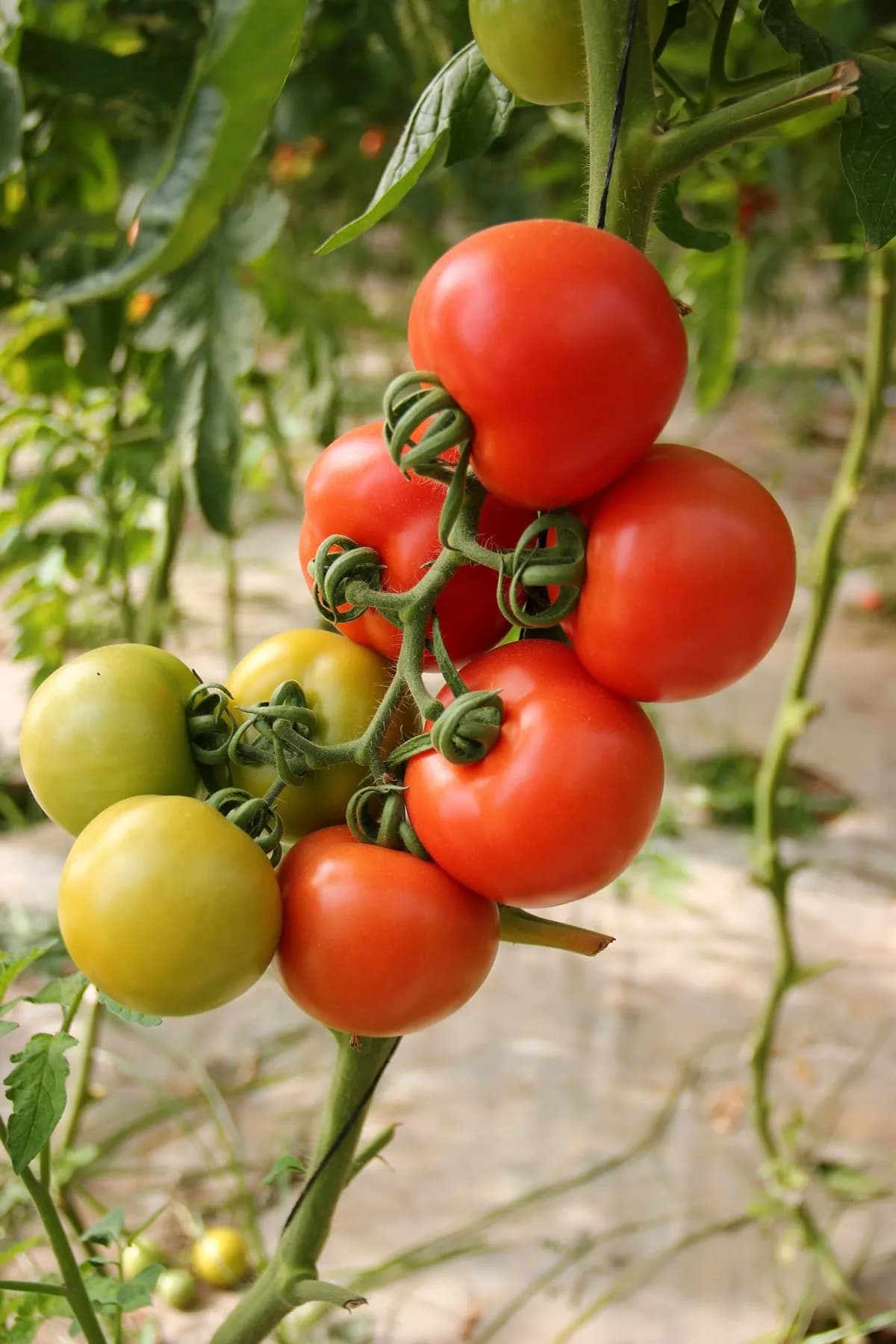
The main challenge with Green Zebra is determining ripeness, as the fruits remain green even when ripe. Ripe fruits develop a yellowish tinge to the green stripes and soften slightly when pressed. The tangy, bright flavor stands out in a world of sweet tomatoes, providing balance and complexity in culinary applications. Green Zebra is open-pollinated and breeds true from saved seed, making it a favorite of seed savers and heirloom growers.
8 plants fit a 4 × 8 ft bed
Each Green Zebra Tomato wants 60 cm of elbow room. The planner keeps that spacing for you — every plant, every bed.
Green Zebra Tomato's best neighbours
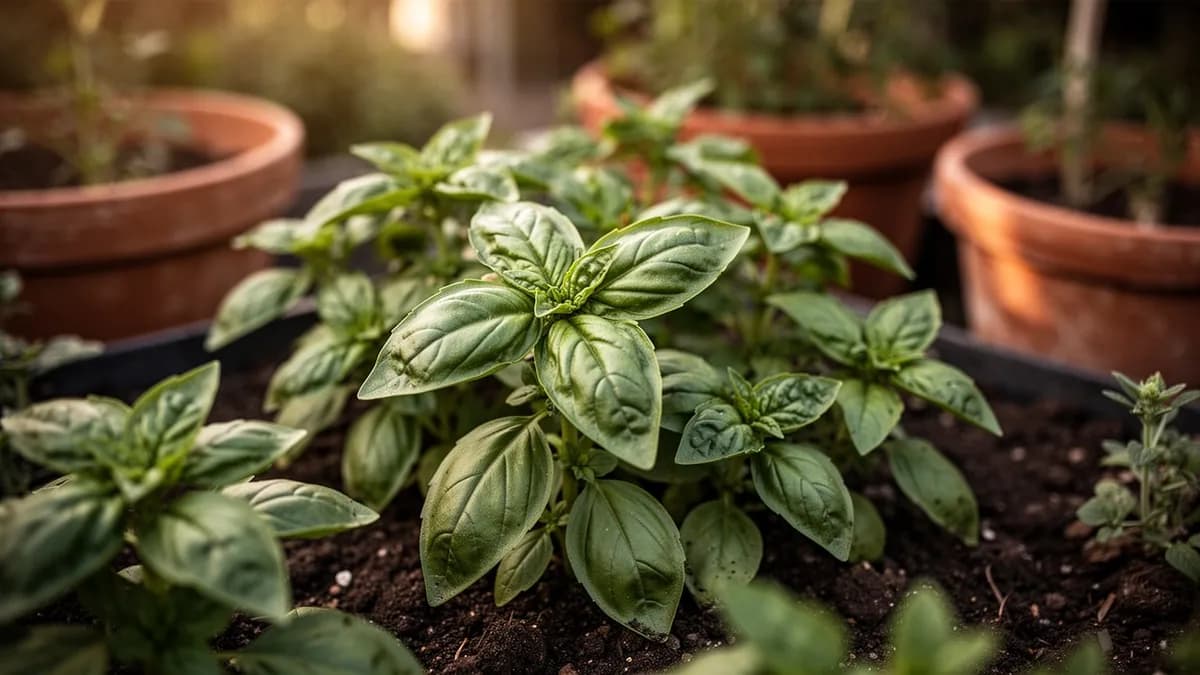
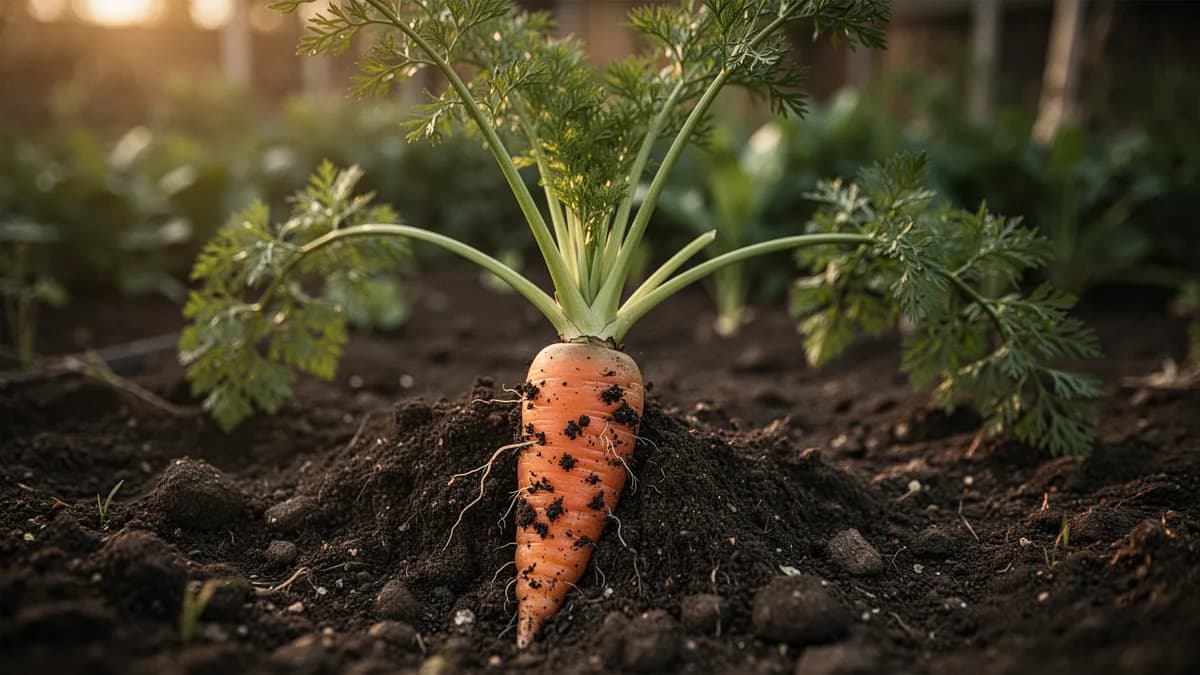
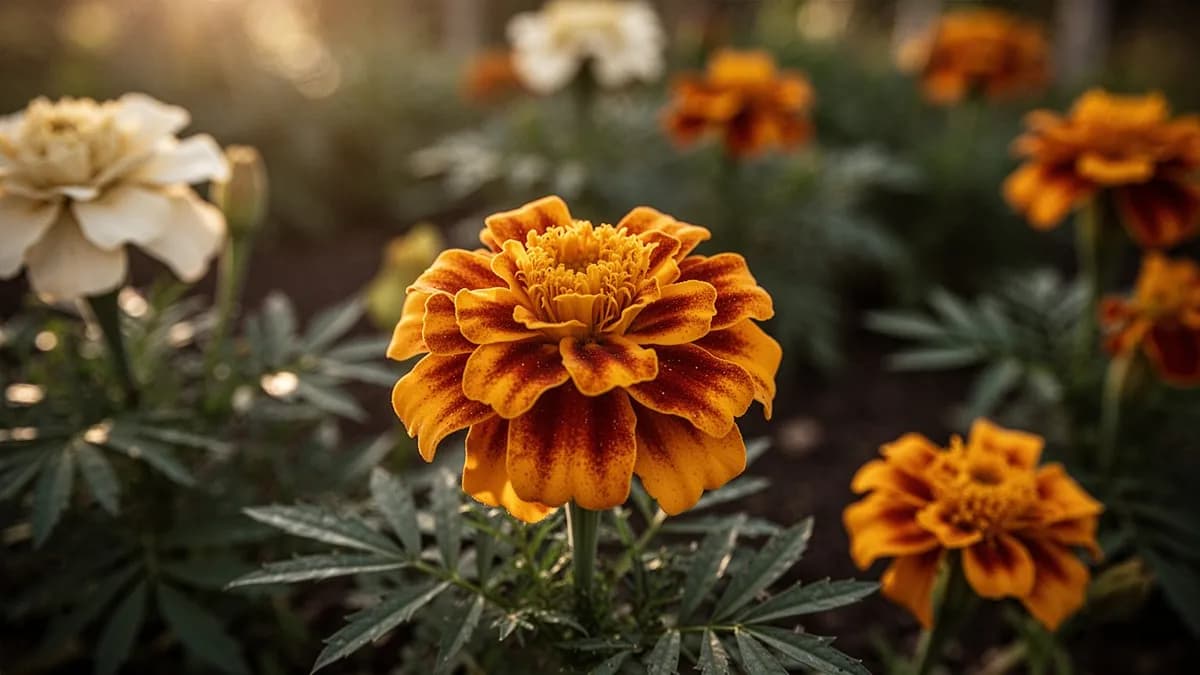
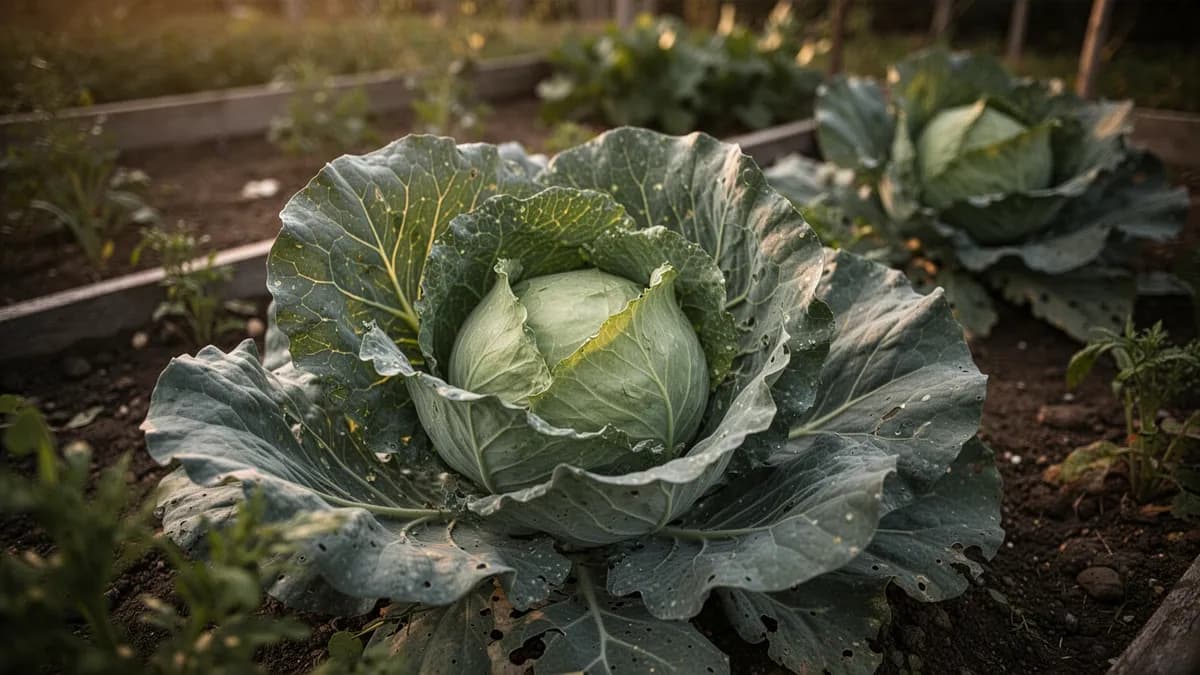
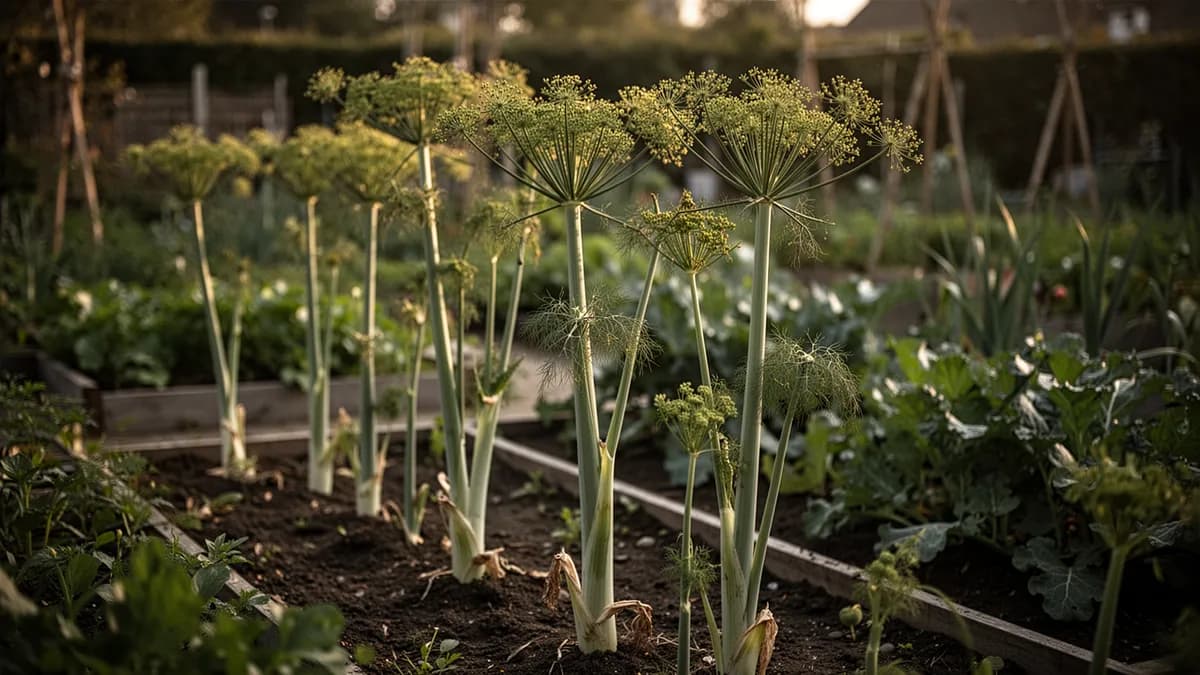
Green Zebra grows well alongside basil, which may improve flavor and deter pests. Marigolds and nasturtiums attract beneficial insects and repel common tomato pests. Carrots, parsley, and lettuce make good ground-level companions. Borage attracts pollinators and is said to enhance tomato growth. Avoid planting near fennel and mature dill. The moderate plant size makes Green Zebra easier to integrate into mixed plantings than giant indeterminate varieties.
Basil belongs beside it. Cabbage doesn't.
Old growers' knowledge, checked against Green Zebra Tomato's real companion table below — test any plant you're growing.
Try Green Zebra Tomato in a bed — right here
A real planner bed with Green Zebra Tomato already in it. Tap a companion to place it and watch the pairing checks answer — green for good neighbours, red for a clash.


Related growing guides
Feed it well
Green Zebra grows best in fertile, well-drained soil with a pH of 6.2-6.8. Incorporate compost before planting and apply balanced fertilizer at transplanting. Switch to phosphorus-rich feed when flowering begins. Side-dress with compost monthly during the growing season. The moderate plant size requires less intensive feeding than giant beefsteak types, but consistent nutrition supports the long, productive bearing season. Calcium supplementation prevents blossom end rot on developing fruits.
Ideal Temperature
Hardiness Zone Compatibility
From seed to harvest, stage by stage
Seed Starting
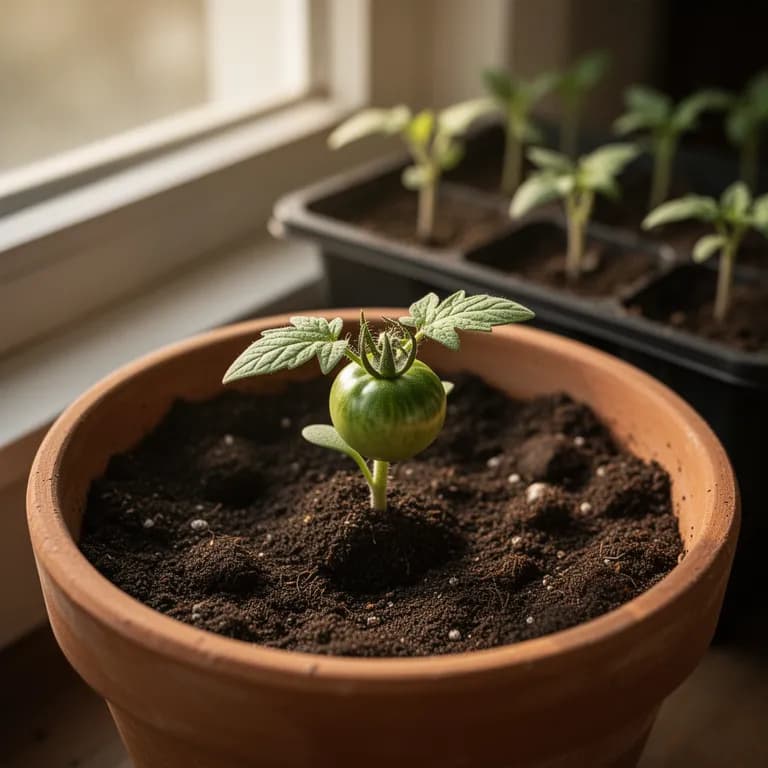
Seeds germinate in warm, moist soil within 5-10 days. The tiny seedling pushes through with a pair of smooth, rounded cotyledon leaves. Consistent warmth of 21-27°C (70-80°F) is essential for even germination. Start seeds indoors 6-8 weeks before the last expected frost date in your area.
Seedling Development
True leaves emerge with the characteristic tomato serrated edges and aromatic fuzz. The stem thickens and the root system expands rapidly. Seedlings grow steadily under strong light and develop a stocky, sturdy habit when given enough brightness and gentle air circulation.
Vegetative Growth
After transplanting outdoors, Green Zebra enters vigorous indeterminate growth — the vine elongates rapidly, producing abundant lateral branches (suckers) from every leaf axil. The plant can grow 2-3 cm per day in warm conditions and quickly reaches 90-120 cm tall.
Flowering and Fruit Set
Yellow star-shaped flowers appear in clusters along the vine. Green Zebra flowers are self-fertile but benefit from wind or gentle shaking to improve pollination. Each truss typically sets 4-6 fruits. The first small green-striped fruitlets become visible within days of successful pollination.
Fruit Development
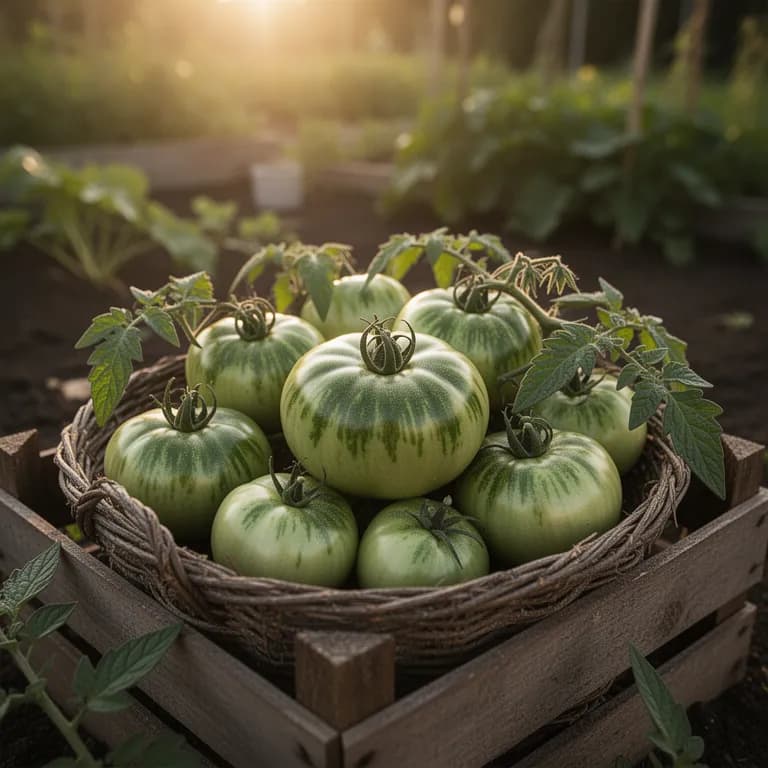
Fruits swell to their mature size of 5-8 cm diameter, developing the iconic dark green stripes over a lighter green base. As fruits approach ripeness, the background color gradually shifts from green to amber-yellow while the stripes remain vivid emerald. This color change is the primary ripeness indicator.
Harvest and Continued Production
As an indeterminate variety, Green Zebra produces continuously from first harvest until frost. A healthy plant will ripen 40-60 fruits over the season. Harvest when the base color has shifted to amber-yellow and the fruit gives slightly to gentle pressure. The vine continues flowering and setting new fruit throughout the growing season.
Use a seedling heat mat to maintain consistent soil temperature of 24°C (75°F). Sow seeds 6mm deep in a sterile seed-starting mix and keep evenly moist with a humidity dome until sprouts emerge.
Caring for Green Zebra Tomato month by month
What to do each month for your Green Zebra Tomato
October
You are hereFinal harvests in most zones. Pick all remaining fruits, including fully green ones — Green Zebra will ripen slowly indoors in a paper bag with a banana. Remove spent plants and dispose of any diseased material in the trash, not the compost pile, to prevent pathogen carryover.
Know exactly what to do in your garden — every month
One email at the start of each month: what to sow, plant, and tackle right now — for your Green Zebra Tomato and everything growing around it. Plus a short starter course that helps you dodge the classic mistakes.
- What to do, right now
- Matched to your season
- Starter course included
Harvesting Green Zebra Tomato
Determining ripeness on Green Zebra requires attention since fruits remain green when ripe. Look for the green stripes to develop a warmer yellow-amber tinge while the lighter stripes become more golden. Ripe fruits give slightly to gentle pressure, similar to a ripe peach. Overripe Green Zebras develop an olive-brown tone and become mushy. Harvest every 2-3 days during peak production. Each plant produces dozens of 3-4 ounce fruits throughout the season. Fruits that turn fully yellow have passed their prime.
assuming you plant when the window opens — set your real date
Pick Green Zebra Tomato promptly and the plant keeps producing.
Storage & Preservation
Fresh Green Zebra tomatoes keep at room temperature for 5-7 days. Their bright acidity makes them excellent for green tomato salsa, chutney, and relish. Slice and dehydrate for tangy dried tomato chips. Freeze whole for later sauce making; the bright flavor carries well through freezing. Green Zebra makes a stunning and uniquely flavored tomato sauce with a bright, tangy character. For pickled green tomatoes, harvest slightly underripe fruits for the crispest texture. Can in juice or as sauce using standard tomato canning methods.
What goes wrong — and the fix
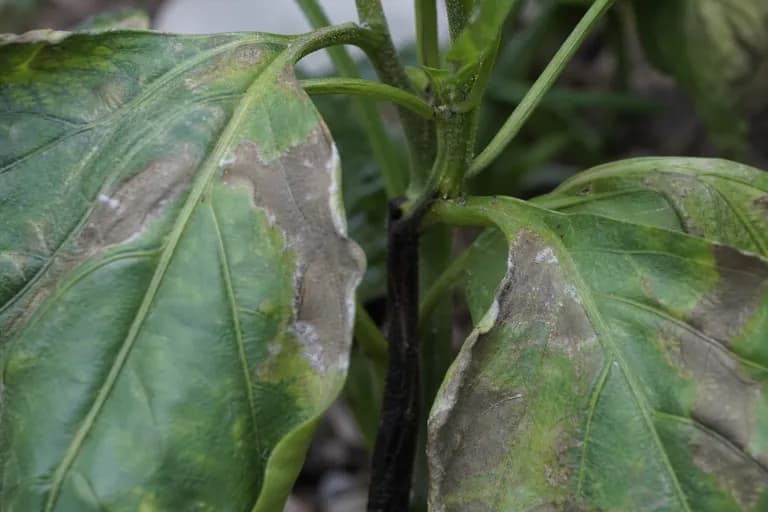
Late Blight
DiseaseDark, rapidly spreading lesions on leaves and stems during cool, wet weather.
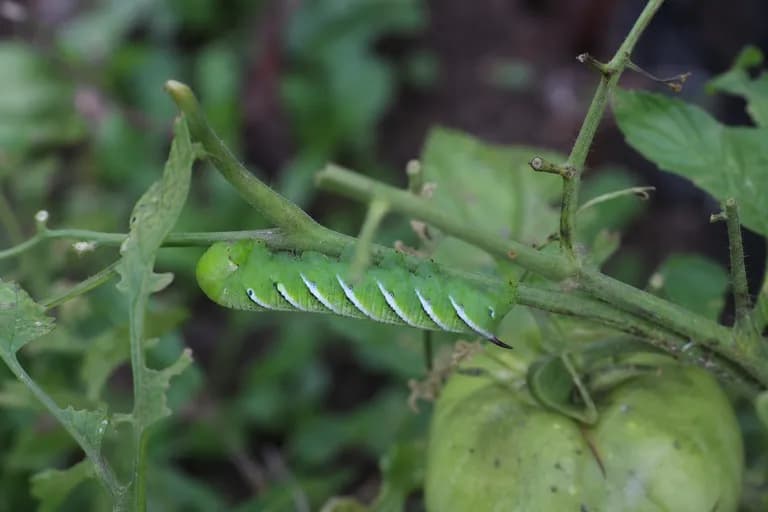
Tomato Hornworm
PestLarge green caterpillars consuming foliage rapidly, with dark frass pellets visible on leaves below.
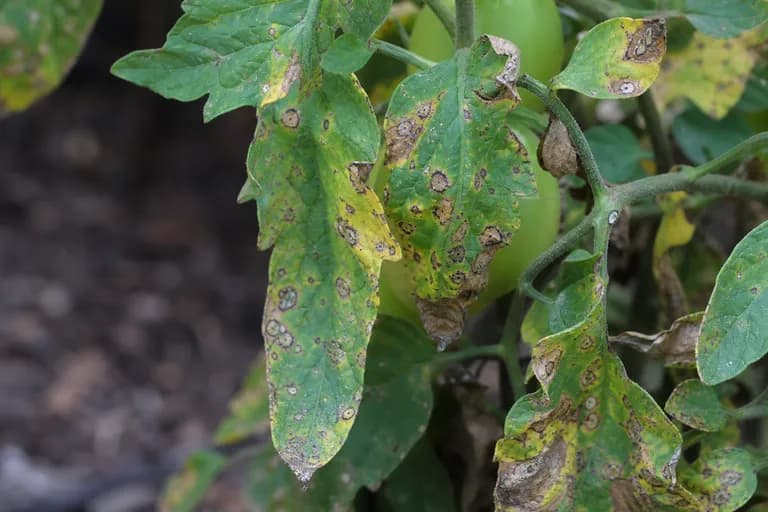
Septoria Leaf Spot
DiseaseSmall circular spots with dark borders and gray centers on lower leaves, progressing upward through the plant.
Troubleshooting Common Problems
The biggest challenge is learning to identify ripeness without the visual cue of color change to red. New growers often harvest too early or too late. Use the gentle squeeze test and look for the amber tone in the stripes. Like most open-pollinated tomatoes, Green Zebra has less disease resistance than modern hybrids. Good cultural practices including crop rotation, mulching, and pruning are essential. The tangy flavor may surprise growers expecting traditional tomato sweetness; it is best appreciated in culinary applications.
Growing Tips
- Learning to judge ripeness is the single most important skill for growing Green Zebra. Since the fruit stays green, you cannot rely on the usual red-tomato visual cue. Watch for the background color to shift from pure green to amber-yellow between the stripes, and gently squeeze — a ripe fruit gives slightly under thumb pressure, like a ripe peach.
- Prune to two main leaders for the best balance of yield and fruit size. Remove all suckers below the first flower truss, then allow one strong sucker above it to become a second leader. Prune all other suckers weekly. This indeterminate vine will grow past 180 cm without management.
- Plant deeply — bury the lower two-thirds of the seedling stem at transplanting. Tomatoes produce adventitious roots along any buried stem tissue, and Green Zebra develops a significantly stronger root system when planted this way, leading to better drought resilience and nutrient uptake.
- Green Zebra is moderately susceptible to early blight and septoria leaf spot. Prevent fungal disease by maintaining excellent air circulation through pruning, removing lower leaves that contact the soil, and applying a thick straw mulch barrier to prevent soil splash onto foliage during rain.
- Consistent watering is critical to prevent fruit cracking, which Green Zebra is somewhat prone to. Deliver 2.5-4 cm of water per week at the base of the plant through drip irrigation or a soaker hose. Avoid overhead watering, which promotes foliar disease and can cause cracking from sudden moisture changes.
- Grow Green Zebra alongside red and yellow heirloom varieties for a visually spectacular harvest. The green stripes provide dramatic contrast when sliced and arranged alongside Cherokee Purple, Brandywine, and Sun Gold — creating the signature heirloom tomato platter that commands top dollar at markets.
- In regions with hot summers above 35°C (95°F), use 30-40% shade cloth during the peak afternoon hours to prevent blossom drop and sunscald. Green Zebra is slightly more sensitive to extreme heat than many determinate varieties and benefits from this protection.
- Save seeds easily from your best Green Zebra fruits — as an open-pollinated variety, it grows true to type. Scoop seeds and gel into a jar with water, ferment for 2-3 days until a mold layer forms, rinse clean, and dry thoroughly on a plate. Store in a cool, dry place for up to 5 years of viability.
Grow your best Green Zebra Tomato yet — and everything around it.
Start a free plan today. Lay out your beds, drop in your Green Zebra Tomato, and let PlotMyGarden handle the timing, spacing, companions and reminders from seed to harvest basket.
Pick your Green Zebra Tomato
Green Zebra
The original Tom Wagner variety with green and yellow stripes and tangy, complex flavor. The definitive striped green tomato.
Aunt Ruby's German Green
Larger green beefsteak with sweet-tart flavor. Less striped but similar green-when-ripe character.
Green Giant
Very large green beefsteak weighing up to 1 pound. Sweet, complex flavor with a hint of spice.
Malakhitovaya Shkatulka
Russian green tomato with golden-green flesh and sweet, tropical flavor. Beautiful in mixed tomato platters.
A single Green Zebra plant grown from a $3-4 seed packet (containing 20-30 seeds) can produce 4-6 kg of specialty tomatoes per season. At farmers markets and specialty grocers, Green Zebra and similar heirloom tomatoes sell for $6-12 per kg ($3-5 per pound) — significantly more than standard red varieties. A single productive plant can therefore yield $25-70 worth of premium tomatoes. Growing just 3-4 plants provides an abundant supply for fresh eating and preserving, saving $80-200 compared to market prices, with enough surplus to share with neighbors and still have plenty for green tomato salsa and chutney.
Quick recipes
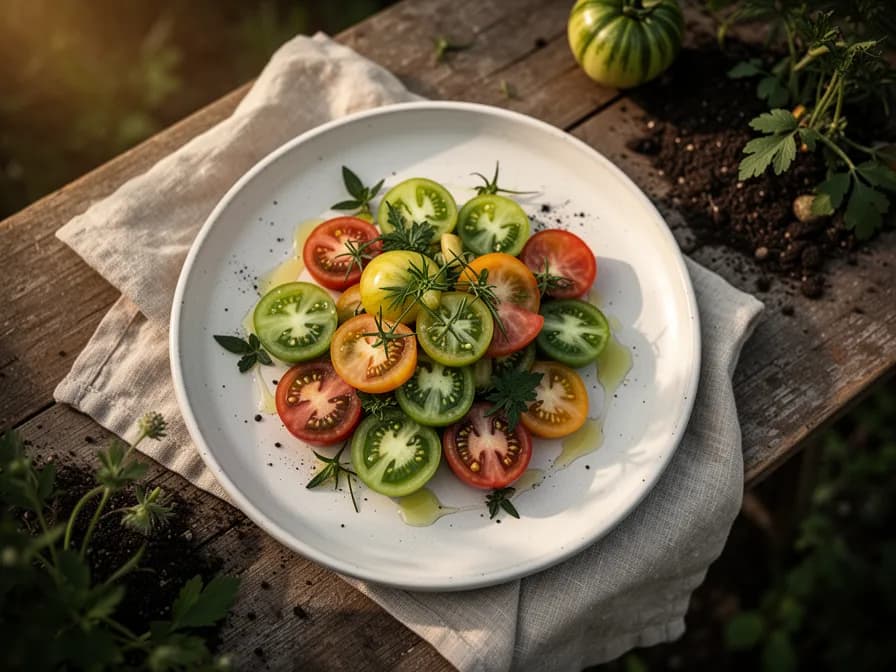
Green Zebra Caprese with Basil Oil
15 minA stunning twist on the classic caprese that showcases Green Zebra's vivid stripes against creamy white mozzarella. The tangy acidity of the tomato cuts through the richness of the cheese beautifully, creating a more complex flavor than a traditional red caprese.
6 ingredientsGreen Zebra Gazpacho
20 minA chilled summer soup with a gorgeous pale green color and a bright, tangy flavor that is distinctly different from red gazpacho. The natural acidity of Green Zebra tomatoes makes this version especially refreshing and vibrant without needing extra vinegar.
8 ingredientsFried Green Zebra Tomato Slices
25 minGreen Zebra tomatoes are ideal for frying because their firm texture holds up perfectly in the pan and their tangy flavor intensifies with heat. The striking green interior peeks through the golden cornmeal crust for a visually stunning appetizer.
8 ingredientsCulinary Uses
Green Zebra's bright acidity makes it a chef's favorite. Slice for stunning visual impact on caprese platters alongside red and yellow tomatoes. The tangy flavor is perfect for fried green tomatoes, fresh salsa verde, and gazpacho. Green Zebra tomato sauce has a uniquely bright, complex character. Use in tarts and galettes where the acidity cuts richness. Pair with creamy cheeses like burrata that complement the tanginess. Excellent in grain salads and as a topping for grilled fish where the bright acid provides balance.
What's inside
Health Benefits
- Contains chlorophyll in the green flesh, a natural pigment with antioxidant properties that may support the body's detoxification pathways and has shown anti-inflammatory effects in preliminary research studies.
- Provides vitamin C at 16% of the daily value per 100g, supporting immune defense, collagen synthesis for healthy skin and joints, and enhanced absorption of dietary iron from plant-based sources.
- Rich in vitamin A and beta-carotene, essential for maintaining healthy vision, supporting immune cell function, and promoting skin cell turnover and repair.
- Contains lycopene — though less than red tomatoes, even green-fleshed varieties provide this powerful carotenoid antioxidant associated with reduced risk of cardiovascular disease and certain cancers.
- The higher acidity of Green Zebra compared to sweeter varieties means a more favorable sugar-to-acid ratio for blood sugar management, making it a smart choice for low-glycemic diets.
- Provides potassium (237mg per 100g) which helps regulate blood pressure, supports proper muscle contraction and nerve signaling, and counterbalances dietary sodium intake.
Where Green Zebra Tomato comes from
Green Zebra is a relatively modern open-pollinated tomato variety created by Tom Wagner, an independent plant breeder based in Everett, Washington. Wagner spent years crossing multiple tomato lines, reportedly incorporating genetics from four different species including wild green-fruited Solanum species from South America, to achieve the distinctive green-striped fruit. The variety was first publicly released in 1983 through Wagner's Tater Mater Seeds catalog, where it was offered alongside dozens of other unusual varieties he had developed.
Green Zebra remained a niche curiosity among tomato collectors and seed savers through the 1980s. Its breakthrough into mainstream awareness came in the early 1990s when Alice Waters, the influential chef and owner of Chez Panisse in Berkeley, California, began featuring Green Zebra prominently on her menus. Waters championed the variety for its exceptional tangy flavor and dramatic visual appeal, and her endorsement helped spark the broader heirloom tomato movement that transformed American farmers markets and restaurant culture. By the mid-1990s, Green Zebra had become one of the most recognized specialty tomatoes in the United States.
Today, Green Zebra is grown by home gardeners and specialty farms worldwide and is a staple at farmers markets during summer months. It has inspired a wave of green and striped tomato breeding, with varieties like Green Giant, Aunt Ruby's German Green, and Cherokee Green following in its wake. The variety remains open-pollinated and true-to-seed, meaning gardeners can save seeds and grow identical plants year after year. Green Zebra's legacy extends beyond its own fruits — it helped prove that consumers would embrace tomatoes that look nothing like the uniform red supermarket standard, paving the way for the extraordinary diversity of heirloom and specialty tomatoes now available.
Green Zebra Tomato: did you know?
Fascinating facts about Green Zebra Tomato
Green Zebra was created by legendary tomato breeder Tom Wagner of Everett, Washington, and first introduced commercially in 1983. It was one of the first modern designer heirloom tomatoes — an open-pollinated variety deliberately bred for unique appearance and exceptional flavor rather than just yield.
Green Zebra Tomato questions, answered
When should I plant Green Zebra Tomato?
What are good companion plants for Green Zebra Tomato?
What hardiness zones can Green Zebra Tomato grow in?
How much sun does Green Zebra Tomato need?
How far apart should I space Green Zebra Tomato?
What pests and diseases affect Green Zebra Tomato?
How do I store Green Zebra Tomato after harvest?
What are the best Green Zebra Tomato varieties to grow?
What soil does Green Zebra Tomato need?
How do I know when a Green Zebra tomato is ripe if it stays green?
Is Green Zebra an heirloom tomato?
Why are my Green Zebra tomatoes cracking or splitting?
Can I grow Green Zebra in a container?
What does Green Zebra taste like compared to regular tomatoes?
Will Green Zebra cross-pollinate with my other tomato varieties?
You just read the theory. Now grow it on autopilot.
Everything that makes Green Zebra Tomato fiddly — the timing, the spacing, the companions, the harvest window — is exactly what PlotMyGarden handles for you, for every plant in your garden.
A plan that knows your weather
Set your location once. Get sow, feed and harvest dates built around your real last-frost date and live forecast — no more guessing from a generic seed packet.
From the “When to plant” sectionDrag-and-drop bed planner
Design beds on a grid. Every plant snaps to its proper spacing, and you can see your whole season laid out before you spend a cent on seed.
From the “Growing guide” sectionCompanion conflicts, caught early
200+ good-and-bad pairings checked live as you plant — so a season-wrecking mistake never makes it into the ground.
From the “Companions” sectionReminders you'll actually act on
“Water the beans.” “Pick today before it turns.” Timely, specific, and tied to the plants you're really growing.
From the “Harvest” sectionSuccession, scheduled
Want a harvest for six weeks, not six days? It spaces your sowings automatically and reminds you when each new block is due.
From the “When to plant” sectionA record that gets smarter
Every harvest you log teaches it your garden. Next year's plan starts from what actually worked in your soil, not a textbook's.
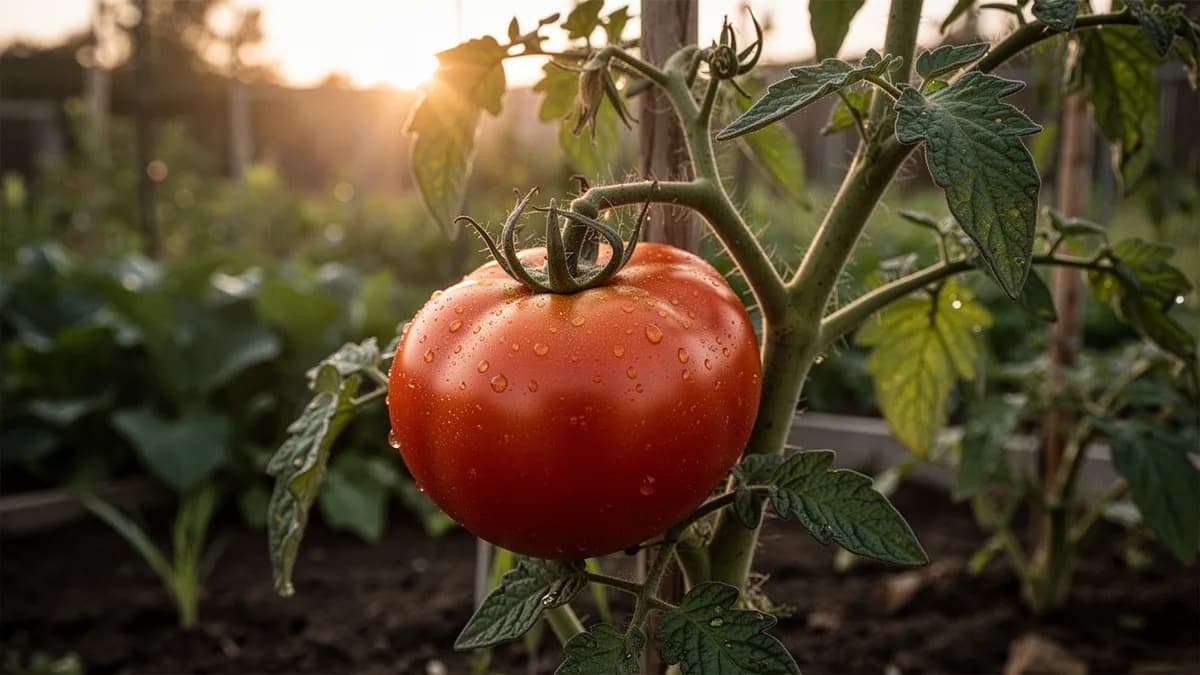
From the “Overview” sectionPlant these alongside Green Zebra Tomato
More Nightshades
Keep Green Zebra Tomato away from these
Garden plans featuring Green Zebra Tomato
Grow your best Green Zebra Tomato yet — and everything around it.
Start a free plan today. Lay out your beds, drop in your Green Zebra Tomato, and let PlotMyGarden handle the timing, spacing, companions and reminders from seed to harvest basket.