Mexikanischer Estragon
Ein Verwandter der Tagetes, dessen Blätter bemerkenswert nach französischem Estragon schmecken und in heißen Klimazonen gedeiht, in denen echter Estragon versagt.





Auf dieser SeiteÜberblick
Mexikanischer Estragon im Überblick
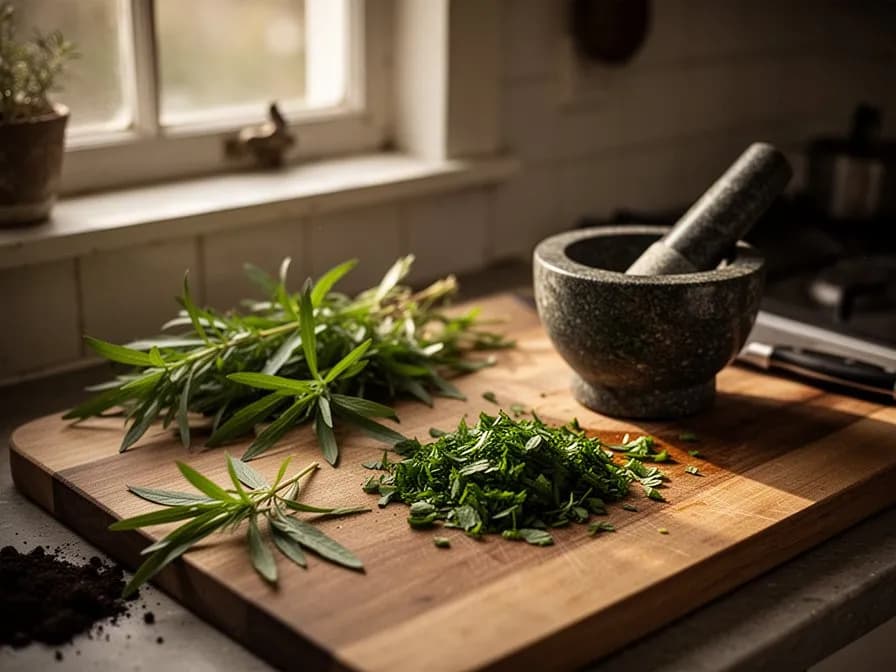
Ein Verwandter der Tagetes, dessen Blätter bemerkenswert nach französischem Estragon schmecken und in heißen Klimazonen gedeiht, in denen echter Estragon versagt. Mexikanischer Estragon bildet im Spätsommer kleine goldene Blüten und verträgt Hitze und Feuchtigkeit, die französischen Estragon abtöten würden. Verwenden Sie die nach Anis schmeckenden Blätter genau wie französischen Estragon in Saucen, Essigen und Geflügelgerichten.
Wann Mexikanischer Estragon pflanzen
Mexikanische Estragonsamen 6-8 Wochen vor dem letzten Frosttermin drinnen aussäen. Winzige Samen auf die Oberfläche feuchter Aussaaterde drücken – sie brauchen Licht zur Keimung. 20-25°C für die Keimung in 10-14 Tagen aufrechterhalten. Sämlinge wachsen nach der Etablierung schnell. Nach Ende aller Frostgefahr und Erwärmung des Bodens ins Freie verpflanzen. Kann auch durch Teilung etablierter Horste im Frühjahr oder durch Stängelstecklinge im Sommer vermehrt werden. Im Gegensatz zu französischem Estragon bildet mexikanischer Estragon keimfähige Samen.
Dein Mexikanischer Estragon-Jahr
Abgestimmt auf Zone 7 · typische Saison · Frost geht um den 2. Apr. und kehrt um den 1. Nov. zurück
Mexikanischer Estragon Apr – Jun pflanzen, Jun – Okt ernten. Beachte die Pflanzmethoden unten und wähle dein Klima für passende Zeiträume.
So baust du Mexikanischer Estragon an
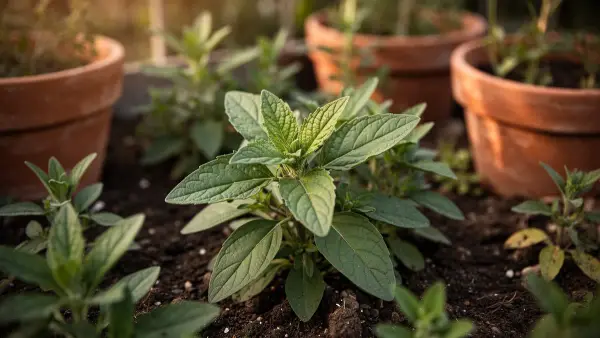
Mexikanischer Estragon, auch mexikanische Minz-Tagetes oder spanischer Estragon genannt, ist ein wärmeliebender mehrjähriger Tagetes-Verwandter, dessen Blätter bemerkenswert ähnlich wie französischer Estragon schmecken – was ihn zum unverzichtbaren Estragon-Ersatz für heiße, feuchte Klimazonen macht, in denen echter Estragon versagt. Pflanzen Sie ihn nach Ende aller Frostgefahr in volle Sonne, mit 30 cm Abstand in gut durchlässigem Boden.
Diese subtropische Staude gedeiht in der Hitze und Feuchtigkeit, die französischen Estragon abtötet. Sie wird 45-75 cm hoch mit schmalen, glänzend grünen Blättern an aufrechten Stängeln und bildet im Spätsommer und Herbst Büschel kleiner goldgelber Blüten. In den Zonen 8-12 ist sie zuverlässig mehrjährig; in kälteren Zonen als einjährige Pflanze kultivieren oder drinnen überwintern.
Gießen Sie mäßig – mexikanischer Estragon ist trockenheitstoleranter, als sein üppiges Erscheinungsbild vermuten lässt. Düngen Sie monatlich mit ausgewogenem Flüssigdünger für optimale Blattproduktion. Kneifen Sie die Triebspitzen regelmäßig aus, um buschiges Wachstum zu fördern und die Blüte hinauszuzögern, da das Blattaroma nachlässt, sobald die Pflanzen stark blühen. In seiner Heimat Mexiko wird dieses Kraut seit Jahrhunderten sowohl als Küchenkraut als auch als Heiltee verwendet.
32 Pflanzen passen in ein Beet von 120 × 240 cm
Mexikanischer Estragon braucht 30 cm Platz pro Pflanze. Der Planer hält diesen Abstand für dich ein — jede Pflanze, jedes Beet.
Die besten Nachbarn für Mexikanischer Estragon
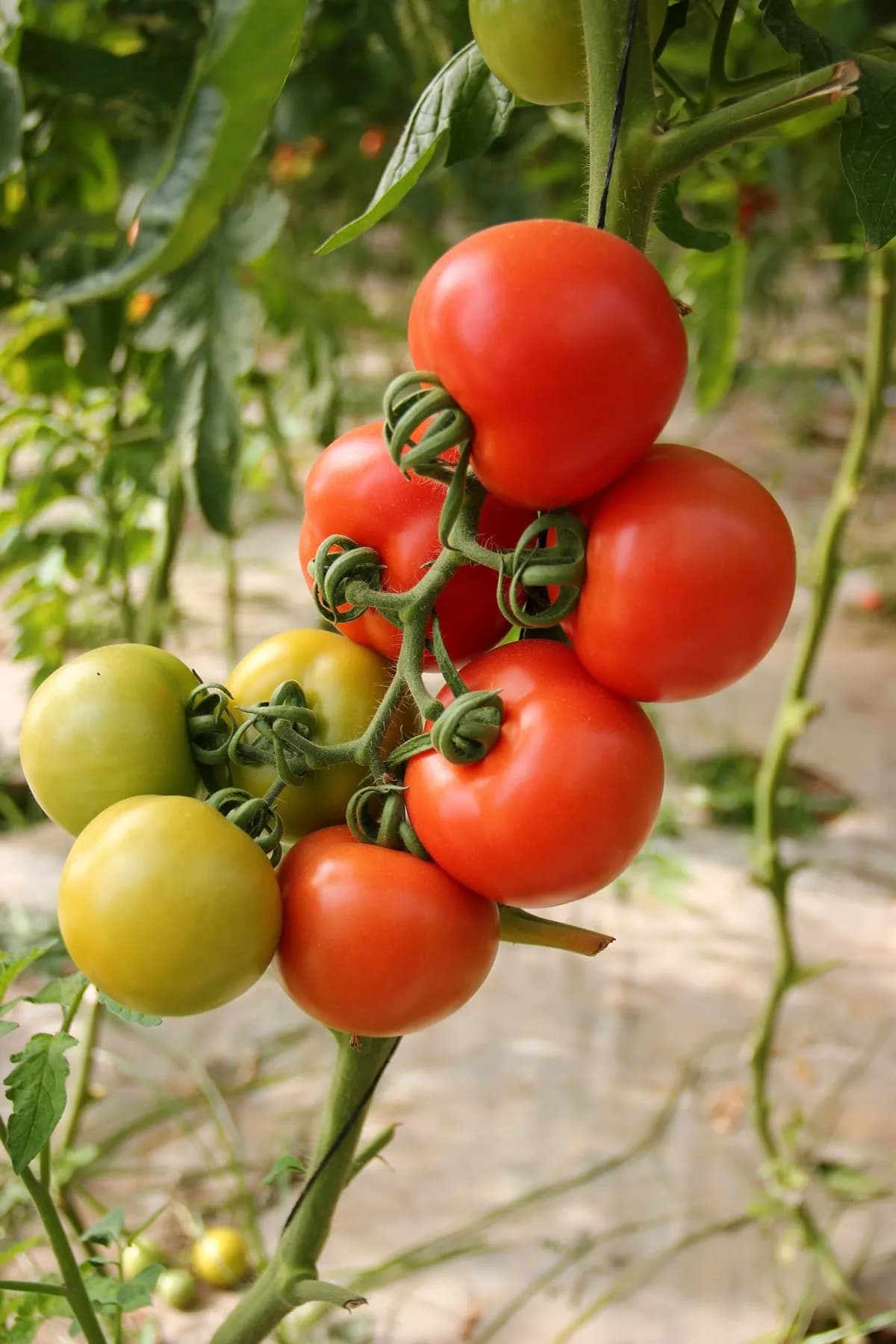
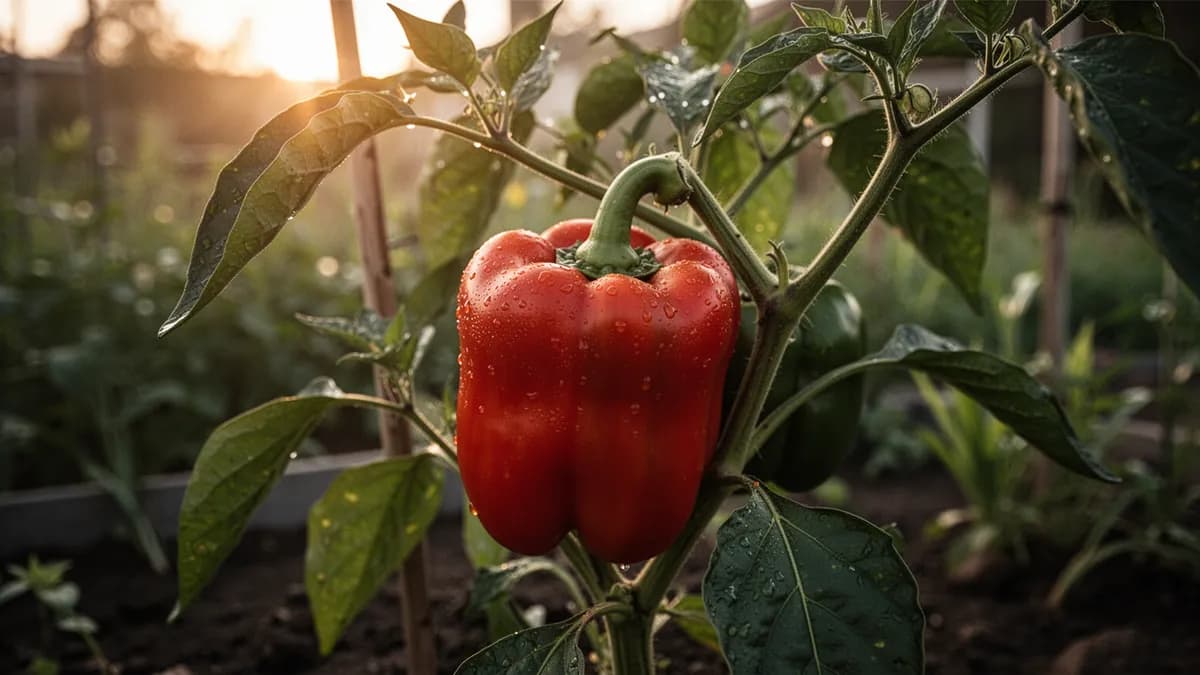
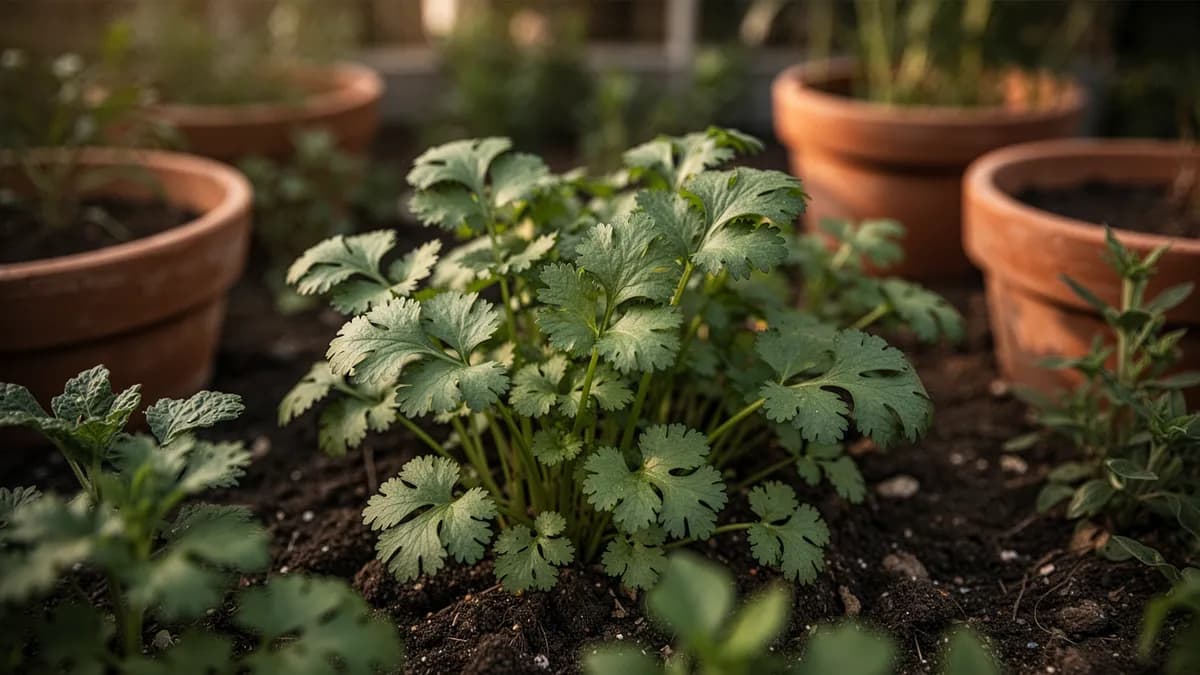
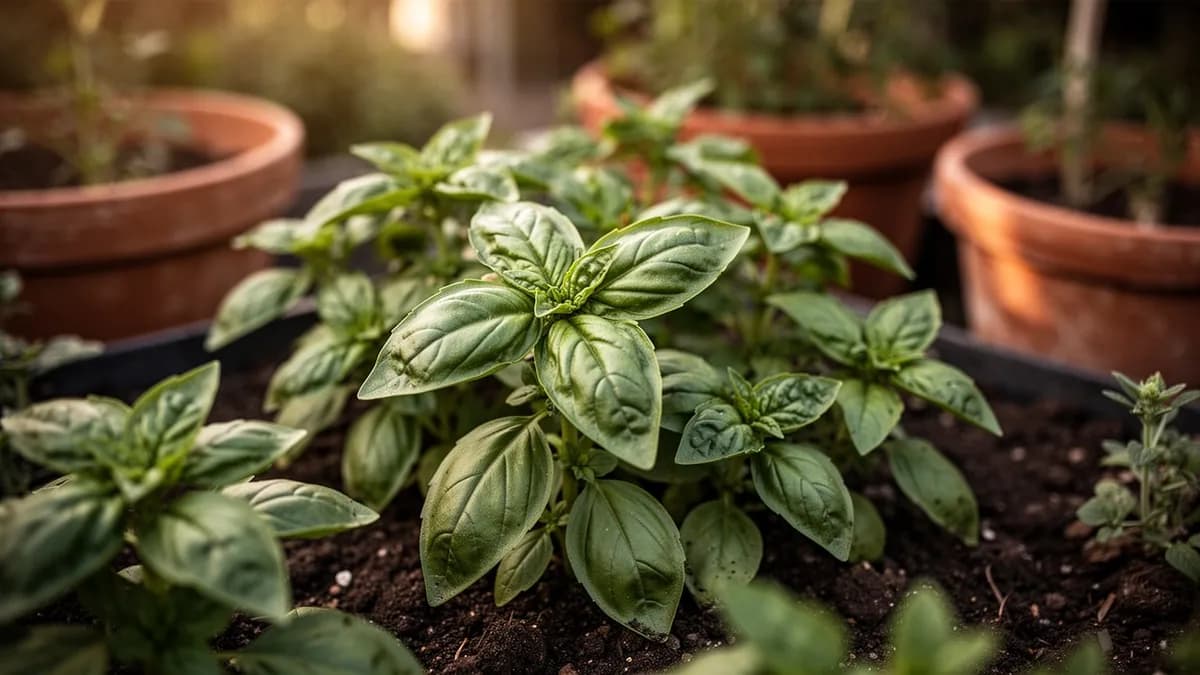
Als Mitglied der Tagetes-Familie (Ringelblume) produziert mexikanischer Estragon Wurzelausscheidungen, die Nematoden und andere bodenbürtige Schädlinge unterdrücken, was ihn zu einem ausgezeichneten Begleiter für Tomaten, Paprika und andere nematodenempfindliche Kulturen macht. Die goldenen Blüten locken Bestäuber und Nützlinge an. Neben wärmeliebenden Kräutern wie Basilikum und Koriander pflanzen, die ähnliche Kulturanforderungen haben. Der aufrechte Wuchs bietet einen guten Hintergrund für niedrig wachsende Begleitpflanzen.
Tomate gehört daneben.
Altes Gärtnerwissen, geprüft an der echten Nachbartabelle von Mexikanischer Estragon — teste jede Pflanze, die du anbaust.
Probiere Mexikanischer Estragon direkt hier im Beet
Ein echtes Planer-Beet, Mexikanischer Estragon steht schon drin. Tippe einen Begleiter an, platziere ihn und sieh, wie die Nachbarschaftsprüfung antwortet — grün für gute Nachbarn, rot bei Streit.


Passende Anbau-Ratgeber
Richtig düngen
In gut durchlässigem, mäßig fruchtbarem Boden mit pH 6,0-7,5 anbauen. Schweren, staunassen Boden vermeiden. Während der Wachstumsperiode monatlich mit ausgewogenem Flüssigdünger für beste Blattproduktion düngen. In Kübeln Standard-Blumenerde mit zusätzlichem Perlit für die Drainage verwenden. Mexikanischer Estragon ist anpassungsfähig an verschiedene Bodenarten, gedeiht aber am besten bei gleichmäßiger Nährstoffversorgung. Im Frühjahr Freilandpflanzen mit Kompost mulchen.
Ideale Temperatur
Winterhärtezone-Kompatibilität
Von der Saat zur Ernte, Schritt für Schritt
Aussaat
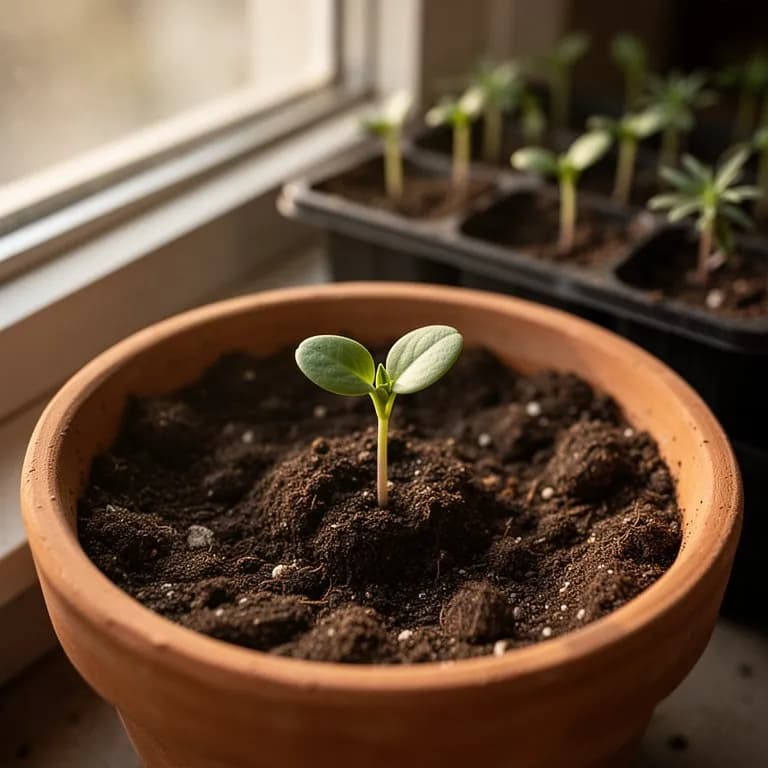
Winzige Samen auf die Oberfläche feuchter Aussaaterde säen. Samen brauchen Licht zur Keimung, daher nicht abdecken. Das Substrat gleichmäßig feucht und warm bei etwa 20-25°C halten.
Sämlingsentwicklung
Sämlinge erscheinen mit schmalen, lanzettlichen Keimblättern. Echte Blätter entwickeln sich mit der charakteristischen gegenständigen Anordnung. Das Wachstum ist in dieser Phase langsam, aber stetig.
Vegetatives Wachstum
Die Pflanze entwickelt ihre buschige, aufrechte Form mit mehreren verzweigten Stängeln. Blätter werden glänzend und intensiv aromatisch. Das Wurzelsystem etabliert sich in dieser Phase kräftig.
Etabliertes Kraut
Pflanzen erreichen 45-75 cm Höhe mit dichtem Laub. Regelmäßige Ernte fördert kontinuierliches Nachwachsen. Das Anisaroma ist in dieser Phase auf seinem Höhepunkt.
Blüte
Büschel kleiner, leuchtend goldgelber Blüten erscheinen an den Stängelspitzen, typischerweise ausgelöst durch kürzere Tageslängen im Spätsommer und Herbst. Blüten sind essbar und locken nützliche Bestäuber an.
Ruhephase und Überwinterung
In kühleren Klimazonen stirbt der oberirdische Wuchs nach Frost ab. Die Wurzelkrone kann milde Winter mit Schutz überstehen. In frostfreien Zonen kann die Pflanze ganzjährig immergrün bleiben.
Vorsichtig besprühen statt von oben gießen, um die feinen Samen nicht zu verlagern.
Mexikanischer Estragon Monat für Monat pflegen
Was du jeden Monat für deine Mexikanischer Estragon tun solltest
Oktober
Aktueller MonatVerbleibende Blätter vor Frostgefahr ernten. Einen Teilungsableger in einen Topf setzen und für den Winter auf die Fensterbank stellen. Freilandpflanzen mulchen.
Immer wissen, was jetzt im Garten zu tun ist
Eine E-Mail zum Monatsanfang: was du jetzt säen, pflanzen und anpacken solltest — für deine Mexikanischer Estragon und alles, was drumherum wächst. Dazu ein kurzer Startkurs, der dich vor den klassischen Fehlern bewahrt.
- Was jetzt zu tun ist
- Passend zu deiner Saison
- Startkurs inklusive
Mexikanischer Estragon ernten
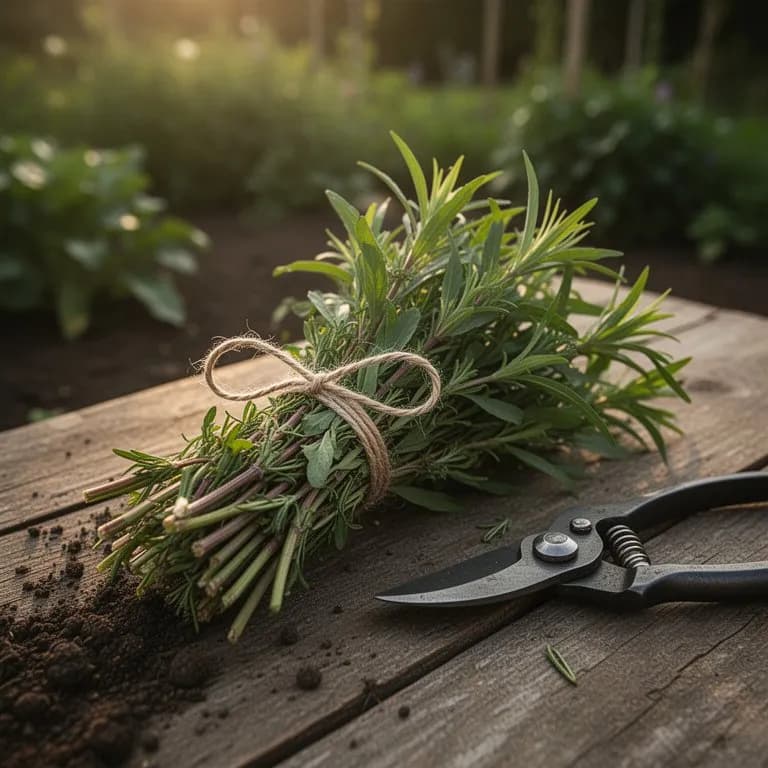
Ernten Sie mexikanische Estragonblätter während der gesamten Wachstumsperiode, indem Sie Triebspitzen von 10-15 cm Länge direkt über einem Blattknoten abschneiden. Die nach Anis schmeckenden Blätter werden am besten frisch verwendet, morgens gepflückt für den höchsten Gehalt an ätherischen Ölen. Vor der Blüte geerntete Blätter haben das konzentrierteste Aroma. Die goldenen Blüten sind ebenfalls essbar und ergeben attraktive Garnituren. In tropischen Klimazonen ganzjährig von etablierten mehrjährigen Pflanzen ernten.
angenommen, du pflanzt zu Beginn des Zeitraums — trage dein tatsächliches Datum ein
Ernte Mexikanischer Estragon zügig, dann trägt die Pflanze weiter.
Lagerung & Konservierung
Frischer mexikanischer Estragon hält sich etwa eine Woche gekühlt in einem verschlossenen Beutel mit einem feuchten Papiertuch. Die Blätter lassen sich recht gut trocknen – hängen Sie kleine Bündel 1-2 Wochen in einem warmen, dunklen Bereich auf. Getrocknete Blätter behalten ein gutes Anisaroma, obwohl weniger nuanciert als frische. Frische Zweige in Gefrierbeuteln einfrieren für bequemen Zugang beim Kochen. Frische Blätter in Weißweinessig für einen Estragonessig einlegen, der dem französischen Original in nichts nachsteht. Estragonbutter zur Aufbewahrung herstellen.
Was schiefgeht — und die Lösung
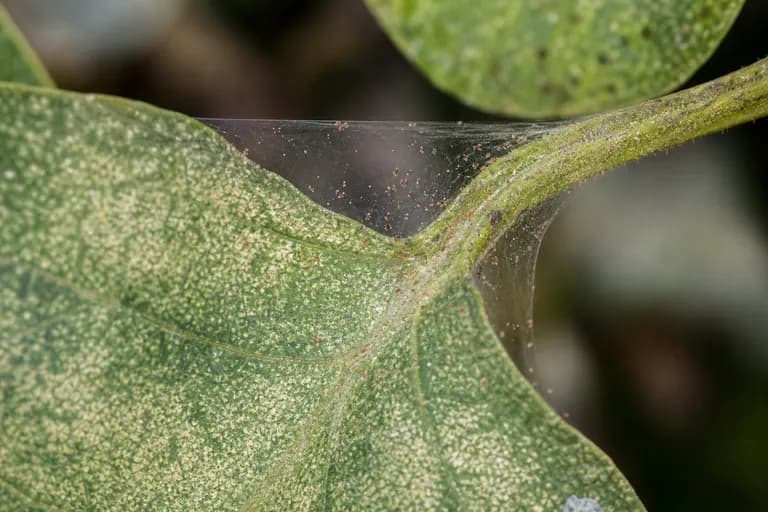
Spinnmilben
SchädlingFeine Sprenkelung auf Blättern, Bronzeverfärbung, winzige Gespinste an Blattunterseiten bei heißem, trockenem Wetter.
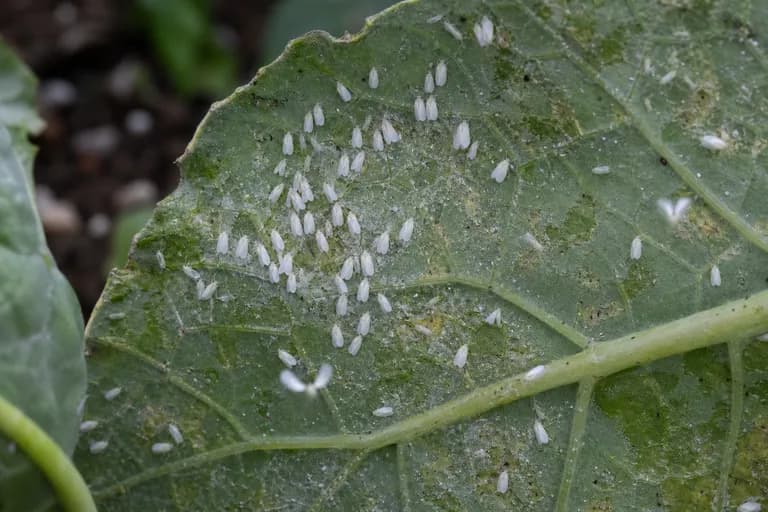
Weiße Fliegen
SchädlingKleine weiße fliegende Insekten unter den Blättern, die bei Störung auffliegen. Klebriger Honigtau und eventuelle Rußtauentwicklung.
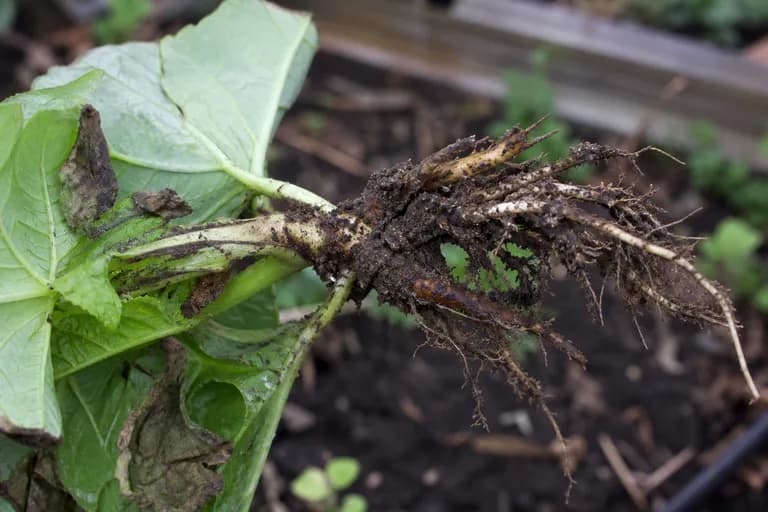
Wurzelfäule
KrankheitWelken trotz feuchtem Boden, Vergilbung der unteren Blätter, weiche, dunkle Stängelbasis.
Fehlerbehebung bei häufigen Problemen
Nicht winterhart unter Zone 8 – in kalten Klimazonen als einjährige Pflanze behandeln oder drinnen überwintern. Schlaksiger, umfallender Wuchs deutet auf unzureichendes Licht hin; volle Sonne sicherstellen. Schwaches Aroma bedeutet meist, dass die Pflanzen zu viel gegossen oder zu wenig gedüngt werden. Übermäßige Blüte reduziert das Blattaroma – Blütenknospen auskneifen, um die kulinarische Ernte zu verlängern. In tropischen Klimazonen können Pflanzen zu üppig wachsen und verholzen; im Spätwinter kräftig zurückschneiden zur Verjüngung.
Anbautipps
- Samen 6-8 Wochen vor dem letzten Frost drinnen aussäen, auf die Oberfläche feuchter Aussaaterde drücken, ohne sie abzudecken, da sie Licht zur Keimung brauchen.
- Einen Pflanzstandort mit voller Sonne und gut durchlässigem Boden wählen; mexikanischer Estragon verträgt arme Böden, hat aber Probleme bei Staunässe.
- Pflanzen im Abstand von 30-45 cm setzen, um dem buschigen, aufrechten Wuchs Raum zu geben und gute Luftzirkulation um das Laub zu gewährleisten.
- Nach der Etablierung tief, aber selten gießen und die obersten Zentimeter des Bodens zwischen den Wassergaben abtrocknen lassen, um Wurzelfäule zu vermeiden.
- Triebspitzen während der gesamten Saison regelmäßig einkürzen oder auskneifen, um die Verzweigung zu fördern und schlaksiges Wachstum zu verhindern.
- Während der aktiven Wachstumsperiode monatlich eine leichte Gabe ausgewogenen organischen Düngers verabreichen, aber Überdüngung vermeiden, die die Konzentration ätherischer Öle verringert.
- Blätter morgens nach dem Abtrocknen des Taus ernten, wenn die Konzentration aromatischer ätherischer Öle am höchsten ist und das beste Aroma gewährleistet ist.
- Im Hochsommer Stängelstecklinge zur Vermehrung nehmen; sie bewurzeln sich leicht in feuchtem Perlit oder Vermiculit innerhalb von zwei bis drei Wochen.
- Im Herbst reichlich um die Wurzelkrone mulchen, wenn Sie sich in einer Grenzzone der Winterhärte befinden, um der Pflanze beim Überwintern und Wiederaustreiben im Frühling zu helfen.
- Ein Topfexemplar auf einer sonnigen Fensterbank während des Winters kultivieren, um in kälteren Klimazonen ganzjährig eine frische Blätterversorgung zu gewährleisten.
Bau deine beste Mexikanischer Estragon an — und alles drumherum.
Starte heute kostenlos. Lege deine Beete an, setze deine Mexikanischer Estragon ein und lass PlotMyGarden Timing, Abstände, Begleiter und Erinnerungen von der Saat bis zum Erntekorb übernehmen.
Finde deine Mexikanischer Estragon
Mexikanischer Estragon (Tagetes lucida)
Die Standardart mit kräftigem Anisaroma und goldenen Herbstblüten. Es sind keine benannten Sorten im Handel erhältlich.
Französischer Estragon (Artemisia dracunculus var. sativa)
Der erstklassige Küchenestragon mit dem feinsten Aroma, aber hitze- und feuchtigkeitsempfindlich. Nur für Zonen 4-7.
Spanischer Estragon (Tagetes lucida)
Ein weiterer gebräuchlicher Name für mexikanischen Estragon, der seine Einführung in die europäische Küche durch spanische Kolonisten widerspiegelt.
Eine einzige mexikanische Estragonpflanze kann vom späten Frühling bis zum Herbst reichlich Ernten liefern, was 15-25 im Laden gekauften Bündeln frischen Estragons pro Saison entspricht. Bei einem typischen Preis von 3-5 € pro kleinem Bund kann eine Pflanze jährlich 50-100 € einsparen. Im Gegensatz zu französischem Estragon wächst er zuverlässig aus Samen, sodass keine teuren Baumschul-Jungpflanzen nötig sind, und sät sich in warmen Klimazonen bereitwillig selbst aus für eine dauerhafte Versorgung.
Schnelle Rezepte
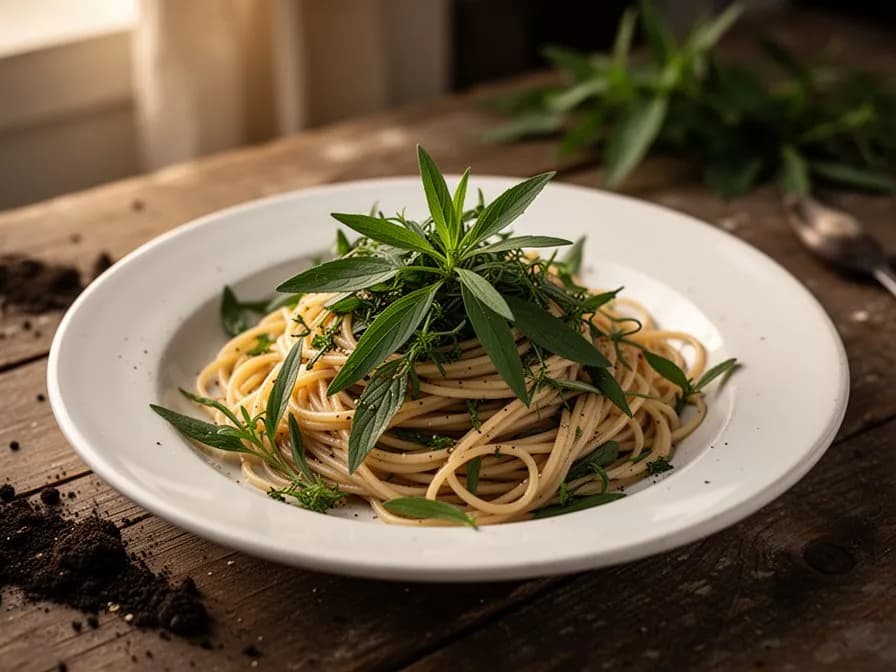
Mexikanische Estragonbutter
10 Min.Eine duftende Kräuterbutter, verfeinert mit dem anisartigen Aroma von frischem mexikanischem Estragon, perfekt zum Schmelzen über gegrilltem Fisch, Maiskolben oder knusprigem Brot.
5 ZutatenEstragon-Limetten-Hähnchen
35 Min.Zarte Hähnchenschenkel mariniert mit mexikanischem Estragon, Limettensaft und Knoblauch, dann goldbraun angebraten und mit einer schnellen Pfannensauce serviert.
7 ZutatenHierba Anís Kräutertee
5 Min.Ein traditioneller mexikanischer Kräutertee aus frischen oder getrockneten mexikanischen Estragonblättern, bekannt für seine beruhigenden und verdauungsfördernden Eigenschaften mit natürlich süßem Anisaroma.
4 ZutatenKulinarische Verwendung
Mexikanische Estragonblätter genau wie französischen Estragon in Béarnaise-Sauce, Estragon-Hähnchen, Estragonessig und Kräuterbutter verwenden. Das Aroma ist etwas süßer und anisbetonter als bei französischem Estragon. Ausgezeichnet in Eierspeisen, Sahnesaucen und zu Meeresfrüchten. Die getrockneten Blätter als beruhigenden Anistee aufbrühen, der in der mexikanischen Volksmedizin beliebt ist. Frische Blätter zu Salsa Verde und Guacamole für eine unerwartete Anisnote hinzufügen. Die essbaren Blüten garnieren Salate und Desserts.
Was drinsteckt
Gesundheitsvorteile
- Enthält antioxidative Verbindungen wie Quercetin und Cumarinderivate, die Zellen vor oxidativem Stress schützen.
- Wird traditionell zur Unterstützung der Verdauungsgesundheit durch Linderung von Blähungen, Gasbildung und Magenkrämpfen nach Mahlzeiten verwendet.
- Die ätherischen Öle haben in Laborstudien milde antimikrobielle und antimykotische Eigenschaften gezeigt.
- Kann als Tee vor dem Schlafengehen getrunken Symptome leichter Angst und Schlaflosigkeit lindern.
- Enthält entzündungshemmende Verbindungen, die Gelenkschmerzen und Muskelkater lindern können.
- Reich an Carotinoiden, insbesondere Lutein und Zeaxanthin, die mit der Erhaltung einer gesunden Sehkraft in Verbindung gebracht werden.
Woher Mexikanischer Estragon stammt
Mexikanischer Estragon (Tagetes lucida) stammt aus Mexiko und Mittelamerika, wo er seit Tausenden von Jahren kultiviert und verwendet wird. Die aztekische Zivilisation schätzte dieses aromatische Kraut besonders hoch und integrierte es sowohl in ihre kulinarischen als auch in ihre spirituellen Praktiken. Sie nannten es „yauhtli" und verwendeten es ausgiebig als Aromastoff in Getränken auf Schokoladenbasis, als Heilmittel für verschiedene Beschwerden und als zeremoniellen Weihrauch bei religiösen Ritualen. Spanische Konquistadoren dokumentierten die weit verbreitete Nutzung der Pflanze bei ihrer Ankunft im frühen sechzehnten Jahrhundert und merkten ihre Bedeutung auf aztekischen Märkten und bei Tempelopfergaben an. Das Kraut wurde traditionell mit dem Regengott Tlaloc in Verbindung gebracht und bei Erntefesten in großen Mengen verbrannt.
Nach der spanischen Eroberung verbreitete sich mexikanischer Estragon allmählich in andere tropische und subtropische Regionen weltweit. Europäische Botaniker ordneten ihn im achtzehnten Jahrhundert der Gattung Tagetes zu und erkannten seine enge Verwandtschaft mit gewöhnlichen Ringelblumen. Im zwanzigsten Jahrhundert entdeckten Gärtner und Köche in warmen Klimazonen seinen Wert als praktischen Ersatz für französischen Estragon (Artemisia dracunculus) wieder, der unter heißen, feuchten Bedingungen oft versagt. Mexikanischer Estragon gedeiht dort, wo französischer Estragon welkt, und toleriert Hitze, Feuchtigkeit und arme Böden mit bemerkenswerter Widerstandsfähigkeit.
Heute erlebt mexikanischer Estragon eine Renaissance unter Kräutergärtnern, Permakultur-Praktizierenden und Köchen, die sein robustes Anis-Lakritz-Aromaprofil schätzen. Er wird in den südlichen Vereinigten Staaten, Südostasien und Teilen Afrikas sowohl als Küchenkraut als auch als Zierpflanze angebaut. Seine doppelte Verwendbarkeit mit essbarem Laub und attraktiven goldenen Blüten hat ihn zu einem Favoriten in essbaren Landschaftsgestaltungen und Bestäubergärten gemacht.
Mexikanischer Estragon: Schon gewusst?
Faszinierende Fakten über Mexikanischer Estragon
Mexikanischer Estragon wurde von den Azteken als ritueller Weihrauch und Heilkraut verwendet und häufig bei Zeremonien zu Ehren des Regengottes Tlaloc verbrannt.
Mexikanischer Estragon: Fragen & Antworten
Wann sollte ich Mexikanischer Estragon pflanzen?
Was sind gute Begleitpflanzen für Mexikanischer Estragon?
In welchen Winterhärtezonen kann Mexikanischer Estragon wachsen?
Wie viel Sonne braucht Mexikanischer Estragon?
Welchen Abstand sollte ich zwischen Mexikanischer Estragon lassen?
Welche Schädlinge und Krankheiten befallen Mexikanischer Estragon?
Wie lagere ich Mexikanischer Estragon nach der Ernte?
Was sind die besten Mexikanischer Estragon-Sorten zum Anbauen?
Welchen Boden braucht Mexikanischer Estragon?
Kann mexikanischer Estragon wirklich französischen Estragon in Rezepten ersetzen?
Ist mexikanischer Estragon mehrjährig oder einjährig?
Warum blüht mein mexikanischer Estragon nicht?
Wie trockne ich mexikanische Estragonblätter zur Aufbewahrung?
Vertreibt mexikanischer Estragon Gartenschädlinge?
Ist mexikanischer Estragon sicher für Haustiere?
Du hast die Theorie gelesen. Jetzt baue sie auf Autopilot an.
Alles, was Mexikanischer Estragon knifflig macht — das Timing, die Abstände, die Begleiter, das Erntefenster — genau das übernimmt PlotMyGarden für dich, für jede Pflanze im Garten.
Ein Plan, der dein Wetter kennt
Standort einmal festlegen. Aussaat-, Dünge- und Erntedaten rund um deinen echten letzten Frosttermin und die Live-Vorhersage — kein Raten mehr nach Saattüte.
Aus dem Abschnitt „Pflanzzeit“Beetplaner per Drag & Drop
Beete auf einem Raster gestalten. Jede Pflanze rastet im richtigen Abstand ein, und du siehst die ganze Saison, bevor du einen Cent für Saatgut ausgibst.
Aus dem Abschnitt „Anbau“Begleiter-Konflikte früh erkannt
Über 200 gute und schlechte Kombinationen werden beim Pflanzen live geprüft — so landet ein saisonruinierender Fehler nie in der Erde.
Aus dem Abschnitt „Begleiter“Erinnerungen, nach denen du wirklich handelst
„Gieß die Bohnen.“ „Heute ernten, bevor's umschlägt.“ Pünktlich, konkret und auf deine echten Pflanzen bezogen.
Aus dem Abschnitt „Ernte“Staffel-Aussaat, geplant
Sechs Wochen ernten statt sechs Tage? Die App verteilt deine Aussaaten automatisch und erinnert dich, wenn der nächste Satz fällig ist.
Aus dem Abschnitt „Pflanzzeit“Ein Verlauf, der schlauer wird
Jede protokollierte Ernte bringt der App deinen Garten bei. Der Plan fürs nächste Jahr startet bei dem, was in deinem Boden wirklich funktioniert hat.
Aus dem Abschnitt „Überblick“Pflanze diese neben Mexikanischer Estragon
Weitere Küchenkräuter
Bau deine beste Mexikanischer Estragon an — und alles drumherum.
Starte heute kostenlos. Lege deine Beete an, setze deine Mexikanischer Estragon ein und lass PlotMyGarden Timing, Abstände, Begleiter und Erinnerungen von der Saat bis zum Erntekorb übernehmen.