Tansy
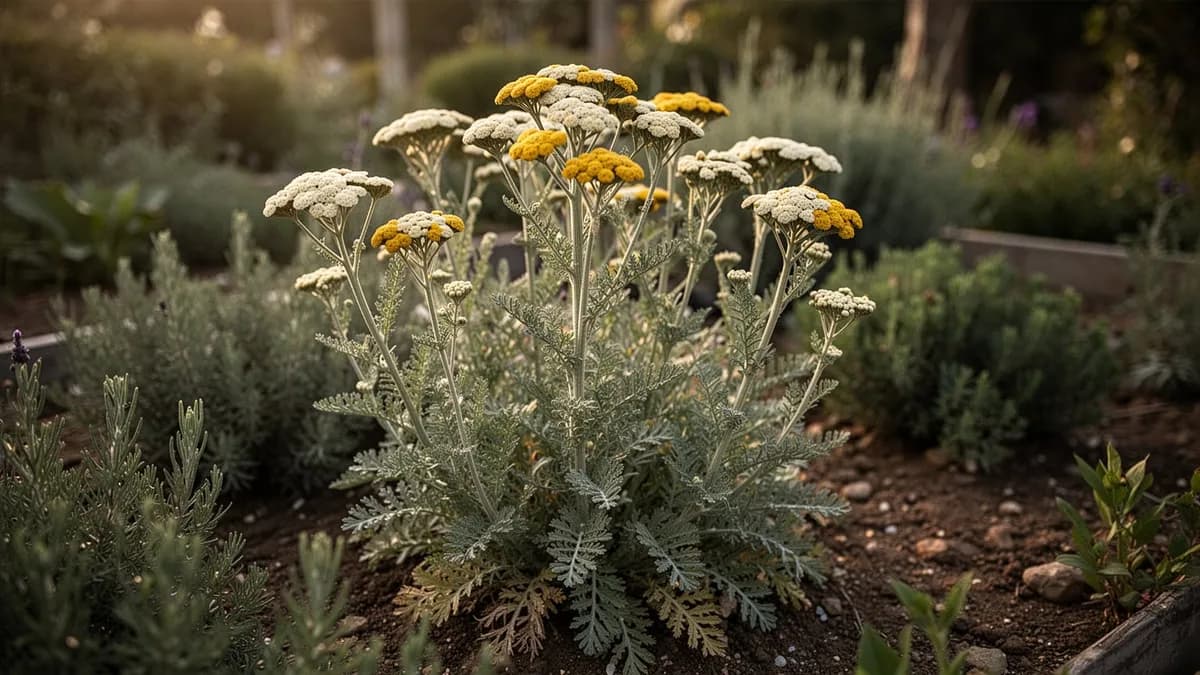
A vigorous perennial with ferny foliage and clusters of yellow button flowers, historically used as a strewing herb and insect repellent.





On this pageOverview
Meet Tansy
A vigorous perennial with ferny foliage and clusters of yellow button flowers, historically used as a strewing herb and insect repellent. Tansy can become invasive due to its aggressive rhizome spreading, so plant in contained areas or remove runners regularly. The strong camphor-like scent repels ants, flies, and other insects when dried bundles are hung indoors.
When to plant Tansy
Tansy is easily grown from seed sown indoors or direct-sown outdoors in spring. Surface-sow tiny seeds on moist compost—they need light to germinate. Keep at 18-22°C and expect germination in 7-14 days. Seedlings grow quickly and flower in their first year. Division of established clumps in spring or autumn is even easier—each section with roots and shoots will establish rapidly. Root cuttings also work: cut 5cm sections of rhizome and plant horizontally in pots.
Your Tansy Year
Composed for Zone 7 · typical seasons · frost passes Apr 2, returns Nov 1
Plant Tansy Mar – May, pick Jul – Sep. Check the planting methods below and set your climate to personalize these windows.
How to grow Tansy
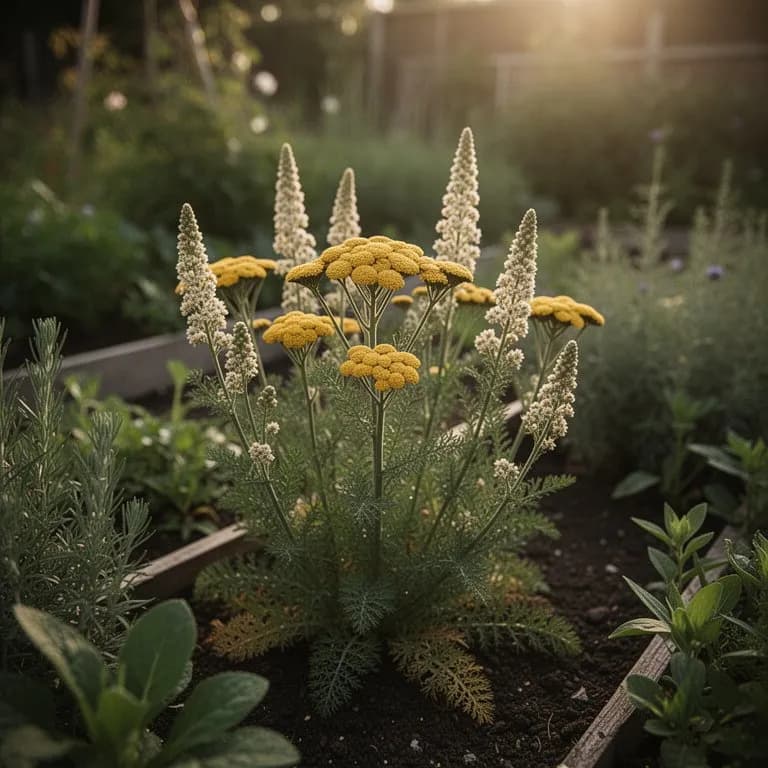
Tansy is a vigorous, upright perennial growing 60-120cm tall with finely divided, ferny foliage and flat clusters of bright yellow button flowers in late summer. The entire plant has a strong camphor-like scent that has been used for centuries as an insect repellent and strewing herb. Be aware that tansy spreads aggressively by underground rhizomes and can become invasive.
Plant in full sun with average, well-drained soil. Tansy tolerates poor soils, drought, and neglect, thriving in conditions that challenge many garden plants. Space 45cm apart, but be prepared to manage spreading rhizomes with root barriers, containers, or regular removal of runners. In ideal conditions, a single plant can colonize several square meters within a few years.
Despite its invasive tendencies, tansy is a useful garden plant when properly contained. The yellow button flowers are attractive to beneficial insects, and the strong aromatic foliage is an effective insect deterrent. Cut plants back to ground level in late autumn. The dried stems and flowers make excellent additions to dried arrangements and insect-repelling sachets.
10 plants fit a 4 × 8 ft bed
Each Tansy wants 45 cm of elbow room. The planner keeps that spacing for you — every plant, every bed.
Tansy's best neighbours
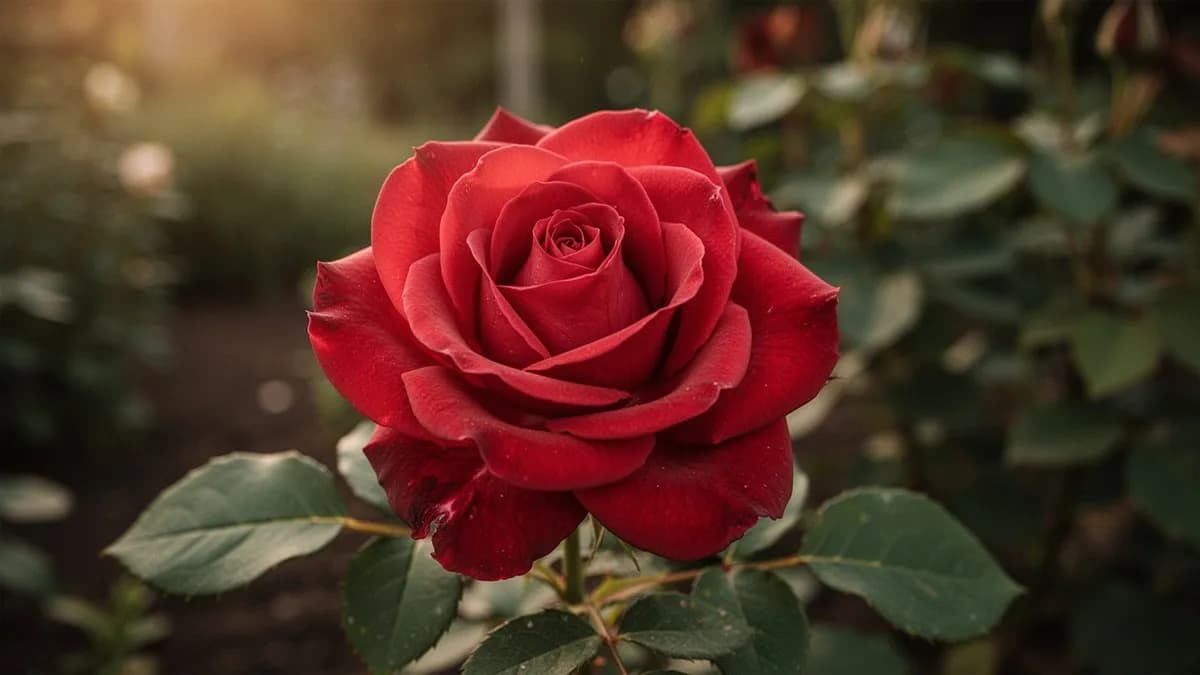
Tansy is a traditional companion plant for roses and fruit bushes, where its strong aromatic compounds are believed to repel Japanese beetles, squash bugs, and various flying pests. Plant near but not adjacent to vegetables to attract beneficial insects without overwhelming them. The button flowers attract parasitic wasps, ladybirds, and hoverflies. However, its allelopathic properties can inhibit some nearby plants, so provide adequate spacing.
Rose belongs beside it.
Old growers' knowledge, checked against Tansy's real companion table below — test any plant you're growing.
Try Tansy in a bed — right here
A real planner bed with Tansy already in it. Tap a companion to place it and watch the pairing checks answer — green for good neighbours, red for a clash.


Related growing guides
Feed it well
Tansy grows in virtually any well-drained soil with a pH of 5.5-8.0. It thrives in poor to average conditions and requires no fertilizer. Rich soil produces overly lush growth that is more prone to flopping and less aromatic. Do not amend the soil or feed this plant—it is naturally vigorous enough without encouragement.
Ideal Temperature
Hardiness Zone Compatibility
From seed to harvest, stage by stage
Seed Germination
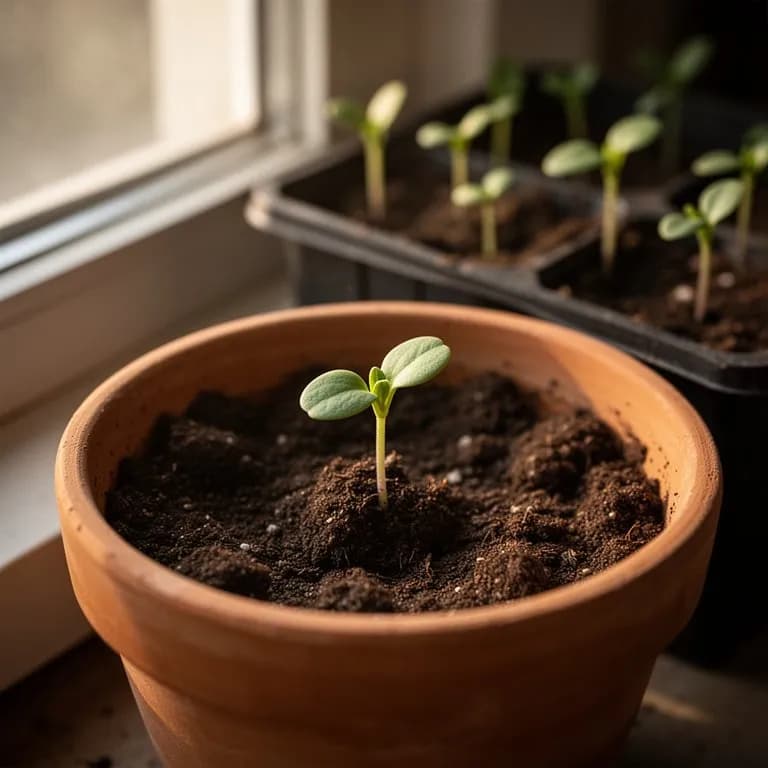
Tansy seeds are tiny and require light to germinate. Surface-sow on moist seed-starting mix and press gently without covering. Maintain consistent moisture and temperatures around 18-22°C. Germination is typically rapid and reliable compared to many perennial herbs.
Seedling Establishment
Small seedlings develop their first pairs of finely divided leaves. Growth is moderate at this stage as the plant focuses on establishing a root system. Seedlings are hardy and tolerate light frosts once established.
Vegetative Growth
Tansy enters a vigorous growth phase, producing dense clumps of upright stems clad in deeply pinnate, fern-like leaves. The aromatic foliage releases a strong camphor-like scent when touched. Rhizomes begin spreading underground, forming new shoots around the original plant.
Bud Formation
Stems elongate to their full height of 60-120 cm and develop tight clusters of green flower buds at their tips. The buds are arranged in flat-topped corymbs and gradually turn from green to golden-yellow as they prepare to open.
Full Bloom
Dense clusters of bright yellow, button-shaped disc flowers open fully. Each flower head is roughly 1 cm across and lacks ray petals, giving tansy its distinctive button appearance. Blooming continues for several weeks, attracting beneficial insects to the garden.
Seed Set and Late Season
Flowers gradually dry on the stem and produce small seeds. Foliage remains aromatic but begins to yellow at the base. The plant directs energy back to its rhizome system in preparation for winter dormancy.
Winter Dormancy
Above-ground growth dies back completely in cold climates. The vigorous rhizome system survives underground and is extremely cold-hardy, tolerating temperatures well below -30°C. New shoots will emerge in early spring from the spreading root network.
Keep the surface evenly moist with a fine mist sprayer. A clear humidity dome helps retain moisture without disturbing the tiny seeds.
Caring for Tansy month by month
What to do each month for your Tansy
October
You are hereCut back flowering stems after bloom is finished. Divide overgrown clumps and share divisions or discard excess. Reinforce root barriers before the ground freezes. Dry any remaining harvested material.
Know exactly what to do in your garden — every month
One email at the start of each month: what to sow, plant, and tackle right now — for your Tansy and everything growing around it. Plus a short starter course that helps you dodge the classic mistakes.
- What to do, right now
- Matched to your season
- Starter course included
Harvesting Tansy
Harvest tansy stems during the growing season for immediate use as an insect repellent—lay fresh stems near doorways and windows. For drying, cut stems when flowers are fully open in late summer. The button flowers retain their bright yellow color beautifully when dried. Harvest the finely divided foliage for sachets anytime during the growing season. Note that tansy is toxic if ingested in large quantities—it is not a culinary herb.
assuming you plant when the window opens — set your real date
Pick Tansy promptly and the plant keeps producing.
Storage & Preservation
Bundle stems and hang upside down in a warm, dark, well-ventilated area to dry. The button flowers dry perfectly, retaining their bright yellow color and form for dried arrangements. The dried foliage retains its strong camphor scent for 12-18 months in sachets and moth-repelling bags. Store in paper bags or fabric sachets. Place in wardrobes, drawers, and stored clothing to repel moths and insects.
What goes wrong — and the fix
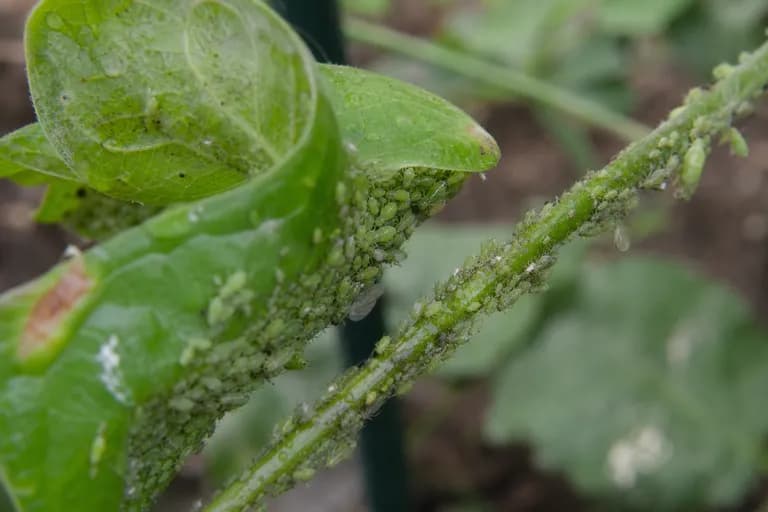
Aphids
PestOccasional clusters on tender new growth. Rarely a serious problem on this strongly aromatic plant.
Troubleshooting Common Problems
Invasive spreading is by far the biggest concern. Use root barriers sunk 30cm deep or grow in large bottomless containers buried in the ground. In rich, moist soil, tansy becomes especially aggressive. Tall stems may flop in shade or overly rich conditions—grow in full sun and lean soil for more upright plants, or stake. Note that tansy is toxic if ingested and should not be grown where children or pets might eat it.
Growing Tips
- Contain tansy's aggressive spread by planting in large bottomless containers sunk into the ground, or surround the planting area with root barriers buried at least 30 cm deep to prevent rhizome escape.
- Tansy thrives in full sun to partial shade and adapts to almost any soil type, from heavy clay to sandy loam. It requires no soil amendments and actually performs better in average to poor soil than in rich, heavily fertilized beds.
- Water established tansy only during prolonged dry spells. Once its deep rhizome network is in place, the plant is remarkably drought-tolerant and overwatering can promote excessive spread and weak, floppy growth.
- Deadhead spent flowers promptly and thoroughly to prevent tansy from self-seeding throughout your garden. Even a few overlooked seed heads can produce dozens of volunteer seedlings the following spring.
- Divide overgrown clumps every 2-3 years in early spring or autumn to maintain vigor, control spread, and share plants with fellow gardeners who can benefit from its pest-repelling properties.
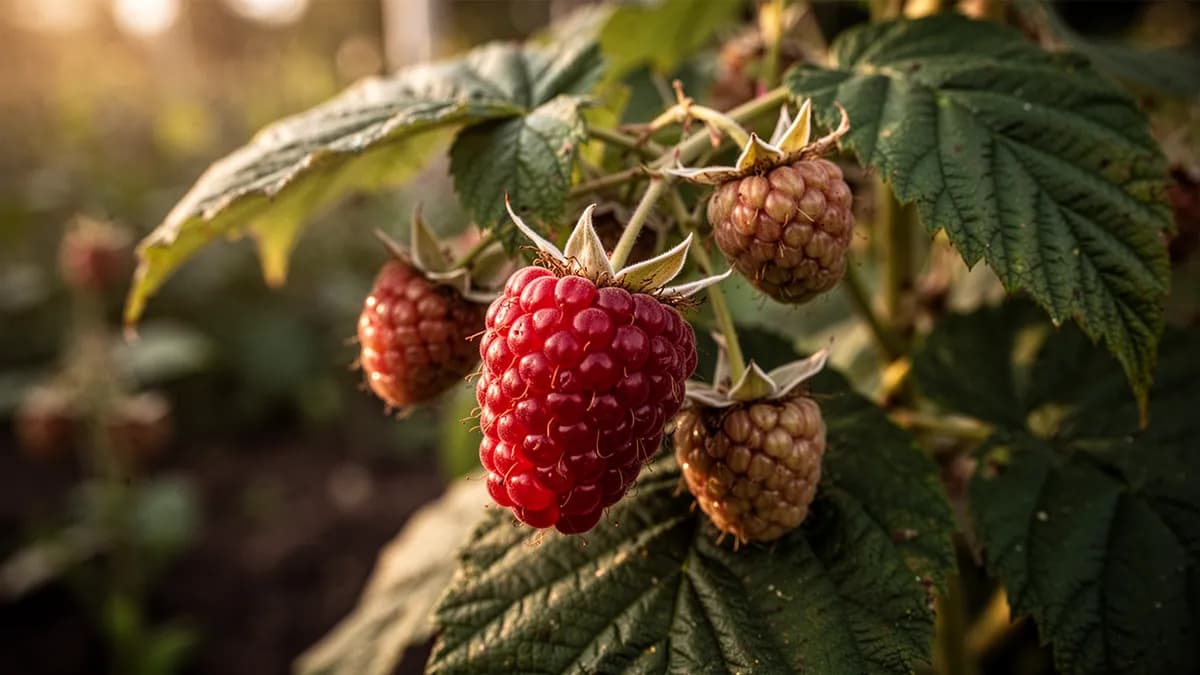
- Plant tansy near roses, raspberries, squash, cucumbers, and potatoes to take advantage of its natural pest-deterrent properties against common insect pests of these crops.
- Harvest foliage and flowers in the morning after dew has dried for the highest concentration of aromatic essential oils. Hang bundles upside down in a warm, well-ventilated area away from direct sunlight to dry.
- Always wear gloves when handling large quantities of tansy, as the essential oils can cause contact dermatitis in sensitive individuals. Wash hands thoroughly after working with the plant.
- Never plant tansy near livestock pastures or areas accessible to grazing animals. Tansy is toxic to horses, cattle, and other livestock if consumed in significant quantities.
- In regions where tansy is considered invasive, check local regulations before planting. Growing tansy in containers on patios or decks provides all the pest-repelling benefits while eliminating any risk of unwanted garden spread.
Grow your best Tansy yet — and everything around it.
Start a free plan today. Lay out your beds, drop in your Tansy, and let PlotMyGarden handle the timing, spacing, companions and reminders from seed to harvest basket.
Pick your Tansy
Tanacetum vulgare (standard)
The classic tansy with ferny leaves and flat yellow flower clusters. The most common form and the standard for insect-repelling use.
Tanacetum vulgare var. crispum
Curly-leaved tansy with more ornamental, deeply crimped foliage. Equally aromatic but more garden-worthy in appearance.
A single tansy plant costs $3-6 at a nursery and, through its vigorous rhizome spreading, will produce an ever-expanding supply of pest-repellent material at no additional cost. Commercial natural insect repellent sachets sell for $5-12 per pack, while homemade tansy sachets cost virtually nothing once the plant is established. Natural golden dye from tansy replaces commercial botanical dyes costing $15-30 per batch. As a companion plant, tansy reduces the need for organic pest control sprays ($10-20 per bottle) by deterring common vegetable garden pests. Over several years, a contained tansy patch easily saves $100-250 on pest control and craft supplies.
Quick recipes
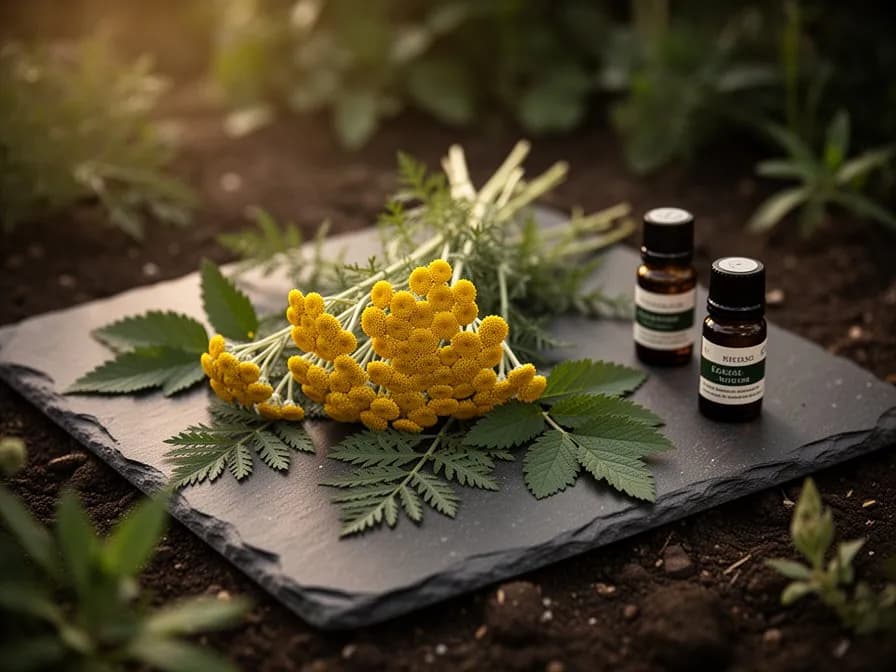
Tansy Ant and Insect Repellent Sachets
20 minutes + 2 weeks dryingSmall fabric pouches filled with dried tansy leaves and flowers create effective natural insect deterrents for drawers, closets, and pantries. The strong camphor-like aroma repels ants, moths, flies, and other household pests without toxic chemicals. These sachets remain effective for 3-6 months and can be refreshed by crushing the contents gently. WARNING: Tansy is toxic if ingested. Keep sachets away from children and pets, and label them clearly as not for consumption.
6 ingredients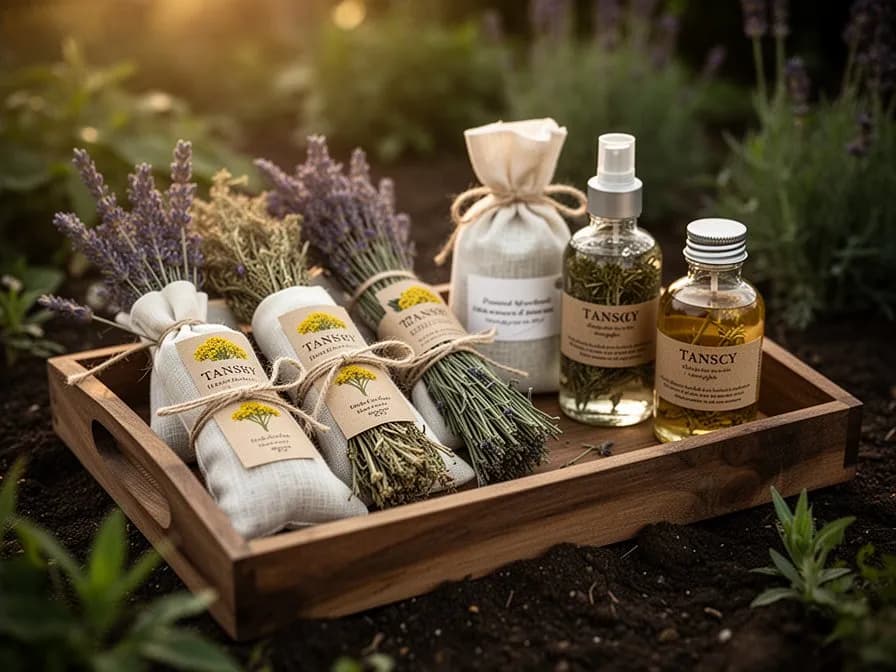
Tansy Natural Dye Bath for Fabrics
2 hours active + overnight soakFresh or dried tansy flowers produce a beautiful, lightfast golden-yellow dye for natural fibers. This traditional dye technique works especially well on wool, silk, and cotton that has been pre-mordanted with alum. The resulting color ranges from soft butter yellow to deep gold depending on the concentration of plant material and mordant used. This is a purely external craft use. WARNING: Wear gloves when handling tansy and work in a well-ventilated area. Do not use dye pots for food preparation afterward.
6 ingredients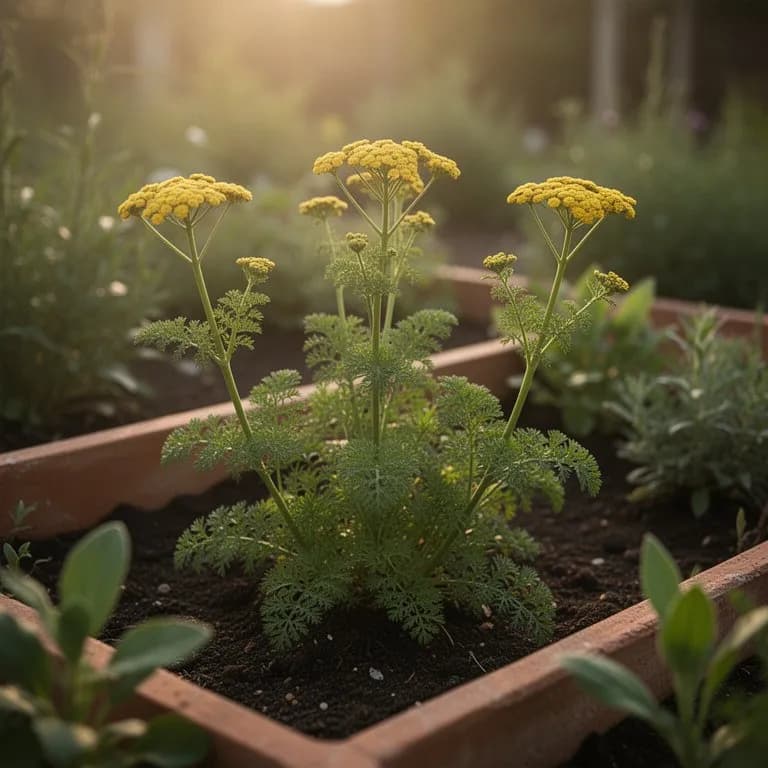
Tansy Garden Pest Spray
30 minutes + overnight steepA strong infusion of tansy leaves creates a natural spray that deters aphids, squash bugs, cucumber beetles, and other soft-bodied garden pests when applied directly to plant foliage. The aromatic compounds in tansy act as a contact repellent rather than a pesticide, so regular reapplication is needed, especially after rain. WARNING: This spray is for garden plants only. Do not apply to edible parts of food crops close to harvest. Wear gloves when preparing and applying. Tansy is toxic if ingested.
6 ingredientsWhat's inside
Health Benefits
- IMPORTANT: Tansy contains thujone and is toxic when taken internally. The following benefits refer exclusively to external and environmental uses. Never consume tansy in any form.
- Dried tansy placed in closets, drawers, and pantries is a time-tested natural moth and ant deterrent, reducing the need for synthetic chemical pesticides in the home.
- Tansy planted as a companion near vegetable gardens helps repel cucumber beetles, squash bugs, Colorado potato beetles, and Japanese beetles through its strong aromatic compounds.
- The flowers attract beneficial predatory insects such as ladybugs, lacewings, and parasitic wasps, which provide natural biological pest control for surrounding garden crops.
- Tansy-infused sprays applied to ornamental plants can deter aphids and other soft-bodied pests as a non-toxic alternative to synthetic insecticides in integrated pest management.
- Growing tansy near doorways and outdoor seating areas has been traditionally used to discourage flies and mosquitoes, offering a chemical-free approach to outdoor pest management.
Where Tansy comes from
Tansy (Tanacetum vulgare) is native to temperate regions of Europe and Asia, where it thrives along roadsides, riverbanks, field margins, and disturbed ground from the British Isles through Scandinavia and eastward across Siberia. It has naturalized extensively throughout North America, where it was introduced by European colonists in the 1600s for its practical household uses. Archaeological and literary evidence indicates that tansy has been cultivated and utilized by humans for well over a thousand years. The ancient Greeks may have been among the first to recognize its preservative and insect-repelling qualities, and the plant's name is widely believed to derive from the Greek word 'athanasia,' meaning immortality. During the medieval period, tansy became one of the most important strewing herbs in European households, scattered on floors to repel ants, fleas, and other pests at a time when sanitation was rudimentary. Monasteries cultivated tansy extensively, and it featured in the famous 'Capitulare de Villis' issued by Charlemagne around 812 AD, which mandated its cultivation on all imperial estates. In England, tansy held particular cultural significance during the Easter season, when tansy cakes and puddings were consumed as part of Lenten traditions, though this practice has largely disappeared due to modern understanding of the plant's toxicity. Colonial Americans brought tansy across the Atlantic and planted it near doorways and kitchens to deter insects, rubbed it on meat to repel flies, and placed dried bundles among stored linens to prevent moth damage. Throughout the 18th and 19th centuries, tansy appeared in countless domestic manuals as an indispensable household herb. The plant's reputation shifted in the 20th century as scientific research confirmed that tansy contains thujone, a compound toxic to humans and animals when ingested. Today tansy is valued primarily as an ornamental, companion plant, natural insect deterrent, and dye source, while its internal medicinal and culinary uses have been widely abandoned in favor of safer alternatives.
Tansy: did you know?
Fascinating facts about Tansy
Tansy was one of the strewing herbs scattered on floors throughout medieval Europe to repel insects and mask unpleasant odors, earning it a permanent place in household herb gardens for centuries.
Tansy questions, answered
When should I plant Tansy?
What are good companion plants for Tansy?
What hardiness zones can Tansy grow in?
How much sun does Tansy need?
How far apart should I space Tansy?
What pests and diseases affect Tansy?
How do I store Tansy after harvest?
What are the best Tansy varieties to grow?
What soil does Tansy need?
Is tansy safe to eat or use in cooking?
How do I prevent tansy from taking over my garden?
What pests does tansy repel in the garden?
Is tansy toxic to pets and livestock?
Can I use tansy as a natural dye?
When and how should I harvest tansy?
You just read the theory. Now grow it on autopilot.
Everything that makes Tansy fiddly — the timing, the spacing, the companions, the harvest window — is exactly what PlotMyGarden handles for you, for every plant in your garden.
A plan that knows your weather
Set your location once. Get sow, feed and harvest dates built around your real last-frost date and live forecast — no more guessing from a generic seed packet.
From the “When to plant” sectionDrag-and-drop bed planner
Design beds on a grid. Every plant snaps to its proper spacing, and you can see your whole season laid out before you spend a cent on seed.
From the “Growing guide” sectionCompanion conflicts, caught early
200+ good-and-bad pairings checked live as you plant — so a season-wrecking mistake never makes it into the ground.
From the “Companions” sectionReminders you'll actually act on
“Water the beans.” “Pick today before it turns.” Timely, specific, and tied to the plants you're really growing.
From the “Harvest” sectionSuccession, scheduled
Want a harvest for six weeks, not six days? It spaces your sowings automatically and reminds you when each new block is due.
From the “When to plant” sectionA record that gets smarter
Every harvest you log teaches it your garden. Next year's plan starts from what actually worked in your soil, not a textbook's.
From the “Overview” sectionPlant these alongside Tansy
More Aromatic Herbs
Grow your best Tansy yet — and everything around it.
Start a free plan today. Lay out your beds, drop in your Tansy, and let PlotMyGarden handle the timing, spacing, companions and reminders from seed to harvest basket.