Tangerine Tree
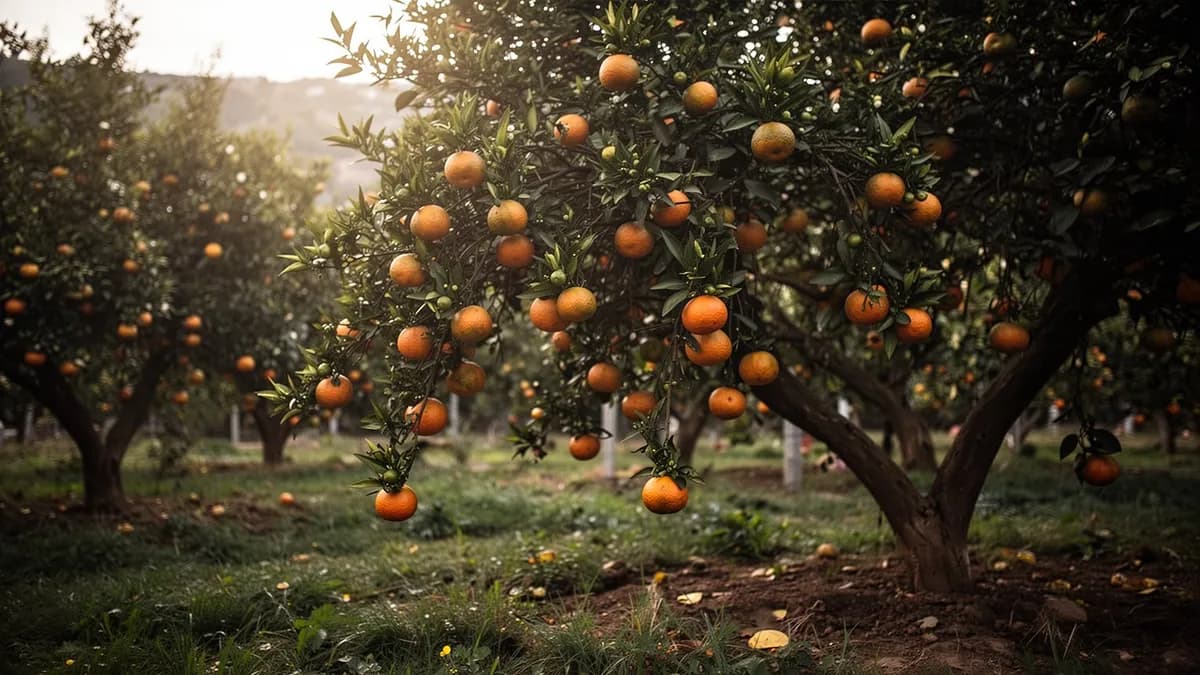
A moderately sized citrus tree producing easy-to-peel, sweet fruits that are a favorite for fresh eating.





On this pageOverview
Meet Tangerine Tree
A moderately sized citrus tree producing easy-to-peel, sweet fruits that are a favorite for fresh eating. Tangerines ripen earlier than most oranges, providing fruit from late fall through winter. They tend to bear heavily in alternate years, so thin fruit in heavy-set years to maintain consistent annual production. Satsuma types are among the most cold-tolerant mandarins and a good choice for borderline citrus climates.
When to plant Tangerine Tree
Tangerine trees should be purchased as grafted stock on appropriate rootstock for your climate and soil conditions. Trifoliate orange rootstock provides cold hardiness for borderline zones, while Cleopatra mandarin rootstock is preferred for alkaline soils. Satsuma varieties are often grafted onto trifoliate for maximum cold tolerance. Plant bare-root trees in late winter while dormant, or container-grown trees in spring. Keep the graft union well above the soil line to prevent scion rooting.
Your Tangerine Tree Year
Composed for Zone 7 · typical seasons · frost passes Apr 2, returns Nov 1
Plant Tangerine Tree Mar – May, pick Jan – Feb, Nov – Dec. Check the planting methods below and set your climate to personalize these windows.
How to grow Tangerine Tree
Tangerine trees need full sun and well-drained soil with a pH of 6.0 to 7.0. They are slightly more cold-tolerant than oranges, with Satsuma varieties surviving brief dips to the low 20s Fahrenheit. Plant in spring after the last frost, spacing trees 12 to 15 feet apart for standard types or 6 to 8 feet for dwarfs. Choose a location with good air circulation but shelter from cold north winds, such as a south-facing slope or near a building wall.
Water deeply once or twice per week during the first two years to establish a strong root system. Mature trees need about 1 inch of water per week during the growing season. Tangerines are prone to alternate bearing, producing heavily one year and lightly the next. Thin fruit clusters when fruitlets are marble-sized during heavy-set years to improve fruit size and encourage more consistent annual production.
Feed with a citrus-specific fertilizer in February, May, and September, adjusting rates based on tree age and vigor. Tangerines generally require less pruning than other citrus, but remove dead wood, water sprouts, and low-hanging branches that contact the ground. Harvest fruit as it colors up and sweetens, typically November through February depending on variety. Tangerines do not continue to sweeten after picking, so taste-test before harvesting the entire crop.
Tangerine Tree needs more room than a 4 × 8 ft bed gives
Each Tangerine Tree wants 500 cm of elbow room. The planner keeps that spacing for you — every plant, every bed.
Tangerine Tree's best neighbours
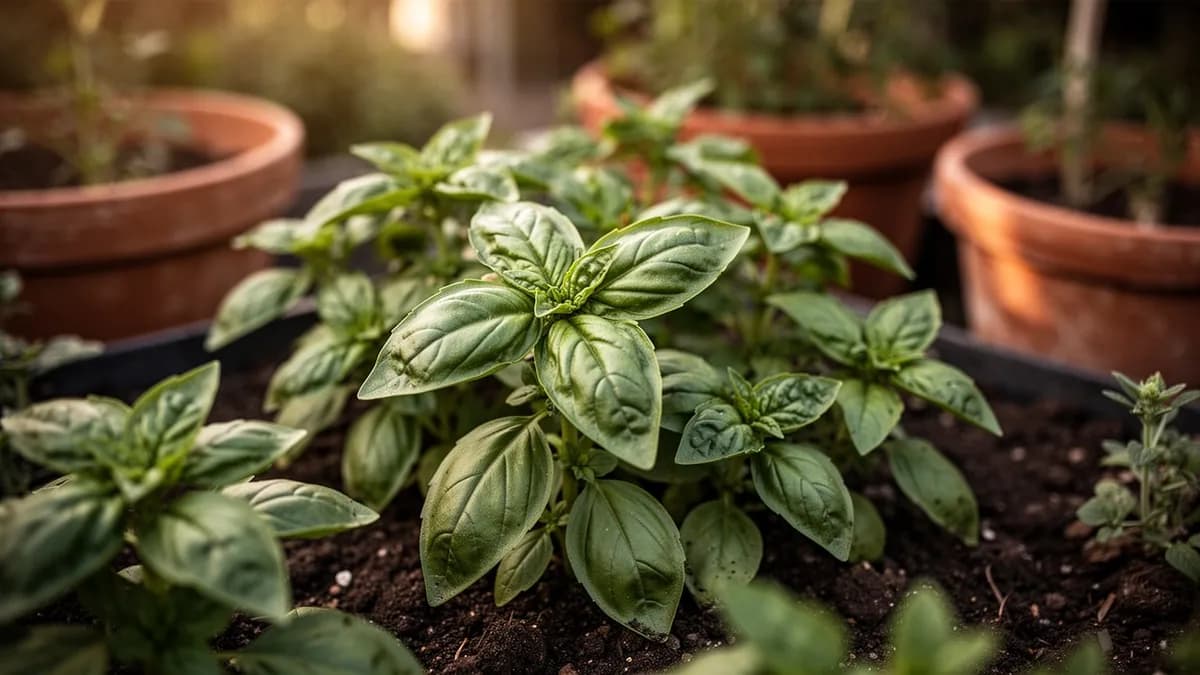
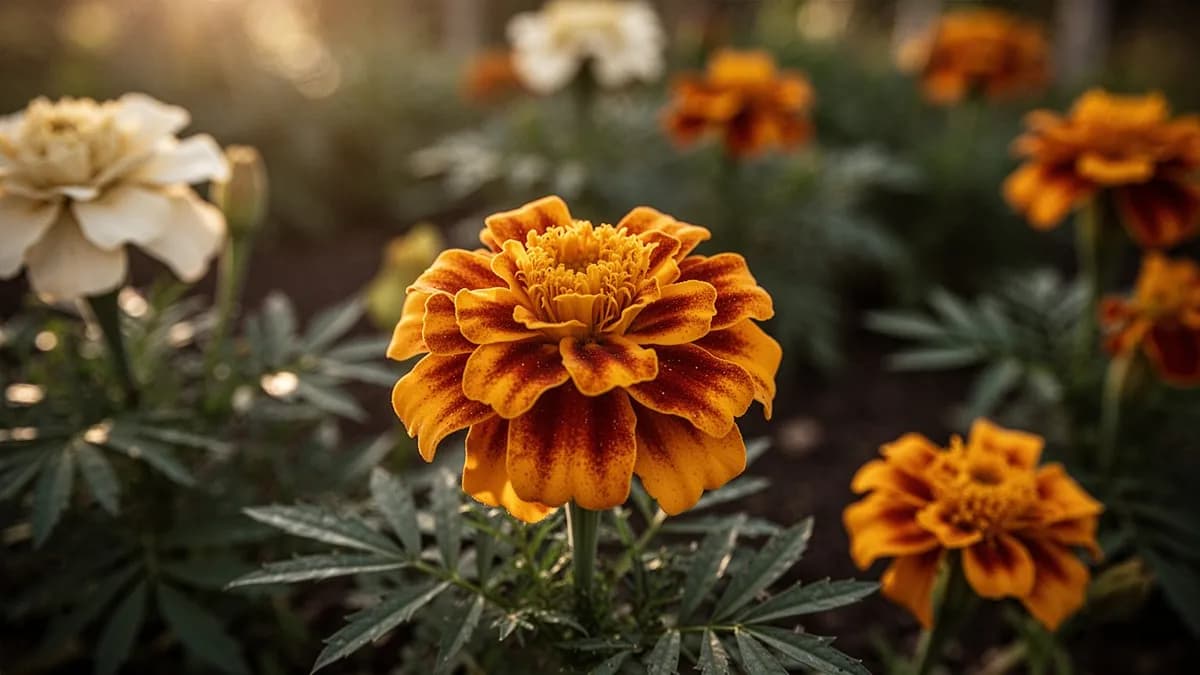
Plant tangerine trees with companion herbs like basil, dill, and fennel that attract beneficial insects including parasitic wasps and hoverflies. Marigolds and petunias interplanted around the drip line help deter aphids and whiteflies. Low-growing legumes like crimson clover or white clover fix nitrogen and serve as a living mulch. Avoid heavy shade-casting plants near tangerine trees, as they require maximum sun exposure for fruit sweetening and ripening.
Basil belongs beside it. Walnut Tree doesn't.
Old growers' knowledge, checked against Tangerine Tree's real companion table below — test any plant you're growing.
Try Tangerine Tree in a bed — right here
A real planner bed with Tangerine Tree already in it. Tap a companion to place it and watch the pairing checks answer — green for good neighbours, red for a clash.


Related growing guides
Feed it well
Tangerine trees prefer well-drained sandy loam or loamy soil with a pH of 6.0 to 7.0. They are moderately tolerant of alkaline conditions but perform best in slightly acidic soil. Apply a complete citrus fertilizer three times per year, with the heaviest application in late winter before spring growth begins. Supplement with magnesium sulfate if leaves develop interveinal yellowing. Avoid late-season nitrogen that delays fruit maturation and reduces cold hardiness.
Ideal Temperature
Hardiness Zone Compatibility
From seed to harvest, stage by stage
Germination & Seedling
Tangerine seeds germinate in 2 to 4 weeks when kept warm and moist. Seedlings develop their first true leaves and begin establishing a root system. Most home growers start with grafted nursery trees rather than seeds for faster fruiting.
Vegetative Growth
The young tree focuses on building a strong framework of branches and a deep root system. Multiple flushes of new growth appear throughout the warm season, with glossy dark green leaves emerging in bursts. The trunk thickens and the canopy begins to take shape.
First Flowering
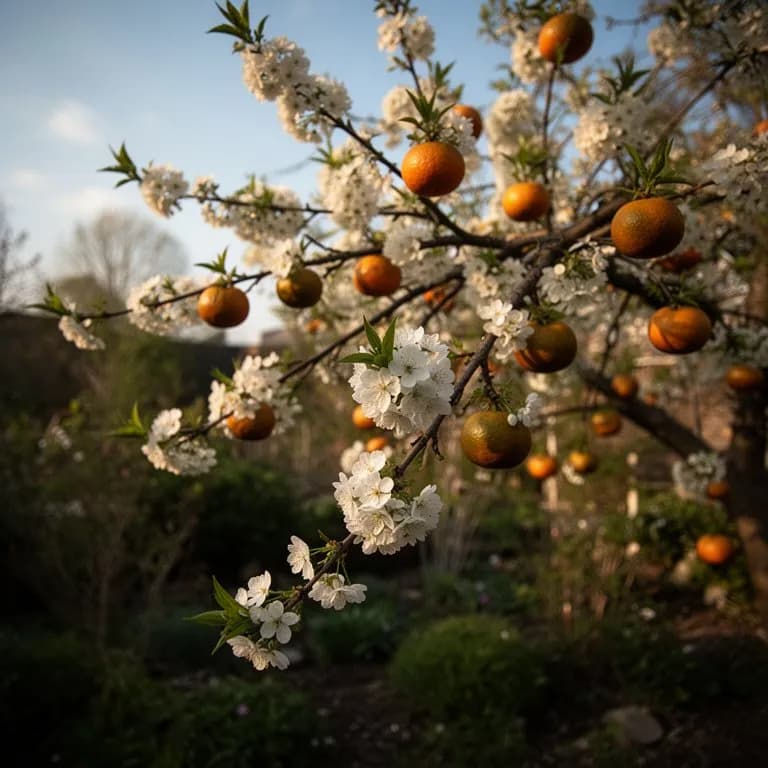
Grafted tangerine trees typically begin flowering in their second or third year. Small clusters of highly fragrant white blossoms appear along the branches, primarily in spring. Each flower has five petals and produces abundant nectar that attracts bees and other pollinators.
Fruit Development
After successful pollination, small green fruitlets begin to form. The tree naturally sheds excess fruit in a process called June drop, retaining only the number it can support to maturity. Fruits gradually increase in size over 6 to 9 months, accumulating sugars and developing their characteristic flavor.
Ripening & Harvest
Tangerines ripen from late autumn through winter, depending on the variety. The skin transitions from green to deep orange as chlorophyll breaks down and carotenoid pigments develop. Ripe fruit has a loose, easy-to-peel skin and a sweet, aromatic flavor with low acidity.
Dormancy & Renewal
After harvest, the tree enters a period of reduced growth during the coolest months. This rest period is important for initiating the next season of flower buds. The tree conserves energy and prepares its internal resources for the upcoming growth flush and bloom cycle.
Keep the soil consistently moist but not waterlogged. Provide bright indirect light and maintain temperatures above 15°C (60°F) for optimal germination.
Caring for Tangerine Tree month by month
What to do each month for your Tangerine Tree
October
You are hereBegin harvesting early-maturing varieties when they reach full color and sweetness. Reduce watering frequency as temperatures cool. Apply a final light application of potassium and micronutrient fertilizer
Know exactly what to do in your garden — every month
One email at the start of each month: what to sow, plant, and tackle right now — for your Tangerine Tree and everything growing around it. Plus a short starter course that helps you dodge the classic mistakes.
- What to do, right now
- Matched to your season
- Starter course included
Harvesting Tangerine Tree
Tangerines are ready to pick when the rind is fully colored and the fruit separates easily from the stem with a gentle twist. Unlike some citrus, tangerines do not continue ripening after harvest, so leave them on the tree until they reach peak sweetness. Taste-test individual fruit before harvesting the entire crop. Early varieties like Satsuma ripen in October, while later types like Murcott mature in January through March. Pick carefully to avoid tearing the thin, loose peel.
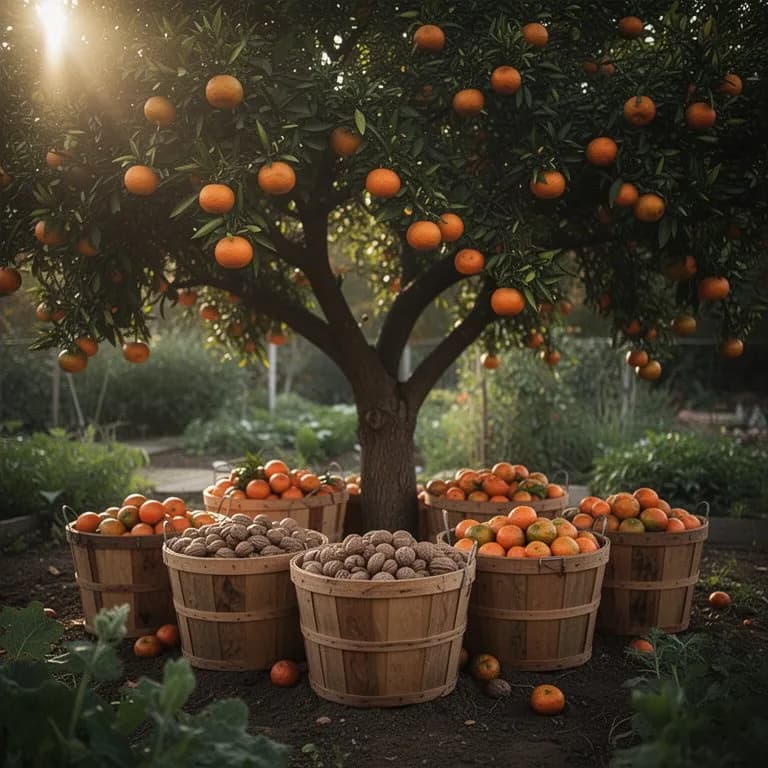
assuming you plant when the window opens — set your real date
Pick Tangerine Tree promptly and the plant keeps producing.
Storage & Preservation
Tangerines have a shorter shelf life than oranges due to their loose, thin skin. Store at room temperature for up to a week or in the refrigerator for 2 to 3 weeks. Handle gently to avoid bruising the delicate peel. Tangerine segments can be frozen for use in smoothies and salads. The juice freezes well for up to 4 months. Tangerine marmalade, dried tangerine peel for Asian cooking, and tangerine-infused vinegar are excellent preservation methods.
What goes wrong — and the fix
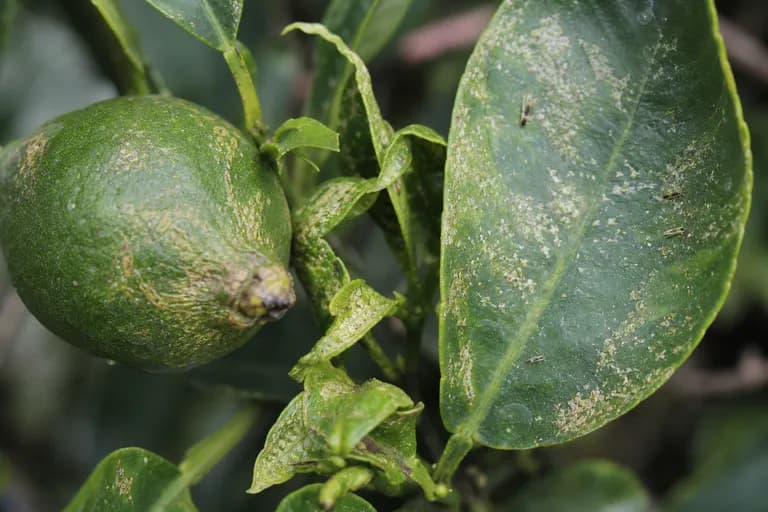
Citrus Thrips
PestSilvery scarring and ring-shaped marks on young fruit and new leaves. Leaves may cup or curl, and fruit develops rough, scabby patches.
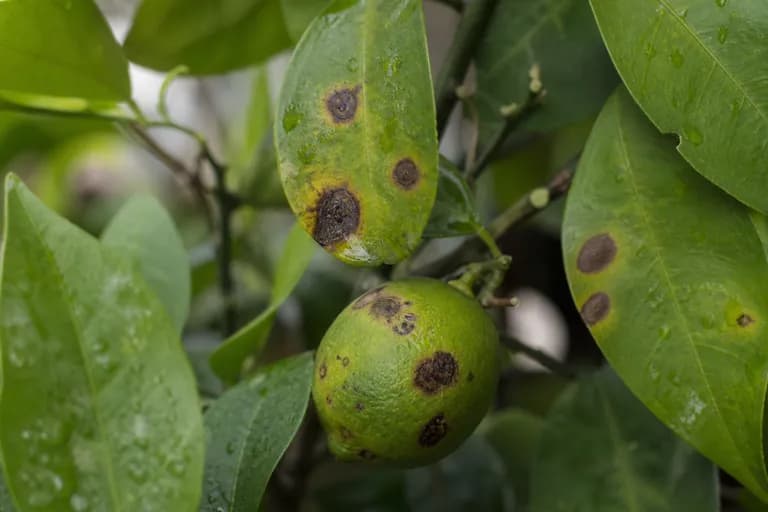
Alternaria Brown Spot
DiseaseDark brown to black spots on young leaves and fruit, often with concentric rings. Leaves may drop prematurely and fruit develops sunken, corky lesions.
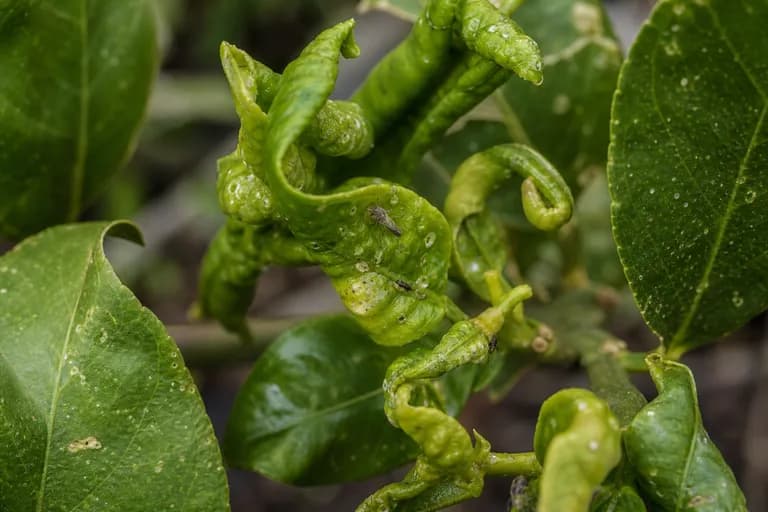
Asian Citrus Psyllid
PestSmall, mottled brown insects feeding on new growth tips. Shoots become twisted and distorted. Vector for deadly citrus greening disease.
Troubleshooting Common Problems
Alternate bearing is the most common frustration with tangerine trees, producing massive crops one year followed by sparse harvests. Manage this by thinning fruit early in heavy-set years. Puffy, loose-skinned fruit with dry segments results from leaving fruit on the tree too long past peak ripeness. Splitting occurs when heavy rain follows drought during fruit enlargement. Cold damage to fruit is more common than tree damage, as the thin peel offers little insulation.
Growing Tips
- Plant tangerine trees in a south-facing location that receives at least 8 hours of direct sunlight per day for the best fruit production and sweetness.
- Use well-draining soil with a pH between 5.5 and 6.5, and amend heavy clay soils with coarse sand and organic compost before planting.
- Water deeply but infrequently, allowing the top 5 cm of soil to dry between waterings. Overwatering is the most common cause of root rot in citrus trees.
- Apply citrus-specific fertilizer three to four times per year during the growing season, following the product label rates to avoid salt buildup in the soil.
- Prune only to remove dead, diseased, or crossing branches and any suckers that emerge below the graft union. Excessive pruning reduces fruit yield.
- Protect young trees from temperatures below -2°C using frost cloth or by bringing container-grown trees indoors during cold snaps.
- Mulch with a 7 to 10 cm layer of organic material such as wood chips or compost, keeping it at least 15 cm away from the trunk to prevent collar rot.
- Monitor regularly for common pests including scale insects, aphids, citrus leafminer, and spider mites, and treat early with targeted organic methods.
- For container growing, use a pot at least 50 cm in diameter with excellent drainage holes and repot every 3 to 4 years to refresh the growing medium.
- Avoid applying high-nitrogen fertilizer after late summer as this promotes tender new growth that is vulnerable to frost damage in winter.
Grow your best Tangerine Tree yet — and everything around it.
Start a free plan today. Lay out your beds, drop in your Tangerine Tree, and let PlotMyGarden handle the timing, spacing, companions and reminders from seed to harvest basket.
Pick your Tangerine Tree
Satsuma
The most cold-hardy mandarin type, producing seedless, easy-peel fruit that ripens early in fall. Excellent for borderline citrus climates and container growing.
Clementine
Small, seedless fruit with vibrant orange color and exceptionally sweet, aromatic flavor. Very popular for fresh eating and children's lunchboxes.
Dancy
The traditional Christmas tangerine with deep reddish-orange peel and rich, spicy-sweet flavor. An older variety with strong alternate bearing tendency.
Murcott (Honey)
A late-season mandarin with very sweet, rich flavor and moderate seed count. Heavy bearing requires aggressive thinning to prevent tree exhaustion.
A single mature tangerine tree can produce 50 to 150 kg of fruit annually, worth approximately $150 to $450 at retail prices. With an average lifespan of 20 to 30 years for a productive tree, total lifetime savings can exceed $5,000 compared to purchasing equivalent quantities from grocery stores. Dwarf varieties grown in containers are especially cost-effective for home growers with limited space, typically yielding 20 to 40 kg per year after the third growing season.
Quick recipes
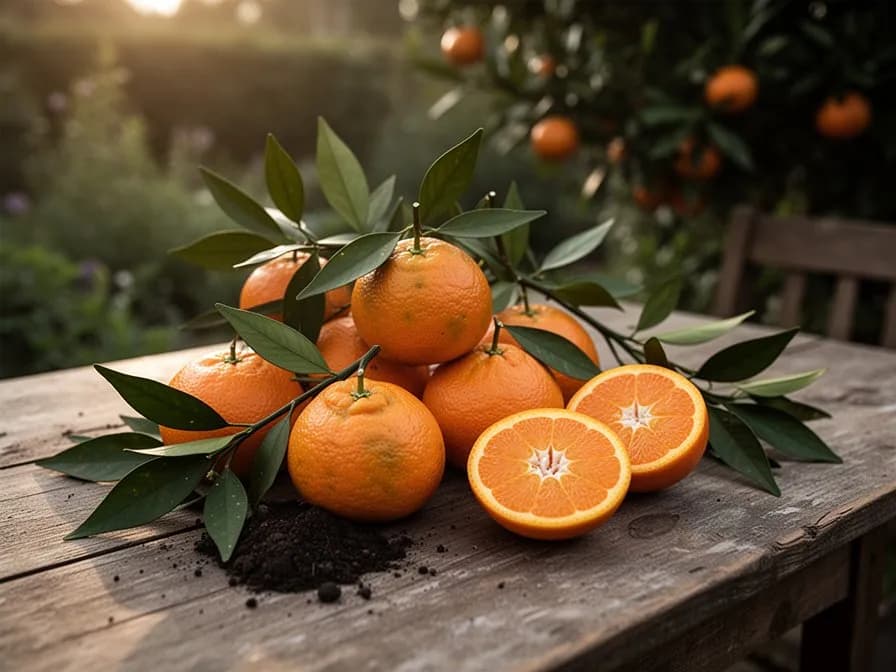
Fresh Tangerine and Arugula Salad
10 minutesA bright and peppery salad that pairs the natural sweetness of tangerine segments with the bold flavor of arugula, toasted almonds, and a light citrus vinaigrette. Perfect as a side dish or light lunch.
8 ingredients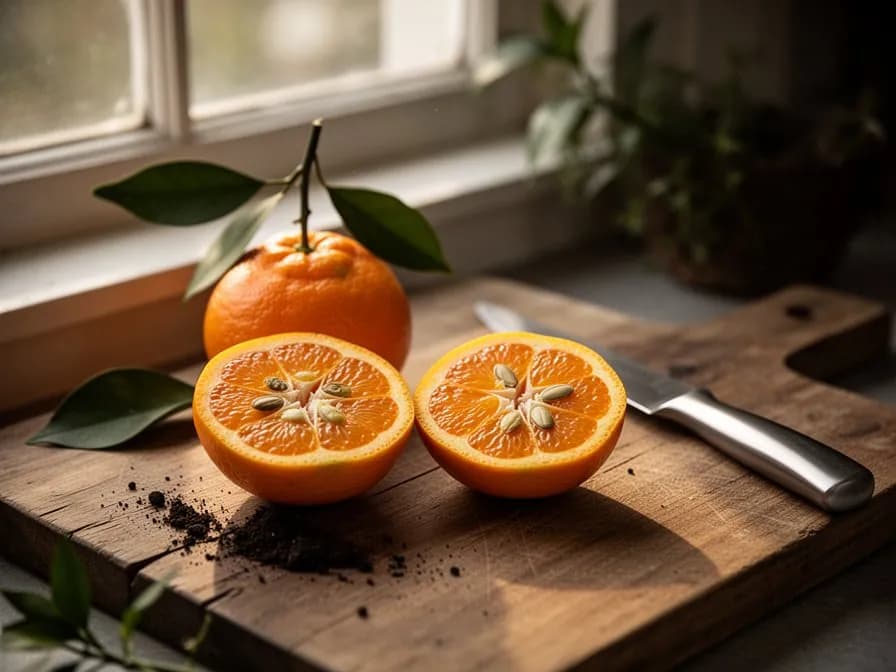
Tangerine Glazed Chicken Thighs
40 minutesJuicy chicken thighs are roasted with a sweet and tangy tangerine glaze that caramelizes beautifully in the oven. The fresh citrus flavor pairs wonderfully with roasted vegetables for a complete weeknight dinner.
9 ingredientsHomemade Tangerine Marmalade
60 minutesA beautifully aromatic small-batch marmalade made with whole tangerines, capturing the full spectrum of citrus flavor from the sweet juice to the fragrant peel. Excellent on toast or as a glaze for baked goods.
5 ingredientsCulinary Uses
Tangerines are primarily enjoyed fresh as a convenient, easy-peel snack. Their sweet juice makes excellent fresh-squeezed juice and is a base for vinaigrettes and cocktails. Tangerine segments add brightness to salads, grain bowls, and desserts. The zest is used in baking and to flavor sauces. Dried tangerine peel is a prized ingredient in Chinese five-spice powder and traditional medicine preparations.
What's inside
Health Benefits
- Rich in vitamin C and antioxidants that strengthen the immune system and help protect cells from oxidative damage caused by free radicals.
- Contains the flavonoid nobiletin, which research suggests may help reduce inflammation and support healthy cholesterol levels in the cardiovascular system.
- Provides soluble fiber including pectin that supports digestive health by promoting beneficial gut bacteria and regular bowel function.
- The beta-cryptoxanthin found in tangerines is associated with reduced risk of certain inflammatory conditions and may support bone health.
- Low in calories and high in water content, making tangerines an excellent snack for weight management that provides natural sweetness without excess sugar.
- Contains folate and B-vitamins that support healthy cell division, making tangerines particularly beneficial during pregnancy and periods of rapid growth.
Where Tangerine Tree comes from
The tangerine (Citrus reticulata) originated in the forests of northeastern India and southwestern China, where wild ancestors of the species still grow today. Archaeological and genetic evidence suggests that mandarins were among the earliest citrus fruits to be domesticated, with cultivation in China stretching back more than 3,000 years to the period of the Zhou Dynasty. Ancient Chinese texts reference tangerine orchards, and the fruit held deep cultural significance as a symbol of wealth and good fortune. From China, tangerine cultivation spread along trade routes through Southeast Asia to Japan, where it became an integral part of the horticultural tradition by the 14th century. Arab traders carried the fruit westward across the Indian Ocean, introducing it to the Middle East and North Africa during the medieval period. The tangerine arrived in Europe through the Moroccan port city of Tangier in the early 19th century, which gave the fruit its English common name. European colonists subsequently brought tangerine trees to the Americas, where they found particularly favorable growing conditions in Florida, California, and Brazil. By the late 1800s, tangerines had become a significant commercial crop in the United States. Throughout the 20th century, citrus breeders developed numerous improved varieties including Clementine, Satsuma, Dancy, and Murcott, each selected for traits such as seedlessness, easy peeling, cold hardiness, and exceptional sweetness. Today tangerines are grown commercially in tropical and subtropical regions across every inhabited continent, with China, Spain, Japan, Turkey, and Brazil among the largest producers. The fruit remains deeply embedded in cultural traditions from Chinese New Year celebrations to Christmas stockings in Western countries.
Tangerine Tree: did you know?
Fascinating facts about Tangerine Tree
Tangerines get their common name from Tangier, Morocco, the port through which they were first shipped to Europe in the early 1800s.
Tangerine Tree questions, answered
When should I plant Tangerine Tree?
What are good companion plants for Tangerine Tree?
What hardiness zones can Tangerine Tree grow in?
How much sun does Tangerine Tree need?
How far apart should I space Tangerine Tree?
What pests and diseases affect Tangerine Tree?
How do I store Tangerine Tree after harvest?
What are the best Tangerine Tree varieties to grow?
What soil does Tangerine Tree need?
How long does it take for a tangerine tree to produce fruit?
Can I grow a tangerine tree in a container?
Why is my tangerine tree dropping its fruit before it ripens?
What is the difference between a tangerine and a mandarin?
How do I protect my tangerine tree from frost?
When is the best time to prune a tangerine tree?
You just read the theory. Now grow it on autopilot.
Everything that makes Tangerine Tree fiddly — the timing, the spacing, the companions, the harvest window — is exactly what PlotMyGarden handles for you, for every plant in your garden.
A plan that knows your weather
Set your location once. Get sow, feed and harvest dates built around your real last-frost date and live forecast — no more guessing from a generic seed packet.
From the “When to plant” sectionDrag-and-drop bed planner
Design beds on a grid. Every plant snaps to its proper spacing, and you can see your whole season laid out before you spend a cent on seed.
From the “Growing guide” sectionCompanion conflicts, caught early
200+ good-and-bad pairings checked live as you plant — so a season-wrecking mistake never makes it into the ground.
From the “Companions” sectionReminders you'll actually act on
“Water the beans.” “Pick today before it turns.” Timely, specific, and tied to the plants you're really growing.
From the “Harvest” sectionSuccession, scheduled
Want a harvest for six weeks, not six days? It spaces your sowings automatically and reminds you when each new block is due.
From the “When to plant” sectionA record that gets smarter
Every harvest you log teaches it your garden. Next year's plan starts from what actually worked in your soil, not a textbook's.
From the “Overview” sectionPlant these alongside Tangerine Tree
More Fruit Trees
Keep Tangerine Tree away from these
Grow your best Tangerine Tree yet — and everything around it.
Start a free plan today. Lay out your beds, drop in your Tangerine Tree, and let PlotMyGarden handle the timing, spacing, companions and reminders from seed to harvest basket.