Tamarillo
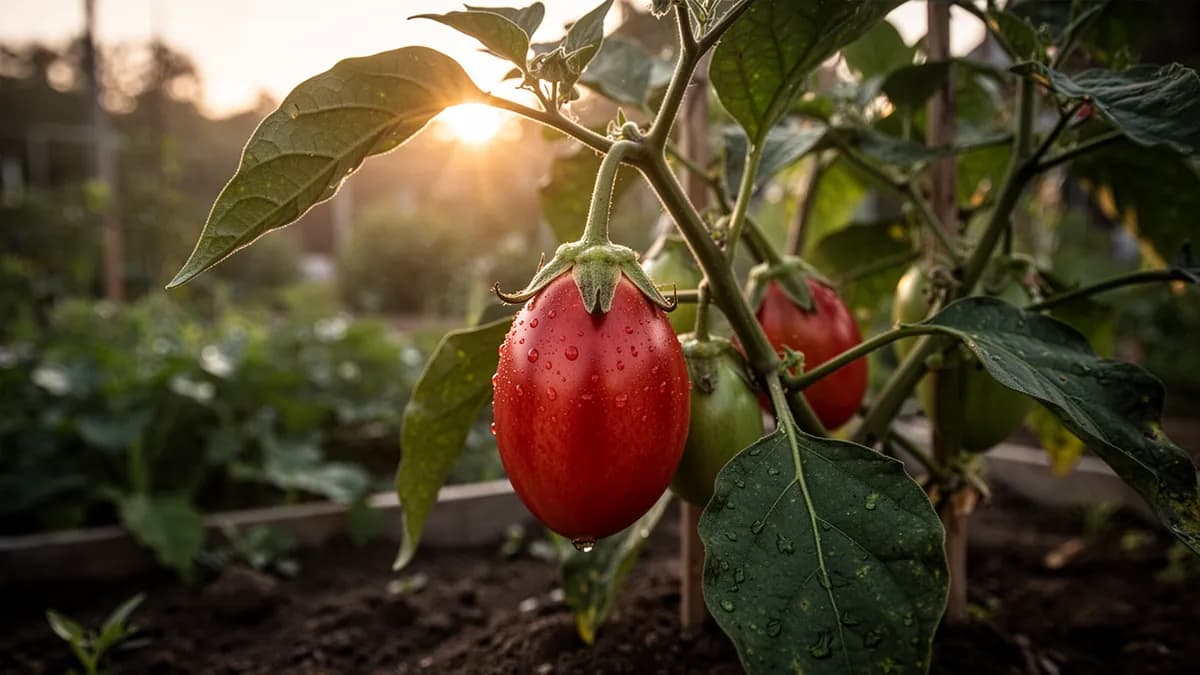
El tamarillo (Solanum betaceum), también conocido como tomate de árbol, es un arbusto perenne originario de los Andes sudamericanos que produce frutos ovalados de 5-10 cm con piel lisa roja, naranja o amarilla.





En esta páginaResumen
Conoce Tamarillo
El tamarillo (Solanum betaceum), también conocido como tomate de árbol, es un arbusto perenne originario de los Andes sudamericanos que produce frutos ovalados de 5-10 cm con piel lisa roja, naranja o amarilla. Su pulpa agridulce, jugosa y aromática combina notas de tomate, maracuyá y kiwi, siendo un ingrediente versátil tanto en preparaciones dulces como saladas.
Cuándo plantar Tamarillo
Siembre las semillas en interior en cualquier época del año, a 1 cm de profundidad en sustrato húmedo y cálido (20-25 °C). La germinación tarda 2-4 semanas. Mantenga las plántulas en un lugar luminoso y trasplante a macetas progresivamente mayores a medida que crezcan. La propagación por esquejes de madera semidura también es efectiva y produce plantas que fructifican antes (12-18 meses frente a 18-24 por semilla).
Tu año de Tamarillo
Ajustado a Zona 7 · temporada típica · la helada se va hacia el 2 abr y vuelve hacia el 1 nov
Planta Tamarillo Mar – May y cosecha Sep – Dic. Consulta los métodos de plantación y elige tu clima para adaptar los periodos.
Cómo cultivar Tamarillo
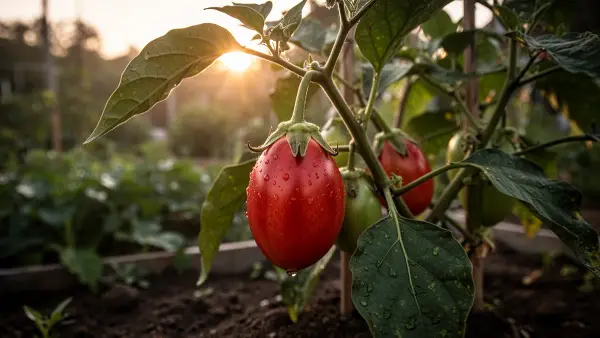
El tamarillo es una planta subtropical que no tolera heladas y necesita un clima libre de frío prolongado para producir frutos. En climas templados, puede cultivarse en macetas grandes (50-60 litros) que se trasladen al interior en invierno. Elija un lugar a pleno sol, protegido del viento, con suelo fértil y bien drenado, pH entre 5,5 y 7,0.
Siembre las semillas en interior a 1 cm de profundidad en sustrato cálido (20-25 °C). La germinación tarda 2-4 semanas. Trasplante las plántulas cuando tengan 15-20 cm a macetas progresivamente mayores o al exterior cuando las temperaturas nocturnas superen los 10 °C. El tamarillo crece rápidamente y puede alcanzar 2-4 metros de altura.
Riegue regularmente para mantener el suelo uniformemente húmedo sin encharcamientos. Aplique fertilizante orgánico equilibrado mensualmente durante la temporada de crecimiento. Pode a una estructura abierta con 3-4 ramas principales para favorecer la fructificación. La planta comienza a producir frutos a los 18-24 meses desde la siembra, con cosechas cada año.
Para Tamarillo un bancal de 120 × 240 cm se queda corto
Cada Tamarillo pide 150 cm de margen. El planificador guarda ese marco por ti — cada planta, cada bancal.
Los mejores vecinos de Tamarillo
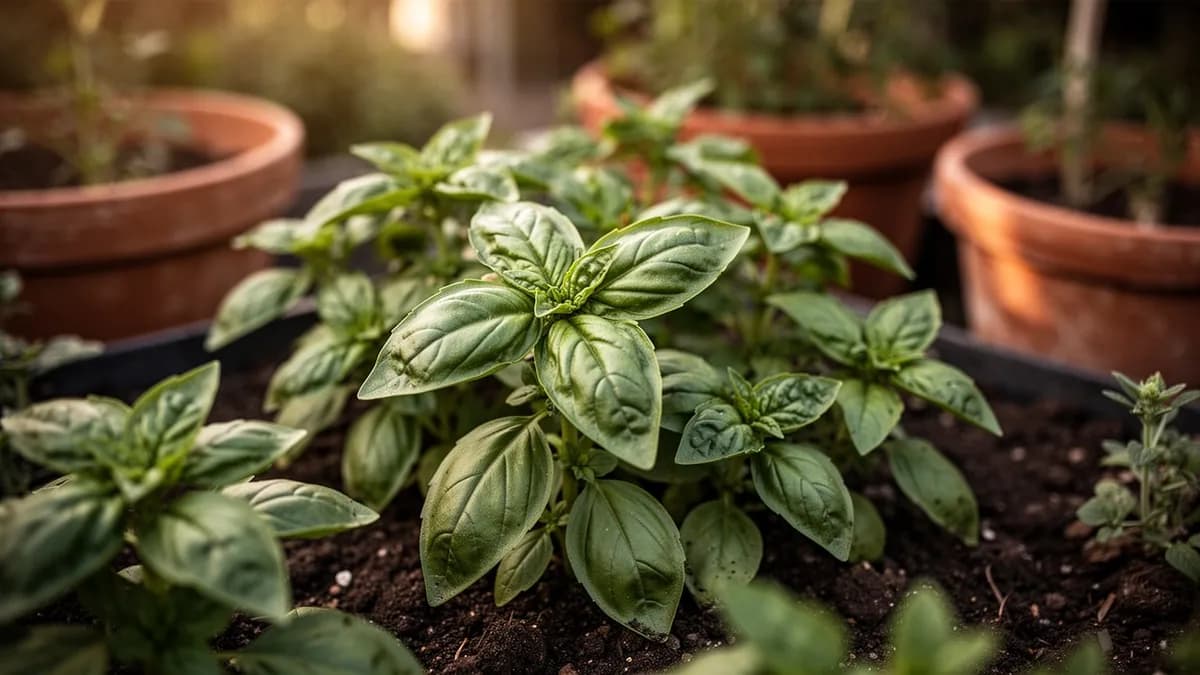
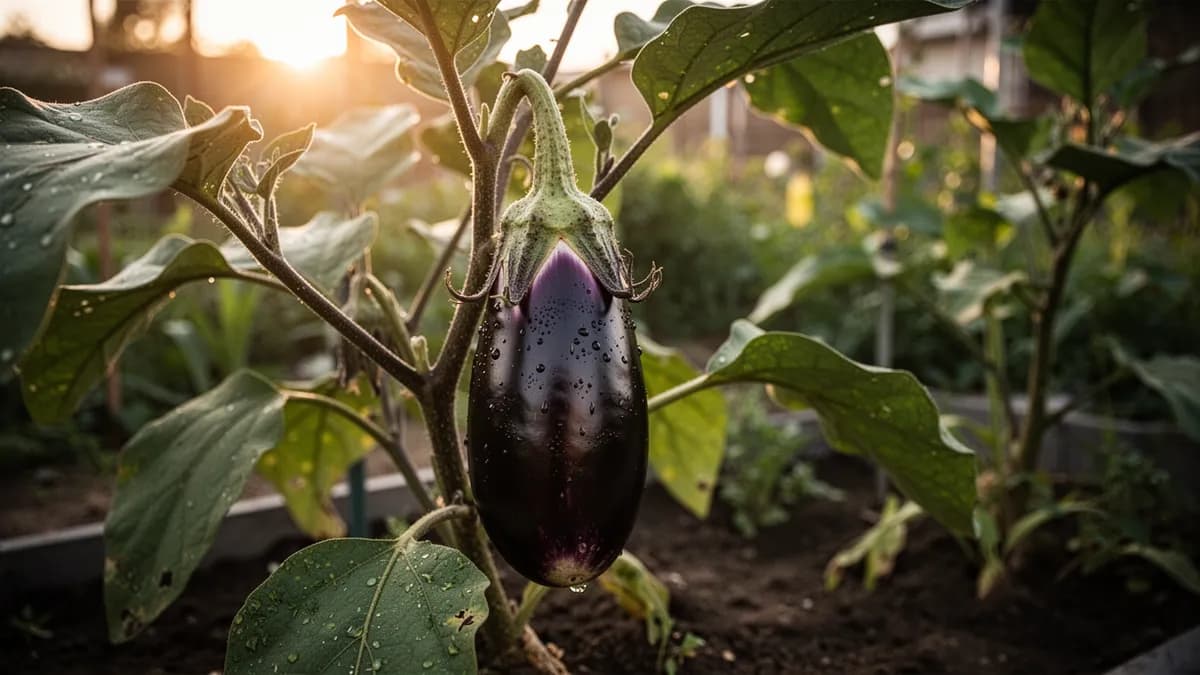
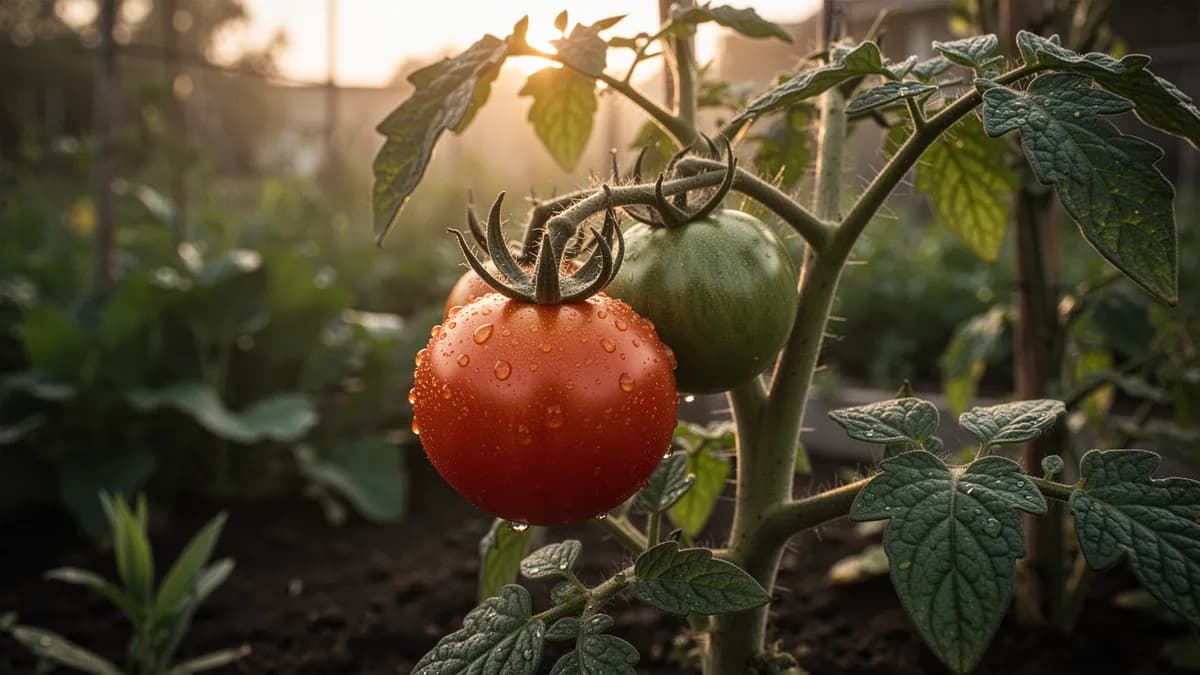
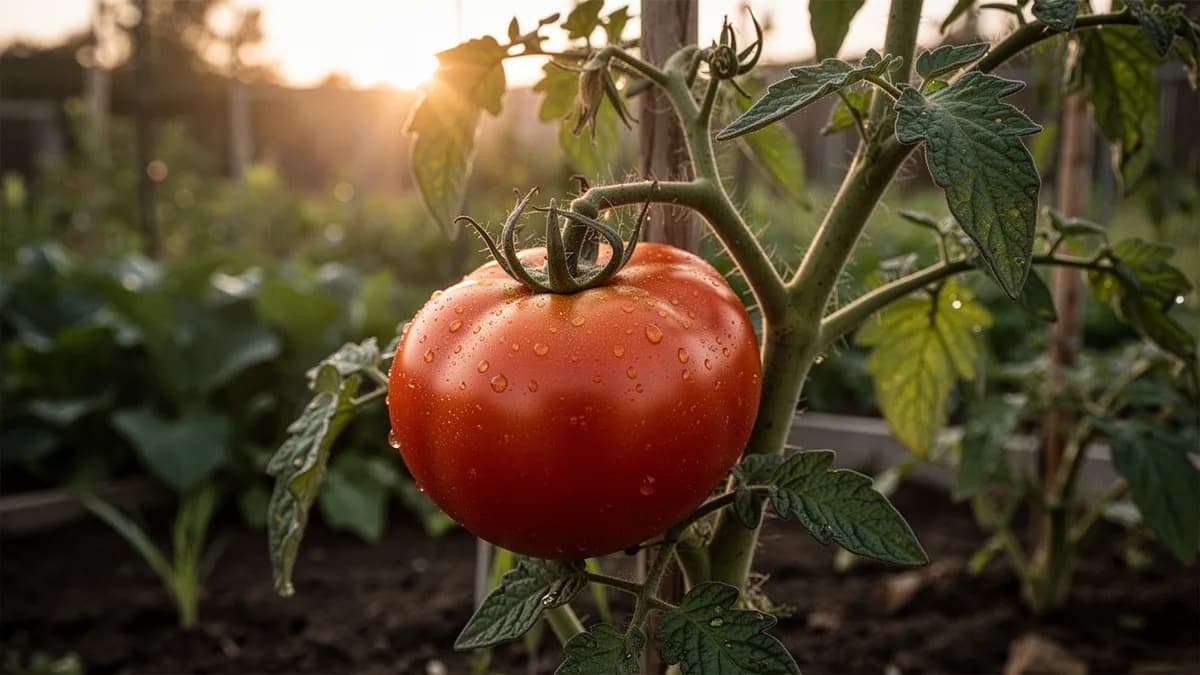
El tamarillo crece bien junto a hierbas aromáticas como albahaca, orégano y romero que ayudan a repeler ciertos insectos. En cultivo en maceta, puede combinarse con plantas de flores que atraigan polinizadores. Evite plantarlo junto a otros miembros de la familia Solanaceae (tomates, pimientos, berenjenas) para reducir la transmisión de enfermedades compartidas.
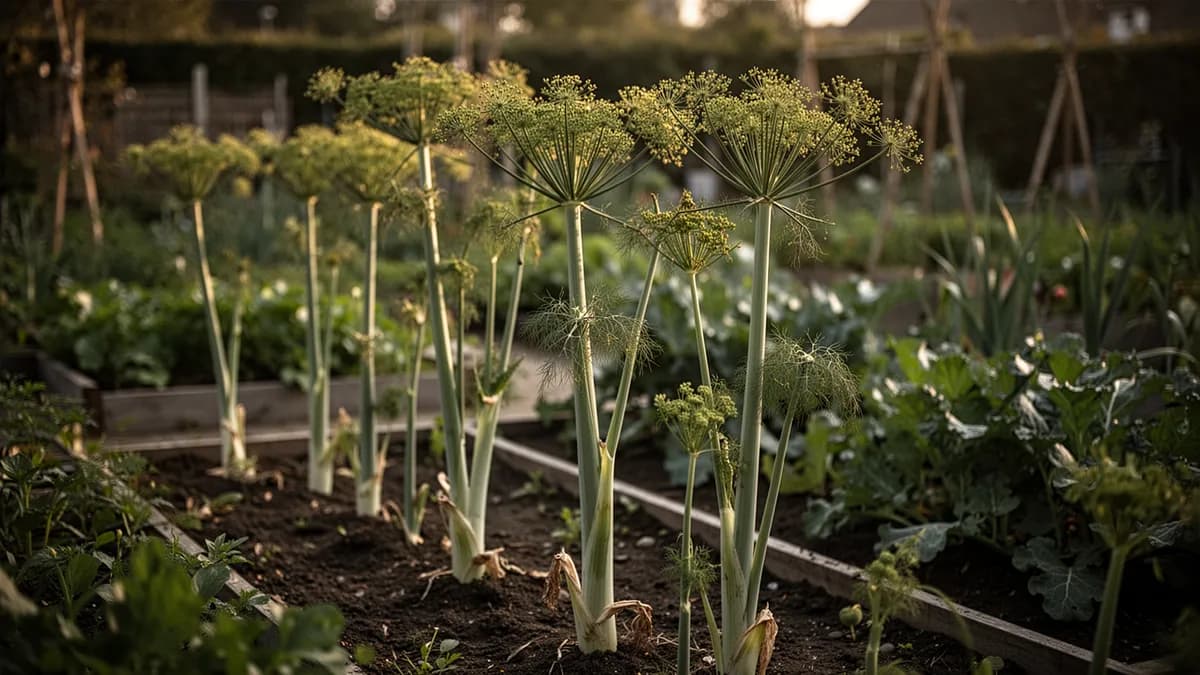
Albahaca va a su lado. Hinojo no.
Saber de huerto de siempre, cotejado con la tabla real de Tamarillo — prueba cualquier planta que cultives.
Prueba Tamarillo en un bancal, aquí mismo
Un bancal real del planificador con Tamarillo ya plantado. Toca una planta compañera para colocarla y mira cómo responde la comprobación de vecinos: verde para buenos vecinos, rojo si hay conflicto.


Guías de cultivo relacionadas
Abónalo bien
El tamarillo necesita suelo fértil, rico en materia orgánica y bien drenado, con pH entre 5,5 y 7,0. Incorpore compost y estiércol bien descompuesto antes de la plantación. Aplique fertilizante orgánico equilibrado mensualmente durante la temporada de crecimiento y cambie a uno rico en potasio durante la fructificación para mejorar el sabor y la coloración de los frutos.
Temperatura ideal
Compatibilidad de zonas de rusticidad
De la semilla a la cosecha, etapa por etapa
Germinación de semillas
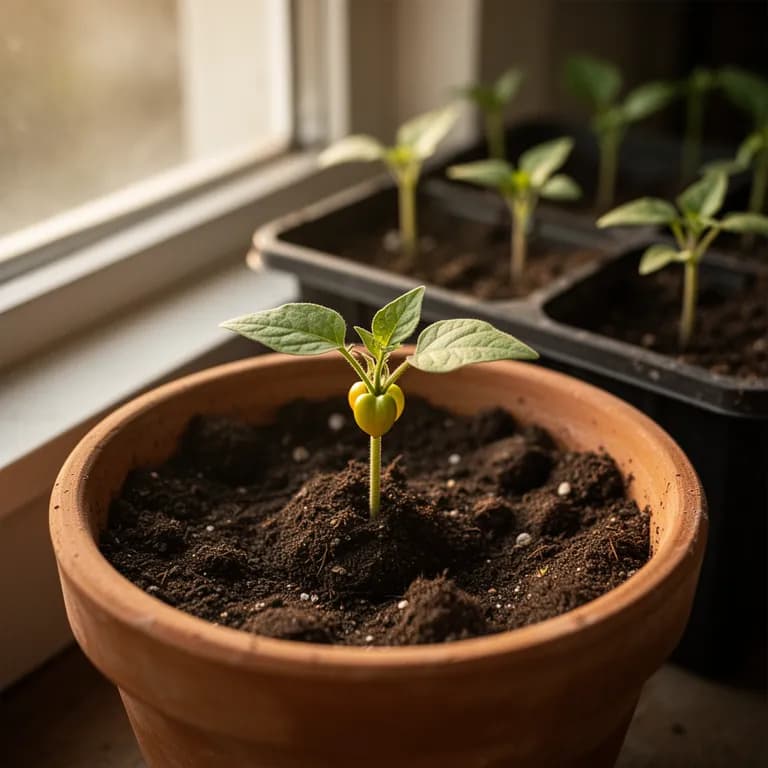
Las semillas de tamarillo tardan entre 14 y 28 días en germinar en condiciones cálidas. Necesitan luz, humedad constante y calor de fondo para brotar con fiabilidad.
Desarrollo de plántulas
Las plántulas desarrollan un solo tallo erguido con hojas grandes y blandas. Crecen de forma moderada y necesitan protección contra el frío, el viento y el sol directo intenso.
Crecimiento vegetativo
La planta crece rápidamente hasta convertirse en un arbolito con raíces superficiales y un tronco blando vulnerable al viento.
Floración
Aparecen pequeños racimos de flores fragantes blanco rosadas en las puntas de las ramas y en las axilas de las hojas. La planta es autofértil y la polinización por insectos mejora el cuajado y el tamaño del fruto.
Desarrollo del fruto
Los frutos con forma de huevo crecen en racimos colgantes y pasan de verde a su color final mientras maduran durante 17-20 semanas.
Cosecha y renovación
Los frutos maduros se desprenden con facilidad y el árbol puede seguir produciendo durante varios meses. Los árboles viejos pueden necesitar una poda fuerte o ser reemplazados a medida que baja su productividad.
Siembra sobre la superficie del sustrato húmedo y presiona suavemente sin enterrar. Mantén 20-25°C y cubre la bandeja para conservar la humedad hasta la germinación.
Cuidar Tamarillo mes a mes
Qué hacer cada mes para tu Tamarillo
Octubre
Mes actualFlowering begins on new season's growth. Avoid overhead watering during flowering to protect pollination. Feed with potassium-rich fertilizer to support flower and fruit set. Ensure pollinating insects have access to the tree.
Ten claro qué hacer en tu huerto, cada mes
Un correo al empezar cada mes: qué sembrar, plantar y hacer ahora mismo — para tu Tamarillo y todo lo que crece alrededor. Más un breve curso inicial para esquivar los errores clásicos.
- Qué hacer ahora mismo
- Ajustado a tu temporada
- Curso inicial incluido
Cosechar Tamarillo
Coseche los tamarillos cuando estén completamente coloreados (rojo, naranja o amarillo según la variedad) y cedan ligeramente a la presión, generalmente 180-240 días después de la floración. Corte con tijeras dejando un pequeño pedúnculo. Los frutos continúan madurando ligeramente después de la cosecha si se recogen con color pero aún firmes.
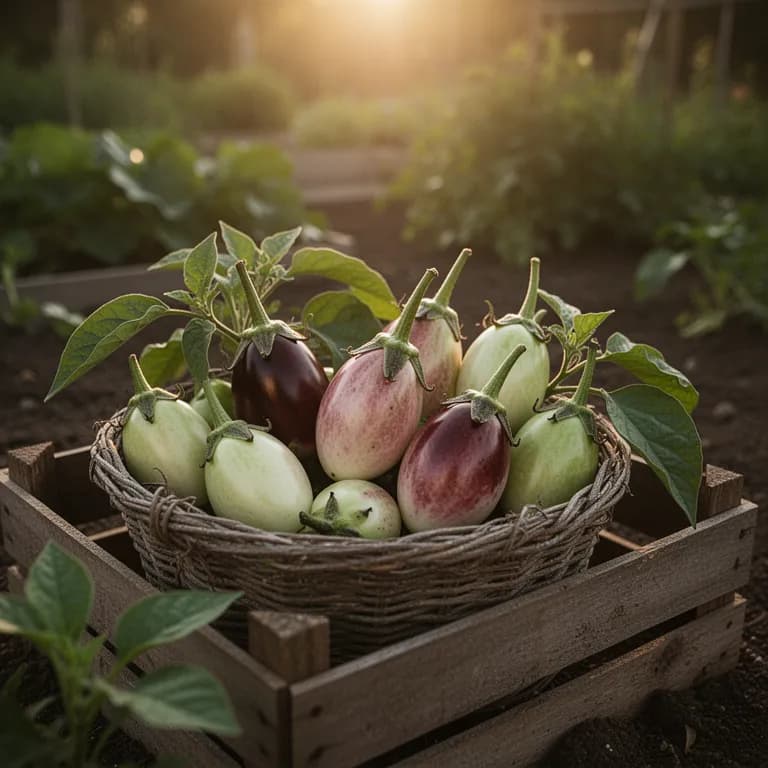
se supone que plantas al comenzar el periodo — indica tu fecha real
Cosecha cuando los frutos estén completamente coloreados, ligeramente blandos y se desprendan con un suave giro.
Almacenamiento y conservación
Los frutos maduros se conservan en el refrigerador durante 1-2 semanas. Para congelación, pele los frutos (sumérjalos brevemente en agua hirviendo para facilitar el pelado), retire las semillas y congele la pulpa en porciones. También se preparan en mermeladas, chutneys y salsas que se conservan durante meses.
Qué falla — y cómo solucionarlo
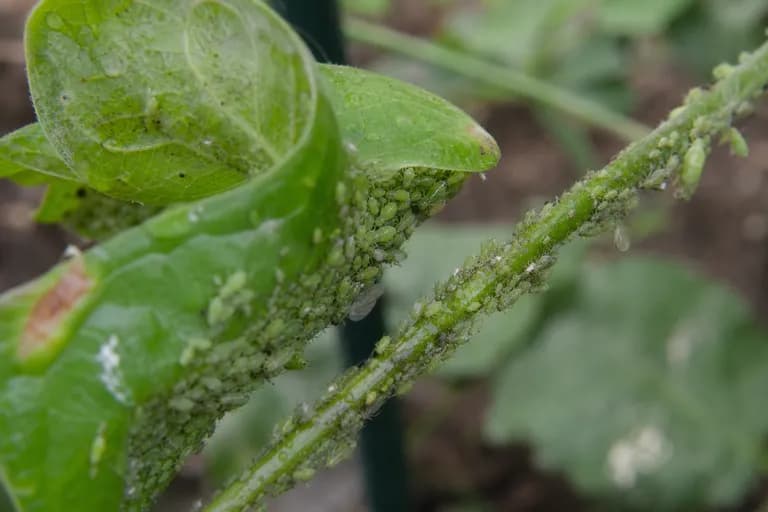
Pulgones (Aphididae)
PlagaColonias de insectos en brotes tiernos y el envés de las hojas jóvenes. Causan enrollamiento foliar, debilitamiento y segregan melaza que favorece el desarrollo de negrilla.
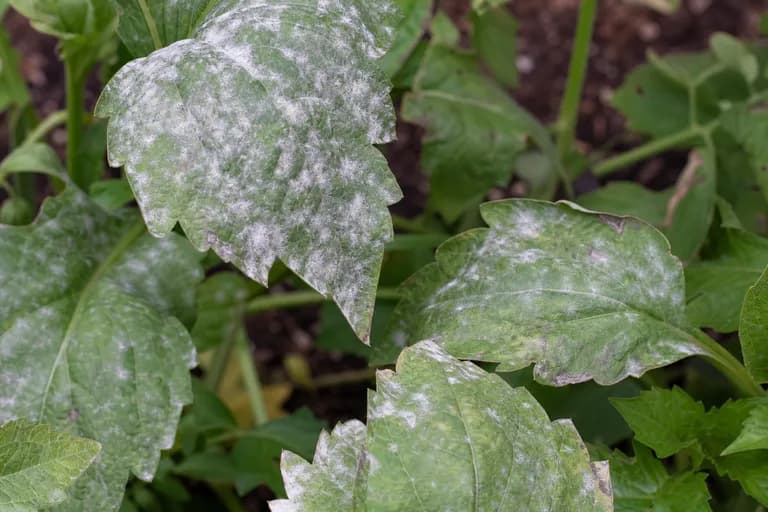
Antracnosis (Colletotrichum gloeosporioides)
EnfermedadManchas oscuras hundidas y circulares en los frutos que se expanden y producen masas de esporas rosadas en condiciones húmedas. Los frutos afectados se pudren.
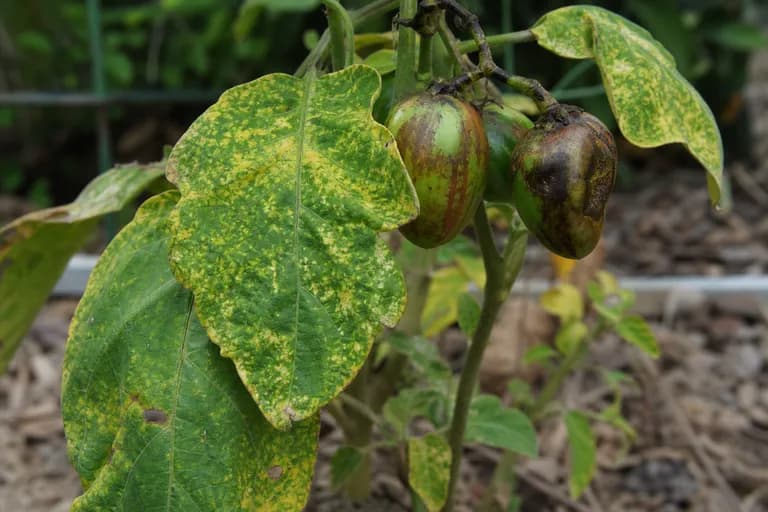
Virus del mosaico del tamarillo (TaMV)
EnfermedadMoteado amarillo-verde en las hojas con deformación foliar. Los frutos pueden deformarse y presentar manchas. El crecimiento se ralentiza significativamente.
Solución de problemas comunes
La sensibilidad a las heladas es el principal limitante; temperaturas por debajo de -2 °C matan la parte aérea. En climas templados, el cultivo en maceta con invernaje bajo techo es la única opción. Las raíces son superficiales y los árboles pueden volcarse con vientos fuertes; proporcione un soporte o protección. La vida productiva es corta (5-8 años) comparada con otros frutales.
Consejos de cultivo
- Choose a sheltered position protected from strong winds. Tamarillos have soft, brittle wood and large leaves that act as sails — exposed trees frequently lose branches or snap at the trunk in storms. A wall, fence, or hedge on the windward side makes a significant difference.
- Frost protection is essential in marginal climates. Tamarillos tolerate light frosts to -2°C (28°F) but anything colder damages or kills them. In borderline zones, plant against a north-facing wall (south-facing in the Northern Hemisphere) and wrap the trunk with frost cloth during cold snaps.
- Mulch heavily and continuously. Tamarillos have shallow, spreading root systems that are sensitive to heat, drought, and competition from weeds. Maintain a 10-15 cm layer of organic mulch from the trunk to beyond the drip line, keeping mulch a few centimeters away from the trunk itself.
- Water deeply and regularly — tamarillos are not drought tolerant and respond to water stress by dropping flowers and aborting developing fruit. Aim for consistent soil moisture equivalent to 25-30mm of water per week during the growing and fruiting season.
- Prune annually after harvest to maintain a manageable size and encourage new fruiting wood. Tamarillos fruit on current season's growth, so regular pruning stimulates the fresh branches that will carry next year's crop. Remove about one-third of the canopy each year.
- Feed generously but appropriately. Apply balanced fertilizer monthly during spring and summer growth, then switch to a potassium-dominant feed once flowering begins. Avoid excessive nitrogen during fruiting as it promotes leafy growth at the expense of fruit production.
- Tamarillos grow well in large containers (at least 50 liters) and this is an excellent strategy in frost-prone areas — the tree can be moved under cover in winter. Use a rich, free-draining potting mix and water daily in warm weather. Container trees will be smaller but can still produce 5-10 kg of fruit per season.
- Start your first tree from a nursery-grown plant for the fastest fruit production (often within 12 months), but grow replacements from seed since trees are short-lived. Take cuttings from your best-performing tree as a backup — semi-hardwood cuttings taken in autumn root readily in a sandy propagation mix.
Cultiva tu mejor Tamarillo — y todo lo que la rodea.
Empieza un plan gratis hoy. Diseña tus bancales, coloca tu Tamarillo y deja que PlotMyGarden gestione el momento, el espaciado, las asociaciones y los recordatorios de la semilla a la cesta.
Elige tu Tamarillo
Red Tamarillo
La variedad más común con frutos de piel rojo intenso y pulpa naranja-rojiza agridulce. Sabor más ácido que las variedades amarillas. Muy aromática. Producción a los 18-24 meses.
Gold Tamarillo
Variedad de frutos amarillo-anaranjados con sabor más dulce y menos ácido que la roja. Pulpa dorada suave, ideal para consumo fresco y postres.
Amber Tamarillo
Variedad de piel ámbar-anaranjada con un equilibrio perfecto entre dulzor y acidez. Frutos de tamaño medio, muy jugosos. Popular en Nueva Zelanda.
Ruby Red
Selección de frutos rojo oscuro con pulpa intensamente coloreada y sabor complejo. Muy productiva y adaptada a cultivo en maceta.
Tamarillos are a premium specialty fruit that typically sells for $6-12 per kilogram ($3-6 per pound) at supermarkets and farmers markets, when available at all — in many regions they are simply unobtainable fresh. A single productive tree costing $10-20 as a nursery plant (or pennies if grown from seed) can produce 15-25 kg of fruit per season, representing $90-300 worth of fruit annually. Over a productive lifespan of 5-8 years, one tree can yield $500-2,000 worth of fruit. The savings are even greater for processed products like tamarillo chutney ($8-15 per jar), sauces, and preserves that are easily made from a home harvest.
Recetas rápidas
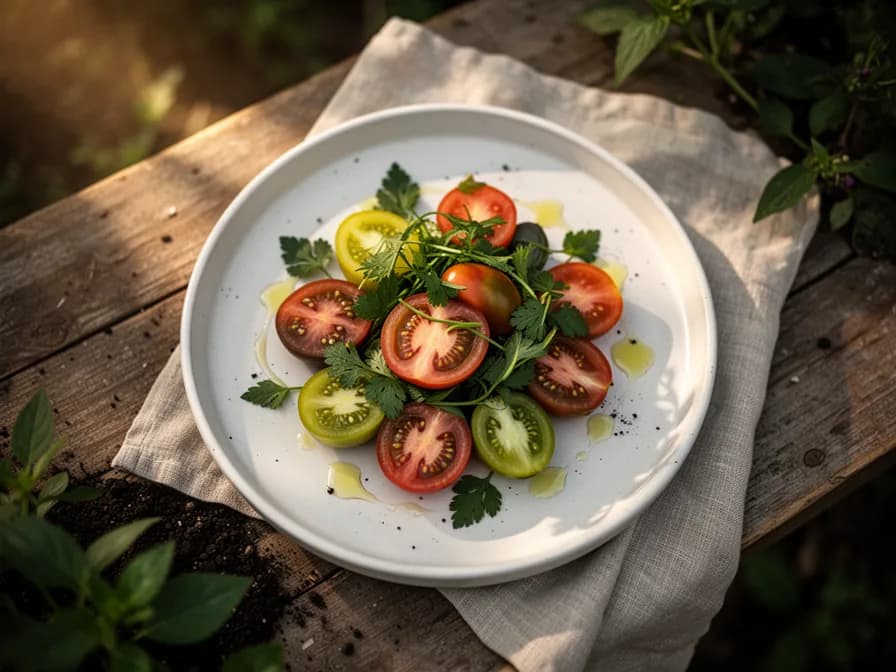
Tamarillo Chutney
45 minA tangy-sweet chutney that is a staple in New Zealand cuisine, perfect as a condiment with grilled meats, cheese platters, or spread on sandwiches. The tamarillo's natural acidity creates a beautifully balanced preserve without excessive added vinegar.
9 ingredientesTamarillo and Banana Smoothie
5 minA vibrant, nutrient-packed smoothie that showcases tamarillo's unique tangy-sweet flavor balanced by creamy banana. The deep red color makes this as visually stunning as it is delicious.
6 ingredientesRoasted Tamarillo with Vanilla Ice Cream
20 minA simple yet elegant dessert where roasting transforms tamarillos into soft, caramelized jewels with intensified sweetness. The warm, jammy fruit against cold vanilla ice cream is an extraordinary contrast.
7 ingredientesUsos culinarios
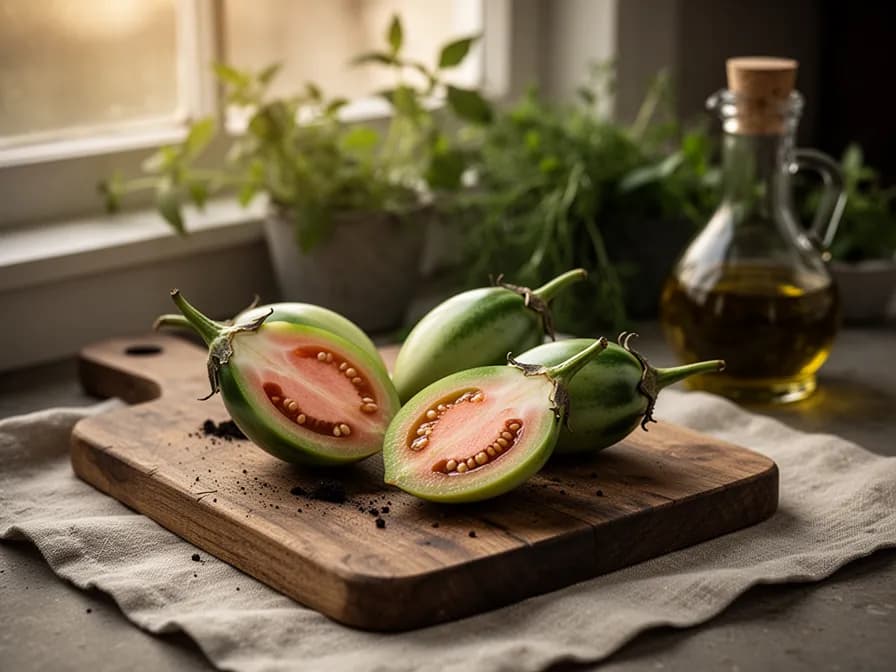
El tamarillo se pela sumergiéndolo en agua hirviendo durante 30 segundos y se consume de múltiples formas. Crudo, se corta por la mitad y se come con cuchara como un kiwi. Se prepara en salsas agridulces para carnes y pescados, en chutneys con especias, y en mermeladas. En Colombia se prepara el jugo de tomate de árbol, una bebida refrescante muy popular. También se usa en postres, tartas y como base para sorbetes.
Qué contiene
Beneficios para la salud
- Exceptionally high in vitamin C at 32% of the daily value per 100g, supporting immune system function, collagen synthesis for healthy skin, and enhanced iron absorption from plant-based foods.
- Rich in vitamin A and provitamin A carotenoids (30% DV per 100g), essential for maintaining healthy vision, supporting cell differentiation, and promoting proper immune function.
- Red tamarillos contain concentrated anthocyanin antioxidants — the same compounds found in blueberries and red wine — that research links to reduced inflammation, improved cardiovascular health, and lower risk of certain chronic diseases.
- Provides a notable amount of vitamin E (1.5mg per 100g), a fat-soluble antioxidant that protects cell membranes from oxidative damage and supports healthy skin and immune function.
- The combination of soluble and insoluble fiber (3.3g per 100g) supports digestive regularity, promotes healthy gut bacteria, and helps maintain stable blood sugar levels after meals.
- Contains iron (0.9mg per 100g) alongside vitamin C, which significantly enhances non-heme iron absorption — making tamarillo particularly valuable for vegetarians and those at risk of iron deficiency.
De dónde viene Tamarillo
The tamarillo (Solanum betaceum, formerly Cyphomandra betacea) is native to the Andes mountains of South America, specifically the cloud forests of Peru, Ecuador, Colombia, and Bolivia, where it grows naturally at altitudes between 1,500 and 3,000 meters. Wild tamarillos still grow in Andean forests, and the fruit has been cultivated by indigenous peoples for centuries before European contact. The Incas and their predecessors grew tree tomatoes in their mountain gardens alongside potatoes, quinoa, and other Andean crops, valuing the fruit for its tangy flavor and nutritional density.
Spanish and Portuguese colonizers encountered the tamarillo in the 1500s and gradually spread it along tropical trade routes. The fruit reached Southeast Asia, India, and parts of Africa during the colonial period, though it never achieved widespread commercial importance in these regions. The most consequential introduction was to New Zealand in the late 1800s, where the subtropical climate of the North Island proved ideal. New Zealand farmers began commercial cultivation in the 1920s and 1930s, and by the mid-20th century the country had become the world's leading producer and exporter.
The pivotal moment in the fruit's modern history came in 1967 when New Zealand growers, seeking to differentiate their product in international markets, officially renamed the 'tree tomato' as 'tamarillo.' This rebranding proved remarkably successful, and the fruit gained recognition across Europe, North America, and Asia as an exotic specialty. Today, tamarillos are commercially grown in New Zealand, Colombia, Ecuador, South Africa, and parts of California, Australia, and southern Europe. Colombia remains the largest producer by volume, where the fruit is an everyday staple rather than an exotic specialty, consumed primarily as juice. In New Zealand, tamarillos hold a special place in the national food culture, featured in chutneys, desserts, sauces, and eaten fresh as a breakfast fruit.
Tamarillo: ¿sabías que?
Datos fascinantes sobre Tamarillo
The tamarillo was originally known as the 'tree tomato' until 1967, when the New Zealand Tree Tomato Promotions Council invented the name 'tamarillo' — a marketing creation combining the Maori word 'tama' (leadership) with the Spanish word 'amarillo' (yellow) to give the fruit a more exotic, appealing identity for international markets.
Tamarillo: preguntas frecuentes
¿Cuándo debo plantar Tamarillo?
¿Cuáles son buenas plantas acompañantes para Tamarillo?
¿En qué zonas de rusticidad puede crecer Tamarillo?
¿Cuánto sol necesita Tamarillo?
¿A qué distancia debo espaciar Tamarillo?
¿Qué plagas y enfermedades afectan a Tamarillo?
¿Cómo almaceno Tamarillo después de la cosecha?
¿Cuáles son las mejores variedades de Tamarillo para cultivar?
¿Qué suelo necesita Tamarillo?
How do I peel and eat a fresh tamarillo?
Can I grow tamarillos in a cold climate with frost?
Why is my tamarillo tree not producing fruit?
What is the difference between red and yellow tamarillos?
How long do tamarillo trees live and produce fruit?
What pests and diseases affect tamarillo trees?
Acabas de leer la teoría. Ahora cultívala en piloto automático.
Todo lo que hace que Tamarillo sea delicado — el momento, el espaciado, las asociaciones, la ventana de cosecha — es justo lo que PlotMyGarden resuelve por ti, para cada planta de tu huerto.
Un plan que conoce tu clima
Indica tu ubicación una vez. Recibe fechas de siembra, abonado y cosecha basadas en tu última helada real y el pronóstico en vivo — sin adivinar con un sobre genérico.
De la sección “Cuándo plantar”Planificador de bancales de arrastrar y soltar
Diseña bancales sobre una cuadrícula. Cada planta encaja con su espaciado correcto y ves toda la temporada antes de gastar un céntimo en semillas.
De la sección “Cultivo”Conflictos de asociación, detectados a tiempo
Más de 200 buenas y malas combinaciones comprobadas en vivo mientras plantas — para que un error que arruine la temporada nunca llegue a la tierra.
De la sección “Asociaciones”Recordatorios que sí vas a seguir
“Riega las judías.” “Recoge hoy antes de que se pase.” Oportunos, concretos y ligados a las plantas que de verdad cultivas.
De la sección “Cosecha”Escalonado, programado
¿Quieres cosechar seis semanas en vez de seis días? Reparte tus siembras automáticamente y te avisa cuando toca el siguiente lote.
De la sección “Cuándo plantar”Un registro que se vuelve más listo
Cada cosecha que registras le enseña tu huerto. El plan del año que viene parte de lo que de verdad funcionó en tu suelo, no en un manual.
De la sección “Resumen”Planta estos junto a Tamarillo
Más Solanáceas
Mantén Tamarillo lejos de estos
Cultiva tu mejor Tamarillo — y todo lo que la rodea.
Empieza un plan gratis hoy. Diseña tus bancales, coloca tu Tamarillo y deja que PlotMyGarden gestione el momento, el espaciado, las asociaciones y los recordatorios de la semilla a la cesta.