Remontierende Erdbeere
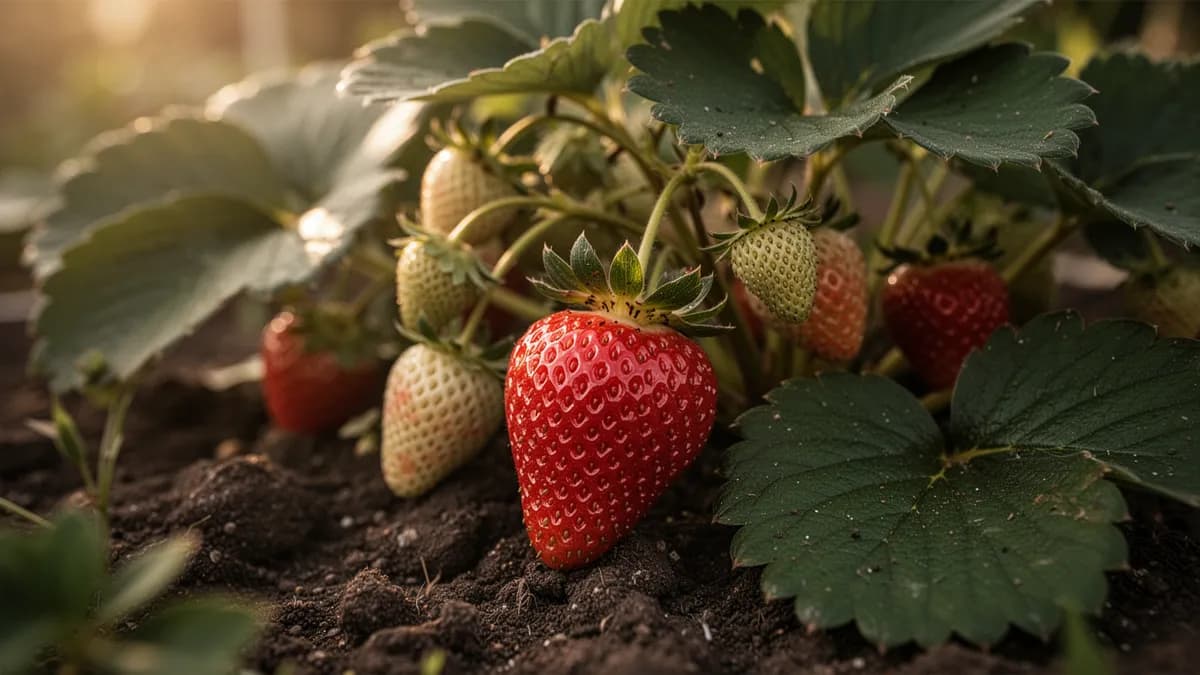
Eine remontierende Sorte, die zwei bis drei Erntewellen pro Saison hervorbringt und so ein längeres Erntefenster als einmal tragende Sorten bietet.





Auf dieser SeiteÜberblick
Remontierende Erdbeere im Überblick
Eine remontierende Sorte, die zwei bis drei Erntewellen pro Saison hervorbringt und so ein längeres Erntefenster als einmal tragende Sorten bietet. Die Pflanzen sind wüchsig und bilden mäßig viele Ausläufer zur natürlichen Vermehrung. Regelmäßig düngen und die ersten Blüten entfernen, um eine stärkere Wurzelbildung und reichere spätere Ernten zu fördern.
Wann Remontierende Erdbeere pflanzen
Remontierende Erdbeeren werden hauptsächlich durch Teilung und Ausläufer vermehrt, nicht durch Samen. Lassen Sie gesunde Ausläufer in kleinen Töpfen wurzeln, die neben der Mutterpflanze platziert werden, und trennen Sie die Verbindung, sobald die neue Pflanze ein eigenes Wurzelsystem aufgebaut hat. Teilen Sie reife Pflanzen im frühen Frühjahr, indem Sie einzelne Herzen mit Wurzeln vorsichtig abtrennen. Für die Aussaat stratifizieren Sie die Samen drei Wochen im Kühlschrank und säen Sie sie auf die Oberfläche einer feuchten Anzuchterde unter Pflanzenlampen. Die Keimung dauert zwei bis drei Wochen, aber die Sämlinge wachsen langsam und bringen möglicherweise keine sortentreuen Pflanzen hervor.
Dein Remontierende Erdbeere-Jahr
Abgestimmt auf Zone 7 · typische Saison · Frost geht um den 2. Apr. und kehrt um den 1. Nov. zurück
Remontierende Erdbeere Mär – Mai pflanzen, Jun – Sep ernten. Beachte die Pflanzmethoden unten und wähle dein Klima für passende Zeiträume.
So baust du Remontierende Erdbeere an
Remontierende Erdbeeren bringen zwei bis drei deutlich getrennte Erntewellen pro Saison hervor: eine moderate Ernte im Frühsommer, eine leichtere Ernte im Hochsommer und eine kräftige Herbsternte. Pflanzen Sie wurzelnackte Setzlinge oder Jungpflanzen im frühen Frühjahr in Hochbeete oder aufgehäufte Reihen, wobei das Herz genau auf Bodenniveau sitzen muss. Setzen Sie die Pflanzen mit einem Abstand von 30 bis 45 cm in Reihen mit 60 bis 90 cm Abstand, um Platz für Ausläufer und eine bequeme Ernte zu lassen.
Im ersten Jahr sollten Sie alle Blüten bis Anfang Juli entfernen, um die Energie in den Aufbau eines starken Wurzelsystems und die Ausläuferbildung umzulenken. Nach Juli lassen Sie die Blüten sich zu Früchten entwickeln, um eine Herbsternte zu erhalten. In den Folgejahren ist kein Blütenentfernen mehr nötig. Remontierende Sorten bilden weniger Ausläufer als einmal tragende Typen, daher sollten Sie bei gewünschter schneller Beetvergrößerung zusätzliche Setzlinge zukaufen.
Gießen Sie gleichmäßig mit 25 bis 50 mm pro Woche und verwenden Sie Tröpfchenbewässerung, um das Laub trocken zu halten und Pilzkrankheiten zu reduzieren. Mulchen Sie großzügig mit sauberem Stroh, um Unkraut zu unterdrücken, die Bodenfeuchtigkeit zu erhalten und die sich entwickelnden Früchte sauber zu halten. Düngen Sie mit einem ausgewogenen Dünger bei der Pflanzung, erneut nach der ersten Erntewelle und ein weiteres Mal im Spätsommer, um die Herbsternte zu unterstützen. Remontierende Erdbeeren profitieren alle drei bis vier Jahre von einer Erneuerung: Graben Sie die gesündesten Pflanzen aus, bereiten Sie frische Erde mit Kompost vor und pflanzen Sie an einem neuen Standort.
32 Pflanzen passen in ein Beet von 120 × 240 cm
Remontierende Erdbeere braucht 30 cm Platz pro Pflanze. Der Planer hält diesen Abstand für dich ein — jede Pflanze, jedes Beet.
Die besten Nachbarn für Remontierende Erdbeere
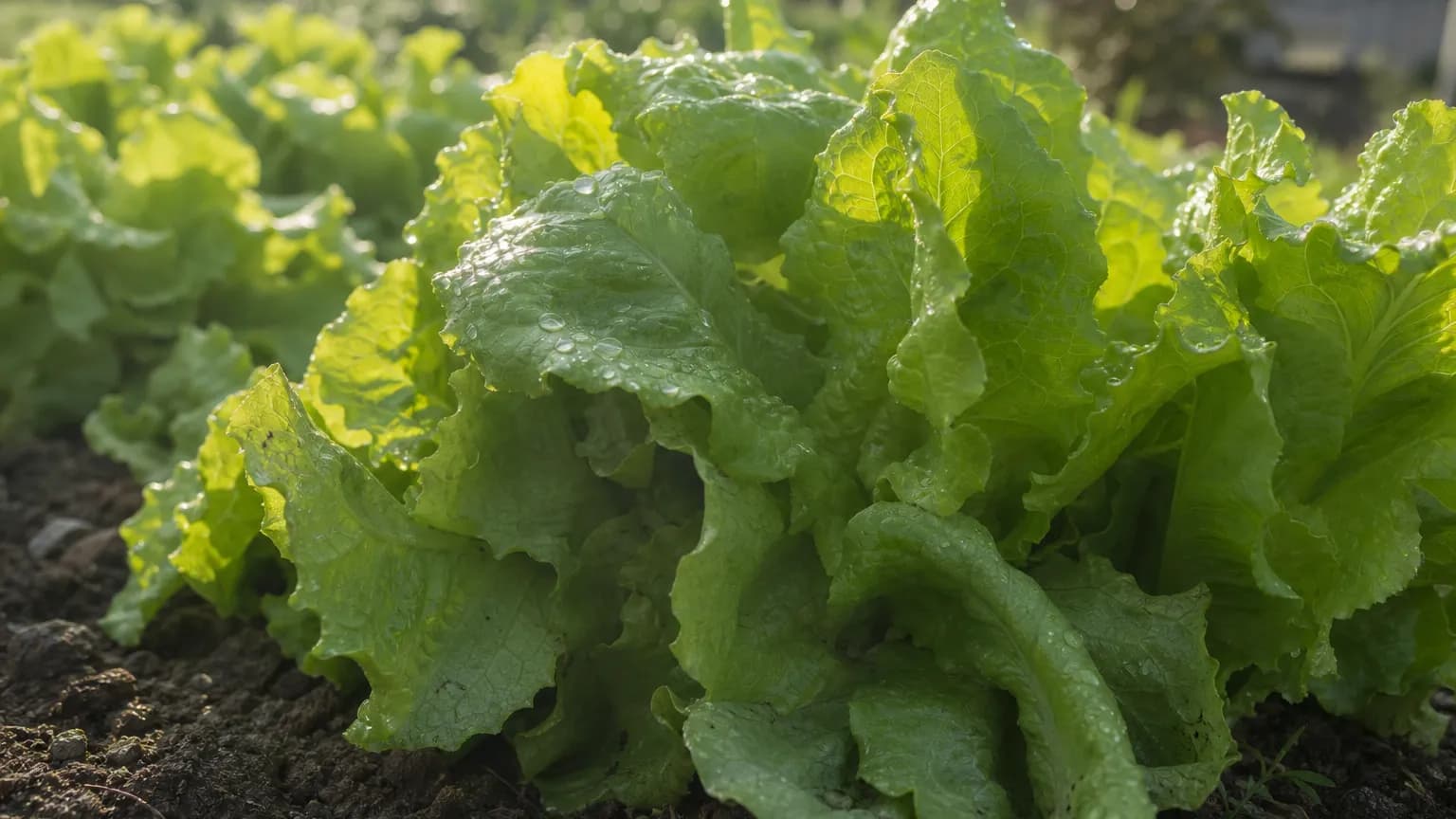
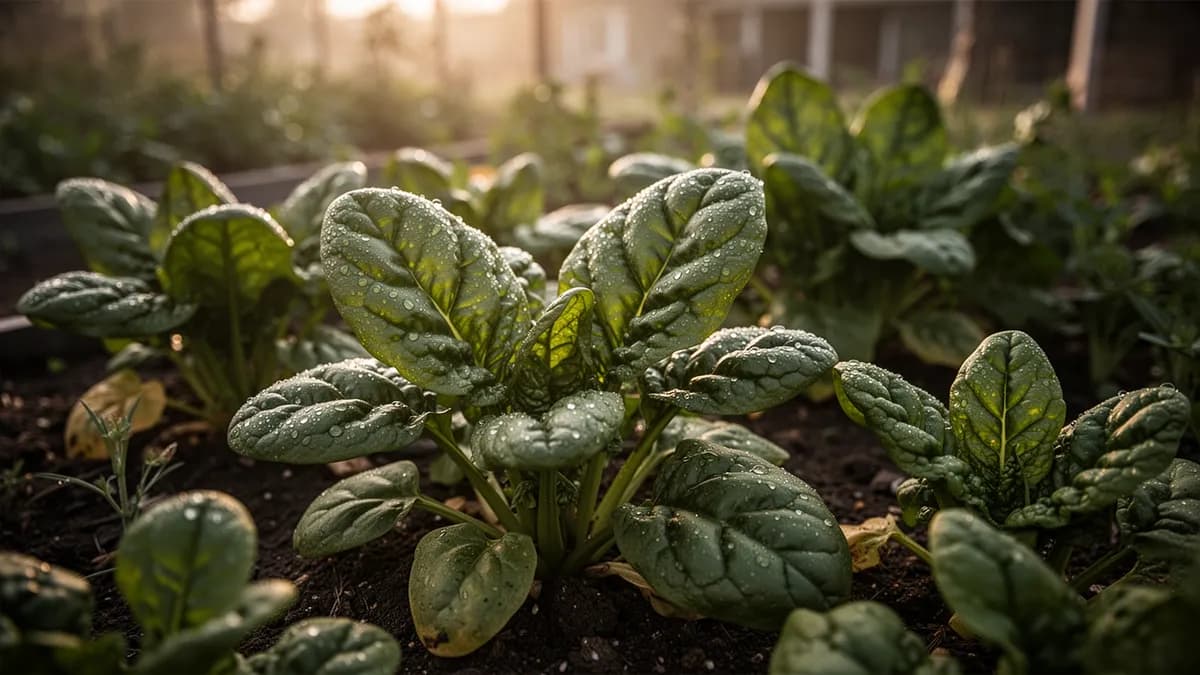
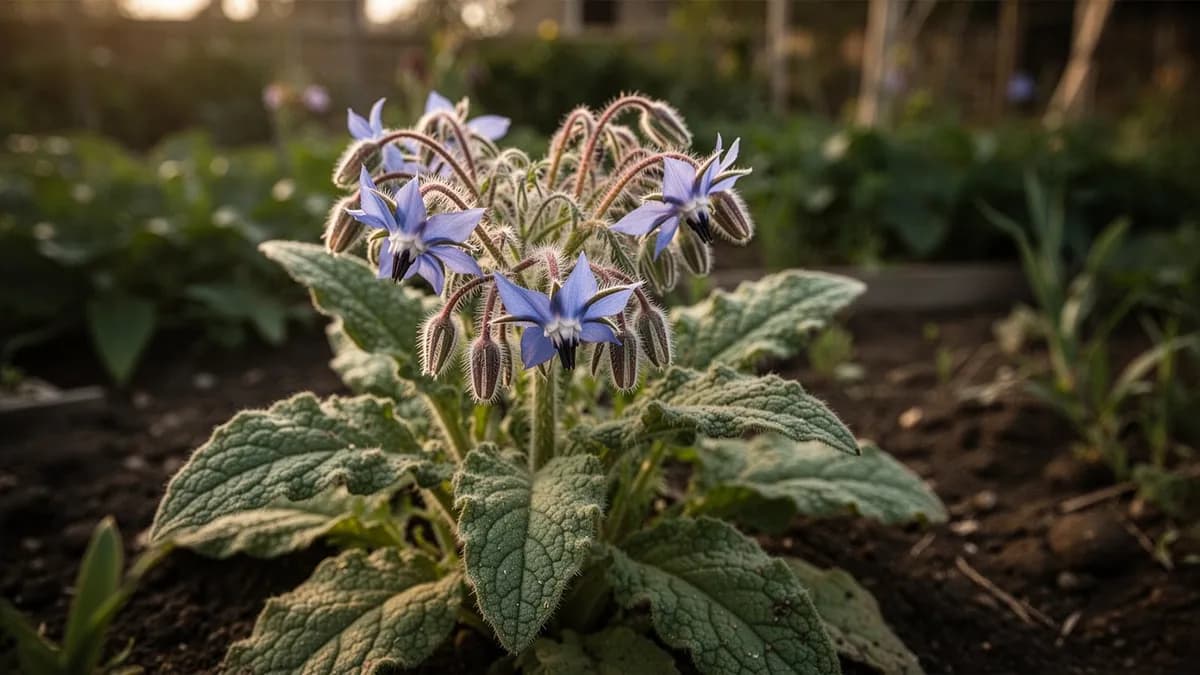
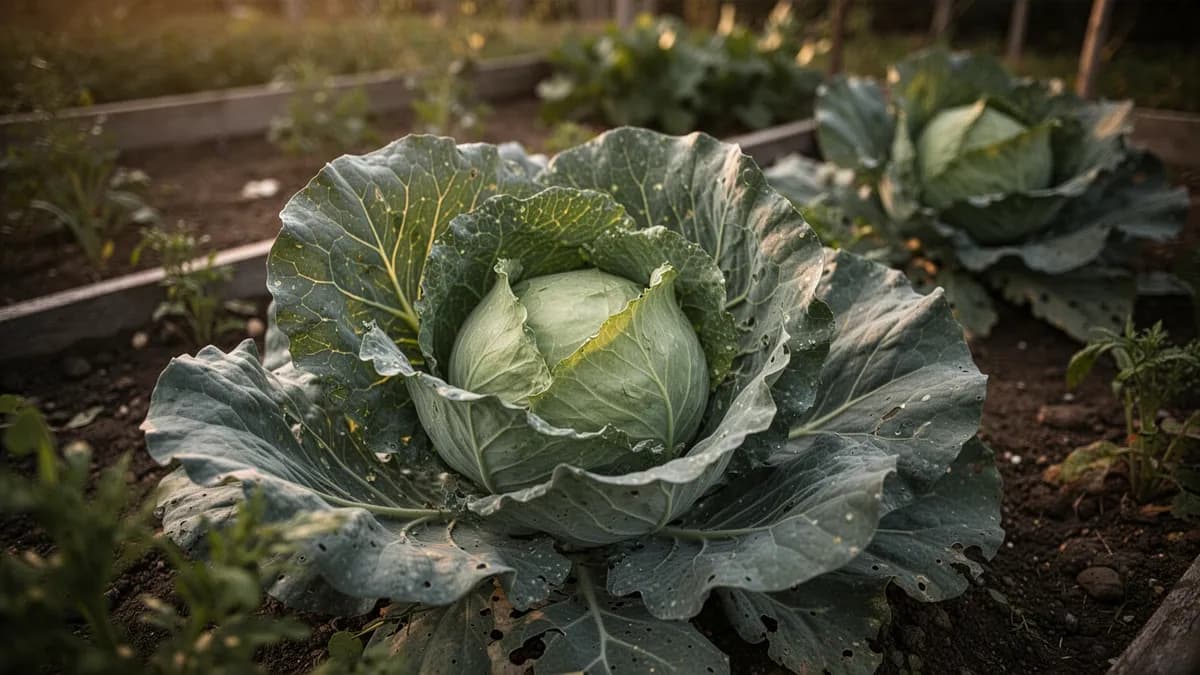
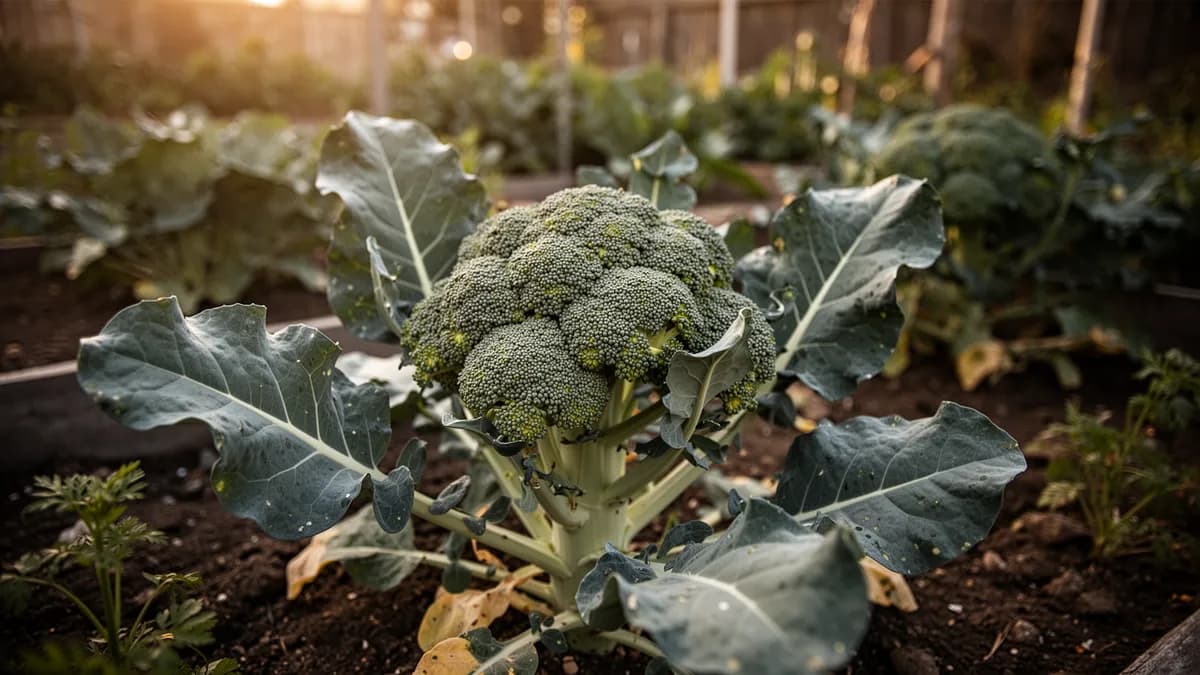
Salat und Spinat sind ausgezeichnete Reihenbegleiter, die in den Zwischenräumen zwischen den Erdbeerpflanzen wachsen und von der Strohmulchschicht profitieren, die zum Schutz der Beeren verwendet wird. Borretsch ist ein klassischer Erdbeerbegleiter, der Bestäuber anzieht und laut traditioneller Gartenweisheit möglicherweise den Fruchtgeschmack verbessert. Thymian dient als niedrig wachsender Bodendecker, der Schnecken abschrecken kann. Vermeiden Sie das Pflanzen in der Nähe von Kohlgewächsen und Fenchel, die um Nährstoffe konkurrieren und möglicherweise wachstumshemmende Substanzen abgeben.
Kopfsalat gehört daneben. Kohl nicht.
Altes Gärtnerwissen, geprüft an der echten Nachbartabelle von Remontierende Erdbeere — teste jede Pflanze, die du anbaust.
Probiere Remontierende Erdbeere direkt hier im Beet
Ein echtes Planer-Beet, Remontierende Erdbeere steht schon drin. Tippe einen Begleiter an, platziere ihn und sieh, wie die Nachbarschaftsprüfung antwortet — grün für gute Nachbarn, rot bei Streit.


Passende Anbau-Ratgeber
Richtig düngen
Remontierende Erdbeeren gedeihen am besten in gut durchlässigem, lehmigem Boden mit einem pH-Wert von 5,8 bis 6,5, der vor der Pflanzung mit Kompost angereichert wurde. Hochbeete sind ideal, da sie sich im Frühjahr schnell erwärmen und eine hervorragende Drainage bieten. Tragen Sie bei der Pflanzung einen ausgewogenen 10-10-10-Dünger auf und düngen Sie nach jeder größeren Erntewelle nach, um die fortlaufende Fruchtproduktion aufrechtzuerhalten. Ergänzen Sie während der Fruchtreife Kalium, um den Geschmack und die Festigkeit der Beeren zu verbessern. Vermeiden Sie übermäßigen Stickstoff nach Hochsommer, der üppiges Laub hervorbringt, das anfällig für Winterschäden ist.
Ideale Temperatur
Winterhärtezone-Kompatibilität
Von der Saat zur Ernte, Schritt für Schritt
Ruhephase und Pflanzung
Wurzelnackte oder getopfte Setzlinge werden im frühen Frühjahr oder Herbst gepflanzt. Das Herz sitzt auf Bodenniveau, während die Wurzeln sich im umgebenden Boden etablieren. Das Laub ist minimal, und die Pflanze leitet ihre Energie in den Untergrund.
Vegetatives Wachstum
Neue dreiteilige Blätter treiben rasch aus und die Pflanze bildet eine kräftige Rosette. Die Wurzelmasse nimmt deutlich zu. Frühe Ausläufer können erscheinen; das Abknipsen in diesem Stadium lenkt die Energie in die Herzentwicklung und spätere Fruchtbildung.
Erste Blütenwelle
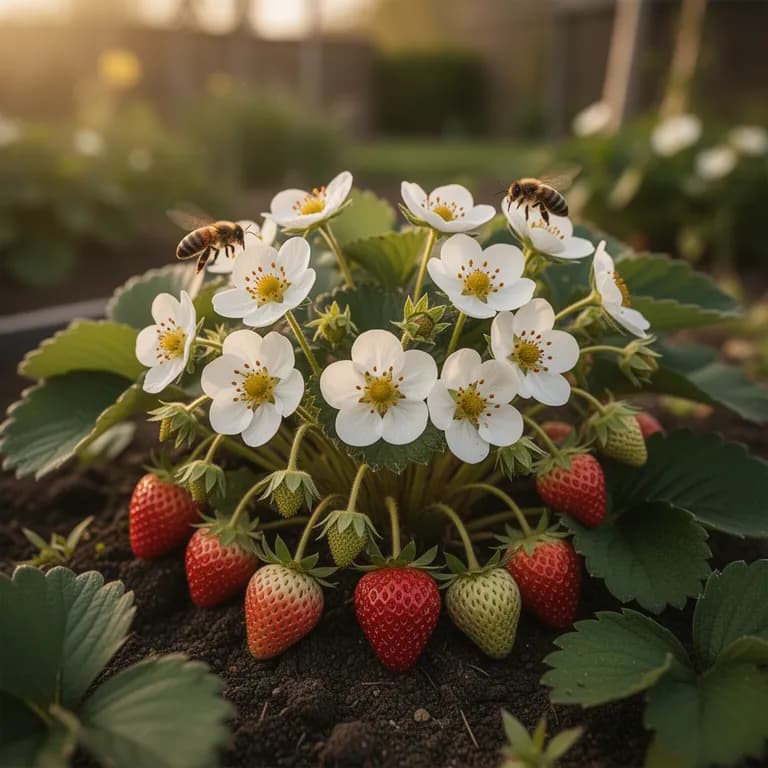
Weiße Blüten mit leuchtend gelber Mitte öffnen sich über der gesamten Pflanze. Remontierende Typen initiieren die Blütenbildung als Reaktion auf lange Tage statt kurze Tage, daher beginnt diese Welle oft im Spätfrühling. Bestäuber sind in diesem Stadium für den Fruchtansatz unerlässlich.
Fruchtentwicklung
Bestäubte Blüten schwellen zu kleinen grünen Fruchtansätzen an, die allmählich von Weiß über Rosa zu tiefem Rot reifen. Remontierende Sorten produzieren kleinere Beeren als einmal tragende Sorten, aber die Geschmackskonzentration ist typischerweise höher. Die Fruchtentwicklung dauert je nach Temperatur 30–45 Tage ab der Bestäubung.
Fortlaufende Ernte und zweite Welle
Nach dem ersten Erntehöhepunkt ruhen remontierende Pflanzen kurz, bevor sie eine zweite und oft dritte Blütenwelle durch den Sommer und bis in den Herbst hinein einleiten. Dieser fortlaufende Zyklus ist das bestimmende Merkmal dieses Typs. Das zeitnahe Ernten reifer Beeren fördert die weitere Fruchtbildung.
Herbstverlangsamung und Erneuerung
Wenn die Tageslänge abnimmt und die Temperaturen unter 10 °C fallen, hören Blüte und Fruchtbildung auf. Ältere Blätter vergilben und die Pflanze bereitet sich auf die Ruhephase vor. Dies ist der ideale Zeitpunkt, um das Beet zu erneuern — altes Laub zurückschneiden, Herzen ausdünnen und Mulch auffrischen.
Halten Sie den Boden gleichmäßig feucht, aber niemals staunass. Vermeiden Sie es, das Herz zu vergraben, da dies zu Fäulnis führt — die Blattbasis sollte knapp oberhalb des Bodenniveaus bleiben.
Remontierende Erdbeere Monat für Monat pflegen
Was du jeden Monat für deine Remontierende Erdbeere tun solltest
Oktober
Aktueller MonatStellen Sie die Düngung ein, sobald die Fruchtbildung beendet ist. Schneiden Sie altes Laub leicht zurück. Beginnen Sie mit dem Mulchen der Herzen mit Stroh, wenn die Temperaturen sinken. Pflanzen Sie in milden Gebieten neue wurzelnackte Setzlinge für einen Vorsprung im nächsten Jahr.
Immer wissen, was jetzt im Garten zu tun ist
Eine E-Mail zum Monatsanfang: was du jetzt säen, pflanzen und anpacken solltest — für deine Remontierende Erdbeere und alles, was drumherum wächst. Dazu ein kurzer Startkurs, der dich vor den klassischen Fehlern bewahrt.
- Was jetzt zu tun ist
- Passend zu deiner Saison
- Startkurs inklusive
Remontierende Erdbeere ernten
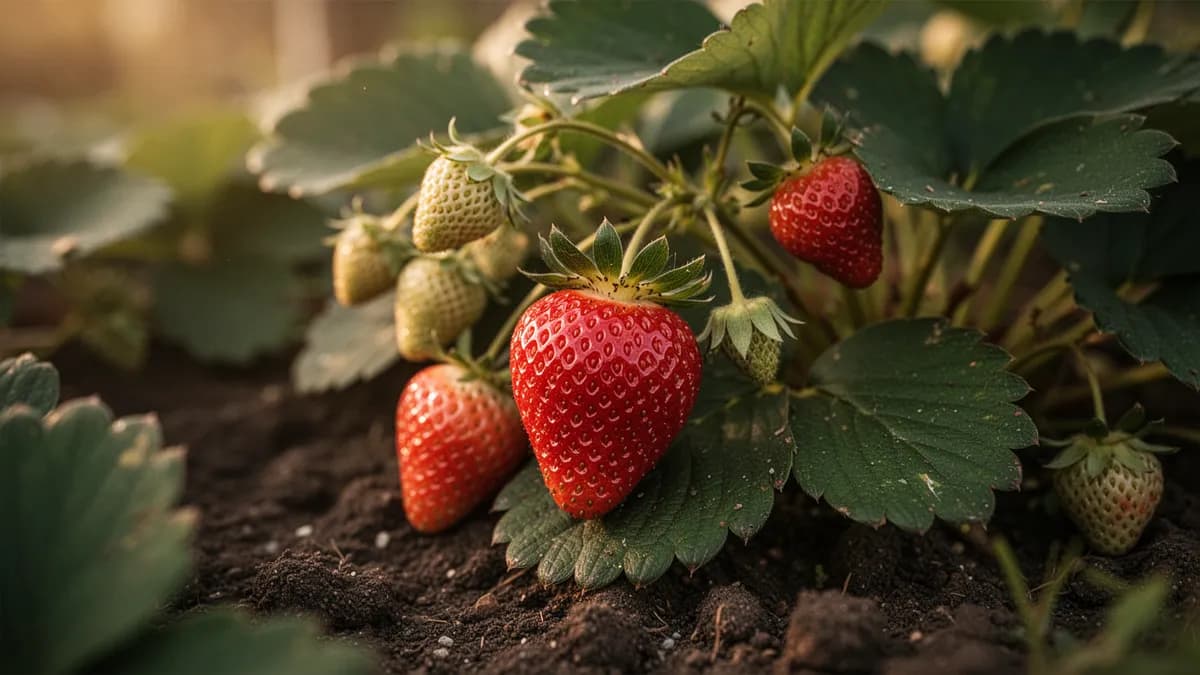
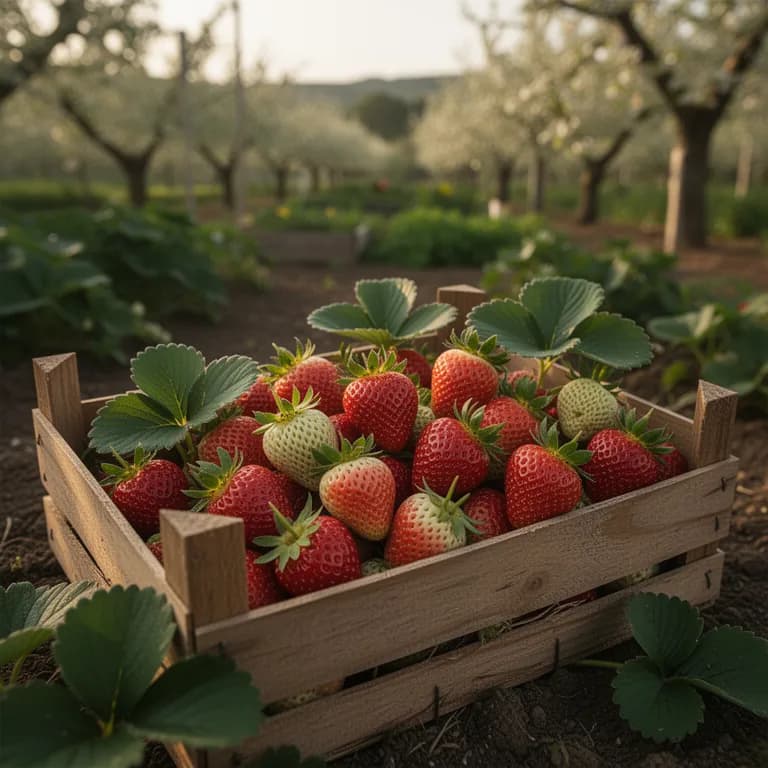
Ernten Sie remontierende Erdbeeren, wenn sie vollständig rot sind und keine weißen oder grünen Schultern mehr aufweisen. Die erste Welle im Frühsommer bringt die größten Beeren hervor, während die Herbstbeeren etwas kleiner, aber aufgrund der kühleren Temperaturen oft süßer sind. Pflücken Sie während der aktiven Produktion alle zwei bis drei Tage, indem Sie den Stiel oberhalb der Beere fassen und abknipsen. Lassen Sie die grüne Kelchkappe angeheftet, um die Frische zu verlängern. Eine Ernte am Morgen, wenn die Beeren kühl sind, ergibt die festesten Früchte für die Lagerung.
angenommen, du pflanzt zu Beginn des Zeitraums — trage dein tatsächliches Datum ein
Ernte Remontierende Erdbeere zügig, dann trägt die Pflanze weiter.
Lagerung & Konservierung
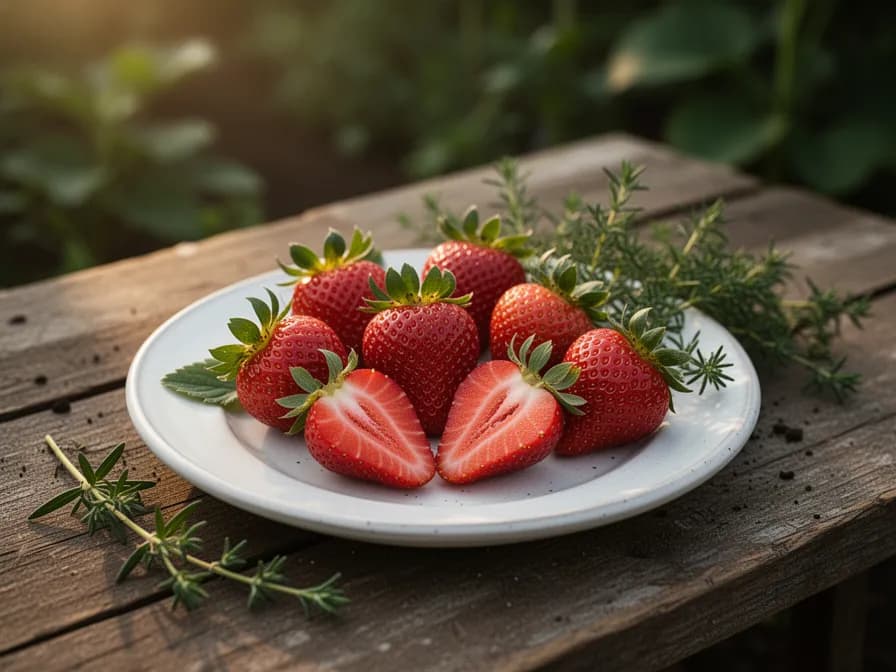
Lagern Sie ungewaschene Beeren in einer einzigen Schicht auf Küchenpapier im Kühlschrank für zwei bis vier Tage. Die verlängerte Erntezeit remontierender Sorten bedeutet, dass Sie monatelang frische Beeren genießen können, anstatt eine einzige große Ernte konservieren zu müssen. Zum Einfrieren entkelchen und auf einem Backblech verteilen, bevor Sie die Beeren in Beutel umfüllen. Remontierende Erdbeeren eignen sich hervorragend für Marmelade, Fruchtleder und getrocknete Erdbeerscheiben. Ihre gleichmäßige Produktion ist ideal für den täglichen Frischverzehr und Smoothies während der gesamten Saison.
Was schiefgeht — und die Lösung
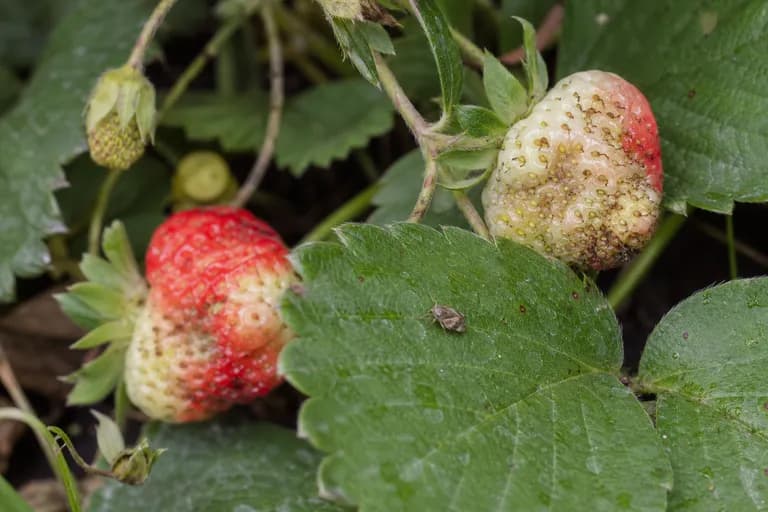
Befleckte Pflanzenwanze
SchädlingMissgebildete, an der Spitze stark mit Nüsschen besetzte Beeren mit harten, unterentwickelten Bereichen (sogenannte Katzengesichter); die erwachsenen Wanzen sind klein und bräunlich gefleckt.
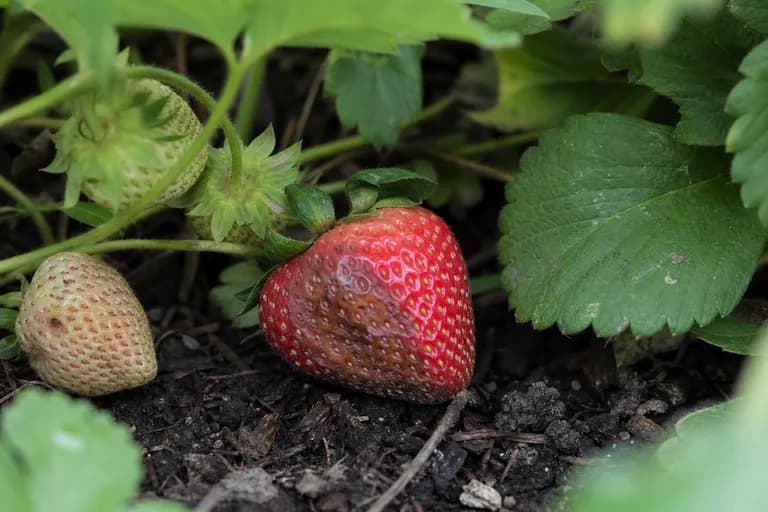
Lederfäule (Phytophthora cactorum)
KrankheitBraune, lederartige Flecken auf reifenden Früchten, die bitter schmecken; die Früchte haben oft Kontakt mit nassem Boden oder Mulch.
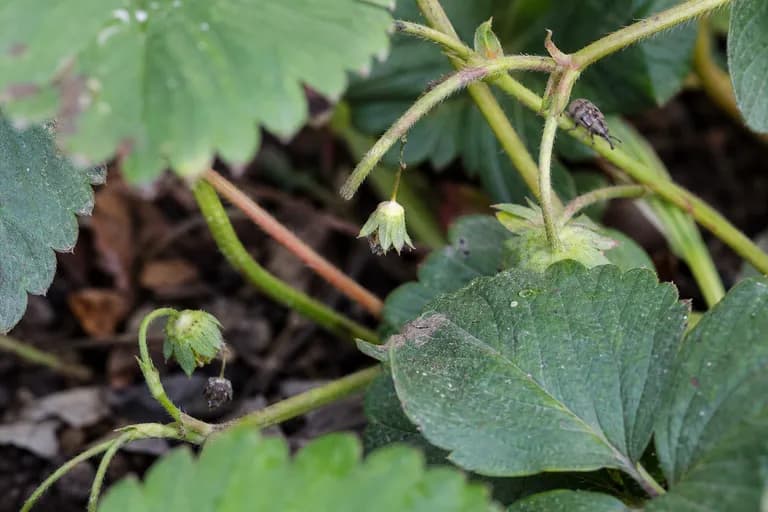
Erdbeerblütenstecher
SchädlingBlütenknospen sind abgeknickt und hängen an einem Faden; die abgetrennten Knospen enthalten Rüsslereier und fallen zu Boden.
Fehlerbehebung bei häufigen Problemen
Kleinere Beeren in der zweiten und dritten Erntewelle sind bei remontierenden Sorten normal und deuten nicht auf ein Problem hin. Übermäßige Ausläuferbildung kann Energie von der Fruchtbildung abziehen, daher sollten Sie Ausläufer während der Saison selektiv entfernen, es sei denn, Sie möchten neue Pflanzen gewinnen. Blütenschäden durch Spätfröste im Frühjahr können die Frühsommerernte eliminieren, halten Sie daher Vliesabdeckungen bereit. Hitzestress über 30 °C im Hochsommer führt häufig dazu, dass die Zwischenernte gering ausfällt oder ganz ausbleibt.
Anbautipps
- Pflanzen Sie die Setzlinge so, dass der zentrale Vegetationspunkt genau auf Bodenniveau sitzt — zu tief verursacht Herzfäule, zu flach setzt die Wurzeln Austrocknung und Frostschäden aus.
- Knipsen Sie in den ersten sechs Wochen nach der Pflanzung wurzelnackter Setzlinge alle Blütenknospen ab; dies lenkt die Energie in die Wurzeletablierung um und führt zu deutlich höheren Erträgen später in der Saison.
- Legen Sie eine 5 cm dicke Strohschicht unter die sich entwickelnden Fruchttrauben, um Bodenspritzer auf den Beeren zu verhindern, was Botrytis (Grauschimmel) drastisch reduziert und die Früchte sauber für die Ernte hält.
- Verlagern Sie Ihr Erdbeerbeet alle drei bis vier Jahre an einen neuen Standort, um Zyklen bodenbürtiger Krankheitserreger wie Verticillium-Welke und Rote Wurzelfäule zu durchbrechen.
- Gießen Sie an der Basis der Pflanzen statt von oben, besonders wenn die Blüten geöffnet sind — nasse Blütenblätter fördern Botrytis-Infektionen und können die Lebensfähigkeit des Pollens beeinträchtigen.
- Tragen Sie von der ersten Blütenknospe bis zur letzten Ernte alle zwei Wochen einen kaliumreichen Flüssigdünger (wie Tomatendünger) auf, um die fortlaufende Nachblüte aufrechtzuerhalten.
- Zur Vermehrung wählen Sie die erste Tochterpflanze an einem Ausläufer Ihrer gesündesten und ertragreichsten Mutterpflanzen aus; befestigen Sie diese in einem kleinen Topf mit Erde neben der Mutterpflanze, trennen Sie nach der Bewurzelung ab und pflanzen Sie im Herbst oder frühen Frühjahr um.
- In Kübeln erneuern Sie die Erde alle zwei Jahre und stellen Sie sicher, dass die Töpfe großzügige Abzugslöcher haben — Erdbeeren reagieren sehr empfindlich auf Staunässe, die zu raschem Verfall von Herz und Wurzeln führt.
- Netzen Sie das Beet mit feinem Netz (2 cm Maschenweite) ab dem Moment ein, wenn die ersten Beeren rosa werden — Vögel, insbesondere Amseln, können eine Pflanzung über Nacht leer fressen, sobald die Früchte sich zu färben beginnen.
- Lassen Sie im Herbst einen leichten Frost auf die Pflanzen einwirken, bevor Sie den Wintermulch auftragen; eine kurze Kälteperiode nach der Wachstumszeit verbessert die Qualität der Ruhephase und kann die Wüchsigkeit im folgenden Jahr steigern.
Bau deine beste Remontierende Erdbeere an — und alles drumherum.
Starte heute kostenlos. Lege deine Beete an, setze deine Remontierende Erdbeere ein und lass PlotMyGarden Timing, Abstände, Begleiter und Erinnerungen von der Saat bis zum Erntekorb übernehmen.
Finde deine Remontierende Erdbeere
Ozark Beauty
Eine klassische remontierende Sorte mit großen, süßen Beeren und kräftiger Ausläuferbildung, die in ganz Nordamerika weit verbreitet ist.
Quinault
Produziert sehr große, weiche Beeren mit ausgezeichnetem süßem Geschmack, wobei die Früchte für den kommerziellen Versand zu empfindlich sind.
Fort Laramie
Eine extrem winterharte remontierende Sorte, die in den Zonen 3 bis 8 gedeiht und süße, mittelgroße Beeren hervorbringt.
Ogallala
Eine robuste remontierende Sorte mit intensiv aromatischen, dunkelroten Beeren, die an den Geschmack von Walderdbeeren erinnern.
Eine einzelne remontierende Erdbeerpflanze, die als wurzelnackter Setzling etwa 1,50–2,50 € kostet, kann pro Saison 250–400 g Beeren über mehrere Erntewellen liefern. Bei Supermarktpreisen von 3–5 € pro 400-g-Schale kann eine Pflanze ihre Kosten bereits im ersten Jahr mehrfach wieder einspielen. Ein bescheidenes Beet mit 20 Pflanzen — das bequem in ein 2 m × 1 m großes Hochbeet passt — kann jährlich 5–8 kg Beeren produzieren, was einer typischen Familie 40–100 € pro Saison im Vergleich zum Kauf derselben Menge im Einzelhandel spart. Die Pflanzen können bei guter Pflege 3–5 Jahre produktiv bleiben, was die Einsparungen über ihre Lebensdauer erheblich vervielfacht.
Schnelle Rezepte

Klassische Erdbeermarmelade
45 MinutenEine einfache Konfitüre aus zwei Hauptzutaten, die den intensiven Geschmack remontierender Beeren einfängt. Die kleine Beerengröße bedeutet weniger Schneidarbeit und eine natürlich stückige Konsistenz. In sterilisierten Gläsern bis zu 12 Monate haltbar.
3 ZutatenErdbeer-Balsamico-Bruschetta
10 MinutenEin schneller herzhaft-süßer Appetithappen, der die Geschmackstiefe selbst angebauter Beeren zur Geltung bringt. Der Balsamicoessig verstärkt die natürliche Säure und bringt die aromatischen Verbindungen der Beere zum Vorschein.
6 Zutaten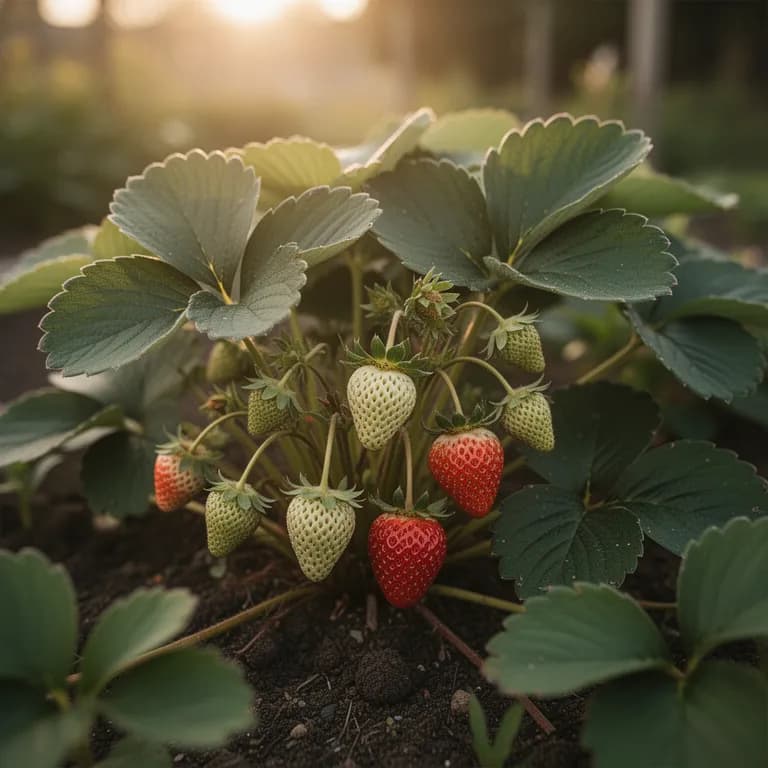
Gefrorene Erdbeer-Joghurt-Bruchschokolade
15 Minuten + 3 Stunden EinfrierenEin gesunder Tiefkühlgenuss, ideal für die Sommerernte. Joghurt wird auf einem ausgelegten Blech verteilt und mit frischen Beeren bestückt — so entsteht ein farbenfroher, nährstoffreicher Snack, den Kinder lieben und der wochenlang im Gefrierfach haltbar ist.
5 ZutatenKulinarische Verwendung
Remontierende Erdbeeren sind vielseitige Küchenfrüchte, die während der langen Erntezeit frisch, in Salaten, auf Müsli und in Smoothies genossen werden. Ihre kontinuierliche Produktion macht sie ideal für den täglichen Gebrauch anstelle der Konservierung großer Mengen. Die Beeren eignen sich hervorragend für Shortcakes, Tartes und Obstsalate. Kleinere Herbstbeeren sind oft süßer und konzentrierter, was sie besonders gut für Marmelade und Soßen macht. Kombinieren Sie sie mit Sahne, Balsamicoessig oder Basilikum.
Was drinsteckt
Gesundheitsvorteile
- Der hohe Anthocyangehalt unterstützt die Herz-Kreislauf-Gesundheit, indem er die Arterienfunktion verbessert und die Oxidation von LDL-Cholesterin reduziert.
- Ellagsäure und Quercetin in Erdbeeren weisen entzündungshemmende Eigenschaften auf, die dazu beitragen können, das Risiko chronischer Entzündungskrankheiten zu verringern.
- Der außergewöhnliche Vitamin-C-Gehalt fördert die Kollagensynthese, unterstützt die Immunfunktion und verbessert die Aufnahme von Nicht-Häm-Eisen aus pflanzlichen Lebensmitteln.
- Die geringe Kaloriendichte und der hohe Ballaststoffgehalt fördern das Sättigungsgefühl, was Erdbeeren zu einer wertvollen Ergänzung für gewichtsbewusste Ernährungsweisen macht.
- Folat in Erdbeeren unterstützt die gesunde Zellteilung und DNA-Synthese, was sie besonders wertvoll während der Schwangerschaft und in der frühen Entwicklung macht.
- Der regelmäßige Verzehr von Erdbeeren wurde in klinischen Studien mit Verbesserungen der Insulinsensitivität und der Blutzuckerregulation nach den Mahlzeiten in Verbindung gebracht.
Woher Remontierende Erdbeere stammt
Die remontierende Erdbeere (Fragaria x ananassa, remontierender Typ) ist eine relativ moderne gärtnerische Errungenschaft, deren Wurzeln jedoch über Jahrhunderte botanischer Erforschung und zufälliger Hybridisierung zurückreichen. Die Geschichte beginnt im 18. Jahrhundert, als der französische Spion und Botaniker Amédée-François Frézier 1714 Exemplare der großfrüchtigen chilenischen Erdbeere (Fragaria chiloensis) aus Südamerika nach Europa brachte. Als diese kräftige Art aus der Neuen Welt neben der kleineren nordamerikanischen Scharlacherdbeere (Fragaria virginiana) angebaut wurde — die bereits in europäischen Gärten etabliert war — entstanden durch natürliche Kreuzbestäubung um 1750 in den Niederlanden und Frankreich die ersten Gartenerdbeeren, Fragaria x ananassa. Diese Hybride vereinte die große Fruchtgröße der chilenischen Elternart mit dem Geschmack und der Winterhärte der virginischen und leitete vier Jahrhunderte intensiver Züchtung ein.
Frühe Gartenerdbeeren waren ausschließlich einmal tragend und brachten eine einzelne, konzentrierte Ernte hervor, die durch kurze Photoperioden im Frühjahr gesteuert wurde. Das Streben nach einer Pflanze, die über die gesamte Wachstumsperiode Früchte tragen würde, gewann im späten 19. und frühen 20. Jahrhundert an Schwung, als Züchter bemerkten, dass bestimmte wilde Alpenerdbeeren (Fragaria vesca var. semperflorens) unabhängig von der Tageslänge wiederholt blühten. Durch Kreuzung dieser tagneutralen alpinen Typen mit der großfrüchtigen Gartenerdbeere begannen Pflanzenzüchter in den Vereinigten Staaten und Europa, die ersten echten remontierenden Sorten zu produzieren. Die Sorte 'Progressive', die um 1900 eingeführt wurde, wird oft als eine der frühesten kommerziellen remontierenden Veröffentlichungen genannt.
Im gesamten 20. Jahrhundert verfeinerten universitäre Züchtungsprogramme — insbesondere an der University of California, Davis, sowie an Forschungsstationen im Vereinigten Königreich, in Skandinavien und den Niederlanden — die remontierende Genetik, um Beerengröße, Geschmack, Krankheitsresistenz und die Zuverlässigkeit der Herbsternte zu verbessern. Der Begriff "remontierend" wird im Handel etwas uneinheitlich verwendet und umfasst technisch gesehen zwei verschiedene Verhaltensweisen: echte remontierende Typen, die zwei Haupterntewellen hervorbringen (Frühjahr und Herbst) mit einer Hochsommerpause, und tagneutrale Typen, die fast ununterbrochen von der Pflanzung bis zum Frost Früchte tragen. Im alltäglichen Gartenbau werden beide austauschbar vermarktet.
Heute werden beliebte remontierende und tagneutrale Sorten wie 'Albion', 'Seascape', 'Evie 2', 'Mara des Bois' und 'Tristar' in Hausgärten und kleinen Erwerbsbetrieben weltweit angebaut. Ihre Fähigkeit, frische Beeren über einen verlängerten Zeitraum zu liefern — kombiniert mit der Eignung für Hochbeete, Kübel und Hängeampeln — hat sie zur bevorzugten Wahl für Gärtnerinnen und Gärtner gemacht, die eine lange, ertragreiche Ernte anstelle eines einzelnen kurzen Überschusses wünschen.
Remontierende Erdbeere: Schon gewusst?
Faszinierende Fakten über Remontierende Erdbeere
Erdbeeren sind im botanischen Sinne keine echten Beeren — jede "Beere" ist ein vergrößerter Blütenboden, und die winzigen gelben Samen auf der Oberfläche sind die eigentlichen Früchte (Achänen).
Remontierende Erdbeere: Fragen & Antworten
Wann sollte ich Remontierende Erdbeere pflanzen?
Was sind gute Begleitpflanzen für Remontierende Erdbeere?
In welchen Winterhärtezonen kann Remontierende Erdbeere wachsen?
Wie viel Sonne braucht Remontierende Erdbeere?
Welchen Abstand sollte ich zwischen Remontierende Erdbeere lassen?
Welche Schädlinge und Krankheiten befallen Remontierende Erdbeere?
Wie lagere ich Remontierende Erdbeere nach der Ernte?
Was sind die besten Remontierende Erdbeere-Sorten zum Anbauen?
Welchen Boden braucht Remontierende Erdbeere?
Was ist der Unterschied zwischen remontierenden und einmal tragenden Erdbeeren?
Sollte ich die Ausläufer meiner remontierenden Erdbeerpflanzen entfernen?
Warum produzieren meine remontierenden Erdbeeren viele Blätter, aber nur wenige Beeren?
Wie lange bleibt eine remontierende Erdbeerpflanze produktiv?
Können remontierende Erdbeeren erfolgreich in Kübeln und Hängeampeln angebaut werden?
Wann und wie sollte ich remontierende Erdbeeren für besten Geschmack ernten?
Du hast die Theorie gelesen. Jetzt baue sie auf Autopilot an.
Alles, was Remontierende Erdbeere knifflig macht — das Timing, die Abstände, die Begleiter, das Erntefenster — genau das übernimmt PlotMyGarden für dich, für jede Pflanze im Garten.
Ein Plan, der dein Wetter kennt
Standort einmal festlegen. Aussaat-, Dünge- und Erntedaten rund um deinen echten letzten Frosttermin und die Live-Vorhersage — kein Raten mehr nach Saattüte.
Aus dem Abschnitt „Pflanzzeit“Beetplaner per Drag & Drop
Beete auf einem Raster gestalten. Jede Pflanze rastet im richtigen Abstand ein, und du siehst die ganze Saison, bevor du einen Cent für Saatgut ausgibst.
Aus dem Abschnitt „Anbau“Begleiter-Konflikte früh erkannt
Über 200 gute und schlechte Kombinationen werden beim Pflanzen live geprüft — so landet ein saisonruinierender Fehler nie in der Erde.
Aus dem Abschnitt „Begleiter“Erinnerungen, nach denen du wirklich handelst
„Gieß die Bohnen.“ „Heute ernten, bevor's umschlägt.“ Pünktlich, konkret und auf deine echten Pflanzen bezogen.
Aus dem Abschnitt „Ernte“Staffel-Aussaat, geplant
Sechs Wochen ernten statt sechs Tage? Die App verteilt deine Aussaaten automatisch und erinnert dich, wenn der nächste Satz fällig ist.
Aus dem Abschnitt „Pflanzzeit“Ein Verlauf, der schlauer wird
Jede protokollierte Ernte bringt der App deinen Garten bei. Der Plan fürs nächste Jahr startet bei dem, was in deinem Boden wirklich funktioniert hat.
Aus dem Abschnitt „Überblick“Pflanze diese neben Remontierende Erdbeere
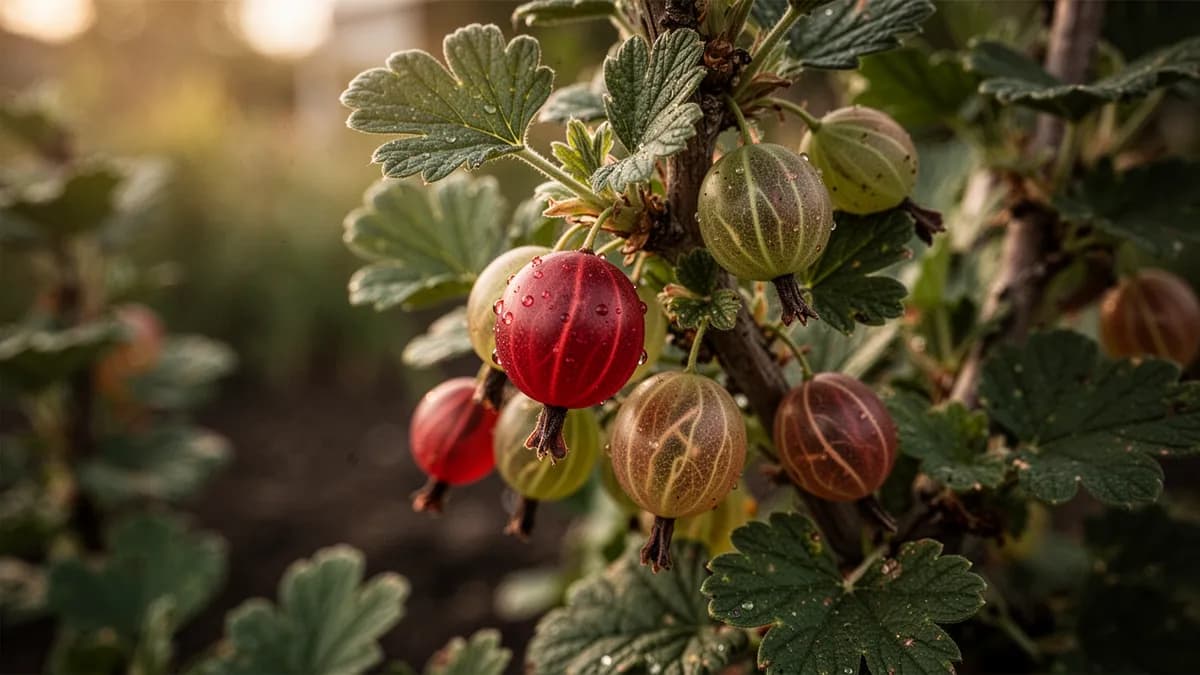
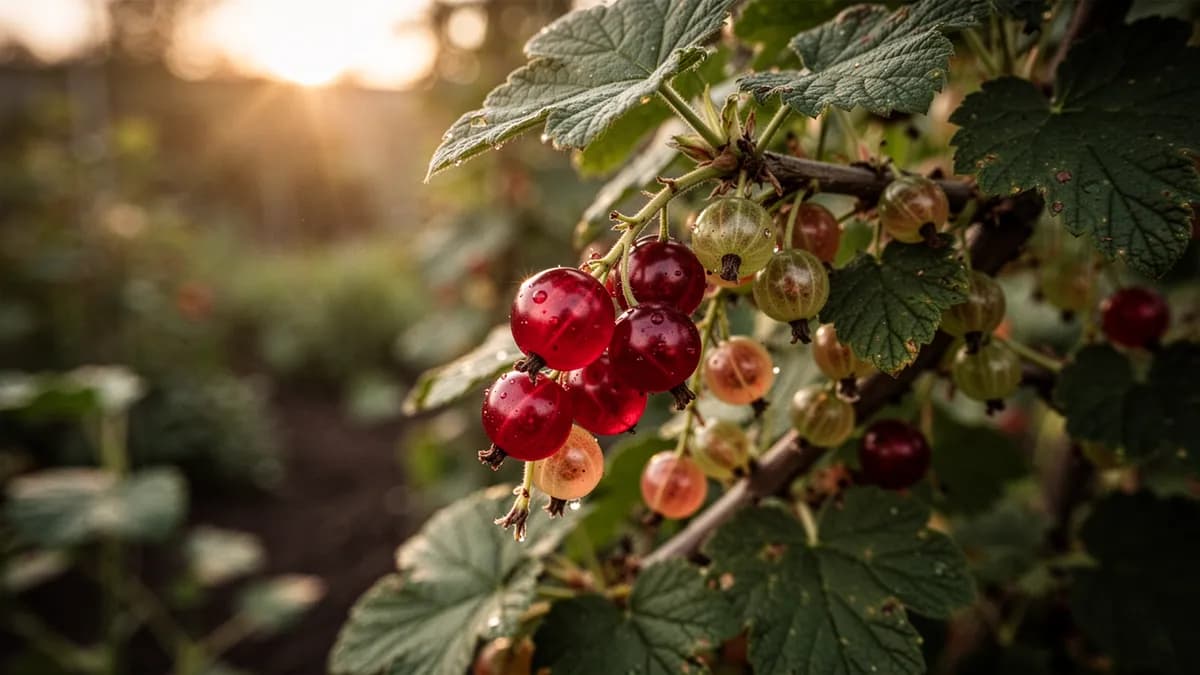
Weitere Beeren
Halte Remontierende Erdbeere von diesen fern
Bau deine beste Remontierende Erdbeere an — und alles drumherum.
Starte heute kostenlos. Lege deine Beete an, setze deine Remontierende Erdbeere ein und lass PlotMyGarden Timing, Abstände, Begleiter und Erinnerungen von der Saat bis zum Erntekorb übernehmen.