Tagneutrale Erdbeere
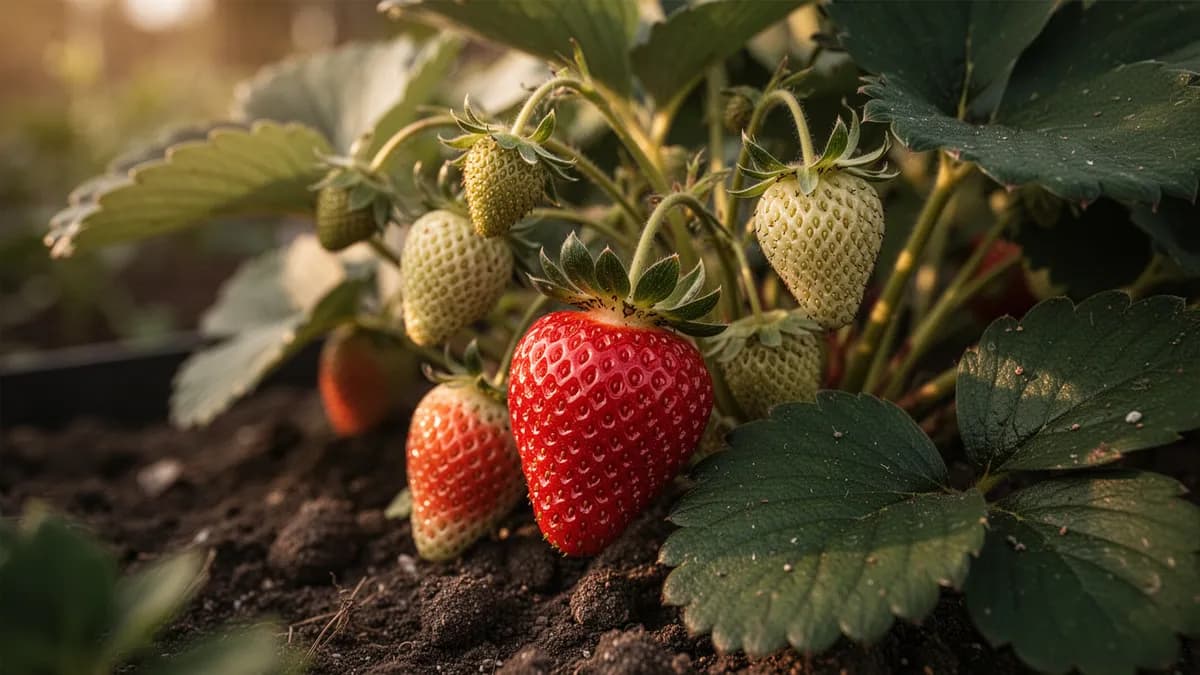
Eine tagneutrale Erdbeere, die unabhängig von der Tageslänge blüht und fruchtet und während der gesamten Vegetationsperiode kontinuierlich Beeren produziert.





Auf dieser SeiteÜberblick
Tagneutrale Erdbeere im Überblick
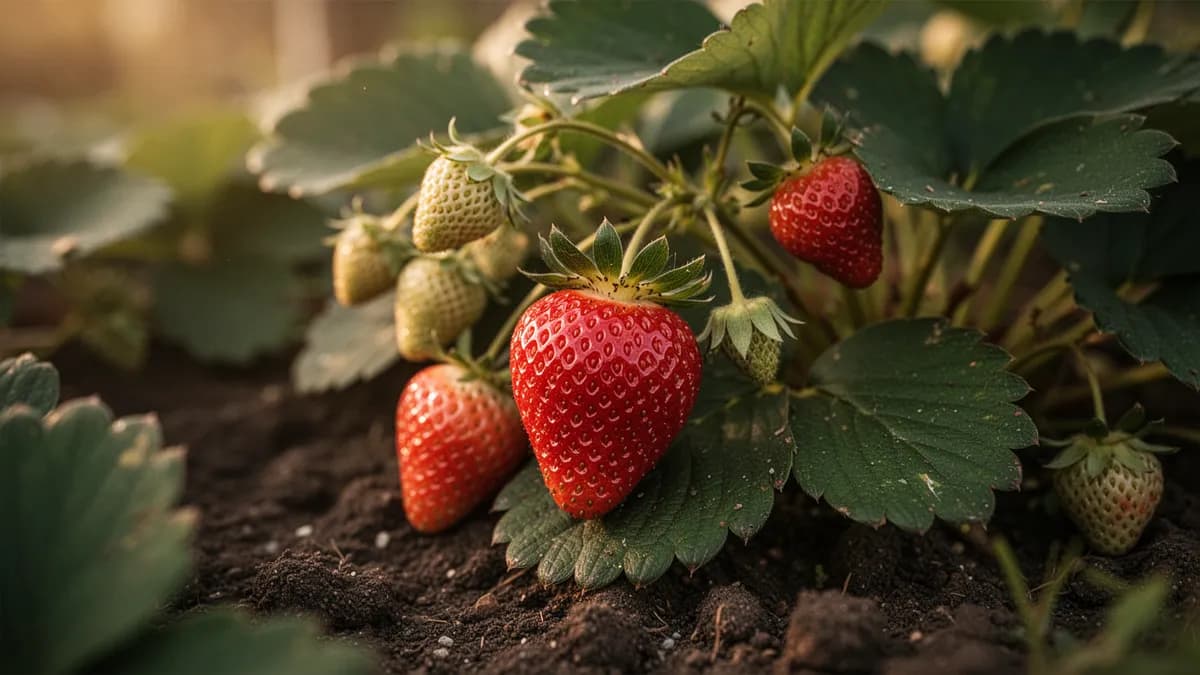
Eine tagneutrale Erdbeere, die unabhängig von der Tageslänge blüht und fruchtet und während der gesamten Vegetationsperiode kontinuierlich Beeren produziert. Diese Sorten sind besonders ertragreich bei kühlen Sommern und eignen sich hervorragend für Hochbeete und Kübelgärten. Entfernen Sie Ausläufer, um die Energie in die Fruchtproduktion zu lenken und eine stetige Versorgung mit mittelgroßen, aromatischen Beeren zu gewährleisten.
Wann Tagneutrale Erdbeere pflanzen
Tagneutrale Erdbeeren werden fast ausschließlich durch Gewebekultur-Setzlinge oder Ausläuferteilung vermehrt, um Sorteneigenschaften und Krankheitsfreiheit zu gewährleisten. Kaufen Sie zertifiziert virusfreie Pflanzen von seriösen Baumschulen. Die wenigen produzierten Ausläufer können in kleinen Töpfen neben der Mutterpflanze bewurzelt und nach vier bis sechs Wochen, sobald ein kräftiges Wurzelsystem gebildet ist, abgetrennt werden. Die Kronenteilung ist bei älteren Pflanzen möglich, indem man im zeitigen Frühjahr einzelne Kronen mit anhängenden Wurzeln vorsichtig trennt. Die Vermehrung durch Samen wird nicht empfohlen, da sie keine sortenechten Pflanzen hervorbringt.
Dein Tagneutrale Erdbeere-Jahr
Abgestimmt auf Zone 7 · typische Saison · Frost geht um den 2. Apr. und kehrt um den 1. Nov. zurück
Tagneutrale Erdbeere Mär – Mai pflanzen, Mai – Okt ernten. Beachte die Pflanzmethoden unten und wähle dein Klima für passende Zeiträume.
So baust du Tagneutrale Erdbeere an
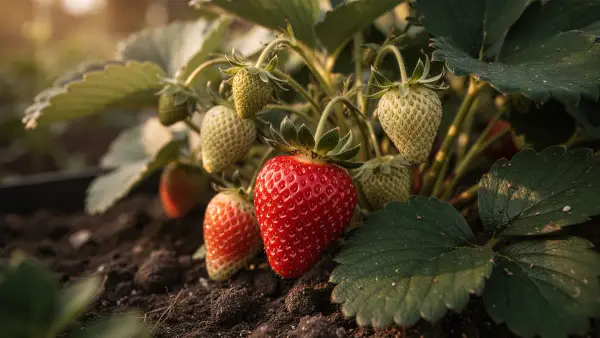
Tagneutrale Erdbeeren sind die modernste und ertragreichste Erdbeerklasse für Hobbygärtner. Sie blühen und fruchten kontinuierlich, unabhängig von der Tageslänge, solange die Temperaturen zwischen 2 und 29 Grad Celsius liegen. Pflanzen Sie Wurzelnackte Kronen oder Setzlinge im zeitigen Frühjahr in Hochbeete oder Kübel mit gut durchlässiger, kompostreicher Erde. Halten Sie einen Abstand von 25 bis 30 Zentimetern zwischen den Pflanzen ein und achten Sie darauf, dass die Krone genau auf Bodenniveau sitzt.
Entfernen Sie in den ersten vier bis sechs Wochen nach dem Pflanzen alle Blüten, damit sich das Wurzelsystem etablieren kann, und lassen Sie dann jede weitere Blüte zur Frucht heranreifen. Tagneutrale Sorten bilden im Vergleich zu Junifragenden Typen nur sehr wenige Ausläufer, was sie ordentlicher macht, aber auch bedeutet, dass Sie für die Beeterweiterung neue Pflanzen kaufen müssen. Entfernen Sie alle Ausläufer, die dennoch erscheinen, um die gesamte Energie in die kontinuierliche Fruchtbildung zu lenken.
Der Schlüssel zum Erfolg mit tagneutralen Erdbeeren liegt in gleichmäßiger Feuchtigkeit und regelmäßiger Düngung, da die Pflanzen während der gesamten Saison gleichzeitig Blüten und Früchte produzieren. Verwenden Sie Tropfbewässerung, um 2,5 bis 5 Zentimeter Wasser pro Woche bereitzustellen, und fertgieren oder düngen Sie alle zwei bis drei Wochen mit einem leichten, ausgewogenen Dünger. Erneuern Sie tagneutrale Pflanzungen alle zwei bis drei Jahre, da die Produktivität bei älteren Pflanzen deutlich nachlässt. In heißen Klimazonen bieten Sie Nachmittagsschatten oder verwenden Sie reflektierende Mulchfolie, um die Wurzelzonentemperaturen während des Hochsommers kühl zu halten.
32 Pflanzen passen in ein Beet von 120 × 240 cm
Tagneutrale Erdbeere braucht 30 cm Platz pro Pflanze. Der Planer hält diesen Abstand für dich ein — jede Pflanze, jedes Beet.
Die besten Nachbarn für Tagneutrale Erdbeere
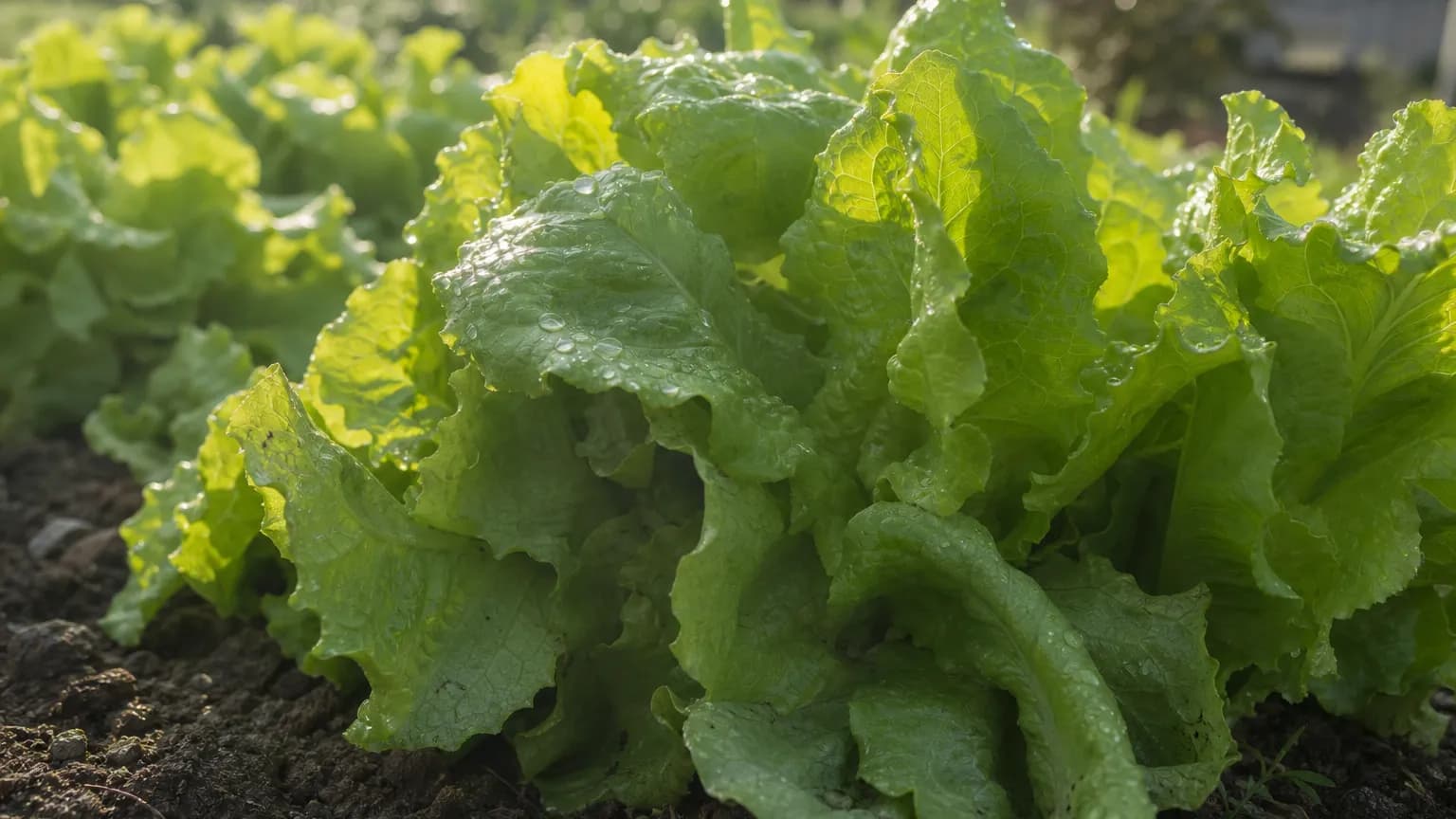
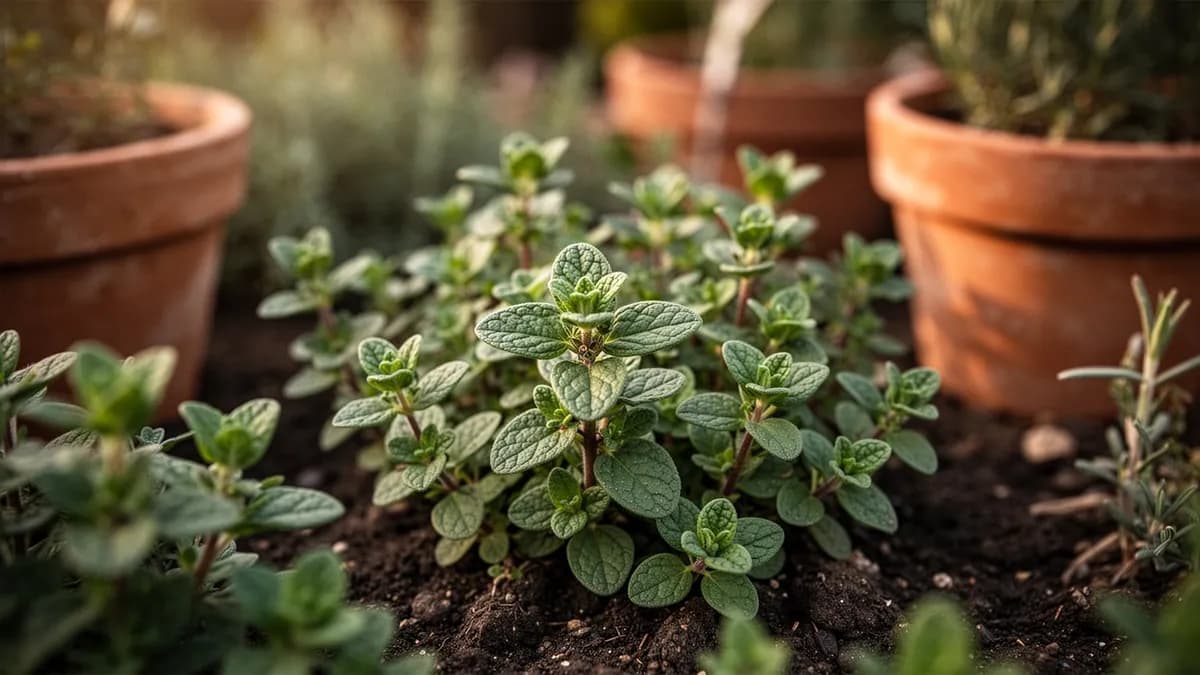
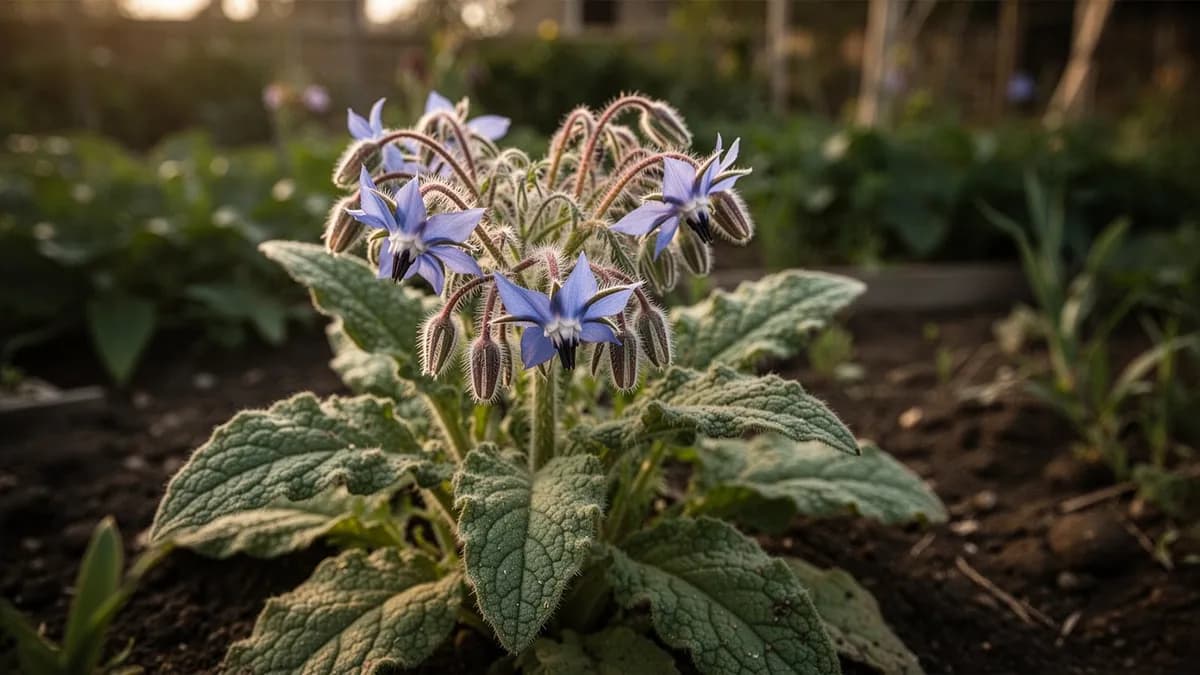
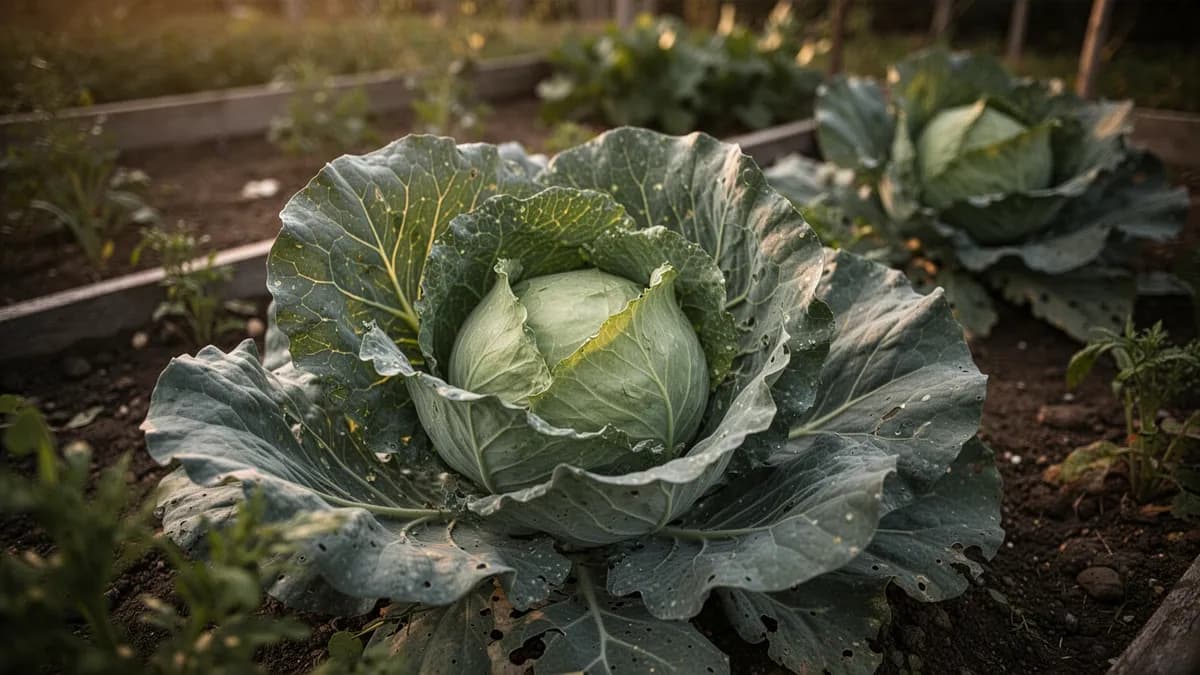
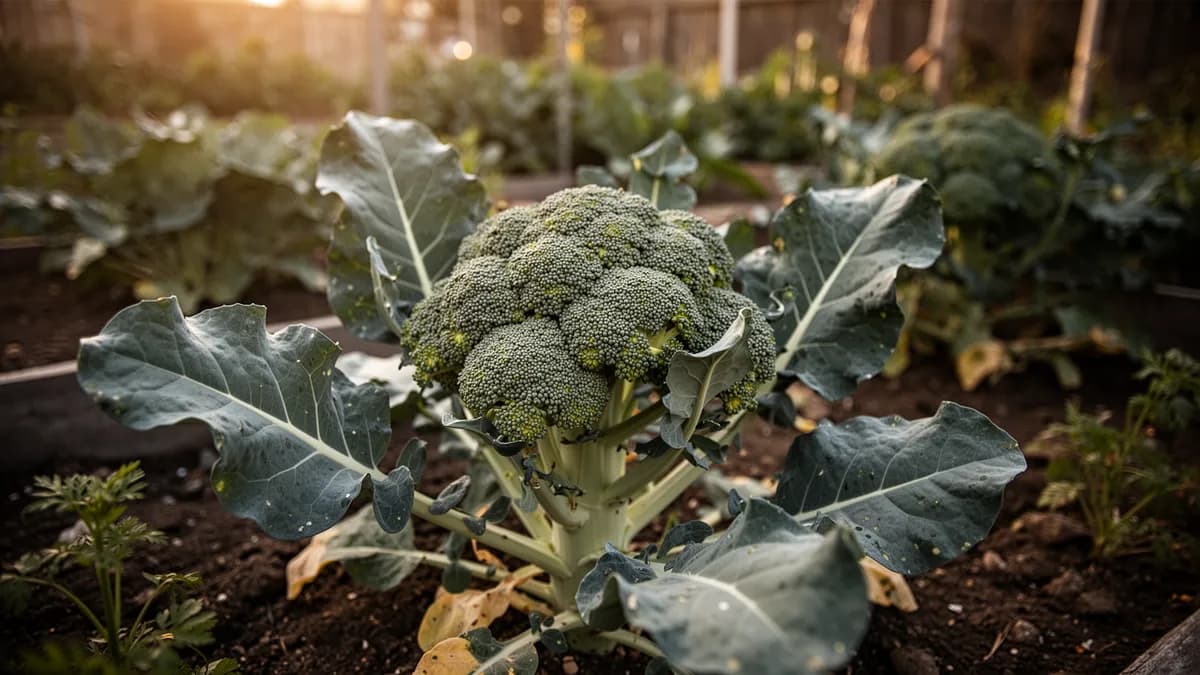
Pflanzen Sie tagneutrale Erdbeeren in eigene Beete oder Kübel, wo sie konstante Aufmerksamkeit und Düngung erhalten können. Kopfsalat und niedrig wachsende Kräuter wie Thymian sind gute Beetpartner, ohne um Licht zu konkurrieren. Borretsch lockt während der verlängerten Blütezeit Bestäuber an. Zwischen den Reihen gepflanztes Steinkraut bietet Bodenbedeckung und zieht Schwebfliegen an, die Blattläuse bekämpfen. Halten Sie Abstand zu Kohlgewächsen und vermeiden Sie das Pflanzen dort, wo kürzlich Nachtschattengewächse gewachsen sind, um eine Verticillium-Welke-Übertragung zu verhindern.
Kopfsalat gehört daneben. Kohl nicht.
Altes Gärtnerwissen, geprüft an der echten Nachbartabelle von Tagneutrale Erdbeere — teste jede Pflanze, die du anbaust.
Probiere Tagneutrale Erdbeere direkt hier im Beet
Ein echtes Planer-Beet, Tagneutrale Erdbeere steht schon drin. Tippe einen Begleiter an, platziere ihn und sieh, wie die Nachbarschaftsprüfung antwortet — grün für gute Nachbarn, rot bei Streit.


Passende Anbau-Ratgeber
Richtig düngen
Tagneutrale Erdbeeren benötigen fruchtbaren, gut durchlässigen Boden mit einem pH-Wert von 5,8 bis 6,5, angereichert mit reichlich Kompost. Da sie kontinuierlich fruchten, ist ihr Nährstoffbedarf höher als bei Junifragenden Typen. Fertgieren Sie alle zwei Wochen mit verdünntem, ausgewogenem Flüssigdünger oder düngen Sie monatlich mit Granulatdünger während der gesamten Vegetationsperiode. Kaliumergänzung verbessert die Festigkeit und Süße der Beeren. Verwenden Sie in Kübeln eine hochwertige Blumenerde, ergänzt mit Langzeitdünger, und geben Sie zusätzlich Flüssigdünger. Erneuern Sie die Kübelerde jährlich.
Ideale Temperatur
Winterhärtezone-Kompatibilität
Von der Saat zur Ernte, Schritt für Schritt
Pflanzung & Etablierung
Wurzelnackte Kronen oder Setzlinge werden mit der Krone auf Bodenniveau in die Erde gesetzt. Wurzeln etablieren sich und neue Blätter beginnen zu erscheinen. Der Boden sollte gleichmäßig feucht, aber nie staunass gehalten werden.
Vegetatives Wachstum
Die Pflanze entwickelt eine kräftige Krone und ein üppiges Blätterdach. Wurzelsysteme vertiefen und verbreiten sich. Ausläufer können beginnen zu erscheinen. Die Photosyntheseleistung steigt in dieser Phase rapide an.
Erste Blüte
Der erste Schwung weißer, fünfblättriger Blüten erscheint. Anders als bei Junifragenden Typen initiieren tagneutrale Sorten die Blüte unabhängig von der Tageslänge. Bestäuber beginnen die Blüten zu besuchen.
Fruchtentwicklung
Befruchtete Blüten entwickeln sich zu grünen Fruchtansätzen, die allmählich anschwellen und zu einer vollen roten Farbe reifen. Die Frucht füllt sich mit Zucker und Aromastoffen. Diese Phase ist besonders empfindlich gegenüber Trockenstress.
Kontinuierliche Spitzenproduktion
Tagneutrale Sorten treten in einen kontinuierlichen Zyklus von Blüte und Fruchtbildung ein, der den Sommer über bis in den Herbst hinein anhält. Anders als bei Junifragenden Typen erfolgt die Ernte in kleineren, stetigen Schüben alle paar Tage statt in einer großen Haupternte.
Spätsaison & Erneuerung
Wenn die Temperaturen im Frühherbst sinken, lässt die Fruchtproduktion nach, liefert aber oft einige der süßesten Beeren der Saison. Die Pflanzen beginnen, Energie in Kronen und Wurzeln für die Winterruhe einzulagern.
Entfernen Sie alle Blüten, die in den ersten zwei Wochen erscheinen, um die Energie in die Wurzeletablierung zu lenken und eine stärkere, ertragreichere Pflanze im späteren Saisonverlauf zu gewährleisten.
Tagneutrale Erdbeere Monat für Monat pflegen
Was du jeden Monat für deine Tagneutrale Erdbeere tun solltest
Oktober
Aktueller MonatLetzte Ernten vor dem ersten Frost. Tragen Sie eine leichte Schicht Strohmulch um die Kronen auf, wenn die Nächte kühler werden. Entfernen Sie abgestorbenes oder krankes Laub, um überwinternde Schädlingspopulationen zu reduzieren.
Immer wissen, was jetzt im Garten zu tun ist
Eine E-Mail zum Monatsanfang: was du jetzt säen, pflanzen und anpacken solltest — für deine Tagneutrale Erdbeere und alles, was drumherum wächst. Dazu ein kurzer Startkurs, der dich vor den klassischen Fehlern bewahrt.
- Was jetzt zu tun ist
- Passend zu deiner Saison
- Startkurs inklusive
Tagneutrale Erdbeere ernten
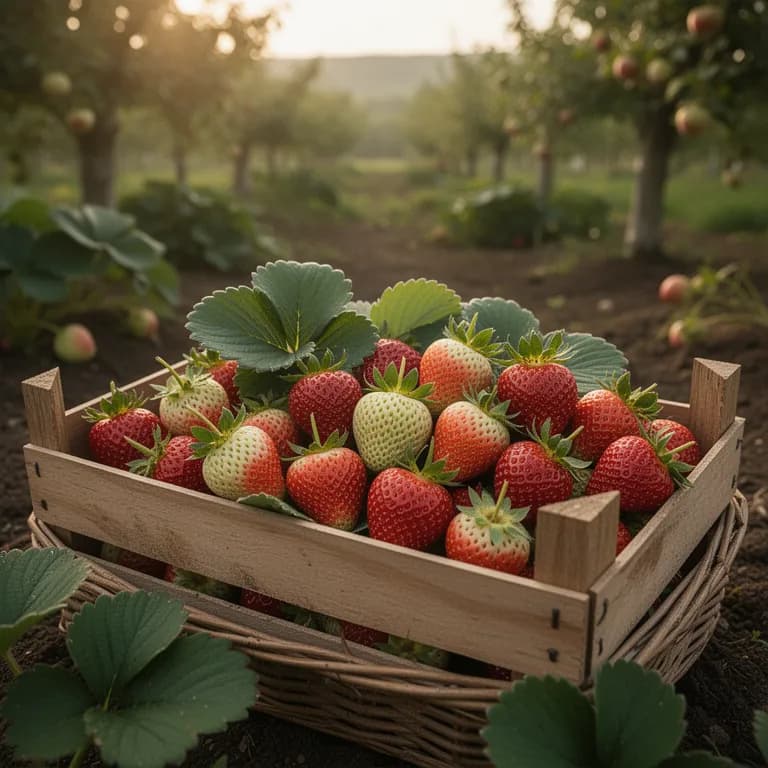
Ernten Sie tagneutrale Beeren, wenn sie gleichmäßig rot und leicht weich bei Berührung sind. Da diese Pflanzen kontinuierlich produzieren, ernten Sie bei warmem Wetter alle ein bis zwei Tage, um zu verhindern, dass überreife Beeren an der Pflanze verfaulen und Krankheiten anziehen. Die stetige, moderate Produktion ist ideal für den täglichen Frischverzehr und weniger für das Einmachen großer Mengen geeignet. Beeren, die bei kühlerem Wetter gepflückt werden, insbesondere im Herbst, sind tendenziell fester und süßer als im Sommer geerntete Früchte, da sich der Zucker bei niedrigeren Temperaturen langsamer entwickelt.
angenommen, du pflanzt zu Beginn des Zeitraums — trage dein tatsächliches Datum ein
Ernte Tagneutrale Erdbeere zügig, dann trägt die Pflanze weiter.
Lagerung & Konservierung
Lagern Sie ungewaschene Beeren im Kühlschrank für zwei bis drei Tage. Das kontinuierliche Erntemuster tagneutraler Sorten eignet sich für den täglichen Frischverzehr und weniger für die Großkonservierung. Frieren Sie überschüssige Beeren ein, indem Sie sie entstielen, auf einem Backblech verteilen und nach dem Gefrieren in Beutel umfüllen. Kleine tägliche Ernten sammeln sich im Gefrierschrank gut an, um später Marmelade zuzubereiten oder für Smoothies zu verwenden. Tagneutrale Beeren eignen sich wegen ihrer einheitlichen Mittelgröße hervorragend zum Trocknen als Erdbeerscheiben.
Was schiefgeht — und die Lösung
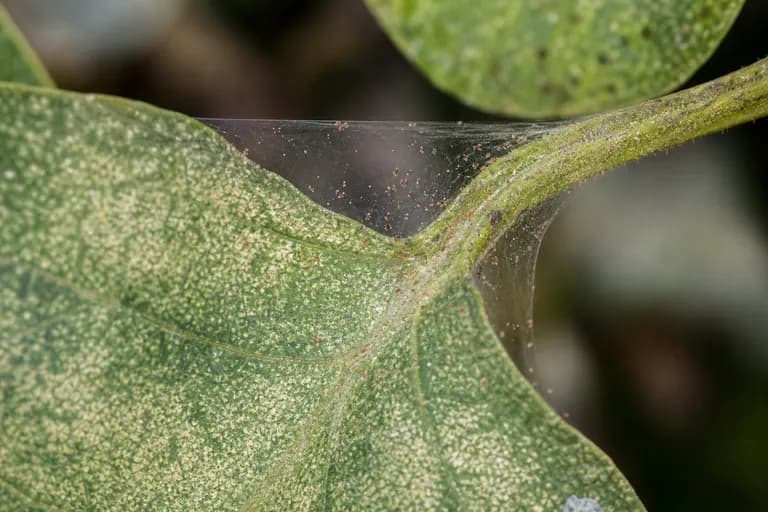
Spinnmilben
SchädlingFeine Sprenkelung und Bronzefärbung der Blätter, winzige Gespinste an den Blattunterseiten sichtbar; Pflanzen verlieren bei heißem, trockenem Wetter an Vitalität.
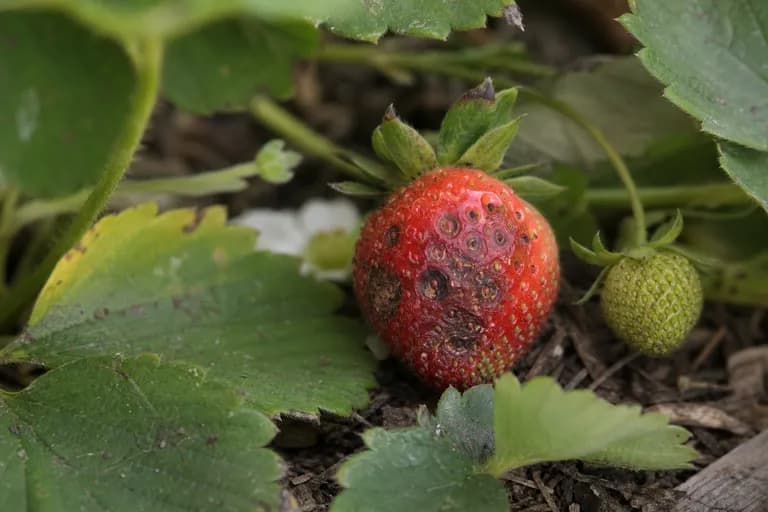
Anthraknose-Fruchtfäule
KrankheitDunkle, eingesunkene Läsionen an reifenden Früchten, die sich schnell ausbreiten; schwarze, feste Flecken, die schließlich mit rosa-orangefarbenen Sporenmassen bedeckt werden.
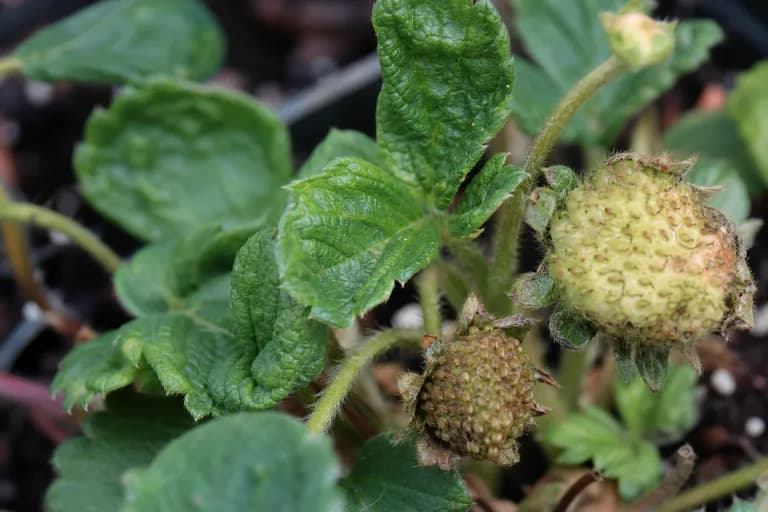
Erdbeerweichhautmilbe
SchädlingStark gestauchte und gekräuselte junge Blätter; deformierte, harte und nicht vermarktungsfähige Früchte; Pflanzen scheinen aufzuhören zu wachsen.
Fehlerbehebung bei häufigen Problemen
Die Produktivität sinkt stark, wenn die Temperaturen dauerhaft über 30 Grad Celsius steigen, was zu einem vorübergehenden Aussetzen der Blüte führt. Bieten Sie in heißen Klimazonen Schattiergewebe oder reflektierende Mulchfolie an, um die Wurzelzonen kühl zu halten. Kleine oder missgebildete Beeren deuten typischerweise auf schlechte Bestäubung oder Nährstoffmangel hin. Tagneutrale Pflanzen erschöpfen sich nach zwei bis drei Jahren kontinuierlicher Produktion und müssen ersetzt werden. In kalten Klimazonen fehlt diesen Sorten möglicherweise die Winterhärte Junifragender Typen, und sie profitieren von zusätzlichem Wintermulchschutz.
Anbautipps
- Pflanzen Sie Wurzelnackte Kronen so, dass der zentrale Vegetationspunkt (die Krone) genau auf Bodenniveau sitzt — zu tief führt zu Fäulnis, zu hoch trocknen die Wurzeln aus. Dies ist die häufigste Ursache für Etablierungsprobleme.
- Entfernen Sie in den ersten zwei Wochen nach dem Pflanzen alle Blüten. Obwohl kontraintuitiv, verbessert dieses kurzfristige Opfer den langfristigen Ertrag dramatisch, indem es der Pflanze ermöglicht, ein tiefes, kräftiges Wurzelsystem aufzubauen, bevor sie Energie in die Fruchtproduktion investiert.
- Entfernen Sie während der gesamten Saison konsequent Ausläufer, es sei denn, Sie vermehren bewusst neue Pflanzen. Jeder Ausläufer leitet erhebliche Energie von der Fruchtproduktion ab, und mehrere ungeschnittene Ausläufer können den Beerenertrag um 30–50 % reduzieren.
- Düngen Sie bei der Pflanzung ausgewogen und wechseln Sie ab Beginn der Blüte zu einem kaliumreichen Dünger (wie Tomatendünger). Kalium ist direkt mit Fruchtgröße, Süße und Festigkeit verbunden, während überschüssiger Stickstoff in diesem Stadium Blattwachstum auf Kosten der Frucht fördert.
- Halten Sie während der Fruchtentwicklungsphase eine gleichmäßige Bodenfeuchtigkeit aufrecht. Unregelmäßige Bewässerung — abwechselnde Trockenperioden und starke Bewässerung — ist die Hauptursache für missgebildete, aufgeplatzte oder hohle Erdbeeren.
- Legen Sie nach der Etablierung eine 5–8 cm dicke Strohmulchschicht um die Pflanzen. Dies erfüllt gleichzeitig mehrere Zwecke: Feuchtigkeit speichern, einjähriges Unkraut unterdrücken, sich entwickelnde Früchte sauber und vom Boden fernhalten sowie das Aufspritzen bodengebundener Krankheitserreger auf untere Blätter reduzieren.
- Verwenden Sie in Kübeln einen Topf von mindestens 25–30 cm Tiefe und Breite, um das ausgedehnte Wurzelsystem aufzunehmen. Erdbeeren in Kübeln trocknen schnell aus — kontrollieren Sie bei warmem Wetter täglich die Bodenfeuchtigkeit und ziehen Sie Selbstbewässerungstöpfe oder Tropfbewässerung für gleichmäßige Ergebnisse in Betracht.
- Ernten Sie Beeren am Morgen, wenn sie kühl sind und ihr Zuckergehalt am höchsten ist. Greifen Sie den Stiel knapp über der Frucht und brechen Sie ihn sauber ab, anstatt zu ziehen, was die Krone beschädigen kann. Kühlen Sie die Beeren sofort und verbrauchen Sie sie innerhalb von 2–3 Tagen für besten Geschmack.
- Ersetzen Sie die Pflanzen alle 3–4 Jahre. Tagneutrale Erdbeerpflanzen verlieren mit zunehmendem Alter allmählich an Vitalität und Fruchtqualität, und alte Beete reichern bodengebundene Krankheiten an. Frische Beete mit vermehrten Ausläufern Ihrer gesündesten Pflanzen alle paar Jahre zu starten, erhält die Spitzenproduktivität.
- Häufen Sie in Klimazonen mit strengen Wintern nach dem ersten stärkeren Frost 10–15 cm Stroh über die Kronen. Entfernen Sie es im Frühjahr schrittweise, sobald die Temperaturen zuverlässig über dem Gefrierpunkt bleiben, um Kronenfäule durch übermäßige Feuchtigkeit unter dem Mulch zu vermeiden.
Bau deine beste Tagneutrale Erdbeere an — und alles drumherum.
Starte heute kostenlos. Lege deine Beete an, setze deine Tagneutrale Erdbeere ein und lass PlotMyGarden Timing, Abstände, Begleiter und Erinnerungen von der Saat bis zum Erntekorb übernehmen.
Finde deine Tagneutrale Erdbeere
Albion
Produziert große, feste, kegelförmige Beeren mit herausragendem Geschmack und ausgezeichneter Resistenz gegen Verticillium-Welke und Kronenfäule.
Seascape
Eine äußerst ertragreiche tagneutrale Sorte mit süßen, mittelgroßen bis großen Beeren und guter Krankheitsresistenz über ein breites Klimaspektrum.
San Andreas
Eine neuere Züchtung mit Geschmack und Beerengröße vergleichbar mit Albion, plus verbesserter Resistenz gegen häufige Wurzelkrankheiten.
Portola
Produziert große, gleichmäßig geformte Beeren mit fester Textur und süßem Geschmack, bestens geeignet für den Kübelanbau.
Eine einzelne tagneutrale Erdbeerpflanze als Wurzelnackte Krone kostet typischerweise zwischen 1,50 € und 3,00 € und kann in ihrem ersten Jahr 200–400 g Früchte pro Saison liefern, steigend auf 400–700 g in den Folgejahren. Bei Supermarktpreisen von 4–8 € pro 250-g-Schale für konventionell angebaute Erdbeeren kann ein Beet mit nur 10 Pflanzen leicht einen Einzelhandelsgegenwert von 30–80 € an Früchten jährlich produzieren — und da selbst angebaute Beeren reif statt unreif für den Transport geerntet werden, sind Geschmack und Nährwert wesentlich überlegen. Tagneutrale Sorten breiten sich zudem langsam über Ausläufer aus, was es ermöglicht, jede Saison kostenlos neue Pflanzen zu vermehren und die langfristige Rendite weiter zu steigern.
Schnelle Rezepte
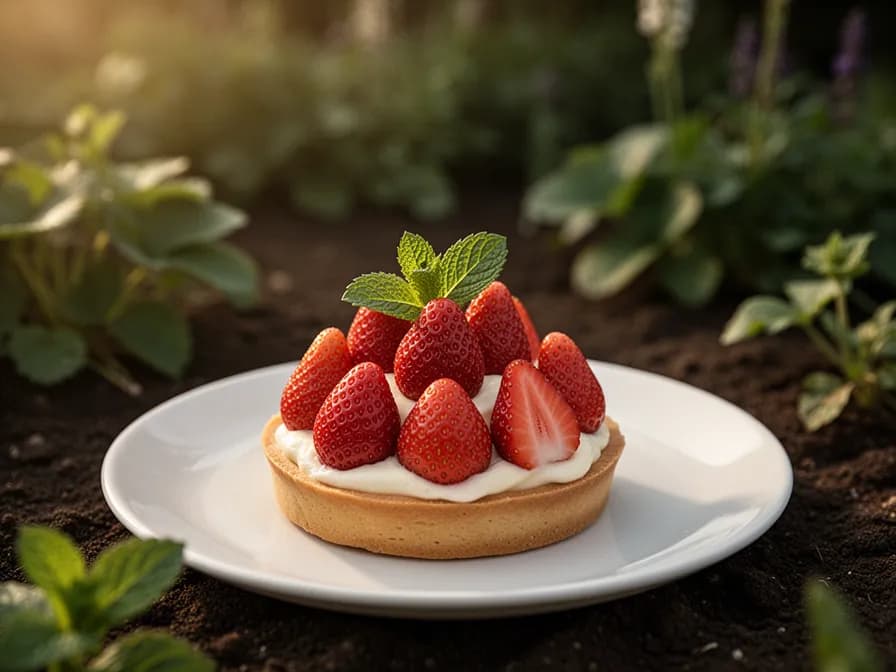
Gartenfrische Erdbeermarmelade (Kleine Menge)
30 MinutenEine einfache, unkomplizierte Kühlschrankmarmelade, die den intensiven Geschmack selbst angebauter tagneutraler Erdbeeren einfängt. Erfordert keine Einkochausrüstung und hält sich bis zu drei Wochen im Kühlschrank. Perfekt, um die stetigen täglichen Ernten zu verwerten, die sich über die Saison ansammeln.
4 ZutatenErdbeer-Basilikum-Bruschetta
15 MinutenEine lebhafte herzhaft-süße Vorspeise, die die aromatische Komplexität frisch gepflückter Erdbeeren zur Geltung bringt. Die Kombination aus reifen Beeren, frischem Basilikum, Balsamico-Glasur und Ricotta auf geröstetem Sauerteigbrot ist eine Offenbarung für Gäste, die Erdbeeren noch nie in einem herzhaften Kontext probiert haben.
7 Zutaten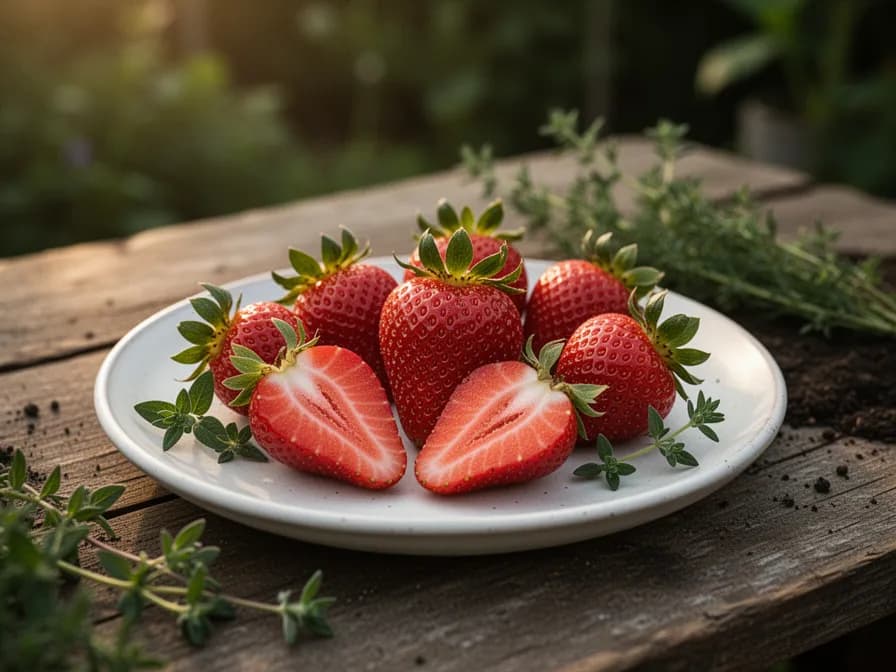
Erdbeer-Chia-Overnight-Oats
10 Minuten (plus über Nacht kühlen)Ein nährstoffreiches, kochfreies Frühstück, das die stetige tägliche Ernte tagneutraler Pflanzen hervorragend nutzt. Die Beeren mazerieren über Nacht und geben ihren Saft in die Haferflocken ab, für ein natürlich süßes, cremiges Frühstück, das morgens keinerlei Aufwand erfordert.
7 ZutatenKulinarische Verwendung
Tagneutrale Erdbeeren sind dank ihrer stetigen Versorgung mit reifen Früchten während der gesamten Saison ideal für den Frischverzehr. Verwenden Sie sie für tägliche Smoothies, Salate und als Frühstückstopping. Die einheitliche Mittelgröße ist perfekt zum Eintauchen in Schokolade und zum Garnieren von Desserts. Im Herbst geerntete Beeren mit höherer Zuckerkonzentration ergeben besonders feine Konfitüren. Kombinieren Sie sie mit Balsamico-Reduktion, Minze oder Vanillecreme für schlichte, elegante Präsentationen.
Was drinsteckt
Gesundheitsvorteile
- Außergewöhnlich reich an Vitamin C, wobei eine 100-g-Portion etwa 66 % der empfohlenen Tagesdosis liefert und damit Immunfunktion, Kollagensynthese und Eisenaufnahme unterstützt
- Reich an Anthocyanen und Ellagsäure, pflanzlichen Polyphenolen mit starken antioxidativen Eigenschaften, die in epidemiologischen Studien mit einem verringerten Risiko für Herz-Kreislauf-Erkrankungen und bestimmte Krebsarten in Verbindung gebracht werden
- Frucht mit niedrigem glykämischen Index, die einen moderaten, stetigen Blutzuckeranstieg bewirkt, was Erdbeeren zu einer gut verträglichen Option für Menschen mit Typ-2-Diabetes oder Insulinempfindlichkeit macht
- Enthält Folsäure (Vitamin B9), die essenziell für DNA-Synthese und -Reparatur, die Bildung roter Blutkörperchen ist und besonders in der frühen Schwangerschaft wichtig ist, um das Risiko von Neuralrohrdefekten zu reduzieren
- Liefert Ballaststoffe, die ein gesundes Darmmikrobiom unterstützen, die regelmäßige Verdauung fördern und zum Sättigungsgefühl beitragen — was im Rahmen einer ausgewogenen Ernährung beim Gewichtsmanagement hilft
- Enthält Quercetin und Kaempferol, Flavonoide mit nachgewiesenen entzündungshemmenden Eigenschaften, die helfen können, Marker chronisch niedriggradiger Entzündungen zu reduzieren, die mit dem metabolischen Syndrom assoziiert sind
Woher Tagneutrale Erdbeere stammt
Die kultivierte Erdbeere, wie wir sie heute kennen, Fragaria x ananassa, ist eine überraschend moderne Schöpfung. Sie entstand um 1750 in der Bretagne, Frankreich, als die großfruchtige Chilenische Erdbeere (Fragaria chiloensis), die 1714 vom französischen Spion und Botaniker Amédée-François Frézier nach Europa gebracht wurde, zufällig mit der Virginia-Erdbeere (Fragaria virginiana) aus Nordamerika kreuzbestäubt wurde. Die resultierende Hybride war weit größer und geschmackvoller als jede zuvor bekannte Erdbeere und verbreitete sich rasch in ganz Europa.
Dennoch blieb der Erdbeeranbau für die folgenden zwei Jahrhunderte an eine einzige jährliche Ernte im späten Frühling oder Frühsommer gebunden. Junifragende Sorten dominierten sowohl den kommerziellen als auch den Hobbyanbau und produzierten einen spektakulären, aber kurzen Fruchtschub.
Die tagneutrale Revolution kam in den 1970er Jahren, hauptsächlich aus Züchtungsprogrammen der University of California, Davis. Forscher unter der Leitung von Dr. Royce Bringhurst und Victor Voth entdeckten, dass bestimmte wilde kalifornische Erdbeerpopulationen ein genetisches Merkmal trugen, das die Blüte von der Tageslänge entkoppelte. Durch die Einkreuzung dieses Merkmals in kultivierte Genetik produzierten sie die ersten echten tagneutralen Sorten — Pflanzen, die Blütenknospen initiierten, wann immer die Temperaturen zwischen etwa 10 °C und 27 °C lagen, unabhängig davon, ob die Tage lang oder kurz waren.
Frühe tagneutrale Veröffentlichungen wie 'Hecker' und 'Aptos' wurden schnell von verbesserten kommerziellen Sorten wie 'Tribute' und 'Tristar' gefolgt, die in den 1980er Jahren zu festen Größen in Selbstpflückbetrieben und Hausgärten in ganz Nordamerika wurden. Europäische Züchter folgten bald mit Sorten, die an kühlere, wolkigere Klimazonen angepasst waren.
Heute stehen tagneutrale Sorten wie 'Seascape', 'Albion', 'San Andreas' und 'Evie' an der Spitze des Erdbeeranbaus für Gärtner, die eine lange, ertragreiche Saison suchen. Sie werden in Kalifornien mit Hilfe von Folientunneln ganzjährig kommerziell angebaut und bleiben weltweit die beliebteste Wahl für Kübelanbau, Hängeampeln und Kleingärten. Ihre Fähigkeit, vom Frühsommer bis zu den ersten Herbstfrösten Früchte zu tragen, hat sie unverzichtbar für Gärtner gemacht, die eine kontinuierliche Versorgung mit frischen Früchten ohne den Überfluss-und-Mangel-Zyklus traditioneller Junifragender Typen wünschen.
Tagneutrale Erdbeere: Schon gewusst?
Faszinierende Fakten über Tagneutrale Erdbeere
Tagneutrale Erdbeeren wurden in den 1970er Jahren an der University of California entwickelt, indem Junifragende Sorten mit der wilden Walderdbeere Fragaria virginiana gekreuzt wurden, wodurch deren saisonunabhängige Blüheigenschaft freigeschaltet wurde.
Tagneutrale Erdbeere: Fragen & Antworten
Wann sollte ich Tagneutrale Erdbeere pflanzen?
Was sind gute Begleitpflanzen für Tagneutrale Erdbeere?
In welchen Winterhärtezonen kann Tagneutrale Erdbeere wachsen?
Wie viel Sonne braucht Tagneutrale Erdbeere?
Welchen Abstand sollte ich zwischen Tagneutrale Erdbeere lassen?
Welche Schädlinge und Krankheiten befallen Tagneutrale Erdbeere?
Wie lagere ich Tagneutrale Erdbeere nach der Ernte?
Was sind die besten Tagneutrale Erdbeere-Sorten zum Anbauen?
Welchen Boden braucht Tagneutrale Erdbeere?
Was ist der Unterschied zwischen tagneutralen, Junifragenden und remontierenden Erdbeeren?
Warum produzieren meine tagneutralen Erdbeerpflanzen viele Blätter und Ausläufer, aber kaum Früchte?
Kann ich tagneutrale Erdbeeren erfolgreich in Kübeln oder auf dem Balkon anbauen?
Meine Erdbeeren schmecken wässrig und wenig süß. Was kann ich tun?
Wie schütze ich meine Erdbeeren vor Vögeln, Schnecken und anderen Schädlingen?
Wie überwintern meine tagneutralen Erdbeerpflanzen und tragen sie im nächsten Jahr wieder Früchte?
Du hast die Theorie gelesen. Jetzt baue sie auf Autopilot an.
Alles, was Tagneutrale Erdbeere knifflig macht — das Timing, die Abstände, die Begleiter, das Erntefenster — genau das übernimmt PlotMyGarden für dich, für jede Pflanze im Garten.
Ein Plan, der dein Wetter kennt
Standort einmal festlegen. Aussaat-, Dünge- und Erntedaten rund um deinen echten letzten Frosttermin und die Live-Vorhersage — kein Raten mehr nach Saattüte.
Aus dem Abschnitt „Pflanzzeit“Beetplaner per Drag & Drop
Beete auf einem Raster gestalten. Jede Pflanze rastet im richtigen Abstand ein, und du siehst die ganze Saison, bevor du einen Cent für Saatgut ausgibst.
Aus dem Abschnitt „Anbau“Begleiter-Konflikte früh erkannt
Über 200 gute und schlechte Kombinationen werden beim Pflanzen live geprüft — so landet ein saisonruinierender Fehler nie in der Erde.
Aus dem Abschnitt „Begleiter“Erinnerungen, nach denen du wirklich handelst
„Gieß die Bohnen.“ „Heute ernten, bevor's umschlägt.“ Pünktlich, konkret und auf deine echten Pflanzen bezogen.
Aus dem Abschnitt „Ernte“Staffel-Aussaat, geplant
Sechs Wochen ernten statt sechs Tage? Die App verteilt deine Aussaaten automatisch und erinnert dich, wenn der nächste Satz fällig ist.
Aus dem Abschnitt „Pflanzzeit“Ein Verlauf, der schlauer wird
Jede protokollierte Ernte bringt der App deinen Garten bei. Der Plan fürs nächste Jahr startet bei dem, was in deinem Boden wirklich funktioniert hat.
Aus dem Abschnitt „Überblick“Pflanze diese neben Tagneutrale Erdbeere
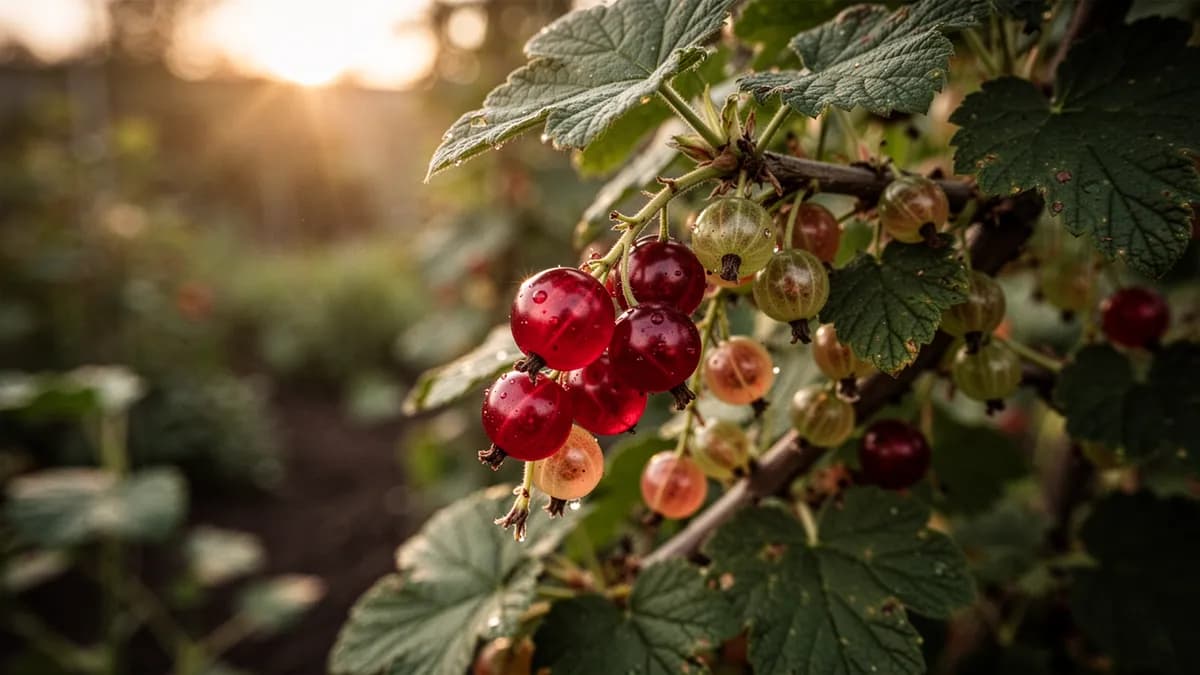
Weitere Beeren
Halte Tagneutrale Erdbeere von diesen fern
Bau deine beste Tagneutrale Erdbeere an — und alles drumherum.
Starte heute kostenlos. Lege deine Beete an, setze deine Tagneutrale Erdbeere ein und lass PlotMyGarden Timing, Abstände, Begleiter und Erinnerungen von der Saat bis zum Erntekorb übernehmen.