Siberian Squill
A brilliant early spring bulb with nodding, intensely blue bell-shaped flowers that create rivers of electric blue under trees and along woodland paths.





On this pageOverview
Meet Siberian Squill
A brilliant early spring bulb with nodding, intensely blue bell-shaped flowers that create rivers of electric blue under trees and along woodland paths. Siberian squill is one of the most reliable naturalizing bulbs, self-sowing and spreading to form extensive colonies. Plant hundreds for maximum impact in early spring.
When to plant Siberian Squill
Siberian squill self-sows so prolifically that deliberate seed starting is rarely necessary. Seeds germinate readily without pretreatment when scattered on bare soil in autumn. To start in pots, sow on the surface of moist compost, cover lightly with grit, and place outdoors for winter cold exposure. Seedlings emerge in spring and produce a single grass-like leaf in the first year. Plants typically flower in their second or third year from seed. Natural self-sowing is by far the most effective propagation method.
Your Siberian Squill Year
Composed for Zone 7 · typical seasons · frost passes Apr 2, returns Nov 1
Plant Siberian Squill Sep – Oct, pick Mar – Apr. Check the planting methods below and set your climate to personalize these windows.
How to grow Siberian Squill
Plant scilla bulbs in early autumn, three inches deep and three to four inches apart, in well-drained soil in partial shade to full sun. Siberian squill is among the most reliable and rewarding naturalizing bulbs, spreading enthusiastically by both bulb offsets and prolific self-seeding to form breathtaking rivers of electric blue in early spring. Plant at least one hundred bulbs for initial impact and expect the colony to multiply dramatically within a few years.
Scilla requires virtually no care once established. Normal rainfall provides adequate moisture during the brief spring growing season. The nodding, intensely blue bell-shaped flowers appear with or just after snowdrops and persist for two to three weeks. The foliage is minimal, just two or three narrow leaves per bulb, and dies back quickly after flowering.
Allow the foliage to ripen fully before mowing or tidying, as the seeds and energy storage are critical for colony expansion. In lawns, delay the first mowing until scilla leaves have yellowed completely. Be aware that in some regions, Siberian squill is considered invasive due to its aggressive self-seeding into natural areas. Plant responsibly and avoid sites adjacent to woodlands or natural habitats where it could escape cultivation.
450 plants fit a 4 × 8 ft bed
Each Siberian Squill wants 8 cm of elbow room. The planner keeps that spacing for you — every plant, every bed.
Siberian Squill's best neighbours
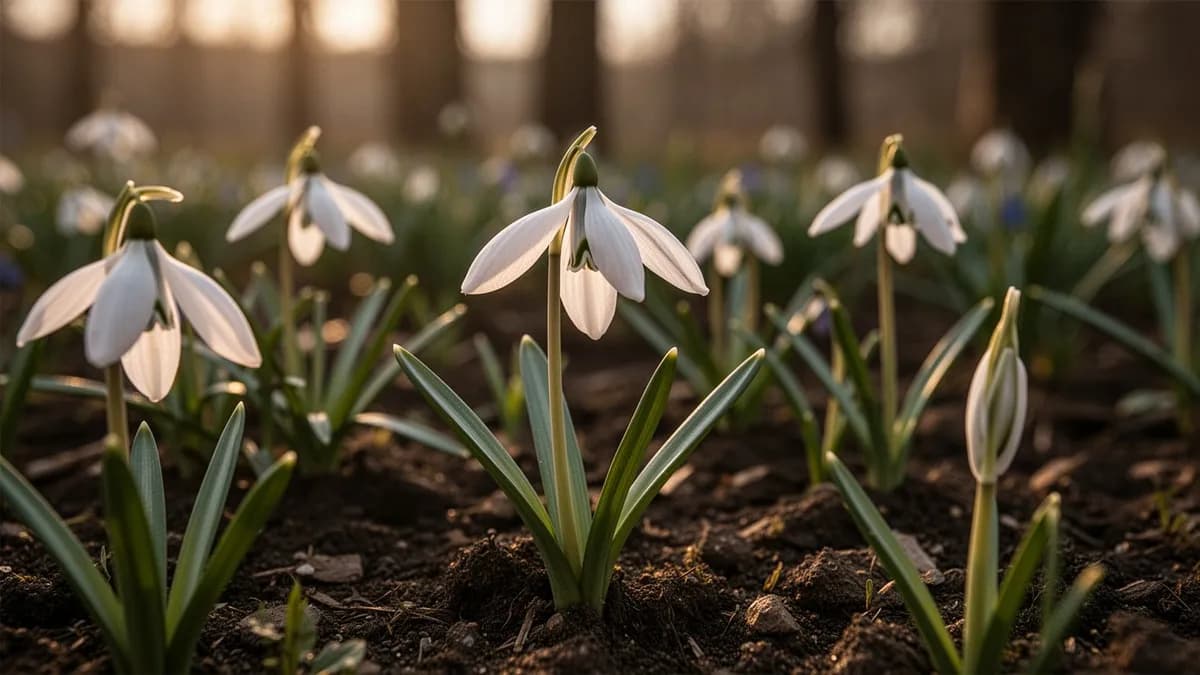
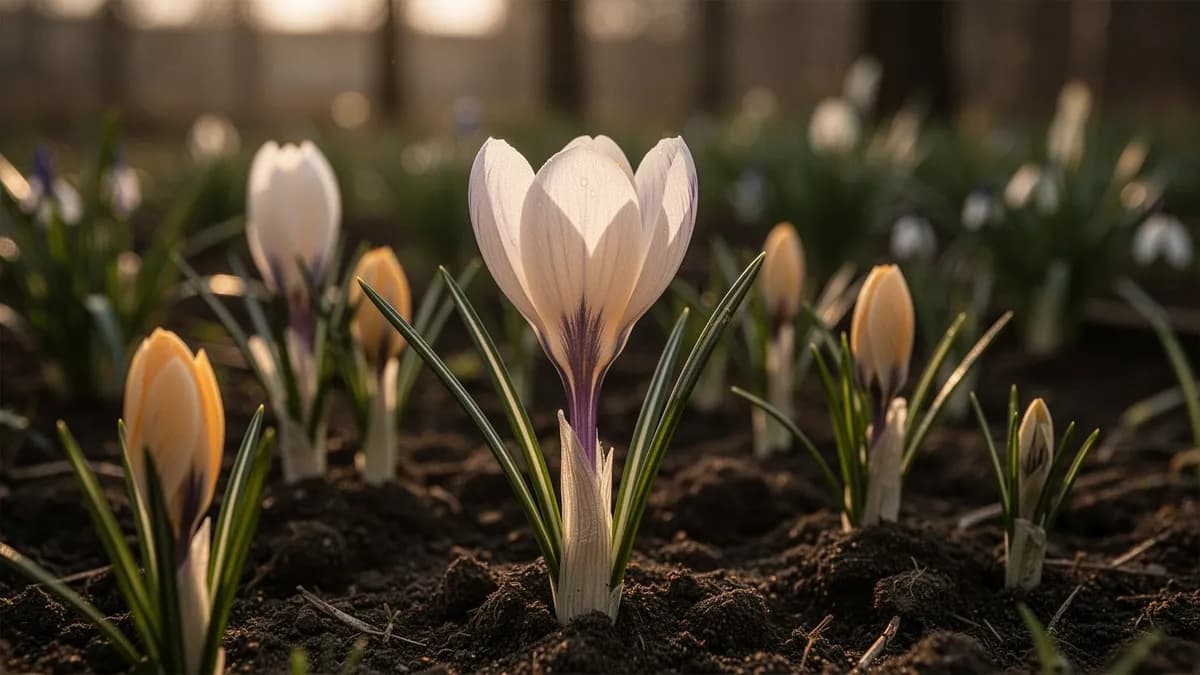
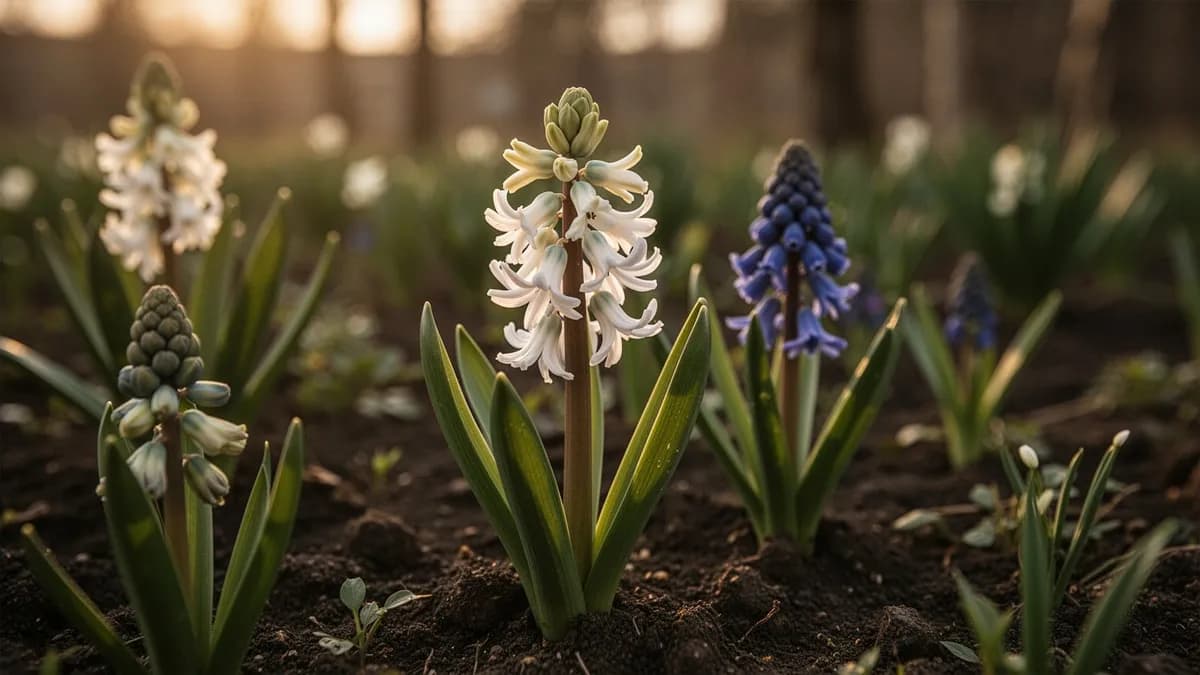
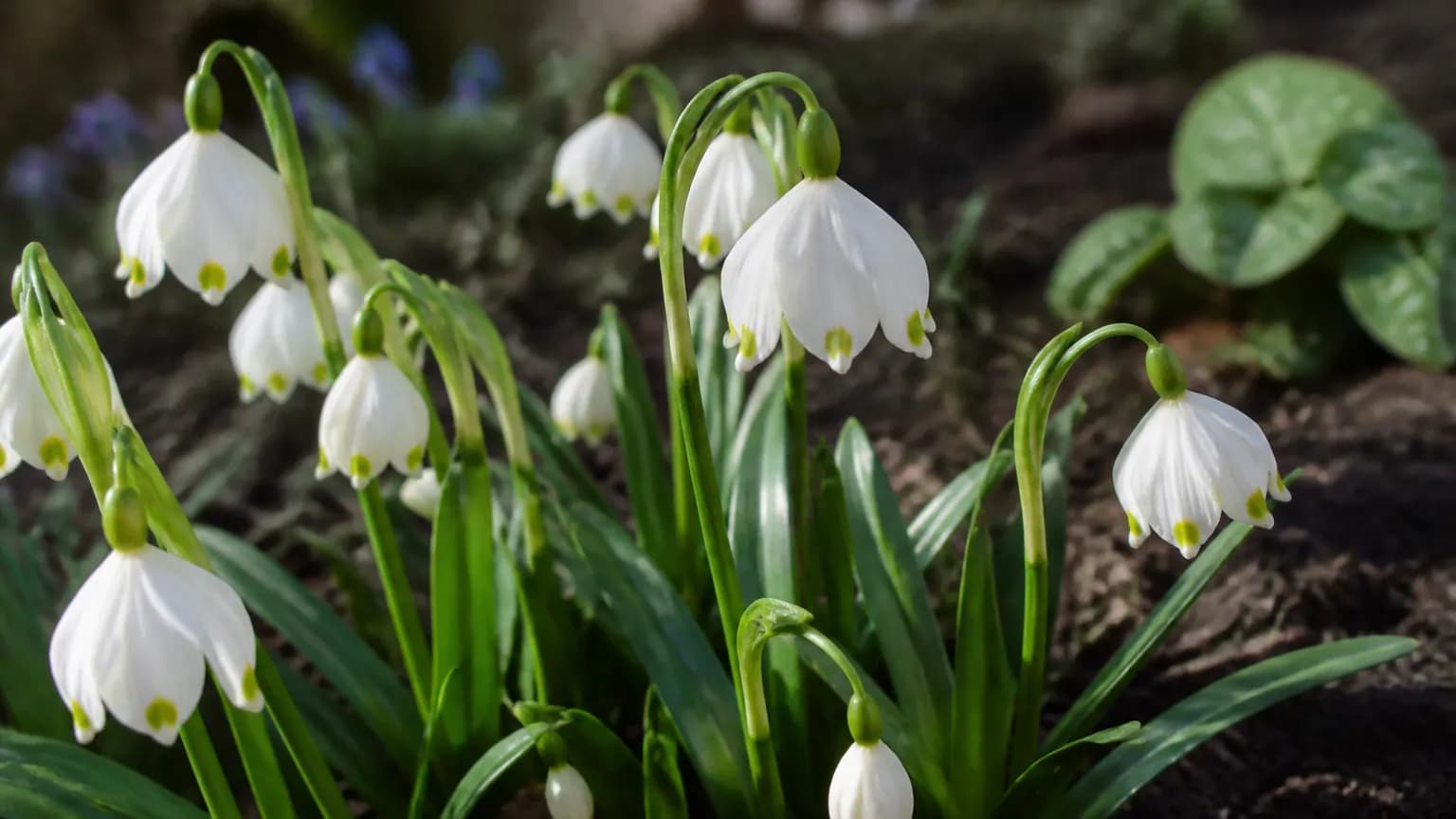
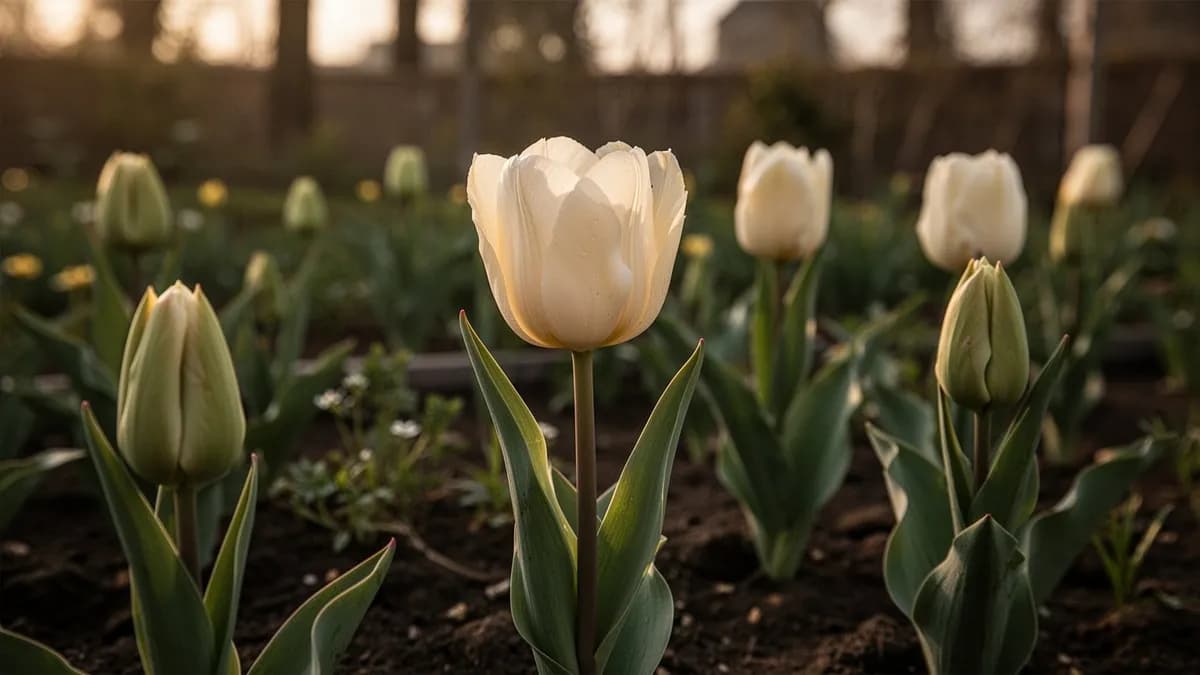
Siberian squill creates unforgettable spring pictures when planted in drifts beneath deciduous trees alongside snowdrops, crocuses, and winter aconites. The intense blue pairs dramatically with yellow daffodils and forsythia. In woodland gardens, combine with Virginia bluebells, bloodroot, and trilliums for a native wildflower tapestry. Plant along pathways and around seating areas for maximum early spring enjoyment.
Crocus belongs beside it.
Old growers' knowledge, checked against Siberian Squill's real companion table below — test any plant you're growing.
Try Siberian Squill in a bed — right here
A real planner bed with Siberian Squill already in it. Tap a companion to place it and watch the pairing checks answer — green for good neighbours, red for a clash.


Related growing guides
Feed it well
Siberian squill grows in virtually any garden soil from sandy loam to clay, with a pH of 5.5 to 7.5. It is not fussy about fertility and actually naturalizes most successfully in average to lean soil. No supplemental fertilization is needed. A thin top-dressing of leaf mold in autumn is beneficial but not essential. The bulbs thrive in the same conditions as the deciduous trees they typically grow beneath.
Ideal Temperature
Hardiness Zone Compatibility
From seed to harvest, stage by stage
Bulb Dormancy and Planting
Scilla siberica bulbs are planted in autumn, typically September through November, about 8-10 cm deep and 5-8 cm apart in well-drained soil. The small, round bulbs are only 1-2 cm in diameter. After planting, roots begin developing underground through the cool autumn and winter months while the bulb remains dormant above the root plate. A cold period of at least 12-15 weeks below 7°C is essential for proper vernalization and spring flowering.
Shoot Emergence
As soil temperatures rise above 4-5°C in late winter or very early spring, narrow grass-like leaves push through the soil surface, often penetrating through remaining snow cover. Each bulb produces three to four strap-shaped basal leaves that are 10-15 cm long and about 5 mm wide. The foliage is a fresh bright green that stands out against the still-bare landscape.
Flowering
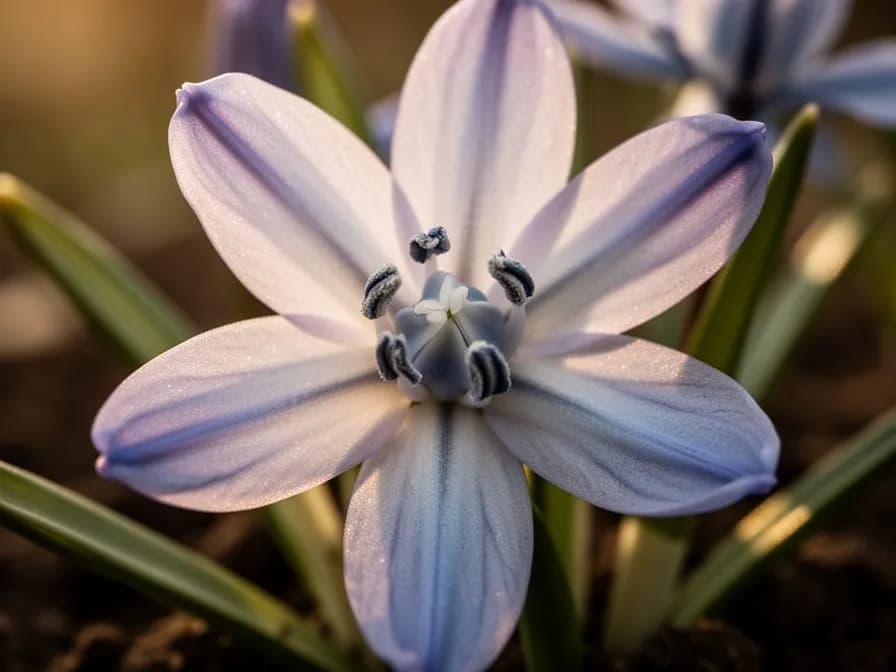
Flower scapes emerge from the center of the leaf cluster, each stem reaching 10-20 cm tall and bearing two to five nodding, bell-shaped flowers. The flowers are typically an intense gentian blue with darker blue midribs on each tepal, though white ('Alba') and pink varieties exist. Each flower is about 1.5-2 cm across and hangs gracefully from a curved pedicel. The flowering period lasts approximately two to three weeks, depending on temperature.
Seed Set and Foliage Maturation
After pollination, small three-chambered seed capsules develop at the top of each scape. Seeds are round, dark brown to black, and about 2 mm in diameter. Many seeds bear a fleshy appendage called an elaiosome that attracts ants, which disperse the seeds to new locations (myrmecochory). Meanwhile, the foliage continues photosynthesizing to replenish the bulb's energy reserves for next year's flowering.
Foliage Senescence
By late spring, the leaves begin yellowing and withering as the bulb enters its summer dormancy phase. All above-ground growth dies back completely, leaving no visible trace of the plant. The bulb rests underground through summer, autumn, and winter, having stored enough carbohydrates and nutrients to fuel next year's growth cycle. During dormancy, offset bulblets continue to develop alongside the mother bulb.
Summer Dormancy and Bulb Division
The bulb rests dormant underground throughout summer and early autumn. During this period, the mother bulb produces small offset bulblets around its base, which is the primary means of vegetative reproduction. Over several years, a single bulb can multiply into a dense clump of dozens of bulbs. This is the optimal window for lifting, dividing, and replanting congested clumps to reinvigorate flowering performance.
Plant bulbs promptly after purchase as they dry out faster than larger bulbs. Choose a location under deciduous trees or in borders where they will receive full sun in early spring before tree canopy leafs out. Water the planting area once after planting to settle the soil and initiate root growth.
Caring for Siberian Squill month by month
What to do each month for your Siberian Squill
October
You are hereContinue planting bulbs through October. For naturalizing in lawns, use a narrow bulb planter to create individual holes without disturbing the turf excessively. Mix in a small amount of bone meal or bulb fertilizer at the bottom of each planting hole for strong root development.
Know exactly what to do in your garden — every month
One email at the start of each month: what to sow, plant, and tackle right now — for your Siberian Squill and everything growing around it. Plus a short starter course that helps you dodge the classic mistakes.
- What to do, right now
- Matched to your season
- Starter course included
Harvesting Siberian Squill
Siberian squill stems are short, typically four to six inches, making them impractical for traditional arrangements but charming in miniature displays. Pick small bunches for tiny vases, teacups, or floating bowls. The intense blue color is remarkable and even a few stems bring vivid spring color indoors. Leave the vast majority of flowers to set seed for colony expansion. The spent flowers produce round seed capsules that scatter hundreds of seeds per plant.
assuming you plant when the window opens — set your real date
From bulbs, tubers or cloves
Pick Siberian Squill promptly and the plant keeps producing.
Storage & Preservation
Scilla bulbs should remain in the ground permanently where they naturalize best. They are extremely hardy and require no winter protection whatsoever, surviving temperatures well below zero. If bulbs must be moved, lift and replant immediately in the green after flowering. Dry bulbs from garden centers are viable but in-the-green transplants establish much more reliably. Seeds scatter naturally and require no collection or special treatment.
What goes wrong — and the fix
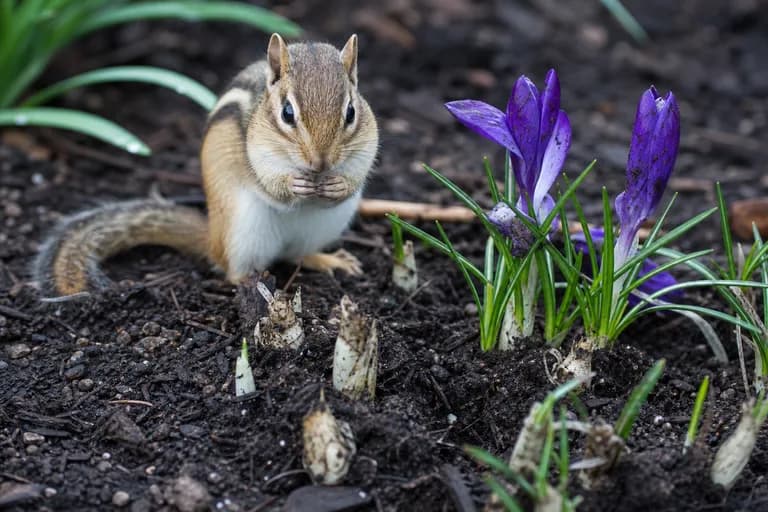
Squirrels and Chipmunks
PestFreshly planted bulbs dug up and eaten or cached elsewhere. Small holes in newly planted areas in autumn.
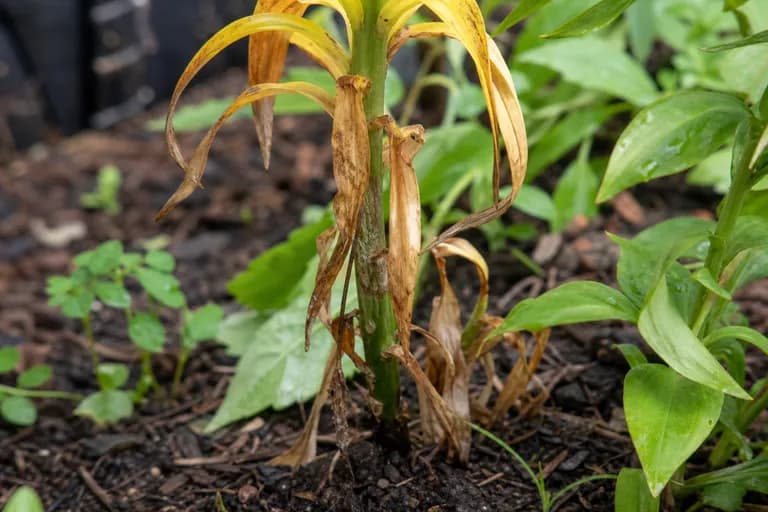
Bulb Rot
DiseaseSoft, mushy bulbs that fail to produce foliage. May occur in very heavy, waterlogged clay soils where drainage is extremely poor.
Troubleshooting Common Problems
The main concern with Siberian squill is its potential to spread too aggressively. In favorable conditions, self-seeding can produce thousands of seedlings that appear in lawns, borders, and pathways. While many gardeners welcome this, it can be difficult to control once established. In some US states, scilla is listed as an invasive species that should not be planted near natural areas. The foliage is very brief but must be allowed to ripen fully.
Growing Tips
- Plant bulbs in autumn at a depth of 8-10 cm and 5-8 cm apart in well-drained soil. Scilla siberica bulbs are small and dry out quickly, so plant them as soon as possible after purchase rather than storing them for extended periods.
- Choose a planting site beneath deciduous trees or large shrubs where the bulbs will receive full sun in late winter and early spring before the tree canopy leafs out. The summer shade provided by the canopy helps keep the dormant bulbs cool.
- For the most natural-looking display, scatter bulbs randomly by hand across the planting area and plant them where they land rather than in rows or grids. Drifts of 25-50 bulbs create a much more appealing visual effect than single scattered bulbs.
- Scilla siberica tolerates a wide range of soil types including clay, loam, and sandy soils, but proper drainage is essential. If your soil is heavy clay, incorporate coarse grit or perlite into the planting area to prevent bulbs from sitting in waterlogged conditions.
- Do not mow or cut back the grass-like foliage until it has turned completely yellow and dies back naturally, typically six to eight weeks after flowering ends. The leaves must photosynthesize long enough to recharge the bulb for next year's flowers.
- Apply a thin topdressing of leaf mold, well-rotted compost, or a balanced bulb fertilizer in early autumn to replenish nutrients in the soil and support vigorous flowering the following spring. Avoid high-nitrogen fertilizers which promote leaf growth at the expense of flowers.
- When naturalizing Scilla siberica in a lawn, use a narrow bulb planter to insert individual bulbs with minimal turf disturbance. After a few years, the bulbs will have multiplied enough that delaying the first mow until late May becomes worthwhile for the spectacular spring display.
- Combine Scilla siberica with other early spring bulbs like snowdrops, winter aconites, and crocuses to create a succession of color from late winter through mid-spring. The blue of scilla contrasts beautifully with yellow winter aconites and white snowdrops.
- If squirrels, voles, or deer are a major problem in your garden, Scilla siberica is an excellent alternative to tulips and crocuses. The cardiac glycosides in the bulbs make them unpalatable to all common garden pests, ensuring your spring display remains intact year after year.
- Container-grown Scilla siberica needs a cold dormancy period to flower. In regions with mild winters, place potted bulbs in an unheated garage, shed, or refrigerator for 12-15 weeks at temperatures between 2-7°C before bringing them into warmth and light to trigger growth.
Grow your best Siberian Squill yet — and everything around it.
Start a free plan today. Lay out your beds, drop in your Siberian Squill, and let PlotMyGarden handle the timing, spacing, companions and reminders from seed to harvest basket.
Pick your Siberian Squill
Spring Beauty
The most widely planted cultivar with larger, deeper blue flowers than the species, vigorous and outstanding for naturalizing.
Alba
A pure white form that creates a stunning contrast when planted alongside the blue species, slightly less vigorous but equally hardy.
Rosea
A soft pink form that adds subtle warmth to spring displays, charming when mixed with blue and white selections.
A bag of 50 Scilla siberica bulbs typically costs $8-15, and through natural multiplication each bulb produces 4-8 offsets within five years, yielding 200-400 bulbs from the original investment. At retail prices of $0.15-0.30 per bulb, a single $12 purchase can generate $30-120 worth of bulbs within five years. Once established, Siberian squill requires zero annual expenditure on seeds, fertilizer, or pest control, providing decades of reliable spring color with no recurring cost. The bulbs also self-sow freely, further expanding the display without any additional investment.
Quick recipes
Blue Spring Meadow Planting Design
30 minutesCreate a breathtaking naturalistic spring display by planting Scilla siberica bulbs in flowing drifts beneath deciduous trees. This garden design recipe produces a carpet of vivid blue that returns and expands each year with virtually no maintenance. The key is planting in irregular, overlapping groups rather than geometric rows to mimic how the species spreads in the wild.
6 ingredients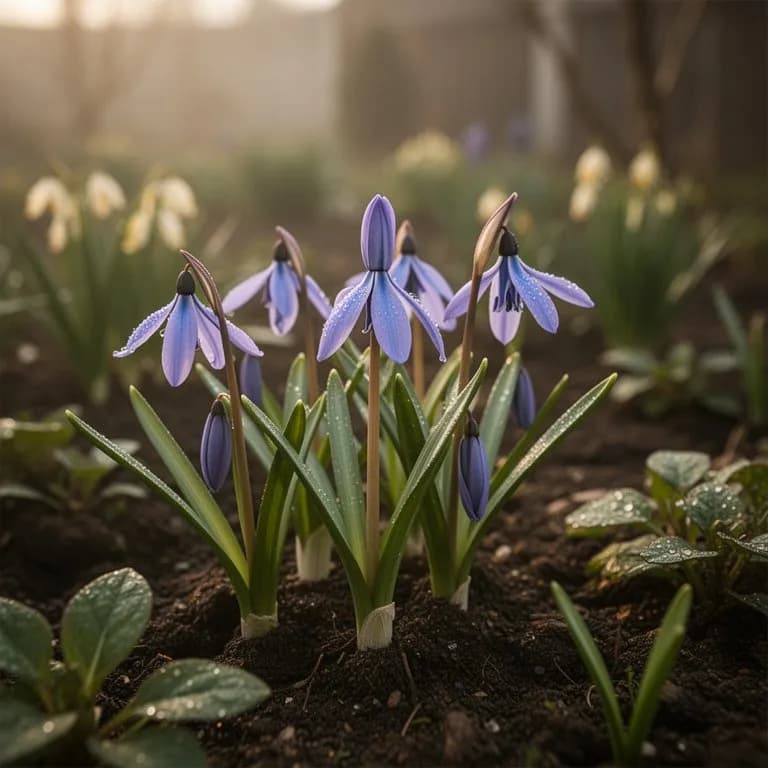
Early Pollinator Welcome Garden
45 minutesDesign a garden bed specifically to support pollinators from the earliest days of spring by combining Scilla siberica with other early bloomers. This planting plan provides continuous nectar and pollen from late winter through mid-spring, helping honeybees and native bees rebuild colony strength after winter dormancy.
6 ingredients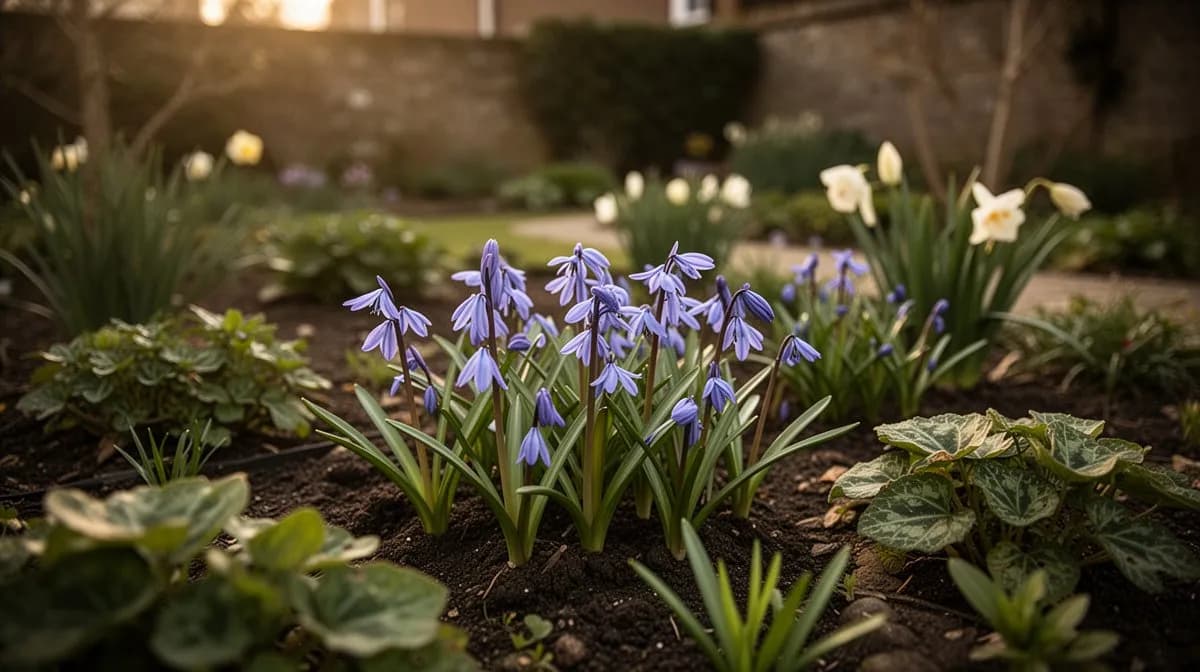
Scilla Container Display for Patios
20 minutesGrow Siberian squill in wide, shallow containers for a portable spring display that can be placed near entryways, on patios, or along paths where the delicate flowers can be admired at close range. Container planting also allows gardeners in warmer climates to provide the necessary cold period by overwintering pots in a cold garage or unheated shed.
6 ingredientsWhat's inside
Health Benefits
- Provides essential early-season pollen and nectar for honeybees, bumblebees, and solitary bees when very few other floral resources are available, directly supporting pollinator health and colony recovery after winter
- Contributes to mental well-being and mood improvement through its vivid blue spring display, as exposure to natural blue hues and early spring flowers has been associated with reduced stress and improved seasonal mood
- Encourages outdoor physical activity in early spring as gardeners tend, photograph, and enjoy the blooms during a season when many people are otherwise sedentary after winter months
- Requires no chemical pesticides, herbicides, or synthetic fertilizers once established, reducing household exposure to garden chemicals and supporting a healthier garden ecosystem overall
- Deer-resistant and rodent-proof due to natural toxins in the bulbs, eliminating the frustration and stress that gardeners experience when animals destroy other spring plantings
- Creates a living ground cover beneath trees that suppresses weed growth naturally, reducing the physical strain of manual weeding and the need for synthetic herbicide applications in garden beds
Where Siberian Squill comes from
Scilla siberica, commonly known as Siberian squill, is a small bulbous perennial native to the woodlands and meadows of southwestern Russia, the Caucasus Mountains, eastern Turkey, and parts of Iran and Central Asia. Despite its misleading common name, it does not originate from Siberia. The botanical name was assigned based on early geographic confusion, and the misnomer has persisted in horticultural use for over two centuries. In its native habitats, Scilla siberica grows in deciduous forest understory, rocky slopes, and subalpine meadows, where it blooms prolifically during the brief window between snowmelt and canopy leaf-out. The plant was introduced to Western European gardens in the late 18th century and quickly became popular for its vivid blue flowers, extreme cold hardiness, and willingness to naturalize without fussy care. Victorian-era gardeners embraced it enthusiastically, planting it in vast drifts beneath beech and oak trees in English country estates, French chateaux gardens, and German Schlossparks. By the mid-19th century, it had spread to North American gardens, where it proved perfectly adapted to the cold winters and variable springs of the northeastern United States and southeastern Canada. The plant multiplies through both bulb offsets and self-sown seed, the latter aided by an ant-dispersal mechanism that has allowed it to colonize areas far from original plantings. Today, Scilla siberica is one of the most widely planted minor spring bulbs worldwide. Several cultivars have been selected, including 'Spring Beauty' with larger, darker blue flowers and 'Alba' with pure white blooms. In recent decades, its aggressive self-seeding tendency has raised ecological concerns in parts of North America, where dense naturalized populations can displace native spring ephemerals in woodland ecosystems.
Siberian Squill: did you know?
Fascinating facts about Siberian Squill
Scilla siberica was first described scientifically in 1796 by the botanist Henry Andrews, but despite its common name 'Siberian squill,' it is native to southwestern Russia, the Caucasus, and Turkey rather than Siberia proper.
Siberian Squill questions, answered
When should I plant Siberian Squill?
What are good companion plants for Siberian Squill?
What hardiness zones can Siberian Squill grow in?
How much sun does Siberian Squill need?
How far apart should I space Siberian Squill?
What pests and diseases affect Siberian Squill?
How do I store Siberian Squill after harvest?
What are the best Siberian Squill varieties to grow?
What soil does Siberian Squill need?
Is Scilla siberica toxic to pets and children?
Will Scilla siberica become invasive in my garden?
Why did my Scilla siberica not flower this spring?
When is the best time to plant Scilla siberica bulbs?
Can I grow Scilla siberica in containers?
What companion plants work well with Scilla siberica?
You just read the theory. Now grow it on autopilot.
Everything that makes Siberian Squill fiddly — the timing, the spacing, the companions, the harvest window — is exactly what PlotMyGarden handles for you, for every plant in your garden.
A plan that knows your weather
Set your location once. Get sow, feed and harvest dates built around your real last-frost date and live forecast — no more guessing from a generic seed packet.
From the “When to plant” sectionDrag-and-drop bed planner
Design beds on a grid. Every plant snaps to its proper spacing, and you can see your whole season laid out before you spend a cent on seed.
From the “Growing guide” sectionCompanion conflicts, caught early
200+ good-and-bad pairings checked live as you plant — so a season-wrecking mistake never makes it into the ground.
From the “Companions” sectionReminders you'll actually act on
“Water the beans.” “Pick today before it turns.” Timely, specific, and tied to the plants you're really growing.
From the “Harvest” sectionSuccession, scheduled
Want a harvest for six weeks, not six days? It spaces your sowings automatically and reminds you when each new block is due.
From the “When to plant” sectionA record that gets smarter
Every harvest you log teaches it your garden. Next year's plan starts from what actually worked in your soil, not a textbook's.
From the “Overview” sectionPlant these alongside Siberian Squill
More Bulbs
Grow your best Siberian Squill yet — and everything around it.
Start a free plan today. Lay out your beds, drop in your Siberian Squill, and let PlotMyGarden handle the timing, spacing, companions and reminders from seed to harvest basket.