Schisandra
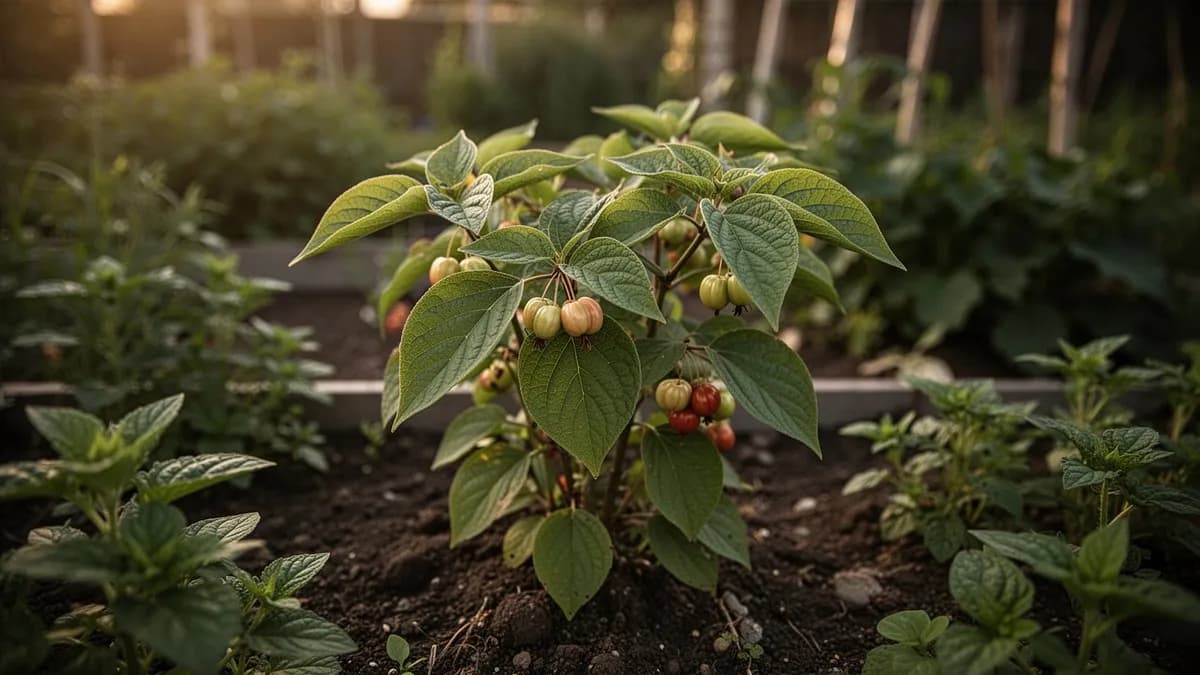
Enredadera caducifolia trepadora que produce racimos de bayas rojas conocidas como fruta de cinco sabores por su compleja combinación de dulce, ácido, salado, amargo y picante.





En esta páginaResumen
Conoce Schisandra
Enredadera caducifolia trepadora que produce racimos de bayas rojas conocidas como fruta de cinco sabores por su compleja combinación de dulce, ácido, salado, amargo y picante. Las bayas de schisandra se secan y se preparan como un té adaptógeno muy apreciado en la medicina tradicional china por su efecto vigorizante. Plántela en un emparrado a media sombra, con suelo húmedo y bien drenado, y cultive tanto vides masculinas como femeninas para que produzca fruta.
Cuándo plantar Schisandra
Las semillas de schisandra requieren una estratificación fría prolongada y mucha paciencia. Limpie las semillas de bayas maduras y mézclelas con arena húmeda en una bolsa sellada. Estratifique en el refrigerador durante un mínimo de 90 días; 120 días dan mejores tasas de germinación. Siembre las semillas estratificadas a 1 cm de profundidad en un sustrato húmedo y rico en humus en primavera. La germinación es lenta e irregular y tarda entre 4 y 12 semanas a 15-20 °C. Mantenga las plántulas a media sombra y una humedad constante. Como alternativa, propague por esquejes de madera blanda a principios de verano o por acodo de vides ya establecidas: entierre un tallo bajo, cúbralo con tierra y sepárelo una vez que haya enraizado al año siguiente.
Tu año de Schisandra
Ajustado a Zona 7 · temporada típica · la helada se va hacia el 2 abr y vuelve hacia el 1 nov
Planta Schisandra Mar – Abr, Oct – Nov y cosecha Sep – Oct. Consulta los métodos de plantación y elige tu clima para adaptar los periodos.
Cómo cultivar Schisandra
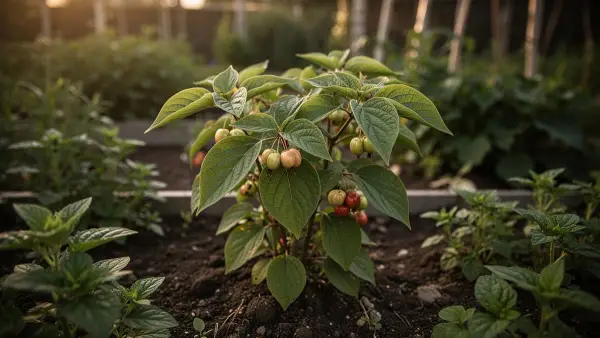
Schisandra chinensis es una enredadera leñosa caducifolia originaria de los bosques del noreste de China, Corea, Japón y el este de Rusia. Conocida como wu wei zi (baya de cinco sabores) en chino, sus frutos exhiben simultáneamente los cinco sabores básicos, una característica única en el reino vegetal. La liana trepa hasta 8-10 metros gracias a sus tallos volubles y produce en primavera flores fragantes de color crema a rosado, seguidas en otoño por racimos colgantes de brillantes bayas rojas.
Plántela en semisombra, en un suelo rico en humus, húmedo pero bien drenado, que imite el sotobosque forestal donde vive de forma natural. Schisandra no tolera el sol pleno ni las condiciones calurosas y secas: una pared orientada al norte, el borde de un bosque o un emparrado sombreado son lugares ideales. Proporcione una estructura de soporte sólida, como un emparrado, una pérgola o alambres. Riegue con regularidad para mantener una humedad constante del suelo sin encharcarlo.
Schisandra es dioica, lo que significa que necesita plantas masculinas y femeninas para producir bayas. Compre plantas injertadas o propagadas por esqueje de sexo conocido, o plante al menos 3-5 plántulas para asegurarse de tener ambos sexos. Algunas variedades mejoradas son autofértiles. La liana tarda en establecerse, pero vive muchos años y puede producir bayas durante décadas. Aporte mantillo de compost cada primavera y tenga paciencia: la primera fructificación suele llegar de 3 a 5 años después de la plantación.
8 plantas caben en un bancal de 120 × 240 cm
Cada Schisandra pide 60 cm de margen. El planificador guarda ese marco por ti — cada planta, cada bancal.
Los mejores vecinos de Schisandra
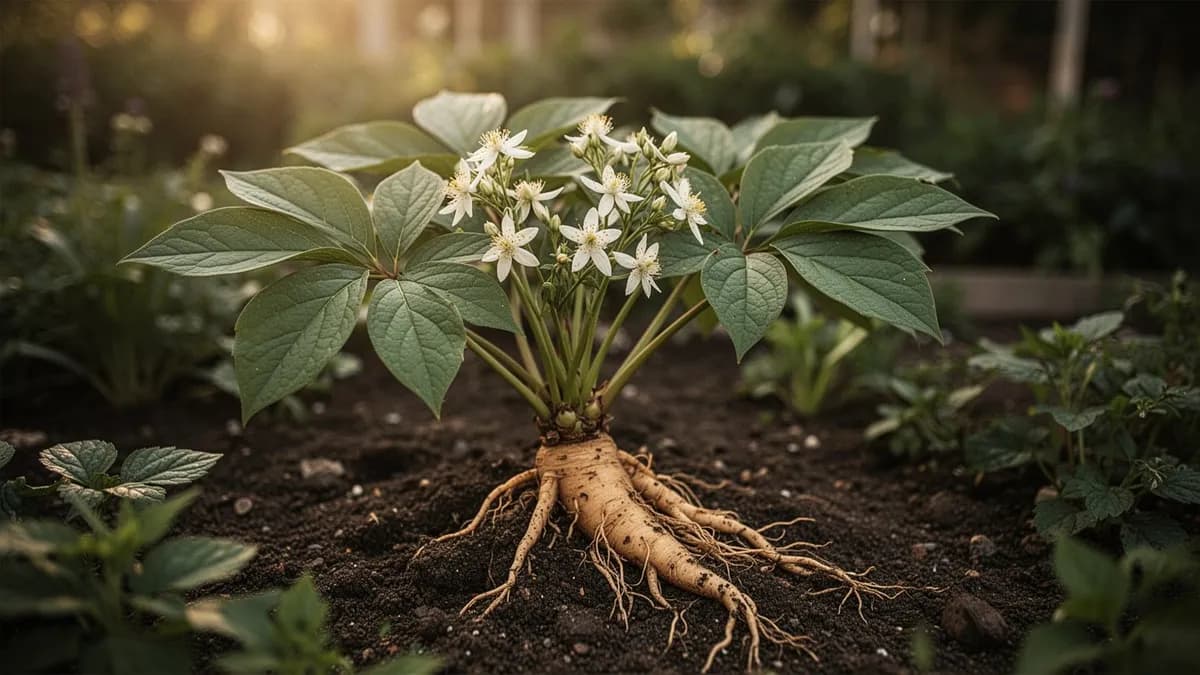
Schisandra es una liana de bosque que crece de forma natural junto al ginseng, el sello de oro y otras plantas medicinales tolerantes a la sombra. En el jardín, combínela con otras especies de borde forestal, como hostas, helechos y hierbas de sombra como la centella asiática. La liana aporta interés y productividad en vallas y muros sombreados que reciben poco sol directo. Su hábito voluble le permite compartir estructuras con otras trepadoras como el kiwi o la clemátide sin dominar a las demás. Las hojas caídas contribuyen a la fertilidad del suelo bajo la planta.
Ginseng va a su lado.
Saber de huerto de siempre, cotejado con la tabla real de Schisandra — prueba cualquier planta que cultives.
Prueba Schisandra en un bancal, aquí mismo
Un bancal real del planificador con Schisandra ya plantado. Toca una planta compañera para colocarla y mira cómo responde la comprobación de vecinos: verde para buenos vecinos, rojo si hay conflicto.


Guías de cultivo relacionadas
Abónalo bien
Schisandra prospera en un suelo rico en humus, ligeramente ácido a neutro (pH 5.5-7.0), con humedad constante y buen drenaje. Enmiende los hoyos de plantación con abundante materia orgánica, compost bien descompuesto o corteza envejecida para reproducir el suelo del bosque. Aporte mantillo anualmente con hojarasca o astillas de corteza para mantener la materia orgánica y la humedad. Fertilice en primavera con un abono orgánico equilibrado o añada compost en superficie. Evite los suelos alcalinos y las condiciones de pH alto, que provocan amarilleo de hojas y mal crecimiento. Las plantas en contenedor necesitan una mezcla rica y ácida, además de abonado regular durante la temporada de crecimiento.
Temperatura ideal
Compatibilidad de zonas de rusticidad
De la semilla a la cosecha, etapa por etapa
Estratificación y germinación de la semilla
Las semillas de schisandra requieren una estratificación en frío prolongada de 60-90 días a 1-5 °C para romper la dormancia. Mezcle las semillas con arena húmeda y refrigérelas en una bolsa sellada, comprobando periódicamente la humedad. Tras la estratificación, siembre las semillas a 1 cm de profundidad en un sustrato de germinación bien drenante y manténgalas a 18-22 °C. La germinación es lenta e irregular, y suele tardar de 30 a 60 días después de la siembra.
Establecimiento de la plántula
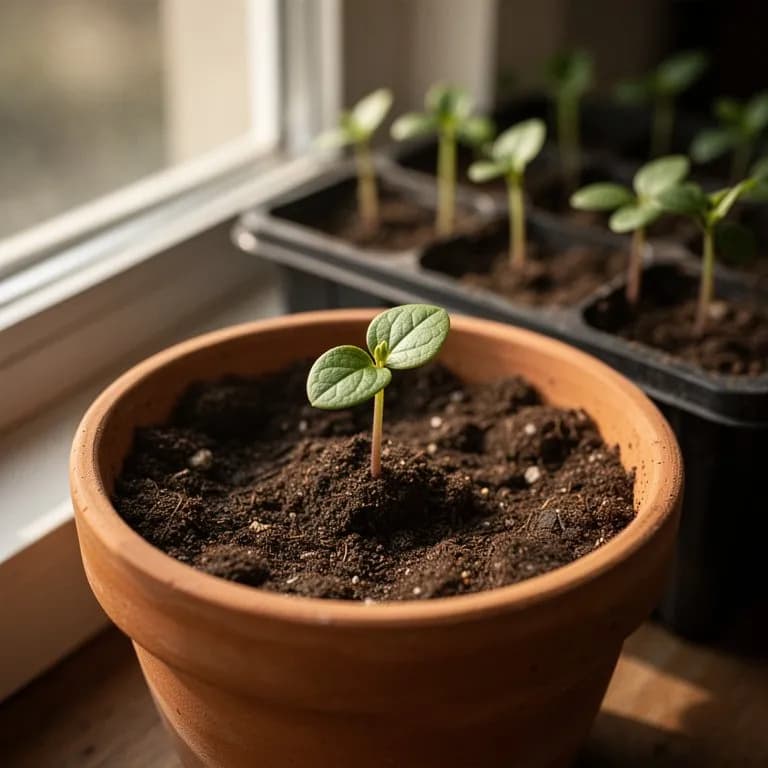
Las plántulas jóvenes desarrollan sus primeras hojas verdaderas, de forma ovalada y color verde brillante. El crecimiento es lento en esta fase, mientras la planta se centra en el desarrollo de raíces. Las plántulas prefieren la sombra moteada y una humedad constante, imitando el sotobosque forestal de su hábitat nativo.
Desarrollo de la liana
La planta comienza su crecimiento voluble característico, emitiendo tallos flexibles que se enroscan en cualquier soporte disponible. El follaje se vuelve más denso y la liana puede crecer 1-2 metros en su primera temporada completa de crecimiento. La base leñosa empieza a formarse, estableciendo el armazón permanente de la planta.
Floración
Las lianas maduras (por lo general de 3 a 5 años) producen racimos de pequeñas flores fragantes a finales de primavera. Las flores son crema a rosa pálido, cerosas y péndulas, y aparecen en cortos pedúnculos desde las axilas de las hojas. Dependiendo del cultivar, las flores masculinas y femeninas pueden aparecer en la misma planta o en plantas separadas. Para que cuajen frutos es necesaria la polinización por insectos.
Desarrollo del fruto
Tras una polinización exitosa, las bayas se forman en racimos alargados que pueden contener 20-40 frutos individuales. Las bayas empiezan verdes, pasan por tonos rosados y finalmente maduran a un rojo translúcido brillante. Los racimos se alargan a medida que las bayas engordan, creando los característicos grupos colgantes que dan a la liana su atractivo ornamental.
Cosecha y maduración
Las bayas están completamente maduras cuando tienen un rojo intenso y uniforme y ceden ligeramente a una presión suave. Normalmente se cosecha todo el racimo de una vez cortando el pedúnculo. Las bayas maduras presentan el característico perfil de cinco sabores que da a la planta su nombre chino, wu wei zi (baya de cinco sabores): dulce, ácido, salado, amargo y picante.
Dormancia y reposo invernal
Después de la caída de las hojas en otoño, la liana entra en dormancia. Los tallos leñosos y el sistema radicular establecido son extraordinariamente resistentes al frío, tolerando temperaturas de hasta -35 °C. El follaje caducifolio se descompone alrededor de la base y aporta materia orgánica al suelo. La dormancia es esencial para que la liana forme los botones florales de la temporada siguiente.
Mantenga el medio de germinación constantemente húmedo, pero nunca encharcado. Tenga paciencia, porque la schisandra es famosa por su germinación errática y algunas semillas no brotan hasta la temporada siguiente.
Cuidar Schisandra mes a mes
Qué hacer cada mes para tu Schisandra
Octubre
Mes actualEl follaje se vuelve amarillo dorado antes de caer, ofreciendo un último estallido de color otoñal. Aplique una capa gruesa de mantillo sobre la zona de raíces una vez que las hojas hayan caído. Recoja y estratifique semillas de las bayas cosechadas para sembrarlas en primavera.
Ten claro qué hacer en tu huerto, cada mes
Un correo al empezar cada mes: qué sembrar, plantar y hacer ahora mismo — para tu Schisandra y todo lo que crece alrededor. Más un breve curso inicial para esquivar los errores clásicos.
- Qué hacer ahora mismo
- Ajustado a tu temporada
- Curso inicial incluido
Cosechar Schisandra
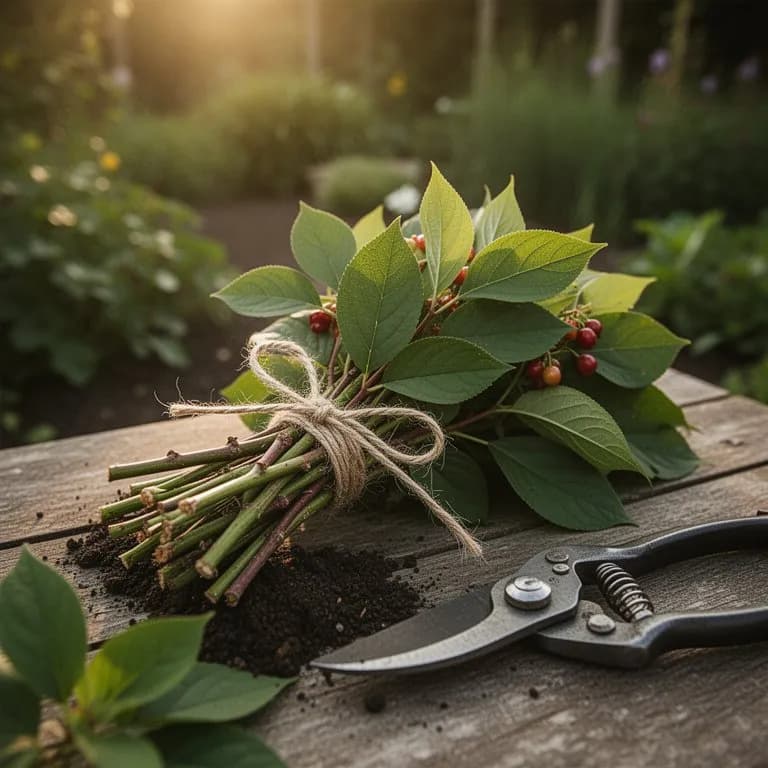
Coseche las bayas de schisandra en otoño, cuando adquieran un rojo intenso y translúcido y todo el racimo esté maduro; esto suele ocurrir entre septiembre y octubre según el clima. Corte racimos completos y separe las bayas de los tallos. Pruebe una para confirmar la madurez: deben percibirse los cinco sabores, con predominio del ácido. Las bayas inmaduras son sobre todo ácidas y mucho menos complejas. Manipúlelas con cuidado, porque las maduras son blandas y jugosas. Una liana madura puede producir 2-5 kilogramos de bayas frescas por temporada.
se supone que plantas al comenzar el periodo — indica tu fecha real
Cosecha Schisandra a tiempo y la planta sigue produciendo.
Almacenamiento y conservación
El método tradicional es el secado al sol: extienda las bayas frescas en una sola capa sobre rejillas a pleno sol, dándoles la vuelta a diario hasta que estén completamente secas y arrugadas (5-10 días según el clima). Como alternativa, use un deshidratador a 40-45 °C durante 12-18 horas. Las bayas bien secas deben ser de color rojo púrpura oscuro, algo pegajosas y aromáticas. Guárdelas en frascos de vidrio herméticos, lejos de la luz; las bayas secas de schisandra se conservan 2-3 años. Las bayas frescas también pueden congelarse para batidos, transformarse en vino o vinagre, o conservarse en miel. El zumo es excelente para preparar un cordial mezclado con azúcar y agua.
Qué falla — y cómo solucionarlo
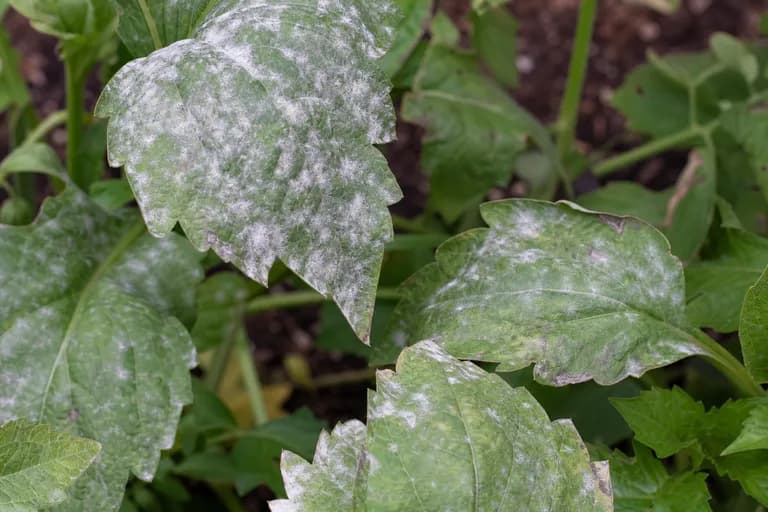
Oídio
EnfermedadManchas blancas y polvorientas en las hojas, especialmente a finales del verano, cuando los días son cálidos y las noches frescas con alta humedad.
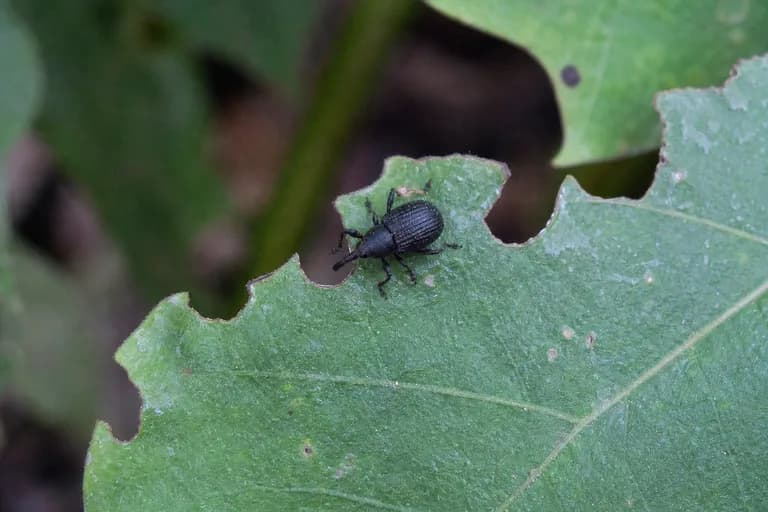
Gorgojo de la vid
PlagaBordes de las hojas con muescas por la alimentación de los adultos y un daño mayor en las raíces por las larvas blancas en forma de C, que causan mal crecimiento y posible muerte de la planta.
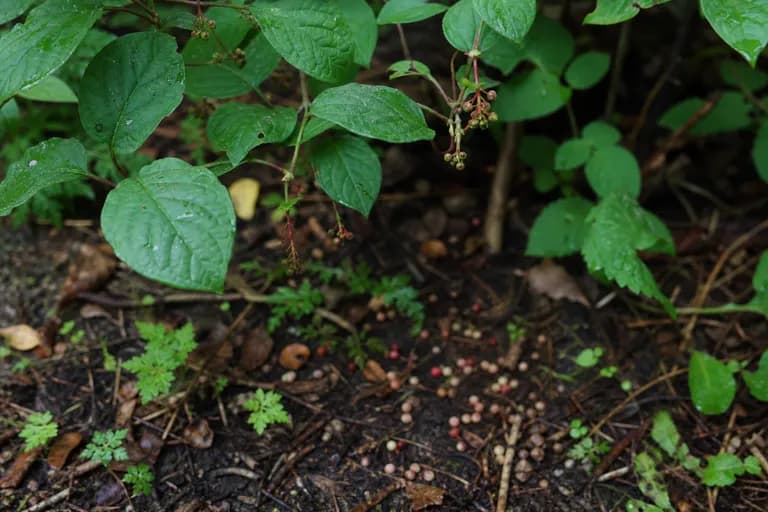
Caída de bayas
EnfermedadLas bayas en desarrollo caen prematuramente antes de madurar, a menudo por riego irregular, polinización insuficiente o carencias nutricionales.
Solución de problemas comunes
El mayor reto para la mayoría de los cultivadores es la necesidad de plantas masculinas y femeninas: sin una polinización correcta, no se forman bayas. Compre plantas de sexo conocido o plante varios ejemplares. El establecimiento lento puede resultar frustrante; las vides de schisandra pueden tardar de 3 a 5 años en dar fruto y crecen despacio durante los dos primeros años. El calor seco provoca quemaduras en las hojas y un rendimiento pobre: proporcione sombra y humedad constante. En climas fríos, las heladas tardías de primavera pueden dañar las flores y reducir el cuajado. Proteja las vides en flor con manta hortícola cuando se emitan avisos de helada.
Consejos de cultivo
- Plante schisandra en semisombra, con sol de mañana y sombra por la tarde, imitando la luz moteada de su hábitat forestal nativo. El sol pleno en climas cálidos provoca quemaduras en las hojas, mientras que la sombra profunda reduce la floración y la fructificación.
- Instale un emparrado, arco o pérgola sólida en el momento de la plantación, ya que la liana necesita soporte vertical desde el principio. Los tallos volubles pueden alcanzar 6-9 metros y volverse bastante pesados cuando llevan fruto.
- Use un suelo rico, cargado de humus y ligeramente ácido, con un pH entre 5.5 y 6.5. Enmiende generosamente los hoyos de plantación con compost, hojarasca y corteza envejecida para reproducir el suelo orgánico del bosque donde schisandra prospera de forma natural.
- Mantenga el suelo uniformemente húmedo durante toda la temporada de crecimiento, pero nunca encharcado. Schisandra tiene raíces superficiales y fibrosas sensibles al estrés hídrico, por lo que una capa profunda de mantillo orgánico de 8-10 cm es esencial.
- Plante al menos dos lianas procedentes de distintas fuentes de semilla para garantizar una polinización cruzada fiable y un cuajado máximo, a menos que tenga un cultivar autofértil confirmado. Separe las lianas entre 1.5 y 2 metros sobre la misma estructura de soporte.
- Aplique un fertilizante orgánico equilibrado a comienzos de la primavera, cuando las yemas empiezan a hincharse, y una segunda aportación ligera después del cuajado a mediados del verano. Evite los fertilizantes ricos en nitrógeno, que favorecen un crecimiento excesivo de la liana en detrimento de la fructificación.
- Pode a finales del invierno, cuando la liana está dormida, eliminando madera muerta, brotes débiles y cualquier tallo que haya sobrepasado la estructura de soporte. Conserve la madera más fuerte de dos años, ya que las flores y los frutos se producen en espolones cortos de tallos más viejos.
- Proteja las lianas jóvenes de los vientos fuertes, que pueden dañar los brotes tiernos y reducir el éxito de la polinización. Un lugar resguardado junto a una pared o valla ofrece un microclima ideal con calor reflejado y protección contra el viento.
- Aplique un mantillo abundante con hojas trituradas, astillas de corteza o agujas de pino para mantener condiciones frescas y húmedas en el suelo y suprimir las malas hierbas alrededor de la zona radicular superficial. Renueve el mantillo cada primavera.
- Tenga paciencia con las lianas recién plantadas. Normalmente pasan sus dos o tres primeros años estableciendo raíces y estructura antes de producir sus primeras flores y frutos. La eliminación temprana de los botones florales puede dirigir más energía al desarrollo de la liana.
Cultiva tu mejor Schisandra — y todo lo que la rodea.
Empieza un plan gratis hoy. Diseña tus bancales, coloca tu Schisandra y deja que PlotMyGarden gestione el momento, el espaciado, las asociaciones y los recordatorios de la semilla a la cesta.
Elige tu Schisandra
Schisandra chinensis (tipo silvestre)
La especie estándar del noreste de Asia, con el perfil de cinco sabores más complejo y muy usada en la medicina tradicional china y en tés herbales.
Schisandra chinensis 'Eastern Prince'
Una variedad autofértil que produce fruta sin necesidad de otro polinizador, ideal para jardines con espacio para una sola liana.
Schisandra rubriflora
Especie afín con vistosas flores carmesí y bayas similares, que aporta mayor valor ornamental sin dejar de producir fruto útil.
Schisandra sphenanthera
Schisandra del sur, utilizada en la medicina china con el nombre nan wu wei zi, con bayas rojo anaranjadas y propiedades medicinales ligeramente distintas.
Una liana de schisandra cuesta entre 15 y 25 dólares en un vivero especializado y empieza a fructificar en su tercer o cuarto año, continuando durante 20 años o más. Las bayas secas de schisandra se venden a 20-40 dólares por libra, mientras que una sola liana madura puede producir 2-4 kilogramos de bayas frescas al año, equivalentes a unos 500-1.000 gramos de bayas secas con un valor minorista de 25-90 dólares. A lo largo de una vida productiva de 15 años, una liana puede ahorrarle entre 375 y 1.350 dólares solo en compras de bayas secas. Los suplementos y tinturas de schisandra son todavía más caros, con 15-30 dólares por frasco, y las preparaciones caseras de su propia cosecha ofrecen el producto más fresco y potente prácticamente sin costes continuos. La propagación por esquejes o acodo es sencilla, lo que le permite ampliar su plantación o compartir con otros jardineros sin coste alguno.
Recetas rápidas
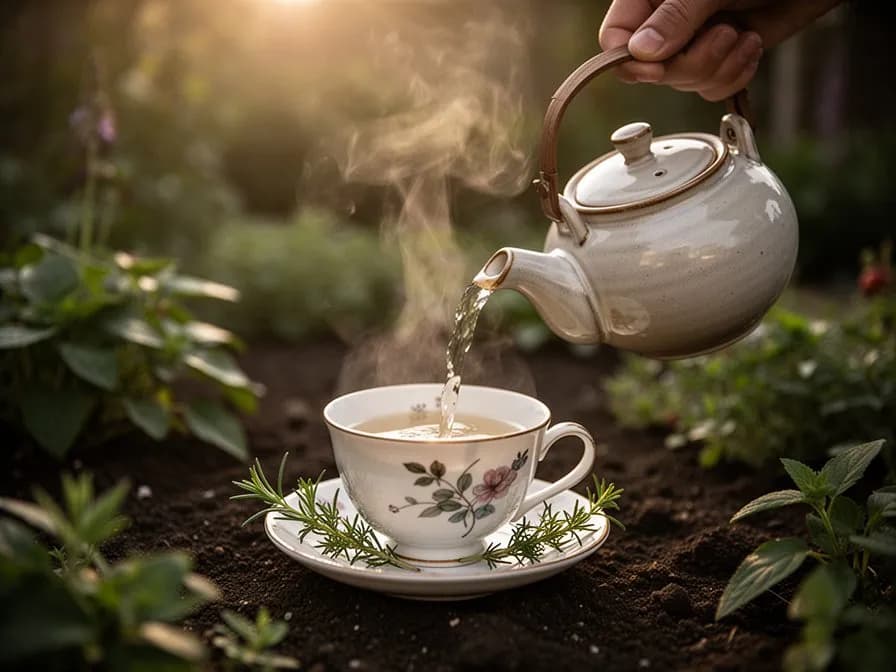
Té de bayas de schisandra
10 minutos + tiempo de infusiónUn té vibrante de color rojo rubí que ofrece los cinco sabores de la schisandra en una sola taza reconfortante. Este método tradicional extrae todo el espectro de compuestos beneficiosos de las bayas secas. El té puede disfrutarse caliente o frío y es un excelente tónico diario durante los meses más frescos.
5 ingredientesShrub de bayas de schisandra (vinagre para beber)
15 minutos + 1 semana de infusiónUn vinagre para beber ácido y complejo que resalta el singular perfil de cinco sabores de la schisandra. Mezclado con agua con gas, este shrub se convierte en un aperitivo sin alcohol sofisticado. La combinación de bayas, vinagre y miel crea una bebida apta para probióticos que favorece la digestión mientras aporta los beneficios adaptógenos de la schisandra.
6 ingredientesBocaditos energéticos de schisandra
20 minutos + 30 min de reposoBocaditos energéticos sin horno y densos en nutrientes que combinan el poder adaptógeno de la schisandra con frutos secos, avena y miel para un tentempié satisfactorio. Estos bocados portátiles son perfectos para tener energía sostenida durante caminatas, jornadas de trabajo o bajones de la tarde. La schisandra molida añade una complejidad ácido-dulce única.
7 ingredientesUsos culinarios
Las bayas de schisandra elaboran un té único y complejo que es a la vez dulce, ácido, salado, amargo y picante. Infusione 5-10 bayas secas por taza en agua caliente durante 10-15 minutos, presionándolas suavemente para liberar el sabor. Las bayas pueden volver a infusionarse varias veces, y cada infusión revela distintas dimensiones del sabor. Además del té, las bayas de schisandra se usan en recetas tradicionales coreanas y rusas para vinos, mermeladas, jarabes y cordiales. El zumo combina bien con la miel y funciona como ingrediente interesante para cócteles. En la cocina coreana, las bayas secas aromatizan una popular bebida de frutas llamada omija-cha.
Qué contiene
Beneficios para la salud
- Schisandra se clasifica como adaptógeno, lo que significa que ayuda al cuerpo a resistir factores de estrés físicos, químicos y biológicos apoyando el sistema suprarrenal y modulando la hormona del estrés, el cortisol.
- Los lignanos de las bayas de schisandra, especialmente la schisandrina B y la gomisina A, se han estudiado ampliamente por sus efectos hepatoprotectores, que apoyan la desintoxicación del hígado y ayudan a regenerar el tejido hepático.
- La investigación sugiere que la schisandra puede mejorar el rendimiento cognitivo, incluida una mejor concentración, coordinación y resistencia mental, al modular la actividad de neurotransmisores en el cerebro.
- Las bayas de schisandra contienen compuestos antioxidantes potentes que ayudan a neutralizar los radicales libres y a reducir el daño oxidativo en las células, asociado al envejecimiento y a las enfermedades crónicas.
- El uso tradicional y los estudios modernos indican que la schisandra puede apoyar la salud respiratoria actuando como expectorante y ayudando a reducir la inflamación de las vías respiratorias.
- Los ácidos orgánicos y compuestos bioactivos de la baya han demostrado apoyar una digestión saludable al estimular la producción de jugos gástricos y favorecer bacterias intestinales beneficiosas.
De dónde viene Schisandra
Schisandra chinensis es originaria de los bosques templados del noreste de China, la península de Corea, Japón y el Lejano Oriente ruso, donde crece como una liana leñosa trepadora en la sombra moteada de bosques mixtos caducifolios y de coníferas. Prospera en los bordes del bosque, las orillas de arroyos y las laderas de montaña a altitudes de hasta 1.500 metros, enroscándose alrededor de árboles y arbustos en su hábitat natural. La planta tiene una historia extraordinariamente profunda en la medicina y la cultura de Asia oriental. Su uso medicinal documentado más antiguo aparece en el Shennong Ben Cao Jing, una farmacopea china fundamental compilada hace aproximadamente 2.000 años, donde fue clasificada entre las hierbas superiores que se creía promovían la longevidad, la vitalidad y el equilibrio. Los médicos chinos valoraban especialmente la schisandra porque sus bayas contienen los cinco sabores fundamentales reconocidos en la medicina tradicional china: dulce, ácido, salado, amargo y picante, una cualidad considerada única para armonizar los cinco sistemas de órganos. Durante siglos, los monjes taoístas consumieron schisandra para mejorar la meditación, la claridad mental y la resistencia física. La baya se extendió por las tradiciones herbales coreana y japonesa, donde se incorporó a tónicos, vinos y preparaciones culinarias. En el siglo XX, la schisandra recibió una atención significativa en la Unión Soviética, donde investigadores del Instituto de Farmacología estudiaron sus propiedades adaptógenas durante la Segunda Guerra Mundial. Los científicos soviéticos descubrieron que los extractos de schisandra podían mejorar la resistencia, reducir la fatiga y agudizar la concentración mental bajo condiciones de estrés, lo que llevó a su uso generalizado entre personal militar, atletas y cosmonautas. Esta investigación llevó la schisandra a la atención de los herbolarios occidentales y, a finales del siglo XX, se había convertido en un suplemento adaptógeno popular en Europa y Norteamérica. Hoy en día, la schisandra se cultiva comercialmente en China, Corea, Rusia y cada vez más en jardines norteamericanos, apreciada tanto como liana medicinal productiva como trepadora ornamental con flores fragantes y brillantes racimos rojos otoñales.
Schisandra: ¿sabías que?
Datos fascinantes sobre Schisandra
Schisandra se conoce como wu wei zi en chino, que significa 'baya de cinco sabores', porque sus frutos presentan al mismo tiempo sabores dulce, ácido, salado, amargo y picante, una combinación única en el reino vegetal.
Schisandra: preguntas frecuentes
¿Cuándo debo plantar Schisandra?
¿Cuáles son buenas plantas acompañantes para Schisandra?
¿En qué zonas de rusticidad puede crecer Schisandra?
¿Cuánto sol necesita Schisandra?
¿A qué distancia debo espaciar Schisandra?
¿Qué plagas y enfermedades afectan a Schisandra?
¿Cómo almaceno Schisandra después de la cosecha?
¿Cuáles son las mejores variedades de Schisandra para cultivar?
¿Qué suelo necesita Schisandra?
¿Cuánto tarda una liana de schisandra en producir bayas?
¿Necesito más de una planta de schisandra para obtener bayas?
¿Puede la schisandra crecer a pleno sol?
¿Cómo seco y almaceno las bayas de schisandra?
¿Qué plagas y enfermedades afectan a la schisandra?
¿Es segura la schisandra para consumir y hay precauciones?
Acabas de leer la teoría. Ahora cultívala en piloto automático.
Todo lo que hace que Schisandra sea delicado — el momento, el espaciado, las asociaciones, la ventana de cosecha — es justo lo que PlotMyGarden resuelve por ti, para cada planta de tu huerto.
Un plan que conoce tu clima
Indica tu ubicación una vez. Recibe fechas de siembra, abonado y cosecha basadas en tu última helada real y el pronóstico en vivo — sin adivinar con un sobre genérico.
De la sección “Cuándo plantar”Planificador de bancales de arrastrar y soltar
Diseña bancales sobre una cuadrícula. Cada planta encaja con su espaciado correcto y ves toda la temporada antes de gastar un céntimo en semillas.
De la sección “Cultivo”Conflictos de asociación, detectados a tiempo
Más de 200 buenas y malas combinaciones comprobadas en vivo mientras plantas — para que un error que arruine la temporada nunca llegue a la tierra.
De la sección “Asociaciones”Recordatorios que sí vas a seguir
“Riega las judías.” “Recoge hoy antes de que se pase.” Oportunos, concretos y ligados a las plantas que de verdad cultivas.
De la sección “Cosecha”Escalonado, programado
¿Quieres cosechar seis semanas en vez de seis días? Reparte tus siembras automáticamente y te avisa cuando toca el siguiente lote.
De la sección “Cuándo plantar”Un registro que se vuelve más listo
Cada cosecha que registras le enseña tu huerto. El plan del año que viene parte de lo que de verdad funcionó en tu suelo, no en un manual.
De la sección “Resumen”Planta estos junto a Schisandra
Más Hierbas para té
Cultiva tu mejor Schisandra — y todo lo que la rodea.
Empieza un plan gratis hoy. Diseña tus bancales, coloca tu Schisandra y deja que PlotMyGarden gestione el momento, el espaciado, las asociaciones y los recordatorios de la semilla a la cesta.