Duftende Kamille
Eine nach Ananas duftende einjährige Pflanze mit kegelförmigen grünen Blütenköpfen ohne weiße Blütenblätter, die für Kräutertees und als Streukraut verwendet wird.





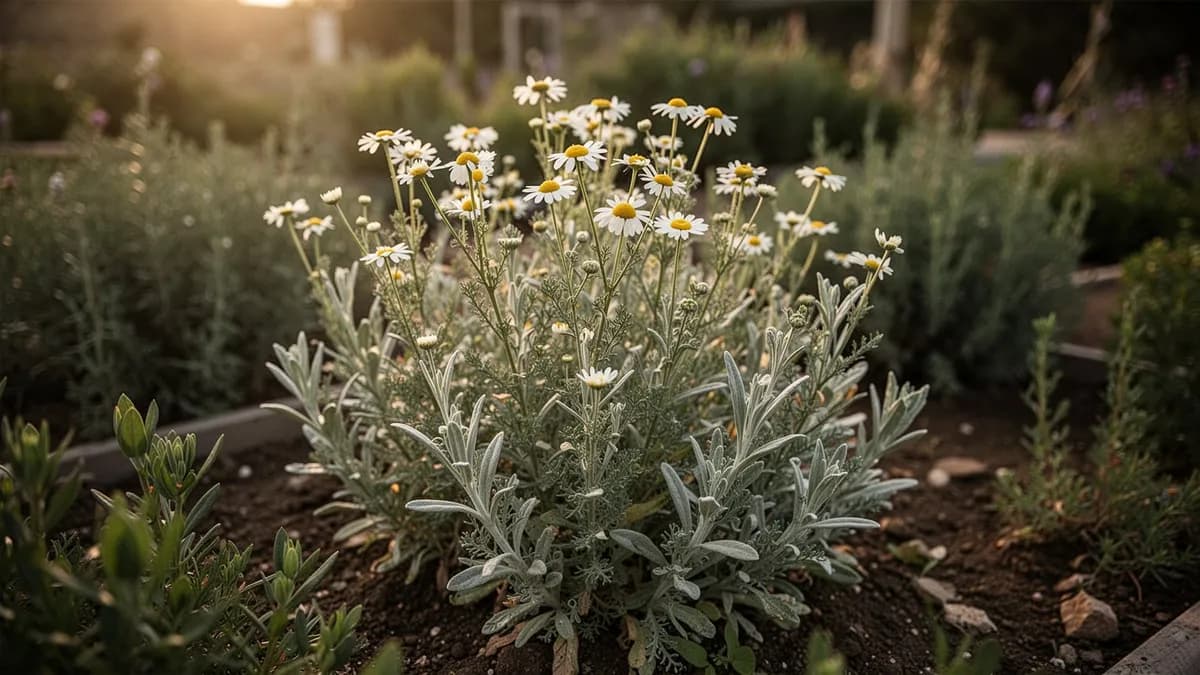
Auf dieser SeiteÜberblick
Duftende Kamille im Überblick
Eine nach Ananas duftende einjährige Pflanze mit kegelförmigen grünen Blütenköpfen ohne weiße Blütenblätter, die für Kräutertees und als Streukraut verwendet wird. Die zerdrückten Blüten verströmen einen süßen Ananasduft, der einen angenehmen, mild aromatisierten Tee ergibt. Dieses niedrig wachsende Kraut erscheint oft als fröhliches Wildkraut in Gartenwegen und verdichteten Böden, wo es sich großzügig selbst aussät.
Wann Duftende Kamille pflanzen
Streuen Sie die Samen im Frühling direkt auf kahlen, verdichteten Boden – keine Bodenvorbereitung ist nötig oder erwünscht. Die Samen sind winzig und benötigen Licht zum Keimen, bedecken Sie sie also nicht. Gießen Sie leicht, bis die Keimung in 7–14 Tagen erfolgt. Alternativ lassen Sie vorhandene Pflanzen sich natürlich selbst aussäen – sie werden geeignete Bereiche ohne jede Hilfe besiedeln. Kann auch in Töpfen vorgezogen und umgepflanzt werden, obwohl Direktsaat einfacher und effektiver ist.
Dein Duftende Kamille-Jahr
Abgestimmt auf Zone 7 · typische Saison · Frost geht um den 2. Apr. und kehrt um den 1. Nov. zurück
Duftende Kamille Mär – Mai pflanzen, Jun – Aug ernten. Beachte die Pflanzmethoden unten und wähle dein Klima für passende Zeiträume.
So baust du Duftende Kamille an
Duftende Kamille, auch Ananaskraut genannt, ist eine fröhliche kleine einjährige Pflanze, die oft uneingeladen in Gartenwegen, Einfahrten und verdichteten Böden erscheint. Sie wird nur 10–20 cm hoch und bildet niedrige Matten aus fein geteiltem, federartigem Laub, das von kleinen, kegelförmigen gelbgrünen Blütenköpfen gekrönt wird, denen die weißen Strahlblüten der echten Kamille fehlen. Die zerdrückten Blüten verströmen einen herrlichen süßen Ananasduft.
Diese Pflanze gedeiht in den ärmsten, am stärksten verdichteten Böden, wo fast nichts anderes wächst. Sie bevorzugt tatsächlich gestörte Böden, Kieswege und festgestampfte Erde – was sie zu einer ausgezeichneten Wahl für die Bepflanzung zwischen Trittsteinen und in Kiesgartenwegen macht. Säen Sie die Samen im Frühling direkt an der gewünschten Stelle aus oder lassen Sie einfach vorhandene Pflanzen sich selbst aussäen.
Duftende Kamille benötigt praktisch keine Pflege, sobald sie etabliert ist. Sie verträgt Trockenheit, arme Böden, Fußgängerverkehr und volle Sonne. Die einzige Wartung besteht darin, unerwünschte Sämlinge zu entfernen, wenn sie zu überschwänglich wird. Als einjährige Pflanze vollendet sie ihren Lebenszyklus in einer einzigen Saison, sät sich aber so zuverlässig selbst aus, dass sie sich im Garten praktisch wie eine mehrjährige Präsenz verhält.
72 Pflanzen passen in ein Beet von 120 × 240 cm
Duftende Kamille braucht 20 cm Platz pro Pflanze. Der Planer hält diesen Abstand für dich ein — jede Pflanze, jedes Beet.
Die besten Nachbarn für Duftende Kamille
Duftende Kamille ist eine nützliche Bodendecker-Pflanze in Wegen und zwischen Trittsteinen, wo Fußgängerverkehr ihre Größe kontrolliert, während das Zerdrücken den angenehmen Ananasduft freisetzt. Sie wächst gut neben Braunelle, Weißklee und niedrig wachsendem Thymian in Rasenalternativen. Die Blüten locken kleine Nützlinge an, darunter Schwebfliegen und Schlupfwespen.
Kamille gehört daneben.
Altes Gärtnerwissen, geprüft an der echten Nachbartabelle von Duftende Kamille — teste jede Pflanze, die du anbaust.
Probiere Duftende Kamille direkt hier im Beet
Ein echtes Planer-Beet, Duftende Kamille steht schon drin. Tippe einen Begleiter an, platziere ihn und sieh, wie die Nachbarschaftsprüfung antwortet — grün für gute Nachbarn, rot bei Streit.


Passende Anbau-Ratgeber
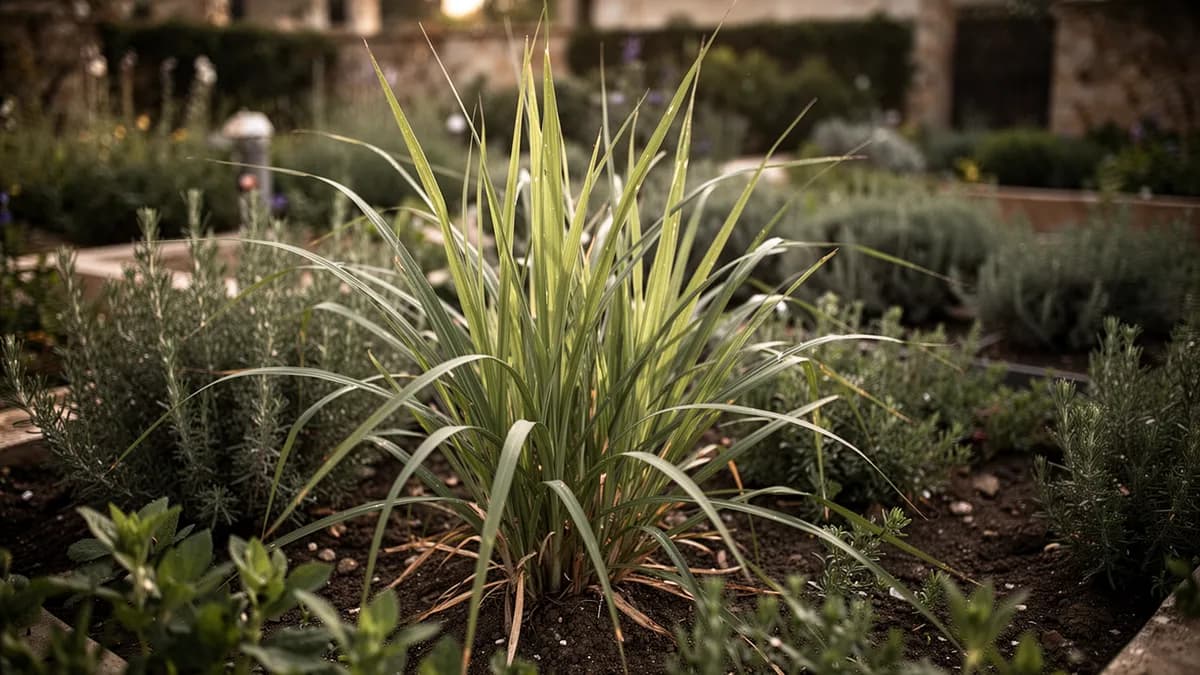
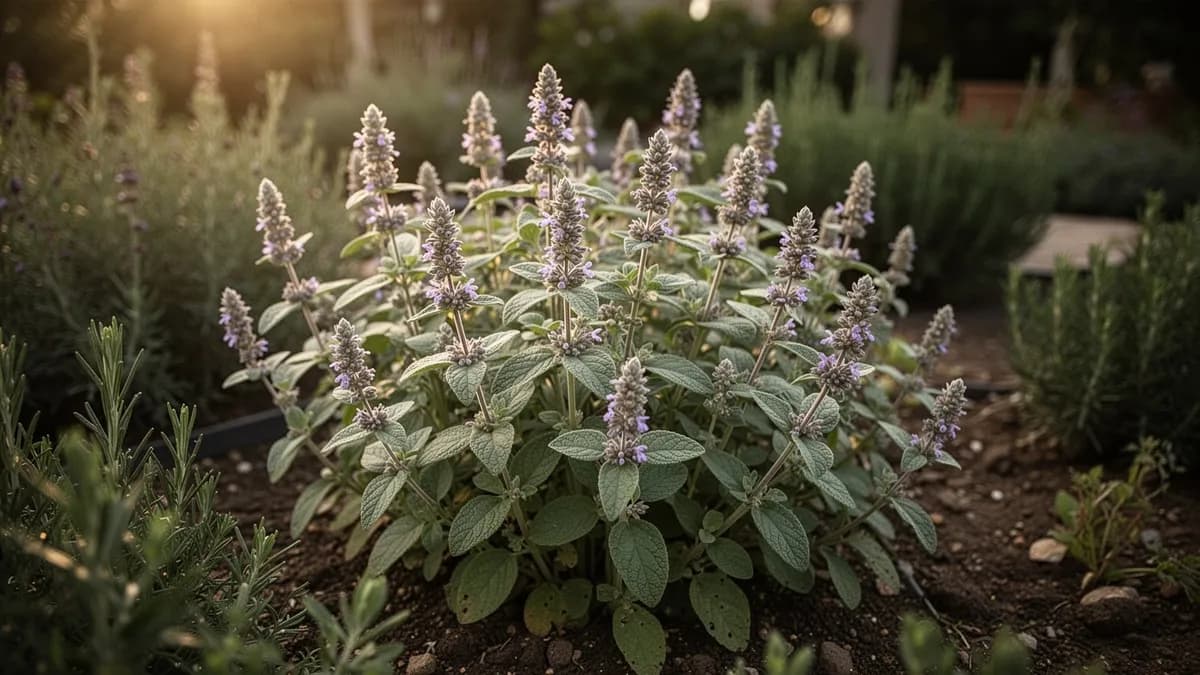
Richtig düngen
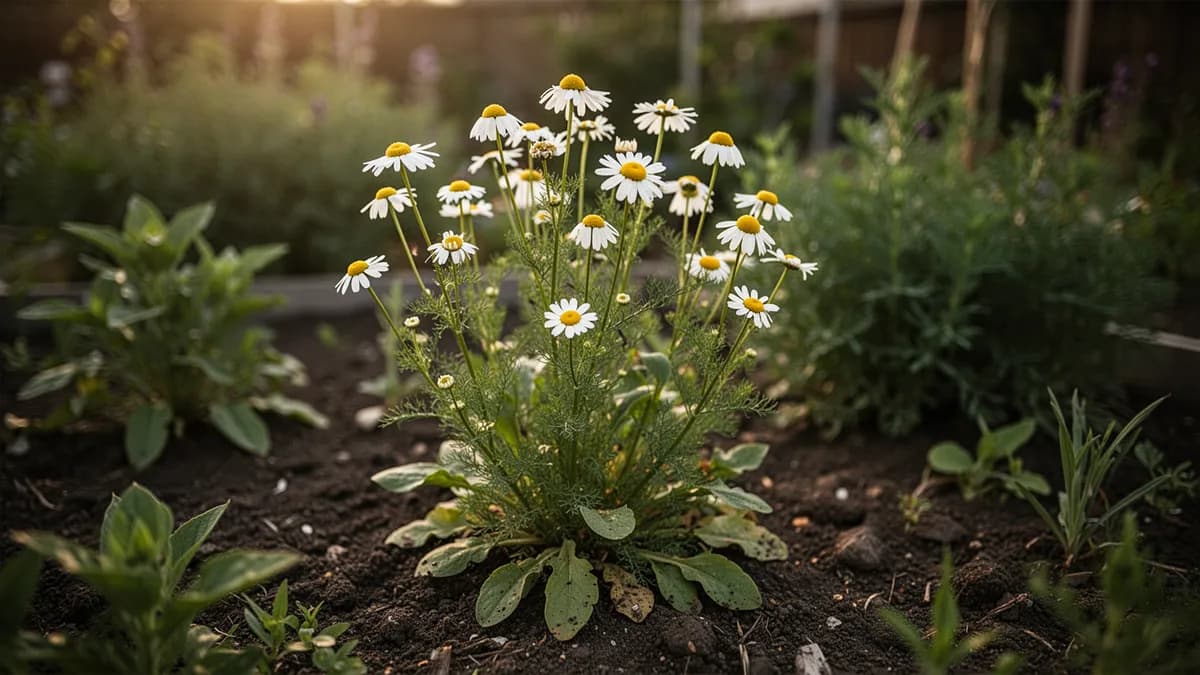
Duftende Kamille gedeiht in armen, verdichteten, sogar kiesigen Böden mit breiter pH-Toleranz (5,5–8,0). Sie wächst tatsächlich am besten unter den schlechtesten Gartenbedingungen – nährstoffreicher Boden erzeugt üppiges Wachstum mit weniger Duft. Niemals düngen. Dies ist eine Pflanze, die verlassene Flächen, Fußwege und Brachland besiedelt. Die einzige Voraussetzung ist ausreichend Sonnenlicht und etwas anfängliche Feuchtigkeit für die Keimung.
Ideale Temperatur
Winterhärtezone-Kompatibilität
Von der Saat zur Ernte, Schritt für Schritt
Aussaat
Streuen Sie die extrem feinen Samen über feuchte, vorbereitete Erde und drücken Sie sie leicht in die Oberfläche. Samen der duftenden Kamille sind lichtempfindlich und benötigen Lichteinwirkung für die Keimung. Halten Sie das Saatbeet gleichmäßig feucht mit einem feinen Sprühnebel, um das Verdriften der winzigen Samen zu vermeiden.
Keimung
Schlanke Sämlinge erscheinen mit kleinen, abgerundeten Keimblättern. In diesem Stadium sind die Pflanzen äußerst zart und ähneln feinen Grashalmen. Gleichmäßige Feuchtigkeit ist wichtig, aber vermeiden Sie Staunässe, die bei diesen empfindlichen Sämlingen zu Umfallkrankheit führen kann.
Vegetatives Wachstum
Die Pflanzen entwickeln ihr charakteristisches fein zerteiltes, fadenförmiges Laub und beginnen sich zu buschigen Polstern zu verzweigen. Das Laub verströmt beim Berühren einen angenehmen süßen Apfelduft. Die Stängel verdicken sich und das Wurzelsystem dehnt sich aus, um das kräftige oberirdische Wachstum zu unterstützen.
Knospenbildung
Kleine grüne Knospen erscheinen an den Spitzen der verzweigten Stängel, schwellen allmählich an und lassen weiße Blütenblattränder erkennen. Die Pflanze erreicht in dieser Phase ihre Endhöhe von 30–60 cm. Ein charakteristischer hohler Blütenboden beginnt sich in jedem sich entwickelnden Blütenkopf zu bilden.
Vollblüte
Weiße Strahlblüten strahlen von der erhöhten, hohlen, goldgelben Scheibe in der Mitte jedes Blütenkopfes aus. Die Blüte erfolgt in aufeinanderfolgenden Wellen über mehrere Wochen, wobei jede Pflanze Dutzende von Blüten hervorbringt. Der süße Duft intensiviert sich und Bestäuber strömen zu den offenen Blüten.
Samenreife
Unbefruchtete oder nicht geerntete Blüten reifen, während die Blütenblätter welken und abfallen. Der kegelförmige Blütenboden trocknet und gibt Hunderte winziger Samen frei. Die Pflanze beginnt zu vergilben und lässt nach, da die Energie vollständig auf die Samenproduktion und -verbreitung umgelenkt wird.
Ruhephase und Selbstaussaat
Die Mutterpflanze stirbt ab, nachdem sie ihren einjährigen Lebenszyklus abgeschlossen hat. Samen, die auf den Boden gefallen sind, durchlaufen über den Winter eine Kältestratifikation. Diese Samen keimen im folgenden Frühling spontan und etablieren neue Pflanzen ohne jegliches Zutun des Gärtners.
Bedecken Sie die Samen nicht mit Erde. Eine dünne Schicht Vermiculit hilft, die Oberflächenfeuchtigkeit zu bewahren, ohne das Licht zu blockieren, das diese Samen zum Keimen benötigen.
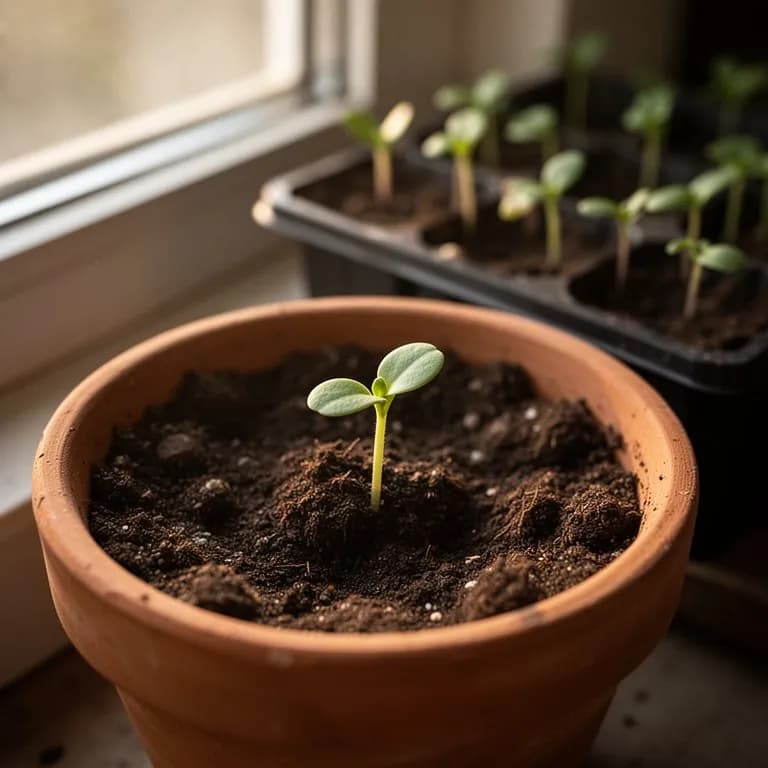
Duftende Kamille Monat für Monat pflegen
Was du jeden Monat für deine Duftende Kamille tun solltest
Oktober
Aktueller MonatReinigen und lagern Sie Erntewerkzeuge und Trockengestelle. Inventarisieren Sie Ihren Vorrat an getrockneter duftender Kamille und beschriften Sie die Gläser mit dem Erntedatum. Bringen Sie eine leichte Mulchschicht aus Stroh oder Laubstreu über Beeten auf, in denen Samen gefallen sind, um sie über den Winter zu schützen.
Immer wissen, was jetzt im Garten zu tun ist
Eine E-Mail zum Monatsanfang: was du jetzt säen, pflanzen und anpacken solltest — für deine Duftende Kamille und alles, was drumherum wächst. Dazu ein kurzer Startkurs, der dich vor den klassischen Fehlern bewahrt.
- Was jetzt zu tun ist
- Passend zu deiner Saison
- Startkurs inklusive
Duftende Kamille ernten
Ernten Sie die kegelförmigen Blütenköpfe, wenn sie vollständig ausgebildet und aromatisch sind, typischerweise von Juni bis August. Pflücken Sie morgens, nachdem der Tau getrocknet ist, für den stärksten Ananasduft. Der gesamte Blütenkopf wird verwendet – kneifen Sie ihn einfach am Stiel ab. Frische Blüten haben das stärkste Ananasaroma. Blätter können ebenfalls geerntet werden, haben aber einen milderen Duft als die Blüten. Ernten Sie großzügig, da die Pflanze kontinuierlich Blüten produziert.
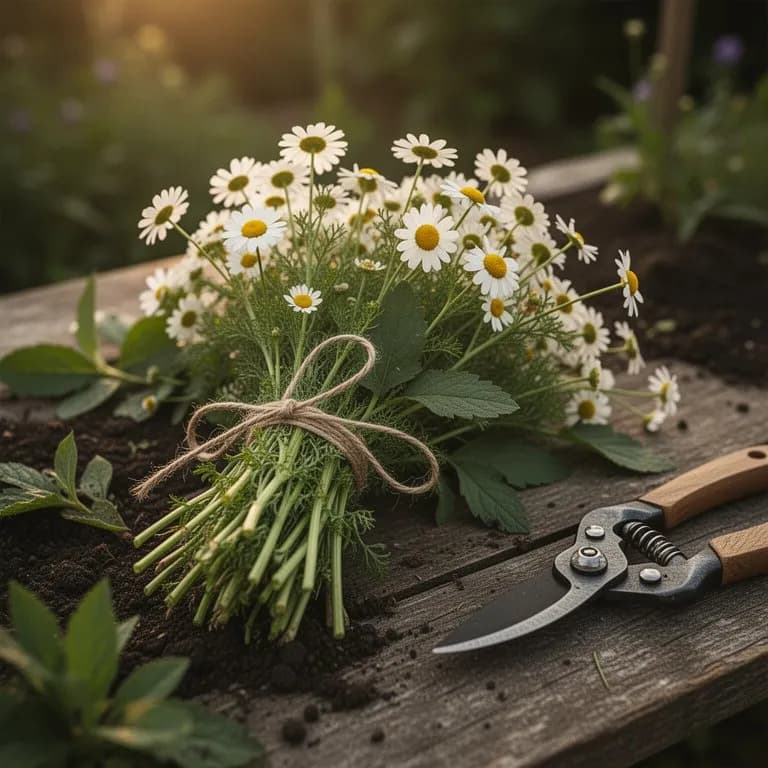
angenommen, du pflanzt zu Beginn des Zeitraums — trage dein tatsächliches Datum ein
Ernte Duftende Kamille zügig, dann trägt die Pflanze weiter.
Lagerung & Konservierung
Breiten Sie die geernteten Blütenköpfe auf Sieben in einem warmen, gut belüfteten Bereich zum Trocknen aus. Die kleinen Blüten trocknen schnell, innerhalb von 2–3 Tagen. Lagern Sie sie in luftdichten Glasgefäßen lichtgeschützt für den Teegebrauch – getrocknete Blüten behalten ihren ananasartigen Geschmack 6–9 Monate lang. Die frischen Blüten ergeben den angenehmsten Tee, aber getrocknete sind völlig akzeptabel. Sie können auch eingefroren werden, um den frischen Ananasgeschmack länger zu erhalten.
Was schiefgeht — und die Lösung
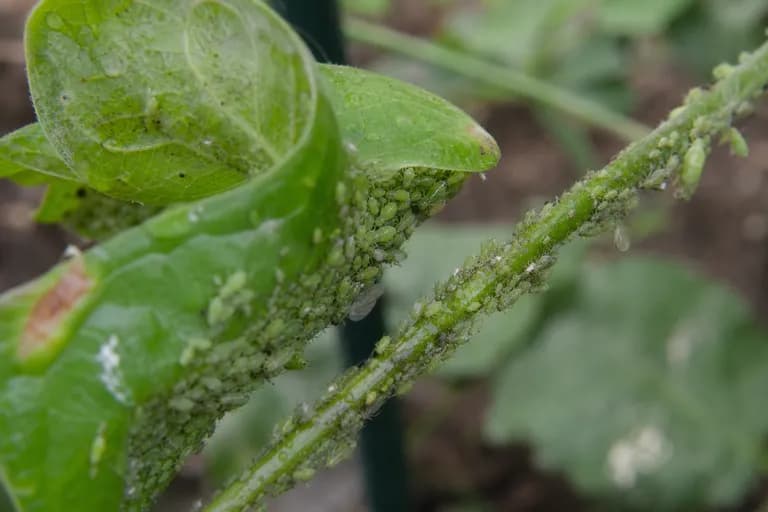
Blattläuse
SchädlingGelegentliche Ansammlungen an Blütenköpfen im Frühsommer. Selten ein ernsthaftes Problem bei dieser robusten, unkrautartigen Pflanze.
Fehlerbehebung bei häufigen Problemen
Das Hauptproblem ist übermäßige Selbstaussaat – duftende Kamille kann Wege und kahle Flächen begeistert besiedeln. Ziehen Sie unerwünschte Sämlinge jung heraus. Die Pflanze kann mit echter Kamille verwechselt werden; Ananaskraut ist leicht an seinen kegelförmigen Köpfen ohne weiße Blütenblätter und seinem charakteristischen Ananasduft zu erkennen. In sehr nährstoffreichen Böden werden die Pflanzen übermäßig üppig mit schwächerem Duft.
Anbautipps
- Streuen Sie Samen direkt auf die Bodenoberfläche und drücken Sie sie sanft an, ohne sie zu bedecken. Samen der duftenden Kamille benötigen Licht zur Keimung und keimen nicht, wenn sie auch nur wenige Millimeter tief begraben werden.
- Wählen Sie einen Standort mit voller Sonne bis leichtem Nachmittagsschatten. Obwohl die Pflanze Halbschatten verträgt, sind die Blütenproduktion und die Konzentration ätherischer Öle bei mindestens sechs Stunden direktem Sonnenlicht deutlich höher.
- Pflanzen Sie in gut durchlässigen, mäßig mageren Boden. Übermäßig nährstoffreicher oder stark verbesserter Boden führt zu üppigem Blattwachstum, aber weniger Blüten und einem schwächeren Duftprofil der geernteten Blüten.
- Gießen Sie während der Keimung und des frühen Wachstums gleichmäßig und reduzieren Sie dann. Etablierte duftende Kamille ist bemerkenswert trockenheitsresistent und bevorzugt leicht trockene Bedingungen gegenüber staunassem Boden, der Wurzelfäule begünstigt.
- Ernten Sie Blüten am Morgen, nachdem der Tau getrocknet ist, aber bevor die Mittagssonne die flüchtigen Öle erhitzt. Die Blüten sind auf ihrem Höhepunkt, wenn die weißen Blütenblätter vollständig horizontal stehen und der goldene Mittelkegel prall ist.
- Trocknen Sie geerntete Blüten auf Sieben oder Gestellen in einem warmen Raum mit guter Luftzirkulation und ohne direkte Sonneneinstrahlung. Richtig getrocknete Blüten fühlen sich papierartig an und zerbröseln leicht, und sollten in luftdichten Glasgefäßen lichtgeschützt gelagert werden.
- Lassen Sie am Ende der Saison eine Handvoll Blütenköpfe vollständig ausreifen. Duftende Kamille sät sich reichlich selbst aus, und eine einzige Saison der Samenbildung kann ein dauerhaftes Freiwilligen-Beet etablieren.
- Pflanzen Sie duftende Kamille zusammen mit Kohlgewächsen, Zwiebeln und anderen Kräutern, um Nützlinge wie Schwebfliegen und Schlupfwespen anzulocken, die häufige Gartenschädlinge wie Blattläuse und Raupen bekämpfen.
- Bekämpfen Sie Blattlausbefall, indem Sie betroffene Stängel mit einem kräftigen Wasserstrahl besprühen, anstatt chemische Pestizide zu verwenden, die die für kulinarische und medizinische Zwecke bestimmten Blüten kontaminieren würden.
- Schneiden Sie langbeinige oder ausladende Pflanzen im Hochsommer um ein Drittel zurück, um einen buschigeren Wuchs, bessere Luftzirkulation und einen zweiten Blütenschub zum Frühherbst hin zu fördern.
Bau deine beste Duftende Kamille an — und alles drumherum.
Starte heute kostenlos. Lege deine Beete an, setze deine Duftende Kamille ein und lass PlotMyGarden Timing, Abstände, Begleiter und Erinnerungen von der Saat bis zum Erntekorb übernehmen.
Finde deine Duftende Kamille
Matricaria suaveolens (Standard)
Die einzige üblicherweise angebaute Form. Eine sich einbürgernde einjährige Pflanze mit ananasduftenden grünen Blütenkegeln. Oft unter M. discoidea gelistet.
Ein einzelnes Päckchen Samen der duftenden Kamille kostet etwa 2–4 € und enthält rund 2.000–3.000 Samen, genug um ein sich selbst erhaltendes Beet anzulegen, das Jahr für Jahr ohne Neupflanzung wiederkommt. Ein ausgewachsenes Beet mit 10–15 Pflanzen kann genug getrocknete Blüten für 200–300 Tassen Tee pro Saison produzieren. Da hochwertiger Bio-Kamillentee für 6–12 € pro Packung mit 20 Beuteln verkauft wird, können Sie durch den eigenen Anbau von duftender Kamille jährlich 60–150 € sparen. Die Pflanze benötigt keinen Dünger, minimale Bewässerung nach der Etablierung und keine spezielle Ausrüstung außer einem einfachen Trockengestell.
Schnelle Rezepte
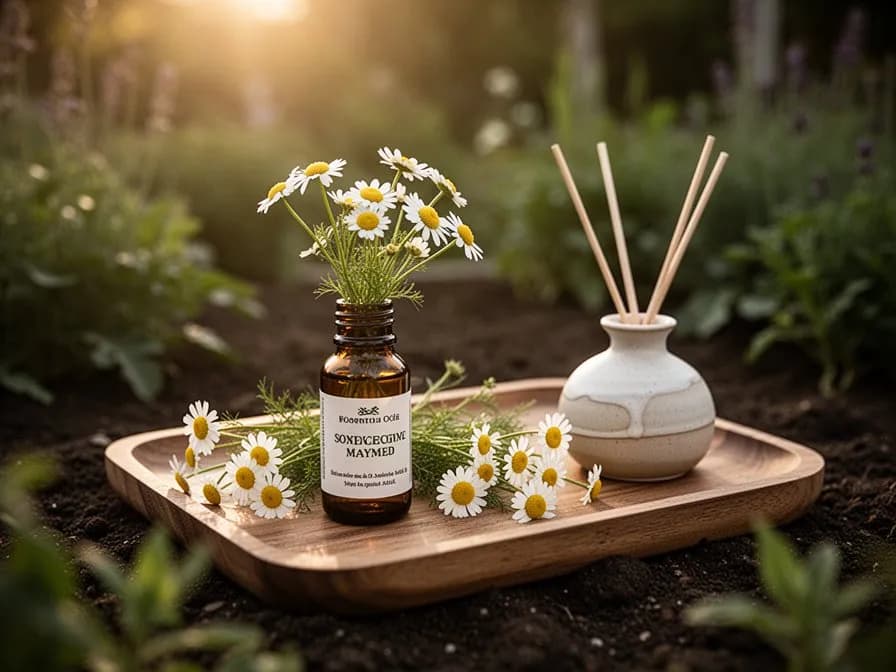
Frischer Aufguss aus Duftender Kamille
10 Min.Ein sanfter goldener Kräutertee, gebrüht aus frisch gepflückten Blütenköpfen der duftenden Kamille. Die frischen Blüten ergeben eine süßere, duftendere Tasse als getrocknete Blüten, mit zarten Noten von Apfel, Honig und frischem Heu. Ideal als beruhigendes Abendgetränk vor dem Schlafengehen.
5 Zutaten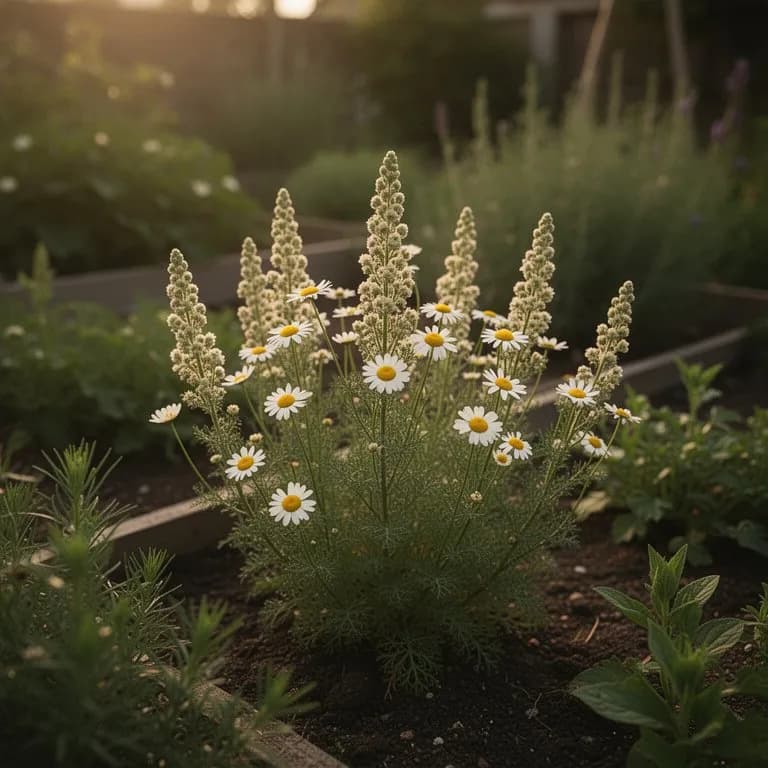
Gesichtsdampfbad mit Duftender Kamille und Hafer
15 Min.Ein wohltuendes Kräuter-Gesichtsdampfbad, das die entzündungshemmenden Eigenschaften der duftenden Kamille mit den hauterweichenden Qualitäten von kolloidalem Hafermehl kombiniert. Die warmen aromatischen Dämpfe öffnen die Poren, beruhigen Rötungen und hinterlassen ein erfrischtes und geschmeidiges Hautgefühl.
5 ZutatenHonigsirup mit Duftender Kamille
25 Min.Ein blumiger einfacher Sirup, aromatisiert mit Blüten der duftenden Kamille und lokalem Honig. Träufeln Sie ihn über Joghurt und Obst, rühren Sie ihn in Sprudelwasser für eine botanische Limonade oder verwenden Sie ihn zum Süßen von Cocktails mit einer kräuterigen Note. Hält gekühlt bis zu drei Wochen.
5 ZutatenKulinarische Verwendung
Duftende Kamille ergibt einen herrlichen Kräutertee mit süßem, ananasartigem Geschmack – milder und fruchtiger als Kamille. Übergießen Sie frische oder getrocknete Blütenköpfe mit kochendem Wasser und lassen Sie sie 5–7 Minuten ziehen. Der Tee ist von Natur aus koffeinfrei und leicht beruhigend. Kinder genießen oft den süßen Ananasgeschmack. Die Blüten können zu Obstsalaten für einen Ananashauch hinzugefügt oder zur Aromatisierung von Sirupen und Likören verwendet werden.
Was drinsteckt
Gesundheitsvorteile
- Fördert Entspannung und unterstützt erholsamen Schlaf durch das Flavonoid Apigenin, das an GABA-Rezeptoren im Gehirn bindet und eine milde natürliche beruhigende Wirkung ausübt, ohne morgendliche Benommenheit.
- Lindert Verdauungsbeschwerden einschließlich Blähungen, Gasbildung und leichte Krämpfe, indem es die glatte Muskulatur im gesamten Magen-Darm-Trakt entspannt.
- Liefert entzündungshemmende Vorteile durch Bisabolol und Chamazulen, Verbindungen, die nachweislich Hautirritationen, leichte Wunden und entzündliche Hauterkrankungen bei topischer Anwendung als Kompresse oder Waschung reduzieren.
- Unterstützt die Immungesundheit durch antimikrobielle phenolische Verbindungen, die dem Körper helfen können, gewöhnliche Erkältungen und Infektionen der oberen Atemwege abzuwehren, wenn sie regelmäßig als Tee konsumiert werden.
- Kann Blutzuckerschwankungen moderieren, wobei vorläufige Forschungsergebnisse darauf hindeuten, dass regelmäßiger Konsum des Aufgusses glykämische Marker bei Menschen mit Stoffwechselproblemen verbessern kann.
- Lindert leichte Angst und nervöse Anspannung bei konsequentem Konsum, wobei klinische Belege auf messbare Reduktionen der Werte für generalisierte Angststörungen nach mehreren Wochen täglichen Gebrauchs hinweisen.
Woher Duftende Kamille stammt
Die Duftende Kamille (Matricaria chamomilla), auch Wilde Kamille oder Deutsche Kamille genannt, stammt aus Süd- und Osteuropa sowie gemäßigten Regionen Westasiens. Sie wird seit mindestens fünftausend Jahren von wilden Wiesen und Feldrändern gesammelt und gehört damit zu den ältesten dokumentierten Heilpflanzen. Im alten Ägypten wurde die Pflanze als Geschenk des Sonnengottes Ra verehrt, und getrocknete Blütenköpfe wurden in den Bandagen mumifizierter Pharaonen gefunden. Die griechischen Ärzte Hippokrates und Dioskurides empfahlen Aufgüsse der Blüten bei Fieber, Verdauungsbeschwerden und nervöser Anspannung. Die Römer verbreiteten ihren Anbau über ihr gesamtes Reich und pflanzten sie in Garnisons-Kräutergärten von Britannien bis Nordafrika. Während des frühen Mittelalters bewahrten Benediktiner- und Zisterziensermönche das Wissen über die duftende Kamille in ihren Handschriften-Kräuterbüchern und bauten sie in den Heilkräutergärten an, die zu jedem Kloster gehörten. Karls des Großen Capitulare de Villis, ein Erlass von etwa 800 n. Chr., führte sie unter den wesentlichen Pflanzen auf, die auf kaiserlichen Gütern angebaut werden sollten. In der Renaissance war die duftende Kamille prominent in gedruckten Kräuterbüchern wie denen von Leonhart Fuchs und John Gerard vertreten, die ihre Vielseitigkeit bei der Linderung von Koliken, der Fiebersenkung und der Behandlung von Schlaflosigkeit priesen. Europäische Siedler brachten das Saatgut nach Amerika, wo es sich schnell in Wiesen und an Straßenrändern im gemäßigten Nordamerika einbürgerte. In der modernen Phytotherapie hat die deutsche Kommission E Zubereitungen aus Matricaria chamomilla offiziell für Magen-Darm-Krämpfe, entzündliche Erkrankungen des Magen-Darm-Trakts und leichte Hautentzündungen zugelassen. Heute wird die Pflanze in großem Maßstab in Deutschland, Ungarn, Ägypten und Argentinien kommerziell angebaut, während sie in ganz Europa weiterhin wild wächst, überall dort, wo gestörte Böden und offener Sonnenschein günstige Bedingungen schaffen.
Duftende Kamille: Schon gewusst?
Faszinierende Fakten über Duftende Kamille
Duftende Kamille erhält ihren botanischen Namen Matricaria vom lateinischen Wort 'matrix', was Gebärmutter bedeutet, und spiegelt Jahrhunderte traditioneller Verwendung in der Frauenheilkunde in ganz Europa wider.
Duftende Kamille: Fragen & Antworten
Wann sollte ich Duftende Kamille pflanzen?
Was sind gute Begleitpflanzen für Duftende Kamille?
In welchen Winterhärtezonen kann Duftende Kamille wachsen?
Wie viel Sonne braucht Duftende Kamille?
Welchen Abstand sollte ich zwischen Duftende Kamille lassen?
Welche Schädlinge und Krankheiten befallen Duftende Kamille?
Wie lagere ich Duftende Kamille nach der Ernte?
Was sind die besten Duftende Kamille-Sorten zum Anbauen?
Welchen Boden braucht Duftende Kamille?
Wie unterscheide ich duftende Kamille von geruchloser Kamille und anderen ähnlichen Wildblumen?
Kann duftende Kamille in Behältern auf einem Balkon oder einer Terrasse angebaut werden?
Ist duftende Kamille für Kinder und während der Schwangerschaft sicher?
Wie sollte ich getrocknete Blüten der duftenden Kamille lagern, um ihre Wirksamkeit zu erhalten?
Kommt duftende Kamille jedes Jahr von selbst wieder?
Welche Schädlinge und Krankheiten betreffen die duftende Kamille und wie bekämpfe ich sie biologisch?
Du hast die Theorie gelesen. Jetzt baue sie auf Autopilot an.
Alles, was Duftende Kamille knifflig macht — das Timing, die Abstände, die Begleiter, das Erntefenster — genau das übernimmt PlotMyGarden für dich, für jede Pflanze im Garten.
Ein Plan, der dein Wetter kennt
Standort einmal festlegen. Aussaat-, Dünge- und Erntedaten rund um deinen echten letzten Frosttermin und die Live-Vorhersage — kein Raten mehr nach Saattüte.
Aus dem Abschnitt „Pflanzzeit“Beetplaner per Drag & Drop
Beete auf einem Raster gestalten. Jede Pflanze rastet im richtigen Abstand ein, und du siehst die ganze Saison, bevor du einen Cent für Saatgut ausgibst.
Aus dem Abschnitt „Anbau“Begleiter-Konflikte früh erkannt
Über 200 gute und schlechte Kombinationen werden beim Pflanzen live geprüft — so landet ein saisonruinierender Fehler nie in der Erde.
Aus dem Abschnitt „Begleiter“Erinnerungen, nach denen du wirklich handelst
„Gieß die Bohnen.“ „Heute ernten, bevor's umschlägt.“ Pünktlich, konkret und auf deine echten Pflanzen bezogen.
Aus dem Abschnitt „Ernte“Staffel-Aussaat, geplant
Sechs Wochen ernten statt sechs Tage? Die App verteilt deine Aussaaten automatisch und erinnert dich, wenn der nächste Satz fällig ist.
Aus dem Abschnitt „Pflanzzeit“Ein Verlauf, der schlauer wird
Jede protokollierte Ernte bringt der App deinen Garten bei. Der Plan fürs nächste Jahr startet bei dem, was in deinem Boden wirklich funktioniert hat.
Aus dem Abschnitt „Überblick“Pflanze diese neben Duftende Kamille
Weitere Duftkräuter
Bau deine beste Duftende Kamille an — und alles drumherum.
Starte heute kostenlos. Lege deine Beete an, setze deine Duftende Kamille ein und lass PlotMyGarden Timing, Abstände, Begleiter und Erinnerungen von der Saat bis zum Erntekorb übernehmen.