Sapodilla
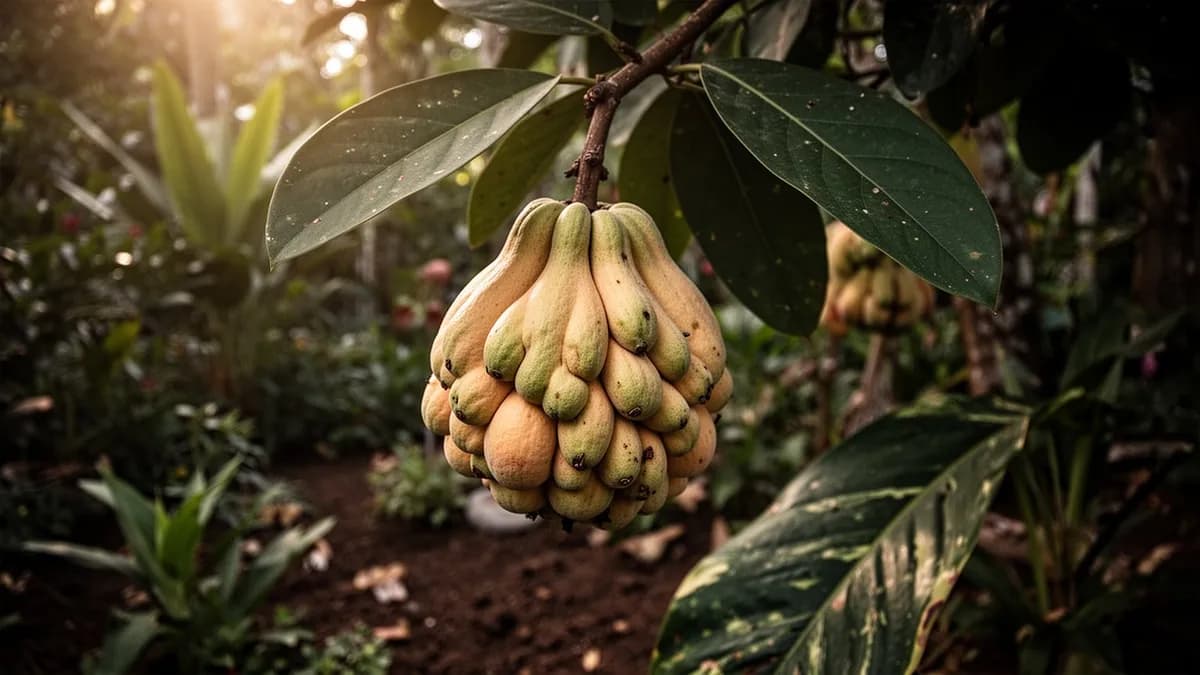
Ein tropischer immergrüner Baum, der eiförmige braune Früchte mit außergewöhnlich süßem, malzigem Fruchtfleisch hervorbringt, das nach braunem Zucker und Birne schmeckt.





Auf dieser SeiteÜberblick
Sapodilla im Überblick
Ein tropischer immergrüner Baum, der eiförmige braune Früchte mit außergewöhnlich süßem, malzigem Fruchtfleisch hervorbringt, das nach braunem Zucker und Birne schmeckt. Der Sapodilla-Baum ist auch die ursprüngliche Quelle von natürlichem Chicle, das zur Herstellung von Kaugummi verwendet wurde. Bäume aus Samen tragen langsam Früchte, aber veredelte Sorten können innerhalb von drei bis vier Jahren Früchte produzieren.
Wann Sapodilla pflanzen
Sapodilla-Samen keimen zuverlässig, wenn sie frisch gepflanzt werden. Reinigen Sie die Samen und pflanzen Sie sie einen Zentimeter tief in feuchte, gut durchlässige Anzuchterde. Halten Sie 24 bis 29 Grad Celsius bei gleichmäßiger Feuchtigkeit. Die Keimung dauert zwei bis vier Wochen. Sämlinge wachsen sehr langsam und können fünf bis acht Jahre bis zur Fruchtbildung benötigen, daher werden veredelte Bäume für eine frühere Produktion dringend empfohlen. Sämlinge eignen sich hervorragend als Unterlage für die Veredelung überlegener Kultivare.
Dein Sapodilla-Jahr
Abgestimmt auf Zone 7 · typische Saison · Frost geht um den 2. Apr. und kehrt um den 1. Nov. zurück
Sapodilla Mär – Mai pflanzen, Feb – Jun ernten. Beachte die Pflanzmethoden unten und wähle dein Klima für passende Zeiträume.
So baust du Sapodilla an
Sapodilla ist ein langsam wachsender, aber langlebiger tropischer immergrüner Baum, der in seiner natürlichen Umgebung achtzehn bis dreißig Meter hoch werden kann, obwohl er in Kultur typischerweise viel kleiner gehalten wird. Pflanzen Sie ihn in voller Sonne mit gut durchlässigem Boden und halten Sie einen Abstand von mindestens acht bis zehn Metern zwischen den Bäumen ein. Der Baum ist bemerkenswert robust, sobald er etabliert ist, und verträgt Trockenheit, Wind, Salzgischt und nährstoffarme Böden besser als die meisten tropischen Obstbäume.
Gießen Sie junge Bäume in den ersten zwei Jahren regelmäßig und reduzieren Sie dann die Bewässerung, sobald der Baum etabliert ist. Sapodilla ist einer der trockenheitstolerantesten tropischen Obstbäume und gedeiht bei Vernachlässigung, sobald seine tiefe Pfahlwurzel entwickelt ist. Düngen Sie zwei- bis dreimal pro Jahr mit einem ausgewogenen Dünger. Der Baum wächst in den ersten Jahren langsam, beschleunigt aber, sobald das Wurzelsystem etabliert ist.
Sapodilla benötigt minimalen Schnitt, abgesehen vom Entfernen von Totholz und der Aufrechterhaltung einer handhabbaren Höhe für die Ernte. Der Baum produziert weißen, milchigen Latex in der gesamten Rinde und im Holz, der historisch für Chicle geerntet wurde. Bäume aus Samen benötigen fünf bis acht Jahre bis zur Fruchtbildung, während veredelte Bäume in drei bis vier Jahren Früchte tragen können. Die Früchte werden an neuem Wachstum getragen, daher sollte starker Rückschnitt vermieden werden, der potenzielles Fruchtholz entfernt.
Für Sapodilla ist ein Beet von 120 × 240 cm zu klein
Sapodilla braucht 600 cm Platz pro Pflanze. Der Planer hält diesen Abstand für dich ein — jede Pflanze, jedes Beet.
Passende Anbau-Ratgeber
Richtig düngen
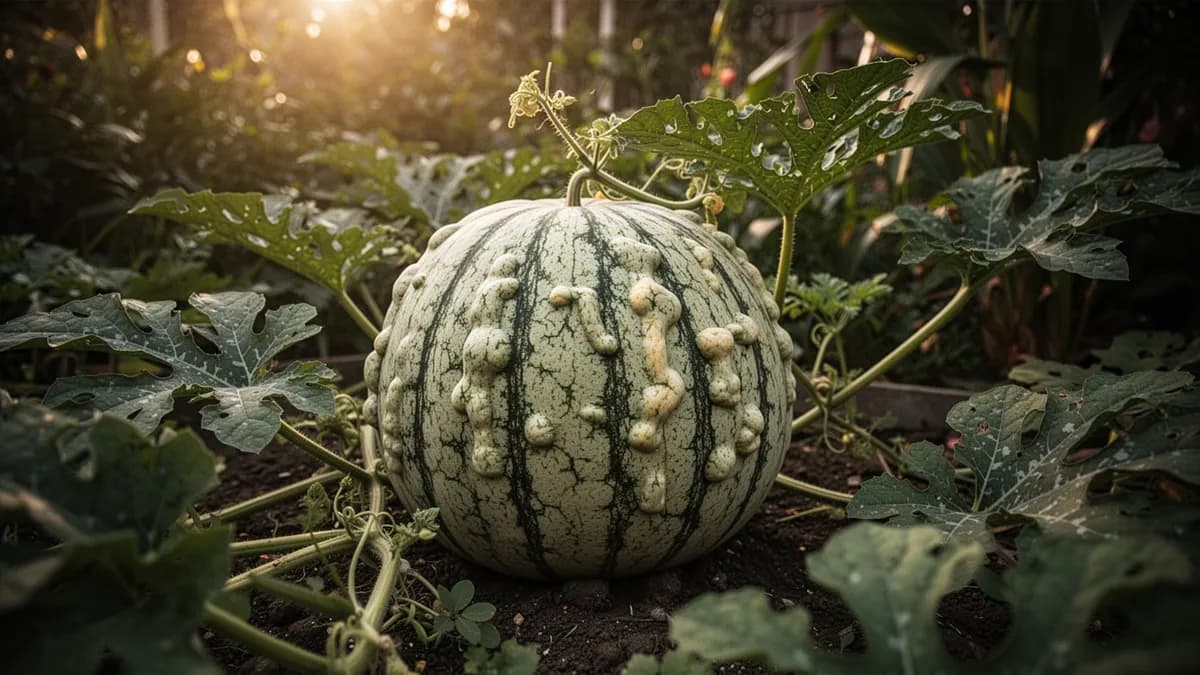
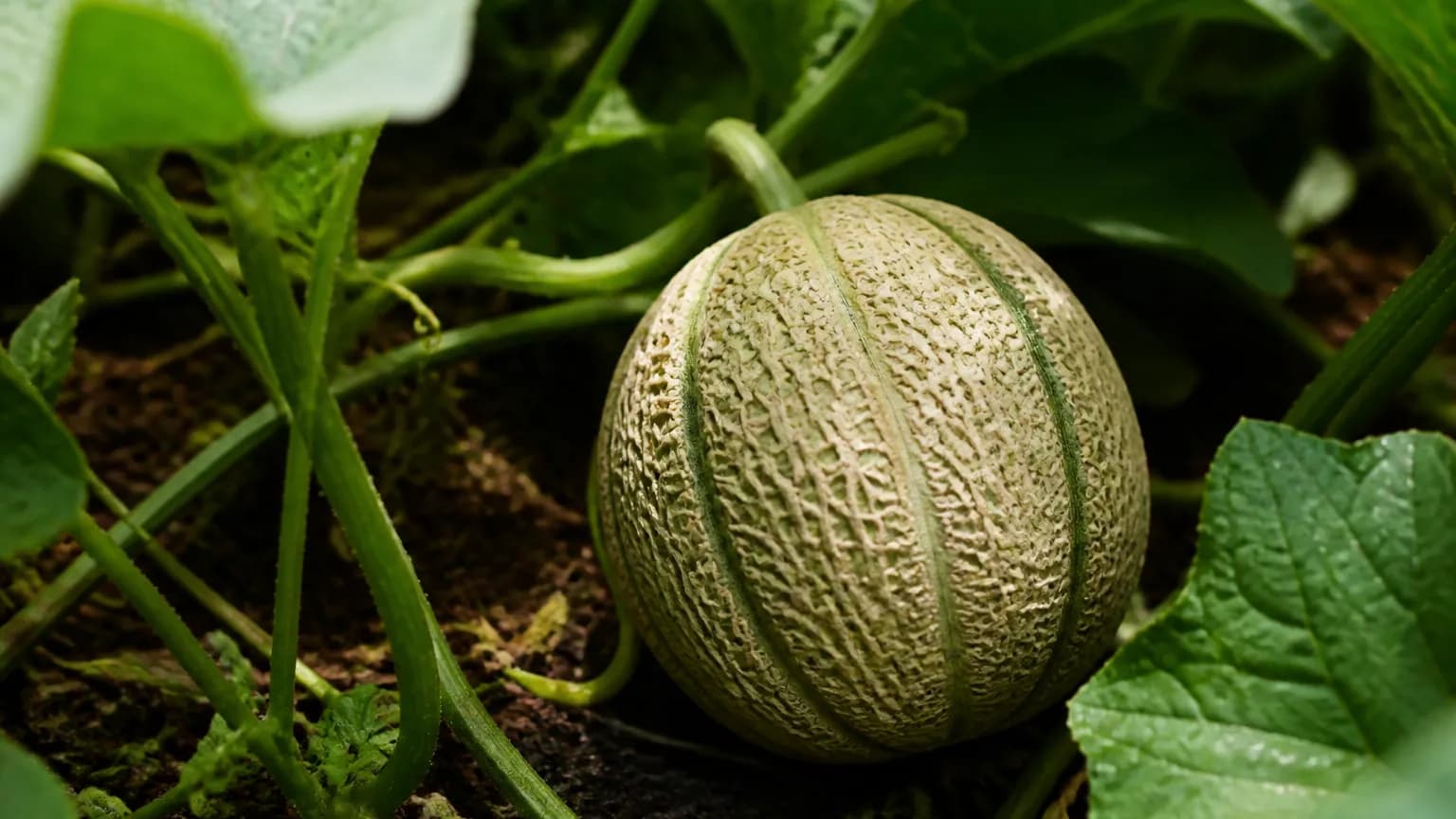
Sapodilla ist bemerkenswert anpassungsfähig an nährstoffarme Böden und gedeiht gut in sandigen, steinigen und sogar kalksteinbasierten Böden mit einem pH-Wert von 6,0 bis 8,0. Es ist einer der wenigen tropischen Obstbäume, der kalkhaltige und alkalische Böden gut verträgt. Wenden Sie zwei- bis dreimal pro Jahr einen ausgewogenen Dünger an. Die tiefe Pfahlwurzel des Baumes erschließt Nährstoffe und Wasser aus tiefen Bodenschichten. Übermäßige Düngung ist unnötig und kann die Fruchtqualität verringern.
Ideale Temperatur
Winterhärtezone-Kompatibilität
Von der Saat zur Ernte, Schritt für Schritt
Keimung
Sapodilla-Samen keimen langsam und benötigen unter warmen, feuchten Bedingungen typischerweise 3–4 Wochen. Die Samenschale ist hart, und das Einweichen der Samen in warmem Wasser für 24 Stunden vor dem Pflanzen kann die Keimrate verbessern.
Sämling
Das Sämlingsstadium ist durch langsames, aber stetiges Wachstum gekennzeichnet. Die junge Pflanze entwickelt ihre ersten echten Blätter und beginnt, ein starkes Wurzelsystem aufzubauen. Das Wachstum ist merklich langsamer als bei vielen anderen tropischen Obstbäumen.
Jungbaum
Während der Jugendphase investiert der Sapodilla-Baum erhebliche Energie in die Entwicklung seiner Holzstruktur, seines Verzweigungsmusters und seines ausgedehnten Wurzelsystems. Der Baum wächst kräftiger, sobald er etabliert ist. Veredelte Bäume können gegen Ende dieser Phase Blütenknospen zeigen.
Erste Blüte und Fruchtbildung
Veredelte Sapodilla-Bäume blühen typischerweise innerhalb von 3–5 Jahren nach der Pflanzung. Aus Samen gezogene Bäume können 7–12 Jahre benötigen. Kleine, glockenförmige weiße Blüten erscheinen in tropischen Klimazonen das ganze Jahr über, was zum Fruchtansatz führt. Frühe Ernten sind klein, nehmen aber mit zunehmender Reife des Baumes an Größe und Menge zu.
Ausgewachsener tragender Baum
Ein ausgewachsener Sapodilla-Baum ist ein ertragreicher und langlebiger Produzent. Gut etablierte Bäume können unter optimalen tropischen Bedingungen Hunderte von Früchten pro Saison in zwei jährlichen Ernten liefern. Der Baum entwickelt ein breites, dichtes, windresistentes Kronendach und benötigt nach der Etablierung minimale Pflege.
Halten Sie das Substrat gleichmäßig feucht und die Temperaturen über 24 °C. Verwenden Sie eine gut durchlässige Anzuchterde und stellen Sie den Topf an einen warmen, hellen Standort.
Sapodilla Monat für Monat pflegen
Was du jeden Monat für deine Sapodilla tun solltest
Oktober
Aktueller MonatDie Nebenernte nähert sich in vielen Regionen der Reife. Beginnen Sie, die Früchte auf Reife zu prüfen. Eine letzte Düngergabe des Jahres mit einer ausgewogenen Mischung ausbringen. Die Bewässerung leicht reduzieren, wenn kühlere Bedingungen einsetzen.
Immer wissen, was jetzt im Garten zu tun ist
Eine E-Mail zum Monatsanfang: was du jetzt säen, pflanzen und anpacken solltest — für deine Sapodilla und alles, was drumherum wächst. Dazu ein kurzer Startkurs, der dich vor den klassischen Fehlern bewahrt.
- Was jetzt zu tun ist
- Passend zu deiner Saison
- Startkurs inklusive
Sapodilla ernten
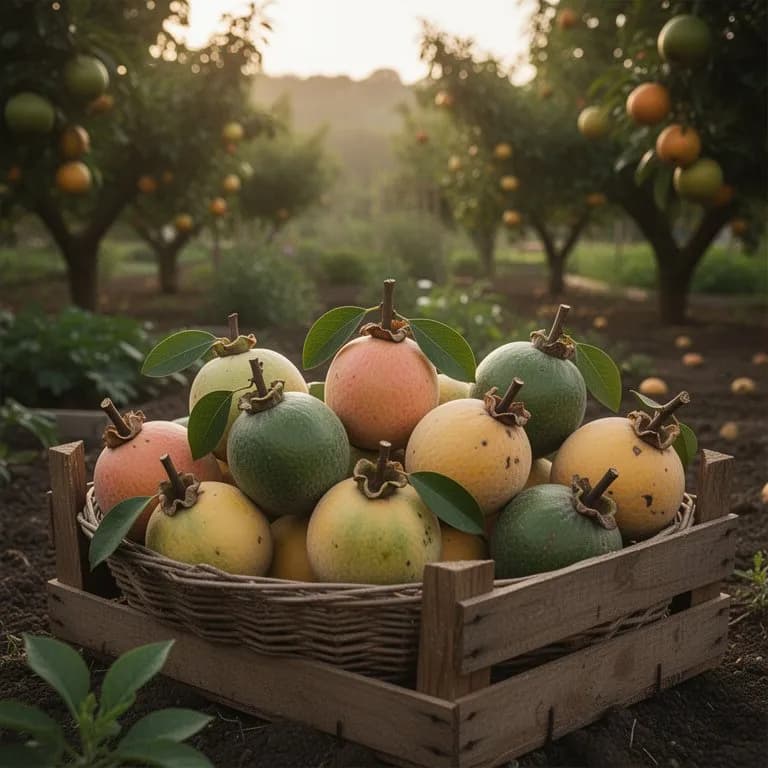
Sapodilla ist erntereif, wenn die Schale ihre sandige, raue Textur verliert und glatter wird und sich die Frucht mit einer sanften Drehung leicht vom Stiel löst. Kratzen Sie mit dem Fingernagel an der Schalenoberfläche; wenn das Fruchtfleisch darunter grün ist, braucht die Frucht mehr Zeit, ist es jedoch gelblich-braun, ist sie bereit. Schneiden Sie den Stiel ab und lassen Sie die Frucht bei Raumtemperatur drei bis zehn Tage nachreifen. Reife Früchte geben bei sanftem Druck nach und haben ein süßes, malziges Aroma.
angenommen, du pflanzt zu Beginn des Zeitraums — trage dein tatsächliches Datum ein
Ernte Sapodilla zügig, dann trägt die Pflanze weiter.
Lagerung & Konservierung
Reife, aber noch feste Sapodilla lässt sich bei Raumtemperatur bis zu zwei Wochen lagern, während sie nachreifen. Nach vollständiger Reife innerhalb von zwei bis drei Tagen verzehren oder bis zu einer Woche im Kühlschrank aufbewahren. Das Fruchtfleisch kann ausgelöffelt und bis zu drei Monate eingefroren werden, um es in Smoothies und Desserts zu verwenden. Sapodilla kann zu zähem, süßem Fruchtleder getrocknet werden. Der hohe Zuckergehalt macht sie zum Einkochen ungeeignet, aber hervorragend für Konfitüren und Marmeladen.
Was schiefgeht — und die Lösung
Sapodilla-Fruchtfliege
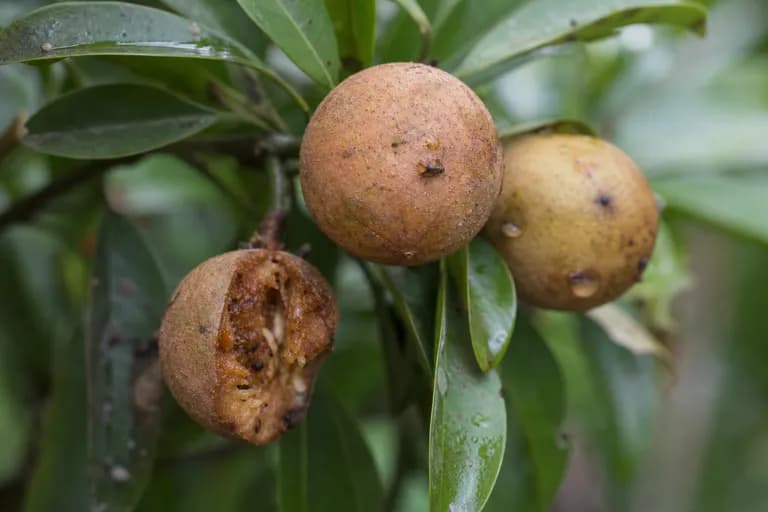
SchädlingWinzige Einstichstellen auf der Fruchtschale, Larven bohren sich durch das Fruchtfleisch, vorzeitiges Weichwerden und Abfallen der Früchte.
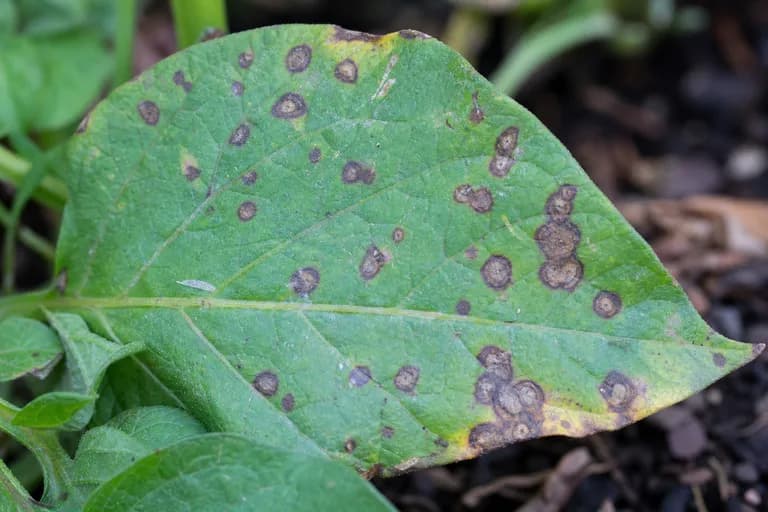
Blattfleckenkrankheit
KrankheitBraune oder graue kreisförmige Flecken auf Blättern, vorzeitiger Blattfall bei nassem Wetter, verminderte Vitalität.
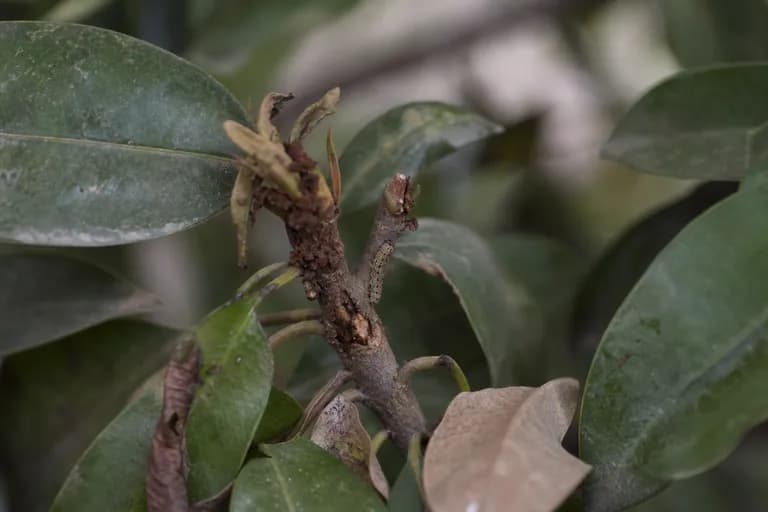
Zweigbohrer
SchädlingWelken von Astspitzen, kleine Löcher mit Bohrmehl in jungen Trieben, Absterben kleiner Äste.
Fehlerbehebung bei häufigen Problemen
Die Hauptfrustration bei Sapodilla ist die lange Wartezeit auf die Fruchtproduktion bei Sämlingen. Veredelte Bäume verkürzen diesen Zeitraum erheblich. Der weiße Latex, der aus geschnittener Rinde und Früchten austritt, hinterlässt dauerhafte Flecken auf Kleidung. Unreife Früchte sind aufgrund des hohen Tannin- und Latexgehalts extrem adstringierend und ungenießbar. Vögel und Fledermäuse werden von den süßen reifen Früchten angezogen. In hurrikangefahrdeten Gebieten kann die Höhe des Baumes ihn anfällig für Windschäden machen.
Anbautipps
- Kaufen Sie immer veredelte Sapodilla-Bäume anstelle von samengewachsenen, wenn möglich — veredelte Bäume tragen in 3–5 Jahren Früchte im Vergleich zu 7–12 Jahren bei Sämlingen, und benannte Sorten wie 'Prolific' oder 'Tikal' bieten deutlich überlegene Fruchtqualität und Ertragsvorhersagbarkeit.
- Sapodilla ist einer der trockenheitstolerantesten Obstbäume nach der Etablierung, aber gleichmäßige Bewässerung während der Blüte und frühen Fruchtentwicklung verbessert den Fruchtansatz dramatisch, verhindert vorzeitiges Abfallen und erhöht die Fruchtgröße — lassen Sie den Baum in diesen kritischen Perioden nicht unter Stress geraten.
- Um festzustellen, ob eine Sapodilla-Frucht reif ist, ohne sie zu pflücken, kratzen Sie sanft mit dem Fingernagel an der Schale: Wenn der Bereich darunter grün ist, lassen Sie sie am Baum; zeigt sich eine hellbraune oder braune Farbe, ist die Frucht erntereif und wird bei Raumtemperatur innerhalb von 3–7 Tagen vollständig nachreifen.
- Versuchen Sie niemals, eine unreife Sapodilla zu essen — die Frucht enthält hohe Konzentrationen an Tanninen, die sie extrem adstringierend machen und ein sehr unangenehmes Trockenheitsgefühl im Mund verursachen. Essen Sie nur Früchte, die vollständig weich geworden sind und bei sanftem Druck nachgeben.
- Sapodilla gedeiht in einer breiten Palette von Bodentypen, darunter sandige, steinige und kalkhaltige (kalksteinbasierte) Böden, die für viele andere Obstbäume ungeeignet wären — das macht sie zu einer hervorragenden Wahl für Küstengärten und Gebiete mit nährstoffarmen, alkalischen Böden.
- In subtropischen Klimazonen pflanzen Sie Sapodilla im wärmsten, geschütztesten Mikroklima des Gartens — an einer nach Süden ausgerichteten Wand oder einem Zaun, der Wärme reflektiert und Windschutz bietet. Junge Bäume profitieren in den ersten 2–3 Wintern von Frostschutzvlies, bis sie gut etabliert sind.
- Mulchen Sie großzügig rund um die Basis des Baumes mit 10–15 cm organischem Mulch wie Holzhäcksel, wobei der Mulch einige Zentimeter vom Stamm entfernt bleiben sollte — dies konserviert Feuchtigkeit, mäßigt die Bodentemperatur, unterdrückt Unkraut und verbessert allmählich die Bodenfruchtbarkeit, wenn der Mulch sich zersetzt.
- Wenn Sie Sapodilla in einem Kübel anbauen (in kühleren Klimazonen möglich, um den Baum im Winter ins Haus zu bringen), wählen Sie einen großen Topf von mindestens 100 Litern und verwenden Sie eine gut durchlässige Mischung aus Blumenerde, grobem Sand und Perlit — Kübelbäume bleiben kleiner, können aber dennoch bedeutsame Mengen an Früchten produzieren.
- Sapodilla hat im Vergleich zu den meisten Obstbäumen sehr wenige ernsthafte Schädlings- oder Krankheitsprobleme, aber achten Sie auf die Sapodilla-Knospenmotte (Amorbia emigratella), die Blütenknospen beschädigen und den Fruchtansatz verringern kann — leichter Befall lässt sich durch Absammeln bewältigen; stärkerer Befall spricht gut auf Bacillus thuringiensis (Bt)-Sprühmittel an.
- Im Gegensatz zu vielen tropischen Früchten lässt sich Sapodilla nach der Ernte recht gut lagern — reife Früchte halten sich bei Raumtemperatur 3–5 Tage und können 1–2 Wochen im Kühlschrank aufbewahrt werden, und das Fruchtfleisch lässt sich bis zu 6 Monate einfrieren, was es einfach macht, eine große Ernte für Smoothies und Desserts zu konservieren.
Bau deine beste Sapodilla an — und alles drumherum.
Starte heute kostenlos. Lege deine Beete an, setze deine Sapodilla ein und lass PlotMyGarden Timing, Abstände, Begleiter und Erinnerungen von der Saat bis zum Erntekorb übernehmen.
Finde deine Sapodilla
Hasya
Eine beliebte indische Sorte mit großen, ovalen Früchten und sehr süßem, glattem Fruchtfleisch. Ausgezeichneter Geschmack und konstante Produktion.
Alano
Eine Florida-Selektion mit großen, runden Früchten und reichhaltigem, nach braunem Zucker schmeckendem Fruchtfleisch. Kompakter Baum, geeignet für Hausgärten.
Morena
Eine mexikanische Sorte, bekannt für hohe Erträge und mittelgroße Früchte mit ausgezeichneter Süße. Anpassungsfähig an verschiedene tropische Bedingungen.
Tikal
Benannt nach der Maya-Stadt, produziert diese Sorte süße, aromatische Früchte an einem natürlich kompakten Baum. Gut geeignet für Kübelkultur.
Ein einzelner ausgewachsener, gut gepflegter Sapodilla-Baum kann in tropischen Klimazonen 200–800 Früchte pro Jahr in zwei jährlichen Ernten produzieren. Angesichts der Tatsache, dass hochwertige Sapodilla-Früchte auf Bauernmärkten oder in Spezialgeschäften in Nordamerika und Europa für 2–5 € pro Stück verkauft werden können, kann ein produktiver Hausgarten-Baum realistisch Früchte im Wert von 400–2.000 € pro Jahr ersetzen. Der Baum ist zudem nach der Etablierung äußerst pflegeleicht — er benötigt im Vergleich zu vielen anderen Obstbäumen nur minimale Bewässerung, Düngung oder Schädlingsbekämpfung — was die laufenden Kosten über seine jahrzehntelange produktive Lebensdauer sehr niedrig hält.
Schnelle Rezepte
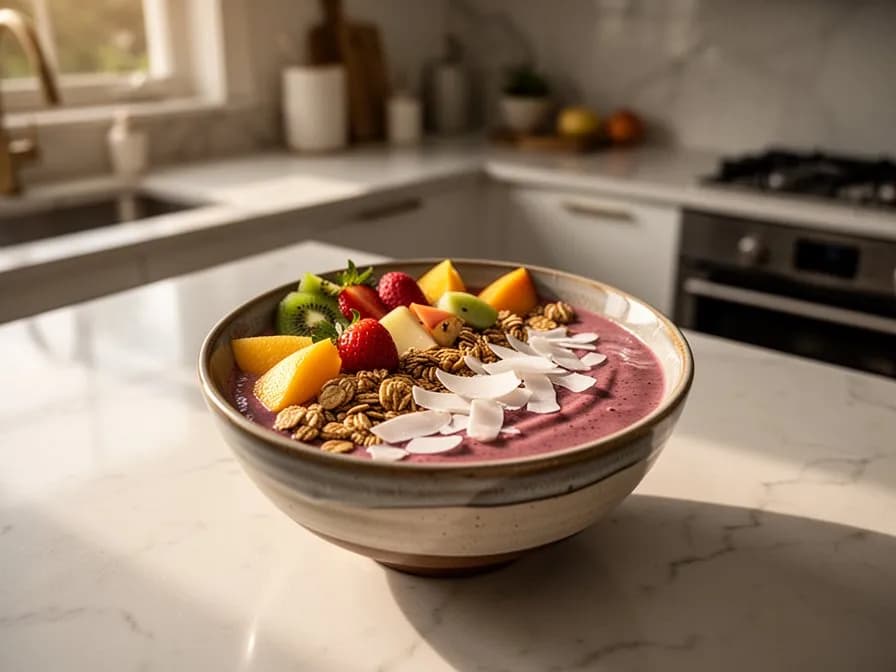
Sapodilla-Smoothie
5 Min.Ein cremiger, karamellsüßer tropischer Smoothie, der keinen zusätzlichen Süßstoff benötigt. Der natürliche Geschmack reifer Sapodilla harmoniert wunderbar mit Banane und Kokosmilch zu einem üppigen, dessertartigen Getränk.
6 Zutaten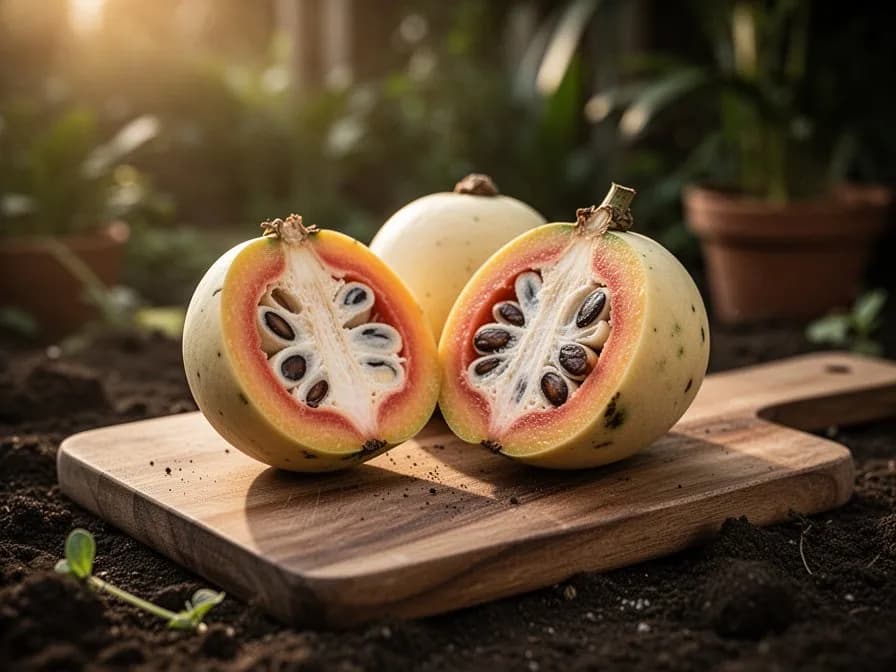
Sapodilla-Limetten-Sorbet
15 Min. plus 4 Stunden GefrierzeitEin erfrischendes Drei-Zutaten-Gefrorenes, das die komplexe Karamellsüße der Sapodilla mit spritziger Zitrusnote ausbalanciert. Perfekt für einen heißen Tag und eine beeindruckende Möglichkeit, eine reiche Ernte zu verwerten.
4 ZutatenSapodilla-Obstsalat mit gerösteter Kokosnuss
10 Min.Ein einfacher, eleganter tropischer Obstsalat, in dem Sapodilla die Hauptrolle spielt, ergänzt durch kontrastierende säuerliche und tropische Aromen sowie einen befriedigenden Biss von gerösteter Kokosnuss.
6 ZutatenKulinarische Verwendung
Sapodilla wird frisch gegessen, indem die Frucht halbiert und das süße, körnige Fruchtfleisch mit einem Löffel herausgelöffelt wird, wobei die glänzenden schwarzen Samen entsorgt werden. Der Geschmack erinnert an braunen Zucker, Karamell und Birne. Das Fruchtfleisch eignet sich hervorragend für Smoothies, Milchshakes und Eiscreme. Es kann zu Puddings, Kuchen und Pfannkuchenteig verarbeitet werden. In Mittelamerika wird die Frucht zur Herstellung von Wein und Sirup verwendet.
Was drinsteckt
Gesundheitsvorteile
- Der hohe Ballaststoffgehalt (über 5 Gramm pro 100 g) fördert eine gesunde Darmmotilität, nährt die nützliche Darmmikrobiota und hilft bei der Regulierung des Blutzuckers, indem er die Glukoseaufnahme verlangsamt.
- Sapodilla ist reich an antioxidativen Verbindungen wie Polyphenolen, Flavonoiden und Vitamin C, die oxidativem Stress entgegenwirken, der mit chronischen Erkrankungen und zellulärer Alterung verbunden ist.
- Die in Sapodilla enthaltenen Tannine haben gut dokumentierte entzündungshemmende und durchfallhemmende Eigenschaften; Abkochungen der Frucht und Rinde werden in der traditionellen Medizin in Mesoamerika und Asien seit langem zur Behandlung von Magen-Darm-Beschwerden eingesetzt.
- Die Frucht liefert bedeutsame Mengen an Folsäure (Vitamin B9), die für die DNA-Synthese, Reparatur und ordnungsgemäße Zellteilung unerlässlich ist, was sie besonders während der Schwangerschaft und in Zeiten schnellen Wachstums wertvoll macht.
- Sapodilla enthält natürliche Pflanzenverbindungen wie Lupeol und Quercetin, die auf potenzielle krebshemmende Eigenschaften untersucht wurden, wobei Laborforschung darauf hindeutet, dass sie das Wachstum bestimmter Krebszelllinien hemmen können.
- Die Kombination aus natürlichen Zuckern, Kalium, Magnesium und B-Vitaminen in Sapodilla macht sie zu einer wirksamen energiespendenden Frucht, die die Muskelfunktion und den Elektrolythaushalt unterstützt und nach körperlicher Anstrengung nützlich für die Erholung ist.
Woher Sapodilla stammt
Sapodilla (Manilkara zapota) ist ein langsam wachsender, langlebiger tropischer immergrüner Obstbaum, der im südlichen Mexiko, auf der Halbinsel Yucatán und in den Wäldern Mittelamerikas beheimatet ist, wobei sich sein natürliches Verbreitungsgebiet bis in Teile der Karibik erstreckt. Archäologische Funde deuten darauf hin, dass die Sapodilla von menschlichen Gesellschaften in Mesoamerika seit mindestens 2.000–3.000 Jahren kultiviert und geschätzt wird. Die alten Maya waren besonders eng mit dem Baum verbunden: Sie nannten ihn 'ya' und gewannen seinen milchig weißen Latex — bekannt als Chicle — für verschiedene Zwecke, darunter als Klebstoff, als Imprägniermittel und zum Kauen, eine Praxis, die dem modernen Kaugummi um Jahrtausende vorausgeht.
Spanische Konquistadoren und frühe europäische Kolonisatoren trafen im 16. Jahrhundert auf die Sapodilla und verbreiteten ihren Anbau in der gesamten Karibik, in Florida und schließlich nach Süd- und Südostasien, wo sie eingebürgert wurde und heute als wichtige Handelsfrucht gedeiht. In Indien, Sri Lanka, Thailand, den Philippinen und Indonesien ist die Sapodilla — lokal als 'Chiku' oder 'Ciku' bekannt — eine der beliebtesten und am weitesten verbreiteten tropischen Früchte mit erheblicher landwirtschaftlicher Produktion.
Die kommerzielle Kaugummiindustrie des späten 19. und frühen 20. Jahrhunderts basierte fast ausschließlich auf Chicle, das aus wilden und halbkultivierten Sapodilla-Wäldern in Mexiko und Guatemala geerntet wurde. Indigene 'Chicleros' — Chicle-Zapfer — bildeten ganze Wirtschaftszweige und Subkulturen rund um die Ernte des Latex aus wilden Bäumen tief im Dschungel. Die Industrie erreichte ihren Höhepunkt Mitte des 20. Jahrhunderts, bevor synthetische Polymerersatzstoffe Chicle für die Kaugummiproduktion weitgehend überflüssig machten, obwohl ein Nischenmarkt für Kaugummi auf natürlicher Chicle-Basis bis heute besteht.
In Florida wurde die Sapodilla Anfang des 20. Jahrhunderts eingeführt und hat sich bemerkenswert gut an die warmen, feuchten Bedingungen im Süden des Bundesstaates angepasst. Sie ist heute ein beliebter Hausgarten-Obstbaum in den Bezirken Miami-Dade und Broward, geschätzt für ihre außergewöhnliche Sturmresistenz, den geringen Pflegeaufwand und die intensiv süße, karamellartig schmeckende Frucht. Benannte Sorten wie 'Prolific', 'Alano' und 'Tikal' wurden für Hobbygärtner und Kleinanbauer entwickelt und bieten früheres Tragen und überlegene Fruchtqualität im Vergleich zu Sämlingsbäumen.
Sapodilla: Schon gewusst?
Faszinierende Fakten über Sapodilla
Sapodilla ist die ursprüngliche Quelle von Chicle, dem natürlichen Latex, der die Basis von Kaugummi war, bevor synthetische Alternativen Mitte des 20. Jahrhunderts übernahmen — das Wrigley-Kaugummi-Imperium wurde darauf aufgebaut.
Sapodilla: Fragen & Antworten
Wann sollte ich Sapodilla pflanzen?
In welchen Winterhärtezonen kann Sapodilla wachsen?
Wie viel Sonne braucht Sapodilla?
Welchen Abstand sollte ich zwischen Sapodilla lassen?
Welche Schädlinge und Krankheiten befallen Sapodilla?
Wie lagere ich Sapodilla nach der Ernte?
Was sind die besten Sapodilla-Sorten zum Anbauen?
Welchen Boden braucht Sapodilla?
Wie lange dauert es, bis ein Sapodilla-Baum Früchte trägt?
Kann Sapodilla in Töpfen oder Kübeln angebaut werden?
Warum schmeckt meine Sapodilla-Frucht adstringierend oder trocknet meinen Mund aus?
Benötigt Sapodilla einen zweiten Baum zur Bestäubung?
Wie erkenne ich, wann Sapodilla-Früchte erntereif sind?
Ist Sapodilla mit Kaugummi verwandt?
Du hast die Theorie gelesen. Jetzt baue sie auf Autopilot an.
Alles, was Sapodilla knifflig macht — das Timing, die Abstände, die Begleiter, das Erntefenster — genau das übernimmt PlotMyGarden für dich, für jede Pflanze im Garten.
Ein Plan, der dein Wetter kennt
Standort einmal festlegen. Aussaat-, Dünge- und Erntedaten rund um deinen echten letzten Frosttermin und die Live-Vorhersage — kein Raten mehr nach Saattüte.
Aus dem Abschnitt „Pflanzzeit“Beetplaner per Drag & Drop
Beete auf einem Raster gestalten. Jede Pflanze rastet im richtigen Abstand ein, und du siehst die ganze Saison, bevor du einen Cent für Saatgut ausgibst.
Aus dem Abschnitt „Anbau“Begleiter-Konflikte früh erkannt
Über 200 gute und schlechte Kombinationen werden beim Pflanzen live geprüft — so landet ein saisonruinierender Fehler nie in der Erde.
Aus dem Abschnitt „Begleiter“Erinnerungen, nach denen du wirklich handelst
„Gieß die Bohnen.“ „Heute ernten, bevor's umschlägt.“ Pünktlich, konkret und auf deine echten Pflanzen bezogen.
Aus dem Abschnitt „Ernte“Staffel-Aussaat, geplant
Sechs Wochen ernten statt sechs Tage? Die App verteilt deine Aussaaten automatisch und erinnert dich, wenn der nächste Satz fällig ist.
Aus dem Abschnitt „Pflanzzeit“Ein Verlauf, der schlauer wird
Jede protokollierte Ernte bringt der App deinen Garten bei. Der Plan fürs nächste Jahr startet bei dem, was in deinem Boden wirklich funktioniert hat.
Aus dem Abschnitt „Überblick“Weitere Tropische Früchte
Bau deine beste Sapodilla an — und alles drumherum.
Starte heute kostenlos. Lege deine Beete an, setze deine Sapodilla ein und lass PlotMyGarden Timing, Abstände, Begleiter und Erinnerungen von der Saat bis zum Erntekorb übernehmen.