Black Salsify
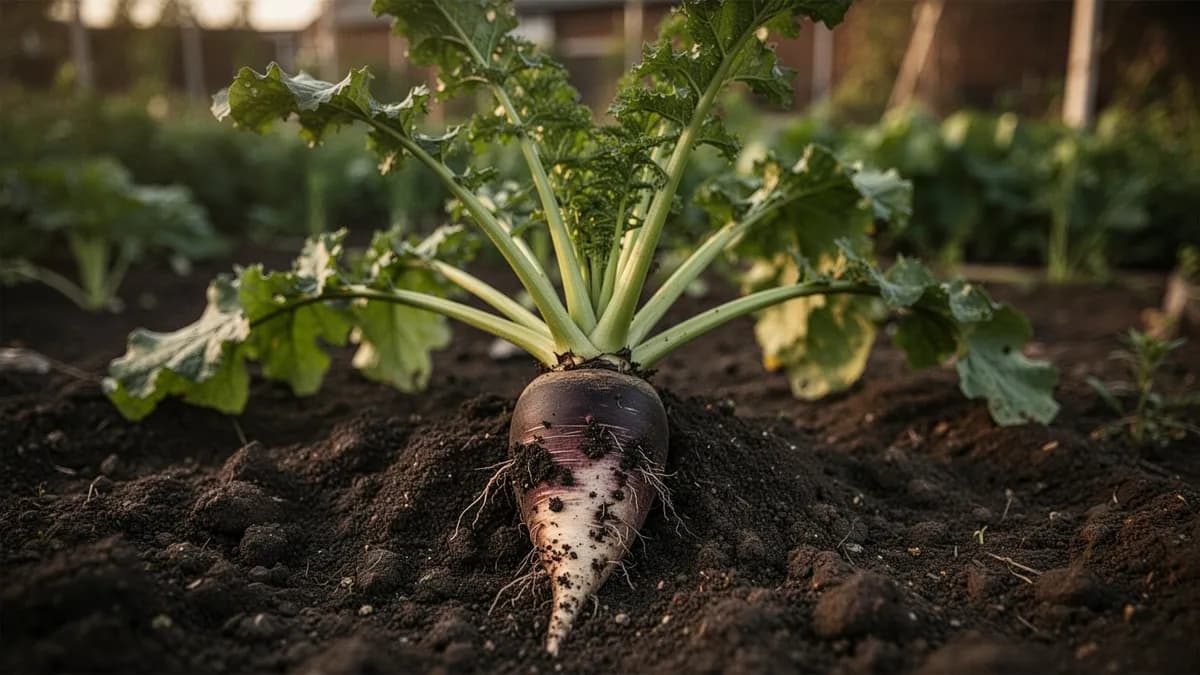
A gourmet root vegetable with black-skinned, white-fleshed roots that taste like a cross between artichoke hearts and oysters.





On this pageOverview
Meet Black Salsify
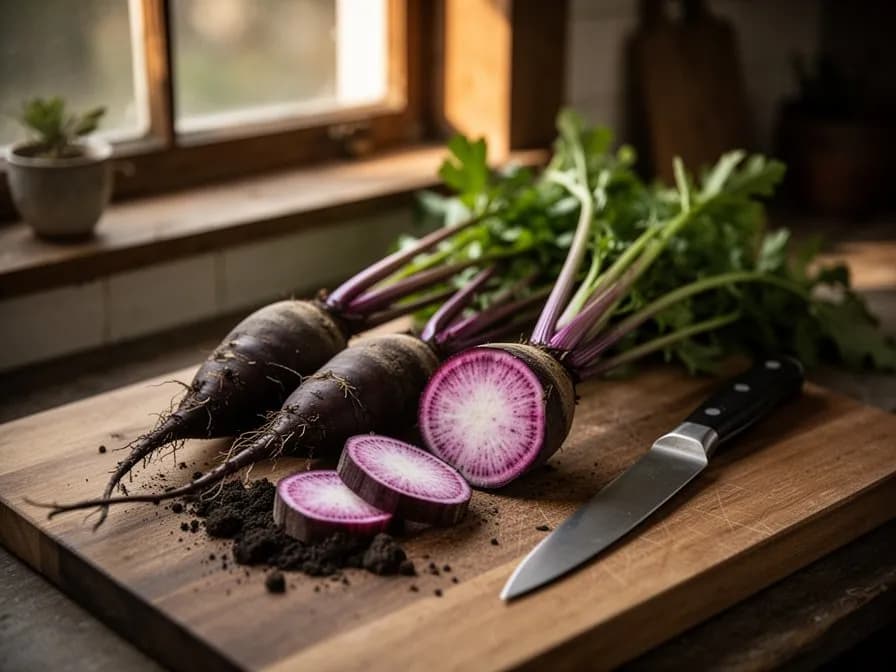
A gourmet root vegetable with black-skinned, white-fleshed roots that taste like a cross between artichoke hearts and oysters. Also called viper grass, the slender roots reach 12 inches long and need deeply worked, sandy soil for straight growth. Peel roots immediately before cooking as they oxidize quickly, or hold in acidulated water. One of the finest-flavored root vegetables and a prized ingredient in European winter cuisine.
When to plant Black Salsify
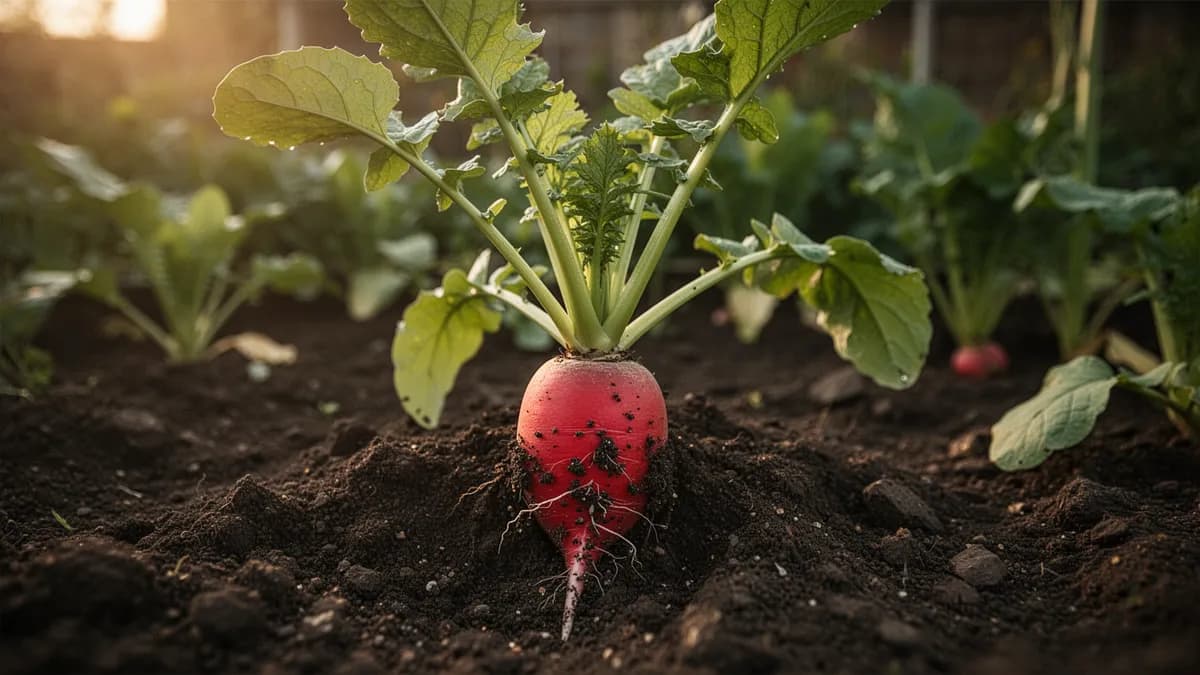
Always direct sow black salsify as the long taproot does not transplant well. Use only fresh seed from the current season, as viability drops sharply after one year. Sow half an inch deep and one inch apart in early spring. Germination takes 10 to 21 days and can be uneven. Keep the seedbed consistently moist during germination. Thin seedlings to three to four inches apart. Some gardeners sow radishes alongside to mark rows and break soil crust for the slow-emerging salsify.
Your Black Salsify Year
Composed for Zone 7 · typical seasons · frost passes Apr 2, returns Nov 1
Plant Black Salsify Mar – Apr, pick Oct – Dec. Check the planting methods below and set your climate to personalize these windows.
How to grow Black Salsify
Black salsify is a slow-growing, rewarding root vegetable for patient gardeners. Sow seeds directly outdoors in early spring as soon as the soil can be worked, placing them half an inch deep and one inch apart in rows 12 inches apart. Use fresh seed each year as viability drops quickly. Germination takes 10 to 21 days. Thin seedlings to three to four inches apart once they are a few inches tall.
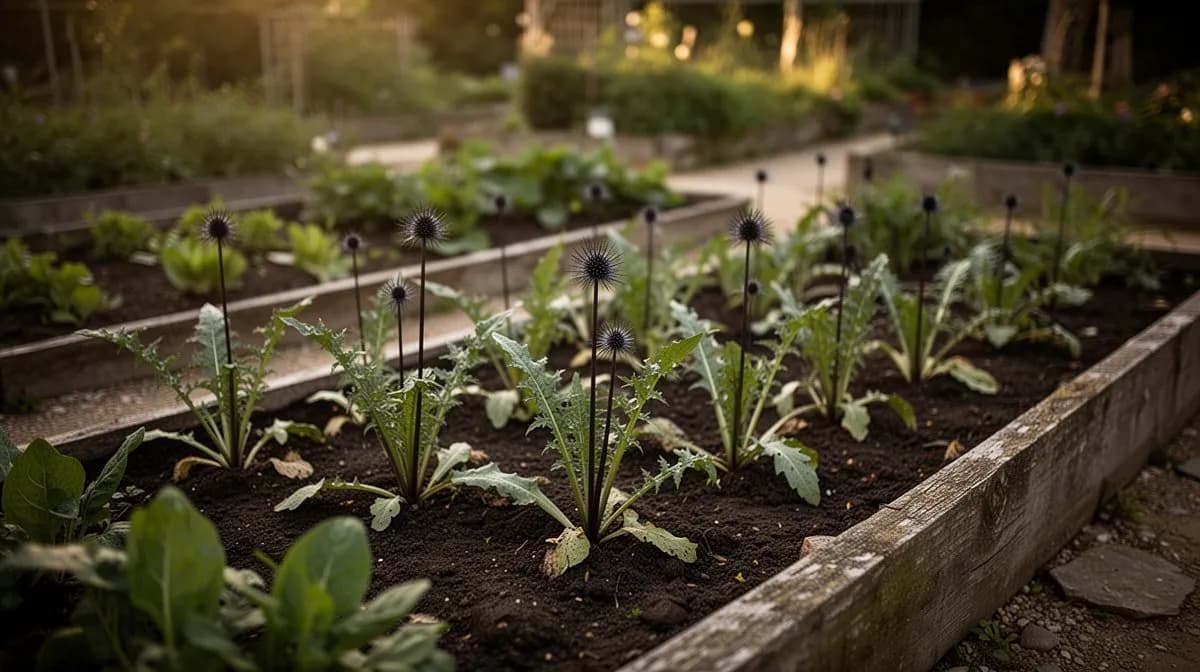
Prepare the bed by deep digging to at least 15 inches, removing all rocks and clods to ensure straight root development. Sandy loam is the ideal soil type. Keep the bed consistently moist throughout the long growing season. Black salsify is a light feeder and rarely needs supplemental fertilizer beyond initial compost incorporation. The grass-like foliage is attractive but unassuming.
Roots improve significantly in flavor after fall frosts, much like parsnips. In zones 3-7, mulch heavily and harvest through winter. The plant is biennial, and roots left in the ground will flower in the second year with attractive yellow blooms. However, second-year roots become woody and fibrous, so harvest during the first fall and winter for the best culinary quality. In mild climates, sow in fall for a spring harvest.
288 plants fit a 4 × 8 ft bed
Each Black Salsify wants 10 cm of elbow room. The planner keeps that spacing for you — every plant, every bed.
Black Salsify's best neighbours
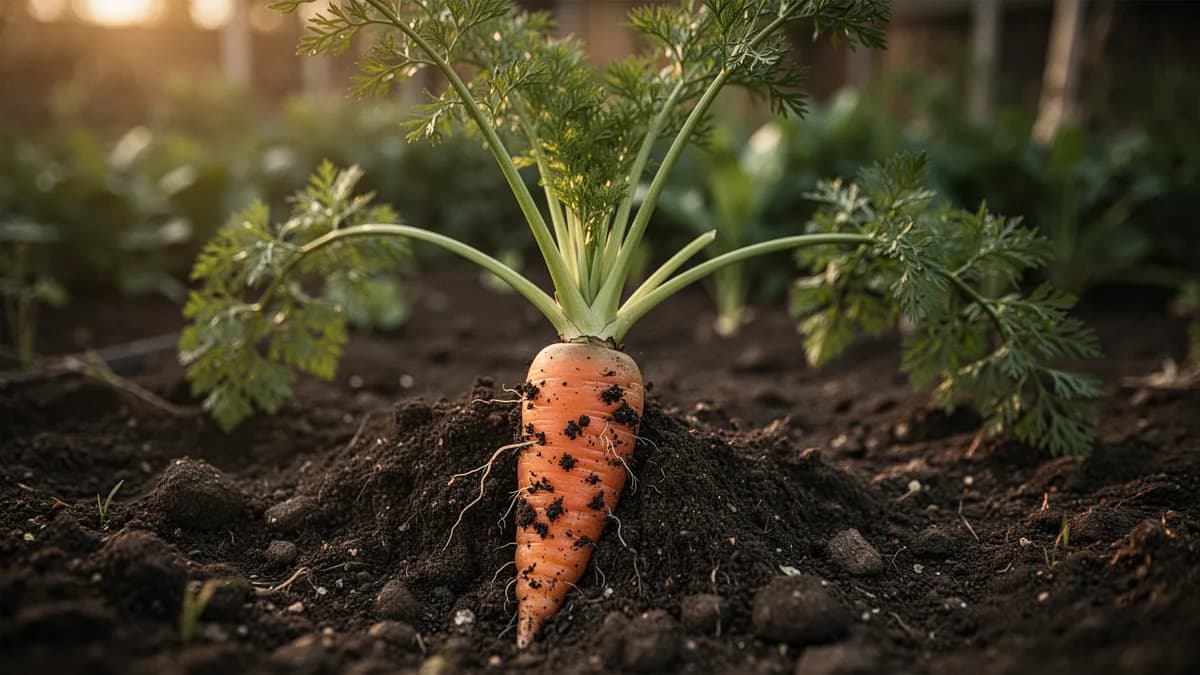
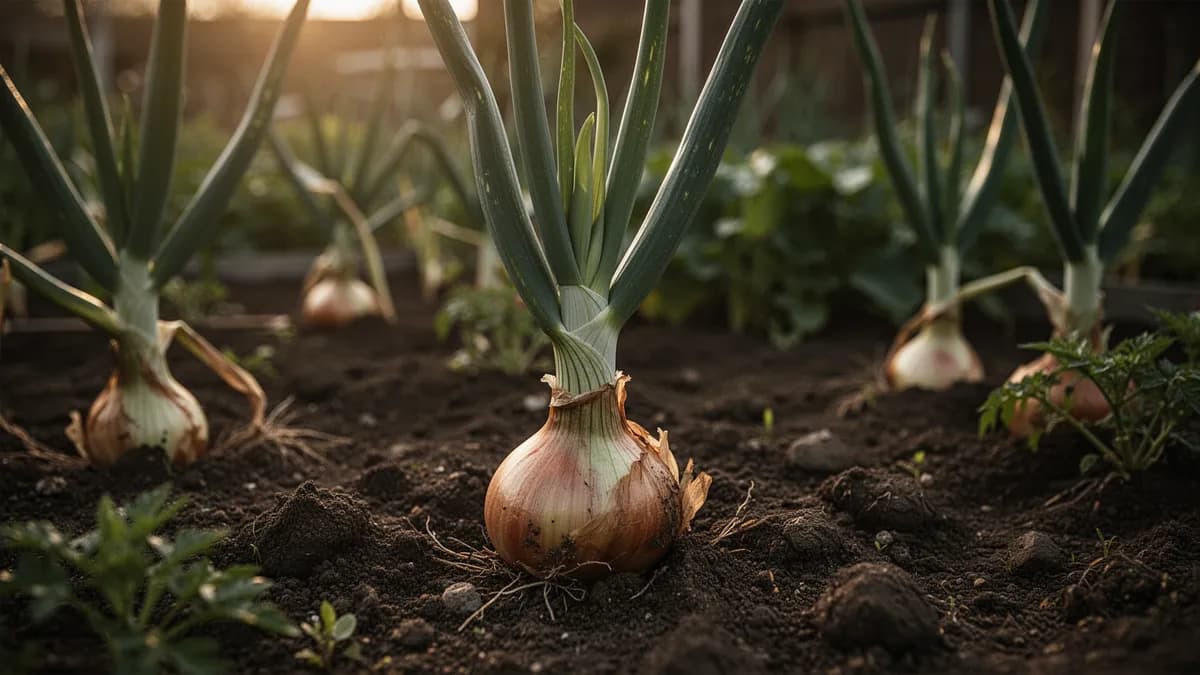
Black salsify grows well alongside other root vegetables like carrots and parsnips that share similar soil requirements. Onions and leeks planted nearby help deter carrot rust fly. Lettuce and spinach can be interplanted between rows as quick-growing catch crops. Avoid planting near other Asteraceae family members in the same spot year after year to prevent disease buildup. Legumes planted nearby provide nitrogen that benefits the bed for the following season.
Carrot belongs beside it.
Old growers' knowledge, checked against Black Salsify's real companion table below — test any plant you're growing.
Try Black Salsify in a bed — right here
A real planner bed with Black Salsify already in it. Tap a companion to place it and watch the pairing checks answer — green for good neighbours, red for a clash.


Related growing guides
Feed it well
Black salsify requires deeply cultivated, stone-free sandy loam for straight root development. Double-dig the bed to 15 to 18 inches and incorporate well-rotted compost. Avoid fresh manure which causes forking. A soil pH of 6.0 to 7.0 is ideal. Black salsify is a light feeder and rarely needs supplemental fertilizer beyond initial soil preparation. Excess nitrogen promotes leafy growth at the expense of roots. A light side-dressing of wood ash provides potassium for root development.
Ideal Temperature
Hardiness Zone Compatibility
From seed to harvest, stage by stage
Seed Germination
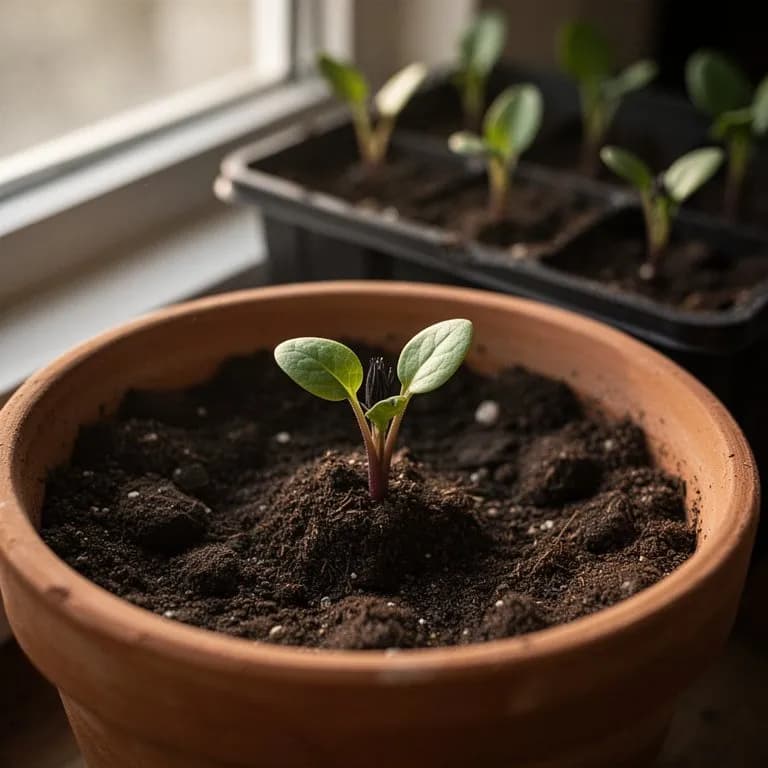
Black salsify seeds are elongated and feathery, resembling miniature shuttlecocks. They germinate slowly and unevenly over 10-21 days in cool spring soil at 10-15°C (50-59°F). The first growth to appear is a single thin, grass-like cotyledon leaf that is easily mistaken for a weed.
Seedling Establishment
Narrow, grass-like true leaves develop slowly, forming a sparse rosette. Below the surface, the slender taproot begins its downward journey. Growth appears frustratingly slow above ground during this phase, but the root system is actively establishing depth.
Vegetative Growth
The leaf rosette fills out with longer, darker green strap-shaped leaves reaching 30-40 cm. The root thickens gradually underground, building up the dark-skinned taproot that will eventually reach 25-40 cm in length. The plant remains low and unassuming throughout this phase.
Root Thickening
The main root reaches its full length and begins to thicken significantly, filling out to 2-4 cm in diameter. The dark brown-black skin develops its characteristic rough, corky texture. Inulin and sugars accumulate in the root, building the sweet, complex flavor that intensifies with cold exposure.
Harvest Ready
Roots are fully mature at 25-40 cm long and 2-4 cm in diameter. The tops may begin to yellow and die back in autumn. Roots can be harvested from late autumn through the entire winter — exposure to frost converts starches to sugars, noticeably improving flavor. In the second year, unharvested roots will bolt and produce yellow flowers.
Flowering (Second Year)
If left unharvested, black salsify behaves as a biennial, sending up a tall flower stalk to 90-120 cm topped with bright yellow dandelion-like composite flowers. Each flower head produces feathery seeds that disperse on the wind like dandelion puffs. The root becomes woody and inedible once the plant bolts.
Use only fresh seed — black salsify seed viability drops sharply after one year. Sow directly outdoors in early spring, 1-2 cm deep, as seedlings resent transplanting due to their fragile taproots. Keep soil consistently moist during the long germination period.
Caring for Black Salsify month by month
What to do each month for your Black Salsify
October
You are hereMain harvest season begins. Loosen soil deeply alongside the row with a digging fork before gently lifting roots. Handle carefully — roots are brittle and snap easily. Damaged roots exude sticky white latex that stains everything it touches.
Know exactly what to do in your garden — every month
One email at the start of each month: what to sow, plant, and tackle right now — for your Black Salsify and everything growing around it. Plus a short starter course that helps you dodge the classic mistakes.
- What to do, right now
- Matched to your season
- Starter course included
Harvesting Black Salsify
Black salsify roots are ready to harvest after about 150 days, typically in late fall after frosts have sweetened the flavor. Use a garden fork to deeply loosen the soil alongside the row before carefully lifting roots, as they are brittle and break easily. The slender roots can reach 12 inches long and are only about one inch in diameter. Harvest carefully to keep roots intact. In mild climates, leave roots in the ground under mulch and dig as needed through winter.
assuming you plant when the window opens — set your real date
Pick Black Salsify promptly and the plant keeps producing.
Storage & Preservation
Unwashed roots store in the refrigerator wrapped in damp paper towels inside a plastic bag for up to two weeks. For longer storage, pack in damp sand in a root cellar at 32 to 38 degrees Fahrenheit for up to three months. Peel and immediately place in acidulated water to prevent browning. Blanch peeled pieces for two minutes and freeze for up to six months. Cooked black salsify puree also freezes well for use in soups and gratins.
What goes wrong — and the fix
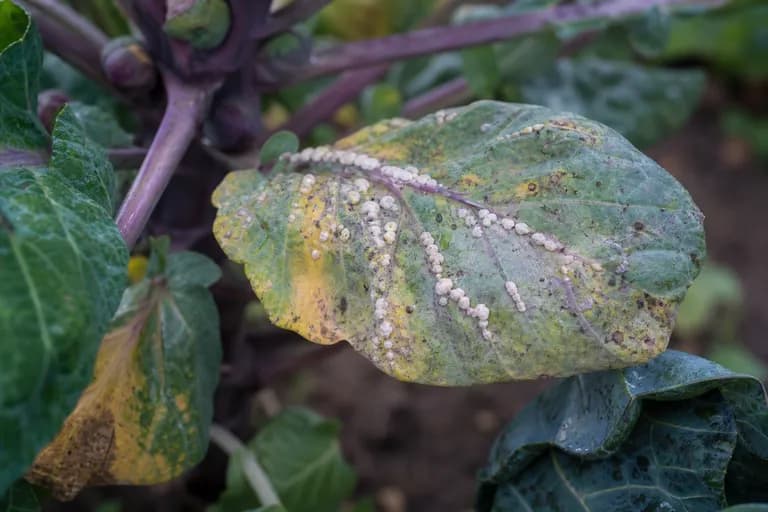
White Blister Rust
DiseaseWhite, blister-like pustules on leaf undersides. Leaves become distorted and yellowed.
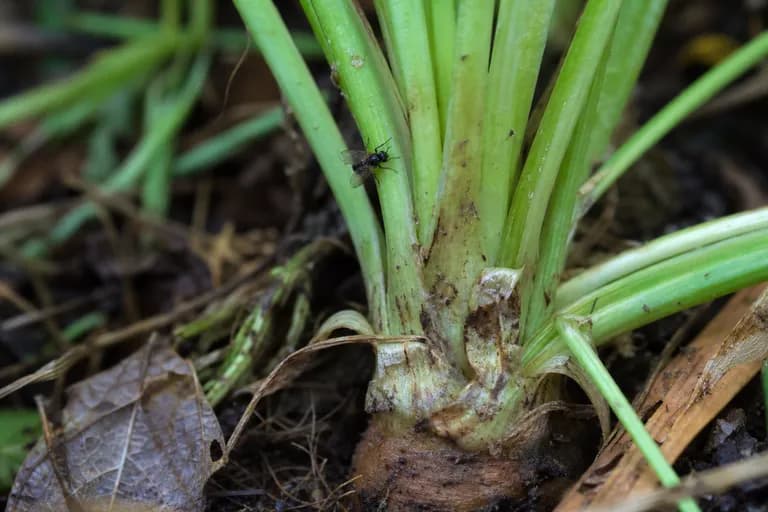
Carrot Rust Fly
PestRusty brown tunnels in the root surface. Larvae feed on the outer root layers causing cosmetic damage and entry points for rot.
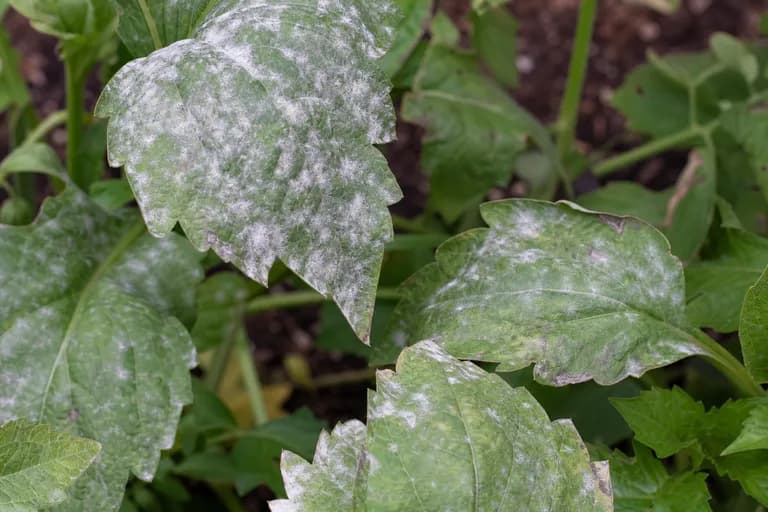
Powdery Mildew
DiseaseWhite, powdery fungal growth on leaves, typically in late summer. Reduces photosynthesis and overall plant vigor.
Troubleshooting Common Problems
Forked or branched roots are the most common complaint and result from rocky, compacted, or recently manured soil. Prepare beds deeply and remove all obstructions. Slow germination frustrates many gardeners, so use fresh seed and keep the bed consistently moist. The brittle roots snap easily during harvest, so dig carefully with a fork rather than pulling. Oxidation turns peeled roots brown within minutes, so always have acidulated water ready before peeling.
Growing Tips
- Use only fresh seed — this is the single most important rule for black salsify. Seed viability drops from 80% to below 30% after just one year of storage. Always buy new seed each spring and sow generously to compensate for naturally uneven germination.
- Soil preparation makes or breaks your harvest. Double-dig or broadfork beds to a depth of at least 40 cm and remove every stone, twig, and root fragment. Any obstacle causes roots to fork, split, or twist, making them difficult to harvest and a nightmare to peel.
- Never transplant black salsify. The brittle taproot cannot survive disturbance, and transplanted seedlings produce stubby, forked roots. Always direct-sow where the plants will grow for the entire season.
- Be patient with germination — 14-21 days is normal and some seeds may take even longer. Do not give up and resow too early. Keep the seedbed consistently moist with gentle watering or a light row cover to prevent surface crusting.
- Weed early and often while seedlings are small. The narrow, grass-like leaves are easily overwhelmed by weeds. A thin layer of fine mulch between rows after thinning drastically reduces weeding labor for the rest of the season.
- Harvest with care and never pull roots by the tops. Use a long-handled digging fork and loosen soil 15-20 cm beside the row to a full spade depth before gently levering roots upward. Broken roots bleed sticky white latex and deteriorate quickly in storage.
- Leave roots in the ground through winter rather than storing them indoors — the garden is the best root cellar. A thick mulch of straw over the bed keeps the soil workable in freezing weather and allows you to harvest fresh roots on demand all winter.
- Wear gloves and old clothing when peeling and processing black salsify. The sticky white latex that oozes from cut roots stains skin brown for days and is nearly impossible to wash out of fabric. Peel roots under running water into a bowl of lemon-acidulated water to prevent both staining and oxidation.
Grow your best Black Salsify yet — and everything around it.
Start a free plan today. Lay out your beds, drop in your Black Salsify, and let PlotMyGarden handle the timing, spacing, companions and reminders from seed to harvest basket.
Pick your Black Salsify
Hoffmanns Schwarze Pfahl
Traditional German variety with long, straight black roots and excellent oyster-like flavor. The standard for gourmet black salsify.
Russian Giant
Produces larger, thicker roots than standard varieties. Slightly easier to peel with good flavor and improved yield.
Duplex
A newer selection bred for more uniform root shape and reduced tendency to fork. Good disease resistance and consistent quality.
Black salsify is a premium specialty vegetable that commands $8-15 per kilogram ($4-7 per pound) at European specialty markets and upscale grocers, and it is virtually impossible to find fresh in most North American stores. A single packet of seed costing $3-5 can produce 30-50 roots worth $15-40 at market prices. Growing your own is often the only reliable way to obtain this prized vegetable, making the cost savings secondary to the simple fact that home growing provides access to a world-class ingredient that money often cannot buy.
Quick recipes
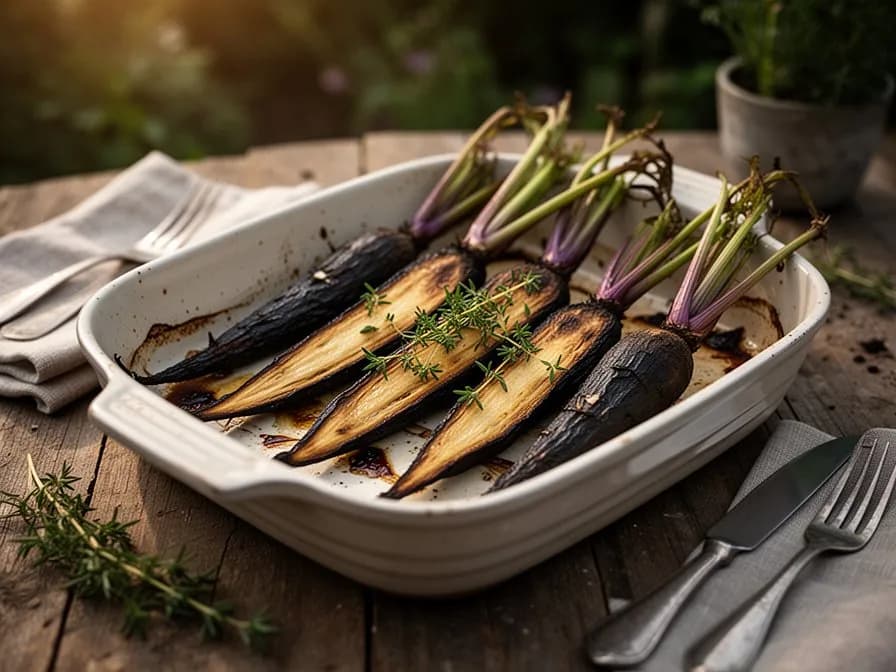
Pan-Roasted Black Salsify with Brown Butter
30 minThe classic European preparation that earned black salsify its reputation as the 'poor man's oyster.' Peeled roots are gently simmered, then pan-roasted in nutty brown butter until golden and caramelized. The result is silky, sweet, and hauntingly savory.
7 ingredientsCreamy Black Salsify Soup
45 minA refined, velvety winter soup that showcases the root's delicate, slightly sweet flavor. Leeks and potato add body while a drizzle of truffle oil or toasted hazelnuts elevate this humble root to elegant dinner-party status.
8 ingredientsBlack Salsify Gratin with Gruyère
50 minTender black salsify batons layered in a rich Gruyère cream sauce and baked until bubbling and golden. This gratin makes an impressive winter side dish that pairs beautifully with roasted meats or stands alone as a satisfying vegetarian main course.
8 ingredientsCulinary Uses
Black salsify has a delicate, complex flavor often compared to artichoke hearts or oysters. Peel and simmer in acidulated water until tender, then serve with brown butter and lemon. Create an elegant gratin by layering sliced salsify with cream and gruyere. Add to winter soups and risottos for depth. Dip parboiled pieces in batter and fry for salsify fritters. It pairs beautifully with mushrooms, cream sauces, and white wine.
What's inside
Health Benefits
- Exceptionally high in inulin, a prebiotic soluble fiber that selectively nourishes beneficial Bifidobacteria and Lactobacillus in the gut, improving digestive health and supporting a balanced microbiome.
- The inulin content supports improved calcium and magnesium absorption in the large intestine — studies show that regular inulin consumption can increase calcium absorption by 15-20%, benefiting bone density.
- Low glycemic index despite its natural sweetness, as the inulin fiber slows carbohydrate absorption and prevents blood sugar spikes — making black salsify an excellent root vegetable choice for people managing diabetes.
- Provides iron and copper, two minerals that work together to support red blood cell formation, oxygen transport, and prevention of iron-deficiency anemia.
- Contains antioxidant compounds including polyphenols in the dark skin that may help reduce oxidative stress and support cardiovascular health.
- High potassium content (380mg per 100g) helps regulate blood pressure by counterbalancing dietary sodium, supporting heart health and reducing the risk of hypertension.
Where Black Salsify comes from
Black salsify (Scorzonera hispanica) is native to southern Europe and western Asia, with its wild ancestors found across the Mediterranean basin from Spain to the Caucasus. The species name 'hispanica' reflects its early association with Spain, where it was first documented as a cultivated plant in the 16th century. However, the root was known to herbalists and apothecaries long before it entered the kitchen — medieval physicians prescribed scorzonera as an antidote to snake venom and plague, and the plant's name likely derives from the old Catalan 'escorso' or Italian 'scorzone,' both meaning venomous snake.
The transition from medicinal curiosity to culinary vegetable occurred gradually during the 17th century, when Spanish and Italian gardeners began selecting varieties with thicker, longer roots and better flavor. French and Belgian horticulturists embraced the crop enthusiastically, and by the 18th century black salsify had largely displaced the older white salsify (Tragopogon porrifolius) in northern European gardens. The root became a fixture of bourgeois French cuisine, where it was prepared with cream sauces and gratins that highlighted its subtle, oyster-like sweetness.
Black salsify reached its peak popularity in the 19th and early 20th centuries across Germany, Belgium, the Netherlands, and Scandinavia, where it filled the 'vegetable gap' of late winter when fresh produce was scarce. The root's ability to overwinter in frozen ground and actually improve in flavor after frost made it invaluable in cold northern climates. Belgian farmers developed the most advanced commercial cultivation techniques, growing black salsify in deep sandy soils for straight, unbranched roots.
Today, black salsify remains a beloved winter staple in Belgium, the Netherlands, Germany, and Scandinavia, while it has largely fallen out of favor in southern Europe and remains virtually unknown in North America and Asia. A recent revival of interest in heritage and forgotten vegetables has brought renewed attention to this remarkable root, with specialty growers and farm-to-table restaurants rediscovering its unique flavor and culinary versatility.
Black Salsify: did you know?
Fascinating facts about Black Salsify
Black salsify (Scorzonera hispanica) gets its name from the Italian 'scorzone' meaning 'venomous snake' — it was originally cultivated in medieval Spain and Italy as a supposed remedy for snakebites before anyone realized how delicious the roots actually were.
Black Salsify questions, answered
When should I plant Black Salsify?
What are good companion plants for Black Salsify?
What hardiness zones can Black Salsify grow in?
How much sun does Black Salsify need?
How far apart should I space Black Salsify?
What pests and diseases affect Black Salsify?
How do I store Black Salsify after harvest?
What are the best Black Salsify varieties to grow?
What soil does Black Salsify need?
Why did my black salsify roots come out short, forked, or twisted?
Is black salsify the same as regular salsify or oyster plant?
How do I prevent the sticky white sap from staining everything?
When is the best time to harvest black salsify?
Can I grow black salsify in containers?
Why won't my black salsify seeds germinate?
You just read the theory. Now grow it on autopilot.
Everything that makes Black Salsify fiddly — the timing, the spacing, the companions, the harvest window — is exactly what PlotMyGarden handles for you, for every plant in your garden.
A plan that knows your weather
Set your location once. Get sow, feed and harvest dates built around your real last-frost date and live forecast — no more guessing from a generic seed packet.
From the “When to plant” sectionDrag-and-drop bed planner
Design beds on a grid. Every plant snaps to its proper spacing, and you can see your whole season laid out before you spend a cent on seed.
From the “Growing guide” sectionCompanion conflicts, caught early
200+ good-and-bad pairings checked live as you plant — so a season-wrecking mistake never makes it into the ground.
From the “Companions” sectionReminders you'll actually act on
“Water the beans.” “Pick today before it turns.” Timely, specific, and tied to the plants you're really growing.
From the “Harvest” sectionSuccession, scheduled
Want a harvest for six weeks, not six days? It spaces your sowings automatically and reminds you when each new block is due.
From the “When to plant” sectionA record that gets smarter
Every harvest you log teaches it your garden. Next year's plan starts from what actually worked in your soil, not a textbook's.
From the “Overview” sectionPlant these alongside Black Salsify
More Root Vegetables
Grow your best Black Salsify yet — and everything around it.
Start a free plan today. Lay out your beds, drop in your Black Salsify, and let PlotMyGarden handle the timing, spacing, companions and reminders from seed to harvest basket.