Berggarten Sage
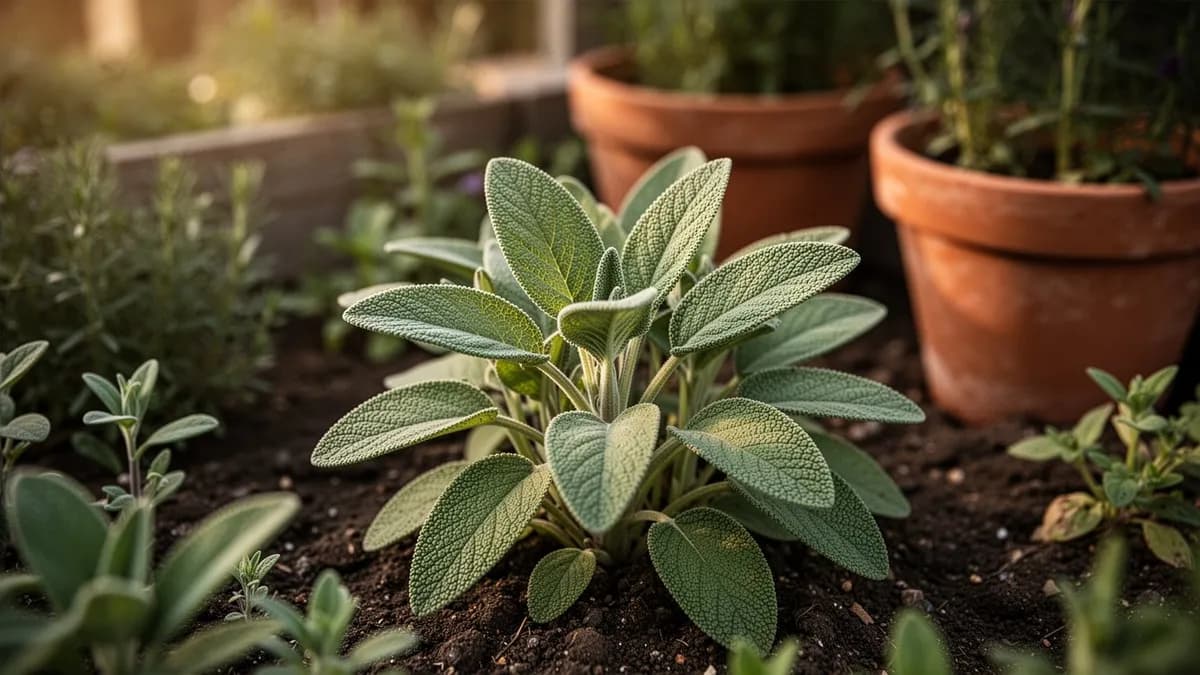
A German sage cultivar with extra-large, rounded silvery leaves and a compact growth habit that rarely flowers.





On this pageOverview
Meet Berggarten Sage
A German sage cultivar with extra-large, rounded silvery leaves and a compact growth habit that rarely flowers. Berggarten produces the biggest leaves of any culinary sage, making it efficient to harvest and beautiful in the garden. The non-flowering habit means plants stay compact and leafy without the legginess that follows blooming.
When to plant Berggarten Sage
Berggarten sage is best propagated from stem cuttings or layering, as seed-grown plants are variable and may not match the parent. Take 10cm semi-ripe cuttings in early summer, strip lower leaves, dip in rooting hormone, and insert into perlite-peat mix. Maintain warmth (18-22°C) and humidity. Roots develop in 4-6 weeks. For layering, pin a low branch to moist soil—roots form at the contact point in 6-8 weeks. Division of established plants in spring is also effective.
Your Berggarten Sage Year
Composed for Zone 7 · typical seasons · frost passes Apr 2, returns Nov 1
Plant Berggarten Sage Mar – May, pick Jan – Dec. Check the planting methods below and set your climate to personalize these windows.
How to grow Berggarten Sage
Berggarten sage is a German cultivar prized for producing the largest leaves of any culinary sage and a compact habit that rarely flowers, keeping plants bushy and productive rather than leggy. Plant in spring in full sun with well-drained soil, spacing 55cm apart. The rounded, silvery-green leaves can reach 8cm long, making harvesting efficient and the plant visually striking in herb gardens.
Provide lean, well-drained soil similar to what all Mediterranean herbs prefer. Avoid rich, heavily composted soil that promotes soft, disease-prone growth. Water moderately—Berggarten sage is drought-tolerant once established but appreciates occasional deep watering during extended dry spells. Mulch with gravel or stone rather than organic mulch to keep the crown dry and reflect heat.
Prune plants in early spring, removing any winter-damaged growth and shaping the plant. Cut back by one-third to maintain compact form and prevent woody, bare centers. Unlike common sage, Berggarten's reluctance to flower means energy goes into leaf production rather than seed set, resulting in larger, more flavorful leaves throughout the growing season. Replace plants every 4-5 years when they become overly woody.
8 plants fit a 4 × 8 ft bed
Each Berggarten Sage wants 55 cm of elbow room. The planner keeps that spacing for you — every plant, every bed.
Berggarten Sage's best neighbours
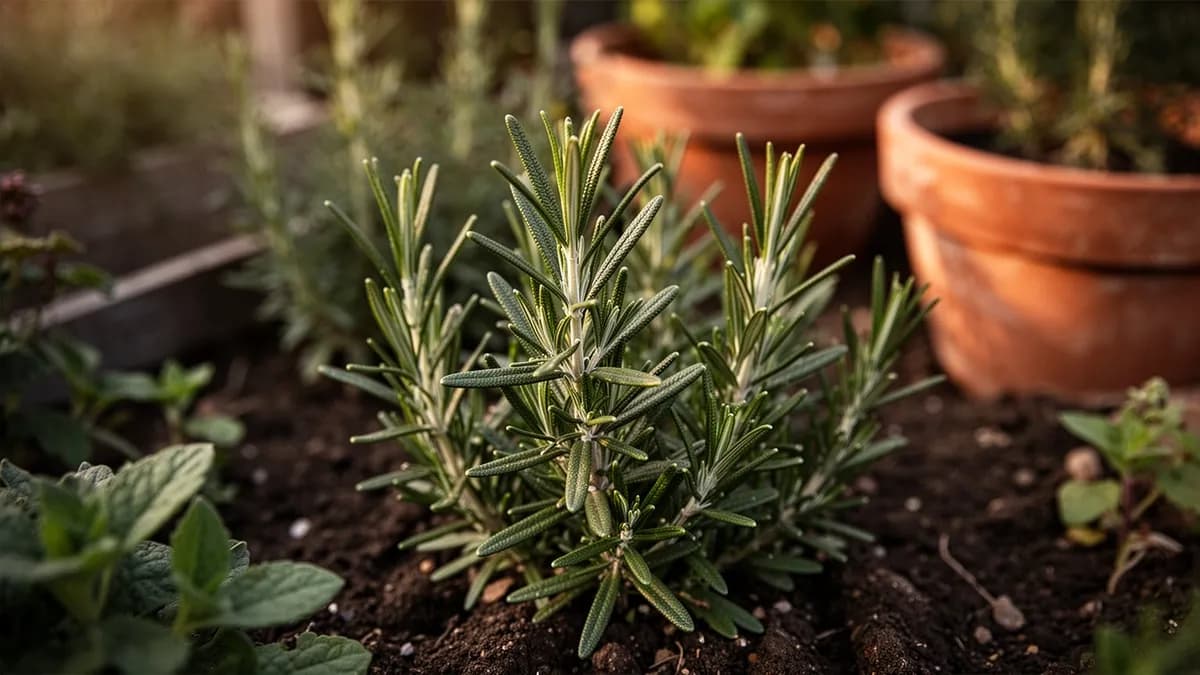
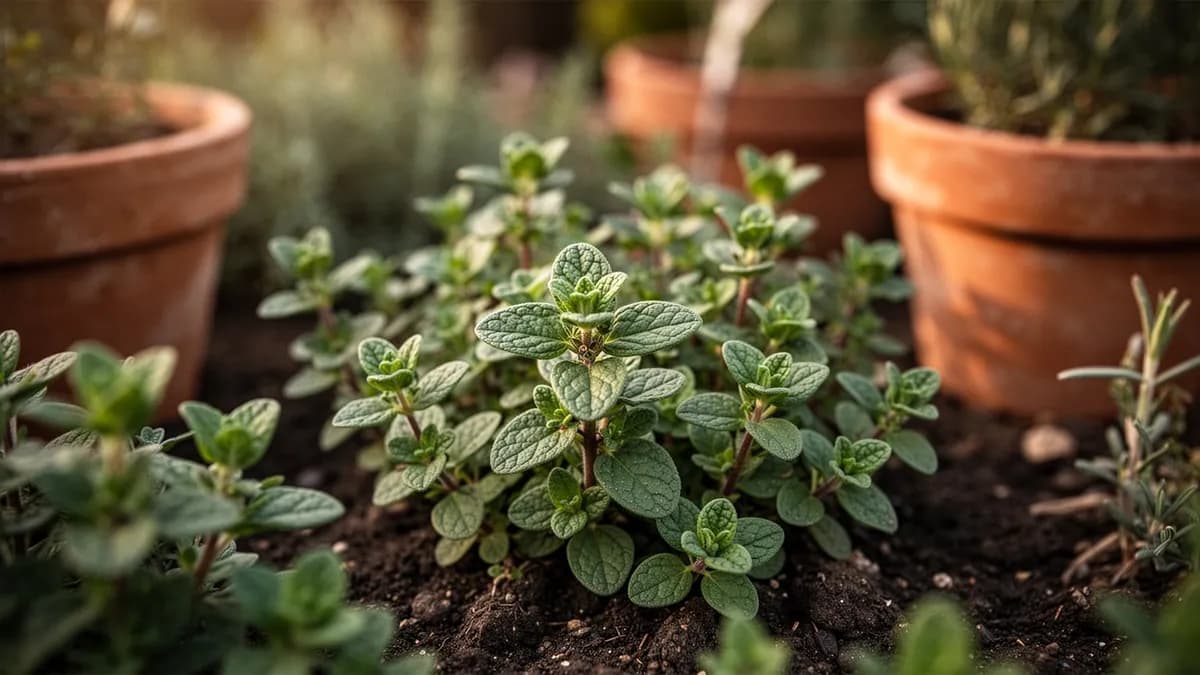
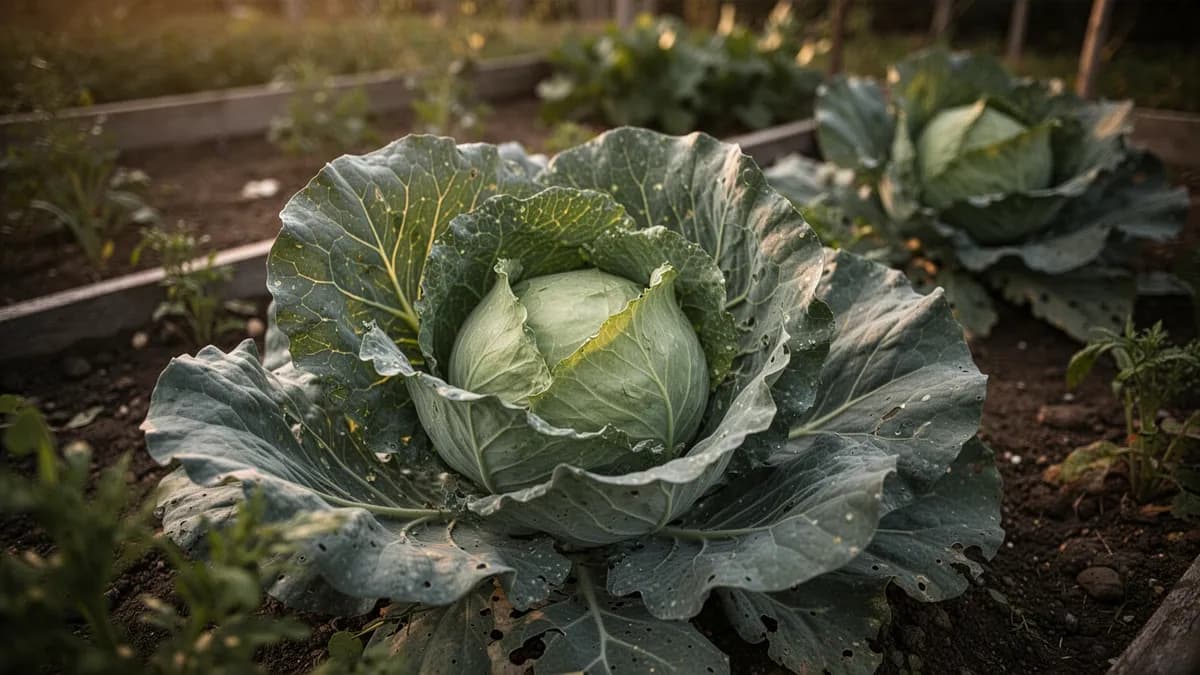
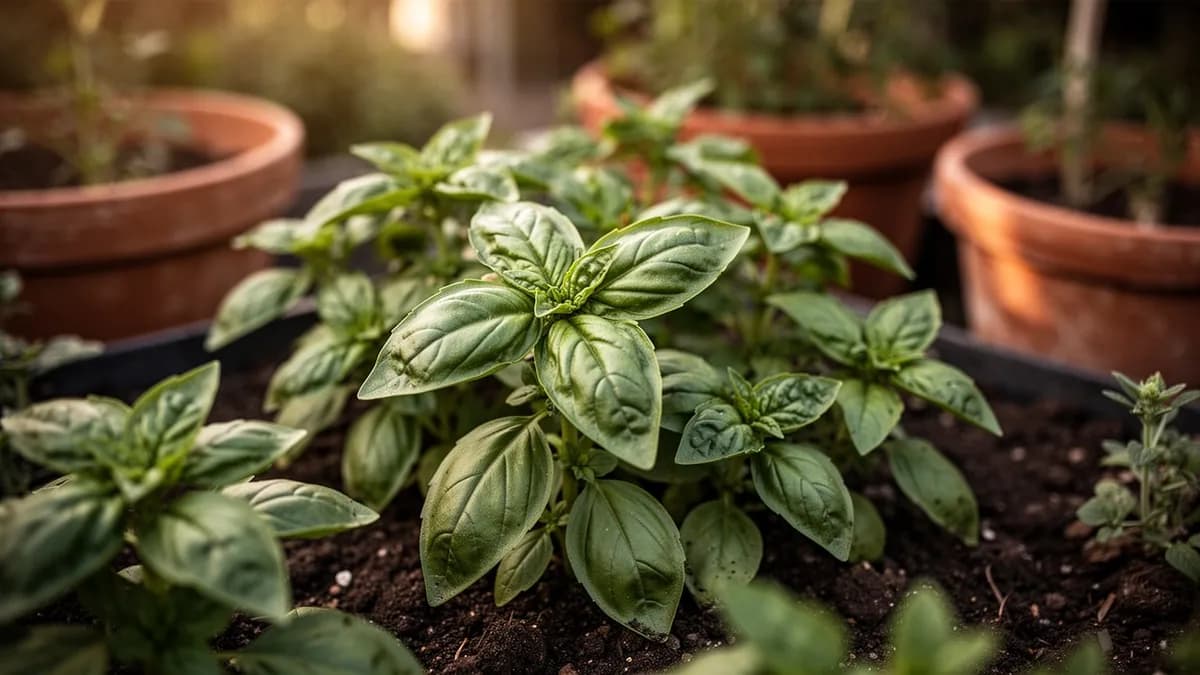
Sage repels cabbage moths, carrot flies, and bean beetles through its potent aromatic oils. Plant near brassicas, carrots, and beans for natural pest protection. Sage and rosemary are natural companions sharing identical cultural requirements. Avoid planting near cucumbers and rue, which are incompatible. The silvery foliage contrasts beautifully with green-leaved herbs in ornamental edible gardens.
Rosemary belongs beside it. Basil doesn't.
Old growers' knowledge, checked against Berggarten Sage's real companion table below — test any plant you're growing.
Try Berggarten Sage in a bed — right here
A real planner bed with Berggarten Sage already in it. Tap a companion to place it and watch the pairing checks answer — green for good neighbours, red for a clash.


Related growing guides
Feed it well
Grow in lean, well-drained, slightly alkaline soil with pH 6.0-7.5. Amend heavy clay with coarse sand, grit, or perlite for drainage. Minimal fertilization produces the most flavorful plants—a light top-dressing of compost in spring is sufficient. Excess nitrogen produces lush but weakly flavored growth prone to disease. In containers, use a fast-draining mix with 30% added perlite. Top-dress with slow-release fertilizer once annually.
Ideal Temperature
Hardiness Zone Compatibility
From seed to harvest, stage by stage
Seed Germination
Seeds are slow and erratic to germinate. Surface-sow on moist, warm seed-starting mix at 18-21 °C. Berggarten is more reliably started from cuttings or divisions.
Seedling Development
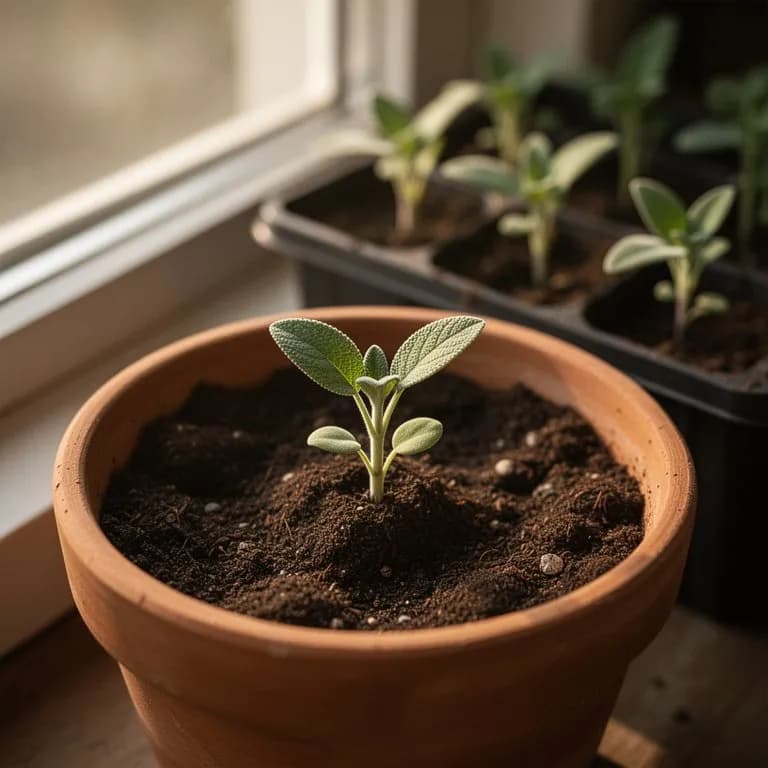
Seedlings develop their first pairs of true leaves, which already show the characteristic rounded shape. Growth is slow at this stage.
Vegetative Growth
The plant puts on rapid leafy growth, forming a bushy mound of large, silvery-green oval leaves. Stems begin to become semi-woody at the base.
Established Plant
The plant reaches its mature size of 40-60 cm wide and 30-45 cm tall. Berggarten rarely flowers, which keeps energy directed into leaf production.
Mature Perennial
In its first full season the plant is fully productive. Woody stems thicken at the base, and the silvery foliage remains ornamental year-round in mild climates.
Overwintering and Renewal
Berggarten Sage is hardy to USDA zones 5-8. In spring of the second year, prune back woody stems by about one-third to stimulate fresh growth and prevent the plant from becoming leggy.
Keep the medium consistently moist but not waterlogged; use a humidity dome to maintain moisture.
Caring for Berggarten Sage month by month
What to do each month for your Berggarten Sage
October
You are hereReduce watering as growth slows. Clean up fallen debris around the base to discourage fungal disease. Move container plants to a sheltered spot or unheated greenhouse if winter is severe.
Know exactly what to do in your garden — every month
One email at the start of each month: what to sow, plant, and tackle right now — for your Berggarten Sage and everything growing around it. Plus a short starter course that helps you dodge the classic mistakes.
- What to do, right now
- Matched to your season
- Starter course included
Harvesting Berggarten Sage
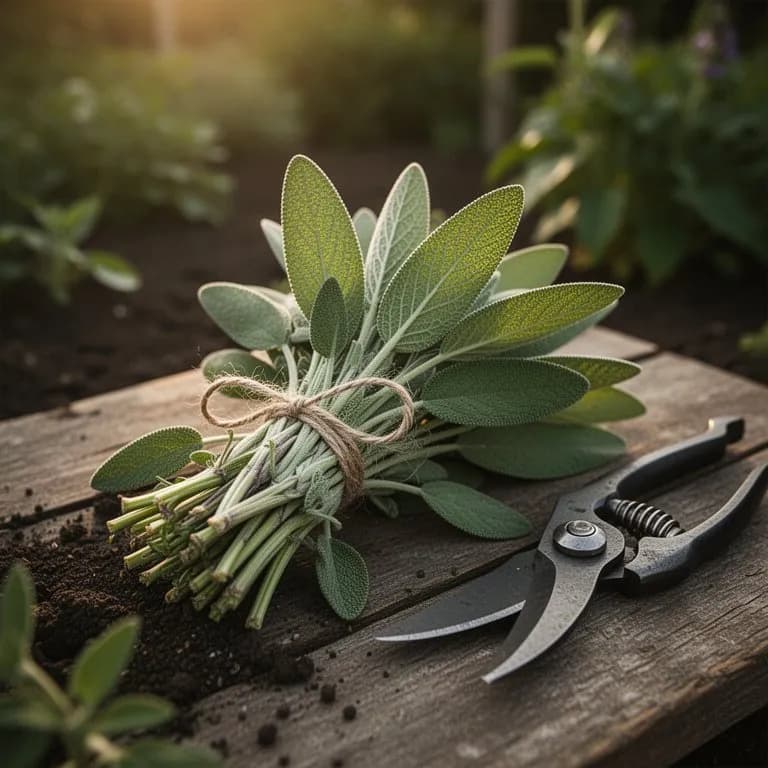
Harvest Berggarten sage's oversized leaves individually or cut whole stems just above a leaf node. The large, rounded leaves are easy to pick and have excellent culinary quality. For the best flavor, harvest in the morning after dew dries. Light harvesting can begin once plants are well-established, and heavier cutting can commence from the second year onward. Since Berggarten rarely flowers, consistent leaf quality is maintained throughout the season without the flavor decline associated with blooming.
assuming you plant when the window opens — set your real date
Pick Berggarten Sage promptly and the plant keeps producing.
Storage & Preservation
Fresh sage keeps for 1-2 weeks refrigerated wrapped in damp paper towels in a sealed bag. The large Berggarten leaves are perfect for drying—lay flat on screens or hang in small bundles in a warm, dark area for 1-2 weeks. Dried sage flavor actually intensifies and mellows, becoming slightly different from fresh. Store dried leaves whole in airtight jars for up to one year. Freeze individual leaves on trays before transferring to freezer bags. Make sage butter by blending fresh leaves into softened butter.
What goes wrong — and the fix
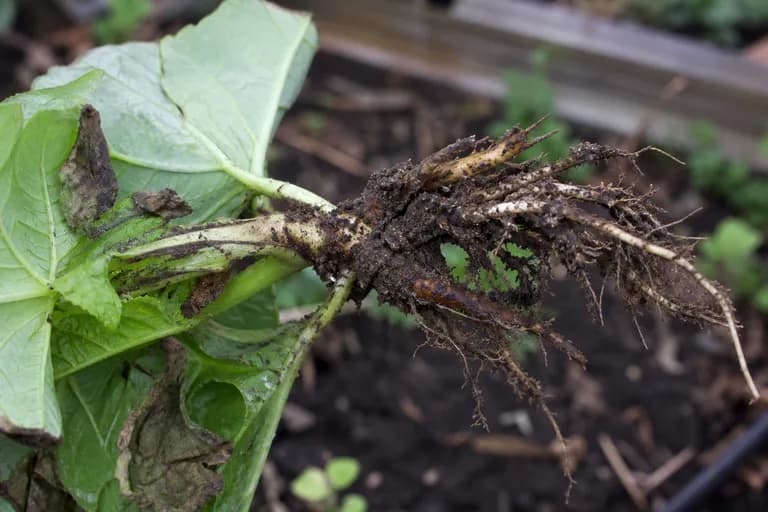
Root Rot
DiseaseWilting despite adequate moisture, yellowing lower leaves, soft blackened crown tissue, plant collapse.
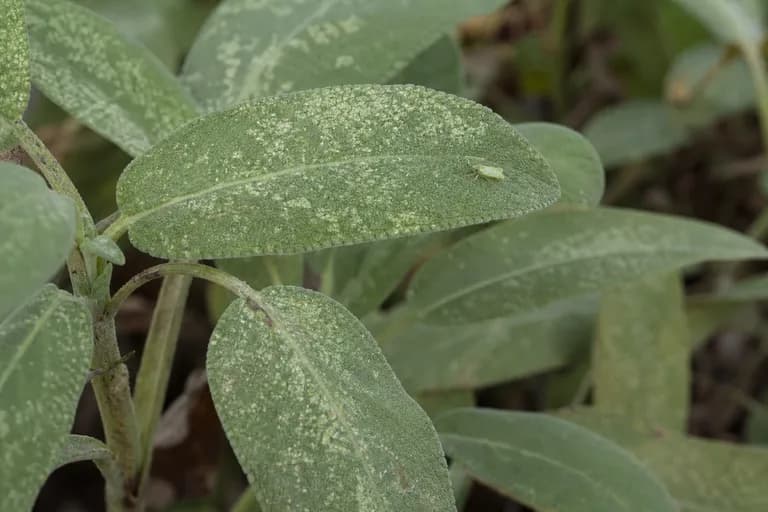
Sage Leafhopper
PestWhite stippling on leaf surfaces, tiny wedge-shaped green insects that hop away when disturbed, reduced plant vigor.
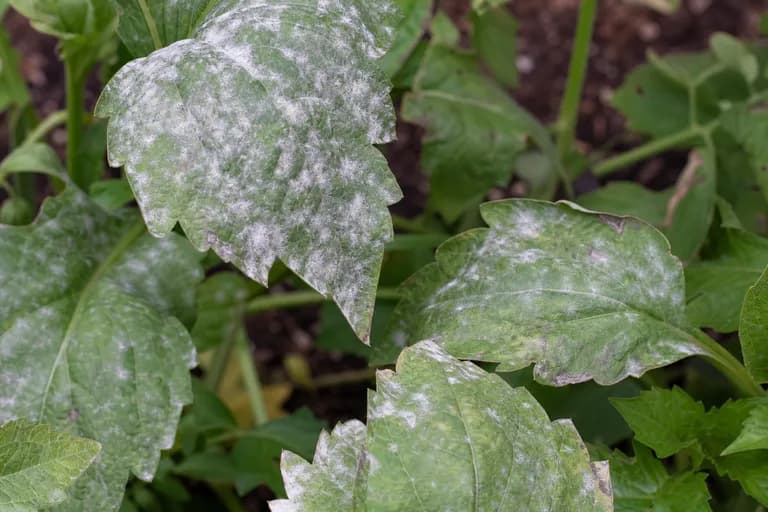
Powdery Mildew
DiseaseWhite powdery coating on leaves, especially on crowded plants with poor air circulation. Leaves may yellow and drop.
Troubleshooting Common Problems
Woody, bare stems develop with age—replace plants every 4-5 years. Never cut into bare wood, as sage does not regenerate from old stems. Winter die-back in cold zones is usually from wet roots; ensure drainage. Pale, yellow leaves indicate overwatering or poor drainage. Leggy growth (rare in Berggarten) means insufficient light—ensure full sun. Spider mites can be problematic in hot, dry conditions; mist foliage occasionally.
Growing Tips
- Plant Berggarten Sage in full sun with at least 6-8 hours of direct sunlight daily for the best leaf flavor and oil concentration.
- Use sharply drained soil amended with coarse sand or perlite; sage roots are highly susceptible to rot in heavy, waterlogged ground.
- Space plants 45-60 cm apart to ensure excellent air circulation, which prevents fungal diseases like powdery mildew.
- Water deeply but infrequently, allowing the soil to dry out between waterings; established plants are quite drought-tolerant.
- Avoid high-nitrogen fertilizers, which promote lush but flavorless growth; a single light compost top-dressing in spring is sufficient.
- Propagate by semi-ripe stem cuttings in late summer for the most reliable results, as Berggarten rarely sets viable seed.
- Prune plants back by one-third each spring to prevent them from becoming woody and unproductive at the center.
- Harvest in the morning after the dew has dried but before the midday heat to capture peak essential oil content in the leaves.
- In cold climates below zone 5, grow Berggarten Sage in containers that can be moved to a cool, bright indoor location for winter.
- Replace plants every four to five years when they become excessively woody, using cuttings taken from the current plant to maintain your supply.
Grow your best Berggarten Sage yet — and everything around it.
Start a free plan today. Lay out your beds, drop in your Berggarten Sage, and let PlotMyGarden handle the timing, spacing, companions and reminders from seed to harvest basket.
Pick your Berggarten Sage
Berggarten
Extra-large rounded silvery leaves on compact, rarely-flowering plants. The best variety for leaf size and culinary productivity.
Common Sage (Salvia officinalis)
The standard culinary sage with oblong grey-green leaves. Flowers freely and becomes leggy but has excellent traditional flavor.
Grower's Friend
A large-leaved variety similar to Berggarten but with slightly more vigorous growth. Good commercial production variety.
Dwarf Sage
A compact form growing only 30cm tall with smaller but intensely flavored leaves. Ideal for containers and small gardens.
A single Berggarten Sage plant costs around 3-5 EUR at a nursery and can produce fresh sage leaves for four to five years. A small packet of fresh sage at the supermarket typically costs 1.50-2.50 EUR and wilts within a week. Growing just one plant can save 60-100 EUR over its lifetime compared to buying fresh sage regularly, and dried sage from your own harvest replaces multiple jars of the store-bought dried herb each year.
Quick recipes
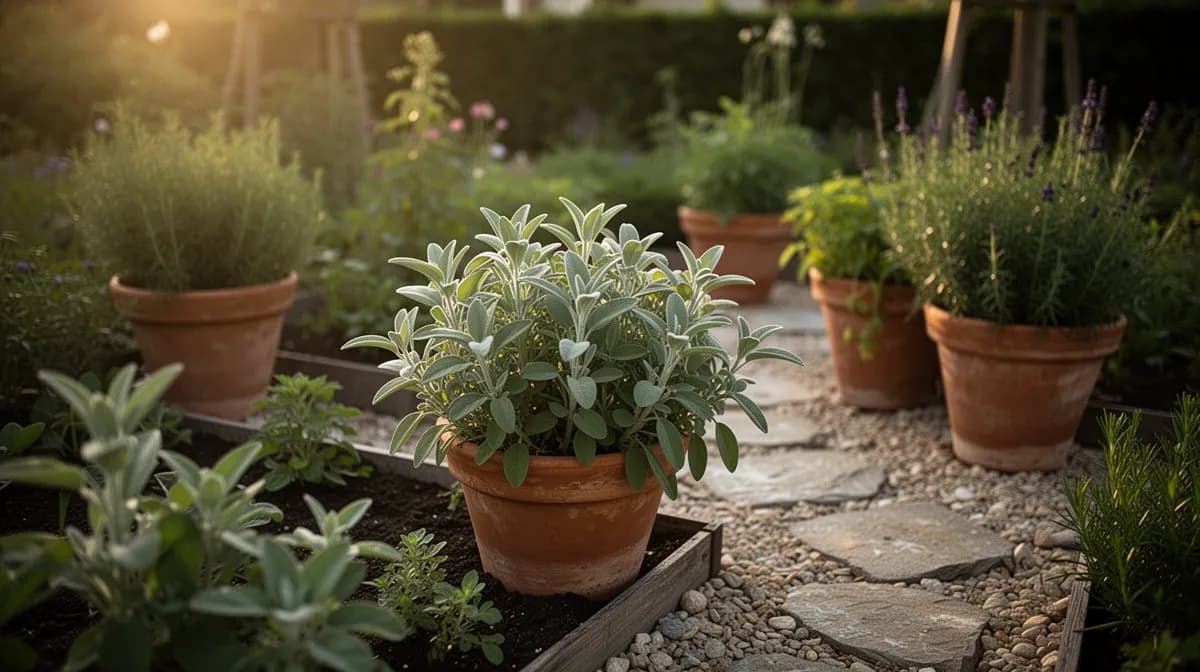
Brown Butter Sage Pasta
15 minutesA classic Italian preparation where fresh Berggarten sage leaves are crisped in nutty brown butter and tossed with pasta. The large Berggarten leaves crisp up beautifully and deliver an intense savory flavor.
5 ingredients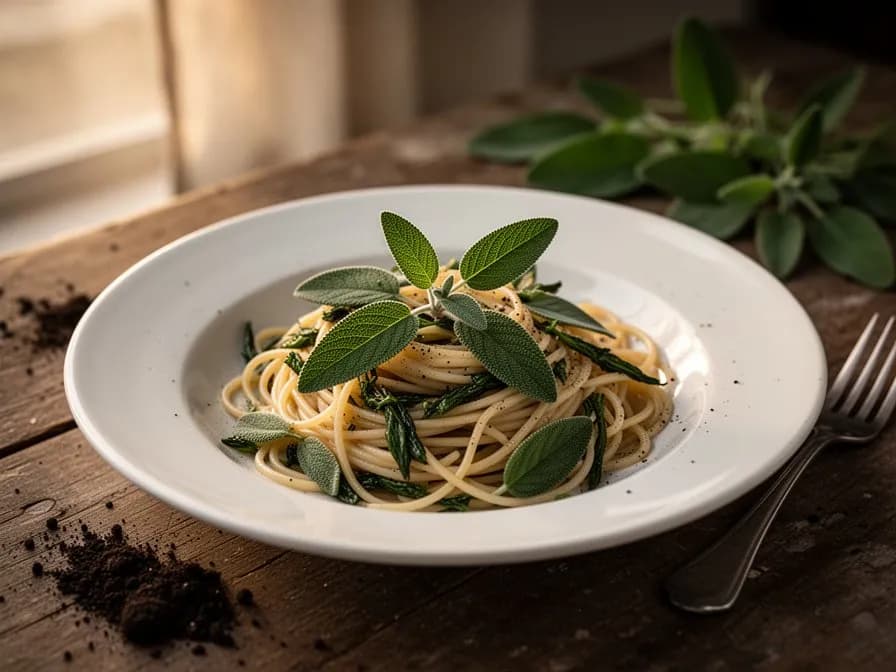
Sage and Honey Roasted Root Vegetables
45 minutesHearty root vegetables roasted with fresh sage, garlic, and a drizzle of honey until caramelized. The earthy sweetness of the vegetables pairs perfectly with the warm, slightly peppery notes of Berggarten sage.
8 ingredientsFresh Sage and Lemon Infusion Tea
10 minutesA soothing herbal tea made by steeping fresh Berggarten sage leaves in hot water with lemon and a touch of honey. Traditionally enjoyed as an after-dinner digestive and throat-soothing remedy.
5 ingredientsCulinary Uses
The large Berggarten leaves are the most efficient sage for cooking—one leaf equals two of standard sage. Classic in brown butter sauce for pasta and gnocchi, Thanksgiving turkey stuffing, saltimbocca, sausage seasoning, and bean dishes. Fry whole leaves in butter until crispy for an elegant garnish. The mild, velvety flavor pairs with pork, poultry, butternut squash, and white beans. Infuse in honey or vinegar for unique condiments.
What's inside
Health Benefits
- Contains rosmarinic acid with potent antioxidant properties that help protect cells from oxidative stress and may reduce inflammation throughout the body
- Traditionally used as a sore throat and mouth inflammation remedy; sage gargle solutions remain recommended in European phytotherapy guidelines
- Research suggests sage may support cognitive function and memory, with studies showing improved recall and attention in both young and older adults
- The essential oils in sage have demonstrated antimicrobial activity against a range of bacteria and fungi in laboratory settings
- May help regulate blood sugar levels; some clinical studies have shown modest improvements in fasting glucose after sage leaf extract supplementation
- Contains compounds that may ease menopausal symptoms, particularly hot flashes and night sweats, supported by several clinical trials
Where Berggarten Sage comes from
Berggarten Sage (Salvia officinalis 'Berggarten') is a distinguished cultivar that traces its origins to the Berggarten, the renowned botanical garden in Hannover, Germany. The Berggarten was established in 1666 as a physic garden for growing medicinal plants, and over the centuries it became one of the most important horticultural institutions in central Europe. It was within this tradition of careful plant selection and cultivation that the Berggarten cultivar was developed, selected specifically for its exceptionally broad, rounded leaves and compact growing habit.
The parent species, Salvia officinalis, is native to the Mediterranean basin, where it has been gathered and cultivated since antiquity. Ancient Romans considered sage a sacred herb and harvested it with elaborate ritual. Greek physicians prescribed it for ailments ranging from sore throats to memory loss, and the famous medical school of Salerno in medieval Italy posed the rhetorical question: why should a man die who has sage growing in his garden? Sage traveled northward through Europe with Roman legions and later through monastic herb gardens, becoming a staple of northern European cooking and folk medicine by the Middle Ages.
The Berggarten cultivar was selected in the twentieth century from the broader Salvia officinalis population for traits that make it especially valuable in both the kitchen and the ornamental garden. Its leaves are notably larger and rounder than the species type, with a soft, velvety texture and intense silvery-green color. Most importantly, Berggarten Sage rarely flowers, which means the plant maintains a tidy, bushy shape and continues producing tender new leaves throughout the growing season rather than diverting energy to seed production. This combination of beauty, flavor, and low maintenance has made it one of the most popular sage cultivars worldwide, equally at home in a formal herb knot garden, a cottage border, or a simple kitchen windowsill container.
Berggarten Sage: did you know?
Fascinating facts about Berggarten Sage
Berggarten Sage was developed at the Berggarten botanical garden in Hannover, Germany, one of Europe's oldest botanical gardens founded in 1666.
Berggarten Sage questions, answered
When should I plant Berggarten Sage?
What are good companion plants for Berggarten Sage?
What hardiness zones can Berggarten Sage grow in?
How much sun does Berggarten Sage need?
How far apart should I space Berggarten Sage?
What pests and diseases affect Berggarten Sage?
How do I store Berggarten Sage after harvest?
What are the best Berggarten Sage varieties to grow?
What soil does Berggarten Sage need?
How is Berggarten Sage different from common garden sage?
Can Berggarten Sage survive cold winters?
Why is my Berggarten Sage turning woody and producing fewer leaves?
How do I dry and store Berggarten Sage leaves?
Is Berggarten Sage safe to consume in large quantities?
What are the best companion plants for Berggarten Sage?
You just read the theory. Now grow it on autopilot.
Everything that makes Berggarten Sage fiddly — the timing, the spacing, the companions, the harvest window — is exactly what PlotMyGarden handles for you, for every plant in your garden.
A plan that knows your weather
Set your location once. Get sow, feed and harvest dates built around your real last-frost date and live forecast — no more guessing from a generic seed packet.
From the “When to plant” sectionDrag-and-drop bed planner
Design beds on a grid. Every plant snaps to its proper spacing, and you can see your whole season laid out before you spend a cent on seed.
From the “Growing guide” sectionCompanion conflicts, caught early
200+ good-and-bad pairings checked live as you plant — so a season-wrecking mistake never makes it into the ground.
From the “Companions” sectionReminders you'll actually act on
“Water the beans.” “Pick today before it turns.” Timely, specific, and tied to the plants you're really growing.
From the “Harvest” sectionSuccession, scheduled
Want a harvest for six weeks, not six days? It spaces your sowings automatically and reminds you when each new block is due.
From the “When to plant” sectionA record that gets smarter
Every harvest you log teaches it your garden. Next year's plan starts from what actually worked in your soil, not a textbook's.
From the “Overview” sectionPlant these alongside Berggarten Sage
More Culinary Herbs
Keep Berggarten Sage away from these
Grow your best Berggarten Sage yet — and everything around it.
Start a free plan today. Lay out your beds, drop in your Berggarten Sage, and let PlotMyGarden handle the timing, spacing, companions and reminders from seed to harvest basket.