Rowan Berry
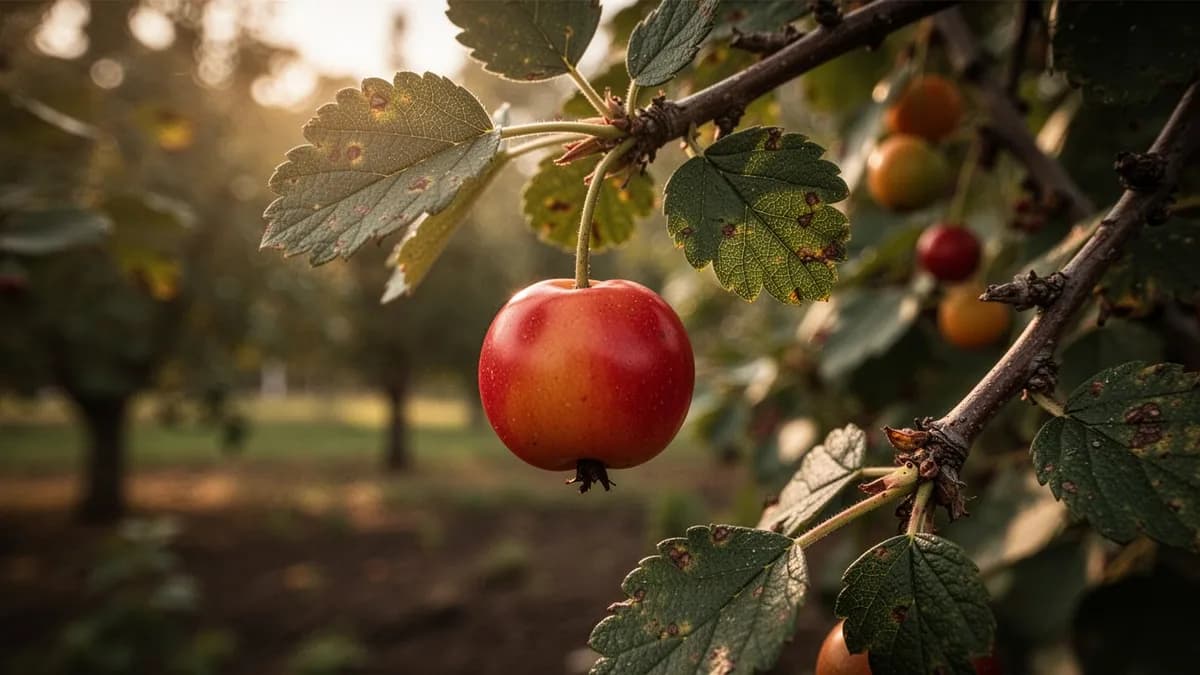
A graceful tree bearing large clusters of bright orange-red berries that are too astringent to eat raw but make a distinctive jelly.





On this pageOverview
Meet Rowan Berry
A graceful tree bearing large clusters of bright orange-red berries that are too astringent to eat raw but make a distinctive jelly. Rowan berry jelly is a traditional Scottish accompaniment to game meats and rich dishes. The trees are extremely hardy and decorative, with ferny foliage and brilliant autumn berry displays.
When to plant Rowan Berry
Rowan seeds require cold stratification for 16 to 20 weeks at 34 degrees Fahrenheit after removing the berry flesh. Clean seeds thoroughly and mix with moist sand in a sealed bag in the refrigerator. Alternatively, sow cleaned berries outdoors in autumn in seed beds for natural stratification. Germination occurs the following spring. Seedlings are vigorous and fast-growing, reaching transplanting size within one to two years. Named varieties are propagated by grafting onto rowan seedling rootstock during the dormant season.
Your Rowan Berry Year
Composed for Zone 7 · typical seasons · frost passes Apr 2, returns Nov 1
Plant Rowan Berry Mar – Apr, pick Aug – Sep. Check the planting methods below and set your climate to personalize these windows.
How to grow Rowan Berry
Rowan is one of the hardiest fruit-bearing trees, growing well from subarctic regions to cool temperate zones. It prefers full sun but tolerates partial shade, and thrives in well-drained, slightly acidic soil with a pH of 5.0 to 7.0. Plant bare-root trees in autumn or early spring, spacing 15 to 20 feet apart. Rowan establishes quickly and requires minimal aftercare. Water thoroughly at planting and mulch around the base.
Rowan trees develop a naturally elegant form with ascending branches and a rounded crown that needs little pruning. Remove dead, damaged, or crossing branches in winter while dormant. The ferny compound leaves provide attractive dappled shade. The trees produce dense clusters of white flowers in late spring followed by heavy bunches of berries that ripen in late summer and autumn.
Established rowan trees are drought-tolerant and thrive in exposed, windy positions including mountain sites and coastal areas where few other trees survive. They tolerate poor, thin, and rocky soils. Apply a light balanced fertilizer in spring for the first few years, then rely on natural leaf mulch for nutrition. Rowan is an excellent choice for northern gardens, urban settings, and areas with challenging growing conditions.
Rowan Berry needs more room than a 4 × 8 ft bed gives
Each Rowan Berry wants 300 cm of elbow room. The planner keeps that spacing for you — every plant, every bed.
Related growing guides
Feed it well
Rowan is exceptionally adaptable to soil conditions, growing well in thin rocky soil, poor sandy soil, peat, and even moderately waterlogged ground. It prefers slightly acidic conditions at pH 5.0 to 6.5 but tolerates neutral to mildly alkaline soils. Fertilization is rarely needed, as rowan thrives in nutrient-poor conditions where many trees fail. For young trees, a light spring application of balanced fertilizer supports establishment. Excessive fertility can reduce hardiness and promote soft growth susceptible to disease.
Ideal Temperature
Hardiness Zone Compatibility
From seed to harvest, stage by stage
Dormancy and Bud Break
Through winter the tree stands dormant, but plump reddish buds swell as temperatures rise in early spring. Energy stored in the root system fuels the first flush of growth, and the distinctive alternate buds become clearly visible against the silver-grey bark.
Leaf and Shoot Expansion
Pinnate leaves unfurl rapidly, each bearing 9-15 pairs of finely serrated leaflets. New shoots extend quickly, adding 20-40 cm of growth in a single season on young trees. The canopy fills out, providing habitat for nesting birds and early pollinators.
Flowering
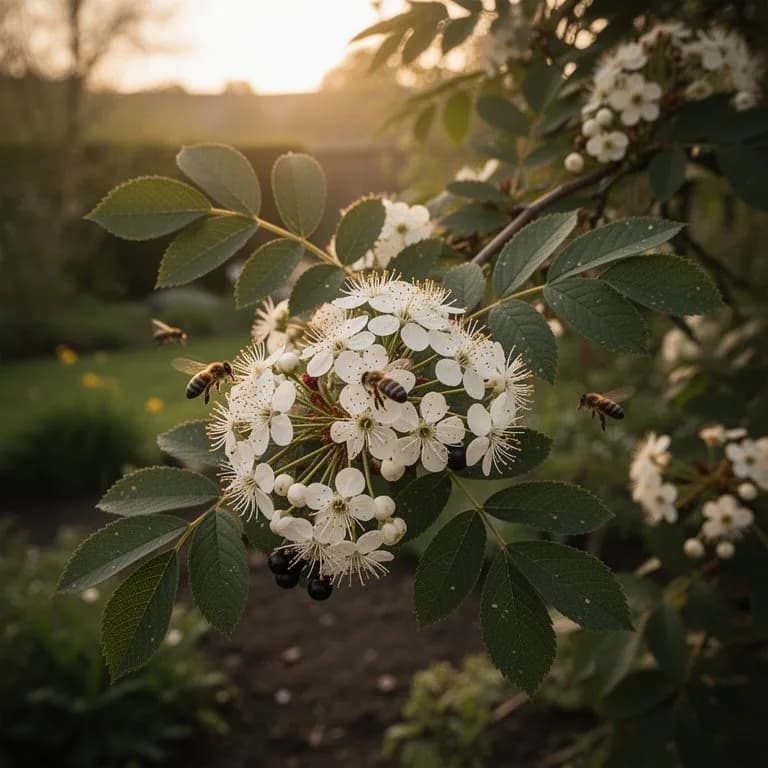
From late May into June, large corymbs of creamy-white five-petalled flowers open across the canopy. Each flower head may contain up to 250 individual florets, releasing a sweet, slightly almond-like scent that draws bees, hoverflies, and other beneficial insects in abundance.
Berry Development
Fertilised flowers give way to small green pome fruits that swell through summer. By August the berries begin to colour, transitioning from pale green through yellow-orange to the characteristic brilliant scarlet or orange-red. Tannin levels are at their highest at this stage.
Full Ripeness and Harvest
Berries reach full ripeness from late August through October. After the first frost, bitter malic acid and tannins break down, sweetening the fruit and making it far more palatable. Clusters are easily snipped with secateurs and the small pomes separate cleanly from their stalks when processed.
Post-Harvest and Dormancy
After harvest and leaf fall, the tree enters dormancy. Bark toughens, and the branching framework becomes clearly visible. This is the ideal period to assess structure, remove any crossing or damaged branches, and plan any reshaping needed for the following season.
Apply a balanced slow-release fertiliser around the drip line in early spring just as buds begin to swell to support vigorous new growth.
Caring for Rowan Berry month by month
What to do each month for your Rowan Berry
October
You are hereComplete harvest before berries soften and shrivel. Rake and compost fallen leaves. Begin any planned formative pruning once the majority of leaves have dropped.
Know exactly what to do in your garden — every month
One email at the start of each month: what to sow, plant, and tackle right now — for your Rowan Berry and everything growing around it. Plus a short starter course that helps you dodge the classic mistakes.
- What to do, right now
- Matched to your season
- Starter course included
Harvesting Rowan Berry
Rowan berries ripen in August to September, turning from green to bright orange-red. Harvest after the first frost if possible, as freezing reduces the bitter parasorbic acid and makes the berries sweeter and more palatable. Cut entire berry clusters from the tree with pruning shears. The berries are mildly toxic when raw due to parasorbic acid, which is destroyed by cooking or freezing. Always cook rowan berries before consumption. Leave some clusters on the tree for birds, which rely on them as winter food.
assuming you plant when the window opens — set your real date
Pick Rowan Berry promptly and the plant keeps producing.
Storage & Preservation
Fresh rowan berries keep for one to two weeks refrigerated. Freeze berries on trays before bagging for long-term storage and to eliminate parasorbic acid. The classic preparation is rowan berry jelly, made by simmering berries with crab apples for added pectin and straining through a jelly bag. The resulting ruby-red jelly has a distinctive tart, slightly bitter flavor that pairs beautifully with venison, lamb, and game birds. Rowan berry sauce, wine, and schnapps are traditional Scandinavian preparations.
What goes wrong — and the fix
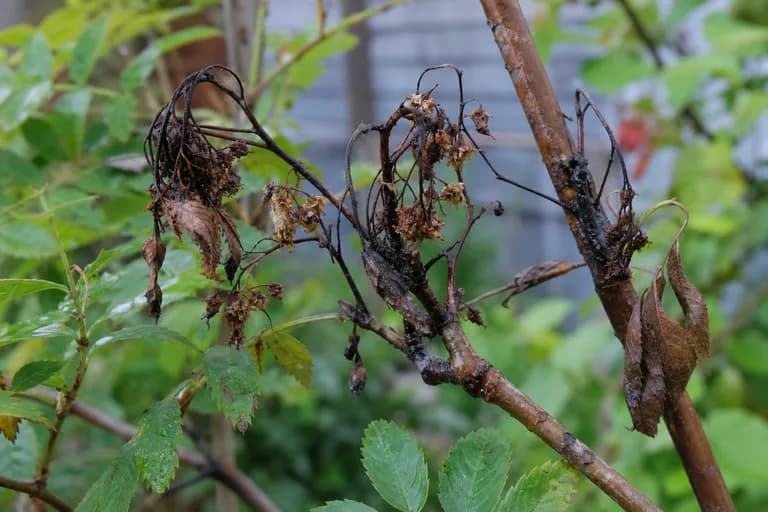
Fireblight
DiseaseBlackened shoot tips with a scorched appearance; wilted blossom clusters; oozing cankers on branches.
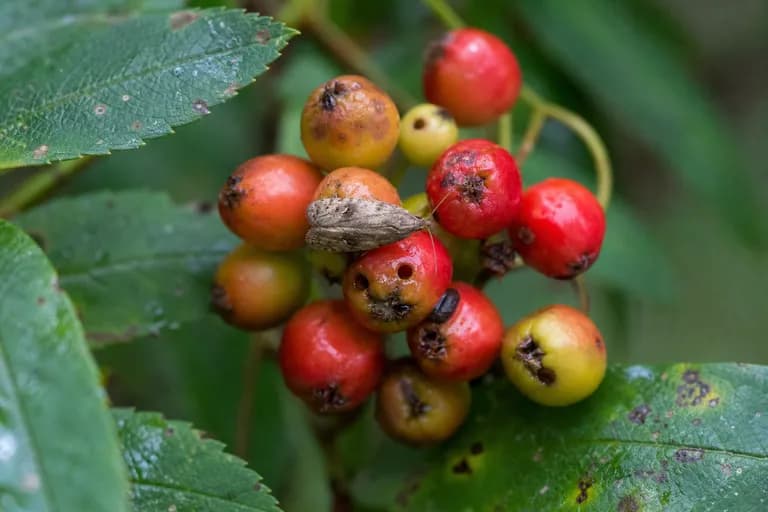
Rowan Berry Moth
PestBerries contain small larvae that feed on the flesh; infested berries may show small entry holes or premature color change.
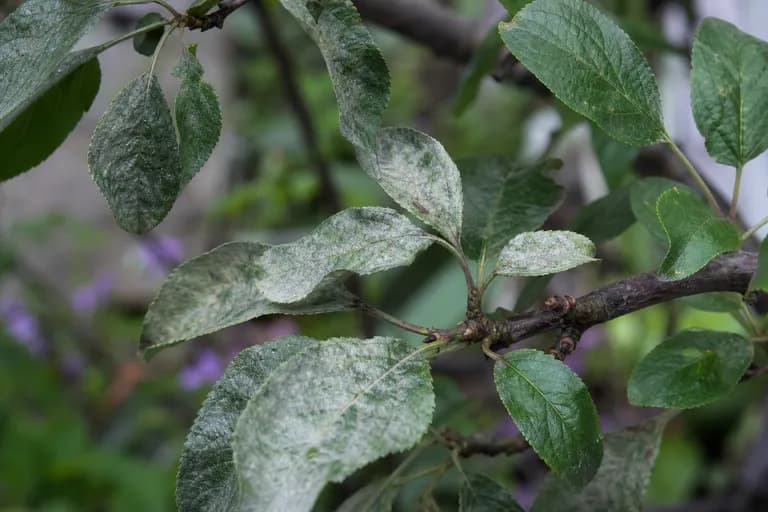
Silver Leaf Disease
DiseaseLeaves develop a silvery sheen; affected branches produce smaller leaves and eventually die back; purple fungal brackets on dead wood.
Troubleshooting Common Problems
The biggest issue for home gardeners is the toxicity of raw berries, which contain parasorbic acid that can cause nausea and digestive upset if eaten uncooked. Always cook or freeze berries before consumption. Birds compete aggressively for the ripe berries and can strip a tree within days. Silver leaf disease can be serious if pruning is done during the wrong season. Rowan can be short-lived in warm climates, as it truly prefers cool conditions. Some years produce light crops due to late spring frosts damaging the blossom.
Growing Tips
- Plant rowan in full sun to partial shade in any well-drained, moderately fertile soil — it tolerates clay, sandy loam, and slightly acidic to neutral pH, making it one of the least fussy fruiting trees available to British and Northern European gardeners.
- Choose a sheltered position in colder exposed gardens but avoid frost pockets at low-lying valley bottoms where late spring frosts can devastate the flowers and eliminate berry production for an entire season.
- Plant at least two different Sorbus aucuparia cultivars or a related Sorbus species within 50 metres to ensure cross-pollination — while rowans can self-pollinate, cross-pollinated trees consistently set larger, more abundant berry clusters.
- Young trees in their first two seasons require deep weekly watering during dry spells to establish a strong root system; once established, rowan is remarkably drought tolerant and rarely needs supplemental irrigation in temperate climates.
- Allow the first berry crop to go entirely to birds for the first two or three years — this encourages birds to learn your tree as a reliable food source, bringing the added benefit of natural pest control through the growing season.
- Harvest berry clusters by cutting the whole corymb with clean secateurs rather than stripping individual berries — this is faster, causes less damage to fruiting spurs, and makes subsequent processing significantly easier when using a food mill or jelly bag.
- After the first hard frost of autumn, taste a small number of berries directly from the cluster — the transition from bitter and astringent to richly tart is the best harvest indicator and varies by several weeks depending on local conditions each year.
- Rowan makes an outstanding wildlife hedge when planted in a mixed native hedgerow alongside hawthorn, blackthorn, elder, and crab apple, providing a staggered succession of berries and flowers from spring through to midwinter for birds and insects.
- Avoid applying high-nitrogen fertilisers which promote lush leafy growth at the expense of flowering and fruiting — a single annual application of a potassium-rich balanced fertiliser in early spring is sufficient for sustained berry production.
- Rowan trees planted in urban street environments tolerate pollution, compacted soils, and reflected heat better than most native fruit trees, making them an excellent choice for front gardens, pavement strips, and small urban plots where space is limited.
Grow your best Rowan Berry yet — and everything around it.
Start a free plan today. Lay out your beds, drop in your Rowan Berry, and let PlotMyGarden handle the timing, spacing, companions and reminders from seed to harvest basket.
Pick your Rowan Berry
Sorbus aucuparia
The common European rowan with abundant orange-red berries; extremely hardy to zone 2 and highly ornamental.
Edulis
A selected form with larger, less bitter berries specifically bred for culinary use; sweeter than the wild type.
Sheerwater Seedling
A vigorous upright variety with dense berry clusters and reliable heavy fruiting; excellent for jelly making.
Sorbus americana
American mountain ash with similar red berries and outstanding cold hardiness for northern gardens.
A single mature rowan tree planted in a garden or on a boundary can yield 10-20 kg of berries annually at no ongoing cost beyond basic maintenance. Artisan rowan berry jelly retails for £8-£15 per 200 g jar in farm shops and specialist food retailers across the UK. Converting a full harvest into jelly, syrup, and liqueur could represent a retail value of £400-£800 per tree per year, while the home producer pays only for sugar, jars, and labels. Even foraging from wild trees along public footpaths and in community spaces — entirely legal in the United Kingdom — allows households to produce dozens of jars of premium preserves for virtually zero ingredient cost, replacing expensive bought condiments for the whole year.
Quick recipes
Classic Rowan Berry Jelly
30 minutes prep, 1 hour cookingA beautifully clear, jewel-toned jelly with a distinctive bittersweet flavour that cuts through the richness of game and lamb. The high pectin content of rowan berries produces a firm set without added pectin. This is the quintessential British hedgerow preserve and a perfect introduction to rowan berry cookery.
5 ingredients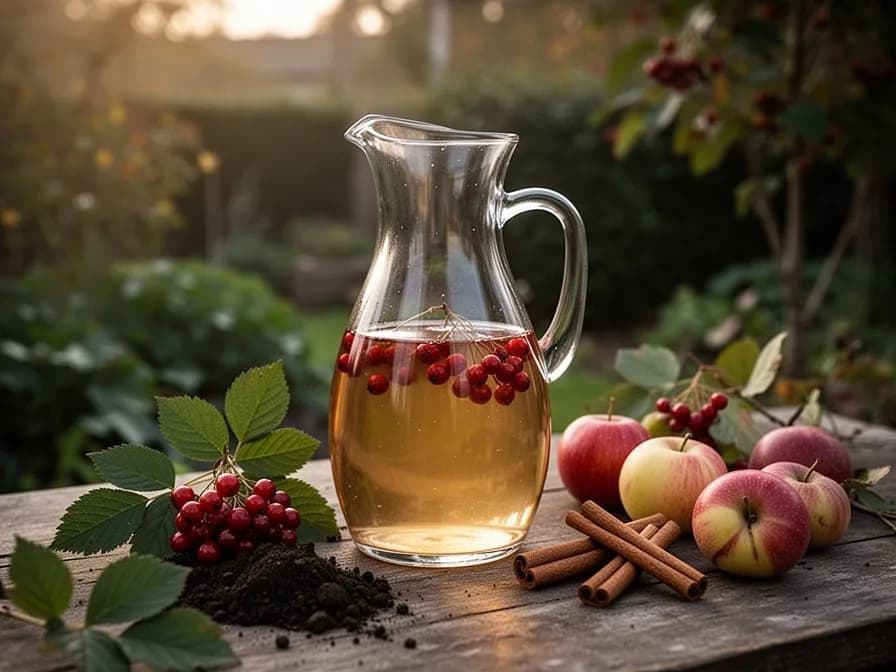
Rowan Berry and Sloe Gin Liqueur
20 minutes prep, 3 months maceratingA deeply coloured, warming autumn liqueur that combines the astringent complexity of rowan berries with the classic richness of sloe gin. Frost-bitten berries from both fruits ensure the best flavour and minimal bitterness. Bottle in small jars for a luxurious seasonal gift or serve over ice as a dessert drink.
7 ingredientsRowan Berry and Apple Sauce
15 minutesA quick, versatile sauce that pairs beautifully with roast pork, venison, or pan-fried duck breast. The tartness of the rowan berries cuts through fatty meats while the apple provides body and natural sweetness. Far more interesting than conventional apple sauce and ready in under 20 minutes. Keeps refrigerated for up to two weeks.
6 ingredientsCulinary Uses
Rowan berry jelly is the signature preparation, traditionally served with roast venison, lamb, and game birds in Scottish and Scandinavian cuisines. The tart, slightly bitter jelly cuts through the richness of fatty meats. Combine rowan berries with crab apples for a more complex jelly with better set. Rowan berry ketchup and sauce are flavorful condiments. In Scandinavia, rowan berries are used to make schnapps and fruit wine. The berries can be dried and ground to add a tart accent to spice blends.
What's inside
Health Benefits
- Exceptionally rich in vitamin C, with 100 g of processed rowan berries providing up to 150% of the recommended daily intake, making them a powerful support for immune function and collagen synthesis during autumn and winter months.
- High sorbic acid content gives rowan berries natural antimicrobial properties that help preserve the gut environment, inhibit growth of harmful bacteria, and support a healthy and diverse microbiome.
- Significant anthocyanin and quercetin content provides potent anti-inflammatory activity, helping to reduce oxidative stress and lower markers of chronic inflammation associated with cardiovascular disease and metabolic syndrome.
- The exceptionally high dietary fibre content of around 7.4 g per 100 g supports healthy bowel function, promotes satiety, and acts as a prebiotic fuel source for beneficial gut bacteria, supporting long-term digestive health.
- Beta-carotene and other carotenoid pigments present in the vivid red flesh are converted to vitamin A in the body, supporting healthy vision, skin integrity, and mucous membrane function throughout the immune system.
- Traditional use of rowan berry preparations in European herbal medicine for supporting kidney and urinary tract health is supported by the diuretic properties of the berries' active compounds, which may assist in reducing mild fluid retention.
Where Rowan Berry comes from
The rowan tree (Sorbus aucuparia) is native across a vast sweep of the Northern Hemisphere, from the Atlantic coasts of Ireland and Portugal eastward through the whole of Europe, across Siberia, and into the mountain ranges of Central Asia. It is one of the most cold-hardy broadleaved trees in the world, colonising habitats as far north as northern Norway and Iceland, and ascending mountain slopes above the treeline wherever sheltered pockets allow. Archaeological and palaeobotanical evidence from pollen records confirms that rowan has been a component of British and Northern European woodland since the retreat of the last glacial maximum around 10,000 years ago, making it one of the earliest colonisers of newly freed land.
The tree holds a remarkable place in the folklore and daily life of every culture within its native range. In the Celtic traditions of Britain and Ireland, rowan was one of the most sacred trees, associated with protection, divination, and the boundary between the mortal world and the Otherworld. The fiery red berries, ripening at the time of the autumn festivals of Samhain and Lughnasadh, were seen as possessing supernatural potency. Crossed sprigs of rowan tied with red thread were hung above doorways, in barns, and around the necks of livestock throughout Scotland and Ireland as late as the nineteenth century to protect against ill-wishing and malevolent spirits.
In Scandinavia, the tree was revered under various names including 'rogn' and 'rönn', and the Norse god Thor was said to have pulled himself from a flooding river by grasping a rowan branch. Viking settlers carried rowan berries on long sea voyages as a compact source of vitamin C and to ward off scurvy, and the earliest Norse settlers planted rowans around their farmsteads in Iceland as both a practical food source and a spiritual safeguard.
Medicinal use of rowan berries stretches back thousands of years. Traditional herbalists across Europe prepared rowan berry infusions to treat scurvy, sore throats, kidney complaints, and rheumatic pain. The astringent tannins made berry preparations useful for treating digestive upsets and mild diarrhoea. In Highland Scotland, rowan berry ale and wine were brewed for both medicinal and celebratory purposes, and the berries formed an important component of the autumn food preservation cycle alongside sloe, elderberry, and crab apple.
Modern culinary interest in rowan berries has grown significantly as foraging culture has expanded across the United Kingdom, Scandinavia, and North America. The distinctive bitter-tart flavour, which softens after frost exposure or cooking, has made rowan berry jelly a sought-after artisan product, typically paired with game, venison, lamb, and strong cheeses. The tree is now widely planted as an ornamental street tree and in wildlife gardens, valued equally for its ecological contribution, spectacular seasonal display, and edible harvest.
Rowan Berry: did you know?
Fascinating facts about Rowan Berry
In Celtic mythology the rowan was known as the 'tree of life' and was planted beside homes and doorways specifically to ward off evil spirits, witches, and lightning strikes — a tradition that persisted in rural Scotland and Ireland well into the twentieth century.
Rowan Berry questions, answered
When should I plant Rowan Berry?
What hardiness zones can Rowan Berry grow in?
How much sun does Rowan Berry need?
How far apart should I space Rowan Berry?
What pests and diseases affect Rowan Berry?
How do I store Rowan Berry after harvest?
What are the best Rowan Berry varieties to grow?
What soil does Rowan Berry need?
Are rowan berries safe to eat raw straight from the tree?
How long does it take a rowan tree to produce its first berry crop?
Which rowan cultivars produce the best berry crops for culinary use?
Why did my rowan tree flower well but produce very few berries?
Can rowan trees grow successfully in containers for small gardens or balconies?
How should I store rowan berries after harvest and how long do they keep?
You just read the theory. Now grow it on autopilot.
Everything that makes Rowan Berry fiddly — the timing, the spacing, the companions, the harvest window — is exactly what PlotMyGarden handles for you, for every plant in your garden.
A plan that knows your weather
Set your location once. Get sow, feed and harvest dates built around your real last-frost date and live forecast — no more guessing from a generic seed packet.
From the “When to plant” sectionDrag-and-drop bed planner
Design beds on a grid. Every plant snaps to its proper spacing, and you can see your whole season laid out before you spend a cent on seed.
From the “Growing guide” sectionCompanion conflicts, caught early
200+ good-and-bad pairings checked live as you plant — so a season-wrecking mistake never makes it into the ground.
From the “Companions” sectionReminders you'll actually act on
“Water the beans.” “Pick today before it turns.” Timely, specific, and tied to the plants you're really growing.
From the “Harvest” sectionSuccession, scheduled
Want a harvest for six weeks, not six days? It spaces your sowings automatically and reminds you when each new block is due.
From the “When to plant” sectionA record that gets smarter
Every harvest you log teaches it your garden. Next year's plan starts from what actually worked in your soil, not a textbook's.
From the “Overview” sectionMore Pome Fruits
Grow your best Rowan Berry yet — and everything around it.
Start a free plan today. Lay out your beds, drop in your Rowan Berry, and let PlotMyGarden handle the timing, spacing, companions and reminders from seed to harvest basket.