Heritage Raspberry
One of the most popular everbearing raspberry cultivars, producing a summer crop on floricanes and a fall crop on primocanes.





On this pageOverview
Meet Heritage Raspberry
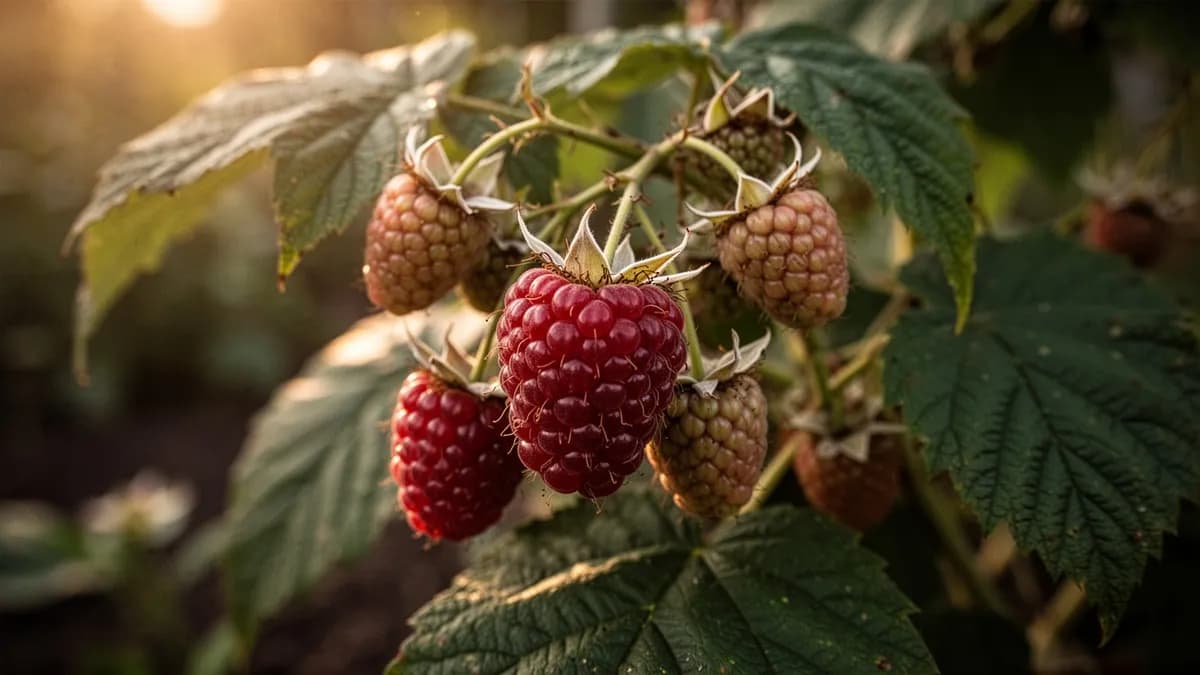
One of the most popular everbearing raspberry cultivars, producing a summer crop on floricanes and a fall crop on primocanes. Heritage is prized for its reliability, disease resistance, and firm berries that hold up well after picking. Cut all canes to the ground in late winter for a single abundant fall harvest or selectively prune for two crops.
When to plant Heritage Raspberry
Heritage raspberries are propagated by digging and transplanting root suckers, which emerge abundantly from the spreading root system. In early spring, dig suckers that have reached six to eight inches tall with attached roots and transplant to prepared beds. Root cuttings are another effective method: dig pencil-thick root sections four inches long in late winter, lay horizontally in moist potting mix, and new shoots emerge in four to six weeks. Division of the crown is possible for older plants. Seed propagation is not used, as seedlings do not come true to the named variety.
Your Heritage Raspberry Year
Composed for Zone 7 · typical seasons · frost passes Apr 2, returns Nov 1
Plant Heritage Raspberry Mar – Apr, pick Jul – Oct. Check the planting methods below and set your climate to personalize these windows.
How to grow Heritage Raspberry
Heritage is one of the most widely planted and reliable everbearing raspberry cultivars in the world, valued for its consistent performance, disease resistance, and firm, flavorful berries. This primocane-fruiting variety produces fruit on first-year canes in late summer and fall, and can also fruit on second-year canes in early summer if they are retained through winter. Plant bare-root canes in early spring in well-drained, compost-enriched soil with full sun exposure.
Space Heritage canes two to three feet apart in rows six to eight feet apart and install a simple post-and-wire trellis to keep the erect, self-supporting canes tidy. For the simplest management, mow all canes to ground level in late winter. New primocanes will emerge in spring and produce a single, heavy fall crop beginning in August or September. This method eliminates disease carryover and simplifies the pruning routine to a single annual task.
For two crops per year, selectively prune after the fall harvest by removing only the top portion of each cane that fruited. Leave the lower sections to produce a summer crop on lateral branches the following June. After the summer crop, remove those spent floricanes entirely. Heritage canes are vigorous and spread readily by root suckers, so install barriers or cultivate regularly to keep the patch contained. Feed in early spring and again at bloom with balanced fertilizer, and maintain consistent moisture with drip irrigation and organic mulch.
8 plants fit a 4 × 8 ft bed
Each Heritage Raspberry wants 60 cm of elbow room. The planner keeps that spacing for you — every plant, every bed.
Heritage Raspberry's best neighbours
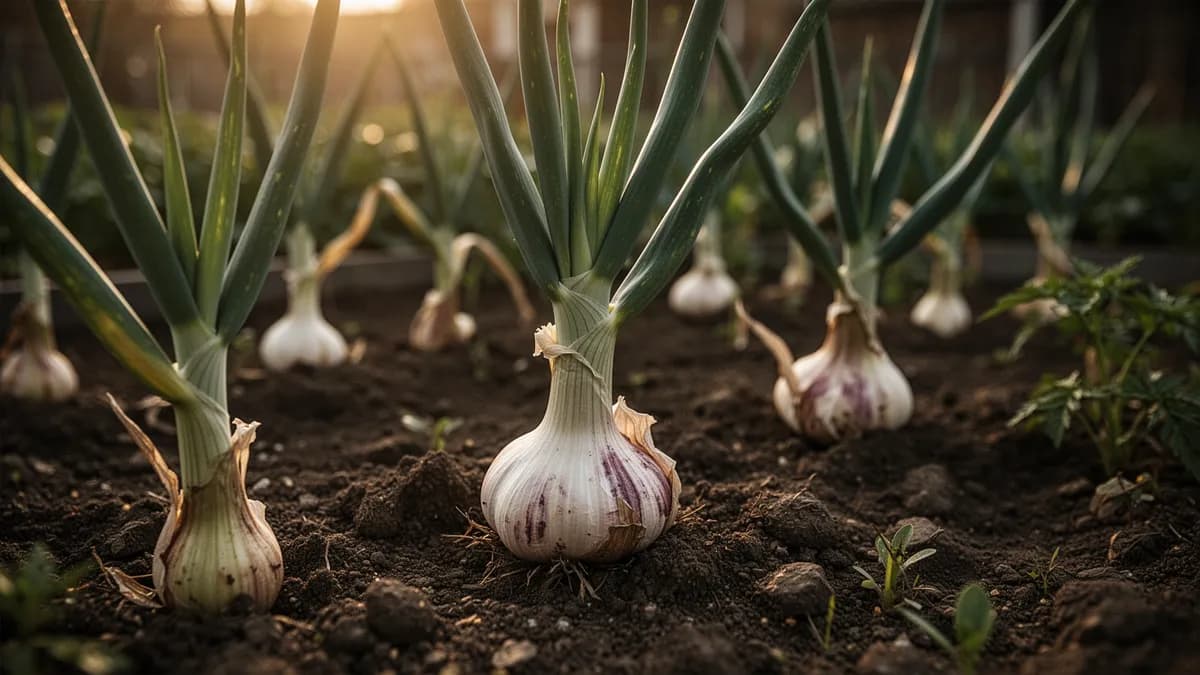
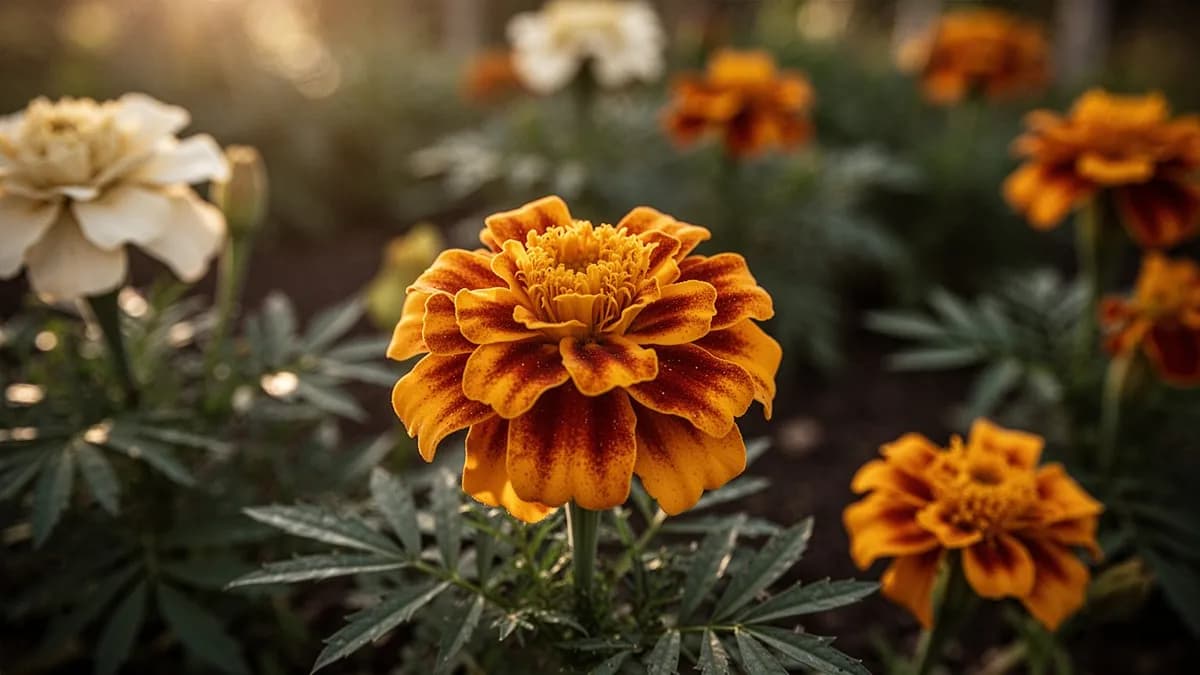
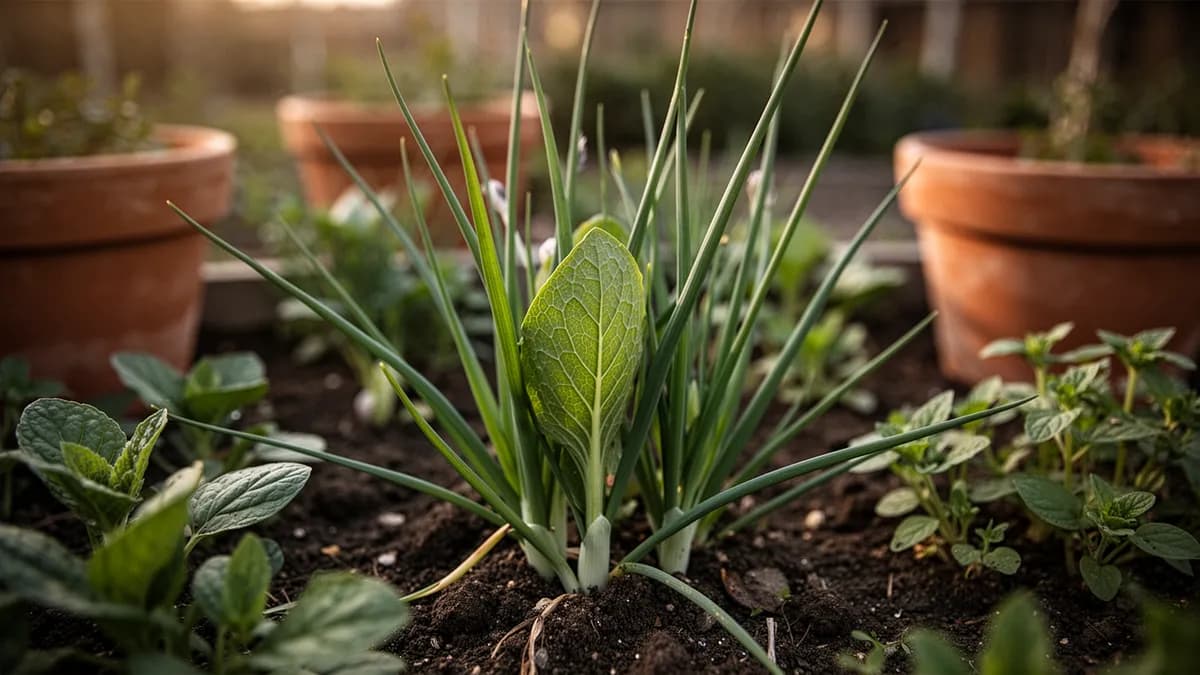
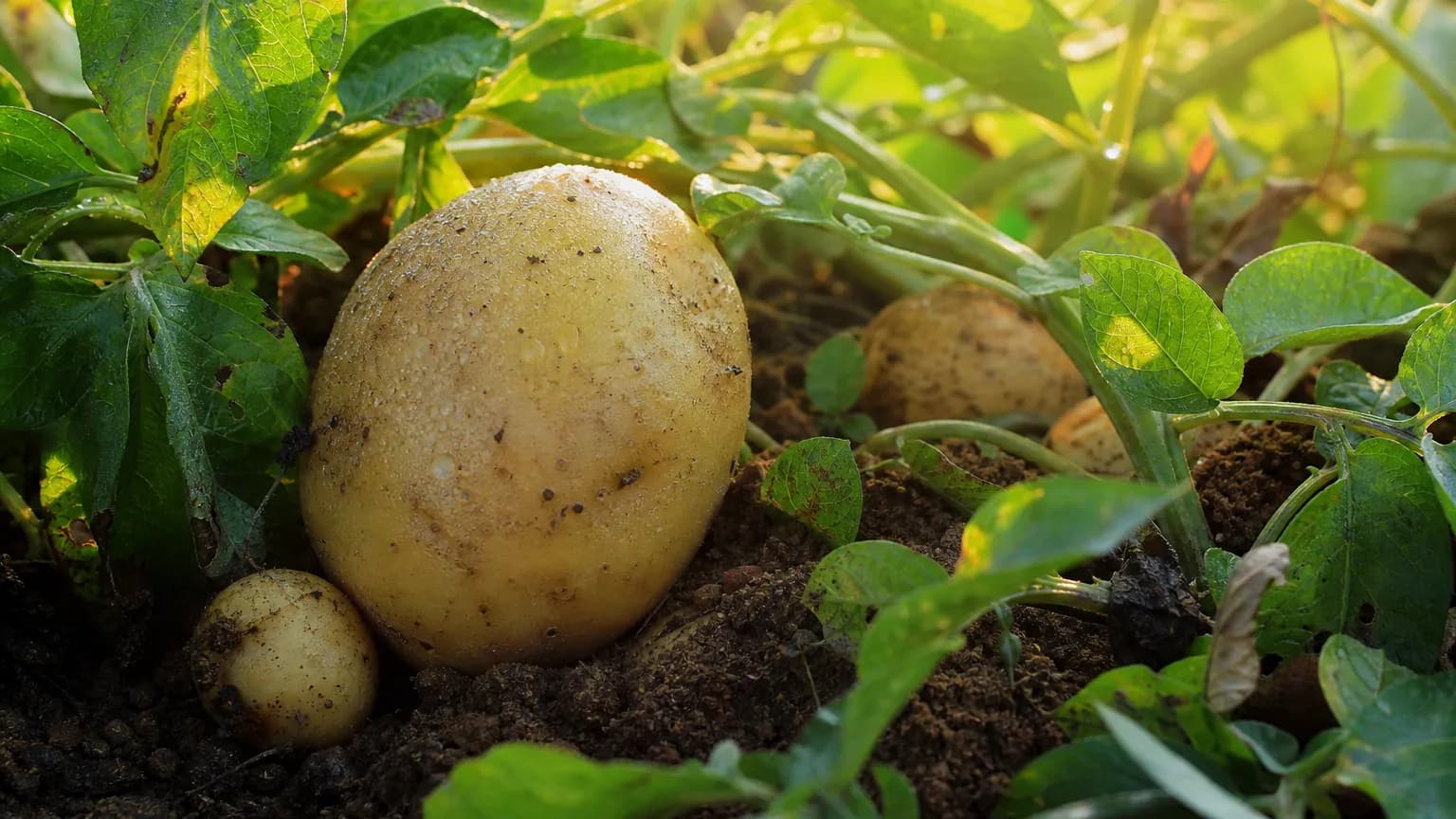
Plant garlic, chives, and tansy around Heritage raspberry rows to deter common pest insects. Marigolds attract beneficial pollinators and predatory insects. Crimson clover grown between rows fixes nitrogen and provides a living mulch. Keep Heritage canes well separated from black raspberries and wild brambles to minimize viral disease transmission. Avoid planting near potatoes or other nightshades that harbor verticillium wilt fungus in the soil.
Garlic belongs beside it. Blackberry doesn't.
Old growers' knowledge, checked against Heritage Raspberry's real companion table below — test any plant you're growing.
Try Heritage Raspberry in a bed — right here
A real planner bed with Heritage Raspberry already in it. Tap a companion to place it and watch the pairing checks answer — green for good neighbours, red for a clash.


Related growing guides
Feed it well
Heritage raspberries perform best in well-drained, fertile loam with a pH of 6.0 to 6.8. Prepare the planting site by incorporating three to four inches of compost into the top twelve inches of soil. Apply balanced 10-10-10 fertilizer in early spring at a rate of five pounds per hundred feet of row, and side-dress with compost at bloom. Avoid nitrogen fertilizer after midsummer in cold climates, as it promotes late growth vulnerable to winter injury. Mulch with straw or wood chips to maintain consistent soil moisture and suppress weeds.
Ideal Temperature
Hardiness Zone Compatibility
From seed to harvest, stage by stage
Dormant Planting
Bare-root or potted Heritage canes are planted in early spring while still dormant. Roots establish slowly in cool soil. No above-ground growth is visible yet, but the crown is developing fine feeder roots.
Primocane Emergence
Vigorous new primocanes emerge from the crown and push upward rapidly, sometimes growing several inches per week in warm conditions. Leaves unfurl and the canes develop their characteristic thorns.
Vegetative Growth & First Flower Buds
Primocanes continue elongating toward their full height of 4–6 feet. In midsummer, flower buds form in the upper third of the current-season canes — a hallmark trait of everbearing varieties like Heritage.
First (Fall) Flowering & Berry Set
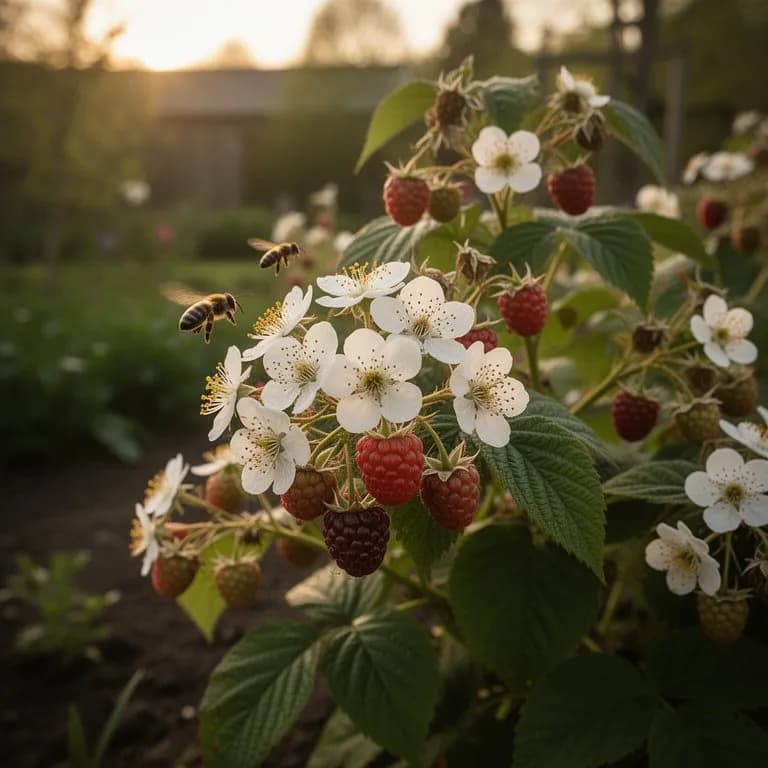
White blossoms open on the upper cane tips in late July to early August. Pollination by bees is rapid, and small green berries set and begin swelling within days of petal drop.
Fall Harvest
Berries ripen from the top of each cane downward, starting in late August and continuing through October. Ripe Heritage raspberries are a deep, uniform red and slip easily off the plug when gently pulled.
Overwintering Floricanes
After fall harvest the canes that fruited on their tips (now called floricanes) survive winter and will produce a smaller summer crop the following July on the lower portion of the same cane before dying.
Summer Crop (Second Year Floricanes)
Overwintered floricanes leaf out and produce lateral shoots bearing flower buds along their lower two-thirds. A smaller summer crop ripens in late June to mid-July, overlapping with the new season's primocane growth.
Plant in well-drained, slightly acidic soil (pH 5.5–6.5) and water in thoroughly. Do not fertilize at planting — wait until new shoots appear.
Caring for Heritage Raspberry month by month
What to do each month for your Heritage Raspberry
October
You are hereHarvest continues until the first killing frost. Apply a thin layer of compost around the base of each plant to improve soil organic matter before winter.
Know exactly what to do in your garden — every month
One email at the start of each month: what to sow, plant, and tackle right now — for your Heritage Raspberry and everything growing around it. Plus a short starter course that helps you dodge the classic mistakes.
- What to do, right now
- Matched to your season
- Starter course included
Harvesting Heritage Raspberry
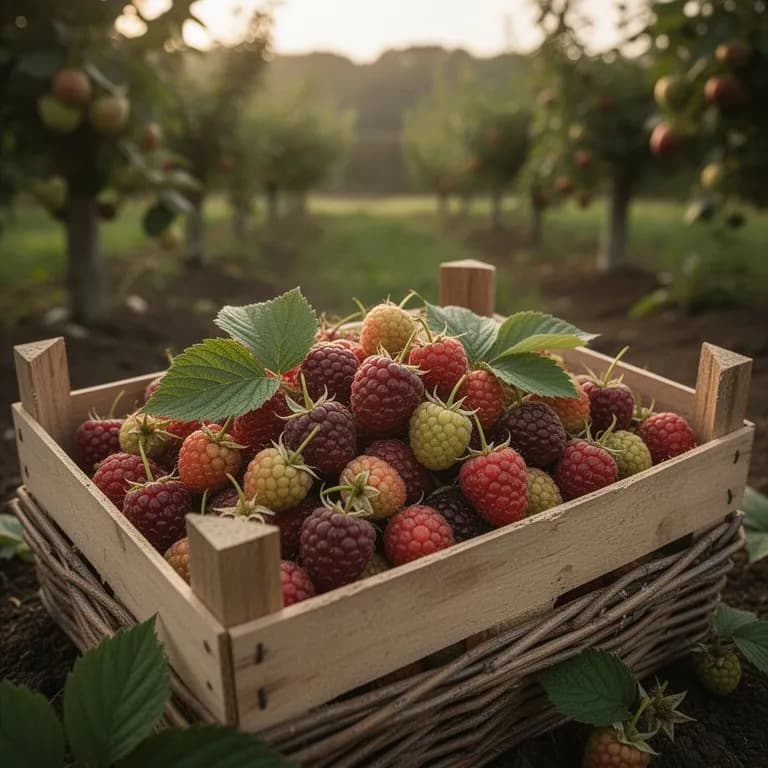
Harvest Heritage raspberries when they have turned a deep, matte red and pull free from the receptacle with almost no effort. The berries should be firm but yield slightly to gentle pressure. Heritage produces firmer berries than many other red varieties, which is an advantage for storage and transport. Pick every two to three days during the fall crop, which typically runs from August through October depending on climate. Cool fall temperatures often produce the best-flavored berries of the season.
assuming you plant when the window opens — set your real date
Pick Heritage Raspberry promptly and the plant keeps producing.
Storage & Preservation
Heritage raspberries store better than most red raspberry varieties, lasting three to five days in the refrigerator thanks to their firm texture. Freeze surplus by spreading on a parchment-lined tray and transferring to bags once solid. The extended fall harvest allows for gradual accumulation for freezing, jam-making, or wine production. Heritage berries make excellent jam, juice, syrup, and fruit leather. Their firm texture also makes them suitable for dehydrating into raspberry chips for trail mix.
What goes wrong — and the fix
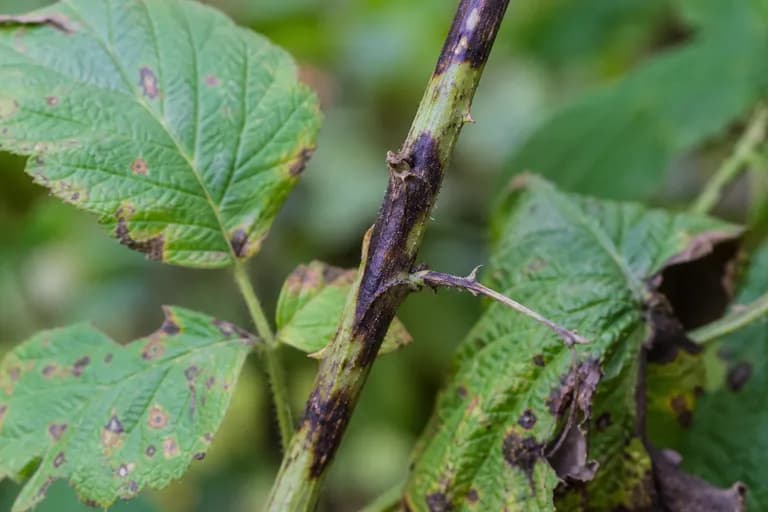
Spur Blight (Didymella applanata)
DiseaseDark chocolate-brown blotches around leaf nodes on canes in late summer; buds at affected nodes die and fail to produce laterals.
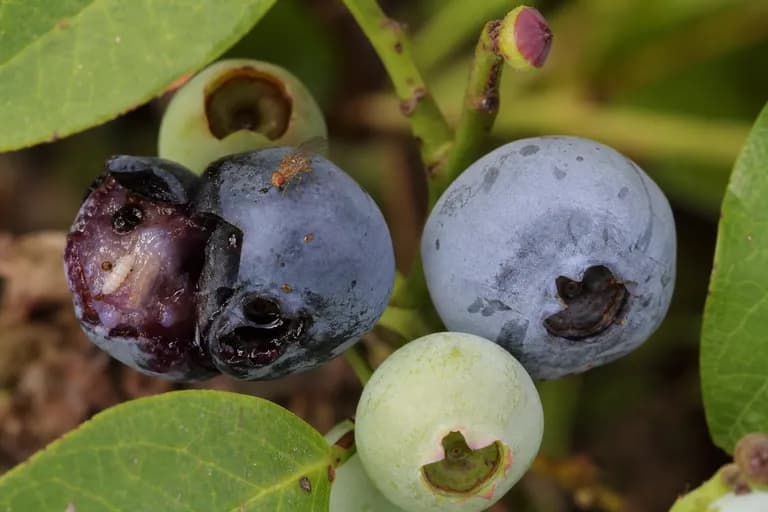
Spotted Wing Drosophila
PestSoft, collapsing berries with tiny larvae inside; sunken spots on ripening fruit; fermented odor from damaged berries.
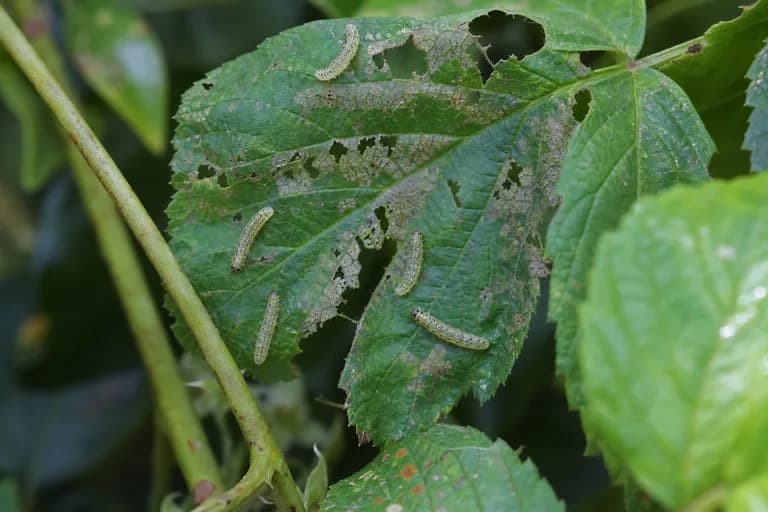
Raspberry Sawfly
PestPale green caterpillar-like larvae feeding on leaf edges and between veins, causing a windowpane effect on leaves.
Troubleshooting Common Problems
The fall crop may not fully ripen before frost in short-season northern areas, particularly zones 3 and 4. Choose an earlier-ripening variety like Autumn Bliss for these regions. Excessive suckering can overwhelm a garden if not managed with regular cultivation or barriers. Cane diseases are generally less problematic with Heritage than with floricane-only varieties because the annual mowing approach removes diseased cane material. Fruit crumbling at harvest may indicate viral infection and warrants plant removal.
Growing Tips
- Plant Heritage in a location that receives at least 6–8 hours of full sun daily; shaded canes produce fewer, smaller, and less sweet berries and are significantly more susceptible to fungal diseases.
- Space plants 18–24 inches apart within rows and keep rows at least 6 feet apart to allow adequate air circulation and room for the spread of new primocanes each year.
- Amend heavy clay soils with generous amounts of compost or aged manure before planting, as Heritage raspberries demand excellent drainage — roots sitting in waterlogged soil for even a few days can develop crown rot.
- For the cleanest, highest-yielding single-crop system, mow or cut all canes to 2–3 inches above the ground immediately after the fall harvest or in late winter — this eliminates the summer crop but dramatically increases fall production and completely removes most overwintering disease and pest habitat.
- Apply a 3–4 inch layer of wood chip or straw mulch along the row to suppress weeds, conserve soil moisture, moderate soil temperature, and gradually improve soil structure as it decomposes.
- Sidedress with a balanced granular fertilizer (10-10-10) in early spring when new canes reach 6 inches, and again in mid-July to fuel fall crop development — avoid late-season nitrogen applications that push soft new growth vulnerable to early frost.
- Install a two-wire trellis with wires at 2 feet and 4.5 feet above ground before canes reach full height; Heritage canes are self-supporting in still conditions but collapse easily under fruit load or moderate wind without support.
- Renovate the patch every 8–10 years by replanting with virus-tested, certified stock in a new location, as successive seasons of planting in the same spot builds up soil-borne pathogens and reduces yields significantly.
- Water at the base of the plant with drip irrigation or soaker hoses rather than overhead sprinklers; consistently wet foliage is the primary driver of gray mold (Botrytis cinerea), the most common and damaging disease of home raspberry plantings.
- In USDA zones 4 and 5, mulch the crown with 4–6 inches of straw after the first hard frost to protect against temperature fluctuations that can cause cane desiccation and crown heaving over winter.
Grow your best Heritage Raspberry yet — and everything around it.
Start a free plan today. Lay out your beds, drop in your Heritage Raspberry, and let PlotMyGarden handle the timing, spacing, companions and reminders from seed to harvest basket.
Pick your Heritage Raspberry
Heritage
The original and still one of the best primocane-fruiting red raspberries, producing firm, flavorful berries from August through frost.
Autumn Bliss
An earlier-ripening alternative to Heritage, producing large berries two to three weeks sooner, ideal for short-season climates.
Caroline
A Heritage seedling with larger, darker berries and even better flavor, plus improved disease resistance.
Joan J
A thornless primocane variety producing large, firm berries with excellent flavor and easy, spine-free harvesting.
A mature Heritage raspberry plant purchased as a bare-root cane costs approximately $5–$10 and, once established in year two, produces 1–2 quarts of fruit per plant per year. At retail prices of $5–$8 per half-pint for fresh organic raspberries, a patch of just 6 plants can yield $120–$200 worth of fruit annually — recovering the initial planting cost within the first full harvest season. Over a productive lifespan of 8–12 years, a well-maintained 10-plant row represents a potential cumulative value of $1,600–$3,200 in fresh fruit, not counting the additional savings from homemade jam, frozen reserves, and the avoidance of pesticide residues common on commercially grown raspberries.
Quick recipes

Heritage Raspberry Freezer Jam
20 minutesA no-cook freezer jam that captures the bright, fresh flavor of Heritage raspberries at their peak. Unlike cooked jam, freezer jam retains more vitamin C and has a looser, more fruit-forward consistency perfect for spreading on toast or swirling into yogurt.
5 ingredients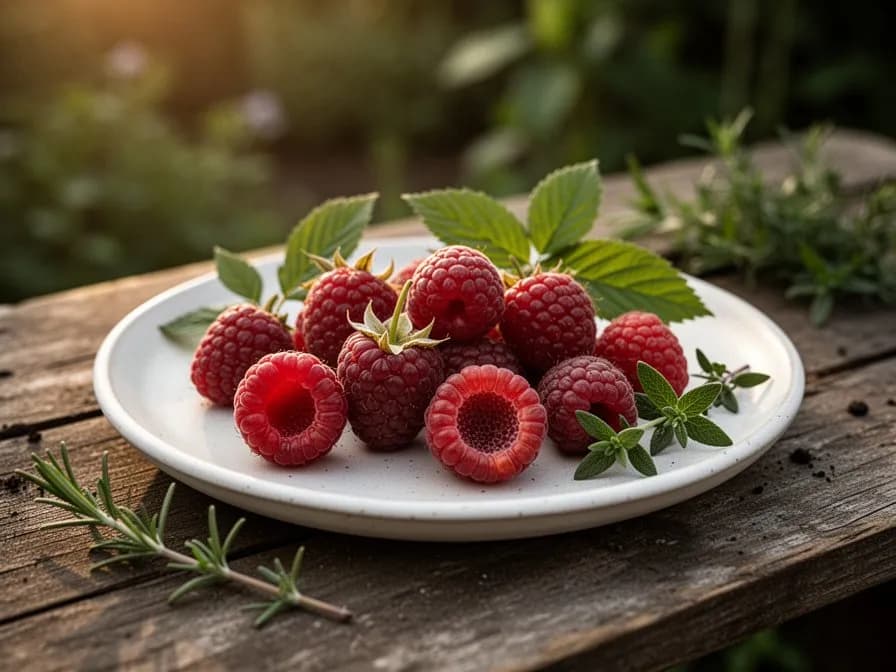
Raspberry Vinaigrette
10 minutesA vibrant, slightly sweet salad dressing made with fresh Heritage raspberries that elevates any green salad. The acidity of the berries means less vinegar is needed, producing a dressing with a beautifully balanced tart-sweet profile and a gorgeous pink-red color.
6 ingredientsRaspberry Crumble
15 minutes prep, 35 minutes bakeA simple baked crumble that lets the Heritage raspberry's natural tartness shine against a buttery oat topping. This recipe works equally well with fresh or frozen berries, making it a year-round way to enjoy your harvest. Serve warm with vanilla ice cream or crème fraîche.
7 ingredientsCulinary Uses
Heritage raspberries are classic all-purpose berries for fresh eating, baking, and preserving. Their firm texture makes them ideal for tarts, pies, and as a cake decoration that holds its shape. The balanced sweet-tart flavor works equally well in savory dishes as a sauce for duck, pork, or lamb. Raspberry vinegar made from Heritage berries is a pantry staple for salad dressings. The berries freeze beautifully for year-round smoothies and baking use.
What's inside
Health Benefits
- Heritage raspberries are among the highest-fiber fruits by weight, and their soluble fiber content feeds beneficial gut bacteria, promoting a healthy microbiome and reducing chronic inflammation.
- Ellagic acid — a naturally occurring polyphenol found in high concentrations in raspberries — has been shown in laboratory studies to inhibit cancer cell growth and may help reduce the risk of certain cancers.
- The anthocyanins responsible for Heritage's deep red pigment have demonstrated cardioprotective effects in clinical studies, including reducing LDL cholesterol oxidation and improving arterial flexibility.
- Raspberry ketones, the organic compounds that give the fruit its characteristic aroma, have been studied for their potential role in fat metabolism and weight management.
- Heritage raspberries have a glycemic index of approximately 25 — significantly lower than most other sweet fruits — making them a safe and satisfying option for people managing blood sugar levels.
- Regular consumption of berry polyphenols has been linked to improved short-term memory and slower cognitive decline in aging populations, according to long-term dietary studies conducted by the USDA and Harvard.
Where Heritage Raspberry comes from
Heritage raspberry (Rubus idaeus 'Heritage') is the product of deliberate breeding work carried out at Cornell University's New York State Agricultural Experiment Station in Geneva, New York. Released to the public in 1969 by plant breeder Dr. Brinton Moore, Heritage was the result of crossing the variety 'Milton' with 'Cuthbert' and then backcrossing with 'Durham' to combine the desirable everbearing trait with the fruit quality and cane vigor needed for commercial viability. The goal was to develop a primocane-fruiting red raspberry that could produce a large, firm, high-quality fall crop in the northeastern United States — a region where summer-bearing varieties frequently suffered from viral decline and aphid-transmitted diseases.
The name 'Heritage' was chosen to evoke the deep-rooted tradition of raspberry growing in New York and New England, where wild and cultivated raspberries had been a staple of rural homesteads since colonial times. Wild Rubus idaeus is native to both Europe and large parts of Asia, and was introduced to North American cultivation by early European settlers who brought cuttings from their home countries. The cultivated raspberry was well established in American kitchen gardens by the early 19th century, and Heritage built on centuries of selection for flavor and productivity.
Within a decade of its release, Heritage had become the dominant commercial red raspberry cultivar in the eastern United States and quickly spread to home gardeners nationwide. Its combination of reliable fall production, excellent fruit firmness, and tolerance of a wide range of soils made it extraordinarily adaptable. By the 1980s Heritage was being grown commercially from California to Maine, and it remains a benchmark variety against which newer introductions are routinely compared.
Heritage's legacy extends beyond its own production. It has been used as a parent in the development of numerous improved everbearing varieties including 'Autumn Bliss', 'Caroline', and 'Polana', ensuring that its genetic contribution continues to shape raspberry breeding programs around the world. For the home gardener, Heritage represents a proven, low-maintenance entry point into berry growing — a variety whose 50-year track record of success is unmatched in the genus.
Heritage Raspberry: did you know?
Fascinating facts about Heritage Raspberry
Heritage raspberry was developed at Cornell University in 1969 by Dr. Brinton Moore and is still one of the top-selling everbearing red raspberries in North America more than 50 years later.
Heritage Raspberry questions, answered
When should I plant Heritage Raspberry?
What are good companion plants for Heritage Raspberry?
What hardiness zones can Heritage Raspberry grow in?
How much sun does Heritage Raspberry need?
How far apart should I space Heritage Raspberry?
What pests and diseases affect Heritage Raspberry?
How do I store Heritage Raspberry after harvest?
What are the best Heritage Raspberry varieties to grow?
What soil does Heritage Raspberry need?
Why aren't my Heritage raspberry canes producing many berries in the first year?
Should I let my Heritage raspberry produce both a summer and a fall crop, or just one?
What is the white or gray fuzzy mold I sometimes see on my Heritage berries?
My Heritage raspberry canes are flopping over and breaking — what can I do?
How long will a Heritage raspberry planting last before it needs replacing?
Can Heritage raspberry be grown in containers?
You just read the theory. Now grow it on autopilot.
Everything that makes Heritage Raspberry fiddly — the timing, the spacing, the companions, the harvest window — is exactly what PlotMyGarden handles for you, for every plant in your garden.
A plan that knows your weather
Set your location once. Get sow, feed and harvest dates built around your real last-frost date and live forecast — no more guessing from a generic seed packet.
From the “When to plant” sectionDrag-and-drop bed planner
Design beds on a grid. Every plant snaps to its proper spacing, and you can see your whole season laid out before you spend a cent on seed.
From the “Growing guide” sectionCompanion conflicts, caught early
200+ good-and-bad pairings checked live as you plant — so a season-wrecking mistake never makes it into the ground.
From the “Companions” sectionReminders you'll actually act on
“Water the beans.” “Pick today before it turns.” Timely, specific, and tied to the plants you're really growing.
From the “Harvest” sectionSuccession, scheduled
Want a harvest for six weeks, not six days? It spaces your sowings automatically and reminds you when each new block is due.
From the “When to plant” sectionA record that gets smarter
Every harvest you log teaches it your garden. Next year's plan starts from what actually worked in your soil, not a textbook's.
From the “Overview” sectionPlant these alongside Heritage Raspberry
More Berries
Keep Heritage Raspberry away from these
Grow your best Heritage Raspberry yet — and everything around it.
Start a free plan today. Lay out your beds, drop in your Heritage Raspberry, and let PlotMyGarden handle the timing, spacing, companions and reminders from seed to harvest basket.