Obedient Plant
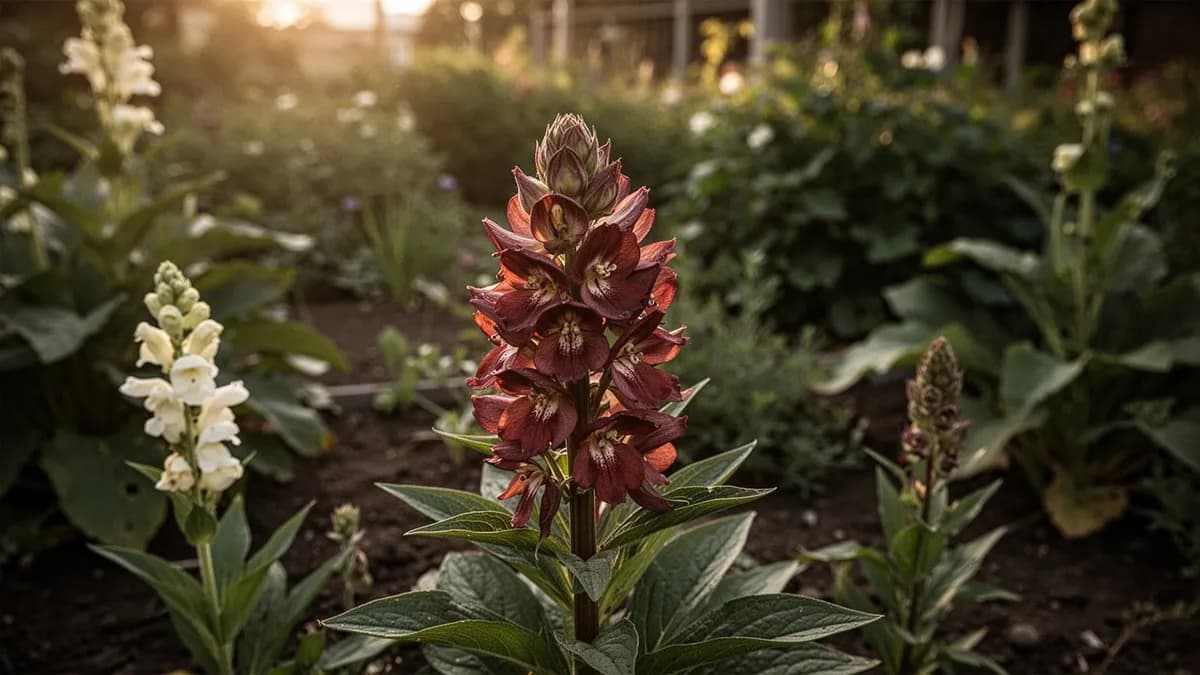
A vigorous native perennial with spikes of snapdragon-like pink, purple, or white flowers whose individual blooms stay in place when pushed to the side.





On this pageOverview
Meet Obedient Plant
A vigorous native perennial with spikes of snapdragon-like pink, purple, or white flowers whose individual blooms stay in place when pushed to the side. Obedient plant spreads enthusiastically by runners and is best used in informal meadow-style plantings or contained beds. It blooms in late summer to fall when fresh color is most welcome.
When to plant Obedient Plant
Sow seeds in spring, pressing onto moist soil surface. Seeds need light to germinate. Germination takes 14-21 days at 65-70°F (18-21°C). Division of runners in spring is much faster. Most named cultivars should be propagated by division to maintain characteristics.
Your Obedient Plant Year
Composed for Zone 7 · typical seasons · frost passes Apr 2, returns Nov 1
Plant Obedient Plant Mar – May, pick Jul – Sep. Check the planting methods below and set your climate to personalize these windows.
How to grow Obedient Plant
Obedient plant gets its common name from a charming quirk—individual flowers pushed to the left or right on the spike stay in their new position rather than springing back, as if obediently following instructions. Plant in spring, spacing 18-24 inches apart in full sun to partial shade.
This vigorous native spreads enthusiastically by underground runners and can form extensive colonies in favorable conditions. Use in informal meadow-style plantings, naturalized areas, or contained beds where spreading can be managed.
The snapdragon-like flowers appear in late summer to early fall, providing fresh color when many perennials are fading. Available in pink, purple, and white, the flower spikes attract bees and hummingbirds. Plants reach 2-4 feet tall depending on variety and conditions.
10 plants fit a 4 × 8 ft bed
Each Obedient Plant wants 45 cm of elbow room. The planner keeps that spacing for you — every plant, every bed.
Obedient Plant's best neighbours
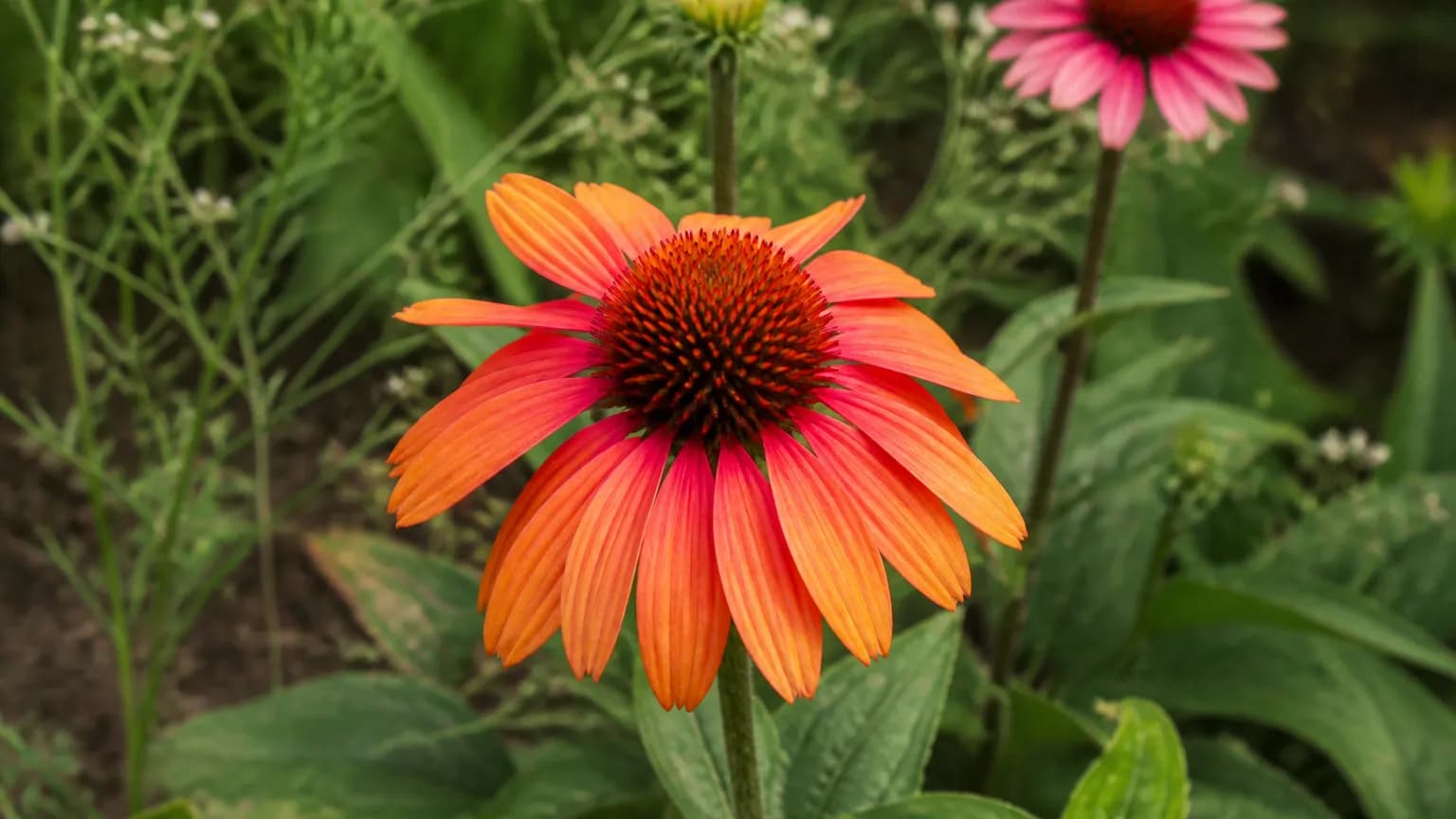
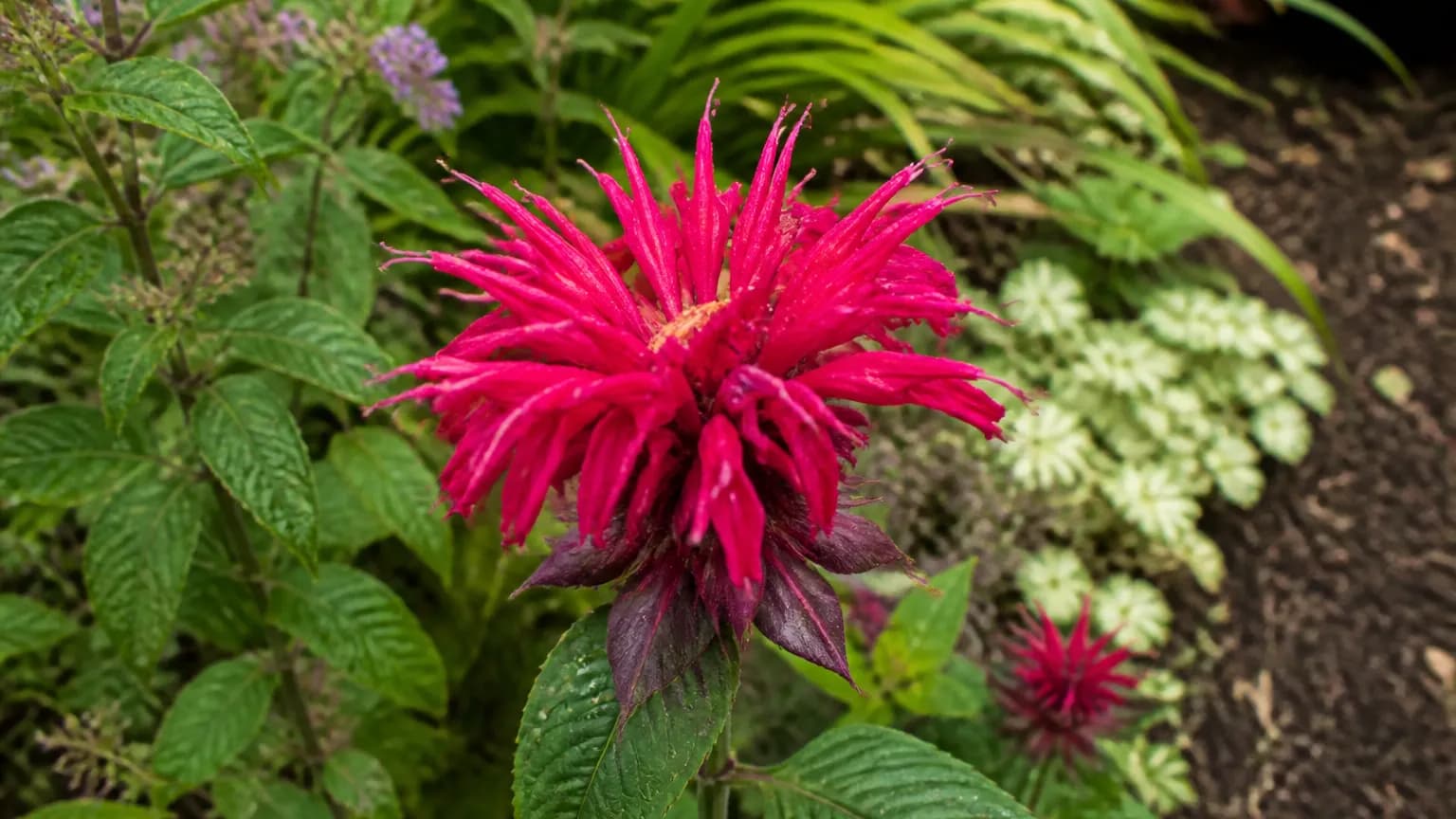
Obedient plant is best in naturalistic settings with other vigorous native perennials: coneflowers, bee balm, goldenrod, and asters. The late-season bloom fills the gap between summer and fall flowers. In meadow gardens, it creates beautiful drifts that move with the wind.
Coneflower belongs beside it.
Old growers' knowledge, checked against Obedient Plant's real companion table below — test any plant you're growing.
Try Obedient Plant in a bed — right here
A real planner bed with Obedient Plant already in it. Tap a companion to place it and watch the pairing checks answer — green for good neighbours, red for a clash.


Related growing guides
Feed it well
Obedient plant thrives in average to rich, moist soil with a pH of 5.5-7.0. It tolerates a wide range of conditions but spreads most aggressively in rich, moist soil. In lean, dry soil, spreading is more controlled. Feed sparingly to limit aggressive spread.
Ideal Temperature
Hardiness Zone Compatibility
From seed to harvest, stage by stage
Seed Germination
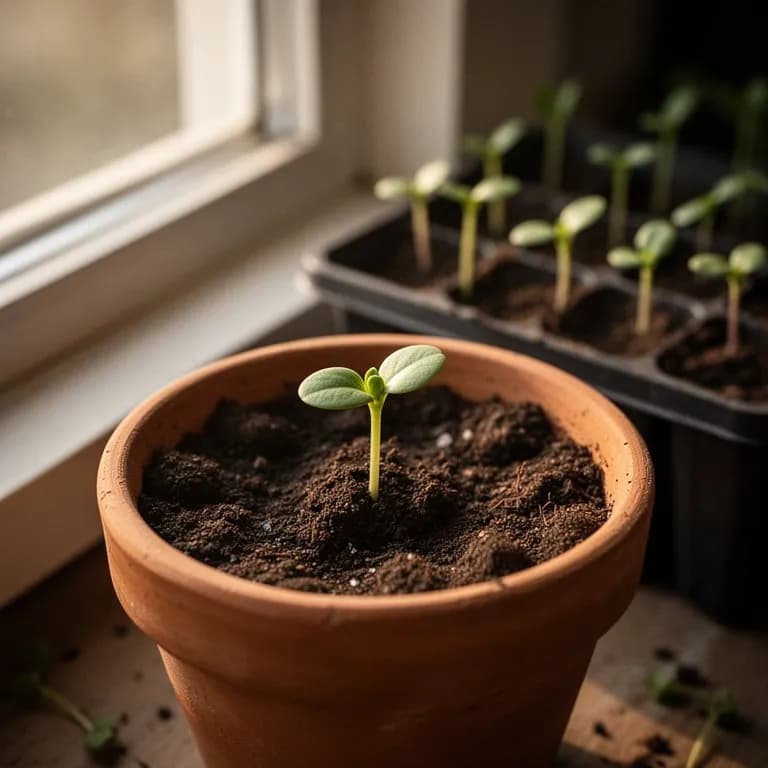
Seeds require light for germination and should be surface-sown on moist soil. Cold stratification for four to six weeks significantly improves germination rates. Seedlings emerge irregularly over two to three weeks once conditions are favorable.
Seedling Establishment
Young seedlings develop their first pairs of opposite, lance-shaped leaves and begin establishing a root system. Growth is relatively slow during this phase as the plant directs energy into root development rather than top growth.
Vegetative Growth
Plants produce sturdy, square stems characteristic of the mint family and develop dense clumps of toothed, lance-shaped foliage. Underground stoloniferous rhizomes begin spreading outward to form new shoots. Stems can reach 60 to 120 centimeters in height during this phase.
Flowering
Terminal flower spikes develop bearing tubular, snapdragon-like blooms in shades of pink, lavender, or white. Individual flowers open from the bottom of the spike upward over several weeks. This is when the plant earns its common name, as each flower can be pushed to a new position on its hinged stalk and will remain obediently in place.
Seed Set and Dispersal
After pollination, small nutlet seeds develop within the persistent calyces along the spent flower spikes. Each flower produces up to four small seeds. If left in place, the dried seed heads provide winter interest and food for birds.
Winter Dormancy
Top growth dies back to the ground after hard frosts. The plant survives winter as a network of hardy rhizomes beneath the soil surface. Physostegia is reliably winter hardy in USDA zones 3 through 9, tolerating temperatures well below minus 30 degrees Celsius.
Keep the soil surface consistently moist but not waterlogged. A light misting once or twice daily prevents the tiny seeds from drying out. Do not cover seeds with soil as they need light to germinate.
Caring for Obedient Plant month by month
What to do each month for your Obedient Plant
October
You are hereAllow some seed heads to remain for winter bird food and garden interest. Reduce watering as temperatures drop and growth slows. Begin cleaning up any foliage damaged by early frosts.
Know exactly what to do in your garden — every month
One email at the start of each month: what to sow, plant, and tackle right now — for your Obedient Plant and everything growing around it. Plus a short starter course that helps you dodge the classic mistakes.
- What to do, right now
- Matched to your season
- Starter course included
Harvesting Obedient Plant
The flower spikes make unique additions to late-summer arrangements. Cut when about half the flowers on the spike have opened. Demonstrate the 'obedient' trick to amuse dinner guests—push individual flowers to one side and they stay put. Flowers last 7-10 days in the vase.
assuming you plant when the window opens — set your real date
Pick Obedient Plant promptly and the plant keeps producing.
Storage & Preservation
Physostegia is fully hardy. Cut back after frost. Manage spread by pulling up runners in spring. Divide every 2-3 years to control colony size.
What goes wrong — and the fix
Rust
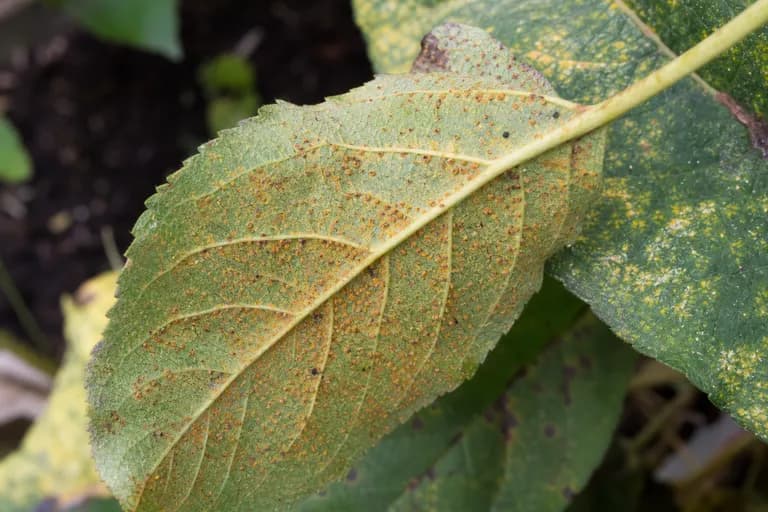
DiseaseOrange-brown pustules on leaves. Usually minor and late-season.
Troubleshooting Common Problems
Aggressive spreading is the primary concern—runners can invade adjacent plantings within a single season. Choose well-behaved cultivars like 'Miss Manners' for borders. Tall varieties may flop in rich soil—pinch stems in early June to promote bushier, shorter growth.
Growing Tips
- Install a root barrier made of heavy plastic or metal edging buried at least 30 centimeters deep around the planting area to prevent rhizomes from invading adjacent garden beds.
- Pinch back stems by one-third in early June to produce shorter, bushier plants that are less likely to flop over during heavy rain or wind without requiring staking.
- Choose the cultivar 'Miss Manners' if you want the beauty of obedient plant without the aggressive spreading habit, as this selection forms well-behaved clumps that stay where you plant them.
- Plant in full sun to light partial shade for the best flower production. Plants in deep shade will produce lanky stems with fewer blooms and are more prone to flopping.
- Provide consistently moist soil for optimal growth. Obedient plant naturally occurs in moist meadows and stream banks and will perform poorly in hot, dry conditions without supplemental irrigation.
- Divide clumps every two to three years in early spring as new growth appears. This controls spread, rejuvenates the planting, and provides free plants for other areas of your garden.
- Deadhead spent flower spikes promptly to prevent self-seeding and to encourage the development of secondary lateral flower stems that extend the blooming season.
- Combine with sturdy companion plants such as Joe-Pye weed, ironweed, and native grasses that can hold their own against the vigorous spreading tendency of obedient plant.
- Avoid over-fertilizing, as rich soil and excess nitrogen will promote even more aggressive rhizome spread and can cause stems to grow tall and floppy rather than compact and upright.
- Use obedient plant in rain gardens, bioswales, or along pond edges where its tolerance for wet soil and ability to stabilize banks with its dense rhizome network are genuine advantages rather than management challenges.
Grow your best Obedient Plant yet — and everything around it.
Start a free plan today. Lay out your beds, drop in your Obedient Plant, and let PlotMyGarden handle the timing, spacing, companions and reminders from seed to harvest basket.
Pick your Obedient Plant
Physostegia 'Vivid'
Compact 18-24 inches with vivid pink flowers. Less aggressive than the species. The best choice for borders.
Physostegia 'Miss Manners'
White-flowered and notably well-behaved—clump-forming rather than spreading. The best for small gardens.
Physostegia 'Crystal Peak White'
Pure white flowers on compact plants. Early blooming and relatively non-aggressive.
Physostegia virginiana is one of the most economical perennials to grow, as a single plant purchased for around four to eight dollars will spread via rhizomes to fill a large area within two to three seasons. Established clumps can be divided every two to three years to produce dozens of free plants for expanding your garden, sharing with neighbors, or contributing to community planting projects. Growing from seed is even more cost-effective, with a single packet providing enough plants to establish extensive drifts. Its hardiness and low maintenance needs eliminate the recurring costs associated with annual replanting, fertilization programs, and pest control treatments.
Quick recipes
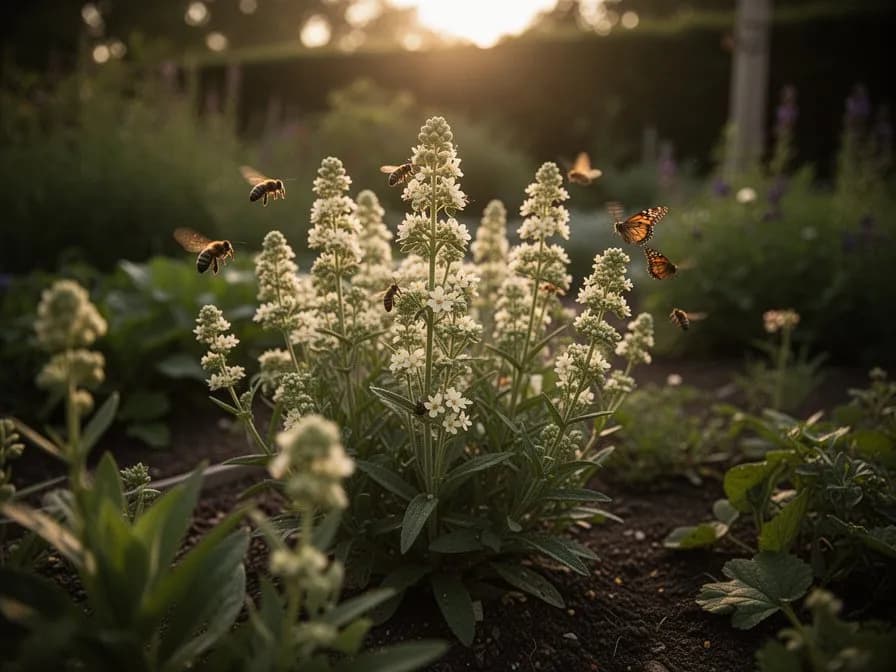
Obedient Plant Fresh Cut Flower Arrangement
15 minutesCreate a stunning late-summer floral arrangement using freshly cut obedient plant spikes. The tubular flowers hold up well in the vase and the unique ability to reposition individual blooms allows for creative arranging not possible with other cut flowers.
5 ingredients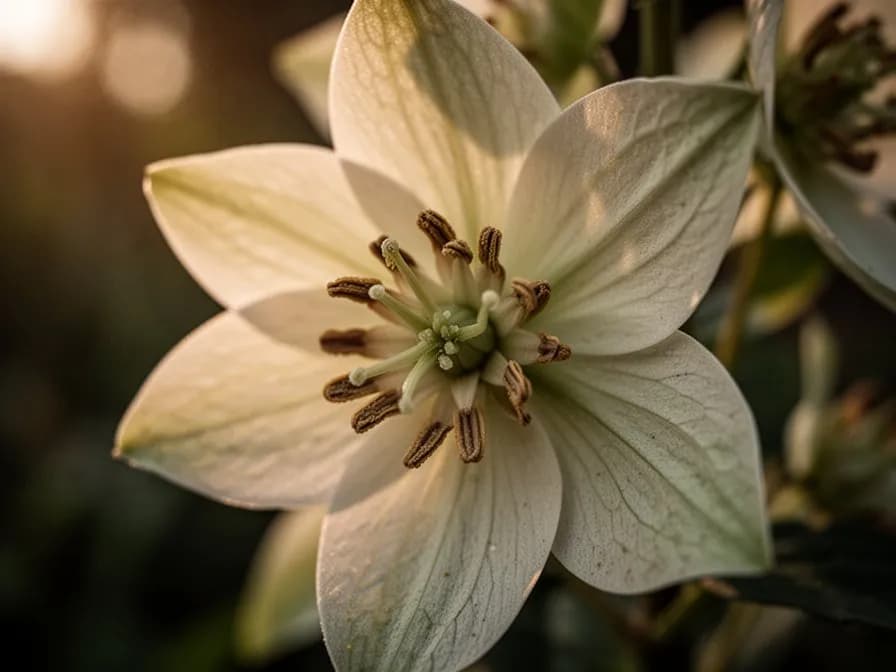
Pressed Obedient Plant Botanical Art
20 minutes active, 2 to 3 weeks dryingPress the distinctive flower spikes and lance-shaped leaves of Physostegia to create beautiful botanical art pieces. The individual flowers retain their tubular shape surprisingly well when carefully pressed, making for detailed and elegant compositions.
5 ingredientsObedient Plant Pollinator Garden Seed Blend
10 minutesCombine saved Physostegia seeds with other native wildflower seeds to create a custom pollinator-friendly seed mix for establishing new garden areas or restoring native habitat. This blend provides sequential bloom from spring through fall frost.
6 ingredientsWhat's inside
Health Benefits
- Provides critical late-season nectar and pollen for pollinators including bumblebees, honeybees, butterflies, and hummingbirds, supporting biodiversity during a period when few other plants are in bloom.
- Functions effectively in rain gardens and bioswales, helping to absorb and filter stormwater runoff, reduce soil erosion, and improve water quality in residential and community landscapes.
- Contributes to mental well-being through its calming visual presence in the garden, with studies showing that interaction with flowering plants and natural landscapes can reduce stress and improve mood.
- Supports healthy garden ecosystems by attracting beneficial insects that provide natural pest control services, reducing the need for chemical interventions in surrounding plantings.
- Improves soil structure and organic matter content over time as its dense rhizome network stabilizes soil and its annual foliage dieback adds decomposing plant material to the upper soil layers.
- Offers accessible gardening opportunities for people of all skill levels due to its low maintenance requirements and vigorous growth, encouraging outdoor physical activity and connection with nature.
Where Obedient Plant comes from
Physostegia virginiana, commonly known as the obedient plant or false dragonhead, is a herbaceous perennial native to North America. Its natural range extends across much of the eastern and central portions of the continent, from the Canadian provinces of Quebec, Ontario, and Manitoba southward through the Great Plains and eastern United States to northern Mexico. In the wild, it is found growing along stream banks, in moist prairies, meadows, open woodlands, and along the edges of marshes and wetlands, where it forms dense colonies through its vigorous rhizomatous root system. The genus name Physostegia derives from the Greek words 'physa' meaning bladder and 'stege' meaning covering, referring to the inflated fruiting calyx that encloses the seeds. The species epithet 'virginiana' indicates that the plant was first described from specimens collected in the Virginia colonies during the early period of European botanical exploration in North America. The plant was introduced to European horticulture in the mid-eighteenth century and quickly gained popularity as an ornamental perennial for its showy flower spikes and easy cultivation. By the nineteenth century, it was widely grown in cottage gardens across Britain and continental Europe. Selective breeding throughout the twentieth century produced several notable cultivars, including the compact pink-flowered 'Vivid,' the pure white 'Summer Snow,' and the clump-forming 'Miss Manners,' which was introduced in the early 2000s and became prized for its non-spreading habit. Today, Physostegia virginiana is valued not only as a garden ornamental but also as an important component of native plant restorations and pollinator gardens across North America, where it provides late-season nectar for bees, butterflies, and hummingbirds during a critical period before autumn migration and overwintering.
Obedient Plant: did you know?
Fascinating facts about Obedient Plant
Each individual flower on the spike is attached by a flexible hinge-like joint, allowing it to be pushed to any angle where it will remain in its new position — hence the common name 'obedient plant.'
Obedient Plant questions, answered
When should I plant Obedient Plant?
What are good companion plants for Obedient Plant?
What hardiness zones can Obedient Plant grow in?
How much sun does Obedient Plant need?
How far apart should I space Obedient Plant?
What pests and diseases affect Obedient Plant?
How do I store Obedient Plant after harvest?
What are the best Obedient Plant varieties to grow?
What soil does Obedient Plant need?
How do I stop obedient plant from taking over my garden?
Why is it called the obedient plant?
Can obedient plant grow in wet or boggy soil?
When is the best time to divide obedient plant?
Is obedient plant deer resistant?
Does obedient plant attract pollinators?
You just read the theory. Now grow it on autopilot.
Everything that makes Obedient Plant fiddly — the timing, the spacing, the companions, the harvest window — is exactly what PlotMyGarden handles for you, for every plant in your garden.
A plan that knows your weather
Set your location once. Get sow, feed and harvest dates built around your real last-frost date and live forecast — no more guessing from a generic seed packet.
From the “When to plant” sectionDrag-and-drop bed planner
Design beds on a grid. Every plant snaps to its proper spacing, and you can see your whole season laid out before you spend a cent on seed.
From the “Growing guide” sectionCompanion conflicts, caught early
200+ good-and-bad pairings checked live as you plant — so a season-wrecking mistake never makes it into the ground.
From the “Companions” sectionReminders you'll actually act on
“Water the beans.” “Pick today before it turns.” Timely, specific, and tied to the plants you're really growing.
From the “Harvest” sectionSuccession, scheduled
Want a harvest for six weeks, not six days? It spaces your sowings automatically and reminds you when each new block is due.
From the “When to plant” sectionA record that gets smarter
Every harvest you log teaches it your garden. Next year's plan starts from what actually worked in your soil, not a textbook's.
From the “Overview” sectionPlant these alongside Obedient Plant
More Perennials
Grow your best Obedient Plant yet — and everything around it.
Start a free plan today. Lay out your beds, drop in your Obedient Plant, and let PlotMyGarden handle the timing, spacing, companions and reminders from seed to harvest basket.