Chile Tabasco
El chile Tabasco (Capsicum frutescens) es originario de México y famoso mundialmente por ser el ingrediente principal de la icónica salsa Tabasco.





En esta páginaResumen
Conoce Chile Tabasco
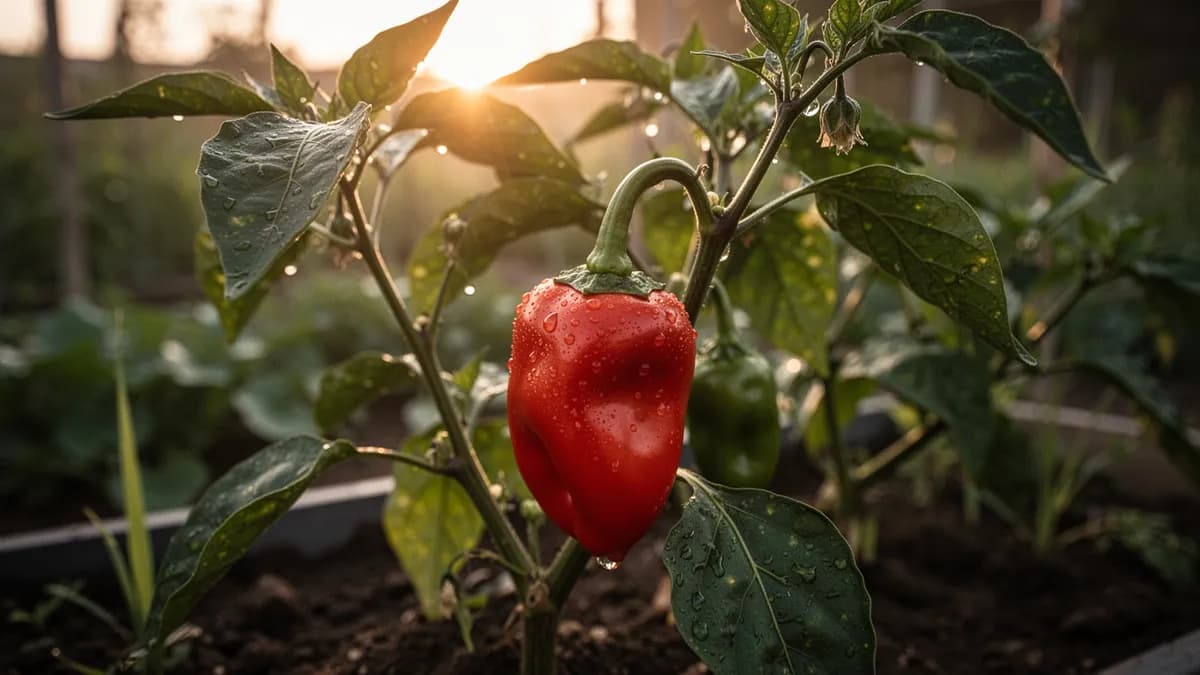
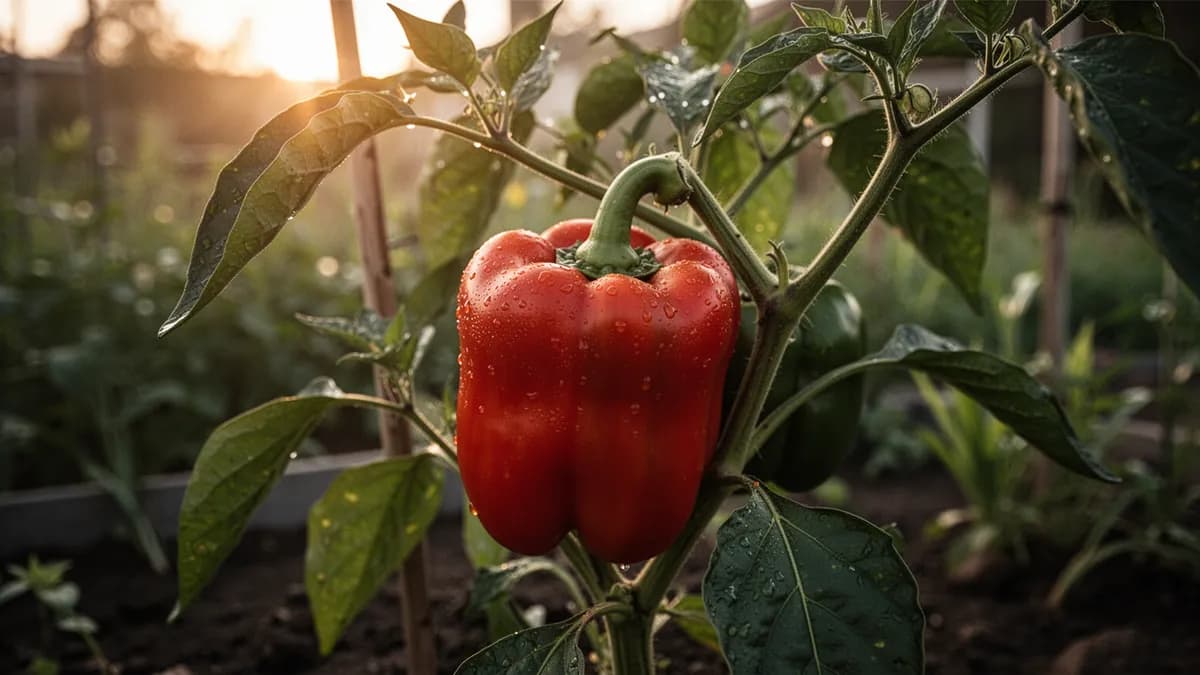
El chile Tabasco (Capsicum frutescens) es originario de México y famoso mundialmente por ser el ingrediente principal de la icónica salsa Tabasco. Produce frutos pequeños y erectos de unos 3-4 cm que maduran del verde al amarillo y finalmente al rojo intenso, alcanzando entre 30.000 y 50.000 unidades Scoville. La planta es muy productiva y puede alcanzar 1-1,5 metros de altura en condiciones óptimas.
Cuándo plantar Chile Tabasco
Inicie las semillas en interior entre 10 y 12 semanas antes de la última helada prevista. Siembre a 5 mm de profundidad en bandejas con sustrato estéril y mantenga a 25-30°C para germinación óptima. Las semillas pueden tardar 14-21 días en germinar. Proporcione luz intensa de 14-16 horas diarias una vez emerjan las plántulas y transplante al exterior cuando las noches superen consistentemente los 15°C.
Tu año de Chile Tabasco
Ajustado a Zona 7 · temporada típica · la helada se va hacia el 2 abr y vuelve hacia el 1 nov
Planta Chile Tabasco Feb – May y cosecha Ago – Oct. Consulta los métodos de plantación y elige tu clima para adaptar los periodos.
Cómo cultivar Chile Tabasco
El chile Tabasco requiere un período de cultivo largo, por lo que se recomienda iniciar las semillas en interior entre 10 y 12 semanas antes de la última helada. Las semillas germinan mejor a temperaturas de 25-30°C y pueden tardar entre 14 y 21 días en brotar. Utilice un sustrato ligero y mantenga la humedad constante sin encharcar.
Transplante las plántulas al exterior cuando las temperaturas nocturnas superen los 15°C de forma consistente. Coloque las plantas a 45-60 cm entre sí en un lugar con pleno sol. El chile Tabasco necesita al menos 6-8 horas de luz solar directa al día. Riegue regularmente, manteniendo el suelo uniformemente húmedo pero bien drenado.
Durante la temporada de crecimiento, aplique un fertilizante equilibrado cada 2-3 semanas. Cuando las plantas comiencen a fructificar, cambie a un fertilizante con mayor contenido de fósforo y potasio para promover la producción de frutos. La planta puede producir cientos de chiles durante una temporada y se recomienda podar las primeras flores para fomentar un crecimiento vegetativo más robusto.
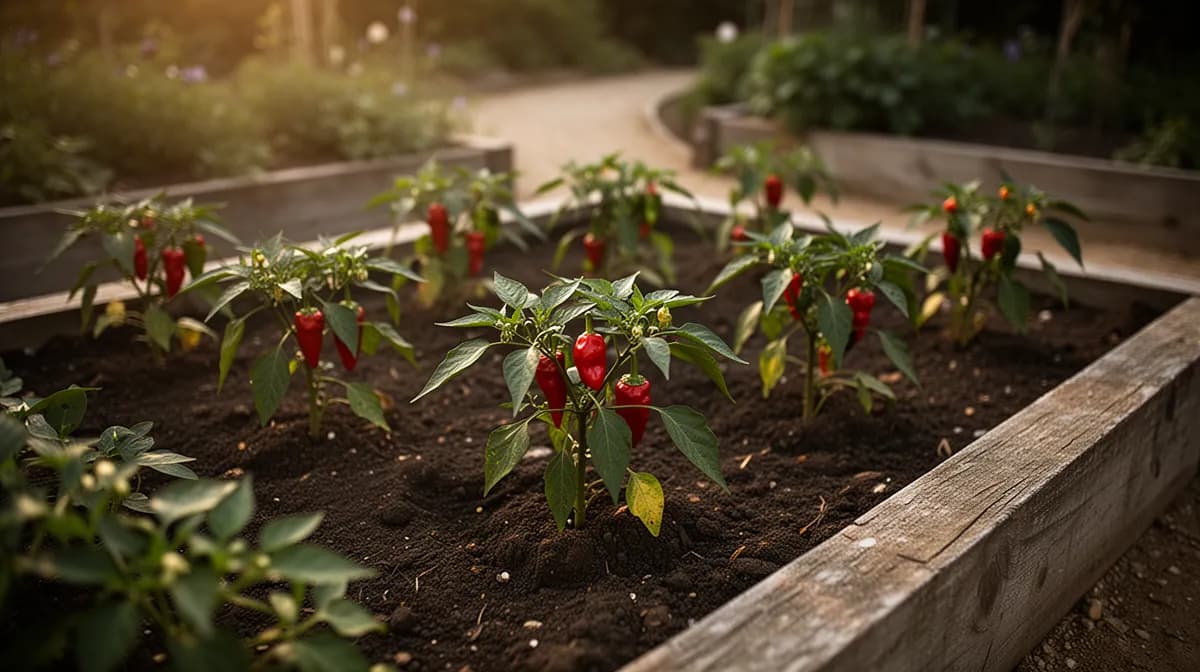
10 plantas caben en un bancal de 120 × 240 cm
Cada Chile Tabasco pide 45 cm de margen. El planificador guarda ese marco por ti — cada planta, cada bancal.
Los mejores vecinos de Chile Tabasco
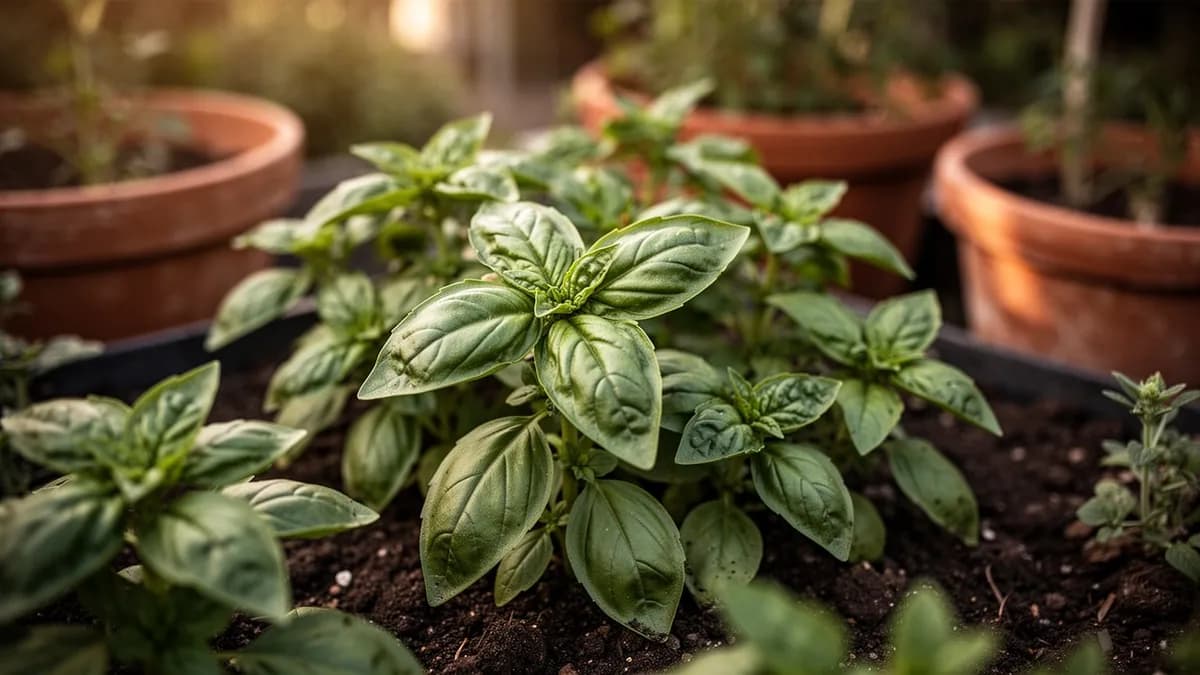
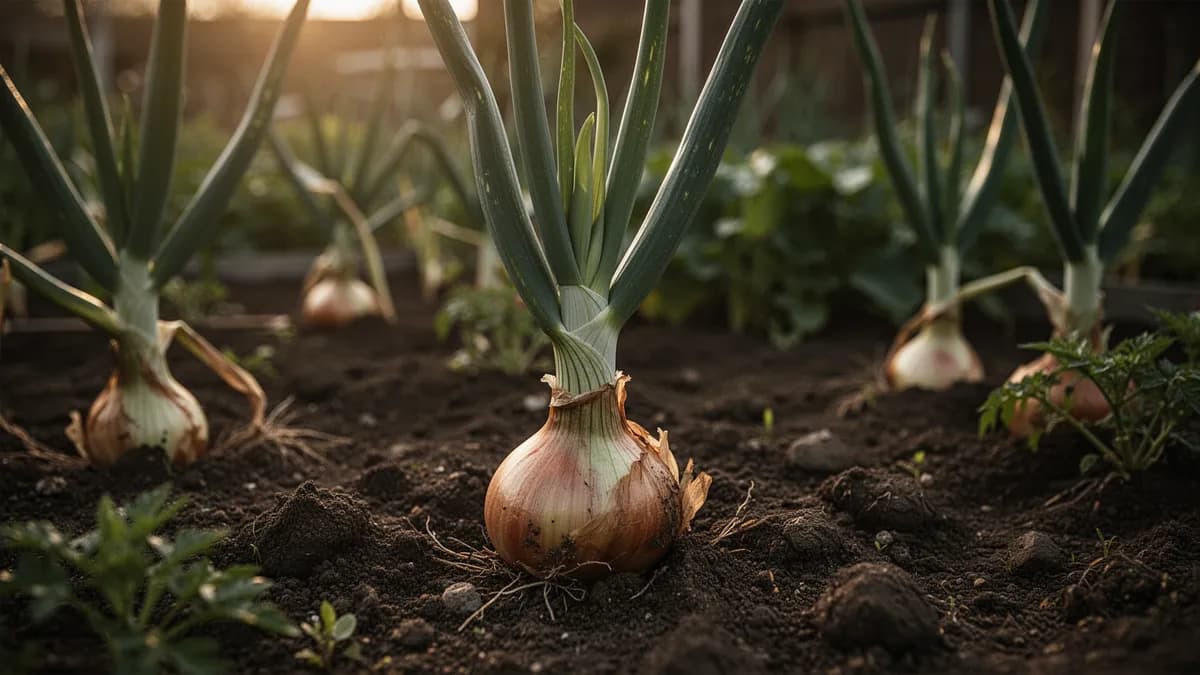
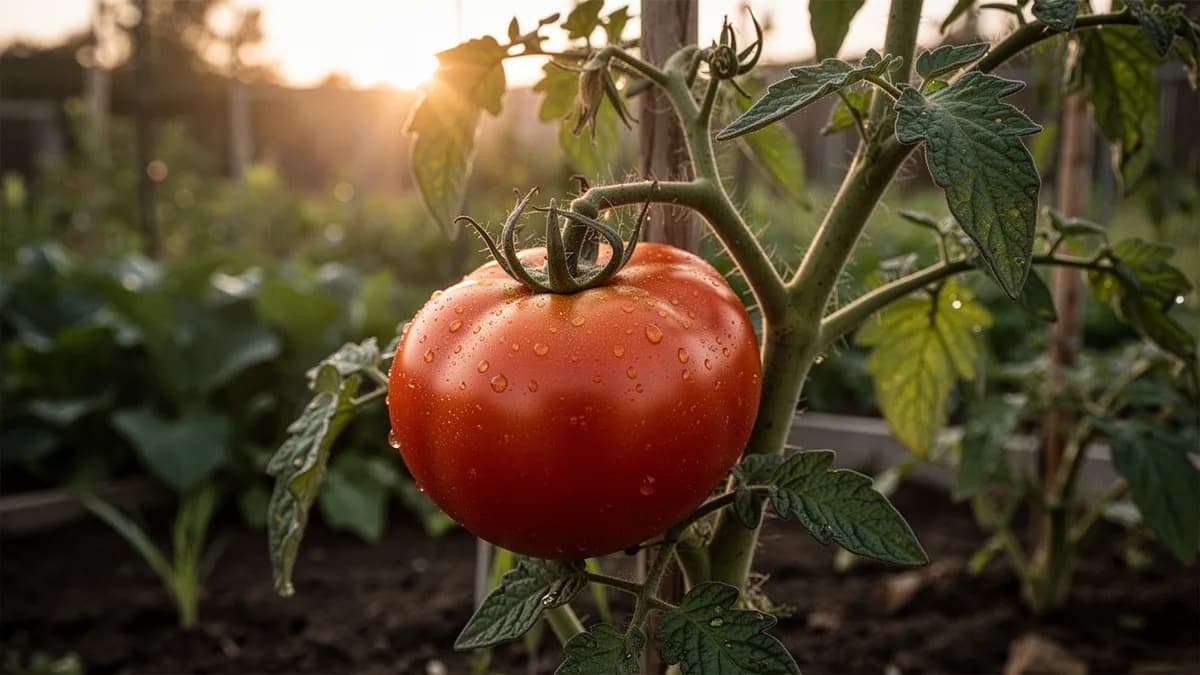
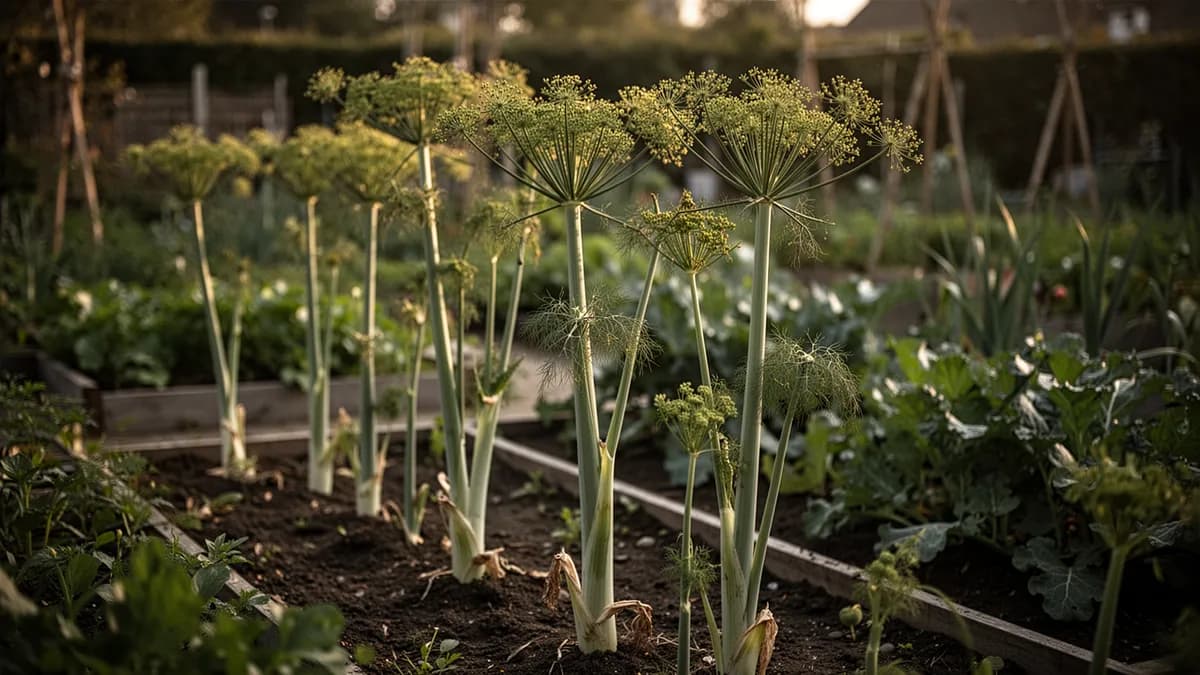
El chile Tabasco se beneficia de la compañía de la albahaca, que ayuda a repeler pulgones y moscas blancas. Los tomates son buenos vecinos ya que comparten necesidades similares de cultivo. Evite plantar cerca de hinojo, que puede inhibir el crecimiento, y de otras solanáceas enfermas para prevenir la propagación de patógenos.
Tomate va a su lado. Hinojo no.
Saber de huerto de siempre, cotejado con la tabla real de Chile Tabasco — prueba cualquier planta que cultives.
Prueba Chile Tabasco en un bancal, aquí mismo
Un bancal real del planificador con Chile Tabasco ya plantado. Toca una planta compañera para colocarla y mira cómo responde la comprobación de vecinos: verde para buenos vecinos, rojo si hay conflicto.


Guías de cultivo relacionadas
Abónalo bien
El chile Tabasco prospera en suelos fértiles, bien drenados y ricos en materia orgánica, con un pH entre 6,0 y 7,0. Incorpore compost maduro al suelo antes de plantar y aplique acolchado orgánico para mantener la humedad y temperatura del suelo. Fertilice cada 2-3 semanas con abono equilibrado durante el crecimiento vegetativo, y cambie a fórmula rica en potasio durante la fructificación.
Temperatura ideal
Compatibilidad de zonas de rusticidad
De la semilla a la cosecha, etapa por etapa
Siembra
Las semillas de tabasco germinan lentamente y necesitan calor constante.
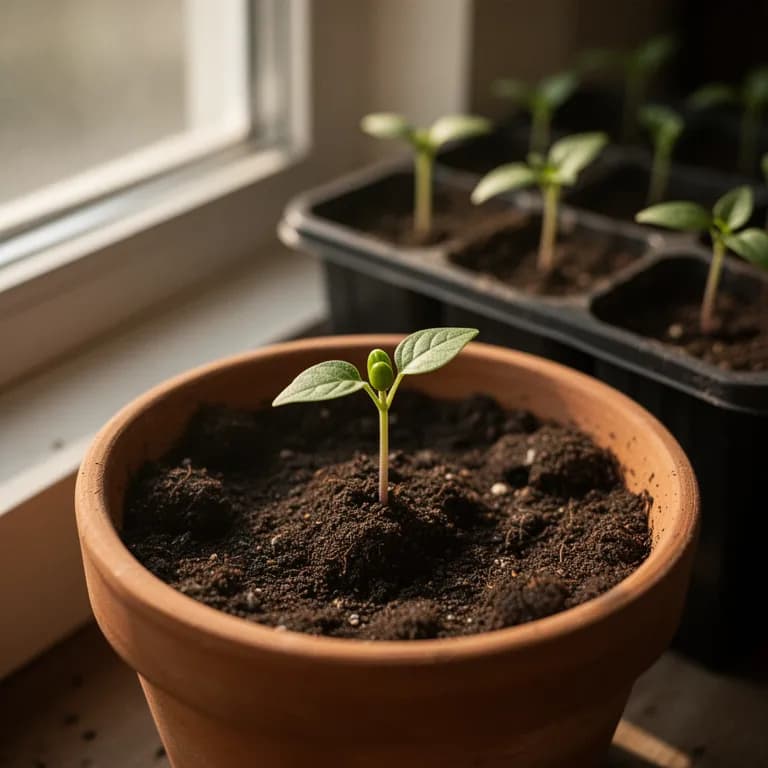
Desarrollo de plántula
Las plantas jóvenes se mantienen compactas al principio mientras se establece la raíz.
Crecimiento vegetativo
Las plantas se vuelven densas, arbustivas y muy ramificadas.
Floración
Aparecen pequeñas flores a lo largo de las ramas antes del cuajado.
Desarrollo del fruto
Las vainas crecen y cambian de verde a rojo.
Temporada de cosecha
Las vainas maduras se recogen repetidamente durante una temporada larga.
Empieza en interior 8-10 semanas antes de la última helada. Mantén el sustrato cálido con calor de fondo y presiona las semillas a 0,3 cm de profundidad.
Cuidar Chile Tabasco mes a mes
Qué hacer cada mes para tu Chile Tabasco
Octubre
Mes actualContinue harvesting any remaining ripe peppers. In zones 9-12, plants may continue producing through autumn. In cooler zones, bring potted Tabasco plants indoors before the first frost — they can overwinter as houseplants on a sunny windowsill and produce peppers year-round.
Ten claro qué hacer en tu huerto, cada mes
Un correo al empezar cada mes: qué sembrar, plantar y hacer ahora mismo — para tu Chile Tabasco y todo lo que crece alrededor. Más un breve curso inicial para esquivar los errores clásicos.
- Qué hacer ahora mismo
- Ajustado a tu temporada
- Curso inicial incluido
Cosechar Chile Tabasco
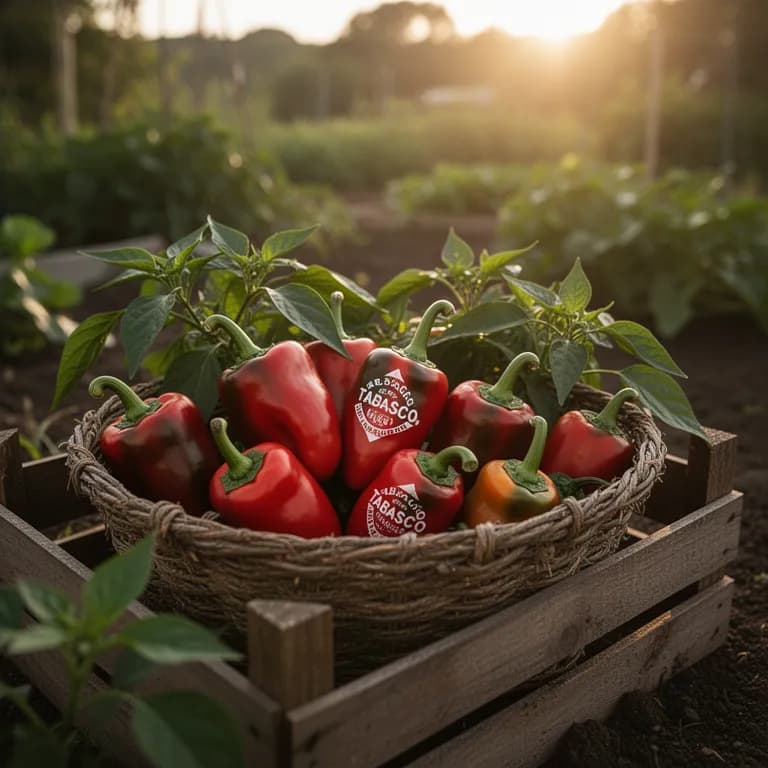
Los chiles Tabasco se cosechan cuando alcanzan un color rojo brillante intenso, generalmente entre 80 y 100 días después del trasplante. Los frutos maduran de forma escalonada, permitiendo múltiples cosechas durante la temporada. Corte los frutos con tijeras dejando un pequeño tallo para evitar dañar la planta.
se supone que plantas al comenzar el periodo — indica tu fecha real
Cosecha cuando los frutos estén completamente rojos y brillantes para obtener el máximo picor y sabor.
Almacenamiento y conservación
Los chiles frescos se conservan en el refrigerador durante 1-2 semanas. Para conservación a largo plazo, se pueden secar al sol o en deshidratador a 55-60°C hasta que estén completamente crujientes. También se pueden fermentar en salmuera durante varias semanas para crear salsas picantes artesanales al estilo tradicional.
Qué falla — y cómo solucionarlo
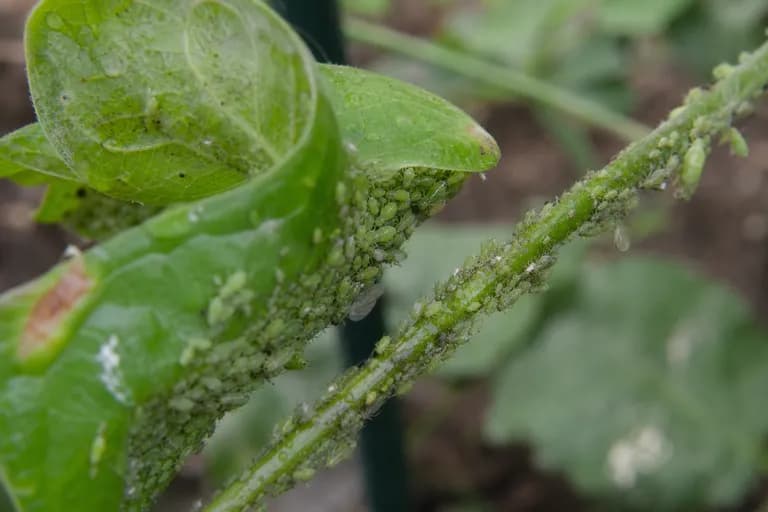
Pulgones
PlagaColonias de insectos pequeños verdes o negros en el envés de las hojas y brotes tiernos, causando enrollamiento y deformación del follaje.
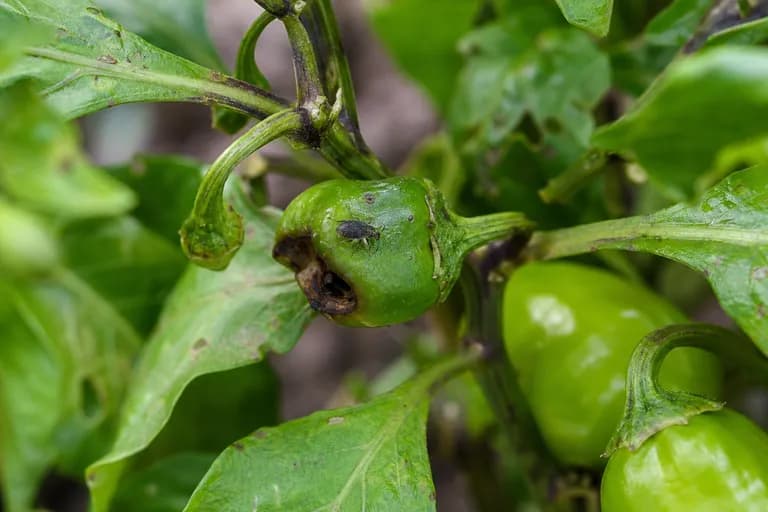
Antracnosis
EnfermedadManchas circulares hundidas de color oscuro en los frutos maduros, con anillos concéntricos y esporulación rosada en condiciones húmedas.
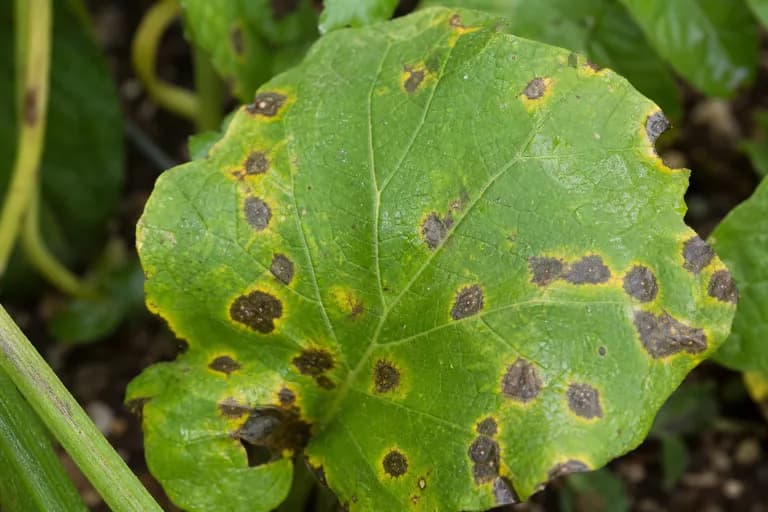
Mosca blanca
PlagaPequeños insectos blancos alados en el envés de las hojas, provocando amarillamiento, debilitamiento y secreción de melaza pegajosa.
Solución de problemas comunes
El principal desafío del chile Tabasco es su largo período de maduración, que requiere una temporada cálida extendida de al menos 100 días. En climas más fríos, es esencial el pre-cultivo en interior. La caída de flores puede ocurrir si las temperaturas superan los 35°C o bajan de 15°C, y también por estrés hídrico o exceso de nitrógeno.
Consejos de cultivo
- Start seeds extremely early — 10-12 weeks before your last frost date at minimum. Tabasco peppers have one of the longest seed-to-harvest timelines of any garden pepper (130-180 days), so every extra week of indoor growing time translates directly into earlier outdoor production.
- Bottom heat is essential for germination. Tabasco seeds germinate poorly at room temperature. A seedling heat mat set to 27-30°C (80-85°F) dramatically improves germination rates from under 50% to over 85%. Do not remove the heat mat until seedlings are well established.
- Choose the hottest, sunniest spot in your garden. Tabasco peppers evolved in the tropical lowlands of Mexico and need a minimum of 8 hours of intense direct sunlight. Against a south-facing wall or fence that reflects heat is ideal.
- Tabasco peppers are outstanding container plants. A single plant in a 20-30 liter pot on a sunny patio produces prolifically and makes an attractive ornamental with its multicolored upward-pointing fruit clusters. Use a well-draining potting mix and water daily in summer heat.
- Do not overwater. Tabasco peppers are moderately drought-tolerant and actually produce hotter peppers when subjected to mild water stress. Water deeply when the top 3-5 cm of soil is dry, but avoid keeping the soil constantly saturated, which promotes root rot.
- Apply Epsom salts (magnesium sulfate) once a month — dissolve 1 tablespoon in 4 liters of water and drench the root zone. Peppers are heavy magnesium feeders, and deficiency causes yellowing leaves with green veins and reduced fruit set.
- Always wear gloves when harvesting and handling Tabasco peppers. The capsaicin is potent enough to cause hours of painful burning on bare skin, and touching your eyes or face after handling peppers without gloves can be excruciating. Wash hands thoroughly with dish soap and oil.
- Overwinter favorite plants indoors in cooler zones. Before the first frost, prune the plant back by one-third, pot it up if it is in the ground, and place it on the sunniest windowsill available. It will drop leaves and go semi-dormant but will regrow vigorously in spring, producing peppers weeks earlier than newly started plants.
Cultiva tu mejor Chile Tabasco — y todo lo que la rodea.
Empieza un plan gratis hoy. Diseña tus bancales, coloca tu Chile Tabasco y deja que PlotMyGarden gestione el momento, el espaciado, las asociaciones y los recordatorios de la semilla a la cesta.
Elige tu Chile Tabasco
Tabasco Original
La variedad clásica utilizada en la producción de la famosa salsa. Frutos de 3-4 cm, maduración en 90 días, extremadamente productiva.
Tabasco Greenleaf
Variedad mejorada con mayor resistencia al virus del mosaico del tabaco. Frutos similares al original con rendimientos superiores.
Tabasco Short Yellow
Variante que produce frutos amarillos más cortos con un nivel de picante ligeramente inferior. Madura en 85 días.
Tabasco Select
Selección comercial con maduración más uniforme y mayor concentración de capsaicina. Ideal para producción de salsas.
A single Tabasco pepper plant costing $3-5 (or pennies if grown from seed) yields enough peppers for several bottles of homemade fermented hot sauce. A 5-ounce bottle of authentic Tabasco sauce retails for $4-6, and artisanal small-batch hot sauces cost $8-15 per bottle. Growing 3-4 plants provides enough peppers for 10-20 bottles of homemade sauce, representing $40-120 in equivalent store-bought sauce. Dried Tabasco pepper flakes sell for $10-20 per ounce at specialty spice shops — a single plant produces enough peppers to make several ounces of dried flakes worth $30-60.
Recetas rápidas
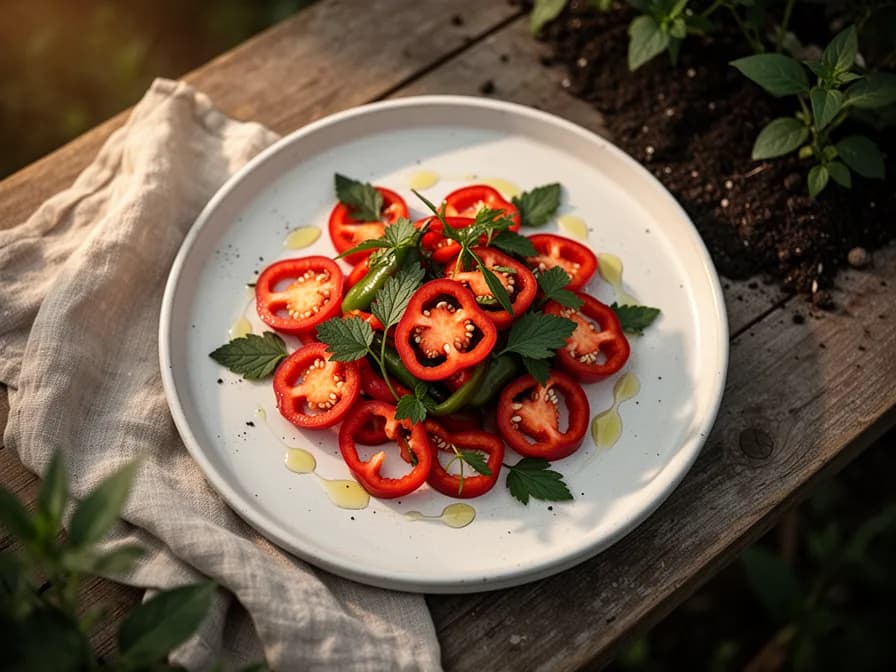
Fermented Tabasco-Style Hot Sauce
30 min + 2-4 weeks fermentationThe classic fermented pepper sauce made the same way McIlhenny Company has crafted Tabasco sauce since the 1860s. Fresh red Tabasco peppers are mashed with salt and left to ferment, developing complex tangy, spicy flavors that bottled sauce cannot match.
5 ingredientesTabasco Pepper Jelly
45 minA sweet-hot jelly that balances the fiery punch of Tabasco peppers with sugar and fruit pectin. Gorgeous ruby-red color and perfect served over cream cheese with crackers, glazed on grilled meats, or stirred into marinades.
6 ingredientesTabasco Chili Oil
15 minAromatic infused oil packed with slow-building heat and vibrant red color. A drizzle transforms pizza, pasta, eggs, soups, and stir-fries with complex pepper flavor far superior to commercial chili oils.
6 ingredientesUsos culinarios
El chile Tabasco es la base de la mundialmente famosa salsa homónima, elaborada mediante fermentación con sal durante años. Se utiliza fresco para dar picante a ceviches, salsas y adobos. Los frutos secos se muelen para obtener chile en polvo, y también se pueden encurtir en vinagre para crear condimentos artesanales.
Qué contiene
Beneficios para la salud
- Capsaicin, the compound responsible for Tabasco pepper's heat, has been extensively studied for its ability to boost metabolism and increase thermogenesis — regular consumption may help support healthy weight management by temporarily increasing calorie burning.
- Exceptionally rich in vitamin C, providing over 150% of the daily value per serving of fresh peppers — a more concentrated source than oranges, supporting immune function, iron absorption, and collagen production for healthy skin.
- Capsaicin acts as a natural pain reliever by depleting substance P, a neurotransmitter that sends pain signals to the brain. Topical capsaicin creams derived from hot peppers are used to treat arthritis, neuropathic pain, and muscle soreness.
- Contains powerful anti-inflammatory compounds including capsaicin and flavonoids that may help reduce systemic inflammation — a root factor in cardiovascular disease, diabetes, and autoimmune conditions.
- Research suggests capsaicin may support cardiovascular health by helping to lower LDL cholesterol, reduce blood pressure, and prevent blood clot formation, contributing to improved heart and circulatory function.
- The red pigments in ripe Tabasco peppers — capsanthin and capsorubin — are potent antioxidant carotenoids that protect cells from free radical damage and have shown promising anti-cancer activity in preliminary laboratory studies.
De dónde viene Chile Tabasco
The Tabasco pepper (Capsicum frutescens 'Tabasco') takes its name from the Mexican state of Tabasco, a lush lowland region along the Gulf of Mexico where this pungent little pepper has been cultivated since pre-Columbian times. The species Capsicum frutescens is one of the oldest domesticated pepper species, with archaeological evidence of its use dating back over 6,000 years in the Americas. Unlike the more widely cultivated Capsicum annuum species (which includes bell peppers, jalapenos, and most common garden peppers), C. frutescens remained a regional specialty of tropical lowland areas for most of its history.
The pepper's journey to global fame began in the 1840s when seeds from Tabasco, Mexico made their way to Louisiana, likely through soldiers returning from the Mexican-American War or through banking and trade connections between New Orleans and Mexico. Edmund McIlhenny, a former banker living on Avery Island in the Louisiana bayou country, began experimenting with the peppers after the Civil War devastated the family's fortunes. In 1868, he created a fermented pepper sauce by mashing ripe Tabasco peppers with salt mined from the island's underground salt dome, aging the mash in wooden barrels, then straining and blending it with vinegar. He bottled the sauce in small cologne bottles and sold it for one dollar each — an extraordinary price at the time.
The sauce was an immediate sensation, and the McIlhenny Company has produced Tabasco sauce on Avery Island continuously since then, making it one of the oldest branded food products in America. Today, Tabasco sauce is sold in over 195 countries and territories, labeled in 36 languages, and the company produces over 750,000 bottles per day. While the company now sources peppers from farms across Central and South America and Africa to meet global demand, every batch is still fermented and aged on Avery Island using the original process. The Tabasco pepper itself has become one of the most recognized pepper varieties worldwide, grown by home gardeners not only for hot sauce but as a prolific, beautiful, and easy-to-grow container plant.
Chile Tabasco: ¿sabías que?
Datos fascinantes sobre Chile Tabasco
Tabasco peppers are one of the few peppers belonging to the species Capsicum frutescens rather than the more common Capsicum annuum — they are more closely related to wild bird peppers than to bell peppers, jalapenos, or habaneros.
Chile Tabasco: preguntas frecuentes
¿Cuándo debo plantar Chile Tabasco?
¿Cuáles son buenas plantas acompañantes para Chile Tabasco?
¿En qué zonas de rusticidad puede crecer Chile Tabasco?
¿Cuánto sol necesita Chile Tabasco?
¿A qué distancia debo espaciar Chile Tabasco?
¿Qué plagas y enfermedades afectan a Chile Tabasco?
¿Cómo almaceno Chile Tabasco después de la cosecha?
¿Cuáles son las mejores variedades de Chile Tabasco para cultivar?
¿Qué suelo necesita Chile Tabasco?
How hot are Tabasco peppers compared to other peppers?
Can I make Tabasco sauce at home from my own peppers?
Why are my Tabasco pepper plants not producing fruit?
Can Tabasco peppers be grown indoors year-round?
Are Tabasco peppers the same as the peppers used in Tabasco sauce?
How do I dry and preserve Tabasco peppers?
Acabas de leer la teoría. Ahora cultívala en piloto automático.
Todo lo que hace que Chile Tabasco sea delicado — el momento, el espaciado, las asociaciones, la ventana de cosecha — es justo lo que PlotMyGarden resuelve por ti, para cada planta de tu huerto.
Un plan que conoce tu clima
Indica tu ubicación una vez. Recibe fechas de siembra, abonado y cosecha basadas en tu última helada real y el pronóstico en vivo — sin adivinar con un sobre genérico.
De la sección “Cuándo plantar”Planificador de bancales de arrastrar y soltar
Diseña bancales sobre una cuadrícula. Cada planta encaja con su espaciado correcto y ves toda la temporada antes de gastar un céntimo en semillas.
De la sección “Cultivo”Conflictos de asociación, detectados a tiempo
Más de 200 buenas y malas combinaciones comprobadas en vivo mientras plantas — para que un error que arruine la temporada nunca llegue a la tierra.
De la sección “Asociaciones”Recordatorios que sí vas a seguir
“Riega las judías.” “Recoge hoy antes de que se pase.” Oportunos, concretos y ligados a las plantas que de verdad cultivas.
De la sección “Cosecha”Escalonado, programado
¿Quieres cosechar seis semanas en vez de seis días? Reparte tus siembras automáticamente y te avisa cuando toca el siguiente lote.
De la sección “Cuándo plantar”Un registro que se vuelve más listo
Cada cosecha que registras le enseña tu huerto. El plan del año que viene parte de lo que de verdad funcionó en tu suelo, no en un manual.
De la sección “Resumen”Planta estos junto a Chile Tabasco
Más Solanáceas
Mantén Chile Tabasco lejos de estos
Diseños de jardín con Chile Tabasco
Cultiva tu mejor Chile Tabasco — y todo lo que la rodea.
Empieza un plan gratis hoy. Diseña tus bancales, coloca tu Chile Tabasco y deja que PlotMyGarden gestione el momento, el espaciado, las asociaciones y los recordatorios de la semilla a la cesta.