Serrano Pepper
A small, bullet-shaped pepper that packs more heat than a jalapeno with a bright, crisp flavor ideal for fresh salsas.





On this pageOverview
Meet Serrano Pepper
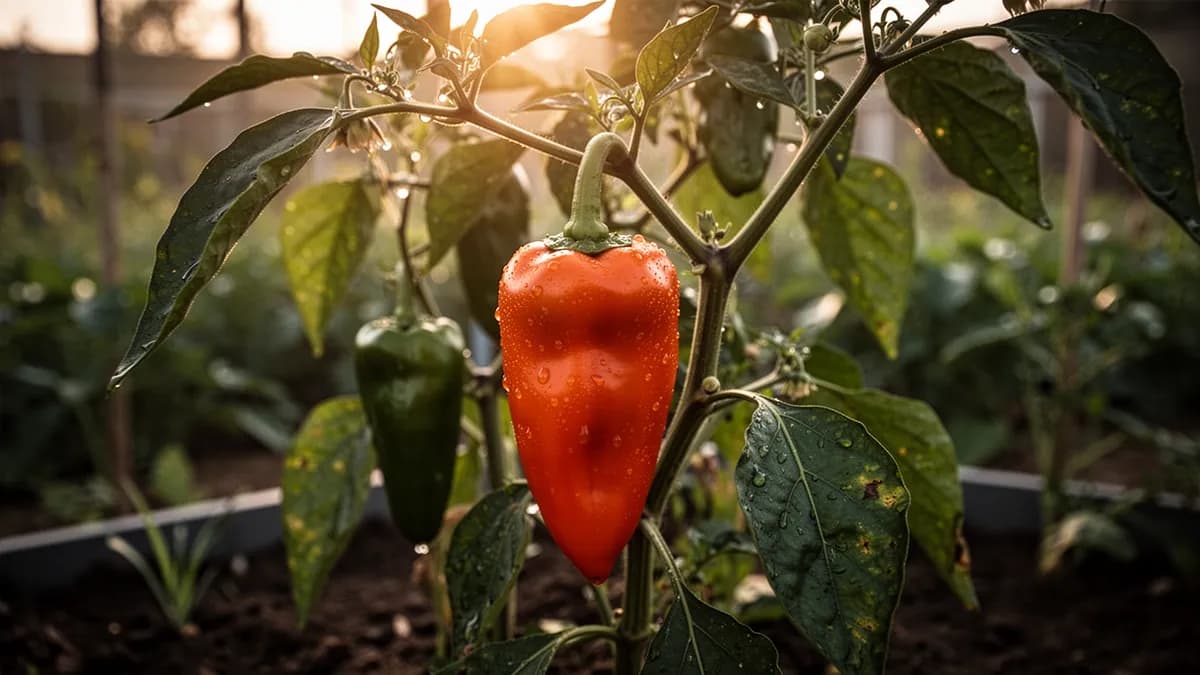
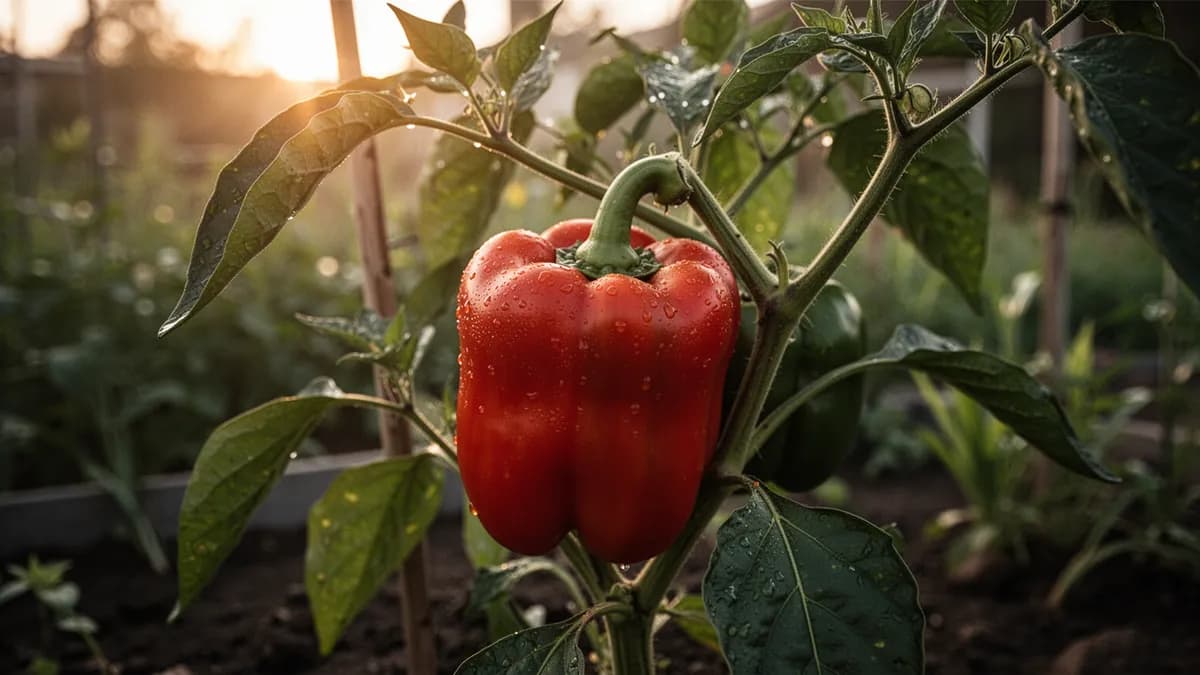
A small, bullet-shaped pepper that packs more heat than a jalapeno with a bright, crisp flavor ideal for fresh salsas. Serrano plants are prolific and compact, producing dozens of peppers that can be harvested green or allowed to ripen to red. The thin walls make them easy to slice and use raw, and they add clean heat without overwhelming other ingredients. These peppers are a staple in Mexican cuisine and are excellent in pico de gallo and guacamole.
When to plant Serrano Pepper
Start serrano seeds indoors 8-10 weeks before the last frost date. Sow 6mm deep in moist, sterile seed-starting mix and maintain soil temperature at 24-27°C (75-80°F). Seeds germinate in 10-14 days. Provide 14-16 hours of daily light using grow lights placed 5-8 cm above seedlings. Serrano seedlings are compact and grow at a moderate pace. Pot up to 8 cm containers when the first true leaves develop. Begin hardening off 7-10 days before transplanting by placing seedlings outdoors for gradually increasing periods. Transplant after all frost danger passes and soil has warmed to 18°C (65°F).
Your Serrano Pepper Year
Composed for Zone 7 · typical seasons · frost passes Apr 2, returns Nov 1
Plant Serrano Pepper Feb – May, pick Jul – Sep. Check the planting methods below and set your climate to personalize these windows.
How to grow Serrano Pepper
Serrano peppers are compact, highly productive plants that thrive in warm conditions and produce prolifically throughout summer. Start seeds indoors 8-10 weeks before the last frost, sowing 6mm deep at 24-27°C (75-80°F). Seeds germinate in 10-14 days. Grow seedlings under strong light and transplant outdoors once nighttime temperatures stay above 13°C (55°F) and soil is warm.
Space plants 35-45 cm apart in full sun. Serranos are naturally compact and bushy, rarely exceeding 60-75 cm in height, making them well-suited for containers and small gardens. They respond well to rich, well-drained soil amended with compost. Apply a balanced slow-release fertilizer at planting time and mulch to conserve moisture and moderate soil temperature.
Water consistently at the base of plants, providing 2.5-4 cm per week through drip irrigation. Serranos are remarkably productive, with a single plant capable of yielding 50 or more peppers per season. Harvest regularly to encourage continued flowering and fruit set. Plants are self-pollinating but benefit from gentle shaking or wind to improve pollination rates. Serrano plants are one of the most resilient pepper types and tolerate some neglect better than many other varieties.
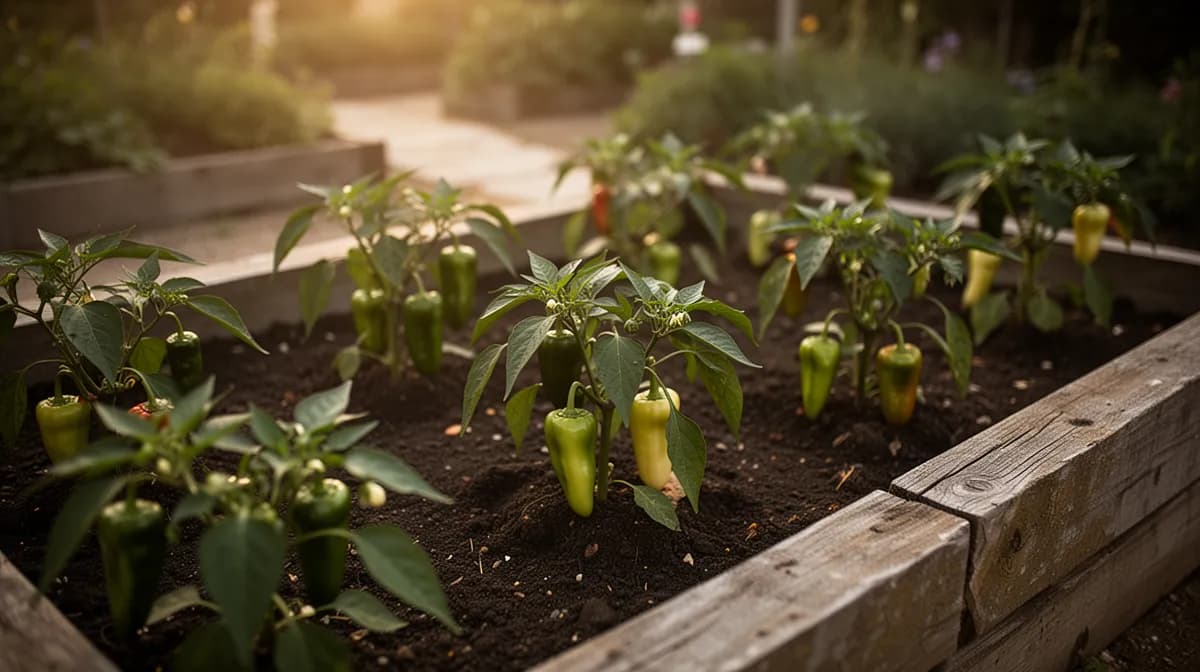
18 plants fit a 4 × 8 ft bed
Each Serrano Pepper wants 40 cm of elbow room. The planner keeps that spacing for you — every plant, every bed.
Serrano Pepper's best neighbours
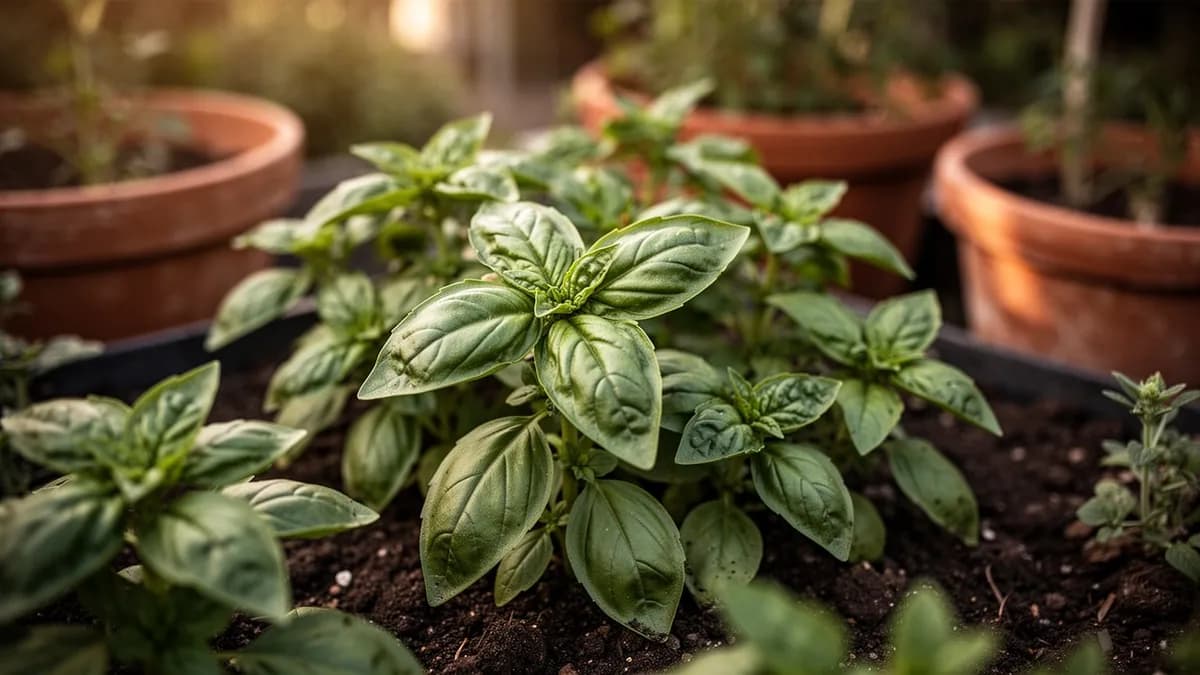
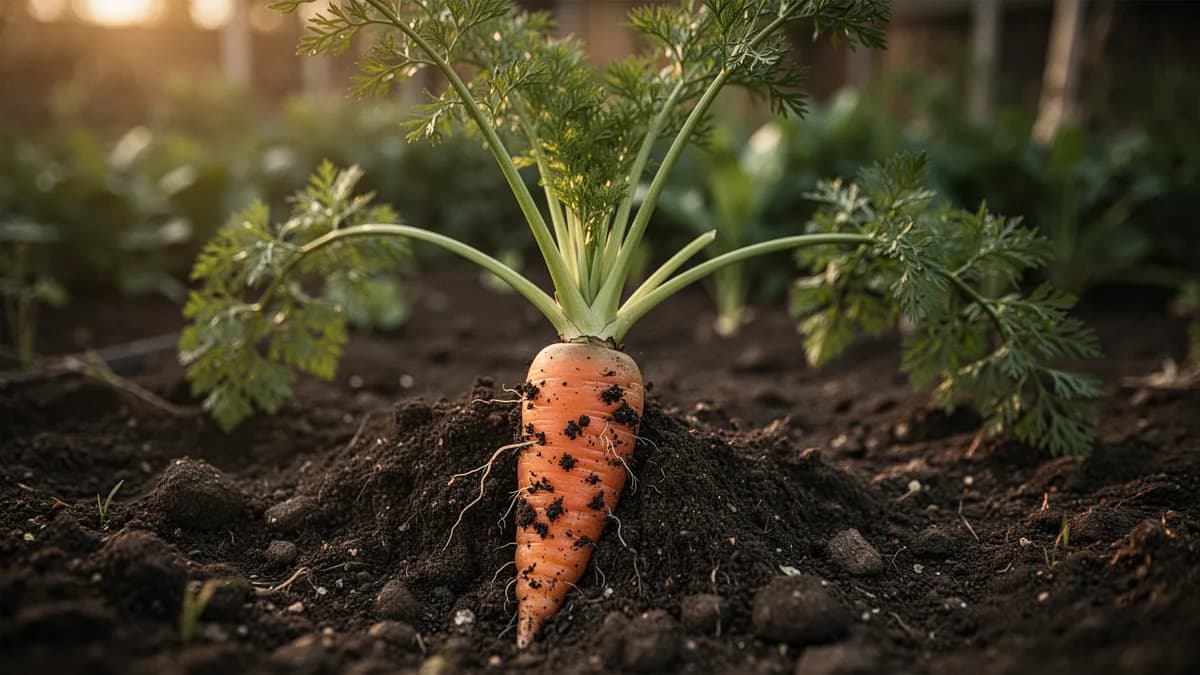
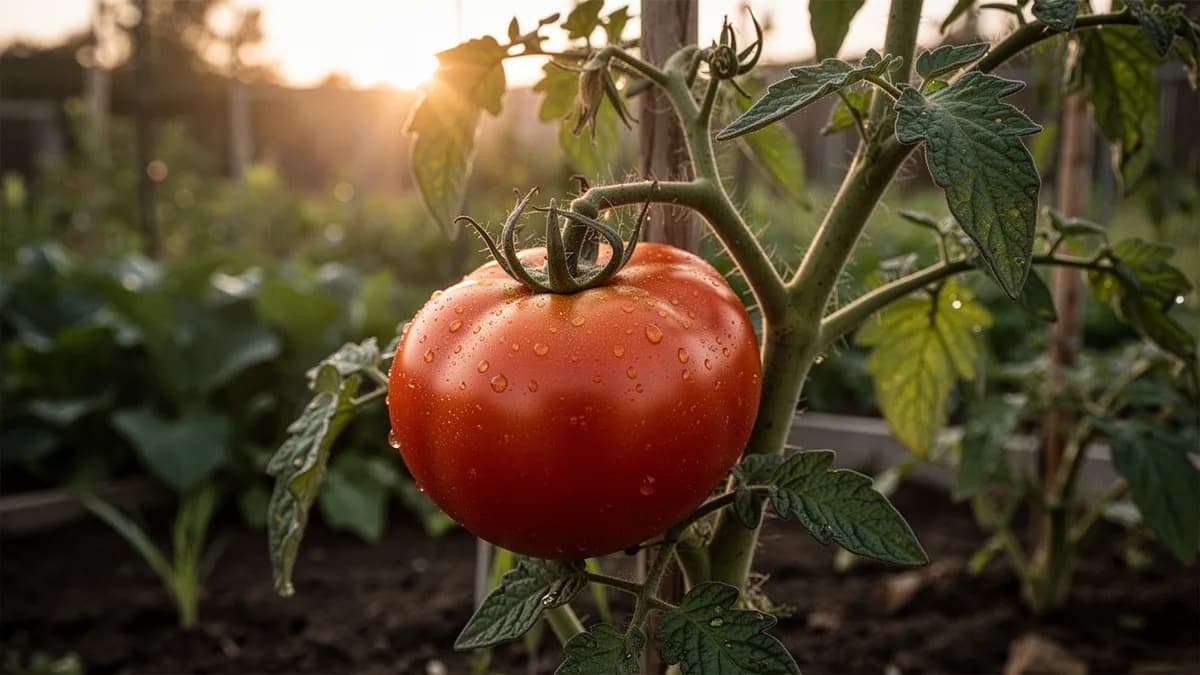
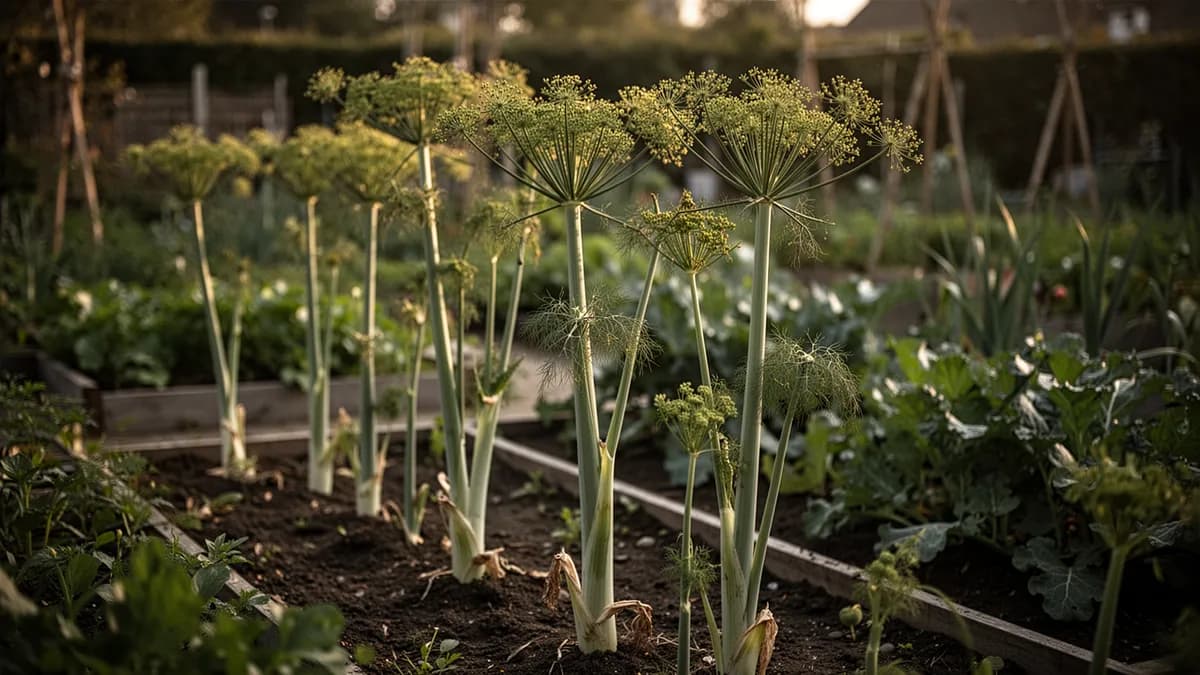
Serranos benefit from planting alongside tomatoes, which provide partial shade during the hottest part of the day. Cilantro planted nearby attracts hoverflies and other beneficial insects that prey on aphids. Basil repels thrips and aphids while enhancing the garden with pleasant aromatics. Plant carrots between pepper plants to loosen soil and improve drainage. Alyssum serves as a living mulch, attracting parasitic wasps. Keep serranos away from fennel, kohlrabi, and other brassicas that may attract conflicting pest populations.
Tomato belongs beside it. Fennel doesn't.
Old growers' knowledge, checked against Serrano Pepper's real companion table below — test any plant you're growing.
Try Serrano Pepper in a bed — right here
A real planner bed with Serrano Pepper already in it. Tap a companion to place it and watch the pairing checks answer — green for good neighbours, red for a clash.


Related growing guides
Feed it well
Serranos prefer well-drained, fertile soil with a pH of 6.0-7.0 enriched with compost. Work a balanced fertilizer into the soil before planting and side-dress with compost when flowering begins. Serranos are moderate feeders and can actually be over-fertilized, resulting in excessive foliage and reduced fruit set. A light application of potassium-rich fertilizer when fruits begin forming helps improve pepper quality. Avoid heavy nitrogen applications after the first flush of flowers. In containers, use a quality potting mix and feed with liquid fertilizer every 2 weeks.
Ideal Temperature
Hardiness Zone Compatibility
From seed to harvest, stage by stage
Seed Germination
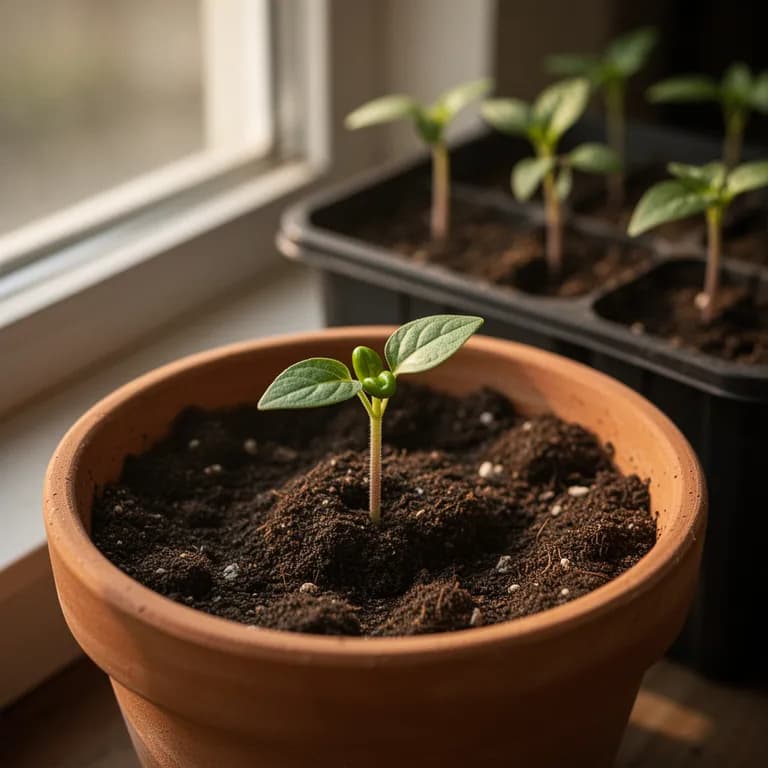
Seeds germinate in warm, moist conditions. The first sign of life is a pale radicle root emerging, followed by the hypocotyl arch pushing the seed coat above the soil surface. Cotyledon leaves unfold to begin photosynthesis. Germination requires consistent warmth and typically takes 10-14 days.
Seedling Development
True leaves emerge with a darker green color and more elongated shape than the rounded cotyledons. The stem thickens and the root system expands rapidly. Growth is steady but slower than tomatoes — serrano seedlings are naturally compact from the start.
Vegetative Growth
After transplanting outdoors, plants establish quickly in warm soil and develop a bushy, branching structure. Stems become woody at the base and the plant develops a characteristic Y-shaped branching pattern. Leaf production accelerates as the root system establishes in garden soil.
Flowering
Small, white, star-shaped flowers appear at branch nodes. Serrano flowers are self-pollinating but benefit from gentle wind or insect visits. Multiple flowers open simultaneously as the plant enters reproductive mode. Each successfully pollinated flower produces a single pepper.
Fruit Development
Small green peppers emerge from spent flowers and elongate rapidly into the characteristic bullet shape. Fruits grow upright initially, then hang downward as they gain weight. The flesh firms and the walls develop their signature thin, crisp texture.
Peak Harvest
The plant enters sustained production, simultaneously flowering and ripening peppers for 8-12 weeks. Harvest green for bright, sharp heat or allow fruits to ripen through orange to deep red for a sweeter, more complex flavor with slightly more capsaicin. A single plant can produce 50 or more peppers during this extended harvest period.
Maintain soil temperature at 24-27°C (75-80°F) using a heat mat for fastest germination. Keep the growing medium consistently moist but not waterlogged. Provide 14-16 hours of light as soon as cotyledons emerge.
Caring for Serrano Pepper month by month
What to do each month for your Serrano Pepper
October
You are hereFinal harvests in most zones. Pick all remaining peppers before the first frost — even small, immature fruits can be used in cooking. Green fruits will slowly ripen indoors on a sunny windowsill.
Know exactly what to do in your garden — every month
One email at the start of each month: what to sow, plant, and tackle right now — for your Serrano Pepper and everything growing around it. Plus a short starter course that helps you dodge the classic mistakes.
- What to do, right now
- Matched to your season
- Starter course included
Harvesting Serrano Pepper
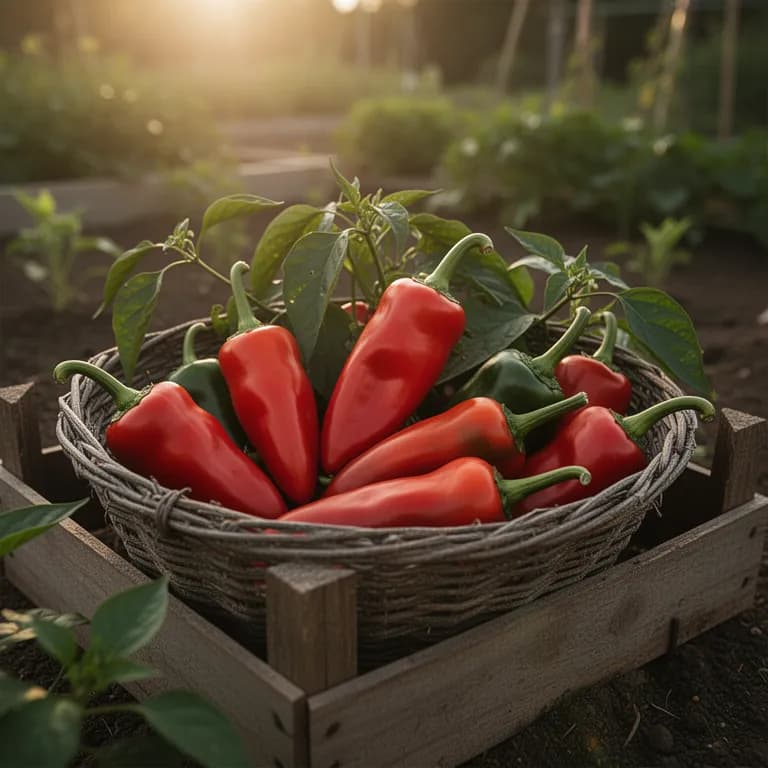
Serranos are best harvested when fruits are 5-8 cm long, firm, and glossy green for their characteristic bright, clean heat. For more complexity and slightly more heat, allow some fruits to ripen to red or orange. Unlike jalapenos, serranos do not need to develop corking for peak flavor. Snap or cut fruits from the plant, taking care not to damage the branch. Harvest every 2-3 days during peak production to keep plants producing heavily. A single healthy plant can produce 50 or more peppers across the season.
assuming you plant when the window opens — set your real date
Pick Serrano Pepper promptly and the plant keeps producing.
Storage & Preservation
Fresh serranos keep refrigerated for 2-3 weeks when stored unwashed in a paper bag. Their thin walls make them challenging to dry whole, so slice them thinly before dehydrating at 57°C (135°F) for 6-8 hours. Freeze whole or sliced serranos on a sheet pan before transferring to freezer bags for up to 12 months. Pickled serranos in a simple vinegar brine with garlic are a popular taqueria-style condiment. Blend fresh serranos with tomatillos, cilantro, and onion for a vibrant green salsa that freezes beautifully.
What goes wrong — and the fix
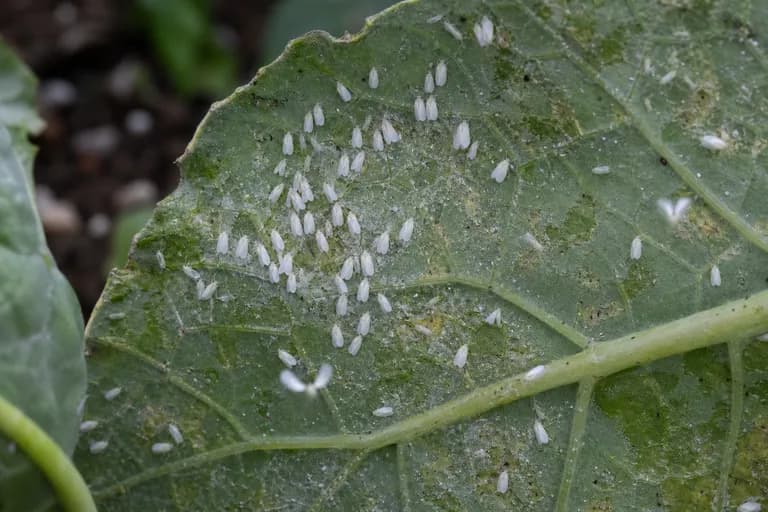
Whiteflies
PestTiny white flying insects swarm from the underside of leaves when disturbed. Leaves become yellowed and sticky with honeydew. Heavy infestations weaken plants and can transmit viral diseases between pepper plants.
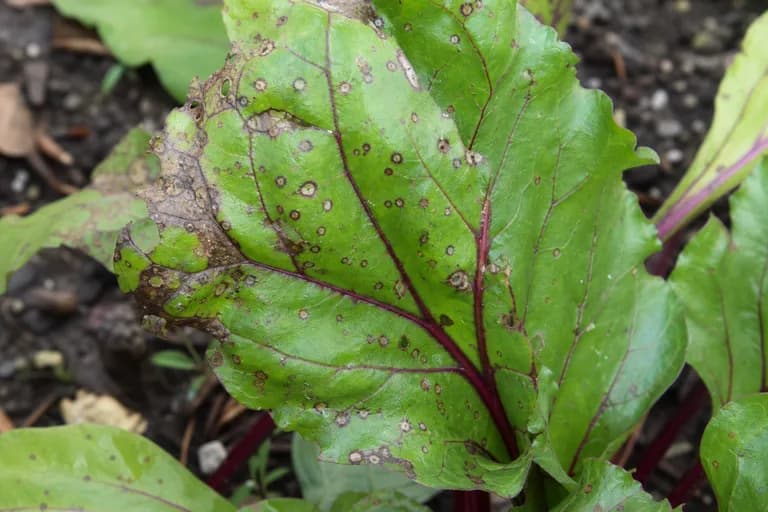
Cercospora Leaf Spot
DiseaseSmall, circular, light brown spots with dark borders on leaves. As the disease progresses, spots enlarge and merge, causing leaves to yellow and drop. Lower leaves are affected first, progressing upward.
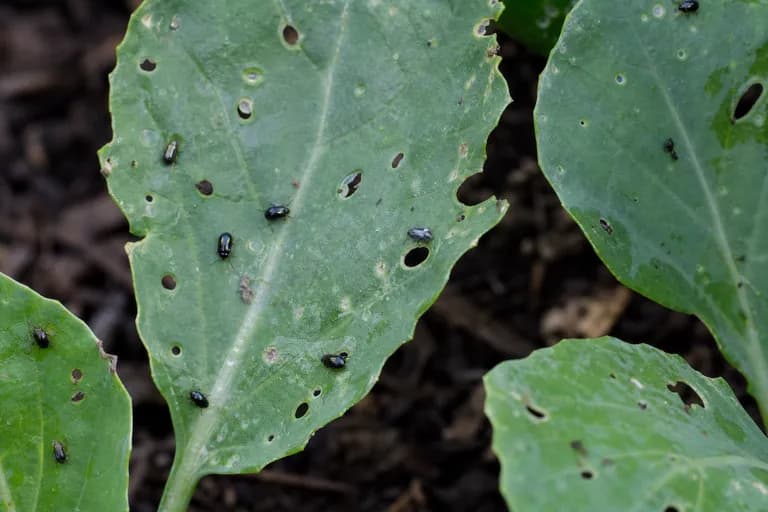
Flea Beetles
PestTiny, shiny black beetles that jump when disturbed, chewing small round holes in leaves giving them a shot-hole appearance. Seedlings and young transplants are most vulnerable and can be killed by heavy feeding.
Troubleshooting Common Problems
Serrano plants may develop blossom drop when night temperatures are below 13°C or above 24°C. Maintain consistent conditions during flowering for best fruit set. Leaf curl without discoloration is typically heat or water stress and resolves with consistent irrigation. Small, misshapen fruits result from poor pollination during extreme heat; gently shake plants to improve pollen distribution. Plants that grow tall and leggy are not receiving enough light; ensure 6-8 hours of direct sun. Extremely prolific plants may benefit from light thinning of fruit clusters to improve individual pepper size.
Growing Tips
- Start seeds early indoors — serranos need 8-10 weeks of indoor growing time before transplanting. They germinate and grow more slowly than tomatoes, so patience is essential. A heat mat makes a significant difference in germination speed and uniformity.
- Do not transplant until nighttime temperatures reliably stay above 13°C (55°F). Serranos planted in cold soil sulk for weeks and never fully recover their potential productivity. Wait for genuinely warm conditions.
- Serrano plants are naturally compact and bushy, rarely exceeding 60-75 cm tall. This makes them excellent candidates for container growing — use at least a 15-20 liter pot with quality potting mix and feed regularly.
- Water consistently at the base using drip irrigation or soaker hoses. Fluctuations between wet and dry soil cause blossom end rot, cracking, and blossom drop. Aim for 2.5-4 cm of water per week during active growth.
- Pinching the first few flower buds when plants are young (before they reach 30 cm tall) redirects energy into root and branch development, resulting in a sturdier plant that ultimately produces more peppers over the season.
- Harvest regularly every 2-3 days once peppers reach 5-8 cm. Leaving ripe peppers on the plant signals it to slow flower production. Consistent picking is the single most effective way to maximize total yield.
- Allow some peppers to ripen fully to red on the plant for a sweeter, more complex flavor. Red serranos are slightly hotter than green and have a fruity depth that is wonderful in cooked salsas and hot sauces.
- In regions with short growing seasons, use black plastic mulch to warm the soil before transplanting, and consider row covers during cool nights in early summer. Every extra degree of soil warmth translates to better pepper production.
Grow your best Serrano Pepper yet — and everything around it.
Start a free plan today. Lay out your beds, drop in your Serrano Pepper, and let PlotMyGarden handle the timing, spacing, companions and reminders from seed to harvest basket.
Pick your Serrano Pepper
Serrano Tampiqueno
The standard variety used in Mexican cuisine, producing 5-7 cm bullet-shaped fruits with 10,000-25,000 SHU. Extremely prolific with upright, compact growth habit. Matures in 75 days from transplant.
Serrano del Sol
A hybrid with improved disease resistance and earlier maturity at 65 days. Produces uniform, slightly larger fruits than heirloom types. Excellent heat and productivity in northern climates with shorter seasons.
Purple Serrano
An ornamental and edible variety producing deep purple fruits that ripen through orange to red. Similar heat profile to green serranos with a slightly sweeter finish. Compact plants ideal for container gardening.
Huasteco
A Mexican variety selected for heavier yields and larger fruits up to 9 cm long. Disease-resistant plants with vigorous growth. Heat level is at the upper end of serrano range at 15,000-30,000 SHU.
A single serrano plant costing $2-4 (or pennies from seed) produces 50 or more peppers over a season. Fresh serranos sell for $3-6 per pound at grocery stores, and organic serranos can exceed $8 per pound. Growing just 3-4 plants can save $30-60 per season on fresh peppers alone. The savings increase further when you consider the cost of prepared salsas ($4-8 per jar) and hot sauces ($5-12 per bottle) that are easily made from homegrown serranos at a fraction of the price.
Quick recipes
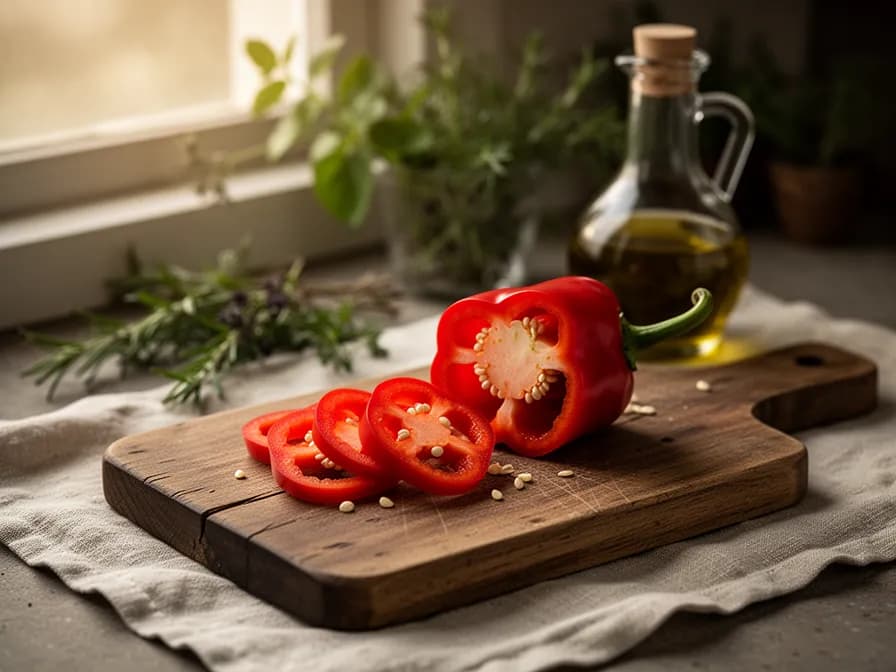
Classic Pico de Gallo
15 minThe quintessential Mexican fresh salsa where serranos provide clean, bright heat that cuts through the richness of tortilla chips, tacos, and grilled meats. No cooking required — just sharp knife work and the freshest ingredients.
6 ingredientsRoasted Tomatillo-Serrano Salsa Verde
30 minA smoky, tangy green salsa made by charring tomatillos and serranos under the broiler before blending into a vibrant sauce. This is the authentic table salsa found in taquerias across Mexico.
7 ingredientsSerrano-Cilantro Guacamole
10 minPerfectly ripe avocados mashed with raw serrano peppers and fresh lime juice for a guacamole with genuine heat and bright flavor. The thin-walled serranos distribute evenly through the creamy avocado.
7 ingredientsCulinary Uses
Serranos are the go-to fresh pepper in Mexican cuisine, prized for their bright, crisp heat that does not overpower other flavors. Dice raw into pico de gallo, guacamole, and ceviche. Roast or char for smoky salsas. Slice into thin rings for garnishing tacos, soups, and rice dishes. Blend with tomatillos for authentic salsa verde. Serranos are typically used with seeds and membranes intact, as their moderate heat is well-balanced for most palates.
What's inside
Health Benefits
- Capsaicin, the compound responsible for serrano heat, has been extensively studied for its anti-inflammatory properties — regular consumption may help reduce chronic inflammation associated with arthritis, cardiovascular disease, and metabolic syndrome.
- Exceptionally high in vitamin C, with a single pepper providing roughly 50% of the daily value — surpassing most citrus fruits gram-for-gram and supporting immune function, collagen synthesis, and iron absorption.
- Research suggests capsaicin consumption boosts thermogenesis and metabolic rate, potentially aiding weight management by increasing calorie expenditure for several hours after eating.
- Contains vitamin B6, essential for over 100 enzyme reactions in the body including protein metabolism, red blood cell formation, and neurotransmitter synthesis for brain health.
- The capsaicin in hot peppers triggers endorphin release in the brain, producing a natural mood boost and mild euphoria — the biological basis of the well-known 'chili high' experienced by spicy food enthusiasts.
- Rich in antioxidants including beta-carotene (especially in red-ripe peppers), lutein, and vitamin E, which help neutralize free radicals and may reduce the risk of certain cancers and age-related eye conditions.
Where Serrano Pepper comes from
The serrano pepper (Capsicum annuum) originated in the mountainous regions of the Mexican states of Puebla and Hidalgo, where indigenous peoples cultivated it for centuries before European contact. The name 'serrano' derives from the Spanish word 'sierra,' meaning mountain range, reflecting the pepper's highland origins in the Sierra Norte and Sierra Madre Oriental. Archaeological evidence suggests that Capsicum species were among the earliest domesticated plants in Mesoamerica, with cultivation dating back over 6,000 years, and the serrano was one of the many regional varieties developed through generations of selective breeding by pre-Columbian farmers.
When Spanish conquistadors arrived in Mexico in the early 1500s, they encountered a sophisticated chile pepper culture with dozens of distinct varieties used for specific culinary purposes. Serranos were prized for their bright, clean heat and their suitability for fresh salsas — a role they still fill today. Spanish traders carried Capsicum seeds throughout their global trade networks, and peppers quickly spread to Asia, Africa, and Europe, transforming cuisines worldwide. However, the serrano itself remained largely a Mexican specialty, deeply embedded in the regional cooking traditions of central and southern Mexico rather than becoming a global commodity like some other pepper varieties.
Today, the serrano is the second most popular fresh chile pepper in Mexico after the jalapeno, with over 180,000 tonnes produced annually. Cultivation is concentrated in the states of Veracruz, Sinaloa, Nayarit, and Tamaulipas. In the United States, serrano cultivation has expanded significantly since the 1990s as Mexican cuisine gained mainstream popularity. They are now widely available in supermarkets and are increasingly grown in home gardens across warm-climate regions. Despite their global spread, serranos remain most deeply appreciated in their homeland, where they are an essential daily ingredient in pico de gallo, salsa verde, guacamole, and countless regional dishes that define Mexican culinary identity.
Serrano Pepper: did you know?
Fascinating facts about Serrano Pepper
Serrano peppers are named after the mountain ranges (sierras) of the Mexican states of Puebla and Hidalgo where they were originally cultivated — 'serrano' literally means 'from the mountains' in Spanish.
Serrano Pepper questions, answered
When should I plant Serrano Pepper?
What are good companion plants for Serrano Pepper?
What hardiness zones can Serrano Pepper grow in?
How much sun does Serrano Pepper need?
How far apart should I space Serrano Pepper?
What pests and diseases affect Serrano Pepper?
How do I store Serrano Pepper after harvest?
What are the best Serrano Pepper varieties to grow?
What soil does Serrano Pepper need?
How hot are serrano peppers compared to jalapenos?
Should I harvest serranos green or wait until they turn red?
Can I grow serrano peppers in containers?
Why are my serrano plants dropping their flowers without setting fruit?
How do I dry serrano peppers?
Are serrano peppers perennial or do I need to replant each year?
You just read the theory. Now grow it on autopilot.
Everything that makes Serrano Pepper fiddly — the timing, the spacing, the companions, the harvest window — is exactly what PlotMyGarden handles for you, for every plant in your garden.
A plan that knows your weather
Set your location once. Get sow, feed and harvest dates built around your real last-frost date and live forecast — no more guessing from a generic seed packet.
From the “When to plant” sectionDrag-and-drop bed planner
Design beds on a grid. Every plant snaps to its proper spacing, and you can see your whole season laid out before you spend a cent on seed.
From the “Growing guide” sectionCompanion conflicts, caught early
200+ good-and-bad pairings checked live as you plant — so a season-wrecking mistake never makes it into the ground.
From the “Companions” sectionReminders you'll actually act on
“Water the beans.” “Pick today before it turns.” Timely, specific, and tied to the plants you're really growing.
From the “Harvest” sectionSuccession, scheduled
Want a harvest for six weeks, not six days? It spaces your sowings automatically and reminds you when each new block is due.
From the “When to plant” sectionA record that gets smarter
Every harvest you log teaches it your garden. Next year's plan starts from what actually worked in your soil, not a textbook's.
From the “Overview” sectionPlant these alongside Serrano Pepper
More Nightshades
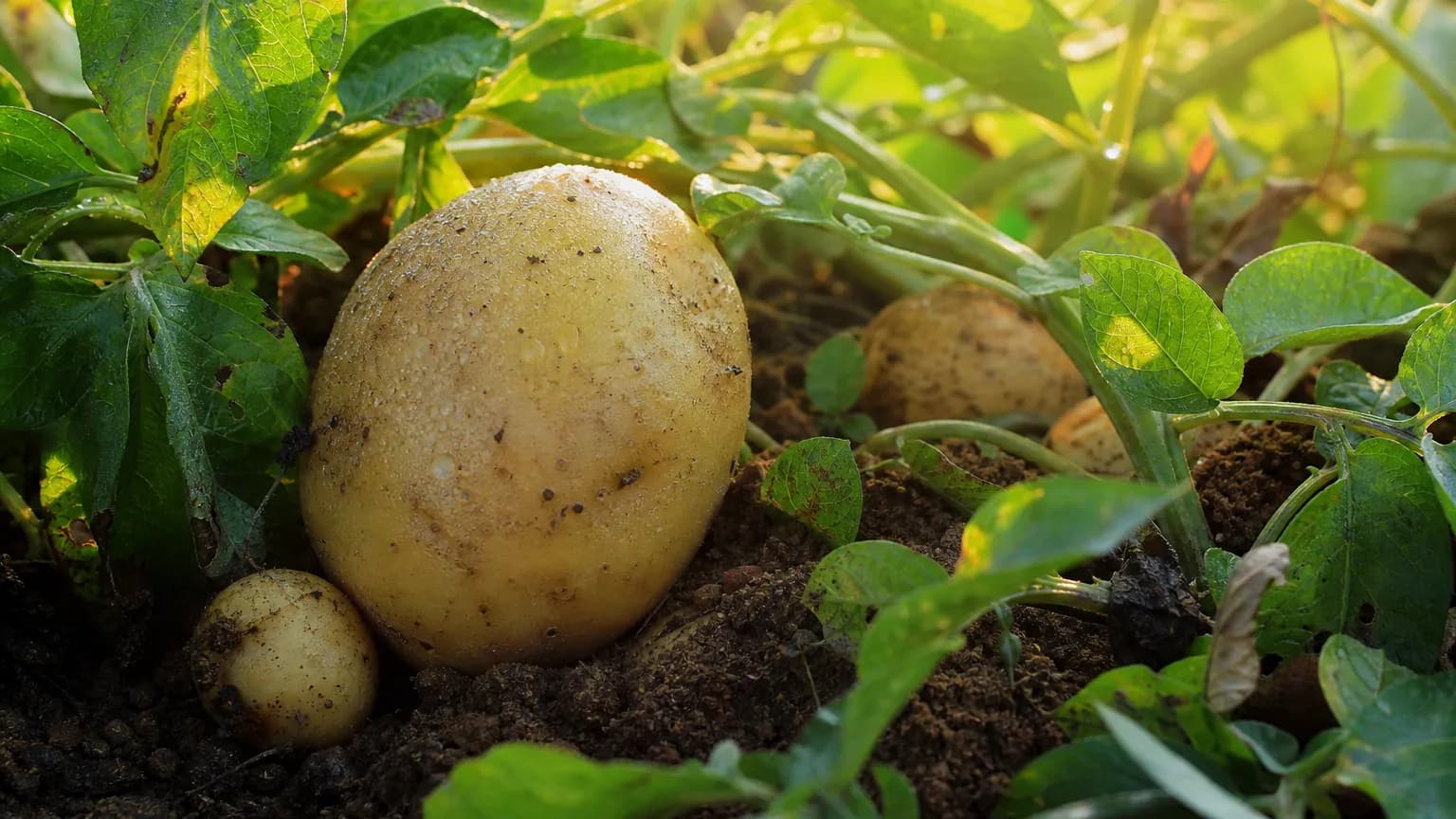
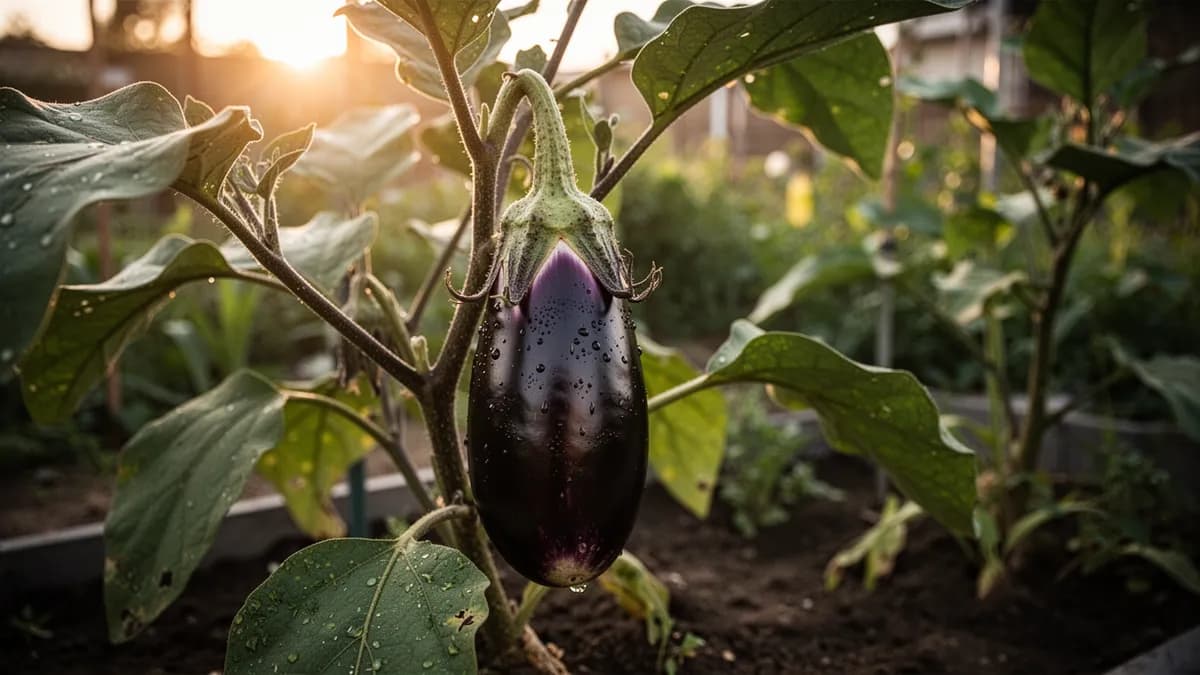
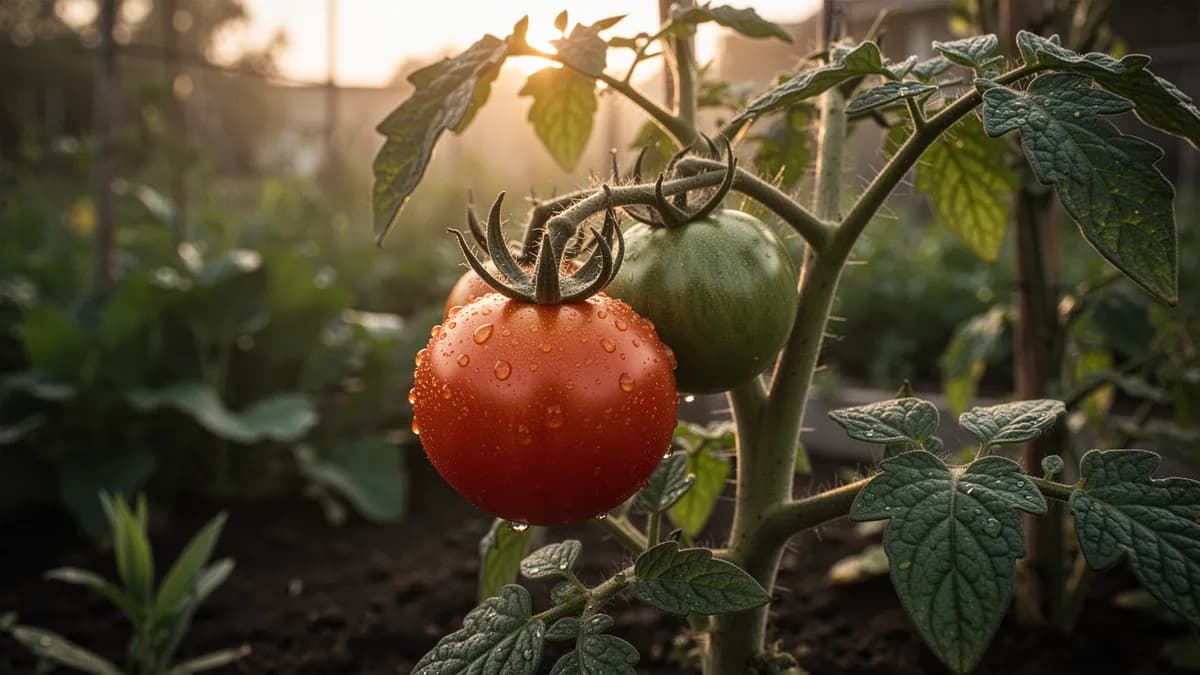
Keep Serrano Pepper away from these
Garden plans featuring Serrano Pepper
Grow your best Serrano Pepper yet — and everything around it.
Start a free plan today. Lay out your beds, drop in your Serrano Pepper, and let PlotMyGarden handle the timing, spacing, companions and reminders from seed to harvest basket.