Poblano Pepper
A large, mild chile pepper with rich, earthy flavor that is the foundation of chiles rellenos and other classic Mexican dishes.





On this pageOverview
Meet Poblano Pepper
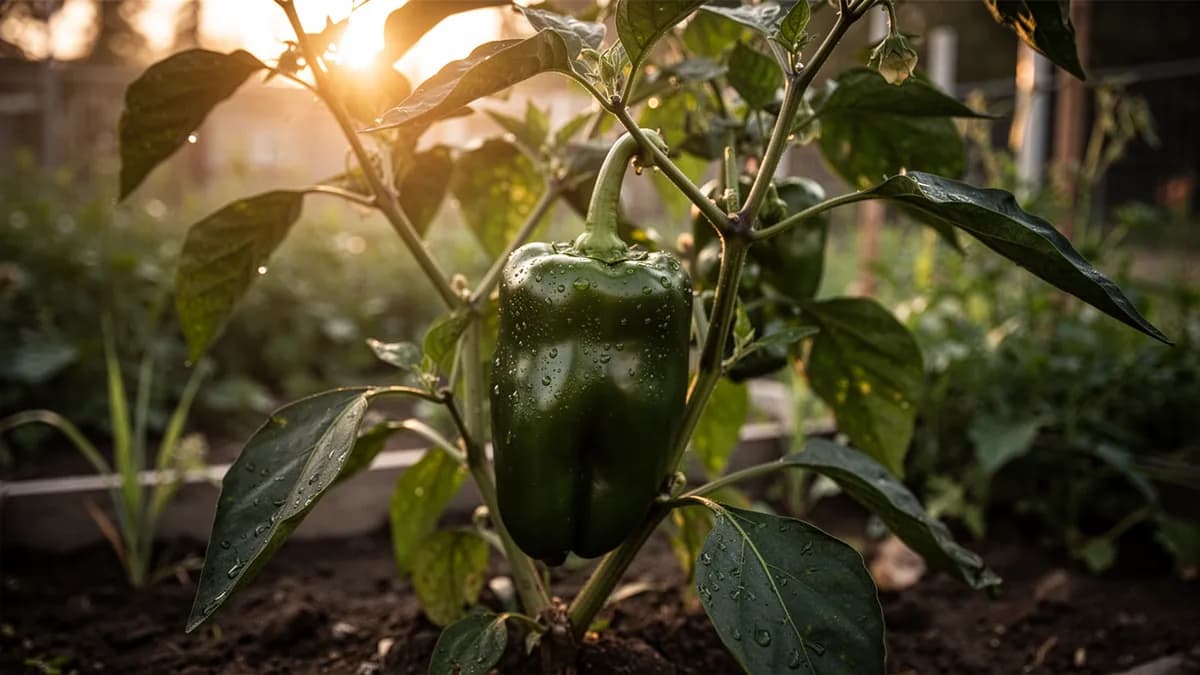
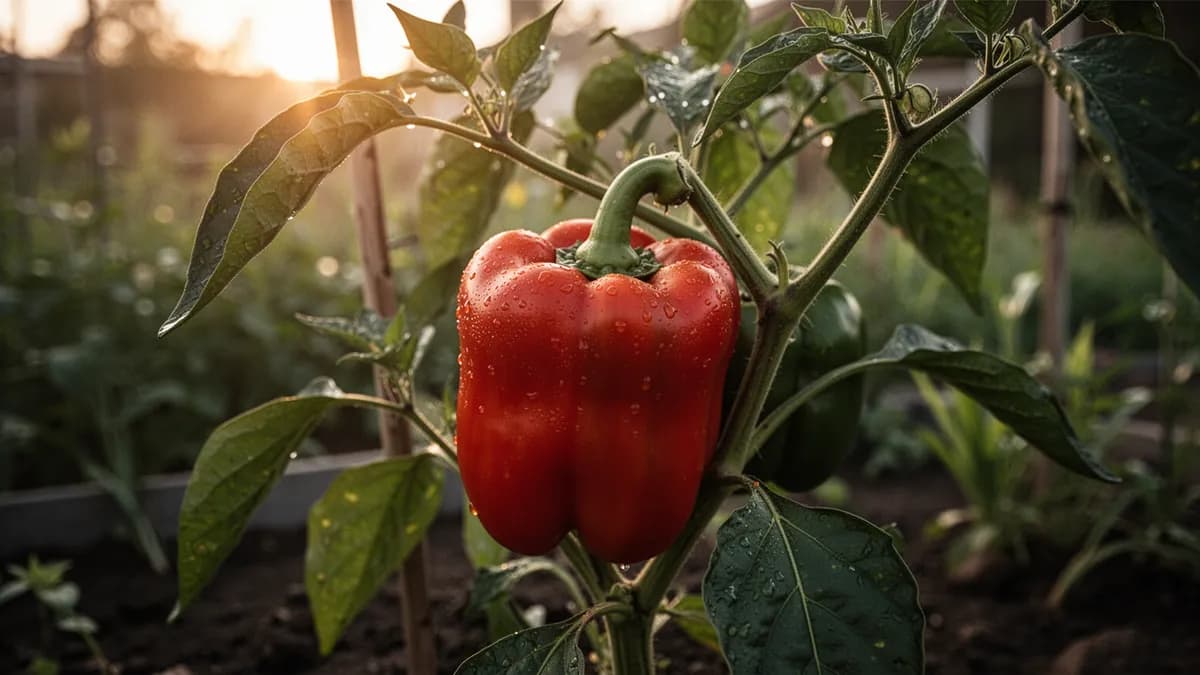
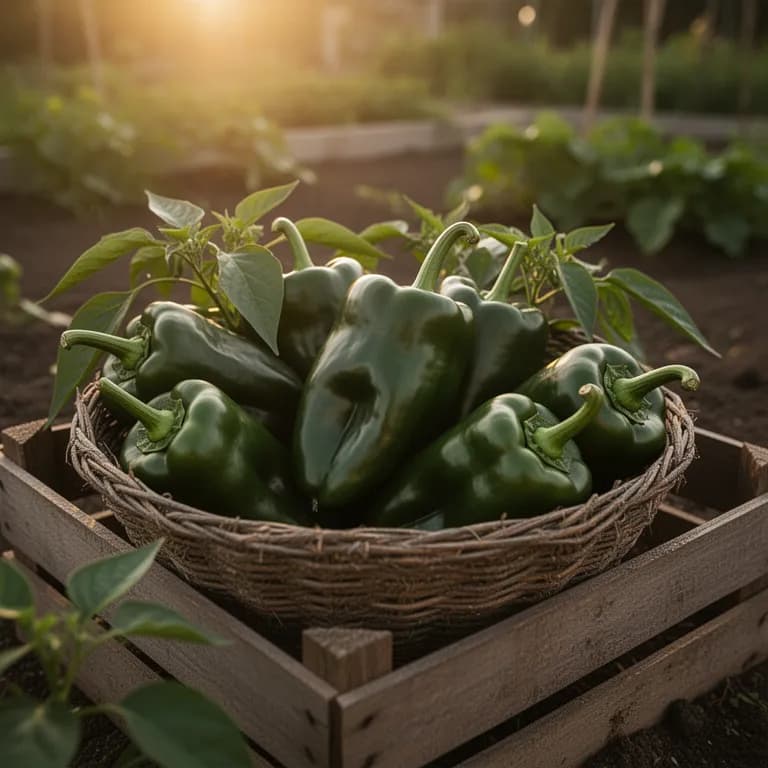
A large, mild chile pepper with rich, earthy flavor that is the foundation of chiles rellenos and other classic Mexican dishes. When dried, poblano peppers become ancho chiles, one of the most widely used dried peppers in mole sauces. Plants are sturdy and productive, yielding heart-shaped fruits with thick walls perfect for stuffing and roasting. Harvest when dark green and glossy, or allow to ripen to deep red for a sweeter, more complex taste.
When to plant Poblano Pepper
Start poblano seeds indoors 8 to 10 weeks before your last frost date. Sow seeds one-quarter inch deep in warm, moist seed-starting mix. Use a heat mat set to 80-85°F for consistent germination, which takes 10 to 21 days. Poblano seeds can be slower to germinate than other peppers, so be patient. Provide strong light for 14 to 16 hours daily after emergence. Pot up seedlings when they develop 2 to 3 sets of true leaves. Harden off gradually over 10 days before transplanting to the garden.
Your Poblano Pepper Year
Composed for Zone 7 · typical seasons · frost passes Apr 2, returns Nov 1
Plant Poblano Pepper Feb – May, pick Jul – Sep. Check the planting methods below and set your climate to personalize these windows.
How to grow Poblano Pepper
Poblano peppers require a long, warm growing season and should be started indoors 8 to 10 weeks before the last frost. Seeds germinate best at soil temperatures between 80°F and 85°F, so using a heat mat is highly recommended. Transplant seedlings outdoors once nighttime temperatures consistently stay above 60°F and the soil has warmed thoroughly.
Plant poblanos in full sun with rich, well-drained soil amended with plenty of compost. Space plants 18 to 24 inches apart to accommodate their sturdy, bushy growth habit. These peppers develop large, heavy fruits that may require staking or caging as the season progresses. Water deeply and consistently, providing about 1 to 2 inches per week, and mulch heavily to conserve moisture.
Poblano plants respond well to moderate feeding throughout the season. Apply a balanced fertilizer at transplanting, then switch to a phosphorus-rich formula once flowering begins. Pinching off early blossoms can encourage a stronger root system before the plant begins channeling energy into fruit production. In hot climates above 95°F, consider providing afternoon shade to prevent blossom drop.
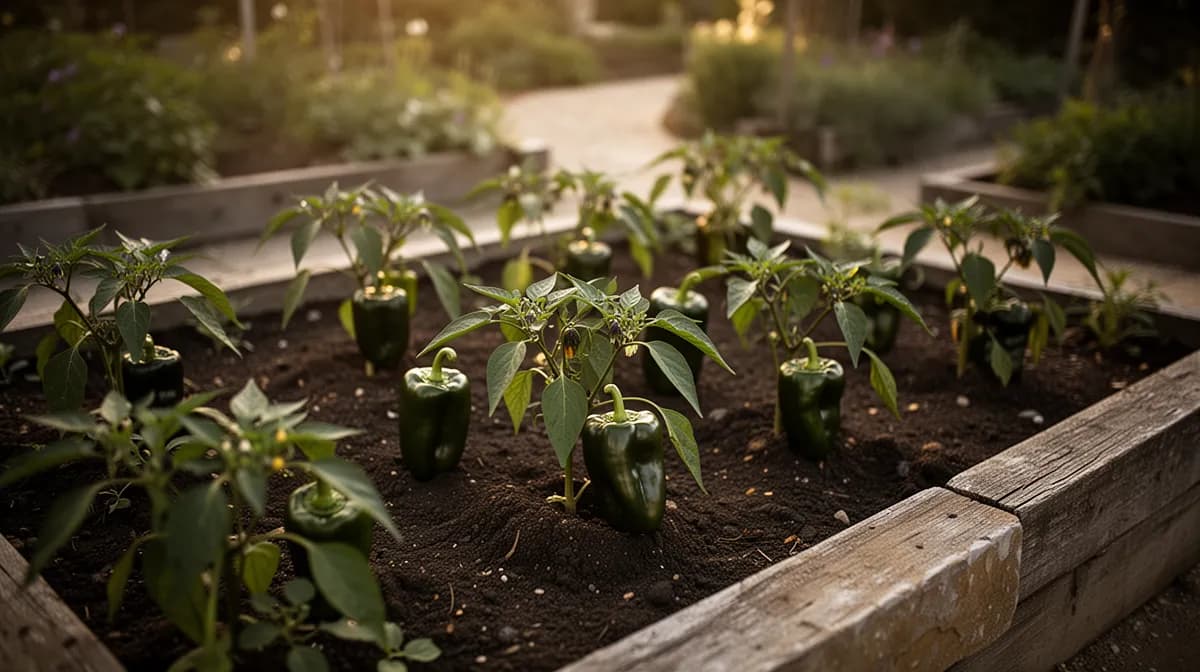
10 plants fit a 4 × 8 ft bed
Each Poblano Pepper wants 45 cm of elbow room. The planner keeps that spacing for you — every plant, every bed.
Poblano Pepper's best neighbours
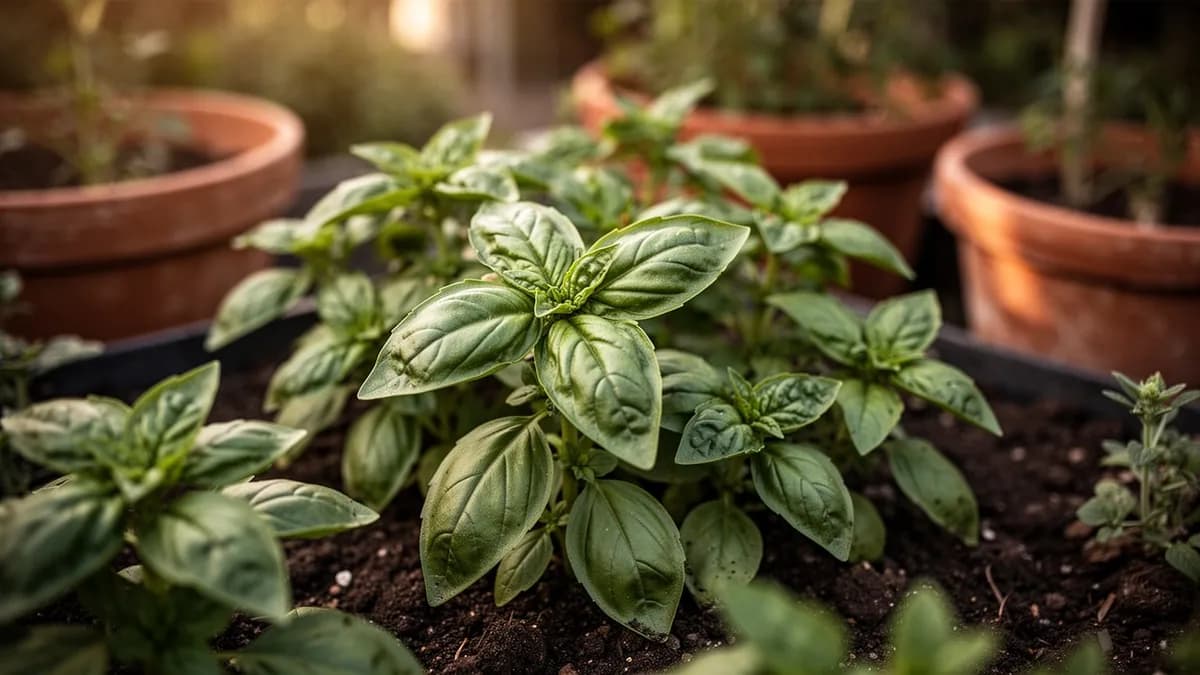
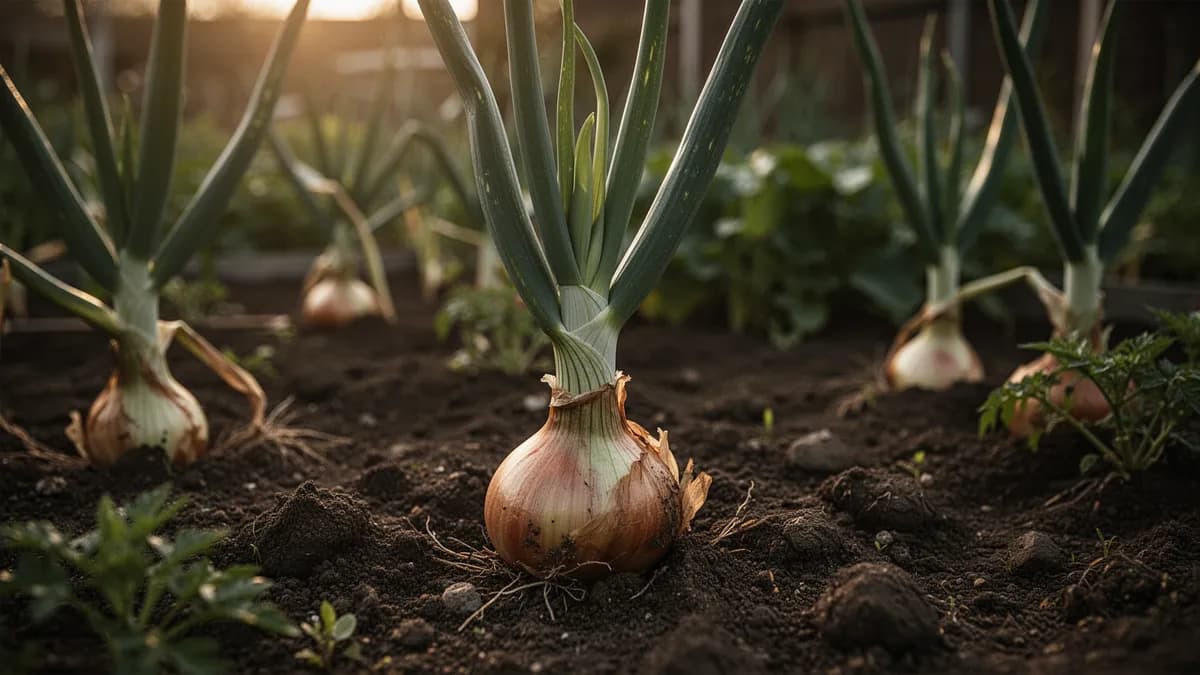
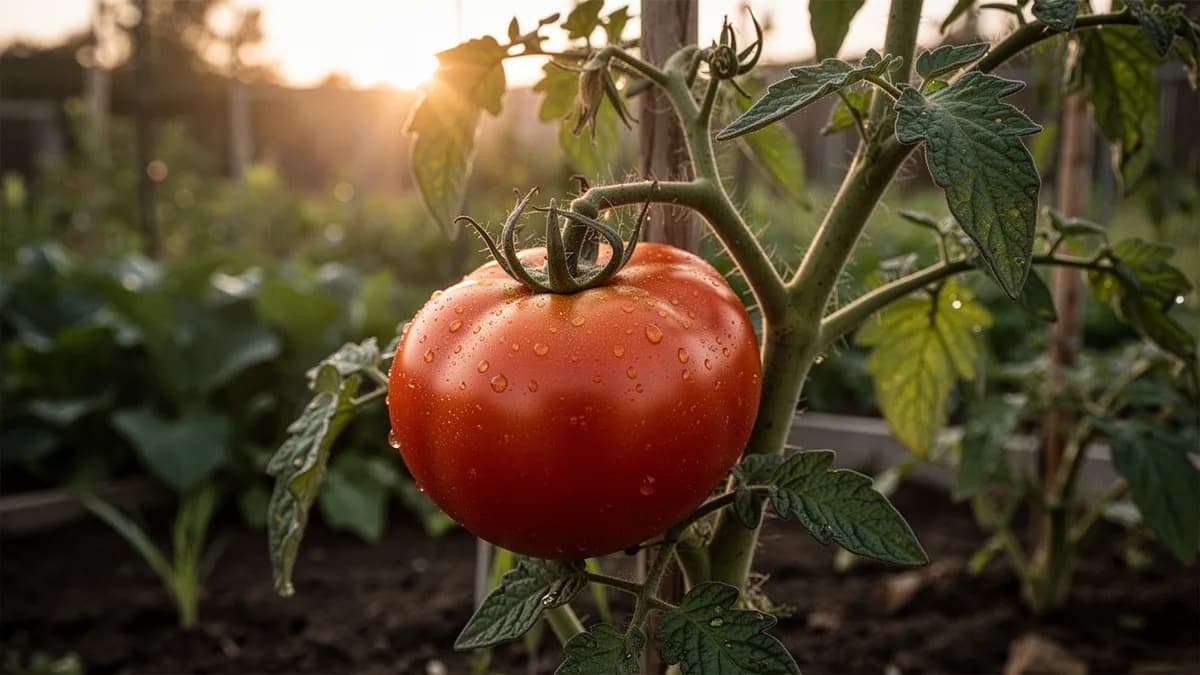
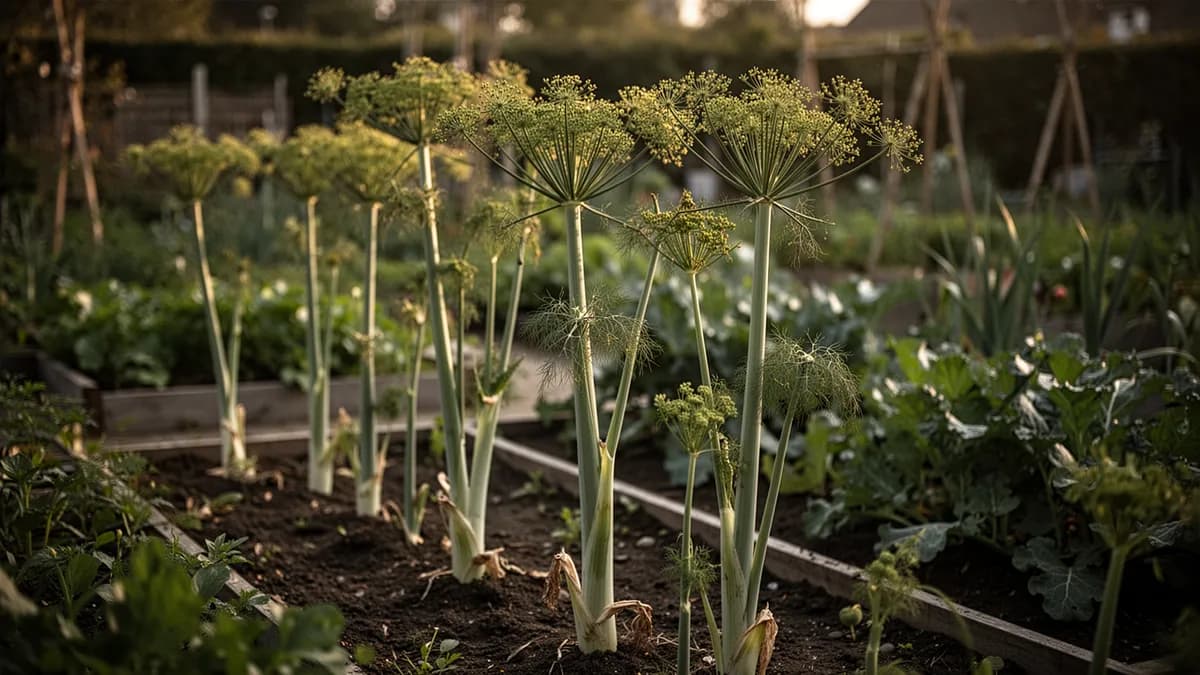
Poblano peppers benefit from being planted near tomatoes and basil, which can help repel aphids and improve overall garden health. Onions and garlic deter many common pepper pests. Avoid planting near fennel, which releases compounds that can inhibit pepper growth. Low-growing herbs like oregano and thyme make excellent ground cover companions, helping retain soil moisture while attracting pollinators. Corn or sunflowers planted to the west provide beneficial afternoon shade.
Tomato belongs beside it. Fennel doesn't.
Old growers' knowledge, checked against Poblano Pepper's real companion table below — test any plant you're growing.
Try Poblano Pepper in a bed — right here
A real planner bed with Poblano Pepper already in it. Tap a companion to place it and watch the pairing checks answer — green for good neighbours, red for a clash.


Related growing guides
Feed it well
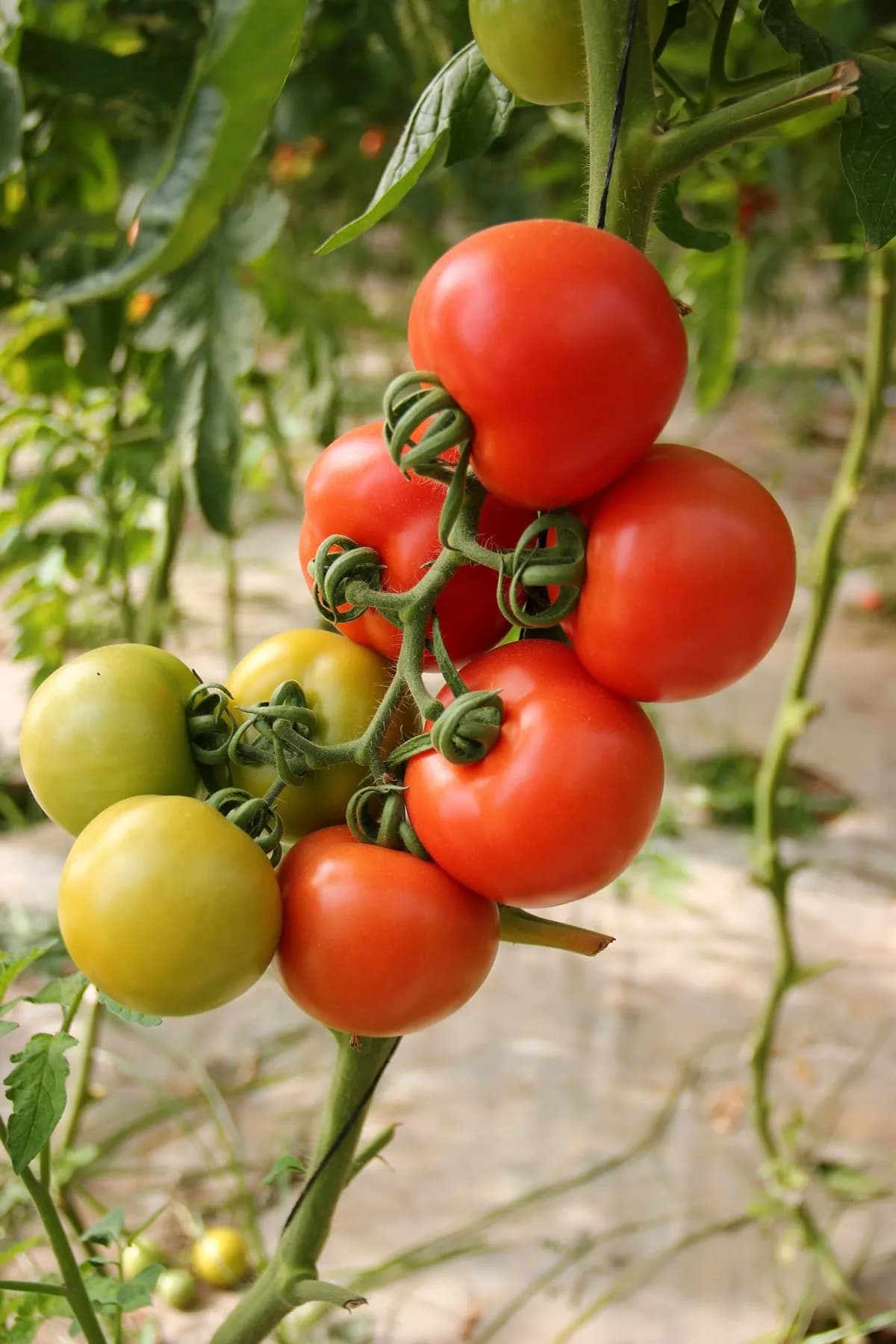
Poblano peppers need fertile, well-drained soil with a pH of 6.0 to 7.0. Incorporate 2 to 3 inches of aged compost before planting to improve soil structure and nutrient content. Apply a balanced slow-release fertilizer at transplanting time. Once plants begin setting fruit, side-dress with a low-nitrogen fertilizer or compost tea every 3 to 4 weeks. Excessive nitrogen creates vigorous foliage at the expense of fruit production. Add bone meal for extra phosphorus to support strong flowering.
Ideal Temperature
Hardiness Zone Compatibility
From seed to harvest, stage by stage
Seed Starting
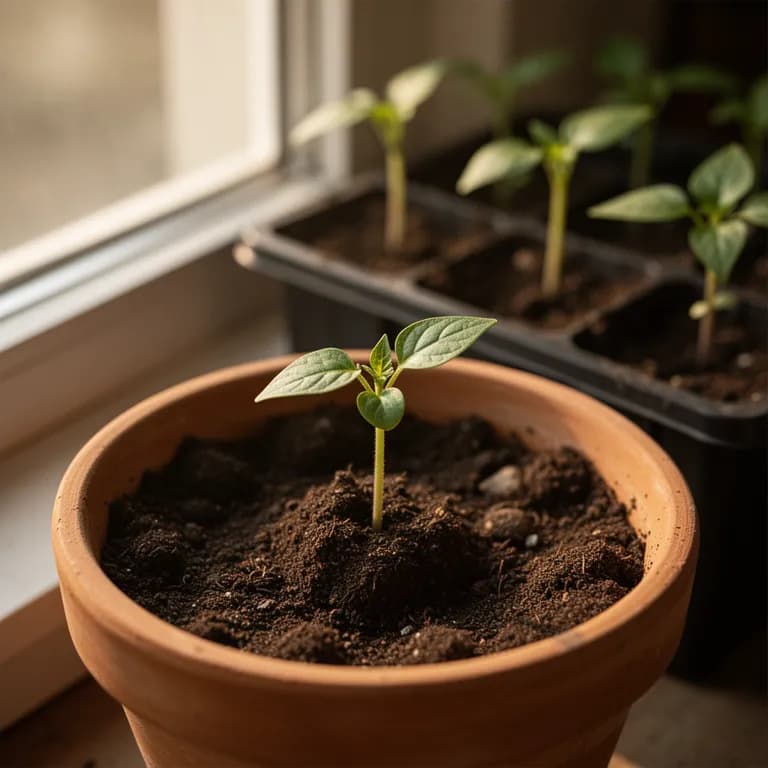
Poblano seeds germinate in 10 to 21 days, somewhat slower than many other pepper varieties. Seeds require consistent warmth of 27-30°C (80-85°F) for reliable germination. Small, pale cotyledon leaves emerge first, followed by the first set of narrow, pointed true leaves.
Seedling Development
Seedlings develop multiple sets of true leaves and begin branching. The stem thickens and darkens from pale green to a sturdier, slightly woody base. Root systems expand rapidly during this phase, and seedlings should be potted up into larger containers when they have 3 to 4 sets of true leaves.
Vegetative Growth
After transplanting outdoors, plants enter vigorous vegetative growth, developing a bushy, upright habit reaching 60-90 cm tall. The dark green foliage is dense and sturdy. The root system expands to anchor what will become a heavy, fruit-laden plant. Branch structure forms the framework for future fruit production.
Flowering
Small, white, star-shaped flowers appear at branch nodes throughout the plant. Poblano flowers are self-pollinating but benefit from gentle wind or pollinator visits for improved fruit set. Each flower has the potential to develop into a large pepper if successfully pollinated.
Fruit Development
Pollinated flowers develop into the characteristic heart-shaped, thick-walled fruits. Peppers grow to 10-15 cm long and 7-10 cm wide, with glossy, dark green skin that feels firm and smooth. Fruits grow heavy enough to weigh down branches as they mature. For ancho chiles, peppers can be left on the plant to ripen to deep red.
Peak Harvest
Plants produce continuously for 4 to 6 weeks during peak season. Regular harvesting stimulates new flower and fruit production. A well-maintained plant can yield 15 to 25 large peppers over the course of the season. Production tapers as nighttime temperatures drop below 15°C (60°F) in autumn.
Use a thermostat-controlled heat mat to maintain consistent soil temperature. Keep the seed-starting mix evenly moist but never waterlogged, as pepper seedlings are susceptible to damping off in soggy conditions.
Caring for Poblano Pepper month by month
What to do each month for your Poblano Pepper
October
You are hereFinal harvests in most zones before frost threatens. Pick all remaining peppers, both green and partially ripe. Green peppers will continue ripening on a sunny windowsill. Pull plants after harvest and compost healthy material. Note variety performance.
Know exactly what to do in your garden — every month
One email at the start of each month: what to sow, plant, and tackle right now — for your Poblano Pepper and everything growing around it. Plus a short starter course that helps you dodge the classic mistakes.
- What to do, right now
- Matched to your season
- Starter course included
Harvesting Poblano Pepper
Harvest poblano peppers when they are 4 to 6 inches long, dark green, and glossy. The thick walls should feel firm when gently squeezed. For dried ancho chiles, leave fruits on the plant until they turn deep red, then harvest and dry them in a well-ventilated area. Cut peppers from the plant with pruning shears rather than pulling. Poblanos are mildly hot at 1,000 to 2,000 Scoville units, but heat can increase with plant stress or hot growing conditions.
assuming you plant when the window opens — set your real date
Pick Poblano Pepper promptly and the plant keeps producing.
Storage & Preservation
Fresh poblanos keep for up to 2 weeks in the refrigerator. Roasting and peeling poblanos before freezing is the most popular preservation method, yielding ready-to-use peppers for chiles rellenos and sauces year-round. To make ancho chiles, dry fully ripe red poblanos in a dehydrator at 135°F for 12 to 24 hours or string them into ristras for air drying. Dried anchos stored in airtight containers last over a year and develop deep, complex flavor.
What goes wrong — and the fix
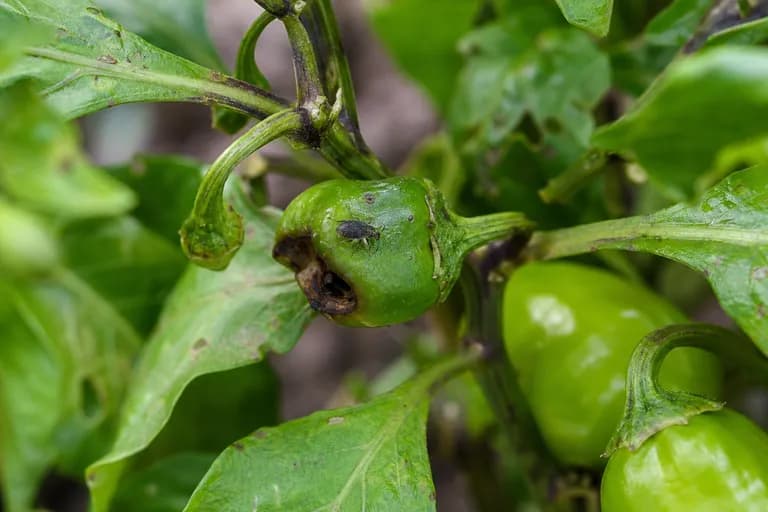
Pepper Weevil
PestSmall punctures on fruit where adults feed, larvae bore into peppers causing internal damage, premature fruit drop, and discolored blossoms.
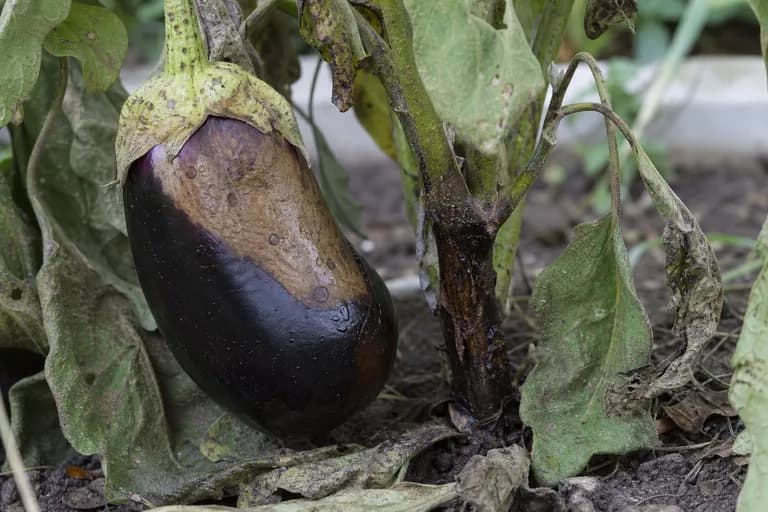
Phytophthora Blight
DiseaseDark water-soaked lesions on stems near the soil line, wilting despite adequate moisture, and rapid plant collapse during warm, wet weather.
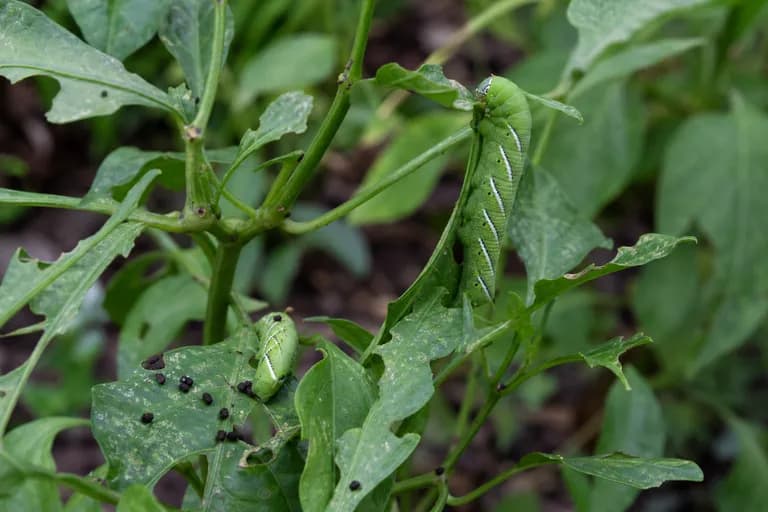
Hornworms
PestLarge green caterpillars that defoliate plants rapidly, dark droppings on leaves below feeding sites, and stripped stems.
Troubleshooting Common Problems
Poblanos are prone to blossom drop when temperatures exceed 95°F or fall below 58°F at night. Thick-walled fruits can crack if watering is inconsistent, alternating between dry and saturated conditions. Sunscald affects exposed fruits, so maintain healthy foliage canopy. Poor fruit set may result from inadequate pollination during hot or humid weather. Plants stressed by drought may produce smaller, hotter peppers than expected.
Growing Tips
- Start seeds early and be patient. Poblano seeds germinate more slowly than many other peppers, often taking 14-21 days. A consistent heat mat temperature of 27-30°C (80-85°F) is the single most important factor for reliable germination.
- Harden off transplants gradually over 10 full days before planting outdoors. Poblanos are sensitive to transplant shock, and rushing this process leads to stunted growth and delayed fruiting that costs weeks of potential harvest.
- Mulch heavily with 7-10 cm of straw or shredded leaves once the soil has warmed. Poblanos have relatively shallow root systems that benefit greatly from consistent soil moisture and temperature moderation provided by a thick mulch layer.
- Stake or cage plants before fruits develop. Poblano fruits are large and heavy, often reaching 100-150g each, and a plant loaded with 8-10 developing peppers can snap branches if unsupported. Install supports early rather than trying to retrofit them around a mature plant.
- Maintain rock-steady watering consistency. Poblanos are particularly sensitive to fluctuations between wet and dry soil. Irregular watering causes blossom end rot, fruit cracking, and blossom drop more readily than in many other pepper types. Drip irrigation on a timer is ideal.
- Roast peppers directly over a gas flame or under a broiler until the skin is uniformly charred and blistered, then steam in a covered bowl for 15 minutes. The skin peels away easily, revealing the smoky, silky flesh beneath — this technique transforms the flavor entirely.
- Allow some peppers to ripen fully to deep red on the plant if you want to make your own ancho chiles. Red-ripe poblanos develop a sweeter, more complex flavor that intensifies dramatically when dried. This requires patience, as full ripening takes 2-3 weeks beyond the green stage.
- Grow poblanos in large containers (minimum 19 liters / 5 gallons) if garden space is limited. Use a high-quality potting mix with perlite for drainage, and feed weekly with liquid fertilizer during the growing season. Container plants produce fewer but still worthwhile peppers.
Grow your best Poblano Pepper yet — and everything around it.
Start a free plan today. Lay out your beds, drop in your Poblano Pepper, and let PlotMyGarden handle the timing, spacing, companions and reminders from seed to harvest basket.
Pick your Poblano Pepper
Ancho 101
A reliable, high-yielding variety producing large, heart-shaped fruits with thick walls ideal for stuffing and drying into ancho chiles.
Tiburon
A hybrid poblano with excellent disease resistance, producing extra-large fruits with very thick walls and consistent mild heat.
Ancho Magnifico
An early-maturing hybrid that sets fruit well even in cooler conditions. Compact plant habit makes it suitable for containers.
Mulato Isleno
A distinct brown-skinned poblano type with chocolate-toned dried flesh, offering a richer, sweeter flavor profile than standard green poblanos.
A single poblano plant grown from a $2-3 seed packet or $3-5 transplant can produce 15-25 large peppers over a season. Fresh poblanos sell for $3-6 per pound at grocery stores, and specialty items like roasted poblanos or dried ancho chiles command $8-15 per pound. Growing just 3-4 plants can save $50-100 per season on fresh peppers, and the savings increase dramatically if you make your own ancho chiles, which retail for $10-20 per 4-ounce bag. Roasting, peeling, and freezing your harvest provides premium-quality peppers year-round at a fraction of store cost.
Quick recipes
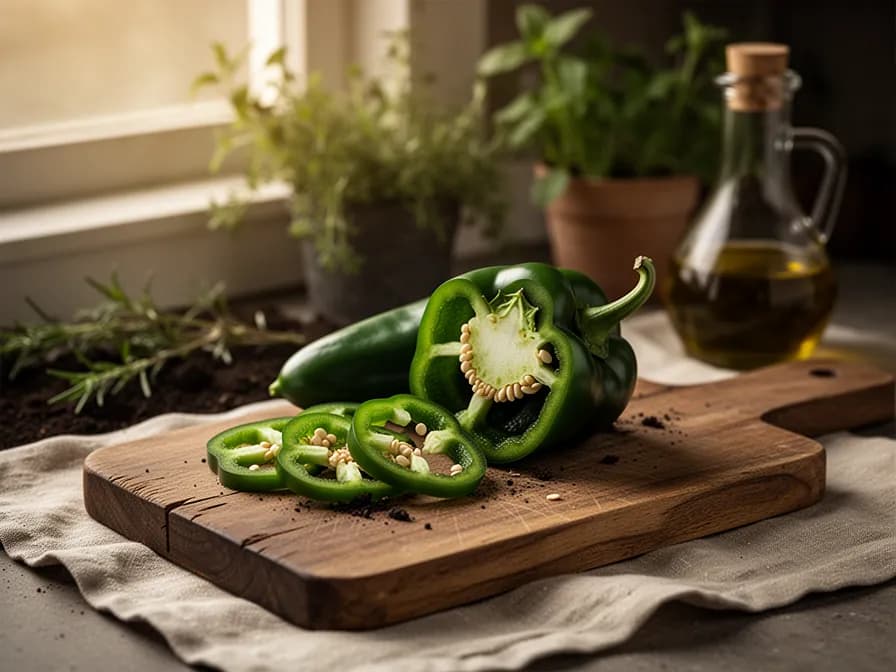
Classic Chiles Rellenos
45 minThe iconic Mexican dish — whole poblano peppers roasted, peeled, stuffed with melting cheese, dipped in fluffy egg batter, and fried to golden perfection. Served with a warm tomato-chile sauce, this is the dish that poblanos were born for.
7 ingredientsCreamy Rajas con Crema
30 minRoasted poblano strips simmered in a luscious Mexican cream sauce with sweet onions and corn. This versatile side dish is equally delicious served over rice, folded into tacos, or alongside grilled meats. The smoky sweetness of roasted poblanos is the star.
7 ingredientsPoblano and Black Bean Soup
40 minA hearty, smoky soup combining fire-roasted poblanos with creamy black beans, cumin, and a squeeze of lime. Pureed to velvety smoothness and topped with crumbled queso fresco and tortilla strips, this is deeply satisfying comfort food.
8 ingredientsCulinary Uses
Poblanos are indispensable in Mexican cuisine. They are the traditional pepper for chiles rellenos, stuffed with cheese and fried in egg batter. Roasted and peeled, they enrich enchilada sauces, cream-based rajas, and soups. Dried ancho chiles are ground into rich mole sauces. Their mild heat and earthy complexity make them ideal for adding depth to virtually any savory dish without overwhelming spiciness.
What's inside
Health Benefits
- Exceptionally high in vitamin C, with a single large poblano providing over 100% of the daily recommended intake — essential for immune function, collagen synthesis, and iron absorption from plant-based foods.
- Contains mild levels of capsaicin, which research has linked to increased metabolic rate, reduced appetite, anti-inflammatory effects, and natural pain relief without the intensity of hotter peppers.
- Rich in vitamin A and beta-carotene, particularly in red-ripe poblanos, supporting healthy vision, skin cell turnover, and immune system regulation.
- Provides vitamin B6, which plays a critical role in neurotransmitter synthesis (including serotonin and dopamine), energy metabolism, and red blood cell production.
- Contains quercetin and luteolin, flavonoid antioxidants that have demonstrated anti-inflammatory, antihistamine, and cardioprotective properties in clinical studies.
- Low in calories and high in water content, making poblanos an excellent volumetric food for satiety — they add substantial flavor, bulk, and nutrition to meals without significant caloric impact.
Where Poblano Pepper comes from
The poblano pepper (Capsicum annuum) originated in the state of Puebla, Mexico, from which it takes its name. Archaeological evidence suggests that wild ancestors of Capsicum annuum were consumed in Mesoamerica as early as 7,000 BCE, and deliberate cultivation of chile peppers began around 3,500 BCE, making them one of the oldest cultivated crops in the Americas. The poblano variety was selected and refined over centuries by indigenous peoples of central Mexico who valued its large size, thick walls, and mild heat that could be used in quantity without overwhelming dishes.
Puebla, a city founded by Spanish colonists in 1531 in the central Mexican highlands, became the culinary epicenter for poblano pepper cuisine. The convent kitchens of colonial Puebla are credited with creating many of Mexico's most iconic dishes, including chiles rellenos and mole poblano, both of which feature the poblano as a central ingredient. The nuns blended indigenous ingredients like chiles, chocolate, and tomatoes with European cooking techniques, creating a syncretic cuisine that remains the heart of Mexican gastronomy. The ancho chile — the dried form of the red-ripe poblano — became so essential to Mexican cooking that it earned the nickname 'the sweetest of dried chiles' and forms the flavor base of countless sauces, stews, and moles.
Today, Mexico remains the primary producer of poblano peppers, with cultivation concentrated in the states of Puebla, Guanajuato, Zacatecas, and San Luis Potosi. The pepper has spread throughout the Americas and is now widely grown in home gardens and commercially across the United States, particularly in California, New Mexico, and Texas. In the U.S., poblanos have become one of the most popular specialty peppers, driven by the growing popularity of Mexican cuisine. Modern breeding programs have developed improved varieties with better disease resistance, more uniform fruit size, and enhanced yields, but the essential character of the poblano — its earthy, slightly smoky flavor, thick walls, and versatile mild heat — remains unchanged from the peppers cultivated in Puebla centuries ago.
Poblano Pepper: did you know?
Fascinating facts about Poblano Pepper
Poblano peppers are named after the city of Puebla, Mexico, where they have been cultivated for centuries and where the iconic dish chiles rellenos was perfected by nuns in colonial-era convent kitchens.
Poblano Pepper questions, answered
When should I plant Poblano Pepper?
What are good companion plants for Poblano Pepper?
What hardiness zones can Poblano Pepper grow in?
How much sun does Poblano Pepper need?
How far apart should I space Poblano Pepper?
What pests and diseases affect Poblano Pepper?
How do I store Poblano Pepper after harvest?
What are the best Poblano Pepper varieties to grow?
What soil does Poblano Pepper need?
What is the difference between a poblano pepper and an ancho chile?
Why are some of my poblano peppers much hotter than others?
How do I roast and peel poblano peppers?
Can I overwinter poblano pepper plants indoors?
Why are my poblano plants dropping their flowers without setting fruit?
How long does it take for poblano peppers to turn red for making ancho chiles?
You just read the theory. Now grow it on autopilot.
Everything that makes Poblano Pepper fiddly — the timing, the spacing, the companions, the harvest window — is exactly what PlotMyGarden handles for you, for every plant in your garden.
A plan that knows your weather
Set your location once. Get sow, feed and harvest dates built around your real last-frost date and live forecast — no more guessing from a generic seed packet.
From the “When to plant” sectionDrag-and-drop bed planner
Design beds on a grid. Every plant snaps to its proper spacing, and you can see your whole season laid out before you spend a cent on seed.
From the “Growing guide” sectionCompanion conflicts, caught early
200+ good-and-bad pairings checked live as you plant — so a season-wrecking mistake never makes it into the ground.
From the “Companions” sectionReminders you'll actually act on
“Water the beans.” “Pick today before it turns.” Timely, specific, and tied to the plants you're really growing.
From the “Harvest” sectionSuccession, scheduled
Want a harvest for six weeks, not six days? It spaces your sowings automatically and reminds you when each new block is due.
From the “When to plant” sectionA record that gets smarter
Every harvest you log teaches it your garden. Next year's plan starts from what actually worked in your soil, not a textbook's.
From the “Overview” sectionPlant these alongside Poblano Pepper
More Nightshades
Keep Poblano Pepper away from these
Garden plans featuring Poblano Pepper
Grow your best Poblano Pepper yet — and everything around it.
Start a free plan today. Lay out your beds, drop in your Poblano Pepper, and let PlotMyGarden handle the timing, spacing, companions and reminders from seed to harvest basket.