Padron Pepper
A small Spanish tapas pepper, mostly mild with the occasional fiery surprise.





On this pageOverview
Meet Padron Pepper
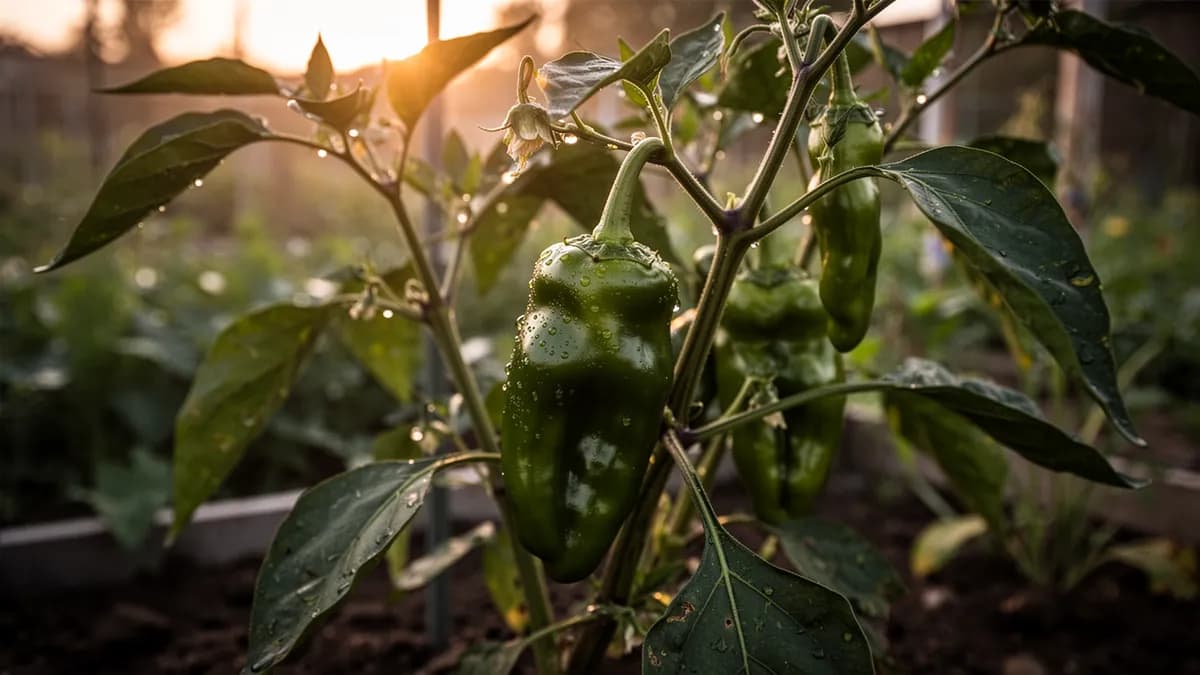
A small Spanish tapas pepper, mostly mild with the occasional fiery surprise. Harvest fruits young at two to three inches long for blistering in olive oil and finishing with sea salt. Plants are compact and highly productive, setting fruit continuously through warm summer months. Water stress and maturity increase the likelihood of hot peppers in any given batch.
When to plant Padron Pepper
Start Padron pepper seeds indoors 8-10 weeks before the last frost. Plant one-quarter inch deep at 80-85°F for germination in 10-14 days. Provide strong light for 14-16 hours daily. Padron seeds germinate readily compared to some hot pepper varieties. Pot up when seedlings develop 2-3 sets of true leaves. Harden off for 10-14 days before transplanting after nighttime temperatures stay above 55°F. Space 18-24 inches apart. Can also be grown successfully in containers of 3-5 gallons.
Your Padron Pepper Year
Composed for Zone 7 · typical seasons · frost passes Apr 2, returns Nov 1
Plant Padron Pepper Feb – Jun, pick Jul – Sep. Check the planting methods below and set your climate to personalize these windows.
How to grow Padron Pepper
Padron peppers are small Spanish tapas peppers famous for their culinary roulette; most are mild and sweet, but roughly one in ten delivers an unexpected blast of heat. Start seeds indoors 8-10 weeks before the last frost. Transplant after soil reaches 65°F and nighttime temperatures stay above 55°F. Space plants 18-24 inches apart.
Plants grow 2-3 feet tall with a branching, bushy habit. They are extremely productive, producing dozens to hundreds of small peppers per plant. Water consistently with 1 inch per week. Padron peppers adapted to the mild, maritime climate of northwest Spain but grow well in most garden settings. They produce best with moderate temperatures and consistent moisture.
The key to mild Padron peppers is harvesting young, at 1-2 inches long. Stress from heat, drought, or delayed harvest increases the percentage of hot peppers in each batch. This unpredictability is part of their charm; the Spanish saying goes, 'some are hot, some are not.' For the classic tapas preparation, pick small and saute quickly in hot olive oil with sea salt. Each plant can produce 50-100+ small peppers over the season with regular harvesting.
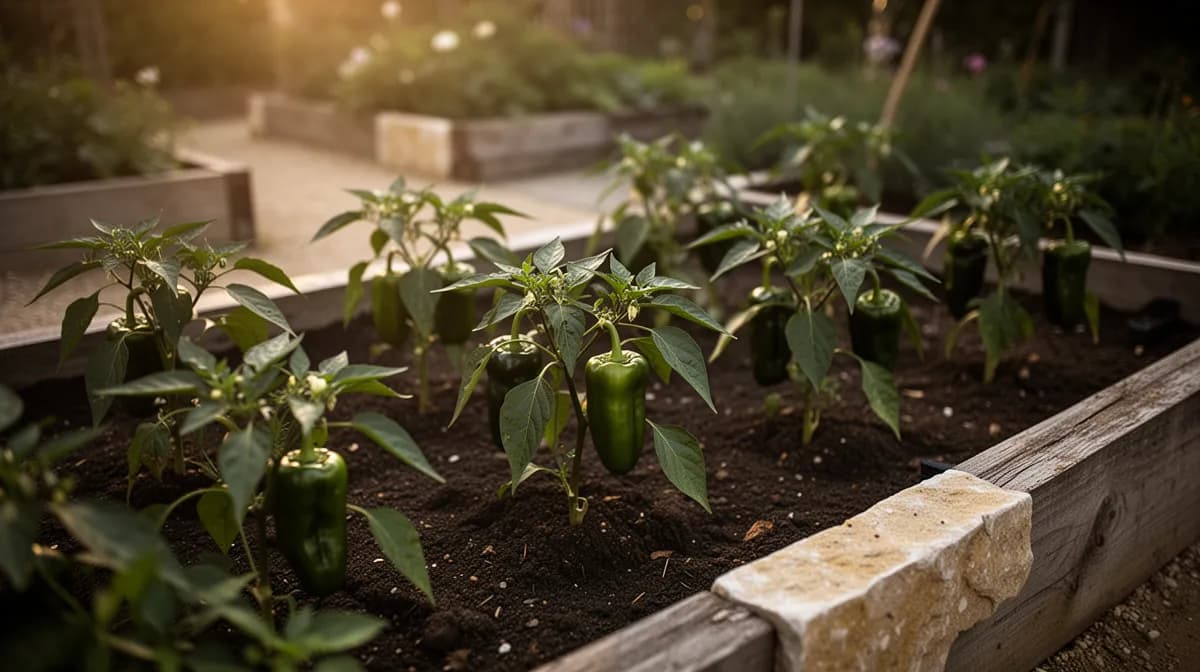
18 plants fit a 4 × 8 ft bed
Each Padron Pepper wants 40 cm of elbow room. The planner keeps that spacing for you — every plant, every bed.
Padron Pepper's best neighbours
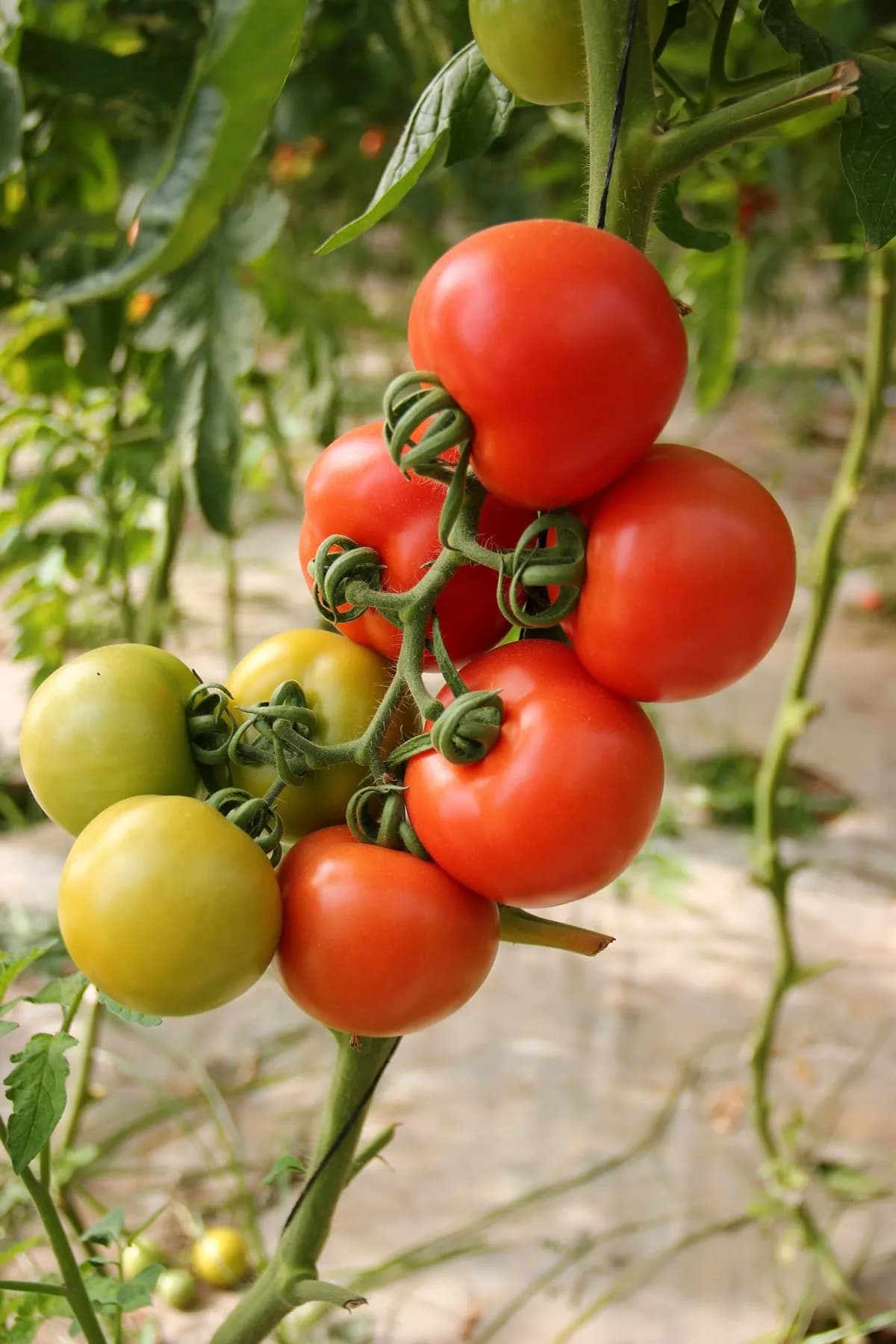
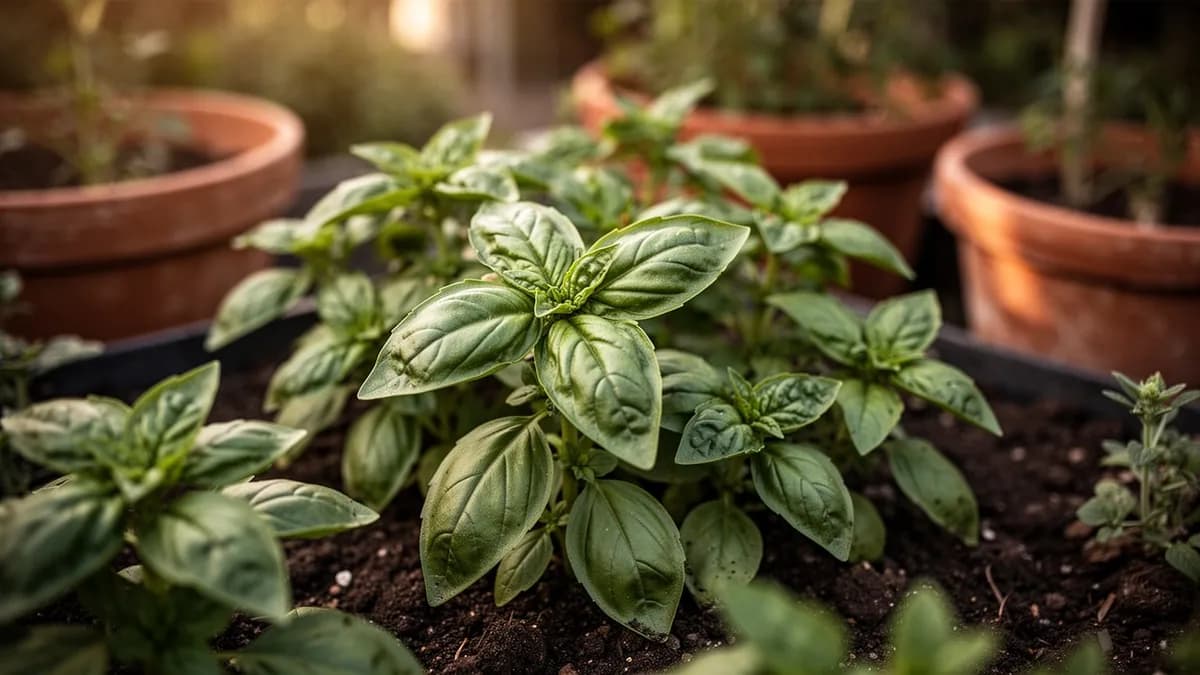
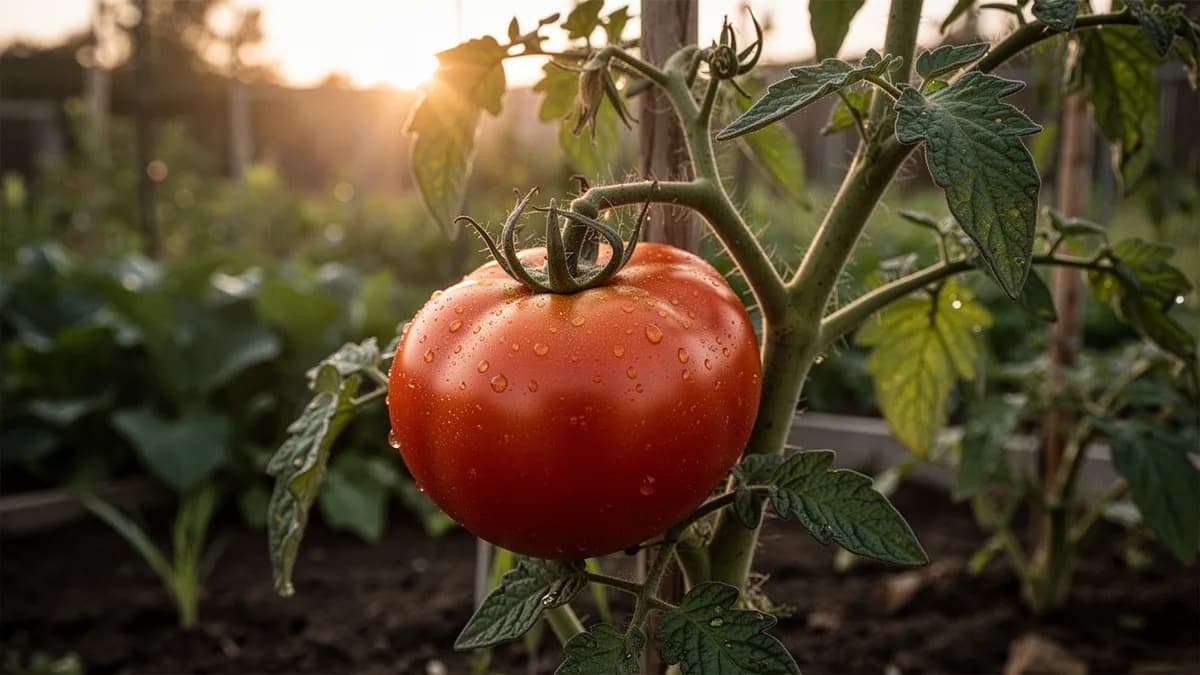
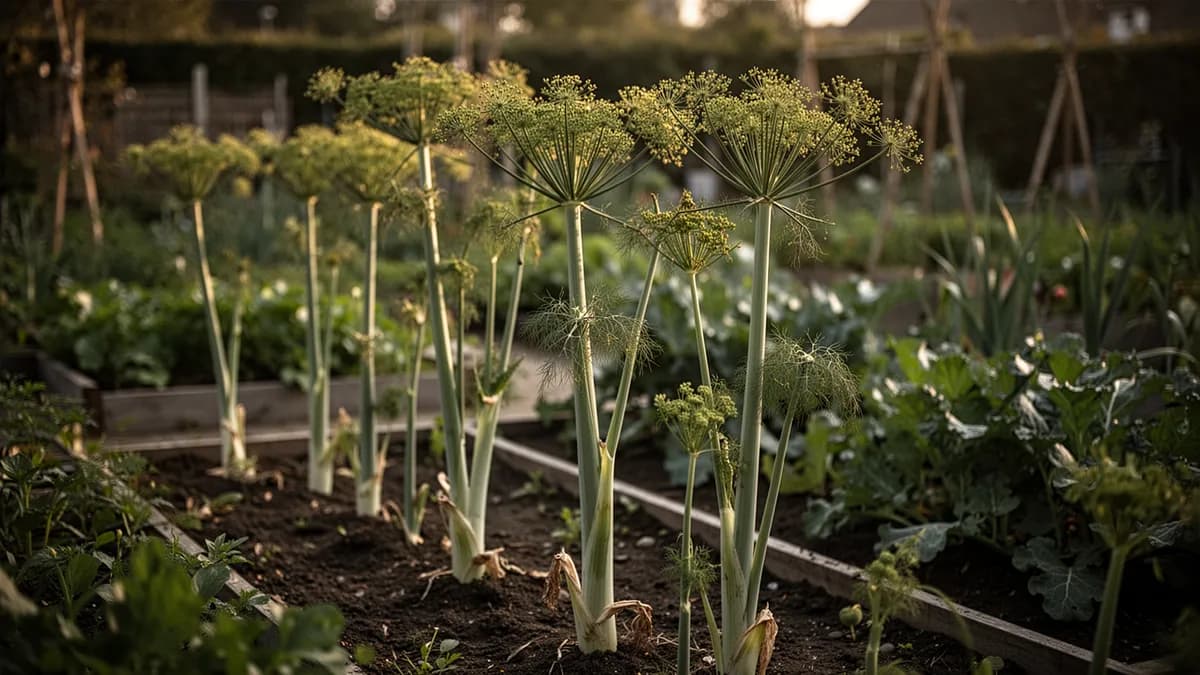
Padron peppers grow well with Mediterranean herb companions like basil, oregano, and thyme. Their compact size makes them excellent partners in intensive garden beds. Tomatoes are traditional companions that share similar growing requirements. Marigolds deter pests while attracting beneficial insects. Avoid planting near fennel. In container gardens, Padrons pair beautifully with herbs for an all-in-one tapas garden. Lettuce and other salad greens appreciate the light shade from pepper plants.
Tomato belongs beside it. Fennel doesn't.
Old growers' knowledge, checked against Padron Pepper's real companion table below — test any plant you're growing.
Try Padron Pepper in a bed — right here
A real planner bed with Padron Pepper already in it. Tap a companion to place it and watch the pairing checks answer — green for good neighbours, red for a clash.


Related growing guides
Feed it well
Padron peppers thrive in well-drained, moderately fertile soil with a pH of 6.0-6.8. Work in compost before planting and apply balanced fertilizer at transplanting. Avoid over-fertilizing as excessive nutrients, particularly nitrogen, can increase the proportion of hot peppers. Side-dress once when flowering begins with a phosphorus-rich supplement. Consistent, moderate fertility produces the most reliably mild peppers. In containers, use standard potting mix with moderate slow-release fertilizer.
Ideal Temperature
Hardiness Zone Compatibility
From seed to harvest, stage by stage
Seed Starting
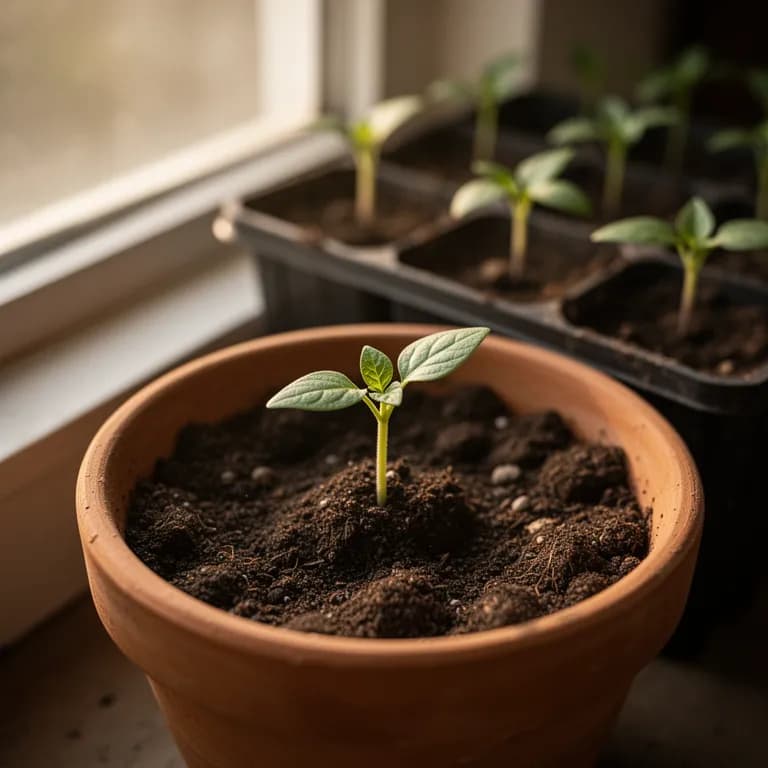
Seeds germinate slowly in warm conditions, requiring consistent soil temperatures of 21-27°C (70-80°F). The tiny white radicle emerges first, followed by a pair of smooth, oval cotyledon leaves. Padron pepper seeds are slower to germinate than many other pepper varieties, typically taking 10-14 days even under ideal conditions.
Seedling Development
True leaves emerge with a slightly wrinkled, medium-green appearance. Growth is slow during this stage as the root system develops. Seedlings are sensitive to cold drafts and temperature fluctuations. By the end of this stage, plants should have 4-6 sets of true leaves and a sturdy stem.
Vegetative Growth
Plants develop a compact, bushy habit with dense branching — a characteristic of the Padron variety. Stems thicken and the plant forms a rounded canopy 30-50 cm across. Rapid leaf production provides the energy base for the prolific fruiting ahead. Plants may begin to form early flower buds at branch nodes.
Flowering and Fruit Set
Small, white, star-shaped flowers appear at nearly every node. Padron peppers are self-pollinating and set fruit readily in warm weather. Multiple flowers open simultaneously, and tiny green peppers begin forming within days of successful pollination. Fruit set can be poor if temperatures drop below 15°C (60°F) or exceed 35°C (95°F).
Harvest Season
Peppers reach harvestable size of 3-5 cm within 10-15 days of fruit set. Plants produce continuously and prolifically, with dozens of peppers maturing each week during peak season. The iconic heat roulette intensifies as the season progresses — later-season peppers and those stressed by heat or drought are more likely to be spicy.
Late Season and Ripening
Production slows as temperatures cool in autumn. Remaining peppers on the plant begin turning from green to red as they fully ripen. Red Padron peppers are sweeter but significantly hotter than their green counterparts. The plant continues producing until the first frost kills the foliage.
Start seeds indoors 8-10 weeks before your last frost date. Use a heat mat set to 27°C (80°F) for reliable germination. Keep the growing medium evenly moist but never waterlogged — pepper seeds are prone to damping off in overly wet conditions.
Caring for Padron Pepper month by month
What to do each month for your Padron Pepper
October
You are hereHarvest remaining green peppers before the first frost. Collect fully red, ripe peppers for seed extraction — ferment seeds in water for 2-3 days, then dry thoroughly. In zones 9-12, plants may continue producing with frost protection. Pull spent plants and compost.
Know exactly what to do in your garden — every month
One email at the start of each month: what to sow, plant, and tackle right now — for your Padron Pepper and everything growing around it. Plus a short starter course that helps you dodge the classic mistakes.
- What to do, right now
- Matched to your season
- Starter course included
Harvesting Padron Pepper
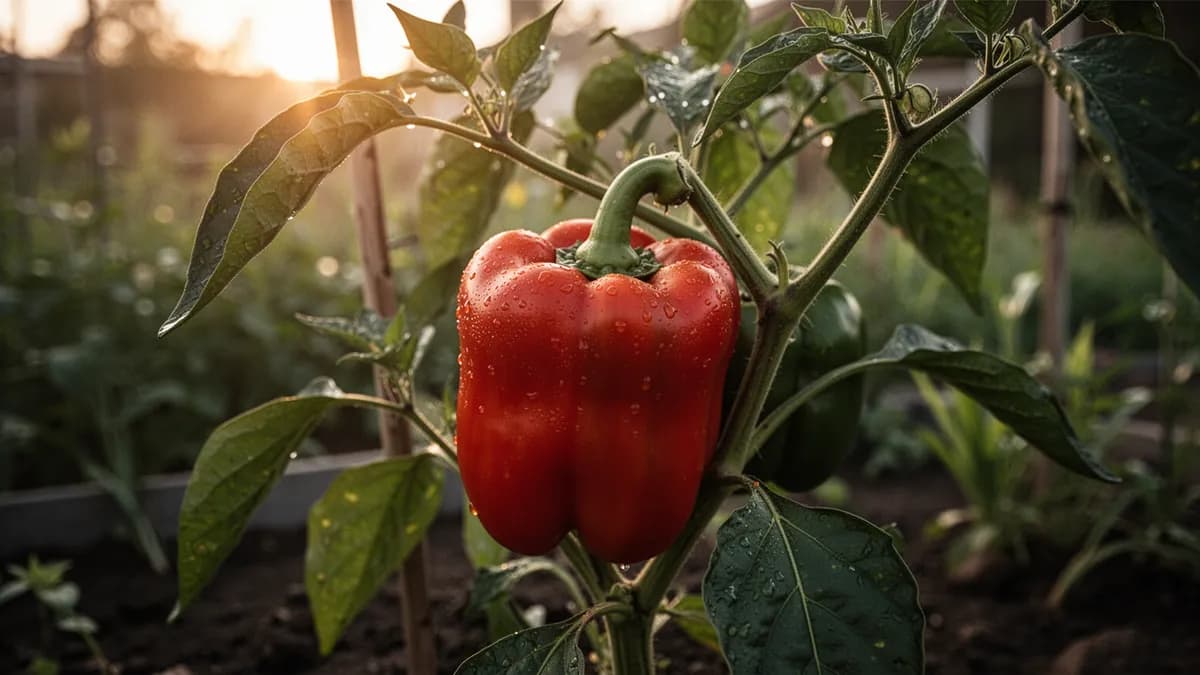
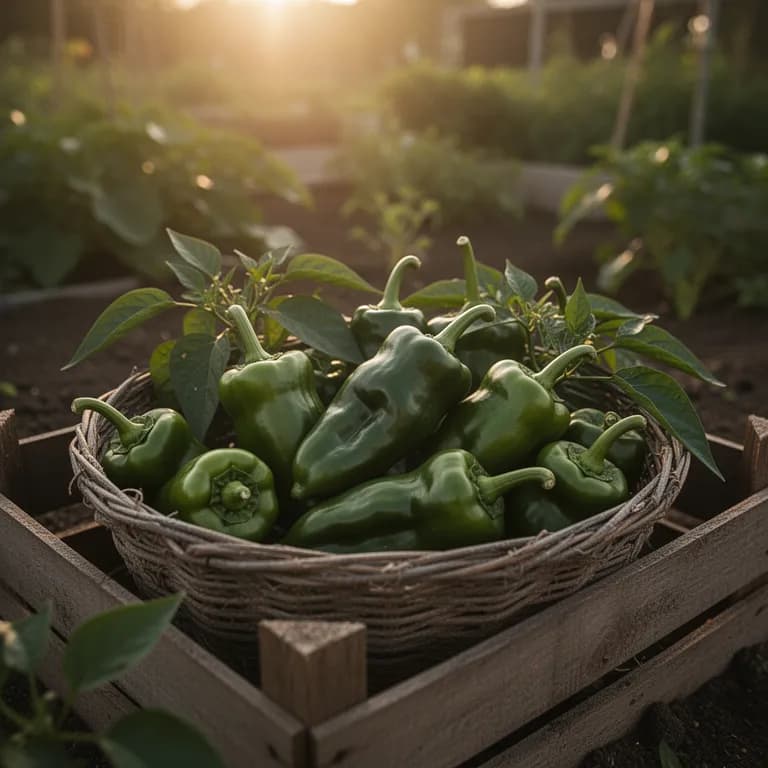
Harvest Padron peppers when fruits are small, 1-2 inches long and bright green, for the mildest flavor and best texture. At this stage, about 90% will be mild and sweet. Larger, more mature peppers and those stressed by heat or drought have a higher chance of being hot. Pick every 2-3 days during peak production. Cut or snap peppers from the plant with a short stem attached. Each plant produces prolifically with 50-100+ peppers per season. Leave some peppers to ripen to red for seed saving or a hotter flavor.
assuming you plant when the window opens — set your real date
Pick Padron Pepper promptly and the plant keeps producing.
Storage & Preservation
Fresh Padron peppers keep in the refrigerator for about one week. They are best used fresh for the classic blistered tapas preparation. For freezing, spread whole peppers on a tray, freeze, then transfer to bags. Frozen Padrons can be cooked directly from frozen. They can be pickled in light vinegar brine for a tangy preserved product. Dried red-ripe Padrons can be ground into a mild pepper powder. The small size and quick cooking make them ideal for using fresh in large quantities during peak harvest.
What goes wrong — and the fix
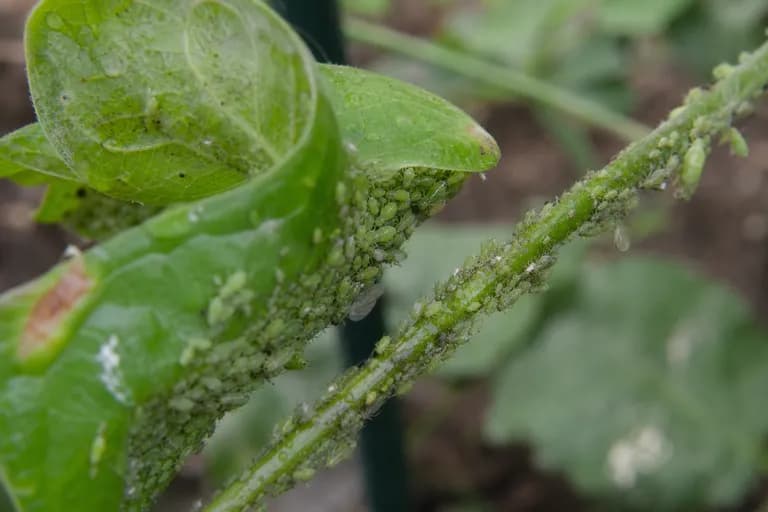
Aphids
PestSmall insects clustering on new growth, causing leaf distortion and reduced vigor.
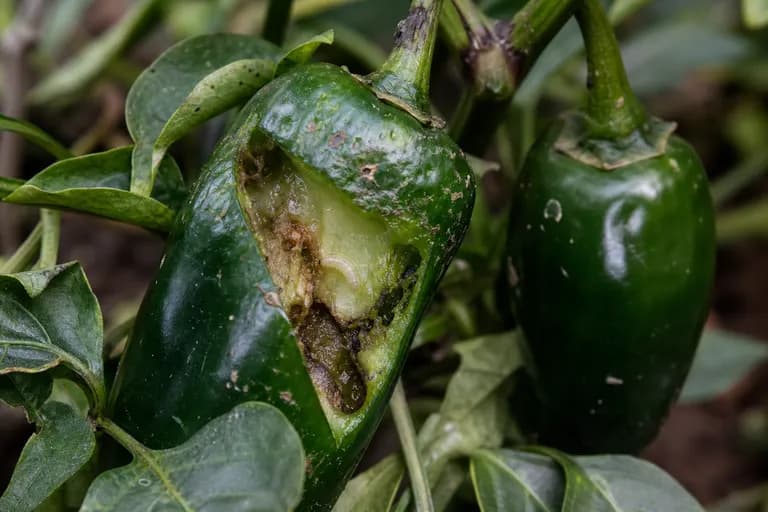
Pepper Maggot
PestSmall fly larvae feeding inside fruits causing internal decay and premature drop.
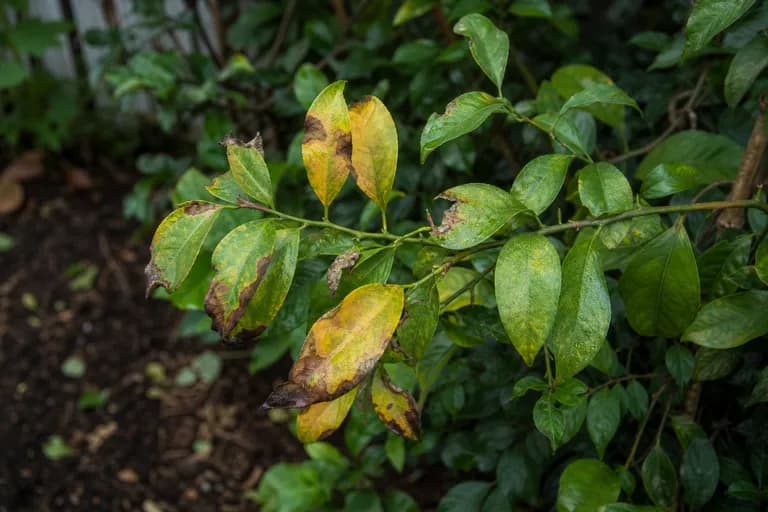
Verticillium Wilt
DiseaseProgressive wilting from the base upward, yellow V-shaped patches on lower leaves, brown vascular tissue.
Troubleshooting Common Problems
Higher-than-expected proportion of hot peppers usually results from plant stress due to heat, drought, or late harvest. Pick peppers young and keep plants well-watered for mildest results. Reduced production in cool summers reflects their preference for warm conditions. Very prolific production can overwhelm gardeners; share with friends or preserve surplus. Branch breakage occurs when heavy fruit loads develop; light staking helps. The occasional very hot pepper can surprise diners; warn guests about the Padron lottery.
Growing Tips
- Start seeds early and warm — Padron peppers need 8-10 weeks of indoor growing time before transplanting. A heat mat is nearly essential for reliable germination since seeds languish in soil below 21°C (70°F). Be patient; pepper seeds are slower than tomato seeds.
- Pinch the first few flower buds that form on young plants. This feels counterintuitive but forces the plant to invest in root and branch development first, resulting in a bushier plant that ultimately produces significantly more peppers over the full season.
- Water consistently but avoid soggy soil. Padron peppers prefer evenly moist conditions and respond poorly to both drought stress and waterlogging. Drip irrigation or soaker hoses on a timer produce the best results and reduce foliar disease risk.
- Harvest early and often for the mildest peppers. Pick at 3-5 cm while bright green and firm — every day the pepper stays on the plant beyond this size, the odds of it being hot increase. The classic roulette ratio of one-in-ten hot peppers only holds at the ideal harvest size.
- Padron peppers are excellent container plants. Use a 15-20 liter pot with good drainage, quality potting mix, and a sunny position. Their compact, bushy habit (45-60 cm tall) makes them perfectly suited to patio and balcony growing where space is limited.
- Feed regularly but avoid high-nitrogen fertilizers after flowering begins. Excess nitrogen produces lush foliage at the expense of fruit. Switch to a potassium-rich feed (tomato fertilizer works perfectly) once the first flowers appear to maximize pepper production.
- Manage the heat factor intentionally. For milder peppers, keep plants well-watered and harvest young. For spicier peppers, allow slight drought stress and leave fruits on the plant longer. Late-season peppers are naturally hotter as cooler nights trigger increased capsaicin production.
- Companion plant with basil, which repels aphids and thrips — the two most common Padron pepper pests. Avoid planting near fennel or kohlrabi, which can inhibit pepper growth. Marigolds planted nearby also deter whitefly and nematodes effectively.
Grow your best Padron Pepper yet — and everything around it.
Start a free plan today. Lay out your beds, drop in your Padron Pepper, and let PlotMyGarden handle the timing, spacing, companions and reminders from seed to harvest basket.
Pick your Padron Pepper
Padron
The authentic Spanish variety from the town of Padron in Galicia. Small, wrinkled fruits with the classic mild-to-hot lottery.
Shishito
Japanese cousin with similar mild-to-occasionally-hot character. Slightly longer, thinner fruits with wrinkled skin.
Padroncito
Selected for more compact plants and uniform small fruit size. Maintains the characteristic heat unpredictability.
A single Padron pepper plant grown from a $3-4 seed packet can produce 150-300 peppers over a season. At restaurant and market prices of $8-14 per pound for fresh Padron peppers, a home harvest of 1.5-3 kg per plant represents $25-90 in retail value. Growing 4-6 plants provides a generous supply for weekly tapas nights throughout summer, saving $100-400 compared to purchasing them at specialty grocers or farmers markets where they command premium prices as a trendy ingredient.
Quick recipes
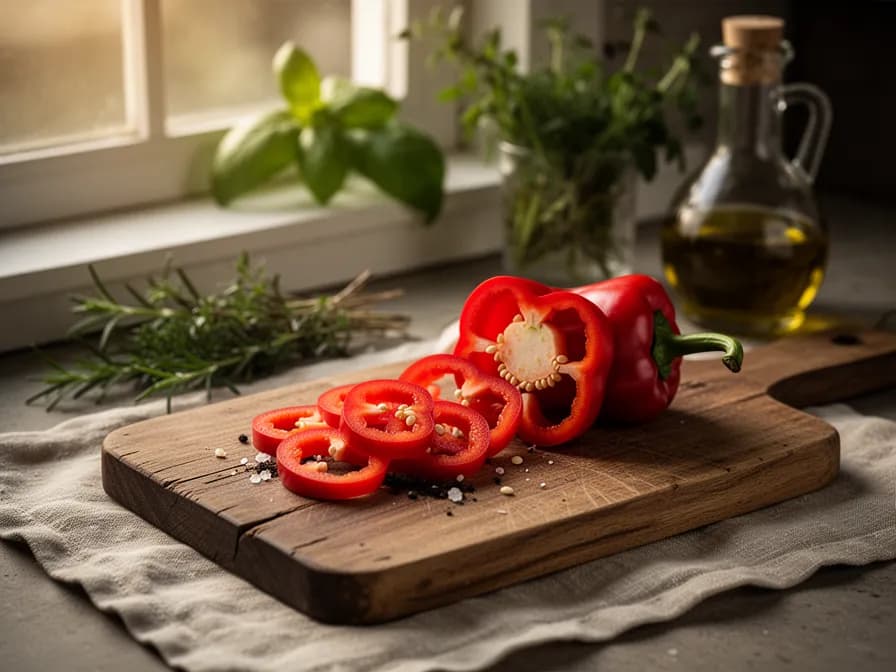
Pimientos de Padrón (Classic Blistered Padrons)
10 minThe iconic Spanish tapa — whole Padron peppers blistered in smoking-hot olive oil until charred and tender, then showered with coarse sea salt. Simple, fast, and utterly addictive. The thrill lies in the heat roulette — most are mild but one in ten will surprise you with a kick.
4 ingredientsStuffed Padron Peppers with Goat Cheese
25 minPadron peppers halved and filled with creamy goat cheese, herbs, and a drizzle of honey, then roasted until the cheese is golden and bubbly. An elegant appetizer that balances the pepper's subtle smokiness with tangy, sweet richness.
7 ingredientsPadron Pepper and Chorizo Tortilla
35 minA Spanish-style tortilla (thick omelette) studded with blistered Padron peppers and crispy chorizo. The peppers add pockets of smoky sweetness throughout the creamy egg base — perfect served warm or at room temperature as tapas.
7 ingredientsCulinary Uses
The classic preparation is Spanish-style blistered Padrons: saute whole peppers in very hot olive oil until charred and blistered on all sides, then sprinkle generously with flaky sea salt. This is one of Spain's most beloved tapas dishes. Serve with cold beer or white wine. Also excellent tempura-fried in Japanese style, grilled on skewers, or roasted with olive oil. Add to pizza and flatbreads. Use in Spanish tortilla, paella, and other Mediterranean dishes. The edible stem adds rustic charm to presentations.
What's inside
Health Benefits
- Exceptionally high in vitamin C — a single 100g serving of Padron peppers provides nearly 89% of the daily recommended intake, supporting immune function, collagen synthesis, and iron absorption from plant-based foods.
- Contains variable amounts of capsaicin, which research shows can boost metabolic rate by 5-8%, reduce appetite, and promote fat oxidation — even the mild peppers contain trace amounts with cumulative health benefits.
- Rich in vitamin B6 (pyridoxine), essential for neurotransmitter synthesis including serotonin and dopamine, supporting mood regulation, brain function, and healthy sleep patterns.
- Provides anti-inflammatory compounds including quercetin and luteolin, flavonoids that may help reduce chronic inflammation linked to heart disease, arthritis, and metabolic disorders.
- Low calorie density at just 20 calories per 100g makes Padron peppers an ideal high-volume, nutrient-dense snack that supports satiety without contributing to caloric excess.
- Contains vitamin E and carotenoids (especially when ripened to red) that support skin health, protect cell membranes from oxidative damage, and may reduce the risk of age-related eye conditions.
Where Padron Pepper comes from
Padron peppers (Capsicum annuum) trace their roots to the Franciscan monastery of Herbón in the parish of Padrón, Galicia, in northwestern Spain. In the late 16th century, Franciscan friars returning from missionary work in the Americas brought pepper seeds — likely from what is now the Mexican state of Tabasco or the Yucatán Peninsula — to their monastery gardens. Over the following four centuries, these peppers adapted to Galicia's cool, misty Atlantic climate, developing the characteristic mild flavor and compact fruit size that distinguish them from their Mesoamerican ancestors.
The unique growing conditions of the Ría de Arousa valley — moderate temperatures, high humidity, and fertile alluvial soils — gradually selected for a pepper that was predominantly sweet and mild, with only occasional fruits developing significant heat. Local farmers in the parishes surrounding Padrón cultivated the variety for generations as a subsistence crop and local market vegetable, selling them at the weekly markets in the town of Padrón. For centuries, Padron peppers remained an obscure regional specialty known only to Galicians.
The transformation from local curiosity to international sensation began in the 1980s when Spanish nouvelle cuisine (nueva cocina) chefs rediscovered traditional regional ingredients. Pimientos de Padrón — simply blistered in olive oil and salted — became an iconic tapa that spread from Galician sidrerías to tapas bars across Spain and eventually to restaurants worldwide. The playful element of heat roulette made them irresistible to diners and food writers alike. In 2010, the European Union granted Protected Geographical Indication status to peppers from the original growing region under the name 'Pemento de Herbón,' recognizing both their unique terroir and centuries of cultural heritage. Today, while authentic Herbón peppers remain a prized seasonal delicacy available only from June to October, Padron-type peppers are commercially grown across southern Europe, North Africa, and increasingly in home gardens worldwide.
Padron Pepper: did you know?
Fascinating facts about Padron Pepper
Padron peppers originate from the municipality of Padrón in Galicia, northwestern Spain, where Franciscan monks brought their ancestor seeds from Mesoamerica in the 16th century. The cool, damp Galician climate shaped the variety over centuries into the uniquely mild pepper we know today.
Padron Pepper questions, answered
When should I plant Padron Pepper?
What are good companion plants for Padron Pepper?
What hardiness zones can Padron Pepper grow in?
How much sun does Padron Pepper need?
How far apart should I space Padron Pepper?
What pests and diseases affect Padron Pepper?
How do I store Padron Pepper after harvest?
What are the best Padron Pepper varieties to grow?
What soil does Padron Pepper need?
Why are some Padron peppers hot and others mild?
What is the difference between Padron peppers and shishito peppers?
Can I grow Padron peppers in a cool or northern climate?
How do I save seeds from Padron peppers?
Why are my Padron pepper plants flowering but not setting fruit?
How long do Padron peppers keep after harvesting?
You just read the theory. Now grow it on autopilot.
Everything that makes Padron Pepper fiddly — the timing, the spacing, the companions, the harvest window — is exactly what PlotMyGarden handles for you, for every plant in your garden.
A plan that knows your weather
Set your location once. Get sow, feed and harvest dates built around your real last-frost date and live forecast — no more guessing from a generic seed packet.
From the “When to plant” sectionDrag-and-drop bed planner
Design beds on a grid. Every plant snaps to its proper spacing, and you can see your whole season laid out before you spend a cent on seed.
From the “Growing guide” sectionCompanion conflicts, caught early
200+ good-and-bad pairings checked live as you plant — so a season-wrecking mistake never makes it into the ground.
From the “Companions” sectionReminders you'll actually act on
“Water the beans.” “Pick today before it turns.” Timely, specific, and tied to the plants you're really growing.
From the “Harvest” sectionSuccession, scheduled
Want a harvest for six weeks, not six days? It spaces your sowings automatically and reminds you when each new block is due.
From the “When to plant” sectionA record that gets smarter
Every harvest you log teaches it your garden. Next year's plan starts from what actually worked in your soil, not a textbook's.
From the “Overview” sectionPlant these alongside Padron Pepper
More Nightshades
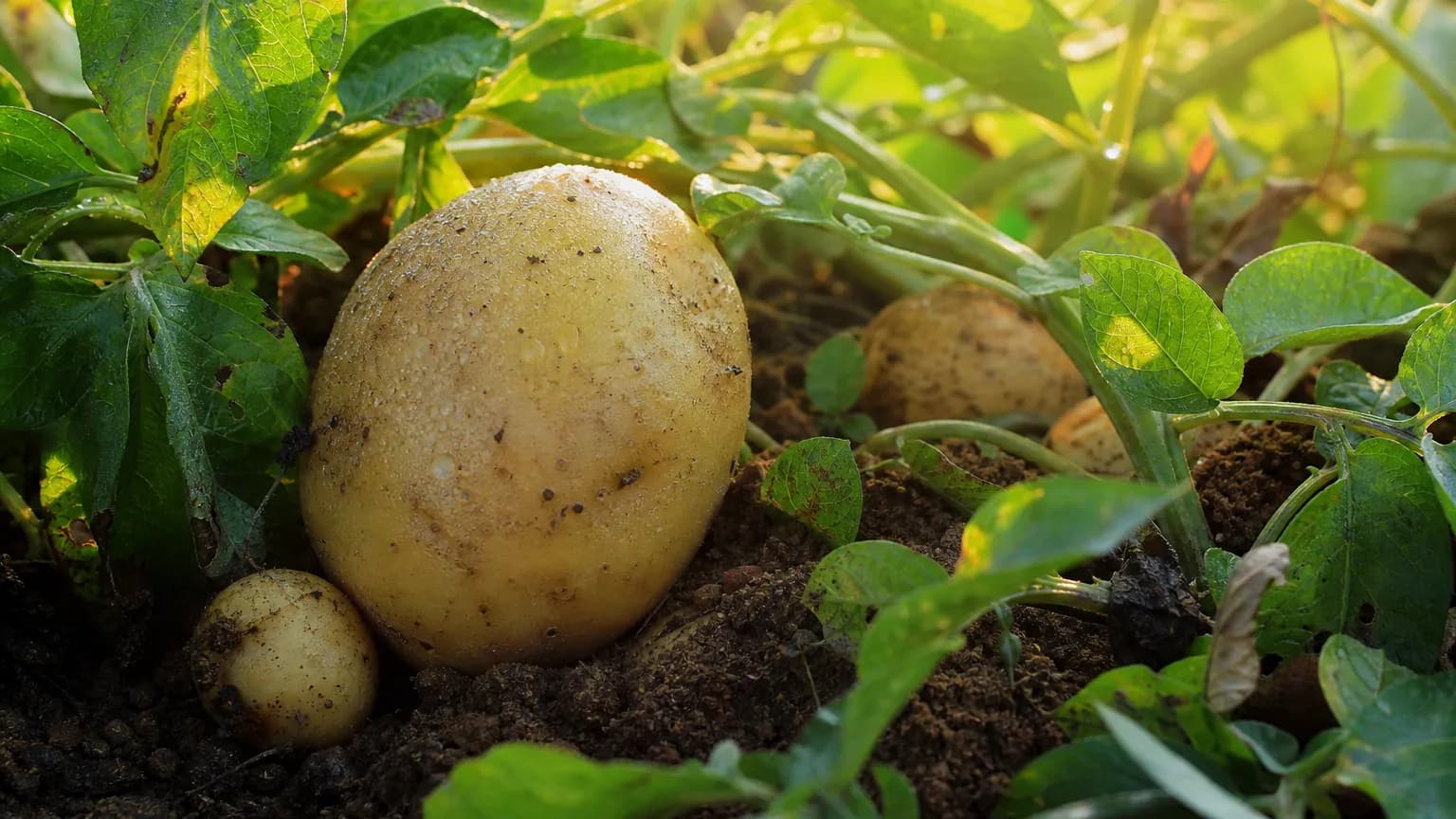
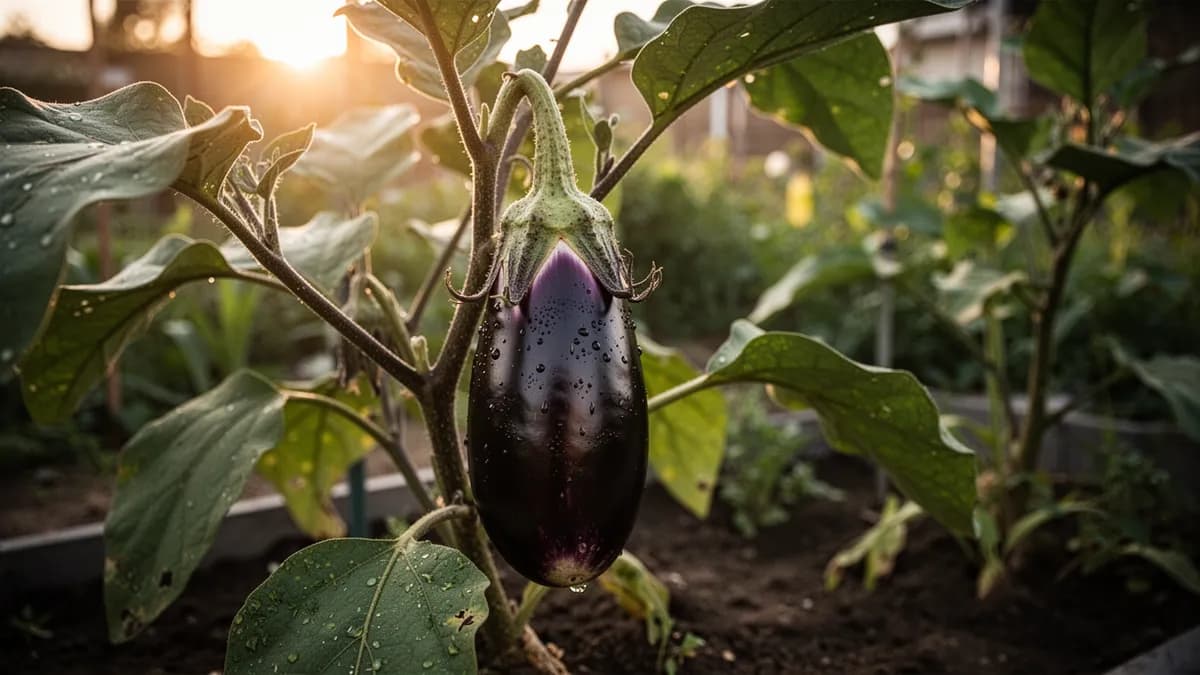
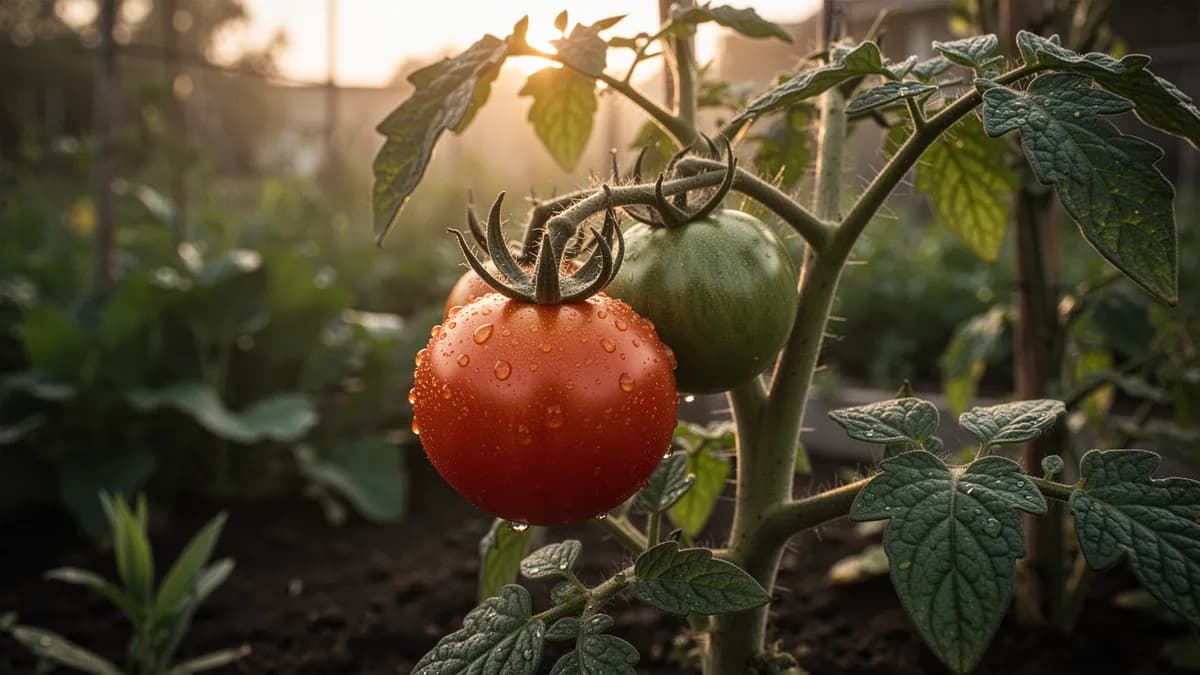
Keep Padron Pepper away from these
Grow your best Padron Pepper yet — and everything around it.
Start a free plan today. Lay out your beds, drop in your Padron Pepper, and let PlotMyGarden handle the timing, spacing, companions and reminders from seed to harvest basket.