Hungarian Wax Pepper
A waxy, tapered pepper that ripens from pale yellow to orange-red with medium heat.





On this pageOverview
Meet Hungarian Wax Pepper
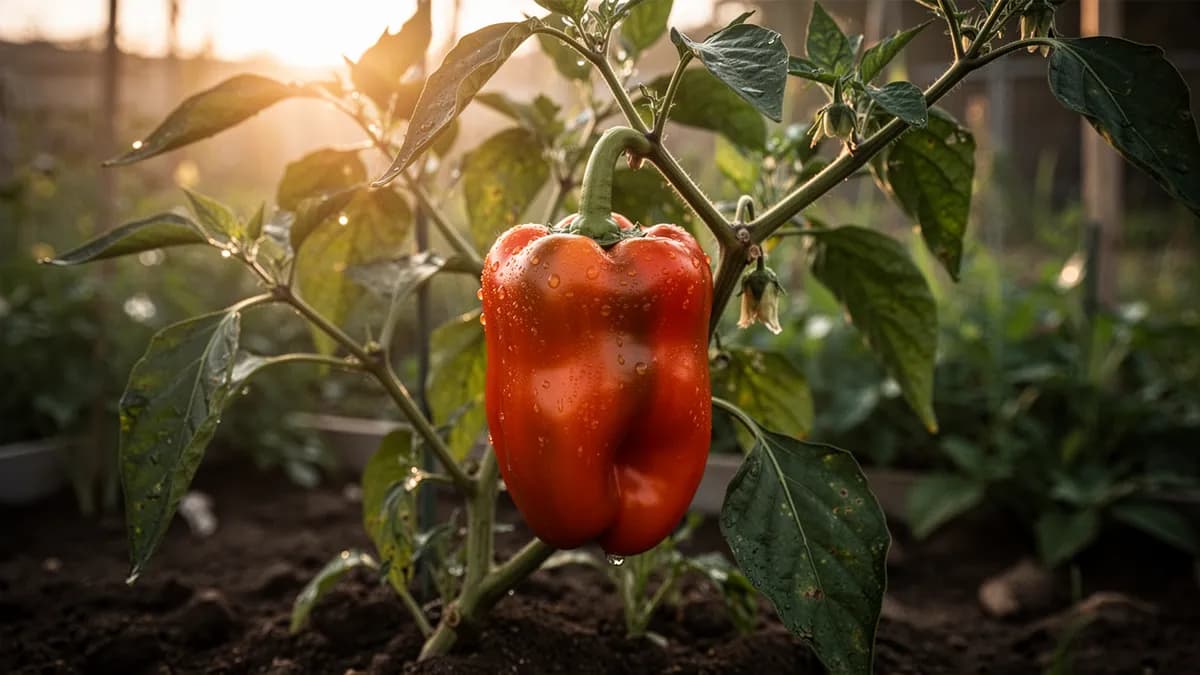
A waxy, tapered pepper that ripens from pale yellow to orange-red with medium heat. Plants are vigorous and produce heavily in warm weather with full sun exposure. Excellent for pickling, frying, and adding to salads when harvested young and mild. Allow fruits to fully ripen on the plant for more intense heat and deeper flavor.
When to plant Hungarian Wax Pepper
Start Hungarian wax pepper seeds indoors 8-10 weeks before the last frost. Plant seeds one-quarter inch deep at 80-85°F for germination in 10-14 days. Use a heat mat and provide strong light for 14-16 hours daily. Pot up when seedlings have 2-3 sets of true leaves. Harden off for 10-14 days before transplanting after nighttime temperatures are consistently above 55°F. These peppers are also excellent started in containers where they will remain; transplant into 5-gallon pots with rich potting mix.
Your Hungarian Wax Pepper Year
Composed for Zone 7 · typical seasons · frost passes Apr 2, returns Nov 1
Plant Hungarian Wax Pepper Feb – May, pick Jul – Sep. Check the planting methods below and set your climate to personalize these windows.
How to grow Hungarian Wax Pepper
Hungarian wax peppers are medium-hot, waxy-skinned peppers that ripen from pale yellow to orange-red. They are versatile in the kitchen with moderate heat of 1,000-15,000 Scoville units that increases as fruits ripen. Start seeds indoors 8-10 weeks before the last frost. Transplant after soil reaches 65°F and nights stay above 55°F. Space plants 18-24 inches apart.
Plants grow 18-24 inches tall with a sturdy, upright habit that rarely needs staking. They are very productive, with each plant producing 15-25 peppers over the season. Water consistently with 1 inch per week and mulch to maintain even soil moisture. Hungarian wax peppers tolerate a wider range of conditions than many pepper varieties and produce well even in less-than-ideal summers.
Harvest at any stage depending on desired heat and flavor. Yellow peppers are mildest and crunchiest, while fully red peppers are hottest and sweetest. The waxy, thick walls make these peppers excellent for pickling, stuffing, and frying. In Hungarian cuisine, they are essential for making paprika when dried and ground. These adaptable peppers perform well in containers and raised beds as well as traditional garden settings.
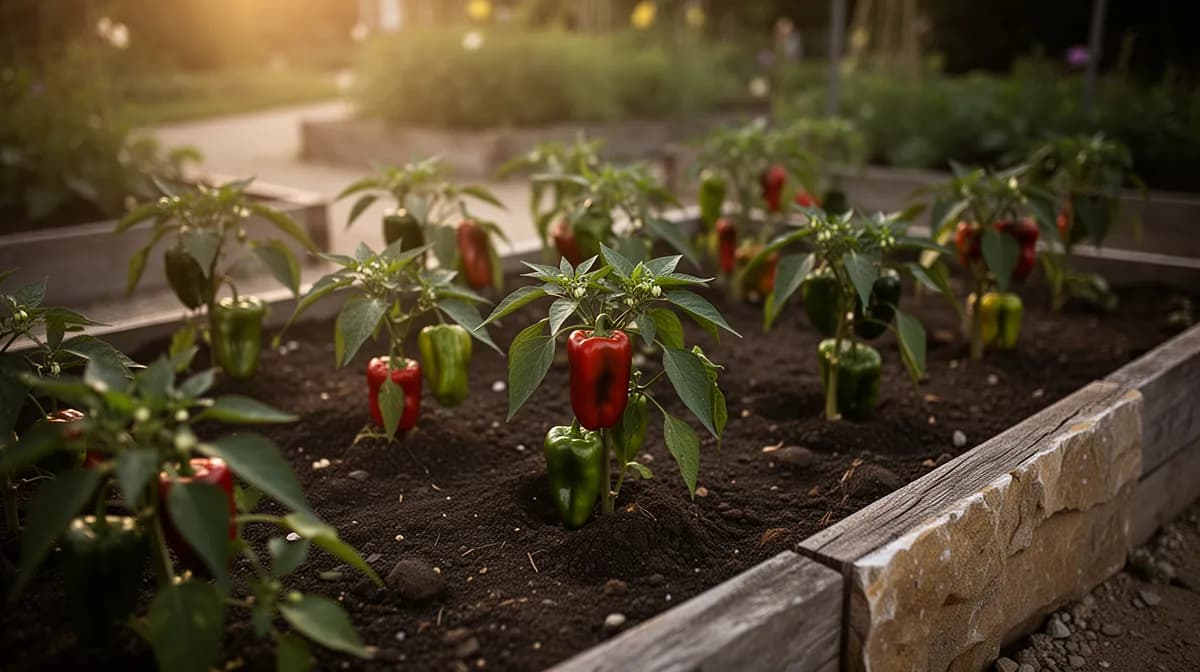
10 plants fit a 4 × 8 ft bed
Each Hungarian Wax Pepper wants 45 cm of elbow room. The planner keeps that spacing for you — every plant, every bed.
Hungarian Wax Pepper's best neighbours
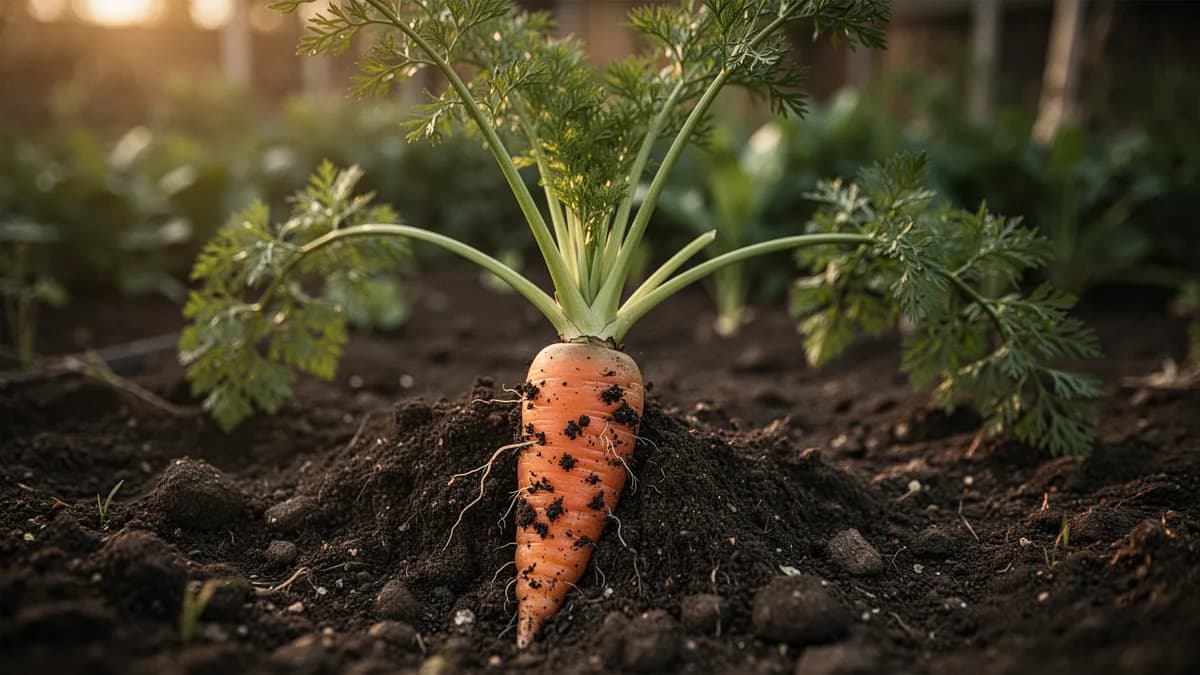
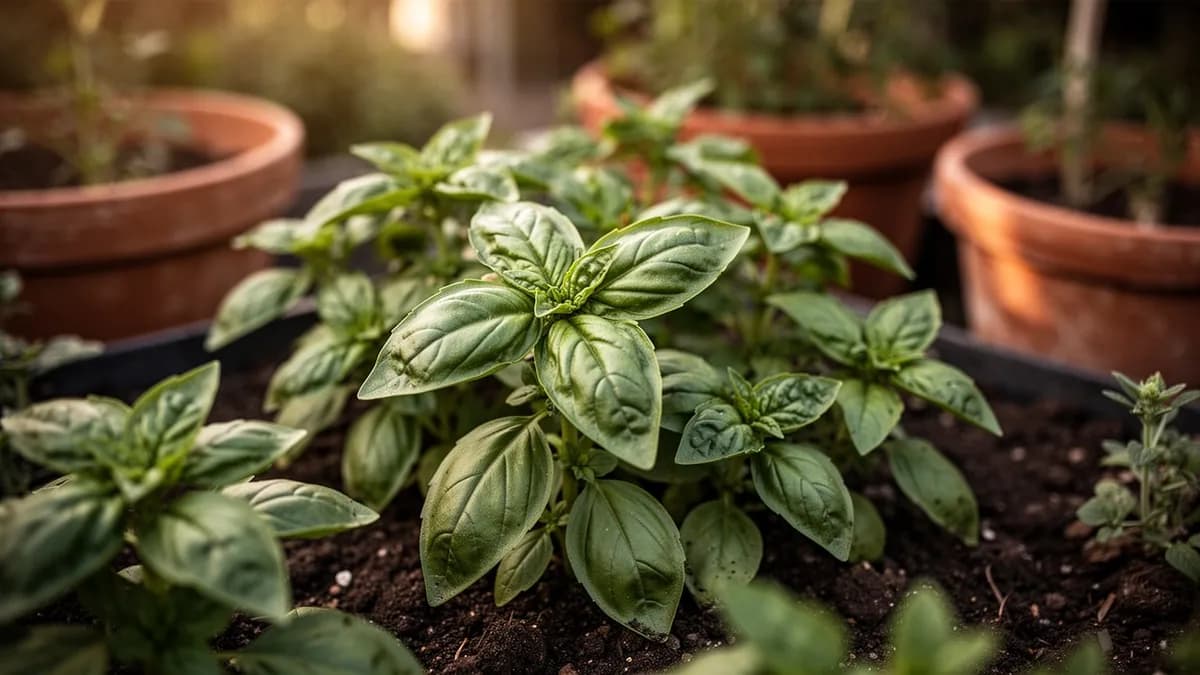
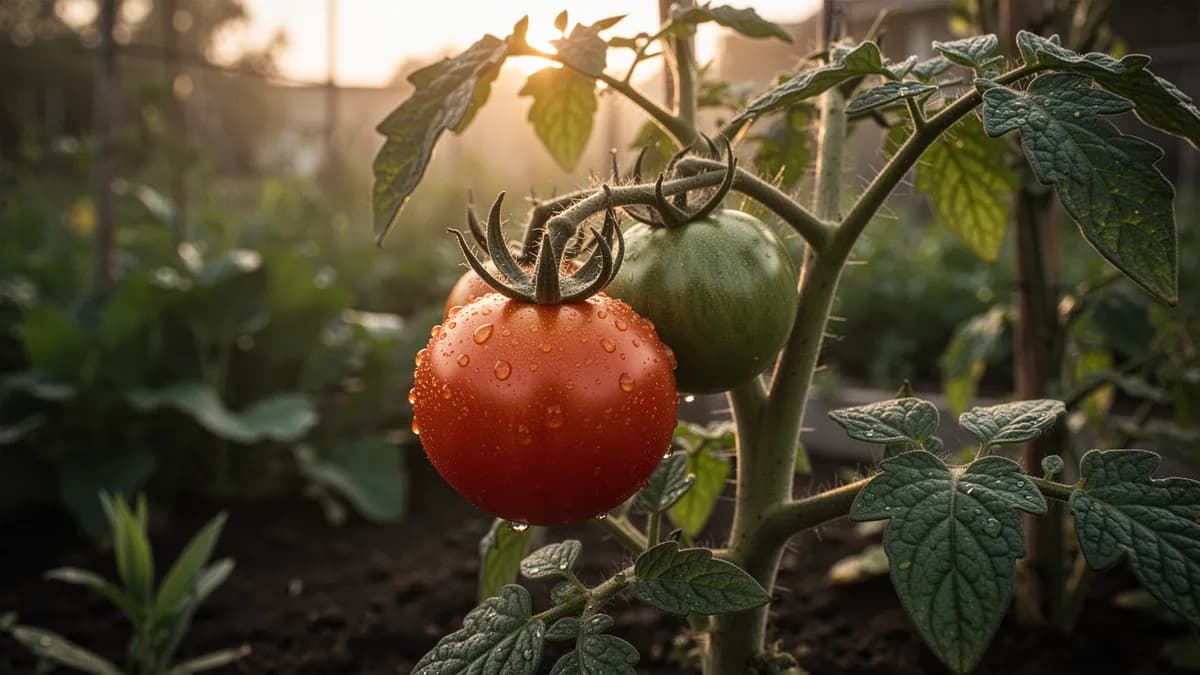
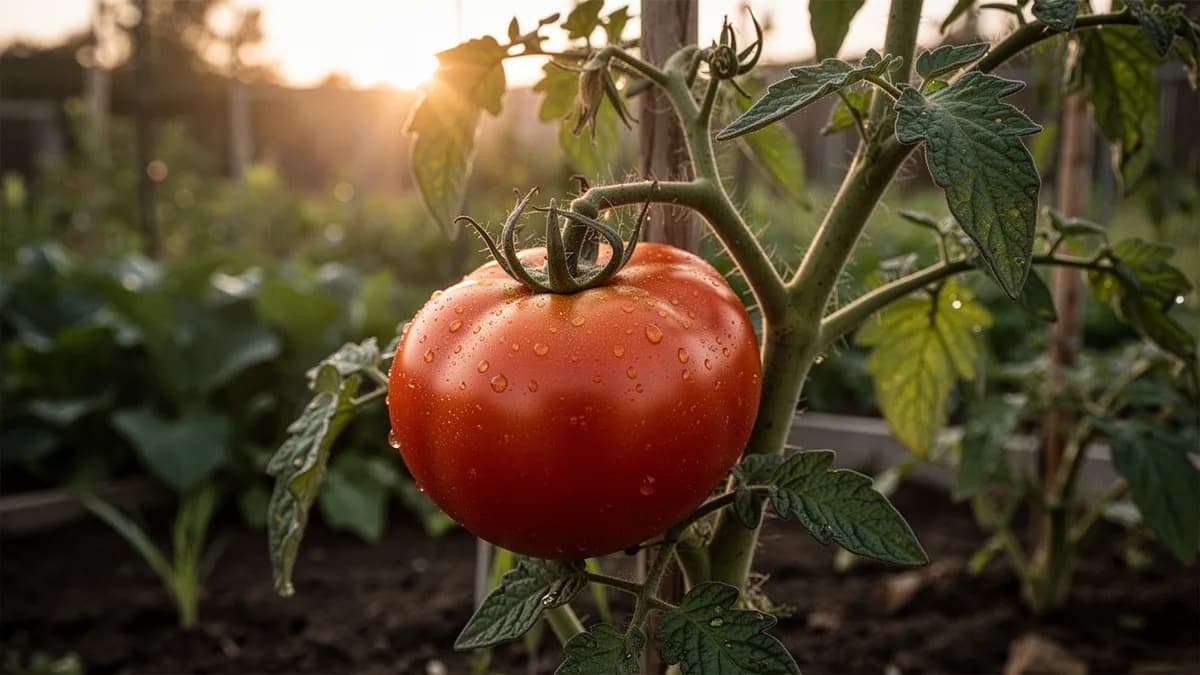
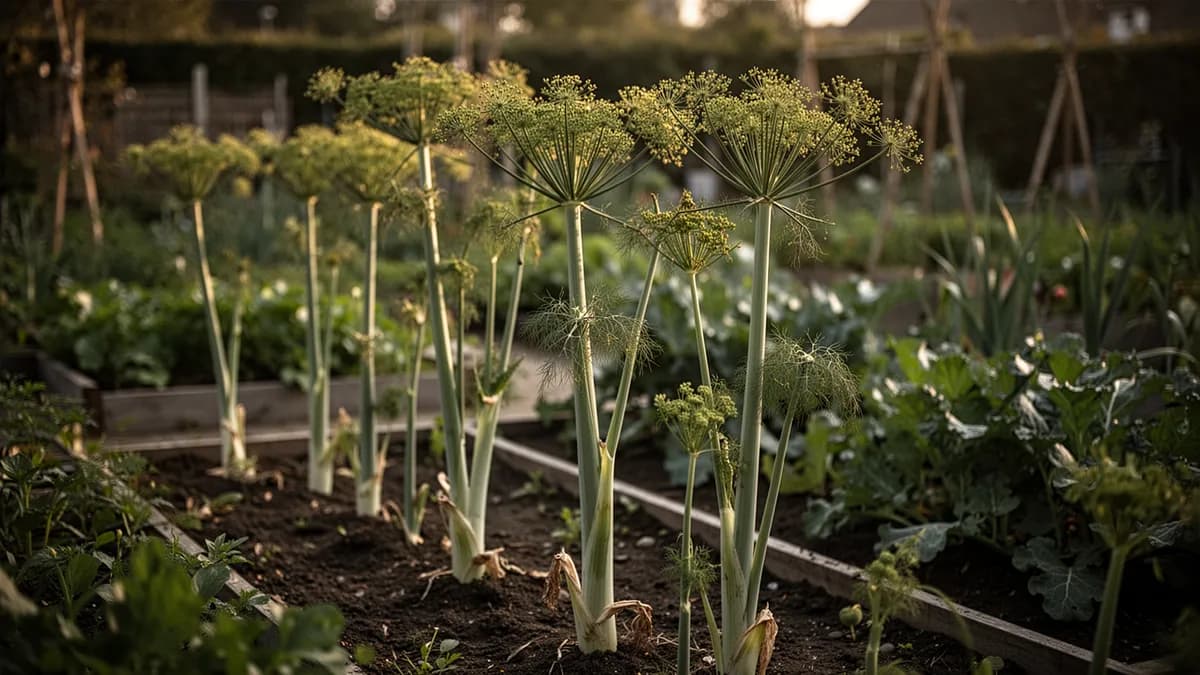
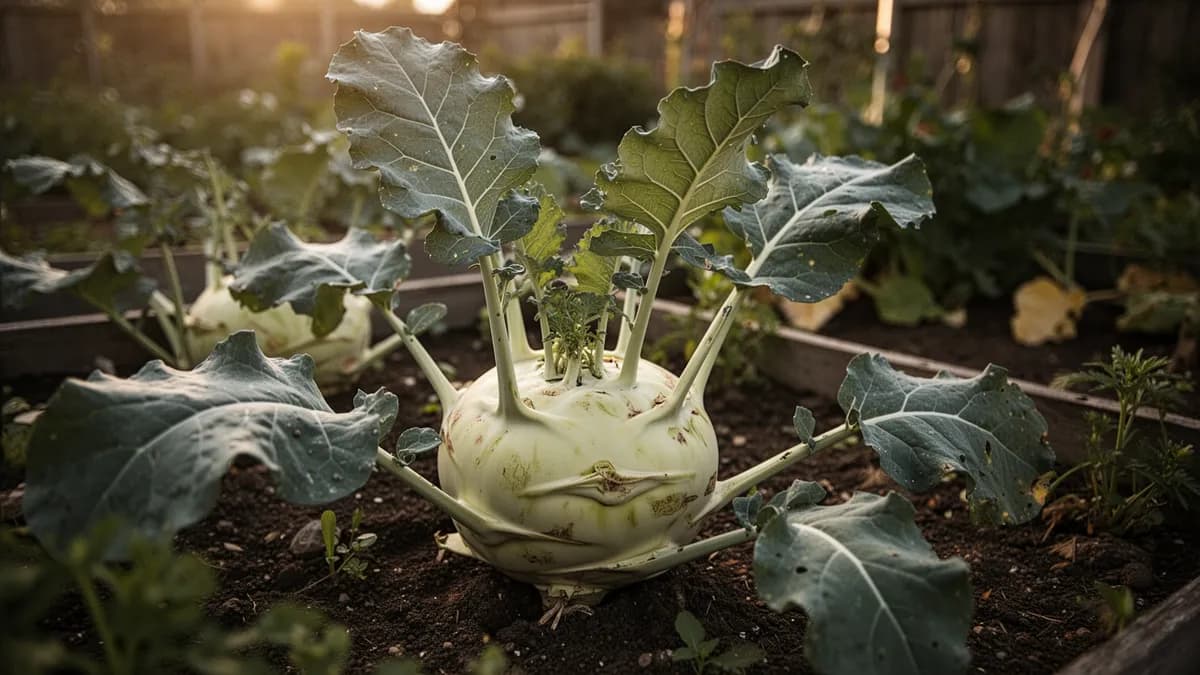
Hungarian wax peppers pair well with tomatoes, basil, and onions in the garden. Basil planted nearby may help repel aphids and improve pepper health. Marigolds deter various pests while attracting beneficial insects. Carrots and radishes make good ground-cover companions that share space without competing. Avoid planting near fennel or brassicas. In container gardens, combine with herbs like parsley, oregano, and thyme for a culinary pepper and herb combination.
Tomato belongs beside it. Fennel doesn't.
Old growers' knowledge, checked against Hungarian Wax Pepper's real companion table below — test any plant you're growing.
Try Hungarian Wax Pepper in a bed — right here
A real planner bed with Hungarian Wax Pepper already in it. Tap a companion to place it and watch the pairing checks answer — green for good neighbours, red for a clash.


Related growing guides
Feed it well
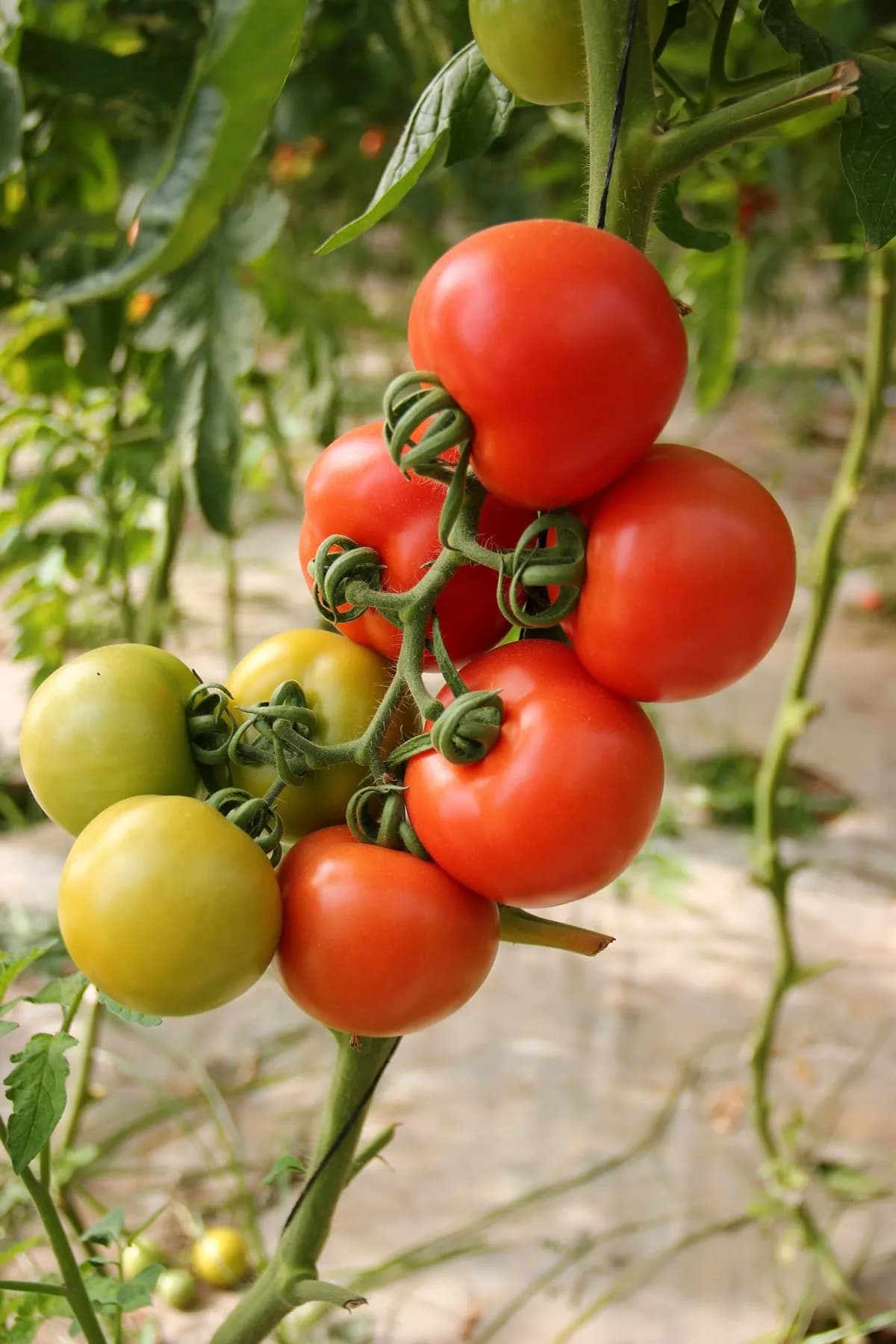
Hungarian wax peppers grow well in fertile, well-drained soil with a pH of 6.0-6.8. Amend with compost before planting and apply balanced fertilizer at transplanting. Side-dress with phosphorus-rich fertilizer when flowering begins. Avoid excessive nitrogen which produces large plants with fewer peppers. Calcium supplements prevent blossom end rot on the thick-walled fruits. In containers, use quality potting mix with slow-release fertilizer and supplement with liquid feed every 2 weeks during fruiting.
Ideal Temperature
Hardiness Zone Compatibility
From seed to harvest, stage by stage
Seed Starting
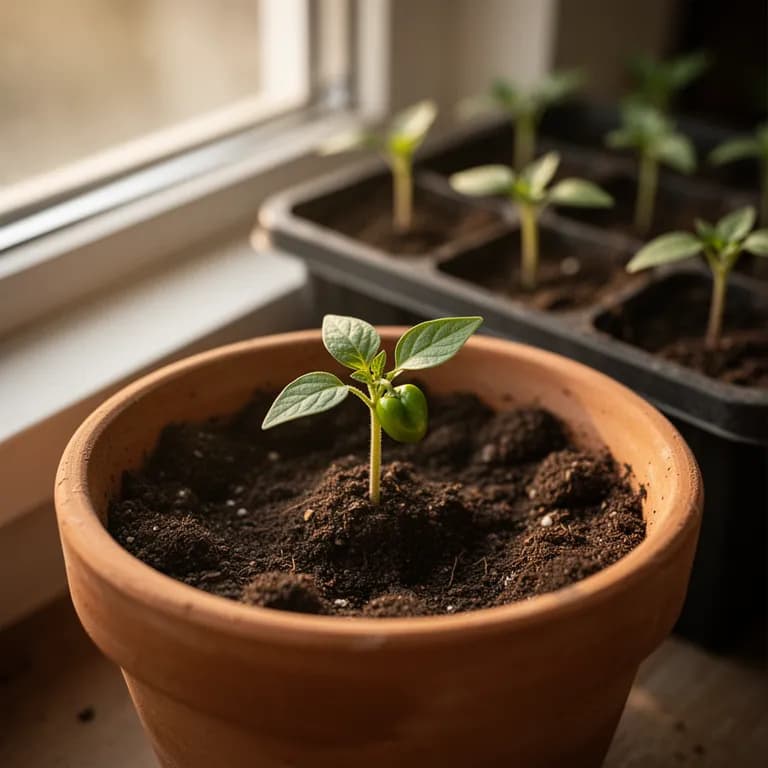
Seeds germinate in warm conditions, sending up a slender hypocotyl followed by two smooth cotyledon leaves. Hungarian Wax pepper seeds require consistent warmth of 24-29°C (75-85°F) for reliable germination, which takes 7-14 days. Seeds started in cool conditions often fail to emerge or produce weak seedlings.
Seedling Development
True leaves develop with a slightly elongated, lance-shaped form. Seedlings grow slowly at this stage, building a compact root system before the stem thickens and branching begins. By the end of this phase, seedlings should have 6-8 true leaves and stand 10-15 cm tall.
Vegetative Growth
After transplanting outdoors, plants establish rapidly in warm soil and begin vigorous branching. The characteristic bushy, upright habit develops with strong lateral branches forming a Y-shaped canopy. Foliage becomes dense and dark green as the plant reaches 40-60 cm in height.
Flowering and Fruit Set
Small white flowers with five petals appear at the nodes where branches fork. Each flower is self-fertile and can set fruit without cross-pollination, though gentle wind or insect visits improve fruit set. Multiple flowers open daily once flowering begins.
Fruit Ripening
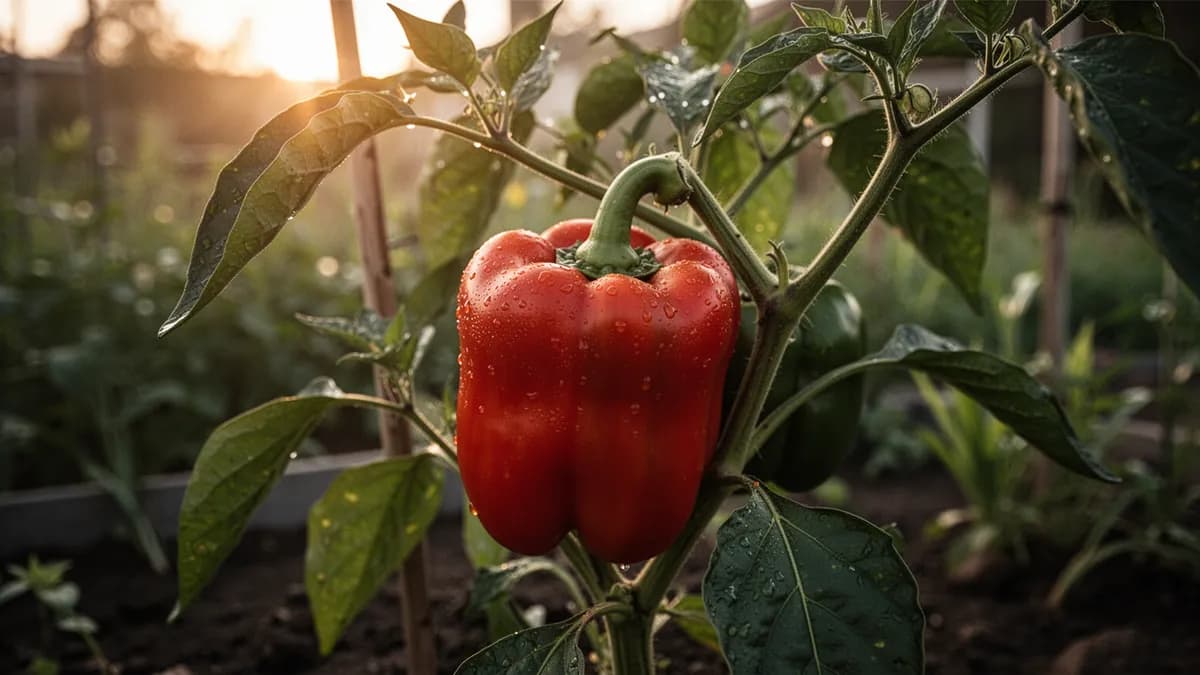
Peppers elongate to 12-20 cm, developing smooth, waxy skin. They start pale yellow-green, then transition through bright yellow, orange, and finally deep red at full maturity. The Scoville heat level increases with each color change — yellow peppers are mildest (1,000-5,000 SHU) while red ones are hottest (5,000-15,000 SHU).
Peak Harvest
The plant enters sustained production, continuously flowering and setting fruit for 6-10 weeks during warm weather. A healthy plant can produce 30-50 peppers over the season. Frequent harvesting at the yellow stage stimulates the plant to produce more flowers and set additional fruit.
Start seeds indoors 8-10 weeks before the last frost date. Use a heat mat set to 27°C (80°F) and keep the growing medium consistently moist but not saturated. Cover trays with a humidity dome until sprouts appear.
Caring for Hungarian Wax Pepper month by month
What to do each month for your Hungarian Wax Pepper
October
You are hereHarvest all remaining peppers before the first frost — even green peppers can be used in cooking or allowed to ripen indoors on a sunny windowsill. Pull spent plants after the first killing frost and compost healthy material.
Know exactly what to do in your garden — every month
One email at the start of each month: what to sow, plant, and tackle right now — for your Hungarian Wax Pepper and everything growing around it. Plus a short starter course that helps you dodge the classic mistakes.
- What to do, right now
- Matched to your season
- Starter course included
Harvesting Hungarian Wax Pepper
Harvest Hungarian wax peppers at any color stage. Pick yellow for mild heat and crunchy texture ideal for salads and pickling. Orange peppers have moderate heat suitable for cooking. Fully red peppers are hottest and sweetest, best for drying into paprika. Cut from plants with pruners rather than pulling. Each plant produces 15-25 peppers over the season with regular harvesting. Fruits are typically 5-8 inches long and tapered. Handle hotter red-ripe peppers with gloves to avoid skin irritation.
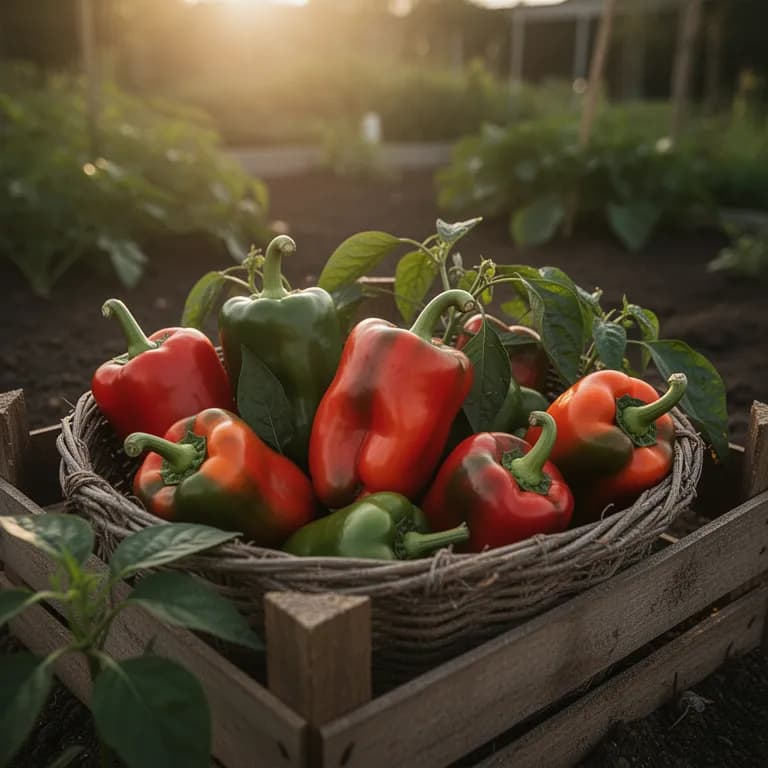
assuming you plant when the window opens — set your real date
Pick Hungarian Wax Pepper promptly and the plant keeps producing.
Storage & Preservation
Fresh Hungarian wax peppers keep in the refrigerator for 2-3 weeks thanks to their thick, waxy skin. For pickling, pack whole or sliced peppers in hot vinegar brine for water-bath canning. They make excellent pickled banana pepper-style rings for sandwiches and salads. For paprika, dry fully red peppers until brittle, then grind in a spice grinder. Freeze whole or chopped peppers for later cooking use. Smoked and dried Hungarian wax peppers create a homemade smoked paprika with incredible depth of flavor.
What goes wrong — and the fix
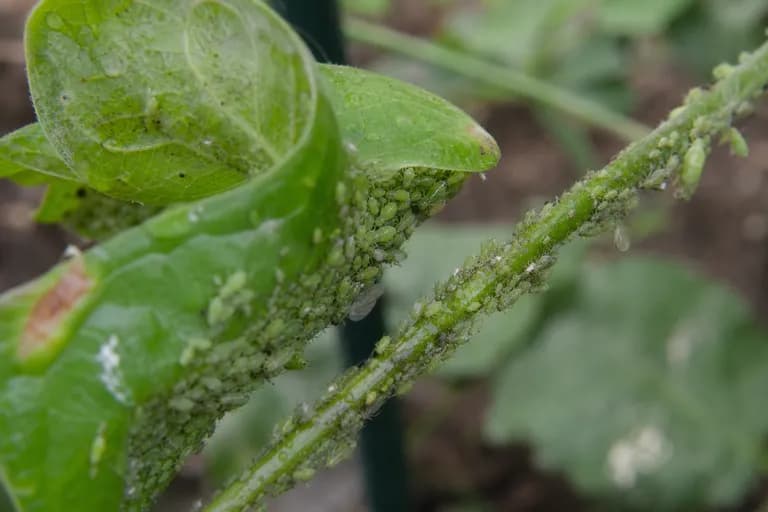
Aphids
PestClusters on growing tips causing curled leaves, distorted growth, and honeydew deposits.
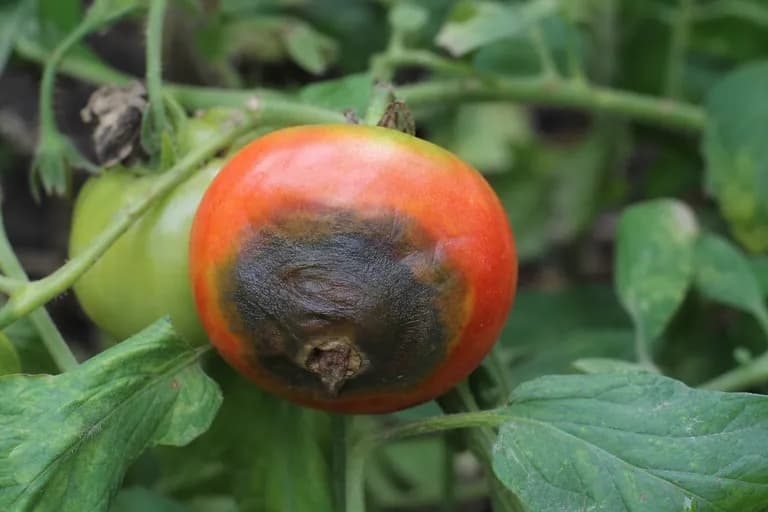
Blossom End Rot
DiseaseDark, sunken spots on the bottom of developing fruits, particularly on the first fruits of the season.
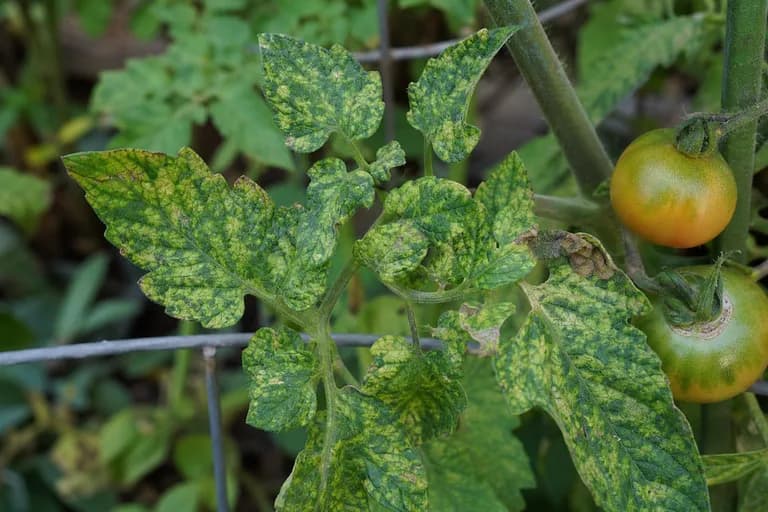
Tobacco Mosaic Virus
DiseaseMottled light and dark green patterns on leaves, stunted growth, and misshapen fruits with reduced yields.
Troubleshooting Common Problems
Blossom end rot is common on the first fruits of the season due to calcium transport issues during rapid growth. Consistent watering largely prevents this. Thick walls make these peppers susceptible to sunscald when leaves are lost; maintain healthy foliage cover. Confusion with sweet banana peppers can lead to unexpected heat; label plants carefully. In cool summers, production may be slow; ensure the warmest possible growing location. Overwatering causes root problems; let soil surface dry between waterings.
Growing Tips
- Start seeds early and provide bottom heat — peppers are notoriously slow to germinate in cool conditions. A heat mat at 27°C (80°F) cuts germination time in half and dramatically improves germination rates compared to ambient room temperature.
- Harden off transplants thoroughly before planting outdoors. Peppers are highly sensitive to transplant shock and cold stress. Expose them gradually to outdoor conditions over 7-10 days, starting with just 1-2 hours of filtered sunlight.
- Pinch off the first few flower buds that form before transplanting. This feels counterintuitive but forces the plant to develop a stronger root system and bushier frame, ultimately producing far more peppers over the full season.
- Use black plastic mulch or dark landscape fabric to warm the soil before transplanting. Peppers are heat-loving plants and grow poorly in cool soil — raising soil temperature by even a few degrees produces noticeably faster establishment and earlier fruiting.
- Avoid overhead watering whenever possible. Wet foliage promotes bacterial leaf spot and other diseases that Hungarian Wax peppers are susceptible to. Use drip irrigation or soaker hoses and water at the base of the plant in the morning.
- Side-dress with calcium-rich amendments like crushed eggshells or gypsum at planting time. Blossom end rot — a dark, leathery patch on the bottom of developing peppers — is caused by calcium deficiency and is far easier to prevent than to cure.
- Provide support with a small stake or cage once fruit begins to set. A fully loaded Hungarian Wax pepper plant can carry 1-2 kg of fruit at once, and heavy rain or wind can snap unsupported branches laden with peppers.
- Succession plant every 3-4 weeks through late spring to extend your harvest window. Early-planted peppers produce first but often decline in the late-summer heat, while later transplants hit their stride as autumn approaches with cooler nights that improve fruit quality.
Grow your best Hungarian Wax Pepper yet — and everything around it.
Start a free plan today. Lay out your beds, drop in your Hungarian Wax Pepper, and let PlotMyGarden handle the timing, spacing, companions and reminders from seed to harvest basket.
Pick your Hungarian Wax Pepper
Hungarian Yellow Wax Hot
Standard variety with waxy yellow fruits ripening to orange-red. Medium heat with thick walls and classic Hungarian pepper flavor.
Hungarian Wax Sweet
Mild version with no significant heat. Same waxy texture and appearance but suitable for those who prefer no spice.
Hot Banana
Similar appearance with slightly more heat. Long, tapered yellow fruits ideal for pickling and frying rings.
Inferno
Selected for higher heat levels approaching habanero intensity. Same waxy appearance but with significantly more fire.
A single Hungarian Wax pepper plant grown from a $2-3 seed packet can produce 30-50 peppers over a season, while fresh wax peppers sell for $3-6 per pound at grocery stores and farmers markets. Growing just 4-6 plants easily saves $50-100 on fresh peppers alone. The savings are even more significant if you make your own pickled peppers — a single jar of pickled hot peppers costs $4-8 at the store, and one productive plant can fill 6-10 jars. Hot sauce enthusiasts can save substantially by processing their harvest into homemade fermented or vinegar-based sauces.
Quick recipes
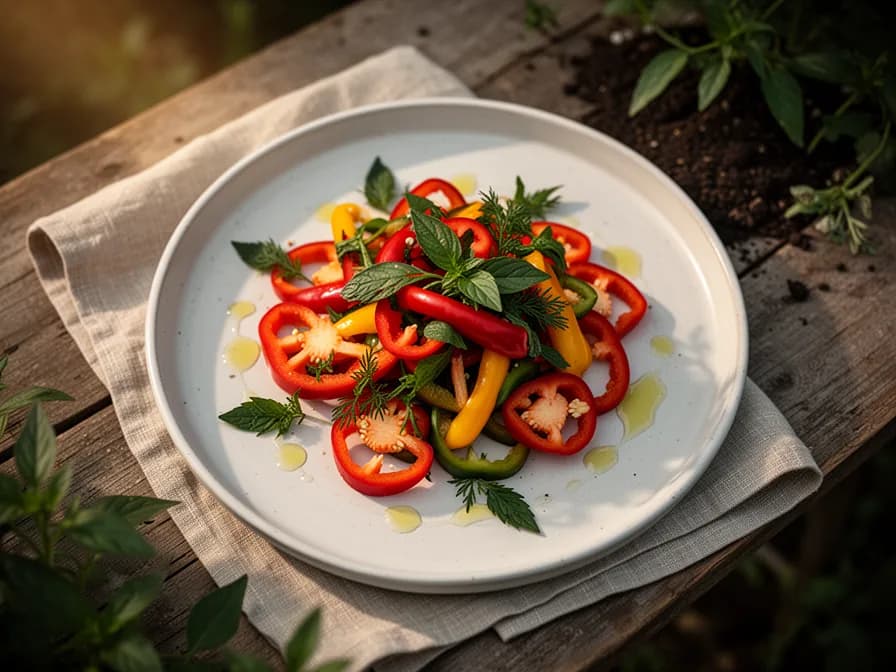
Classic Pickled Hungarian Wax Peppers
30 minTangy, crunchy pickled pepper rings that keep for months in the pantry. This simple vinegar brine preserves the peppers' bright flavor and gentle heat, perfect for topping sandwiches, nachos, and pizza.
9 ingredients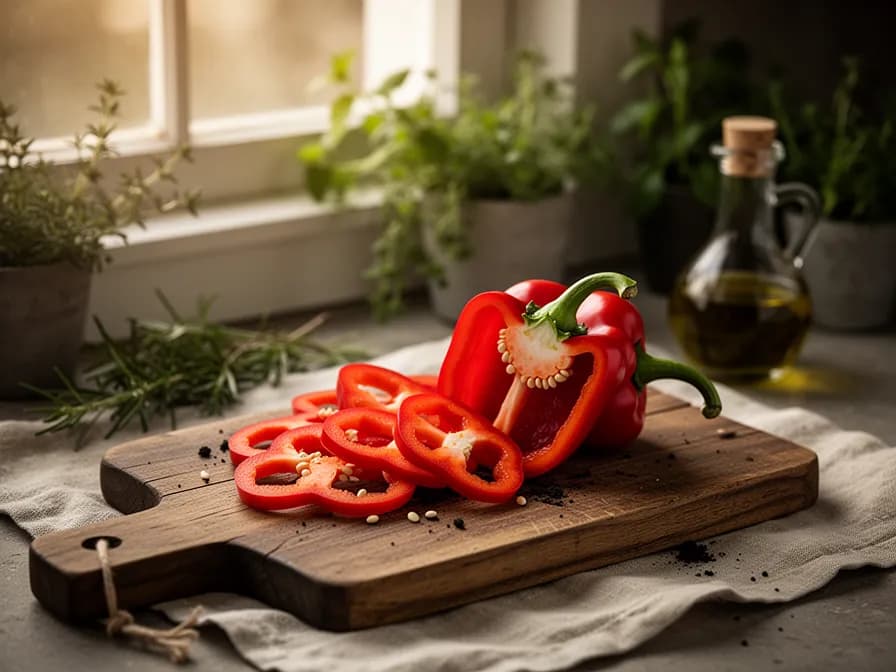
Cheese-Stuffed Grilled Hungarian Wax Peppers
25 minWhole peppers stuffed with a savory cream cheese and herb filling, then grilled until charred and smoky. The pepper's medium heat pairs beautifully with the rich, melting cheese interior.
8 ingredientsHungarian Wax Pepper and Sausage Skillet
30 minA hearty one-pan meal combining sliced peppers with browned sausage, onions, and potatoes. This rustic dish celebrates the pepper's sweet-hot flavor in a simple weeknight dinner.
8 ingredientsCulinary Uses
Hungarian wax peppers are wonderfully versatile. Pickle rings for sandwiches, burgers, and salads. Stuff with cream cheese or sausage and bake. Slice into stir-fries and fajitas for mild to moderate heat. Fry whole in olive oil for a traditional Hungarian side dish. Dry red-ripe peppers and grind into homemade paprika for goulash, chicken paprikash, and other Hungarian classics. Roast on the grill for smoky flavor in sandwiches and wraps. Their beautiful color progression makes them attractive in fresh salsas.
What's inside
Health Benefits
- Packed with vitamin C — a single Hungarian Wax pepper provides well over 100% of the daily requirement, supporting immune function, collagen production, and iron absorption from plant-based foods.
- Capsaicin has been shown in clinical studies to boost metabolic rate by 5-8% for several hours after consumption, supporting weight management and thermogenesis.
- Contains anti-inflammatory compounds including capsaicin and quercetin that may reduce chronic inflammation associated with arthritis, cardiovascular disease, and metabolic syndrome.
- Rich in vitamin B6, which supports the production of neurotransmitters including serotonin and dopamine, and plays a critical role in immune function and red blood cell formation.
- The combination of capsaicin and fiber supports healthy digestion by stimulating gastric motility, increasing digestive enzyme secretion, and promoting a healthy gut microbiome.
- Beta-carotene and vitamin A (especially in orange and red-ripe peppers) support eye health, skin integrity, and the body's first line of immune defense in mucous membranes.
Where Hungarian Wax Pepper comes from
The Hungarian Wax pepper (Capsicum annuum) traces its lineage to the centuries-old pepper breeding traditions of Hungary, where the cultivation of capsicum peppers became deeply intertwined with national identity. Peppers first arrived in Hungary in the 16th and 17th centuries, brought from the Americas via Ottoman Turkish trade routes and conquests. Hungarian farmers in the southern plains around Szeged and Kalocsa — regions with hot summers and rich alluvial soil — proved exceptionally skilled at selecting and breeding pepper varieties suited to their climate and cuisine.
By the late 1800s, Hungarian pepper breeding had produced dozens of distinct cultivars ranging from sweet paprika types to fiery hot varieties. The Hungarian Wax pepper emerged from this tradition as a versatile medium-heat variety prized for its thick, waxy flesh that was ideal for both fresh eating and pickling. The name 'wax' refers to the smooth, glossy cuticle that gives the peppers their characteristic sheen and exceptional crunch when pickled — a preservation method that was essential in the era before refrigeration.
Hungarian immigrants brought their beloved pepper varieties to North America in the late 19th and early 20th centuries, and the Hungarian Wax pepper quickly became popular in American gardens and markets. Today it remains one of the most widely grown hot pepper varieties in home gardens across North America and Europe. Its reliable production, manageable heat level, and versatility in the kitchen — fresh, pickled, roasted, stuffed, or dried — have made it a staple for gardeners who want more heat than a bell pepper but less fire than a habanero. Commercial production is concentrated in Hungary, Spain, the United States, and Mexico, where the peppers are grown for both fresh markets and the pickling industry.
Hungarian Wax Pepper: did you know?
Fascinating facts about Hungarian Wax Pepper
The Hungarian Wax pepper is a direct descendant of peppers bred in Hungary during the late 19th and early 20th centuries, where pepper cultivation became a point of national pride — Hungarian paprika peppers received special legal protections similar to those given to French wines and Italian cheeses.
Hungarian Wax Pepper questions, answered
When should I plant Hungarian Wax Pepper?
What are good companion plants for Hungarian Wax Pepper?
What hardiness zones can Hungarian Wax Pepper grow in?
How much sun does Hungarian Wax Pepper need?
How far apart should I space Hungarian Wax Pepper?
What pests and diseases affect Hungarian Wax Pepper?
How do I store Hungarian Wax Pepper after harvest?
What are the best Hungarian Wax Pepper varieties to grow?
What soil does Hungarian Wax Pepper need?
What is the difference between Hungarian Wax peppers and banana peppers?
Why are my Hungarian Wax pepper plants dropping their flowers?
When should I harvest Hungarian Wax peppers for the best flavor?
Can I grow Hungarian Wax peppers in containers?
How do I preserve a large harvest of Hungarian Wax peppers?
Are Hungarian Wax peppers too hot for people who don't like spicy food?
You just read the theory. Now grow it on autopilot.
Everything that makes Hungarian Wax Pepper fiddly — the timing, the spacing, the companions, the harvest window — is exactly what PlotMyGarden handles for you, for every plant in your garden.
A plan that knows your weather
Set your location once. Get sow, feed and harvest dates built around your real last-frost date and live forecast — no more guessing from a generic seed packet.
From the “When to plant” sectionDrag-and-drop bed planner
Design beds on a grid. Every plant snaps to its proper spacing, and you can see your whole season laid out before you spend a cent on seed.
From the “Growing guide” sectionCompanion conflicts, caught early
200+ good-and-bad pairings checked live as you plant — so a season-wrecking mistake never makes it into the ground.
From the “Companions” sectionReminders you'll actually act on
“Water the beans.” “Pick today before it turns.” Timely, specific, and tied to the plants you're really growing.
From the “Harvest” sectionSuccession, scheduled
Want a harvest for six weeks, not six days? It spaces your sowings automatically and reminds you when each new block is due.
From the “When to plant” sectionA record that gets smarter
Every harvest you log teaches it your garden. Next year's plan starts from what actually worked in your soil, not a textbook's.
From the “Overview” sectionPlant these alongside Hungarian Wax Pepper
More Nightshades
Keep Hungarian Wax Pepper away from these
Garden plans featuring Hungarian Wax Pepper
Grow your best Hungarian Wax Pepper yet — and everything around it.
Start a free plan today. Lay out your beds, drop in your Hungarian Wax Pepper, and let PlotMyGarden handle the timing, spacing, companions and reminders from seed to harvest basket.