Datil Pepper
A fiery heirloom pepper from St.





On this pageOverview
Meet Datil Pepper
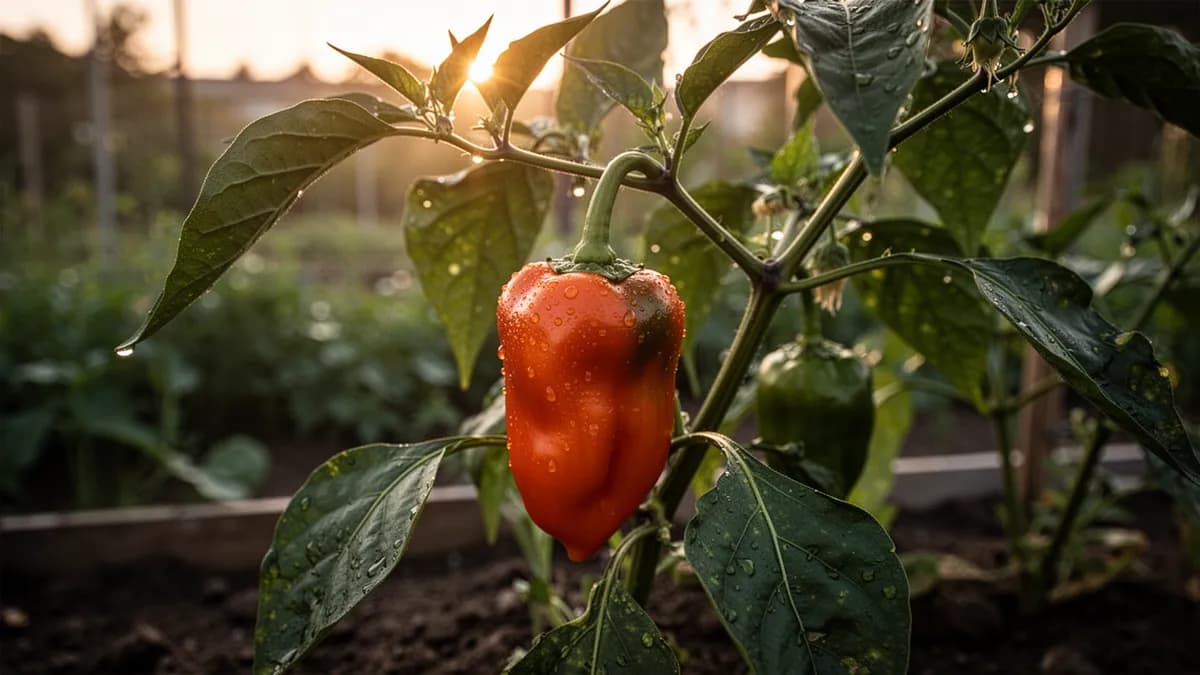
A fiery heirloom pepper from St. Augustine, Florida, with fruity, sweet heat comparable to habaneros. Plants thrive in hot, humid climates and need a long growing season of at least 90 days. Start seeds indoors 8 to 10 weeks before last frost and transplant into rich, well-drained soil. Fruits ripen from green to golden yellow and are excellent in hot sauces and jellies.
When to plant Datil Pepper
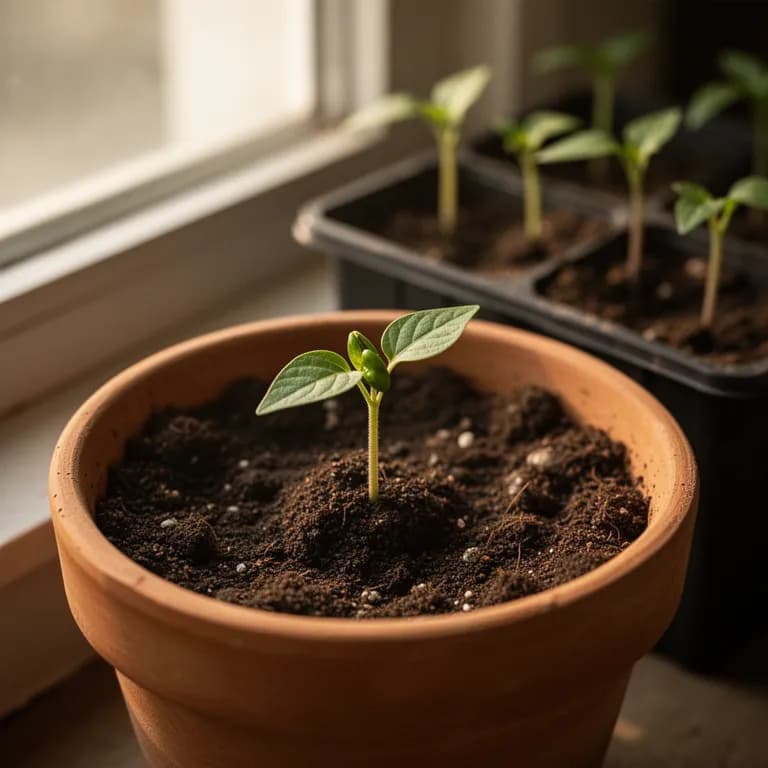
Start datil pepper seeds very early, 10-12 weeks before the last frost, as they are slow to germinate and grow. Plant seeds one-quarter inch deep at 85°F using a heat mat. Germination is slow and irregular, taking 14-28 days. Keep soil consistently moist but not waterlogged. Provide strong light for 14-16 hours daily. Pot up to larger containers as roots fill their pots. Harden off for 2 weeks before transplanting when nighttime temperatures are reliably above 60°F. Patience is essential with datil seedlings.
Your Datil Pepper Year
Composed for Zone 7 · typical seasons · frost passes Apr 2, returns Nov 1
Plant Datil Pepper Jan – May, pick Aug – Oct. Check the planting methods below and set your climate to personalize these windows.
How to grow Datil Pepper
Datil peppers are fiery heirloom peppers with fruity, sweet heat, historically associated with St. Augustine, Florida. They rate 100,000-300,000 Scoville units, similar to habaneros, but with a distinctive sweet, tropical flavor. Start seeds indoors 10-12 weeks before the last frost as datils are slow to germinate and grow. Transplant after soil reaches 70°F and nighttime temperatures are consistently above 60°F.
Plants grow 2-3 feet tall with a bushy habit and produce small, elongated yellow-orange peppers 2-3 inches long. Space plants 24 inches apart in a warm, sunny location. Water consistently but avoid overwatering as datils are somewhat drought-tolerant once established. Mulch to maintain soil warmth and moisture.
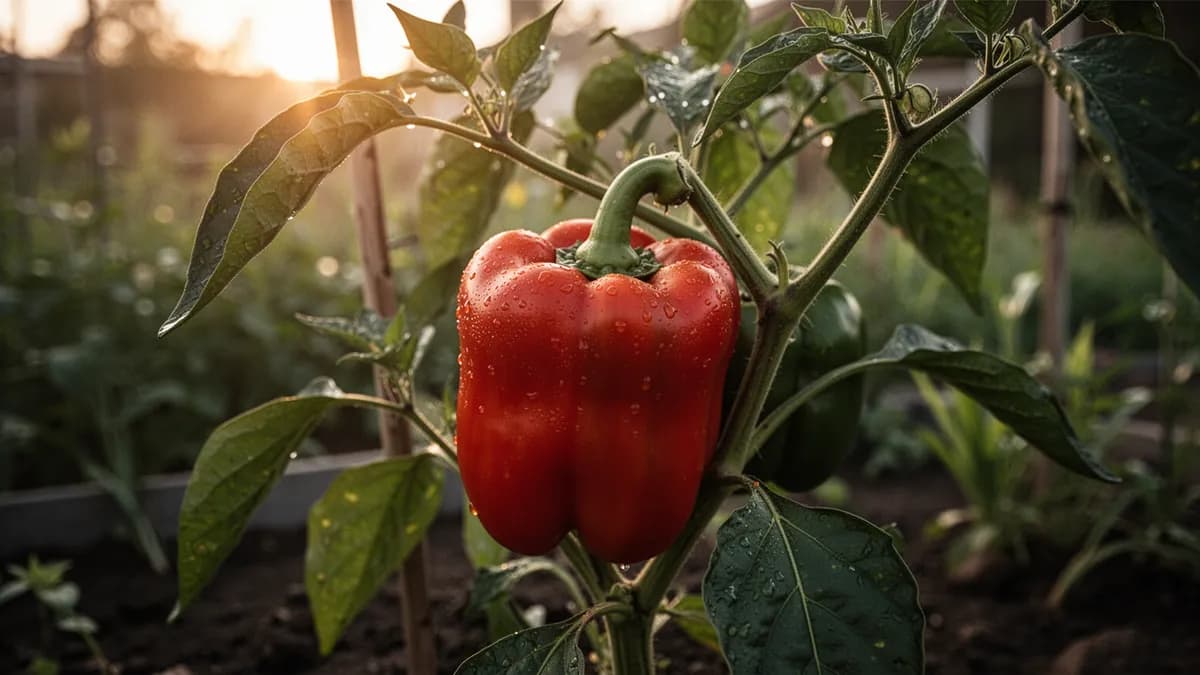
Datil peppers are adapted to hot, humid conditions and produce best in long, warm summers. They may be grown as perennials in zones 9-12, where they can become small shrubs producing for several years. In cooler climates, maximize production by starting seeds very early and providing the warmest possible growing location. Each plant produces 50-100 small peppers when well-cared-for. Fruits ripen from green to golden yellow-orange.
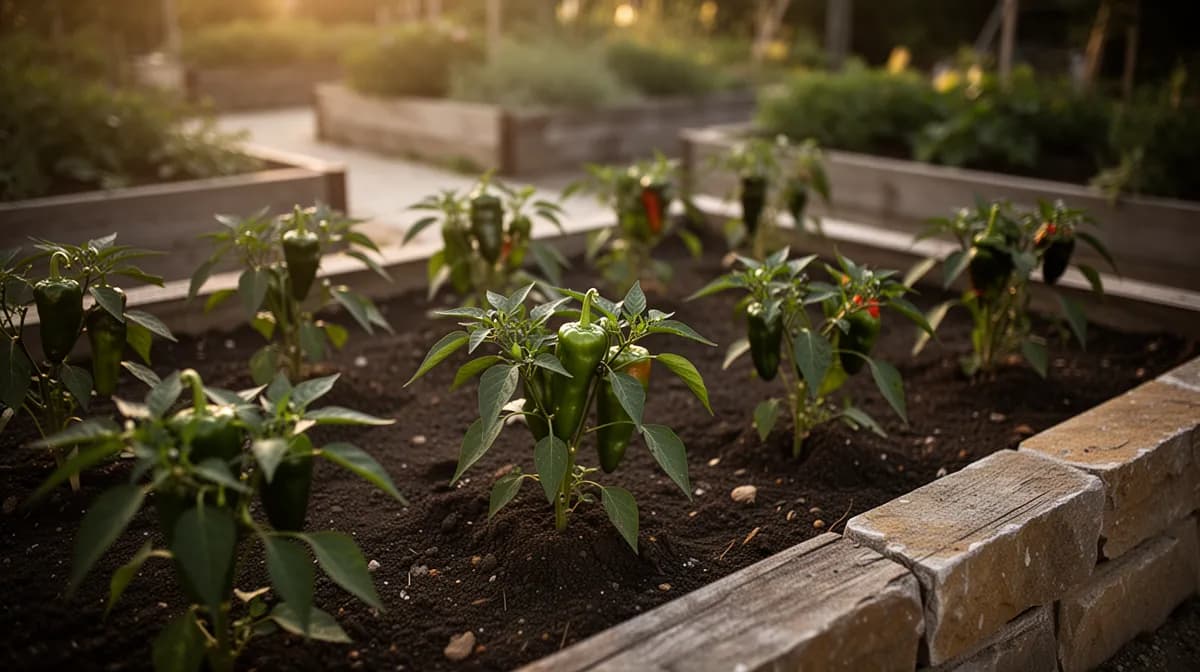
10 plants fit a 4 × 8 ft bed
Each Datil Pepper wants 45 cm of elbow room. The planner keeps that spacing for you — every plant, every bed.
Datil Pepper's best neighbours
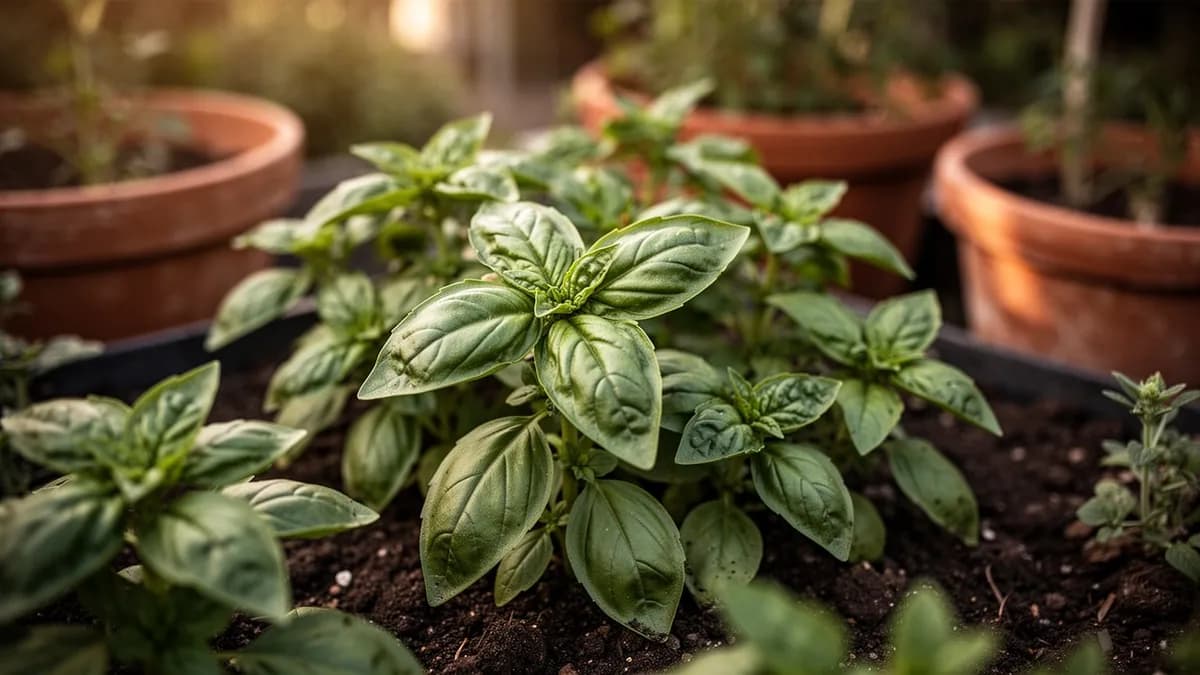
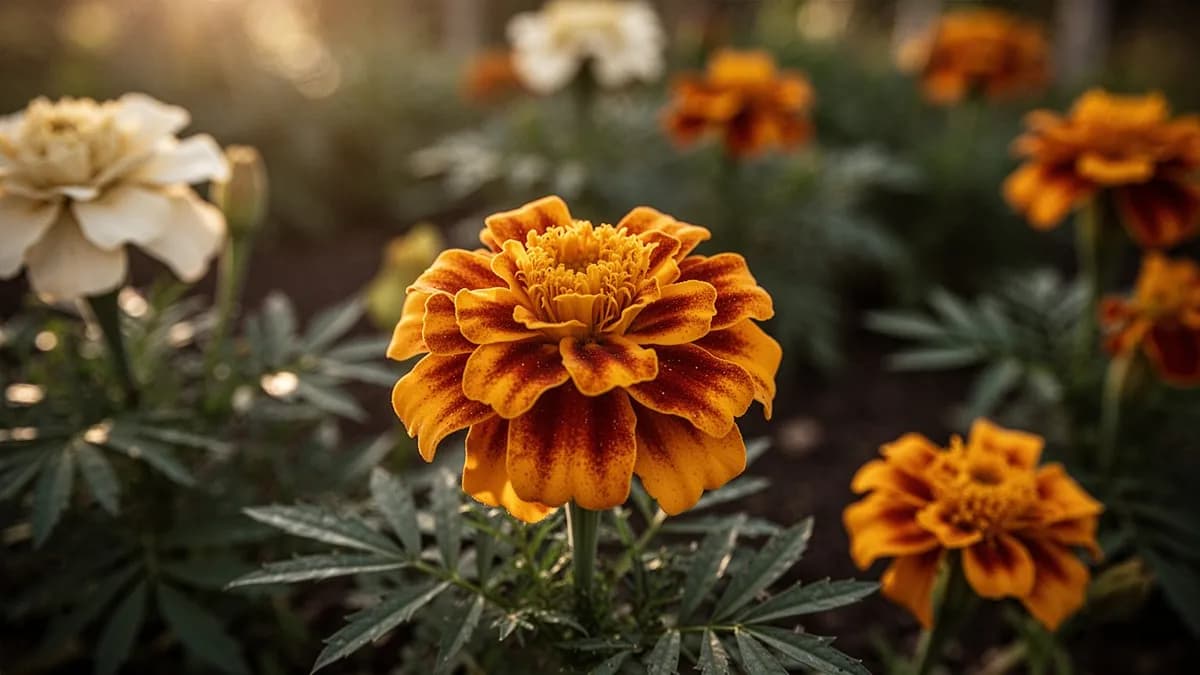
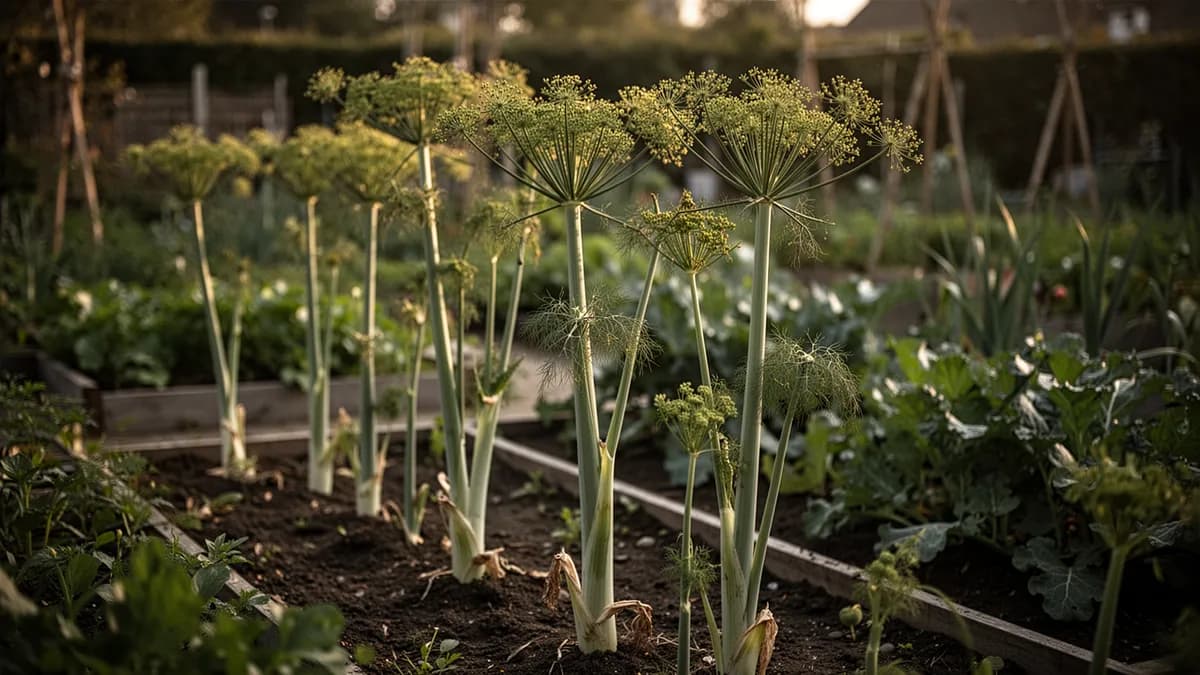
Datil peppers grow well alongside other heat-loving crops like tomatoes, eggplant, and okra. Basil is a classic companion that may help deter pests and improve flavor. Marigolds and nasturtiums attract beneficial insects and repel common pepper pests. Avoid planting near fennel. In their native Florida growing region, datils are often grown alongside herbs and other peppers in dedicated hot pepper gardens. Their compact size works well in intensive planting arrangements.
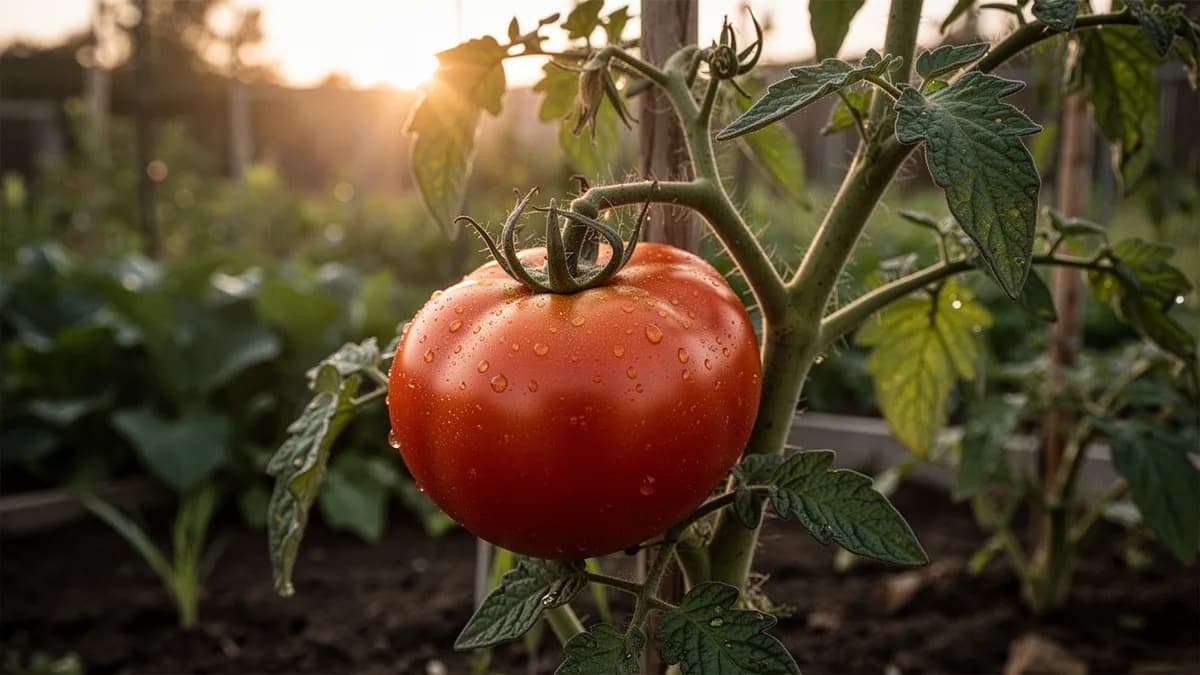
Tomato belongs beside it. Fennel doesn't.
Old growers' knowledge, checked against Datil Pepper's real companion table below — test any plant you're growing.
Try Datil Pepper in a bed — right here
A real planner bed with Datil Pepper already in it. Tap a companion to place it and watch the pairing checks answer — green for good neighbours, red for a clash.


Related growing guides
Feed it well
Datil peppers prefer sandy, well-drained soil with a pH of 6.0-6.8, reflecting their Florida coastal origins. Work in compost before planting and apply balanced fertilizer at transplanting. Side-dress with a phosphorus-rich fertilizer at bloom time. These peppers are adapted to sandy soils and do not require the rich conditions some pepper varieties demand. In containers, use a well-draining potting mix. Avoid excessive nitrogen which promotes leaf growth at the expense of pepper production.
Ideal Temperature
Hardiness Zone Compatibility
From seed to harvest, stage by stage
Seed Germination
Datil pepper seeds are among the slowest to germinate in the pepper family, taking 14-28 days even under ideal conditions. The hard seed coat benefits from pre-soaking in warm water or a dilute hydrogen peroxide solution. A white radicle emerges first, followed by small cotyledon leaves.
Seedling Development
True leaves appear slowly and are small with a slightly wrinkled texture. Seedlings are compact and grow more slowly than other pepper species. The root system establishes steadily during this stage, and the stem thickens gradually.
Vegetative Growth
Plants develop a bushy, branching habit reaching 60-90 cm tall. Leaves become darker green and more densely packed as the plant matures. The branching pattern characteristic of Capsicum chinense varieties becomes evident, with multiple stems forming from each node.
Flowering
Small white flowers with greenish-yellow anthers appear at branch nodes. Unlike some Capsicum chinense varieties, datil flowers are typically borne singly or in pairs rather than in clusters. Flowers are self-fertile but benefit from gentle air movement or pollinator visits.
Fruit Development
Small elongated peppers 5-7 cm long develop from pollinated flowers, initially green and gradually transitioning to golden-yellow as they ripen. The thin-walled fruits hang downward and are slightly wrinkled when fully mature. Each plant sets dozens of fruits simultaneously.
Peak Harvest
Plants enter sustained production, continuously flowering and fruiting for 8-12 weeks in warm climates. Ripe golden-orange datil peppers have the best balance of fruity sweetness and intense heat. A single healthy plant can produce 50-100 peppers over the full season.
Use a heat mat to maintain soil temperature at 27-32°C (80-90°F). Keep the medium consistently moist but never waterlogged. Do not give up — germination is erratic and seeds may sprout over a 2-week window.
Caring for Datil Pepper month by month
What to do each month for your Datil Pepper
October
You are hereContinue harvesting in warm zones. In zones 8 and cooler, harvest all remaining peppers before first frost — green datils can ripen indoors in a paper bag. In zones 9-12, consider overwintering plants by cutting back and mulching heavily.
Know exactly what to do in your garden — every month
One email at the start of each month: what to sow, plant, and tackle right now — for your Datil Pepper and everything growing around it. Plus a short starter course that helps you dodge the classic mistakes.
- What to do, right now
- Matched to your season
- Starter course included
Harvesting Datil Pepper
Harvest datil peppers when they turn from green to golden yellow-orange and are slightly soft to the touch. At full ripeness, they have the best balance of fruity sweetness and intense heat. Cut from the plant with scissors. Green datils are edible but lack the characteristic sweet flavor. Plants produce continuously through warm weather, with peak production in late summer and fall. Always wear gloves when handling datil peppers as their oils can cause severe skin burns. Each plant produces 50-100 peppers over the season.
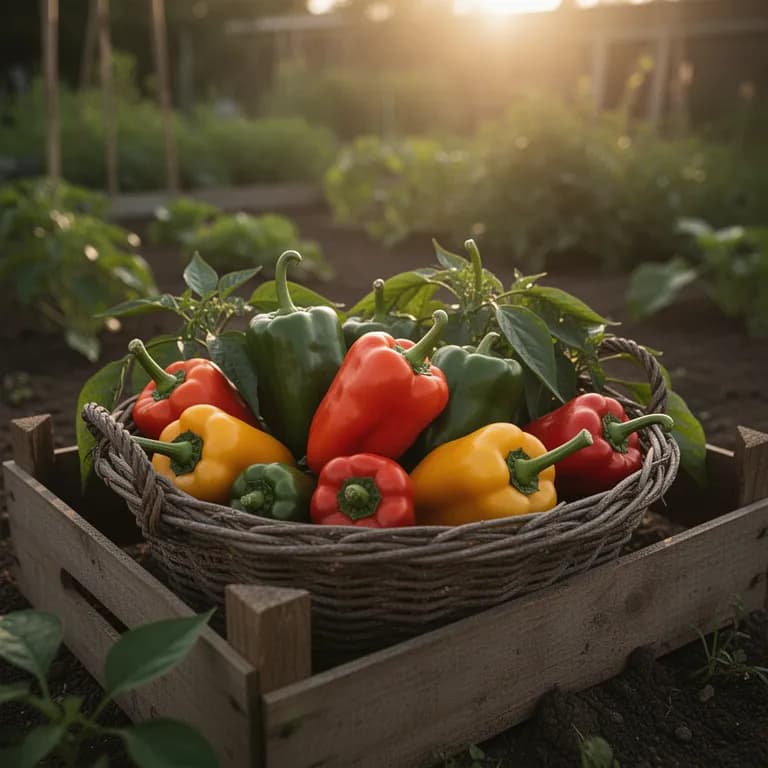
assuming you plant when the window opens — set your real date
Pick Datil Pepper promptly and the plant keeps producing.
Storage & Preservation
Fresh datil peppers keep in the refrigerator for 2-3 weeks. They are most famously used in datil pepper sauce, a hot sauce tradition in St. Augustine that combines peppers with vinegar, mustard, and sugar. Freeze whole peppers in bags for later use. Dry in a dehydrator for datil pepper flakes. They make excellent hot pepper jelly with their natural fruity sweetness. Datil pepper relish and chutney are popular preserves. The high heat level means a few peppers go a very long way in preservation.
What goes wrong — and the fix
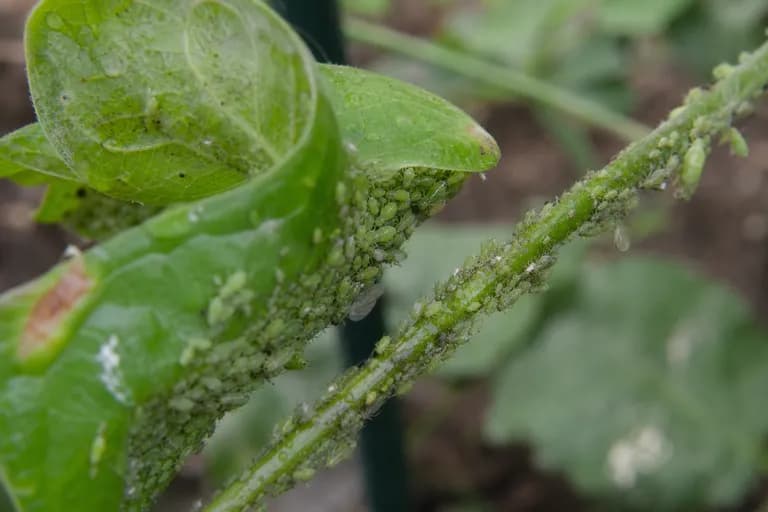
Aphids
PestClusters on new growth and flower buds causing distorted growth and reduced fruit set.
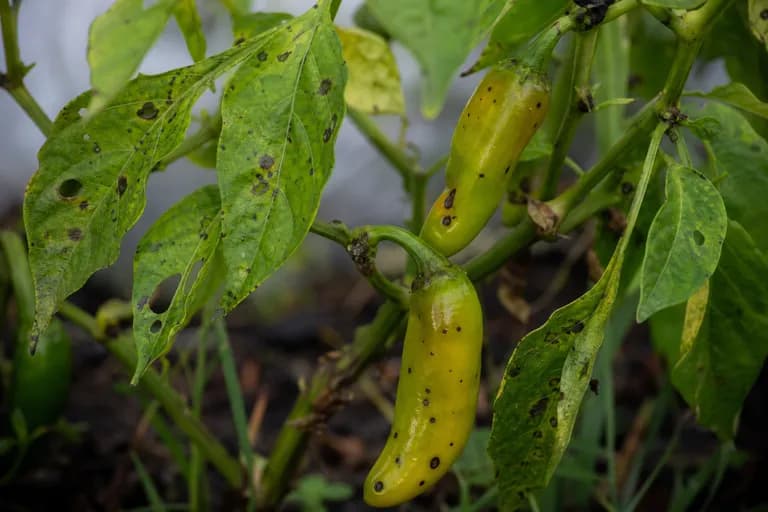
Bacterial Spot
DiseaseSmall dark spots on leaves and fruits that enlarge in wet weather, causing defoliation and fruit blemishes.
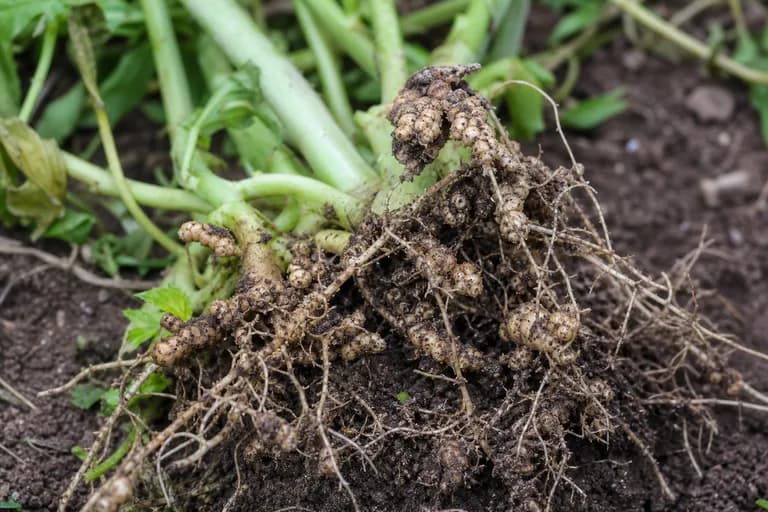
Root-Knot Nematode
PestStunted growth, yellowing despite adequate fertility, and gnarled root knots visible when plants are pulled.
Troubleshooting Common Problems
Slow germination is the biggest challenge; datil seeds can take 2-4 weeks to sprout even with bottom heat. Be patient and keep soil consistently moist and warm. In cool-summer climates, datils may not produce well; grow in containers that can be moved to the warmest locations. Fruit drop in cool weather is common as these tropical peppers need consistent warmth. The extreme heat of the peppers requires careful handling; always wear gloves and avoid touching eyes or face after harvest.
Growing Tips
- Start seeds absurdly early — 10-12 weeks before last frost is the minimum. Datil peppers are the slowest-germinating common garden pepper, and seedlings grow at a pace that tests patience. Rushed timing is the number-one reason for poor datil harvests.
- Bottom heat is non-negotiable for germination. A seedling heat mat maintaining soil at 27-32°C (80-90°F) transforms germination rates from 30% to 80%+. Without it, seeds may rot before sprouting.
- Choose the single warmest microclimate in your garden — south-facing walls, raised beds with dark soil, or spots sheltered from wind. Datil peppers respond dramatically to even small temperature advantages during the growing season.
- Avoid overwatering young transplants. Datil peppers are adapted to Florida's sandy, well-drained soils and are surprisingly drought-tolerant once established. Waterlogged roots cause far more problems than mild drought stress.
- In zones 8 and cooler, grow datils in large black containers (20+ liters) that absorb solar heat. Move containers to maximize sun exposure and shelter from cool evenings. Container culture can add 2-3 effective heat zones.
- Always wear nitrile gloves when harvesting and handling datil peppers. The capsaicin concentration is extreme — bare-handed contact causes painful burns lasting hours, and touching your face or eyes after handling can cause serious irritation.
- If you live in zones 9-12, overwinter your best datil plant by cutting it back to 20-30 cm, mulching the root zone heavily, and protecting from hard freezes. Second-year plants produce earlier and more heavily than first-year plants.
- Save seeds from your most productive, best-flavored plants. Let 2-3 peppers ripen fully to deep orange on the plant, then dry seeds on a paper towel for a week. Stored in a cool, dry place, datil seeds remain viable for 3-4 years.
Grow your best Datil Pepper yet — and everything around it.
Start a free plan today. Lay out your beds, drop in your Datil Pepper, and let PlotMyGarden handle the timing, spacing, companions and reminders from seed to harvest basket.
Pick your Datil Pepper
Datil
The standard St. Augustine heirloom with golden-orange fruits and fruity, intense heat. The definitive variety.
Sweet Datil
Milder selection with more sweetness and less heat, making it accessible to those who prefer less fire.
Datil Do-It
Productive selection with slightly larger fruits and vigorous growth. Good heat and classic datil flavor.
Datil pepper seeds or plants cost $3-8, but the peppers themselves are rarely found in grocery stores and command premium prices of $15-30 per pound at specialty markets and online retailers when available. A single productive plant yielding 50-100 peppers can provide enough raw material for 10-15 bottles of homemade hot sauce (retail value $8-15 per bottle) or 8-12 jars of pepper jelly ($6-10 per jar). Growing your own datils is essentially the only reliable way to have a steady supply, as commercial availability outside St. Augustine is extremely limited.
Quick recipes
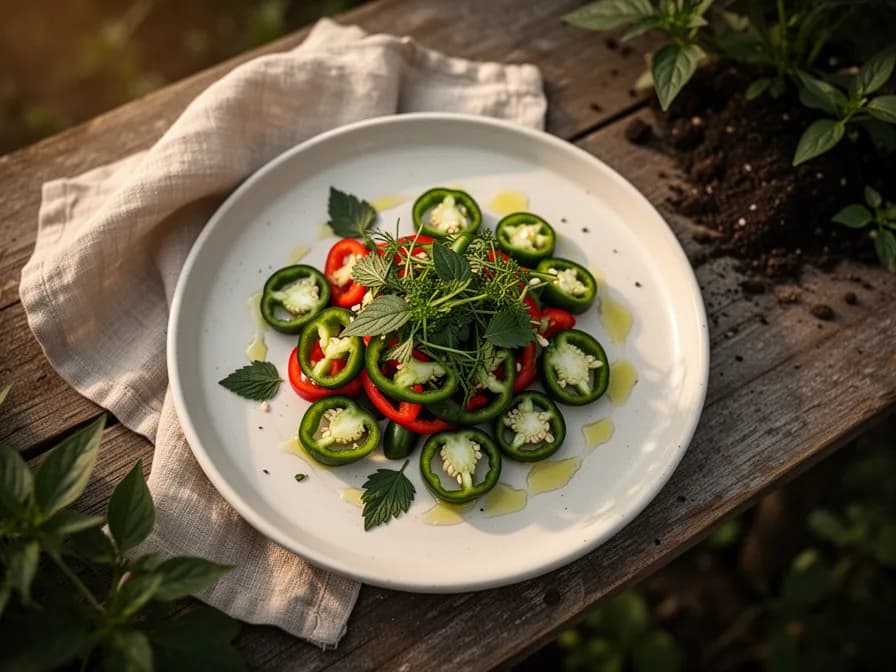
Classic St. Augustine Datil Pepper Hot Sauce
30 minThe signature recipe of St. Augustine, Florida — a tangy, sweet, fiery hot sauce that balances the datil's fruity heat with vinegar and a touch of mustard. This shelf-stable sauce keeps for months and improves with age.
7 ingredientsDatil Pepper Jelly
45 minA beautiful golden jelly that captures the datil's unique fruity-sweet heat in a spreadable form. Legendary served over cream cheese with crackers as an appetizer, or glazed over grilled chicken and pork.
5 ingredientsDatil Mango Salsa
15 minA tropical salsa that pairs the datil's fruity heat perfectly with sweet mango and bright lime. Use sparingly — the datil's intense heat sneaks up. Outstanding with grilled fish tacos or alongside tortilla chips.
6 ingredientsCulinary Uses
Datil peppers are the key ingredient in St. Augustine-style hot sauces that balance intense heat with fruity sweetness. They excel in pepper jellies, relishes, and chutneys where their natural sugar content creates complex sweet-hot flavors. Mince into tropical fruit salsas with mango, pineapple, and lime. Add sparingly to seafood dishes, marinades, and BBQ sauces. The fruity heat complements Caribbean and Latin American flavors beautifully. A single datil pepper can spice an entire pot of soup or stew.
What's inside
Health Benefits
- Exceptionally high in capsaicin (100,000-300,000 SHU), which has been shown in clinical studies to boost metabolism, reduce appetite, and support healthy weight management through increased thermogenesis.
- Outstanding source of vitamin C — hot peppers like datils contain more vitamin C per gram than citrus fruits, supporting immune function, collagen synthesis, and iron absorption.
- Capsaicin acts as a natural pain reliever by depleting substance P, a neurotransmitter that sends pain signals to the brain — the same mechanism used in prescription capsaicin patches and creams.
- Rich in antioxidants including beta-carotene, lutein, and flavonoids that help neutralize free radicals and may reduce the risk of chronic inflammatory diseases.
- Studies suggest regular hot pepper consumption is associated with improved cardiovascular health, including lower blood pressure and reduced LDL cholesterol levels.
- Contains vitamin B6 and folate, which support nervous system function, red blood cell formation, and homocysteine metabolism for heart health.
Where Datil Pepper comes from
The datil pepper (Capsicum chinense) is one of the most geographically specific heirloom peppers in North America, deeply tied to St. Augustine, Florida, the oldest European-established city in the United States. The pepper's arrival in St. Augustine is the subject of ongoing historical debate. The most popular theory credits Minorcan settlers who came to Florida in the late 1700s as indentured laborers for the British colonial New Smyrna plantation. These Mediterranean colonists may have brought pepper seeds from their homeland or acquired them through trade networks connecting the Caribbean, West Africa, and southern Europe.
An alternative theory suggests the datil arrived via Cuban or Caribbean trade routes, which is botanically plausible since Capsicum chinense species originated in the Amazon basin and spread throughout the Caribbean and Central America long before European contact. Linguistic evidence supports multiple possible paths — the name 'datil' may derive from the Spanish word for 'date' (dátil), referring to the pepper's elongated shape resembling a date fruit.
Regardless of its exact arrival, the datil pepper became firmly established in the Minorcan community of St. Augustine by the mid-1800s and has been continuously cultivated there for well over a century. The pepper remained almost unknown outside northeast Florida until the late 20th century, when local hot sauce makers and food writers began spreading awareness. Today, datil peppers are experiencing a renaissance among chili enthusiasts and heirloom gardeners, but St. Augustine remains the undisputed heartland of datil culture, with the pepper woven into the city's culinary identity, festival traditions, and local economy.
Datil Pepper: did you know?
Fascinating facts about Datil Pepper
Datil peppers are almost exclusively associated with St. Augustine, Florida — the oldest continuously occupied European settlement in the United States — where they have been grown for over 100 years and are considered a cultural treasure of the city.
Datil Pepper questions, answered
When should I plant Datil Pepper?
What are good companion plants for Datil Pepper?
What hardiness zones can Datil Pepper grow in?
How much sun does Datil Pepper need?
How far apart should I space Datil Pepper?
What pests and diseases affect Datil Pepper?
How do I store Datil Pepper after harvest?
What are the best Datil Pepper varieties to grow?
What soil does Datil Pepper need?
Why are my datil pepper seeds taking so long to germinate?
Can I grow datil peppers outside of Florida?
How hot are datil peppers compared to other varieties?
Can I overwinter datil pepper plants indoors?
What is the best way to preserve datil peppers?
You just read the theory. Now grow it on autopilot.
Everything that makes Datil Pepper fiddly — the timing, the spacing, the companions, the harvest window — is exactly what PlotMyGarden handles for you, for every plant in your garden.
A plan that knows your weather
Set your location once. Get sow, feed and harvest dates built around your real last-frost date and live forecast — no more guessing from a generic seed packet.
From the “When to plant” sectionDrag-and-drop bed planner
Design beds on a grid. Every plant snaps to its proper spacing, and you can see your whole season laid out before you spend a cent on seed.
From the “Growing guide” sectionCompanion conflicts, caught early
200+ good-and-bad pairings checked live as you plant — so a season-wrecking mistake never makes it into the ground.
From the “Companions” sectionReminders you'll actually act on
“Water the beans.” “Pick today before it turns.” Timely, specific, and tied to the plants you're really growing.
From the “Harvest” sectionSuccession, scheduled
Want a harvest for six weeks, not six days? It spaces your sowings automatically and reminds you when each new block is due.
From the “When to plant” sectionA record that gets smarter
Every harvest you log teaches it your garden. Next year's plan starts from what actually worked in your soil, not a textbook's.
From the “Overview” sectionPlant these alongside Datil Pepper
More Nightshades
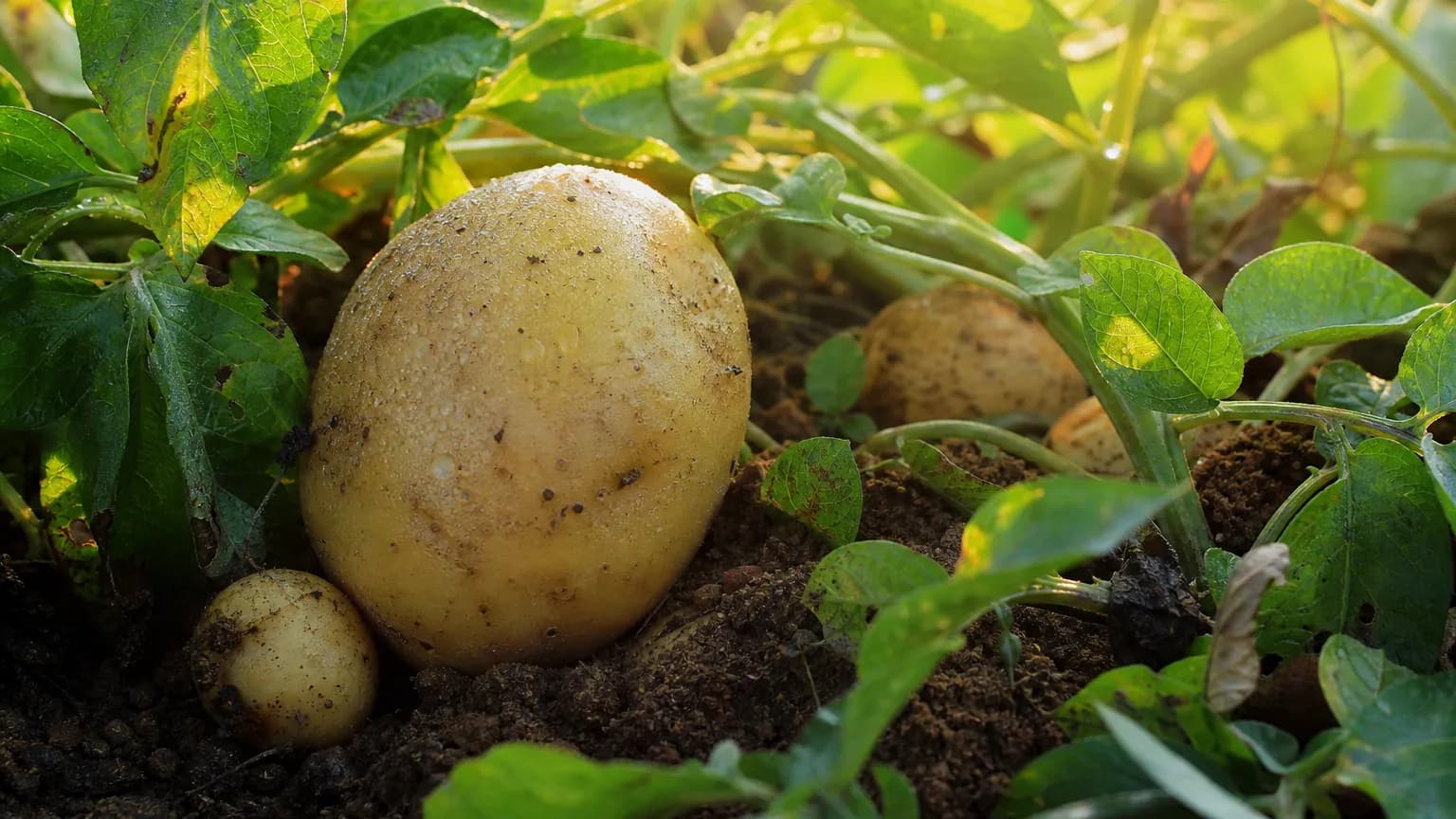
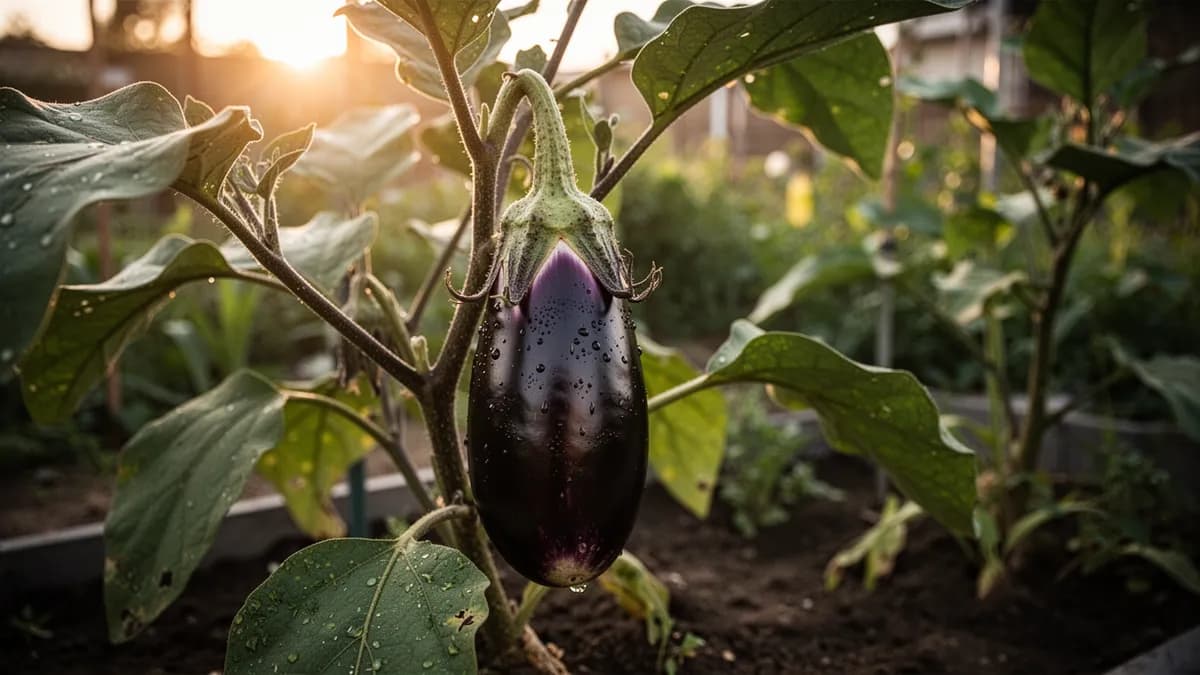
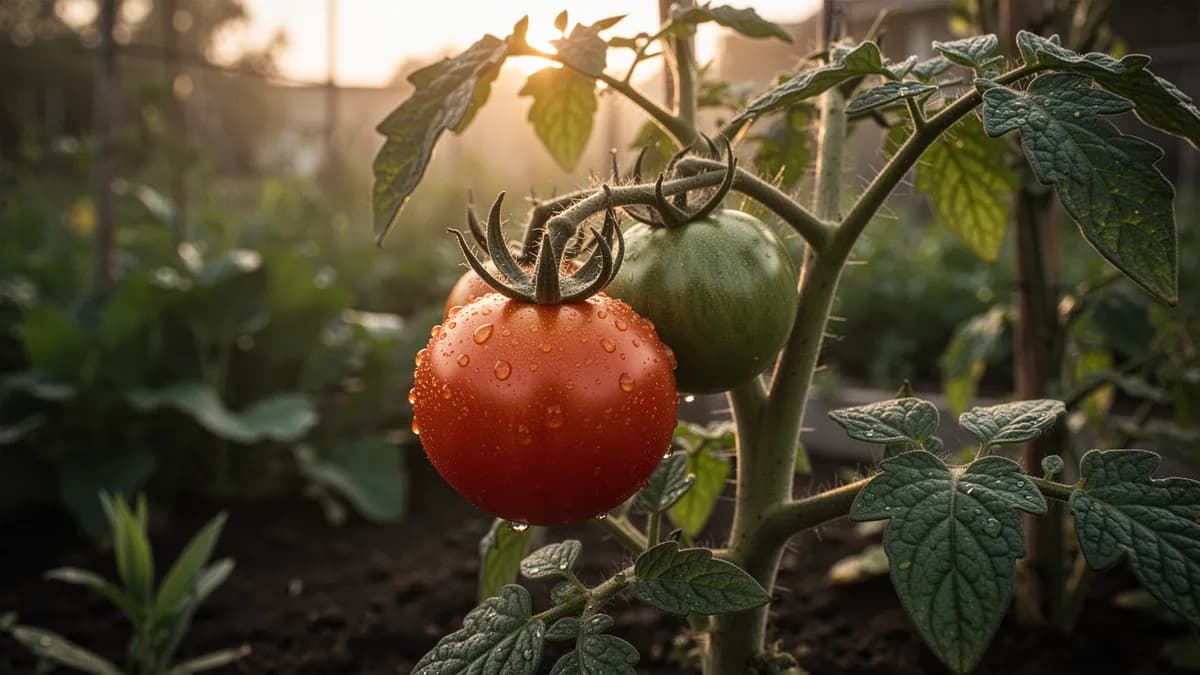
Keep Datil Pepper away from these
Garden plans featuring Datil Pepper
Grow your best Datil Pepper yet — and everything around it.
Start a free plan today. Lay out your beds, drop in your Datil Pepper, and let PlotMyGarden handle the timing, spacing, companions and reminders from seed to harvest basket.