Cubanelle-Paprika
Eine süße italienische Bratpaprika mit dünnen, wachsartigen Wänden, die beim Anbraten in Olivenöl wunderschön Blasen werfen.





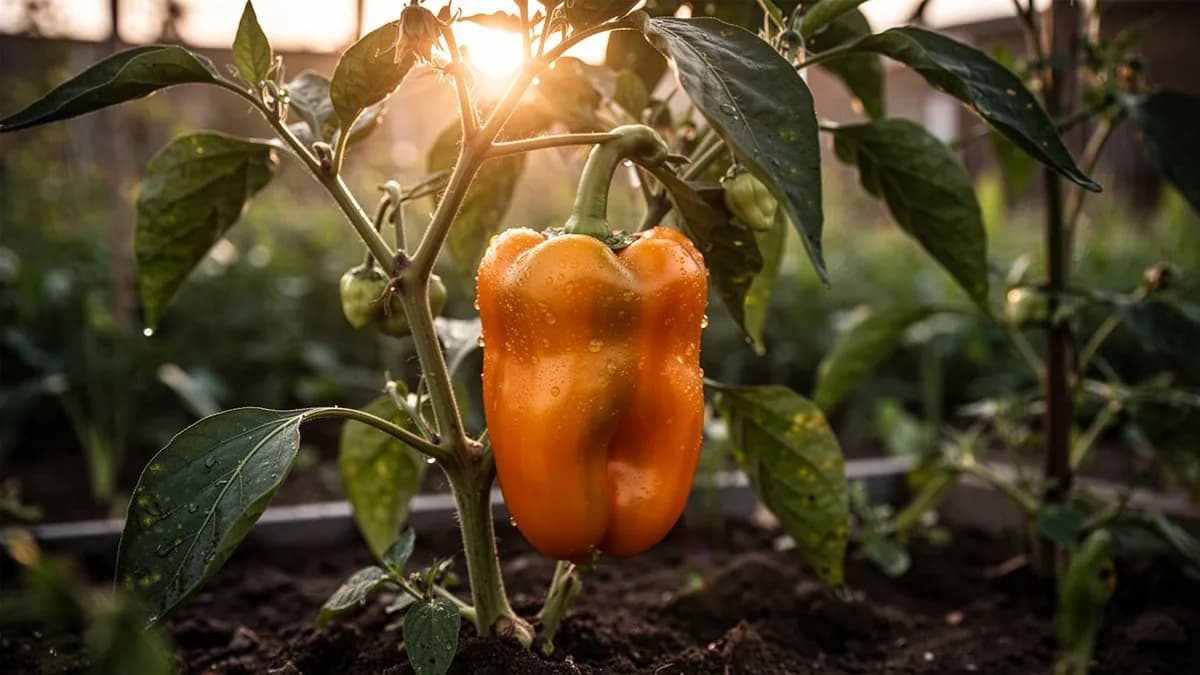
Auf dieser SeiteÜberblick
Cubanelle-Paprika im Überblick
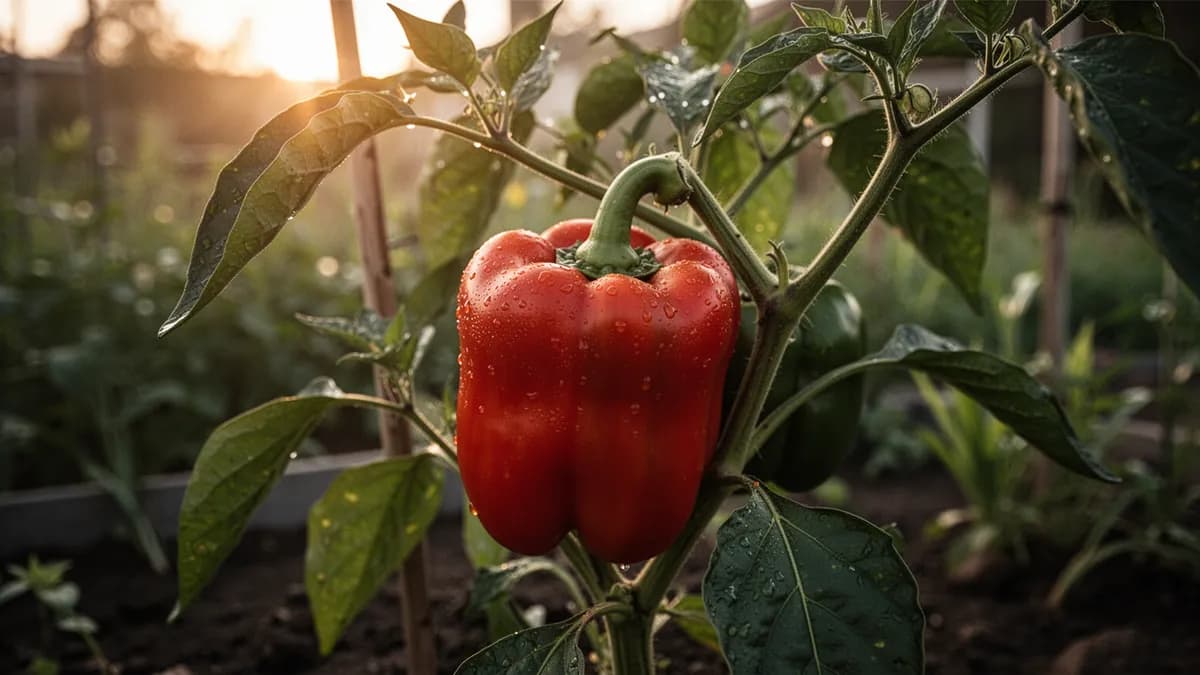
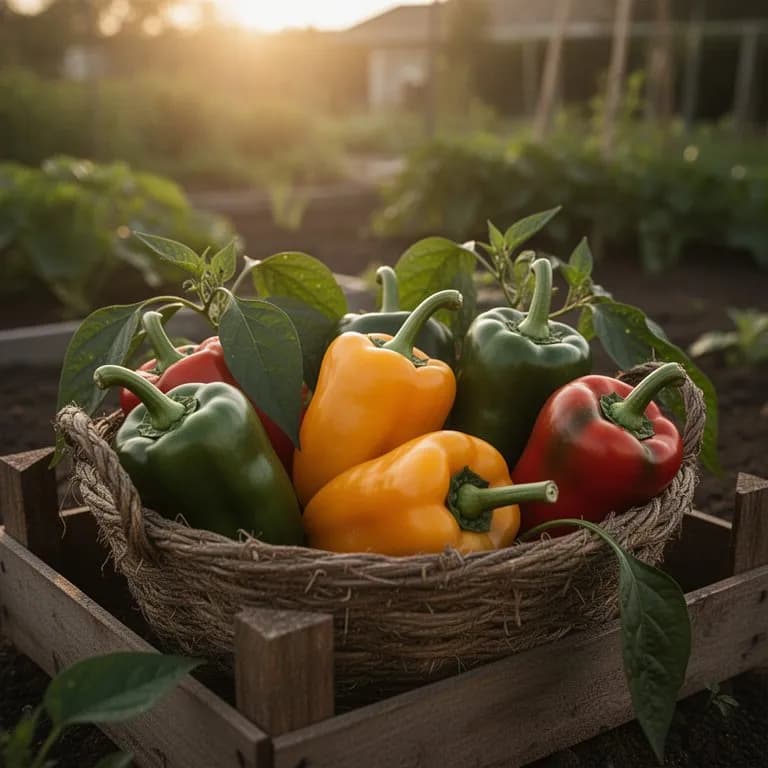
Eine süße italienische Bratpaprika mit dünnen, wachsartigen Wänden, die beim Anbraten in Olivenöl wunderschön Blasen werfen. Die Früchte sind hellgelb-grün, länglich und mild-süß ohne Schärfe, was sie zu einer familienfreundlichen Wahl macht. Die Pflanzen sind bei warmem Wetter äußerst ertragreiche Produzenten und profitieren von regelmäßiger Ernte, um den weiteren Fruchtansatz zu fördern. Die dünnen Wände garen schnell und entwickeln eine rauchige, karamellisierte Süße, die dickwandige Paprika nicht erreichen können.
Wann Cubanelle-Paprika pflanzen
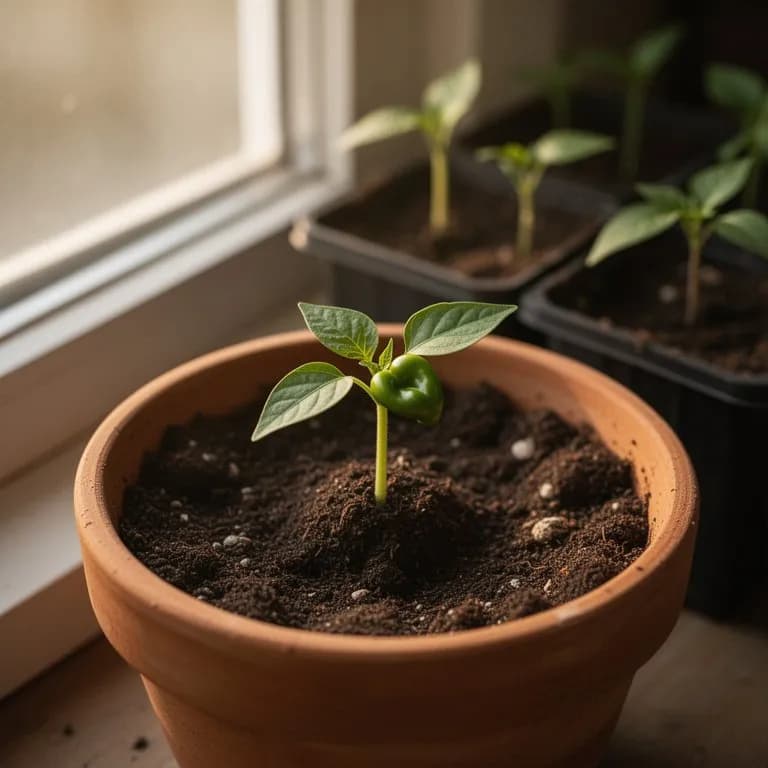
Beginnen Sie mit der Aussaat von Cubanelle-Paprika acht bis zehn Wochen vor dem letzten Frosttermin in Innenräumen. Säen Sie die Samen einen Vierterzoll tief in warme Anzuchterde. Verwenden Sie eine Heizmatte, um die Bodentemperatur bei 27 bis 29 Grad Celsius für optimale Keimung zu halten, die sieben bis vierzehn Tage dauert. Sorgen Sie für helles Licht, sobald die Sämlinge erscheinen, und kultivieren Sie bei 21 bis 24 Grad. Topfen Sie die Sämlinge in 10-cm-Töpfe um, wenn sie ihre ersten echten Blätter entwickeln. Härten Sie die Pflanzen über sieben bis zehn Tage ab, bevor Sie sie ins Freie pflanzen. Warten Sie, bis sich der Boden auf mindestens 18 Grad erwärmt hat, bevor Sie auspflanzen.
Dein Cubanelle-Paprika-Jahr
Abgestimmt auf Zone 7 · typische Saison · Frost geht um den 2. Apr. und kehrt um den 1. Nov. zurück
Cubanelle-Paprika Feb – Mai pflanzen, Jul – Sep ernten. Beachte die Pflanzmethoden unten und wähle dein Klima für passende Zeiträume.
So baust du Cubanelle-Paprika an
Cubanelle-Paprika sind Wärme liebende Kulturen, die eine lange, heiße Vegetationsperiode benötigen, um ihre besten Erträge zu erzielen. Beginnen Sie acht bis zehn Wochen vor dem letzten erwarteten Frost mit der Aussaat in Innenräumen und säen Sie einen Vierterzoll tief in warme Anzuchterde bei 27 bis 29 Grad Celsius. Setzen Sie die Setzlinge zwei Wochen nach dem letzten Frost ins Freie, wenn die Tagestemperaturen konstant 18 Grad erreichen und die Nachttemperaturen über 13 Grad bleiben.
Setzen Sie die Pflanzen in einem Abstand von 45 bis 60 cm in nährstoffreichen, gut durchlässigen Boden, der mit Kompost angereichert wurde. Volle Sonne ist für die beste Fruchtproduktion unerlässlich. Gießen Sie gleichmäßig, um eine konstante Bodenfeuchtigkeit zu gewährleisten, da Schwankungen zu Blütenfall und missgebildeten Früchten führen. Mulchen Sie um die Pflanzen herum, um Feuchtigkeit zu bewahren und Unkraut zu unterdrücken. Stützen oder umkäfigen Sie die Pflanzen, wenn sie stark Früchte tragen, da der reiche Fruchtansatz die Äste herunterziehen kann.
Düngen Sie beim Umpflanzen mit einem ausgewogenen Dünger und wechseln Sie dann zu einem stickstoffarmen, kaliumreichen Dünger, sobald die Blüte beginnt, um die Fruchtentwicklung statt des Blattwachstums zu fördern. Entfernen Sie die ersten Blüten, um die Pflanze zu ermutigen, ein stärkeres Gerüst aufzubauen, bevor sie Früchte ansetzt. Regelmäßiges Ernten alle paar Tage regt die fortlaufende Blüte und Fruchtproduktion während der gesamten Saison an. Cubanelle-Paprika reifen in der Regel 60 bis 70 Tage nach dem Umpflanzen.
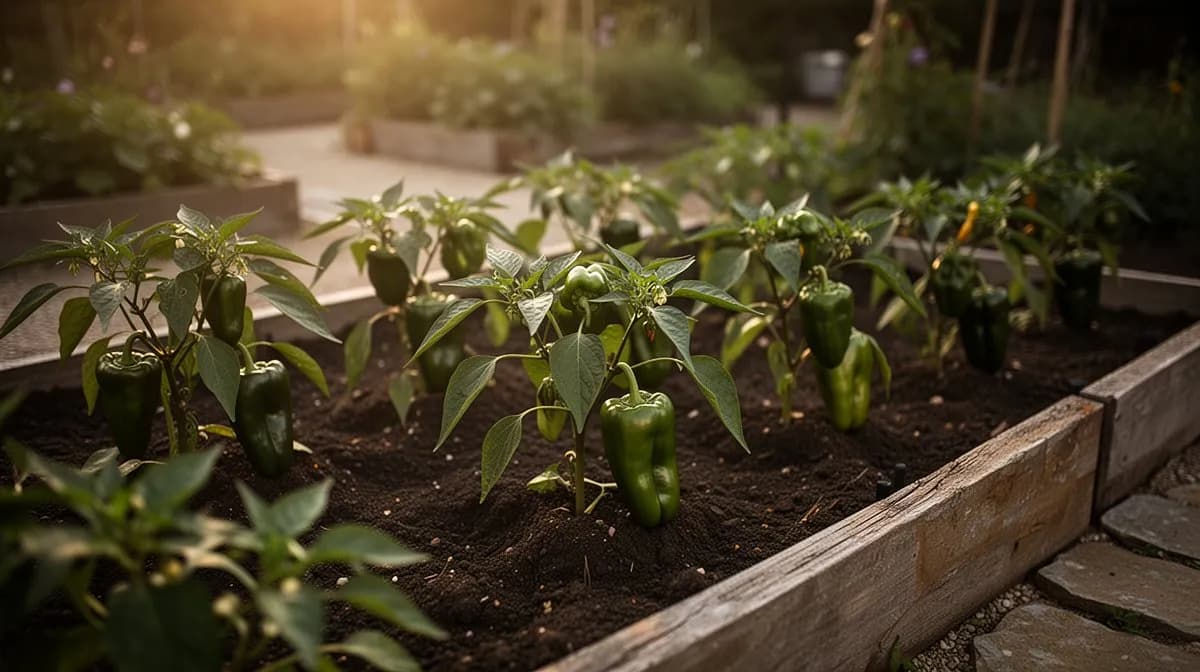
10 Pflanzen passen in ein Beet von 120 × 240 cm
Cubanelle-Paprika braucht 45 cm Platz pro Pflanze. Der Planer hält diesen Abstand für dich ein — jede Pflanze, jedes Beet.
Die besten Nachbarn für Cubanelle-Paprika
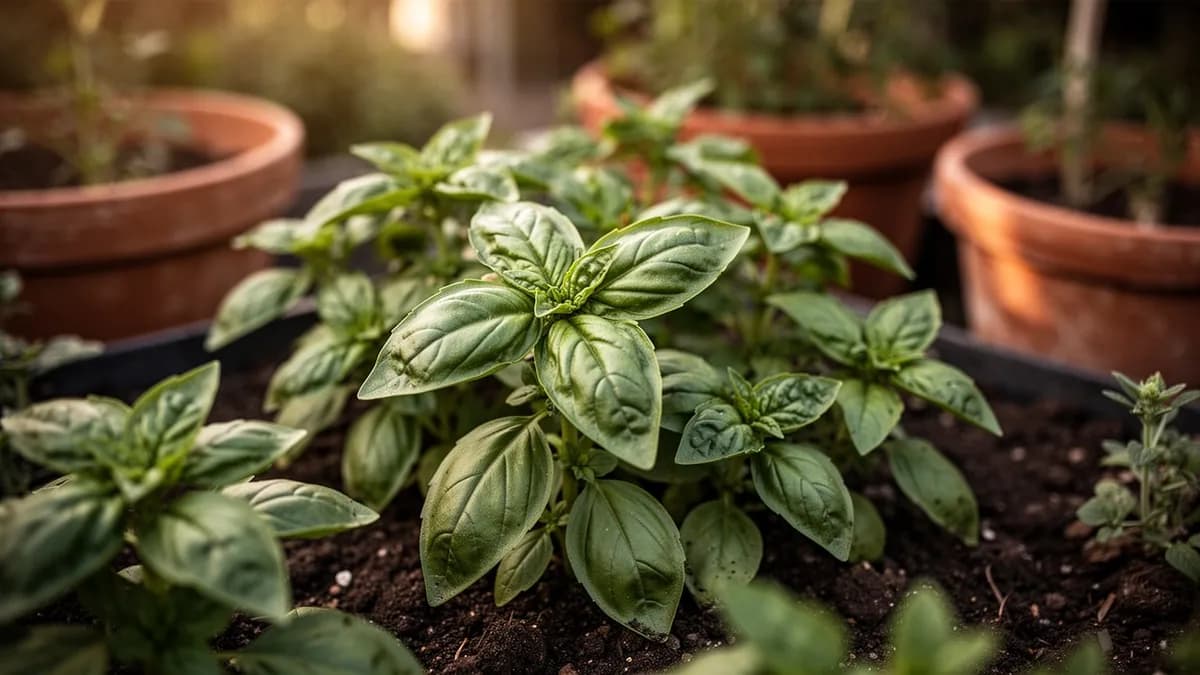
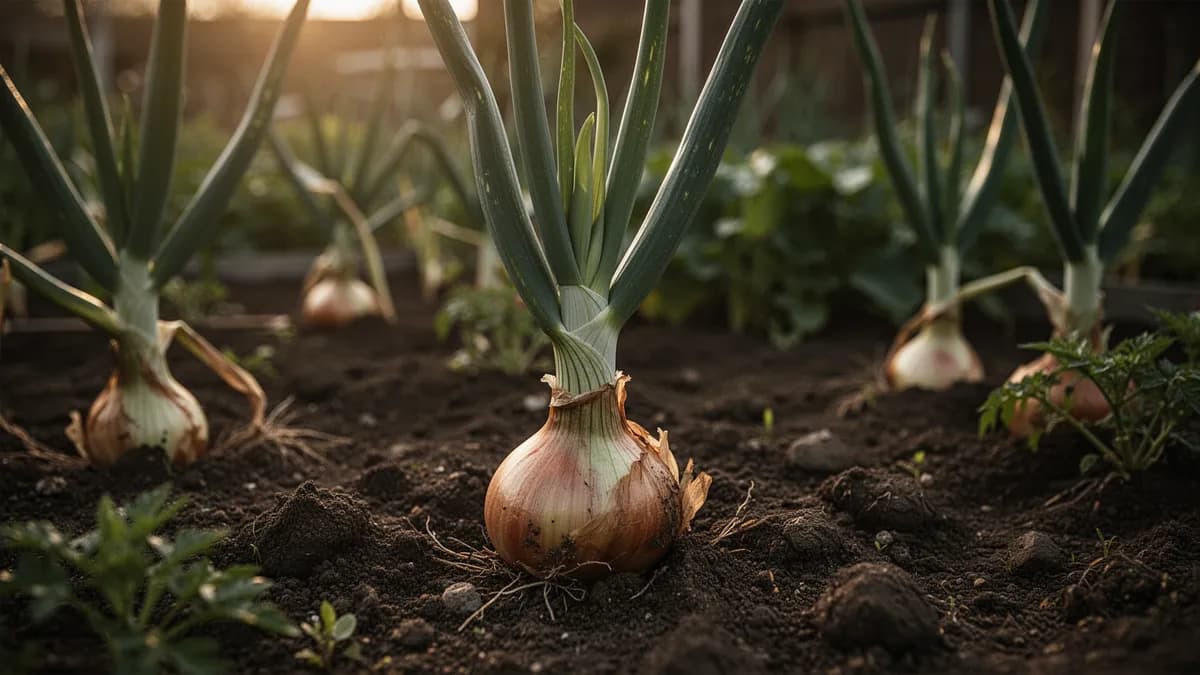
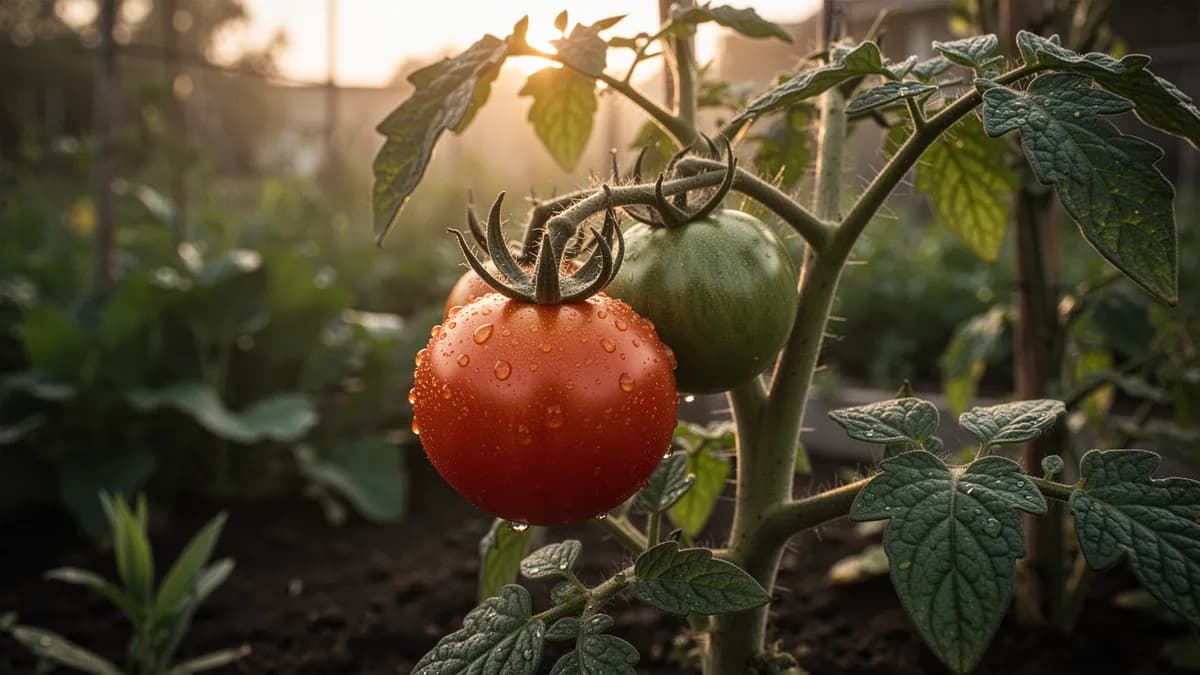
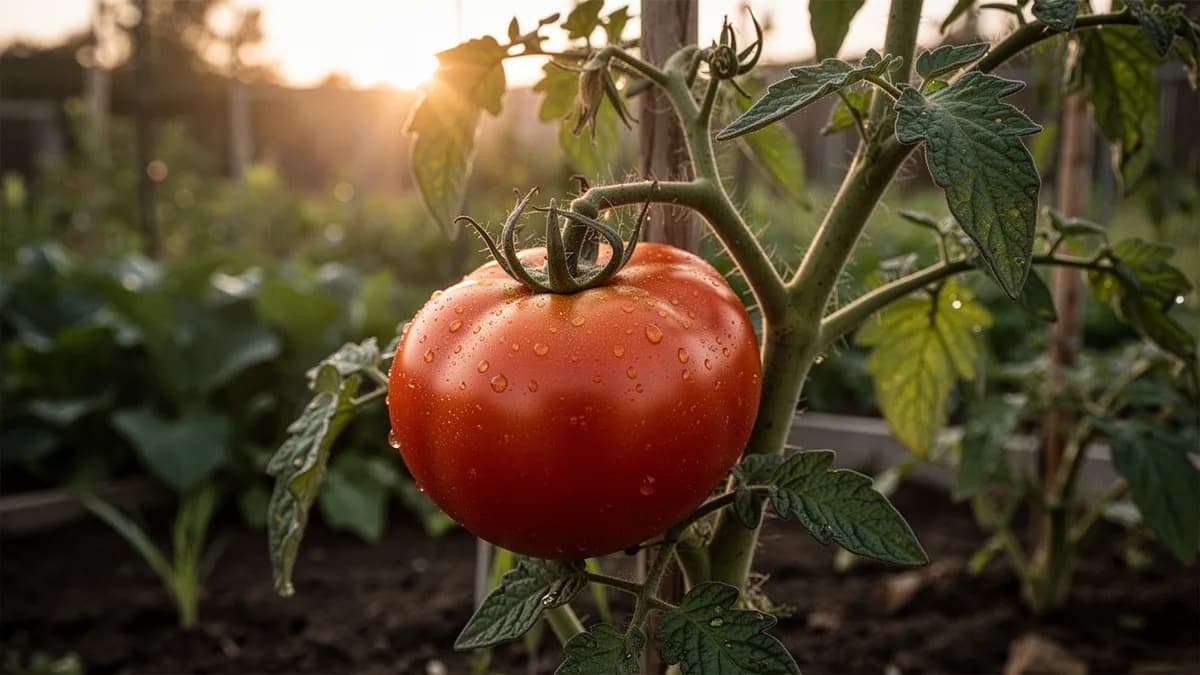
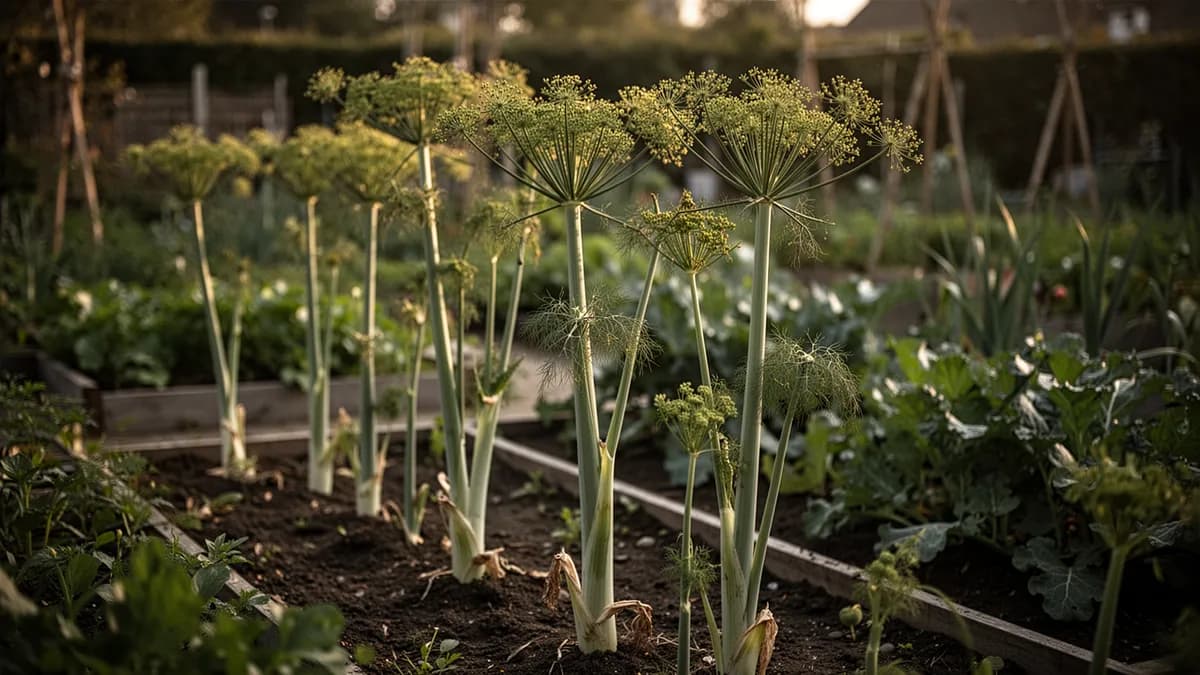
Cubanelle-Paprika wachsen gut neben Tomaten, Basilikum und Auberginen, die ähnliche Wachstumsanforderungen haben. Pflanzen Sie Tagetes, um Blattläuse und Weiße Fliegen abzuschrecken. Karotten, Zwiebeln und Spinat sind gute Begleitpflanzen im Paprikabeet. Vermeiden Sie das Pflanzen neben Fenchel, der das Paprikawachstum hemmt, oder Kohlrabi, der um Nährstoffe konkurriert. In der Nähe gepflanzte Kapuzinerkresse dient als Fangpflanze für Blattläuse und zieht sie von den Paprikapflanzen ab. Unter den Paprikapflanzen gepflanzter Oregano und Petersilie helfen, den Gartenraum optimal zu nutzen.
Tomate gehört daneben. Fenchel nicht.
Altes Gärtnerwissen, geprüft an der echten Nachbartabelle von Cubanelle-Paprika — teste jede Pflanze, die du anbaust.
Probiere Cubanelle-Paprika direkt hier im Beet
Ein echtes Planer-Beet, Cubanelle-Paprika steht schon drin. Tippe einen Begleiter an, platziere ihn und sieh, wie die Nachbarschaftsprüfung antwortet — grün für gute Nachbarn, rot bei Streit.


Passende Anbau-Ratgeber
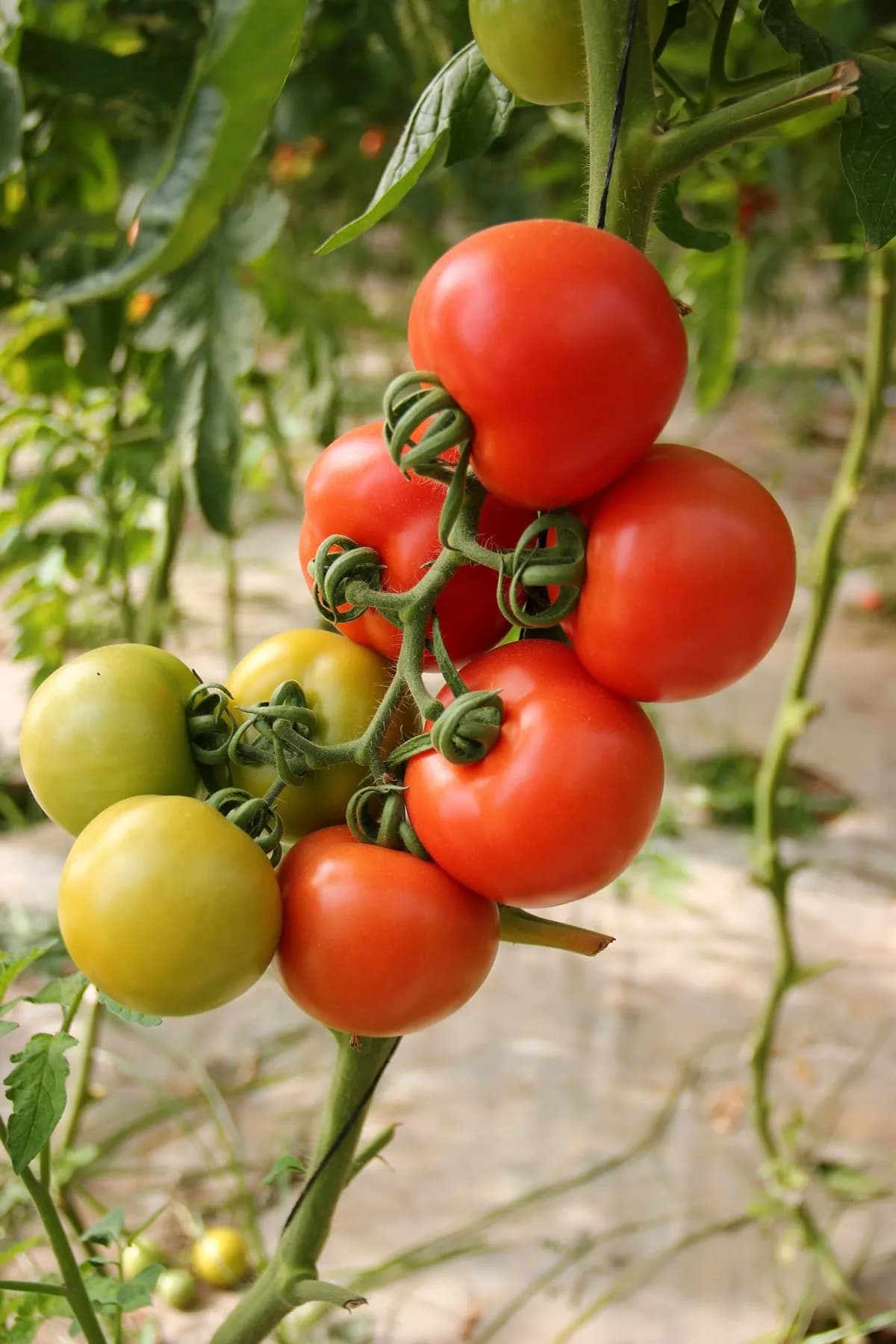
Richtig düngen
Cubanelle-Paprika gedeihen am besten in nährstoffreichem, gut durchlässigem Boden mit einem pH-Wert zwischen 6,0 und 6,8. Reichern Sie den Pflanzbereich vor dem Umpflanzen mit Kompost und abgelagertem Mist an. Geben Sie beim Pflanzen einen ausgewogenen Dünger und wechseln Sie nach Blühbeginn zu einer stickstoffarmen Formel, um die Fruchtbildung statt des Blattwachstums zu fördern. Düngen Sie alle zwei bis drei Wochen während der Hauptproduktionszeit mit Kompost oder Flüssigdünger nach. Übermäßiger Stickstoff produziert große, blattreiche Pflanzen mit wenigen Früchten. Stellen Sie eine ausreichende Kalziumverfügbarkeit sicher, um Blütenendfäule zu verhindern.
Ideale Temperatur
Winterhärtezone-Kompatibilität
Von der Saat zur Ernte, Schritt für Schritt
Aussaat
Cubanelle-Paprikasamen keimen in 7-14 Tagen bei gleichmäßiger Wärme. Die blasse Keimwurzel erscheint zuerst und verankert sich im Substrat, gefolgt von einem Paar glatter, ovaler Keimblätter, die durch die Oberfläche stoßen. Die Samen benötigen Bodentemperaturen von 21-27°C und gleichmäßige Feuchtigkeit für eine zuverlässige Keimung. Wie bei den meisten Capsicum-annuum-Sorten ist die Keimung unter 18°C unregelmäßig.
Sämlingsentwicklung
Echte Blätter erscheinen mit einem glatten, mittelgrünen, lanzettförmigen Aussehen, das sich von den abgerundeten Keimblättern unterscheidet. Das Wachstum in dieser Phase ist stetig, aber gemächlich, während sich das Wurzelsystem unterirdisch entwickelt. Am Ende dieser Phase sollten die Sämlinge 4-6 Sätze echter Blätter und einen Stängel haben, der sich zu festigen beginnt. Cubanelle-Sämlinge sind in diesem Stadium tendenziell etwas kompakter als Gemüsepaprika-Sämlinge.
Vegetatives Wachstum
Nach dem Umpflanzen ins Freie etablieren sich Cubanelle-Pflanzen schnell in warmem Boden und entwickeln einen buschigen, aufrechten Wuchs mit kräftiger Verzweigung. Die Pflanzen erreichen typischerweise 50-70 cm Höhe mit einer Ausbreitung von 40-50 cm. Das Laub wird dicht und dunkelgrün und bildet eine starke Energiebasis für die bevorstehende starke Fruchtbildung. Frühe Blütenknospen können gegen Ende dieser Phase an Astgabelungen erscheinen.
Blüte und Fruchtansatz
Kleine weiße Blüten mit fünf zarten Blütenblättern und auffälligen gelben Staubbeuteln erscheinen an den Astknoten. Cubanelle-Paprika sind selbstbestäubend und setzen bei Temperaturen im optimalen Bereich leicht Früchte an. Winzige blassgrüne Paprika beginnen sich innerhalb weniger Tage nach erfolgreicher Bestäubung zu bilden. Mehrere Blüten öffnen sich nacheinander, und die Pflanze kann gleichzeitig viele sich entwickelnde Früchte tragen.
Fruchtentwicklung
Die Paprika strecken sich schnell in die klassische Cubanelle-Form – lang, spitz zulaufend und leicht gebogen, mit einer Länge von 10-15 cm und dünnen, glänzenden Wänden. Die Schale hat ein charakteristisches blasses Gelbgrün, heller als die meisten Paprikasorten. Die Wände sind deutlich dünner als bei Gemüsepaprika, was den Cubanelles ihre typische seidige Textur beim Kochen verleiht. Die meisten Gärtner ernten in diesem grün-bis-hellgelben Stadium für den klassischen süßen, milden Geschmack.
Reifung und Späternte
An der Pflanze belassene Paprika wechseln von Blassgrün über Gelb und Orange zu einem leuchtenden Rot. Vollreife Cubanelles sind merklich süßer und komplexer als grüne, mit einem reichen, fruchtigen Geschmack. Rot gereifte Früchte enthalten auch deutlich mehr Vitamin C und Carotinoide. Die Produktion verlangsamt sich allmählich, wenn die Temperaturen im Herbst sinken, und die Pflanze trägt bis zum ersten Frost weiter.
Beginnen Sie mit der Aussaat 8-10 Wochen vor dem letzten erwarteten Frosttermin in Innenräumen. Verwenden Sie eine Heizmatte bei 25-27°C und decken Sie die Anzuchtschalen mit Feuchtigkeitshauben ab, bis Sprossen erscheinen. Säen Sie die Samen 6 mm tief in sterile Anzuchterde und halten Sie sie gleichmäßig feucht, ohne sie zu durchnässen.
Cubanelle-Paprika Monat für Monat pflegen
Was du jeden Monat für deine Cubanelle-Paprika tun solltest
Oktober
Aktueller MonatErnten Sie alle verbleibenden Paprika vor dem ersten Frost – Cubanelle-Paprika haben sehr dünne Wände und werden durch Gefriertemperaturen sofort beschädigt. Sammeln Sie Samen von vollreifen roten Paprika. Ziehen Sie abgeerntete Pflanzen heraus und geben Sie gesundes Material auf den Komposthaufen.
Immer wissen, was jetzt im Garten zu tun ist
Eine E-Mail zum Monatsanfang: was du jetzt säen, pflanzen und anpacken solltest — für deine Cubanelle-Paprika und alles, was drumherum wächst. Dazu ein kurzer Startkurs, der dich vor den klassischen Fehlern bewahrt.
- Was jetzt zu tun ist
- Passend zu deiner Saison
- Startkurs inklusive
Cubanelle-Paprika ernten
Ernten Sie Cubanelle-Paprika, wenn sie 13 bis 18 cm lang sind und noch hellgelb-grün für den klassischen Bratpaprika-Geschmack sind. Die Früchte können auch an der Pflanze belassen werden, um über Orange zu Rot zu reifen, wobei sie in jedem Stadium süßere, komplexere Aromen entwickeln. Verwenden Sie eine scharfe Schere oder Gartenschere, um die Paprika von der Pflanze zu schneiden, wobei ein kurzer Stiel dranbleibt. Ziehen kann die Pflanze beschädigen und die zukünftige Produktion verringern. Ernten Sie während der Hauptproduktionszeit regelmäßig alle zwei bis drei Tage, um die Pflanze während der gesamten Saison zum Ansetzen neuer Früchte zu animieren.
angenommen, du pflanzt zu Beginn des Zeitraums — trage dein tatsächliches Datum ein
Ernte Cubanelle-Paprika zügig, dann trägt die Pflanze weiter.
Lagerung & Konservierung
Frische Cubanelle-Paprika halten sich ein bis zwei Wochen in der Gemüseschublade des Kühlschranks, ungewaschen in einer Papiertüte aufbewahrt. Ihre dünnen Wände machen sie zu schlechten Kandidaten für die langfristige Frischlagerung, aber ausgezeichnet für die Konservierung. Rösten Sie die Paprika ganz auf einem Grill oder unter einem Grill, bis sie verkohlt sind, schälen Sie sie und frieren Sie sie in ihrem Saft bis zu sechs Monate ein. Sie können in Scheiben geschnitten und zu Paprikaflocken als Gewürz getrocknet werden. Cubanelle-Paprika eignen sich auch hervorragend zum Einlegen, ganz oder in Scheiben in einer Essiglake mit Knoblauch und Oregano.
Was schiefgeht — und die Lösung
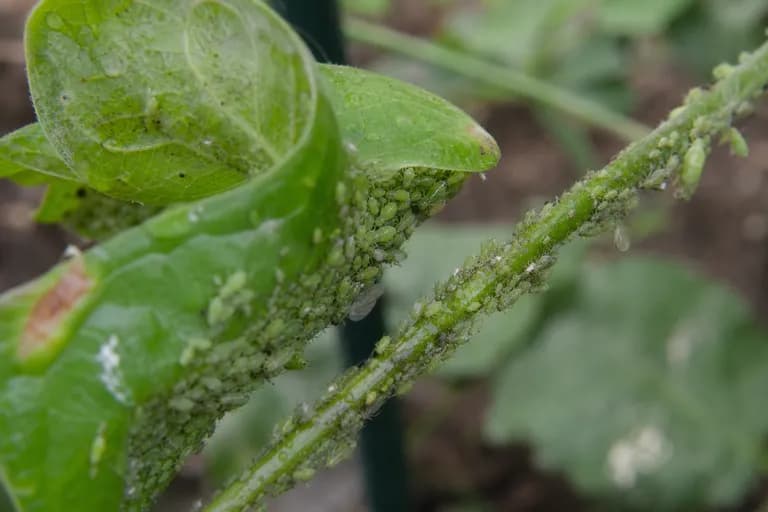
Blattläuse
SchädlingAnsammlungen kleiner grüner, schwarzer oder weißer Insekten an Stängeln und Blattunterseiten. Gekräuselte und verformte Neutriebe. Klebriger Honigtau auf den Blättern.
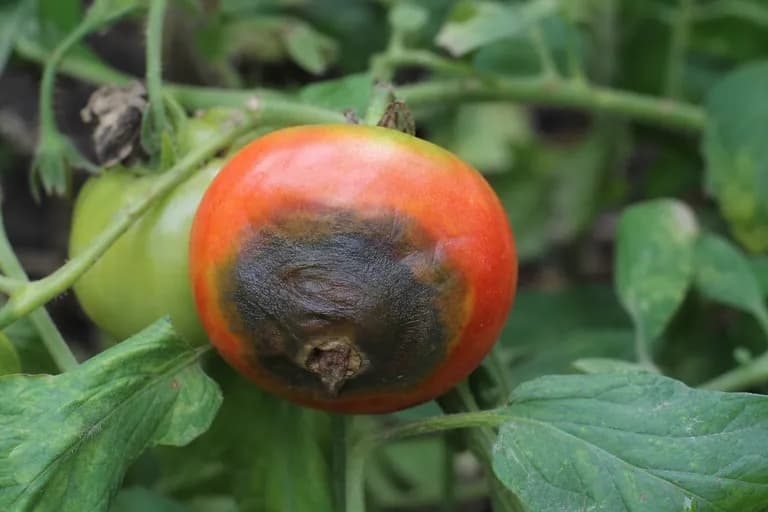
Blütenendfäule
KrankheitDunkle, eingesunkene, lederartige Flecken, die sich am Boden der Früchte entwickeln. Verursacht durch Kalziummangel in Verbindung mit unregelmäßiger Bewässerung.
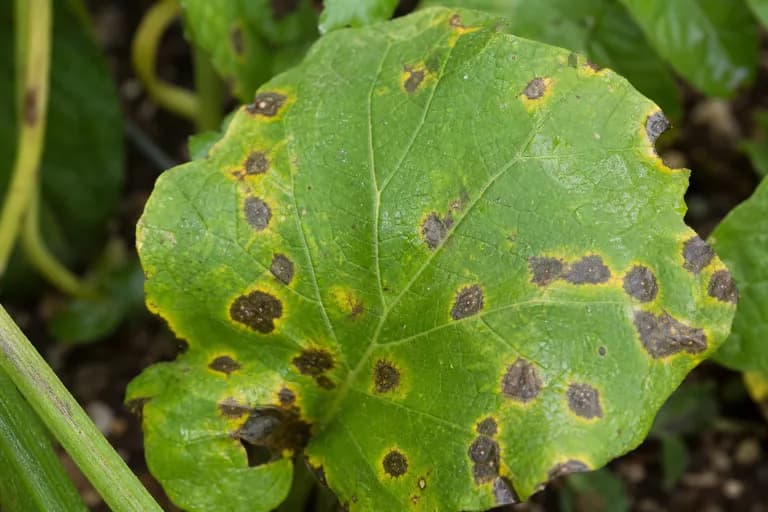
Bakterielle Blattfleckenkrankheit
KrankheitKleine, dunkle, wässrig durchweichte Flecken auf den Blättern, die sich vergrößern und gelbe Höfe entwickeln. Bei schwerem Befall können die Blätter vorzeitig abfallen.
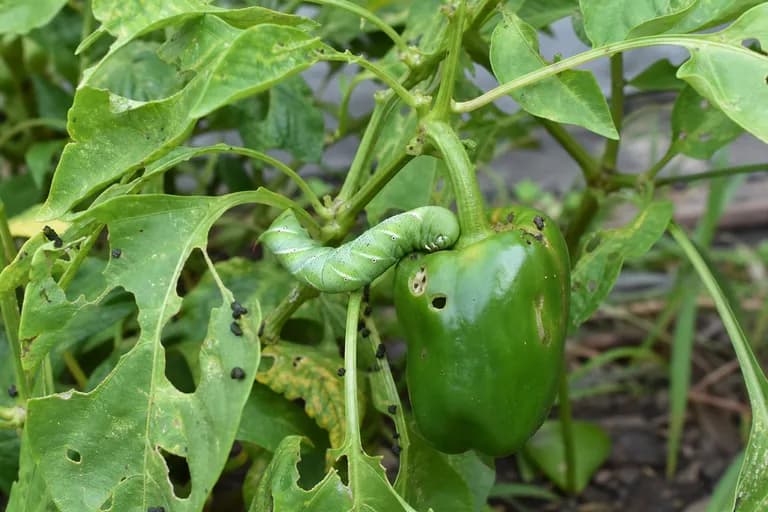
Paprika-Hornwurm
SchädlingGroße grüne Raupen, die an Blättern und Früchten fressen. Erheblicher Blattverlust und Fruchtschäden durch diese gefräßigen Fresser.
Fehlerbehebung bei häufigen Problemen
Blütenfall ist das häufigste Ärgernis, verursacht durch Temperaturen über 32 Grad oder unter 13 Grad, unregelmäßiges Gießen oder übermäßigen Stickstoff. Sonnenbrand kann die dünnwandigen Früchte bei intensiver Nachmittagssonne schädigen, daher sollte ein gutes Blattdach erhalten oder in sehr heißen Klimazonen Nachmittagsschatten geboten werden. Übermäßiges Gießen führt zu Wurzelkrankheiten und fade schmeckenden Früchten. Cubanelle-Paprika sind anfällig für das Tabakmosaikvirus, daher sollten Raucher ihre Hände vor dem Umgang mit den Pflanzen gründlich waschen. Späte Kälteeinbrüche können die Produktion abrupt beenden.
Anbautipps
- Beginnen Sie früh in Innenräumen mit Bodenwärme – Cubanelle-Paprika brauchen 8-10 Wochen Anzuchtzeit in Innenräumen und keimen schlecht in kühlem Boden. Eine Heizmatte ist das wirksamste Einzelwerkzeug für eine zuverlässige Paprikaaussaat. Seien Sie geduldig und halten Sie das Substrat gleichmäßig feucht.
- Cubanelles sind ausgezeichnete Kübelpflanzen. Verwenden Sie einen 15-20-Liter-Topf mit hochwertiger Blumenerde und einen sonnigen Standort. Ihr kompakter, buschiger Wuchs und ihre reichliche Produktion machen sie ideal für Terrassen und Balkone, wo der Platz begrenzt, aber Sonne reichlich vorhanden ist.
- Ernten Sie häufig, um die Erträge zu maximieren. Cubanelle-Paprika produzieren nach dem Schnitt-und-Nachwuchs-Prinzip – je mehr Sie pflücken, desto mehr produziert die Pflanze. Zu viele reife Paprika an der Pflanze zu belassen signalisiert ihr, die Produktion neuer Früchte zu verlangsamen.
- Gießen Sie gleichmäßig, aber vermeiden Sie Überkopfbewässerung. Cubanelle-Paprika bevorzugen gleichmäßig feuchten Boden und ihre dünnwandigen Früchte neigen dazu, durch nasses Laub kosmetische Makel zu entwickeln. Tropfbewässerung oder Sickerschläuche liefern das Wasser direkt in den Wurzelbereich, wo es am meisten gebraucht wird.
- Diese Paprika eignen sich ideal für den gemeinsamen Anbau mit Tomaten, Basilikum und Auberginen – sie teilen ähnliche Wachstumsanforderungen und ergänzen sich sowohl im Gartenbeet als auch in der Küche. Das Mischpflanzen mit Basilikum hilft, Blattläuse und Weiße Fliegen auf natürliche Weise fernzuhalten.
- Für den süßesten Geschmack lassen Sie einige Paprika über das grüne Stadium hinaus reifen. Gelbe und orange Cubanelles sind süßer als grüne, und vollrote Früchte haben eine reiche, fruchtige Komplexität, die die Paprika von einer unterstützenden Zutat zum Star verwandelt. Experimentieren Sie mit verschiedenen Erntestadien.
- Vermeiden Sie stickstoffreiche Dünger nach Blühbeginn. Überschüssiger Stickstoff produziert üppiges Laub auf Kosten der Früchte. Wechseln Sie zu einem kaliumreichen Dünger wie Tomatendünger, sobald die ersten Blüten erscheinen, um die Energie der Pflanze in die Paprikaproduktion zu lenken.
- Pflanzen Sie mit Tagetes und Kapuzinerkresse als Begleitpflanzen, um häufige Schädlinge abzuschrecken. Vermeiden Sie das Pflanzen neben Fenchel, der das Paprikawachstum hemmt, oder Kohlgewächsen, die um Nährstoffe konkurrieren. Wechseln Sie den Paprika-Standort jährlich, um den Aufbau bodenbürtiger Krankheiten in der Nachtschattenfamilie zu verhindern.
Bau deine beste Cubanelle-Paprika an — und alles drumherum.
Starte heute kostenlos. Lege deine Beete an, setze deine Cubanelle-Paprika ein und lass PlotMyGarden Timing, Abstände, Begleiter und Erinnerungen von der Saat bis zum Erntekorb übernehmen.
Finde deine Cubanelle-Paprika
Cubanelle
Die klassische Sorte mit hellgelb-grünen, länglichen Früchten und mildem, süßem Geschmack. Die Standard-Bratpaprika der italienischen und lateinamerikanischen Küche.
Key Largo
Eine verbesserte Hybrid-Cubanelle mit höheren Erträgen, besserer Krankheitsresistenz und etwas dickeren Wänden bei Beibehaltung der klassischen Bratpaprika-Qualität.
Biscayne
Eine ertragreiche Hybride mit ausgezeichneter Krankheitsresistenz und gut dimensionierten Früchten. Besonders gut geeignet für heiße, feuchte Anbaubedingungen.
Aruba
Eine früh reifende Sorte, die auch in kühleren Klimazonen mit kürzeren Vegetationsperioden gut produziert. Gut für Gärtner in nördlichen Regionen.
Cubanelle-Paprika kosten im Supermarkt und auf Bauernmärkten 4-10 € pro Kilogramm, wobei die Preise in italienischen und karibischen Fachgeschäften noch höher liegen. Eine einzelne Pflanze, die 1,5-2,5 kg Paprika produziert, entspricht einem Einzelhandelswert von 7-22 €. Der Anbau von 4-6 Pflanzen sorgt für eine stetige Versorgung zum täglichen Kochen den ganzen Sommer über und erzeugt Paprika im Wert von 25-100 €. Die Ersparnis ist besonders bedeutsam für Haushalte, die Cubanelles als Küchengrundnahrungsmittel in der karibischen und italienisch-amerikanischen Küche verwenden, wo der Kauf von zwei- oder dreimal pro Woche sich über die Saison schnell summiert.
Schnelle Rezepte
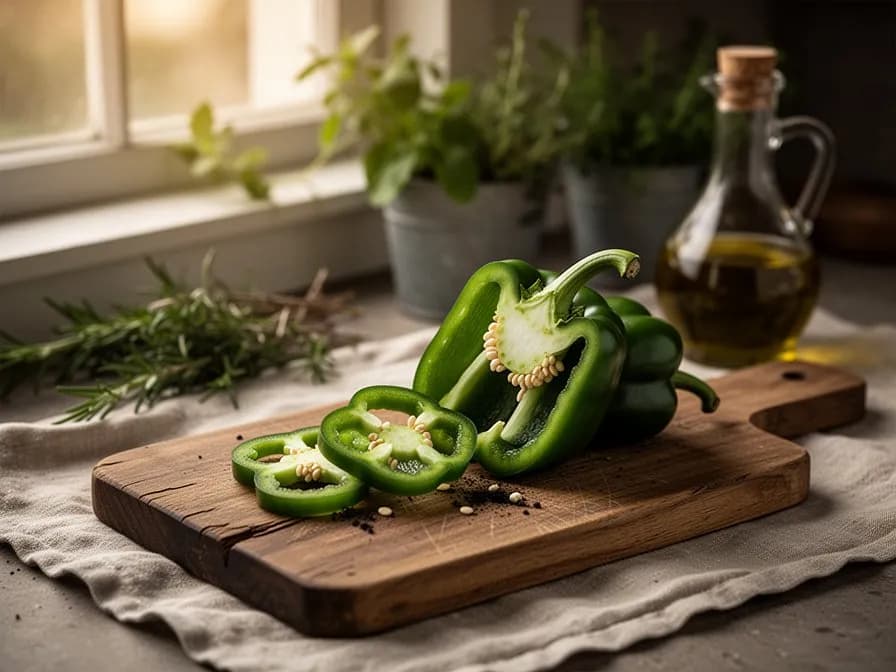
Italienisch gebratene Cubanelle-Paprika
15 Min.Ein klassisches italienisch-amerikanisches Beilagengericht – ganze oder halbierte Cubanelle-Paprika in Olivenöl mit geschnittenem Knoblauch angebraten, bis die Haut Blasen wirft und das Fleisch seidig wird, dann mit grobem Salz und einem Spritzer Rotweinessig vollendet. Einfach, schnell und tiefgehend herzhaft. Traditionell zu italienischer Wurst serviert oder auf knuspriges Brot gehäuft.
6 ZutatenGefüllte Cubanelle-Paprika mit Reis und Rindfleisch
40 Min.Cubanelle-Paprika gefüllt mit einer herzhaften Mischung aus gewürztem Rinderhackfleisch, Reis, Tomaten und Kräutern, dann gebacken bis sie zart sind. Ihre dünnen Wände garen schneller als Gemüsepaprika und ihre milde Süße harmoniert wunderbar mit kräftig gewürzten Füllungen – ein Abendessen-Klassiker in kubanischen und italienisch-amerikanischen Haushalten.
10 ZutatenCubanelle-Paprika-Ei-Sandwich
15 Min.Ein beliebter italienisch-amerikanischer Deli-Klassiker – angebratene Cubanelle-Paprika und Rührei auf einem knusprigen italienischen Brötchen. Die weichen, süßen Paprika verschmelzen mit dem cremigen Ei zu einem unkomplizierten, zutiefst befriedigenden Frühstücks- oder Mittagssandwich, das seit Generationen ein Grundnahrungsmittel in den Delis von New York und New Jersey ist.
6 ZutatenKulinarische Verwendung
Cubanelle-Paprika sind die klassische italienische Bratpaprika schlechthin. Längs schneiden, Kerne entfernen und in Olivenöl braten, bis sie Blasen werfen und karamellisieren – eine klassische Beilage. Sie sind unverzichtbar für italienische Wurst-Paprika-Sandwiches und spanisches Sofrito. Ganz mit Ricotta und Kräutern füllen für überbackene Paprika. Cubanelles sind ein hervorragender Ersatz für Gemüsepaprika in jedem Rezept, wo eine dünnere, aromatischere Paprika gewünscht wird. Sie verleihen Rührei, Pizzabelägen und Antipasti-Platten süßen, rauchigen Geschmack.
Was drinsteckt
Gesundheitsvorteile
- Hervorragende Vitamin-C-Quelle – eine 100-g-Portion Cubanelle-Paprika liefert über 90 % des empfohlenen Tageswertes und unterstützt die Immunabwehr, Wundheilung und die Aufnahme von Eisen aus pflanzlichen Lebensmitteln.
- Reich an B-Vitaminen, insbesondere B6 und Folsäure, die für eine gesunde Gehirnfunktion, DNA-Synthese und die Produktion roter Blutkörperchen essentiell sind – besonders wichtig während der Schwangerschaft und für die Herzgesundheit.
- Enthält entzündungshemmende Flavonoide wie Quercetin, das die Forschung mit einem reduzierten Risiko für Herz-Kreislauf-Erkrankungen in Verbindung bringt und durch Stabilisierung histaminfreisetzender Zellen saisonale Allergiesymptome lindern kann.
- Sehr niedrige Kaloriendichte von nur 18 Kalorien pro 100 g bei hohem Wassergehalt macht Cubanelles zu einem hervorragenden Lebensmittel für Flüssigkeitszufuhr und Sättigung ohne kalorischen Überschuss beim Gewichtsmanagement.
- Liefert Beta-Carotin und andere Carotinoide (besonders in roten, reifen Früchten), die der Körper in Vitamin A umwandelt, zur Unterstützung gesunder Sehkraft, Hauterneuerung und ordnungsgemäßer Immunzellfunktion.
- Enthält bescheidene Mengen an Capsaicin in Konzentrationen, die sanft genug für empfindliche Mägen sind, aber dennoch milde stoffwechsel- und entzündungshemmende Vorteile bieten – ein idealer Einstiegspunkt für Menschen, die die gesundheitlichen Vorteile von Capsaicin ohne intensive Schärfe wünschen.
Woher Cubanelle-Paprika stammt
Die Cubanelle-Paprika (Capsicum annuum) stammt von wilden Chilischoten ab, die vor mehr als 6.000 Jahren in Mesoamerika und Südamerika domestiziert wurden. Die spezifische Sorte, die wir als Cubanelle kennen, entwickelte sich in der Karibik, insbesondere in Kuba, wo Jahrhunderte der Selektion durch lokale Bauern eine lange, dünnwandige, milde Paprika hervorbrachten, die perfekt zu den Brat-, Anbraten- und Schmortechniken der kreolischen und karibischen Küche passte. Das warme, feuchte Klima der karibischen Inseln formte die Sorte zu einer, die bei Hitze gedeiht und über lange Vegetationsperioden reichlich produziert.
Die Reise der Cubanelle zum nordamerikanischen Festland begann im späten 19. und frühen 20. Jahrhundert, mitgebracht von Wellen kubanischer, puertoricanischer und dominikanischer Einwanderer, die sich in den urbanen Zentren des Nordostens der Vereinigten Staaten niederließen. Gleichzeitig entdeckten italienische Einwanderer, die in New York, New Jersey und Philadelphia ankamen, die Cubanelle und machten sie zu ihrer bevorzugten Bratpaprika, da sie sie den dickwandigen Gemüsepaprika, die den amerikanischen Markt dominierten, überlegen fanden. Die dünnen Wände wurden in Olivenöl wunderbar knusprig, die milde Süße ergänzte Knoblauch und Wurst, und die Pflanzen wuchsen kräftig in den warmen Sommern der mittleren Atlantikregion.
Bis zur Mitte des 20. Jahrhunderts hatte sich die Cubanelle als Paprika mit doppeltem Erbe fest etabliert – gleichermaßen zu Hause in kubanischer Schwarzer-Bohnen-Suppe wie in italienischen Paprika-Ei-Sandwiches. Die kommerzielle Produktion expandierte über New Jersey, Long Island und das Connecticut River Valley, um die wachsende Nachfrage zu decken. Heute bleibt die Cubanelle eine der kommerziell wichtigsten Paprikasorten im Nordosten der Vereinigten Staaten und wird bei Hobbygärtnern landesweit zunehmend beliebter, die ihre überlegenen Kocheigenschaften entdecken. Sie hat auch ihre zentrale Rolle in der karibischen Küche beibehalten und bleibt eine unverzichtbare Zutat in den Küchen Kubas, Puerto Ricos und der Dominikanischen Republik.
Cubanelle-Paprika: Schon gewusst?
Faszinierende Fakten über Cubanelle-Paprika
Die Cubanelle-Paprika hat ihren Namen von Kuba, wo sie jahrhundertelang ein Grundnahrungsmittel der traditionellen kreolischen Küche war, bevor sie mit Wellen karibischer Einwanderer in die Vereinigten Staaten gelangte. Trotz ihres kubanischen Erbes wird die Paprika heute am stärksten mit der italienisch-amerikanischen Küche assoziiert, besonders in den Küchen von New York, New Jersey und Philadelphia.
Cubanelle-Paprika: Fragen & Antworten
Wann sollte ich Cubanelle-Paprika pflanzen?
Was sind gute Begleitpflanzen für Cubanelle-Paprika?
In welchen Winterhärtezonen kann Cubanelle-Paprika wachsen?
Wie viel Sonne braucht Cubanelle-Paprika?
Welchen Abstand sollte ich zwischen Cubanelle-Paprika lassen?
Welche Schädlinge und Krankheiten befallen Cubanelle-Paprika?
Wie lagere ich Cubanelle-Paprika nach der Ernte?
Was sind die besten Cubanelle-Paprika-Sorten zum Anbauen?
Welchen Boden braucht Cubanelle-Paprika?
Was ist der Unterschied zwischen Cubanelle-Paprika und Gemüsepaprika?
Kann ich Cubanelle-Paprika in Rezepten durch Gemüsepaprika ersetzen?
Warum werden Cubanelle-Paprika manchmal italienische Bratpaprika genannt?
Wie scharf sind Cubanelle-Paprika?
Wann sollte ich Cubanelle-Paprika ernten?
Kann ich Cubanelle-Paprika in kühleren nördlichen Klimazonen anbauen?
Du hast die Theorie gelesen. Jetzt baue sie auf Autopilot an.
Alles, was Cubanelle-Paprika knifflig macht — das Timing, die Abstände, die Begleiter, das Erntefenster — genau das übernimmt PlotMyGarden für dich, für jede Pflanze im Garten.
Ein Plan, der dein Wetter kennt
Standort einmal festlegen. Aussaat-, Dünge- und Erntedaten rund um deinen echten letzten Frosttermin und die Live-Vorhersage — kein Raten mehr nach Saattüte.
Aus dem Abschnitt „Pflanzzeit“Beetplaner per Drag & Drop
Beete auf einem Raster gestalten. Jede Pflanze rastet im richtigen Abstand ein, und du siehst die ganze Saison, bevor du einen Cent für Saatgut ausgibst.
Aus dem Abschnitt „Anbau“Begleiter-Konflikte früh erkannt
Über 200 gute und schlechte Kombinationen werden beim Pflanzen live geprüft — so landet ein saisonruinierender Fehler nie in der Erde.
Aus dem Abschnitt „Begleiter“Erinnerungen, nach denen du wirklich handelst
„Gieß die Bohnen.“ „Heute ernten, bevor's umschlägt.“ Pünktlich, konkret und auf deine echten Pflanzen bezogen.
Aus dem Abschnitt „Ernte“Staffel-Aussaat, geplant
Sechs Wochen ernten statt sechs Tage? Die App verteilt deine Aussaaten automatisch und erinnert dich, wenn der nächste Satz fällig ist.
Aus dem Abschnitt „Pflanzzeit“Ein Verlauf, der schlauer wird
Jede protokollierte Ernte bringt der App deinen Garten bei. Der Plan fürs nächste Jahr startet bei dem, was in deinem Boden wirklich funktioniert hat.
Aus dem Abschnitt „Überblick“Pflanze diese neben Cubanelle-Paprika
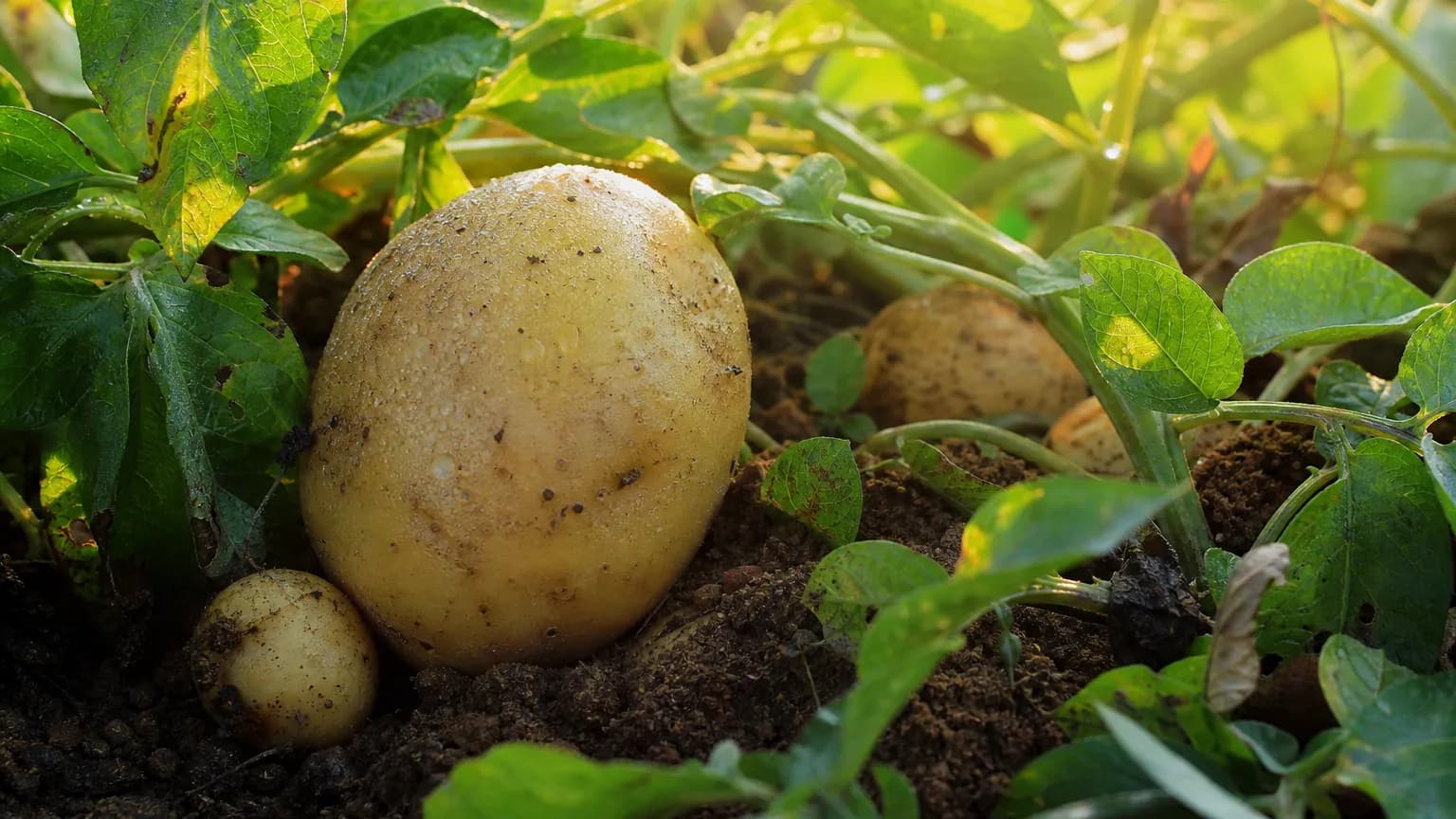
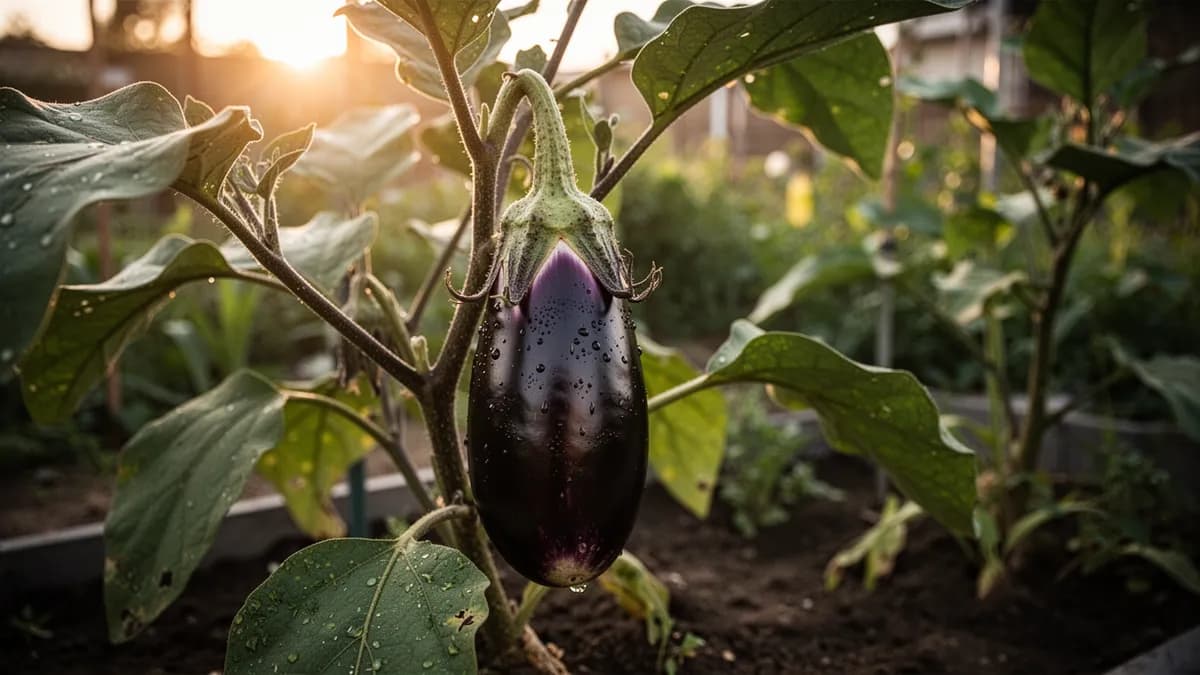
Weitere Nachtschattengewächse
Halte Cubanelle-Paprika von diesen fern
Bau deine beste Cubanelle-Paprika an — und alles drumherum.
Starte heute kostenlos. Lege deine Beete an, setze deine Cubanelle-Paprika ein und lass PlotMyGarden Timing, Abstände, Begleiter und Erinnerungen von der Saat bis zum Erntekorb übernehmen.