Kirschpaprika
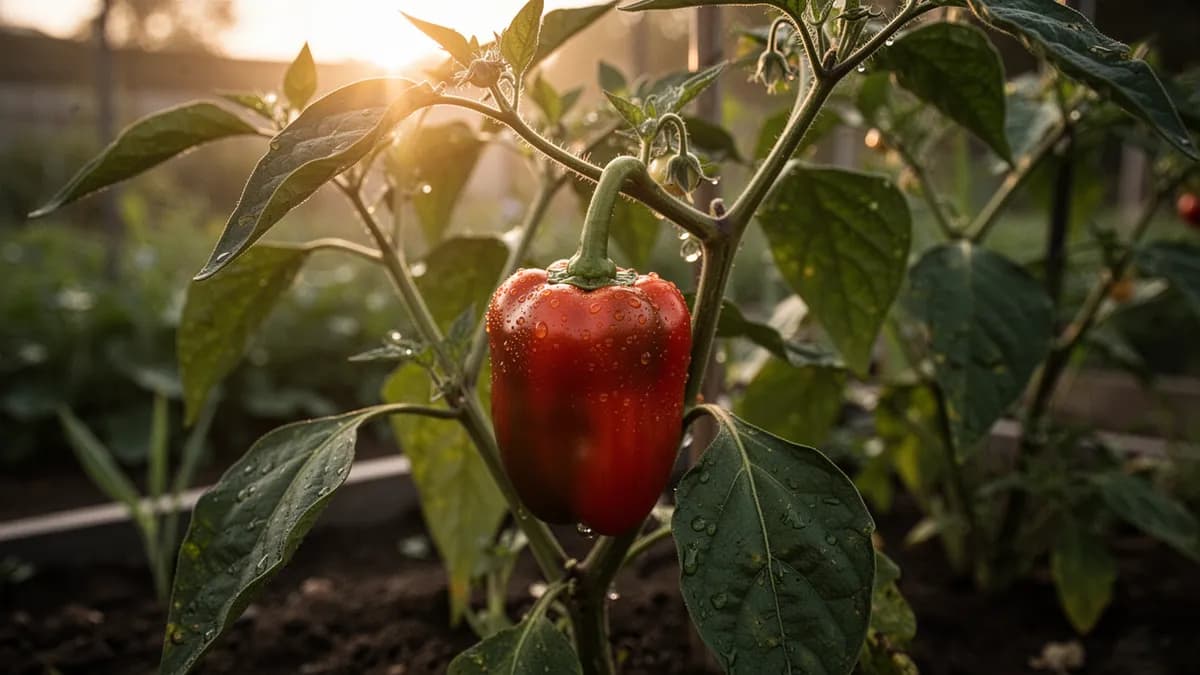
Eine kompakte, runde Paprika mit milder bis mittlerer Schärfe, perfekt zum Füllen und Einlegen.





Auf dieser SeiteÜberblick
Kirschpaprika im Überblick
Eine kompakte, runde Paprika mit milder bis mittlerer Schärfe, perfekt zum Füllen und Einlegen. Die Pflanzen sind äußerst ertragreich und eignen sich hervorragend für Kübel, was sie ideal für Terrassengärten macht. Gießen Sie gleichmäßig und düngen Sie während der Fruchtbildung alle zwei Wochen für beste Erträge. Ernten Sie die Früchte, wenn sie leuchtend rot werden, für maximale Süße.
Wann Kirschpaprika pflanzen
Säen Sie Kirschpaprika-Samen 8–10 Wochen vor dem letzten Frost drinnen aus. Pflanzen Sie die Samen einen viertel Zentimeter tief bei 27–30 °C und verwenden Sie eine Heizmatte für gleichmäßige Wärme. Die Keimung dauert 10–14 Tage. Sorgen Sie nach dem Keimen für 14–16 Stunden starkes Licht täglich. Topfen Sie die Sämlinge in 7–10 cm Töpfe um, wenn sich die ersten echten Blätter entwickeln. Härten Sie die Pflanzen 10–14 Tage ab, bevor Sie sie umpflanzen, wenn die Nachttemperaturen konstant über 13 °C liegen. Kirschpaprika eignen sich hervorragend für den Kübelanbau; pflanzen Sie sie in Töpfe mit mindestens 19 Litern Fassungsvermögen.
Dein Kirschpaprika-Jahr
Abgestimmt auf Zone 7 · typische Saison · Frost geht um den 2. Apr. und kehrt um den 1. Nov. zurück
Kirschpaprika Feb – Mai pflanzen, Jul – Sep ernten. Beachte die Pflanzmethoden unten und wähle dein Klima für passende Zeiträume.
So baust du Kirschpaprika an
Kirschpaprika sind kompakte, runde Paprika etwa in der Größe einer Kirschtomate, mit milder bis mittlerer Schärfe und dicken, saftigen Wänden, die sich perfekt zum Füllen und Einlegen eignen. Säen Sie die Samen 8–10 Wochen vor dem letzten Frost drinnen aus. Pflanzen Sie nach draußen um, wenn der Boden 18 °C erreicht hat und die Nachttemperaturen konstant über 13 °C liegen. Setzen Sie die Pflanzen in einem Abstand von 45–60 cm.
Diese buschigen, kompakten Pflanzen werden 45–60 cm hoch und sind von Natur aus stabil, sodass sie selten eine Stütze benötigen. Sie eignen sich hervorragend für den Anbau in Kübeln mit mindestens 19 Litern Fassungsvermögen. Gießen Sie gleichmäßig mit etwa 2,5 cm pro Woche und mulchen Sie, um eine gleichmäßige Bodenfeuchtigkeit zu gewährleisten. Kirschpaprika gehören zu den produktivsten Paprikasorten – jede Pflanze produziert 30–50 oder mehr kleine Früchte pro Saison.
Kirschpaprika können grün geerntet werden für einen milderen Geschmack oder bis zur leuchtend roten Reife belassen werden für süßere, etwas schärfere Früchte. Sie sind sehr hitzetolerant und produzieren auch bei Sommertemperaturen weiter, bei denen andere Paprikasorten ihre Blüten abwerfen. Ihre kompakte Größe und die üppige Produktion machen sie ideal für Hobbygärtner, die große Erträge auf kleinem Raum erzielen möchten. Regelmäßiges Ernten fördert die kontinuierliche Blüten- und Fruchtbildung während der gesamten Wachstumsperiode.
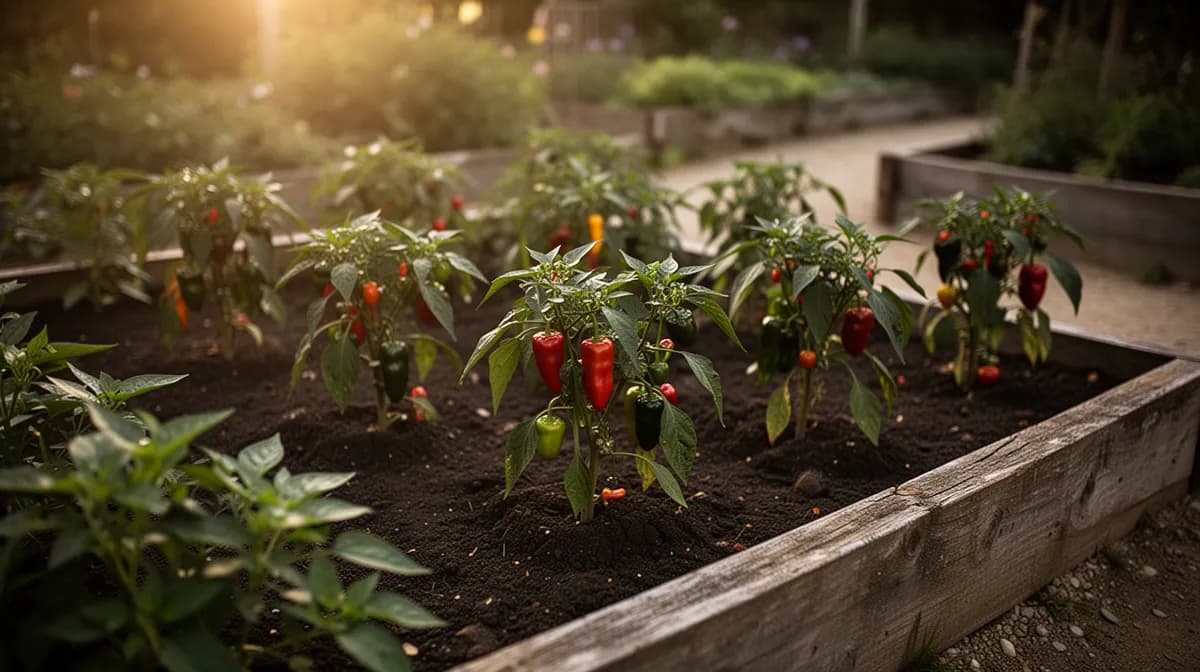
18 Pflanzen passen in ein Beet von 120 × 240 cm
Kirschpaprika braucht 40 cm Platz pro Pflanze. Der Planer hält diesen Abstand für dich ein — jede Pflanze, jedes Beet.
Die besten Nachbarn für Kirschpaprika
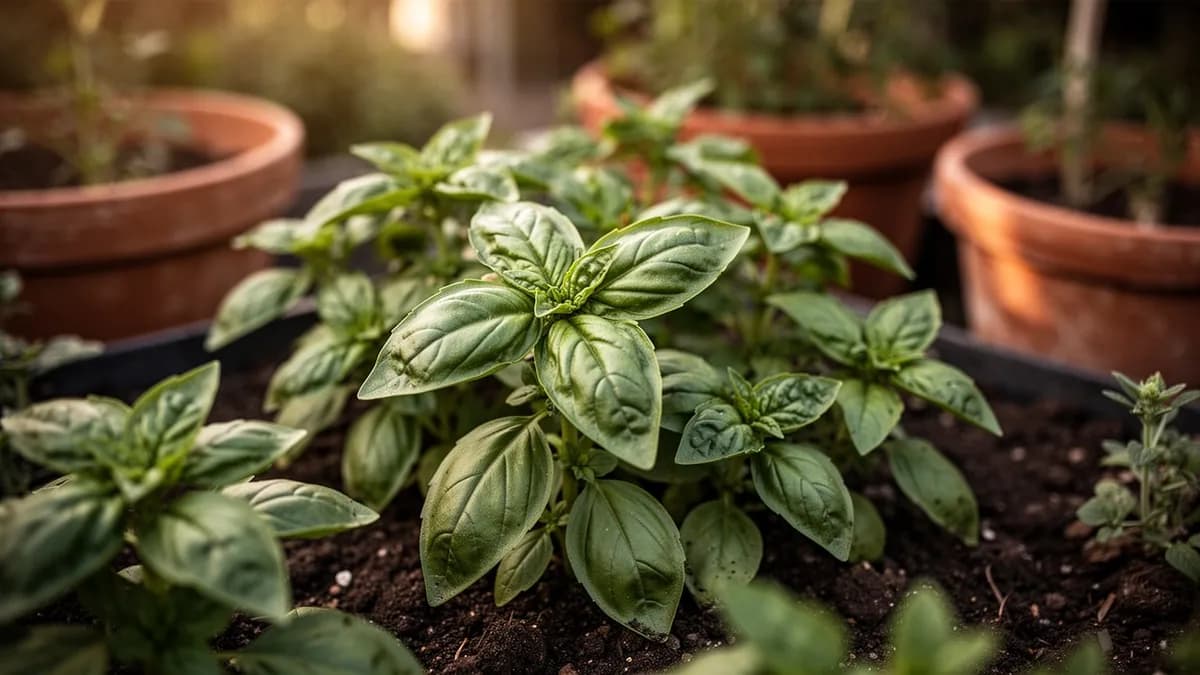
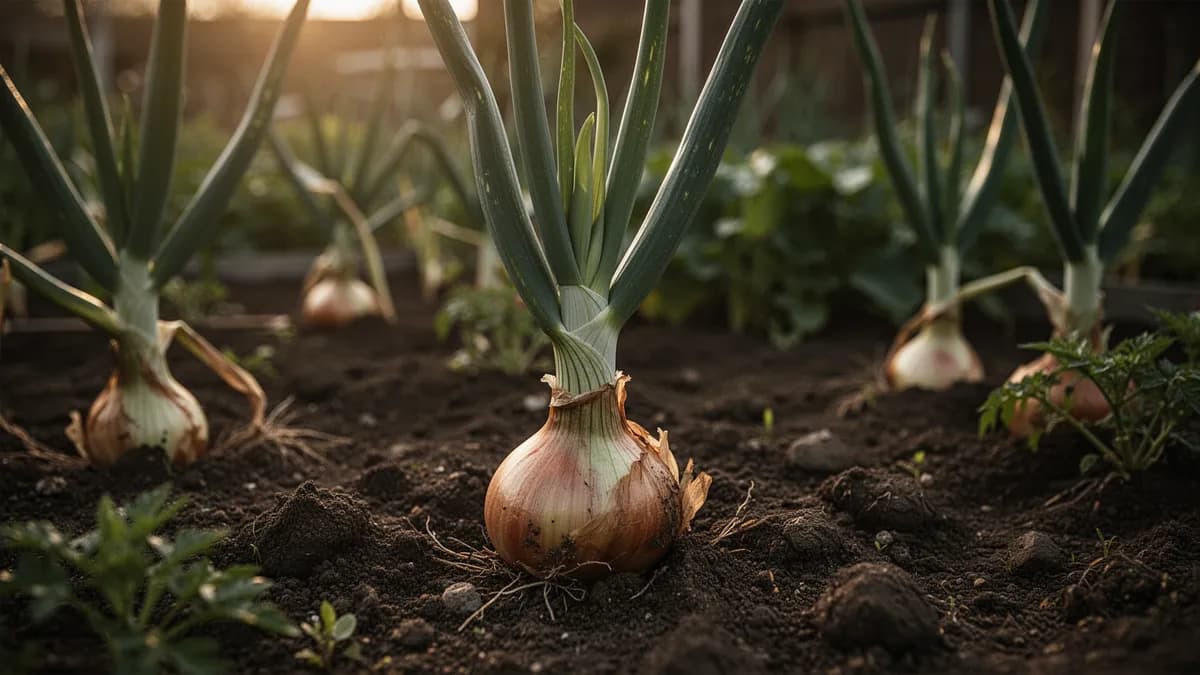
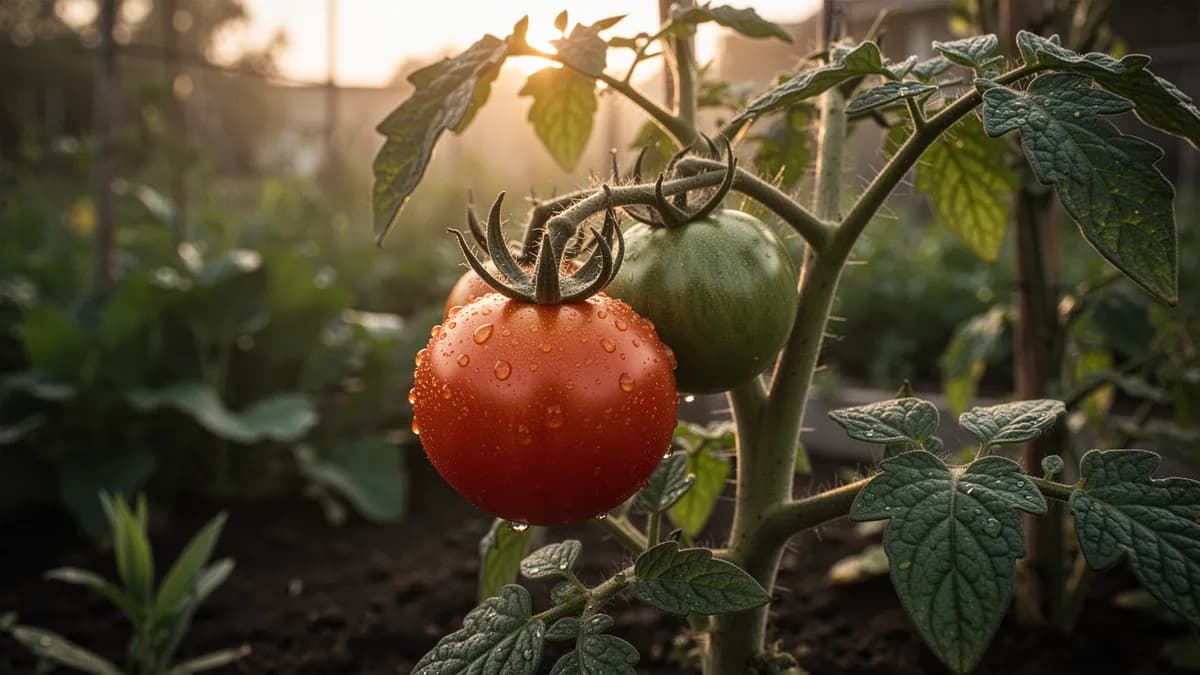
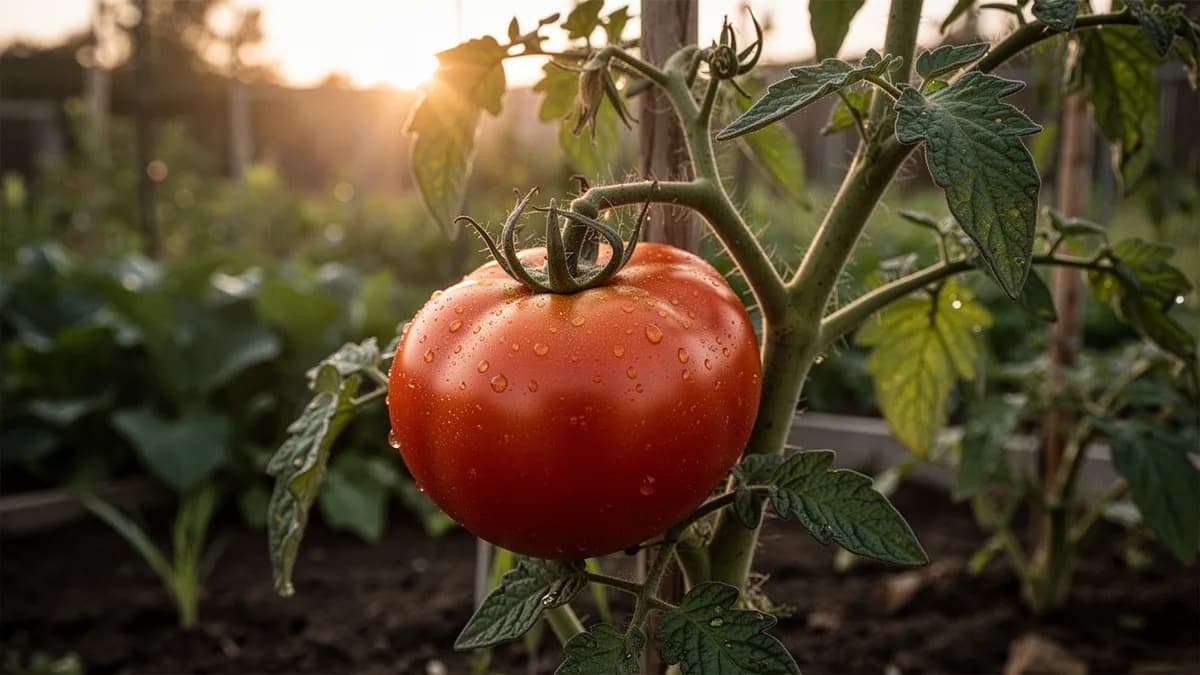
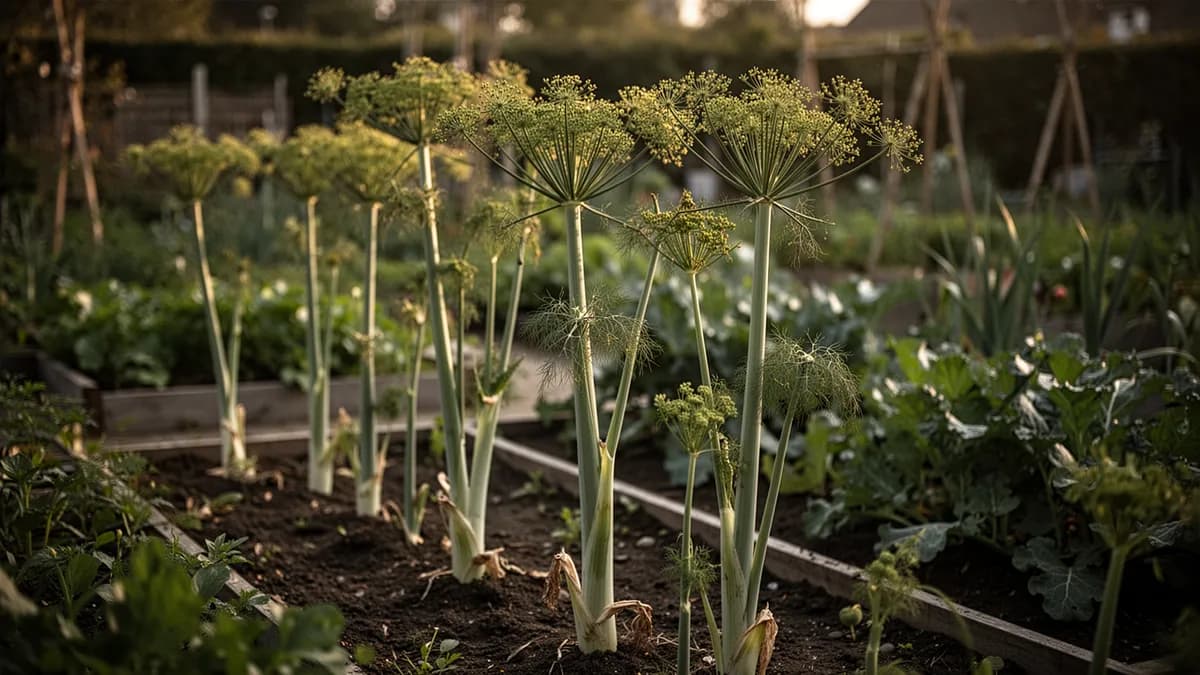
Kirschpaprika sind aufgrund ihrer kompakten Größe und minimalen Beschattung hervorragende Begleitpflanzen. Pflanzen Sie sie zusammen mit Tomaten, Basilikum und Karotten in traditionellen Gartenbeeten. In der Nähe gepflanzte Tagetes schrecken Blattläuse und Weiße Fliegen ab. Basilikum kann helfen, Paprikaschädlinge abzuwehren und den Geschmack zu verbessern. Vermeiden Sie das Pflanzen neben Fenchel oder Kohlgewächsen. In Kübeln kombinieren Sie Kirschpaprika mit Kräutern wie Basilikum, Oregano und Petersilie für einen produktiven Terrassengarten. Zwiebeln und Knoblauch in der Nähe können helfen, Insektenschädlinge abzuschrecken.
Tomate gehört daneben. Fenchel nicht.
Altes Gärtnerwissen, geprüft an der echten Nachbartabelle von Kirschpaprika — teste jede Pflanze, die du anbaust.
Probiere Kirschpaprika direkt hier im Beet
Ein echtes Planer-Beet, Kirschpaprika steht schon drin. Tippe einen Begleiter an, platziere ihn und sieh, wie die Nachbarschaftsprüfung antwortet — grün für gute Nachbarn, rot bei Streit.


Passende Anbau-Ratgeber
Richtig düngen
Kirschpaprika gedeihen in gut durchlässigem, fruchtbarem Boden mit einem pH-Wert von 6,0–6,8. Arbeiten Sie vor dem Pflanzen Kompost ein und geben Sie beim Umpflanzen ausgewogenen Dünger. Düngen Sie seitlich mit einem phosphorreichen Dünger, wenn die Blüte beginnt, um die starke Fruchtbildung zu unterstützen. In Kübeln verwenden Sie hochwertige Blumenerde und düngen Sie während der Wachstumsperiode alle 2 Wochen mit Flüssigdünger. Vermeiden Sie übermäßigen Stickstoff, der das Blattwachstum auf Kosten der Fruchtbildung fördert. Kalziumzusätze helfen, Blütenendfäule an den dickwandigen Früchten zu verhindern.
Ideale Temperatur
Winterhärtezone-Kompatibilität
Von der Saat zur Ernte, Schritt für Schritt
Aussaat
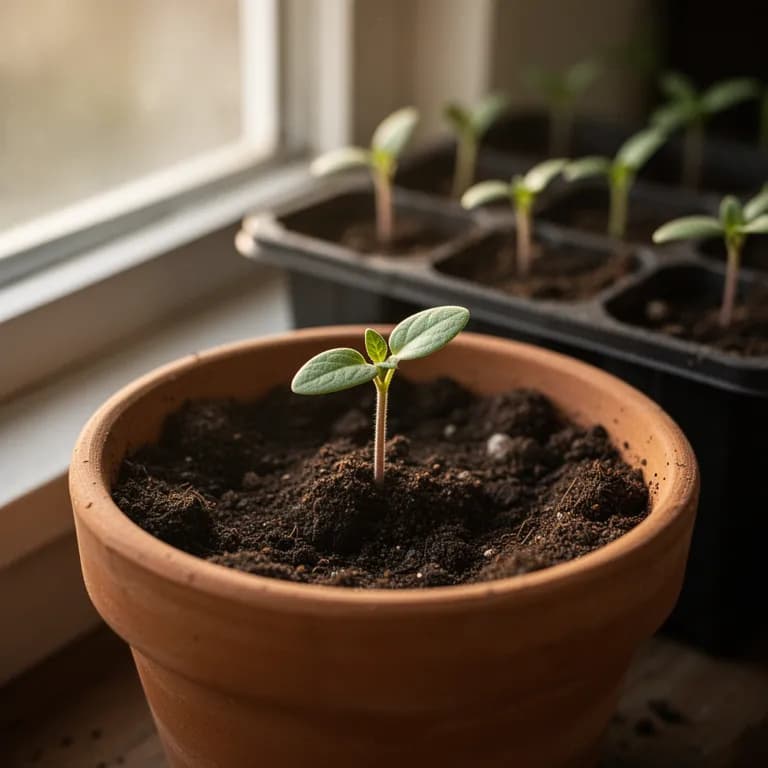
Die Samen keimen langsam unter warmen, feuchten Bedingungen. Kirschpaprika-Samen benötigen eine konstante Bodentemperatur von 27–30 °C für eine zuverlässige Keimung. Winzige Keimblätter erscheinen nach 10–14 Tagen als Paar kleiner, abgerundeter Blätter.
Sämlingsentwicklung
Echte Blätter entwickeln sich mit glatten, spitzen Rändern, typisch für Paprikapflanzen. Sämlinge wachsen zunächst langsam und entwickeln einen stabilen Haupttrieb und eine kompakte Verzweigung. Die Wurzelsysteme expandieren in dieser Phase rasch.
Umpflanzen & Etablierung
Die Pflanzen werden nach dem letzten Frost ins Freie gesetzt, wenn die Nachttemperaturen konstant über 13 °C bleiben. Kirschpaprika etablieren sich dank ihres kompakten Wurzelsystems schnell und beginnen sich aggressiv zu verzweigen, sobald sie in warmem Boden angewachsen sind.
Blüte
Kleine weiße Blüten erscheinen an den Verzweigungen. Kirschpaprika sind selbstbestäubend, wobei jede Blüte ohne Fremdbestäubung Früchte ansetzen kann. Pflanzen produzieren in dieser ertragreichen Phase typischerweise Dutzende von Blüten gleichzeitig.
Fruchtbildung & Reifung
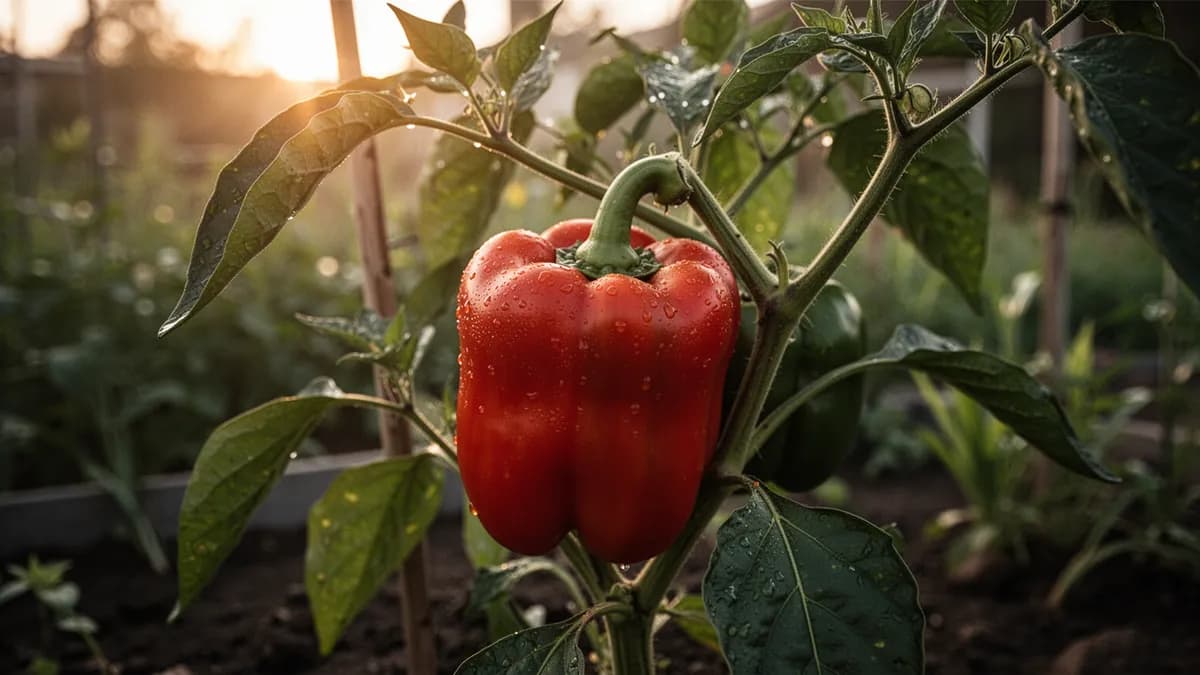
Kleine runde grüne Früchte bilden sich rasch nach der Bestäubung. Die Früchte schwellen auf 3–4 cm Durchmesser an mit charakteristisch dicken, saftigen Wänden. Die Paprika reifen über 2–3 Wochen von dunkelgrün zu leuchtend glänzendem Rot und entwickeln dabei Süße und milde Schärfe.
Haupterntezeit
Die Pflanzen treten in eine anhaltende Spitzenproduktion ein, wobei gleichzeitig neue Blüten und reife Früchte vorhanden sind. Kirschpaprika gehören zu den ertragreichsten Paprikasorten und produzieren bis zum Frost weiter. Einzelne Pflanzen können in diesem ausgedehnten Erntefenster 30–50+ Paprika liefern.
Verwenden Sie eine Heizmatte, um die Bodentemperatur bei 27–30 °C zu halten. Halten Sie den Boden feucht, aber nicht staunass. Bedecken Sie die Schalen mit einer Feuchtigkeitshaube, bis Sprossen erscheinen, und entfernen Sie diese dann sofort, um Umfallkrankheit zu verhindern.
Kirschpaprika Monat für Monat pflegen
Was du jeden Monat für deine Kirschpaprika tun solltest
Oktober
Aktueller MonatErnten Sie alle verbleibenden Paprika vor dem ersten Frost. Grüne Früchte reifen auf einer sonnigen Fensterbank nach. Entfernen Sie abgetragene Pflanzen und kompostieren Sie gesundes Material. Reinigen und lagern Sie Stützen oder Kübel.
Immer wissen, was jetzt im Garten zu tun ist
Eine E-Mail zum Monatsanfang: was du jetzt säen, pflanzen und anpacken solltest — für deine Kirschpaprika und alles, was drumherum wächst. Dazu ein kurzer Startkurs, der dich vor den klassischen Fehlern bewahrt.
- Was jetzt zu tun ist
- Passend zu deiner Saison
- Startkurs inklusive
Kirschpaprika ernten
Ernten Sie Kirschpaprika in jedem Stadium von grün bis vollständig rot, je nach Ihrem Geschmack. Grüne Früchte sind milder und knackiger; rot gereifte Früchte sind süßer mit stärker entwickelter Schärfe. Schneiden Sie die Früchte mit einer Schere oder Gartenschere von der Pflanze, anstatt sie abzuziehen. Jede Pflanze produziert reichlich, oft 30–50 Paprika pro Saison. Ernten Sie alle paar Tage, um die kontinuierliche Produktion zu fördern. Zum Füllen und Einlegen ernten Sie bei voller Größe, wenn die Wände dick und fest sind, unabhängig von der Farbe. Tragen Sie bei scharfen Sorten Handschuhe.
angenommen, du pflanzt zu Beginn des Zeitraums — trage dein tatsächliches Datum ein
Ernte Kirschpaprika zügig, dann trägt die Pflanze weiter.
Lagerung & Konservierung
Frische Kirschpaprika halten sich im Kühlschrank 2–3 Wochen. Ihre dicken Wände und die kleine Größe machen sie ideal zum Einlegen; füllen Sie sie vor dem Einlegen in Essiglake mit Käse oder Knoblauch. Kirschpaprika können auch nach dem Rösten in Olivenöl eingelegt werden. Zum Einfrieren halbieren und entkernen Sie die Früchte und frieren Sie sie auf Blechen vor, bevor Sie sie in Beutel füllen. Getrocknete Kirschpaprika-Flocken verleihen Gerichten eine milde Schärfe. Heißes Einkochen mit Essiglake ergibt haltbare eingelegte Paprika. Kirschpaprika gehören zu den vielseitigsten Paprikasorten für die Konservierung.
Was schiefgeht — und die Lösung
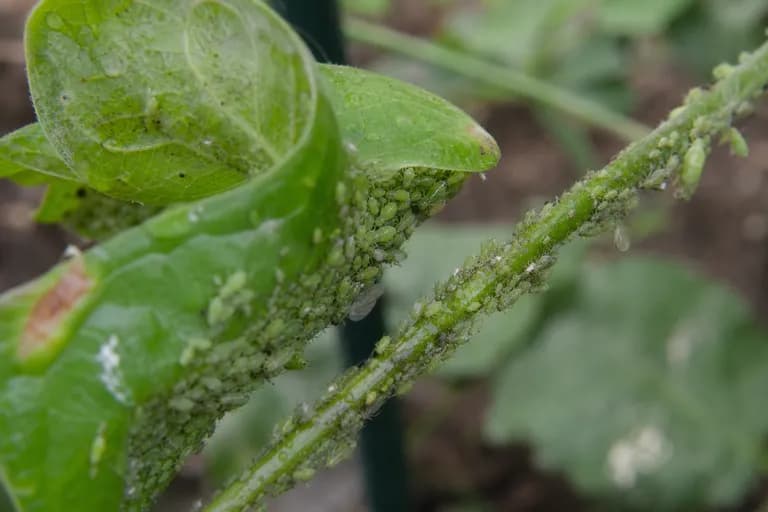
Blattläuse
SchädlingAnsammlungen kleiner Insekten an Neuaustrieben, die Blattverkrümmungen, verkümmertes Wachstum und Honigtauablagerungen verursachen.
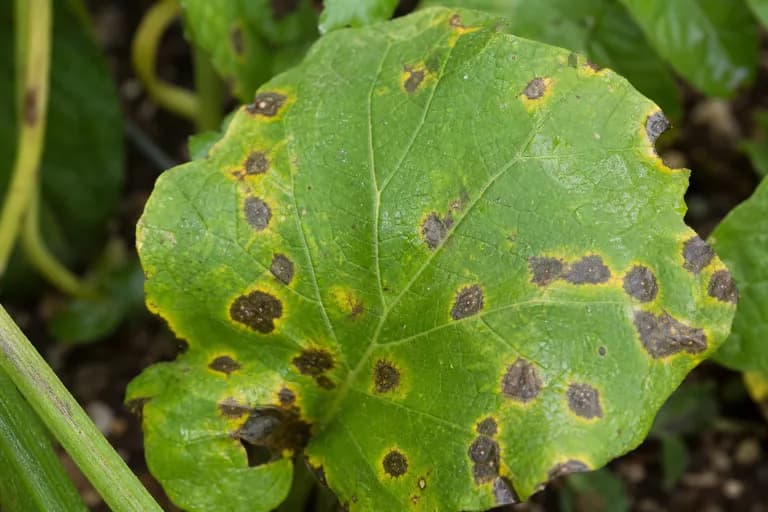
Bakterielle Blattfleckenkrankheit
KrankheitKleine, dunkle, wässrige Flecken auf Blättern, die sich vergrößern und gelbe Höfe entwickeln können, was schließlich zum Blattfall führt.
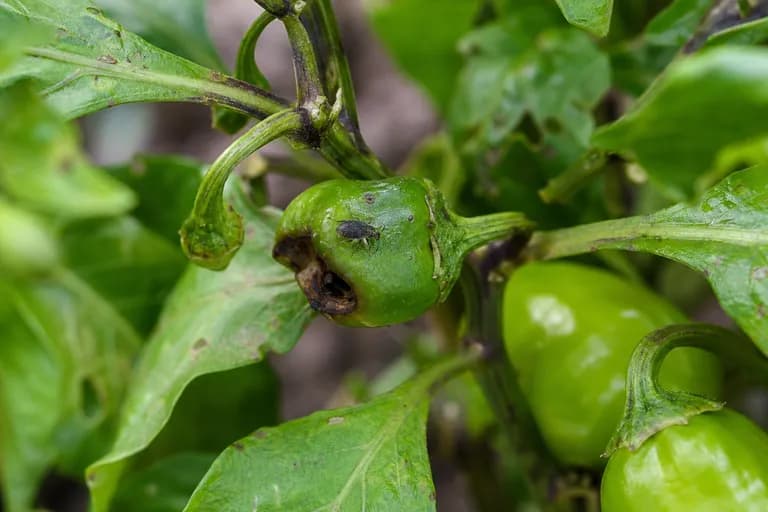
Paprikarüssler
SchädlingKleine Käfer, die sich entwickelnde Früchte anstechen und Eier hineinlegen; die Larven fressen im Inneren und verursachen vorzeitigen Fruchtfall.
Fehlerbehebung bei häufigen Problemen
Das häufigste Problem ist Überproduktion; Kirschpaprika-Pflanzen sind so ertragreich, dass Früchte ungeerntet bleiben und faulen können. Planen Sie von Anfang an die Konservierung ein. Blütenabwurf bei extremer Hitze oder Kälte ist vorübergehend und die Produktion nimmt wieder auf, wenn sich die Temperaturen normalisieren. Überwässerung in Kübeln verursacht Wurzelfäule; sorgen Sie für gute Drainage. Dickwandige Früchte neigen zu Blütenendfäule, wenn Kalzium fehlt oder unregelmäßig gegossen wird. Kleine Fruchtgröße kann auf Überbelegung oder unzureichende Düngung hindeuten.
Anbautipps
- Kirschpaprika sind die ideale Einstiegspaprika für Anfänger – ihre kompakte Größe, Krankheitsresistenz und üppige Produktion machen sie unter warmen Bedingungen nahezu narrensicher. Beginnen Sie mit Large Red Cherry oder Sweet Cherry für die einfachste Erfahrung.
- Der Kübelanbau ist die wahre Stärke der Kirschpaprika. Verwenden Sie mindestens einen 19-Liter-Topf mit Abflusslöchern, hochwertige Blumenerde und düngen Sie alle zwei Wochen mit Flüssigdünger. Eine einzelne Pflanze an einem sonnigen Terrassenplatz kann genug Paprika für das Füllen und Einlegen der gesamten Saison produzieren.
- Überstürzen Sie das Umpflanzen ins Freie nicht. Kirschpaprika sind tropische Pflanzen, die in kaltem Boden leiden. Warten Sie, bis die Nachttemperaturen zuverlässig über 13 °C liegen und sich der Boden auf mindestens 18 °C erwärmt hat. Durch Kälte gestresste Setzlinge können dauerhaft im Wachstum gehemmt werden.
- Anders als großfruchtige Paprika benötigen Kirschpaprika selten Stäbe oder Stützen. Ihr von Natur aus kompakter, buschiger Wuchs und die kleine Fruchtgröße bedeuten, dass die Zweige ihr eigenes Gewicht tragen können. Das macht sie noch einfacher für Anfänger und Kübelgärtner.
- Ernten Sie häufig – alle 2–3 Tage während der Hauptproduktion. Reife Früchte an der Pflanze zu belassen signalisiert ihr, die Blütenproduktion zu verlangsamen. Regelmäßiges Pflücken hält die Pflanze im vollen Produktionsmodus und verlängert das Erntefenster um mehrere Wochen.
- Für die schärfsten Kirschpaprika-Sorten wie Cherry Bomb ernten Sie bei voller Rotfärbung für maximale Schärfe. Für den süßesten Geschmack bei jeder Sorte lassen Sie die Paprika auf der Pflanze vollständig bis zum tiefen Rot ausreifen, anstatt sie grün zu pflücken.
- Mulch ist wichtig, aber der Zeitpunkt entscheidet. Warten Sie, bis sich der Boden im Frühsommer gründlich erwärmt hat, bevor Sie 5–8 cm organischen Mulch auftragen. Zu frühes Mulchen hält den Boden kühl und verlangsamt das Paprikawachstum. Einmal aufgetragen, speichert Mulch Feuchtigkeit und unterdrückt Unkraut.
- Planen Sie für den Überfluss. Kirschpaprika produzieren weit mehr, als die meisten Familien frisch essen können. Entscheiden Sie vor dem Pflanzen, wie Sie den Überschuss konservieren möchten – Einlegen, Füllen und Einmachen in Öl, Einfrieren oder Trocknen zu Paprikaflocken sind alles ausgezeichnete Optionen.
Bau deine beste Kirschpaprika an — und alles drumherum.
Starte heute kostenlos. Lege deine Beete an, setze deine Kirschpaprika ein und lass PlotMyGarden Timing, Abstände, Begleiter und Erinnerungen von der Saat bis zum Erntekorb übernehmen.
Finde deine Kirschpaprika
Large Red Cherry
Klassische runde, dickwandige Kirschpaprika mit milder Schärfe. Perfekt zum Füllen und Einlegen. Sehr ertragreich.
Cherry Bomb
Scharfe Kirschpaprika-Hybride mit dicken Wänden und mittlerer Schärfe. Hervorragend zum Einlegen und verleiht gefüllten Zubereitungen Würze.
Sweet Cherry
Völlig milde Kirschpaprika ohne Schärfe. Süßes, dickfleischiges Fruchtfleisch, perfekt zum Naschen, für Salate und milde eingelegte Paprika.
Besler's Cherry
Deutsche Erbsorte mit runden, roten Früchten und mittlerer Schärfe. Kompakte Pflanzen, ideal für Kübel.
Eine einzelne Kirschpaprika-Pflanze, die 3–5 € kostet, kann 30–50 Paprika im Wert von 8–15 € zu Supermarktpreisen produzieren, wo Spezial-Kirschpaprika für 4–6 € pro Schale verkauft werden. Ein Glas eingelegte gefüllte Kirschpaprika kostet an der Feinkosttheke 6–10 € – selbstgemachte Versionen aus Ihrem Garten kosten nur wenige Cent pro Glas. Der Anbau von nur 3–4 Pflanzen liefert genug frische und konservierte Paprika für ein ganzes Jahr.
Schnelle Rezepte
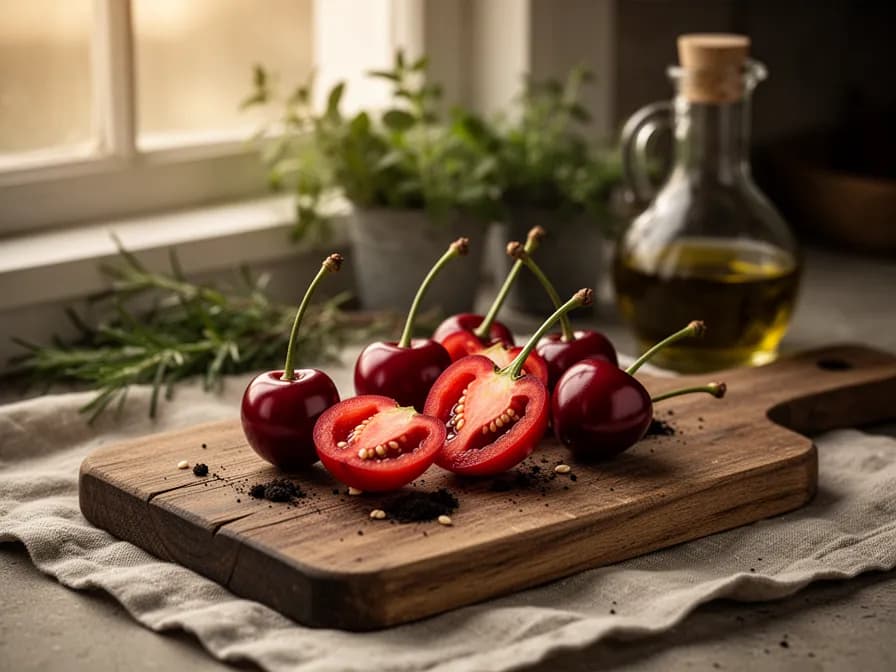
Italienische gefüllte Kirschpaprika
25 Min.Ein klassisches italienisches Antipasto, das die dicken Wände und die milde Schärfe der Kirschpaprika zur Geltung bringt. Ganze Paprika werden entkernt und mit einer herzhaften Mischung aus Frischkäse, Schinken und frischen Kräutern gefüllt, dann mit Olivenöl beträufelt. Perfekt als Vorspeise oder Party-Snack.
7 Zutaten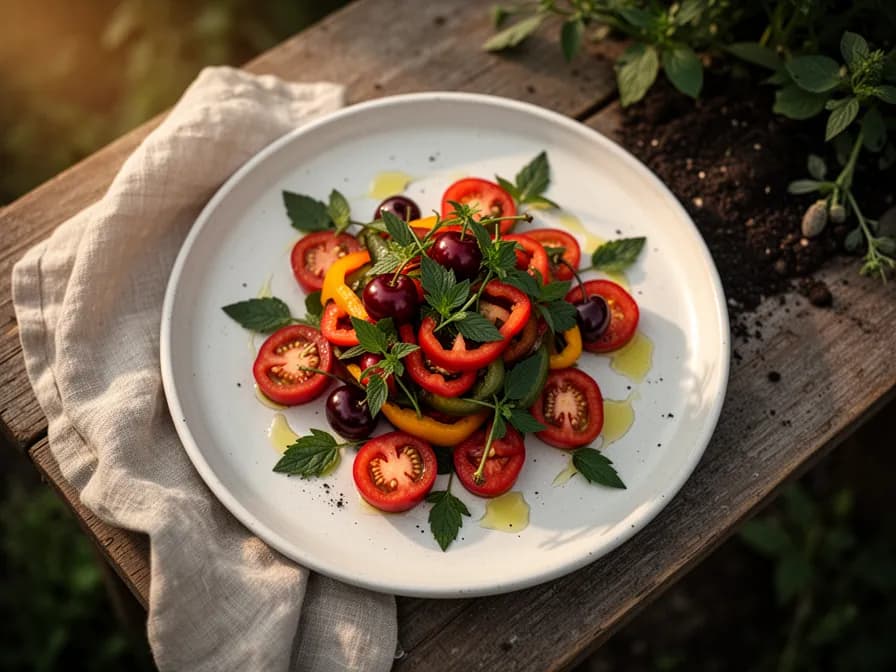
Schnell eingelegte Kirschpaprika
20 Min. plus 24 Stunden RuhezeitWürzige, knackige eingelegte Kirschpaprika, die sich monatelang im Kühlschrank halten. Diese Schnelleinlege-Methode bewahrt die knusprige Textur der Paprika und verleiht ihr eine frische Säure, die sie auf Sandwiches, Pizza und Vorspeisenplatten unwiderstehlich macht.
8 ZutatenGeröstetes Kirschpaprika-Relish
30 Min.Ein vielseitiges Würzmittel, das einfache Gerichte in etwas Besonderes verwandelt. Das Rösten konzentriert die natürliche Süße der Kirschpaprika und verleiht rauchige Tiefe. Löffeln Sie es über gegrilltes Fleisch, mischen Sie es unter Pasta oder streichen Sie es auf knuspriges Brot.
8 ZutatenKulinarische Verwendung
Kirschpaprika sind unglaublich vielseitig. Füllen Sie sie mit Mozzarella und Schinken oder Frischkäse und wickeln Sie sie in Speck für Vorspeisen. Legen Sie sie ganz oder halbiert in Essig mit Knoblauch und Kräutern ein – ein Klassiker der italienischen Antipasti. Schneiden Sie sie in Salate, auf Pizza und in Sandwiches. Rösten und in Olivenöl einlegen. Würfeln Sie sie für Salsas, Relishes und Bruschetta-Beläge. Scharfe Sorten verleihen fermentierten Scharfsaucen Geschmack. Mit Käse gefüllte und in Öl eingelegte Kirschpaprika sind ein klassisches italienisches Feinkostprodukt.
Was drinsteckt
Gesundheitsvorteile
- Außergewöhnlich reich an Vitamin C – rot gereifte Kirschpaprika enthalten bis zu 141 % der empfohlenen Tagesdosis pro 100 g und unterstützen die Immunfunktion, Kollagenproduktion und Eisenaufnahme aus pflanzlichen Lebensmitteln.
- Enthält Capsaicin in milden Mengen, das nachweislich den Stoffwechsel ankurbelt, Entzündungen reduziert und natürliche Schmerzlinderung bietet, ohne das intensive Brennen schärferer Paprika.
- Reich an Beta-Carotin und Vitamin A, die gesundes Sehvermögen, Hautintegrität und Immunantwort unterstützen. Rot gereifte Paprika enthalten dramatisch mehr als grüne.
- Liefert antioxidative Carotinoide einschließlich Lutein und Zeaxanthin, die sich in der Netzhaut anreichern und zum Schutz vor altersbedingter Makuladegeneration beitragen können.
- Kalorienarm und ballaststoffreich, was Kirschpaprika zu einem ausgezeichneten Snack für das Gewichtsmanagement macht – sie liefern Geschmack, Biss und Nährstoffe bei minimalem Kaloriengehalt.
- Enthält Vitamin B6, das die Gehirngesundheit unterstützt, die Stimmung durch Serotoninproduktion reguliert und eine Rolle bei der Bildung roter Blutkörperchen spielt.
Woher Kirschpaprika stammt
Kirschpaprika gehören zur Art Capsicum annuum, die in Zentralmexiko beheimatet ist und zu den frühesten in Amerika domestizierten Nutzpflanzen zählt. Es gibt Belege für den Paprikaanbau, die mindestens bis 5000 v. Chr. zurückreichen. Kleine, runde Paprikaformen, die modernen Kirschpaprika stark ähneln, gehörten zu den ersten Formen, die von indigenen Anbauern in Mesoamerika selektiert wurden, geschätzt für ihr dickes Fleisch und ihre leichte Trocknung.
Spanische und portugiesische Händler brachten Paprika im frühen 16. Jahrhundert nach Europa, wo sie sich rasch über den gesamten Mittelmeerraum verbreiteten. Italien und Ungarn wurden besonders wichtige Zentren des Paprikaanbaus und der Züchtung. Italienische Einwanderer brachten ihre geliebten Kirschpaprika-Sorten Ende des 19. und Anfang des 20. Jahrhunderts in die Vereinigten Staaten und begründeten die Tradition der gefüllten und eingelegten Kirschpaprika, die bis heute zentral für die italienisch-amerikanische Küche ist, insbesondere in Philadelphia und New Jersey.
Heute werden Kirschpaprika weltweit angebaut und bleiben eine der beliebtesten Paprikasorten für den Hausgarten, dank ihrer kompakten Größe, der üppigen Produktion und der Vielseitigkeit in der Küche. Moderne Züchtung hat die Kirschpaprika-Familie um Sorten erweitert, die von völlig süß bis mäßig scharf reichen, wobei alle die charakteristische runde Form und die dicken, saftigen Wände beibehalten.
Kirschpaprika: Schon gewusst?
Faszinierende Fakten über Kirschpaprika
Kirschpaprika verdanken ihren Namen der Ähnlichkeit mit Kirschen – sie sind rund, ungefähr gleich groß und werden bei Reife tiefglänzend rot, was Gartenbesucher auf den ersten Blick oft verwirrt.
Kirschpaprika: Fragen & Antworten
Wann sollte ich Kirschpaprika pflanzen?
Was sind gute Begleitpflanzen für Kirschpaprika?
In welchen Winterhärtezonen kann Kirschpaprika wachsen?
Wie viel Sonne braucht Kirschpaprika?
Welchen Abstand sollte ich zwischen Kirschpaprika lassen?
Welche Schädlinge und Krankheiten befallen Kirschpaprika?
Wie lagere ich Kirschpaprika nach der Ernte?
Was sind die besten Kirschpaprika-Sorten zum Anbauen?
Welchen Boden braucht Kirschpaprika?
Sind Kirschpaprika scharf oder süß?
Kann ich Kirschpaprika in einem Kübel auf meiner Terrasse anbauen?
Warum werfen meine Kirschpaprika-Pflanzen ihre Blüten ab?
Wie konserviert man Kirschpaprika am besten?
Woran erkenne ich, dass Kirschpaprika erntereif sind?
Du hast die Theorie gelesen. Jetzt baue sie auf Autopilot an.
Alles, was Kirschpaprika knifflig macht — das Timing, die Abstände, die Begleiter, das Erntefenster — genau das übernimmt PlotMyGarden für dich, für jede Pflanze im Garten.
Ein Plan, der dein Wetter kennt
Standort einmal festlegen. Aussaat-, Dünge- und Erntedaten rund um deinen echten letzten Frosttermin und die Live-Vorhersage — kein Raten mehr nach Saattüte.
Aus dem Abschnitt „Pflanzzeit“Beetplaner per Drag & Drop
Beete auf einem Raster gestalten. Jede Pflanze rastet im richtigen Abstand ein, und du siehst die ganze Saison, bevor du einen Cent für Saatgut ausgibst.
Aus dem Abschnitt „Anbau“Begleiter-Konflikte früh erkannt
Über 200 gute und schlechte Kombinationen werden beim Pflanzen live geprüft — so landet ein saisonruinierender Fehler nie in der Erde.
Aus dem Abschnitt „Begleiter“Erinnerungen, nach denen du wirklich handelst
„Gieß die Bohnen.“ „Heute ernten, bevor's umschlägt.“ Pünktlich, konkret und auf deine echten Pflanzen bezogen.
Aus dem Abschnitt „Ernte“Staffel-Aussaat, geplant
Sechs Wochen ernten statt sechs Tage? Die App verteilt deine Aussaaten automatisch und erinnert dich, wenn der nächste Satz fällig ist.
Aus dem Abschnitt „Pflanzzeit“Ein Verlauf, der schlauer wird
Jede protokollierte Ernte bringt der App deinen Garten bei. Der Plan fürs nächste Jahr startet bei dem, was in deinem Boden wirklich funktioniert hat.
Aus dem Abschnitt „Überblick“Pflanze diese neben Kirschpaprika
Weitere Nachtschattengewächse
Halte Kirschpaprika von diesen fern
Bau deine beste Kirschpaprika an — und alles drumherum.
Starte heute kostenlos. Lege deine Beete an, setze deine Kirschpaprika ein und lass PlotMyGarden Timing, Abstände, Begleiter und Erinnerungen von der Saat bis zum Erntekorb übernehmen.