Bananenpaprika
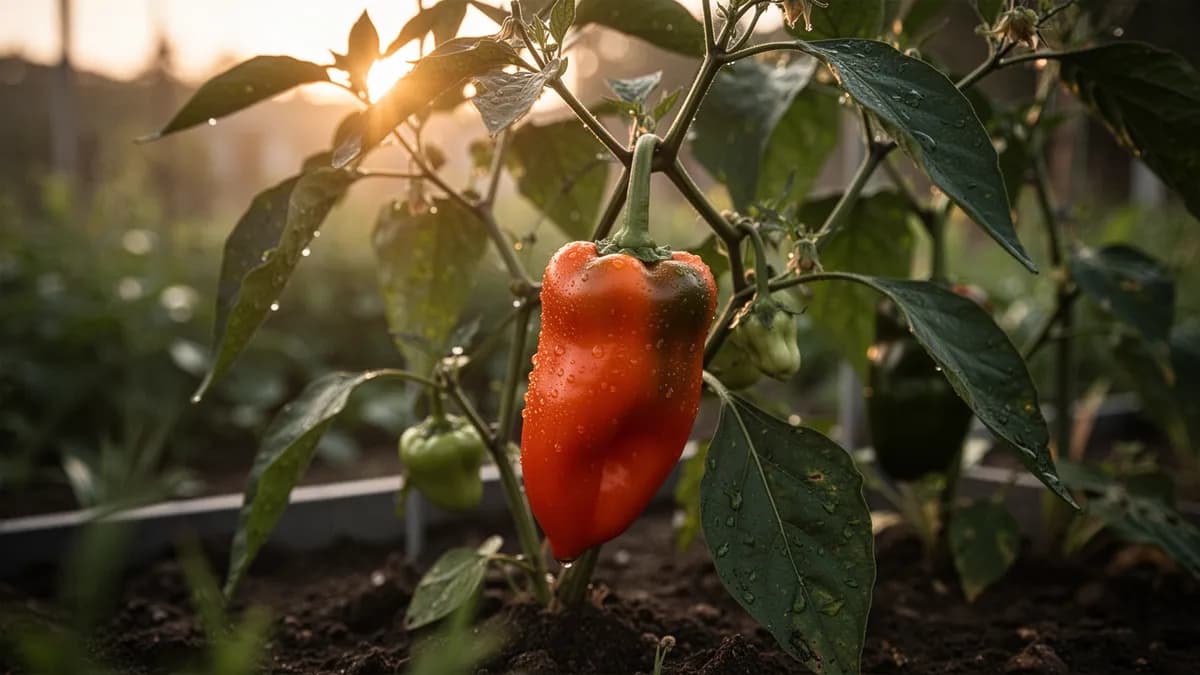
Eine milde, süße Paprika mit einer markanten länglichen Form und blassgelber Farbe, die sich perfekt zum Einlegen und als Sandwich-Belag eignet.





Auf dieser SeiteÜberblick
Bananenpaprika im Überblick
Eine milde, süße Paprika mit einer markanten länglichen Form und blassgelber Farbe, die sich perfekt zum Einlegen und als Sandwich-Belag eignet. Bananenpaprika sind sehr ertragreich und einfach anzubauen, was sie zu einer ausgezeichneten Wahl für Gartenanfänger macht. Der milde Schärfegrad macht sie familienfreundlich, und sie verleihen Salaten, Pizzen und Antipasti-Platten einen würzig-knackigen Biss. Ernten Sie in jedem Reifestadium von Gelbgrün bis Vollrot für unterschiedliche Süßegrade.
Wann Bananenpaprika pflanzen
Beginnen Sie mit der Aussaat von Bananenpaprika-Samen 8 bis 10 Wochen vor dem letzten Frosttermin drinnen. Säen Sie die Samen 6 mm tief in sterile Anzuchterde und halten Sie die Bodentemperatur zwischen 24°C und 29°C für eine optimale Keimung, die in der Regel 10 bis 14 Tage dauert. Bieten Sie nach dem Auflaufen der Keimlinge 14 bis 16 Stunden starkes Licht pro Tag. Pikieren Sie in größere Töpfe, wenn die ersten echten Blätter erscheinen. Härten Sie die Setzlinge 7 bis 10 Tage lang ab, bevor Sie sie ins Freie pflanzen, nachdem alle Frostgefahr vorüber ist.
Dein Bananenpaprika-Jahr
Abgestimmt auf Zone 7 · typische Saison · Frost geht um den 2. Apr. und kehrt um den 1. Nov. zurück
Bananenpaprika Feb – Mai pflanzen, Jul – Sep ernten. Beachte die Pflanzmethoden unten und wähle dein Klima für passende Zeiträume.
So baust du Bananenpaprika an
Bananenpaprika gedeihen unter warmen Bedingungen und sollten 8 bis 10 Wochen vor dem letzten erwarteten Frosttermin drinnen vorgezogen werden. Pflanzen Sie die Setzlinge ins Freie um, sobald die Nachttemperaturen zuverlässig über 13°C bleiben und sich der Boden auf mindestens 18°C erwärmt hat. Setzen Sie die Pflanzen im Abstand von 45 bis 60 cm in Reihen mit 60 bis 90 cm Abstand, um eine gute Luftzirkulation und eine bequeme Ernte zu ermöglichen.
Diese Paprika bevorzugen volle Sonne mit mindestens 6 bis 8 Stunden direkter Sonneneinstrahlung täglich. Gleichmäßiges Gießen ist besonders während des Fruchtansatzes wichtig, aber vermeiden Sie Überwässerung, die zu Wurzelfäule führen kann. Mulchen Sie rund um die Pflanzen, um die Bodenfeuchtigkeit zu halten und die Bodentemperatur zu regulieren. Ein ausgewogener Dünger, der beim Umpflanzen und erneut beim Erscheinen der ersten Früchte ausgebracht wird, unterstützt ein gesundes Wachstum.
Bananenpaprika sind in ihrer frühen Fruchtbildung determiniert, produzieren aber weiter, wenn regelmäßig geerntet wird. Stützen oder käfigen Sie die Pflanzen, wenn sie durch die Fruchtlast schwer werden, um ein Abbrechen der Zweige zu verhindern. In kühleren Klimazonen kann die Verwendung von schwarzer Mulchfolie oder Vliesabdeckungen helfen, den Boden zu erwärmen und die Anbausaison zu verlängern.
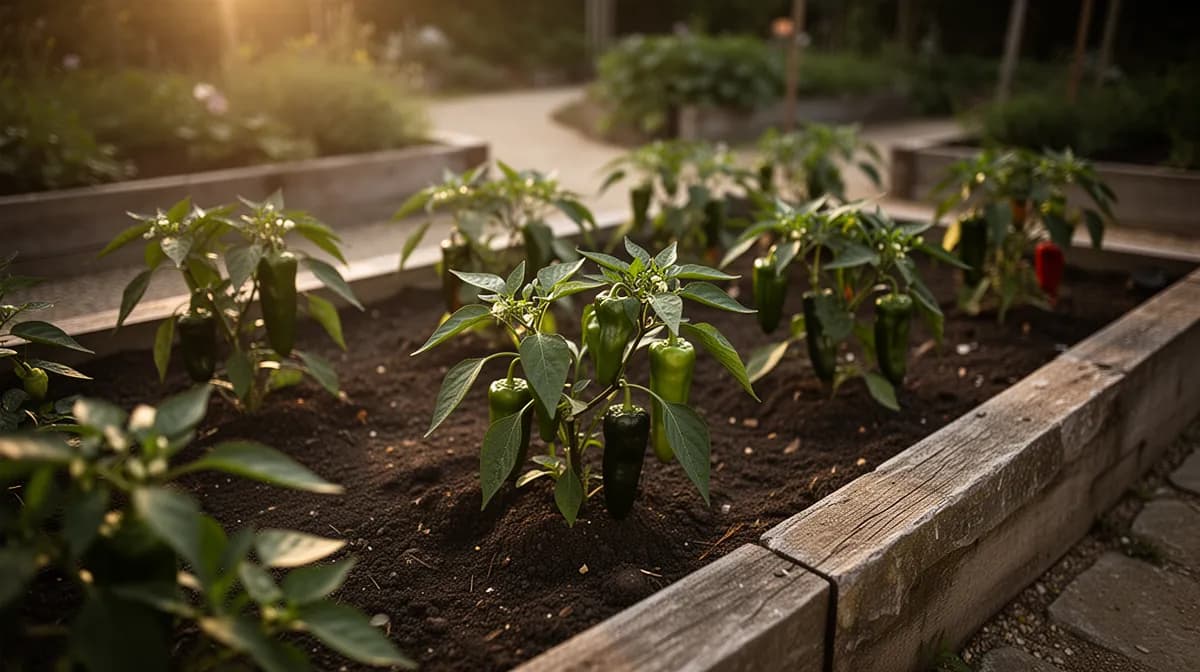
18 Pflanzen passen in ein Beet von 120 × 240 cm
Bananenpaprika braucht 40 cm Platz pro Pflanze. Der Planer hält diesen Abstand für dich ein — jede Pflanze, jedes Beet.
Die besten Nachbarn für Bananenpaprika
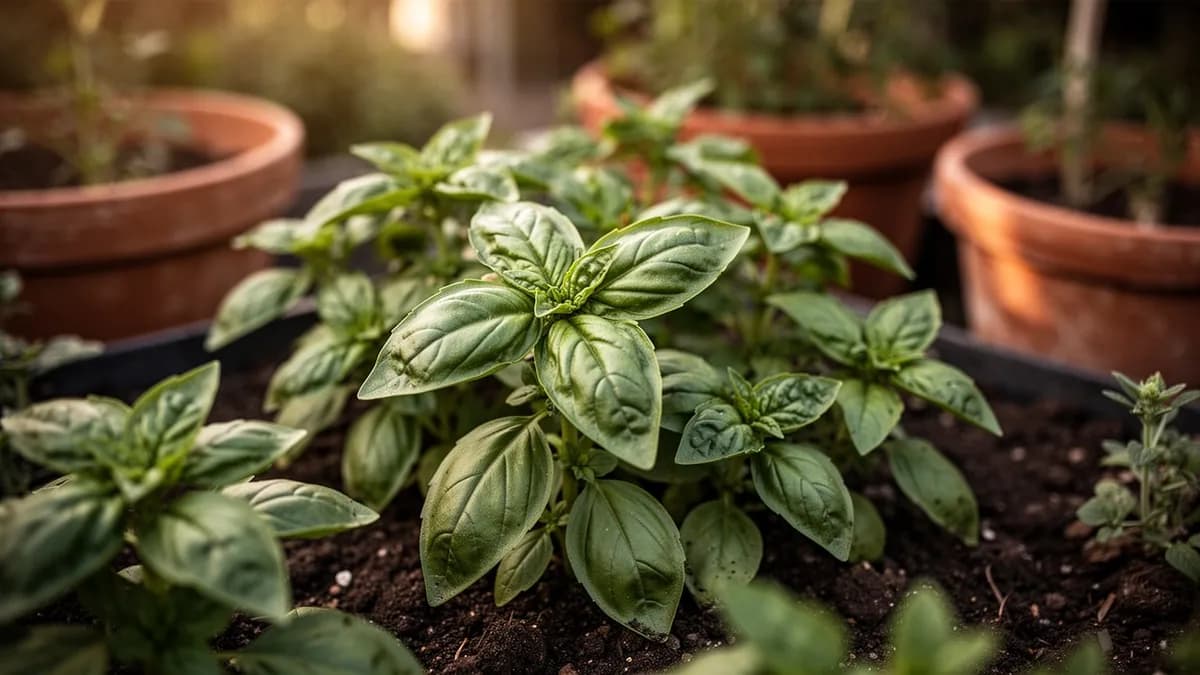
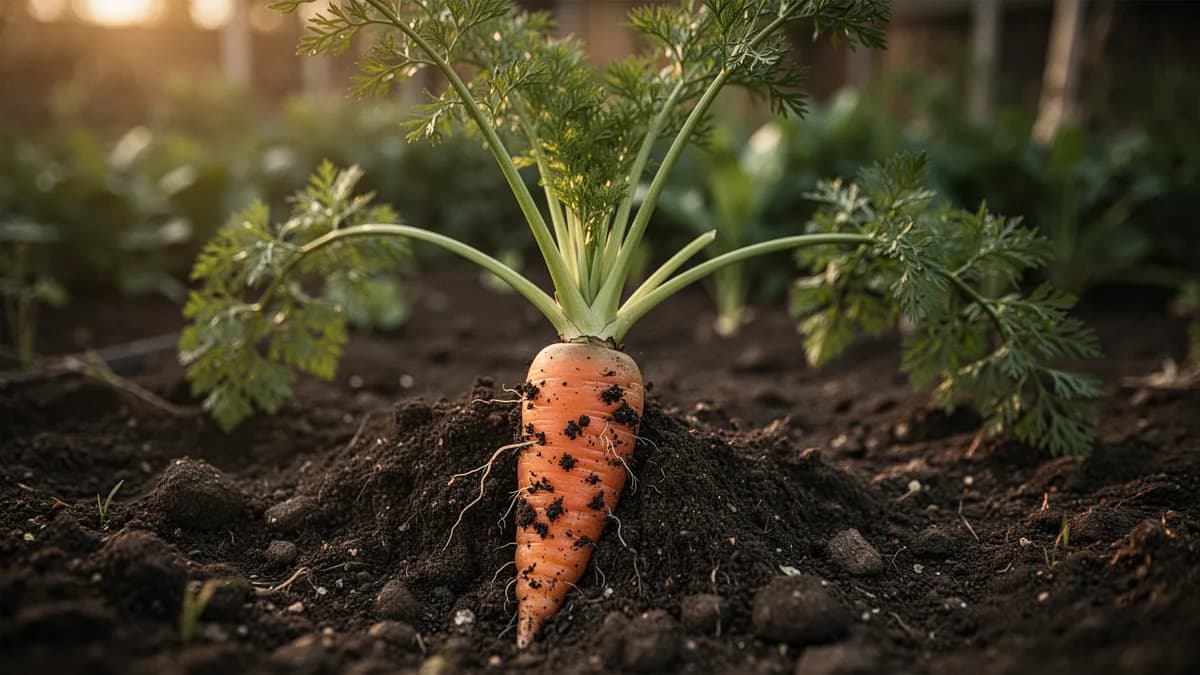
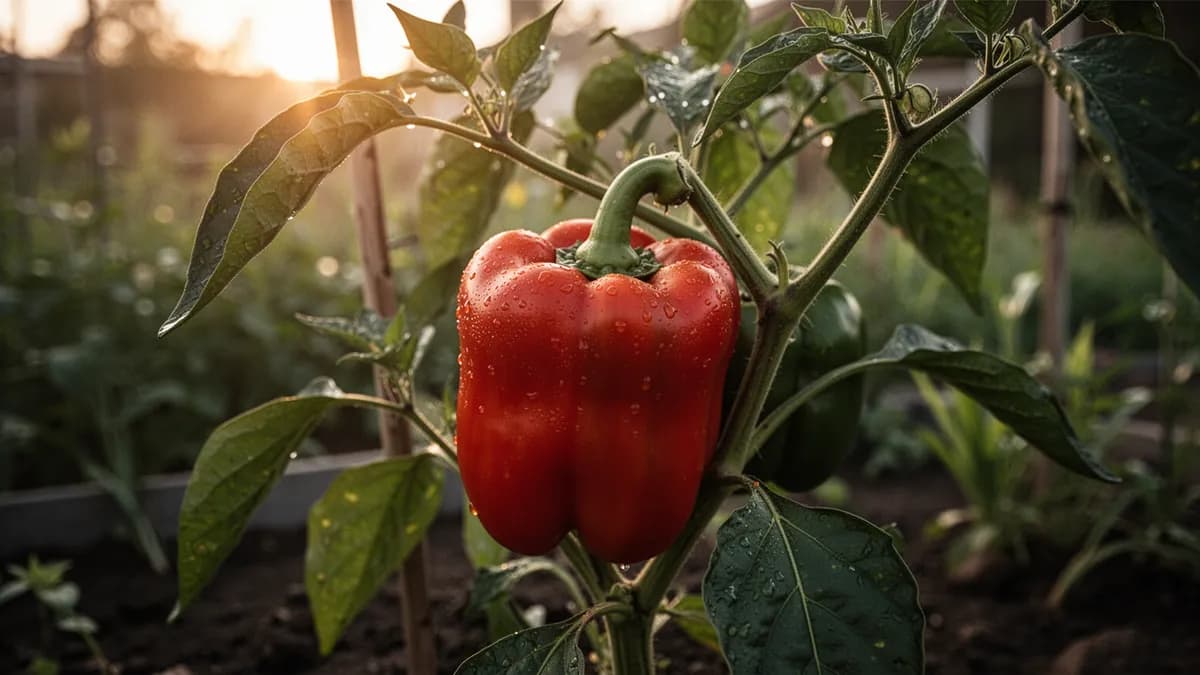
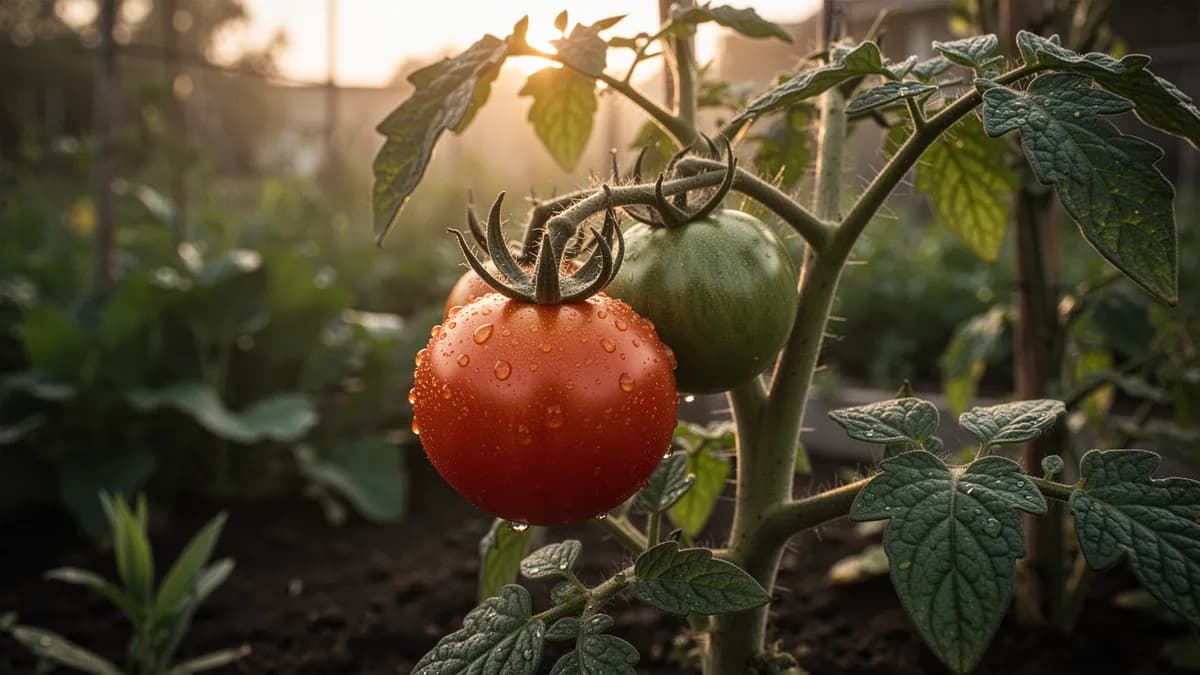
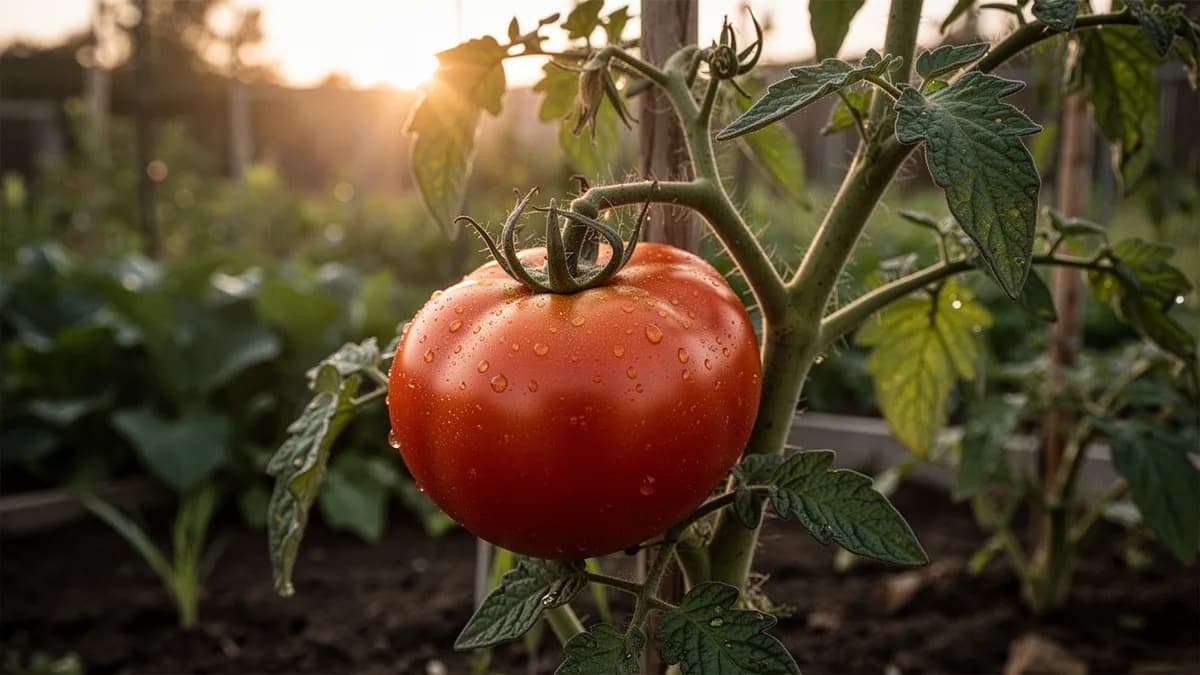
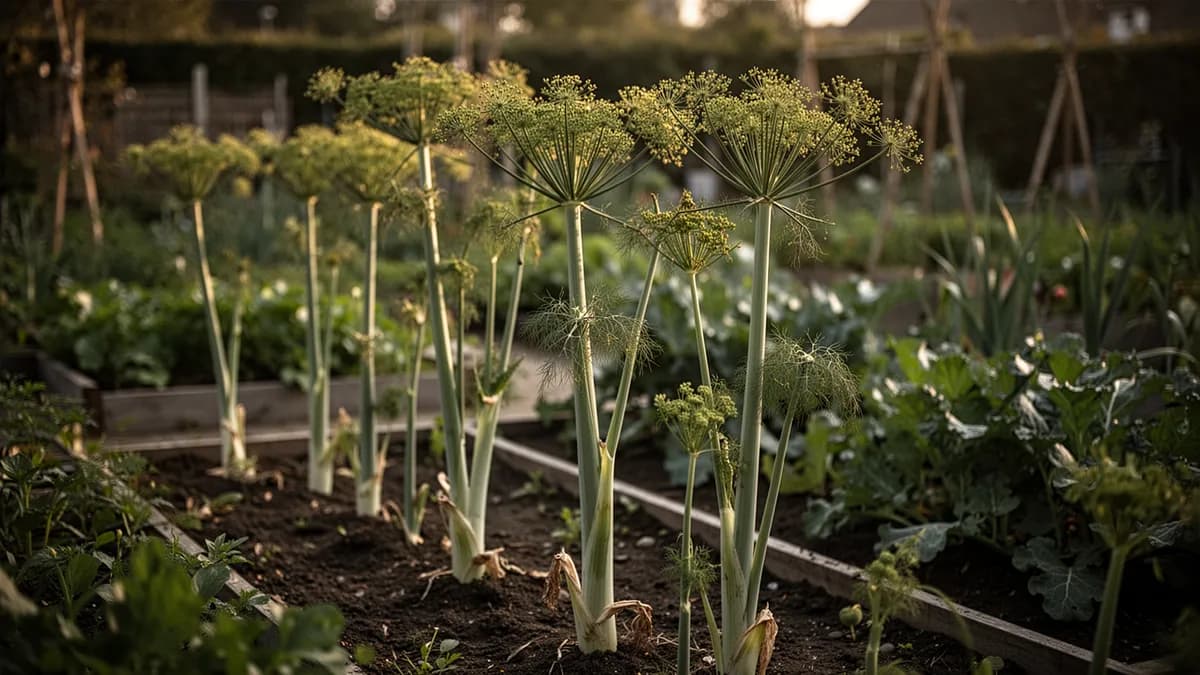
Bananenpaprika gedeihen gut neben Tomaten, Basilikum und Möhren, die helfen, Schädlinge abzuwehren und den Geschmack zu verbessern. In der Nähe gepflanzte Tagetes wehren Blattläuse und Nematoden ab. Vermeiden Sie die Pflanzung neben Fenchel, der das Paprikawachstum hemmt, oder Kohlgewächsen, die um ähnliche Nährstoffe konkurrieren. Kräuter wie Oregano und Petersilie locken nützliche Bestäuber an, die den Fruchtansatz verbessern. Das Platzieren von Paprika neben höheren Tomatenpflanzen kann in heißen Klimazonen einen vorteilhaften Nachmittagsschatten bieten.
Tomate gehört daneben. Fenchel nicht.
Altes Gärtnerwissen, geprüft an der echten Nachbartabelle von Bananenpaprika — teste jede Pflanze, die du anbaust.
Probiere Bananenpaprika direkt hier im Beet
Ein echtes Planer-Beet, Bananenpaprika steht schon drin. Tippe einen Begleiter an, platziere ihn und sieh, wie die Nachbarschaftsprüfung antwortet — grün für gute Nachbarn, rot bei Streit.


Passende Anbau-Ratgeber
Richtig düngen
Bananenpaprika erzielen die besten Ergebnisse in gut durchlässigem, lehmigem Boden mit einem pH-Wert zwischen 6,0 und 6,8. Verbessern Sie schwere Lehmböden mit Kompost und Perlite, um die Drainage zu optimieren. Bringen Sie beim Umpflanzen einen ausgewogenen 10-10-10-Dünger aus und wechseln Sie dann zu einer stickstoffarmen, phosphorreicheren Formel wie 5-10-10, sobald die Blüte beginnt, um die Fruchtproduktion statt des Blattwachstums zu fördern. Düngen Sie zur Saisonmitte mit Kompost oder gut abgelagertem Mist nach. Vermeiden Sie übermäßigen Stickstoff, der üppiges Laub produziert, aber weniger Paprika hervorbringt.
Ideale Temperatur
Winterhärtezone-Kompatibilität
Von der Saat zur Ernte, Schritt für Schritt
Aussaat
Die Samen keimen langsam unter warmen Bedingungen und bilden zunächst eine blasse Keimwurzel, gefolgt von zwei schmalen Keimblättern. Die Keimung erfordert gleichmäßige Bodentemperaturen von 24-29°C und dauert 10-14 Tage. Kühlere Temperaturen verzögern das Auflaufen erheblich und können zu schlechten Keimraten führen.
Setzlingsentwicklung
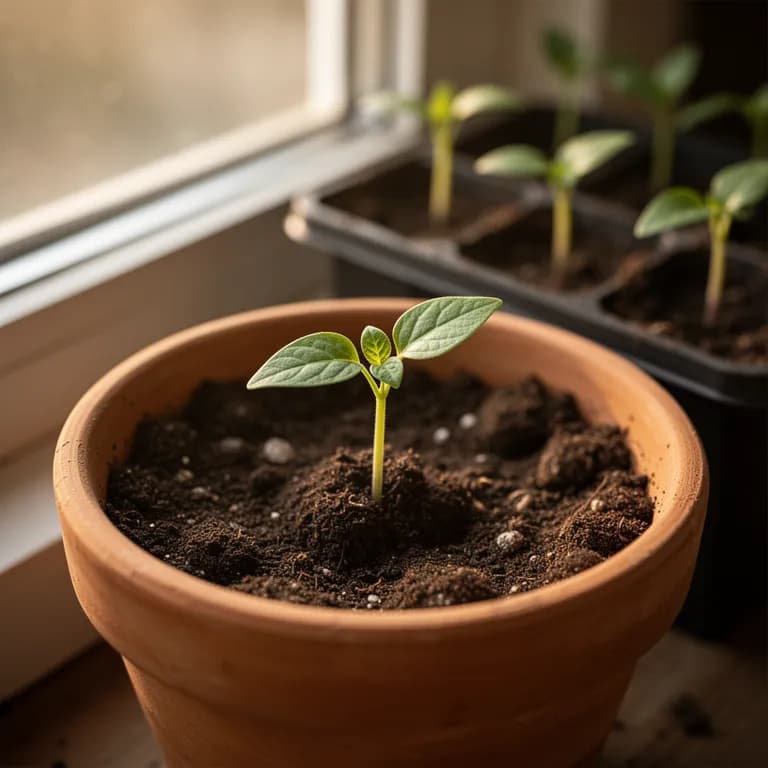
Echte Blätter erscheinen mit einer glatten, lanzenförmigen Form. Das Wachstum ist in dieser Phase langsam, während die Pflanze ihr Wurzelsystem aufbaut. Setzlinge entwickeln einen stabilen Hauptstängel und beginnen nach 4-6 echten Blättern zu verzweigen. Dies ist die längste Phase der Anzucht im Haus.
Vegetatives Wachstum
Nach dem Umpflanzen ins Freie beginnt die Pflanze ein schnelles vegetatives Wachstum und entwickelt ein buschiges Gerüst aus Zweigen mit dunkelgrünem Laub. Das Wurzelsystem breitet sich in warmem Boden aggressiv aus. Die Pflanzen erreichen typischerweise 45-60 cm Höhe und bilden ein breites, verzweigtes Blätterdach.
Blüte
Kleine, weiße, sternförmige Blüten erscheinen an den Blattknoten entlang jedes Zweiges. Bananenpaprika sind selbstbestäubend, aber Bienenbesuche verbessern den Fruchtansatz erheblich. Jede Blüte kann eine Paprika hervorbringen. Die Blüte setzt sich während der gesamten Saison fort, da die Pflanze gleichzeitig Früchte ansetzt und neue Blüten produziert.
Fruchtentwicklung
Längliche Paprika entwickeln sich schnell aus bestäubten Blüten und erreichen ihre charakteristische 10-15 cm lange, spitz zulaufende Form. Die Früchte beginnen blassgrün und werden allmählich wachsgelb. Die dünnen Wände werden fester und der milde, würzige Geschmack intensiviert sich, während die Paprika reift. Mehrere Früchte entwickeln sich gleichzeitig in verschiedenen Stadien.
Ernte und fortlaufende Produktion
Die Paprika sind im blassgelben Stadium für milden, würzigen Geschmack erntereif, oder können bis Orange und Rot nachreifen, um eine erhöhte Süße zu erzielen. Regelmäßiges Ernten alle 2-3 Tage regt die Pflanze an, mehr Blüten und Früchte zu produzieren. Eine einzelne gesunde Pflanze kann über eine volle Saison 25-50 Paprika hervorbringen.
Verwenden Sie eine Heizmatte, um die Bodentemperatur bei 27°C für die schnellste und gleichmäßigste Keimung zu halten. Halten Sie die Anzuchterde gleichmäßig feucht, aber nicht nass — Paprikasamen sind anfällig für Umfallkrankheit bei staunassen Bedingungen.
Bananenpaprika Monat für Monat pflegen
Was du jeden Monat für deine Bananenpaprika tun solltest
Oktober
Aktueller MonatLetzte Ernten in den meisten Zonen. Pflücken Sie alle verbleibenden Paprika vor dem ersten starken Frost, einschließlich unreifer grüner, die auf einer sonnigen Fensterbank drinnen nachreifen können. Entfernen Sie abgetragene Pflanzen und kompostieren Sie gesundes Material. Notieren Sie die Sortenleistung für die nächste Saison.
Immer wissen, was jetzt im Garten zu tun ist
Eine E-Mail zum Monatsanfang: was du jetzt säen, pflanzen und anpacken solltest — für deine Bananenpaprika und alles, was drumherum wächst. Dazu ein kurzer Startkurs, der dich vor den klassischen Fehlern bewahrt.
- Was jetzt zu tun ist
- Passend zu deiner Saison
- Startkurs inklusive
Bananenpaprika ernten
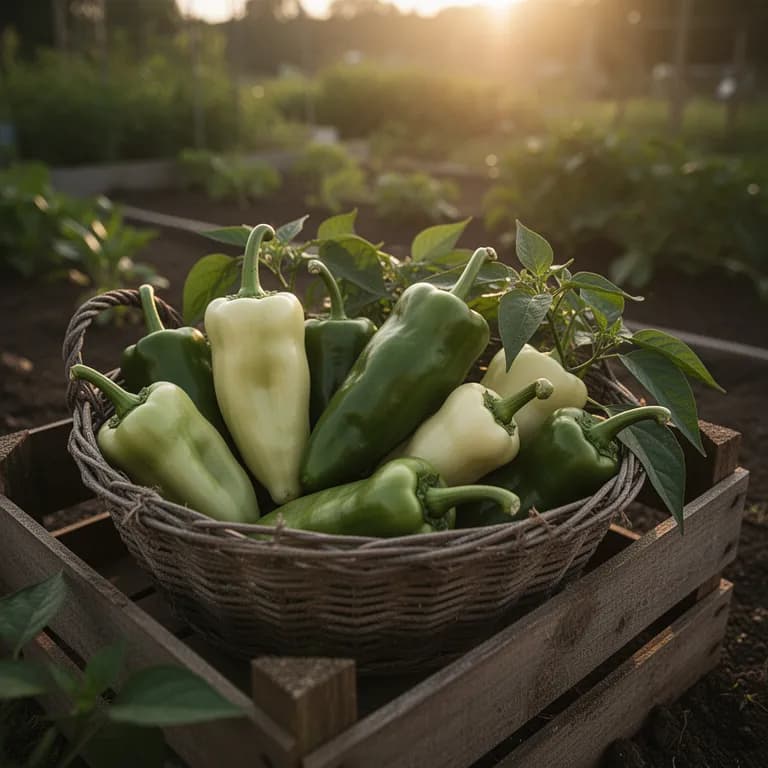
Ernten Sie Bananenpaprika, wenn sie 10 bis 15 cm lang sind und eine blassgelb-grüne Farbe angenommen haben. Für einen süßeren Geschmack lassen Sie die Früchte an der Pflanze weiter zu Orange oder Rot reifen. Verwenden Sie eine scharfe Schere oder Gartenschere, um die Paprika von der Pflanze zu schneiden, und lassen Sie einen kurzen Stiel stehen. Vermeiden Sie es, die Paprika von Hand abzuziehen, da dies die Zweige beschädigen kann. Regelmäßiges Ernten alle paar Tage regt die Pflanze an, während der gesamten Saison mehr Früchte zu produzieren.
angenommen, du pflanzt zu Beginn des Zeitraums — trage dein tatsächliches Datum ein
Ernte Bananenpaprika zügig, dann trägt die Pflanze weiter.
Lagerung & Konservierung
Frische Bananenpaprika halten sich 1 bis 2 Wochen im Gemüsefach des Kühlschranks. Für eine längere Aufbewahrung ist das Einlegen die beliebteste Konservierungsmethode, und eingelegte Bananenpaprika behalten ihren würzig-knackigen Biss bis zu einem Jahr in verschlossenen Gläsern. Sie können auch ganz oder in Scheiben geschnitten nach 2-minütigem Blanchieren eingefroren werden. Das Dörren von Bananenpaprika-Scheiben bei 57°C für 8 bis 12 Stunden ergibt ein lagerfähiges Produkt, das sich hervorragend für Gewürzmischungen eignet.
Was schiefgeht — und die Lösung
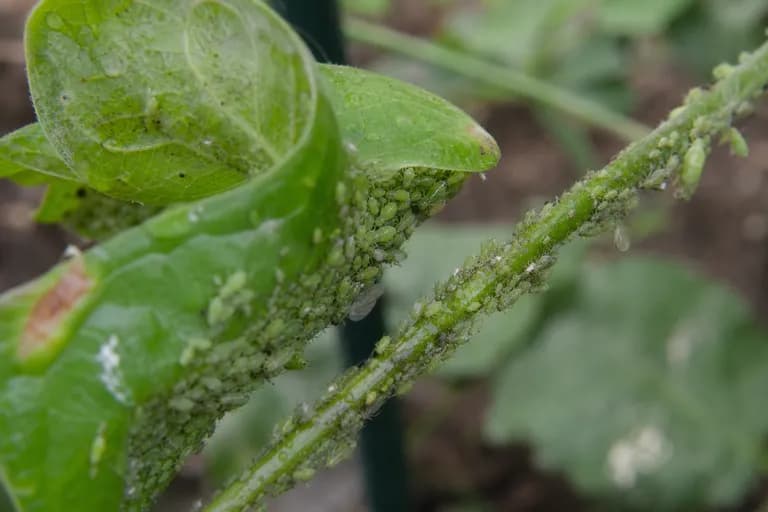
Blattläuse
SchädlingAnsammlungen kleiner grüner oder schwarzer Insekten an Blattunterseiten, klebriger Honigtau-Rückstand sowie sich rollende oder vergilbende Blätter.
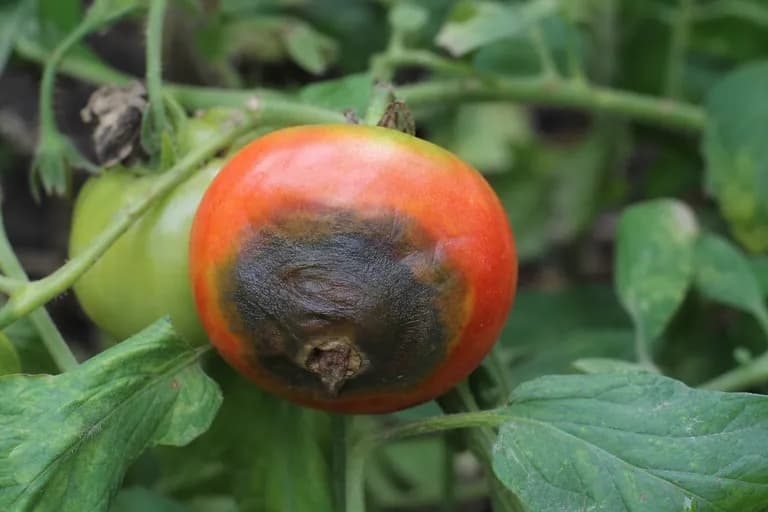
Blütenendfäule
KrankheitDunkle, eingesunkene, lederartige Flecken am unteren Ende sich entwickelnder Früchte, die oft als wassergetränkter Fleck beginnen.
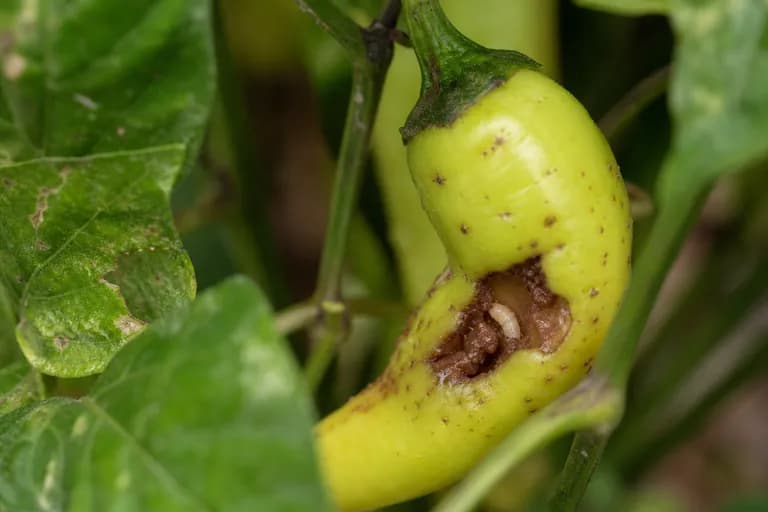
Paprikafruchtfliege
SchädlingKleine Einstichstellen auf der Fruchthaut, Larven bohren sich in die Paprika und verursachen Innenfäule sowie vorzeitigen Fruchtfall.
Fehlerbehebung bei häufigen Problemen
Blütenabwurf ist das häufigste Problem, das oft durch Temperaturen über 32°C oder unter 13°C während der Blüte verursacht wird. Ungleichmäßiges Gießen führt zu missgebildeten Früchten und Blütenendfäule. Sonnenbrand kann bei freistehenden Früchten in intensiver Hitze auftreten, daher sollten Sie für eine ausreichende Laubabdeckung sorgen. Überwässerung in schweren Böden fördert Wurzelfäule und Kümmerwuchs. Pflanzen können außerdem bei hoher Luftfeuchtigkeit Schwierigkeiten beim Fruchtansatz haben, wenn schlechte Bestäubung auftritt.
Anbautipps
- Beginnen Sie frühzeitig mit der Aussaat und haben Sie Geduld — Bananenpaprika benötigen 8-10 Wochen Anzucht im Haus vor dem Umpflanzen, und die Keimung selbst dauert 10-14 Tage. Eine Heizmatte ist nahezu unverzichtbar für eine gleichmäßige Keimung bei der idealen Bodentemperatur von 27°C.
- Überstürzen Sie das Umpflanzen ins Freie niemals. Bananenpaprika erleiden erhebliche Rückschläge, wenn sie kaltem Boden oder Nachttemperaturen unter 13°C ausgesetzt werden. Warten Sie, bis die Bedingungen wirklich warm sind, auch wenn dies ein späteres Umpflanzen als bei Tomaten bedeutet.
- Knipsen Sie die ersten Blütenknospen ab, die sich vor dem Umpflanzen bilden, um die Energie der Pflanze auf die Wurzel- und Laubentwicklung umzulenken. Dieses anfängliche Opfer führt zu einer stärkeren, produktiveren Pflanze, die später schwerere Ernten trägt.
- Verwenden Sie schwarze Mulchfolie oder dunkles Landschaftsvlies, um den Boden 2-3 Wochen vor dem Umpflanzen aufzuwärmen. Bananenpaprika reagieren sehr empfindlich auf kalten Boden, und die zusätzliche Wärme beschleunigt das frühe Wachstum und die Wurzelentwicklung erheblich.
- Gießen Sie gleichmäßig, aber vermeiden Sie Staunässe — Bananenpaprika bevorzugen gleichmäßig feuchten Boden und reagieren schlecht sowohl auf Trockenheit als auch auf nasse Bedingungen. Tropfbewässerung mit Zeitschaltuhr ist die zuverlässigste Methode, um eine ideale Bodenfeuchtigkeit aufrechtzuerhalten.
- Ernten Sie die Paprika im blassgelben Stadium für den klassischen milden, würzigen Geschmack oder lassen Sie sie bis Rot reifen, um einen deutlich süßeren, fruchtigeren Geschmack zu erzielen. Beide Stadien sind köstlich, dienen aber unterschiedlichen kulinarischen Zwecken.
- Pflücken Sie die Paprika alle 2-3 Tage während der Hauptproduktion. Das Belassen reifer Früchte an der Pflanze signalisiert ihr, die Blütenproduktion zu verlangsamen, und reduziert den Gesamtertrag. Häufiges Ernten ist der wirksamste einzelne Weg, um Ihre Gesamternte zu maximieren.
- Wählen Sie in Regionen mit kurzer Saison frühreifende Sorten wie Bananarama und nutzen Sie saisonverlängernde Techniken wie Wärmehauben, schwarze Mulchfolie und Vliesabdeckungen, um an beiden Enden der Saison zusätzliche Wochen Anbauzeit zu gewinnen.
Bau deine beste Bananenpaprika an — und alles drumherum.
Starte heute kostenlos. Lege deine Beete an, setze deine Bananenpaprika ein und lass PlotMyGarden Timing, Abstände, Begleiter und Erinnerungen von der Saat bis zum Erntekorb übernehmen.
Finde deine Bananenpaprika
Sweet Banana
Die klassische Sorte, die 15 cm lange, milde, süße Früchte hervorbringt, die von Gelb zu Rot reifen. Extrem ertragreich und ideal zum Einlegen.
Hot Hungarian Wax
Eine schärfere Bananenpaprika-Sorte mit 5.000 bis 10.000 Scoville-Einheiten. Ähnliche Form, aber mit deutlich mehr Schärfe für pikant eingelegte Paprika.
Bananarama
Eine frühreifende Hybride, die hohe Erträge gleichmäßiger, dickwandiger Früchte produziert. Ausgezeichnete Krankheitsresistenz und kompakter Wuchs.
Sweet Hungarian
Eine traditionelle europäische Sorte mit dünnen Wänden und außergewöhnlicher Süße bei voller Reife. Beliebt zum Braten und für den Frischverzehr.
Eine einzelne Bananenpaprika-Pflanze, die aus einer Saatguttüte für 2-3 € (mit 25-50 Samen) gezogen wird, kann 25-50 Paprika pro Saison produzieren. Frische Bananenpaprika kosten im Supermarkt 3-5 € pro Pfund, und ein Glas eingelegte Bananenpaprika kostet 4-7 €. Der Anbau von nur 3-4 Pflanzen liefert genug Paprika zum Frischverzehr und für mehrere Gläser eingelegte Paprika, was 30-60 € pro Saison einspart. Die Ersparnis steigt drastisch, wenn Sie regelmäßig eingelegte Bananenpaprika kaufen — die Ernte einer Saison kann 8-12 Gläser selbst eingelegter Paprika ergeben, die weit besser schmecken als kommerzielle Versionen.
Schnelle Rezepte
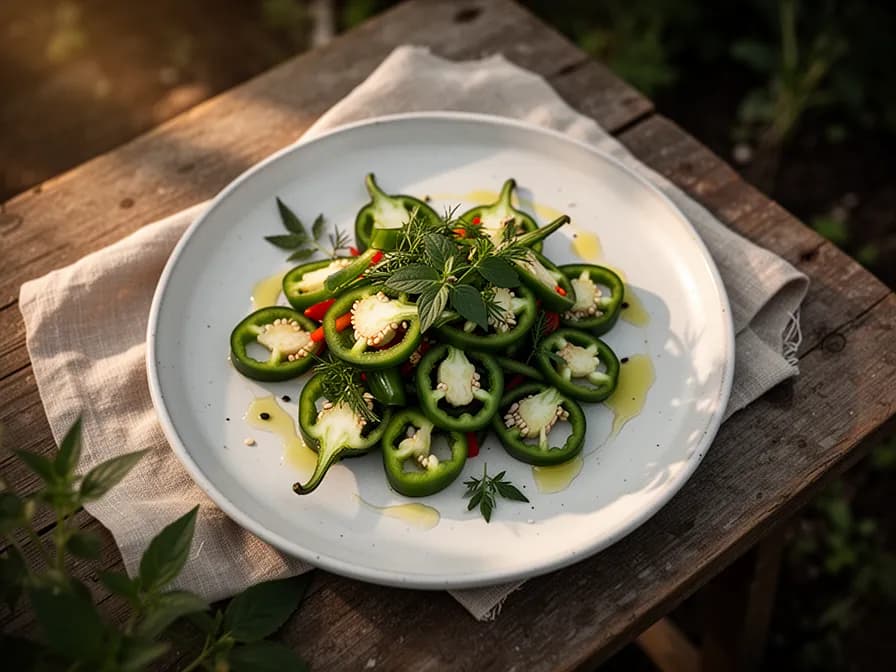
Klassisch eingelegte Bananenpaprika
25 minWürzig-knackige eingelegte Bananenpaprika-Ringe, die jeder Supermarkt-Variante Konkurrenz machen. Diese schnelle Kühlschrank-Einlegemethode bewahrt die knackige Textur und den frischen Geschmack der Paprika für Sandwiches, Pizzen, Salate und Antipasti-Platten.
9 ZutatenGefüllte Bananenpaprika mit italienischer Wurst
45 minGanze Bananenpaprika, gefüllt mit einer herzhaften Mischung aus italienischer Wurst, Frischkäse und Kräutern, dann gebacken, bis die Paprika zart und die Füllung goldbraun und sprudelnd ist. Ein beliebter Appetithappen oder eine sättigende Beilage.
8 ZutatenBananenpaprika-Wurst-Pfanne
20 minEin schnelles Ein-Pfannen-Gericht aus in Ringe geschnittenen Bananenpaprika, angebraten mit italienischer Wurst, Zwiebeln und Knoblauch, abgeschmeckt mit einem Spritzer Essig für Frische. Servieren Sie es auf knusprigem Brot, zu Pasta oder Reis für ein zufriedenstellendes Abendessen unter der Woche.
8 ZutatenKulinarische Verwendung
Bananenpaprika sind in der Küche vielseitig einsetzbar und werden am häufigsten eingelegt für Sandwiches, als Pizza-Belag und für Antipasti-Platten verwendet. Sie können mit Käse gefüllt und gebacken, frisch in Scheiben in Salate geschnitten oder gewürfelt in Salsas und Relishes verarbeitet werden. Gebratene Bananenpaprika passen hervorragend zu italienischer Wurst und Zwiebeln. Ihre milde Schärfe macht sie geeignet, um Gerichten einen sanften, würzigen Geschmack zu verleihen, ohne andere Aromen zu überlagern.
Was drinsteckt
Gesundheitsvorteile
- Außergewöhnlich reich an Vitamin C — eine einzelne Bananenpaprika liefert nahezu 100 % der empfohlenen Tageszufuhr, unterstützt die Immunfunktion, die Kollagensynthese und die Eisenaufnahme aus pflanzlichen Lebensmitteln.
- Enthält Capsaicin in milden Mengen, das die Forschung mit einer erhöhten Stoffwechselrate, vermindertem Appetit und entzündungshemmenden Wirkungen in Verbindung bringt — ohne die intensive Schärfe, die den regelmäßigen Verzehr schärferer Paprika erschwert.
- Reich an Ballaststoffen, die die Verdauungsgesundheit unterstützen, einen regelmäßigen Stuhlgang fördern und helfen, nach den Mahlzeiten einen stabilen Blutzuckerspiegel aufrechtzuerhalten.
- Liefert Beta-Carotin und andere Carotinoid-Antioxidantien — besonders in Paprika, die bis Orange oder Rot reifen dürfen — die die Augengesundheit, die Hautintegrität und den zellulären Schutz vor oxidativen Schäden unterstützen.
- Niedrige Kaloriendichte (nur 27 Kalorien pro 100 g) kombiniert mit hohem Wassergehalt und Ballaststoffen macht Bananenpaprika zu einem hervorragenden Lebensmittel für die Gewichtskontrolle und das Sättigungsgefühl.
- Enthält Vitamin B6, das eine entscheidende Rolle bei der Neurotransmitter-Produktion, der Stimmungsregulierung und dem Stoffwechsel von Proteinen und Kohlenhydraten für nachhaltige Energie spielt.
Woher Bananenpaprika stammt
Die Bananenpaprika (Capsicum annuum) gehört zur großen und vielfältigen Art, die auch Gemüsepaprika, Jalapeños, Cayennepfeffer und Hunderte anderer Kultursorten umfasst. Wie alle Capsicum-Arten lassen sich Bananenpaprika auf ihren Ursprung in Amerika zurückführen, genauer gesagt auf die tropischen Tiefebenen Südamerikas, wo wilde Vorfahren von Capsicum annuum vor 5.000 bis 7.000 Jahren erstmals domestiziert wurden. Archäologische Funde an Ausgrabungsstätten in Mexiko und Zentralamerika belegen, dass Paprika zu den frühesten Kulturpflanzen der Neuen Welt gehörten und die Töpferei sowie in manchen Fällen sogar den Maisanbau zeitlich überdauerten.
Als Christoph Kolumbus 1492 in der Karibik auf Paprika stieß, nannte er sie irrtümlich ‚Pfeffer' wegen ihres scharfen Geschmacks und assoziierte sie mit dem nicht verwandten Schwarzen Pfeffer (Piper nigrum), der in Europa so hoch geschätzt wurde. Spanische und portugiesische Händler verbreiteten Paprikasamen im 16. Jahrhundert rasch über Europa, Afrika und Asien, und innerhalb von nur 50 Jahren wurden Capsicum-annuum-Sorten auf jedem bewohnten Kontinent angebaut. Die milden, süßen Sorten, aus denen die Bananenpaprika hervorgehen sollte, fanden besonders in Ungarn und auf dem Balkan Anklang, wo sie an die kühleren Anbauzeiten angepasst wurden und zu einem festen Bestandteil der regionalen Küchen wurden.
In Ungarn entwickelte sich die Bananenpaprika-Tradition weiter, die sowohl süße als auch scharfe Sorten zum Einlegen, Braten und zur Paprikaherstellung umfasst. Italienische Einwanderer brachten ihre Vorliebe für milde, würzig eingelegte Paprika im späten 19. und frühen 20. Jahrhundert nach Nordamerika, und Bananenpaprika wurden zum festen Belag auf italienisch-amerikanischen Sandwiches, Pizzen und Antipasti-Platten. Heute werden Bananenpaprika kommerziell im Süden der Vereinigten Staaten, in Mexiko und im mediterranen Europa angebaut. Die amerikanische Konservenindustrie verarbeitet jährlich Millionen Pfund Bananenpaprika, was den eingelegten Bananenpaprika-Ring zu einer der am weitesten verbreiteten Würzpaprika der Welt macht.
Bananenpaprika: Schon gewusst?
Faszinierende Fakten über Bananenpaprika
Bananenpaprika verdanken ihren Namen ihrer länglichen, gebogenen Form und leuchtend gelben Farbe, die einer Banane stark ähnelt — obwohl die Ähnlichkeit beim Aussehen endet, da Bananenpaprika würzig und leicht scharf sind.
Bananenpaprika: Fragen & Antworten
Wann sollte ich Bananenpaprika pflanzen?
Was sind gute Begleitpflanzen für Bananenpaprika?
In welchen Winterhärtezonen kann Bananenpaprika wachsen?
Wie viel Sonne braucht Bananenpaprika?
Welchen Abstand sollte ich zwischen Bananenpaprika lassen?
Welche Schädlinge und Krankheiten befallen Bananenpaprika?
Wie lagere ich Bananenpaprika nach der Ernte?
Was sind die besten Bananenpaprika-Sorten zum Anbauen?
Welchen Boden braucht Bananenpaprika?
Was ist der Unterschied zwischen Bananenpaprika und Peperoncini?
Warum werfen meine Bananenpaprika-Pflanzen ihre Blüten ab?
Kann ich Bananenpaprika im Kübel anbauen?
Wie lege ich Bananenpaprika zu Hause ein?
Sind Bananenpaprika scharf oder süß?
Wann sollte ich Bananenpaprika für den besten Geschmack ernten?
Du hast die Theorie gelesen. Jetzt baue sie auf Autopilot an.
Alles, was Bananenpaprika knifflig macht — das Timing, die Abstände, die Begleiter, das Erntefenster — genau das übernimmt PlotMyGarden für dich, für jede Pflanze im Garten.
Ein Plan, der dein Wetter kennt
Standort einmal festlegen. Aussaat-, Dünge- und Erntedaten rund um deinen echten letzten Frosttermin und die Live-Vorhersage — kein Raten mehr nach Saattüte.
Aus dem Abschnitt „Pflanzzeit“Beetplaner per Drag & Drop
Beete auf einem Raster gestalten. Jede Pflanze rastet im richtigen Abstand ein, und du siehst die ganze Saison, bevor du einen Cent für Saatgut ausgibst.
Aus dem Abschnitt „Anbau“Begleiter-Konflikte früh erkannt
Über 200 gute und schlechte Kombinationen werden beim Pflanzen live geprüft — so landet ein saisonruinierender Fehler nie in der Erde.
Aus dem Abschnitt „Begleiter“Erinnerungen, nach denen du wirklich handelst
„Gieß die Bohnen.“ „Heute ernten, bevor's umschlägt.“ Pünktlich, konkret und auf deine echten Pflanzen bezogen.
Aus dem Abschnitt „Ernte“Staffel-Aussaat, geplant
Sechs Wochen ernten statt sechs Tage? Die App verteilt deine Aussaaten automatisch und erinnert dich, wenn der nächste Satz fällig ist.
Aus dem Abschnitt „Pflanzzeit“Ein Verlauf, der schlauer wird
Jede protokollierte Ernte bringt der App deinen Garten bei. Der Plan fürs nächste Jahr startet bei dem, was in deinem Boden wirklich funktioniert hat.
Aus dem Abschnitt „Überblick“Pflanze diese neben Bananenpaprika
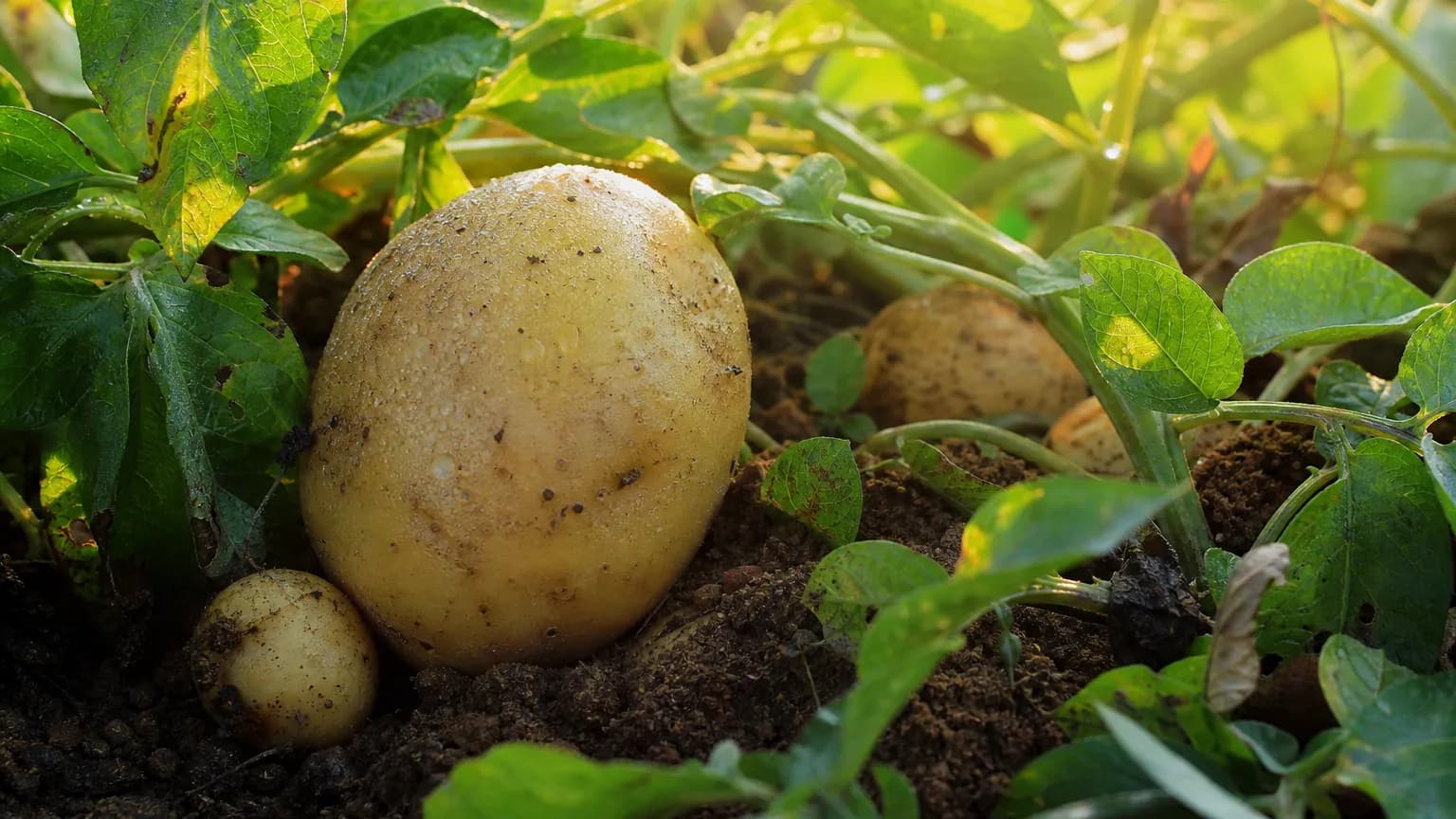
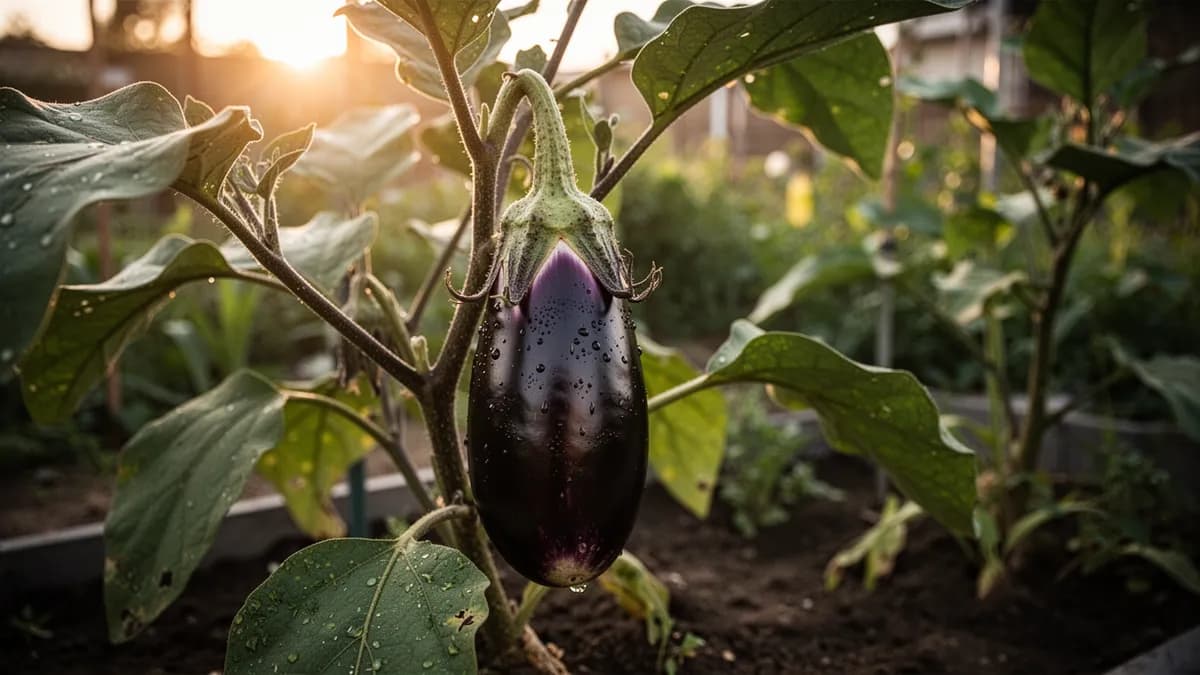
Weitere Nachtschattengewächse
Halte Bananenpaprika von diesen fern
Bau deine beste Bananenpaprika an — und alles drumherum.
Starte heute kostenlos. Lege deine Beete an, setze deine Bananenpaprika ein und lass PlotMyGarden Timing, Abstände, Begleiter und Erinnerungen von der Saat bis zum Erntekorb übernehmen.