Anaheim Pepper
A mild to medium-heat pepper popular for roasting, stuffing, and making green chile sauces.





On this pageOverview
Meet Anaheim Pepper
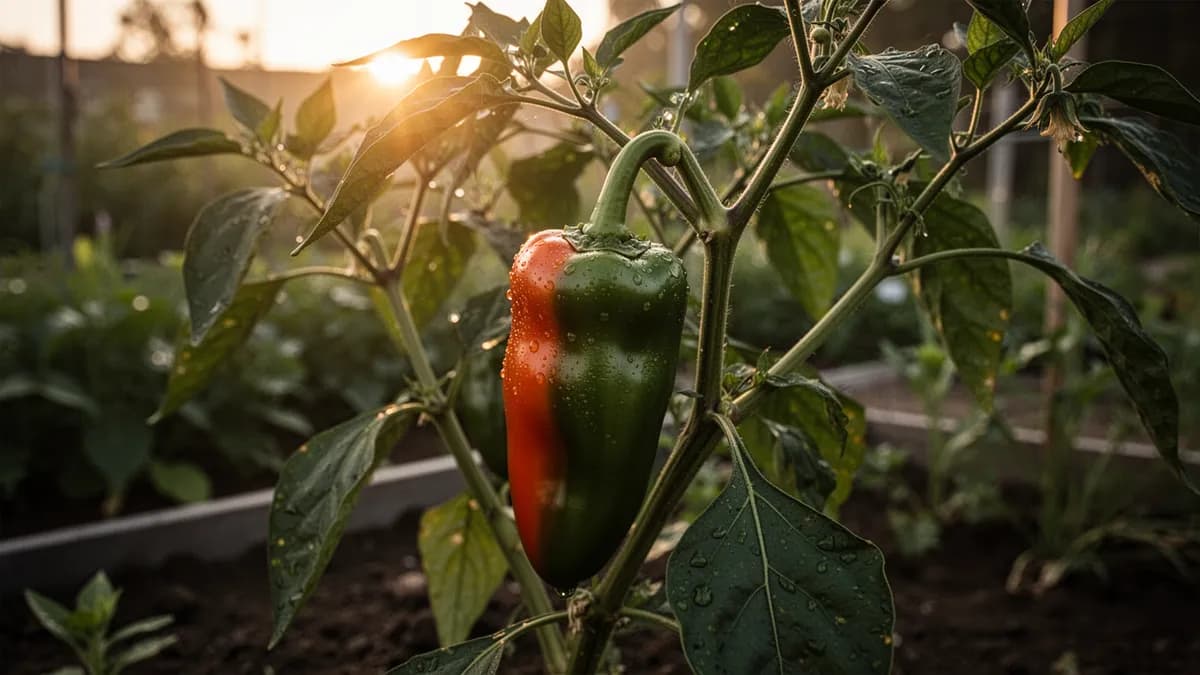
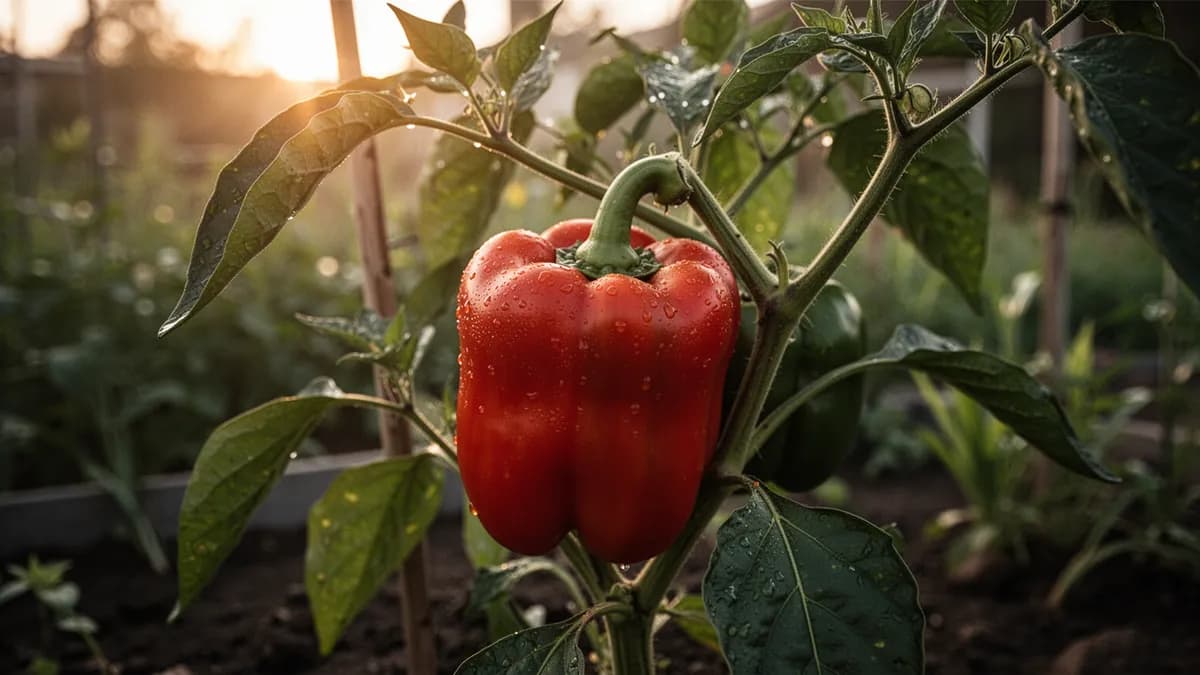
A mild to medium-heat pepper popular for roasting, stuffing, and making green chile sauces. Anaheim peppers have thin walls that blister easily under a broiler, making the skin simple to peel for use in a variety of dishes. When dried, they become the California chile, used in red enchilada sauce and decorative ristras. Plants are productive and well-suited to hot, dry growing conditions found in the southwestern regions.
When to plant Anaheim Pepper
Start Anaheim pepper seeds indoors 8 weeks before the last frost date. Sow one-quarter inch deep in well-drained seed-starting mix at 75°F to 85°F. Germination takes 7 to 14 days. Anaheim seeds germinate more reliably than many hotter pepper types. Provide 14 to 16 hours of light after emergence and keep seedlings warm. Transplant to individual pots at the first true leaf stage. Harden off for 7 to 10 days before planting outdoors, gradually increasing sun exposure and reducing water to toughen seedlings.
Your Anaheim Pepper Year
Composed for Zone 7 · typical seasons · frost passes Apr 2, returns Nov 1
Plant Anaheim Pepper Feb – May, pick Jul – Sep. Check the planting methods below and set your climate to personalize these windows.
How to grow Anaheim Pepper
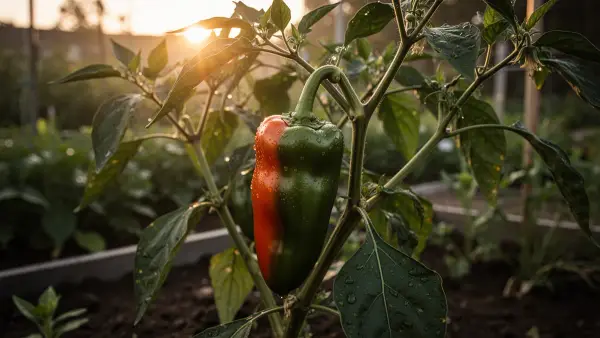
Anaheim peppers are one of the most adaptable and forgiving chile varieties to grow, thriving particularly well in hot, arid climates. Start seeds indoors 8 weeks before the last frost date, sowing one-quarter inch deep at 75°F to 85°F. Transplant outdoors when nighttime temperatures stay above 55°F and space plants 18 to 24 inches apart in rows 30 inches apart.
These peppers perform best in full sun with 8 or more hours of direct light and warm soil. Unlike many peppers, Anaheims tolerate the intense heat and dry conditions of the American Southwest exceptionally well. Water deeply but infrequently, allowing soil to partially dry between waterings. Drip irrigation is ideal for maintaining consistent moisture without wetting the foliage. Mulch with straw to conserve water and moderate soil temperature.
Anaheim plants grow 24 to 30 inches tall and produce elongated fruits 6 to 10 inches long. The plants are generally sturdy enough to support their fruit without staking, but heavy-bearing plants may benefit from a small cage. Apply a balanced fertilizer at transplanting and a phosphorus-heavy feed once flowers appear. The mild heat of 500 to 2,500 Scoville units makes them extremely versatile for cooking.
10 plants fit a 4 × 8 ft bed
Each Anaheim Pepper wants 45 cm of elbow room. The planner keeps that spacing for you — every plant, every bed.
Anaheim Pepper's best neighbours
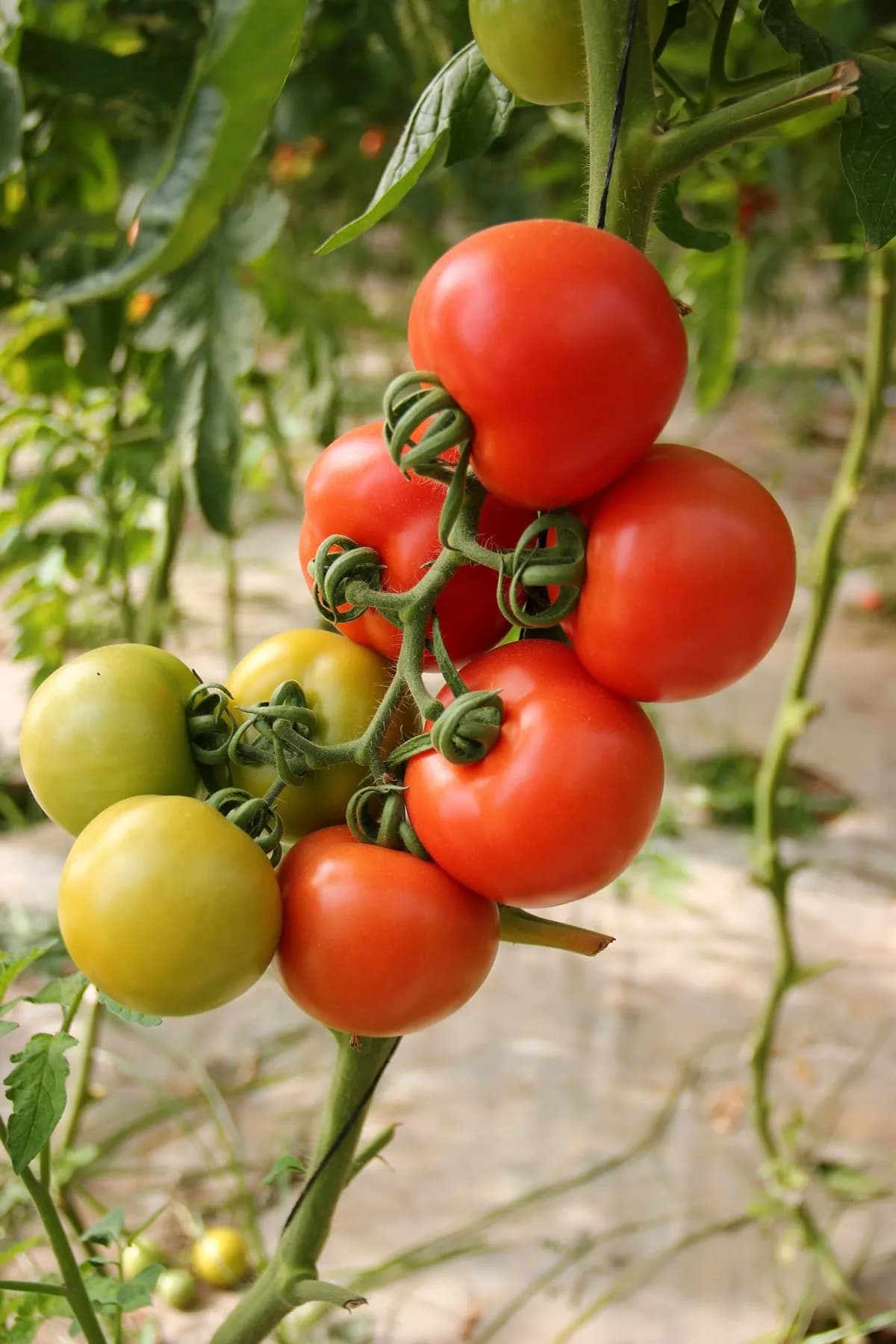
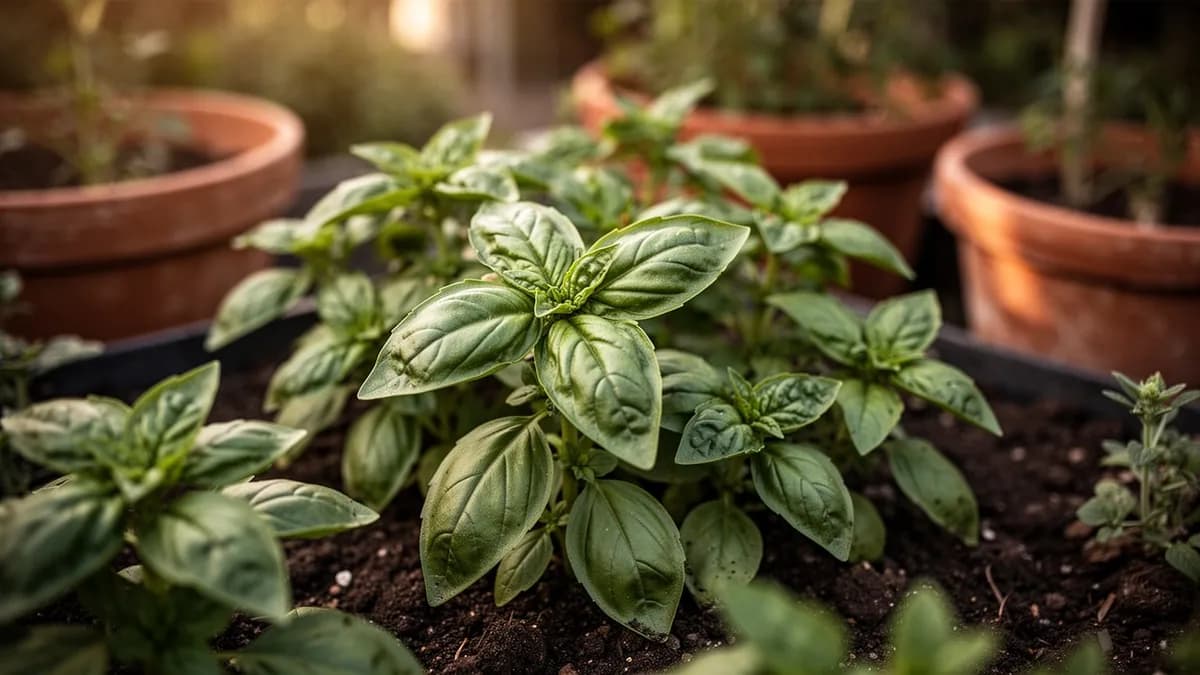
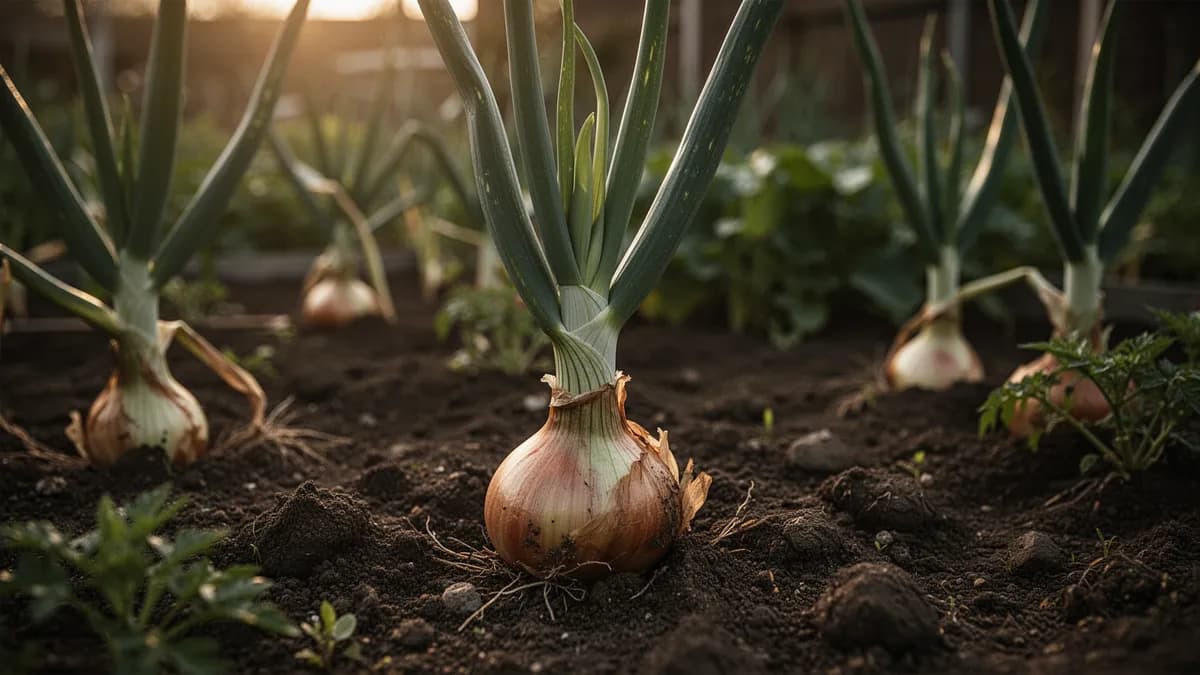
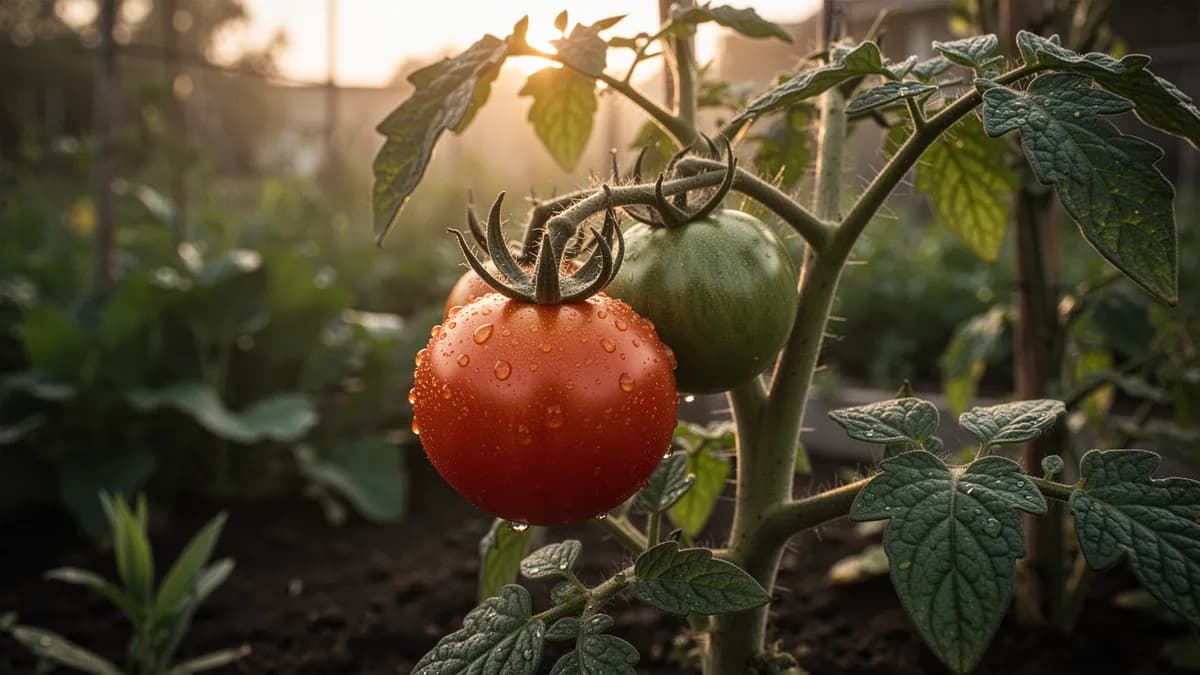
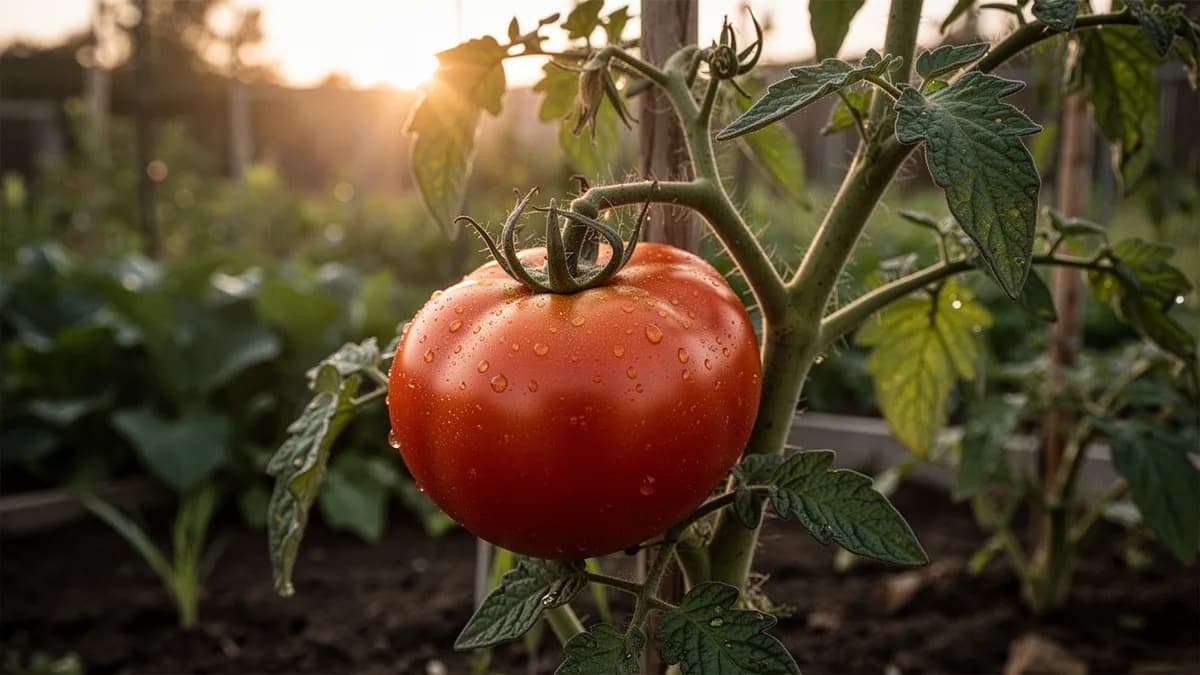
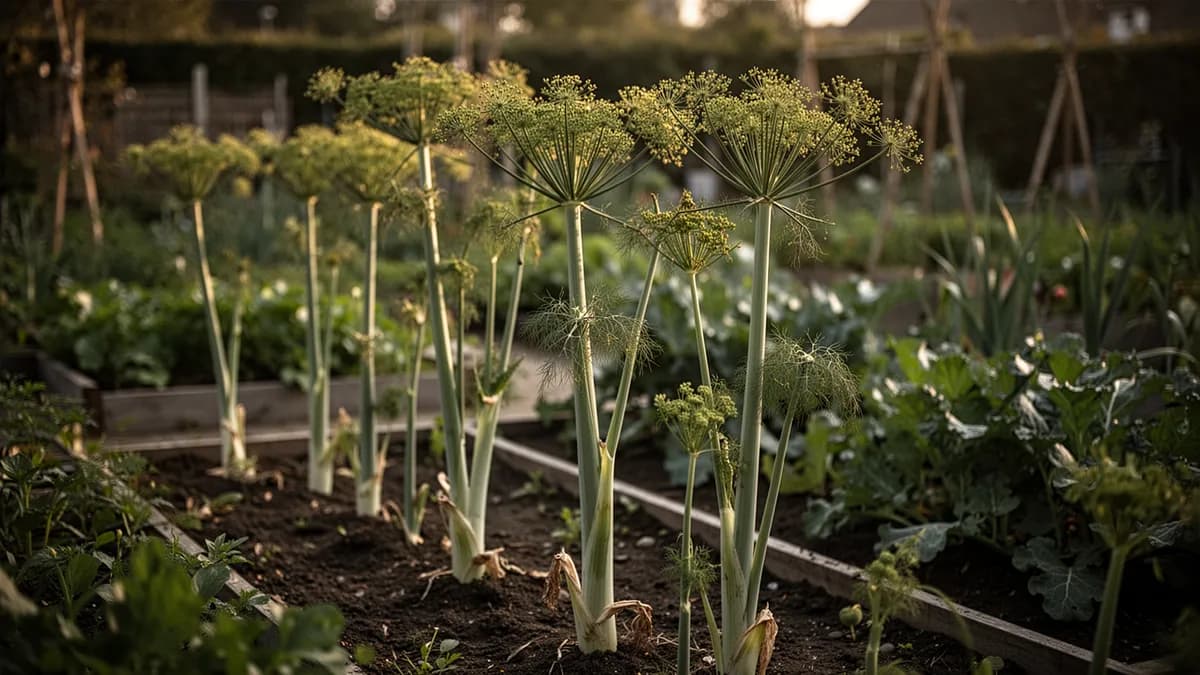
Anaheim peppers grow well with tomatoes, onions, and basil, following traditional Southwestern garden planting. Oregano and cilantro planted nearby attract beneficial pollinators and have culinary compatibility. Avoid fennel and kohlrabi as neighbors. Corn planted on the north side provides a windbreak without excessive shading. In dry climates, interplanting with low-growing squash helps shade the soil and conserve precious moisture. Marigolds deter nematodes and add color to the pepper patch.
Tomato belongs beside it. Fennel doesn't.
Old growers' knowledge, checked against Anaheim Pepper's real companion table below — test any plant you're growing.
Try Anaheim Pepper in a bed — right here
A real planner bed with Anaheim Pepper already in it. Tap a companion to place it and watch the pairing checks answer — green for good neighbours, red for a clash.


Related growing guides
Feed it well
Anaheim peppers prefer well-drained, sandy loam soil with a pH of 6.0 to 7.0, reflecting their Southwestern desert origins. They tolerate slightly alkaline conditions better than most peppers. Amend heavy soils with sand and compost to improve drainage. Apply a complete fertilizer at transplanting and side-dress with compost when first fruits set. Avoid excessive nitrogen which promotes foliage over fruit. In arid climates, apply a thin layer of sulfur to lower soil pH if it exceeds 7.5.
Ideal Temperature
Hardiness Zone Compatibility
From seed to harvest, stage by stage
Seed Starting
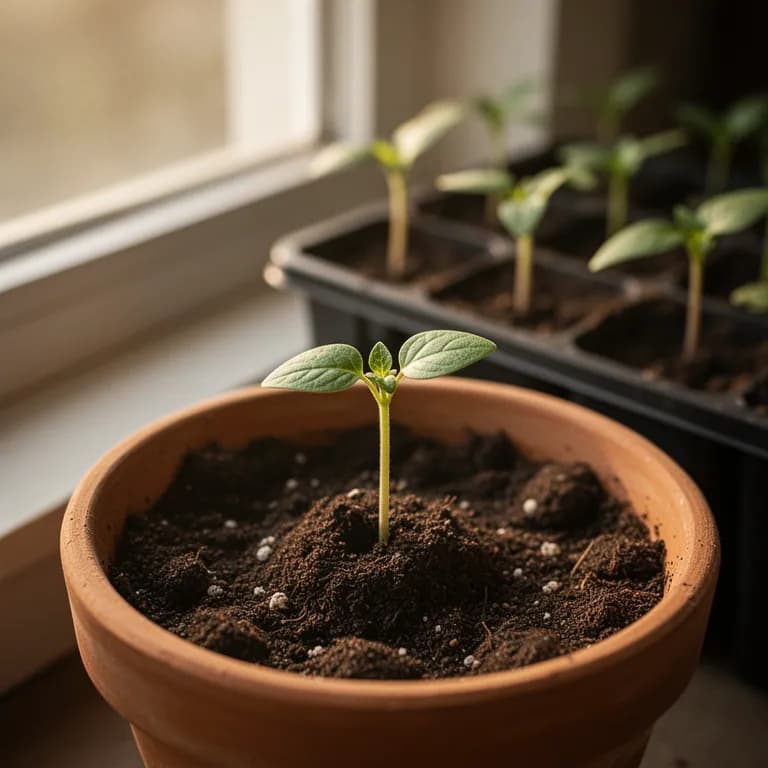
Seeds germinate slowly in warm, moist seed-starting mix. The radicle emerges first, anchoring into the soil, followed by the hypocotyl arch pushing the seed coat above the surface. Cotyledon leaves unfold within a day or two of emergence. Anaheim seeds germinate more reliably than superhot varieties but still require consistent warmth.
Seedling Development
True leaves develop with a pointed, lance-shaped form typical of Capsicum annuum. The stem thickens gradually and a branching root system establishes. Growth is slow but steady during this indoor phase, and seedlings benefit from strong light and warm temperatures to prevent legginess.
Vegetative Growth
After transplanting outdoors, plants establish rapidly in warm soil and begin vigorous branching. The main stem develops a characteristic Y-shaped fork and side branches emerge at each leaf node. Foliage thickens and the plant builds the framework to support a heavy fruit load. Plants reach 18 to 24 inches tall during this phase.
Flowering and Fruit Set
Small white flowers with five petals and prominent yellow anthers appear at branch junctions. Anaheim peppers are predominantly self-pollinating, with pollen released by wind or vibration. Tiny green fruits begin forming within days of successful pollination and elongate rapidly in warm conditions.
Fruit Development
Peppers elongate to their full 6 to 10 inch length over several weeks, thickening and developing their characteristic slightly curved, tapered shape. Fruits are firm and glossy dark green at this stage. The plant continues producing new flowers while existing fruits mature, resulting in peppers at various stages of development simultaneously.
Ripening and Extended Harvest
Peppers left on the plant transition from green to red over 2 to 3 weeks as chlorophyll breaks down and carotenoid pigments develop. Red-ripe Anaheims are sweeter and slightly hotter than green ones. The plant continues producing new fruits until nighttime temperatures drop below 50°F consistently in autumn.
Maintain soil temperature at 75°F to 85°F using a heat mat. Do not let the mix dry out, but avoid waterlogging which causes damping off. Bottom watering is safer than overhead misting at this stage.
Caring for Anaheim Pepper month by month
What to do each month for your Anaheim Pepper
October
You are hereFinal harvests before the first frost. Pick all remaining peppers — green ones can be roasted and frozen, red ones dried. Pull plants after a killing frost and compost healthy material. Note variety performance and yields for next season's planning.
Know exactly what to do in your garden — every month
One email at the start of each month: what to sow, plant, and tackle right now — for your Anaheim Pepper and everything growing around it. Plus a short starter course that helps you dodge the classic mistakes.
- What to do, right now
- Matched to your season
- Starter course included
Harvesting Anaheim Pepper
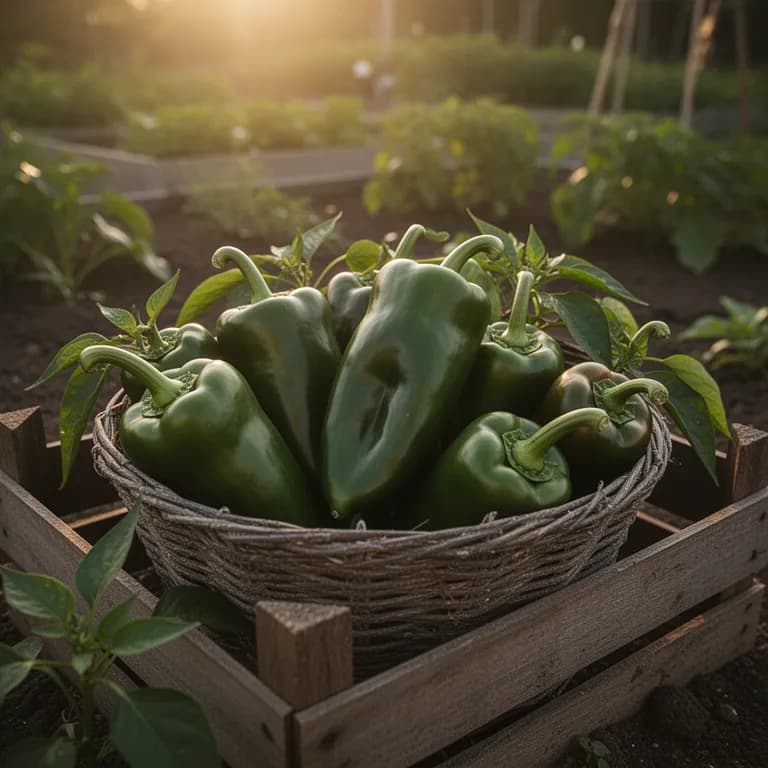
Harvest Anaheim peppers when they reach 6 to 10 inches long and are firm and dark green. For hotter, sweeter peppers, leave them on the plant to ripen to red. The thin walls blister and peel easily when roasted under a broiler or over an open flame. Use a sharp knife or scissors to cut peppers from the plant, leaving a short stem. Plants produce continuously from midsummer through early fall if harvested regularly. Each plant typically yields 20 to 30 peppers per season.
assuming you plant when the window opens — set your real date
Pick Anaheim Pepper promptly and the plant keeps producing.
Storage & Preservation
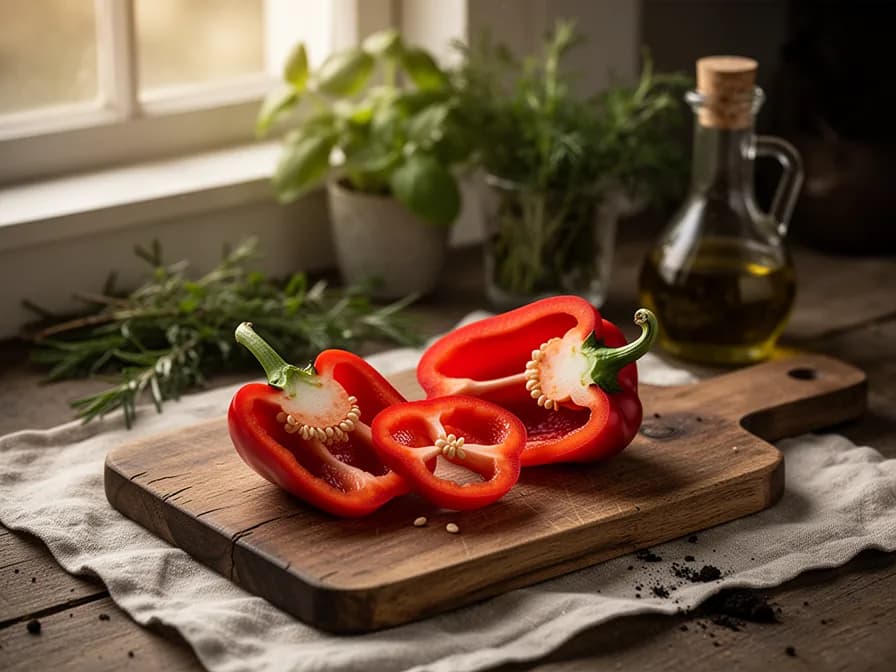
Roasting and freezing is the preferred preservation method for Anaheim peppers. Char the skins under a broiler, steam in a sealed bag for 10 minutes, then peel and freeze flat in bags. Frozen roasted Anaheims keep for a year. For dried California chiles, leave peppers on the plant until fully red, then hang in ristras or dehydrate at 135°F until brittle. Fresh Anaheims keep for 2 to 3 weeks refrigerated due to their thick flesh. Canning roasted peppers in a pressure canner also works well.
What goes wrong — and the fix
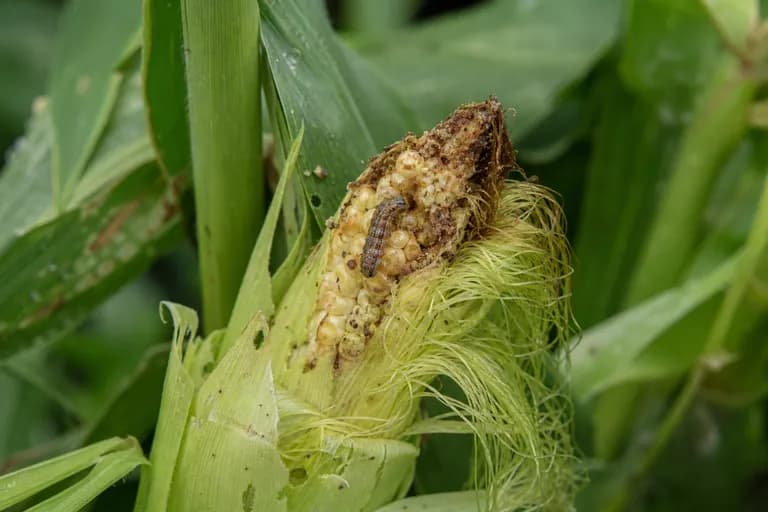
Corn Earworm
PestHoles bored into pepper fruits near the stem end, frass and rot inside fruits, and damaged blossoms before fruit set.
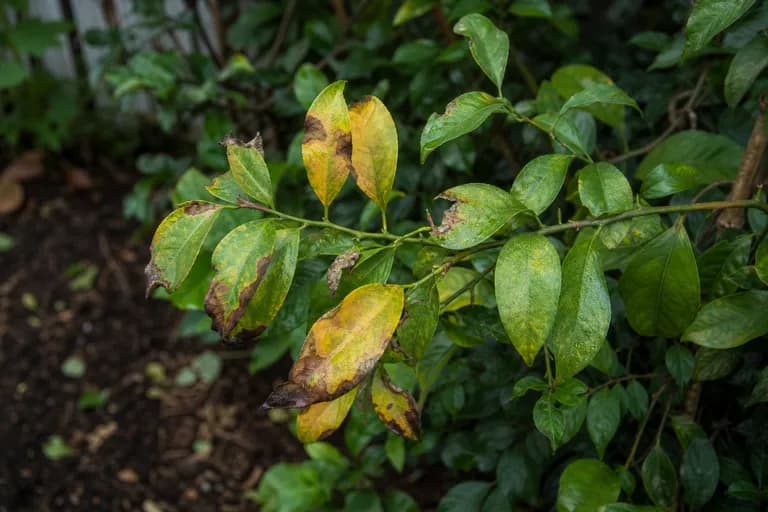
Verticillium Wilt
DiseaseLower leaves yellow and wilt on one side of the plant first, progressive wilting upward, and brown discoloration in stem vascular tissue.
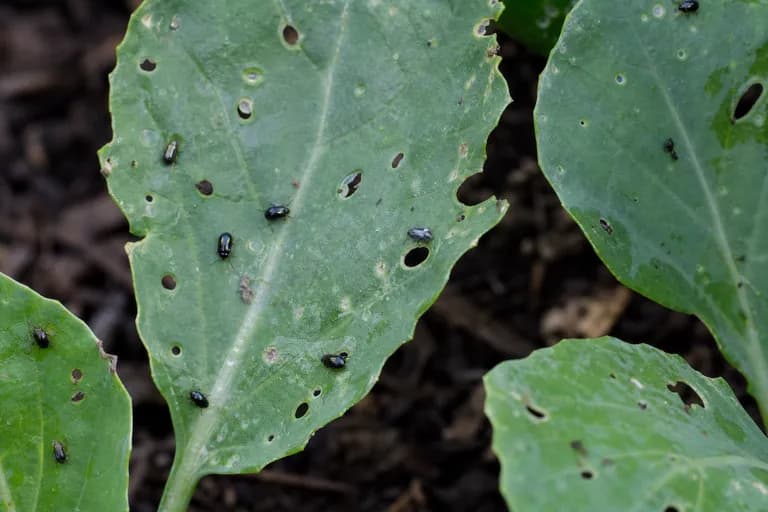
Flea Beetles
PestTiny round holes shot through leaves giving a shotgun-blast appearance. Most damaging to young transplants and seedlings.
Troubleshooting Common Problems
Anaheim peppers are among the most trouble-free chile varieties to grow. In humid climates, they may develop more fungal issues than in their preferred dry conditions. Blossom drop occurs during extreme heat waves above 100°F, but plants recover quickly once temperatures moderate. Sunscald can affect fruits in intense desert sun if foliage coverage is insufficient. Overwatering is a more common problem than underwatering, as these drought-adapted plants prefer drier conditions than most garden peppers.
Growing Tips
- Anaheim peppers are among the most heat-tolerant garden vegetables. In arid climates, they actually outperform many other pepper varieties because they evolved in the hot, dry conditions of the Southwestern desert. Do not hesitate to plant them in your hottest, sunniest garden spot.
- Water deeply but infrequently, mimicking the natural rainfall patterns of the arid Southwest. Allow the top inch of soil to dry between waterings. Overwatering is a more common problem than underwatering with Anaheims and leads to root rot and bland-flavored peppers.
- Drip irrigation is the ideal watering method for Anaheim peppers. It delivers water directly to the root zone, keeps foliage dry to prevent fungal diseases, and conserves water in hot climates. A simple soaker hose works well for small plantings.
- Harvest green peppers at 6 to 10 inches by cutting with sharp scissors or pruners rather than pulling, which can damage branches. Regular harvesting every 3 to 4 days keeps the plant producing new flowers and significantly increases total season yield.
- For the best roasting results, choose peppers that are uniformly dark green, firm, and have smooth skin. Place them under a broiler set to high, turning every few minutes until the skin is blackened and blistered on all sides, then steam in a sealed bag for 10 minutes before peeling.
- To dry Anaheim peppers into California chiles, leave select fruits on the plant until fully ripe red. String through the stems with heavy thread or twine to create ristras and hang in a warm, dry, well-ventilated location for 3 to 4 weeks until brittle.
- In cooler or more humid climates, grow Anaheims in raised beds or containers with excellent drainage. Black plastic mulch warms the soil and mimics the heat-retaining desert conditions these peppers prefer. A south-facing wall provides reflected heat that boosts production.
- Pinch the first few flower buds that appear on young transplants to redirect energy into building a stronger root system and more branches. This brief sacrifice results in a larger, more productive plant that yields significantly more peppers over the full season.
Grow your best Anaheim Pepper yet — and everything around it.
Start a free plan today. Lay out your beds, drop in your Anaheim Pepper, and let PlotMyGarden handle the timing, spacing, companions and reminders from seed to harvest basket.
Pick your Anaheim Pepper
Anaheim TMR 23
A disease-resistant selection with tolerance to tobacco mosaic virus. Produces uniform 8-inch green fruits with consistent mild heat.
New Mexico 6-4
A Hatch-valley selection with slightly more heat than standard Anaheims. Excellent for roasting and making traditional green chile sauce.
Heritage Big Jim
Produces exceptionally large fruits up to 12 inches long. Mild heat and thick walls make it ideal for stuffing and roasting whole.
Numex Joe E. Parker
Developed at New Mexico State University for consistent quality and yield. Smooth-skinned fruits peel easily after roasting with balanced mild heat.
A single Anaheim pepper plant costing $3-5 (or pennies from seed) produces 20-30 peppers per season, with fresh Anaheim peppers selling for $2-4 per pound at grocery stores. Growing 4-6 plants easily saves $30-60 on fresh peppers alone. The savings are even more significant when you factor in roasted and frozen green chiles ($5-8 per bag), canned green chiles ($2-4 per small can), and dried California chile pods ($8-15 per pound) — all of which are easily produced from your home harvest at a fraction of retail cost.
Quick recipes
Fire-Roasted Green Chile Sauce
30 minThe quintessential New Mexican green chile sauce — smoky, tangy, and gently spicy. Roasted Anaheim peppers are peeled and simmered with garlic, onion, and cumin into a versatile sauce used on enchiladas, burritos, eggs, and anything that needs a Southwestern kick.
8 ingredients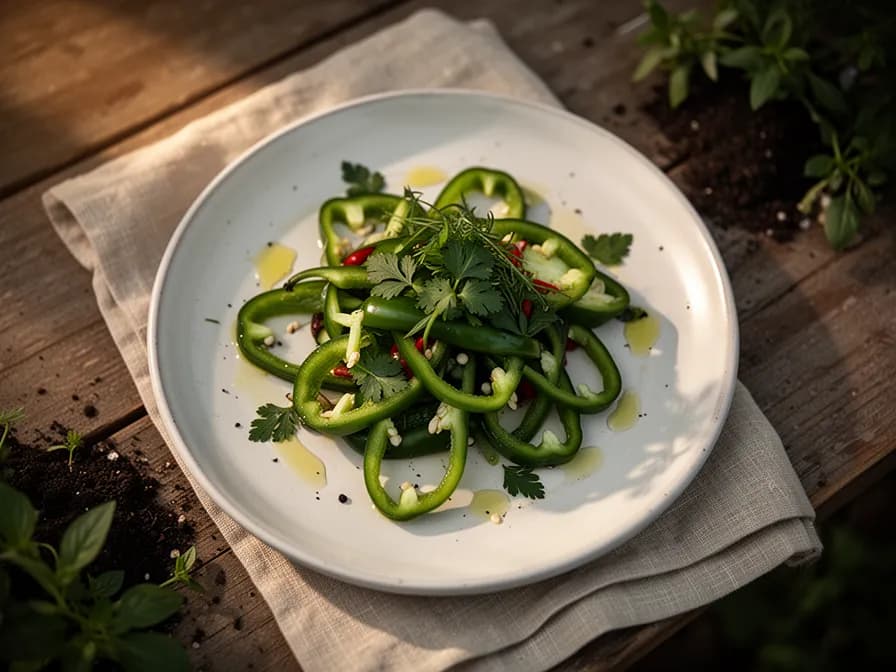
Stuffed Anaheim Peppers (Chiles Rellenos)
45 minWhole roasted Anaheim peppers stuffed with a melting cheese filling, dipped in fluffy egg batter, and fried until golden. This classic Mexican preparation showcases the pepper's mild heat and excellent roasting qualities in one of the most beloved Southwestern dishes.
7 ingredientsGreen Chile Cornbread
35 minMoist, savory cornbread studded with diced roasted Anaheim peppers and melted cheddar cheese. The peppers add a subtle warmth and smoky depth that elevates simple cornbread into something extraordinary — a perfect side for chili, soups, and barbecue.
9 ingredientsCulinary Uses
Anaheim peppers are the classic roasting chile of the American Southwest. Fire-roasted and peeled, they star in green chile sauce, enchiladas, and chiles rellenos. Chopped Anaheims add mild heat to burgers, omelets, and cornbread. When dried as California chiles, they are rehydrated and blended into smooth red enchilada sauce. Their mild, versatile flavor makes them an ideal everyday cooking pepper that adds depth without overpowering.
What's inside
Health Benefits
- Rich in vitamin C, providing over 100% of the daily value per 100g — supports immune function, collagen synthesis, and enhances iron absorption from plant-based foods.
- Contains capsaicin at mild levels (500-2,500 SHU) which studies show can boost metabolic rate, reduce appetite, and provide anti-inflammatory effects without the intense burn of hotter peppers.
- Excellent source of vitamin A and beta-carotene, especially in red-ripe fruits, supporting healthy vision, skin integrity, and immune cell function.
- Provides vitamin B6 (pyridoxine), essential for neurotransmitter synthesis, hemoglobin production, and protein metabolism — important for brain health and energy levels.
- Contains quercetin and luteolin, flavonoid antioxidants that research links to reduced risk of cardiovascular disease and lower levels of chronic inflammation.
- The combination of capsaicin and fiber supports digestive health by stimulating gastric motility and promoting a healthy gut microbiome, while the low calorie density makes peppers ideal for weight management.
Where Anaheim Pepper comes from
The Anaheim pepper traces its lineage to the New Mexico chile pepper (Capsicum annuum), which has been cultivated by Pueblo peoples in the Rio Grande Valley for over 400 years. Spanish colonists brought chile seeds from Mexico to New Mexico in the late 1500s, and generations of selection by both Indigenous and Hispanic farmers produced the long, mild, thick-walled pepper ideally suited to roasting and drying in the arid Southwestern climate. These New Mexican chiles became the foundation of the region's distinctive cuisine.
In 1894, a farmer named Emilio Ortega brought New Mexican chile seeds to Anaheim, California, where he established a cannery to produce fire-roasted green chiles for a broader market. The milder peppers grown in Anaheim's cooler coastal climate became known as Anaheim peppers, and Ortega's canned chiles introduced Southwestern flavors to the rest of the United States. The Ortega brand remains one of the most recognized names in canned green chiles today. Despite the California name, the heart of Anaheim-type pepper production has always remained in New Mexico, particularly the Hatch Valley.
New Mexico State University's Chile Pepper Institute has been instrumental in developing improved Anaheim-type varieties since the 1900s. Dr. Fabian Garcia released the first standardized variety, New Mexico No. 9, in 1913, and subsequent breeders developed iconic selections like NuMex Big Jim (which holds the Guinness World Record for largest chile pepper at 34 cm), NuMex Joe E. Parker, and NuMex Heritage series. Today, Anaheim-type peppers are grown commercially across the American Southwest, Mexico, and increasingly in home gardens worldwide. The annual green chile harvest and roasting season remains a defining cultural event in New Mexico, where the pepper is not merely an ingredient but a way of life.
Anaheim Pepper: did you know?
Fascinating facts about Anaheim Pepper
Anaheim peppers were originally brought to Anaheim, California, from New Mexico by Emilio Ortega in 1894, and his family founded the Ortega brand that still produces canned green chiles today — making them one of the few vegetables named after a California city.
Anaheim Pepper questions, answered
When should I plant Anaheim Pepper?
What are good companion plants for Anaheim Pepper?
What hardiness zones can Anaheim Pepper grow in?
How much sun does Anaheim Pepper need?
How far apart should I space Anaheim Pepper?
What pests and diseases affect Anaheim Pepper?
How do I store Anaheim Pepper after harvest?
What are the best Anaheim Pepper varieties to grow?
What soil does Anaheim Pepper need?
What is the difference between Anaheim peppers and Hatch chiles?
Can I substitute Anaheim peppers for poblano peppers in recipes?
Why are some of my Anaheim peppers much hotter than others?
How do I roast and peel Anaheim peppers properly?
Can I grow Anaheim peppers in containers?
How should I freeze roasted Anaheim peppers for long-term storage?
You just read the theory. Now grow it on autopilot.
Everything that makes Anaheim Pepper fiddly — the timing, the spacing, the companions, the harvest window — is exactly what PlotMyGarden handles for you, for every plant in your garden.
A plan that knows your weather
Set your location once. Get sow, feed and harvest dates built around your real last-frost date and live forecast — no more guessing from a generic seed packet.
From the “When to plant” sectionDrag-and-drop bed planner
Design beds on a grid. Every plant snaps to its proper spacing, and you can see your whole season laid out before you spend a cent on seed.
From the “Growing guide” sectionCompanion conflicts, caught early
200+ good-and-bad pairings checked live as you plant — so a season-wrecking mistake never makes it into the ground.
From the “Companions” sectionReminders you'll actually act on
“Water the beans.” “Pick today before it turns.” Timely, specific, and tied to the plants you're really growing.
From the “Harvest” sectionSuccession, scheduled
Want a harvest for six weeks, not six days? It spaces your sowings automatically and reminds you when each new block is due.
From the “When to plant” sectionA record that gets smarter
Every harvest you log teaches it your garden. Next year's plan starts from what actually worked in your soil, not a textbook's.
From the “Overview” sectionPlant these alongside Anaheim Pepper
More Nightshades
Keep Anaheim Pepper away from these
Garden plans featuring Anaheim Pepper
Grow your best Anaheim Pepper yet — and everything around it.
Start a free plan today. Lay out your beds, drop in your Anaheim Pepper, and let PlotMyGarden handle the timing, spacing, companions and reminders from seed to harvest basket.