Melón Pepino
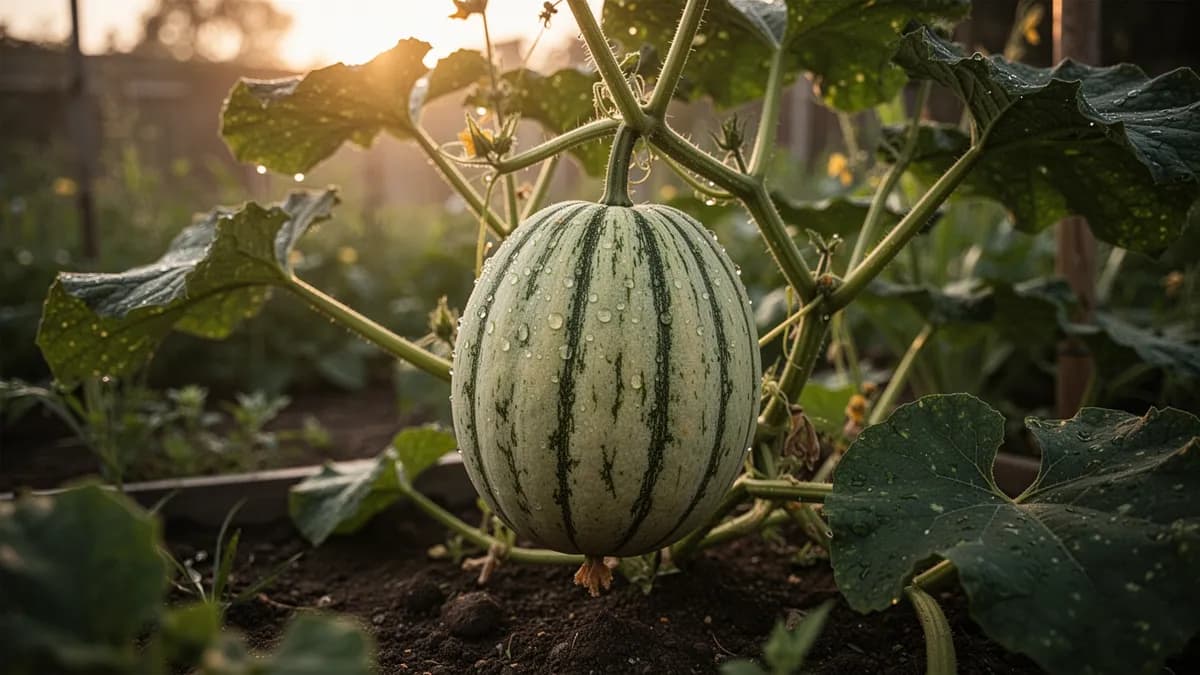
El pepino melón (Solanum muricatum) es una solanácea perenne originaria de los Andes sudamericanos que produce frutos ovalados de piel lisa con llamativas rayas púrpuras sobre fondo amarillo dorado.





En esta páginaResumen
Conoce Melón Pepino
El pepino melón (Solanum muricatum) es una solanácea perenne originaria de los Andes sudamericanos que produce frutos ovalados de piel lisa con llamativas rayas púrpuras sobre fondo amarillo dorado. Su pulpa jugosa y aromática combina sabores de melón cantaloupe y pepino, con un dulzor suave y refrescante que lo convierte en una fruta exótica muy apreciada.
Cuándo plantar Melón Pepino
Inicie las semillas en interior entre 8 y 10 semanas antes de la última helada, sembrando a 5 mm de profundidad en sustrato cálido a 22-25°C. La germinación es irregular y puede tardar 15-30 días. Alternativamente, propague mediante esquejes de tallo de 10-15 cm que enraízan fácilmente en agua o sustrato húmedo en 2-3 semanas, siendo este el método más fiable y rápido.
Tu año de Melón Pepino
Ajustado a Zona 7 · temporada típica · la helada se va hacia el 2 abr y vuelve hacia el 1 nov
Planta Melón Pepino Feb – May y cosecha Ago – Oct. Consulta los métodos de plantación y elige tu clima para adaptar los periodos.
Cómo cultivar Melón Pepino
El pepino melón se cultiva de manera similar al tomate, requiriendo pleno sol y temperaturas cálidas constantes entre 18 y 28°C. Plante en un lugar protegido del viento con exposición sur y coloque tutores o jaulas de soporte, ya que las ramas cargadas de frutos tienden a doblarse. Espacie las plantas a 50-60 cm entre sí para permitir buena circulación de aire.
El riego debe ser regular y consistente, manteniendo el suelo uniformemente húmedo pero nunca encharcado. La planta es sensible tanto a la sequía como al exceso de agua. Aplique un fertilizante equilibrado cada 2-3 semanas durante el crecimiento vegetativo, reduciendo el nitrógeno cuando comience la fructificación para favorecer el desarrollo de frutos dulces.
Pode los brotes laterales excesivos para concentrar la energía en los frutos principales, dejando de 4 a 6 frutos por planta para obtener el mejor tamaño y dulzor. En climas con veranos cortos, es imprescindible el pre-cultivo en interior y puede ser necesario cultivar en invernadero. La planta es perenne en zonas libres de heladas y se puede propagar fácilmente mediante esquejes de tallo.
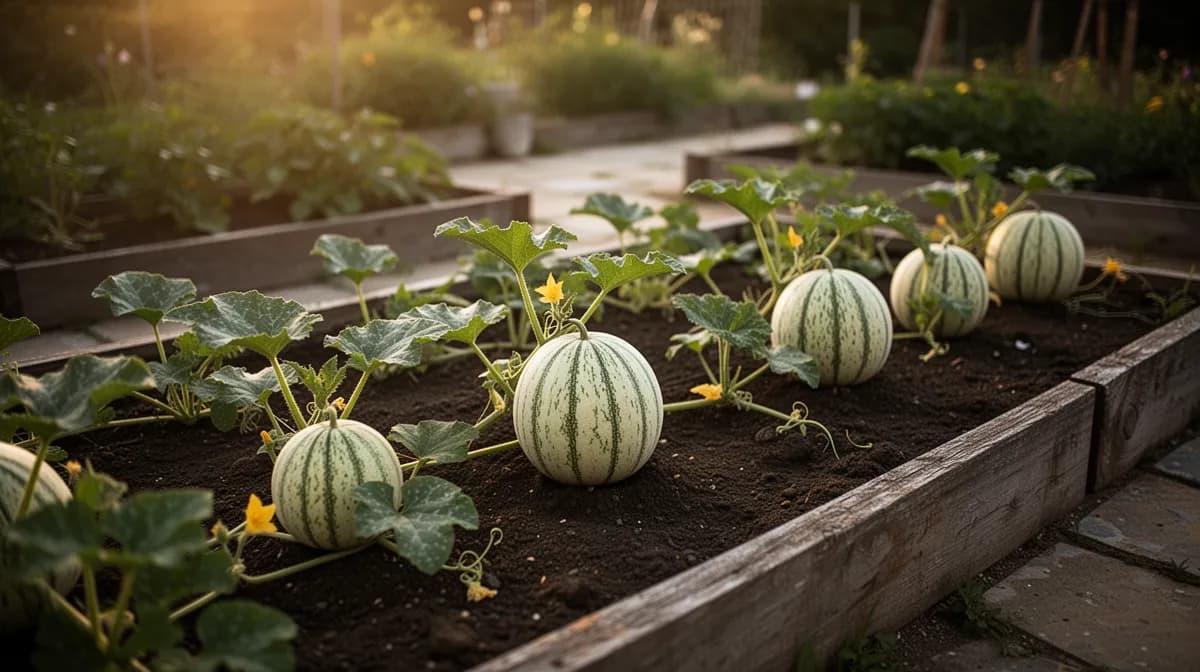
8 plantas caben en un bancal de 120 × 240 cm
Cada Melón Pepino pide 60 cm de margen. El planificador guarda ese marco por ti — cada planta, cada bancal.
Los mejores vecinos de Melón Pepino
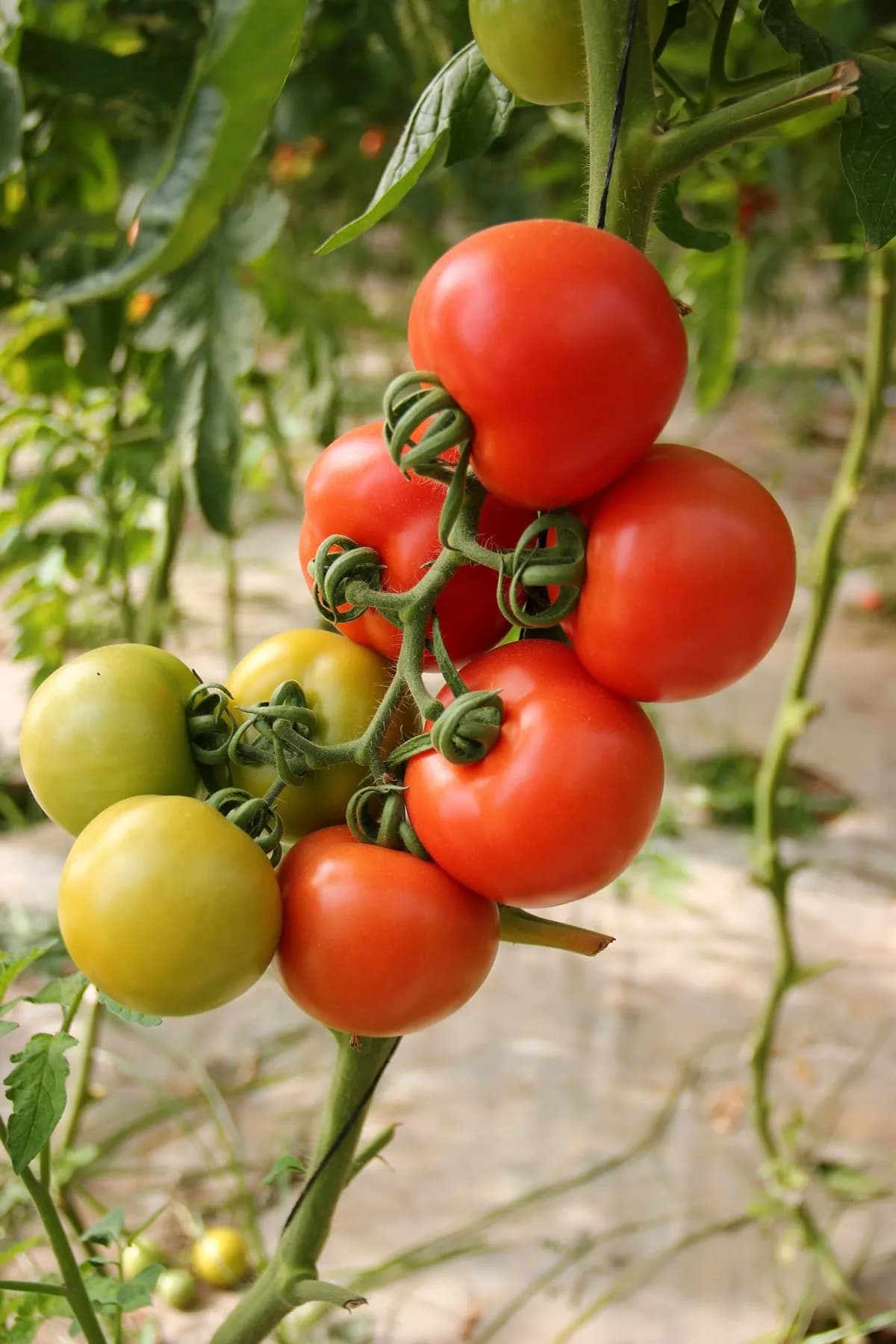
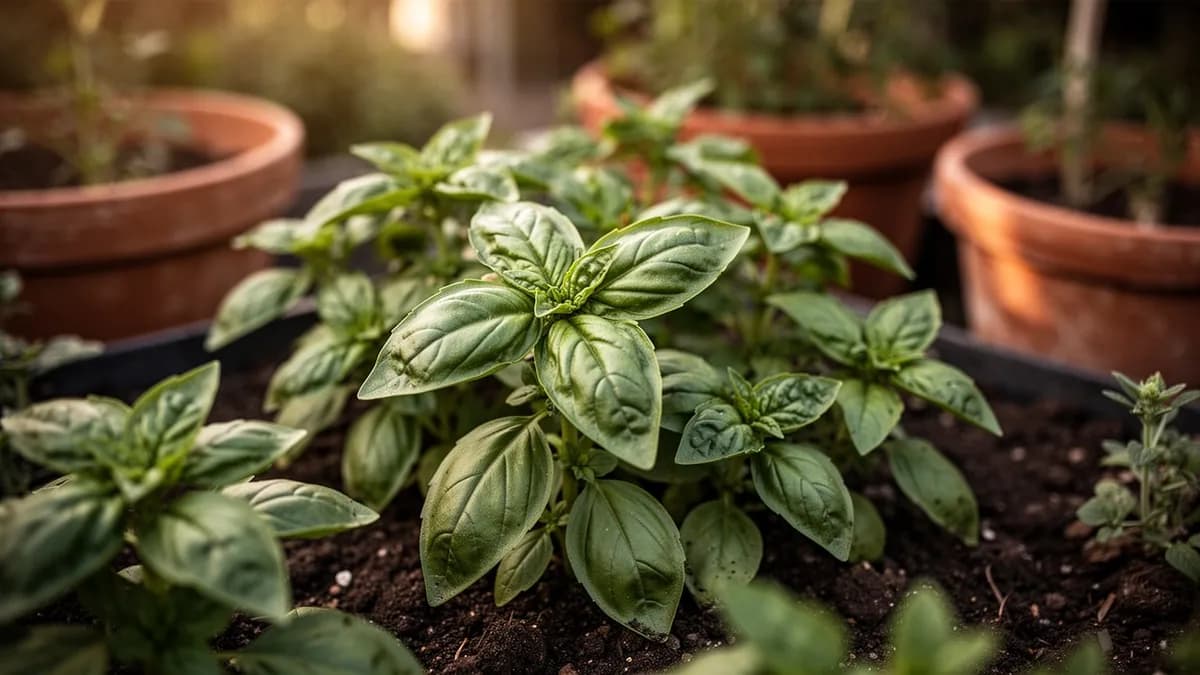
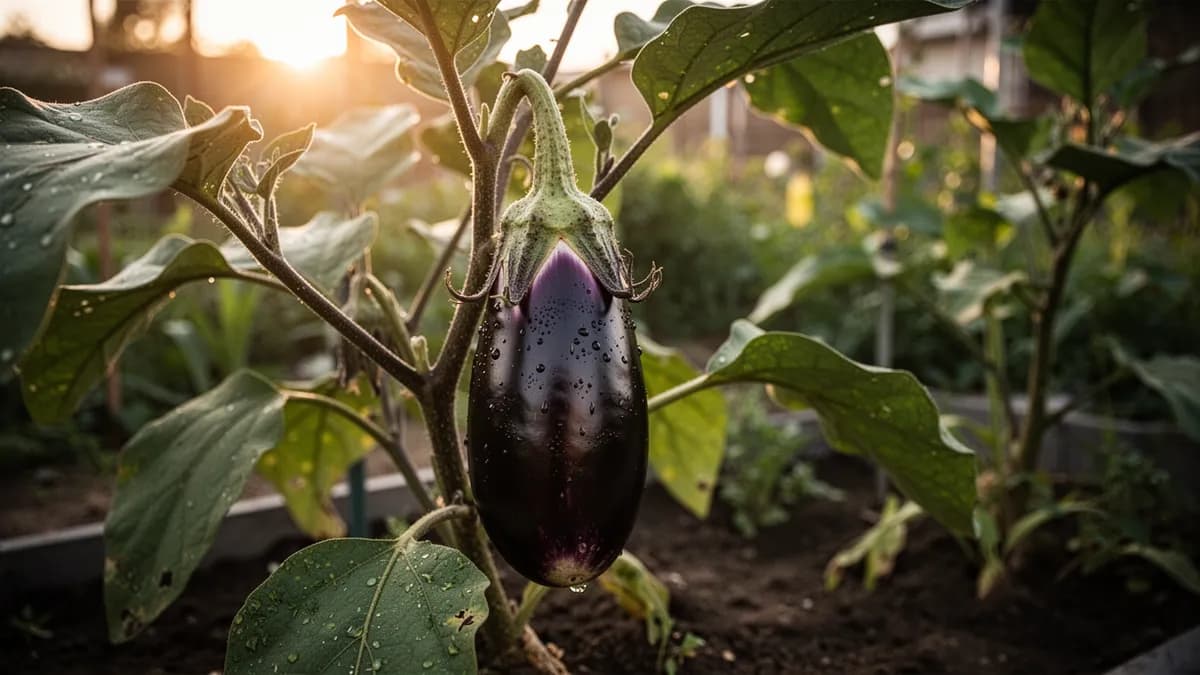
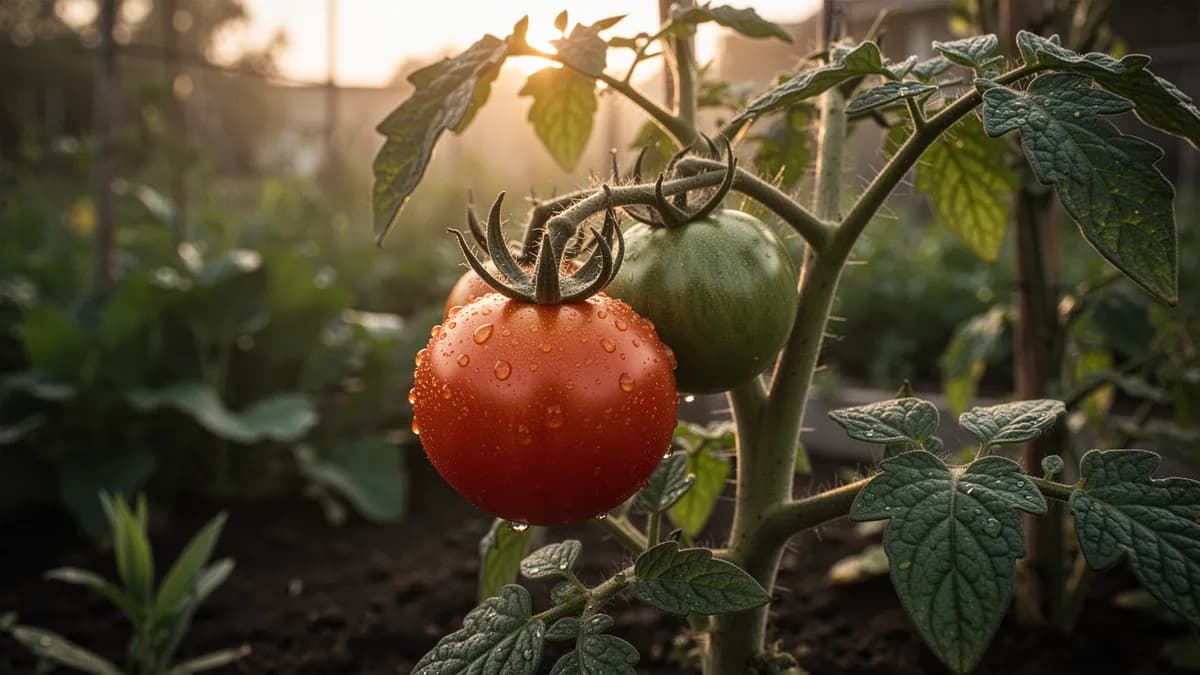
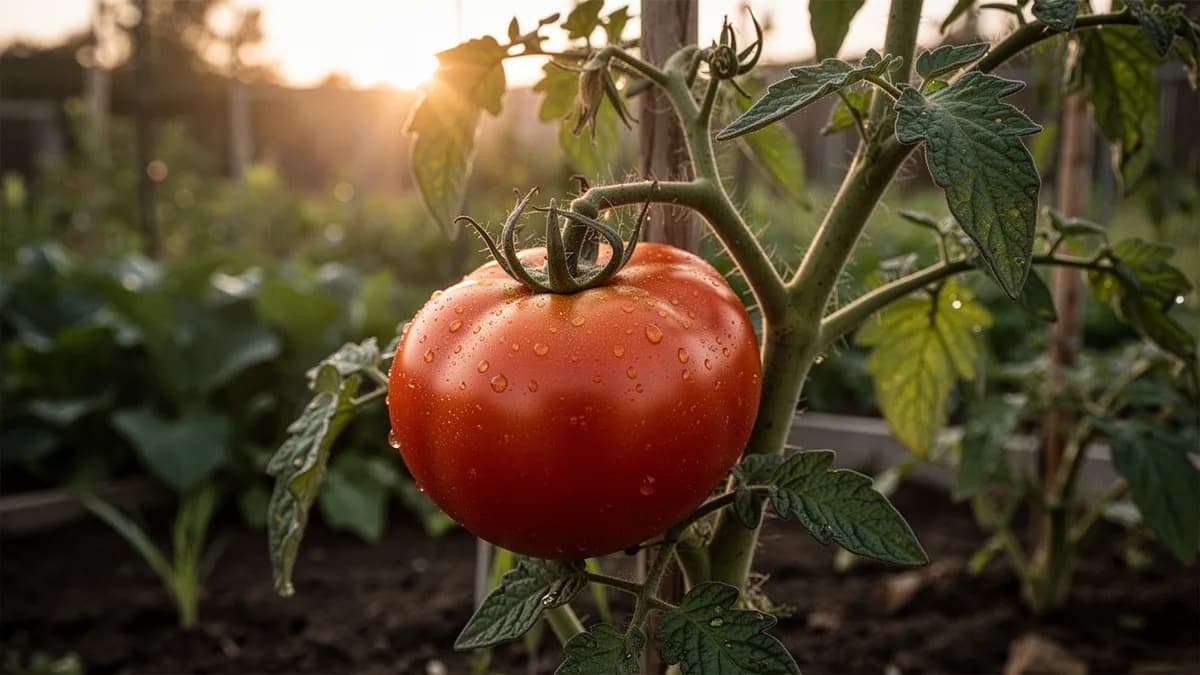
El pepino melón se beneficia de la compañía de albahaca y caléndulas, que ayudan a repeler moscas blancas y pulgones con sus aceites esenciales aromáticos. Evite plantar junto a otras solanáceas enfermas como tomates o berenjenas para prevenir la transmisión cruzada de virus y enfermedades fúngicas compartidas.
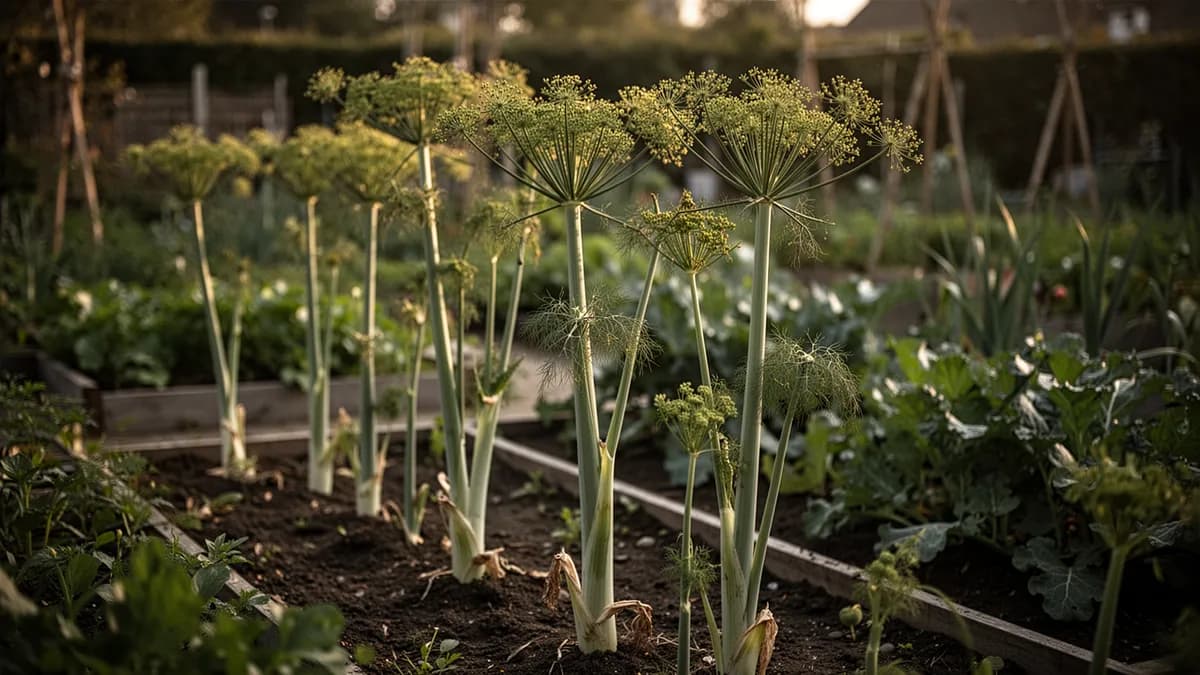
Tomate va a su lado. Hinojo no.
Saber de huerto de siempre, cotejado con la tabla real de Melón Pepino — prueba cualquier planta que cultives.
Prueba Melón Pepino en un bancal, aquí mismo
Un bancal real del planificador con Melón Pepino ya plantado. Toca una planta compañera para colocarla y mira cómo responde la comprobación de vecinos: verde para buenos vecinos, rojo si hay conflicto.


Guías de cultivo relacionadas
Abónalo bien
El pepino melón prospera en suelos fértiles, bien drenados y ricos en materia orgánica, con un pH entre 6,0 y 7,0. Incorpore compost maduro y un fertilizante de liberación lenta antes del trasplante. Durante la fructificación, aplique un abono rico en potasio cada dos semanas para mejorar el dulzor y la calidad de los frutos.
Temperatura ideal
Compatibilidad de zonas de rusticidad
De la semilla a la cosecha, etapa por etapa
Propagación y germinación
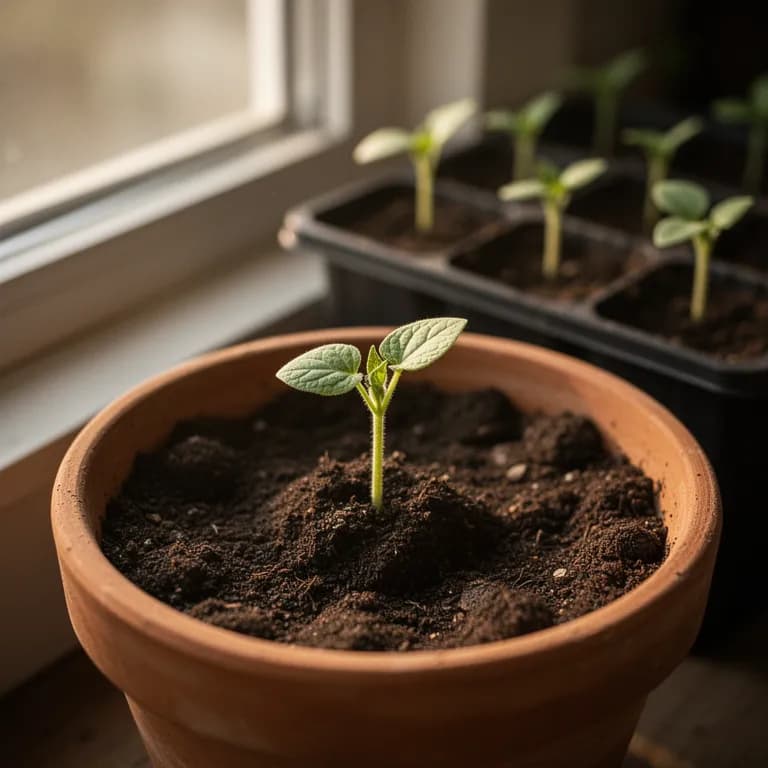
El pepino dulce puede iniciarse a partir de semillas o de esquejes de tallo. Las semillas germinan lenta e irregularmente durante 14-21 días en condiciones cálidas (20-25 °C). Los esquejes de 10-15 cm enraízan con mucha más fiabilidad en 7-10 días y producen plantas fructíferas mucho antes. Los esquejes deben tomarse de brotes laterales vigorosos y colocarse en sustrato de semillero húmedo o en agua hasta que desarrollen raíces.
Crecimiento vegetativo
Las plantas se convierten en arbustos extendidos y frondosos con hojas lanceoladas parecidas a las del pimiento. De la base surgen varios tallos ramificados, y la planta crece con rapidez en condiciones cálidas, alcanzando 30-60 cm de altura. Durante este periodo el sistema radicular se establece con fuerza. Los tallos son semileñosos y pueden necesitar soporte a medida que la planta se expande.
Floración
En las puntas de las ramas aparecen racimos de flores pequeñas en forma de estrella. Cada flor tiene pétalos blancos con franjas o marcas moradas, muy parecidas a las flores de la patata o del tomate. Las flores son autofértiles, pero se benefician mucho de un suave sacudido o de la visita de polinizadores para mejorar el cuajado. La floración continúa durante toda la temporada de crecimiento.
Desarrollo del fruto
Las flores polinizadas se convierten en frutos lisos, de forma ovalada o de huevo, que van увеличándose gradualmente durante 30-45 días. Los frutos jóvenes son de color verde pálido y empiezan a desarrollar las franjas longitudinales moradas características a medida que maduran. La piel pasa de verde a amarillo crema o dorado mientras se acumulan azúcares. Cada fruto alcanza 8-15 cm de largo y pesa 150-400 gramos.
Maduración y cosecha
Los frutos están listos cuando el color de fondo de la piel pasa de verde a amarillo dorado y las franjas moradas se distinguen bien. Los frutos maduros ceden ligeramente al presionarlos con el pulgar, de forma similar a comprobar un aguacate. En el extremo del pedúnculo se desarrolla un aroma dulce, parecido al melón. Los frutos pueden cosecharse un poco inmaduros y terminar de madurar a temperatura ambiente.
Producción prolongada
Como planta perenne en climas sin heladas, el pepino dulce continúa alternando floración y fructificación durante meses o incluso años. En climas templados, la producción sigue hasta que una helada mata la parte aérea. Las plantas pueden podarse con fuerza después de un ciclo de producción y rebrotarán para dar otra tanda de frutos en 8-10 semanas.
Se prefieren claramente los esquejes frente a las semillas: enraízan más rápido, producen plantas genéticamente idénticas y fructifican semanas antes. Si siembras semillas, usa una manta térmica a 22-25 °C y ten paciencia con una germinación irregular.
Cuidar Melón Pepino mes a mes
Qué hacer cada mes para tu Melón Pepino
Octubre
Mes actualContinue harvesting ripe and nearly-ripe fruit before the first frost. Harvest any mature green fruit to ripen indoors at room temperature. Pot up cuttings taken in September and bring indoors. In frost-free zones, prune plants back by one-third to stimulate new growth.
Ten claro qué hacer en tu huerto, cada mes
Un correo al empezar cada mes: qué sembrar, plantar y hacer ahora mismo — para tu Melón Pepino y todo lo que crece alrededor. Más un breve curso inicial para esquivar los errores clásicos.
- Qué hacer ahora mismo
- Ajustado a tu temporada
- Curso inicial incluido
Cosechar Melón Pepino
Los frutos del pepino melón se cosechan cuando la piel desarrolla un color amarillo dorado con rayas púrpuras bien definidas y cede ligeramente a la presión, generalmente entre 80 y 100 días después del trasplante. El fruto debe desprender un aroma dulce y fragante en la base del pedúnculo. Corte con tijeras dejando un pequeño tallo para prolongar la conservación.
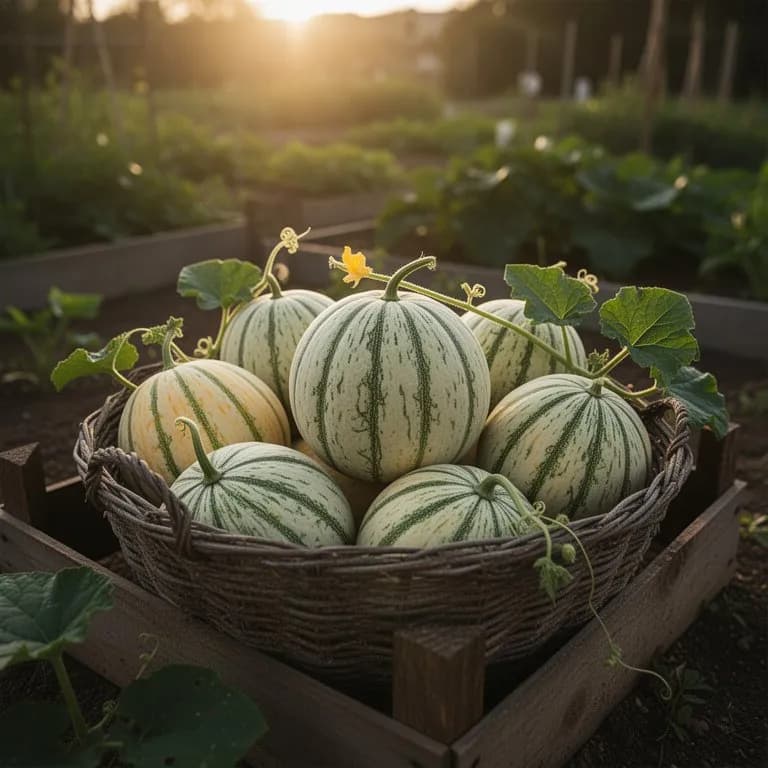
se supone que plantas al comenzar el periodo — indica tu fecha real
Cosecha cuando la piel cambie de verde a amarillo crema con franjas moradas y el fruto ceda ligeramente a una presión suave; debe desprender un aroma dulce y fragante en el extremo del pedúnculo.
Almacenamiento y conservación
Los frutos maduros se conservan a temperatura ambiente durante 3-5 días o en el refrigerador durante 1-2 semanas. Para prolongar su vida útil, coseche ligeramente inmaduros y deje madurar a temperatura ambiente. Se pueden preparar en conserva con almíbar ligero, congelar en trozos para batidos, o deshidratar en láminas finas como snack dulce.
Qué falla — y cómo solucionarlo
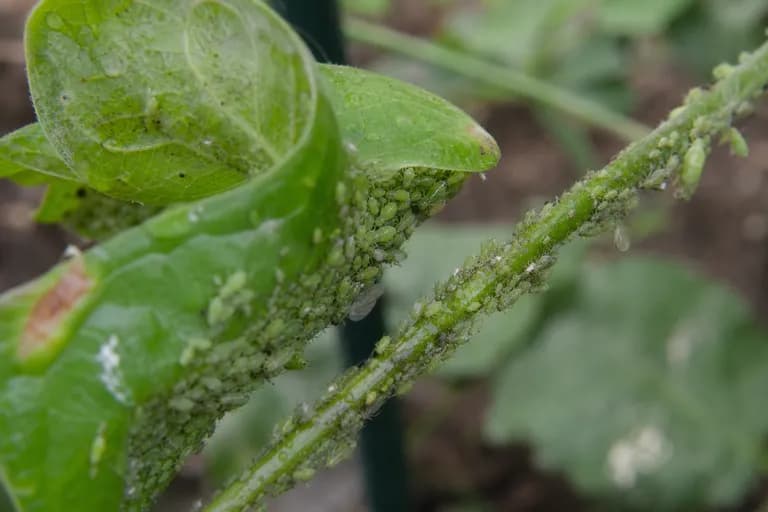
Mosca blanca
PlagaPequeños insectos blancos alados que se congregan en el envés de las hojas, provocando amarillamiento, debilitamiento general y secreción de melaza pegajosa que favorece la fumagina.
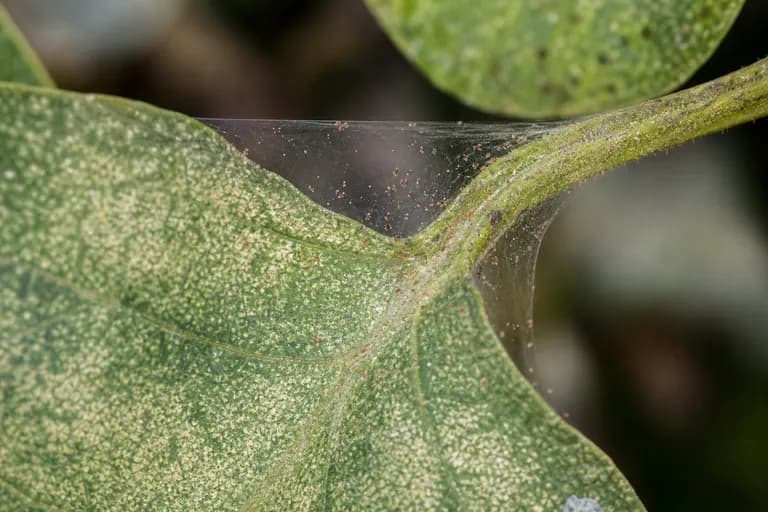
Araña roja
PlagaDiminutos ácaros que provocan punteado amarillento en las hojas, telarañas finas en el envés y desecación progresiva del follaje en condiciones de calor y sequedad ambiental.
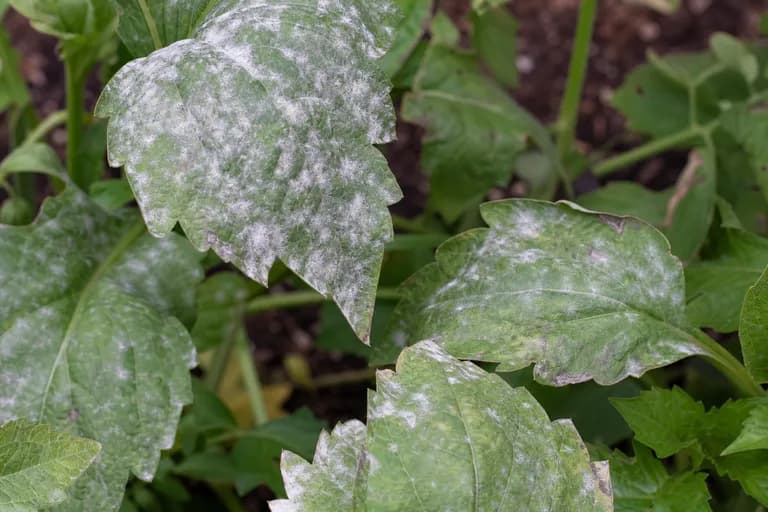
Oídio
EnfermedadPolvo blanquecino harinoso que cubre las hojas y tallos, reduciendo la capacidad fotosintética y debilitando la planta progresivamente.
Solución de problemas comunes
El principal desafío del pepino melón es su necesidad de una temporada cálida larga de al menos 100 días sin heladas para producir frutos maduros. Las temperaturas por debajo de 10°C detienen el crecimiento y las heladas son letales. En climas con veranos cortos, es necesario el cultivo en invernadero o la propagación por esquejes para adelantar la producción.
Consejos de cultivo
- Start from cuttings, not seeds. Pepino melon seeds germinate slowly and unevenly, and seed-grown plants take much longer to fruit. Stem cuttings 10-15 cm long root within 7-10 days and produce fruit weeks earlier than seedlings — plus every cutting is a genetic clone of your best plant.
- Pinch early and often. When plants reach 20-25 cm tall, pinch the growing tips to force branching. More branches mean more flowering sites and dramatically higher yields. A well-pinched plant produces a compact, bushy shape that is easier to support and harvest.
- Hand-pollinate for reliable fruit set. Pepino melon flowers are self-fertile but often set fruit poorly without assistance. Gently shake flowering branches daily, or use a small paintbrush to dab pollen between flowers. This simple step can double your fruit set in cool or cloudy weather.
- Limit fruit per branch to 4-6 for the best quality. Pepino melon tends to set more fruit than it can ripen to full sweetness. Thinning young fruit allows the plant to channel energy into fewer, larger, sweeter fruit rather than many small, bland ones.
- Protect from extreme heat. Unlike most fruiting plants, pepino melon actually produces worse above 30°C (86°F). In hot climates, provide afternoon shade using shade cloth (30-40%) or plant on the east side of taller crops. Fruit set improves dramatically with heat protection.
- Consistent watering is critical for flavor. Irregular moisture causes bland, mealy fruit and skin cracking. Water deeply 2-3 times per week to maintain even soil moisture, and mulch heavily to stabilize soil temperature and moisture levels.
- Overwinter with cuttings, not whole plants. Rather than struggling to keep large potted plants alive indoors over winter, take 6-8 fresh cuttings in early autumn. Root them in water or moist potting mix, and maintain them on a bright windowsill — they take up far less space and grow vigorously when planted out in spring.
- Boost sweetness with potassium. Once fruit begins forming, switch from balanced fertilizer to a high-potassium feed (like tomato fertilizer or liquid seaweed). Potassium drives sugar accumulation in the fruit and dramatically improves the flavor of ripe pepino melon.
Cultiva tu mejor Melón Pepino — y todo lo que la rodea.
Empieza un plan gratis hoy. Diseña tus bancales, coloca tu Melón Pepino y deja que PlotMyGarden gestione el momento, el espaciado, las asociaciones y los recordatorios de la semilla a la cesta.
Elige tu Melón Pepino
El Camino
Variedad productiva con frutos grandes de hasta 300 g y excelente dulzor. Madura en 85-90 días y presenta las rayas púrpuras características muy marcadas sobre fondo dorado.
Miski Prolific
Selección peruana extremadamente productiva con frutos medianos de 150-200 g. Destaca por su alto contenido de azúcar y su adaptabilidad a diferentes climas.
Toma
Variedad compacta ideal para cultivo en macetas y espacios reducidos. Produce frutos pequeños pero muy dulces de 80-120 g con maduración en 80 días.
Copa de Oro
Variedad de frutos dorados con pocas rayas y pulpa excepcionalmente jugosa. Madura en 90-95 días y es muy apreciada por su sabor intenso a melón tropical.
Pepino melon is a premium specialty fruit that retails for $4-8 per fruit (or $8-15 per kg) in gourmet grocery stores and specialty markets — when it can be found at all, as availability is extremely limited in most areas. A single plant grown from a $3-5 cutting can produce 15-30 fruit over a season, representing $60-240 in retail value. Because pepino melon propagates effortlessly from cuttings, one initial purchase can supply unlimited plants for years. The fruit's exceptional 3-4 week refrigerator shelf life reduces waste compared to other fresh fruit, further increasing the value of home growing.
Recetas rápidas
Pepino Melon Tropical Smoothie
5 minA silky, naturally sweet smoothie that showcases pepino melon's unique cantaloupe-cucumber flavor. The high water content creates a light, refreshing drink perfect for hot summer mornings — no added sugar needed.
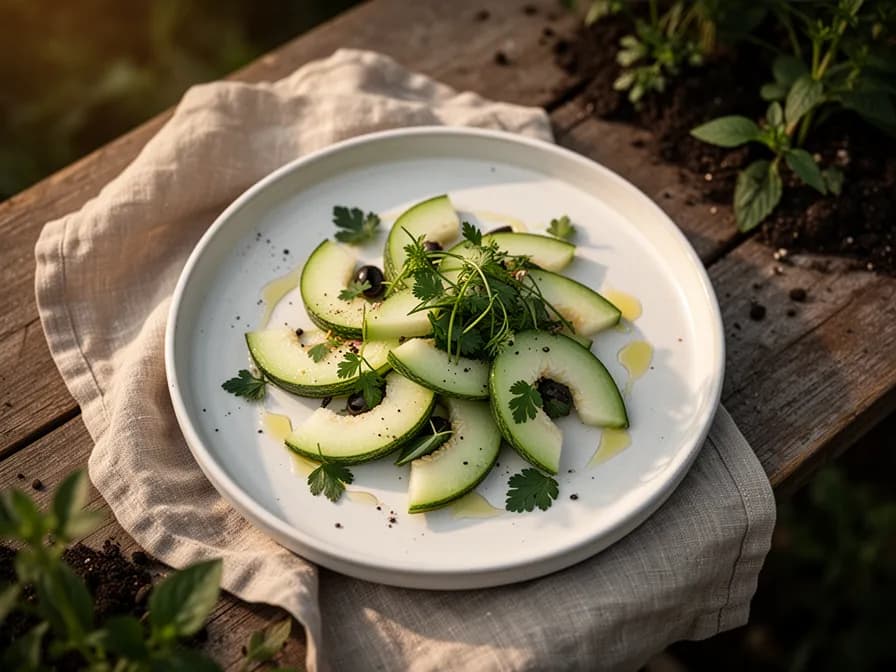
7 ingredientesChilled Pepino Melon and Prosciutto Salad
10 minAn elegant appetizer that pairs the cool, sweet flesh of pepino melon with salty prosciutto and peppery arugula — think of it as a refined twist on melon and ham that surprises guests with its unique flavor.
8 ingredientesPepino Melon Sorbet
15 min + freezingA simple three-ingredient sorbet that captures the delicate, perfumed sweetness of ripe pepino melon. The pale golden color and subtle cucumber-melon aroma make this a sophisticated palate cleanser or light dessert.
5 ingredientesUsos culinarios
El pepino melón se consume principalmente fresco, pelado y cortado en gajos como fruta de mesa, o añadido a ensaladas de frutas tropicales. Se utiliza en batidos, sorbetes y postres helados, y combina especialmente bien con zumo de lima y menta fresca. En la cocina peruana se emplea en ceviches de frutas y cócteles refrescantes.
Qué contiene
Beneficios para la salud
- Outstanding source of vitamin C, providing over 30% of the daily value per 100g — supporting immune function, collagen production for healthy skin, and iron absorption from plant-based foods.
- Extremely hydrating at 92% water content, making pepino melon an excellent choice for maintaining hydration during hot weather, after exercise, or for people who struggle to drink enough water.
- Contains beta-carotene and other carotenoid antioxidants that protect cells from oxidative damage and support healthy vision, particularly in low-light conditions.
- Low glycemic index despite its sweet taste, meaning it causes a slower, gentler rise in blood sugar compared to many other sweet fruits — a good option for blood sugar management.
- Provides potassium and minimal sodium, a combination that supports healthy blood pressure regulation and cardiovascular function.
- Rich in soluble fiber and pectin that promote healthy digestion, support beneficial gut bacteria, and help maintain regular bowel function.
De dónde viene Melón Pepino
Pepino melon (Solanum muricatum) is native to the temperate Andean regions of South America, where it has been cultivated for thousands of years across present-day Peru, Colombia, Ecuador, Bolivia, and Chile. Archaeological evidence from coastal Peru suggests the fruit was grown and consumed by pre-Incan civilizations as early as 2000 BCE. The Incas cultivated pepino melon extensively across their mountain terraces, valuing it as a refreshing, hydrating fruit in the arid highland climate. Spanish chroniclers of the 16th century documented its widespread cultivation throughout the Andes and gave it the name 'pepino dulce' (sweet cucumber) for its mild, refreshing flavor.
After the Spanish conquest, pepino melon was introduced to Central America, Mexico, and eventually carried to Europe in the early 1600s. It gained brief popularity as an exotic curiosity in Spain and France but never achieved widespread European cultivation, partly because the plant demands a long frost-free growing season and consistent mild temperatures. In the 19th century, pepino melon was introduced to New Zealand, Australia, and parts of Southeast Asia, where it found favorable growing conditions and established itself as a commercial crop.
Today, pepino melon is commercially grown in New Zealand, Chile, Australia, Spain, Turkey, and parts of Southeast Asia. New Zealand has been particularly instrumental in developing modern commercial cultivars with improved flavor and shelf life. The fruit has gained growing popularity in specialty and health food markets worldwide, prized for its high vitamin C content, exceptional hydration properties, and unique flavor profile that combines elements of cantaloupe, honeydew, and cucumber. In home gardens, pepino melon is increasingly popular as a novelty fruit that is easy to grow, prolific, and conversation-starting.
Melón Pepino: ¿sabías que?
Datos fascinantes sobre Melón Pepino
Pepino melon (Solanum muricatum) is not actually a melon at all — it belongs to the nightshade family (Solanaceae) and is more closely related to tomatoes, peppers, potatoes, and eggplants than to any true melon or cucumber.
Melón Pepino: preguntas frecuentes
¿Cuándo debo plantar Melón Pepino?
¿Cuáles son buenas plantas acompañantes para Melón Pepino?
¿En qué zonas de rusticidad puede crecer Melón Pepino?
¿Cuánto sol necesita Melón Pepino?
¿A qué distancia debo espaciar Melón Pepino?
¿Qué plagas y enfermedades afectan a Melón Pepino?
¿Cómo almaceno Melón Pepino después de la cosecha?
¿Cuáles son las mejores variedades de Melón Pepino para cultivar?
¿Qué suelo necesita Melón Pepino?
How do I know when a pepino melon is ripe and ready to pick?
Can I grow pepino melon in a container?
Why are my pepino melon flowers falling off without setting fruit?
Is pepino melon a perennial or do I need to replant each year?
What does pepino melon taste like?
How do I propagate pepino melon from cuttings?
Acabas de leer la teoría. Ahora cultívala en piloto automático.
Todo lo que hace que Melón Pepino sea delicado — el momento, el espaciado, las asociaciones, la ventana de cosecha — es justo lo que PlotMyGarden resuelve por ti, para cada planta de tu huerto.
Un plan que conoce tu clima
Indica tu ubicación una vez. Recibe fechas de siembra, abonado y cosecha basadas en tu última helada real y el pronóstico en vivo — sin adivinar con un sobre genérico.
De la sección “Cuándo plantar”Planificador de bancales de arrastrar y soltar
Diseña bancales sobre una cuadrícula. Cada planta encaja con su espaciado correcto y ves toda la temporada antes de gastar un céntimo en semillas.
De la sección “Cultivo”Conflictos de asociación, detectados a tiempo
Más de 200 buenas y malas combinaciones comprobadas en vivo mientras plantas — para que un error que arruine la temporada nunca llegue a la tierra.
De la sección “Asociaciones”Recordatorios que sí vas a seguir
“Riega las judías.” “Recoge hoy antes de que se pase.” Oportunos, concretos y ligados a las plantas que de verdad cultivas.
De la sección “Cosecha”Escalonado, programado
¿Quieres cosechar seis semanas en vez de seis días? Reparte tus siembras automáticamente y te avisa cuando toca el siguiente lote.
De la sección “Cuándo plantar”Un registro que se vuelve más listo
Cada cosecha que registras le enseña tu huerto. El plan del año que viene parte de lo que de verdad funcionó en tu suelo, no en un manual.
De la sección “Resumen”Planta estos junto a Melón Pepino
Más Solanáceas
Mantén Melón Pepino lejos de estos
Cultiva tu mejor Melón Pepino — y todo lo que la rodea.
Empieza un plan gratis hoy. Diseña tus bancales, coloca tu Melón Pepino y deja que PlotMyGarden gestione el momento, el espaciado, las asociaciones y los recordatorios de la semilla a la cesta.