Melocotón Georgia Belle
Un apreciado melocotón tradicional del sur, de pulpa blanca y hueso libre, con un sabor excepcionalmente dulce, aromático y de baja acidez.





En esta páginaResumen
Conoce Melocotón Georgia Belle
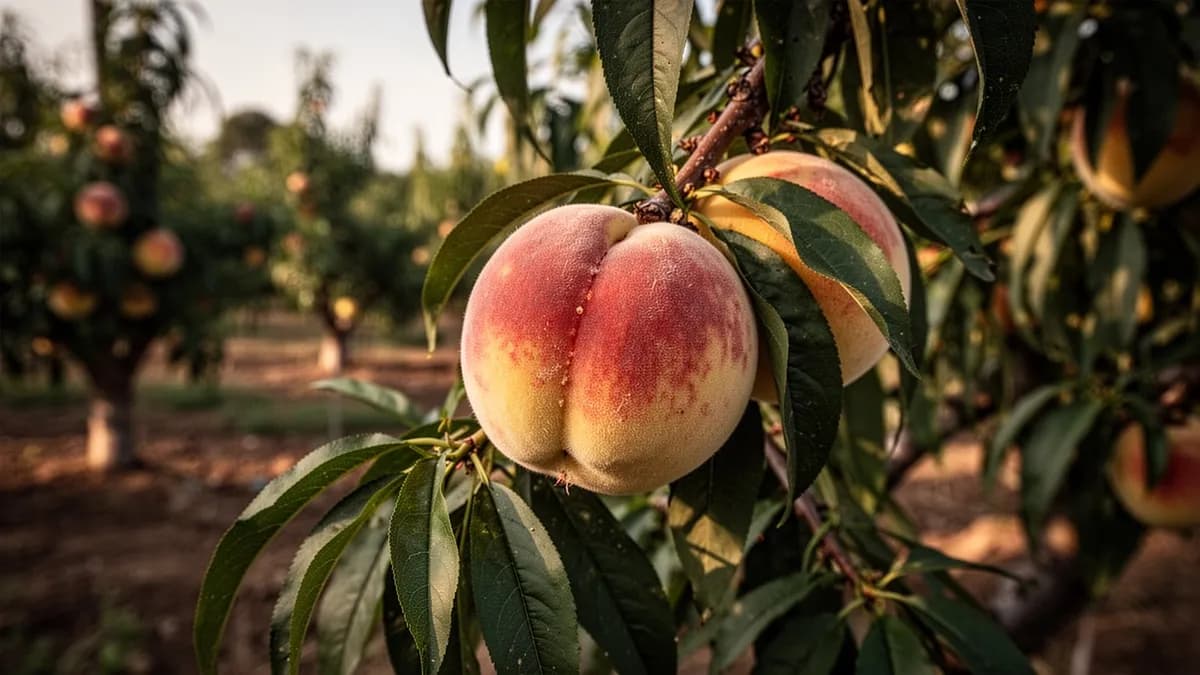
Un apreciado melocotón tradicional del sur, de pulpa blanca y hueso libre, con un sabor excepcionalmente dulce, aromático y de baja acidez. Georgia Belle es autofértil y madura a media o finales de temporada, necesitando unas 850 horas de frío. La delicada pulpa blanca se magulla con facilidad, lo que lo convierte en un auténtico melocotón de patio, ideal para disfrutarlo directamente del árbol.
Cuándo plantar Melocotón Georgia Belle
Los huesos de Georgia Belle pueden producir plántulas que a veces se parecen a la planta madre, ya que los melocotones de pulpa blanca son recesivos. Limpie los huesos de fruta madura y estratifíquelos en arena húmeda a entre 33 y 40 °F durante 90 a 120 días. Plántelos a una pulgada de profundidad en primavera. Las plántulas aparecen en 3 a 4 semanas. Para obtener un Georgia Belle auténtico, injerte yemas sobre portainjertos Lovell o Guardian mediante escudete en T en agosto. Los árboles nacidos de semilla tardan 3 a 4 años en fructificar.
Tu año de Melocotón Georgia Belle
Ajustado a Zona 7 · temporada típica · la helada se va hacia el 2 abr y vuelve hacia el 1 nov
Planta Melocotón Georgia Belle Feb – Mar y cosecha Jul – Ago. Consulta los métodos de plantación y elige tu clima para adaptar los periodos.
Cómo cultivar Melocotón Georgia Belle
Los melocotoneros Georgia Belle necesitan pleno sol y un suelo bien drenado, ligeramente ácido, con un pH de 6.0 a 6.5. Plante árboles a raíz desnuda a finales del invierno, dejando entre 4.5 y 6 metros entre los ejemplares estándar. Esta variedad tradicional necesita aproximadamente 850 horas de frío, por lo que se adapta mejor a las zonas 5 a 8. Georgia Belle es autofértil, de modo que un solo árbol producirá fruta sin necesidad de polinizador.
Riegue en profundidad una vez por semana durante la temporada de crecimiento, procurando no excederse, ya que la delicada pulpa blanca tiende a agrietarse. Aclare la fruta hasta dejarla a una distancia de 15 a 20 cm cuando tenga el tamaño de una canica para lograr el mejor tamaño y dulzor. Dé forma al árbol en una estructura de vaso abierto, permitiendo que la máxima luz llegue al interior para que la pulpa blanca madure de manera uniforme.
Pode con moderación a finales del invierno, retirando alrededor del 30 % del crecimiento del año anterior. La pulpa blanca de Georgia Belle se magulla con facilidad, así que manipule la fruta con extremo cuidado al aclararla y cosecharla. Aplique un fertilizante equilibrado a comienzos de la primavera, antes de la floración. Proteja de las heladas tardías, ya que las flores se abren pronto en la temporada y son vulnerables al frío.
Para Melocotón Georgia Belle un bancal de 120 × 240 cm se queda corto
Cada Melocotón Georgia Belle pide 400 cm de margen. El planificador guarda ese marco por ti — cada planta, cada bancal.
Los mejores vecinos de Melocotón Georgia Belle
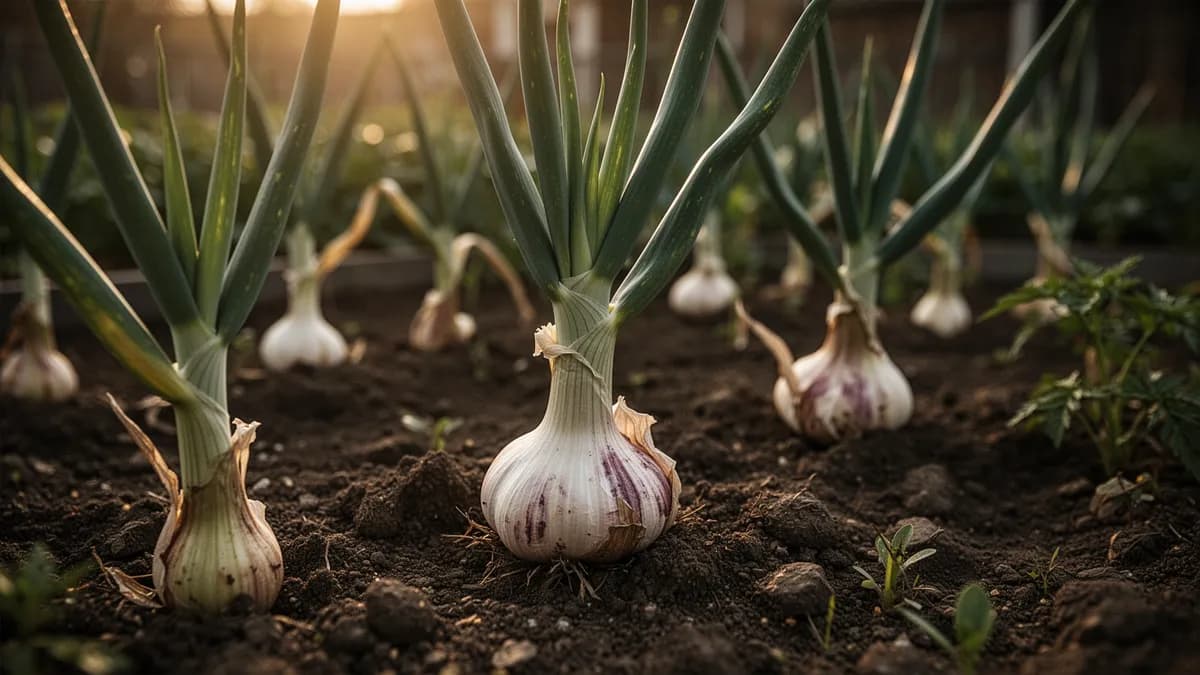
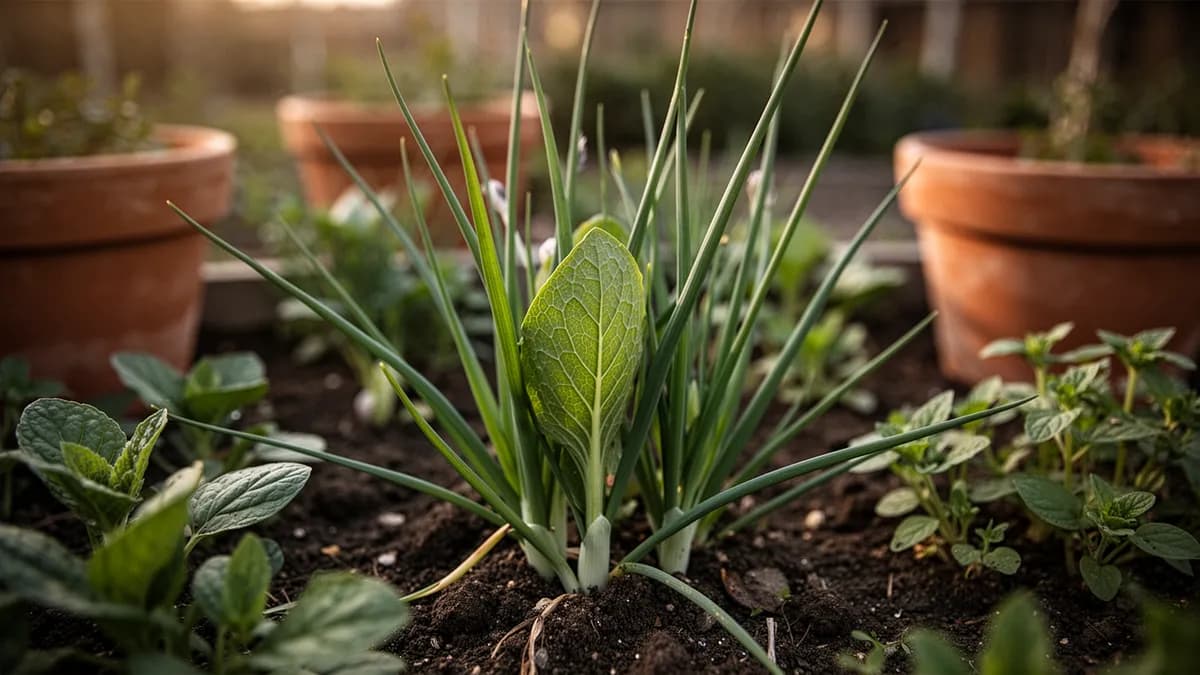
Plante ajo y cebollino cerca para disuadir a los taladros y a los pulgones. Las hierbas rastreras como el orégano y el tomillo aportan cubresuelo y atraen insectos beneficiosos. La consuelda actúa como acumuladora dinámica de potasio en la línea de goteo. Evite la proximidad a nogales y castaños de nogal. El trébol carmesí entre las filas fija nitrógeno y favorece a los polinizadores durante la floración del melocotonero.
Ajo va a su lado. Nogal no.
Saber de huerto de siempre, cotejado con la tabla real de Melocotón Georgia Belle — prueba cualquier planta que cultives.
Prueba Melocotón Georgia Belle en un bancal, aquí mismo
Un bancal real del planificador con Melocotón Georgia Belle ya plantado. Toca una planta compañera para colocarla y mira cómo responde la comprobación de vecinos: verde para buenos vecinos, rojo si hay conflicto.


Guías de cultivo relacionadas
Abónalo bien
Georgia Belle prefiere un franco arenoso bien drenado con un pH de 6.0 a 6.5. Evite plantarlo en arcillas pesadas o lugares con mal drenaje. Aplique a comienzos de la primavera un fertilizante equilibrado 10-10-10, a razón de aproximadamente medio kilo por año de edad del árbol, hasta un máximo de 5 kg. Use niveles moderados de nitrógeno para mantener la calidad del fruto sin un crecimiento vegetativo excesivo. Añada azufre para bajar el pH si el suelo está por encima de 7.0. Cubra con 8 a 10 cm de material orgánico, manteniéndolo alejado del tronco.
Temperatura ideal
Compatibilidad de zonas de rusticidad
De la semilla a la cosecha, etapa por etapa
Dormancia y acumulación de frío
Desde la caída de hojas en otoño hasta las semanas más frías del invierno, Georgia Belle entra en una dormancia profunda. Sus esbeltos brotes marrón rojizo muestran claramente, a lo largo de la madera de un año, yemas florales pareadas y carnosas, y la silueta desnuda deja ver con claridad la estructura del árbol. Durante este periodo el árbol acumula fisiológicamente horas de frío —tiempo entre 0 °C y 7 °C— hasta alcanzar su requisito de aproximadamente 750 a 850 horas. Las raíces siguen activas a bajas temperaturas, absorbiendo agua lentamente y construyendo las reservas de carbohidratos que impulsarán la explosiva floración primaveral.
Hinchamiento de yemas, estadio rosado y plena floración
A medida que las temperaturas comienzan a subir de forma sostenida a finales del invierno, las yemas florales de Georgia Belle se hinchan de manera apreciable, se abren dejando ver el rosa y luego empujan los pétalos hacia fuera. En cuestión de días, el árbol queda cubierto por una impresionante oleada de flores de rosa pálido a rosa suave, algo más tarde en la temporada que muchos melocotoneros cultivados en la misma región, una de las fortalezas importantes de la variedad. Como Georgia Belle es autofértil, un solo árbol puede cuajar una cosecha completa, aunque la actividad de las abejas mejora mucho la uniformidad del cuajado. La ventana de floración dura de diez a catorce días y es el momento más vulnerable de la temporada a las heladas.
Cuajado del fruto y endurecimiento del hueso
Tras la caída de pétalos, los ovarios fecundados se hinchan rápidamente y se convierten en frutitos. Georgia Belle cuaja una cosecha especialmente abundante —esta profusión es una de sus señas de identidad, pero implica que, sin intervención, el árbol producirá muchos frutos pequeños y sosos en lugar de los grandes ejemplares por los que es famoso. Una caída natural a comienzos del verano elimina algunos de los frutitos más débiles, pero ni de lejos los necesarios. A mitad de esta fase, el hueso se calcifica hasta alcanzar su tamaño y dureza finales, lo que ralentiza temporalmente el crecimiento visible del fruto y marca una demanda máxima de calcio y boro en los tejidos en crecimiento.
Expansión rápida y desarrollo de color
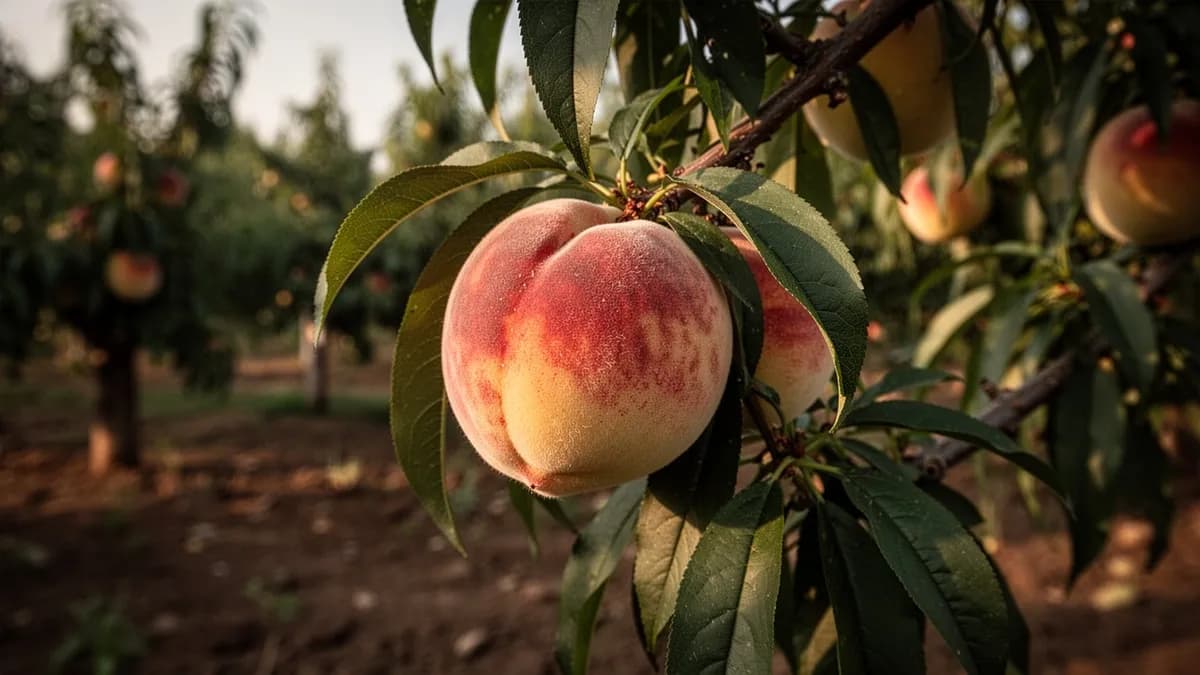
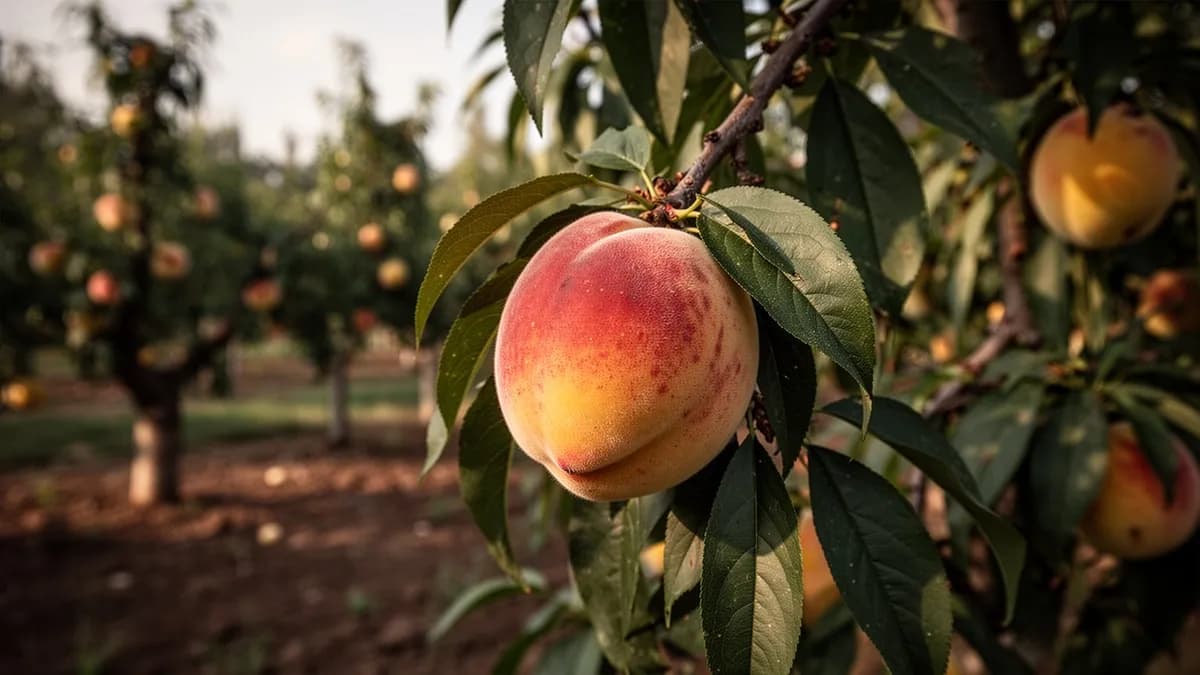
Tras el endurecimiento del hueso, la expansión celular impulsa un aumento dramático del tamaño del fruto. Es entonces cuando se hace evidente la apariencia única de Georgia Belle: en lugar del color de fondo amarillo o dorado intenso típico de la mayoría de los melocotones, la piel permanece de un blanco cremoso a marfil pálido, desarrollando su característico rubor rosa solo en la cara expuesta al sol. Por dentro, la pulpa se va tornando de un blanco níveo que distingue a la variedad. La demanda de agua alcanza su máximo y la acumulación de azúcares se acelera. Cualquier estrés hídrico durante esta fase limita directamente el tamaño final que Georgia Belle puede alcanzar.
Maduración y cosecha
Georgia Belle suele madurar entre finales de julio y comienzos de agosto, dependiendo de la ubicación, lo que la sitúa entre los melocotones blancos de maduración más tardía en el calendario tradicional de variedades del sureste y bastante después de la mayoría de los melocotones de carne amarilla. Al madurar, la piel blanca desarrolla su pleno rubor rosa y la pulpa se vuelve fundente, tierna y jugosa alrededor del hueso semilibre. El aroma es intensamente dulce y meloso. Como la pulpa es blanca brillante y baja en taninos, no se oscurece rápidamente al cortarla, una ventaja práctica para presentaciones en rodajas. La ventana de cosecha es concentrada y la fruta madura debe recogerse con rapidez.
Recuperación poscosecha
Una vez terminada la cosecha, Georgia Belle redirige su producción fotosintética desde el fruto hacia la reconstrucción de las reservas de carbohidratos de las raíces, la maduración del crecimiento de la temporada en madera firme y resistente al frío, y la iniciación de las yemas florales del año siguiente dentro de las yemas axilares de los brotes de esta temporada. La profundidad y la calidad de esta fase de recuperación —desde finales de agosto hasta la caída de la hoja— tienen un efecto directo y medible sobre la uniformidad de la floración, el cuajado y el tamaño de la cosecha del año siguiente.
Realice ahora todas las podas estructurales principales, mientras el árbol está completamente en reposo y es fácil evaluar la arquitectura de la copa. Elimine ramas cruzadas, colgantes o que congestionen la copa, y acorte los brotes más vigorosos y verticales hasta una yema orientada hacia afuera. Aplique una pulverización hortícola en aceite en un día seco y sin heladas, por encima de 4 °C, para sofocar cochinillas, huevos invernantes de ácaros y masas de esporas de podredumbre parda adheridas a la corteza.
Cuidar Melocotón Georgia Belle mes a mes
Qué hacer cada mes para tu Melocotón Georgia Belle
Octubre
Mes actualAplique un último fertilizante bajo en nitrógeno y más rico en potasio para apoyar la actividad radicular continuada y la maduración de la madera a medida que el árbol completa el ciclo de poscosecha. Mantenga el mantillo en su sitio y compruebe que el suelo drena correctamente antes de las lluvias invernales. Retire cualquier chupón rezagado y limpie la zona del huerto para evitar refugios de plagas.
Ten claro qué hacer en tu huerto, cada mes
Un correo al empezar cada mes: qué sembrar, plantar y hacer ahora mismo — para tu Melocotón Georgia Belle y todo lo que crece alrededor. Más un breve curso inicial para esquivar los errores clásicos.
- Qué hacer ahora mismo
- Ajustado a tu temporada
- Curso inicial incluido
Cosechar Melocotón Georgia Belle
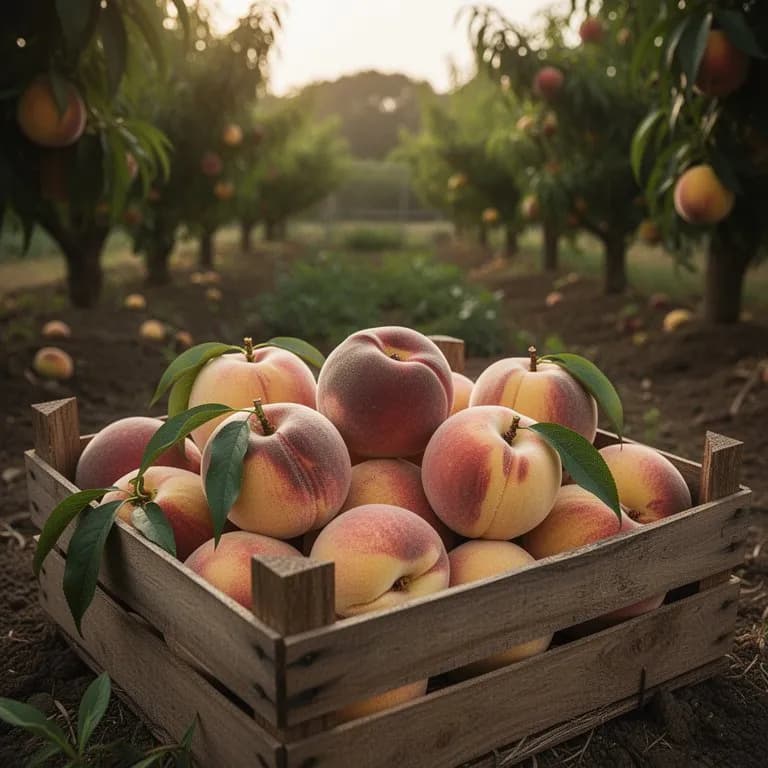
Los melocotones Georgia Belle maduran a mediados o finales de julio, y su pulpa blanca se vuelve cremosa y fragante cuando están listos. El hueso libre se separa limpiamente cuando la fruta está madura. Manipúlelos con extremo cuidado, ya que la delicada pulpa blanca se magulla al instante. Coseche cuando el color de fondo pase de verde a blanco cremoso y la fruta ceda ligeramente a una presión suave. Lo ideal es comerlos en las horas siguientes a la recolección para disfrutar de su sabor al máximo. Un árbol maduro produce entre 35 y 45 kg al año.
se supone que plantas al comenzar el periodo — indica tu fecha real
Cosecha Melocotón Georgia Belle a tiempo y la planta sigue produciendo.
Almacenamiento y conservación
La delicada pulpa blanca de Georgia Belle tiene una vida útil muy corta, de 2 a 3 días a temperatura ambiente. Refrigere de inmediato hasta una semana. La pulpa blanca se oxida rápidamente al cortarse, por lo que conviene tratarla con zumo de limón o ácido ascórbico. La congelación funciona bien si se aplica un tratamiento antioscuridad. También puede conservarse en almíbar ligero para preservar su sabor delicado. Da lugar a una excepcional mermelada de melocotón blanco, a bellinis y a helado de melocotón con una calidad floral muy distintiva.
Qué falla — y cómo solucionarlo
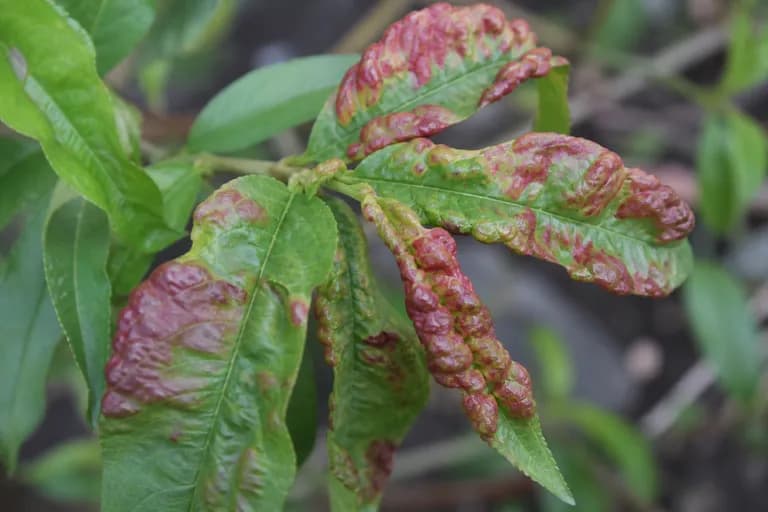
Enrollado de la hoja del melocotonero
EnfermedadHojas deformadas, engrosadas y rojizas en primavera que finalmente desarrollan un recubrimiento blanco de esporas y caen.
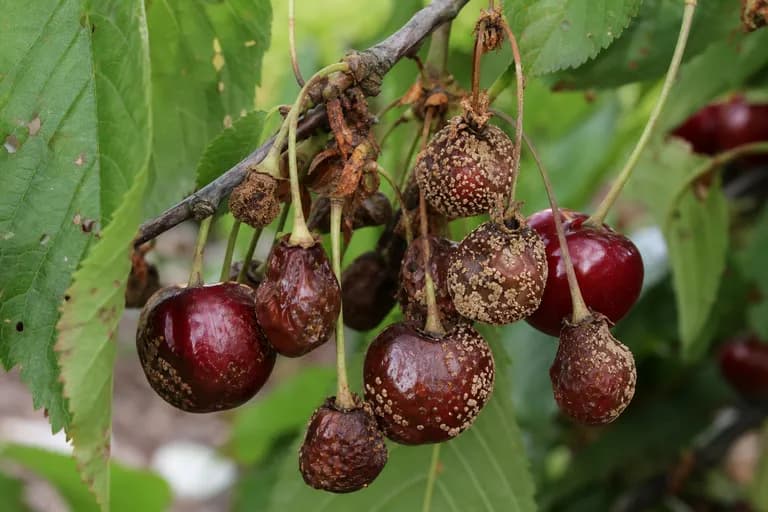
Podredumbre parda
EnfermedadMoho parduzco y aterciopelado en la fruta en maduración, especialmente visible en la pulpa blanca y pálida. Tizón floral en los racimos de flores.
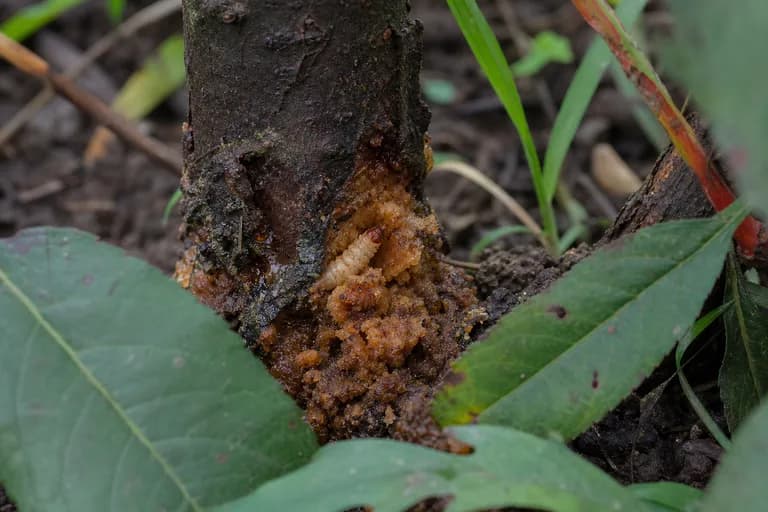
Taladro del melocotonero
PlagaExudado gomoso con serrín en la base del tronco, cerca de la línea del suelo, que provoca un declive gradual del árbol.
Solución de problemas comunes
La delicada pulpa blanca se magulla con extrema facilidad, lo que hace que Georgia Belle no sea práctico para el transporte comercial pero sí perfecto para el jardín doméstico. El enrollado de la hoja es devastador si se omiten las pulverizaciones preventivas. La elevada necesidad de frío, de 850 horas, limita su cultivo en zonas con inviernos suaves. La podredumbre parda es especialmente visible y dañina en las variedades de pulpa blanca. Las heladas tardías pueden destruir toda la cosecha en zonas marginales.
Consejos de cultivo
- Aclare con severidad para conseguir frutos grandes; esta variedad carga demasiado si se deja sola.
- Proteja las flores tempranas de las heladas tardías, que son el mayor riesgo de la temporada.
- Mantenga la copa abierta para que entre luz suficiente y la pulpa blanca madure de forma uniforme.
- Riegue con constancia durante la expansión rápida del fruto para evitar rajado y frutos pequeños.
- Coseche con mucha delicadeza, porque la pulpa se magulla con facilidad.
- Use fungicidas preventivos contra el enrollado de la hoja y la podredumbre parda según el calendario local.
- Quite la fruta momificada y las hojas caídas para reducir la presión de enfermedades en el año siguiente.
- En climas marginales, elija un lugar cálido y resguardado con buena exposición solar.
- Si el árbol está muy vigoroso, reduzca algo el nitrógeno para no sacrificar calidad por exceso de hojas.
- La fruta sabe mejor si se consume poco después de la recolección, así que planifique la cosecha y el uso con antelación.
Cultiva tu mejor Melocotón Georgia Belle — y todo lo que la rodea.
Empieza un plan gratis hoy. Diseña tus bancales, coloca tu Melocotón Georgia Belle y deja que PlotMyGarden gestione el momento, el espaciado, las asociaciones y los recordatorios de la semilla a la cesta.
Elige tu Melocotón Georgia Belle
Georgia Belle (Estándar)
La clásica variedad sureña de pulpa blanca y hueso libre, con dulzor y aroma floral incomparables.
Belle of Georgia
Otro nombre para la misma variedad, a veces usado en selecciones de vivero con características ligeramente distintas.
White Lady
Un melocotón blanco más moderno, con mejor firmeza y resistencia a enfermedades que Georgia Belle.
Babcock
Una alternativa de pulpa blanca para zonas más cálidas, con un sabor dulce y una pulpa aromática similares.
Un melocotonero Georgia Belle bien establecido puede producir varios decenas de kilos por temporada, lo que resulta muy rentable para un huerto doméstico. Aunque su fruta no soporta bien el transporte comercial, en casa aporta una cosecha de gran calidad para consumir fresca, conservar en almíbar, hacer mermelada o preparar bebidas y postres. Para quienes valoran el sabor sobre la durabilidad, cultivar Georgia Belle puede sustituir por completo la compra de melocotones especiales y aportar fruta de primera durante la corta ventana de cosecha.
Recetas rápidas
Melocotones Georgia Belle en almíbar ligero
30 minutosUna conserva casera clásica para preservar el sabor floral y la pulpa blanca del Georgia Belle durante meses.
4 ingredientesBellini de melocotón blanco
10 minutosUna bebida elegante y ligera en la que el dulzor floral del Georgia Belle se mezcla con vino espumoso.
4 ingredientesUsos culinarios
Georgia Belle es un melocotón de primera para consumo en fresco, con una dulzura floral y una baja acidez que crean una experiencia casi de confitería. Es excelente en bellinis y sangrías de melocotón blanco. Su delicado sabor brilla en melocotón Melba, sorbete de melocotón blanco y helado de vainilla y melocotón. Úselo en tartas ligeras y galettes donde su dulzor suave no quede oculto por especias intensas.
Qué contiene
Beneficios para la salud
- Aporta vitamina C, que ayuda al funcionamiento normal del sistema inmunitario y a la formación de colágeno.
- Su contenido de potasio contribuye al equilibrio de líquidos y a la función muscular normal.
- Es una fruta moderadamente ligera, útil para postres y tentempiés frescos.
- La pulpa blanca ofrece una textura suave que resulta agradable para consumo en fresco.
- Su dulzor natural permite elaborar conservas con menos azúcar añadido.
- Es una buena forma de disfrutar de fruta de temporada con un perfil aromático muy marcado.
De dónde viene Melocotón Georgia Belle
Georgia Belle es una variedad tradicional del sur de Estados Unidos, desarrollada y conservada durante mucho tiempo por su extraordinaria calidad para consumo fresco. Como ocurre con muchos melocotones históricos, surgió en una época en la que la selección se centraba en el sabor, la textura y la adaptación regional, más que en la resistencia al transporte. La variedad se ganó una reputación excelente en huertos familiares y pequeños frutales por su pulpa blanca, su dulzor elevado y su aroma floral.
A lo largo del siglo XX, Georgia Belle se convirtió en un referente entre los melocotones de pulpa blanca del sur, especialmente allí donde el consumo directo del fruto, recién recogido, era la forma más habitual de disfrutarlo. Su carácter de hueso libre la hacía muy práctica para cortar, conservar y comer en casa. Aunque no fue diseñada para la agricultura industrial, sí encajó perfectamente en el modelo de huerto de patio, donde el fruta llega a la mesa pocas horas después de la cosecha.
La variedad también adquirió fama por su adaptación a las zonas con suficientes horas de frío del sureste y la región atlántica. Aun así, su delicada pulpa y su susceptibilidad a la podredumbre parda y al enrollado de la hoja exigían jardinería atenta. Esa combinación de recompensa alta y manejo exigente ayudó a consolidar su estatus como una de las selecciones tradicionales más queridas entre quienes valoran el sabor por encima de la durabilidad comercial.
Hoy Georgia Belle sigue siendo una variedad de herencia muy apreciada por aficionados, coleccionistas de frutales y jardineros que buscan un melocotón blanco excepcional para disfrutar directamente del árbol o para conservas caseras de alta calidad.
Melocotón Georgia Belle: ¿sabías que?
Datos fascinantes sobre Melocotón Georgia Belle
Georgia Belle es uno de los melocotones de pulpa blanca más célebres del sur de Estados Unidos y fue durante mucho tiempo una referencia para las frutas de patio por su aroma meloso y su dulzor excepcional.
Melocotón Georgia Belle: preguntas frecuentes
¿Cuándo debo plantar Melocotón Georgia Belle?
¿Cuáles son buenas plantas acompañantes para Melocotón Georgia Belle?
¿En qué zonas de rusticidad puede crecer Melocotón Georgia Belle?
¿Cuánto sol necesita Melocotón Georgia Belle?
¿A qué distancia debo espaciar Melocotón Georgia Belle?
¿Qué plagas y enfermedades afectan a Melocotón Georgia Belle?
¿Cómo almaceno Melocotón Georgia Belle después de la cosecha?
¿Cuáles son las mejores variedades de Melocotón Georgia Belle para cultivar?
¿Qué suelo necesita Melocotón Georgia Belle?
¿En qué se diferencia Georgia Belle de otros melocotones y merece la pena cultivarlo?
¿Puedo cultivar Georgia Belle en un clima de inviernos suaves como la costa del Golfo o la costa californiana?
La piel de mis melocotones Georgia Belle se está volviendo marrón y blanda en manchas mientras aún están en el árbol. ¿Qué pasa?
Mi Georgia Belle produce frutos grandes y bonitos, pero la pulpa suele estar seca y harinosa en lugar de jugosa. ¿A qué se debe?
¿Cómo evito que el tronco y las ramas principales de mi joven Georgia Belle se partan o agrieten en invierno?
¿Dónde puedo comprar melocotoneros Georgia Belle, ya que mis centros de jardinería locales no los venden?
Acabas de leer la teoría. Ahora cultívala en piloto automático.
Todo lo que hace que Melocotón Georgia Belle sea delicado — el momento, el espaciado, las asociaciones, la ventana de cosecha — es justo lo que PlotMyGarden resuelve por ti, para cada planta de tu huerto.
Un plan que conoce tu clima
Indica tu ubicación una vez. Recibe fechas de siembra, abonado y cosecha basadas en tu última helada real y el pronóstico en vivo — sin adivinar con un sobre genérico.
De la sección “Cuándo plantar”Planificador de bancales de arrastrar y soltar
Diseña bancales sobre una cuadrícula. Cada planta encaja con su espaciado correcto y ves toda la temporada antes de gastar un céntimo en semillas.
De la sección “Cultivo”Conflictos de asociación, detectados a tiempo
Más de 200 buenas y malas combinaciones comprobadas en vivo mientras plantas — para que un error que arruine la temporada nunca llegue a la tierra.
De la sección “Asociaciones”Recordatorios que sí vas a seguir
“Riega las judías.” “Recoge hoy antes de que se pase.” Oportunos, concretos y ligados a las plantas que de verdad cultivas.
De la sección “Cosecha”Escalonado, programado
¿Quieres cosechar seis semanas en vez de seis días? Reparte tus siembras automáticamente y te avisa cuando toca el siguiente lote.
De la sección “Cuándo plantar”Un registro que se vuelve más listo
Cada cosecha que registras le enseña tu huerto. El plan del año que viene parte de lo que de verdad funcionó en tu suelo, no en un manual.
De la sección “Resumen”Planta estos junto a Melocotón Georgia Belle
Más Frutas de hueso
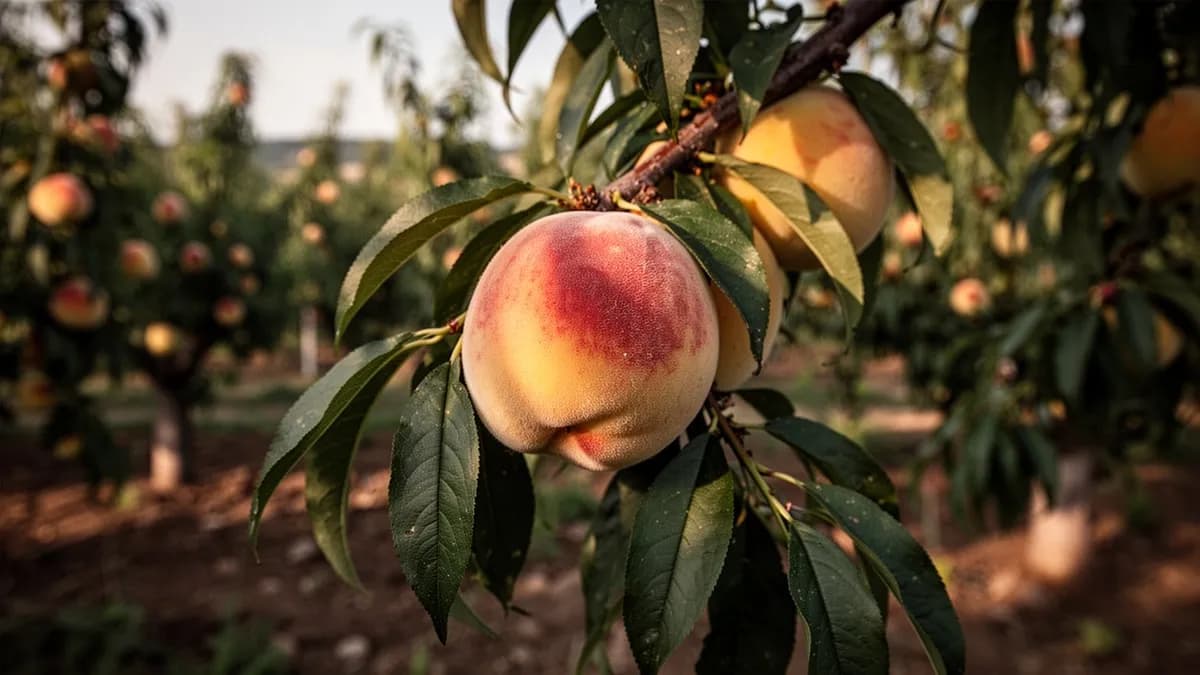
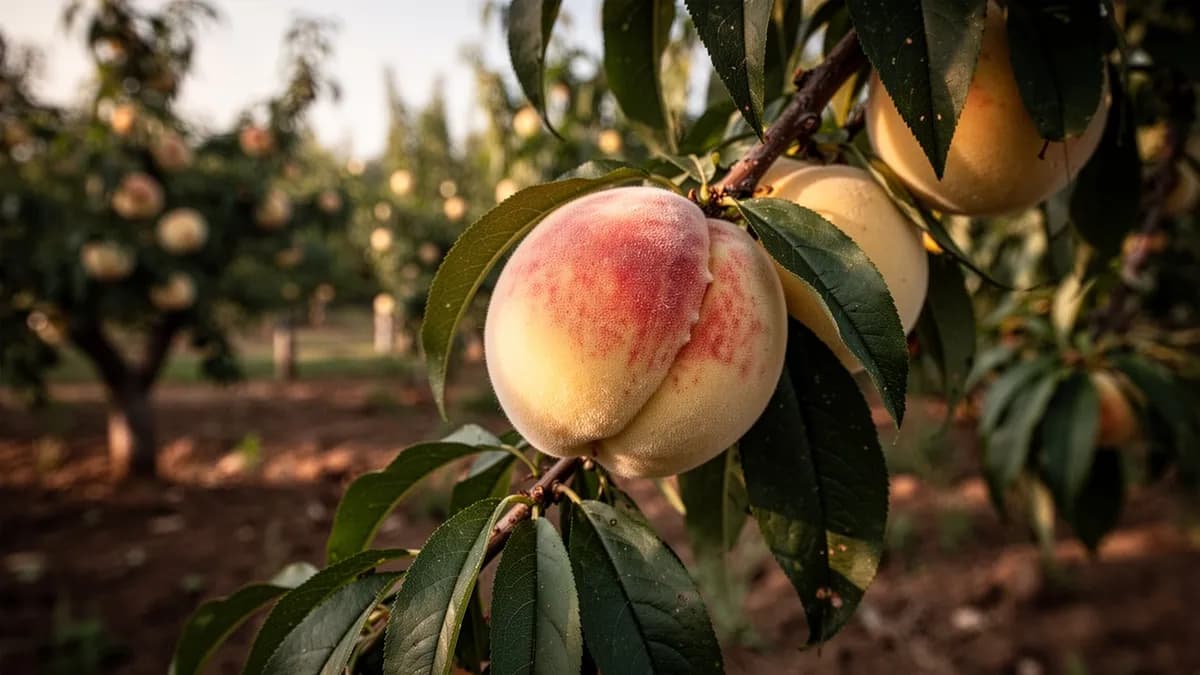
Mantén Melocotón Georgia Belle lejos de estos
Cultiva tu mejor Melocotón Georgia Belle — y todo lo que la rodea.
Empieza un plan gratis hoy. Diseña tus bancales, coloca tu Melocotón Georgia Belle y deja que PlotMyGarden gestione el momento, el espaciado, las asociaciones y los recordatorios de la semilla a la cesta.