Passionflower
A vigorous native vine with spectacular fringed flowers, whose leaves and stems are brewed into a popular calming bedtime tea.





On this pageOverview
Meet Passionflower
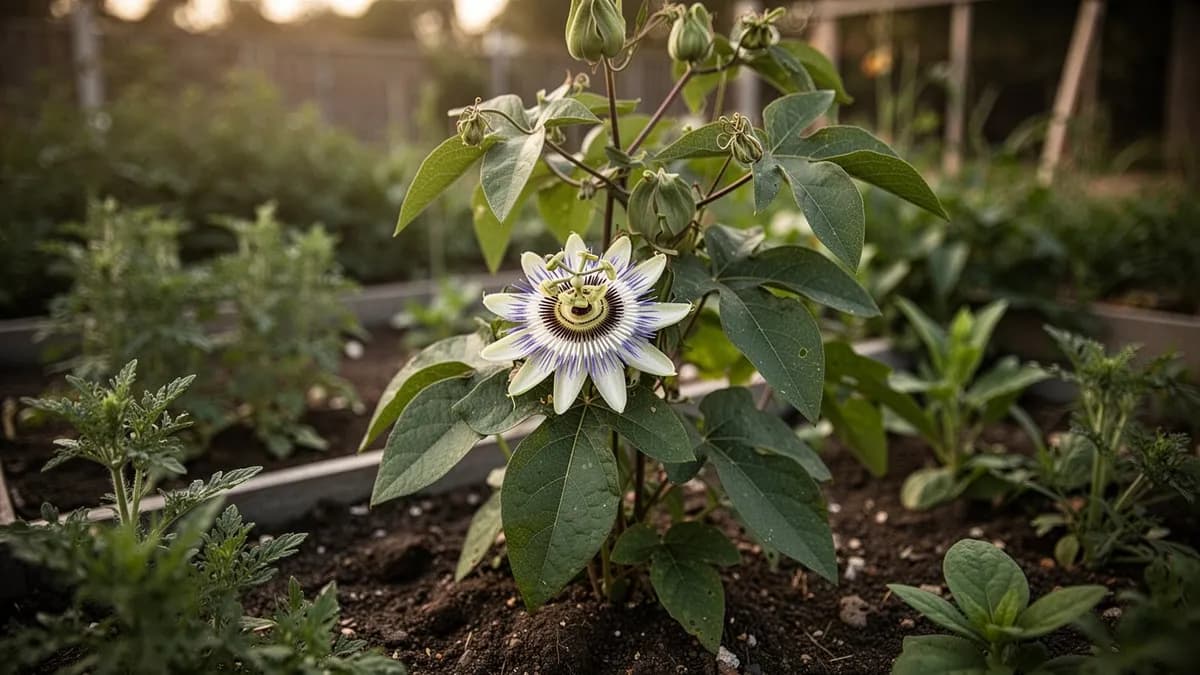
A vigorous native vine with spectacular fringed flowers, whose leaves and stems are brewed into a popular calming bedtime tea. Passionflower tea is one of the most commonly used natural sleep aids and is widely available in commercial tea blends. Grow on a sturdy trellis in full sun and harvest the above-ground parts during flowering for the most potent preparations.
When to plant Passionflower
Passionflower seeds have a hard coat and benefit from scarification and stratification for reliable germination. Nick the seed coat with a file or sandpaper, then soak in warm water for 24 hours. Sow in moist seed compost at 20-25°C with bottom heat. Germination can be erratic, taking anywhere from 2 weeks to 3 months. For faster results, take softwood cuttings in early summer or divide established clumps by digging up sections of root with attached suckers in spring. Root cuttings taken in late winter also propagate readily—cut 10cm sections of root and lay horizontally 3cm deep in moist compost.
Your Passionflower Year
Composed for Zone 7 · typical seasons · frost passes Apr 2, returns Nov 1
Plant Passionflower Mar – May, pick Jul – Sep. Check the planting methods below and set your climate to personalize these windows.
How to grow Passionflower
Passionflower (Passiflora incarnata) is a vigorous deciduous vine native to the southeastern United States, prized for both its spectacular alien-looking flowers and its use as a calming herbal tea. The vine climbs by tendrils to 6-8 meters and produces intricate fringed flowers followed by egg-sized edible fruits called maypops. It is the hardiest passionflower species, surviving temperatures down to -15°C once established.
Plant in full sun to light shade in well-drained, fertile soil. Provide a sturdy trellis, fence, or arbor for the vine to climb—it grows vigorously and needs substantial support. Water regularly during the first growing season; once established, passionflower is moderately drought-tolerant. The vine dies back to the ground in cold winters and resprouts vigorously from the roots in spring.
Passionflower spreads by underground suckers and can colonize large areas if not contained. Install root barriers or mow around the desired growing area to control spread. Prune annually in late winter, cutting back to a main framework of stems. Feed with a balanced fertilizer in spring, but avoid high-nitrogen feeds that promote leafy growth at the expense of flowers and the compounds valued in tea.
2 plants fit a 4 × 8 ft bed
Each Passionflower wants 90 cm of elbow room. The planner keeps that spacing for you — every plant, every bed.
Passionflower's best neighbours
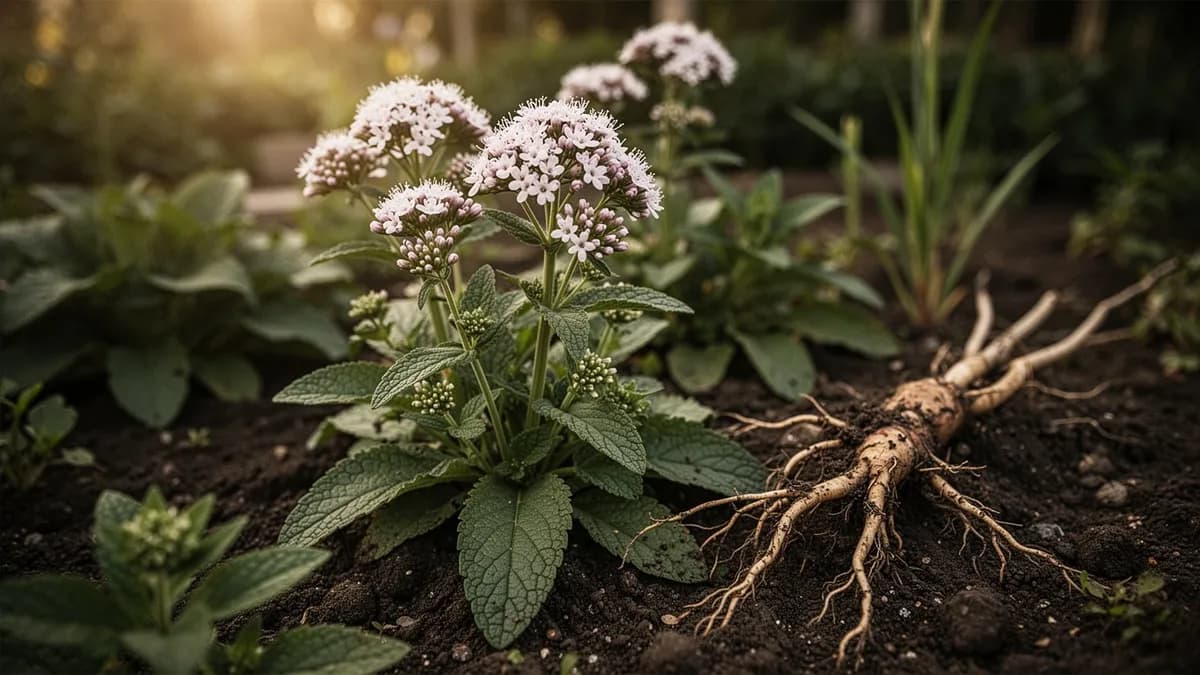
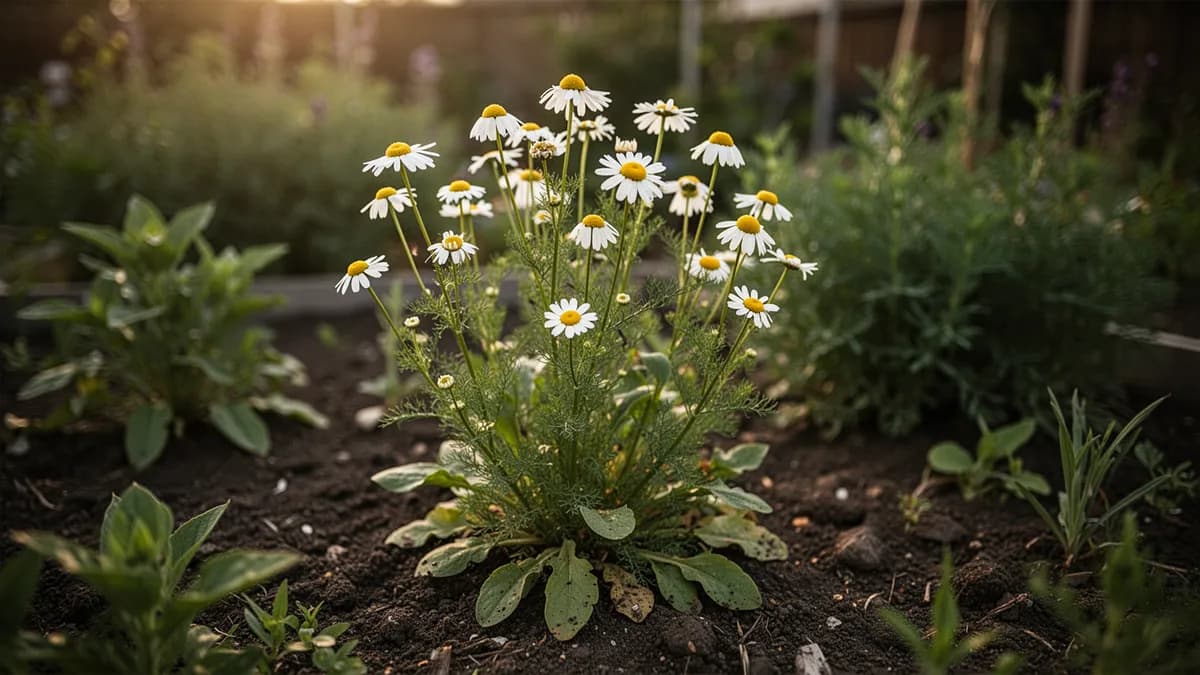
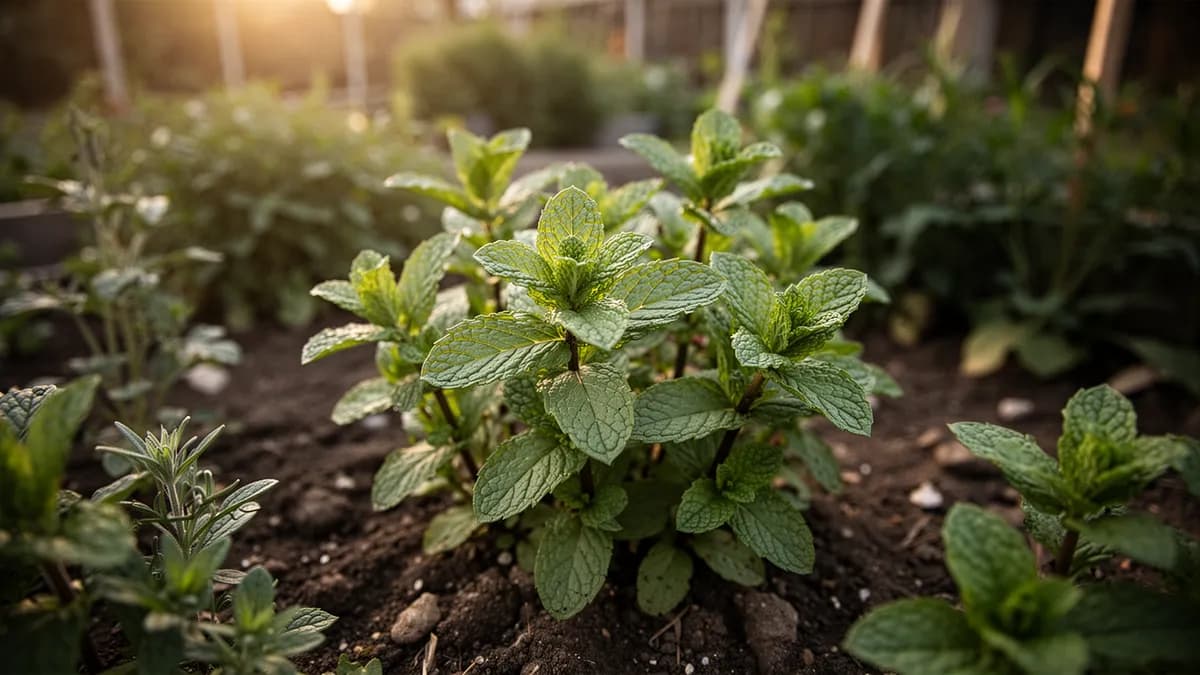
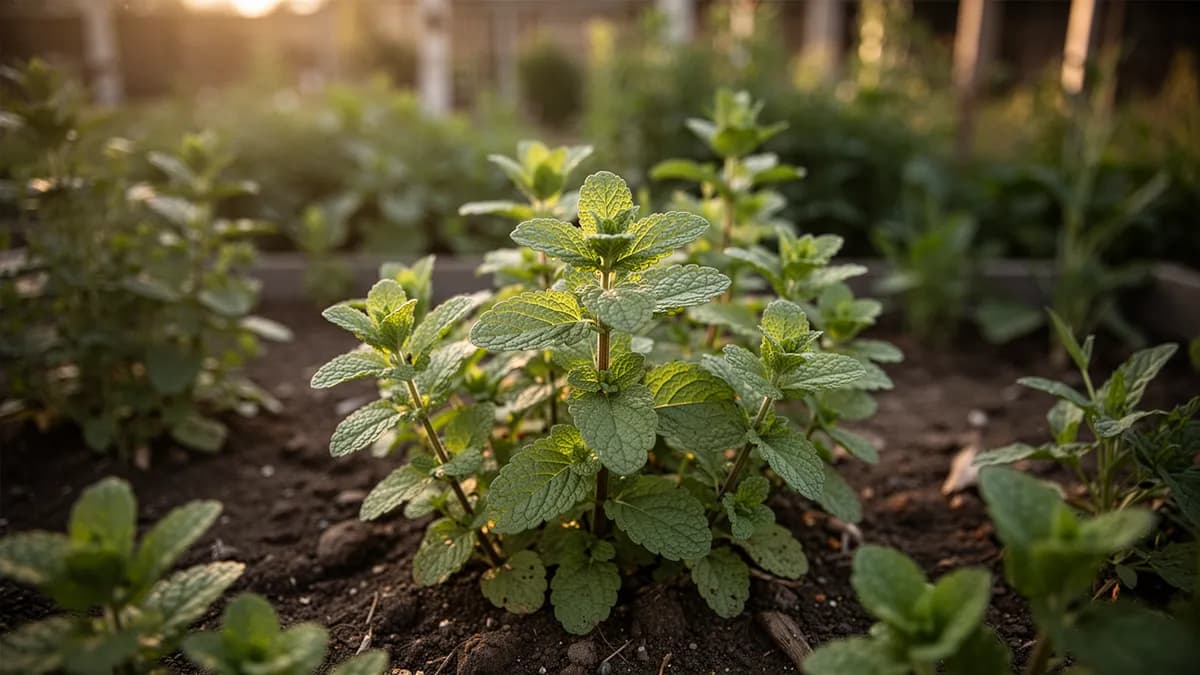
Passionflower is an excellent companion for fruit trees, providing a living mulch when allowed to spread along the ground and climbing into canopies to attract pollinators. The flowers are magnets for bees, butterflies, and hummingbirds, increasing pollination of nearby crops. Plant alongside other calming tea herbs like valerian, chamomile, and lemon balm for a dedicated sleep tea garden. The vine provides quick summer shade when grown on arbors over vegetable beds, benefiting heat-sensitive crops like lettuce.
Valerian belongs beside it.
Old growers' knowledge, checked against Passionflower's real companion table below — test any plant you're growing.
Try Passionflower in a bed — right here
A real planner bed with Passionflower already in it. Tap a companion to place it and watch the pairing checks answer — green for good neighbours, red for a clash.


Related growing guides
Feed it well
Passionflower grows in a wide range of soil types but performs best in fertile, well-drained loam with a pH of 6.0-7.5. It tolerates sandy soils and even poor, gravelly conditions once established. Amend heavy clay with organic matter and sand before planting. Feed in spring with a balanced slow-release fertilizer and again in mid-summer with a potassium-rich feed to promote flowering. Avoid excessive nitrogen, which encourages rampant leafy growth over flowers. Mulch around the base to conserve moisture and suppress weeds, keeping mulch away from the main stem.
Ideal Temperature
Hardiness Zone Compatibility
From seed to harvest, stage by stage
Seed Germination
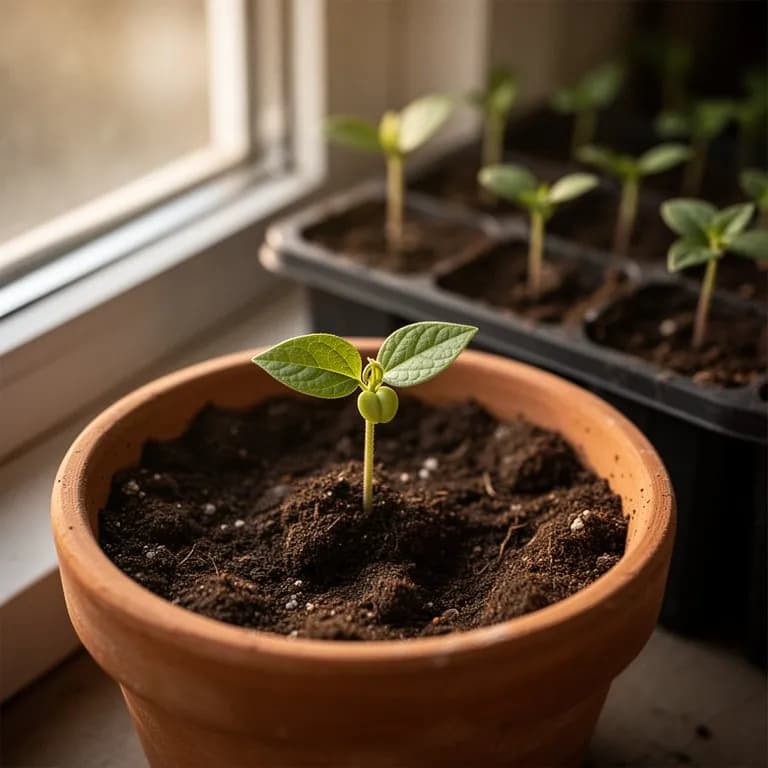
Passionflower seeds are notoriously slow and erratic germinators, often taking 2-8 weeks to sprout. The hard seed coat requires scarification or soaking to allow moisture penetration. Seeds produce small cotyledon leaves that give no hint of the dramatic foliage to come. Patience is essential — staggered germination over several weeks is completely normal.
Seedling Development
Seedlings develop their first true leaves, which are simple and oval-shaped. As the plant matures, subsequent leaves become progressively more deeply lobed until the characteristic three-lobed palmate foliage appears. The young stem begins to elongate and the first tendrils emerge, signaling the vine's climbing instinct. Growth accelerates noticeably once warm weather arrives.
Vine Establishment
The vine enters a rapid growth phase, producing extensive foliage and sending tendrils in all directions seeking support. Passiflora incarnata can grow 3-5 meters in a single season under favorable conditions. The deeply three-lobed leaves create a dense canopy of lush green foliage. Underground, the plant develops a substantial root system that sends out runners, establishing the colony that will persist for years.
Flowering
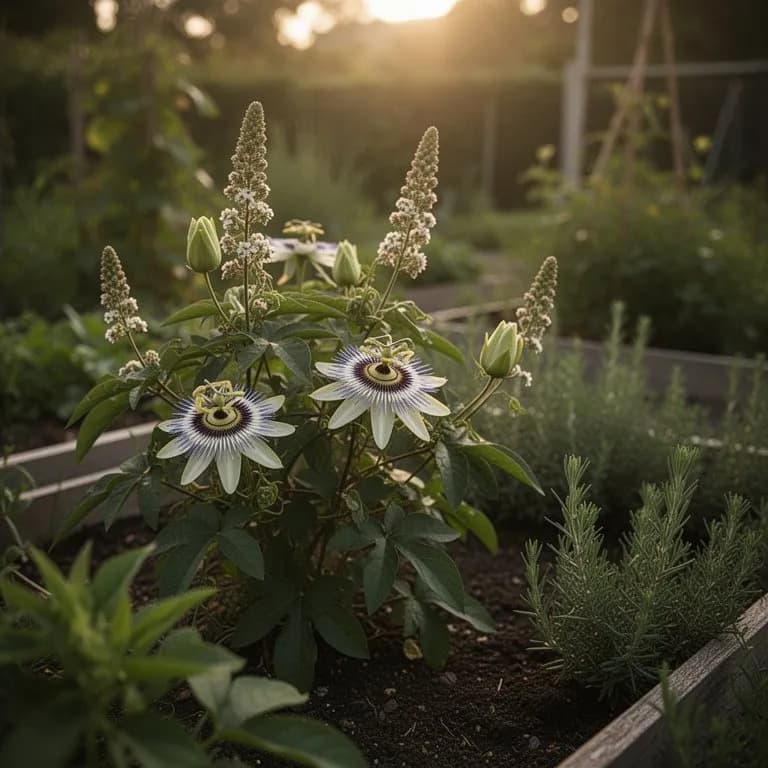
From midsummer through early autumn, the vine produces its extraordinary blooms. Each flower lasts only one day but new buds open continuously for 6-8 weeks. The intricate flowers feature five white petals and sepals topped by a dramatic corona of wavy purple-and-white filaments radiating from the central reproductive column. The blooms are mildly fragrant and attract large pollinators.
Fruiting
Successfully pollinated flowers develop into egg-sized green fruits called maypops that ripen to yellow-green over 60-80 days. The fruit contains a gelatinous pulp filled with dark seeds surrounded by aromatic, sweet-tart juice. Ripe fruits detach from the vine and fall to the ground — the common name 'maypop' refers to the popping sound the hollow fruit makes when stepped on.
Dormancy and Root Survival
After the first hard frost, the aerial portions of the vine die back completely to the ground. The extensive underground root system and runners remain alive, storing energy reserves for the following spring's regrowth. In zones 6-9, the roots survive winter temperatures reliably. New shoots emerge from root runners in late spring, often appearing a considerable distance from the original planting site.
Soak seeds in warm water for 24-48 hours before sowing, or gently nick the seed coat with a file. Sow 5mm deep in warm, moist seed-starting mix. Maintain consistent soil temperature of 24-29°C (75-85°F) using a heat mat. Cover with a humidity dome and keep in bright indirect light. Do not discard ungerminated pots — seeds can sprout weeks later.
Caring for Passionflower month by month
What to do each month for your Passionflower
October
You are hereHarvest remaining ripe fruits before frost arrives. The vine continues growing until the first hard freeze kills the aerial portions. In zones 6-7, apply 10-15 cm of mulch over the root zone for winter insulation. Pot up any divisions or root cuttings for overwintering indoors in colder zones.
Know exactly what to do in your garden — every month
One email at the start of each month: what to sow, plant, and tackle right now — for your Passionflower and everything growing around it. Plus a short starter course that helps you dodge the classic mistakes.
- What to do, right now
- Matched to your season
- Starter course included
Harvesting Passionflower
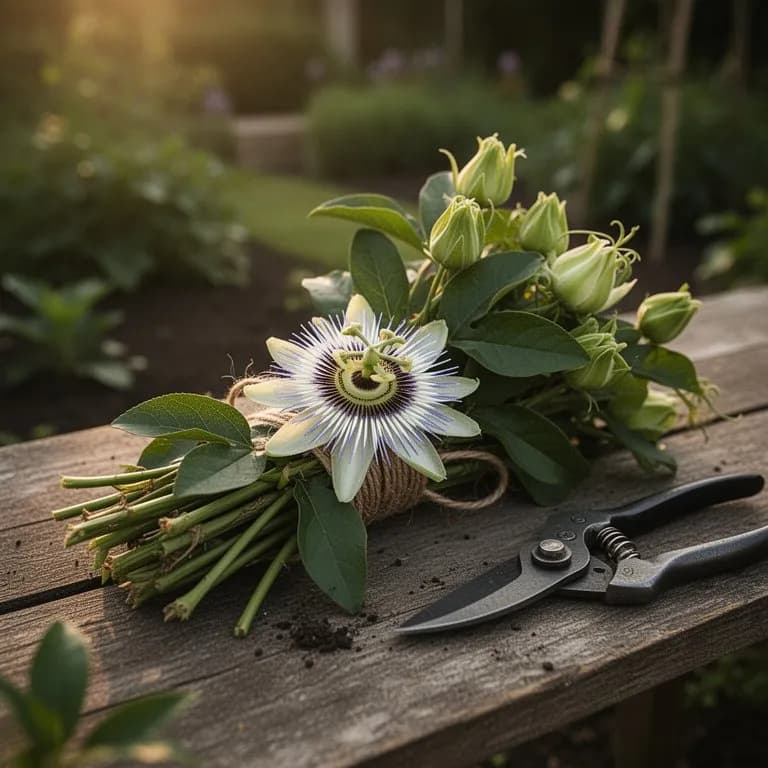
Harvest passionflower aerial parts—leaves, stems, and tendrils—during peak flowering in mid to late summer, when the concentration of calming compounds is highest. Cut stems to about one-third of their length, taking a mix of leaves and flowers. The entire above-ground portion is used medicinally, not just the flowers. Harvest in the morning after dew has dried. For fruit harvest, wait until maypops turn yellow and slightly wrinkled, then pick and eat fresh or process immediately.
assuming you plant when the window opens — set your real date
Pick Passionflower promptly and the plant keeps producing.
Storage & Preservation
Bundle harvested stems loosely and hang upside down in a warm, dark, well-ventilated room to dry for 7-10 days. Alternatively, spread chopped stems and leaves on drying screens in a dehydrator at 35-40°C. Once crisp and brittle, crumble the dried material and store in airtight glass jars away from light. Dried passionflower retains its properties for 12-18 months. Maypop fruits can be eaten fresh, juiced, or made into jelly. The pulp freezes well for later use in drinks and desserts.
What goes wrong — and the fix
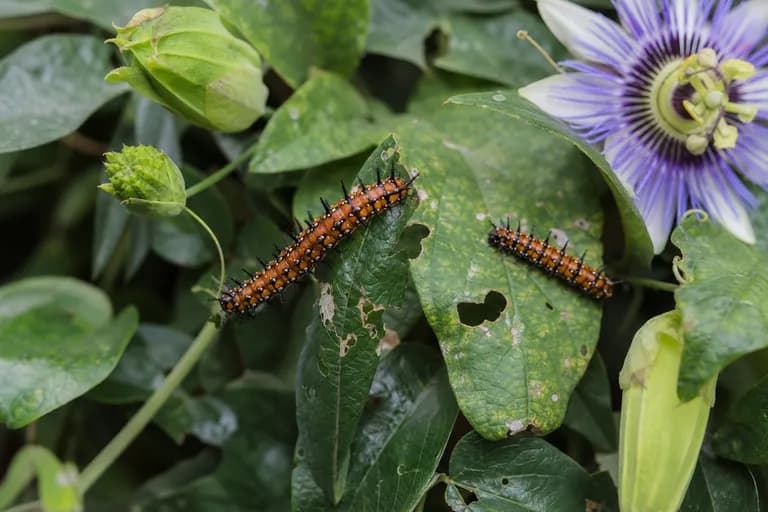
Gulf Fritillary Caterpillars
PestOrange and black caterpillars defoliating the vine. While they consume significant foliage, they are the larvae of the beautiful Gulf fritillary butterfly.
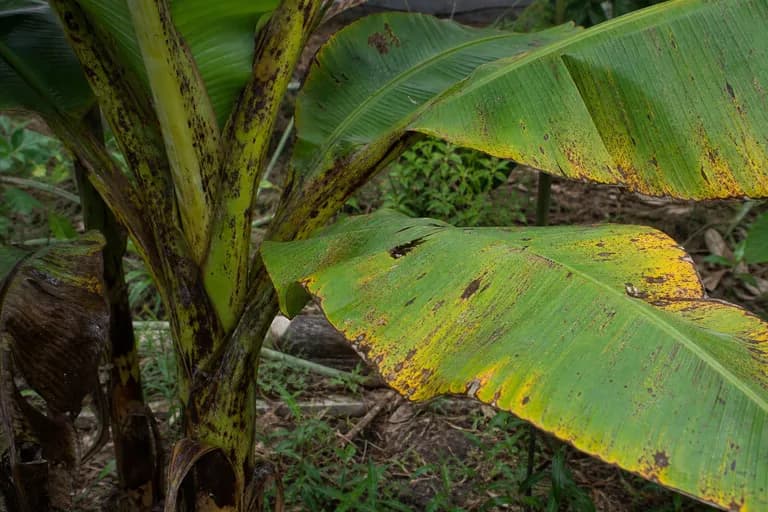
Fungal Leaf Spot
DiseaseBrown or black spots on leaves, sometimes with yellow halos. Heavy infection causes premature leaf drop.
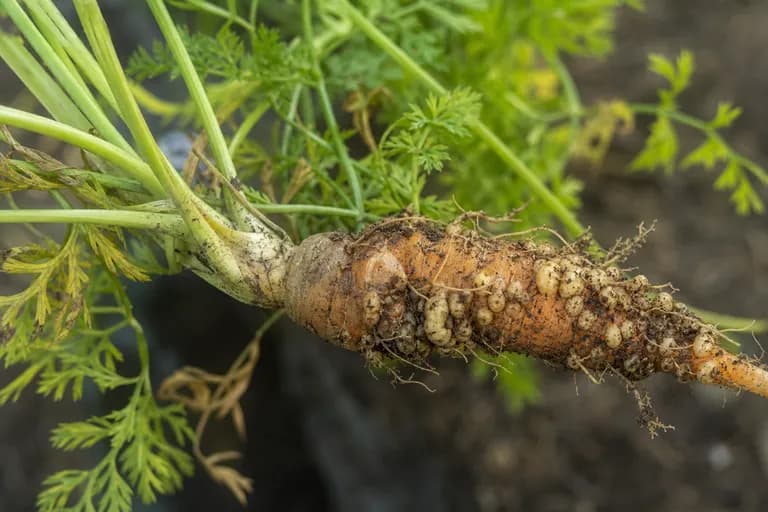
Root-Knot Nematodes
PestStunted growth, yellowing foliage, and gall formations on roots when examined. Most common in sandy soils in warm climates.
Troubleshooting Common Problems
Passionflower's most common issue is its aggressive spreading through underground suckers, which can pop up meters from the parent plant. Install root barriers at planting time or be prepared to mow unwanted suckers regularly. Late emergence in spring causes gardeners to think the plant has died—be patient, as it may not appear until late spring when soil is thoroughly warm. Lack of flowers usually indicates too much nitrogen or insufficient sunlight. In very cold winters, apply a deep mulch over the root zone for extra protection.
Growing Tips
- Scarify or soak seeds before sowing to overcome the hard seed coat that causes poor germination. Nick each seed gently with a file or sandpaper and soak in warm water for 24-48 hours. Combined with bottom heat of 24-29°C, this can boost germination rates from under 20% to over 60%.
- Plant in full sun for the most abundant flowering and fruit production. Passionflower tolerates partial shade but produces significantly fewer blooms and almost no fruit without at least 6 hours of direct sunlight daily. A south-facing wall or fence provides ideal conditions in cooler zones.
- Provide a sturdy support structure from the start — passionflower vines grow vigorously and can reach 5-8 meters in a single season. Chain-link fences, wooden trellises, arbors, and pergolas all work well. Avoid lightweight structures that may collapse under the weight of a mature vine in full leaf.
- Be aware that Passiflora incarnata spreads by underground root runners and can appear several meters from the original planting site. This is a desirable trait for covering large areas but may require management in small gardens. Install a root barrier or grow in large containers to control spreading.
- Two genetically distinct plants are needed for fruit production, as Passiflora incarnata is largely self-incompatible. Plant vines grown from different seed sources or purchase named cultivars to ensure cross-pollination. A single vine will still flower beautifully but will set little to no fruit without a pollination partner.
- Avoid overfeeding with nitrogen-rich fertilizers, which produce excessive leafy growth at the expense of flowers and fruit. A balanced organic fertilizer applied monthly during the growing season, or a single spring application of compost, provides all the nutrition this adaptable vine requires.
- Harvest leaves and stems for tea during active summer growth when flavonoid concentrations are highest. Cut stems in the morning after dew has dried, bundle loosely, and hang upside down in a warm, well-ventilated area out of direct sunlight. Properly dried herb should crumble easily and store for up to one year.
- Do not panic if your passionflower fails to emerge until late May or even June in cooler zones. This species waits for warm soil temperatures before sending up new shoots from its underground roots. Mark the planting location to avoid accidentally disturbing the dormant root system during early spring gardening.
- Tolerate moderate caterpillar damage from Gulf fritillary and zebra longwing butterfly larvae, which feed exclusively on passionflower foliage. These are beautiful native butterflies that depend on Passiflora as their sole larval food source. A healthy vine easily outgrows the damage and the butterflies add immense value to any garden.
- In zones 6-7, apply a thick layer of mulch (10-15 cm) over the root zone after the first hard frost to insulate the roots through winter. Straw, shredded leaves, or pine bark all work well. Remove excess mulch gradually in spring as the soil warms to avoid delaying shoot emergence.
Grow your best Passionflower yet — and everything around it.
Start a free plan today. Lay out your beds, drop in your Passionflower, and let PlotMyGarden handle the timing, spacing, companions and reminders from seed to harvest basket.
Pick your Passionflower
Passiflora incarnata (Wild Type)
The standard native maypop with lavender-fringed white flowers, the variety most commonly used for herbal tea and with the strongest calming properties.
Passiflora incarnata 'Alba'
A white-flowered form of the native species with the same herbal qualities and hardiness, but with pure white fringed blooms.
Passiflora incarnata 'Incense'
A hybrid with larger, more fragrant violet flowers and improved cold hardiness, producing generous flushes of bloom from summer to frost.
Passiflora incarnata 'Maypop'
A selection specifically chosen for superior fruit production, bearing larger, more flavorful maypops than wild-type plants.
Passionflower supplements and teas command premium prices — a box of 20 passionflower tea bags typically costs $6-10, while passionflower tinctures sell for $10-20 per 30ml bottle. A single established vine produces enough dried herb material annually for over 100 cups of tea, representing $30-50 in retail savings. The maypop fruits, rarely available commercially, would fetch $3-5 each at specialty markets if they were sold at all. A $4 packet of seeds or $12 nursery plant yields a self-spreading colony that produces for decades with virtually no ongoing expense, and the vine's spreading habit means you can share divisions with fellow gardeners indefinitely.
Quick recipes
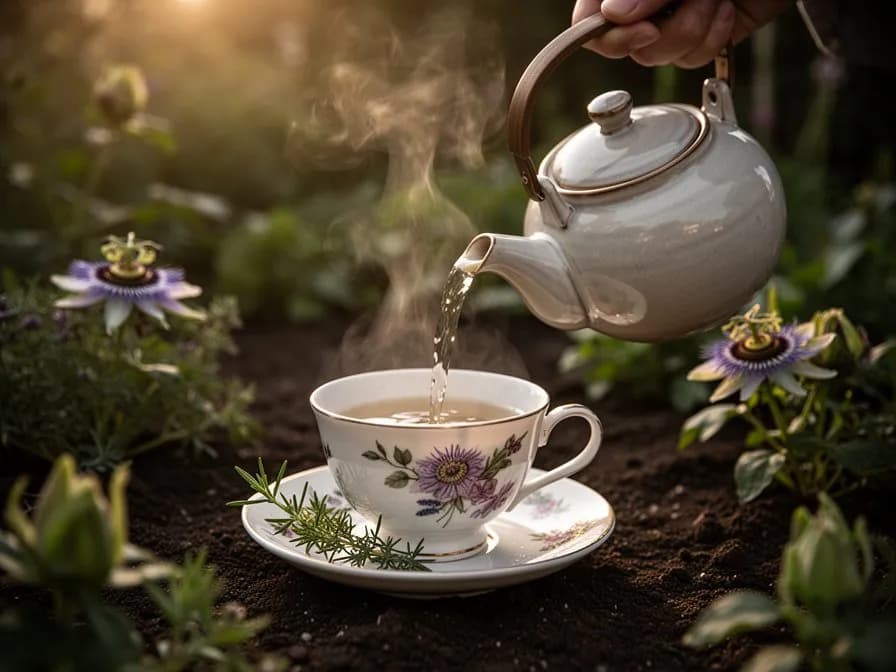
Calming Passionflower Bedtime Tea
10 minA gentle, earthy herbal tea brewed from dried passionflower leaves and stems, traditionally used to promote relaxation and restful sleep. The mild grassy flavor pairs beautifully with honey and chamomile for an evening wind-down ritual.
5 ingredientsMaypop Fruit Sorbet
20 min (plus 4 hours freezing)A refreshing frozen dessert made from the aromatic pulp of ripe maypop fruits. The tropical sweet-tart flavor is reminiscent of guava and passionfruit, creating an elegant sorbet that showcases this underappreciated native fruit at its finest.
5 ingredientsPassionflower and Lavender Sleep Tincture
15 min (plus 4-6 weeks infusing)A concentrated herbal extract made by steeping dried passionflower in alcohol over several weeks. This traditional preparation delivers the calming compounds in a concentrated, shelf-stable form. Take a small dose in water before bedtime for gentle relaxation support.
5 ingredientsCulinary Uses
Passionflower is primarily consumed as a calming herbal tea. Steep dried leaves, stems, and flowers in hot water for 10-15 minutes for a mild, slightly grassy-flavored tea commonly taken before bedtime. It blends beautifully with chamomile, lemon balm, and valerian in nighttime tea formulas. The maypop fruits are edible and delicious, with a tropical flavor reminiscent of guava. Eat fresh, juice for drinks, or cook into jams, jellies, and syrups. The fruit pulp adds exotic flavor to smoothies and desserts.
What's inside
Health Benefits
- Clinically demonstrated anxiolytic properties — multiple controlled trials have shown that passionflower extract reduces anxiety symptoms comparably to some benzodiazepine medications, with significantly fewer side effects such as drowsiness and impaired job performance.
- Promotes improved sleep quality through its synergistic blend of flavonoids, particularly chrysin, which binds to GABA-A receptors in the brain to produce a mild sedative effect without the grogginess or dependency risks associated with pharmaceutical sleep aids.
- Contains powerful antioxidant compounds including vitexin, isovitexin, and orientin that help neutralize free radicals, reduce oxidative stress, and may protect against chronic inflammation linked to cardiovascular disease and aging.
- Traditional and emerging evidence supports passionflower for digestive comfort — the herb's antispasmodic properties may help ease nervous stomach, intestinal cramping, and stress-related digestive upset by relaxing smooth muscle tissue throughout the gastrointestinal tract.
- The maypop fruit provides exceptional dietary fiber content along with meaningful levels of vitamins A and C, supporting immune function, skin health, and cardiovascular wellness as part of a whole-foods approach to nutrition.
- Preliminary research suggests passionflower compounds may help manage menopausal symptoms including hot flashes, insomnia, and mood fluctuations, offering a gentle botanical alternative for women seeking non-hormonal support during this transition.
Where Passionflower comes from
Passiflora incarnata, commonly known as passionflower or maypop, is native to the southeastern United States, ranging from Virginia south to Florida and west to Texas and Oklahoma, with scattered populations extending into the lower Midwest. The vine thrives in open woodlands, thickets, roadsides, and fence rows, often colonizing disturbed ground where its spreading root system can establish without competition from dense forest canopy.
Native American peoples throughout the southeastern region used passionflower extensively as both food and medicine long before European contact. The Cherokee brewed root tea as a general tonic and applied poultice of crushed leaves to wounds and inflammation. The Houma people used root infusions to wean nursing infants, while the Algonquin prepared the roots as a blood tonic. The ripe maypop fruits were a valued seasonal food source, eaten fresh or dried for later use, and the young leaves and tendrils were consumed as cooked greens.
When Spanish explorers and missionaries encountered the extraordinary flowers in the Americas during the 16th century, they were struck by what they interpreted as symbols of the Passion of Christ embedded in the bloom's anatomy. Jesuit missionaries documented these symbolic connections in detailed botanical illustrations sent back to Europe, and the plant became known as the passion flower — a name that has endured for over four centuries despite having nothing to do with romantic passion.
European botanists cultivated Passiflora incarnata in gardens from the 1600s onward, initially as an ornamental curiosity. By the 19th century, however, its calming medicinal properties had attracted serious scientific interest. American Eclectic physicians prescribed passionflower tinctures for insomnia, nervous agitation, and neuralgia throughout the late 1800s. The herb was added to the United States Pharmacopoeia in 1916, cementing its status as a recognized medicine.
The modern clinical era of passionflower research began in Europe during the mid-20th century, particularly in Germany and France, where standardized extracts underwent controlled studies for anxiety and sleep disorders. These investigations confirmed what indigenous peoples had known for centuries — that passionflower possesses genuine anxiolytic and sedative properties, primarily attributed to its flavonoid compounds chrysin and vitexin. Today, Passiflora incarnata remains one of the most widely used calming herbs worldwide, available as teas, tinctures, capsules, and standardized extracts in both traditional herbalism and evidence-based phytotherapy.
Passionflower: did you know?
Fascinating facts about Passionflower
Spanish missionaries in the 1500s named the flower 'La Flor de las Cinco Llagas' (the flower of the five wounds), interpreting its complex anatomy as symbols of the Crucifixion — the ten petals and sepals as apostles, the corona filaments as the crown of thorns, the five anthers as five wounds, the three stigmas as nails, and the central column as the pillar of scourging.
Passionflower questions, answered
When should I plant Passionflower?
What are good companion plants for Passionflower?
What hardiness zones can Passionflower grow in?
How much sun does Passionflower need?
How far apart should I space Passionflower?
What pests and diseases affect Passionflower?
How do I store Passionflower after harvest?
What are the best Passionflower varieties to grow?
What soil does Passionflower need?
Is passionflower (Passiflora incarnata) the same plant that produces commercial passionfruit?
Why is my passionflower vine not producing any fruit even though it flowers profusely?
Is passionflower safe to take as a tea or supplement for anxiety and sleep?
How do I control passionflower spreading through my garden via root runners?
Can I grow passionflower in a container on a balcony or patio?
When and how should I harvest passionflower for making herbal tea?
You just read the theory. Now grow it on autopilot.
Everything that makes Passionflower fiddly — the timing, the spacing, the companions, the harvest window — is exactly what PlotMyGarden handles for you, for every plant in your garden.
A plan that knows your weather
Set your location once. Get sow, feed and harvest dates built around your real last-frost date and live forecast — no more guessing from a generic seed packet.
From the “When to plant” sectionDrag-and-drop bed planner
Design beds on a grid. Every plant snaps to its proper spacing, and you can see your whole season laid out before you spend a cent on seed.
From the “Growing guide” sectionCompanion conflicts, caught early
200+ good-and-bad pairings checked live as you plant — so a season-wrecking mistake never makes it into the ground.
From the “Companions” sectionReminders you'll actually act on
“Water the beans.” “Pick today before it turns.” Timely, specific, and tied to the plants you're really growing.
From the “Harvest” sectionSuccession, scheduled
Want a harvest for six weeks, not six days? It spaces your sowings automatically and reminds you when each new block is due.
From the “When to plant” sectionA record that gets smarter
Every harvest you log teaches it your garden. Next year's plan starts from what actually worked in your soil, not a textbook's.
From the “Overview” sectionPlant these alongside Passionflower
More Tea Herbs
Grow your best Passionflower yet — and everything around it.
Start a free plan today. Lay out your beds, drop in your Passionflower, and let PlotMyGarden handle the timing, spacing, companions and reminders from seed to harvest basket.