Star of Bethlehem
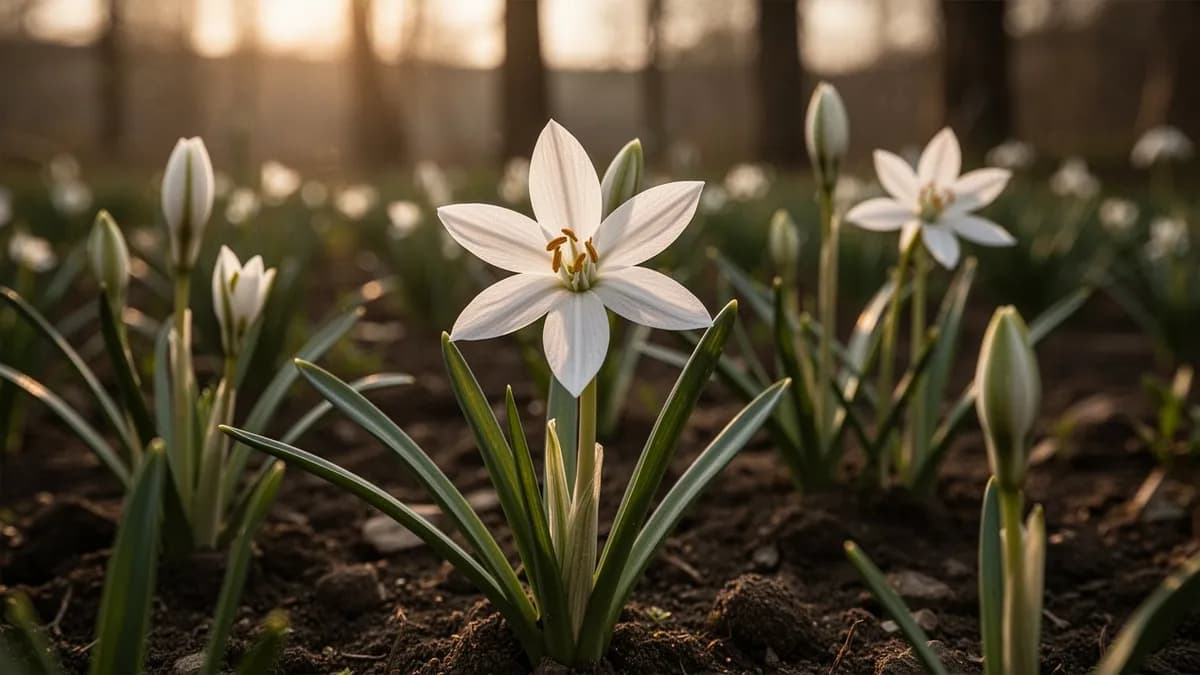
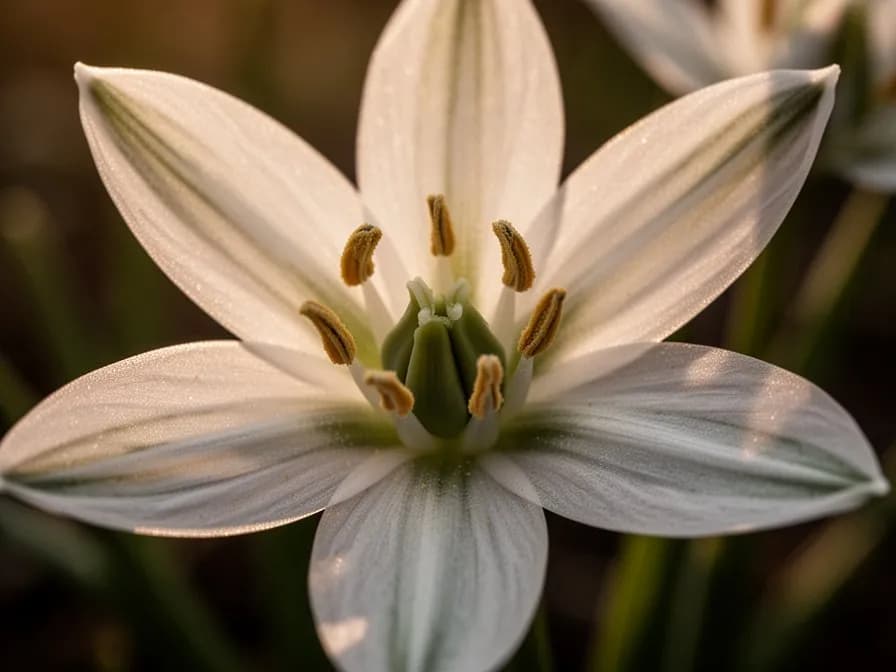
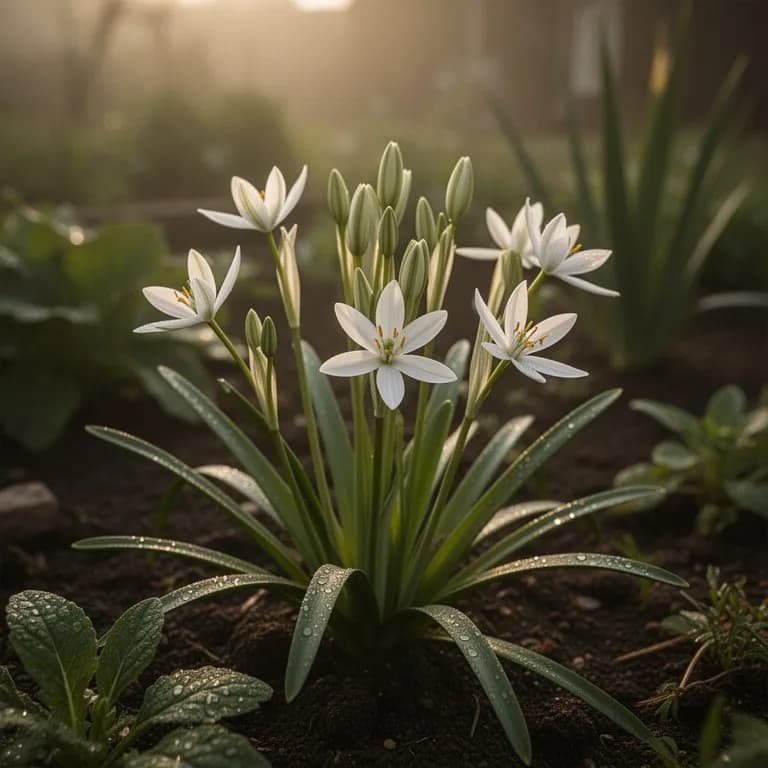
A charming spring bulb with clusters of white star-shaped flowers with green-striped backs that open in sunshine and close on cloudy days.





On this pageOverview
Meet Star of Bethlehem
A charming spring bulb with clusters of white star-shaped flowers with green-striped backs that open in sunshine and close on cloudy days. Star of Bethlehem naturalizes vigorously and can spread into lawns and meadows, so site carefully in the garden. It thrives in average, well-drained soil with minimal care.
When to plant Star of Bethlehem
Ornithogalum self-sows freely and this is a primary means of spread. Seeds can be collected from ripe capsules in early summer and sown immediately or in autumn in pots of ordinary garden compost. Cover lightly and keep moist. Seeds germinate readily in spring without pretreatment. Seedlings produce grass-like foliage in the first year and typically flower in the second or third spring. Bulb offsets separated in summer provide an even faster route to new plants.
Your Star of Bethlehem Year
Composed for Zone 7 · typical seasons · frost passes Apr 2, returns Nov 1
Plant Star of Bethlehem Sep – Oct, pick Apr – May. Check the planting methods below and set your climate to personalize these windows.
How to grow Star of Bethlehem
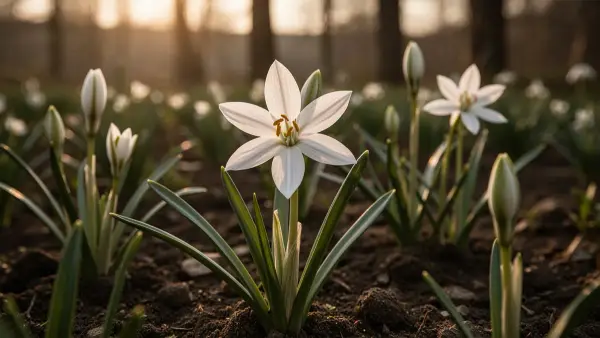
Plant ornithogalum bulbs in autumn, three inches deep and four to five inches apart, in average, well-drained soil in full sun to light shade. Star of Bethlehem is remarkably adaptable and tolerates a wide range of conditions from lean, sandy soil to moderately heavy clay. It naturalizes vigorously and can become invasive in favorable conditions, so plant where spreading is welcome or where the area can be contained.
During the growing season from autumn through spring, ornithogalum requires minimal care beyond normal rainfall. The narrow, grass-like foliage emerges in autumn or early spring depending on the climate, and the clusters of white star flowers with their distinctive green-striped backs appear in mid-spring. The flowers open on sunny days and close when cloudy or at night.
Allow the foliage to die back completely before mowing or tidying. The bulbs multiply rapidly by both offsets and self-seeding, and a small planting can cover a large area within a few years. In lawns, delay the first mowing until the ornithogalum foliage has fully ripened. Control spread by removing flower heads before seeds mature if you want to limit the colony.
288 plants fit a 4 × 8 ft bed
Each Star of Bethlehem wants 10 cm of elbow room. The planner keeps that spacing for you — every plant, every bed.
Star of Bethlehem's best neighbours
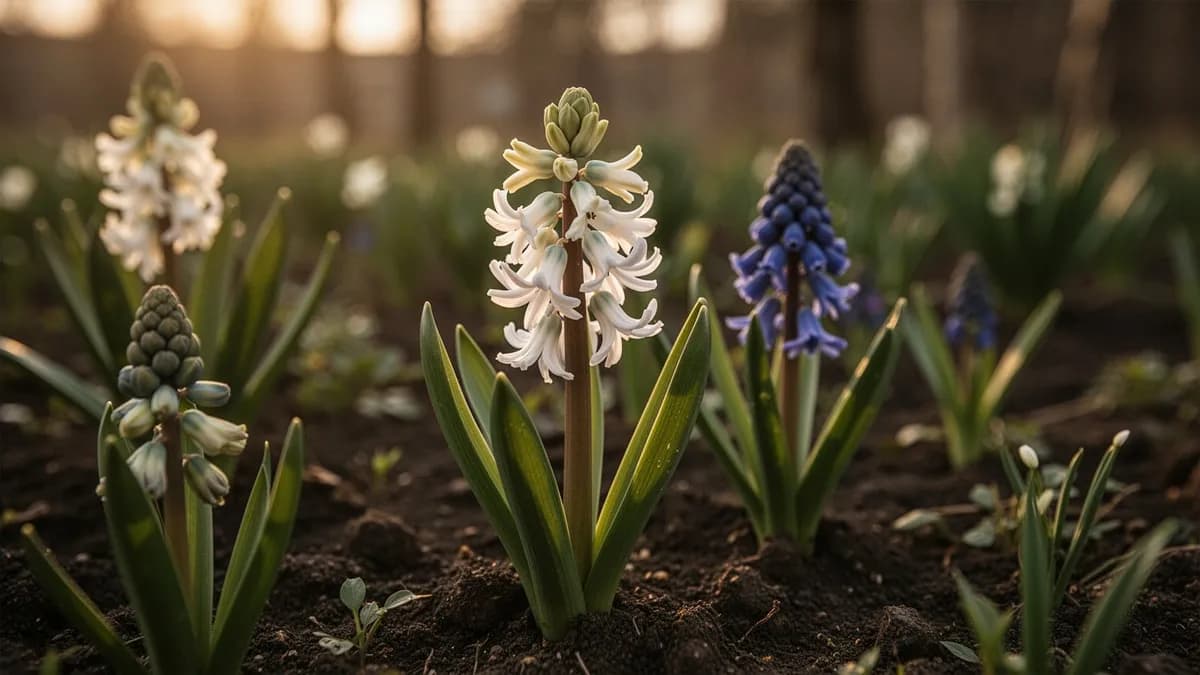
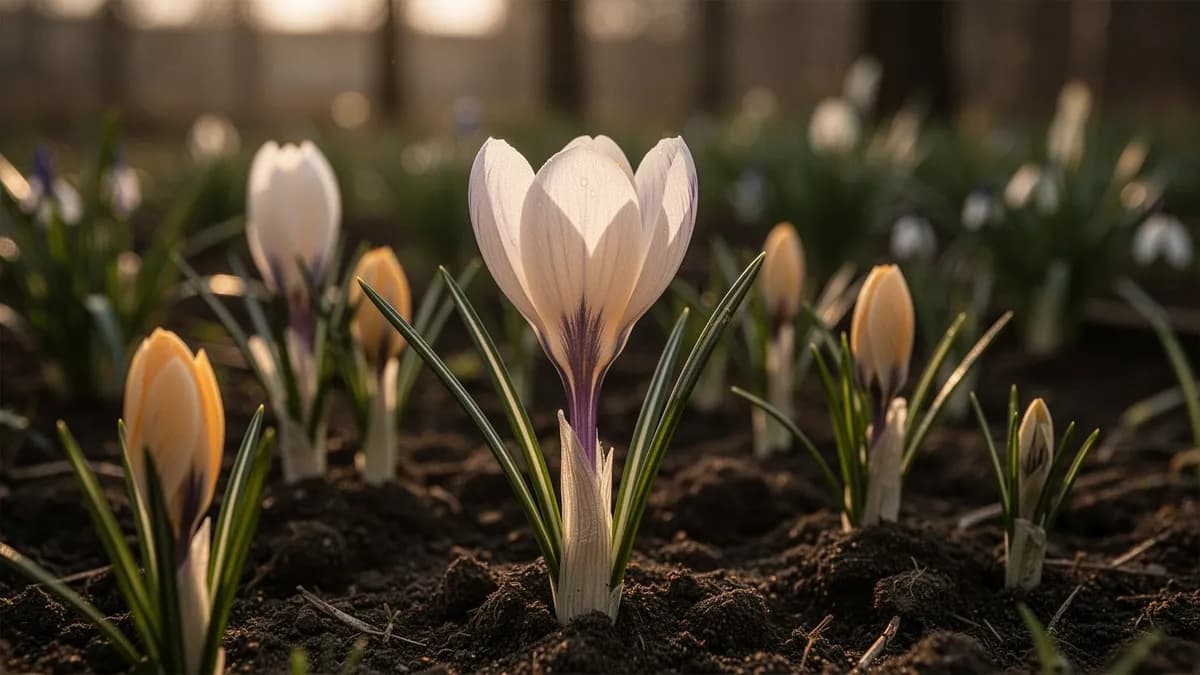
Star of Bethlehem naturalizes well in lawns and under deciduous trees where it receives spring sun. It combines attractively with other spring bulbs like muscari, grape hyacinths, and crocuses in informal, naturalized settings. In wilder garden areas, pair with native spring wildflowers and grasses. Avoid planting near choice alpines or small perennials that could be overwhelmed by its vigorous spreading habit.
Grape Hyacinth belongs beside it.
Old growers' knowledge, checked against Star of Bethlehem's real companion table below — test any plant you're growing.
Try Star of Bethlehem in a bed — right here
A real planner bed with Star of Bethlehem already in it. Tap a companion to place it and watch the pairing checks answer — green for good neighbours, red for a clash.


Related growing guides
Feed it well
Ornithogalum is exceptionally undemanding regarding soil, thriving in anything from sandy loam to moderately heavy clay with a pH of 5.5 to 7.5. It actually performs better in lean, unfertilized soil where it is less likely to produce excessive foliage at the expense of flowers. No supplemental feeding is necessary for established colonies. If planting in very poor soil, a light application of bone meal at planting time is sufficient.
Ideal Temperature
Hardiness Zone Compatibility
From seed to harvest, stage by stage
Bulb Planting
Plant Ornithogalum bulbs in autumn, approximately 5 to 8 centimeters deep and 8 to 10 centimeters apart in well-drained soil. The bulbs are small and round with a light brown papery covering. Choose a site that receives full sun to partial shade for optimal flowering.
Root Establishment and Dormancy
During the autumn and winter months, the bulbs develop a strong root system underground while the top growth remains dormant. The cold period is essential for vernalization, which triggers the hormonal changes needed for spring flowering. Bulbs require a period of sustained cold temperatures below 10 degrees Celsius.
Foliage Emergence
In late winter to early spring, narrow grass-like leaves emerge from the soil. Each leaf features a distinctive white or silvery midrib that runs along its length. The foliage forms a basal rosette and can reach 15 to 30 centimeters in length. Leaves appear before the flower stalks and begin photosynthesizing to fuel bloom development.
Flowering
Flower stalks rise 15 to 30 centimeters above the foliage, each bearing a loose corymb of 6 to 20 star-shaped white flowers. The flowers have six tepals with green stripes on the reverse and open in sunshine, closing in cloudy or rainy conditions. Blooming typically occurs from April to June depending on climate and local conditions.
Seed Set and Ripening
After pollination, three-chambered seed capsules develop at the top of the flower stalk. Each capsule contains numerous small black seeds that ripen over several weeks. The capsules split open when mature, releasing seeds that can germinate the following spring. This prolific seed production contributes to the plant's naturalizing ability.
Foliage Senescence and Summer Dormancy
After flowering and seed production, the foliage gradually yellows and dies back as the bulb enters summer dormancy. During this period, the bulb stores energy and produces offset bulblets that will grow into new plants. The underground bulb remains dormant through the hot summer months until cooler autumn temperatures trigger a new growth cycle.
Offset Bulblet Development
Throughout the dormant period and into early autumn, the mother bulb produces small offset bulblets around its base. These offsets can be separated and replanted to establish new colonies. A single healthy bulb can produce three to five offsets per year, which is one reason Ornithogalum naturalizes so effectively in garden settings.
Handle bulbs with gloves as all parts of Ornithogalum are toxic. Plant pointed end up and water in well after planting to encourage root establishment before winter dormancy sets in.
Caring for Star of Bethlehem month by month
What to do each month for your Star of Bethlehem
October
You are herePlant new Ornithogalum bulbs 5 to 8 centimeters deep in well-drained soil. Dig and divide overcrowded clumps, wearing gloves to protect against the toxic sap.
Know exactly what to do in your garden — every month
One email at the start of each month: what to sow, plant, and tackle right now — for your Star of Bethlehem and everything growing around it. Plus a short starter course that helps you dodge the classic mistakes.
- What to do, right now
- Matched to your season
- Starter course included
Harvesting Star of Bethlehem
Star of Bethlehem stems can be cut for spring bouquets when two or three flowers in the cluster have opened. The white stars are charming in mixed spring arrangements with daffodils and tulips. Place in cool water immediately after cutting. Flowers last about a week in a vase. Note that the flowers close at night and in dim conditions, adding an interactive quality to arrangements placed on sunlit tables. All parts of the plant are mildly toxic if ingested.
assuming you plant when the window opens — set your real date
From bulbs, tubers or cloves
Pick Star of Bethlehem promptly and the plant keeps producing.
Storage & Preservation
Ornithogalum bulbs should be left in the ground year-round where they are fully hardy. They require no special care during dormancy and will naturalize and spread on their own. If lifting is necessary, dig after foliage dies back and replant immediately or store briefly in mesh bags in a cool, dry place. The bulbs are quite durable and tolerant of handling. Seeds scatter naturally and germinate readily without intervention.
What goes wrong — and the fix
Nematodes
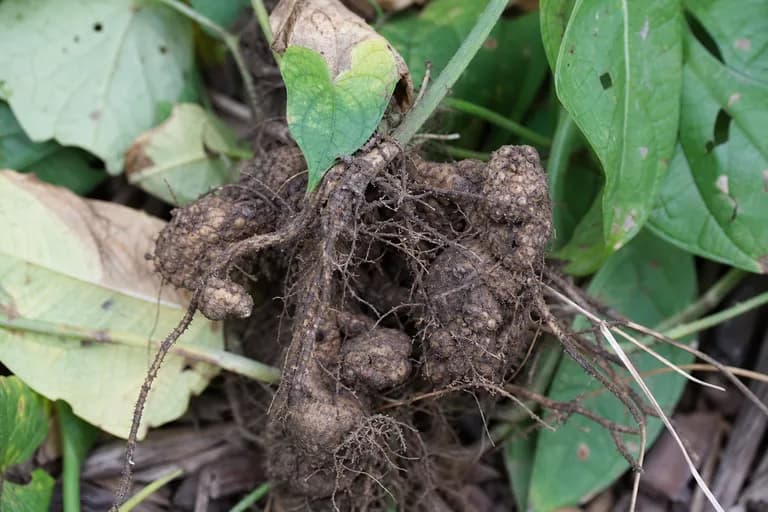
PestDistorted, twisted leaves with yellowish bumps or swellings. Stunted growth and reduced flowering over successive seasons.
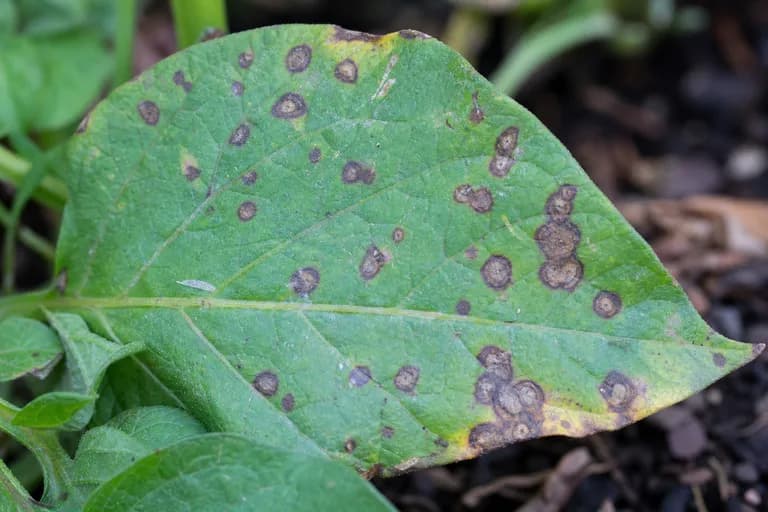
Leaf Spot
DiseaseSmall brown or tan spots on leaves that may enlarge and merge, causing premature foliage decline.
Troubleshooting Common Problems
The biggest concern with ornithogalum is its potential invasiveness. In favorable conditions, it can spread aggressively through offsets and self-seeding, invading lawns, borders, and neighboring gardens. Think carefully before planting and choose a location where its spreading habit is an asset rather than a problem. All parts are toxic if eaten, so keep away from areas where children or pets might ingest plant material.
Growing Tips
- Always wear protective gloves when planting, dividing, or handling Ornithogalum bulbs and foliage, as all parts of the plant contain toxic cardiac glycosides that can irritate skin and cause serious illness if ingested.
- Plant bulbs in well-drained soil enriched with coarse sand or grit, as bulb rot is the most common cause of failure. Ornithogalum will not tolerate waterlogged conditions, especially during summer dormancy.
- Choose a planting site in full sun to light partial shade. Flowers open most fully and reliably in sunny positions, and plants grown in too much shade will produce weak stems and fewer blooms.
- Space bulbs 8 to 10 centimeters apart and plant at a depth of roughly two to three times the bulb height (approximately 5 to 8 centimeters deep) for optimal establishment and winter protection.
- Allow foliage to die back naturally after flowering, as the leaves continue to feed the bulb for next year's growth. Do not mow naturalized areas until the foliage has fully yellowed and collapsed, typically by mid to late summer.
- Deadhead spent flower stems promptly to prevent self-seeding if you want to control the spread of the colony. Ornithogalum can become invasive in favorable conditions and is listed as a noxious weed in some regions.
- Divide congested clumps every three to four years in early autumn by lifting the bulbs, separating the offsets, and replanting at the proper spacing. This reinvigorates flowering and prevents overcrowding.
- Ornithogalum is highly resistant to deer and rabbit browsing due to its toxicity, making it an excellent choice for gardens where animal damage is a persistent problem with other bulb species.
- In containers, use a gritty free-draining potting mix and ensure pots have adequate drainage holes. Allow the potting mix to dry out completely during the summer dormancy period and resume watering in autumn.
- If naturalizing in a lawn, select a low-traffic area and be prepared to delay mowing in spring until the Ornithogalum foliage has fully died back. The grass-like leaves blend in well and are easy to overlook when not in flower.
Grow your best Star of Bethlehem yet — and everything around it.
Start a free plan today. Lay out your beds, drop in your Star of Bethlehem, and let PlotMyGarden handle the timing, spacing, companions and reminders from seed to harvest basket.
Pick your Star of Bethlehem
Umbellatum
The common Star of Bethlehem with flat clusters of white flowers striped green on the reverse, the most vigorous and widely naturalized species.
Nutans
A taller species with nodding, silvery-white flowers on one-sided racemes, more elegant and less aggressive than O. umbellatum.
Dubium
A tender South African species with vivid orange flowers, grown as a houseplant or summer container plant in cold climates.
Thyrsoides
The chinkerinchee, with dense spikes of long-lasting white flowers prized by florists, tender and best grown as a cut flower crop.
Ornithogalum bulbs are extremely affordable, typically costing two to five dollars for a pack of 20 to 25 bulbs. Once established, they multiply freely through offset bulblets and self-seeding, creating ever-expanding colonies at no additional cost. A single initial planting can naturalize an entire garden area within three to five years. Their exceptional longevity as cut flowers (up to two weeks in a vase) also provides significant savings compared to purchasing short-lived florist flowers. However, their aggressive spreading habit means management costs should be factored in, as you may need to spend time controlling their spread to prevent them from overtaking other garden plants.
Quick recipes
Star of Bethlehem Spring Flower Arrangement
15 minutesCreate a stunning long-lasting floral arrangement using freshly cut Ornithogalum stems paired with complementary spring flowers. The star-shaped white blooms can last up to two weeks in a vase, making this an ideal centerpiece. Always wear gloves when handling cut stems as the sap can irritate skin.
5 ingredientsDried Ornithogalum Seed Head Wreath
45 minutesCraft a decorative wreath using dried Ornithogalum seed heads collected after the flowering season. The geometric seed capsules add wonderful texture and interest to dried arrangements and wreaths. This is a creative way to use the plant ornamentally while also preventing seed dispersal in the garden.
5 ingredientsPressed Star of Bethlehem Botanical Art
30 minutes active plus 2 to 3 weeks pressing timePress and preserve the delicate star-shaped flowers of Ornithogalum to create beautiful botanical art pieces or herbarium specimens. The flat symmetrical flowers press exceptionally well and retain their elegant form when dried. This technique has been used since the Renaissance for botanical documentation and artistic purposes.
5 ingredientsWhat's inside
Health Benefits
- TOXIC PLANT WARNING: Ornithogalum is poisonous and must never be ingested. All purported health uses described here are historical references only and should not be attempted.
- In traditional European folk medicine, highly diluted preparations of the plant were historically used as a diuretic, but this practice is dangerous and no longer recommended by any medical authority.
- Star of Bethlehem is one of the five flowers in the Bach Rescue Remedy, used in the Bach Flower system as a highly diluted essence believed to address emotional shock and trauma, though scientific evidence for its efficacy is lacking.
- Some historical herbals reference external poultice preparations using the bulbs for treating skin conditions, however direct skin contact with the sap frequently causes contact dermatitis and this practice is strongly discouraged.
- The cardiac glycosides found in Ornithogalum have been studied pharmacologically as potential leads for heart medication research, similar to digitalis compounds derived from foxglove, though no approved medications are derived from this plant.
- Modern toxicology research on Ornithogalum has contributed to our understanding of cardenolide poisoning pathways and treatment protocols for accidental plant ingestion cases in both humans and livestock.
Where Star of Bethlehem comes from
Ornithogalum umbellatum, commonly known as Star of Bethlehem, is a bulbous perennial native to the Mediterranean region, southern Europe, and parts of western Asia. The genus belongs to the family Asparagaceae (formerly Hyacinthaceae or Liliaceae), and its members have been known to humans for thousands of years. Ancient Greek botanists including Dioscorides documented the plant in their herbal texts, noting both its ornamental beauty and its toxic properties. The common name Star of Bethlehem references the star-shaped flowers and draws a connection to the biblical Star of Bethlehem, lending the plant a long association with Christmas and religious symbolism in European cultures. During the medieval period, the plant was cultivated in monastery gardens across Europe, where monks studied its medicinal and toxic properties alongside other members of the lily family. It was introduced to Britain by the sixteenth century and quickly naturalized in hedgerows, churchyards, and grassy meadows. European colonists brought Ornithogalum to North America, where it escaped cultivation and established itself widely across the eastern United States and parts of the Pacific Northwest. The plant's aggressive colonizing habit, spreading through prolific seed production and rapid offset bulb multiplication, has led to its classification as an invasive species in several regions. Despite its toxicity, Ornithogalum has maintained a prominent place in the cut flower industry, particularly the South African species O. thyrsoides and O. dubium, which are commercially grown for their exceptionally long vase life and striking blooms. In modern horticulture, the genus is valued for naturalizing in lawns, woodland gardens, and meadow plantings where its cheerful white spring flowers create a striking seasonal display.
Star of Bethlehem: did you know?
Fascinating facts about Star of Bethlehem
All parts of Ornithogalum are toxic to humans and animals, containing cardenolides and other alkaloids similar to those found in foxglove, making it important to handle with gloves and keep away from children and pets.
Star of Bethlehem questions, answered
When should I plant Star of Bethlehem?
What are good companion plants for Star of Bethlehem?
What hardiness zones can Star of Bethlehem grow in?
How much sun does Star of Bethlehem need?
How far apart should I space Star of Bethlehem?
What pests and diseases affect Star of Bethlehem?
How do I store Star of Bethlehem after harvest?
What are the best Star of Bethlehem varieties to grow?
What soil does Star of Bethlehem need?
Is Star of Bethlehem (Ornithogalum) poisonous to pets and children?
How do I prevent Star of Bethlehem from spreading invasively in my garden?
When is the best time to plant Ornithogalum bulbs?
Why are my Star of Bethlehem flowers not opening?
Can I grow Ornithogalum indoors as a houseplant?
What companion plants work well with Star of Bethlehem?
You just read the theory. Now grow it on autopilot.
Everything that makes Star of Bethlehem fiddly — the timing, the spacing, the companions, the harvest window — is exactly what PlotMyGarden handles for you, for every plant in your garden.
A plan that knows your weather
Set your location once. Get sow, feed and harvest dates built around your real last-frost date and live forecast — no more guessing from a generic seed packet.
From the “When to plant” sectionDrag-and-drop bed planner
Design beds on a grid. Every plant snaps to its proper spacing, and you can see your whole season laid out before you spend a cent on seed.
From the “Growing guide” sectionCompanion conflicts, caught early
200+ good-and-bad pairings checked live as you plant — so a season-wrecking mistake never makes it into the ground.
From the “Companions” sectionReminders you'll actually act on
“Water the beans.” “Pick today before it turns.” Timely, specific, and tied to the plants you're really growing.
From the “Harvest” sectionSuccession, scheduled
Want a harvest for six weeks, not six days? It spaces your sowings automatically and reminds you when each new block is due.
From the “When to plant” sectionA record that gets smarter
Every harvest you log teaches it your garden. Next year's plan starts from what actually worked in your soil, not a textbook's.
From the “Overview” sectionPlant these alongside Star of Bethlehem
More Bulbs
Grow your best Star of Bethlehem yet — and everything around it.
Start a free plan today. Lay out your beds, drop in your Star of Bethlehem, and let PlotMyGarden handle the timing, spacing, companions and reminders from seed to harvest basket.