Naranjo
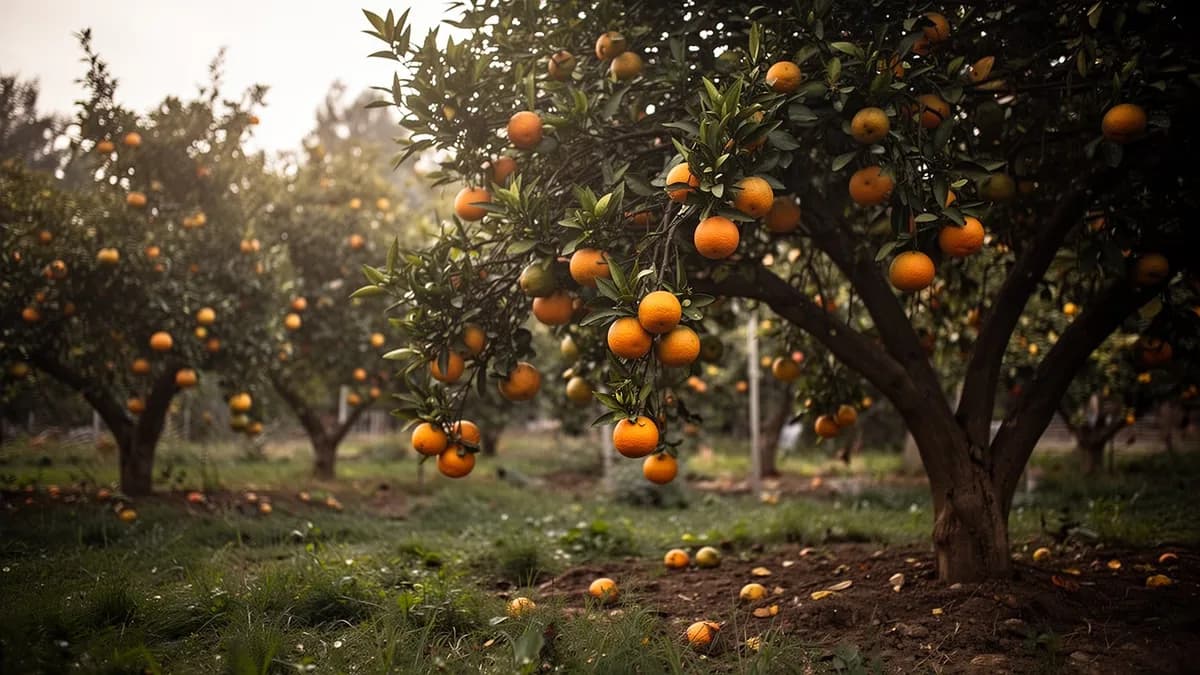
Un clásico árbol cítrico de hoja perenne que produce frutos dulces y jugosos capaces de permanecer en el árbol durante meses después de madurar sin perder calidad.





En esta páginaResumen
Conoce Naranjo
Un clásico árbol cítrico de hoja perenne que produce frutos dulces y jugosos capaces de permanecer en el árbol durante meses después de madurar sin perder calidad. Los naranjos necesitan riego constante, pleno sol y aplicaciones regulares de fertilizante para cítricos a lo largo de la temporada de crecimiento. Son autofértiles, pero producen cosechas más abundantes cuando los días son cálidos y las noches frescas durante el desarrollo del fruto. Protéjalos de las heladas intensas y vigile la enfermedad del enverdecimiento de los cítricos (HLB), transmitida por el psílido asiático de los cítricos.
Cuándo plantar Naranjo
Los naranjos se propagan mediante injerto de yema sobre portainjertos resistentes a enfermedades. El naranjo amargo, Carrizo citrange y Swingle citrumelo son portainjertos habituales elegidos por su resistencia a enfermedades y su adaptabilidad a distintos suelos. Adquiera árboles injertados certificados libres de enfermedades en viveros de confianza. Los naranjos cultivados a partir de semilla tardan de 7 a 15 años en fructificar y pueden producir árboles espinosos con fruta de calidad inferior. Los árboles injertados en contenedor pueden plantarse en cualquier momento del año cuando las temperaturas sean suficientemente cálidas.
Tu año de Naranjo
Ajustado a Zona 7 · temporada típica · la helada se va hacia el 2 abr y vuelve hacia el 1 nov
Planta Naranjo Mar – May y cosecha Ene – Mar, Nov – Dic. Consulta los métodos de plantación y elige tu clima para adaptar los periodos.
Cómo cultivar Naranjo
Los naranjos prosperan en climas cálidos con pleno sol, suelo bien drenado y protección contra las heladas. Elija una ubicación orientada al sur con resguardo del viento. En zonas limítrofes, plante cerca de un edificio o muro que proporcione calor radiante. Espacie los árboles de tamaño estándar entre 6 y 7.5 metros y los enanos entre 2.5 y 3.5 metros. Los naranjos pueden cultivarse en contenedores grandes en climas más fríos y trasladarse al interior durante el invierno.
Plante los naranjos en contenedor en primavera, cuando las temperaturas se mantengan de forma constante por encima de los 15 °C. Coloque la unión del injerto entre 10 y 15 centímetros por encima del nivel del suelo para evitar el enraizamiento del vástago. Riegue en profundidad tras la plantación y aplique una capa de acolchado de unos 8 centímetros. Durante los dos primeros años, riegue con regularidad para establecer un sistema radicular fuerte. Los árboles establecidos necesitan riegos profundos cada una o dos semanas según el tipo de suelo y las condiciones meteorológicas.
Alimente los naranjos con fertilizante específico para cítricos de tres a cuatro veces al año, desde finales del invierno hasta principios del otoño. Pode únicamente para eliminar madera muerta, chupones por debajo de la unión del injerto y ramas que se cruzan. Los naranjos desarrollan una copa naturalmente redondeada que requiere una conformación mínima. Vigile la enfermedad del enverdecimiento de los cítricos, una infección bacteriana incurable transmitida por el psílido asiático de los cítricos, y controle las poblaciones de psílidos de forma proactiva.
Para Naranjo un bancal de 120 × 240 cm se queda corto
Cada Naranjo pide 600 cm de margen. El planificador guarda ese marco por ti — cada planta, cada bancal.
Los mejores vecinos de Naranjo
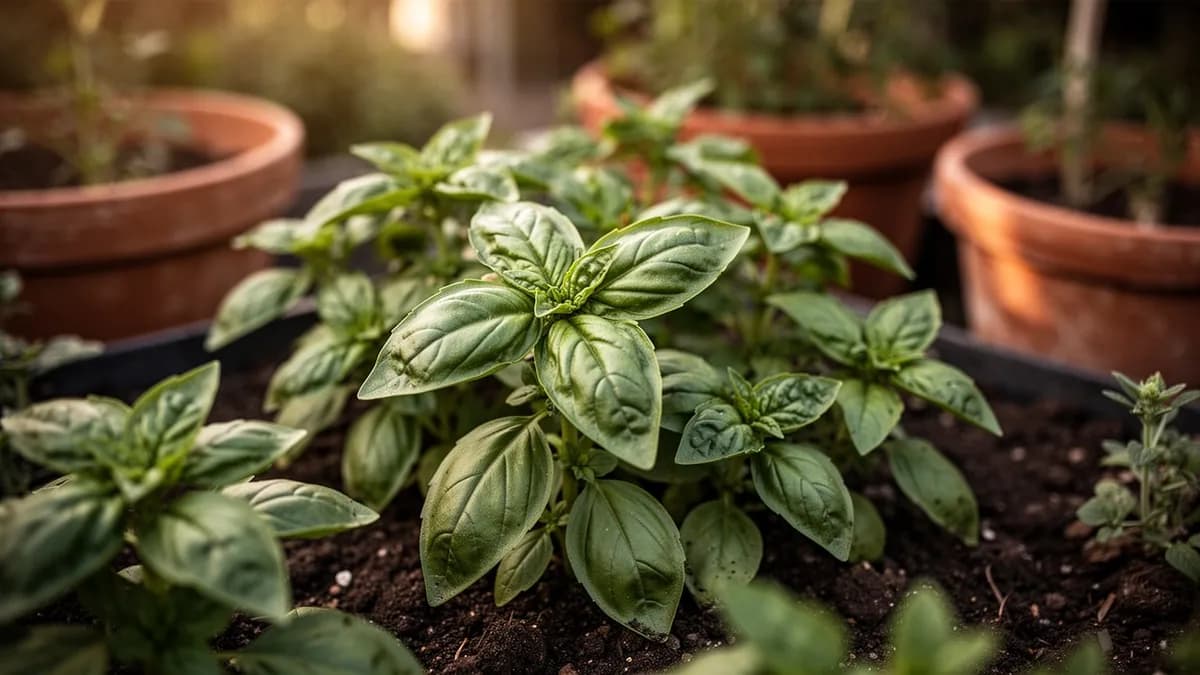
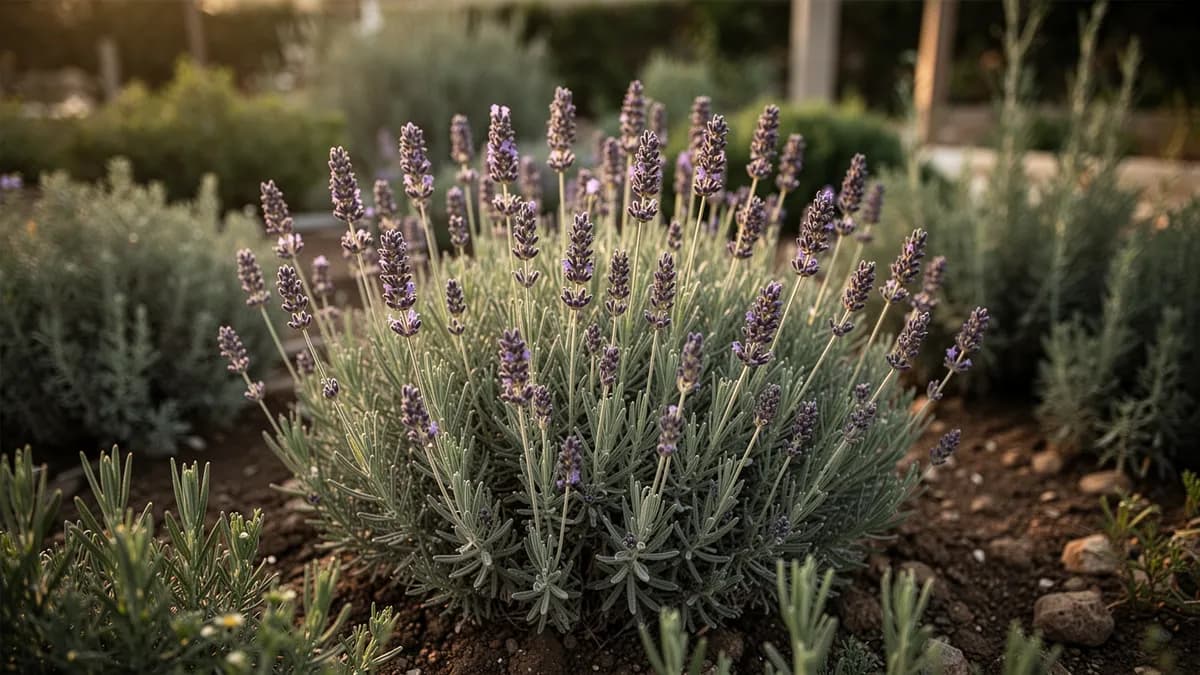
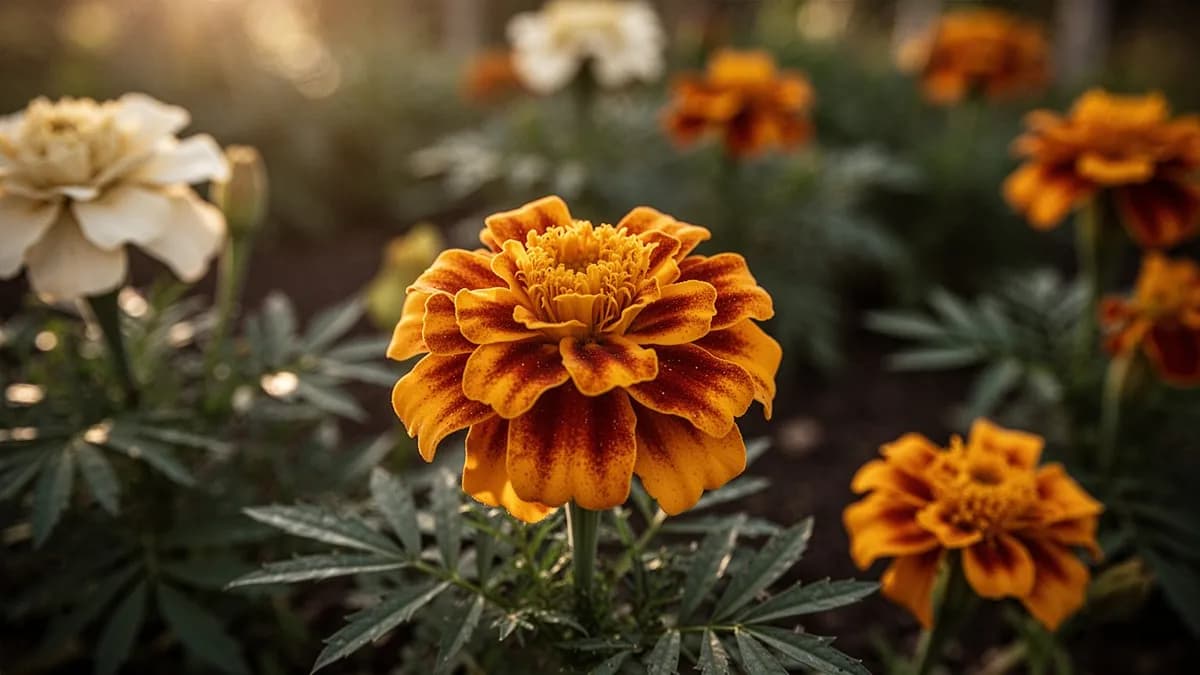
Plante albahaca, lavanda y caléndulas cerca de los naranjos para atraer polinizadores e insectos beneficiosos. Las capuchinas son una cobertura vegetal colorida y repelente de plagas. Otras variedades de cítricos plantadas en las proximidades comparten requisitos de cuidado similares. Los cultivos de cobertura leguminosos entre las hileras del huerto fijan nitrógeno y mejoran la estructura del suelo. Evite plantar árboles altos que pudieran dar sombra a la copa del naranjo.
Albahaca va a su lado. Nogal no.
Saber de huerto de siempre, cotejado con la tabla real de Naranjo — prueba cualquier planta que cultives.
Prueba Naranjo en un bancal, aquí mismo
Un bancal real del planificador con Naranjo ya plantado. Toca una planta compañera para colocarla y mira cómo responde la comprobación de vecinos: verde para buenos vecinos, rojo si hay conflicto.


Guías de cultivo relacionadas
Abónalo bien
Los naranjos prefieren suelos francos y bien drenados con un pH de 5.5 a 6.5. Corrija los suelos alcalinos con azufre para reducir el pH. Aplique fertilizante para cítricos que contenga nitrógeno, potasio y micronutrientes esenciales como hierro, zinc y manganeso de tres a cuatro veces al año. Las hojas que amarillean conservando las nervaduras verdes indican deficiencia de hierro, frecuente en suelos alcalinos. Aplique hierro quelado como pulverización foliar o riego al suelo. Evite el exceso de nitrógeno a finales de verano, ya que puede retrasar la maduración de la fruta.
Temperatura ideal
Compatibilidad de zonas de rusticidad
De la semilla a la cosecha, etapa por etapa
Establecimiento tras el Trasplante
Un árbol injertado de vivero concentra su energía en anclar el sistema radicular en el suelo circundante. El crecimiento aéreo es mínimo durante este período, ya que el árbol dirige sus recursos al subsuelo. Las hojas pueden mostrar un aspecto ligeramente marchito durante las primeras semanas mientras las raíces se recuperan del estrés del trasplante.
Crecimiento Vegetativo Juvenil
El árbol produce múltiples brotaciones de un verde intenso y brillante en cada temporada, construyendo rápidamente su estructura de ramas. Pueden aparecer espinas en los brotes juveniles más vigorosos. La copa comienza a llenarse y el tronco se engrosa notablemente. La extensión de las raíces supera con creces la línea de goteo de la copa.
Primera Floración y Fructificación Inicial
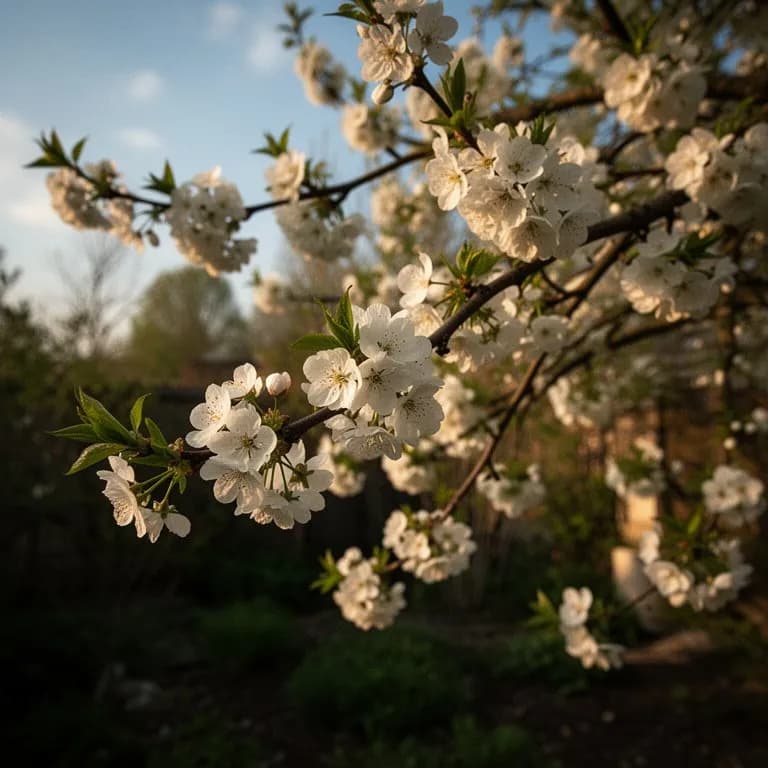
Los árboles injertados suelen producir sus primeras flores en la segunda o tercera primavera. Las flores blancas, intensamente fragantes, aparecen en racimos en las puntas de las ramas y en las axilas de las hojas. El cuajado inicial de frutos puede ser escaso, ya que el árbol deja caer muchos frutos de forma natural mientras equilibra su energía entre el crecimiento y la reproducción.
Desarrollo y Engorde del Fruto
Los frutos retenidos aumentan de tamaño de forma constante a lo largo de siete a doce meses. La corteza transita por distintos tonos de verde hasta que comienza a mostrar color a medida que las noches frescas del otoño degradan la clorofila. Los sacos de zumo internos se llenan y los azúcares se acumulan, mientras los niveles de ácido disminuyen gradualmente hasta alcanzar el equilibrio dulce-ácido ideal.
Temporada de Cosecha
La mayoría de las variedades de naranja dulce alcanzan su madurez óptima entre noviembre y marzo en el hemisferio norte. El fruto está cargado de zumo, la corteza cede ligeramente a una presión suave y una prueba de sabor confirma la dulzura. Las naranjas no continúan madurando después de la recolección, por lo que la paciencia en el árbol se recompensa con un sabor superior.
Reposo y Renovación
Tras concluir la cosecha, el árbol entra en un período de actividad reducida durante los meses más fríos. El crecimiento se ralentiza y el árbol conserva recursos. Este período de descanso, desencadenado por las temperaturas más bajas o un breve período de sequía, es fisiológicamente importante para iniciar el siguiente ciclo de floración.
Ciclo de Producción del Árbol Maduro
A partir aproximadamente del quinto año, el árbol se estabiliza en un ciclo anual fiable de floración primaveral, desarrollo del fruto en verano, cosecha invernal y breve reposo. Los rendimientos aumentan cada año hasta que el árbol alcanza su capacidad máxima de producción alrededor de los ocho a diez años, pudiendo ofrecer 200 a 300 o más frutos por temporada.
Riegue en profundidad dos o tres veces por semana durante los tres primeros meses. Entutore el tronco de forma holgada para evitar el balanceo por el viento mientras las raíces se establecen. Evite fertilizar durante las primeras seis semanas para prevenir quemaduras radiculares.
Cuidar Naranjo mes a mes
Qué hacer cada mes para tu Naranjo
Octubre
Mes actualAlgunas variedades de maduración temprana se acercan a la madurez de cosecha. Compruebe la dulzura y el contenido de zumo probando una muestra. Reduzca aún más la frecuencia de riego. Aplique una última dosis ligera de fertilizante de liberación lenta para apoyar la actividad radicular durante el invierno.
Ten claro qué hacer en tu huerto, cada mes
Un correo al empezar cada mes: qué sembrar, plantar y hacer ahora mismo — para tu Naranjo y todo lo que crece alrededor. Más un breve curso inicial para esquivar los errores clásicos.
- Qué hacer ahora mismo
- Ajustado a tu temporada
- Curso inicial incluido
Cosechar Naranjo
Las naranjas están maduras cuando alcanzan su color pleno, aunque en climas tropicales el fruto puede permanecer verde incluso cuando está dulce y maduro. Pruebe el sabor y la dulzura antes de cosechar todo el árbol. Las naranjas pueden permanecer en el árbol durante semanas o incluso meses después de madurar sin deteriorarse en calidad, utilizando esencialmente el árbol como almacenamiento natural en frío. Corte la fruta del árbol con tijeras de podar para evitar desgarrar la corteza. Las naranjas Navel maduran en invierno, mientras que las Valencia maduran en primavera y verano.
se supone que plantas al comenzar el periodo — indica tu fecha real
Cosecha Naranjo a tiempo y la planta sigue produciendo.
Almacenamiento y conservación
Las naranjas frescas se conservan de 2 a 3 semanas a temperatura ambiente y hasta 2 meses refrigeradas. Exprima las naranjas y congele el zumo en recipientes o bandejas de cubitos de hielo para usarlo durante todo el año. La mermelada de naranja es una conserva clásica elaborada con la piel y el zumo. Las rodajas de naranja deshidratadas son atractivas guarniciones y aperitivos. La cáscara de naranja confitada es un dulce tradicional. La ralladura de naranja puede secarse y almacenarse durante meses para su uso en repostería.
Qué falla — y cómo solucionarlo
Enverdecimiento de los Cítricos (HLB)
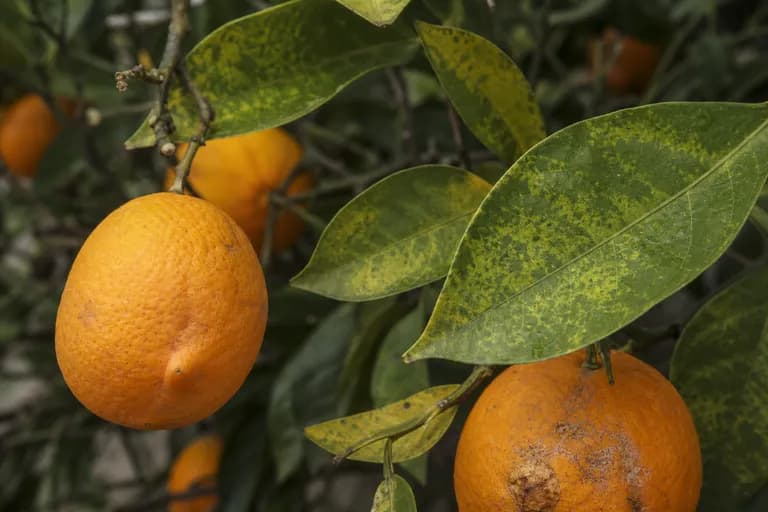
EnfermedadMoteado amarillo asimétrico en las hojas. Los frutos permanecen pequeños, deformes y parcialmente verdes. Las semillas abortan. El árbol declina lentamente y se vuelve improductivo.
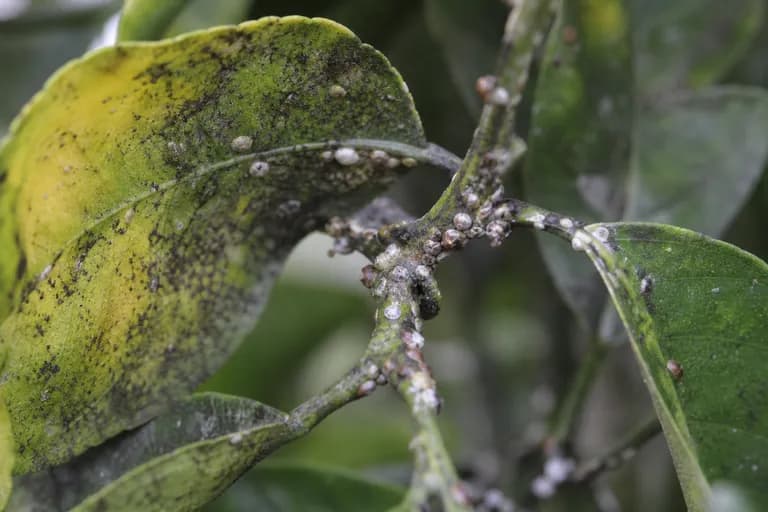
Cochinilla de los Cítricos
PlagaPequeñas protuberancias redondeadas, marrones o blancas, en hojas, tallos y frutos. Las infestaciones severas causan amarillamiento, caída de hojas y reducción de la calidad del fruto.
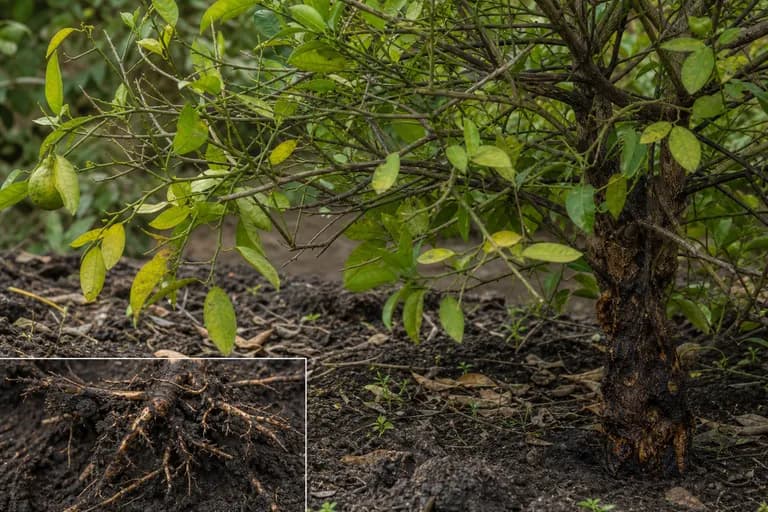
Podredumbre Radicular de los Cítricos
EnfermedadAmarillamiento de las hojas, aclaramiento de la copa y declive progresivo. Raíces oscuras y blandas visibles al examinarlas. Gomosis en la base del tronco.
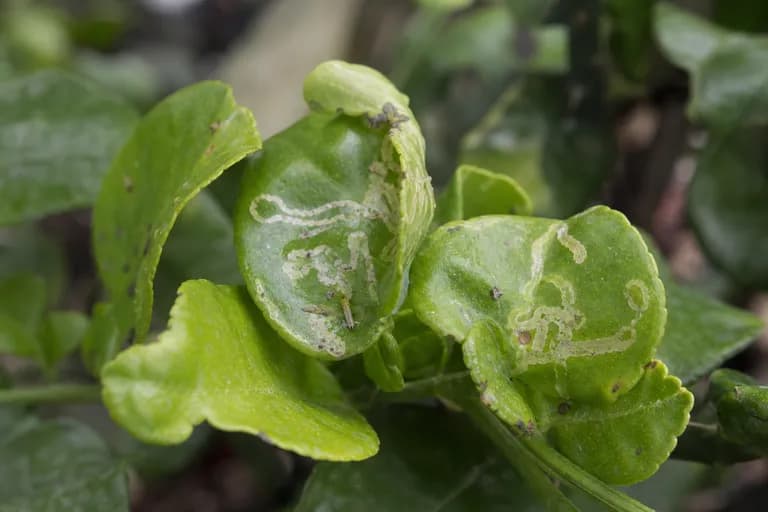
Minador de las Hojas de los Cítricos
PlagaGalerías serpenteantes plateadas en las hojas jóvenes causadas por las larvas que minan entre las superficies foliares. Las hojas se enrollan y deforman.
Solución de problemas comunes
El enverdecimiento de los cítricos es la amenaza más devastadora, sin cura disponible. Controle agresivamente el psílido vector. Las hojas amarillas pueden indicar deficiencia de nutrientes, exceso de riego o podredumbre radicular. La caída de frutos en primavera es normal, ya que los árboles desechan el exceso de fruta que no pueden sustentar. El agrietamiento o rajado de los frutos es consecuencia de patrones de riego irregulares. Las quemaduras solares en frutos y corteza ocurren cuando la copa que proporciona sombra se reduce de forma repentina por una poda severa o daños por viento.
Consejos de cultivo
- Adquiera árboles injertados en un vivero certificado para garantizar la precisión varietal, material libre de enfermedades y la producción de fruta en tres a cinco años. Los árboles cultivados a partir de semilla pueden tardar diez años o más en fructificar y la calidad es impredecible.
- Seleccione un lugar de plantación con plena exposición solar de al menos seis a ocho horas diarias. En regiones más frescas, coloque el árbol contra un muro orientado al sur para aprovechar el calor radiante y la protección del viento.
- Prepare el hoyo de plantación con al menos el doble de la anchura del cepellón pero no más profundo. Los naranjos deben plantarse al mismo nivel del suelo en que estaban en la maceta del vivero, con la unión del injerto claramente por encima de la superficie del suelo.
- Asegure un drenaje excelente enmendando los suelos arcillosos pesados con arena gruesa, perlita y generosas cantidades de compost orgánico. Los bancales elevados o la plantación sobre montículos funcionan bien en zonas con drenaje natural deficiente.
- Riegue profunda e infrecuentemente en lugar de ligera y a menudo. Los árboles establecidos en suelo se benefician de un empapamiento profundo cada siete a diez días durante la temporada de crecimiento. Deje que los primeros centímetros del suelo se sequen entre riegos.
- Alimente con un fertilizante específico para cítricos que incluya micronutrientes como hierro, manganeso, zinc y magnesio. Aplique tres veces al año: a principios de primavera, principios de verano y principios de otoño. Complemente los árboles en contenedor con un abono líquido para cítricos cada dos semanas durante el crecimiento activo.
- Proteja los árboles jóvenes de las heladas con manta térmica hortícola, envolturas de arpillera o incluso ristras de luces incandescentes colgadas entre la copa, que generan suficiente calor para elevar el microclima unos grados críticos en las noches frías.
- Pode ligeramente después de la cosecha, eliminando únicamente las ramas muertas, enfermas o que se cruzan. Los naranjos fructifican sobre madera madura y no requieren los regímenes de poda agresiva utilizados en los frutales de hoja caduca. Una copa abierta en forma de vaso permite una buena penetración de la luz y circulación del aire.
- Vigile regularmente las plagas comunes, incluyendo cochinillas, pulgones, minador de los cítricos y araña roja. Las pulverizaciones de aceite hortícola aplicadas a finales de invierno sofocan las plagas invernantes. El aceite de neem es eficaz contra las infestaciones activas de insectos de cuerpo blando durante la temporada de crecimiento.
- Para el cultivo en contenedor, elija una maceta de al menos 50 centímetros de diámetro con grandes orificios de drenaje. Utilice una mezcla de sustrato a base de turba o marga formulada específicamente para cítricos. Trasplante cada dos a tres años a un contenedor ligeramente mayor, renovando la capa superior de sustrato anualmente.
Cultiva tu mejor Naranjo — y todo lo que la rodea.
Empieza un plan gratis hoy. Diseña tus bancales, coloca tu Naranjo y deja que PlotMyGarden gestione el momento, el espaciado, las asociaciones y los recordatorios de la semilla a la cesta.
Elige tu Naranjo
Washington Navel
La clásica naranja de mesa sin semillas, con piel fácil de pelar y un sabor dulce e intenso. Ideal para consumo en fresco. Madura en invierno.
Valencia
La naranja de zumo por excelencia, con piel fina, pocas semillas y una calidad de zumo excepcional. Madura en primavera y verano, extendiendo la temporada de naranjas.
Cara Cara
Naranja Navel de pulpa rosada con matices afrutados y una acidez menor que las navels estándar. Color atractivo y excelente calidad para consumo en fresco.
Blood Orange (Moro)
Llamativa pulpa de un rojo intenso con notas de sabor que recuerdan a la frambuesa. Requiere noches frescas para un mejor desarrollo del color. Excepcional en ensaladas y cócteles.
Trovita
Naranja de piel fina y jugosa que tolera más calor y menos humedad que las navels. Buena elección para zonas cálidas de interior y climas desérticos.
Un solo naranjo maduro en un clima favorable puede producir de 150 a 300 frutos al año. Con los precios de las naranjas de calidad en el supermercado que oscilan entre 0.75 y 1.50 dólares cada una, y las naranjas ecológicas a un precio aún mayor, un árbol productivo puede generar entre 110 y 450 dólares en fruta al año. A lo largo de su vida productiva de 30 a 50 años o más, eso representa un retorno de varios miles de dólares a partir de una inversión inicial de 30 a 80 dólares por un árbol injertado de vivero. Más allá del cálculo económico, las naranjas cultivadas en casa y recolectadas en su punto óptimo de madurez ofrecen un nivel de frescura, sabor y potencia nutricional que la fruta de supermercado, a menudo cosechada semanas o meses antes y transportada miles de kilómetros, simplemente no puede igualar.
Recetas rápidas
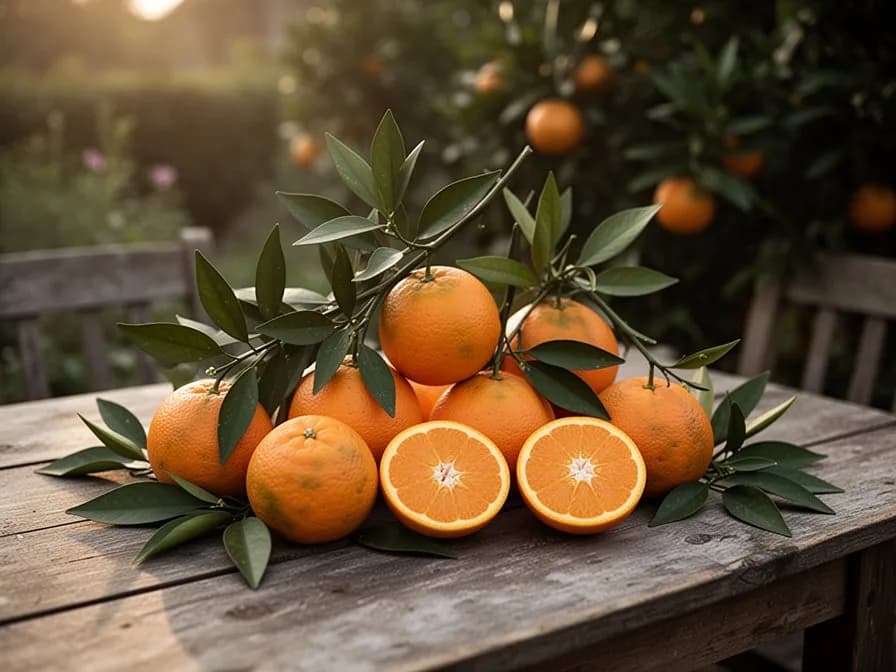
Vinagreta de Naranja
5 minutosUn aderezo brillante y ácido perfecto para ensaladas verdes, bowls de cereales o verduras a la parrilla. Bata zumo de naranja recién exprimido con aceite de oliva, mostaza de Dijon y un chorrito de vinagre de vino blanco. Sazone con sal, pimienta y una pizca de comino para darle profundidad. Se conserva bien en el frigorífico hasta una semana.
6 ingredientesBizcocho de Naranja y Almendra
80 minutosUn bizcocho sin harina que utiliza naranjas enteras hervidas para conseguir un intenso sabor cítrico y humedad. Hierva dos naranjas enteras durante 90 minutos hasta que estén completamente blandas y tritúrelas hasta obtener un puré suave. Mezcle con almendra molida, huevos, azúcar y levadura química. Hornee a 170 °C durante 50 a 60 minutos. El resultado es un bizcocho denso, aromático y naturalmente sin gluten que mejora con el paso de uno o dos días.
7 ingredientesPollo Asado con Cítricos y Hierbas
90 minutosRellene un pollo entero con cuartos de naranja, dientes de ajo y ramitas de tomillo fresco. Frote el exterior con aceite de oliva, sal, pimienta y pimentón ahumado. Ase a 190 °C, regando de vez en cuando con el jugo del fondo de la bandeja, hasta que la piel esté dorada y la temperatura interna alcance los 74 °C. El vapor de la naranja en el interior mantiene la carne increíblemente jugosa mientras la perfuma con cítricos.
7 ingredientesUsos culinarios
Las naranjas se encuentran entre los cítricos más versátiles y se disfrutan frescas, en zumo y en innumerables recetas. El zumo de naranja es el zumo de fruta más popular del mundo. La ralladura aporta un sabor vibrante a productos de repostería, adobos y salsas. Las naranjas sanguinas añaden un color espectacular a ensaladas, cócteles y postres. Las naranjas combinan muy bien con chocolate, vainilla, canela y pato. Son ricas en vitamina C, folato y potasio. Las rodajas de naranja deshidratadas constituyen guarniciones hermosas y comestibles.
Qué contiene
Beneficios para la salud
- Su excepcional contenido en vitamina C refuerza el sistema inmunitario estimulando la producción y actividad de los glóbulos blancos, y actúa como un potente antioxidante que protege las células del estrés oxidativo
- El flavonoide hesperidina, concentrado en la piel y el albedo, ha demostrado en estudios clínicos que ayuda a reducir la presión arterial y a disminuir los marcadores de inflamación sistémica
- La fibra soluble en forma de pectina promueve una digestión saludable, sustenta la microbiota intestinal beneficiosa y contribuye a reducir el colesterol LDL cuando se consume como parte de una dieta equilibrada
- Su contenido en folato convierte a las naranjas en una opción dietética valiosa durante el embarazo, apoyando el desarrollo del tubo neural del feto y la división celular saludable
- El ácido cítrico y el citrato de potasio de las naranjas aumentan la excreción urinaria de citrato, lo que la investigación clínica asocia con un menor riesgo de formación de cálculos renales de oxalato de calcio
- El consumo regular de naranjas enteras se asocia en grandes estudios epidemiológicos con mejores resultados cardiovasculares, incluyendo un menor riesgo de accidente cerebrovascular y enfermedad coronaria, atribuidos a los efectos sinérgicos de la vitamina C, los flavonoides y el potasio
De dónde viene Naranjo
La naranja dulce (Citrus sinensis) es uno de los cultivos frutales más importantes económicamente de la historia de la humanidad, y sin embargo nunca se ha encontrado creciendo en estado silvestre. El análisis genético moderno confirma que se trata de un antiguo híbrido estabilizado, probablemente surgido de cruces entre el pomelo (Citrus maxima) y la mandarina (Citrus reticulata) en los bosques subtropicales del sur de China y el noreste de India. Las evidencias arqueológicas y literarias sugieren que las naranjas se cultivaban en China ya en el 2500 a. C., donde inicialmente se valoraban tanto por sus fragantes flores y su belleza ornamental como por sus frutos comestibles.
La migración del naranjo hacia occidente siguió las grandes rutas comerciales de la antigüedad. Los mercaderes árabes llevaron los cítricos a Persia, el Mediterráneo oriental y el norte de África entre los siglos IX y XI, aunque las variedades que introdujeron eran principalmente naranjas amargas (Citrus aurantium), utilizadas en la cocina, la medicina y la perfumería. Los moros plantaron extensos jardines de cítricos en el sur de España, y la ciudad de Sevilla se convirtió en sinónimo de la naranja amarga de mermelada que todavía lleva su nombre.
Las naranjas dulces llegaron a Europa mucho más tarde. Los navegantes portugueses que regresaban de sus viajes a India y China a finales del siglo XV y principios del XVI trajeron consigo variedades dulces superiores que rápidamente desplazaron a la naranja amarga para el consumo en fresco. El papel de Portugal fue tan significativo que en muchos idiomas la palabra para naranja deriva del portugués: naranja en español, arancia en italiano y laranja en el propio portugués. Los portugueses también establecieron el cultivo de naranjas en Brasil, que con el tiempo se convertiría en el principal productor mundial.
Los exploradores y misioneros españoles introdujeron los cítricos en las Américas a partir del segundo viaje de Colón en 1493. En dos siglos, los naranjos asilvestrados se habían extendido por el Caribe, México y Florida. La industria citrícola de California se consolidó a mediados del siglo XIX, y a principios del siglo XX Estados Unidos se contaba entre los principales productores de naranjas del mundo. Hoy en día, las naranjas se cultivan comercialmente en todos los continentes excepto la Antártida, con una producción mundial anual que supera los 70 millones de toneladas y siendo el cítrico más consumido del mundo.
Naranjo: ¿sabías que?
Datos fascinantes sobre Naranjo
Brasil produce aproximadamente 15 millones de toneladas de naranjas al año, casi una cuarta parte del total mundial, y la gran mayoría se procesa como concentrado congelado para la exportación en lugar de consumirse en fresco.
Naranjo: preguntas frecuentes
¿Cuándo debo plantar Naranjo?
¿Cuáles son buenas plantas acompañantes para Naranjo?
¿En qué zonas de rusticidad puede crecer Naranjo?
¿Cuánto sol necesita Naranjo?
¿A qué distancia debo espaciar Naranjo?
¿Qué plagas y enfermedades afectan a Naranjo?
¿Cómo almaceno Naranjo después de la cosecha?
¿Cuáles son las mejores variedades de Naranjo para cultivar?
¿Qué suelo necesita Naranjo?
¿Cuánto tarda un naranjo en dar fruta?
¿Por qué mi naranjo deja caer frutos antes de que maduren?
¿Cuál es la mejor variedad de naranjo para cultivar en maceta?
¿Necesitan los naranjos un compañero de polinización para producir fruta?
¿Cómo puedo prevenir y tratar la enfermedad del enverdecimiento de los cítricos?
¿Puedo cultivar un naranjo a partir de una semilla de una naranja comprada en la tienda?
Acabas de leer la teoría. Ahora cultívala en piloto automático.
Todo lo que hace que Naranjo sea delicado — el momento, el espaciado, las asociaciones, la ventana de cosecha — es justo lo que PlotMyGarden resuelve por ti, para cada planta de tu huerto.
Un plan que conoce tu clima
Indica tu ubicación una vez. Recibe fechas de siembra, abonado y cosecha basadas en tu última helada real y el pronóstico en vivo — sin adivinar con un sobre genérico.
De la sección “Cuándo plantar”Planificador de bancales de arrastrar y soltar
Diseña bancales sobre una cuadrícula. Cada planta encaja con su espaciado correcto y ves toda la temporada antes de gastar un céntimo en semillas.
De la sección “Cultivo”Conflictos de asociación, detectados a tiempo
Más de 200 buenas y malas combinaciones comprobadas en vivo mientras plantas — para que un error que arruine la temporada nunca llegue a la tierra.
De la sección “Asociaciones”Recordatorios que sí vas a seguir
“Riega las judías.” “Recoge hoy antes de que se pase.” Oportunos, concretos y ligados a las plantas que de verdad cultivas.
De la sección “Cosecha”Escalonado, programado
¿Quieres cosechar seis semanas en vez de seis días? Reparte tus siembras automáticamente y te avisa cuando toca el siguiente lote.
De la sección “Cuándo plantar”Un registro que se vuelve más listo
Cada cosecha que registras le enseña tu huerto. El plan del año que viene parte de lo que de verdad funcionó en tu suelo, no en un manual.
De la sección “Resumen”Planta estos junto a Naranjo
Más Árboles frutales
Mantén Naranjo lejos de estos
Cultiva tu mejor Naranjo — y todo lo que la rodea.
Empieza un plan gratis hoy. Diseña tus bancales, coloca tu Naranjo y deja que PlotMyGarden gestione el momento, el espaciado, las asociaciones y los recordatorios de la semilla a la cesta.