Hoja de Olivo
El árbol mediterráneo de hoja perenne cuyas hojas plateadas se elaboran en una infusión levemente amarga, rica en el antioxidante oleuropeína.





En esta páginaResumen
Conoce Hoja de Olivo
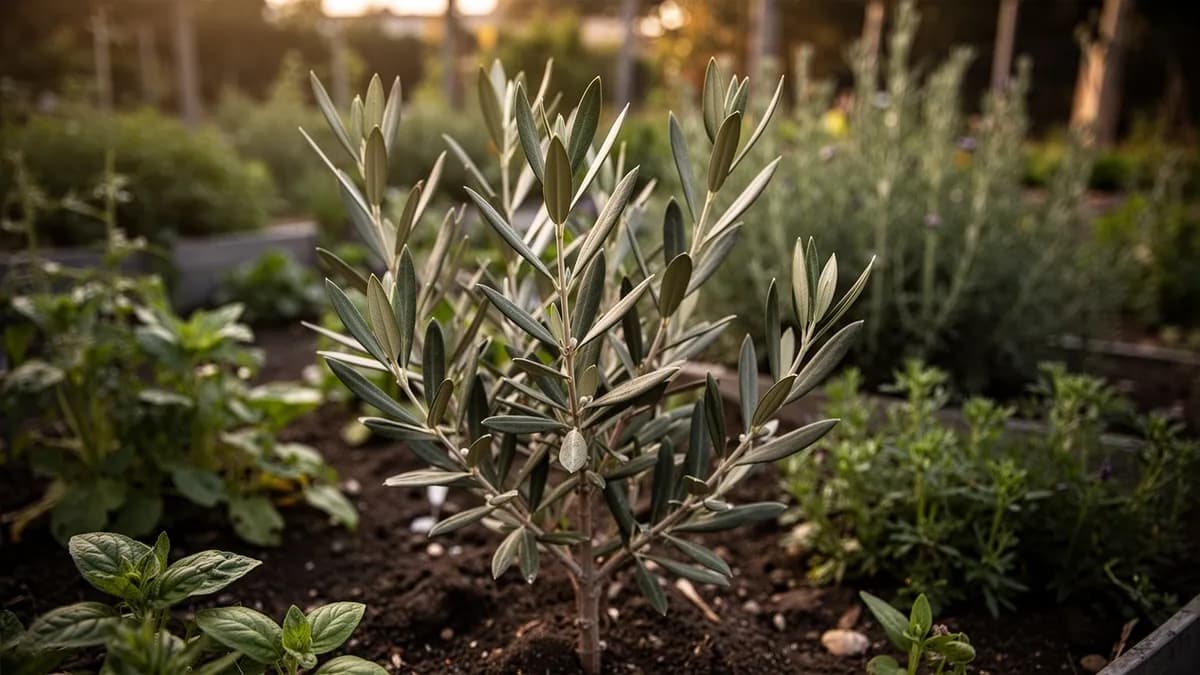
El árbol mediterráneo de hoja perenne cuyas hojas plateadas se elaboran en una infusión levemente amarga, rica en el antioxidante oleuropeína. El té de hoja de olivo se ha consumido alrededor del Mediterráneo durante siglos como tónico de bienestar general y apoyo inmunológico. Recolecte hojas durante todo el año de árboles establecidos y séquelas para obtener una infusión herbal sin cafeína con un sutil sabor terroso y verdoso.
Cuándo plantar Hoja de Olivo
Los olivos se propagan de forma más fiable a partir de esquejes semileñosos tomados en verano u otoño. Seleccione esquejes de 15-20 cm de madera sana de un año, retire las hojas inferiores, sumerja en hormona de enraizamiento fuerte e inserte en una mezcla de compost arenoso con calor basal. El enraizamiento tarda 8-12 semanas. Es posible crecer desde semilla, pero es lento: las piedras requieren escarificación y estratificación en frío, la germinación tarda meses y las plántulas pueden necesitar 5 o más años para alcanzar un tamaño útil. La compra de árboles injertados en vivero es el enfoque más práctico.
Tu año de Hoja de Olivo
Ajustado a Zona 7 · temporada típica · la helada se va hacia el 2 abr y vuelve hacia el 1 nov
Planta Hoja de Olivo Mar – May y cosecha Ene – Dic. Consulta los métodos de plantación y elige tu clima para adaptar los periodos.
Cómo cultivar Hoja de Olivo
El té de hoja de olivo proviene del mismo árbol mediterráneo (Olea europaea) apreciado por su fruto y su aceite. Para la producción de té, cualquier olivo establecido proporcionará un suministro de hojas abundante y perpetuo. Los olivos son de hoja perenne, crecen entre 3 y 10 metros de altura con hojas angostas de color gris verdoso y troncos retorcidos que adquieren cada vez más carácter con la edad.
Plante en pleno sol con suelo bien drenado en un lugar resguardado y cálido. Los olivos son sorprendentemente resistentes al frío una vez establecidos, tolerando heladas breves de hasta -10 °C en suelo bien drenado, aunque el frío prolongado los daña. En regiones más frías (zonas 7-8), plante junto a muros orientados al sur o cultívelos en macetas grandes que puedan trasladarse a un lugar resguardado en inviernos rigurosos.
Los olivos toleran la sequía una vez establecidos y prefieren las condiciones secas a las húmedas. Riegue los árboles jóvenes con regularidad durante sus primeros 2-3 años y luego reduzca el riego de forma considerable. Abone anualmente en primavera con un fertilizante equilibrado. Pode para mantener un dosel abierto en forma de copa que permita que la luz y el aire penetren en el centro. Para la producción de hojas para té, la poda ligera regular proporciona un suministro continuo de crecimiento fresco.
Para Hoja de Olivo un bancal de 120 × 240 cm se queda corto
Cada Hoja de Olivo pide 180 cm de margen. El planificador guarda ese marco por ti — cada planta, cada bancal.
Los mejores vecinos de Hoja de Olivo
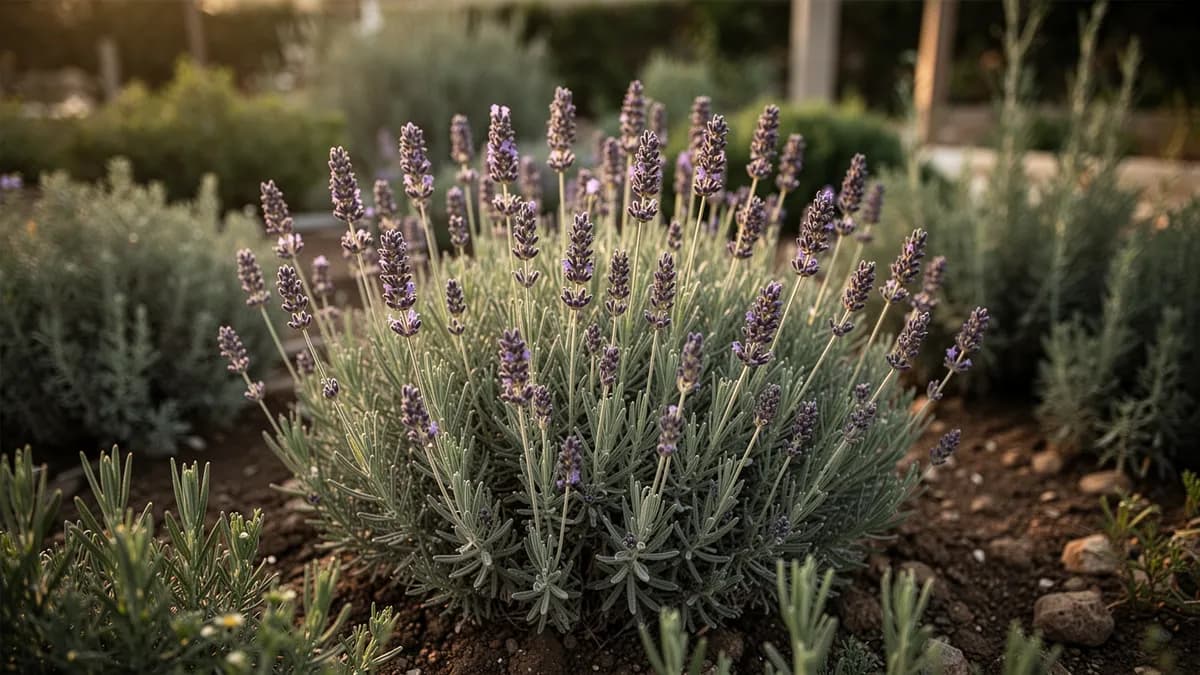
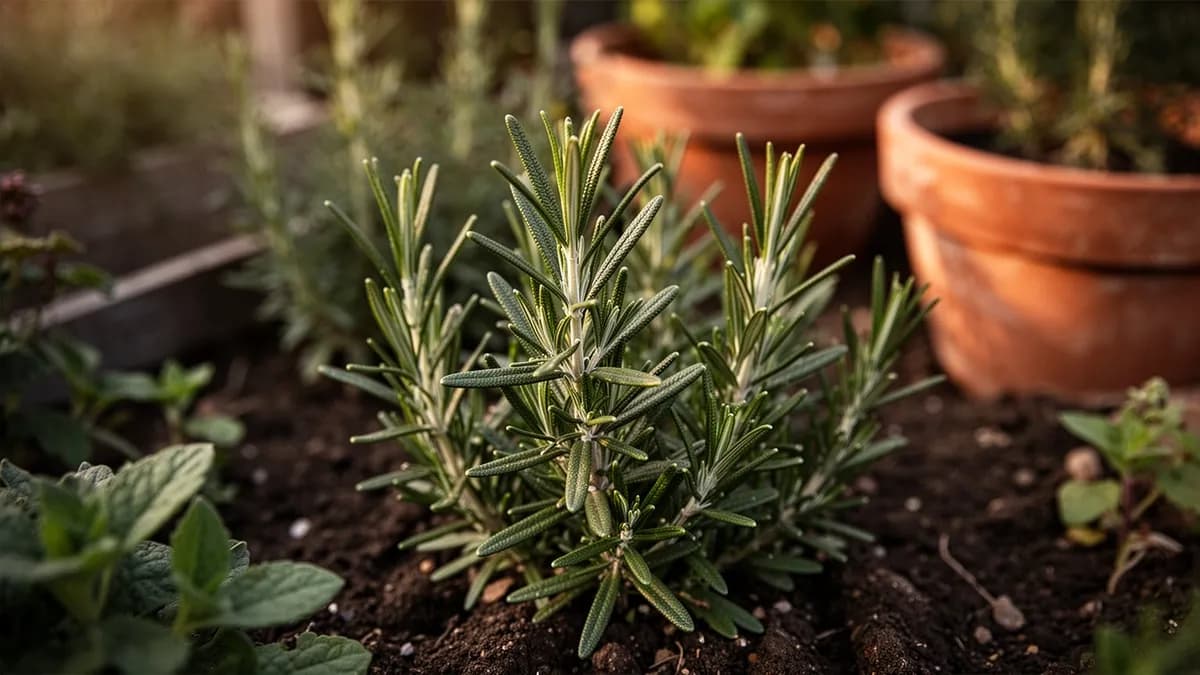
Los olivos son compañeros naturales de otras plantas mediterráneas como la lavanda, el romero, el tomillo y la salvia. La sombra difusa bajo el dosel de un olivo favorece a muchas hierbas y ornamentales tolerantes a la sequía. Plante debajo flores silvestres, aliums y tomillos rastreros para lograr un atractivo esquema de jardín mediterráneo. El árbol también actúa como cortavientos para las hierbas más delicadas.
Lavanda va a su lado.
Saber de huerto de siempre, cotejado con la tabla real de Hoja de Olivo — prueba cualquier planta que cultives.
Prueba Hoja de Olivo en un bancal, aquí mismo
Un bancal real del planificador con Hoja de Olivo ya plantado. Toca una planta compañera para colocarla y mira cómo responde la comprobación de vecinos: verde para buenos vecinos, rojo si hay conflicto.


Guías de cultivo relacionadas
Abónalo bien
Los olivos prosperan en suelos bien drenados de fertilidad moderada con un pH de 6.0-8.5. Toleran suelos pobres, pedregosos y calcáreos. Evite las arcillas pesadas y encharcadas. Abone anualmente en primavera con un fertilizante equilibrado. Los ejemplares en maceta se benefician de abonados líquidos cada 2-3 semanas durante la temporada de crecimiento. Acolche con grava en lugar de materiales orgánicos para mantener las condiciones secas que los olivos prefieren alrededor de su base.
Temperatura ideal
Compatibilidad de zonas de rusticidad
De la semilla a la cosecha, etapa por etapa
Germinación de la semilla
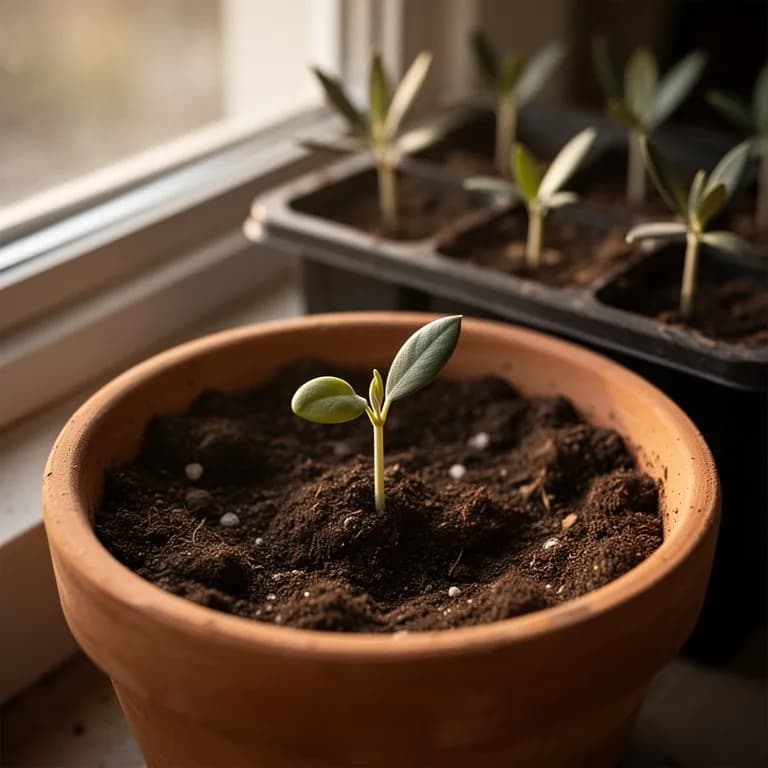
Las semillas de olivo tienen una cubierta exterior dura que requiere escarificación o remojo en agua tibia durante 24 horas antes de la siembra. Incluso con tratamiento previo, la germinación es lenta e irregular y puede tardar entre 4 y 6 semanas. Siembre las semillas a 2 cm de profundidad en una mezcla de siembra bien drenada y mantenga temperaturas de entre 20 y 25 °C. La mayoría de los cultivadores prefieren los esquejes o las plantas de vivero para obtener resultados más rápidos.
Establecimiento de la plántula
Las plántulas jóvenes producen sus primeros pares de hojas angostas y coriáceas. El crecimiento es lento en esta etapa, ya que la planta se centra en desarrollar un sistema radicular fuerte. Las plántulas son sensibles al exceso de riego y a las corrientes de aire frío. Proporcione luz brillante e indirecta que vaya aumentando gradualmente hasta la plena exposición solar.
Crecimiento juvenil
El joven olivo desarrolla múltiples tallos ramificados y comienza a formar su característico dosel abierto. Las hojas se vuelven más robustas y adquieren el aspecto clásico de dos tonos con la cara superior verde oscuro y el envés plateado. La corteza empieza a endurecerse y la planta se vuelve más tolerante a la sequía.
Producción activa de hojas
La planta establecida entra en una fase productiva con un vigoroso crecimiento nuevo cada primavera y verano. La producción de hojas aumenta considerablemente y la planta ya puede tolerar la recolección regular de ramas para uso herbal. El sistema radicular está bien desarrollado y la planta gestiona el estrés hídrico con facilidad.
Fase de árbol maduro
Tras varios años, el olivo desarrolla un tronco leñoso sustancial y un dosel extenso. Las plantas en maceta pueden alcanzar 1.5-2 metros, mientras que los ejemplares en jardín pueden crecer mucho más. La corteza retorcida se convierte en un elemento decorativo. La recolección de hojas puede ser más generosa, ya que la planta regenera el follaje con facilidad.
Floración y fructificación
Los olivos suelen comenzar a florecer a los 4-7 años, produciendo pequeñas panículas de flores blanco cremoso a finales de primavera. Aunque se cultivan principalmente por sus hojas en un contexto herbal, las fragantes flores son un beneficio adicional bienvenido. En muchos cultivares, la fructificación requiere polinización cruzada de una segunda variedad, aunque algunos son autofértiles.
Mantenga el sustrato constantemente húmedo pero no encharcado. Una esterilla de calor ajustada a 22 °C puede ayudar a acelerar el lento proceso de germinación.
Cuidar Hoja de Olivo mes a mes
Qué hacer cada mes para tu Hoja de Olivo
Octubre
Mes actualRecolecte cualquier aceituna restante si el árbol está fructificando. Limpie y guarde las hojas de olivo secas en recipientes herméticos alejados de la luz. En climas fríos, prepárese para trasladar las plantas en maceta al interior antes de la primera helada.
Ten claro qué hacer en tu huerto, cada mes
Un correo al empezar cada mes: qué sembrar, plantar y hacer ahora mismo — para tu Hoja de Olivo y todo lo que crece alrededor. Más un breve curso inicial para esquivar los errores clásicos.
- Qué hacer ahora mismo
- Ajustado a tu temporada
- Curso inicial incluido
Cosechar Hoja de Olivo
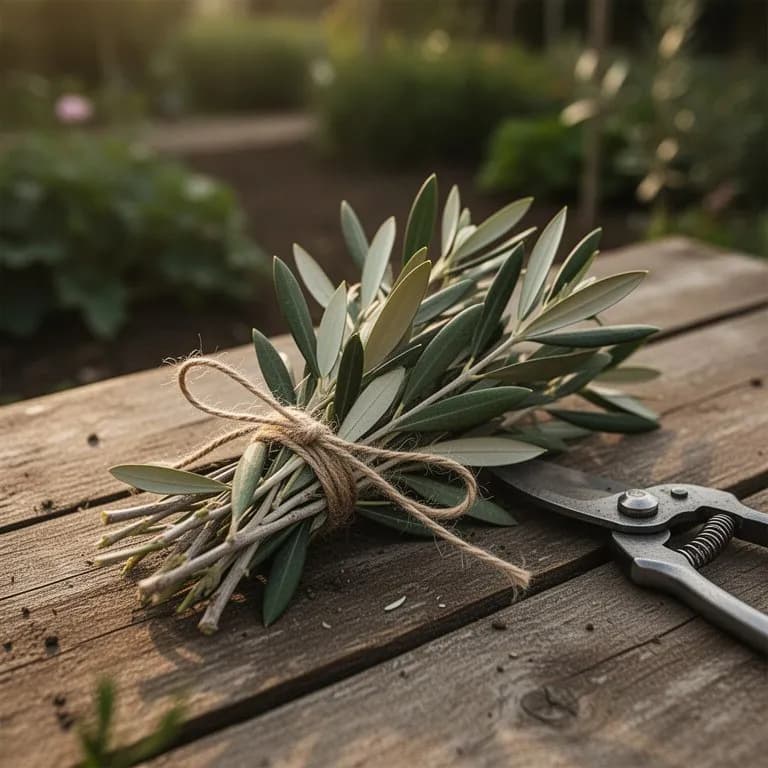
Recolecte hojas de olivo durante todo el año de árboles establecidos cortando pequeñas ramas o recogiendo hojas individuales. Las hojas de edad media con buen color verde producen el mejor té. Evite las hojas muy viejas y duras, así como los brotes muy tiernos y nuevos. Coseche por la mañana después de que el rocío se haya secado. Un olivo maduro proporciona más que suficientes hojas para el consumo personal de té. La recolección ligera y regular beneficia al árbol al estimular el crecimiento de brotes frescos.
se supone que plantas al comenzar el periodo — indica tu fecha real
Cosecha Hoja de Olivo a tiempo y la planta sigue produciendo.
Almacenamiento y conservación
Seque las hojas de olivo en mallas en un lugar cálido y bien ventilado, o en un deshidratador a 40 °C. Las hojas se secan en 3-5 días y deben quedar crujientes conservando un color gris verdoso. Guarde las hojas secas en tarros de cristal herméticos alejados de la luz hasta 18 meses. Las hojas secas producen una infusión levemente amarga con notas terrosas y verdosas. Para obtener el máximo contenido de antioxidantes, deje en remojo en agua caliente (no hirviendo) durante 10-15 minutos. Las hojas frescas también pueden utilizarse, aunque producen una infusión más amarga.
Qué falla — y cómo solucionarlo
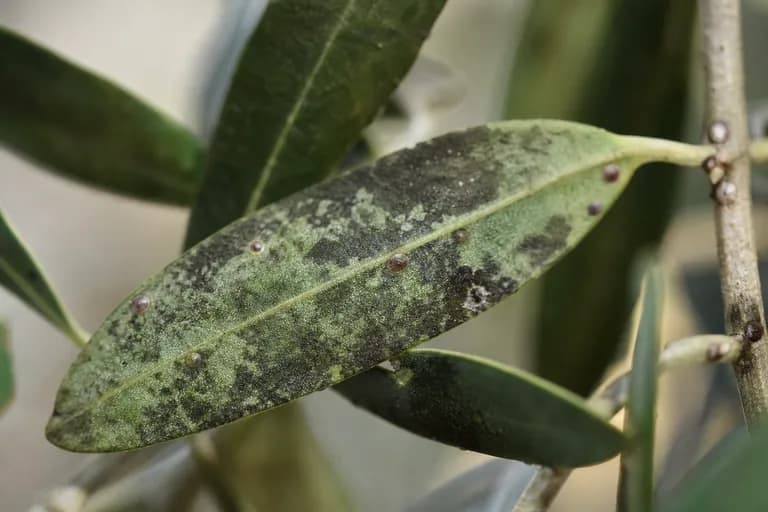
Cochinilla del olivo
PlagaPequeños insectos escama de color marrón o negro en tallos y hojas, con formación de negrilla sobre los depósitos de melaza.
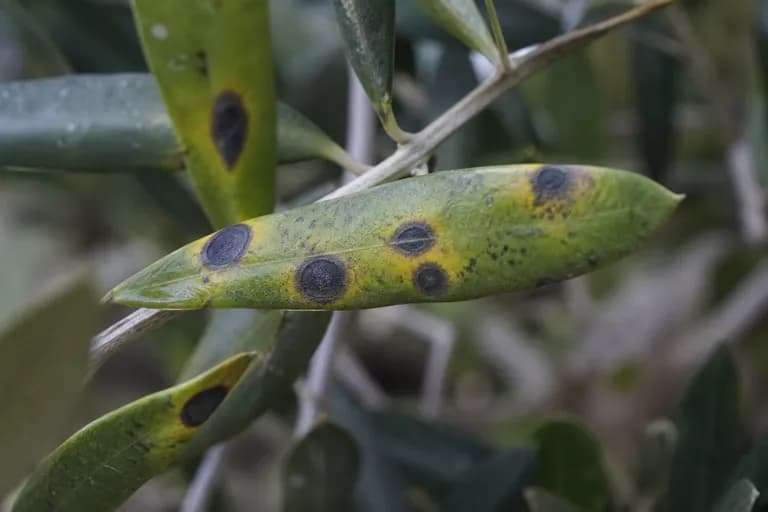
Repilo o mancha de pavo real
EnfermedadManchas oscuras circulares con halos amarillos en las hojas, provocando caída prematura del follaje. Más frecuente en condiciones húmedas.
Solución de problemas comunes
Los daños por frío invernal en zonas límite se manifiestan como puntas de ramas marrones y muertas; pode hasta la madera sana en primavera. Los olivos en maceta necesitan protección contra las heladas intensas. Las hojas amarillas pueden indicar encharcamiento: mejore el drenaje de inmediato. En climas húmedos, las enfermedades fúngicas son más frecuentes; mantenga la poda abierta del dosel. La falta de fructificación es habitual en climas frescos, pero carece de importancia si el cultivo se orienta principalmente a la recolección de hojas para té.
Consejos de cultivo
- Plante los olivos en el lugar más soleado disponible, con al menos 6-8 horas de luz solar directa al día. La luz insuficiente produce un crecimiento escaso y desgarbado con menor densidad foliar y concentraciones más bajas de compuestos beneficiosos.
- Utilice un suelo con un drenaje excelente y un pH ligeramente alcalino de entre 6.5 y 8.5. Enmiende los suelos arcillosos pesados con arena gruesa, perlita y grava fina para evitar el encharcamiento, que provoca rápidamente pudrición de raíces en los olivos.
- Riegue profundamente pero con poca frecuencia, dejando que el suelo se seque sustancialmente entre riegos. Los olivos establecidos son extraordinariamente tolerantes a la sequía y producen compuestos foliares más concentrados bajo un estrés hídrico moderado.
- Elija un recipiente de al menos 45 cm de diámetro con grandes agujeros de drenaje para el cultivo en terraza. Utilice una mezcla de sustrato de calidad, perlita y arena gruesa en proporciones aproximadamente iguales para garantizar el drenaje rápido que los olivos requieren.
- Proteja de las temperaturas de congelación sostenidas por debajo de -8 °C envolviendo el tronco con tela de forro hortícola o trasladando las plantas en maceta a un espacio interior luminoso y fresco durante los períodos invernales más rigurosos.
- Pode anualmente a finales de invierno o a principios de primavera para mantener la forma y estimular el crecimiento de hojas frescas. Retire los brotes de agua, los rebrotes de la base y cualquier rama muerta o que se cruce para mantener un dosel abierto y airoso.
- Abone con moderación con un fertilizante de liberación lenta equilibrado a principios de primavera. Los olivos evolucionaron en suelos pobres en nutrientes, y el exceso de nitrógeno produce un crecimiento blando y propenso a enfermedades con menor contenido de polifenoles en las hojas.
- Recolecte las hojas cortando pequeñas ramas en lugar de arrancar hojas individuales del árbol. Esto es más fácil, más rápido y beneficia realmente al árbol al servir como una poda ligera que estimula el rebrote vigoroso.
- Seque las hojas recolectadas en una sola capa en un lugar cálido, sombreado y bien ventilado durante 5-7 días. Evite la luz solar directa durante el secado, ya que la radiación ultravioleta degrada la oleuropeína y otros compuestos bioactivos sensibles.
- Vigile los insectos escama y la chinche del olivo, las dos plagas más comunes. Trate las infestaciones tempranas con aceite hortícola o jabón insecticida, pulverizando el envés de las hojas donde estas plagas tienden a concentrarse.
Cultiva tu mejor Hoja de Olivo — y todo lo que la rodea.
Empieza un plan gratis hoy. Diseña tus bancales, coloca tu Hoja de Olivo y deja que PlotMyGarden gestione el momento, el espaciado, las asociaciones y los recordatorios de la semilla a la cesta.
Elige tu Hoja de Olivo
Olea europaea (estándar)
Cualquier variedad de olivo proporciona hojas para té. La especie estándar es la más disponible y adaptable.
Olea europaea 'Arbequina'
Variedad española compacta que fructifica de forma fiable incluso en climas más frescos. Ideal para cultivo en maceta cuando el espacio es limitado.
Olea europaea 'Frantoio'
Variedad italiana con hojas más grandes, lo que proporciona más material para la producción de té. También excelente para la producción de aceite.
Un olivo joven cuesta entre 15 y 40 € en un vivero y puede proporcionar un suministro prácticamente ilimitado de hojas durante décadas. El té de hoja de olivo seca se vende al por menor a 10-20 € por 100 gramos, mientras que los suplementos de extracto de hoja de olivo cuestan entre 15 y 30 € por frasco. Un árbol establecido produce entre 15 y 20 kilogramos de hojas frescas al año mediante la poda normal, lo que rinde aproximadamente 4-5 kilogramos de hoja seca. Al precio del té al por menor, esto representa entre 400 y 1.000 € de hoja de olivo seca al año. A lo largo de una vida útil de 20 años, el ahorro total en té, suplementos y preparados herbales de un solo árbol puede superar fácilmente los 5.000 €, lo que lo convierte en una de las hierbas medicinales más rentables que un jardinero doméstico puede cultivar.
Recetas rápidas
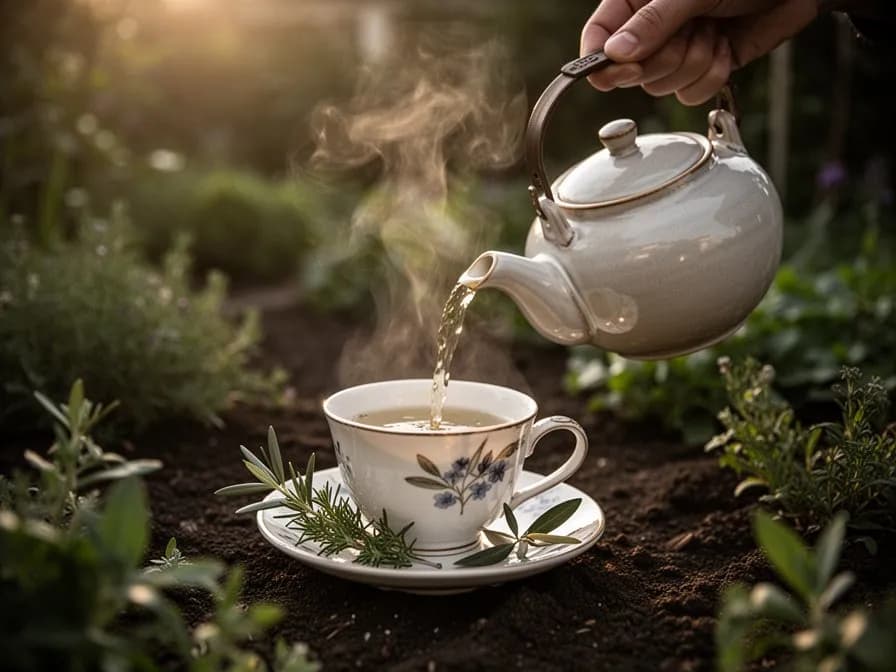
Té clásico de hoja de olivo
10 minutosUna infusión herbal reconfortante y levemente amarga con matices terrosos y un final limpio y ligeramente astringente. El té de hoja de olivo se ha disfrutado en todo el Mediterráneo durante siglos como tónico diario de bienestar. Añadir una rodaja de limón y un chorrito de miel equilibra el amargor y realza el sutil sabor verdoso.
5 ingredientesAceite infusionado con hoja de olivo y ajo
20 minutos + 2 semanas de infusiónUn aceite herbal fragante que captura la esencia picante y herbácea de las hojas de olivo frescas combinada con el calor del ajo. Use este aceite infusionado para aliñar ensaladas, verduras a la plancha, bruschetta o para mojar con pan crujiente. El lento proceso de infusión extrae los compuestos beneficiosos junto con el sabor.
6 ingredientesCaldo mediterráneo de hoja de olivo
45 minutosUn caldo caliente y sabroso infusionado con hojas de olivo secas, verduras de raíz y hierbas mediterráneas. Este nutritivo caldo es una excelente base para sopas y risottos, o puede beberse solo como bebida reconfortante. Las hojas de olivo añaden una profundidad sutil y un amargor suave que complementa la dulzura de las verduras asadas.
8 ingredientesUsos culinarios
El té de hoja de olivo tiene un amargor suave y característico con notas herbáceas y verdosas. Deje las hojas secas en infusión en agua caliente (80-90 °C) durante 10-15 minutos para obtener el sabor más agradable. El té combina bien con miel, limón o menta. Las hojas secas de olivo pueden añadirse a mezclas de especias mediterráneas para sazonar carnes y verduras asadas. La infusión se consume tradicionalmente en el Mediterráneo para el bienestar general y es naturalmente libre de cafeína.
Qué contiene
Beneficios para la salud
- El extracto de hoja de olivo ha demostrado una actividad antioxidante significativa en estudios clínicos, con oleuropeína e hidroxitirosol neutralizando los radicales libres y reduciendo los marcadores de estrés oxidativo en todo el organismo.
- La investigación sugiere que los compuestos de la hoja de olivo pueden favorecer la salud cardiovascular al contribuir a mantener niveles saludables de presión arterial y mejorar la función arterial mediante una mayor producción de óxido nítrico.
- Las propiedades antimicrobianas de la oleuropeína han sido estudiadas frente a una amplia gama de bacterias, virus y hongos, respaldando el uso tradicional de los preparados de hoja de olivo como ayuda natural al sistema inmunológico.
- Los ensayos clínicos indican que el extracto de hoja de olivo puede ayudar a regular los niveles de azúcar en sangre mejorando la sensibilidad a la insulina y reduciendo la absorción de glucosa en los intestinos, ofreciendo un posible apoyo a la salud metabólica.
- Los compuestos antiinflamatorios de las hojas de olivo, en particular el oleocantal y la oleuropeína, han demostrado inhibir las enzimas inflamatorias de manera similar al ibuprofeno, lo que podría aliviar las molestias articulares y la inflamación crónica.
- Los polifenoles de la hoja de olivo han sido estudiados por sus efectos neuroprotectores, con investigaciones preliminares que sugieren que pueden ayudar a proteger las células cerebrales del deterioro relacionado con la edad y a mantener la función cognitiva.
De dónde viene Hoja de Olivo
El olivo (Olea europaea) se originó en la cuenca oriental del Mediterráneo, con las primeras evidencias de cultivo rastreadas en las regiones costeras de la actual Siria, Turquía y el Levante hace aproximadamente 6.000-8.000 años. Los olivos silvestres, conocidos como acebuches, todavía crecen en grupos dispersos por todo el Mediterráneo, desde Portugal hasta Irán, constituyendo un registro vivo del rango natural de la especie. La domesticación del olivo fue uno de los logros agrícolas más trascendentales de las civilizaciones antiguas, transformando las culturas de Mesopotamia, Egipto, Grecia y Roma. Si bien el fruto y su aceite recibieron mayor atención comercial, las hojas del olivo ocuparon un lugar igualmente importante en la medicina tradicional y la ceremonia. Los antiguos egipcios usaban preparados de hoja de olivo en el proceso de momificación, valorando sus propiedades conservantes. Hipócrates, el padre de la medicina occidental, prescribía té de hoja de olivo para diversas dolencias, como la fiebre y las afecciones cutáneas, hacia el año 400 a. C. Los griegos consideraban el olivo sagrado para la diosa Atenea y, según el mito, ella ganó el patrocinio de Atenas al obsequiar a la ciudad con su primer olivo. A lo largo del Imperio Romano, los extractos de hoja de olivo se usaban para tratar heridas y fiebres, y los médicos romanos documentaron las propiedades restauradoras de los compuestos amargos de las hojas. Durante el período medieval, los monjes benedictinos y cistercienses cultivaron olivares por todo el sur de Europa, preservando el antiguo conocimiento de la medicina con hoja de olivo a través de sus herbarios y tradiciones de botica. El siglo XIX trajo un renovado interés científico cuando los investigadores aislaron la oleuropeína de las hojas de olivo en 1908, identificando el compuesto responsable de gran parte de la actividad biológica de la planta. Los misioneros españoles introdujeron los olivos en América en el siglo XVI, y hoy Olea europaea se cultiva en todos los continentes excepto en la Antártida. El herbalismo moderno ha adoptado la hoja de olivo como suplemento botánico funcional, con estudios clínicos que investigan sus propiedades cardiovasculares, antimicrobianas y antioxidantes, asegurando que este antiguo remedio siga encontrando relevancia en las prácticas contemporáneas de bienestar.
Hoja de Olivo: ¿sabías que?
Datos fascinantes sobre Hoja de Olivo
Los olivos se encuentran entre los árboles de vida más larga de la Tierra, con algunos ejemplares en el Mediterráneo estimados en más de 3.000 años de antigüedad y que aún producen frutos.
Hoja de Olivo: preguntas frecuentes
¿Cuándo debo plantar Hoja de Olivo?
¿Cuáles son buenas plantas acompañantes para Hoja de Olivo?
¿En qué zonas de rusticidad puede crecer Hoja de Olivo?
¿Cuánto sol necesita Hoja de Olivo?
¿A qué distancia debo espaciar Hoja de Olivo?
¿Qué plagas y enfermedades afectan a Hoja de Olivo?
¿Cómo almaceno Hoja de Olivo después de la cosecha?
¿Cuáles son las mejores variedades de Hoja de Olivo para cultivar?
¿Qué suelo necesita Hoja de Olivo?
¿Puedo cultivar un olivo para la recolección de hojas en un clima frío?
¿Cuándo es el mejor momento para recolectar hojas de olivo con la máxima potencia?
¿Cómo preparo un extracto de hoja de olivo en casa?
¿Qué plagas y enfermedades afectan a los olivos cultivados para la recolección de hojas?
¿Es seguro consumir hoja de olivo diariamente como té o suplemento?
¿A qué sabe el té de hoja de olivo y cómo puedo mejorar su sabor?
Acabas de leer la teoría. Ahora cultívala en piloto automático.
Todo lo que hace que Hoja de Olivo sea delicado — el momento, el espaciado, las asociaciones, la ventana de cosecha — es justo lo que PlotMyGarden resuelve por ti, para cada planta de tu huerto.
Un plan que conoce tu clima
Indica tu ubicación una vez. Recibe fechas de siembra, abonado y cosecha basadas en tu última helada real y el pronóstico en vivo — sin adivinar con un sobre genérico.
De la sección “Cuándo plantar”Planificador de bancales de arrastrar y soltar
Diseña bancales sobre una cuadrícula. Cada planta encaja con su espaciado correcto y ves toda la temporada antes de gastar un céntimo en semillas.
De la sección “Cultivo”Conflictos de asociación, detectados a tiempo
Más de 200 buenas y malas combinaciones comprobadas en vivo mientras plantas — para que un error que arruine la temporada nunca llegue a la tierra.
De la sección “Asociaciones”Recordatorios que sí vas a seguir
“Riega las judías.” “Recoge hoy antes de que se pase.” Oportunos, concretos y ligados a las plantas que de verdad cultivas.
De la sección “Cosecha”Escalonado, programado
¿Quieres cosechar seis semanas en vez de seis días? Reparte tus siembras automáticamente y te avisa cuando toca el siguiente lote.
De la sección “Cuándo plantar”Un registro que se vuelve más listo
Cada cosecha que registras le enseña tu huerto. El plan del año que viene parte de lo que de verdad funcionó en tu suelo, no en un manual.
De la sección “Resumen”Planta estos junto a Hoja de Olivo
Más Hierbas para té
Cultiva tu mejor Hoja de Olivo — y todo lo que la rodea.
Empieza un plan gratis hoy. Diseña tus bancales, coloca tu Hoja de Olivo y deja que PlotMyGarden gestione el momento, el espaciado, las asociaciones y los recordatorios de la semilla a la cesta.