Nectarina Fantasia
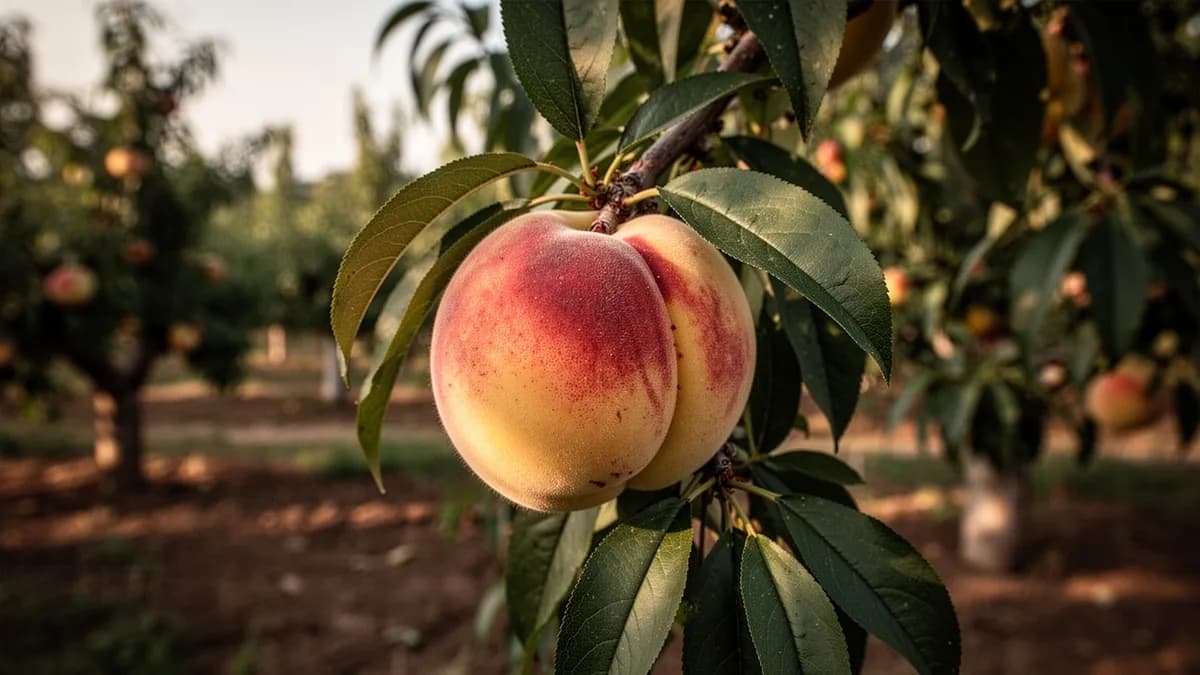
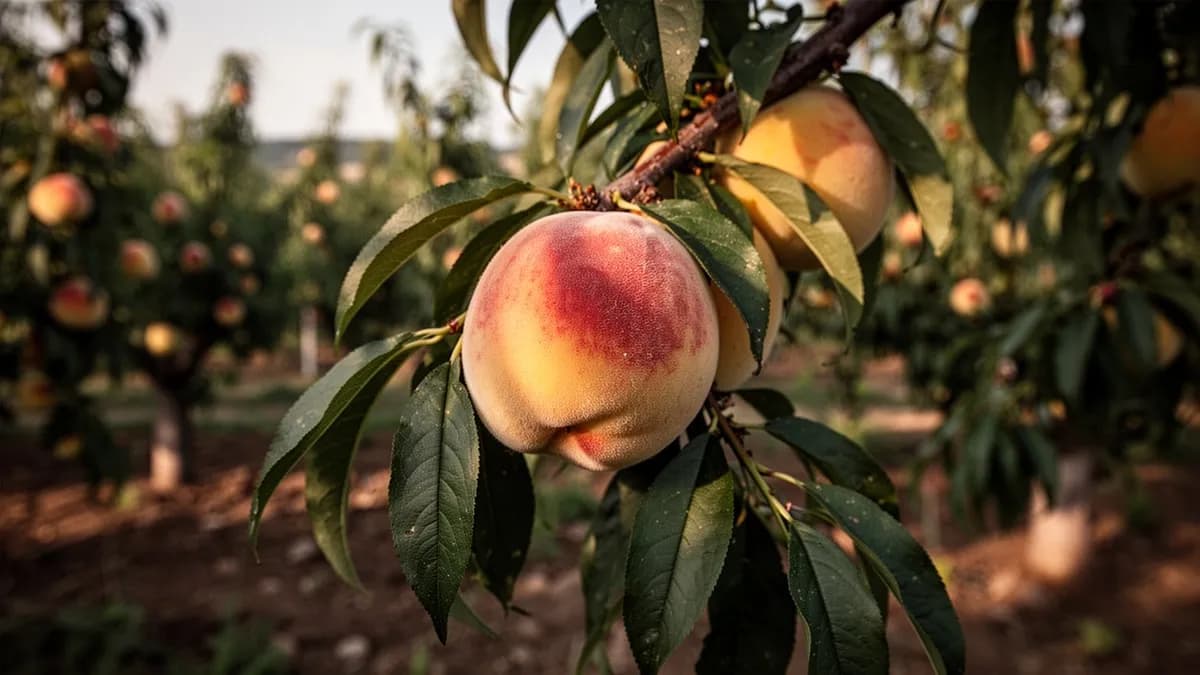
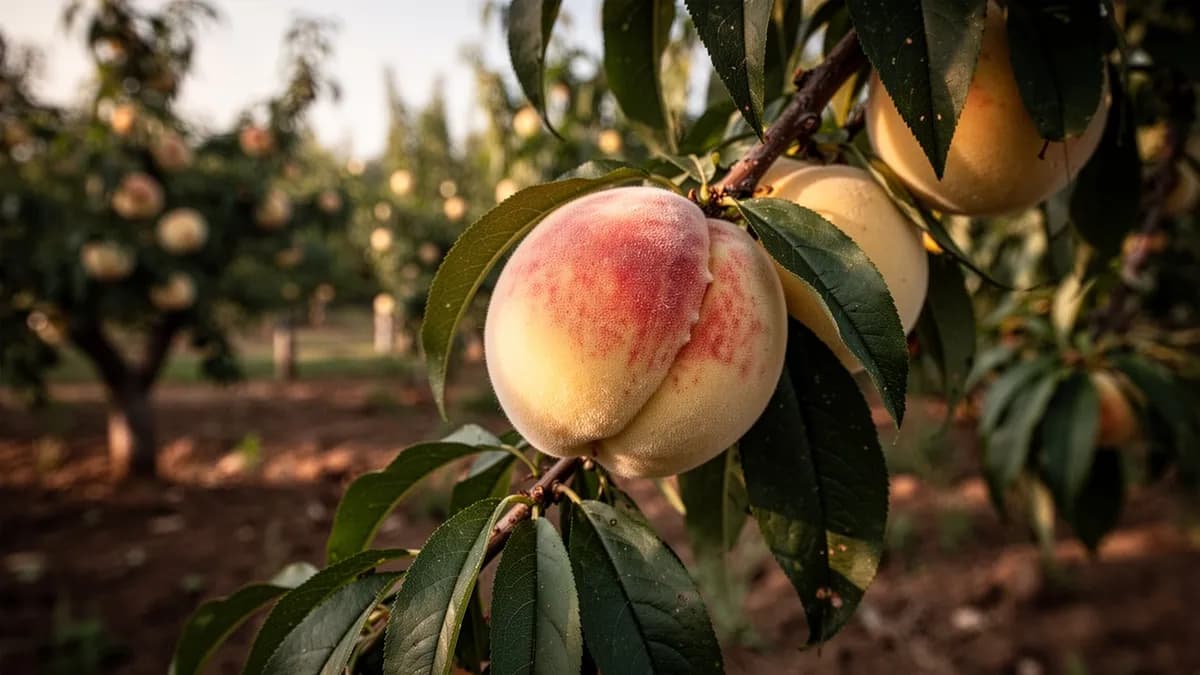
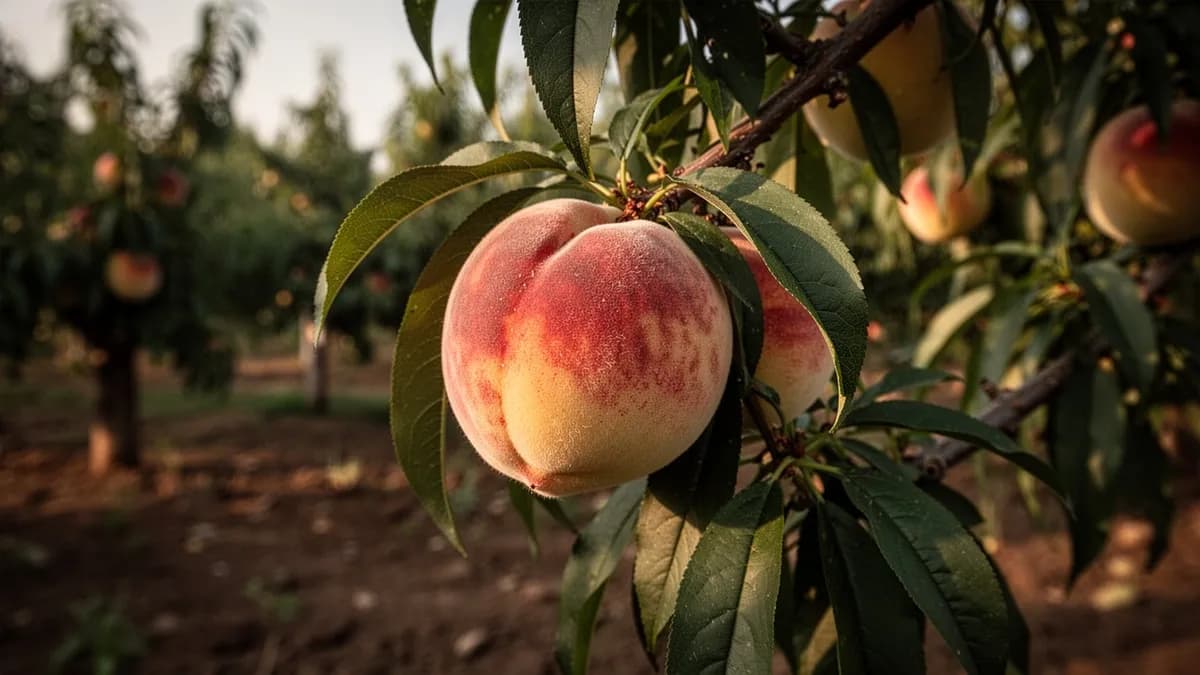
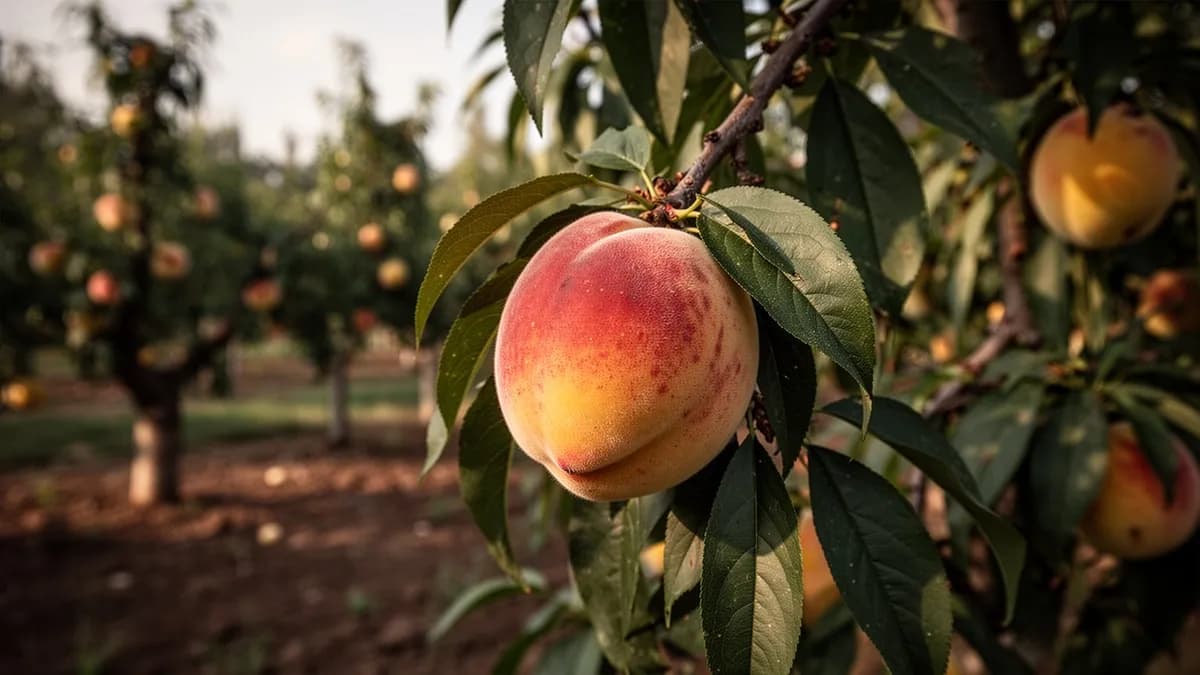
Una nectarina grande y de hueso libre, con piel rojo brillante sobre pulpa amarilla, que produce frutos excepcionalmente sabrosos para comer en fresco y para hornear.





En esta páginaResumen
Conoce Nectarina Fantasia
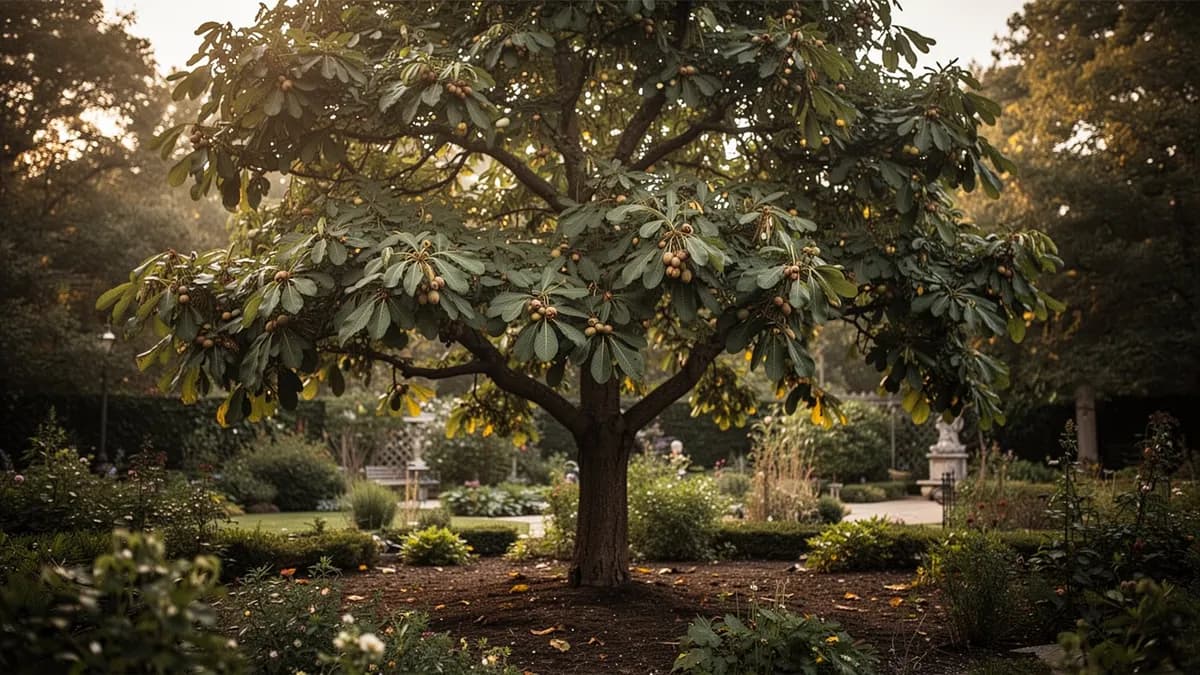
Una nectarina grande y de hueso libre, con piel rojo brillante sobre pulpa amarilla, que produce frutos excepcionalmente sabrosos para comer en fresco y para hornear. Fantasia es autofértil y una de las variedades de nectarina más fiables, y requiere alrededor de 500 horas de frío. Aclare los frutos dejando 6 pulgadas de separación para lograr un tamaño óptimo y evitar que se rompan las ramas.
Cuándo plantar Nectarina Fantasia
Los huesos de nectarina Fantasia pueden dar plántulas, pero la descendencia no será fiel al tipo. Extraiga las semillas del fruto maduro, límpielas y estratifíquelas en frío en turba húmeda a 33-40°F durante 90-120 días. Plántelas a 1 pulgada de profundidad en primavera en una mezcla bien drenada. Las plántulas emergen en 3-4 semanas. Para obtener árboles Fantasia auténticos, injerte yemas sobre portainjertos Lovell, Nemaguard o Citation mediante injerto de yema en T a finales del verano. Los árboles injertados fructifican en 2-3 años.
Tu año de Nectarina Fantasia
Ajustado a Zona 7 · temporada típica · la helada se va hacia el 2 abr y vuelve hacia el 1 nov
Planta Nectarina Fantasia Feb – Mar y cosecha Jul – Ago. Consulta los métodos de plantación y elige tu clima para adaptar los periodos.
Cómo cultivar Nectarina Fantasia
Los nectarinos Fantasia necesitan pleno sol, con al menos 8 horas de luz directa al día, y un suelo bien drenado con pH 6.0-6.5. Plante árboles a raíz desnuda a finales del invierno, dejando 15-18 pies entre ejemplares estándar o 8-10 pies entre los semienanos. Fantasia es autofértil y solo necesita unas 500 horas de frío, por lo que se adapta a una gama de climas más amplia que muchas frutas de hueso.
Riegue en profundidad cada 7-10 días durante la temporada de crecimiento. Aclare los frutos con firmeza cuando tengan el tamaño de una canica, dejando 6 pulgadas entre ellos, ya que las nectarinas cuajan con abundancia y, si no se aclaran, los frutos quedan pequeños y sin sabor. Entrene el árbol con una forma de vaso abierto y 3-4 ramas principales. Como las nectarinas no tienen la piel vellosa del melocotón, son más vulnerables a las manchas superficiales causadas por insectos y por el tiempo.
Pode cada año a finales del invierno, eliminando entre el 30 y el 40 % del crecimiento del año anterior para mantener la madera fructífera. Aplique nitrógeno a comienzos de primavera. Las nectarinas son más vulnerables a la podredumbre parda que los melocotones debido a su piel lisa, por lo que los programas fungicidas son esenciales en climas húmedos. Proteja las flores de las heladas tardías con manta térmica o riego por aspersión.
Para Nectarina Fantasia un bancal de 120 × 240 cm se queda corto
Cada Nectarina Fantasia pide 400 cm de margen. El planificador guarda ese marco por ti — cada planta, cada bancal.
Los mejores vecinos de Nectarina Fantasia
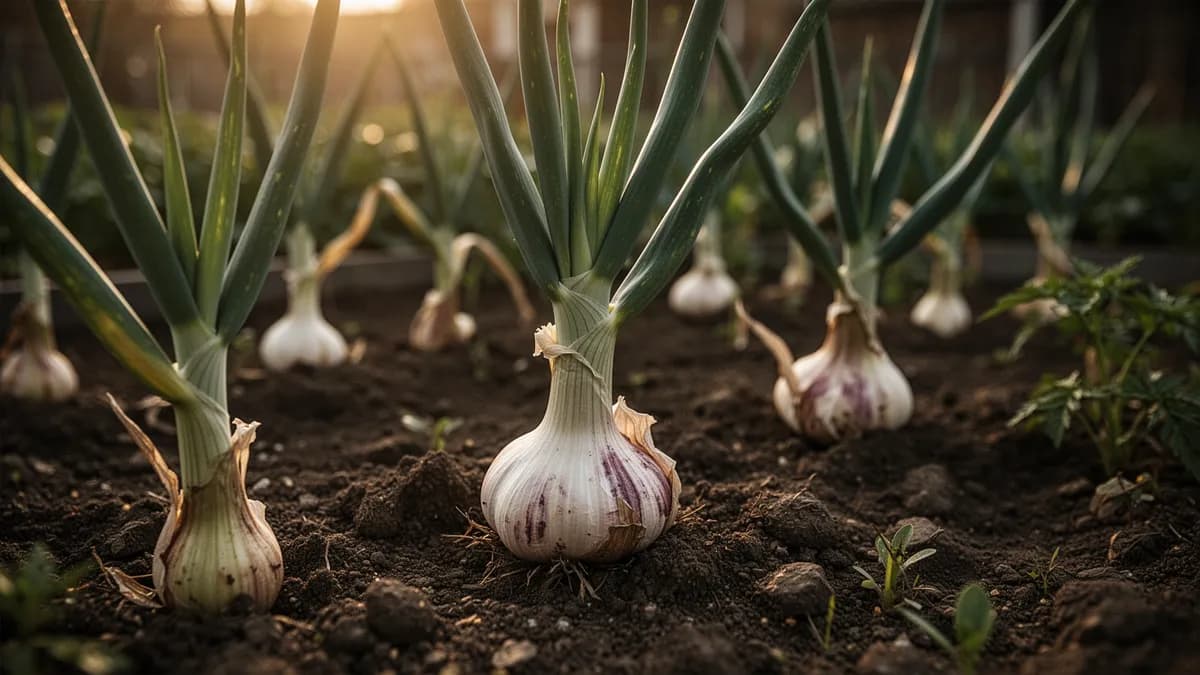
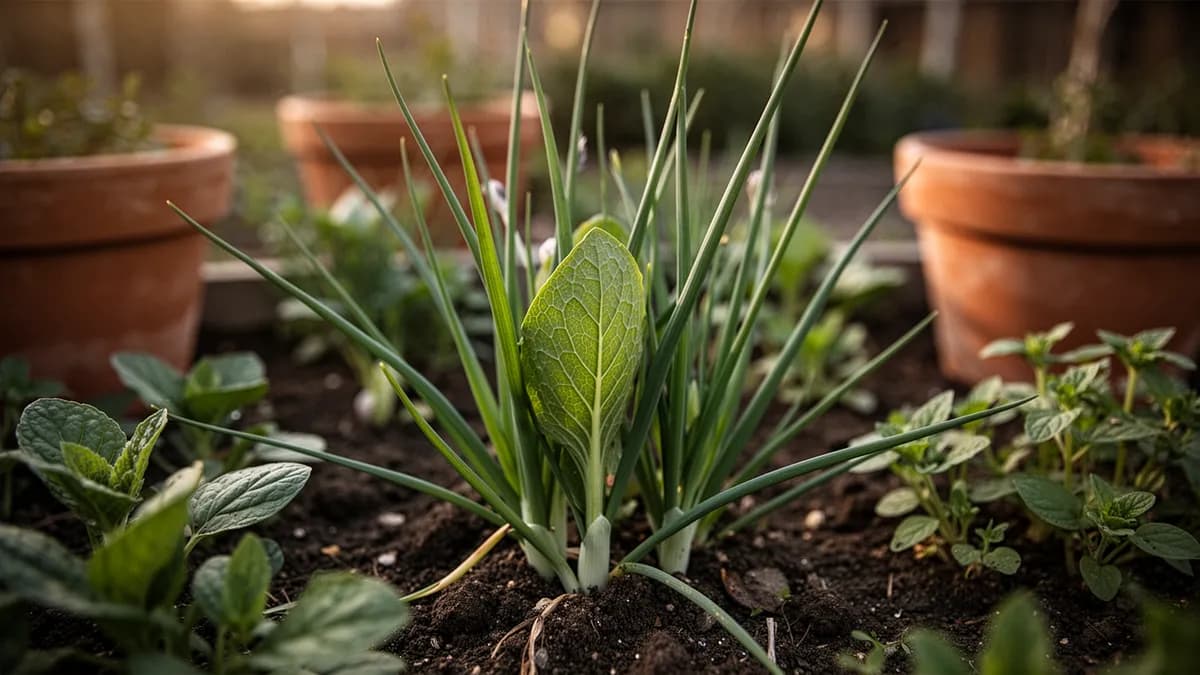
Plante ajo y cebollino en la base para disuadir barrenadores y pulgones. La tanaceta y la milenrama atraen avispas parasitoides beneficiosas que controlan las polillas de la fruta. La consuelda en la línea de goteo aporta mantillo rico en potasio cuando se corta. El trébol carmesí o la veza entre hileras fijan nitrógeno de forma natural. Evite plantar cerca de nogales por la toxicidad de la juglona. Las caléndulas repelen nematodos en la zona radicular.
Ajo va a su lado. Nogal no.
Saber de huerto de siempre, cotejado con la tabla real de Nectarina Fantasia — prueba cualquier planta que cultives.
Prueba Nectarina Fantasia en un bancal, aquí mismo
Un bancal real del planificador con Nectarina Fantasia ya plantado. Toca una planta compañera para colocarla y mira cómo responde la comprobación de vecinos: verde para buenos vecinos, rojo si hay conflicto.


Guías de cultivo relacionadas
Abónalo bien
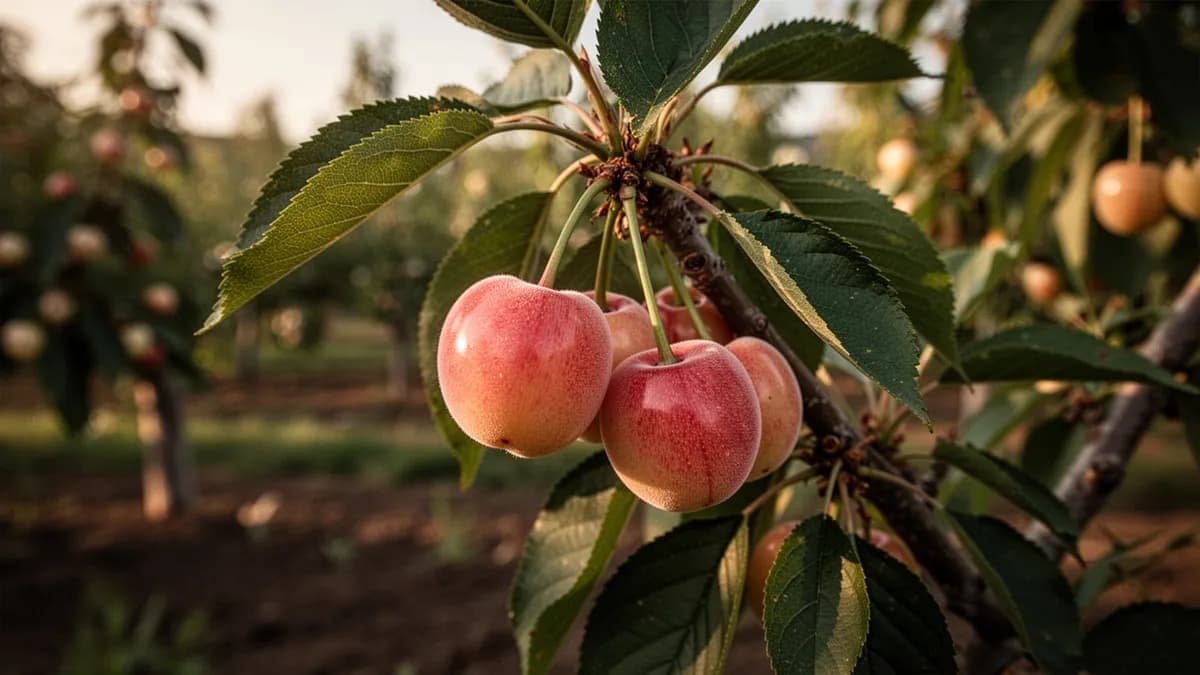
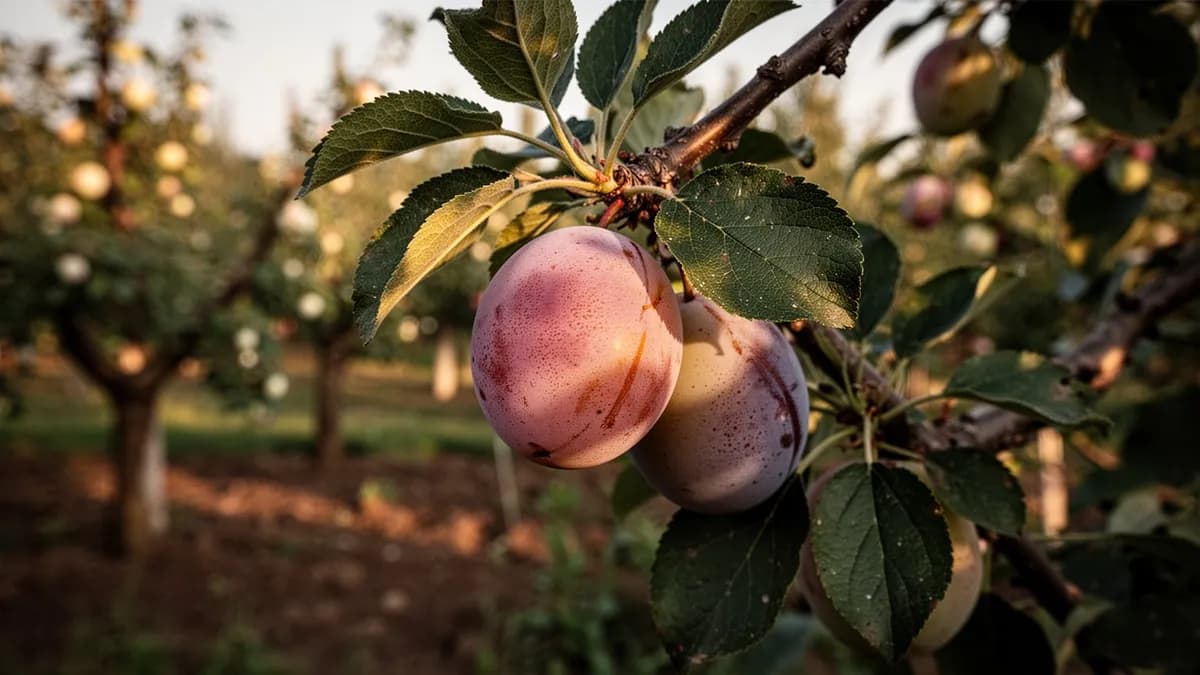
Fantasia prospera en un franco arenoso bien drenado con pH 6.0-6.5. Evite los suelos arcillosos pesados que retienen humedad alrededor de las raíces. Aplique de 1 a 2 libras de fertilizante 10-10-10 por árbol a comienzos de primavera, ajustando según la edad y el vigor del árbol. Un nitrógeno moderado favorece la calidad del fruto frente a un crecimiento vegetativo excesivo. Añada potasio para mejorar el color y la firmeza del fruto. Mantenga de 3 a 4 pulgadas de mantillo orgánico alrededor del árbol, alejado del tronco.
Temperatura ideal
Compatibilidad de zonas de rusticidad
De la semilla a la cosecha, etapa por etapa
Dormancia
Desde finales del otoño hasta mediados del invierno, la nectarina Fantasia permanece en reposo completo. Su corteza lisa, de tono marrón rojizo, y sus yemas florales gruesas y puntiagudas son claramente visibles en los brotes desnudos del año anterior. La actividad de las raíces continúa a bajo nivel, almacenando carbohidratos que alimentarán el crecimiento explosivo de la primavera. Lo más importante es que el árbol va acumulando horas de frío, tiempo por debajo de 7 °C, hasta completar unas 600-650 horas necesarias para asegurar una brotación uniforme y vigorosa y un cuajado fiable.
Hinchazón de yemas y floración
A medida que se alargan los días y suben las temperaturas, las yemas florales hinchadas de Fantasia estallan en vistosas flores rosa intenso antes de que aparezcan las hojas. Fantasia es autofértil, así que un árbol solitario puede dar una cosecha completa, aunque la actividad de las abejas durante la ventana de floración, de 7 a 14 días, mejora notablemente el cuajado y reduce la proporción de frutos pequeños o deformes. Las flores abiertas son la estructura más sensible a las heladas de todo el ciclo anual: una bajada breve a -2 °C puede esterilizar las flores abiertas y arruinar la cosecha de la temporada.
Cuajado y desarrollo inicial del fruto
Tras la caída de pétalos, pequeños frutitos verdes empiezan a desarrollarse donde estaban las flores fecundadas. Fantasia suele cuajar en abundancia, y el árbol deja caer de forma natural parte del exceso de frutitos durante el final de la primavera. Ese aclarado natural no basta casi nunca, así que normalmente es necesario aclarar a mano para evitar roturas de ramas y obtener frutos grandes y aromáticos en lugar de una multitud de nectarinas pequeñas e insípidas.
Crecimiento rápido del fruto
Los frutos restantes entran a comienzos del verano en una fase de rápida división y expansión celular. Pasan de duros y verdes a una nectarina cada vez más grande, y el lado expuesto al sol empieza a mostrar pigmentación roja. La humedad uniforme en esta fase es crucial, porque el estrés hídrico seguido de riego intenso puede hacer que la piel se agriete y abra la puerta a enfermedades.
Desarrollo del color y maduración
En las tres o cuatro semanas previas a la cosecha, las nectarinas Fantasia cambian de forma espectacular. La piel pasa de rosa a carmesí y luego a un burdeos intenso, mientras que la pulpa subyacente cambia de verde amarillento pálido a un cálido ámbar dorado. El contenido de azúcar aumenta con rapidez a medida que el almidón se transforma en glucosa y fructosa, y se desarrolla su característico aroma complejo. Esta es la fase más crítica para vigilar de cerca la fruta.
Cosecha
Las nectarinas Fantasia maduran a mediados y finales del verano, por lo general entre finales de julio y agosto. Los frutos maduros presentan una coloración intensa de rojo oscuro a granate, con un ligero brillo ceroso, ceden con suavidad a la presión y se desprenden de la rama con un pequeño giro ascendente. Como todas las nectarinas, no mejoran mucho después de ser recolectadas, así que el momento de la cosecha es decisivo: demasiado pronto y el azúcar y el aroma estarán poco desarrollados; demasiado tarde y el fruto se ablandará rápido y se agrietará. La cosecha se extiende durante 1-2 semanas porque no todos los frutos alcanzan el punto óptimo al mismo tiempo.
Realice toda la poda estructural importante ahora, mientras el árbol está totalmente dormido y el riesgo de transmisión de enfermedades es mínimo. Dé forma de vaso abierto con tres a cinco ramas principales que se abran hacia fuera y elimine todas las ramas que se crucen, apunten hacia dentro o estén muertas. Aplique aceite hortícola en un día seco y sin heladas, por encima de 4 °C, para asfixiar cochinillas, huevos de ácaros que pasan el invierno y masas de esporas de podredumbre parda adheridas a la corteza.
Cuidar Nectarina Fantasia mes a mes
Qué hacer cada mes para tu Nectarina Fantasia
Octubre
Mes actualRecoja hojas caídas y restos de fruta para reducir problemas de enfermedad. En zonas húmedas, piense en medidas preventivas para la podredumbre parda del año siguiente. Evalúe qué ramas fructificaron mejor.
Ten claro qué hacer en tu huerto, cada mes
Un correo al empezar cada mes: qué sembrar, plantar y hacer ahora mismo — para tu Nectarina Fantasia y todo lo que crece alrededor. Más un breve curso inicial para esquivar los errores clásicos.
- Qué hacer ahora mismo
- Ajustado a tu temporada
- Curso inicial incluido
Cosechar Nectarina Fantasia
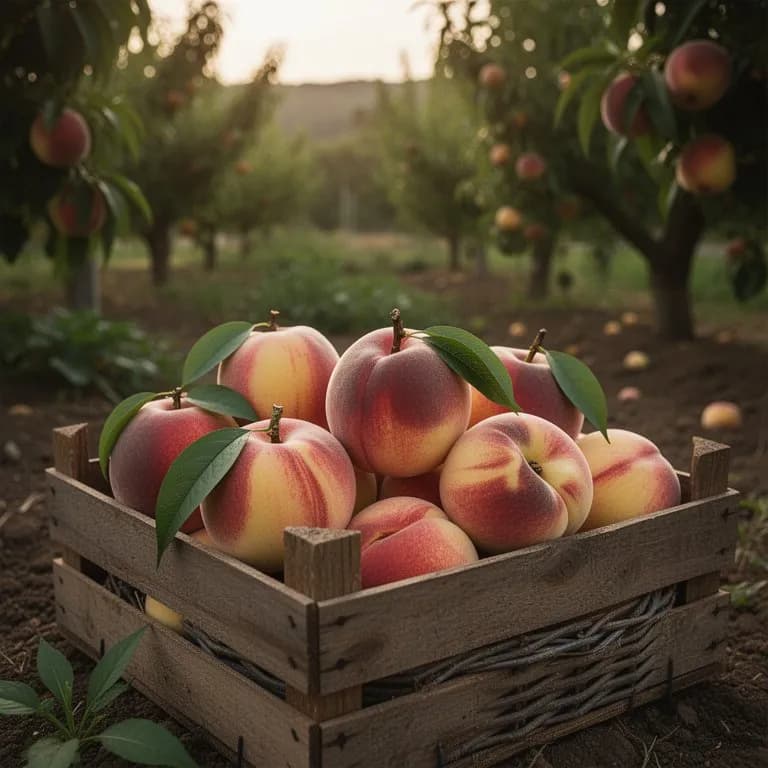
Las nectarinas Fantasia maduran de mediados de julio a agosto, con piel rojo vivo sobre pulpa amarillo dorado. El hueso libre se separa fácilmente cuando la fruta está madura. Recójalas cuando el color de fondo cambie de verde a naranja amarillento y la fruta ceda ligeramente a una presión suave. La piel lisa se marca con facilidad, así que coseche con cuidado. Un árbol maduro produce entre 80 y 120 libras al año. La cosecha se extiende durante 2-3 semanas a medida que el fruto madura de forma progresiva.
se supone que plantas al comenzar el periodo — indica tu fecha real
Cosecha Nectarina Fantasia a tiempo y la planta sigue produciendo.
Almacenamiento y conservación
Las nectarinas Fantasia maduras duran de 3 a 5 días a temperatura ambiente o hasta dos semanas refrigeradas a 31-32°F. Su piel lisa las hace algo más perecederas que los melocotones vellosos. Puede congelarlas en rodajas tratadas con ácido ascórbico para evitar el pardeamiento. Son excelentes para conservas, secado y para hacer mermelada o chutney de nectarina. La pulpa firme aguanta bien en repostería y da tartas y galettes de nectarina extraordinarios.
Qué falla — y cómo solucionarlo
Podredumbre parda
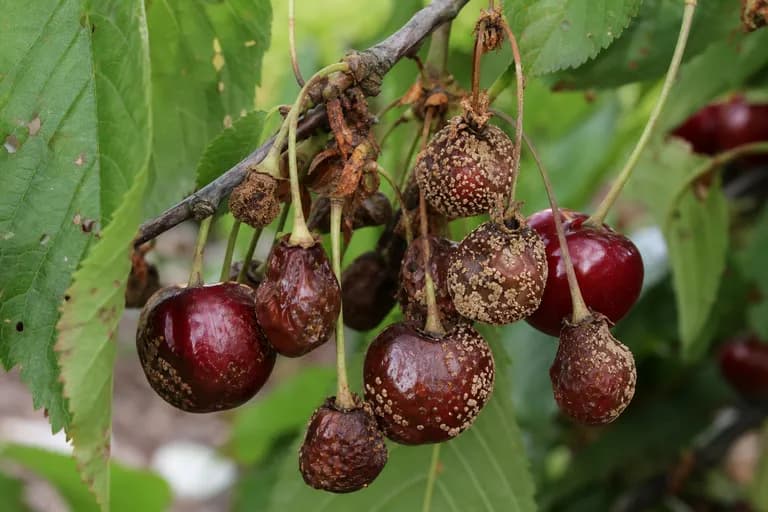
EnfermedadMoho marrón y velloso sobre la superficie del fruto, especialmente donde la piel está agrietada o dañada. Tizón floral en primavera.
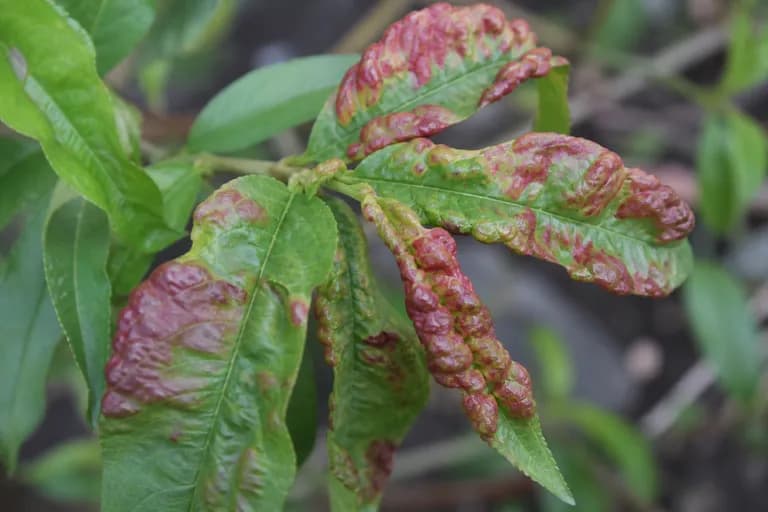
Rizado de la hoja del melocotonero
EnfermedadHojas abarquilladas, rojizas y deformadas a comienzos de primavera, que más tarde desarrollan una capa blanca de esporas.
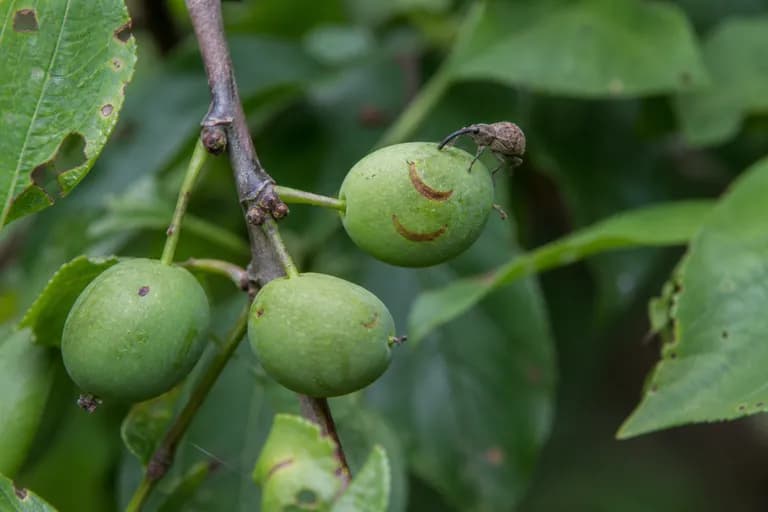
Gorgojo de la ciruela
PlagaCicatrices en forma de media luna en la piel del fruto por la puesta de huevos, con larvas internas que provocan caída prematura del fruto.
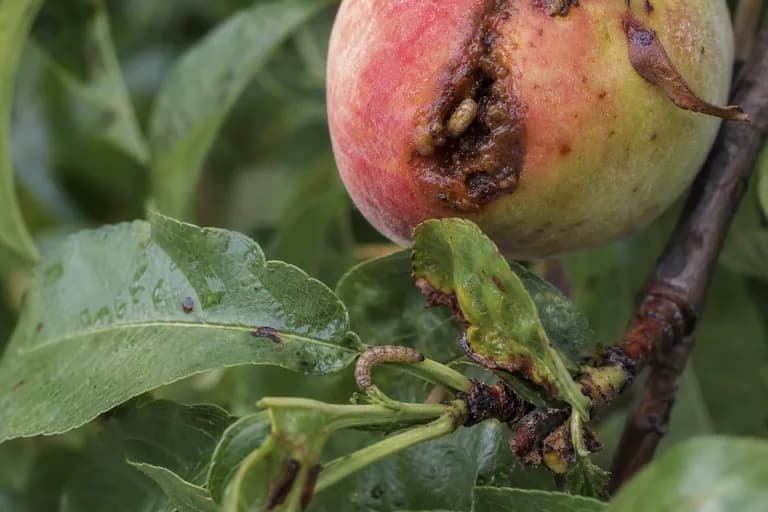
Polilla oriental de la fruta
PlagaPuntas de los brotes marchitas por la perforación larvaria en primavera, y frutos con gusanos cerca del hueso en generaciones posteriores.
Solución de problemas comunes
La podredumbre parda es más grave en nectarinas que en melocotones por la piel lisa, sin vello, que ofrece menos protección. El rizado de la hoja del melocotonero requiere pulverizaciones preventivas anuales sin excepción. El agrietamiento aparece si una lluvia fuerte sigue a un periodo seco cerca de la cosecha. Las larvas de la polilla oriental de la fruta pueden arruinar la cosecha si no se controlan. Las quemaduras solares en frutos expuestos pueden ser un problema en climas muy calurosos; una poda ligera ayuda a conservar algo de sombra foliar.
Consejos de cultivo
- No deje el árbol sobrecargado de fruta. El aclareo temprano es la diferencia entre una cosecha mediocre y una excelente.
- La forma de vaso abierto no es opcional en las nectarinas: ayuda a que entre la luz y reduce los problemas de enfermedad.
- En zonas húmedas, la vigilancia de la podredumbre parda debe ser constante desde la floración hasta la cosecha.
- Si vive en un lugar con heladas tardías, tenga manta térmica lista en primavera. Las flores son muy sensibles.
- Riegue con profundidad y regularidad durante el engorde del fruto; los cambios bruscos de humedad favorecen el agrietamiento.
- Coseche cuando la fruta aún ceda apenas al tacto y tenga color de fondo amarillo vivo, no solo rojo por fuera.
- Evite plantar cerca de nogales. La juglona perjudica a las frutas de hueso.
- Mantenga el mantillo alejado del tronco para reducir problemas de cuello y de humedad excesiva.
- Si cultiva en clima muy cálido, un poco de sombra ligera de tarde puede proteger el fruto más expuesto del sol fuerte.
- La mejor nectarina es la que madura en el árbol, así que no se precipite a recogerla demasiado pronto.
Cultiva tu mejor Nectarina Fantasia — y todo lo que la rodea.
Empieza un plan gratis hoy. Diseña tus bancales, coloca tu Nectarina Fantasia y deja que PlotMyGarden gestione el momento, el espaciado, las asociaciones y los recordatorios de la semilla a la cesta.
Elige tu Nectarina Fantasia
Fantasia (estándar)
La clásica nectarina grande de hueso libre, con piel rojo brillante, pulpa amarilla y un sabor extraordinario.
Flavortop
Una nectarina muy cultivada que madura casi al mismo tiempo que Fantasia, con un color rojo sobre amarillo similar.
Independence
Una nectarina de hueso libre y maduración temprana, con piel roja intensa y un sabor excelente para el inicio de la temporada.
Arctic Star
Una alternativa de nectarina de pulpa blanca, con dulzura excepcional y baja acidez para comer en fresco.
Un árbol injertado de Fantasia suele costar entre 25 y 60 USD en un vivero, y una planta bien cuidada puede producir durante décadas. Como da mucha fruta en poco espacio y la cosecha suele ser abundante, el ahorro frente a comprar nectarinas de calidad en temporada puede ser considerable. Además, la fruta se presta bien a conservas, tartas y congelación, así que una sola planta puede cubrir bastante parte de las necesidades de fruta de verano de una familia.
Recetas rápidas
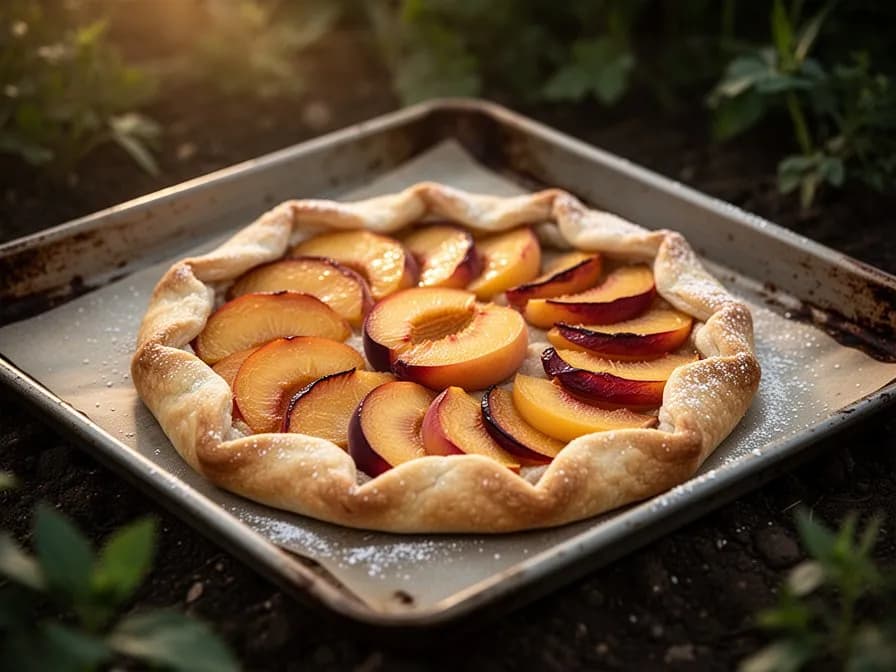
Galette de nectarina Fantasia
20 minutos de preparación, 35 minutos de horneadoUna tarta rústica y muy aromática en la que la dulzura de la nectarina madura brilla sin complicaciones. Perfecta para aprovechar fruta muy madura.
6 ingredientesNectarinas a la parrilla con miel
10 minutosUn postre o guarnición sencillo en el que la fruta se carameliza rápidamente y desarrolla notas de miel y fruta asada.
5 ingredientesChutney de nectarina
15 minutos de preparación, 30 minutos de cocciónUn chutney brillante con un equilibrio de dulzor, acidez y especias que acompaña de maravilla quesos, carnes asadas o tostadas.
6 ingredientesUsos culinarios
Las nectarinas Fantasia brillan en fresco, con una pulpa firme y muy sabrosa que no necesita pelarse. Son magníficas en ensaladas de fruta, a la parrilla, o cortadas sobre yogur o cereal. Hornéelas en galettes, tartas y crumbles. Su sabor intenso también da lugar a una salsa, chutney y conservas de nectarina excelentes. Combínelas con prosciutto y rúcula para un aperitivo veraniego elegante.
Qué contiene
Beneficios para la salud
- Fantasia aporta vitamina C, que ayuda a la formación de colágeno y al funcionamiento normal del sistema inmunitario.
- Su contenido en potasio la convierte en una fruta útil para una dieta equilibrada.
- La pulpa contiene agua, fibra y compuestos vegetales que encajan bien en una alimentación fresca y veraniega.
- Al comerse fresca y con la piel lavada, ofrece una merienda natural y saciante.
- Sus carotenoides contribuyen al color de la pulpa y a su perfil antioxidante.
- Es una alternativa sabrosa a postres más pesados cuando se toma madura y bien fría.
De dónde viene Nectarina Fantasia
Fantasia es una nectarina moderna seleccionada dentro de la larga tradición del melocotonero y la nectarina de jardín. Como ocurre con muchas variedades comerciales de fruta de hueso, se desarrolló buscando una combinación de sabor, fiabilidad, buena adaptación al cultivo doméstico y una calidad visual atractiva. Las nectarinas, en general, surgieron como una mutación natural del melocotón que eliminó la característica piel vellosa, y desde entonces los mejoradores han buscado tipos con mejor sabor, más firmeza y mayor adaptabilidad climática.
Fantasia se hizo popular por ofrecer frutos grandes, de hueso libre, con una piel muy vistosa y pulpa amarilla intensamente sabrosa. También ganó terreno entre los jardineros domésticos por su autofertilidad y por necesitar una cantidad moderada de horas de frío, lo que amplía su viabilidad en muchas regiones de clima templado. Su cultivo encaja bien tanto en huertos de patio como en plantaciones familiares más amplias.
Hoy sigue siendo una elección muy apreciada para quienes quieren una nectarina que funcione bien en fresco y en cocina, y que a la vez resulte ornamental en floración y muy productiva en verano.
Nectarina Fantasia: ¿sabías que?
Datos fascinantes sobre Nectarina Fantasia
Fantasia es una de las nectarinas de huerto doméstico más fiables porque combina buena producción, sabor intenso y autofertilidad.
Nectarina Fantasia: preguntas frecuentes
¿Cuándo debo plantar Nectarina Fantasia?
¿Cuáles son buenas plantas acompañantes para Nectarina Fantasia?
¿En qué zonas de rusticidad puede crecer Nectarina Fantasia?
¿Cuánto sol necesita Nectarina Fantasia?
¿A qué distancia debo espaciar Nectarina Fantasia?
¿Qué plagas y enfermedades afectan a Nectarina Fantasia?
¿Cómo almaceno Nectarina Fantasia después de la cosecha?
¿Cuáles son las mejores variedades de Nectarina Fantasia para cultivar?
¿Qué suelo necesita Nectarina Fantasia?
¿Fantasia necesita otro árbol para producir fruta?
¿Cuándo debo aclarar los frutos?
¿Se puede cultivar en maceta?
¿Por qué la podredumbre parda es un problema tan grande en esta variedad?
¿Cuánto tarda en dar fruto?
Acabas de leer la teoría. Ahora cultívala en piloto automático.
Todo lo que hace que Nectarina Fantasia sea delicado — el momento, el espaciado, las asociaciones, la ventana de cosecha — es justo lo que PlotMyGarden resuelve por ti, para cada planta de tu huerto.
Un plan que conoce tu clima
Indica tu ubicación una vez. Recibe fechas de siembra, abonado y cosecha basadas en tu última helada real y el pronóstico en vivo — sin adivinar con un sobre genérico.
De la sección “Cuándo plantar”Planificador de bancales de arrastrar y soltar
Diseña bancales sobre una cuadrícula. Cada planta encaja con su espaciado correcto y ves toda la temporada antes de gastar un céntimo en semillas.
De la sección “Cultivo”Conflictos de asociación, detectados a tiempo
Más de 200 buenas y malas combinaciones comprobadas en vivo mientras plantas — para que un error que arruine la temporada nunca llegue a la tierra.
De la sección “Asociaciones”Recordatorios que sí vas a seguir
“Riega las judías.” “Recoge hoy antes de que se pase.” Oportunos, concretos y ligados a las plantas que de verdad cultivas.
De la sección “Cosecha”Escalonado, programado
¿Quieres cosechar seis semanas en vez de seis días? Reparte tus siembras automáticamente y te avisa cuando toca el siguiente lote.
De la sección “Cuándo plantar”Un registro que se vuelve más listo
Cada cosecha que registras le enseña tu huerto. El plan del año que viene parte de lo que de verdad funcionó en tu suelo, no en un manual.
De la sección “Resumen”Planta estos junto a Nectarina Fantasia
Más Frutas de hueso
Mantén Nectarina Fantasia lejos de estos
Cultiva tu mejor Nectarina Fantasia — y todo lo que la rodea.
Empieza un plan gratis hoy. Diseña tus bancales, coloca tu Nectarina Fantasia y deja que PlotMyGarden gestione el momento, el espaciado, las asociaciones y los recordatorios de la semilla a la cesta.