Mung Bean
A small, green legume most commonly known as the source of bean sprouts, but also excellent as a cooked dried bean.





On this pageOverview
Meet Mung Bean
A small, green legume most commonly known as the source of bean sprouts, but also excellent as a cooked dried bean. Mung beans are fast-growing and heat-loving, producing small pods that are easy to harvest and shell. The beans cook quickly without soaking and are used in Asian desserts, savory dishes, and ground into flour for noodles. Sprout them indoors year-round for a crunchy, nutritious addition to salads and stir-fries in just four to five days.
When to plant Mung Bean
Direct sowing is the preferred method as mung beans grow so quickly that transplanting offers little advantage. Sow seeds 1 inch deep in warm soil above 65°F for best germination in 5-7 days. No pre-soaking is necessary though it can speed germination by a day or two. For sprouting indoors, soak seeds overnight, then rinse and drain twice daily in a jar covered with cheesecloth, keeping in a warm, dark place. Sprouts are ready in 3-5 days when tails reach 1-2 inches.
Your Mung Bean Year
Composed for Zone 7 · typical seasons · frost passes Apr 2, returns Nov 1
Plant Mung Bean May – Jul, pick Aug – Oct. Check the planting methods below and set your climate to personalize these windows.
How to grow Mung Bean
Mung beans are warm-season legumes that grow quickly, maturing in just 60-90 days from sowing. Direct sow seeds 1 inch deep and 2-4 inches apart in rows 18-30 inches apart after all danger of frost has passed and soil temperatures reach 65°F. These compact bush plants typically grow 12-24 inches tall and require no staking or support.
Water consistently during germination and early growth, then reduce watering as plants establish. Mung beans are relatively drought-tolerant once their root systems develop but benefit from regular moisture during flowering and pod formation. Avoid overhead watering which promotes fungal diseases on the dense foliage. Mulch around plants to conserve moisture and suppress weeds.
As nitrogen-fixing legumes, mung beans require minimal fertilization and actually improve soil fertility for subsequent crops. They make excellent short-season cover crops and can be planted between longer-season vegetables. In warm climates, multiple successive plantings are possible from late spring through midsummer. Mung beans are also the easiest bean to sprout at home, providing fresh nutrition year-round regardless of outdoor growing conditions.
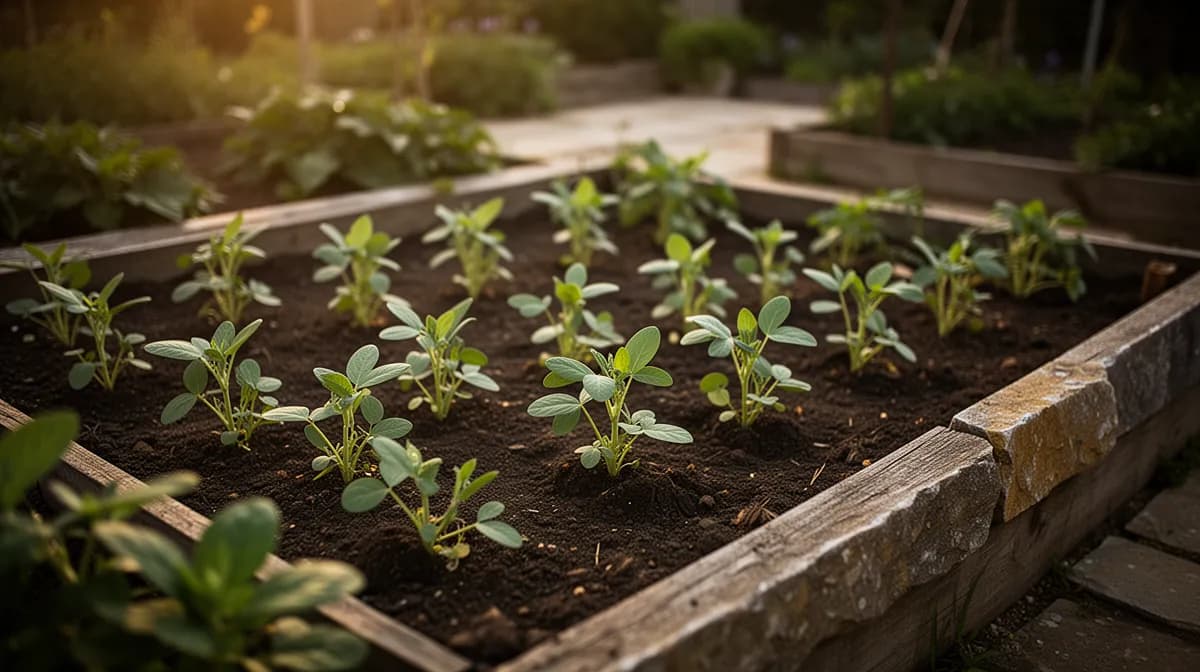
288 plants fit a 4 × 8 ft bed
Each Mung Bean wants 10 cm of elbow room. The planner keeps that spacing for you — every plant, every bed.
Mung Bean's best neighbours
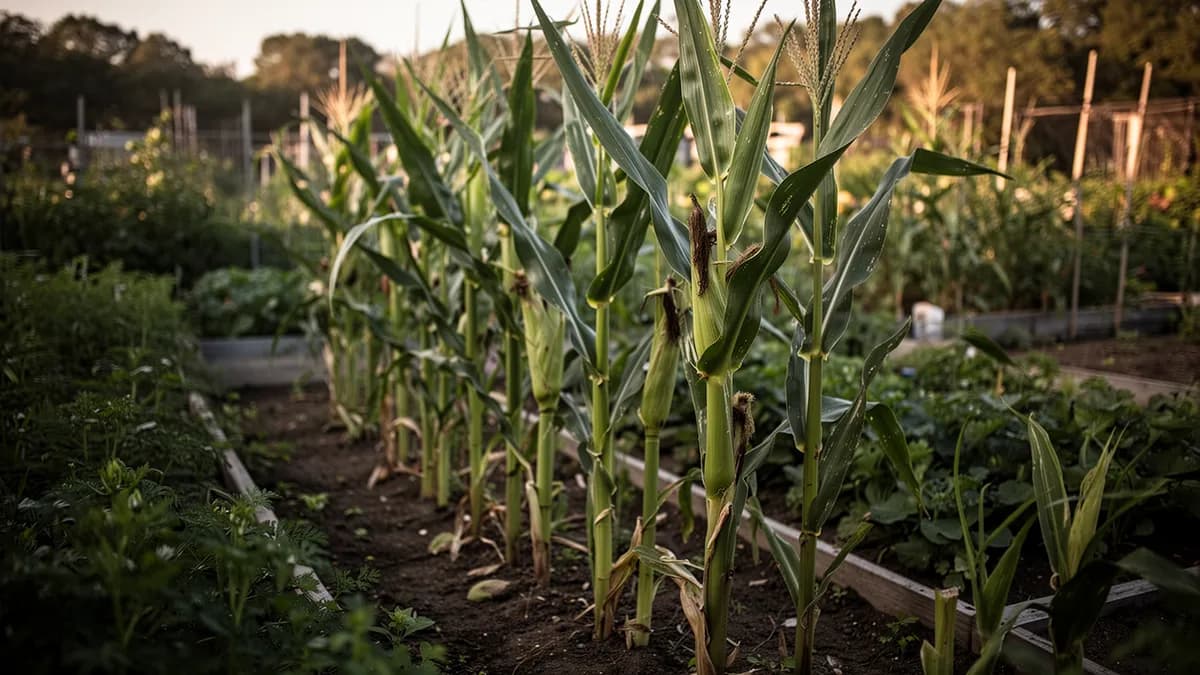
Mung beans work well as a short-season intercrop between rows of longer-season vegetables like tomatoes, peppers, and corn. Their nitrogen fixation benefits neighboring plants and subsequent crops. Plant alongside cucumbers and squash which benefit from the soil nitrogen. Marigolds help deter bean beetles when planted nearby. Avoid planting near alliums which can inhibit legume growth. As a fast-growing cover crop, mung beans are excellent for filling gaps between other plantings.
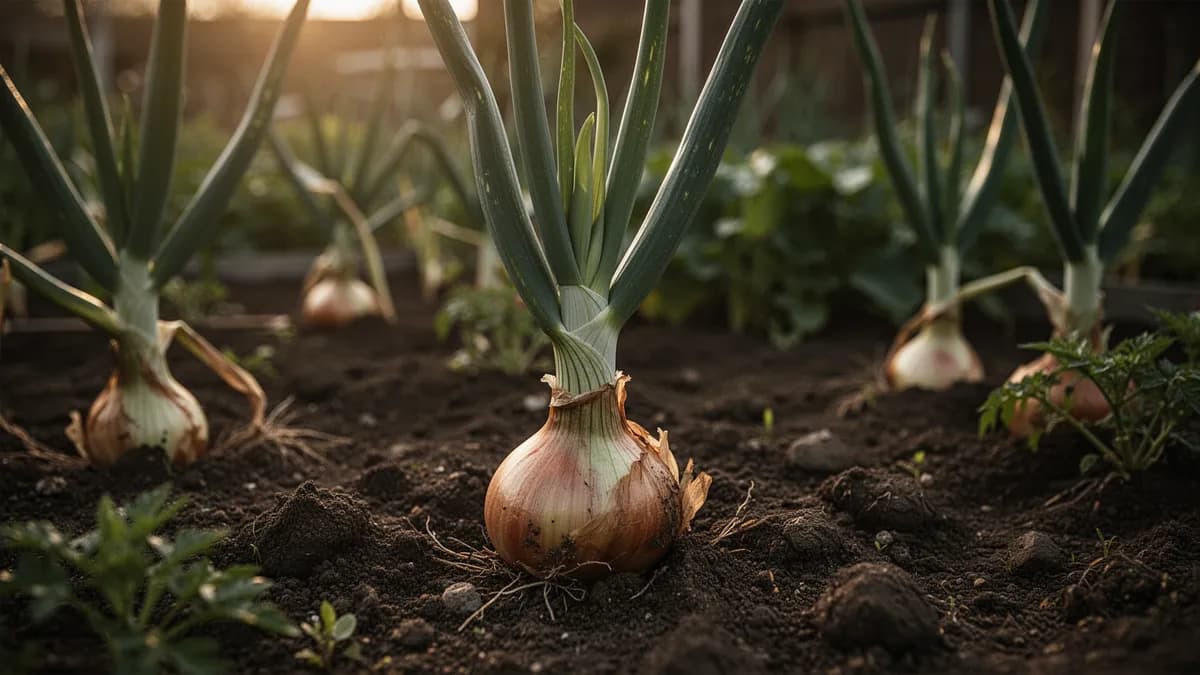
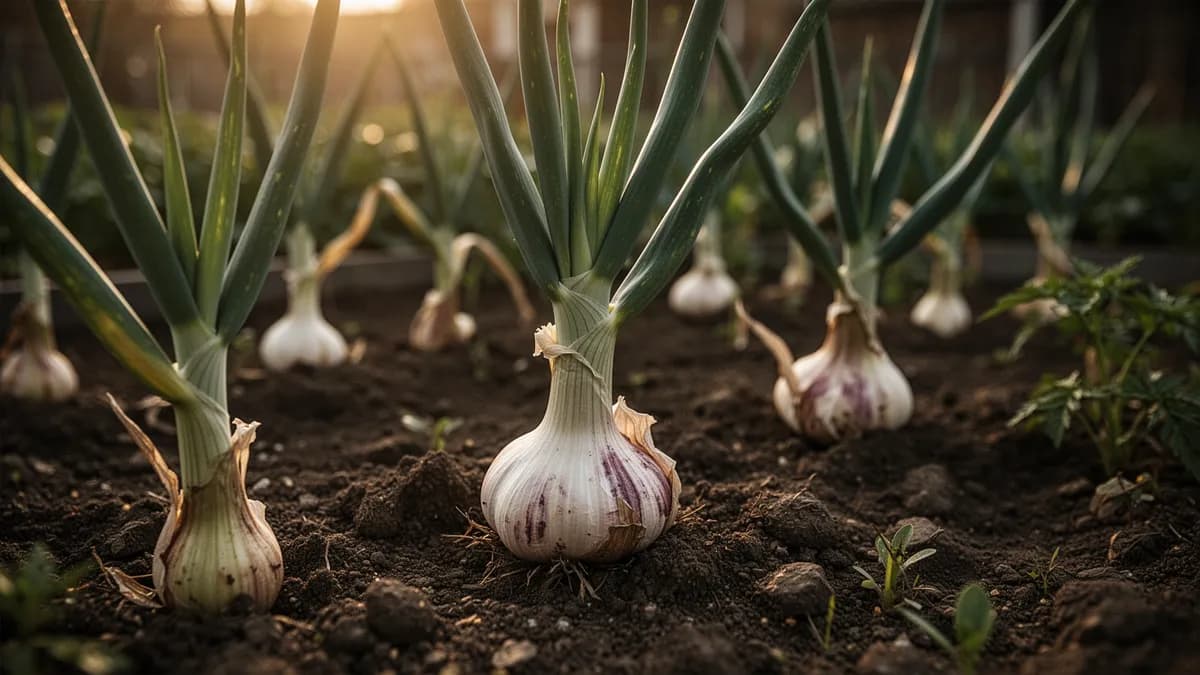
Corn belongs beside it. Onion doesn't.
Old growers' knowledge, checked against Mung Bean's real companion table below — test any plant you're growing.
Try Mung Bean in a bed — right here
A real planner bed with Mung Bean already in it. Tap a companion to place it and watch the pairing checks answer — green for good neighbours, red for a clash.


Related growing guides
Feed it well
Mung beans prefer well-drained, sandy loam soil with a pH of 6.0-7.2. They tolerate poor soils reasonably well thanks to their nitrogen-fixing ability. Avoid heavy clay soils that retain excessive moisture. Work in compost before planting but skip nitrogen fertilizer entirely. A light application of phosphorus and potassium at planting supports healthy root development and nitrogen fixation. Inoculate seeds with appropriate Rhizobium if the soil has not previously grown mung beans or cowpeas.
Ideal Temperature
Hardiness Zone Compatibility
From seed to harvest, stage by stage
Germination
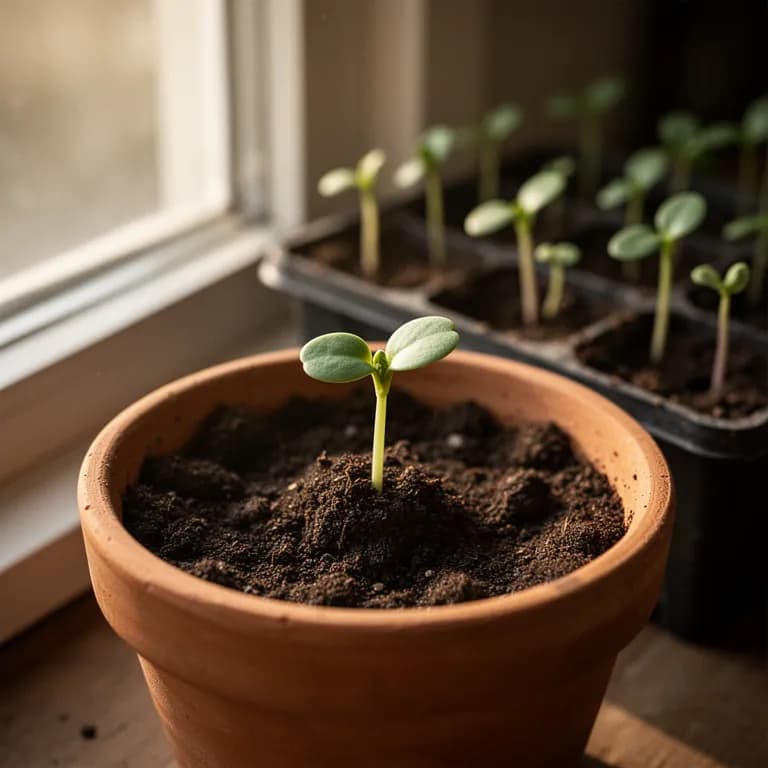
Seeds absorb moisture and swell rapidly in warm soil. The radicle emerges first, anchoring into the ground, followed by the hypocotyl arch pushing two large, rounded cotyledon leaves above the surface. Germination is fast and vigorous in soil above 20°C (68°F).
Vegetative Growth
True trifoliate leaves develop rapidly, each consisting of three broad leaflets. The plant forms a compact, bushy habit reaching 30-60 cm tall. A dense root system develops with nitrogen-fixing nodules forming on the roots within two to three weeks of emergence.
Flowering
Small, pale yellow to greenish-yellow flowers appear in clusters at leaf axils along the upper stems. Mung beans are predominantly self-pollinating, so each flower almost always sets a pod. Flowering continues for two to three weeks as new clusters open progressively up the stem.
Pod Development
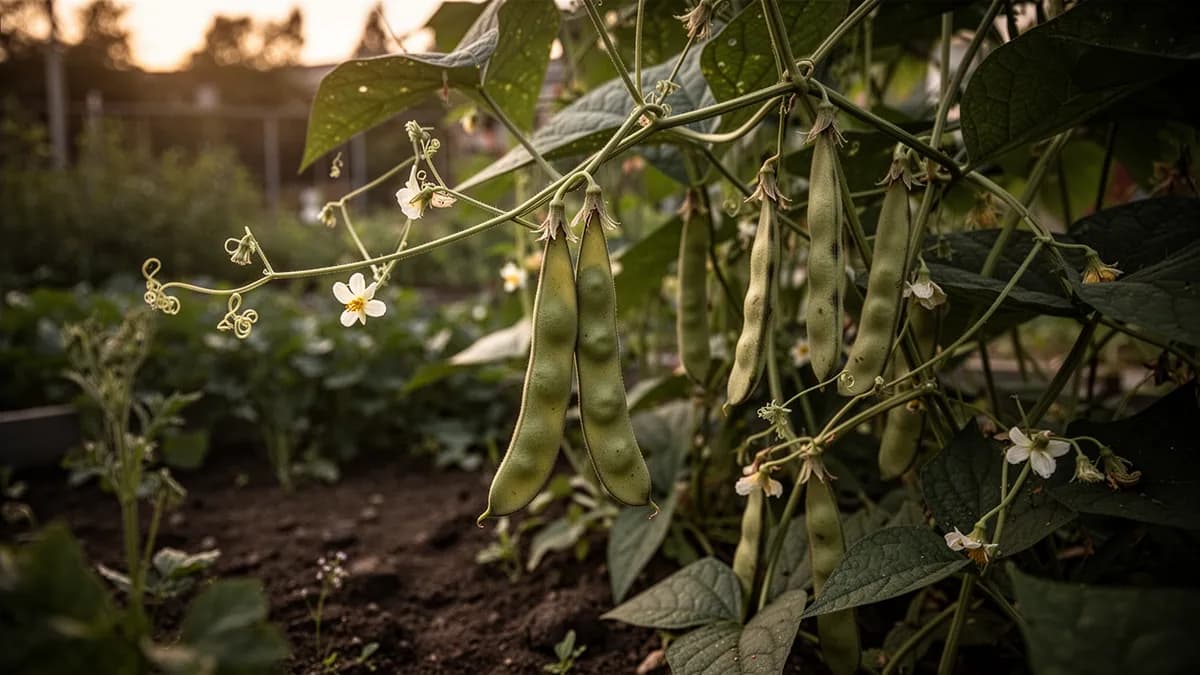
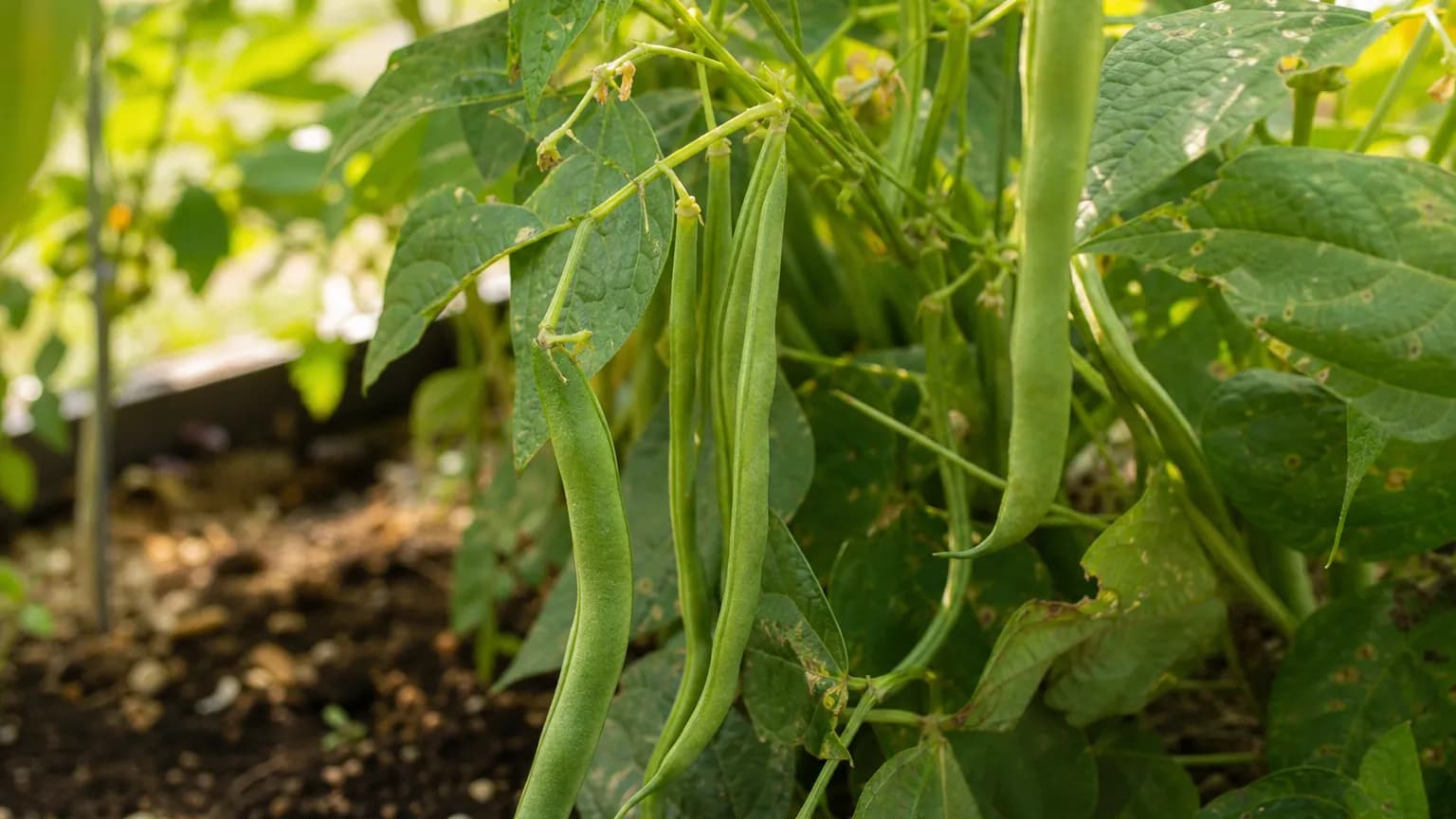
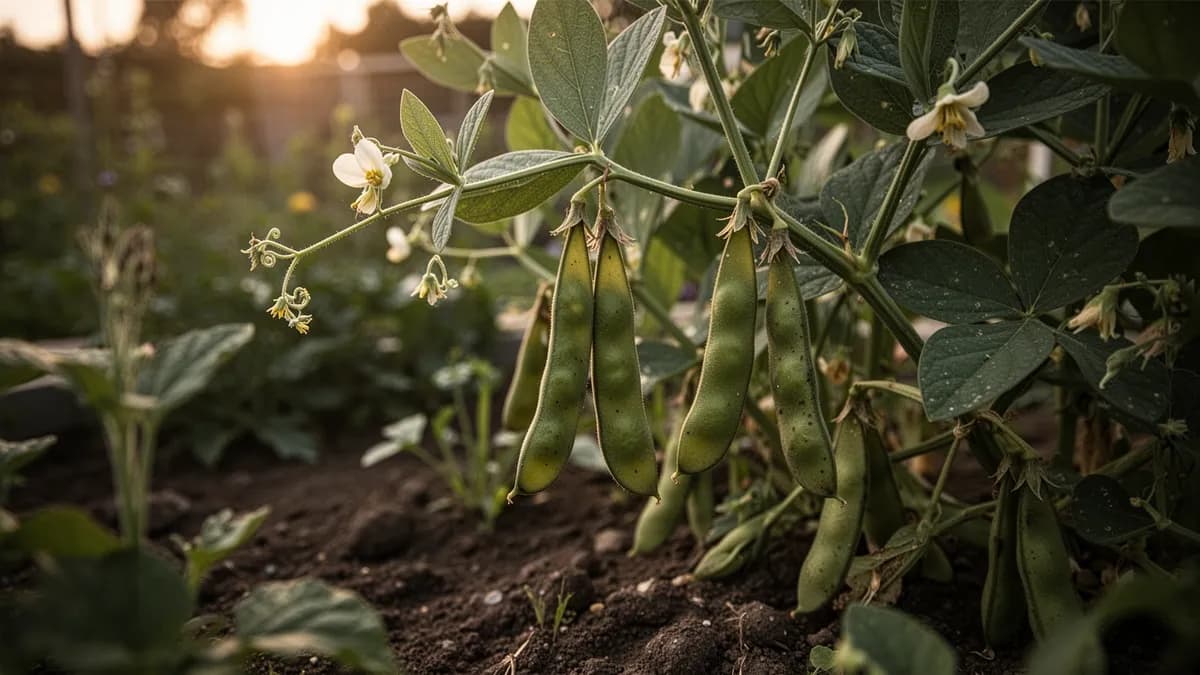
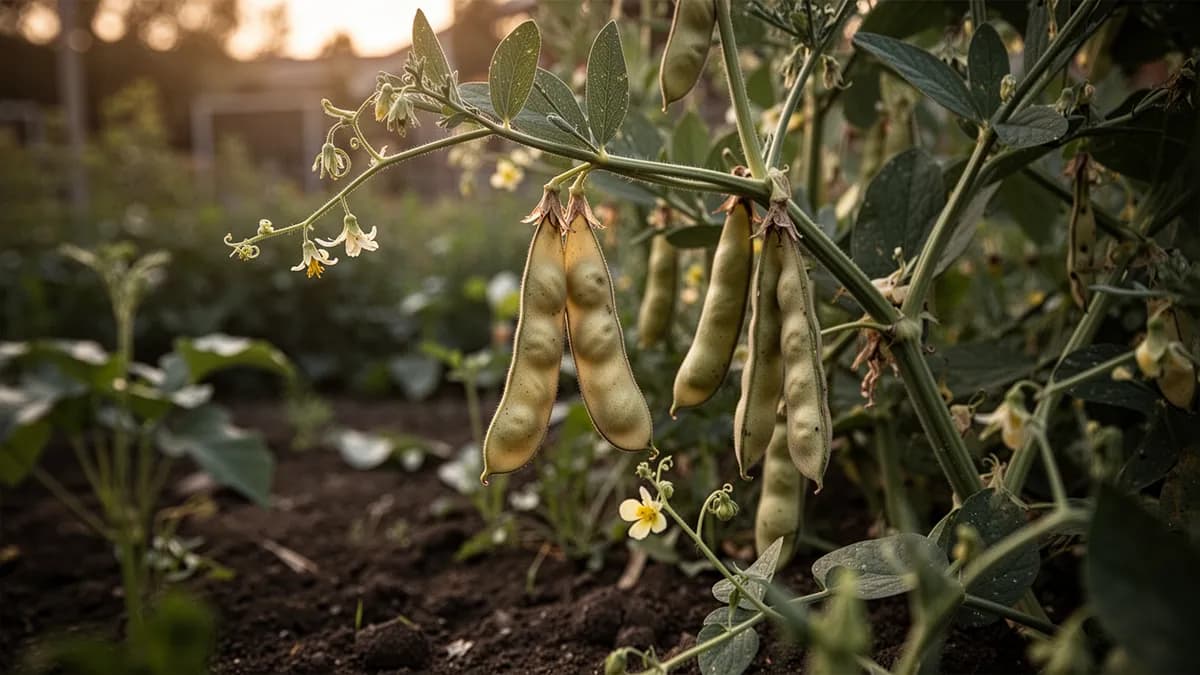
Slender, cylindrical pods form in hanging clusters, each containing 10-15 seeds. Pods start bright green and gradually darken as seeds mature inside. The pods are 5-10 cm long and slightly hairy. Seeds inside transition from soft and pale to firm and bright green.
Maturation and Harvest
Pods turn from green to brown and then nearly black as they dry down on the plant. Lower pods mature first, with upper pods following over one to three weeks. Dried pods become brittle and may shatter if left too long, scattering seeds on the ground.
Keep soil consistently moist but not waterlogged during this critical phase. Soil temperature of 25-30°C (77-86°F) is ideal. If soil crusts over, mist gently to soften it so seedlings can break through.
Caring for Mung Bean month by month
What to do each month for your Mung Bean
October
You are hereComplete all harvesting before frost in temperate zones. Freeze dried beans for 48 hours to kill any weevil eggs, then store in airtight containers. Turn spent mung bean plants into the soil as green manure.
Know exactly what to do in your garden — every month
One email at the start of each month: what to sow, plant, and tackle right now — for your Mung Bean and everything growing around it. Plus a short starter course that helps you dodge the classic mistakes.
- What to do, right now
- Matched to your season
- Starter course included
Harvesting Mung Bean
For dry beans, allow pods to mature fully on the plant until they turn brown and dry. Harvest when 90% of pods are dry by pulling entire plants and hanging to finish drying. Thresh by beating dried plants inside a bag or container to release beans. For sprouts, harvest homegrown mung bean sprouts when tails are 1-2 inches long, typically 3-5 days after soaking. For green pods, harvest when pods are plump but still green for use as a snap bean, though this is less common.
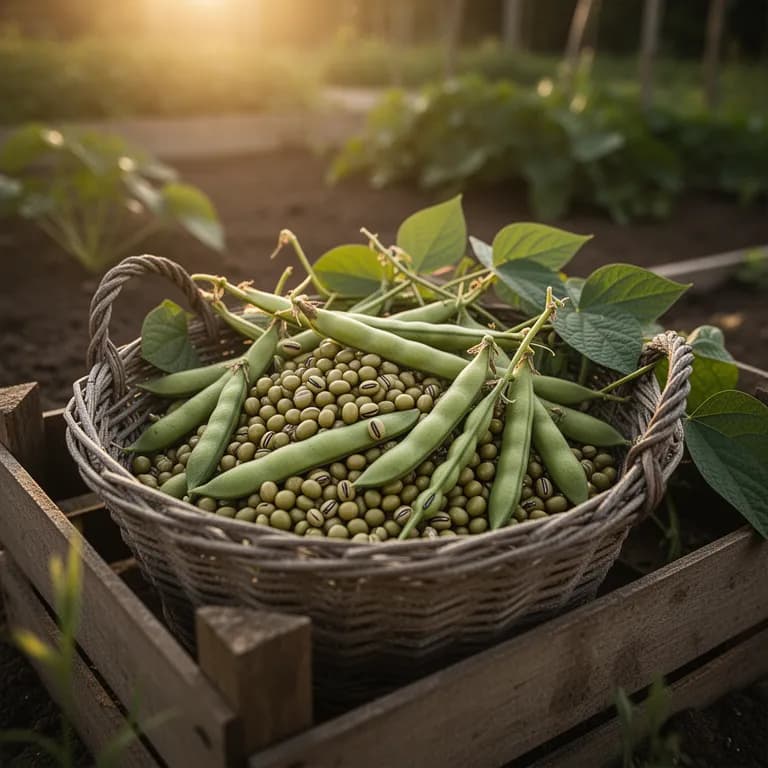
assuming you plant when the window opens — set your real date
Pick Mung Bean promptly and the plant keeps producing.
Storage & Preservation
Dried mung beans store exceptionally well in airtight containers in a cool, dry place for up to 2-3 years. Freeze dried beans for 48 hours after harvesting to kill any weevil eggs before long-term storage. Fresh sprouts should be refrigerated and used within 3-5 days. Mung beans can also be ground into flour for making glass noodles and other Asian staples. For sprouting year-round, keep a supply of dried beans and sprout small batches every few days for continuous fresh supply.
What goes wrong — and the fix
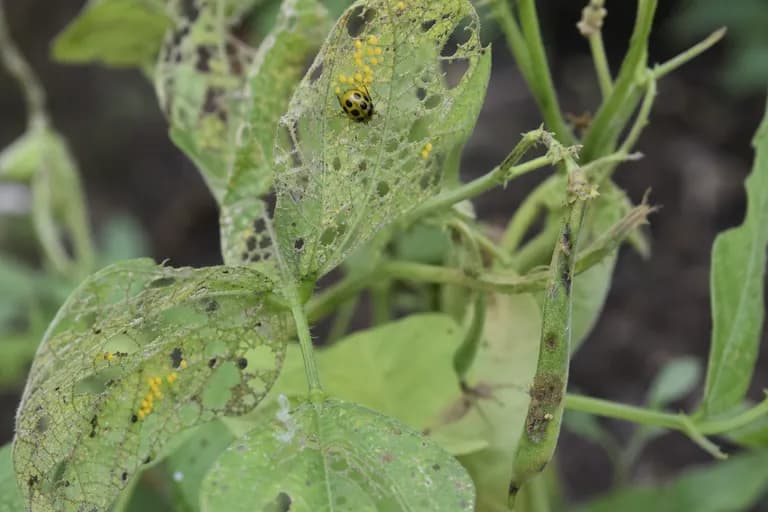
Bean Beetle
PestSkeletonized leaves with only veins remaining, yellow egg clusters on leaf undersides, and chewed pods.
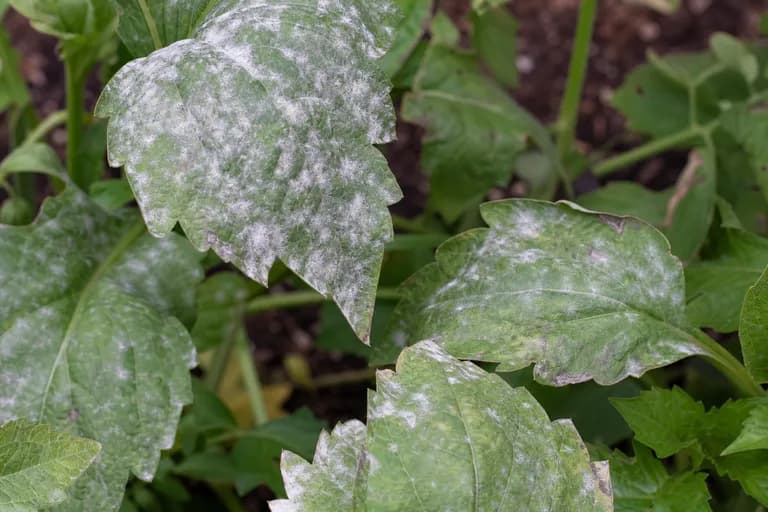
Powdery Mildew
DiseaseWhite powdery coating on leaves and stems, leading to yellowing and premature leaf drop in severe cases.
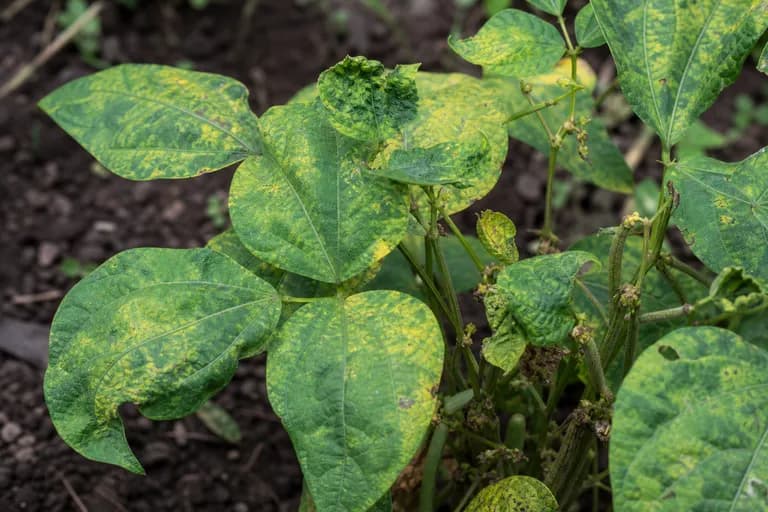
Yellow Mosaic Virus
DiseaseBright yellow mottling on leaves, stunted growth, reduced pod set, and crinkled or distorted foliage.
Troubleshooting Common Problems
Uneven maturity is common, with pods ripening over several weeks rather than all at once, making harvest timing challenging. In humid conditions, pods may shatter and drop seeds before harvest. Yellow mosaic virus transmitted by whiteflies can devastate crops; use resistant varieties in affected areas. Poor germination often results from cold, wet soil; wait for warm conditions. Mung beans may lodge in heavy rains due to their shallow root systems; avoid planting in exposed, windy locations.
Growing Tips
- Wait for genuinely warm soil — mung beans planted in cool soil below 18°C (65°F) germinate poorly and are prone to damping off. Use a soil thermometer and be patient; these fast-growing plants make up lost time quickly once conditions are right.
- Skip the nitrogen fertilizer entirely. As legumes, mung beans partner with Rhizobium bacteria to fix atmospheric nitrogen. Adding nitrogen fertilizer actually suppresses nodule formation and wastes money. A light phosphorus-potassium application at planting is all they need.
- Inoculate seeds with cowpea-type Rhizobium inoculant before planting if your soil has never grown mung beans, cowpeas, or adzuki beans. The correct bacteria may not be present naturally, and without them nitrogen fixation cannot occur.
- Plant in successions two to three weeks apart from late spring through midsummer for a continuous harvest rather than one overwhelming flush. Mung beans mature in just 60-75 days, so even short-season gardeners can fit in two plantings.
- Harvest timing is critical — pods shatter easily when fully dry, scattering seeds on the ground. Harvest when most pods are brown but before they become brittle. Morning harvesting when pods are slightly damp from dew reduces shattering losses.
- Use mung beans as a fast summer cover crop between spring and fall plantings. They grow quickly, fix nitrogen, suppress weeds with their dense canopy, and can be turned into the soil as green manure in as little as 45 days.
- For indoor sprouting, use only food-grade seeds not treated with fungicides. Rinse sprouts twice daily without fail — stagnant moisture breeds bacteria. Keep sprouts in the dark for plump white sprouts, or expose to indirect light for the last day if you prefer green-tinged sprouts with more chlorophyll.
- Water consistently during flowering and pod fill — this two-to-three-week window determines your yield more than any other factor. Even brief drought stress during flowering can reduce pod set by 30-50%.
Grow your best Mung Bean yet — and everything around it.
Start a free plan today. Lay out your beds, drop in your Mung Bean, and let PlotMyGarden handle the timing, spacing, companions and reminders from seed to harvest basket.
Pick your Mung Bean
Berken
High-yielding Australian variety with uniform maturity and excellent sprouting quality. Bright green seeds with good disease resistance.
Oklahoma 12
Early-maturing variety well-suited to shorter growing seasons. Compact plants with good pod set even in variable conditions.
Jade
Popular sprouting variety with large, bright green seeds that produce thick, crisp sprouts with minimal hulls.
Crystal
Clear-skinned variety preferred for making glass noodles and starch. High starch content with good processing qualities.
A $3-4 seed packet plants an entire 3-meter row producing 500-800g of dried mung beans worth $5-10 at bulk store prices. The real savings come from sprouting: store-bought organic mung bean sprouts cost $3-5 per bag, but home-sprouting from your own harvest costs virtually nothing. Sprouting just twice a week from homegrown beans saves $300-500 per year compared to buying sprouts. As a nitrogen-fixing cover crop, mung beans also reduce fertilizer costs for subsequent plantings.
Quick recipes
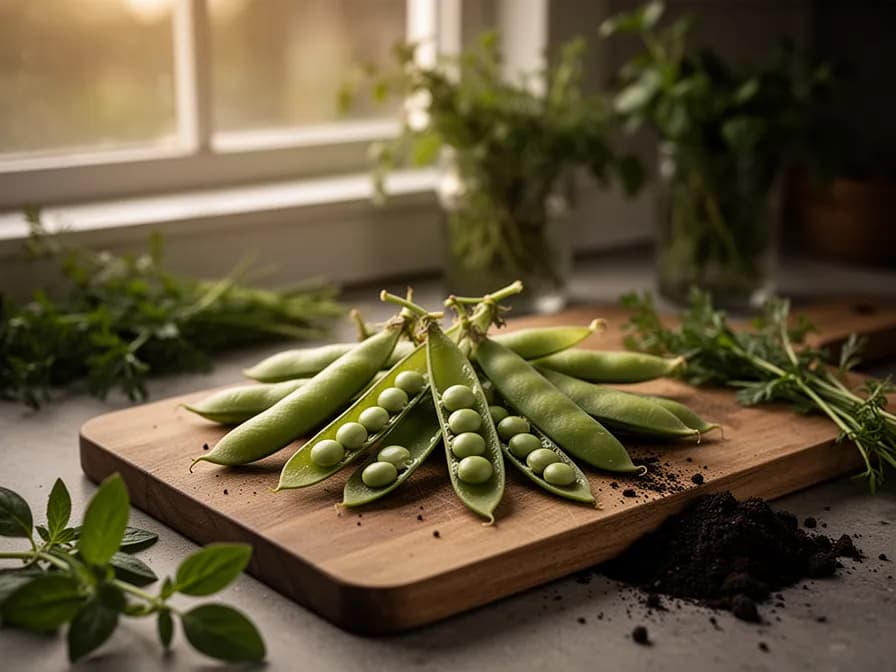
Classic Moong Dal
30 minA silky, golden Indian lentil soup made from split mung beans simmered with turmeric and finished with a sizzling tadka of cumin, garlic, and dried chilies in ghee. Comforting, easily digestible, and a staple across South Asia for good reason.
11 ingredients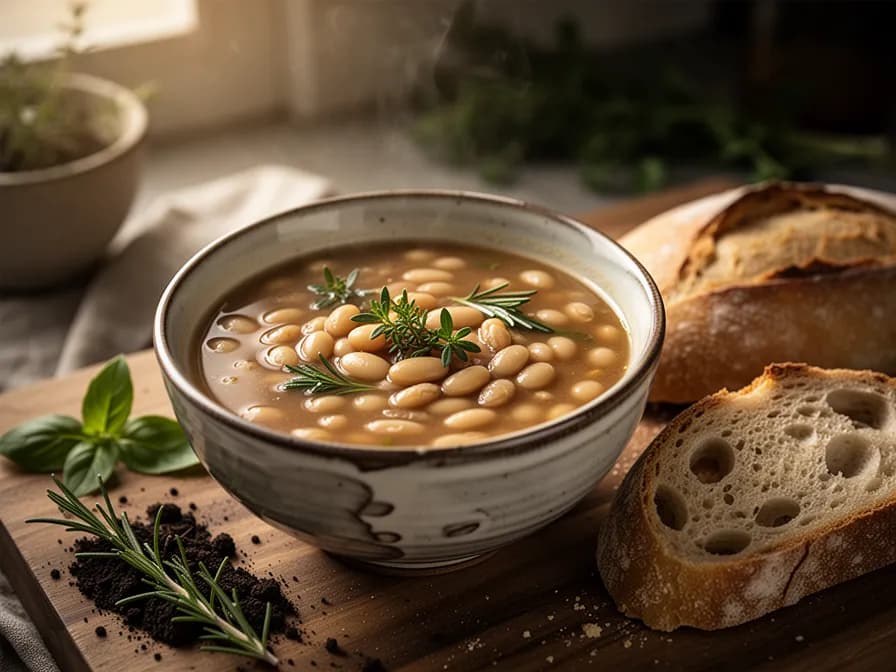
Stir-Fried Mung Bean Sprouts
10 minA lightning-fast side dish that highlights the crisp, clean flavor of fresh mung bean sprouts. High heat and minimal cooking time keep the sprouts crunchy and vibrant — a staple accompaniment in Chinese, Korean, and Southeast Asian meals.
8 ingredientsMung Bean Porridge (Bubur Kacang Hijau)
45 minA sweet Southeast Asian dessert porridge of whole mung beans simmered with coconut milk, pandan leaves, and palm sugar. Served warm or cold, this silky, gently sweet porridge is beloved across Indonesia, Malaysia, and Thailand.
7 ingredientsCulinary Uses
Mung beans are incredibly versatile in Asian cuisines. Whole dried beans are cooked into dal, soups, and porridges. Sprouted mung beans are essential in stir-fries, spring rolls, and pad thai. Mung bean paste is used in Chinese mooncakes, Japanese wagashi sweets, and Korean desserts. The starch is used to make glass noodles and bean thread vermicelli. Split mung beans cook quickly into creamy dishes and are easily digestible, making them popular in Ayurvedic cooking.
What's inside
Health Benefits
- One of the most easily digestible legumes — mung beans contain fewer oligosaccharides (the compounds that cause gas) than most other beans, making them gentle on the digestive system and suitable for people who normally avoid beans.
- High in resistant starch, which feeds beneficial gut bacteria and produces short-chain fatty acids linked to reduced inflammation, improved insulin sensitivity, and lower colon cancer risk.
- Excellent source of plant-based protein (24g per 100g dried) with a complete amino acid profile when combined with grains — the foundation of countless traditional rice-and-bean dishes across Asia.
- Sprouted mung beans are rich in antioxidant compounds including vitexin and isovitexin, which studies suggest may help lower LDL cholesterol and reduce oxidative stress on blood vessels.
- High folate content (156% DV per 100g dried) makes mung beans particularly important for women of childbearing age, supporting fetal neural tube development during early pregnancy.
- Contains phytoestrogens and bioactive peptides that research has linked to anti-inflammatory and blood-pressure-lowering effects, contributing to cardiovascular health when consumed regularly.
Where Mung Bean comes from
The mung bean (Vigna radiata) traces its origins to the Indian subcontinent, where wild progenitors still grow today. Archaeological evidence from sites in modern-day India, including charred seed remains at Balathal in Rajasthan and Rojdi in Gujarat, confirms that mung beans were cultivated as early as 2500-2000 BCE, making them one of the oldest domesticated pulse crops.
From India, mung beans spread eastward along ancient trade routes to China and Southeast Asia well before the Common Era. Chinese texts from the second century BCE reference the bean, and it became deeply woven into the cuisines of every culture it reached. The bean moved westward more slowly, reaching the Middle East and East Africa through Indian Ocean trade networks during the medieval period, but never achieved the same culinary centrality it holds in Asia.
Today mung beans are grown across tropical and subtropical Asia, Africa, South America, and parts of the southern United States. India remains the dominant producer, followed by China, Myanmar, and Indonesia. The bean has experienced a modern renaissance in Western health food culture, where sprouted mung beans are valued for their high protein content, ease of digestion, and rapid sprouting time. Mung bean protein isolate is increasingly used in plant-based meat alternatives and protein supplements, giving this ancient crop a prominent role in twenty-first century food innovation.
Mung Bean: did you know?
Fascinating facts about Mung Bean
Mung beans are the world's most commonly sprouted bean — the familiar white bean sprouts in stir-fries and pho are almost always mung bean sprouts, not soybean sprouts, despite what many people assume.
Mung Bean questions, answered
When should I plant Mung Bean?
What are good companion plants for Mung Bean?
What hardiness zones can Mung Bean grow in?
How much sun does Mung Bean need?
How far apart should I space Mung Bean?
What pests and diseases affect Mung Bean?
How do I store Mung Bean after harvest?
What are the best Mung Bean varieties to grow?
What soil does Mung Bean need?
Can I sprout mung beans from the same seeds I plant in the garden?
Why are my mung bean sprouts slimy or smelling bad?
Do mung beans need a trellis or support structure?
How do I know when mung beans are ready to harvest for dry beans?
Can mung beans grow in containers?
Are mung beans good for improving soil fertility?
You just read the theory. Now grow it on autopilot.
Everything that makes Mung Bean fiddly — the timing, the spacing, the companions, the harvest window — is exactly what PlotMyGarden handles for you, for every plant in your garden.
A plan that knows your weather
Set your location once. Get sow, feed and harvest dates built around your real last-frost date and live forecast — no more guessing from a generic seed packet.
From the “When to plant” sectionDrag-and-drop bed planner
Design beds on a grid. Every plant snaps to its proper spacing, and you can see your whole season laid out before you spend a cent on seed.
From the “Growing guide” sectionCompanion conflicts, caught early
200+ good-and-bad pairings checked live as you plant — so a season-wrecking mistake never makes it into the ground.
From the “Companions” sectionReminders you'll actually act on
“Water the beans.” “Pick today before it turns.” Timely, specific, and tied to the plants you're really growing.
From the “Harvest” sectionSuccession, scheduled
Want a harvest for six weeks, not six days? It spaces your sowings automatically and reminds you when each new block is due.
From the “When to plant” sectionA record that gets smarter
Every harvest you log teaches it your garden. Next year's plan starts from what actually worked in your soil, not a textbook's.
From the “Overview” sectionPlant these alongside Mung Bean
More Legumes
Keep Mung Bean away from these
Grow your best Mung Bean yet — and everything around it.
Start a free plan today. Lay out your beds, drop in your Mung Bean, and let PlotMyGarden handle the timing, spacing, companions and reminders from seed to harvest basket.