Motherwort
A mint-family perennial with deeply lobed leaves and whorls of small pink flowers, used in women's herbal medicine for centuries.





On this pageOverview
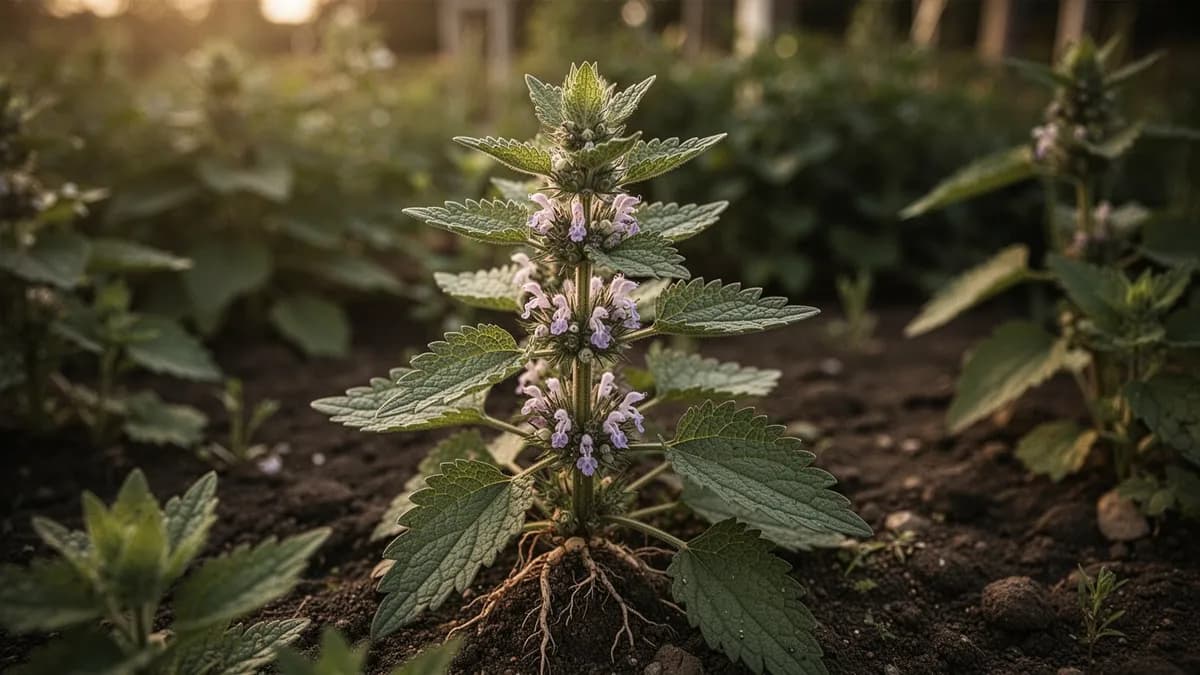
Meet Motherwort
A mint-family perennial with deeply lobed leaves and whorls of small pink flowers, used in women's herbal medicine for centuries. Motherwort is extremely easy to grow and will self-sow freely if flower heads are not removed before seed set. Harvest the flowering tops and use fresh in tinctures for the most potent preparations.
When to plant Motherwort
Sow motherwort seeds on the surface of moist seed-starting mix in spring—seeds need light for germination. Cold stratification for 2-4 weeks improves germination rates. Seeds germinate in 1-3 weeks at 18-22°C. Can also direct sow outdoors in early spring or autumn. Once established, motherwort self-sows prolifically and needs no replanting. Division of established clumps in spring is also easy. Thin self-sown seedlings to desired spacing or remove entirely to control spread.
Your Motherwort Year
Composed for Zone 7 · typical seasons · frost passes Apr 2, returns Nov 1
Plant Motherwort Mar – May, pick Jul – Aug. Check the planting methods below and set your climate to personalize these windows.
How to grow Motherwort
Motherwort is a tough, self-sufficient perennial in the mint family that has been used in women's herbal medicine for centuries, with a history traced to ancient Greece. Growing 60-120cm tall with deeply lobed, palm-shaped leaves and whorls of small pink-purple flowers along the square stems, it is one of the easiest medicinal herbs to grow. Plant in partial shade to full sun with average, well-drained soil, spacing 30cm apart.
Motherwort adapts to virtually any growing condition—sun or shade, moist or dry, rich or poor soil. It thrives on neglect and self-sows with enthusiasm, appearing in unexpected garden corners once established. The plant is hardy to extreme cold and tolerant of heat, making it reliable across a wide range of climates.
The main management task is controlling motherwort's prolific self-seeding. Deadhead spent flowers before seeds mature to prevent unwanted spread. Left unmanaged, motherwort will colonize empty garden space rapidly. The prickly dried seed heads can be a nuisance, catching on clothing and gloves. Despite this, motherwort is a valuable wildlife plant—the flowers are excellent nectar sources for bees and beneficial insects.
32 plants fit a 4 × 8 ft bed
Each Motherwort wants 30 cm of elbow room. The planner keeps that spacing for you — every plant, every bed.
Motherwort's best neighbours
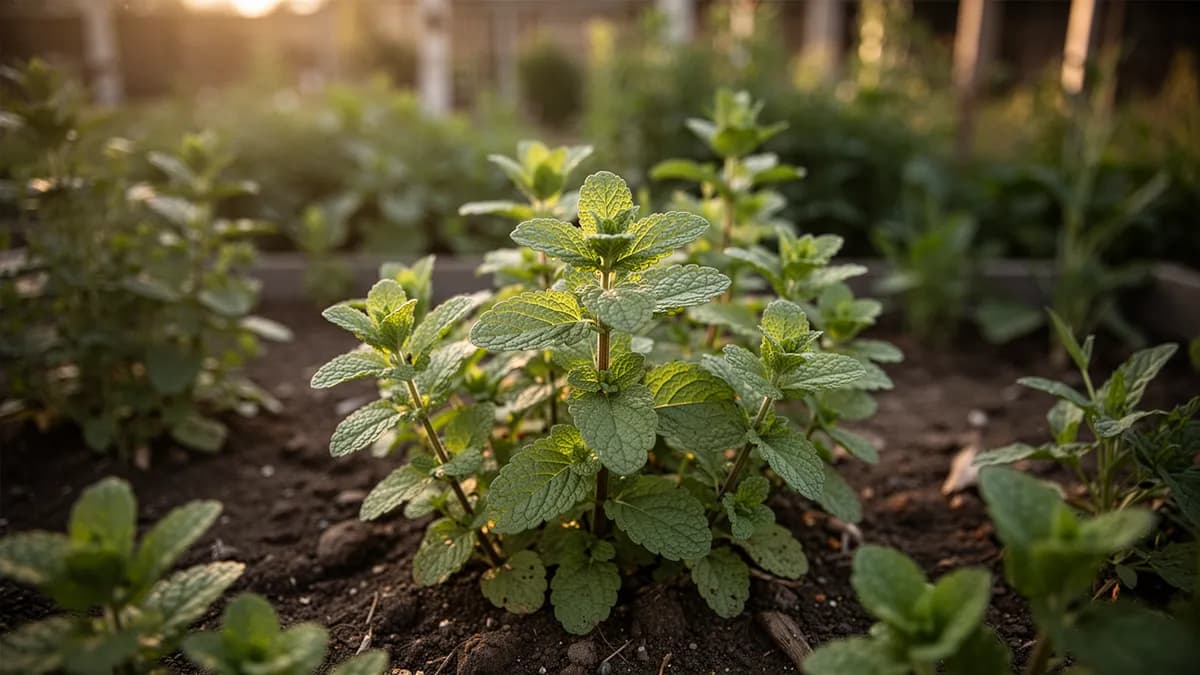
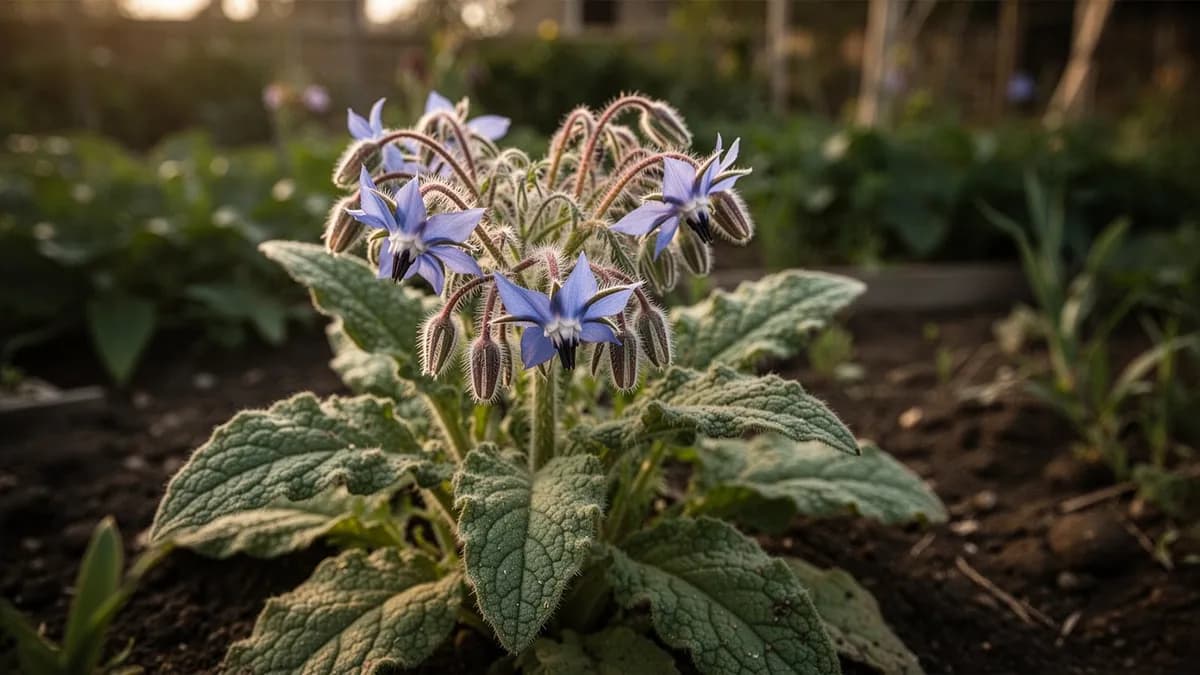
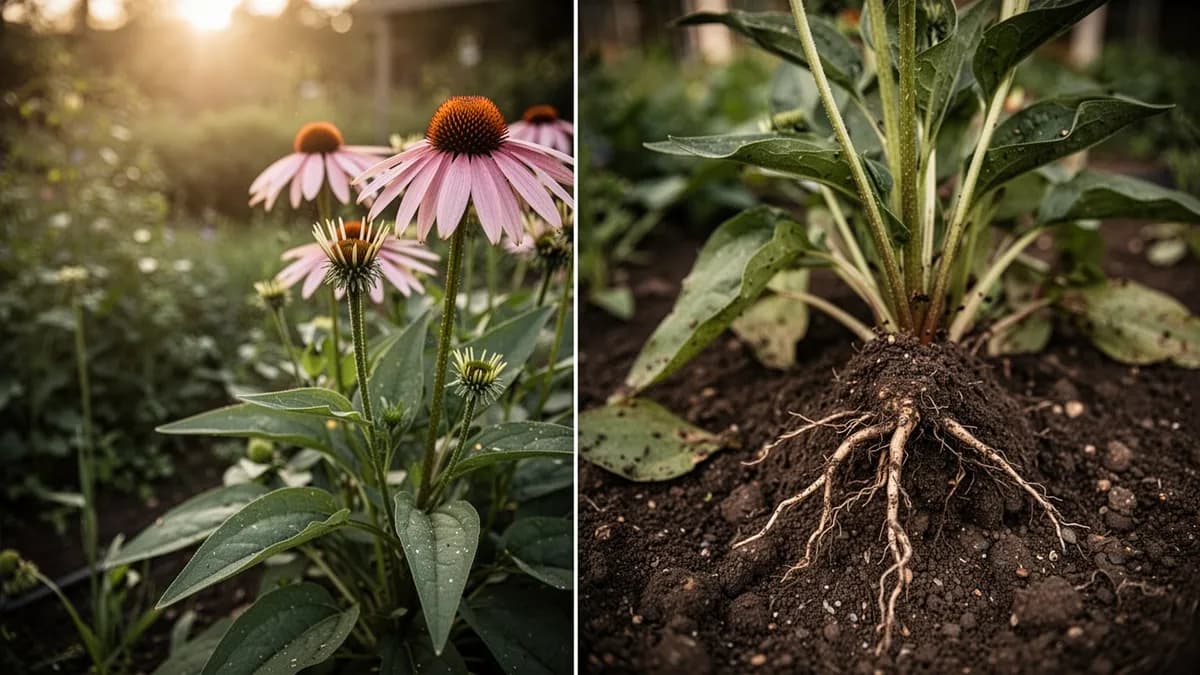
Motherwort is a valuable bee plant, attracting honeybees and bumblebees to its abundant flowers throughout summer. Plant near vegetable and fruit crops to enhance pollination. The deep root system does not compete aggressively with shallow-rooted companions. In medicinal herb gardens, grow alongside other women's health herbs like vitex, black cohosh, and raspberry leaf. The tall habit provides a good backdrop for lower-growing herbs.
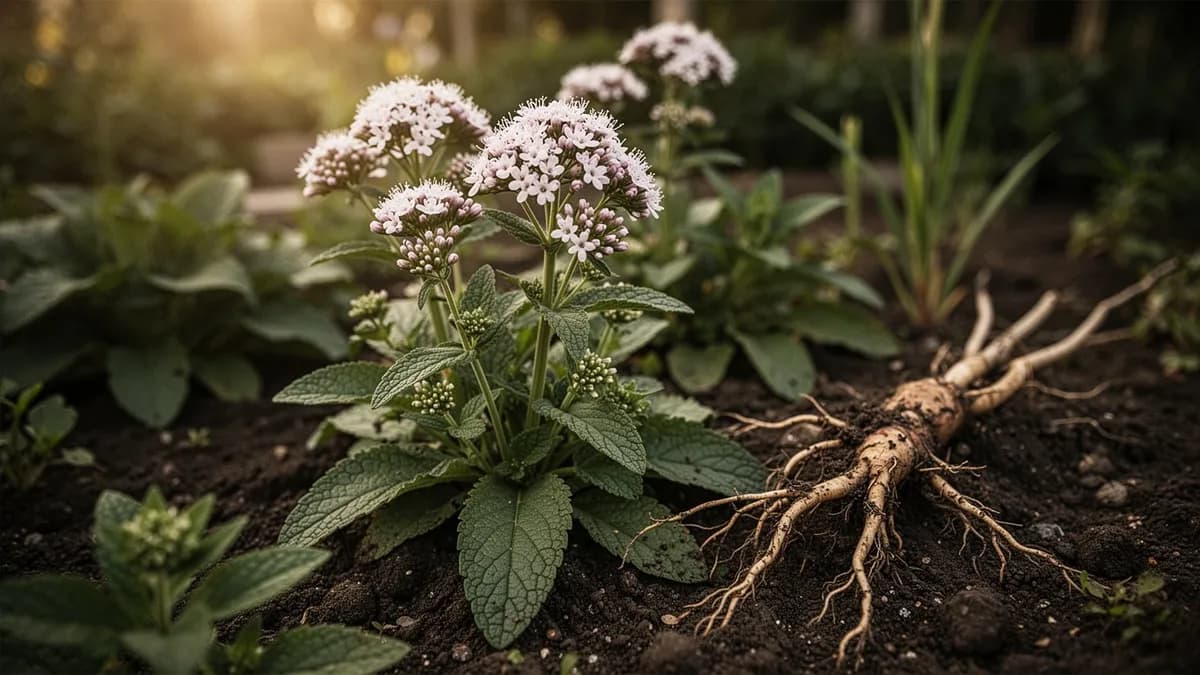
Valerian belongs beside it.
Old growers' knowledge, checked against Motherwort's real companion table below — test any plant you're growing.
Try Motherwort in a bed — right here
A real planner bed with Motherwort already in it. Tap a companion to place it and watch the pairing checks answer — green for good neighbours, red for a clash.


Related growing guides
Feed it well
Motherwort thrives in virtually any soil from poor to rich, acid to alkaline (pH 5.5-8.0). No fertilization needed—the plant is remarkably self-sufficient. Average garden soil produces healthy, productive plants. Excessive richness promotes rampant growth and self-seeding. Well-drained soil is preferable but motherwort tolerates clay. This is genuinely one of the least demanding herbs to cultivate.
Ideal Temperature
Hardiness Zone Compatibility
From seed to harvest, stage by stage
Germination
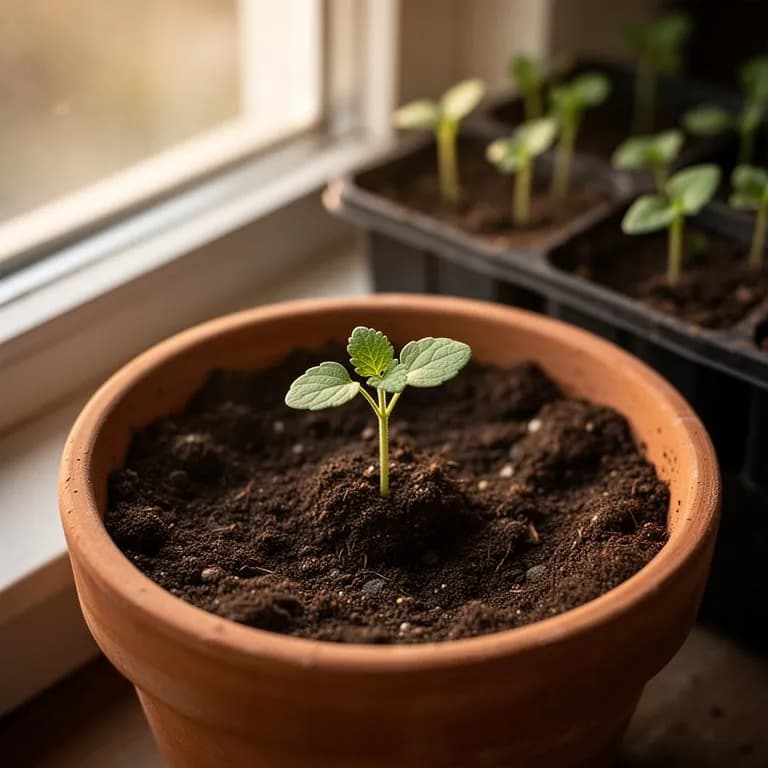
Motherwort seeds are small and require light to germinate effectively. Under favorable conditions of consistent moisture and temperatures around 18-22°C, seedlings emerge within 7-14 days. The first leaves are small, rounded cotyledons followed quickly by the first true leaves, which already show the characteristic lobed shape of the mature foliage. Fresh seed germinates most reliably, though a brief cold stratification of 1-2 weeks can improve rates with older seed.
Rosette and Root Establishment
The young plant develops a low rosette of deeply palmate leaves while simultaneously building a strong, fibrous root system. Leaves at this stage are bright green, prominently veined, and develop increasingly deep lobes as the plant matures. The characteristic square stems of the mint family begin to become evident. First-year plants may remain as rosettes and not flower until their second season.
Vegetative Growth
Stems elongate rapidly, growing upright and branching to form a bushy plant reaching 60-150 cm tall. The square stems are sturdy, ridged, and covered in fine hairs. Leaves become progressively more deeply cut as they ascend the stem, transitioning from broadly palmate lower leaves to narrowly three-lobed upper leaves. The plant puts on substantial biomass during this vigorous growth phase.
Flowering
Dense whorls of small, tubular flowers appear in the leaf axils along the upper portions of each stem, creating distinctive tiered clusters. Flowers are typically pale pink to soft purple with a hairy upper lip and a spotted lower lip. Flowering progresses from the bottom of the stem upward over several weeks. The bitter compounds and alkaloids that give motherwort its medicinal value are at their highest concentration during active flowering.
Seed Set
After pollination, each flower produces four small, angular nutlets enclosed within the persistent spiny calyx. The calyces dry to form sharp, prickly clusters along the stems. Seeds mature from the bottom of the stem upward. The spiny seed heads can persist on the plant well into winter if not removed, providing some interest to the dormant garden and food for seed-eating birds.
Dormancy and Overwintering
The aerial stems die back after hard frost, and the plant overwinters as a hardy rootstock with dormant buds at or just below the soil surface. Motherwort is extremely cold-hardy, surviving temperatures down to -35°C in USDA zones 3-8. The deep, spreading root system stores ample energy for vigorous regrowth the following spring, often producing an even larger plant than the previous year.
Surface-sow seeds and press lightly into the soil without covering — motherwort needs light for germination. Keep the seedbed consistently moist with a fine mist spray. Starting seeds indoors 6-8 weeks before the last frost date gives transplants a head start on establishing before summer heat.
Caring for Motherwort month by month
What to do each month for your Motherwort
October
You are hereAerial parts begin dying back with the first frosts. Cut stems to ground level once they have browned. Apply a light mulch of shredded leaves over the crown in zones 3-4. Divide congested clumps if needed by lifting and splitting the rootstock, replanting divisions immediately.
Know exactly what to do in your garden — every month
One email at the start of each month: what to sow, plant, and tackle right now — for your Motherwort and everything growing around it. Plus a short starter course that helps you dodge the classic mistakes.
- What to do, right now
- Matched to your season
- Starter course included
Harvesting Motherwort
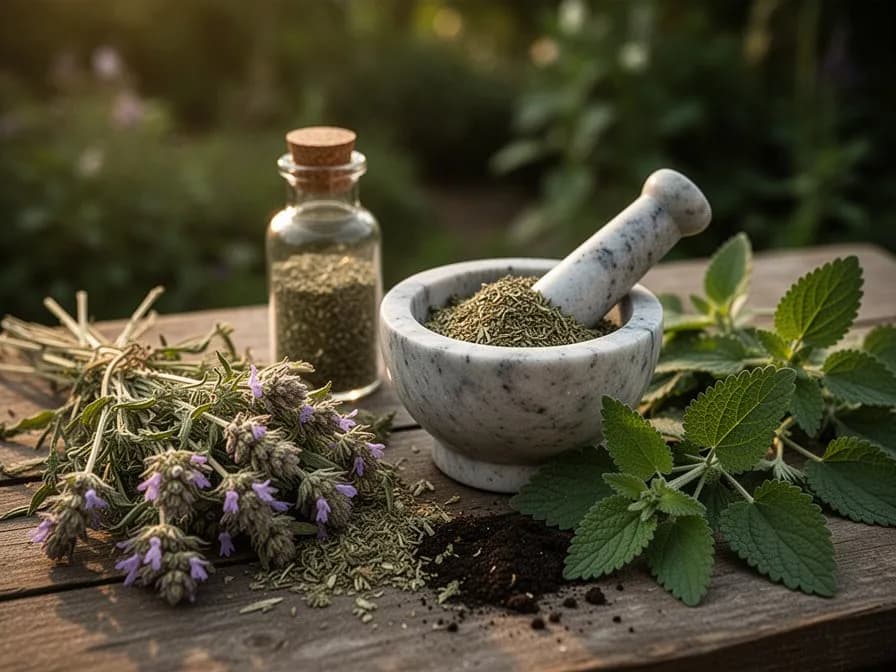
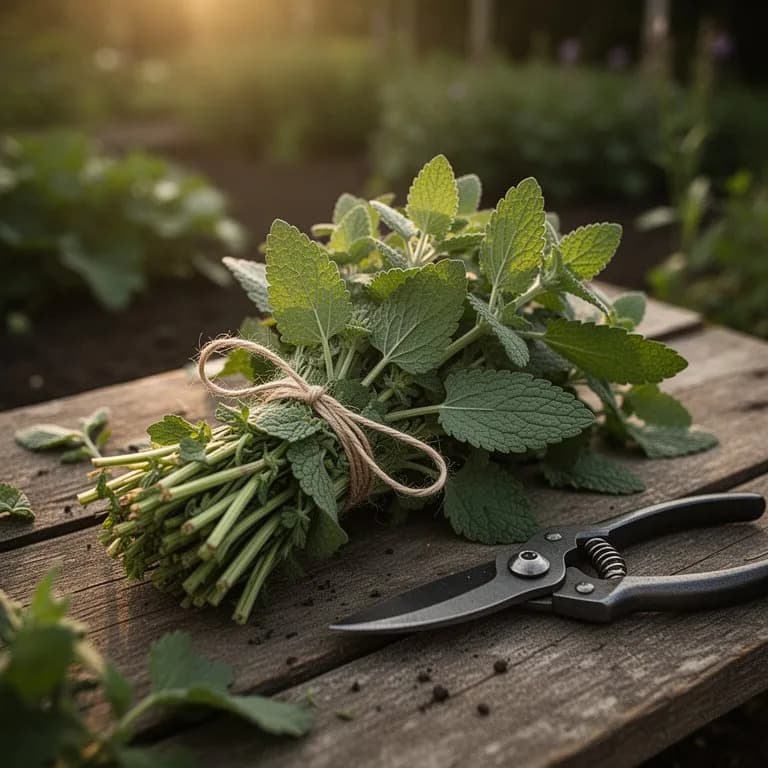
Harvest motherwort when plants are in full flower for the highest concentration of active compounds including leonurine and stachydrine. Cut the upper 30-45cm of stem including flowers and leaves. The fresh plant makes the most potent tincture—motherwort tincture is the preferred professional preparation. Handle with gloves, as the prickly seed heads can irritate skin. Dry quickly by hanging small bundles in a warm, dark area. The dried herb has a distinctly bitter taste characteristic of its medicinal activity.
assuming you plant when the window opens — set your real date
Pick Motherwort promptly and the plant keeps producing.
Storage & Preservation
Tincture fresh motherwort immediately after harvest for the most potent preparation—this is the preferred method among professional herbalists. For drying, hang small bundles in a warm, dark area for 1-2 weeks. Store dried herb in airtight jars for up to one year. The dried herb makes an extremely bitter tea that most people find unpalatable—tincture is the more practical preparation. Can also be infused in honey to mask some of the bitterness.
What goes wrong — and the fix
No Significant Problems
DiseaseMotherwort is remarkably trouble-free. Its bitter alkaloids and tough constitution deter virtually all pests and diseases.
Troubleshooting Common Problems
Aggressive self-seeding is the only significant management issue—deadhead religiously before seeds mature. The prickly dried flower whorls catch on clothing and are difficult to remove. Plants can become tall and floppy in rich soil; stake or pinch back in early summer for more compact growth. Once established, motherwort is nearly impossible to eradicate due to the prolific seed bank. Start with controlled planting and manage from there.
Growing Tips
- Motherwort seeds need light to germinate, so surface-sow them and press gently into the soil without covering. Keep the seedbed consistently moist with a fine mist spray until germination occurs in 7-14 days. Starting seeds indoors under grow lights 6-8 weeks before the last frost gives transplants a strong head start.
- Choose a planting site with partial shade to full sun and average, well-drained garden soil. Motherwort is adaptable to a wide range of conditions including poor soils, but it grows most vigorously in moderately fertile loam with consistent moisture. It tolerates clay soils better than many herbs.
- Space plants 45-60 cm apart to accommodate motherwort's bushy, branching growth habit. Good air circulation between plants helps prevent the occasional powdery mildew that can develop in humid conditions on the densely textured foliage.
- Water regularly during the first growing season while the root system establishes. Once mature, motherwort is quite drought-tolerant and needs supplemental watering only during prolonged dry spells. Plants in full sun and sandy soils will need more frequent irrigation than those in partial shade.
- Harvest the upper third of flowering stems when about two-thirds of the flower whorls are open for peak medicinal potency. Use sharp pruners or scissors, as the mature stems become tough and fibrous. The plant will respond by producing lateral shoots that may flower again later in the season.
- Be proactive about managing self-sowing if you do not want motherwort to spread throughout the garden. Remove spent flower stems before the spiny seed heads mature and drop their seeds. In favorable conditions, motherwort can self-sow prolifically and establish in unwanted areas.
- Motherwort is virtually pest-free and rarely bothered by diseases, making it an excellent low-maintenance medicinal herb. Occasional aphids on growing tips can be managed with a strong spray of water. The bitter, aromatic foliage naturally deters most browsing animals including deer and rabbits.
- Divide established clumps every 4-5 years in early spring to maintain vigor and prevent overcrowding. Lift the rootstock, split into sections with at least 2-3 growth points each, and replant at the same depth. Divisions establish quickly and will flower in their first season.
- Plant motherwort alongside other calming medicinal herbs such as lemon balm, skullcap, valerian, and passionflower to create a dedicated nervine herb garden. These companions share similar growing conditions and together provide a comprehensive home apothecary for stress and sleep support.
- For the strongest tinctures, process freshly harvested flowering tops immediately rather than drying them first. Pack chopped fresh herb into a glass jar, cover with 80-proof vodka, and steep for 6 weeks, shaking daily. Fresh-plant tinctures capture volatile compounds that may be lost during the drying process.
Grow your best Motherwort yet — and everything around it.
Start a free plan today. Lay out your beds, drop in your Motherwort, and let PlotMyGarden handle the timing, spacing, companions and reminders from seed to harvest basket.
Pick your Motherwort
Leonurus cardiaca (Common Motherwort)
The standard Western medicinal species. Deeply lobed leaves and pink flowers. Extremely hardy perennial.
Leonurus sibiricus (Siberian Motherwort)
An Asian species used in Chinese medicine (yi mu cao). Similar but distinct chemical profile. Biennial or short-lived perennial.
Dried motherwort herb sells for $10-18 per 100g at herbal apothecaries and online suppliers, while commercial motherwort tinctures typically cost $12-20 for a 60ml bottle. A single established plant producing 150-200g of dried herb annually replaces $15-36 worth of purchased herb per year. Since motherwort is an extremely hardy, low-maintenance perennial that requires minimal inputs, one planting from a $3-5 seed packet can provide enough material for years of homemade tinctures, teas, and oxymels — easily saving $80-150 over a five-year period compared to purchasing commercial preparations.
Quick recipes

Motherwort Calming Tincture
15 min + 6 weeks steepingA traditional alcohol-based extract that captures motherwort's full spectrum of cardiac-supportive and nervine compounds. This is the most effective way to preserve and use motherwort medicinally, with the bitter alkaloids and glycosides extracting efficiently into high-proof spirits. A few drops under the tongue can help ease heart palpitations and nervous tension within minutes.
4 ingredientsMotherwort Calming Tea
10 minA bitter but deeply calming herbal infusion traditionally used to soothe anxiety, ease heart palpitations, and promote restful sleep. The intensely bitter taste is part of its medicine — the bitter compounds directly stimulate the vagus nerve, helping to slow a racing heart and settle nervous tension. Honey and lemon are classic additions to soften the flavor.
5 ingredientsMotherwort Honey Oxymel
15 min + 4 weeks steepingAn ancient preparation combining the medicinal properties of motherwort with the soothing sweetness of honey and the preservative power of apple cider vinegar. Oxymels were a staple of Greek and Roman medicine, and this version makes motherwort's intensely bitter compounds far more palatable. Take a tablespoon daily as a heart and nervous system tonic, or stir into warm water as a calming beverage.
4 ingredientsWhat's inside
Health Benefits
- Contains the alkaloid leonurine, which has demonstrated mild vasodilatory and cardiac-calming effects in clinical research — supporting motherwort's centuries-old traditional use for easing heart palpitations, mild tachycardia, and anxiety-related cardiac symptoms.
- Rich in iridoid glycosides and bitter diterpenes that act as gentle nervines, helping to calm nervous tension, reduce anxiety, and promote restful sleep without causing drowsiness — making it suitable for daytime use as a stress-relieving tonic.
- Traditionally valued as a primary uterine tonic for women's health, used to help regulate menstrual cycles, ease menstrual cramps, and support recovery after childbirth — the name 'motherwort' directly reflects this deep historical association with maternal wellbeing.
- Contains significant antioxidant flavonoids including rutin and quercetin, which support cardiovascular health by helping strengthen capillary walls, improving circulation, and protecting blood vessels from oxidative damage.
- Demonstrates mild hypotensive properties in pharmacological studies, with regular use traditionally associated with supporting healthy blood pressure levels — particularly when elevated blood pressure is related to stress and nervous tension.
- Provides gentle digestive support through its bitter compounds, which stimulate the production of digestive enzymes and bile, improving appetite and nutrient absorption — the intensely bitter taste is itself part of the herb's therapeutic mechanism.
Where Motherwort comes from
Motherwort (Leonurus cardiaca) is native to Central Asia, from where it spread westward through Europe and eastward through China over thousands of years of human cultivation and natural dispersal. The plant thrives in disturbed ground, waste places, hedgerows, and alongside human settlements, earning it a place among the classic 'camp-follower' herbs that traveled with human migration routes across Eurasia.
The ancient Greeks were among the first to document motherwort's medicinal properties, particularly its effects on the heart and female reproductive system. Theophrastus and later Dioscorides mentioned it as a remedy for heart ailments and melancholy. The common name 'motherwort' — literally 'mother's herb' — reflects its centuries-old reputation as a primary remedy for women's health concerns, including menstrual irregularities, labor support, and postpartum recovery.
In medieval Europe, motherwort became one of the most important herbs in the monastery and cottage gardens. Maude Grieve's herbal records that it was widely grown in English herb gardens by the 15th century and was a standard ingredient in the herbalist's pharmacy for treating nervous heart conditions, anxiety, and female complaints. The great herbalists Culpeper, Gerard, and Parkinson all praised its virtues for settling the heart and calming the spirits. It was also planted near beehives, as apiarists valued it as an excellent nectar source.
Parallel to its European history, motherwort has been a cornerstone of Traditional Chinese Medicine for over 2,000 years under the name yi mu cao. Chinese herbalists use the closely related species Leonurus japonicus for promoting blood circulation, regulating menstruation, and supporting cardiovascular health. It appears in the Shennong Ben Cao Jing, one of the oldest known Chinese medical texts.
Motherwort arrived in North America with early European settlers and quickly naturalized across the continent. Today it grows wild throughout the northern United States and southern Canada. Modern herbalism continues to rely on motherwort as a first-line remedy for heart palpitations, anxiety-related cardiac symptoms, and nervous tension, with contemporary research confirming many of its traditional uses through the identification of active compounds including leonurine and stachydrine.
Motherwort: did you know?
Fascinating facts about Motherwort
The genus name Leonurus comes from the Greek words 'leon' (lion) and 'oura' (tail), referring to the shape of the plant's flower spike which was thought to resemble a lion's tail — an image that inspired its common name in many European languages.
Motherwort questions, answered
When should I plant Motherwort?
What are good companion plants for Motherwort?
What hardiness zones can Motherwort grow in?
How much sun does Motherwort need?
How far apart should I space Motherwort?
What pests and diseases affect Motherwort?
How do I store Motherwort after harvest?
What are the best Motherwort varieties to grow?
What soil does Motherwort need?
What is motherwort used for medicinally?
Is motherwort safe to take regularly?
Does motherwort spread aggressively in the garden?
How do I make motherwort tincture at home?
When is the best time to harvest motherwort?
Can motherwort be grown in containers?
You just read the theory. Now grow it on autopilot.
Everything that makes Motherwort fiddly — the timing, the spacing, the companions, the harvest window — is exactly what PlotMyGarden handles for you, for every plant in your garden.
A plan that knows your weather
Set your location once. Get sow, feed and harvest dates built around your real last-frost date and live forecast — no more guessing from a generic seed packet.
From the “When to plant” sectionDrag-and-drop bed planner
Design beds on a grid. Every plant snaps to its proper spacing, and you can see your whole season laid out before you spend a cent on seed.
From the “Growing guide” sectionCompanion conflicts, caught early
200+ good-and-bad pairings checked live as you plant — so a season-wrecking mistake never makes it into the ground.
From the “Companions” sectionReminders you'll actually act on
“Water the beans.” “Pick today before it turns.” Timely, specific, and tied to the plants you're really growing.
From the “Harvest” sectionSuccession, scheduled
Want a harvest for six weeks, not six days? It spaces your sowings automatically and reminds you when each new block is due.
From the “When to plant” sectionA record that gets smarter
Every harvest you log teaches it your garden. Next year's plan starts from what actually worked in your soil, not a textbook's.
From the “Overview” sectionPlant these alongside Motherwort
More Medicinal Herbs
Garden plans featuring Motherwort
Grow your best Motherwort yet — and everything around it.
Start a free plan today. Lay out your beds, drop in your Motherwort, and let PlotMyGarden handle the timing, spacing, companions and reminders from seed to harvest basket.