Mirabelle
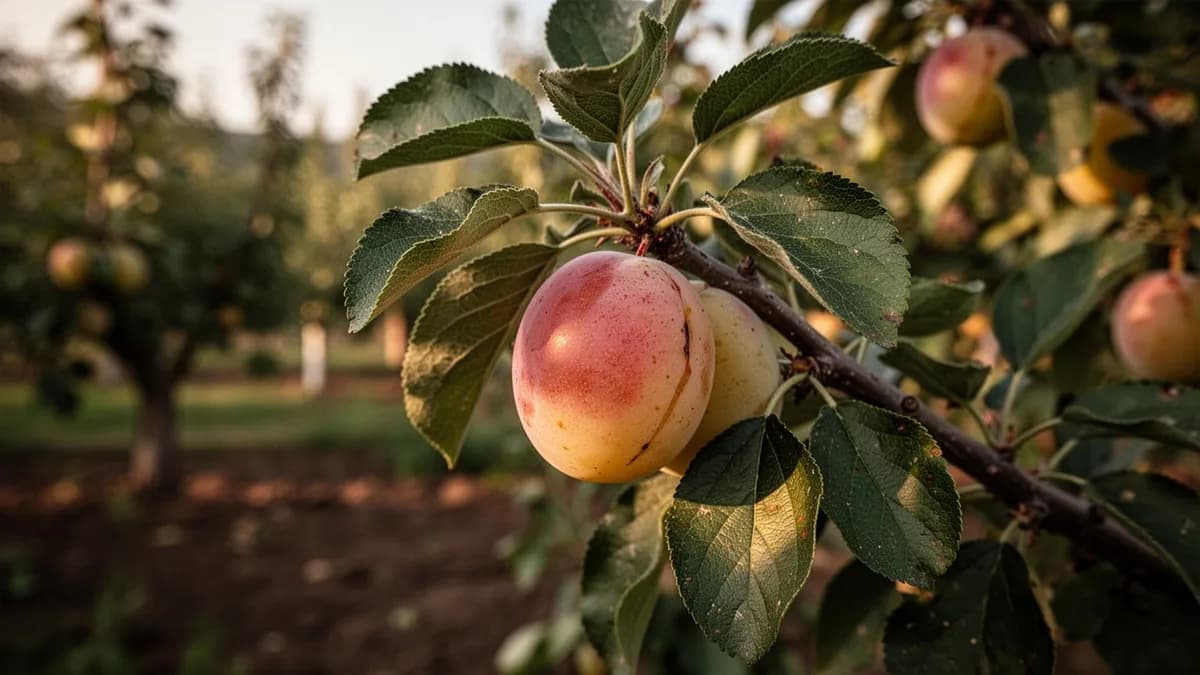
Eine kleine, goldgelbe Pflaume mit honigsüßem Geschmack, die der Stolz der Region Lothringen in Frankreich ist und für Tartes, Konfitüren und den berühmten Eau-de-vie verwendet wird.





Auf dieser SeiteÜberblick
Mirabelle im Überblick
Eine kleine, goldgelbe Pflaume mit honigsüßem Geschmack, die der Stolz der Region Lothringen in Frankreich ist und für Tartes, Konfitüren und den berühmten Eau-de-vie verwendet wird. Mirabellen sind selbstfruchtbar und unglaublich ertragreich, wobei die kleinen Früchte im Spätsommer reifen. Die Bäume sind winterhart, krankheitsresistent und gut an europäische und nordöstliche nordamerikanische Klimazonen angepasst.
Wann Mirabelle pflanzen
Mirabellenkerne benötigen eine Kältestratifikation von 90 bis 120 Tagen bei 1 Grad Celsius in feuchtem Sand vor der Keimung. Brechen Sie die harte Außenschale leicht auf, um die Wasseraufnahme zu beschleunigen, ohne dabei den Samen im Inneren zu beschädigen. Säen Sie stratifizierte Samen im Frühling einen Zentimeter tief in gut durchlässige Aussaaterde. Die Keimung dauert zwei bis sechs Wochen. Sämlings-Mirabellen können im Vergleich zu anderem Steinobst relativ sortenecht ausfallen, aber benannte Sorten werden durch Okulation oder Veredelung auf kompatible Unterlagen wie Myrobalan-Pflaume oder St. Julien A während der Ruhephase vermehrt.
Dein Mirabelle-Jahr
Abgestimmt auf Zone 7 · typische Saison · Frost geht um den 2. Apr. und kehrt um den 1. Nov. zurück
Mirabelle Feb – Mär pflanzen, Aug – Sep ernten. Beachte die Pflanzmethoden unten und wähle dein Klima für passende Zeiträume.
So baust du Mirabelle an
Mirabellen gedeihen in voller Sonne mit tiefgründigem, gut durchlässigem, mäßig fruchtbarem Boden bei einem pH-Wert von 6,0 bis 7,0. Pflanzen Sie wurzelnackte Bäume im Spätwinter bis Frühjahr, solange sie noch in der Ruhephase sind, mit einem Abstand von 4,5 bis 6 Metern bei Hochstämmen und 3 bis 3,6 Metern bei Halbstämmen. Setzen Sie die Veredelungsstelle zwei Zentimeter über die Bodenlinie und stützen Sie den Baum in den ersten zwei Jahren mit einem Pfahl. Wässern Sie nach dem Pflanzen gründlich und bringen Sie einen großzügigen Mulchring auf.
Mirabellen sind selbstfruchtbar, was sie zu einer ausgezeichneten Wahl für kleine Gärten macht, in denen nur ein einziger Baum gepflanzt werden kann. Die Erträge verbessern sich jedoch mit einem kompatiblen Bestäuber in der Nähe, wie einer anderen europäischen Pflaumensorte. Die Bäume blühen im mittleren Frühling mit Büscheln weißer Blüten, die reichlich kleine goldene Früchte hervorbringen. Erziehen Sie den Baum in offener Vasenform oder als modifizierten Mitteltrieb und schneiden Sie im Sommer, um das Krankheitsrisiko zu verringern.
Mirabellen sind unglaublich ertragreich und müssen oft ausgedünnt werden, um ein Brechen der Äste unter dem Gewicht der Früchte zu verhindern. Dünnen Sie die Fruchtansätze auf einen Abstand von fünf bis acht Zentimetern aus, wenn sie etwa murmelgroß sind. Wässern Sie während der Vegetationsperiode gleichmäßig und geben Sie während der Fruchtentwicklung wöchentlich 2,5 bis 5 Zentimeter Wasser. Bringen Sie vor der Blüte im Frühjahr einen ausgewogenen Dünger aus. Die Bäume sind von Natur aus krankheitsresistent und langlebig und benötigen weniger Pflanzenschutzmaßnahmen als andere europäische Pflaumensorten.
Für Mirabelle ist ein Beet von 120 × 240 cm zu klein
Mirabelle braucht 400 cm Platz pro Pflanze. Der Planer hält diesen Abstand für dich ein — jede Pflanze, jedes Beet.
Die besten Nachbarn für Mirabelle
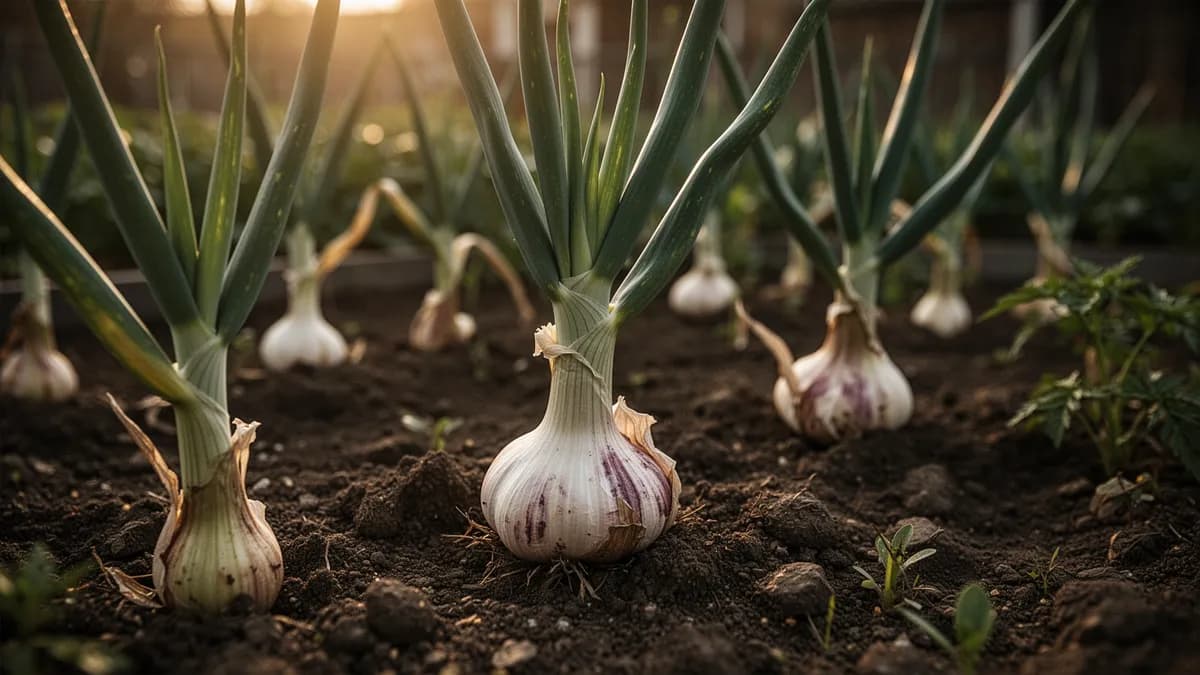
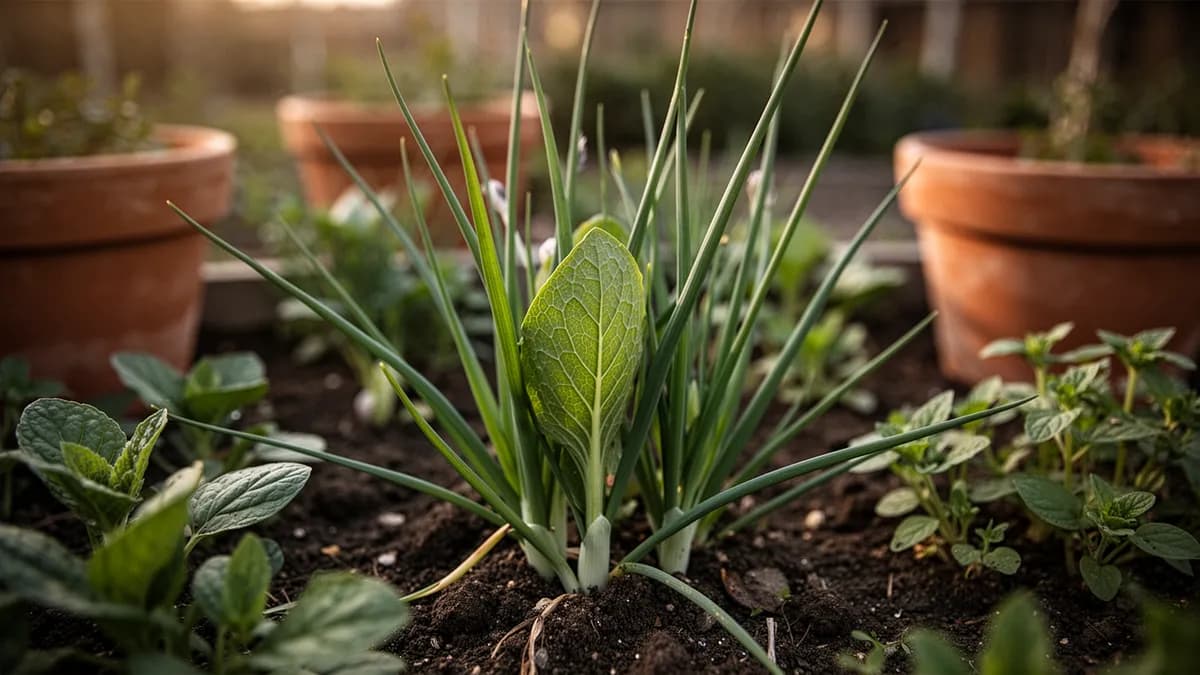
Pflanzen Sie Knoblauch und Schnittlauch rund um Mirabellenbäume, um Blattläuse und Bohrer abzuschrecken. Beinwell unter dem Kronendach liefert nährstoffreiches Mulchmaterial. Klee oder andere stickstoffbindende Gründüngungspflanzen zwischen den Reihen verbessern die Bodenfruchtbarkeit. Kapuzinerkresse lockt Blattlaus-Fressfeinde an und dient als Fangpflanze. Vermeiden Sie das Pflanzen in der Nähe von Walnussbäumen wegen Juglon-Toxizität. Lavendel und Thymian locken Bestäuber während der kritischen Frühlingsblüte an und verleihen dem Obstgartenboden Zierwert.
Knoblauch gehört daneben. Walnussbaum nicht.
Altes Gärtnerwissen, geprüft an der echten Nachbartabelle von Mirabelle — teste jede Pflanze, die du anbaust.
Probiere Mirabelle direkt hier im Beet
Ein echtes Planer-Beet, Mirabelle steht schon drin. Tippe einen Begleiter an, platziere ihn und sieh, wie die Nachbarschaftsprüfung antwortet — grün für gute Nachbarn, rot bei Streit.


Passende Anbau-Ratgeber
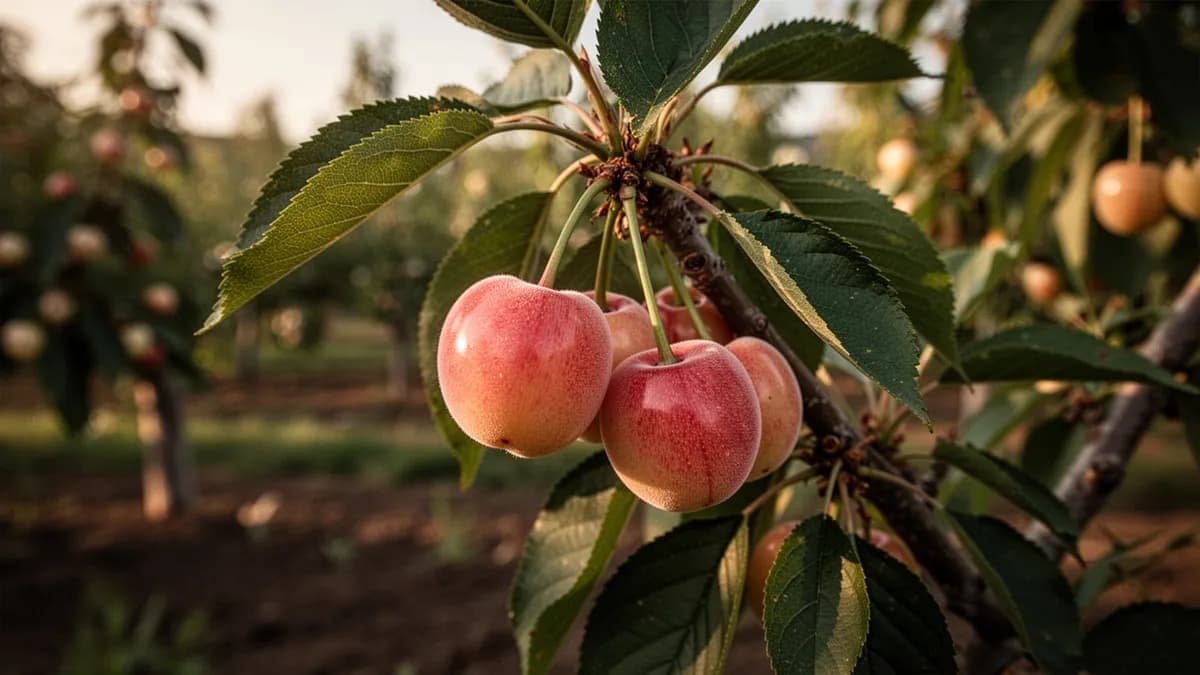
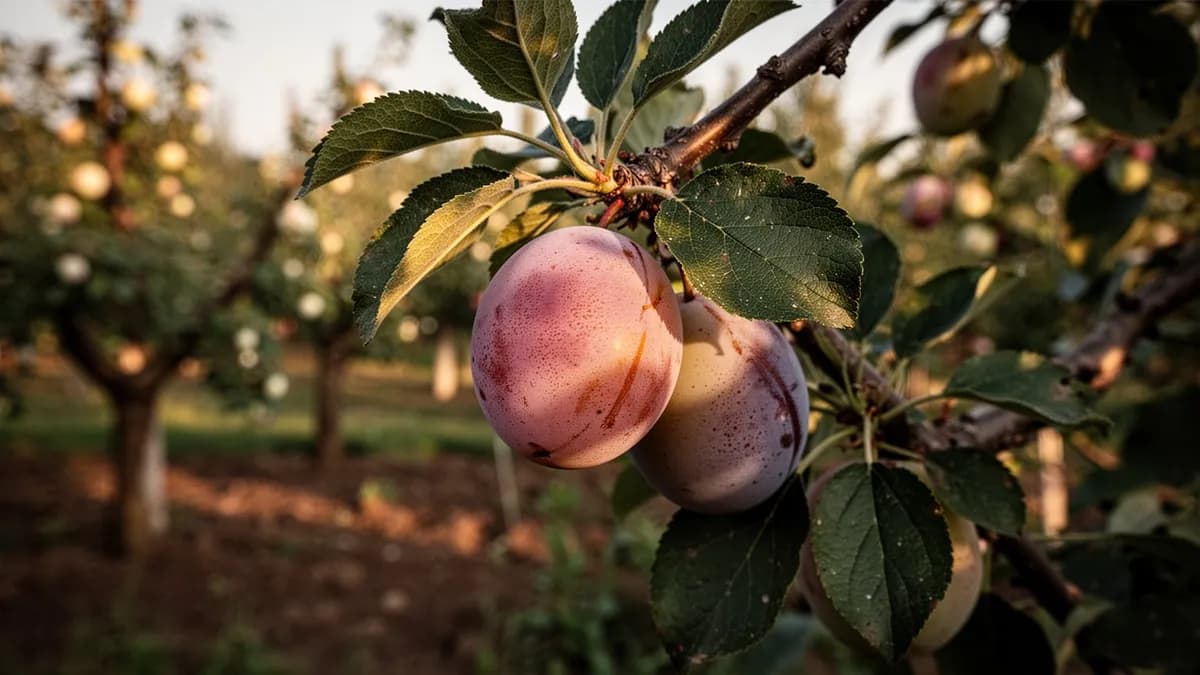
Richtig düngen
Mirabellen bevorzugen tiefgründigen, gut durchlässigen Lehmboden mit einem pH-Wert von 6,0 bis 7,0. Sie vertragen ein breiteres Spektrum an Bedingungen als viele Steinobstarten, gedeihen aber am besten in mäßig fruchtbarem Boden mit guter Struktur. Bringen Sie im Frühjahr vor der Blüte einen ausgewogenen Dünger aus, etwa 500 Gramm pro Zentimeter Stammdurchmesser, verteilt um die Kronentraufe. Vermeiden Sie übermäßige Stickstoffdüngung, die vegetatives Wachstum fördert und die Anfälligkeit für Monilia erhöht. Mulchen Sie jährlich mit Kompost und halten Sie eine organische Mulchschicht aufrecht, um Feuchtigkeit zu bewahren und Unkraut zu unterdrücken.
Ideale Temperatur
Winterhärtezone-Kompatibilität
Von der Saat zur Ernte, Schritt für Schritt
Winterruhe und Knospenschwellung
Während des Winters ruht der Mirabellenbaum in voller Winterruhe mit kahlen, schlanken Ästen. Wenn die Temperaturen im Spätwinter zu steigen beginnen, schwellen die zuvor flachen und schuppenbedeckten Knospen sichtbar an und verwandeln sich von engen dunklen Punkten in runde, silbrige Formen. Diese Kälteperiode ist essenziell: Mirabellenbäume benötigen 700–900 Stunden unter 7 °C, um die Winterruhe ordnungsgemäß zu brechen und im Frühling frei zu blühen.
Blüte und Bestäubung
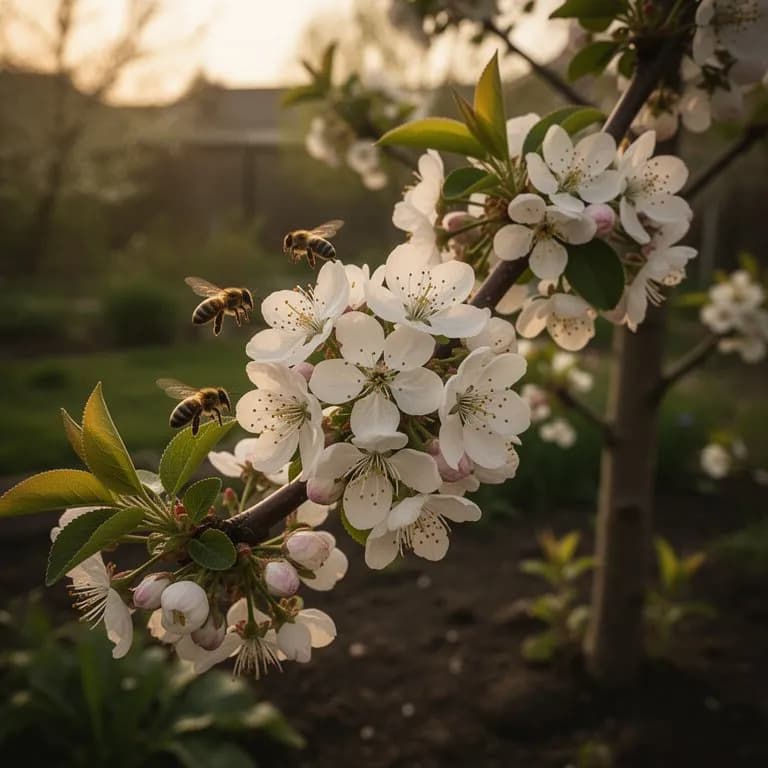
Mirabellenbäume blühen im frühen bis mittleren Frühling überreich und bedecken die Äste mit dichten Büscheln kleiner weißer Blüten, bevor die ersten Blätter erscheinen. Jede Blüte bleibt nur wenige Tage empfänglich, was die Bestäuberaktivität in diesem Zeitfenster entscheidend macht. Die meisten Mirabellensorten einschließlich der klassischen Mirabelle de Nancy sind zumindest teilweise selbstfruchtbar, aber die Ernte verbessert sich deutlich, wenn eine kompatible Pflaumen- oder andere Prunus-domestica-Sorte gleichzeitig in der Nähe blüht.
Fruchtansatz und frühe Entwicklung
Nach dem Blütenfall erscheinen winzige grüne Früchtchen an der Basis erfolgreich bestäubter Blüten. Da Mirabellenbäume dazu neigen, sehr stark anzusetzen, fallen im Spätfrühling natürlicherweise einige Früchtchen ab, aber diese Selbstausdünnung reicht oft nicht aus, um Alternanz oder Astbruch zu verhindern. Die verbleibenden Früchtchen wachsen zunächst langsam und bauen ihre Zellstruktur auf, bevor sie in die schnelle Wachstumsphase des Sommers eintreten.
Schnelles Wachstum und Farbumschlag
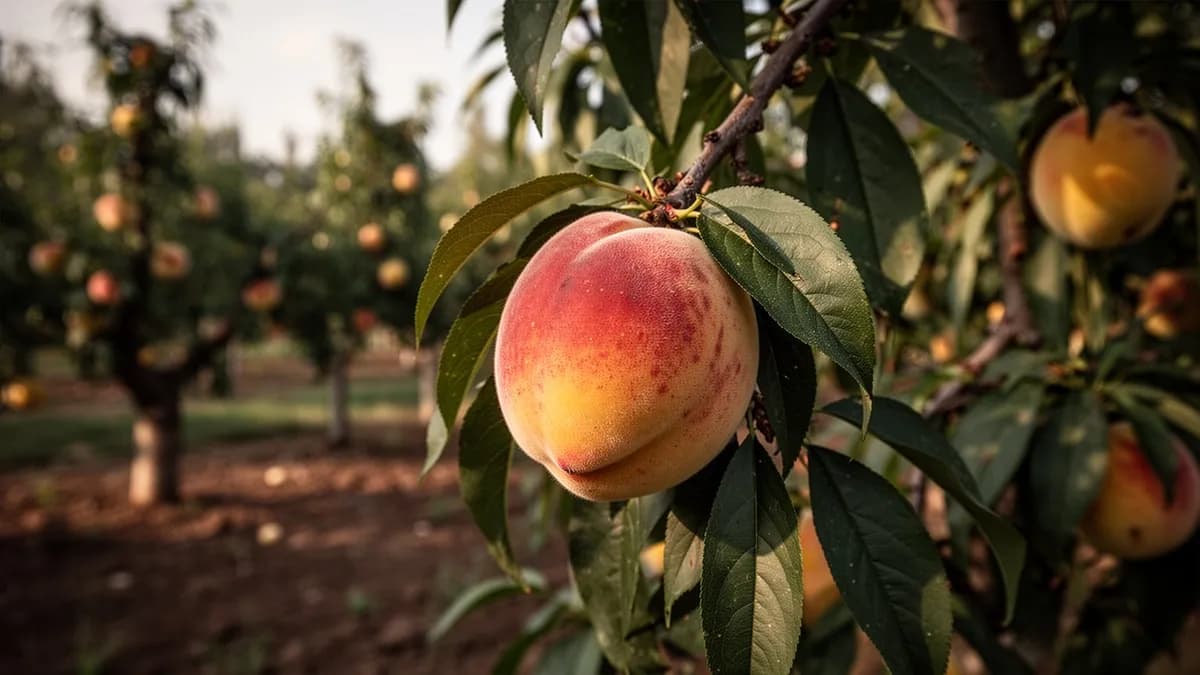
Im Hochsommer treten die Mirabellenfrüchtchen in eine schnelle Wachstumsphase ein und schwellen von Erbsengröße auf ihre volle charakteristische runde oder ovale Form von etwa 2–3 cm Durchmesser an. Die Schale wandelt sich von hartgrün über blasschartreuse zu einem leuchtenden Bernsteingold, wobei sich oft die charakteristischen rotbraunen Sommersprossen oder Berostungsflecken entwickeln, die die reifsten Früchte kennzeichnen. Der Zuckergehalt steigt stark an und das charakteristische Honig- und Aprikosenaroma intensiviert sich.
Ernte
Mirabellen reifen je nach Sorte und Klima von Ende Juli bis August, wobei die Mirabelle de Nancy etwas später reift als die kleinere, ebenso geschätzte Mirabelle de Metz. Reife Früchte geben bei sanftem Daumendruck leicht nach, lösen sich mit einer leichten Drehung sauber vom Ast und verströmen ein reiches, intensiv süßes und honigartiges Aroma. Die Schale zeigt bei optimaler Reife eine goldene Farbe mit charakteristischer Berostung und einem leichten natürlichen Duftfilm.
Erholung nach der Ernte
Nach der Fruchtbildung leitet der Mirabellenbaum die verbleibende Energie in Wurzelreserven und Holzreifung für die kommende Saison um. Die Blätter können leichte Gelbtöne annehmen, bevor sie im Mittherbst fallen. Der Baum geht bei sinkenden Temperaturen und kürzerer Tageslänge in eine allmähliche Winterruhe über und schließt den Jahreszyklus ab, der in einer weiteren spektakulären Ernte gipfeln wird.
Tragen Sie im Spätwinter vor dem Fortschreiten der Knospenschwellung eine Winterwäsche oder ein ruhendes Gartenbauöl-Spray auf, um überwinternde Blattlauseier, Schildläuse und Blattflohlarven abzutöten. Dies ist auch das beste Zeitfenster für Strukturschnitte an jungen Bäumen, wobei etablierte Bäume nur im Sommer geschnitten werden sollten, um die Milchglanzkrankheit zu vermeiden.
Mirabelle Monat für Monat pflegen
Was du jeden Monat für deine Mirabelle tun solltest
Oktober
Aktueller MonatHarken Sie alles heruntergefallene Laub zusammen und entfernen Sie alle mumifizierten Früchte, die noch an den Ästen hängen, bevor sich Sporen ausbreiten können. Pflanzen Sie neue wurzelnackte Mirabellenbäume ab Mitte Oktober, solange der Boden noch warm genug für eine erste Wurzelbildung ist. Bringen Sie eine dicke Mulchschicht aus gut verrottetem Mist oder Laubkompost um den Stammbereich auf.
Immer wissen, was jetzt im Garten zu tun ist
Eine E-Mail zum Monatsanfang: was du jetzt säen, pflanzen und anpacken solltest — für deine Mirabelle und alles, was drumherum wächst. Dazu ein kurzer Startkurs, der dich vor den klassischen Fehlern bewahrt.
- Was jetzt zu tun ist
- Passend zu deiner Saison
- Startkurs inklusive
Mirabelle ernten
Mirabellen reifen von August bis September und färben sich von grün zu goldgelb mit einem rötlichen Schimmer, wenn sie voll ausgereift sind. Die kleinen Früchte sollten sich leicht weich anfühlen und sich beim sanften Drehen leicht vom Stiel lösen. Reife Mirabellen sind unglaublich süß und aromatisch. Ernten Sie von Hand oder breiten Sie eine Plane unter dem Baum aus und schütteln Sie die Äste sanft, um reife Früchte zu lösen. Die Früchte reifen über einen Zeitraum von zwei bis drei Wochen, sodass mehrere Erntedurchgänge nötig sind. Gehen Sie behutsam vor, da die dünne Schale leicht reißt.
angenommen, du pflanzt zu Beginn des Zeitraums — trage dein tatsächliches Datum ein
Ernte Mirabelle zügig, dann trägt die Pflanze weiter.
Lagerung & Konservierung
Frische Mirabellen halten sich bei Raumtemperatur nur drei bis fünf Tage und im Kühlschrank etwa eine Woche, da sie eine dünne Schale und zartes Fruchtfleisch haben. Sie werden traditionell auf verschiedene Arten konserviert: Mirabellenkonfitüre und -aufstriche bewahren die honigsüße Süße; Tartes und Clafoutis zeigen die Frucht in der klassischen französischen Patisserie; und Eau-de-vie de Mirabelle ist ein renommierter französischer Obstbrand, der aus vergorenen Pflaumen destilliert wird. Halbierte, entsteinte Früchte einzeln einfrieren für ganzjähriges Backen. Das Einkochen in leichtem Sirup bewahrt den feinen Geschmack hervorragend.
Was schiefgeht — und die Lösung
Pflaumenstecher
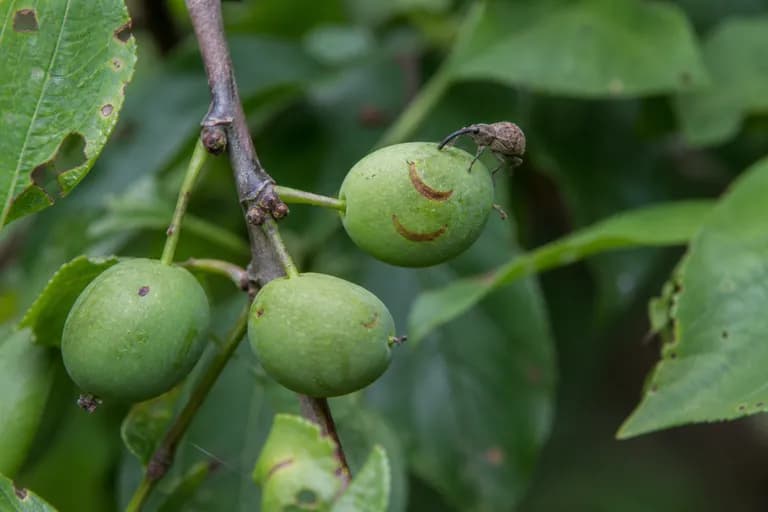
SchädlingHalbmondförmige Narben an sich entwickelnden Früchten durch Eiablage-Einstiche; wurmige Früchte mit inneren Larvenschäden; vorzeitiger Fruchtfall.
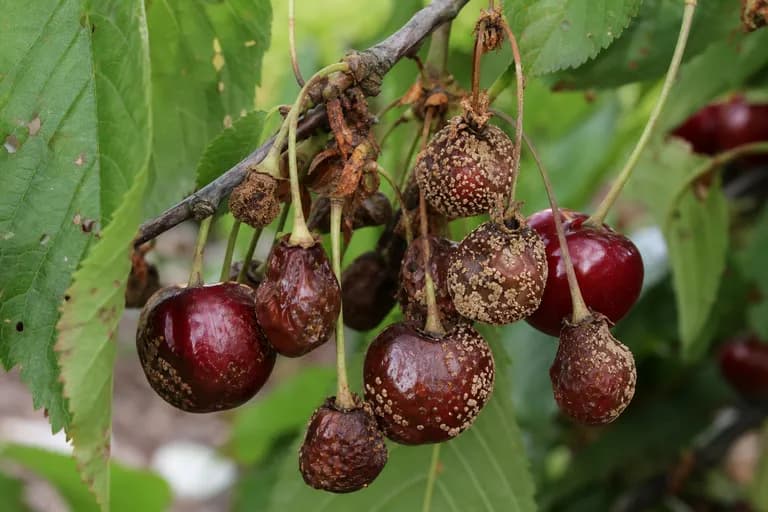
Monilia-Fruchtfäule
KrankheitFrüchte entwickeln weiche braune Flecken, die sich schnell ausbreiten, mit konzentrischen Ringen aus hellbraunen Sporenmassen; mumifizierte Früchte verbleiben an den Ästen.
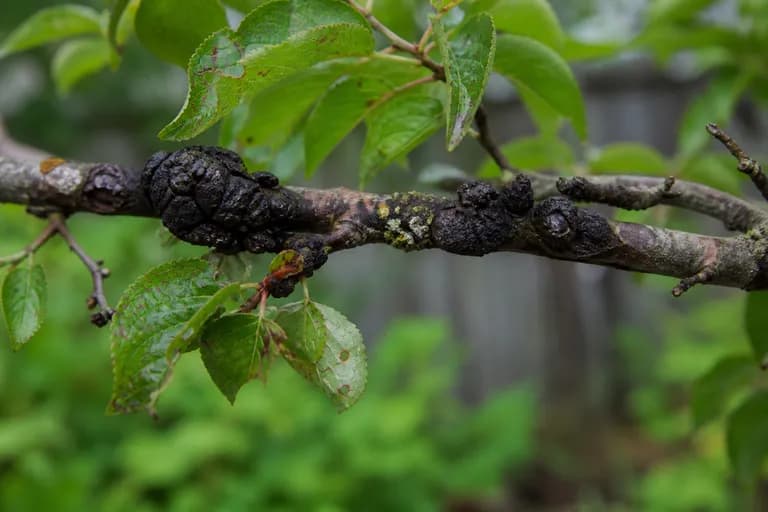
Schwarzer Knoten
KrankheitHarte, raue, schwarze Verdickungen an Ästen, die sich im Laufe der Zeit vergrößern; betroffene Äste können geringelt werden und absterben.
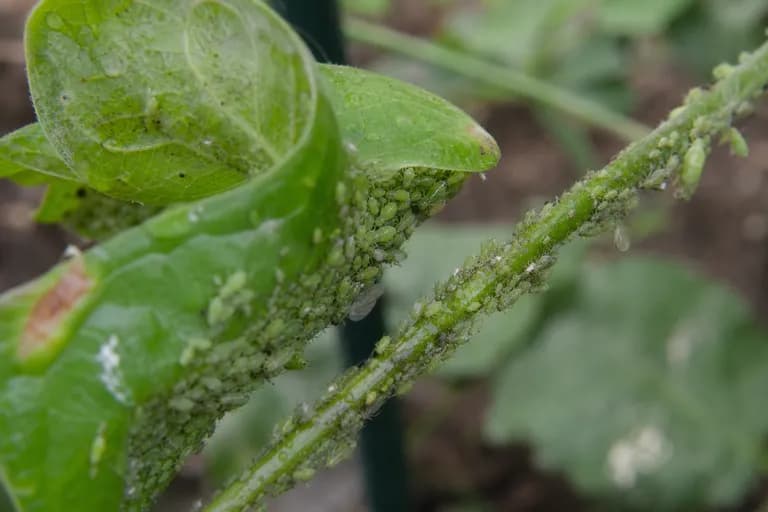
Blattläuse
SchädlingEingerollte, verformte Blätter an Neuaustrieben; klebrige Honigtau-Ablagerungen; Rußtau auf Blättern und Früchten.
Fehlerbehebung bei häufigen Problemen
Das häufigste Problem ist die schiere Menge an Fruchtproduktion, die Bäume überlasten und Äste brechen kann, wenn nicht ausreichend ausgedünnt wird. Die kleine Fruchtgröße bedeutet, dass Ernte und Verarbeitung im Vergleich zu größeren Pflaumensorten arbeitsintensiv sind. Monilia-Fruchtfäule ist die schwerwiegendste Krankheit, besonders in nassen Sommern, und erfordert sorgfältige Beseitigung mumifizierter Früchte. Der Pflaumenstecher ist ein hartnäckiger Schädling im östlichen Nordamerika. Die dünne Schale macht die Frucht für den Versand ungeeignet, weshalb Mirabellen außerhalb ihrer Anbaugebiete selten auf Märkten zu finden sind. Wespen und Vögel konkurrieren um die süßen reifen Früchte.
Anbautipps
- Wählen Sie den wärmsten, geschütztesten Platz in Ihrem Garten für eine Mirabelle, idealerweise an einer nach Süden oder Westen ausgerichteten Mauer oder einem Zaun, wo reflektierte Wärme die Fruchtreife, Zuckerentwicklung und aromatische Intensität steigert, die Mirabellen außergewöhnlich macht.
- Pflanzen Sie auf St. Julien A-Unterlage für einen mittelgroßen freistehenden Baum in den meisten Gartenböden, oder wählen Sie die schwachwüchsige Pixy-Unterlage, wenn der Platz begrenzt ist oder Sie in einem großen Kübel von mindestens 50 Litern Fassungsvermögen anbauen möchten.
- Mirabelle de Nancy und Mirabelle de Metz sind beide zumindest teilweise selbstfruchtbar, aber das gemeinsame Pflanzen beider oder zusammen mit einer anderen kompatiblen Prunus-domestica-Sorte wie Czar oder Opal erhöht den Fruchtansatz und den Gesamtertrag zuverlässig.
- Dünnen Sie die Früchte nach dem natürlichen Junifruchtfall rigoros aus, sodass einzelne Früchtchen einen Abstand von 3–5 cm haben. Mirabellenbäume setzen extrem stark an und ohne Ausdünnung produzieren sie Massen kleiner, geschmacksarmer Früchte und erschöpfen sich bis zur Alternanz.
- Schneiden Sie etablierte Mirabellenbäume nur im Sommer, zwischen Ende Juni und Mitte August, um das Risiko einer Milchglanzinfektion durch frische Schnittwunden zu minimieren. Entfernen Sie kreuzende, dicht stehende und nach unten wachsende Äste, um ein offenes, lichtdurchflutetes Kronendach zu erhalten.
- Geben Sie von Fruchtansatz im Juni bis zur Ernte im August alle zwei Wochen einen kaliumreichen Flüssigdünger wie Tomatendünger. Kalium ist das Schlüsselmineral für die Entwicklung des hohen Zuckergehalts und des komplexen Honigaromas, die hervorragende Mirabellen von durchschnittlichen unterscheiden.
- Ernten Sie Mirabellen in mehreren Durchgängen über zwei bis drei Wochen, beginnend mit den am stärksten sonnenexponierten Büscheln und weiter nach innen, wenn Farbe und Ablösbarkeit die Reife anzeigen. Eine voll ausgereifte Mirabelle sollte sich mit der sanftesten Aufwärtsdrehung vom Fruchtsporn lösen.
- Verarbeiten Sie überschüssige Früchte innerhalb von 24–48 Stunden nach dem Pflücken für beste Ergebnisse. Mirabellen lassen sich hervorragend einfrieren, wenn man sie auf Blechen auslegt und dann einfriert – so bewahren sie ihren Geschmack für Clafoutis, Tartes und Saucen während der Wintermonate, wenn frisches Steinobst eine ferne Erinnerung ist.
- Schützen Sie reifende Früchte vor Wespen, indem Sie Fallobst und aufgeplatzte Früchte unter dem Baum sofort entfernen und Wespenfallen im Kronendach aufhängen. Wespen werden vom intensiven Zuckergehalt reifer Mirabellen angezogen und können innerhalb weniger Tage einen großen Teil der Ernte vernichten.
- Netzen Sie den Baum gegen Vögel ab dem Moment ein, in dem die Früchte sich zu verfärben beginnen. Stare und Amseln sind besonders von Mirabellen angezogen und können einen schwer beladenen Ast über Nacht kahlfressen, wenn die Früchte die optimale Reife erreicht haben.
Bau deine beste Mirabelle an — und alles drumherum.
Starte heute kostenlos. Lege deine Beete an, setze deine Mirabelle ein und lass PlotMyGarden Timing, Abstände, Begleiter und Erinnerungen von der Saat bis zum Erntekorb übernehmen.
Finde deine Mirabelle
Mirabelle de Nancy
Die klassische französische Sorte mit kleinen goldenen Früchten mit roten Punkten; außergewöhnlich süß und aromatisch; der Standard für Eau-de-vie.
Mirabelle de Metz
Etwas kleiner als Nancy mit intensiverem Geschmack und tieferer Goldfärbung; die bevorzugte Sorte in Lothringen.
Ruby
Eine rothäutige Mirabellenauslese mit süßem, aromatischem Fruchtfleisch; attraktiver Zierwert mit reichlich Früchten.
Mirabelle de Flotow
Eine deutsche Auslese mit zuverlässiger Produktion und guter Krankheitsresistenz; etwas größere Früchte als die französischen Sorten.
Ein junger Mirabellenbaum kostet zwischen 25–50 € bei einer spezialisierten Obstbaumschule und beginnt innerhalb von 3–5 Jahren nach der Pflanzung mit nennenswerten Ernten. Ein ausgewachsener Baum in voller Produktion liefert jährlich 30–60 kg Früchte, was einem Wert von 100–250 € oder mehr an erstklassigen Bio-Pflaumen zu Einzelhandelspreisen entspricht – vorausgesetzt, man findet sie überhaupt, da Mirabellen fast nie in Supermärkten verkauft werden und gelegentlich auf Wochenmärkten für 5–8 € pro Kilogramm angeboten werden. Über eine produktive Lebensdauer von 30–40 Jahren kann ein einzelner Baum realistisch Früchte im Wert von 3.000–10.000 € produzieren, was ihn zu einem der finanziell lohnendsten Bäume macht, die ein Hobbygärtner pflanzen kann. Überschüssige Mirabellen lassen sich auch effizient in hochwertige Konfitüren verwandeln: Eine einzige Saisonernte kann 60–100 Gläser Konfitüre füllen, die jeweils mehrere Euro wert sind, wenn man sie auf dem Markt verkauft oder verschenkt.
Schnelle Rezepte
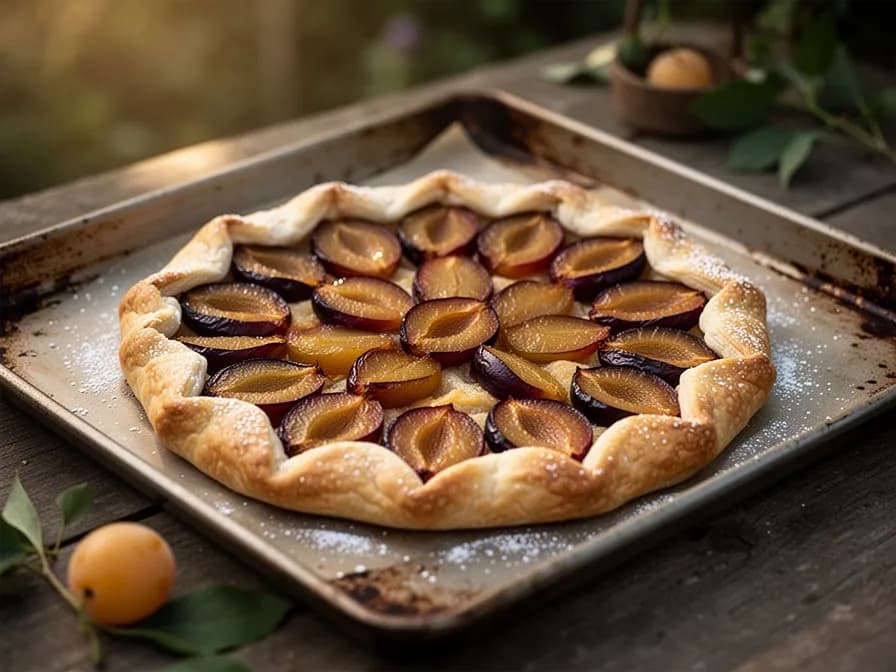
Klassische Mirabellenkonfitüre
50 Min.Die typische Konfitüre Lothringens – diese goldene Konfitüre fängt die honigartige, aprikosenähnliche Süße der Mirabellen in einem juwelenfarbenen, leicht gelierten Aufstrich ein. Das natürliche Pektin in den Kernen bedeutet, dass man eine kleine Menge geknackter Kerne in einem Mullbeutel mitkochen kann, um das Gelieren zu unterstützen, ohne kommerzielles Pektin hinzuzufügen – so bleibt der reine Fruchtgeschmack erhalten. Auf warmen Croissants oder als Schicht in Tartes genießen für ein authentisches französisches Erlebnis.
6 Zutaten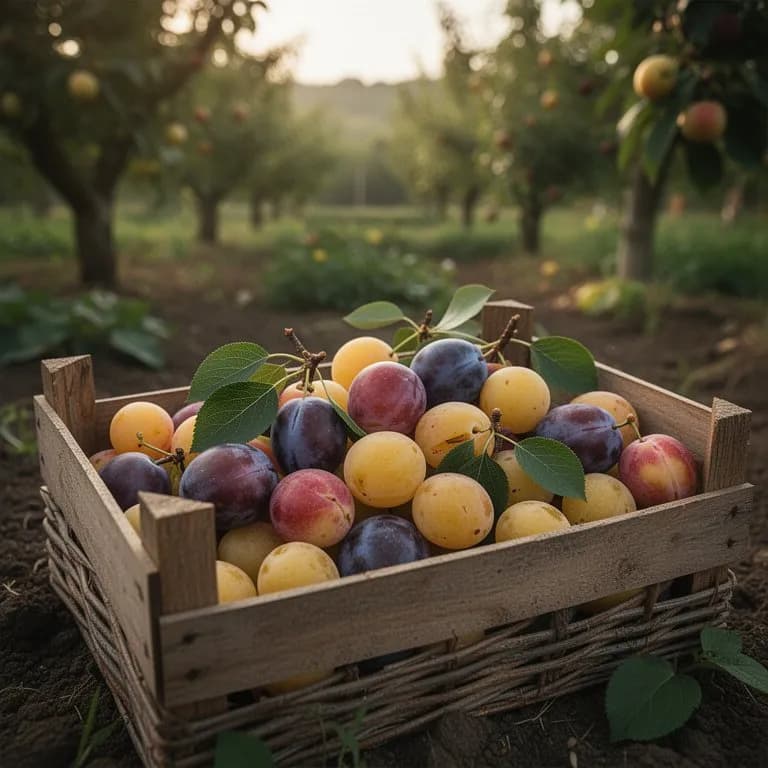
Mirabellen-Clafoutis
15 Min. plus 40 Min. BackzeitEin rustikaler französischer Eierkuchen, gefüllt mit ganzen Mirabellen, die im Ofen weich werden und karamellisieren, während der Teig um sie herum aufgeht. Clafoutis ist die einfachste und traditionellste Art, eine frische Mirabellenernte zu feiern – minimale Vorbereitung bei maximalem Geschmack. Das Ergebnis liegt zwischen einem dicken Crêpe und einem leichten Flan, am besten warm aus der Form serviert mit einer Bestäubung Puderzucker.
9 ZutatenMirabellen-Mandel-Tarte
25 Min. plus 45 Min. BackzeitEine klassische französische Pâtisserie-Kombination, die buttrigen Mürbeteig mit einer reichhaltigen Frangipane-Füllung und Reihen goldener Mirabellen verbindet, die beim Backen in die Mandelcreme einsinken. Die natürliche Säure der Mirabellen durchbricht perfekt die Reichhaltigkeit der Frangipane und schafft ein ausgewogenes, raffiniertes Dessert, das sowohl für Familienessen als auch für elegante Anlässe geeignet ist. Bei Raumtemperatur mit einem Klecks Crème fraîche servieren.
10 ZutatenKulinarische Verwendung
Mirabellen sind ein kulinarischer Schatz der französischen Küche. Die klassische Mirabellentarte aus Lothringen besteht aus halbierten Pflaumen, die auf einer Vanillecreme- oder Konditorcremebasis angeordnet und goldbraun gebacken werden. Mirabellenkonfitüre hat einen intensiv süßen, honigartigen Geschmack, der auf frischem Brot und Croissants außergewöhnlich schmeckt. Eau-de-vie de Mirabelle ist einer der renommiertesten Obstbrände Frankreichs. Die Pflaumen eignen sich hervorragend für Kompott, Clafoutis und Sorbet. Sie können halbiert und mit Honig geröstet als einfaches Dessert serviert oder zu herzhaften Gerichten mit Schwein und Ente hinzugefügt werden.
Was drinsteckt
Gesundheitsvorteile
- Außergewöhnlich reich an Polyphenol-Antioxidantien einschließlich Anthocyane, Chlorogensäure und Neochlorogensäure, die in der goldenen Schale konzentriert sind, freie Radikale neutralisieren und das Risiko von Herz-Kreislauf-Erkrankungen und bestimmten Krebsarten verringern können
- Liefert natürliches Sorbitol und lösliche Ballaststoffe, die sanft die Verdauungsmotilität unterstützen, das Wachstum nützlicher Darmbakterien fördern und die Regelmäßigkeit aufrechterhalten, ohne die aggressiven Wirkungen stimulierender Abführmittel
- Enthält Vitamin C, das eine wesentliche Rolle bei der Immunabwehr, Wundheilung, Kollagensynthese für gesunde Gelenke und Haut sowie der verbesserten Aufnahme von Nicht-Häm-Eisen aus pflanzlichen Mahlzeiten spielt
- Liefert Vitamin K und Kalium, die beide mit verbesserter Knochenmineraldichte und kardiovaskulärer Gesundheit in Verbindung gebracht werden, wobei epidemiologische Studien den regelmäßigen Verzehr von Steinobst mit verringertem Frakturrisiko und niedrigerem Blutdruck assoziieren
- Enthält entzündungshemmende Flavonoide einschließlich Quercetin und Catechine, die zur Modulation chronischer niedriggradiger Entzündungen beitragen können – einem Haupttreiber des metabolischen Syndroms, des Typ-2-Diabetes und degenerativer Gelenkerkrankungen
- Bietet trotz natürlicher Süße einen wirklich niedrigen glykämischen Einfluss, da die Kombination aus Ballaststoffen, organischen Säuren und Polyphenolen in ganzen Mirabellenfrüchten die Glukoseaufnahme verlangsamt und sie zu einer geeigneten Obstwahl für das Blutzuckermanagement macht
Woher Mirabelle stammt
Die Mirabelle gehört zur europäischen Pflaumenart Prunus domestica und teilt ihren uralten Ursprung in der Kaukasusregion nahe dem Kaspischen Meer, wo der Vorfahre aller europäischen Pflaumen vermutlich vor Tausenden von Jahren als natürliche Kreuzung zwischen der Kirschpflaume und dem Schwarzdorn entstanden ist. Die frühesten dokumentierten Hinweise auf mirabellenartige Pflaumen in französischen Quellen stammen aus dem späten fünfzehnten Jahrhundert, und im sechzehnten Jahrhundert hatte die Frucht ihre ideale Heimat im kontinentalen Klima der Region Lothringen im Nordosten Frankreichs gefunden, wo die Kombination aus heißen Sommern, kalten Wintern und besonderen Bodenverhältnissen Früchte von unübertroffener Süße und Aromatik hervorbrachte. Zwei unterschiedliche Sorten kristallisierten sich als die maßgeblichen Ausdrucksformen der Sorte heraus: Mirabelle de Nancy, eine etwas größere, rundere Frucht mit goldener Schale und ausgeprägter Berostung, die Mitte August reift, und Mirabelle de Metz, eine kleinere, ovale Frucht mit zarterer Schale, die zwei Wochen früher reift. Diese beiden Sorten wurden so tief in Kultur und Wirtschaft Lothringens verwurzelt, dass ihre Produktion schließlich durch europäisches Recht geschützt wurde, und beide tragen nun eine geschützte geografische Angabe, die die Verwendung der Lothringen-Bezeichnung auf Früchte beschränkt, die innerhalb bestimmter Gemeinden der Departements Moselle und Meuse angebaut werden. Über Frankreich hinaus breiteten sich Mirabellen allmählich nach Deutschland, Luxemburg, Belgien und andere Teile Mitteleuropas aus, wo sie ebenfalls angebaut und geschätzt werden, obwohl keine dieser Regionen an die Lothringer Ernte in Menge oder kultureller Bedeutung heranreicht. Im neunzehnten und frühen zwanzigsten Jahrhundert wurden Mirabellenbäume in Bauerngärten in ganz Großbritannien gepflanzt, wo sie an warmen, nach Süden ausgerichteten Mauern gut gediehen, und eine kleine Anzahl historischer Exemplare überlebt noch in ummauerten Küchengärten von Landsitzen. Ihre nahezu vollständige Abwesenheit in kommerziellen Lieferketten macht selbst angebaute Mirabellen zu einer der exklusivsten Früchte, die ein Gärtner produzieren kann – ein Luxus, der in keinem Geschäft zu finden wäre.
Mirabelle: Schon gewusst?
Faszinierende Fakten über Mirabelle
Die Region Lothringen im Nordosten Frankreichs produziert etwa 70 Prozent der gesamten weltweiten Mirabellenernte und besitzt eine geschützte geografische Angabe (g.g.A.) sowohl für die Mirabelle de Nancy als auch für die Mirabelle de Metz – damit sind dies die einzigen Pflaumen der Welt mit einer solchen Auszeichnung.
Mirabelle: Fragen & Antworten
Wann sollte ich Mirabelle pflanzen?
Was sind gute Begleitpflanzen für Mirabelle?
In welchen Winterhärtezonen kann Mirabelle wachsen?
Wie viel Sonne braucht Mirabelle?
Welchen Abstand sollte ich zwischen Mirabelle lassen?
Welche Schädlinge und Krankheiten befallen Mirabelle?
Wie lagere ich Mirabelle nach der Ernte?
Was sind die besten Mirabelle-Sorten zum Anbauen?
Welchen Boden braucht Mirabelle?
Sind Mirabellen selbstfruchtbar?
Warum ist es so schwierig, Mirabellen in Geschäften zu finden?
Wann genau reifen Mirabellen und woran erkenne ich, dass sie pflückreif sind?
Wie verhindere ich, dass mein Mirabellenbaum ein Jahr stark trägt und im nächsten fast nichts produziert?
Können Mirabellen in einem kalten oder nördlichen Klima angebaut werden?
Was ist die beste Methode, um eine große Mirabellenernte zu konservieren?
Du hast die Theorie gelesen. Jetzt baue sie auf Autopilot an.
Alles, was Mirabelle knifflig macht — das Timing, die Abstände, die Begleiter, das Erntefenster — genau das übernimmt PlotMyGarden für dich, für jede Pflanze im Garten.
Ein Plan, der dein Wetter kennt
Standort einmal festlegen. Aussaat-, Dünge- und Erntedaten rund um deinen echten letzten Frosttermin und die Live-Vorhersage — kein Raten mehr nach Saattüte.
Aus dem Abschnitt „Pflanzzeit“Beetplaner per Drag & Drop
Beete auf einem Raster gestalten. Jede Pflanze rastet im richtigen Abstand ein, und du siehst die ganze Saison, bevor du einen Cent für Saatgut ausgibst.
Aus dem Abschnitt „Anbau“Begleiter-Konflikte früh erkannt
Über 200 gute und schlechte Kombinationen werden beim Pflanzen live geprüft — so landet ein saisonruinierender Fehler nie in der Erde.
Aus dem Abschnitt „Begleiter“Erinnerungen, nach denen du wirklich handelst
„Gieß die Bohnen.“ „Heute ernten, bevor's umschlägt.“ Pünktlich, konkret und auf deine echten Pflanzen bezogen.
Aus dem Abschnitt „Ernte“Staffel-Aussaat, geplant
Sechs Wochen ernten statt sechs Tage? Die App verteilt deine Aussaaten automatisch und erinnert dich, wenn der nächste Satz fällig ist.
Aus dem Abschnitt „Pflanzzeit“Ein Verlauf, der schlauer wird
Jede protokollierte Ernte bringt der App deinen Garten bei. Der Plan fürs nächste Jahr startet bei dem, was in deinem Boden wirklich funktioniert hat.
Aus dem Abschnitt „Überblick“Pflanze diese neben Mirabelle
Weitere Steinobst
Halte Mirabelle von diesen fern
Bau deine beste Mirabelle an — und alles drumherum.
Starte heute kostenlos. Lege deine Beete an, setze deine Mirabelle ein und lass PlotMyGarden Timing, Abstände, Begleiter und Erinnerungen von der Saat bis zum Erntekorb übernehmen.