Marshmallow Root
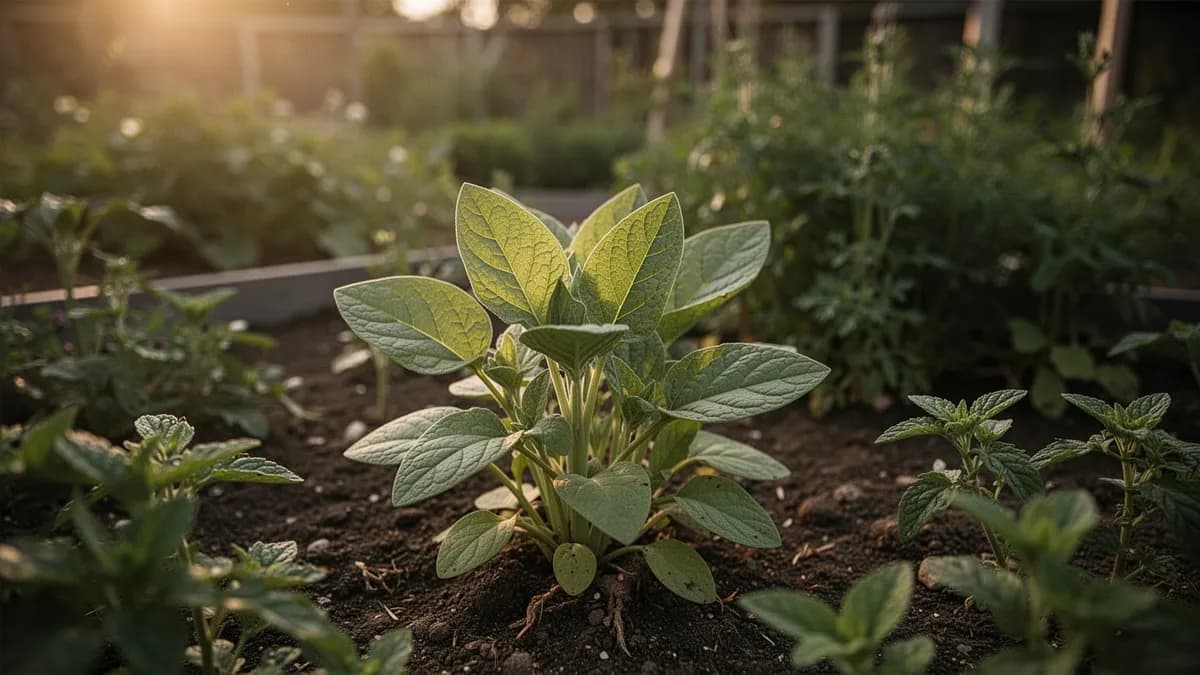
A tall perennial with soft, velvety leaves and pale pink flowers whose mucilaginous root was the original ingredient in marshmallow candy.





On this pageOverview
Meet Marshmallow Root
A tall perennial with soft, velvety leaves and pale pink flowers whose mucilaginous root was the original ingredient in marshmallow candy. The dried root makes a soothing, slightly sweet tea traditionally used for throat and digestive comfort. Grow in moist, rich soil and harvest roots in autumn of the second year when mucilage content is highest.
When to plant Marshmallow Root
Marshmallow germinates readily from fresh seed sown in autumn for natural cold stratification, or in spring after 4-6 weeks of cold stratification in the refrigerator. Sow seeds on the surface of moist seed compost, pressing gently but not covering, as light aids germination. Keep at 15-20°C and expect seedlings in 2-3 weeks. Transplant when large enough to handle, spacing 45cm apart. Plants from seed typically reach harvestable root size by the end of the second growing season. Division of established clumps in spring is the quickest propagation method.
Your Marshmallow Root Year
Composed for Zone 7 · typical seasons · frost passes Apr 2, returns Nov 1
Plant Marshmallow Root Mar – May, pick Oct – Nov. Check the planting methods below and set your climate to personalize these windows.
How to grow Marshmallow Root
Marshmallow root is a stately perennial native to marshy areas of Europe, western Asia, and North Africa. Growing 1-1.5 meters tall with soft, downy grey-green leaves and clusters of pale pink to white flowers, it is both ornamental and medicinal. The plant thrives in moist, fertile conditions that would be too wet for most other herbs, making it perfect for damp borders, rain gardens, and pond margins.
Plant in spring in rich, moisture-retentive soil in full sun to partial shade. Marshmallow naturally grows in damp meadows and salt marshes, so it tolerates a wide range of conditions including slightly saline soils. Keep the soil consistently moist throughout the growing season—unlike many herbs, marshmallow genuinely prefers wet feet and will not thrive in dry conditions.
The plant dies back completely in winter and emerges vigorously in spring. Cut back dead stems in late autumn or early spring. Established clumps can be divided every 3-4 years to maintain vigor and increase stock. Marshmallow self-seeds readily in favorable conditions, so deadhead spent flowers if you want to prevent spreading. The plant is very cold-hardy and requires no winter protection in most climates.
10 plants fit a 4 × 8 ft bed
Each Marshmallow Root wants 45 cm of elbow room. The planner keeps that spacing for you — every plant, every bed.
Marshmallow Root's best neighbours
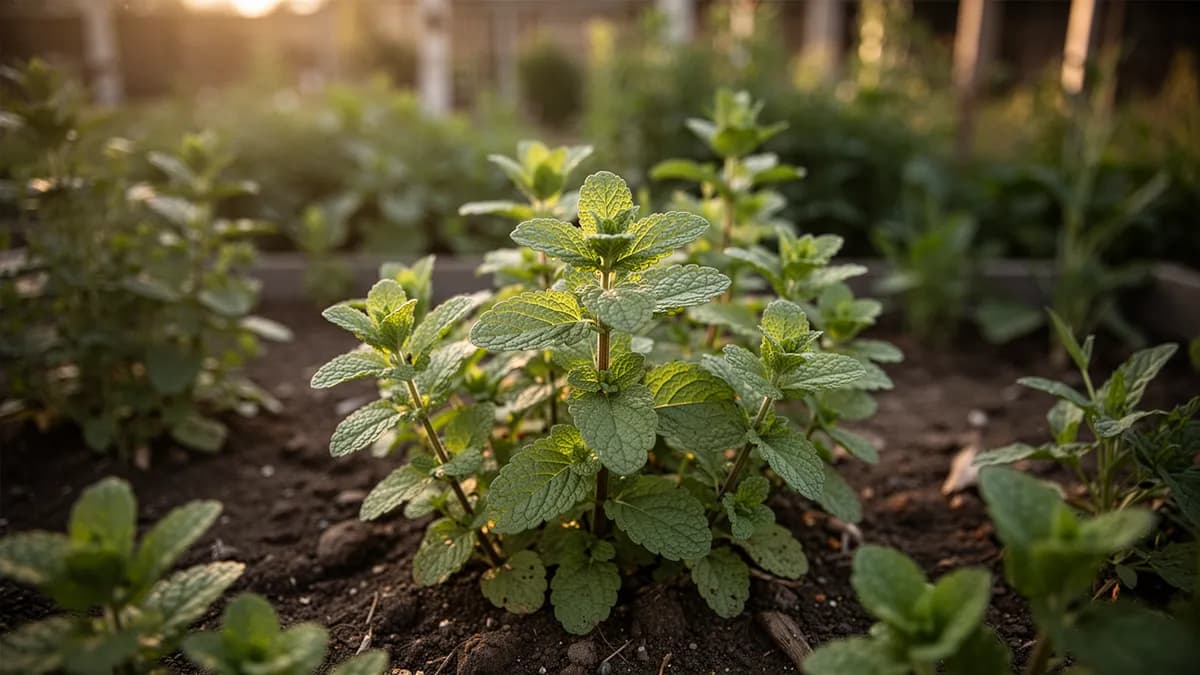
Marshmallow pairs naturally with other moisture-loving herbs including meadowsweet, valerian, and angelica. Its tall stature provides light shade for lower-growing moisture-lovers like watercress and water mint. The deep taproot accesses nutrients from lower soil layers that benefit neighboring shallow-rooted plants. Marshmallow flowers attract hoverflies, bees, and other pollinators that benefit the entire garden. Plant near vegetable gardens where its pollinator attraction increases fruit set on nearby crops.
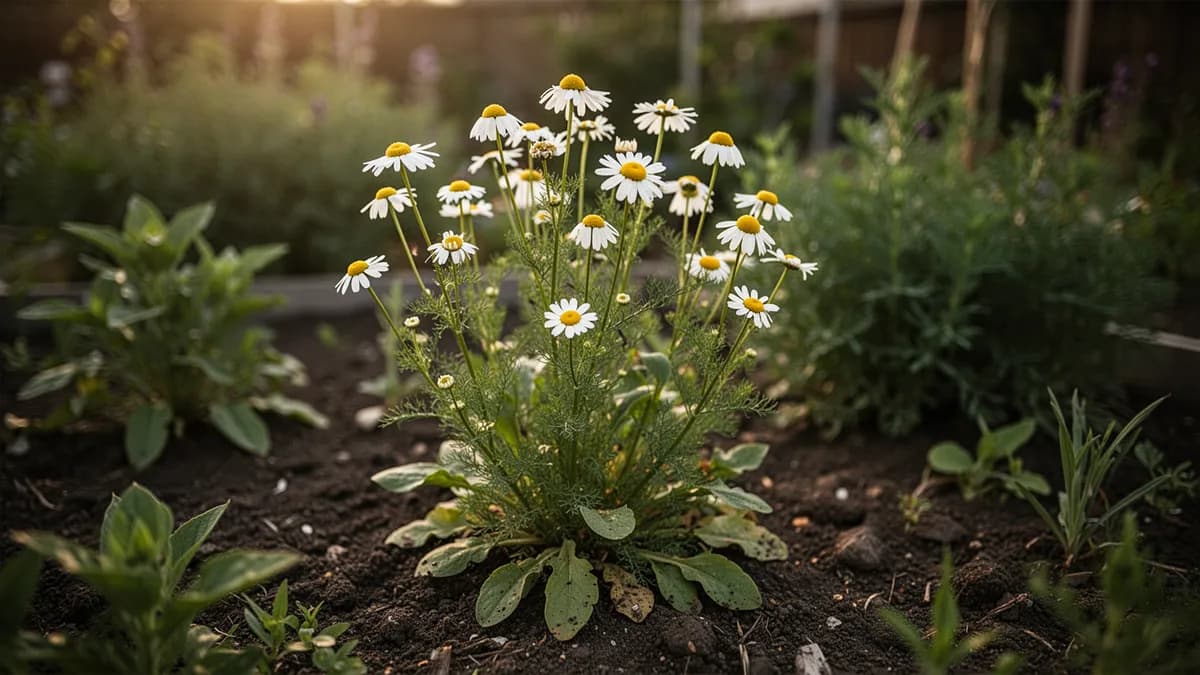
Chamomile belongs beside it.
Old growers' knowledge, checked against Marshmallow Root's real companion table below — test any plant you're growing.
Try Marshmallow Root in a bed — right here
A real planner bed with Marshmallow Root already in it. Tap a companion to place it and watch the pairing checks answer — green for good neighbours, red for a clash.


Related growing guides
Feed it well
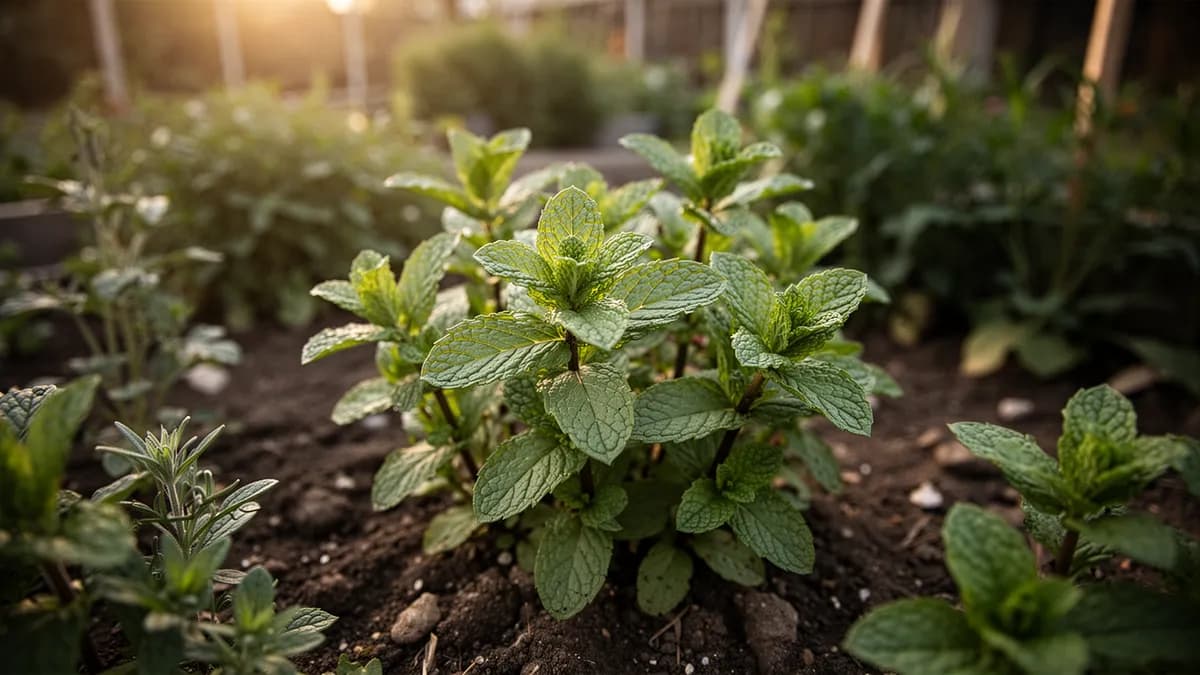
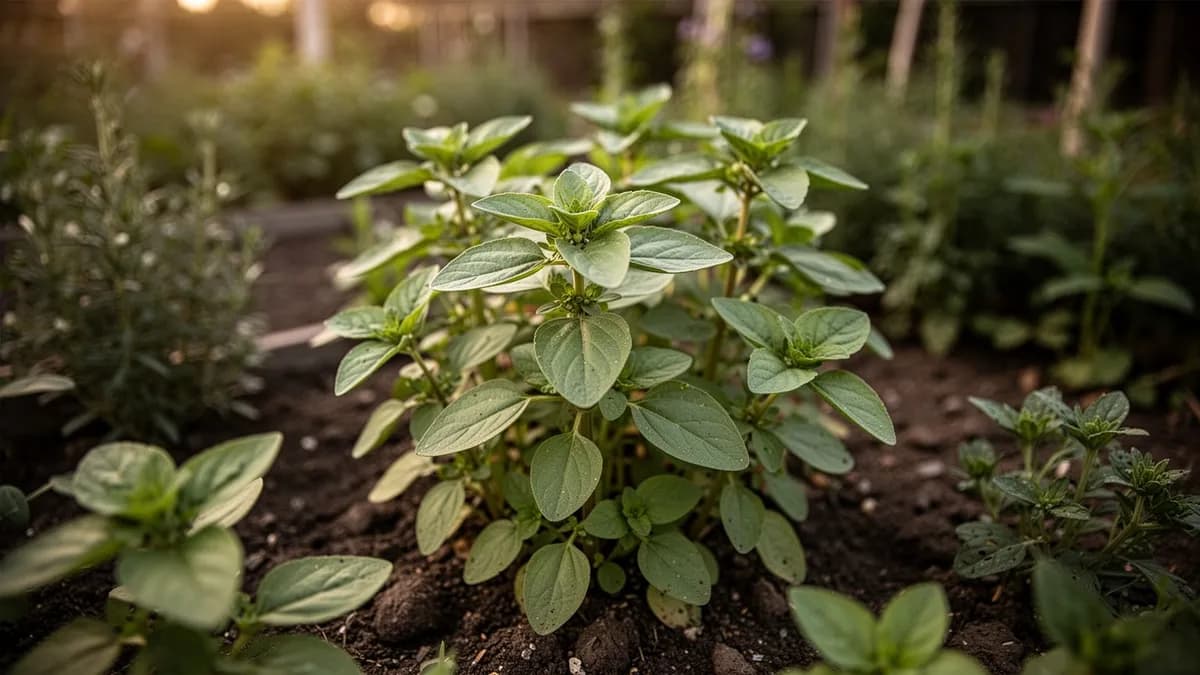
Marshmallow thrives in deep, fertile, moisture-retentive soil with a pH of 6.0-8.0. It naturally grows in marshes and riverbanks, so heavy clay soils enriched with organic matter suit it well—the opposite of most herbs. Incorporate generous amounts of well-rotted compost or aged manure before planting. Top-dress with compost annually in spring. Marshmallow tolerates mildly saline soils, making it suitable for coastal gardens. For the largest roots, ensure deep, loose soil free of compaction to at least 45cm depth.
Ideal Temperature
Hardiness Zone Compatibility
From seed to harvest, stage by stage
Seed Stratification and Sowing
Marshmallow seeds benefit from a 4-6 week cold stratification period to break dormancy. Sow seeds on the surface of moist seed-starting mix, pressing them lightly into the soil with minimal covering. Alternatively, direct-sow in early spring while the soil is still cool.
Germination
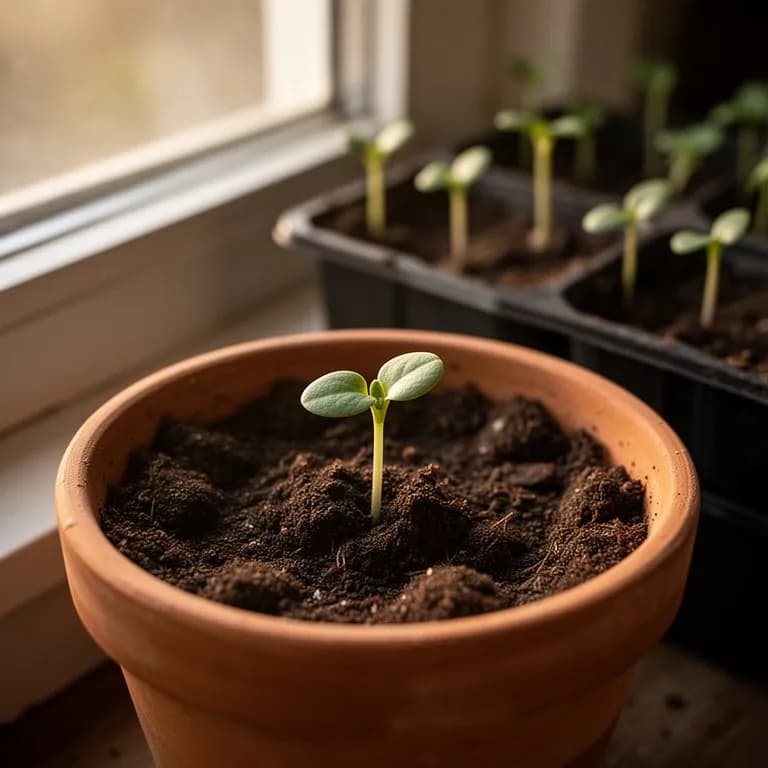
Seedlings emerge with small, rounded cotyledon leaves. Growth is slow at this stage as the plant focuses on establishing its root system. The first true leaves are slightly fuzzy and rounded with scalloped edges.
Vegetative Growth
The plant develops its characteristic soft, velvety leaves covered in fine hairs. Stems thicken and the plant begins to grow upright, reaching 30-60 cm during the first season. The root system expands rapidly, forming the thick, fleshy taproot that is the primary harvest target.
Flowering
From midsummer into early autumn, clusters of pale pink to white five-petalled flowers appear in the upper leaf axils. Each flower is 3-5 cm across with a prominent central column of purple stamens. Bees and butterflies are strongly attracted to the blooms.
Seed Set
After pollination, each flower produces a ring of flat, disc-shaped seeds arranged in a characteristic circular cluster sometimes called a cheese due to its resemblance to a wheel of cheese. Seeds mature from green to brown as they ripen.
Dormancy and Root Harvest
As temperatures drop in autumn, the above-ground growth dies back. The plant stores energy and mucilage in its thick, white taproot. This is the ideal time to harvest roots from plants that are at least two years old, when mucilage content is at its peak.
If starting indoors, place seeds in a damp paper towel inside a sealed bag in the refrigerator for 4-6 weeks before sowing. This mimics winter conditions and dramatically improves germination rates.
Caring for Marshmallow Root month by month
What to do each month for your Marshmallow Root
October
You are herePrimary root harvest month. Dig roots after the first frost when the above-ground growth has died back and mucilage concentration is highest. Wash, peel, slice into rounds, and dry on racks in a warm, well-ventilated space.
Know exactly what to do in your garden — every month
One email at the start of each month: what to sow, plant, and tackle right now — for your Marshmallow Root and everything growing around it. Plus a short starter course that helps you dodge the classic mistakes.
- What to do, right now
- Matched to your season
- Starter course included
Harvesting Marshmallow Root
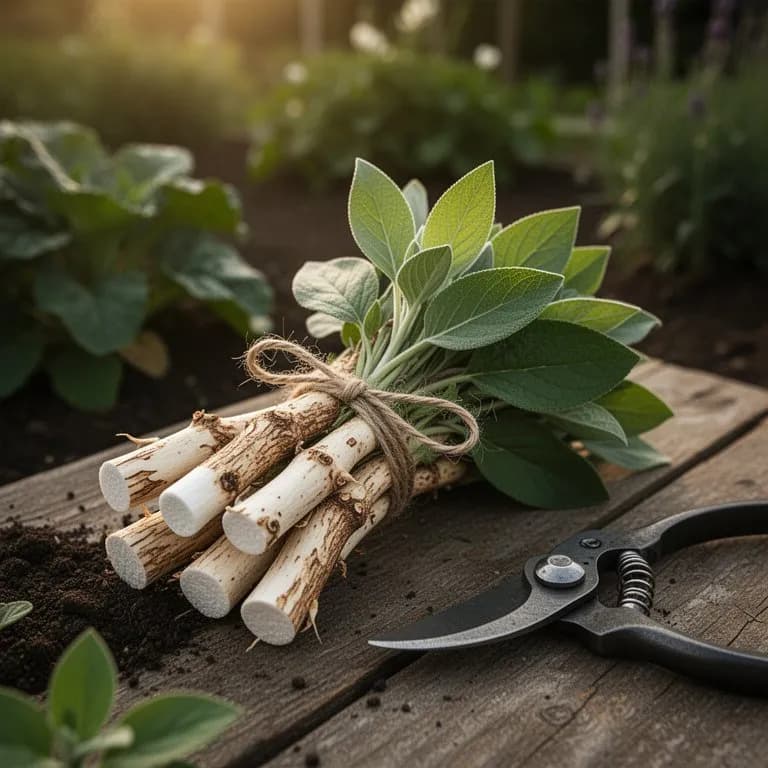
Harvest marshmallow roots in autumn of the second year when mucilage content is highest. The best time is after the first frost when the tops have died back and the plant has directed its energy into root storage. Dig carefully with a fork around the entire root zone, as the thick taproots grow deep. Shake off soil, wash thoroughly under running water, and scrub with a stiff brush. Leave some root pieces in the ground to regenerate the plant. Young leaves and flowers can also be harvested during summer for fresh use in salads or tea.
assuming you plant when the window opens — set your real date
Pick Marshmallow Root promptly and the plant keeps producing.
Storage & Preservation
After washing, peel the thick outer bark from roots and slice into thin rounds or strips for uniform drying. Dry at 35-40°C in a dehydrator, or spread on screens in a warm, well-ventilated room for 1-2 weeks. Roots are ready when they snap cleanly rather than bending. Store dried root in airtight glass jars away from light and moisture—properly dried marshmallow root keeps for 2-3 years. For cold infusions, which extract the most mucilage, soak dried root in cold water overnight and strain in the morning.
What goes wrong — and the fix
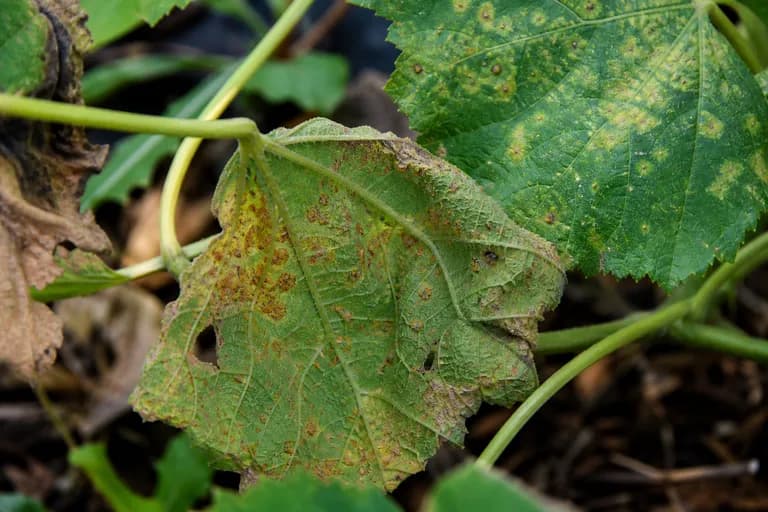
Hollyhock Rust
DiseaseOrange-brown pustules on leaf undersides with corresponding yellow spots on upper surfaces. Leaves may wither and drop. Marshmallow is in the mallow family and is susceptible to the same rust as hollyhocks.
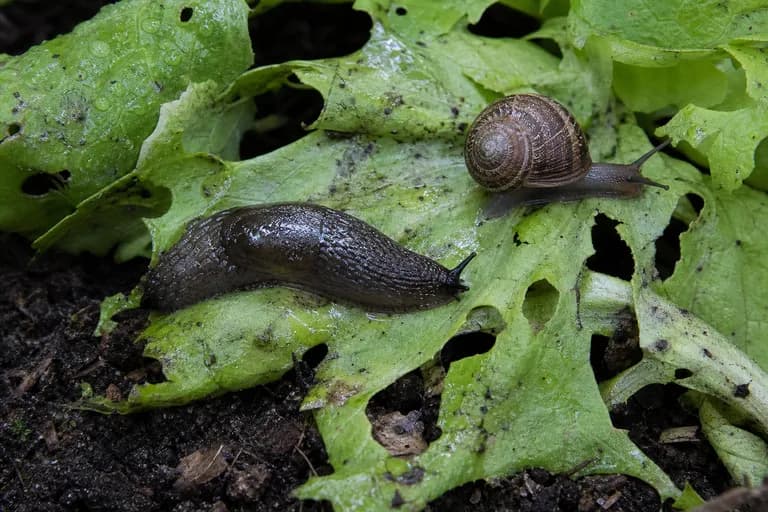
Slugs and Snails
PestRagged holes in the soft, velvety leaves, particularly on young spring growth. Silvery slime trails visible on leaves and surrounding soil.

Japanese Beetles
PestSkeletonized leaves with only veins remaining. Metallic green and copper beetles feeding openly on foliage during summer.
Troubleshooting Common Problems
Marshmallow's main requirement is consistent moisture—the plant struggles in dry conditions and will not produce substantial roots without adequate water. Yellowing lower leaves usually indicate drought stress rather than disease. Hollyhock rust is the most serious disease issue; prevent by removing all dead foliage in autumn and ensuring good air flow. In very rich soils, the plant can grow tall and floppy, requiring staking. Self-seeding can be vigorous in ideal conditions—deadhead to control spread.
Growing Tips
- Cold-stratify marshmallow seeds for 4-6 weeks in a damp paper towel in the refrigerator before sowing to break dormancy and improve germination rates from around 30 percent to over 70 percent.
- Choose a planting site with rich, moist soil and full sun to partial shade. Marshmallow naturally grows in damp meadows and along stream banks, so it thrives in conditions that would be too wet for most herbs.
- Amend heavy clay soil with compost and coarse sand to improve drainage while retaining moisture. Marshmallow tolerates clay better than many herbs but performs best in fertile, loamy soil with a slightly alkaline pH of 6.5 to 7.5.
- Space plants 45-60 cm apart to accommodate their mature spread. Marshmallow grows 1.2 to 1.5 metres tall and can form wide clumps, so give it room at the back of a border or in a dedicated medicinal herb bed.
- Water deeply and consistently, especially during dry summer spells. Unlike Mediterranean herbs that prefer drought, marshmallow is a moisture-loving plant that will flag and produce smaller roots if allowed to dry out repeatedly.
- Mulch generously around the base of plants with compost, straw, or leaf mould to maintain soil moisture, suppress weeds, and feed the root zone as the mulch decomposes over the growing season.
- Wait until the plant is at least two years old before harvesting roots. Younger roots contain less mucilage and harvesting too early weakens the plant. Dig roots in autumn after the foliage has died back for maximum potency.
- Divide established clumps every 3-4 years in early spring by carefully separating sections of the root crown with a sharp spade. Replant divisions promptly and water well to refresh older plants and create new ones for free.
- Stake tall plants in exposed or windy positions using bamboo canes or a ring support to prevent stems from toppling, especially when they are laden with flowers in late summer.
- Watch for rust fungus, which appears as orange-brown pustules on the undersides of leaves. Remove affected foliage promptly, improve air circulation by thinning crowded stems, and avoid overhead watering to keep leaves dry.
Grow your best Marshmallow Root yet — and everything around it.
Start a free plan today. Lay out your beds, drop in your Marshmallow Root, and let PlotMyGarden handle the timing, spacing, companions and reminders from seed to harvest basket.
Pick your Marshmallow Root
Common Marshmallow
The standard species with soft grey-green leaves and pale pink flowers, producing the most mucilaginous roots for tea and medicine.
Althaea officinalis 'Romney Marsh'
A selection from the historic Romney Marsh marshlands in England, adapted to salt-tolerant growing conditions with vigorous root production.
Althaea officinalis 'Star of Yesterday'
An ornamental selection with larger, showier pink flowers, equally useful for root harvest but with greater garden appeal.
A single marshmallow plant costs $3-6 as a nursery transplant and will produce harvestable roots from its second year onward, continuing to grow and enlarge for a decade or more. One mature plant can yield 200-500 g of dried root per harvest, and since premium organic marshmallow root retails for $15-30 per 100 g at herbal suppliers, a single harvest can be worth $30-150 in dried root. Marshmallow root tea bags and tinctures are among the more expensive herbal products, so growing your own delivers exceptional value. The plant also self-seeds and can be divided, providing free new plants each year.
Quick recipes
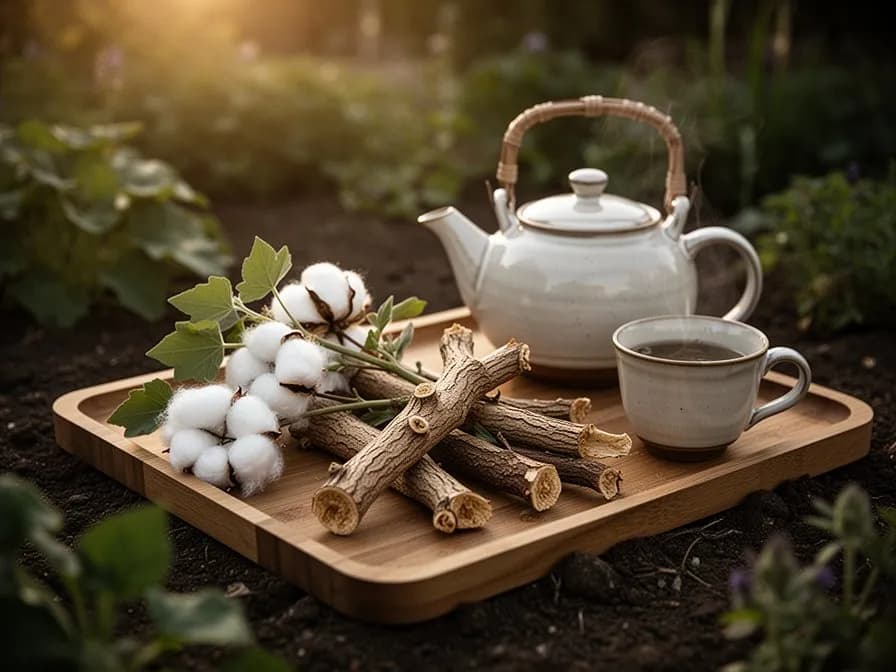
Cold-Infused Marshmallow Root Tea
5 minutes active, 4-8 hours steepingA silky, mucilage-rich cold infusion that extracts the maximum soothing gel from dried marshmallow root. Cold water draws out mucilage without the bitterness that hot water can introduce, producing a smooth, slightly sweet tea ideal for coating a sore throat or calming an irritated stomach.
5 ingredientsMarshmallow Root Throat-Soothing Syrup
30 minutes active, overnight steepingA thick, honey-based herbal syrup that harnesses the demulcent properties of marshmallow root to coat and calm irritated throats. Combined with raw honey and a hint of ginger, this syrup is a natural pantry remedy during cold and flu season.
6 ingredients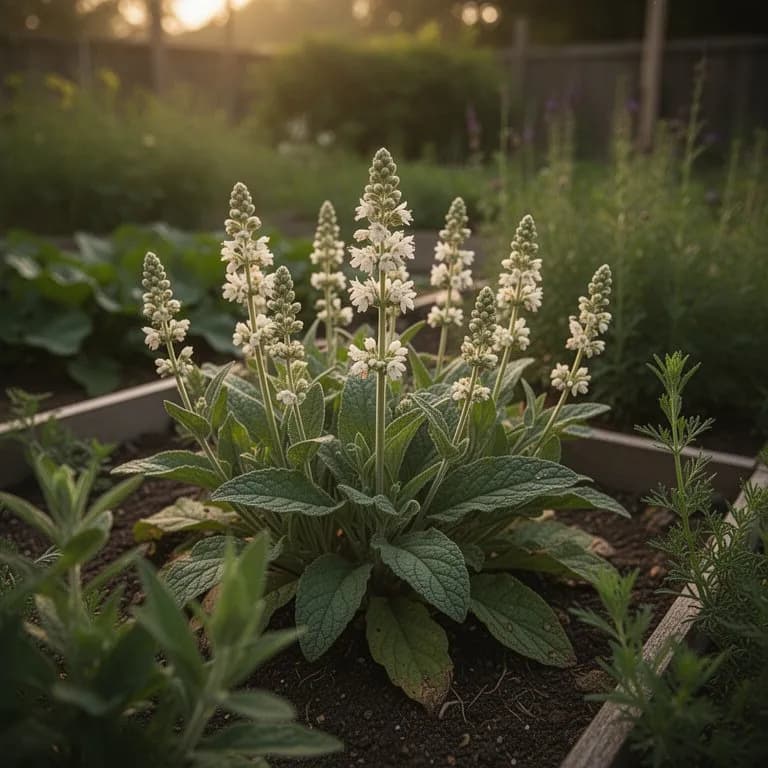
Marshmallow Leaf and Flower Salad
15 minutesA fresh garden salad featuring tender young marshmallow leaves and edible flowers. The mild, slightly mucilaginous leaves add an interesting texture, while the delicate pink flowers provide a beautiful garnish. Best enjoyed in late spring when the leaves are young and tender.
6 ingredientsCulinary Uses
Marshmallow root makes a soothing, slightly sweet tea that becomes wonderfully silky when cold-infused overnight. The mucilage-rich cold infusion is particularly valued for throat comfort. Young leaves can be eaten raw in salads or cooked like spinach—they have a mild, pleasant flavor. The flowers are edible and make attractive garnishes for desserts and salads. Historically, the roots were boiled and beaten with sugar to create the original marshmallow confection, long before modern marshmallows were invented using gelatin.
What's inside
Health Benefits
- Soothes sore throats and dry coughs by coating irritated mucous membranes with a protective layer of mucilage, reducing inflammation and the urge to cough.
- Supports digestive health by forming a gel-like lining along the stomach and intestinal walls, helping to calm acid reflux, gastritis, and irritable bowel symptoms.
- Promotes skin healing when applied topically as a poultice or infused oil, drawing moisture to wounds, burns, and dry or inflamed skin to accelerate tissue repair.
- May support urinary tract health by soothing inflamed bladder and urethral tissues, with traditional herbalists using marshmallow root tea as a gentle diuretic and demulcent for urinary discomfort.
- Provides prebiotic-like soluble fiber from its high mucilage content, which may support beneficial gut bacteria and contribute to overall digestive regularity.
- Helps reduce mild joint inflammation and discomfort when consumed regularly, as the anti-inflammatory compounds in the root may benefit those with minor arthritis symptoms.
Where Marshmallow Root comes from
Marshmallow (Althaea officinalis) is a stately perennial herb native to the marshy coastal regions of Europe, western Asia, and northern Africa. Its history as a healing plant stretches back over 3,000 years. Ancient Egyptians were among the first to recognize the value of the mucilage-rich root, combining it with honey and nuts to create a confection reserved for pharaohs and offerings to the gods, the distant ancestor of the modern marshmallow sweet. Greek and Roman physicians including Hippocrates, Dioscorides, and Pliny the Elder prescribed marshmallow root preparations for sore throats, coughs, and wound healing. The plant's genus name Althaea derives from the Greek word altho, meaning to cure or to heal, a testament to its central role in classical medicine. Throughout the medieval period, marshmallow was cultivated extensively in European monastery gardens and became one of the most important herbs in the apothecary's repertoire. Herbalists used the root, leaves, and flowers to prepare poultices, syrups, and decoctions for respiratory ailments, digestive complaints, and skin inflammations. The plant was also eaten as a food during times of scarcity, with the young leaves cooked as greens and the roots boiled or fried as a vegetable. In the 19th century, French confectioners transformed the traditional Egyptian recipe into pate de guimauve, a soft, pillowy sweet made by whipping marshmallow root extract with sugar and egg whites. This artisan confection eventually inspired the modern marshmallow candy, though today's commercial versions use gelatin rather than the actual plant. Marshmallow remains a cornerstone of Western herbal medicine, valued for its high mucilage content that coats and soothes irritated mucous membranes. It is recognized by the European Medicines Agency as a traditional herbal medicine for coughs, sore throats, and mild gastrointestinal discomfort.
Marshmallow Root: did you know?
Fascinating facts about Marshmallow Root
The original marshmallow confection was made by whipping the mucilaginous sap from Althaea officinalis roots with sugar and egg whites, a recipe dating back to ancient Egypt where it was a treat reserved for royalty and the gods.
Marshmallow Root questions, answered
When should I plant Marshmallow Root?
What are good companion plants for Marshmallow Root?
What hardiness zones can Marshmallow Root grow in?
How much sun does Marshmallow Root need?
How far apart should I space Marshmallow Root?
What pests and diseases affect Marshmallow Root?
How do I store Marshmallow Root after harvest?
What are the best Marshmallow Root varieties to grow?
What soil does Marshmallow Root need?
When should I harvest marshmallow root and how do I know it is ready?
Can I grow marshmallow in a container or raised bed?
Is marshmallow root the same thing as the marshmallow candy?
What parts of the marshmallow plant are edible or useful?
How cold-hardy is marshmallow and what growing zones does it suit?
Does marshmallow root have any side effects or interactions I should know about?
You just read the theory. Now grow it on autopilot.
Everything that makes Marshmallow Root fiddly — the timing, the spacing, the companions, the harvest window — is exactly what PlotMyGarden handles for you, for every plant in your garden.
A plan that knows your weather
Set your location once. Get sow, feed and harvest dates built around your real last-frost date and live forecast — no more guessing from a generic seed packet.
From the “When to plant” sectionDrag-and-drop bed planner
Design beds on a grid. Every plant snaps to its proper spacing, and you can see your whole season laid out before you spend a cent on seed.
From the “Growing guide” sectionCompanion conflicts, caught early
200+ good-and-bad pairings checked live as you plant — so a season-wrecking mistake never makes it into the ground.
From the “Companions” sectionReminders you'll actually act on
“Water the beans.” “Pick today before it turns.” Timely, specific, and tied to the plants you're really growing.
From the “Harvest” sectionSuccession, scheduled
Want a harvest for six weeks, not six days? It spaces your sowings automatically and reminds you when each new block is due.
From the “When to plant” sectionA record that gets smarter
Every harvest you log teaches it your garden. Next year's plan starts from what actually worked in your soil, not a textbook's.
From the “Overview” sectionPlant these alongside Marshmallow Root
More Tea Herbs
Garden plans featuring Marshmallow Root
Grow your best Marshmallow Root yet — and everything around it.
Start a free plan today. Lay out your beds, drop in your Marshmallow Root, and let PlotMyGarden handle the timing, spacing, companions and reminders from seed to harvest basket.