Mora Marion
La baya emblemática de Oregón, un cruce de mora rastrera apreciado por su sabor complejo, que combina dulzor con notas terrosas y vinosas.





En esta páginaResumen
Conoce Mora Marion
La baya emblemática de Oregón, un cruce de mora rastrera apreciado por su sabor complejo, que combina dulzor con notas terrosas y vinosas. La marionberry es la variedad de mora rastrera de mayor importancia comercial y produce bayas de tamaño mediano con semillas pequeñas. Entrelaza las cañas en un emparrado de dos hilos y protege las coronas con mantillo en las zonas inferiores a 7.
Cuándo plantar Mora Marion
Las marionberries se propagan exclusivamente por medios vegetativos, ya que se trata de una variedad con nombre propio. El acodo de punta es el método más fiable para el aficionado: entierra la punta de una primocaña a finales del verano y echará raíces, pudiendo trasplantarse la primavera siguiente. Los esquejes de raíz también funcionan bien y se toman a finales del invierno de plantas sanas. La propagación comercial suele recurrir al cultivo de tejidos. Compra siempre plantas en viveros certificados para asegurar material verdadero a la variedad y libre de enfermedades víricas.
Tu año de Mora Marion
Ajustado a Zona 7 · temporada típica · la helada se va hacia el 2 abr y vuelve hacia el 1 nov
Planta Mora Marion Mar – Abr y cosecha Jul – Ago. Consulta los métodos de plantación y elige tu clima para adaptar los periodos.
Cómo cultivar Mora Marion
Las marionberries son híbridos de mora rastrera desarrollados específicamente para el clima templado y marítimo de Oregón, aunque también pueden prosperar en otras regiones con los cuidados adecuados. Instala un emparrado resistente de dos hilos con postes cada seis metros y alambres a 90 cm y 150 cm de altura. Planta cañas a raíz desnuda a comienzos de la primavera, separándolas entre 120 y 180 cm en hileras a 240 cm de distancia.
Las primocañas del primer año deben guiarse sobre el suelo o sobre el alambre inferior, y luego levantarse y atarse a los alambres superiores a finales del invierno, antes de la brotación del año siguiente. Estas floricanas producirán fruta a mediados del verano mientras nuevas primocañas crecen junto al suelo. Después de la cosecha, retira de inmediato todas las floricanas agotadas y comienza a entrenar las nuevas cañas.
Las marionberries requieren humedad constante durante el desarrollo del fruto, pero son sensibles al encharcamiento. Usa riego por goteo y cubre generosamente con paja o astillas de madera. Fertiliza a comienzos de primavera con una fórmula equilibrada y evita aportes fuertes de nitrógeno al final de la temporada. En zonas más frías que la 7, protege la corona con una capa gruesa de mantillo después de la primera helada fuerte y considera envolver las cañas para una protección extra contra el frío.
Para Mora Marion un bancal de 120 × 240 cm se queda corto
Cada Mora Marion pide 150 cm de margen. El planificador guarda ese marco por ti — cada planta, cada bancal.
Los mejores vecinos de Mora Marion
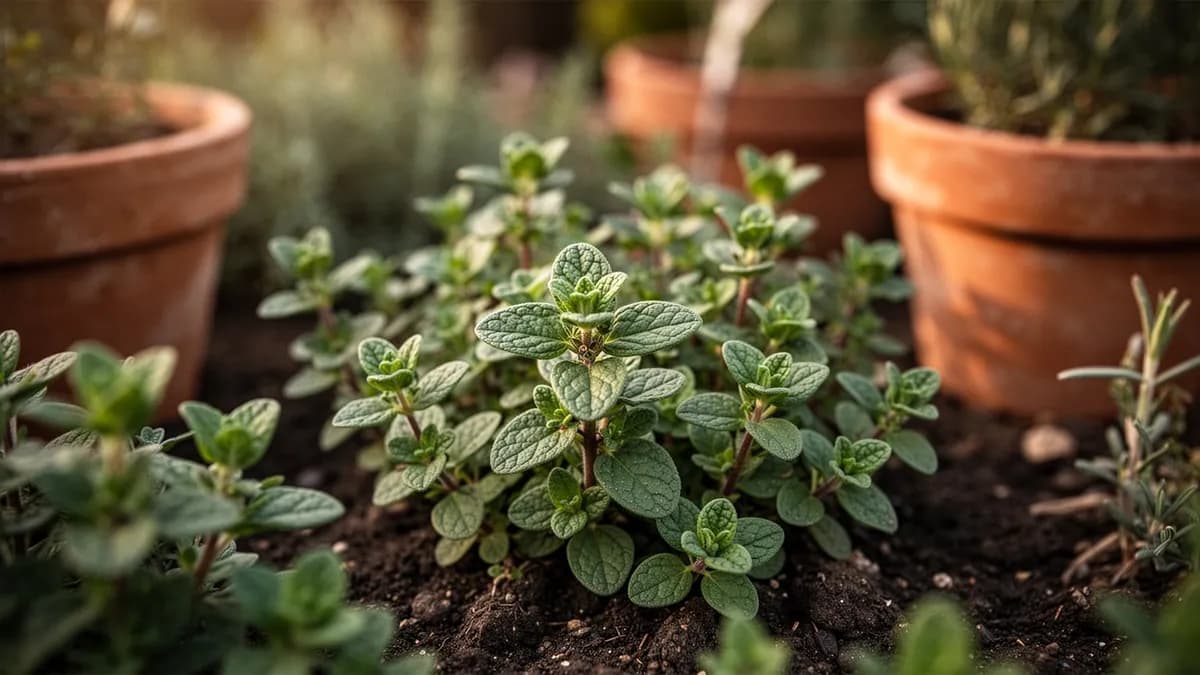
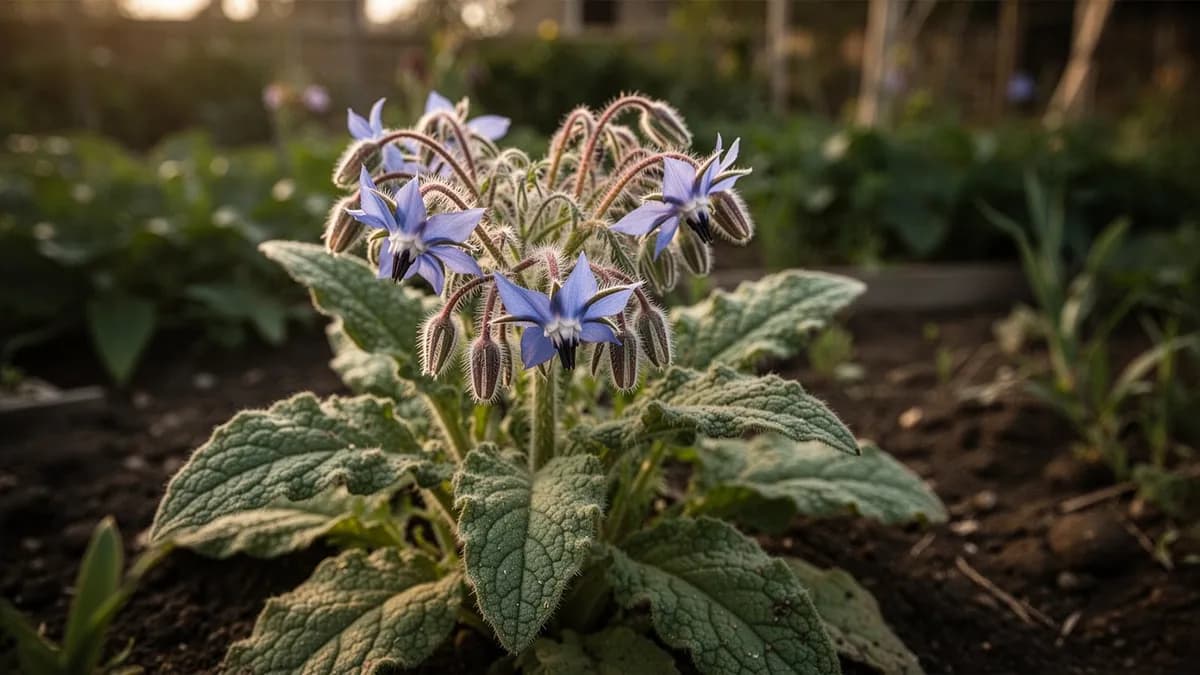
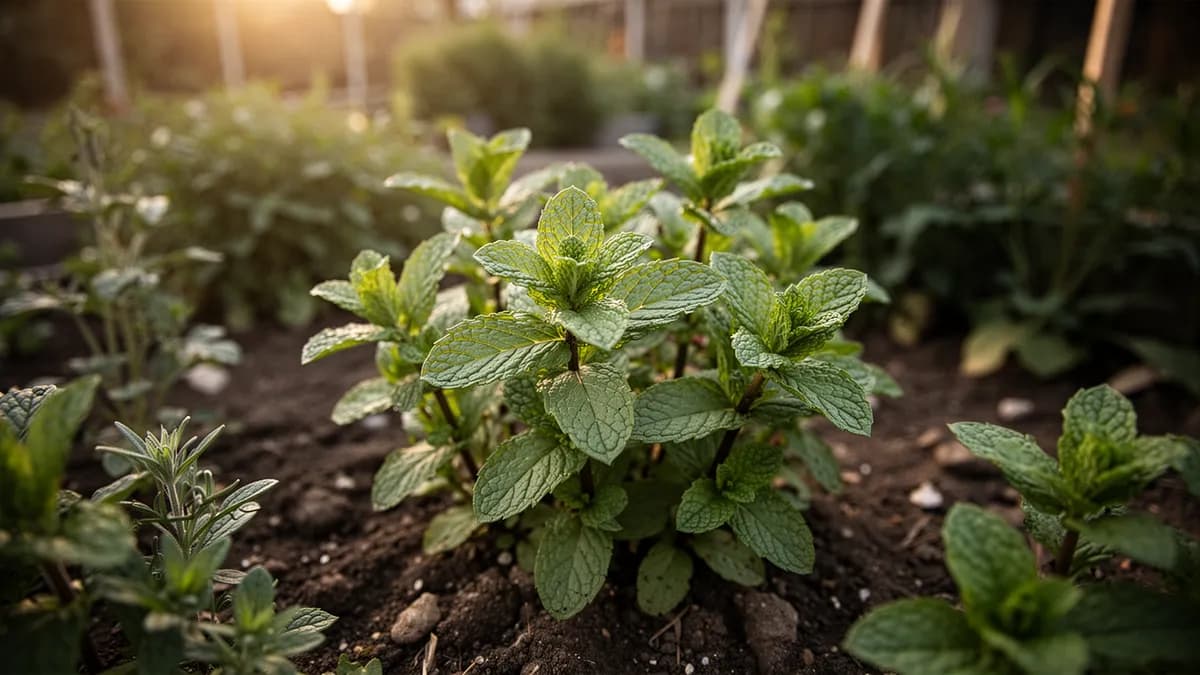
El tomillo, la borraja y la menta plantados cerca de las marionberries atraen polinizadores e insectos depredadores beneficiosos. El tanaceto puede ayudar a repeler los escarabajos japoneses. Las hierbas de porte bajo sirven como cobertura del suelo entre hileras, suprimen las malas hierbas y retienen la humedad del suelo. Evita plantar cerca de frambuesas o moras silvestres, que pueden albergar virus y enfermedades transmisibles a las marionberries. Mantén las plantaciones alejadas de cultivos de la familia de las solanáceas, que comparten la marchitez por verticillium.
Tomillo va a su lado. Frambuesa no.
Saber de huerto de siempre, cotejado con la tabla real de Mora Marion — prueba cualquier planta que cultives.
Prueba Mora Marion en un bancal, aquí mismo
Un bancal real del planificador con Mora Marion ya plantado. Toca una planta compañera para colocarla y mira cómo responde la comprobación de vecinos: verde para buenos vecinos, rojo si hay conflicto.


Guías de cultivo relacionadas
Abónalo bien
Las marionberries rinden mejor en un suelo franco, profundo y bien drenado, con un pH de 5.5 a 6.5 y un alto contenido de materia orgánica. Mejora los suelos arcillosos pesados con compost, perlita y corteza envejecida antes de plantar. Aplica entre uno y dos libras de fertilizante 16-16-16 por cada 25 pies de hilera a comienzos de primavera. Complementa con potasio si la calidad del fruto disminuye. Evita el nitrógeno de final de temporada, que favorece un crecimiento tierno susceptible a daños invernales. El acolchado anual con compost mantiene la estructura y la fertilidad del suelo.
Temperatura ideal
Compatibilidad de zonas de rusticidad
De la semilla a la cosecha, etapa por etapa
Caña en reposo / Plantación
Las marionberries se plantan como cañas a raíz desnuda o en maceta a comienzos de la primavera, mientras aún están en reposo o apenas rompiendo la dormancia. El sistema radicular empieza a establecerse bajo tierra con una actividad visible mínima sobre el suelo. Las nuevas primocañas del primer año comienzan a brotar desde la corona cuando la temperatura del suelo supera los 7 °C (45 °F).
Crecimiento vegetativo de la primocaña
Las nuevas primocañas vigorosas emergen y crecen con rapidez durante la primavera y comienzos del verano, y a menudo alcanzan 3-4 metros de longitud a finales del verano. Estas cañas del primer año no producirán fruta en la temporada actual. Desarrollan un porte semierecto a rastrero y están armadas con espinas prominentes. Este es el periodo de máxima inversión vegetativa de la planta.
Endurecimiento y dormancia de la primocaña
A medida que los días se acortan a finales del verano y en otoño, las primocañas dejan de alargarse y comienzan a endurecerse. Las cañas desarrollan corteza, aumentan de diámetro y acumulan carbohidratos como preparación para la dormancia invernal. Las yemas laterales a lo largo de la caña se hinchan y se fijan, cada una un posible lateral fructífero para la temporada siguiente.
Floración de la floricána
En la segunda temporada, las primocañas que estaban en reposo se convierten en floricanas y producen ramas laterales que terminan en racimos de flores blancas de cinco pétalos. La floración suele ocurrir a finales de primavera o comienzos del verano (mayo-junio en el noroeste del Pacífico). Las flores son muy atractivas para abejas y otros polinizadores, y una polinización adecuada es fundamental para el cuajado.
Desarrollo del fruto
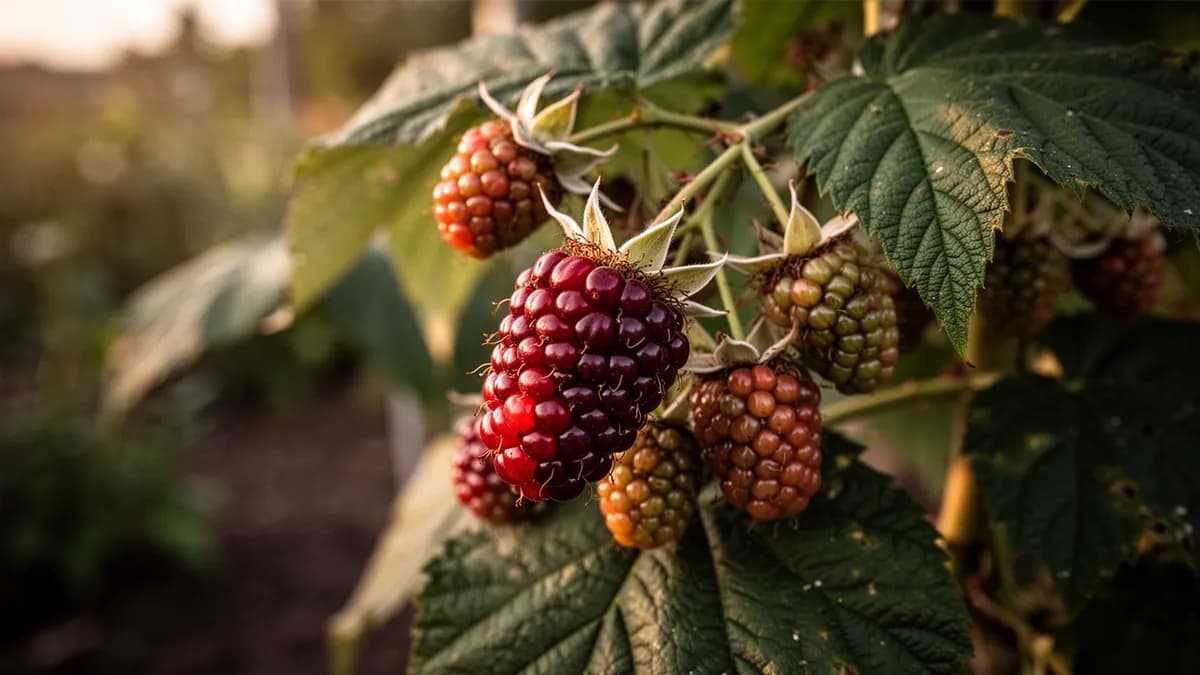
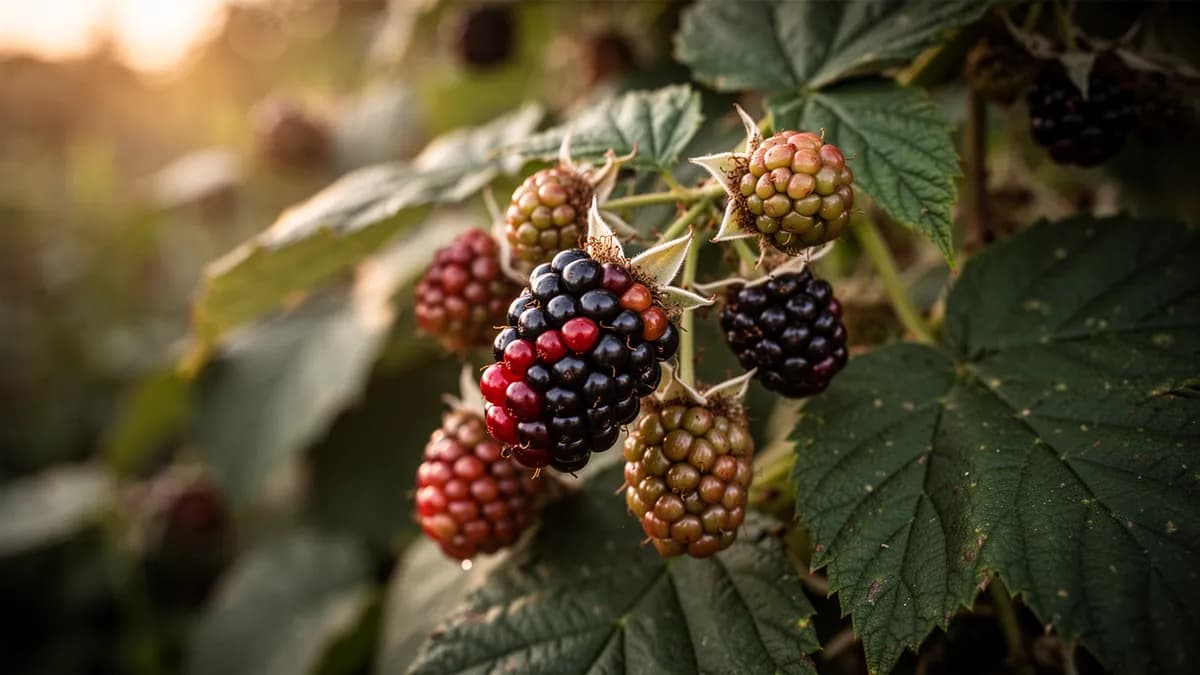
Tras una polinización exitosa, las características drupéolas agregadas de la marionberry se desarrollan con rapidez durante cuatro a seis semanas. Los frutos pasan de verde a rojo y a un púrpura intenso antes de alcanzar la madurez completa con un color negro brillante. La forma alargada y cónica de la baya, más larga que la de la mayoría de las moras, se hace claramente visible en esta etapa.
Temporada de cosecha
Las marionberries maduran en una ventana concentrada de aproximadamente dos a cuatro semanas, normalmente en julio en Oregón y otras zonas del noroeste del Pacífico. Las bayas maduras son de un negro intenso y brillante, ligeramente blandas al tacto y se desprenden de la planta con una presión suave. Tienen un sabor complejo, similar al vino, con notas dulces y ácidas y un matiz terroso característico que las distingue de las moras comunes.
Manejo de cañas tras la cosecha
Después de fructificar, las floricanas agotadas mueren de forma natural, ya que la planta ha completado su papel biológico. También es el momento en que las primocañas de la temporada actual están en su máximo vigor y todavía siguen creciendo o empiezan a endurecerse. Retirar las floricanas en esta etapa mejora la circulación del aire, reduce la presión de enfermedades y permite que la planta dirija toda su energía a las nuevas primocañas.
Plántalas en un lugar con pleno sol y suelo bien drenado, ligeramente ácido (pH 5.5-6.5). Enmienda con compost y coloca los postes del emparrado antes de plantar o al mismo tiempo. Riega a fondo al plantar y mantén la humedad constante durante las primeras cuatro semanas para favorecer el enraizamiento.
Cuidar Mora Marion mes a mes
Qué hacer cada mes para tu Mora Marion
Octubre
Mes actualEn climas fríos, coloca las primocañas agrupadas sobre el suelo y cúbrelas con una capa de 15-20 cm de mantillo de paja para aislarlas de las heladas. En climas suaves, las cañas pueden permanecer en el emparrado durante el invierno. Añade una última capa de mantillo de compost alrededor de la base de cada planta para proteger las raíces y aportar materia orgánica.
Ten claro qué hacer en tu huerto, cada mes
Un correo al empezar cada mes: qué sembrar, plantar y hacer ahora mismo — para tu Mora Marion y todo lo que crece alrededor. Más un breve curso inicial para esquivar los errores clásicos.
- Qué hacer ahora mismo
- Ajustado a tu temporada
- Curso inicial incluido
Cosechar Mora Marion
Las marionberries maduran en un periodo de tres a cuatro semanas entre julio y agosto. Recógelas cuando estén completamente negras, brillantes y se desprendan fácilmente con un suave tirón. Las marionberries maduras desprenden un aroma complejo y distintivo que se intensifica al alcanzar su punto óptimo. Cosecha cada dos o tres días durante la temporada alta, ya que las bayas demasiado maduras se ablandan con rapidez. Colócalas en recipientes poco profundos y manipúlalas con cuidado, porque son más blandas que las variedades de mora erguida.
se supone que plantas al comenzar el periodo — indica tu fecha real
Cosecha Mora Marion a tiempo y la planta sigue produciendo.
Almacenamiento y conservación
Refrigera de inmediato las marionberries recién cosechadas y consúmelas en dos o tres días. Para congelarlas, extiéndelas en una sola capa sobre bandejas, congélalas hasta que estén firmes y pásalas a bolsas; así se conservan hasta diez meses. Las marionberries se consideran el estándar de oro para tartas, mermeladas y cobblers de mora por su sabor excepcionalmente equilibrado. También producen vinos, siropes y helados excelentes. Su sabor intenso resiste muy bien el procesado y la cocción.
Qué falla — y cómo solucionarlo
Antracnosis
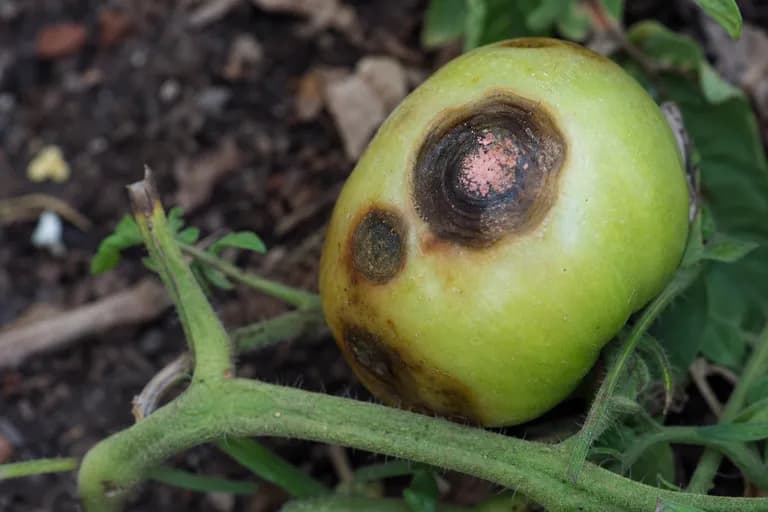
EnfermedadLesiones hundidas de color púrpura grisáceo en cañas y hojas; las pequeñas manchas pueden unirse y provocar grietas y secado de las cañas.
Araña roja de dos puntos
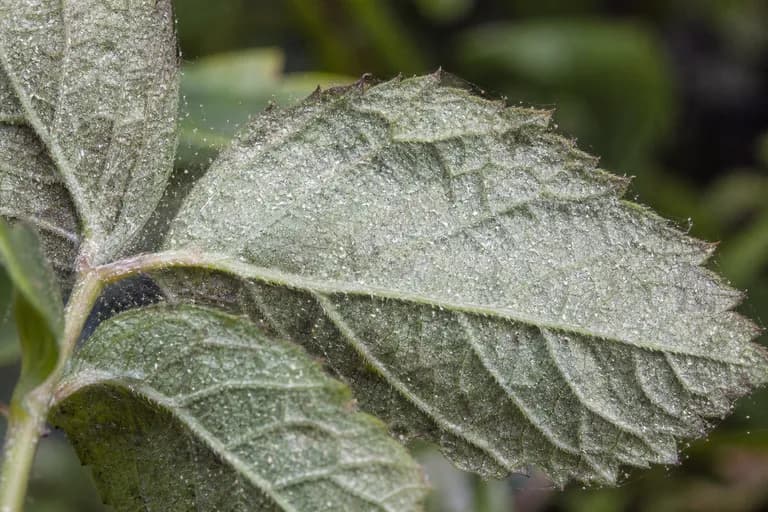
PlagaPunteado fino en las hojas, follaje bronceado y delicadas telarañas en el envés, especialmente durante periodos cálidos y secos.
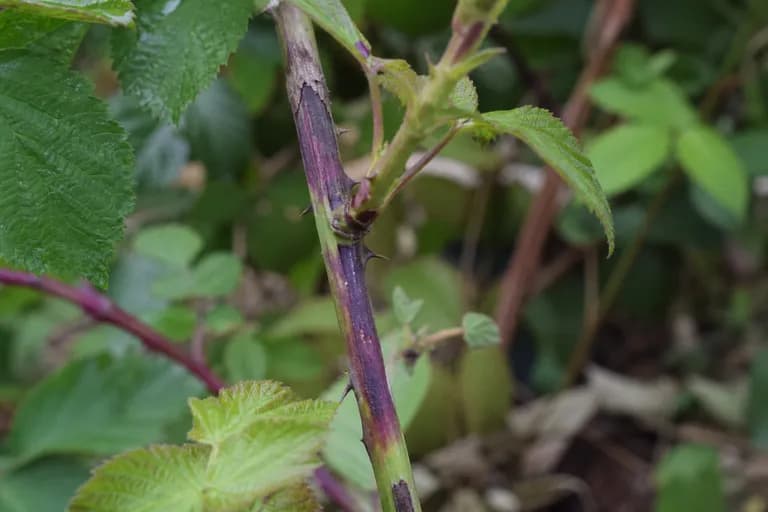
Mancha púrpura
EnfermedadLesiones púrpuras en los brotes nuevos de las cañas que se agrandan y pueden anillar la caña, provocando marchitez y menor fructificación.
Solución de problemas comunes
La resistencia limitada al frío es la principal preocupación fuera del noroeste del Pacífico, ya que las marionberries sufren daños invernales por debajo de unos 5 grados Fahrenheit. La protección de la corona con mantillo profundo es esencial en las zonas frías. Las cañas espinosas hacen que la poda y el guiado sean laboriosos; usa guantes gruesos de cuero y mangas largas. Sin un manejo cuidadoso del emparrado, las cañas vigorosas se convierten en una maraña impenetrable. La drosófila de alas manchadas se ha convertido en una preocupación creciente para la fruta de maduración tardía.
Consejos de cultivo
- Instala antes de plantar un sistema de emparrado resistente de dos hilos, con el alambre inferior a unos 90 cm (3 pies) y el superior a 150-180 cm (5-6 pies). Las cañas largas y vigorosas de la marionberry son imposibles de manejar con eficacia sin un emparrado desde el principio.
- Planta a pleno sol, recibiendo al menos 8 horas de luz directa al día. Las marionberries toleran algo de sombra parcial, pero la producción de fruta cae de forma notable y la presión de enfermedades, especialmente botritis y tizón de cañas, aumenta mucho en los lugares más sombríos.
- El pH del suelo es crítico: analiza antes de plantar y busca un rango de 5.5 a 6.5. Enmienda con azufre granular para bajar el pH si tu suelo es alcalino e incorpora mucho compost o turba para mejorar el drenaje y el contenido de materia orgánica.
- Riega en profundidad y de forma constante, aportando el equivalente a 2.5-4 cm (1-1.5 pulgadas) de agua por semana durante la temporada de crecimiento. Se prefiere claramente el riego por goteo frente al riego por encima, porque el follaje y la fruta mojados son la principal causa de botritis y otras enfermedades fúngicas.
- Usa un sistema de cañas de dos años: guía las primocañas del año en curso por el alambre superior y mantén las floricanas del segundo año en el alambre inferior, separadas del crecimiento nuevo. Esta separación espacial simplifica la poda, mejora la circulación del aire y hace que la cosecha sea mucho más manejable.
- Inmediatamente después de la cosecha, corta todas las floricanas agotadas hasta el suelo, retíralas de la propiedad y aclara las nuevas primocañas dejando solo las cinco a ocho cañas más vigorosas por planta. Esta renovación anual es imprescindible para mantener la salud y la productividad de la planta año tras año.
- Acolcha generosamente con paja o astillas de madera, en una capa de 10-15 cm (4-6 pulgadas), alrededor de la base de las plantas cada primavera. El mantillo conserva la humedad, suprime las malas hierbas, modera la temperatura del suelo y añade poco a poco materia orgánica al descomponerse.
- Vigila con regularidad la roya anaranjada, una enfermedad fúngica sistémica que produce pústulas de polvo naranja brillante en el envés de las hojas. La roya anaranjada no tiene cura, y cualquier caña infectada o planta completa debe retirarse y destruirse de inmediato para evitar que se propague a las plantas vecinas.
- En climas con inviernos más fríos que -12 °C (10 °F), desata las primocañas del emparrado a finales de otoño antes de que el suelo se congele, júntalas con cuidado y colócalas a lo largo de la hilera, y cúbrelas con una capa gruesa de paja. Destápalas y vuelve a guiarlas al emparrado a comienzos de primavera.
- Evita aplicar fertilizante nitrogenado después del pleno verano, porque favorece un crecimiento tierno de final de temporada muy susceptible al tizón de cañas y que no se endurecerá lo suficiente antes del invierno. Lo ideal es una aplicación primaveral de fertilizante equilibrado y otra a mitad del verano de una fórmula baja en nitrógeno y rica en potasio.
Cultiva tu mejor Mora Marion — y todo lo que la rodea.
Empieza un plan gratis hoy. Diseña tus bancales, coloca tu Mora Marion y deja que PlotMyGarden gestione el momento, el espaciado, las asociaciones y los recordatorios de la semilla a la cesta.
Elige tu Mora Marion
Marion (Estándar)
La variedad original y la única marionberry auténtica, un cruce de Chehalem y Olallieberry desarrollado en la Universidad Estatal de Oregón.
Columbia Star
Una mora rastrera sin espinas procedente del mismo programa de mejora, a menudo comparada con la marionberry pero con un sabor algo menos complejo.
Obsidian
Una mora rastrera sin espinas de temporada temprana, con excelente sabor, que madura antes que Marion y amplía la ventana de cosecha.
Las marionberries frescas, cuando están disponibles en tiendas especializadas o mercados de agricultores, suelen venderse por 6-10 dólares por pinta (unos 340 g) debido a su perecibilidad y su escasez regional. Una sola planta establecida de marionberry que produzca 3-5 kg por temporada representa un valor minorista equivalente de 53-150 dólares por planta al año. Cultivar solo dos plantas proporciona suficiente fruta para consumir fresca, congelar y hacer conservas durante todo el año, eliminando en la práctica la necesidad de comprar esta baya premium. Las marionberries congeladas de proveedores especializados de Oregón se venden por 8-14 dólares por bolsa de 500 g, por lo que el fruto cultivado y congelado en casa supone un ahorro muy notable para los consumidores habituales.
Recetas rápidas

Tarta clásica de marionberry
30 minutos de preparación, 50 minutos de horneadoLa tarta definitiva del noroeste del Pacífico, que muestra el complejo sabor agridulce de la marionberry sobre una doble corteza mantequillosa y hojaldrada. La clave está en usar marionberries frescas o congeladas y bien descongeladas, junto con solo el azúcar y la maicena suficientes para dejar que brille el carácter natural de la fruta. Un enrejado superior permite escapar el vapor y crea la apariencia icónica asociada con las panaderías y los mercados de verano de Oregón.
9 ingredientesMermelada de marionberry
15 minutos de preparación, 20 minutos de cocciónUna mermelada de marionberry en pequeña producción que captura en un tarro la complejidad de la baya en su punto máximo de temporada. Usar bayas ligeramente inmaduras junto con bayas totalmente maduras añade pectina natural y un agradable toque ácido que equilibra el dulzor. Esta mermelada es excelente sobre pan de masa madre, mezclada con yogur o servida junto a quesos blandos en una tabla de embutidos y quesos.
6 ingredientes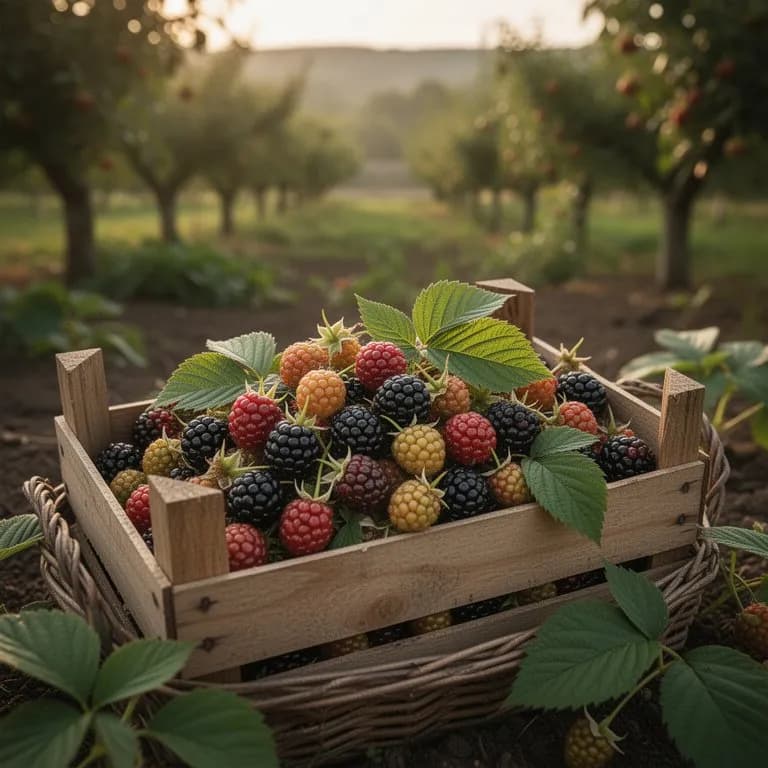
Vinagreta de marionberry
10 minutosUn aderezo vibrante de tono púrpura que transforma un puñado de marionberries en un condimento elegante. La acidez natural de las bayas combina a la perfección con el vinagre de vino blanco y la mostaza de Dijon, creando un aderezo con suficiente cuerpo y complejidad para acompañar hojas amargas como rúcula, radicchio y endivia. También queda magnífico sobre salmón a la parrilla o pato asado.
7 ingredientesUsos culinarios
Las marionberries son muy apreciadas por pasteleros y reposteros caseros por su sabor complejo, vinoso, con notas terrosas y una acidez brillante equilibrada por el dulzor. Son la mora por excelencia para tartas, cobblers y mermeladas. Las marionberries frescas acompañadas de helado de vainilla son un clásico de Oregón. También producen salsas de fruta excepcionales para carnes y postres. El sirope, las conservas y el vino de marionberry son productos artesanales muy populares en todo el noroeste del Pacífico.
Qué contiene
Beneficios para la salud
- Extraordinariamente rica en antocianinas, los pigmentos responsables del color negro púrpura intenso de la baya, que en estudios de investigación se han relacionado con un menor riesgo de enfermedad cardiovascular, una mejor función cognitiva y niveles más bajos de inflamación sistémica
- Su alto contenido de fibra dietética (más de 5 g por 100 g) favorece una microbiota intestinal saludable, ayuda a mantener una función intestinal regular y contribuye a una sensación de saciedad sostenida que puede ayudar en el control del peso
- Contiene elagitanninos y ácido elágico, compuestos polifenólicos que han demostrado en investigación de laboratorio la capacidad de inhibir la proliferación de ciertas líneas celulares cancerosas, aunque los ensayos clínicos en humanos siguen en curso
- Aporta una cantidad significativa de vitamina C por ración, contribuyendo a la producción de colágeno para la integridad de la piel y las articulaciones, a una mejor absorción del hierro no hemo y a una función inmunitaria sólida
- Rica en manganeso, un cofactor de la superóxido dismutasa, la principal enzima antioxidante del cuerpo, que ayuda a neutralizar los radicales libres dañinos producidos durante los procesos metabólicos normales
- La combinación de bajo impacto glucémico, alto contenido de fibra y contenido de polifenoles puede apoyar una regulación saludable del azúcar en sangre, lo que convierte a las marionberries en una fruta especialmente adecuada para personas que controlan la sensibilidad a la insulina
De dónde viene Mora Marion
La marionberry (Rubus L. subgénero Rubus, cultivar 'Marion') es una baya genuinamente estadounidense, con raíces en la mejora científica deliberada de plantas y en la herencia agrícola del Valle de Willamette en Oregón. Su historia comienza a mediados del siglo XX en la Universidad Estatal de Oregón, donde el horticultor George Waldo y sus colegas desarrollaban desde hacía años un programa de mejora de moras destinado a obtener cultivares con sabor superior y adaptación regional. En 1945, Waldo cruzó dos moras híbridas existentes: 'Chehalem', una variedad resistente a enfermedades con sabor suave, y 'Olallie', una baya de alto rendimiento con excelente color y dulzor. La Olallie era a su vez el resultado de cruces anteriores entre la loganberry, un híbrido de mora y frambuesa, y la youngberry, cuya ascendencia también se remontaba a especies silvestres de mora de Texas y California. Después de años de selección y ensayos de campo realizados principalmente en el condado de Marion, Oregón, el mejor descendiente de ese cruce se lanzó oficialmente en 1956 con el nombre de 'Marion'. Se eligió el nombre del condado tanto para honrar el lugar de los ensayos como para darle a la baya una identidad regional propia. La adopción comercial llegó rápido, y en las décadas de 1960 y 1970 la superficie dedicada a marionberry en el Valle de Willamette creció de forma drástica. La combinación de inviernos suaves y húmedos, veranos cálidos y secos, y suelos volcánicos fértiles de Oregón resultó especialmente adecuada para el cultivar, y el estado se convirtió en el centro indiscutible de la producción de marionberry. La baya ganó seguidores devotos entre cocineros y la cultura gastronómica del noroeste del Pacífico, apareciendo en todo tipo de preparaciones, desde tartas de carretera hasta postres de restaurantes de alta gama. Hoy, aunque otros híbridos de mora dominan los mercados mundiales, la marionberry sigue siendo un símbolo de orgullo regional e identidad culinaria en Oregón, cultivada tanto comercialmente como en huertos domésticos en todo el noroeste del Pacífico y en climas mediterráneos similares de todo el mundo.
Mora Marion: ¿sabías que?
Datos fascinantes sobre Mora Marion
La marionberry se desarrolló en la Universidad Estatal de Oregón y se lanzó en 1956, recibiendo su nombre del condado de Marion, Oregón, donde se realizaron amplios ensayos. Es un cruce entre las moras 'Chehalem' y 'Olallie', ambas híbridos complejos con ascendencia de moras silvestres del Himalaya, Europa y Norteamérica.
Mora Marion: preguntas frecuentes
¿Cuándo debo plantar Mora Marion?
¿Cuáles son buenas plantas acompañantes para Mora Marion?
¿En qué zonas de rusticidad puede crecer Mora Marion?
¿Cuánto sol necesita Mora Marion?
¿A qué distancia debo espaciar Mora Marion?
¿Qué plagas y enfermedades afectan a Mora Marion?
¿Cómo almaceno Mora Marion después de la cosecha?
¿Cuáles son las mejores variedades de Mora Marion para cultivar?
¿Qué suelo necesita Mora Marion?
¿Dónde puedo comprar plantas de marionberry y están disponibles fuera de Oregón?
¿Por qué mi marionberry no dio fruto en su primer año?
¿Cómo sé cuándo las marionberries están completamente maduras y listas para recoger?
¿Puedo cultivar marionberries en macetas?
¿Cuáles son las enfermedades más comunes que afectan a las marionberries y cómo las prevengo?
¿Cómo congelo marionberries para conservarlas en la mejor calidad?
Acabas de leer la teoría. Ahora cultívala en piloto automático.
Todo lo que hace que Mora Marion sea delicado — el momento, el espaciado, las asociaciones, la ventana de cosecha — es justo lo que PlotMyGarden resuelve por ti, para cada planta de tu huerto.
Un plan que conoce tu clima
Indica tu ubicación una vez. Recibe fechas de siembra, abonado y cosecha basadas en tu última helada real y el pronóstico en vivo — sin adivinar con un sobre genérico.
De la sección “Cuándo plantar”Planificador de bancales de arrastrar y soltar
Diseña bancales sobre una cuadrícula. Cada planta encaja con su espaciado correcto y ves toda la temporada antes de gastar un céntimo en semillas.
De la sección “Cultivo”Conflictos de asociación, detectados a tiempo
Más de 200 buenas y malas combinaciones comprobadas en vivo mientras plantas — para que un error que arruine la temporada nunca llegue a la tierra.
De la sección “Asociaciones”Recordatorios que sí vas a seguir
“Riega las judías.” “Recoge hoy antes de que se pase.” Oportunos, concretos y ligados a las plantas que de verdad cultivas.
De la sección “Cosecha”Escalonado, programado
¿Quieres cosechar seis semanas en vez de seis días? Reparte tus siembras automáticamente y te avisa cuando toca el siguiente lote.
De la sección “Cuándo plantar”Un registro que se vuelve más listo
Cada cosecha que registras le enseña tu huerto. El plan del año que viene parte de lo que de verdad funcionó en tu suelo, no en un manual.
De la sección “Resumen”Planta estos junto a Mora Marion
Más Bayas
Mantén Mora Marion lejos de estos
Cultiva tu mejor Mora Marion — y todo lo que la rodea.
Empieza un plan gratis hoy. Diseña tus bancales, coloca tu Mora Marion y deja que PlotMyGarden gestione el momento, el espaciado, las asociaciones y los recordatorios de la semilla a la cesta.