Malanga
A tropical tuber related to taro with arrow-shaped leaves and starchy corms popular in Caribbean and Latin American cuisine.





On this pageOverview
Meet Malanga
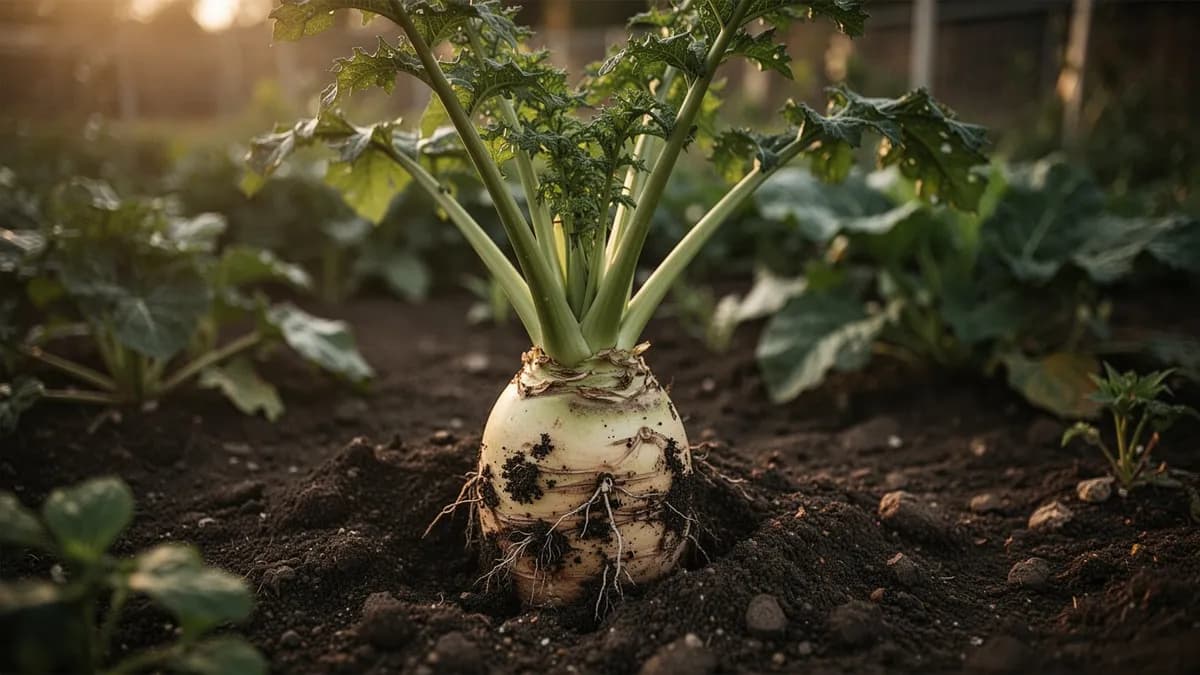
A tropical tuber related to taro with arrow-shaped leaves and starchy corms popular in Caribbean and Latin American cuisine. Corms have a nutty, earthy flavor and creamy texture when cooked, and must always be thoroughly cooked before eating. Plants grow large with dramatic foliage and need consistently moist, rich soil and warm temperatures above 60 degrees. Harvest when lower leaves begin to yellow, typically nine months after planting.
When to plant Malanga
Malanga is propagated vegetatively from corm sections or small whole cormels rather than seeds. Select firm, healthy corms with visible growing points and cut into pieces weighing about four to six ounces each, ensuring each piece has at least one eye. Allow cut surfaces to dry and callus for two to three days before planting. In cooler climates, start corms indoors in pots six to eight weeks before the last expected frost, maintaining soil temperatures of 70 to 80 degrees. Transplant outdoors once nighttime temperatures consistently exceed 60 degrees.
Your Malanga Year
Composed for Zone 7 · typical seasons · frost passes Apr 2, returns Nov 1
Plant Malanga Apr – May, pick Oct – Dec. Check the planting methods below and set your climate to personalize these windows.
How to grow Malanga
Malanga thrives in warm, humid conditions and cannot tolerate frost or temperatures below 60 degrees Fahrenheit. Plant corm sections or small whole corms two to three inches deep in rich, well-amended soil once all danger of frost has passed and soil temperatures are consistently above 65 degrees. Space plants about three feet apart as they develop large, dramatic arrow-shaped leaves that can reach three feet long.
Keep the soil consistently moist throughout the growing season, as malanga originates from tropical wetland environments. Mulch heavily with organic material to retain moisture and suppress weeds. Feed every four to six weeks with a balanced fertilizer or side-dress with compost. Plants benefit from partial shade in the hottest climates but need at least four hours of direct sun for good corm development.
Malanga requires a long, warm growing season of eight to ten months. In zones 9-12, it can be grown year-round with successive plantings. In cooler areas, start corms indoors six to eight weeks before the last frost date and transplant outdoors once conditions are warm. Harvest when the lower leaves begin to yellow and die back, signaling the corms are mature. In marginal climates, lift corms before the first frost and store for replanting next season.
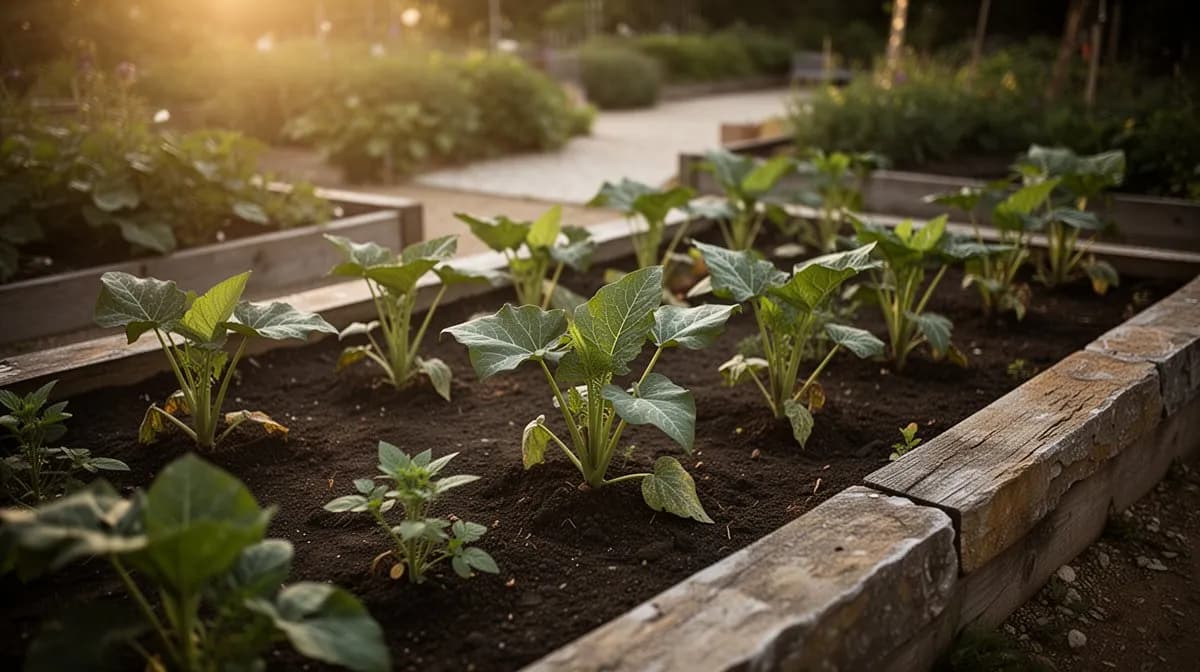
2 plants fit a 4 × 8 ft bed
Each Malanga wants 90 cm of elbow room. The planner keeps that spacing for you — every plant, every bed.
Malanga's best neighbours
Malanga grows well alongside other tropical root crops like taro, sweet potato, and yuca in a mixed tropical garden. Tall crops like corn or sugarcane provide beneficial light shade during the hottest part of the day. Legumes such as pigeon peas or beans fix nitrogen and benefit malanga heavy feeding habits. Avoid planting near allelopathic crops like black walnut. Ginger and turmeric make excellent understory companions sharing similar moisture and shade preferences.
Taro belongs beside it.
Old growers' knowledge, checked against Malanga's real companion table below — test any plant you're growing.
Try Malanga in a bed — right here
A real planner bed with Malanga already in it. Tap a companion to place it and watch the pairing checks answer — green for good neighbours, red for a clash.


Related growing guides
Feed it well
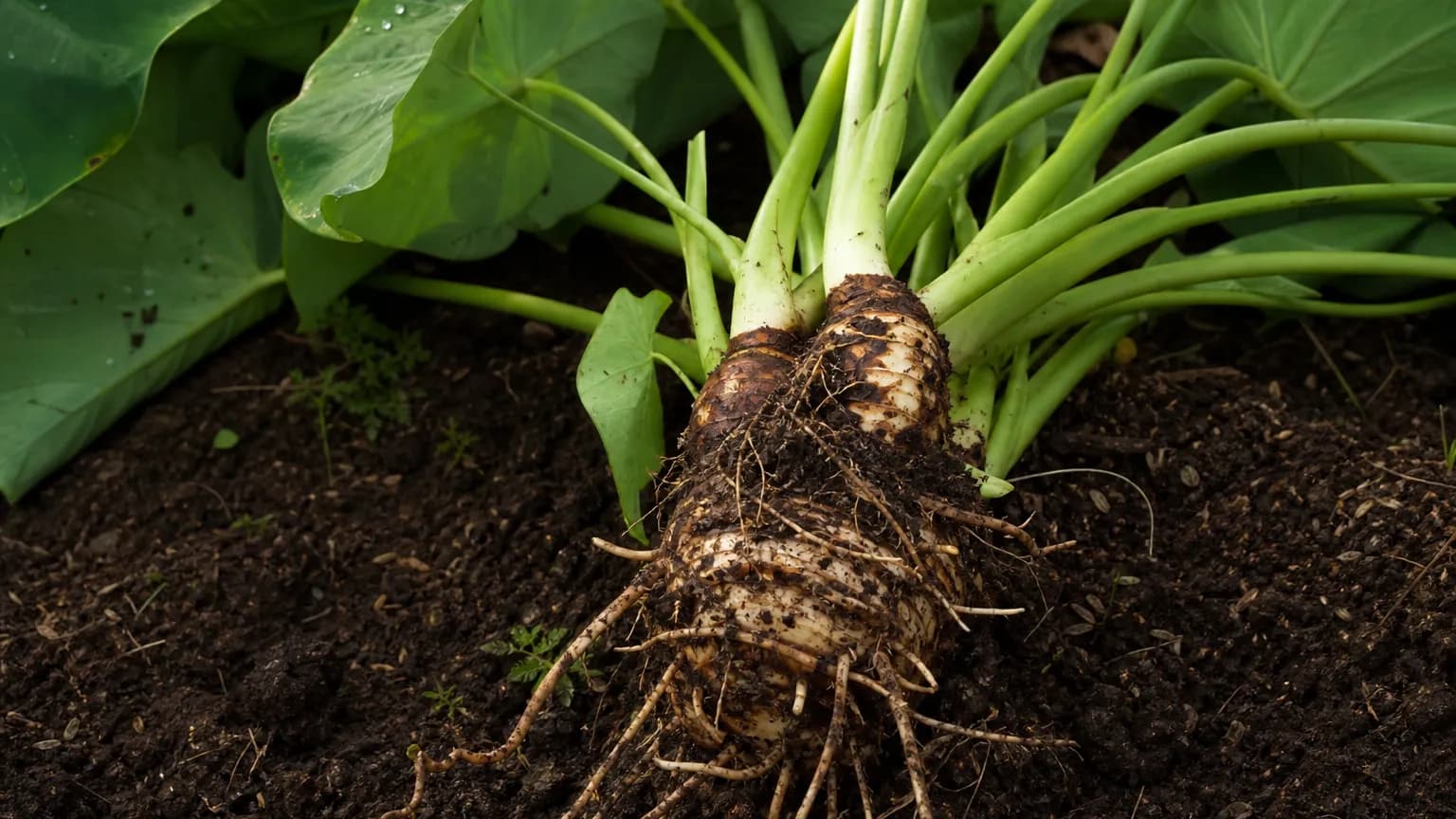
Malanga grows best in rich, organic, well-draining soil with a pH between 5.5 and 6.5. Amend planting beds with generous amounts of compost, aged manure, and leaf mold to create a moisture-retentive yet well-draining medium. Feed every four to six weeks with a balanced 10-10-10 fertilizer or apply a potassium-rich formula as corms begin to develop. Side-dress with compost midseason. Avoid excessive nitrogen, which promotes leaf growth at the expense of corm development. Maintain a thick organic mulch layer to keep soil moist and cool.
Ideal Temperature
Hardiness Zone Compatibility
From seed to harvest, stage by stage
Corm Planting and Sprouting
Malanga is grown from sections of the central corm or from small cormels, each containing at least one or two growing points (buds). Planted 10-15 cm deep in warm, moist soil, the buds swell and push pale shoots upward within 2-4 weeks. Root development begins simultaneously below ground. This stage requires consistently warm soil temperatures above 20°C (68°F) — corms planted in cold soil will rot rather than sprout.
Early Leaf Development
The first true leaves emerge as tightly rolled tubes that unfurl into large, arrowhead-shaped blades. Leaves grow rapidly from a central growing point, and each successive leaf is larger than the previous one. The root system expands aggressively to support the expanding foliage. By the end of this stage, plants typically have 3-5 large leaves and stand 40-60 cm tall.
Vigorous Vegetative Growth
Plants enter explosive growth during the hottest months, producing enormous elephant-ear leaves on thick petioles that can reach 90-120 cm in total height. Each plant maintains 6-10 active leaves at any time, with older outer leaves dying back as new central leaves emerge. Below ground, the central corm enlarges steadily and begins producing small lateral cormels around its base.
Corm Bulking
The plant shifts energy from leaf production to underground corm enlargement. Leaf growth slows and existing leaves begin to yellow gradually from the outside of the plant inward. The central corm swells substantially, reaching 15-30 cm in length and 5-10 cm in diameter. Cormels surrounding the central corm also enlarge and develop their own root systems.
Maturity and Harvest
Maturity is signaled by the natural yellowing and dying back of the majority of leaves, typically 9-12 months after planting. The central corm is now fully developed with a dense, starchy interior. Cormels are firm and detach relatively easily from the mother corm. In tropical climates, some varieties can be left in the ground and harvested as needed over several months.
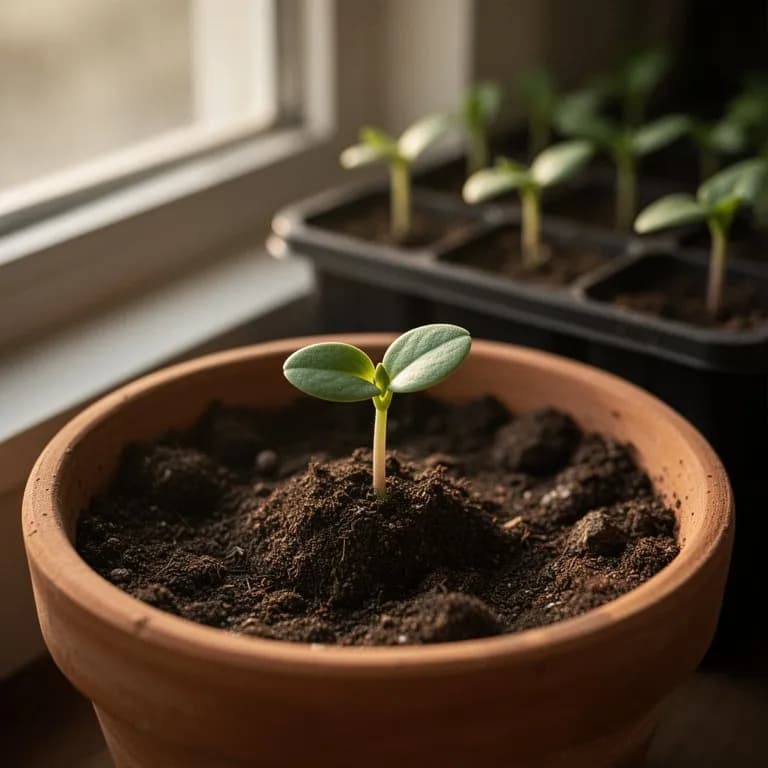
Plant corm sections with the buds facing upward and cover with 10-15 cm of rich, well-composted soil. Keep soil consistently moist but never waterlogged during this critical establishment phase. In cooler climates, pre-sprout corms indoors in damp peat moss for 2-3 weeks before transplanting outside.
Caring for Malanga month by month
What to do each month for your Malanga
October
You are hereIn zones 7-8, harvest before first frost when the majority of leaves have yellowed. Carefully lift entire plants with a garden fork. Cure corms in a warm, dry location for 3-5 days. In tropical zones, plants may still be actively growing.
Know exactly what to do in your garden — every month
One email at the start of each month: what to sow, plant, and tackle right now — for your Malanga and everything growing around it. Plus a short starter course that helps you dodge the classic mistakes.
- What to do, right now
- Matched to your season
- Starter course included
Harvesting Malanga
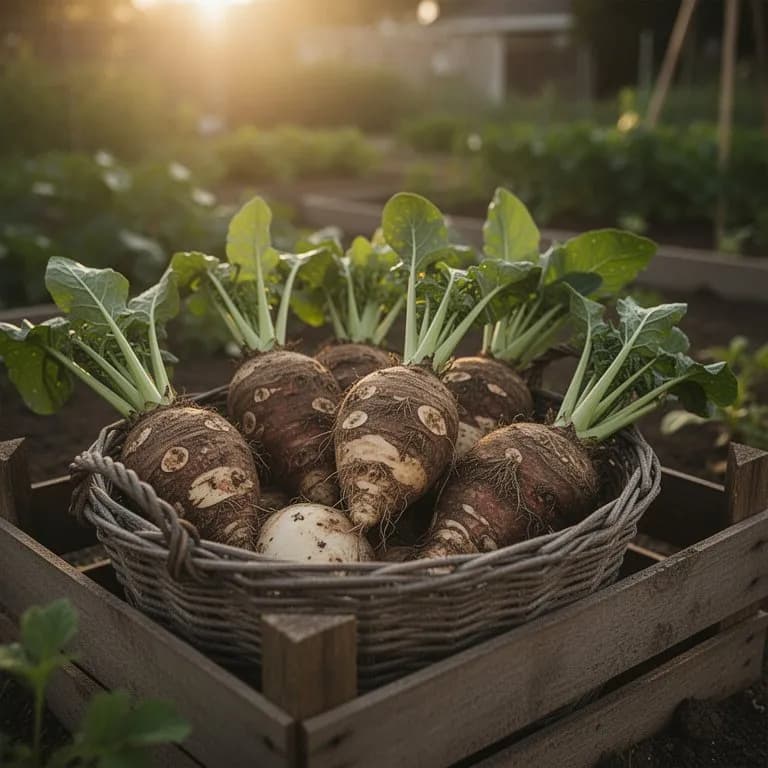
Malanga is ready to harvest when the lower leaves begin to yellow and die back, usually eight to ten months after planting. Use a garden fork to carefully lift the entire plant, working from the outside inward to avoid cutting the corms. Shake off excess soil and trim the leaves. Each plant produces a large central corm surrounded by smaller cormels. Both are edible but must always be thoroughly cooked before eating to neutralize calcium oxalate crystals. Cure harvested corms in a warm, dry place for a few days before storage.
assuming you plant when the window opens — set your real date
Pick Malanga promptly and the plant keeps producing.
Storage & Preservation
Cured malanga corms store well in a cool, dry, dark place with good ventilation for two to four weeks at room temperature or up to two months at 45 to 50 degrees Fahrenheit. Do not refrigerate below 45 degrees as cold damage causes internal discoloration. For longer preservation, peel and cut into cubes, then blanch and freeze for up to six months. Malanga can also be peeled, sliced thin, and fried into chips for a shelf-stable snack. Cooked and mashed malanga freezes well in airtight containers.
What goes wrong — and the fix
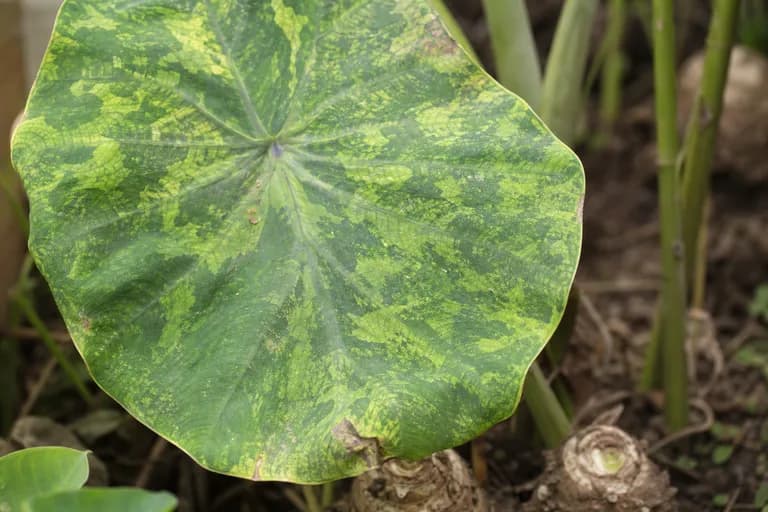
Dasheen Mosaic Virus
DiseaseMosaic patterns of light and dark green on leaves, stunted growth, and reduced corm size.
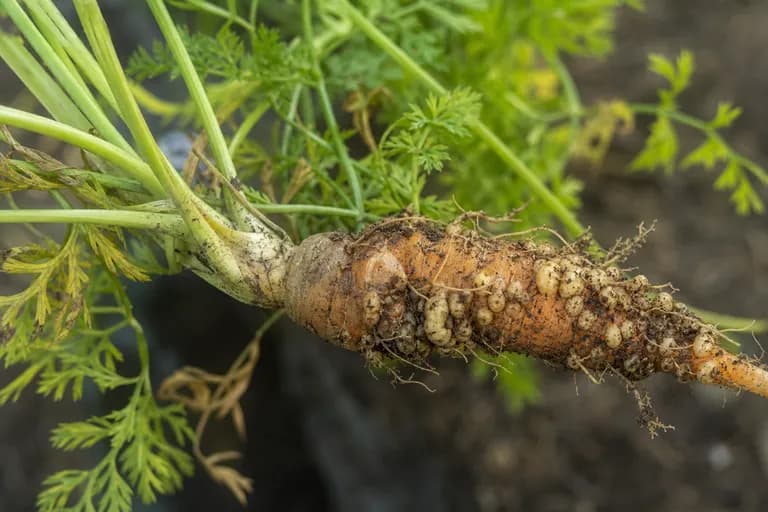
Root-Knot Nematodes
PestGalls or knots on roots, stunted growth, yellowing leaves, and reduced corm quality.
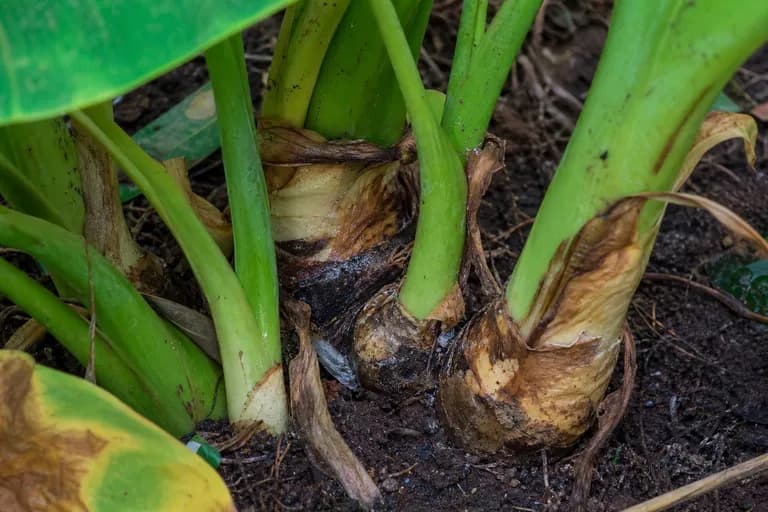
Pythium Root Rot
DiseaseSoft, water-soaked lesions on corms that turn brown and mushy. Plants wilt despite adequate moisture.
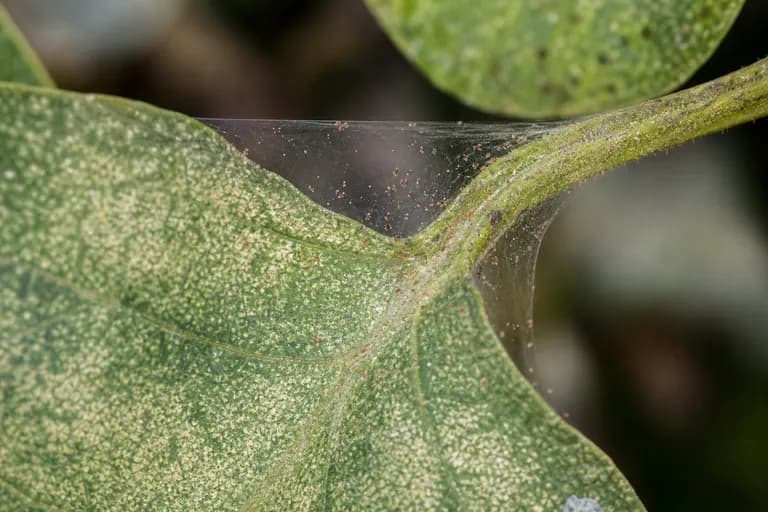
Spider Mites
PestTiny yellow or brown spots on leaves, fine webbing on leaf undersides, and overall leaf bronzing in dry conditions.
Troubleshooting Common Problems
Cold temperatures are the primary challenge for malanga growers outside the tropics. Plants stop growing below 60 degrees and die at frost. Insufficient moisture causes poor corm development and tough, fibrous texture. Waterlogged conditions without adequate drainage lead to root and corm rot. Calcium oxalate in raw corms causes severe irritation, so always cook thoroughly. Plants grown in too much shade produce abundant foliage but small, underdeveloped corms.
Growing Tips
- Malanga requires a long, warm growing season of 9-12 months. In zones below 9, pre-sprout corms indoors 4-6 weeks before your last frost to maximize the available warm season. Use large pots filled with damp peat moss on a heat mat at 24-27°C (75-80°F).
- Soil richness is critical — malanga is a heavy feeder that thrives in deep, fertile, well-composted soil with a pH of 5.5-6.5. Work in 10-15 cm of aged compost or rotted manure before planting and side-dress monthly throughout the growing season.
- Consistent moisture is the single most important cultural requirement. Malanga evolved in tropical rainforest conditions and cannot tolerate drought at any growth stage. Aim for 3-5 cm of water per week and maintain 10-15 cm of organic mulch at all times.
- Plant in partial shade to full sun. Unlike most vegetables, malanga actually performs well with 4-6 hours of filtered sunlight, making it an excellent understory crop beneath taller plants or in partly shaded garden corners where other crops would fail.
- Space plants 60-90 cm apart in all directions to allow the massive foliage to spread without competing. Closer spacing reduces air circulation and promotes fungal diseases while limiting corm size.
- Hill soil around the base of each plant two or three times during the growing season, similar to potatoes. This covers developing cormels, prevents greening from sun exposure, and encourages the formation of additional lateral corms.
- Always handle raw malanga with gloves. The calcium oxalate crystals in the raw flesh cause intense itching and irritation on skin contact. This is entirely harmless once cooked — heat completely destroys the crystals.
- In zones 7-8 where the growing season is too short for full maturity, grow malanga in large 60-80 liter containers on wheels. Move containers outdoors in summer and into a heated greenhouse or garage in autumn to extend the season by 2-3 months.
Grow your best Malanga yet — and everything around it.
Start a free plan today. Lay out your beds, drop in your Malanga, and let PlotMyGarden handle the timing, spacing, companions and reminders from seed to harvest basket.
Pick your Malanga
Malanga Blanca
White-fleshed variety with mild, nutty flavor and creamy texture. Most commonly found in Caribbean markets and cuisine.
Malanga Lila
Purple-fleshed variety with a slightly sweeter flavor. Produces striking lavender-colored purees and adds visual interest to dishes.
Malanga Amarilla
Yellow-fleshed type with rich, buttery flavor. Popular in Cuban and Puerto Rican cooking for alcapurrias and pasteles.
Malanga Isleña
Island variety adapted to Caribbean growing conditions. Produces large corms with excellent storage qualities.
Malanga sells for $3-6 per pound at Latin American grocery stores and $6-10 per pound at specialty markets in the US. A single plant yielding 2-5 kg can produce $15-50 worth of fresh malanga per season, with virtually no input costs beyond water and compost. Growing 6-10 plants provides a substantial supply worth $100-400 at retail prices. The savings are even greater if you use malanga in traditional recipes like frituras, alcapurrias, or malanga chips — commercial frozen versions cost $5-8 per package. Seed corms are a one-time investment since you can save cormels from each harvest for perpetual replanting.
Quick recipes
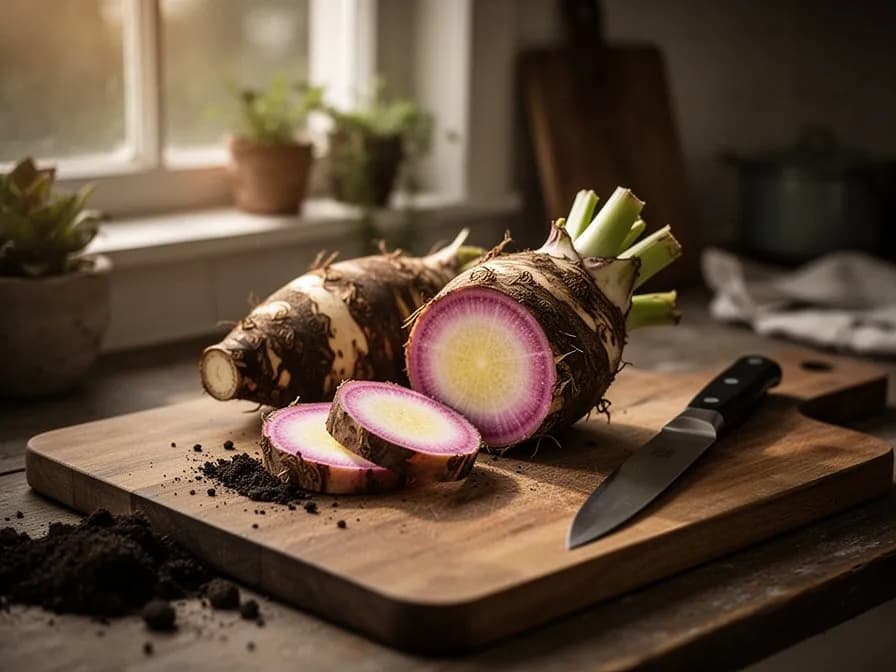
Frituras de Malanga (Malanga Fritters)
30 minCrispy on the outside and creamy on the inside, these traditional Caribbean fritters are made from finely grated raw malanga mixed with garlic and herbs, then fried to golden perfection. The natural starch in malanga binds the fritters without needing flour or egg.
7 ingredientsCreamy Malanga Soup
15 min prep + 35 min cookA silky, naturally thick soup that showcases malanga's incredible creaminess when pureed. The starchy flesh breaks down into a velvety texture that rivals any cream-based soup — without a drop of dairy. A staple comfort food across the Caribbean and Latin America.
8 ingredientsMalanga Chips with Mojo Sauce
25 minThinly sliced malanga fried or baked until shatteringly crisp, served with a bright Cuban-style mojo sauce of citrus, garlic, and olive oil. These chips have a nuttier, more complex flavor than potato chips and are naturally gluten-free.
4 ingredientsCulinary Uses
Malanga must always be cooked before eating. It shines in Caribbean and Latin American cuisine as a base for fritters, soups, and stews. Boil and mash like potatoes for a creamy, nutty side dish. Grate and fry into crispy alcapurrias or tostones. Add to sancocho and other hearty soups where it thickens the broth beautifully. The starchy texture makes it an excellent gluten-free thickener for sauces and gravies.
What's inside
Health Benefits
- Malanga's complex carbohydrates have a lower glycemic index than white potato or white rice, providing sustained energy release and helping to maintain stable blood sugar levels — a significant advantage for people managing diabetes or insulin resistance.
- One of the least allergenic foods known, making malanga safe for infants as a first solid food and invaluable for people with celiac disease, multiple food allergies, or severe digestive sensitivities where other starches cause reactions.
- Rich in potassium (448mg per 100g, 13% DV), supporting cardiovascular health by helping to regulate blood pressure and counteracting the blood-pressure-raising effects of dietary sodium.
- Contains resistant starch that acts as a prebiotic, feeding beneficial gut bacteria and supporting a healthy intestinal microbiome — this may reduce inflammation and improve nutrient absorption over time.
- Provides B vitamins (especially B6, riboflavin, and thiamine) critical for energy metabolism, nervous system function, and red blood cell formation — nutrients that can be challenging to obtain in sufficient quantities from plant-based diets.
- The high fiber and complex starch content promotes digestive regularity and satiety, supporting healthy weight management by keeping you full longer after meals without excessive calorie intake.
Where Malanga comes from
Malanga (Xanthosoma sagittifolium) is a tropical root crop native to the lowland rainforests of northern South America and southern Central America. Archaeological and botanical evidence points to the Amazon basin and the Orinoco River region as its center of origin, where wild Xanthosoma species still grow in forest understories. The Taino, Arawak, and Carib peoples domesticated malanga thousands of years ago, selecting varieties with larger corms, reduced calcium oxalate content, and improved flavor. By the time of European contact, malanga was a staple crop throughout the Caribbean islands, Central America, and northern South America.
Spanish and Portuguese colonizers carried malanga to West Africa during the 16th and 17th centuries, where it was adopted rapidly and became deeply integrated into local food systems across Nigeria, Ghana, Cameroon, and the Congo basin. The plant thrived in the humid tropical climate and filled an important niche as a shade-tolerant crop that could be grown beneath tree canopies. Known as 'cocoyam' or 'tannia' in Anglophone Africa, malanga became the second most important root crop after cassava in many West African nations.
Today, malanga is cultivated across the humid tropics worldwide, from the Caribbean and Latin America to West Africa, Southeast Asia, and the Pacific Islands. In the United States, it is grown commercially in southern Florida, where Cuban, Puerto Rican, and Dominican immigrant communities created strong demand. Global production exceeds 10 million tonnes annually, with Nigeria, Ghana, and Cuba among the largest producers. Malanga remains culturally central to Caribbean and Latin American cuisines, appearing in traditional dishes from Cuban frituras and Puerto Rican alcapurrias to Colombian sancocho and Costa Rican olla de carne.
Malanga: did you know?
Fascinating facts about Malanga
Malanga (Xanthosoma sagittifolium) is often confused with taro (Colocasia esculenta), but they are distinct genera — malanga has arrow-shaped leaves with the petiole attached to the leaf edge, while taro has shield-shaped leaves with the petiole attached to the center. The two plants have been independently cultivated for thousands of years on different continents.
Malanga questions, answered
When should I plant Malanga?
What are good companion plants for Malanga?
What hardiness zones can Malanga grow in?
How much sun does Malanga need?
How far apart should I space Malanga?
What pests and diseases affect Malanga?
How do I store Malanga after harvest?
What are the best Malanga varieties to grow?
What soil does Malanga need?
What is the difference between malanga and taro?
Can I grow malanga in a temperate climate?
Why does raw malanga make my skin itch?
How do I store malanga after harvest?
When is malanga ready to harvest?
Is malanga safe for people with food allergies?
You just read the theory. Now grow it on autopilot.
Everything that makes Malanga fiddly — the timing, the spacing, the companions, the harvest window — is exactly what PlotMyGarden handles for you, for every plant in your garden.
A plan that knows your weather
Set your location once. Get sow, feed and harvest dates built around your real last-frost date and live forecast — no more guessing from a generic seed packet.
From the “When to plant” sectionDrag-and-drop bed planner
Design beds on a grid. Every plant snaps to its proper spacing, and you can see your whole season laid out before you spend a cent on seed.
From the “Growing guide” sectionCompanion conflicts, caught early
200+ good-and-bad pairings checked live as you plant — so a season-wrecking mistake never makes it into the ground.
From the “Companions” sectionReminders you'll actually act on
“Water the beans.” “Pick today before it turns.” Timely, specific, and tied to the plants you're really growing.
From the “Harvest” sectionSuccession, scheduled
Want a harvest for six weeks, not six days? It spaces your sowings automatically and reminds you when each new block is due.
From the “When to plant” sectionA record that gets smarter
Every harvest you log teaches it your garden. Next year's plan starts from what actually worked in your soil, not a textbook's.
From the “Overview” sectionPlant these alongside Malanga
More Root Vegetables
Grow your best Malanga yet — and everything around it.
Start a free plan today. Lay out your beds, drop in your Malanga, and let PlotMyGarden handle the timing, spacing, companions and reminders from seed to harvest basket.