Nispero Japonés
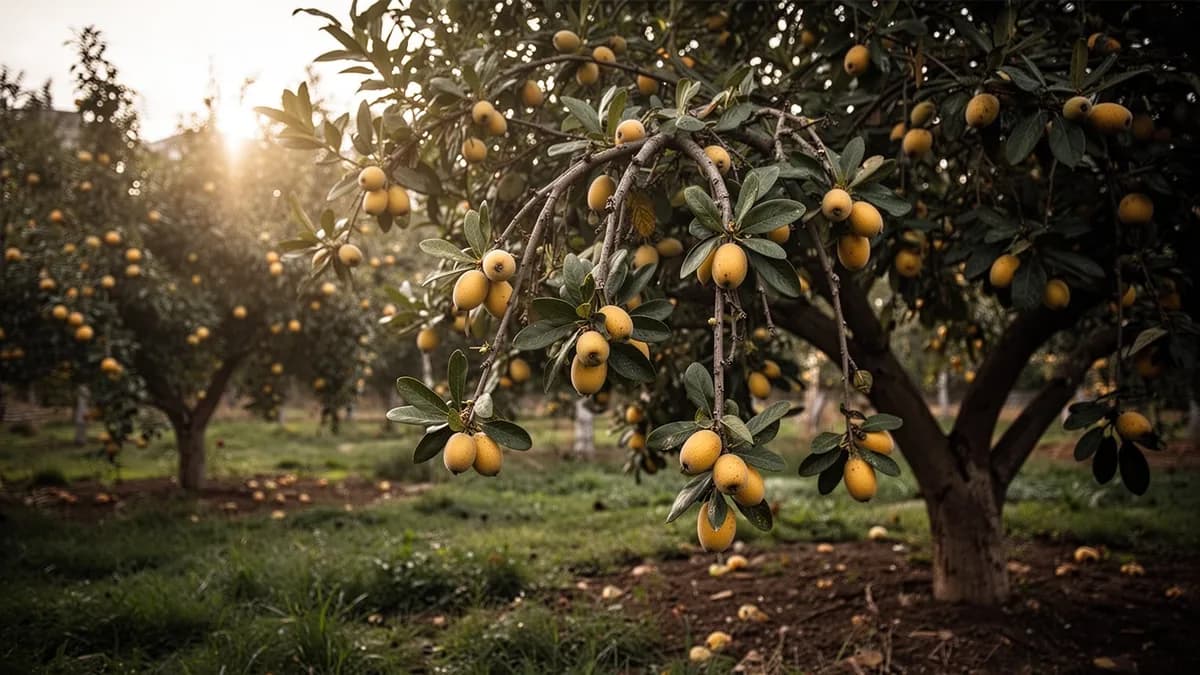
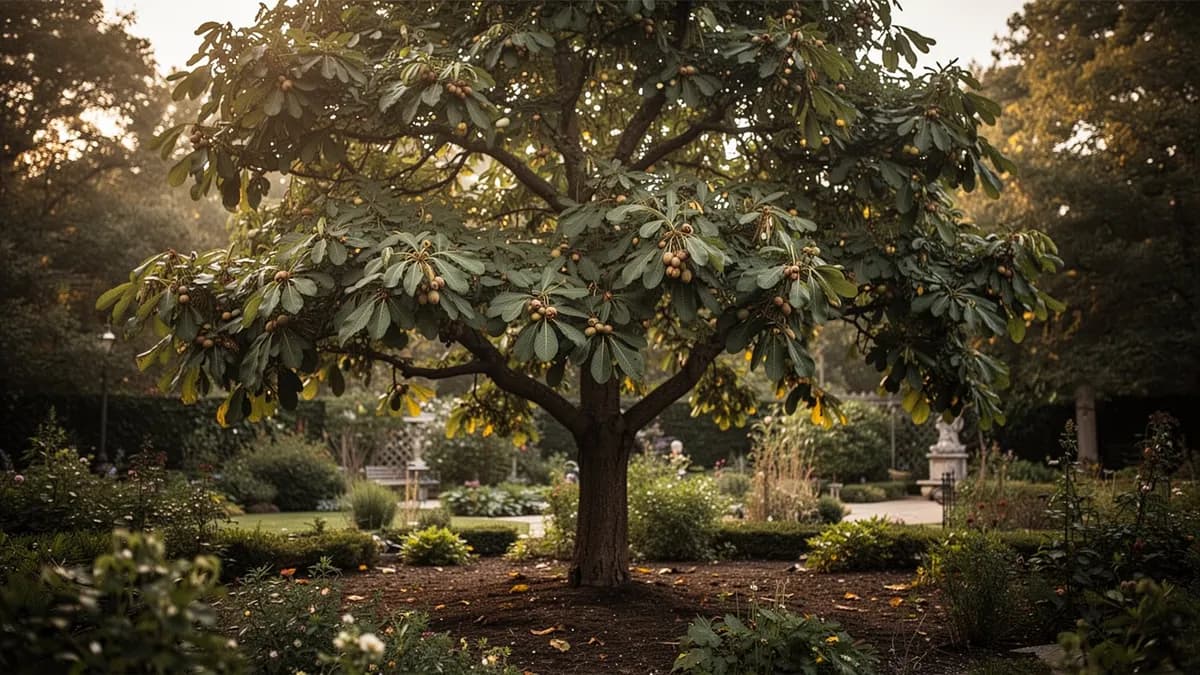
Un árbol subtropical de hoja perenne con hojas grandes y texturadas y racimos de pequeños frutos dulces y ligeramente ácidos que maduran entre finales del invierno y la primavera.





En esta páginaResumen
Conoce Nispero Japonés
Un árbol subtropical de hoja perenne con hojas grandes y texturadas y racimos de pequeños frutos dulces y ligeramente ácidos que maduran entre finales del invierno y la primavera. Los nísperos florecen en otoño y cuajan fruto durante el invierno, lo que los hace vulnerables a las heladas fuertes en climas límite. Son árboles ornamentales atractivos incluso donde la producción de fruta es irregular, gracias a su follaje tropical de gran porte. Aclare los racimos de frutos a cuatro o cinco por racimo para obtener frutos individuales más grandes y un mejor desarrollo del sabor.
Cuándo plantar Nispero Japonés
Las semillas de níspero germinan con facilidad cuando se siembran frescas, brotando en 1 a 3 semanas. Sin embargo, las plántulas tardan entre 6 y 8 años en fructificar y pueden no igualar la calidad del árbol madre. Las variedades con nombre se propagan por injerto, generalmente utilizando injertos de hendidura o de costado sobre portainjertos de níspero de semilla a finales del invierno. El acodo aéreo también resulta eficaz y produce una planta de tamaño fructífero en unos 2 años. Los árboles injertados en contenedor procedentes de vivero son la vía más rápida a la producción de fruta, fructificando a menudo entre 2 y 3 años después de la plantación.
Vigilamos el calendario para que tú no tengas que hacerlo
Dinos una vez dónde cultivas. Ajustamos tus ventanas de siembra y cosecha a tu temporada local — y te avisamos en cuanto se abre cada una.
Mira tus fechas exactas de Nispero Japonés
Comparte tu ubicación una vez y ajustaremos cada fecha de siembra y cosecha a tu temporada local real — no a un sobre genérico.
Se usa una vez para fijar tu temporada · nunca se comparteCómo cultivar Nispero Japonés
Los nísperos japoneses son árboles de hoja perenne elegantes que alcanzan entre 4.5 y 7.5 metros de altura, con hojas grandes, de color verde oscuro y textura marcada que confieren un aspecto tropical y llamativo. Crecen mejor a pleno sol o semisombra en suelo bien drenado con un pH de 6.0 a 7.5. Los nísperos toleran diversos tipos de suelo, incluidos arenosos, francos y arcillosos. Espacie los árboles entre 4.5 y 6 metros. Son excelentes como ejemplares aislados, en espaldera y en contenedores grandes.
Riegue con regularidad durante los dos primeros años y de forma moderada una vez establecidos. Los nísperos presentan una tolerancia moderada a la sequía cuando son adultos, pero producen la mejor fruta con una humedad constante durante el desarrollo del fruto en invierno y primavera. Aplique un fertilizante equilibrado para cítricos o frutales tres veces al año a principios de primavera, mediados de verano y principios de otoño. Cubra la base con mantillo para conservar la humedad y regular la temperatura del suelo.
El ciclo de floración único de los nísperos los distingue de otros frutales: florecen en otoño y maduran la fruta entre finales del invierno y principios de primavera. Este calendario inverso implica que las heladas fuertes durante el invierno pueden destruir la cosecha en desarrollo. En zonas límite, plante contra una pared orientada al sur para mayor protección. Aclare los racimos de frutos a 4-6 frutos por racimo cuando tengan el tamaño de un guisante para mejorar el calibre individual y la dulzura. Pode después de la cosecha para dar forma al árbol y eliminar ramas muertas o demasiado densas.
El planificador espacia cada planta por ti
Elige un tamaño de bancal y PlotMyGarden espacia tu Nispero Japonés a 500 cm, cuenta cuántas caben y lo distribuye antes de comprar una sola semilla.
Los mejores vecinos de Nispero Japonés
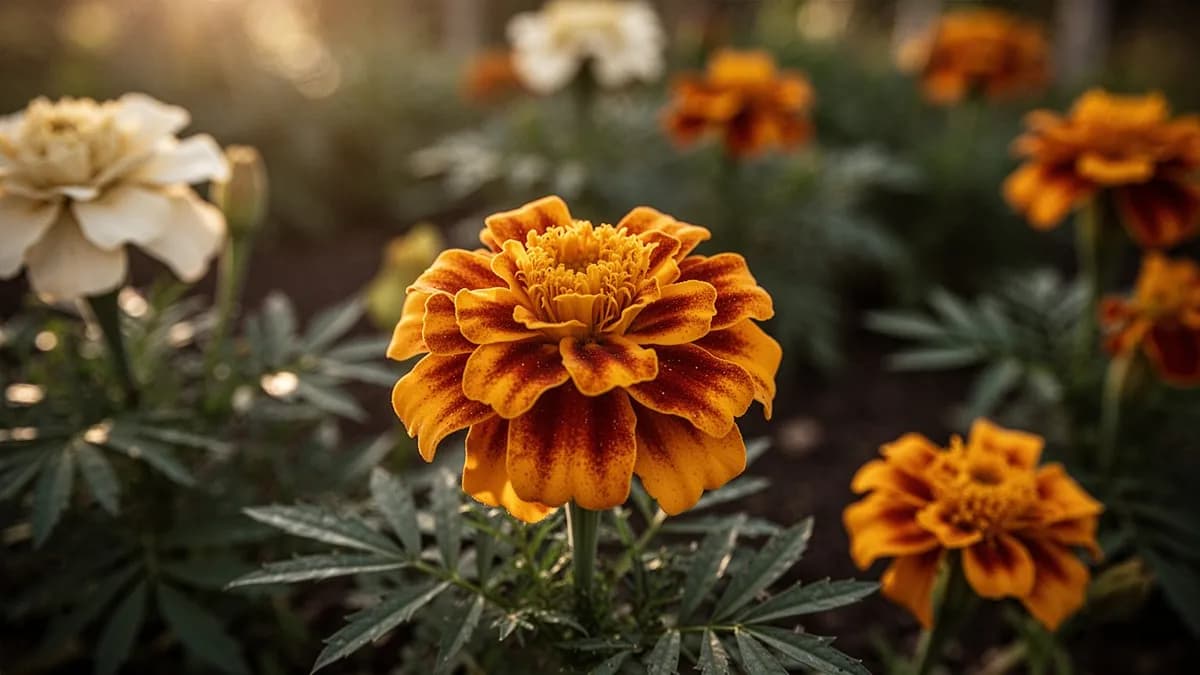
Los nísperos japoneses aportan una excelente estructura perenne en jardines mixtos. Su follaje de gran porte contrasta bellamente con gramíneas ornamentales de textura plumosa y arbustos de textura fina. Plante bajo su copa hierbas tolerantes a la sombra como menta y perejil, o utilícelos como telón de fondo para hierbas mediterráneas amantes del sol. Los nísperos encajan muy bien en jardines de inspiración asiática junto a bambúes y jengibres ornamentales. Evite plantarlos en zonas propensas a heladas fuertes donde la cosecha invernal se perdería. Las caléndulas y el aliso blanco alrededor de la base atraen a los polinizadores.
Detecta conflictos antes de plantar, no después
Cada planta que colocas se comprueba contra sus vecinas en tiempo real. Las buenas combinaciones brillan en verde; los conflictos se marcan al instante — para que un error que arruine la temporada nunca llegue a la tierra.
Abónalo bien
Los nísperos se adaptan a una amplia gama de suelos, desde arenosos hasta arcillosos, prefiriendo condiciones de buen drenaje con un pH de 6.0 a 7.5. Toleran suelos ligeramente alcalinos, habituales en climas mediterráneos. Aplique un fertilizante equilibrado para frutales tres veces al año, ajustando las dosis según el crecimiento del árbol y la producción de fruta. Complemente con micronutrientes como hierro y manganeso en suelos alcalinos, donde las carencias son frecuentes. Los cultivadores ecológicos pueden usar compost de estiércol, emulsión de pescado y harina de algas.
Temperatura ideal
Compatibilidad de zonas de rusticidad
De la semilla a la cosecha, etapa por etapa
Germinación y plántula
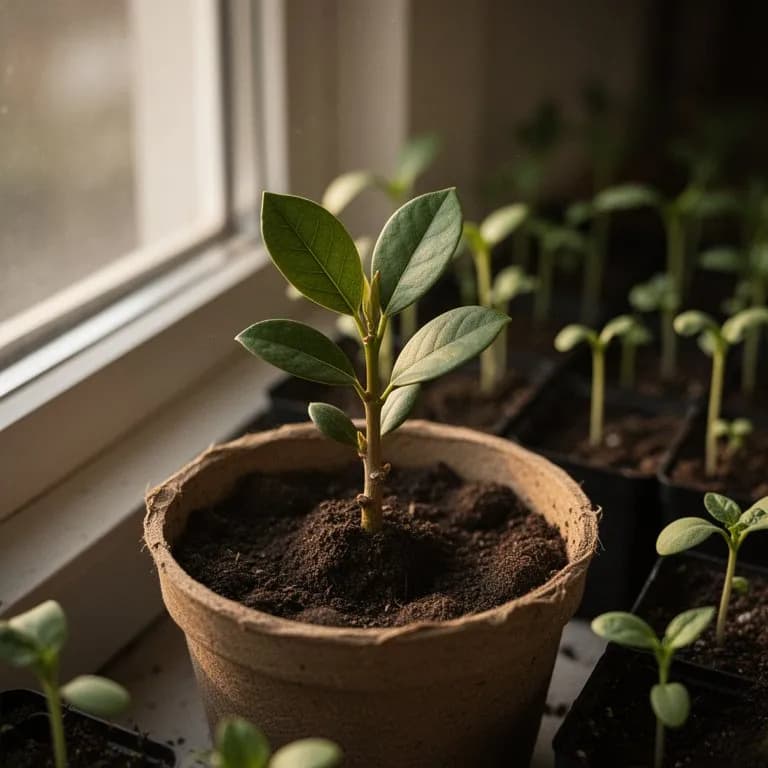
Las semillas de níspero germinan en 2 a 4 semanas cuando se mantienen calientes y húmedas. Las plántulas desarrollan su primer par de hojas verdaderas durante los tres primeros meses. Los árboles de semilla no serán fieles a la variedad madre y pueden tardar entre 8 y 10 años en fructificar.
Crecimiento vegetativo juvenil
El árbol joven se concentra en establecer un sistema radicular fuerte y desarrollar su estructura de ramas. El crecimiento es vigoroso durante los meses cálidos, produciendo hojas grandes, brillantes y de color verde oscuro que pueden alcanzar entre 25 y 30 centímetros de longitud. Los árboles injertados se desarrollan más rápidamente que los de semilla.
Maduración previa a la fructificación
El árbol continúa creciendo y llenando su copa, alcanzando entre 3 y 5 metros de altura. Las variedades injertadas pueden comenzar a florecer al final de esta etapa, generalmente alrededor del tercer o cuarto año. El árbol desarrolla una copa redondeada y densa de follaje perenne que ofrece un excelente valor ornamental.
Floración y cuajado del fruto
Los nísperos florecen en otoño y principios de invierno, algo inusual entre los frutales. Panículas de pequeñas flores blancas y fragantes aparecen en las puntas de las ramas. Cada panícula puede contener entre 40 y 100 flores individuales. La polinización se realiza mediante insectos y el cuajado del fruto tiene lugar en las semanas siguientes. Algunas variedades son parcialmente autofértiles, pero la polinización cruzada mejora el rendimiento.
Desarrollo y maduración del fruto
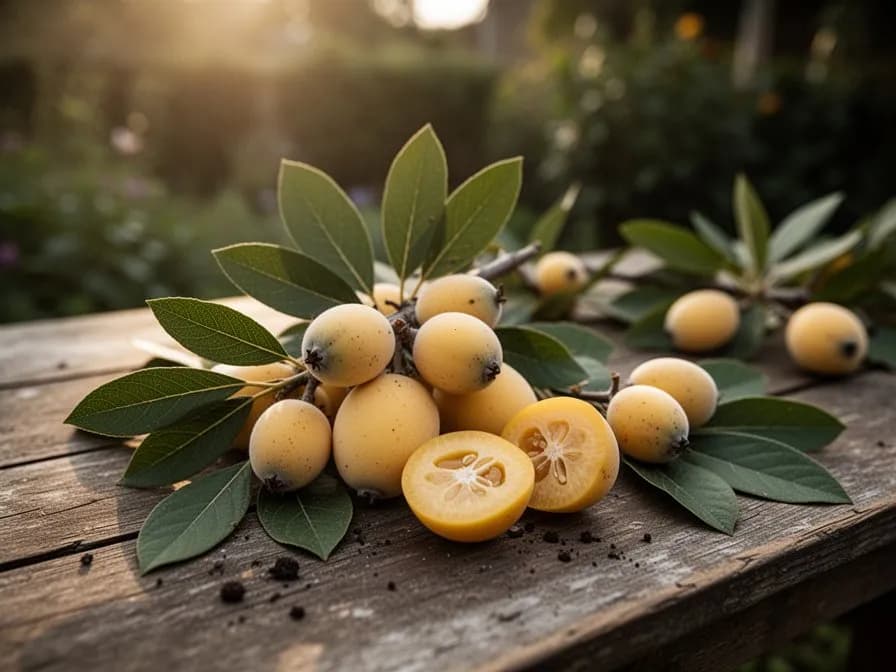
Tras la polinización, los frutos se desarrollan lentamente durante el invierno y maduran entre finales de primavera y principios de verano, aproximadamente 90 días después de la plena floración. Los frutos maduros son de forma ovalada a piriforme, de 3 a 5 centímetros de largo, y pasan de verde a amarillo dorado o anaranjado al madurar. La pulpa es jugosa, agridulce y aromática.
Árbol maduro en producción
Un níspero bien establecido produce fruta de manera fiable cada año y puede permanecer productivo durante 30 a 50 años o más. Los árboles maduros pueden alcanzar de 6 a 10 metros de altura si no se podan, aunque la mayoría de los árboles de jardín se mantienen entre 4 y 6 metros. La poda anual después de la cosecha ayuda a controlar el tamaño y estimula la formación de nueva madera fructífera.
Mantenga el sustrato constantemente húmedo pero sin encharcamiento. Proporcione luz indirecta brillante y mantenga temperaturas superiores a 15 grados Celsius para una germinación óptima.
Cuidar Nispero Japonés mes a mes
Qué hacer cada mes para tu Nispero Japonés
Julio
Mes actualNo hay tareas de cuidado específicas para este mes.
Cosechar Nispero Japonés
La fruta del níspero madura desde finales de febrero hasta mayo según el clima, pasando de verde a amarillo dorado o anaranjado cuando está lista. Coseche cuando la fruta esté completamente coloreada, ligeramente blanda al tacto y se separe fácilmente del racimo. Pruebe la dulzura, ya que la fruta que permanece demasiado tiempo en el árbol se vuelve harinosa. Corte racimos enteros con tijeras o recoja los frutos individualmente a mano. Manipule con cuidado, ya que los nísperos se magullan con facilidad. La breve ventana de cosecha de 2 a 3 semanas requiere recolección diaria durante el pico de madurez.
Contamos los días y te decimos cuándo recoger
Dinos cuándo plantaste y PlotMyGarden sigue la cuenta atrás de 1095 días hasta la cosecha — y te avisa el día en que tu Nispero Japonés está lista.
Almacenamiento y conservación
Los nísperos frescos son muy perecederos; se conservan solo 2 a 3 días a temperatura ambiente y aproximadamente una semana refrigerados. Manipúlelos con cuidado y guárdelos en una sola capa. La mermelada y la jalea de níspero son las formas de conserva más populares, con un sabor delicado que recuerda a una mezcla de melocotón y cítricos. La fruta puede escalfarse en almíbar, secarse o transformarse en chutney. El vino y el licor de níspero son preparaciones tradicionales en los países mediterráneos. La fruta se congela razonablemente bien una vez pelada, despepitada y envasada en almíbar ligero.
Qué falla — y cómo solucionarlo
Fuego Bacteriano
EnfermedadLos racimos florales se vuelven marrones y se marchitan. Las puntas de los brotes se curvan en forma de cayado de pastor. La corteza desarrolla chancros con exudado bacteriano.
Mosca de la Fruta
PlagaPequeñas perforaciones de punción en los frutos en fase de maduración. Las larvas se desarrollan en el interior, provocando que la fruta se ablande y se pudra prematuramente.
Chancro del Peral
EnfermedadChancros hundidos y descoloridos en ramas y tronco que exudan durante el tiempo húmedo. Las ramas situadas por encima del chancro pueden marchitarse y morir.
Solución de problemas comunes
La pérdida de cosecha por heladas invernales es la limitación más significativa en climas límite, ya que la fruta se desarrolla durante el invierno y se daña con temperaturas por debajo de -2 grados. El fuego bacteriano puede ser destructivo, sobre todo durante los períodos de floración otoñal con humedad elevada. El agrietamiento de los frutos se produce cuando lluvias intensas siguen a una sequía durante el desarrollo de la fruta. Las aves y la fauna silvestre compiten por la fruta madura y puede ser necesario utilizar mallas de protección. El aclareo de los racimos de frutos es esencial para obtener un buen calibre, pero resulta un trabajo tedioso.
Consejos de cultivo
- Plante variedades injertadas o con nombre en lugar de plántulas de semilla para garantizar una calidad de fruta fiable y una producción más temprana. Los cultivares más populares incluyen Gold Nugget, Champagne y Big Jim.
- Elija un lugar de plantación a pleno sol y con suelo bien drenado. Los nísperos toleran diversos tipos de suelo, incluidos arcillosos, francos y arenosos, pero no prosperarán en suelos encharcados.
- Riegue los árboles jóvenes con regularidad durante los dos primeros años para establecer un sistema radicular profundo. Una vez establecidos, los nísperos son moderadamente tolerantes a la sequía, pero producen mejor fruta con una humedad constante.
- Aplique fertilizante para cítricos o frutales tres veces al año a principios de primavera, mediados de verano y principios de otoño. Evite las aplicaciones fuertes de nitrógeno a finales del verano, ya que pueden reducir la floración.
- Pode inmediatamente después de la cosecha cada año para controlar el tamaño del árbol y dar forma a la copa. Elimine las ramas muertas, cruzadas o que crezcan hacia el interior para mejorar la circulación de aire y la penetración de luz.
- Aclare los racimos de frutos a 4-6 por panícula cuando tengan el tamaño de una canica. Esto produce frutos más grandes, más dulces y con una coloración más uniforme en comparación con los racimos sin aclarear.
- Proteja las flores y los frutos jóvenes del daño por heladas cubriendo el árbol con tela antihelada cuando se prevean temperaturas por debajo de -2 grados Celsius.
- Coseche los nísperos cuando estén completamente coloreados y cedan ligeramente a una presión suave. A diferencia de muchas frutas, los nísperos no siguen madurando después de la recolección, así que la paciencia en la cosecha se traduce en mejor sabor.
- Cubra con malla los racimos de frutos en maduración para protegerlos de pájaros, murciélagos frugívoros y otros animales, que se sienten fuertemente atraídos por la fruta dulce y aromática a medida que madura.
- En climas más frescos, considere cultivar los nísperos contra una pared o cerca orientada al sur, donde el calor reflejado puede proteger las flores del frío invernal y favorecer una maduración más temprana.
Elige tu Nispero Japonés
Big Jim
Fruto grande y redondeado con pulpa dulce de color amarillo anaranjado. Una de las variedades más populares para el jardín doméstico en California y la región de la Costa del Golfo.
Champagne
Fruto de piel amarilla con pulpa blanca muy dulce y un sabor delicado. Maduración temprana y producción fiable en climas cálidos.
Gold Nugget
Una variedad excepcionalmente dulce con pulpa de color naranja intenso y semillas pequeñas. Porte compacto del árbol, adecuado para jardines pequeños y cultivo en contenedor.
Tanaka
Variedad japonesa con frutos grandes en forma de pera y pulpa agridulce de color naranja. Crecimiento vigoroso y buena tolerancia al frío para un níspero.
Un solo níspero maduro puede producir entre 30 y 50 kilogramos de fruta al año, lo que a los precios típicos de mercados especializados de 8 a 15 dólares por kilogramo se traduce en un valor de 240 a 750 dólares anuales en fruta. Dado que los nísperos rara vez se encuentran en supermercados convencionales y alcanzan precios elevados en mercados de agricultores y tiendas de especialidades asiáticas, cultivar su propio árbol proporciona un ahorro significativo al tiempo que garantiza acceso a esta fruta poco común y muy perecedera en su punto óptimo de madurez.
Recetas rápidas
Mermelada de níspero y jengibre
45 minutosUna conserva fragante y dorada que captura el sabor agridulce único de los nísperos frescos con un toque cálido de jengibre. Perfecta para untar en tostadas, bollos o mezclar con yogur. Esta mermelada se conserva bien en tarros esterilizados durante varios meses.
5 ingredientesSorbete de níspero
20 minutos más tiempo de congelaciónUn postre helado refrescante que realza el delicado sabor floral y afrutado del níspero, similar al albaricoque. Este sorbete sin lácteos es fácil de preparar y constituye un final elegante para cualquier comida durante la temporada de cosecha de finales de primavera.
5 ingredientesChutney de níspero
35 minutosUn condimento agridulce y salado que marida de maravilla con carnes a la parrilla, tablas de quesos y curris. La combinación de nísperos maduros, especias cálidas y un toque de vinagre crea un chutney complejo y versátil que mejora con el tiempo.
8 ingredientesUsos culinarios
Los nísperos están deliciosos comiéndolos frescos cuando están bien maduros, con un sabor que combina notas de melocotón, cítricos y un toque suave de mango. Son excelentes para mermeladas, jaleas y rellenos de tartas. Los nísperos escalfados en almíbar de vainilla constituyen un postre elegante. La fruta se utiliza ampliamente en postres y sopas asiáticas. El vino y el licor de níspero son preparaciones tradicionales mediterráneas. En la cocina china, el jarabe de níspero es un remedio tradicional y un aromatizante empleado en bebidas y postres.
Qué contiene
Beneficios para la salud
- Rico en vitamina A y carotenoides que favorecen una visión saludable, la integridad cutánea y la función de las membranas mucosas en todo el organismo.
- Contiene potasio y otros minerales que ayudan a mantener niveles saludables de presión arterial y apoyan el correcto funcionamiento cardiovascular.
- Aporta fibra dietética que promueve una digestión regular, alimenta las bacterias intestinales beneficiosas y ayuda a mantener niveles estables de azúcar en sangre después de las comidas.
- Los extractos de hoja de níspero han sido estudiados por sus posibles propiedades antiinflamatorias, y la medicina tradicional utiliza las hojas para aliviar las molestias respiratorias.
- Los compuestos fenólicos y antioxidantes presentes en el fruto del níspero pueden ayudar a proteger las células del estrés oxidativo y reducir los marcadores de inflamación crónica.
- Fruta de bajo índice glucémico que puede disfrutarse como un tentempié saludable para personas que controlan su nivel de azúcar en sangre o su ingesta calórica.
De dónde viene Nispero Japonés
El níspero japonés (Eriobotrya japonica) es originario de las frescas regiones montañosas del centro-sur de China, donde se ha cultivado como planta frutal y medicinal durante más de dos mil años. Textos chinos antiguos de la dinastía Han mencionan el níspero entre los árboles de jardín más valorados, y su cultivo se extendió paulatinamente a través de las rutas comerciales por todo el este de Asia. El árbol fue introducido en Japón hace más de mil años, donde se naturalizó de tal manera que los primeros botánicos europeos creyeron erróneamente que era una especie nativa japonesa, lo que dio lugar al nombre de especie japonica asignado por Carl Peter Thunberg en 1780. Desde Japón y China, el níspero viajó hacia occidente por la Ruta de la Seda y las rutas marítimas, llegando a India, el Sudeste Asiático y Oriente Medio. Los comerciantes árabes llevaron el árbol a la región mediterránea durante la Edad Media, y este se adaptó rápidamente a los climas cálidos de España, Italia, Turquía y el norte de África. Los colonos españoles y portugueses trasladaron el níspero a las Américas en los siglos XVI y XVII, estableciéndolo en Brasil, Argentina y finalmente en el sur de Estados Unidos. En California y Florida, el níspero ganó popularidad tanto como frutal de patio como ejemplar ornamental de jardín, valorado por su hermoso follaje perenne y sus fragantes flores invernales. Hoy en día el níspero se cultiva comercialmente en China, Japón, España, Brasil, Turquía, Pakistán y varios otros países. China sigue siendo con diferencia el mayor productor, cultivando más de la mitad de la producción mundial. A pesar de su larga historia, el níspero sigue siendo relativamente desconocido en muchos mercados occidentales porque la fruta es muy perecedera y no soporta bien el transporte, lo que lo convierte en un manjar local muy preciado allí donde crece en lugar de una mercancía global.
Nispero Japonés: ¿sabías que?
Datos fascinantes sobre Nispero Japonés
Los nísperos florecen en otoño e invierno y dan fruto en primavera, lo que los convierte en uno de los pocos frutales con un ciclo de fructificación inverso en comparación con la mayoría de las especies de clima templado.
Nispero Japonés: preguntas frecuentes
¿Cuándo debo plantar Nispero Japonés?
¿Cuáles son buenas plantas acompañantes para Nispero Japonés?
¿En qué zonas de rusticidad puede crecer Nispero Japonés?
¿Cuánto sol necesita Nispero Japonés?
¿A qué distancia debo espaciar Nispero Japonés?
¿Qué plagas y enfermedades afectan a Nispero Japonés?
¿Cómo almaceno Nispero Japonés después de la cosecha?
¿Cuáles son las mejores variedades de Nispero Japonés para cultivar?
¿Qué suelo necesita Nispero Japonés?
¿Cuánto tiempo tarda un níspero en dar fruto?
¿Puedo cultivar un níspero en maceta?
¿Por qué mi níspero no produce fruta?
¿Las semillas de níspero son comestibles o tóxicas?
¿Qué plagas y enfermedades afectan a los nísperos?
¿Cuál es la mejor época para plantar un níspero?
Acabas de leer la teoría. Ahora cultívala en piloto automático.
Todo lo que hace que Nispero Japonés sea delicado — el momento, el espaciado, las asociaciones, la ventana de cosecha — es justo lo que PlotMyGarden resuelve por ti, para cada planta de tu huerto.
Un plan que conoce tu clima
Indica tu ubicación una vez. Recibe fechas de siembra, abonado y cosecha basadas en tu última helada real y el pronóstico en vivo — sin adivinar con un sobre genérico.
De la sección “Cuándo plantar”Planificador de bancales de arrastrar y soltar
Diseña bancales sobre una cuadrícula. Cada planta encaja con su espaciado correcto y ves toda la temporada antes de gastar un céntimo en semillas.
De la sección “Cultivo”Conflictos de asociación, detectados a tiempo
Más de 200 buenas y malas combinaciones comprobadas en vivo mientras plantas — para que un error que arruine la temporada nunca llegue a la tierra.
De la sección “Asociaciones”Recordatorios que sí vas a seguir
“Riega las judías.” “Recoge hoy antes de que se pase.” Oportunos, concretos y ligados a las plantas que de verdad cultivas.
De la sección “Cosecha”Escalonado, programado
¿Quieres cosechar seis semanas en vez de seis días? Reparte tus siembras automáticamente y te avisa cuando toca el siguiente lote.
De la sección “Cuándo plantar”Un registro que se vuelve más listo
Cada cosecha que registras le enseña tu huerto. El plan del año que viene parte de lo que de verdad funcionó en tu suelo, no en un manual.
De la sección “Resumen”Planta estos junto a Nispero Japonés
Más Árboles frutales
Mantén Nispero Japonés lejos de estos
Cultiva tu mejor Nispero Japonés — y todo lo que la rodea.
Empieza un plan gratis hoy. Diseña tus bancales, coloca tu Nispero Japonés y deja que PlotMyGarden gestione el momento, el espaciado, las asociaciones y los recordatorios de la semilla a la cesta.