Longan
A close relative of the lychee producing smaller, smooth-skinned fruits with sweet, musky flesh often described as dragon eye fruit.





On this pageOverview
Meet Longan
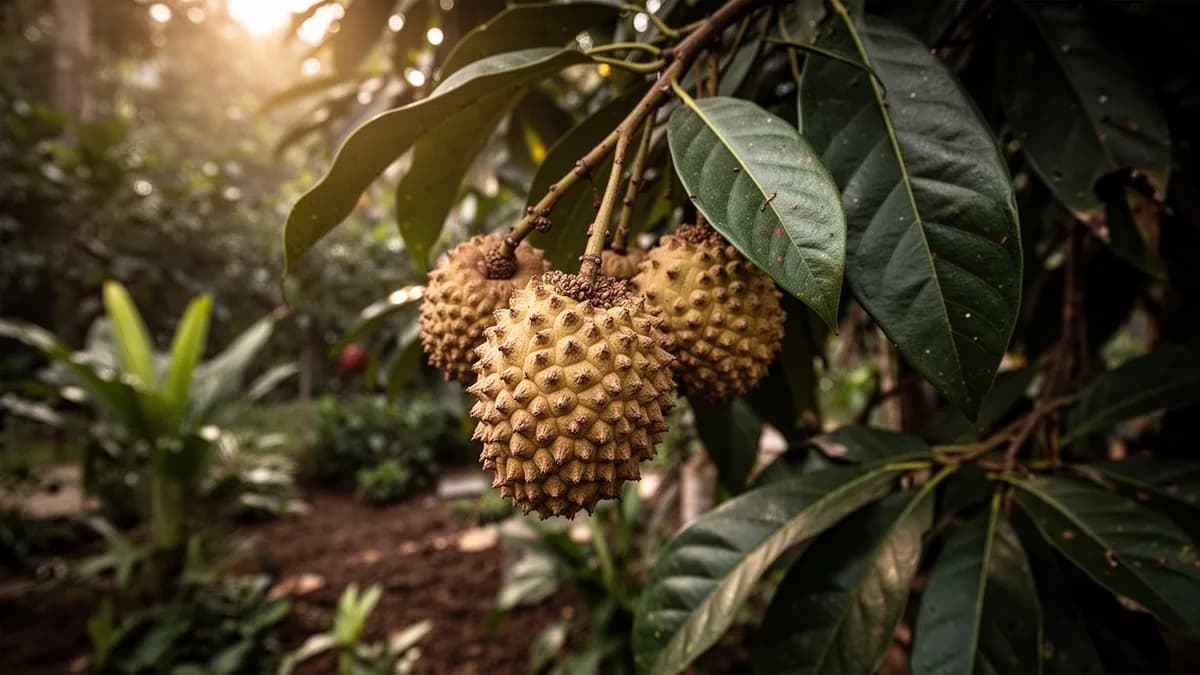
A close relative of the lychee producing smaller, smooth-skinned fruits with sweet, musky flesh often described as dragon eye fruit. Longans are slightly more cold-tolerant than lychees and can withstand brief freezes once mature. The fruits hang in large clusters and ripen over several weeks, providing an extended harvest period.
When to plant Longan
Longan seeds germinate readily but should be planted fresh, as they lose viability within a few days of removal from the fruit. Clean the seed and plant half an inch deep in moist potting mix. Keep warm at 75 to 85 degrees Fahrenheit with consistent moisture. Germination occurs in seven to fourteen days. Seedling trees take seven to ten years to fruit and may not be true to type, so grafted trees are preferred for reliable fruit production.
Your Longan Year
Composed for Zone 7 · typical seasons · frost passes Apr 2, returns Nov 1
Plant Longan Mar – May, pick Jul – Sep. Check the planting methods below and set your climate to personalize these windows.
How to grow Longan
Longan trees thrive in warm subtropical to tropical climates and are somewhat more cold-hardy than their lychee relatives, tolerating brief dips to around 25 degrees Fahrenheit once mature. Select a sunny, wind-protected site with well-draining soil. Plant grafted trees in a hole twice the width of the root ball, keeping the graft union above soil level. Water regularly during establishment and mulch heavily to retain moisture.
Longans benefit from a cool dry period in winter to trigger flowering. Potassium chlorate soil drenches are sometimes used commercially to induce off-season flowering. Fertilize three to four times per year with a balanced fertilizer, increasing potassium levels during fruiting. Avoid high-nitrogen fertilizers during the flowering period, as excess vegetative growth competes with fruit development.
Prune after harvest to maintain tree size and shape, removing inward-growing branches to improve air circulation and light penetration. Longans tend to grow into large spreading trees if unpruned, reaching thirty to forty feet tall and wide. Regular tipping of new growth helps keep trees compact and manageable for home gardens. Thinning heavy fruit clusters improves individual fruit size and quality.
Longan needs more room than a 4 × 8 ft bed gives
Each Longan wants 600 cm of elbow room. The planner keeps that spacing for you — every plant, every bed.
Longan's best neighbours
Longan trees pair well with other tropical fruit trees like lychee and rambutan in mixed orchards. Nitrogen-fixing ground covers such as perennial peanut or clover help maintain soil fertility beneath the canopy. Shade-tolerant crops like taro, ginger, and turmeric thrive under mature longan trees. Avoid planting near black walnut trees, which produce juglone that inhibits growth of many tropical species.
Lychee belongs beside it.
Old growers' knowledge, checked against Longan's real companion table below — test any plant you're growing.
Try Longan in a bed — right here
A real planner bed with Longan already in it. Tap a companion to place it and watch the pairing checks answer — green for good neighbours, red for a clash.


Related growing guides
Feed it well
Longans prefer slightly acidic to neutral well-draining soil with a pH of 5.5 to 6.5. They tolerate a wider range of soil types than lychees, including sandy and loamy soils. Apply a balanced tropical fruit tree fertilizer three to four times annually, with extra potassium during fruiting. Supplement with micronutrients including zinc, manganese, and iron as needed. Organic mulch and compost improve soil structure and provide slow-release nutrients.
Ideal Temperature
Hardiness Zone Compatibility
From seed to harvest, stage by stage
Seed Germination & Seedling
Longan seeds germinate within 1-2 weeks under warm, humid conditions. The seedling emerges with a reddish stem that gradually greens as the first leaves unfurl. At this stage the plant is tender and requires protection from direct sun and strong winds.
Juvenile Vegetative Growth
The young tree produces multiple flushes of new growth, each flush displaying attractive copper-red leaves that mature to glossy dark green. The tree focuses energy on developing its root system and primary branch structure during this phase.
Canopy Establishment
The tree develops a rounded, spreading canopy with dense, pinnate leaves. Light pruning during this phase helps shape the tree and establish good structure for future fruit bearing. Trees grown from grafted cuttings may begin showing pre-flowering behavior toward the end of this stage.
First Flowering
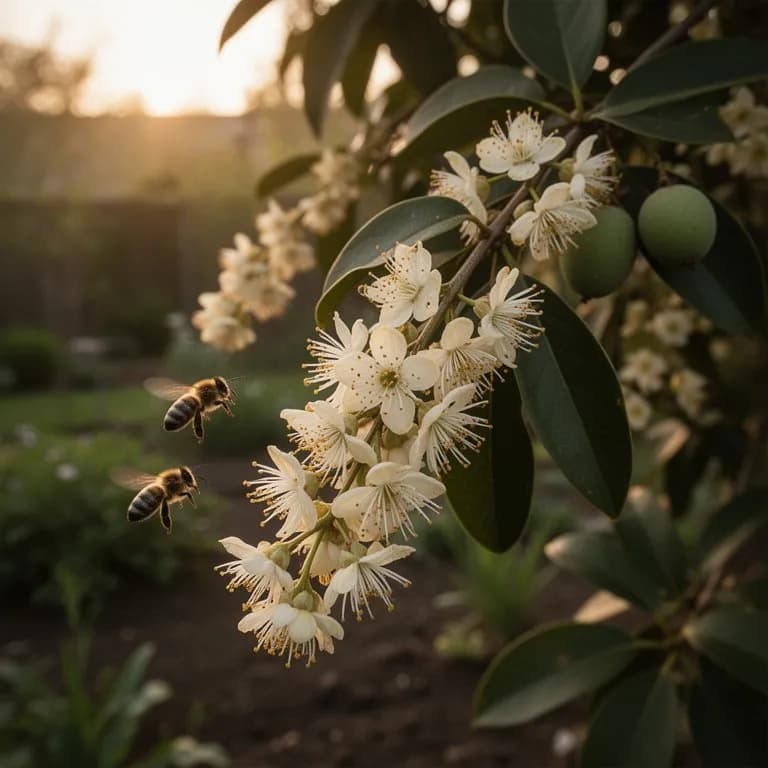
Grafted trees typically flower for the first time between 3-4 years. Large terminal panicles of small, fragrant yellowish-white flowers appear in spring. A single panicle may contain thousands of individual flowers, attracting bees and other pollinators from considerable distances.
Fruit Development
After successful pollination, small green fruit begin to develop in clusters. The fruit gradually enlarges over 3-4 months, with the shell shifting from green to yellowish-brown as it approaches maturity. The flesh becomes increasingly translucent and sweet during this phase.
Harvest
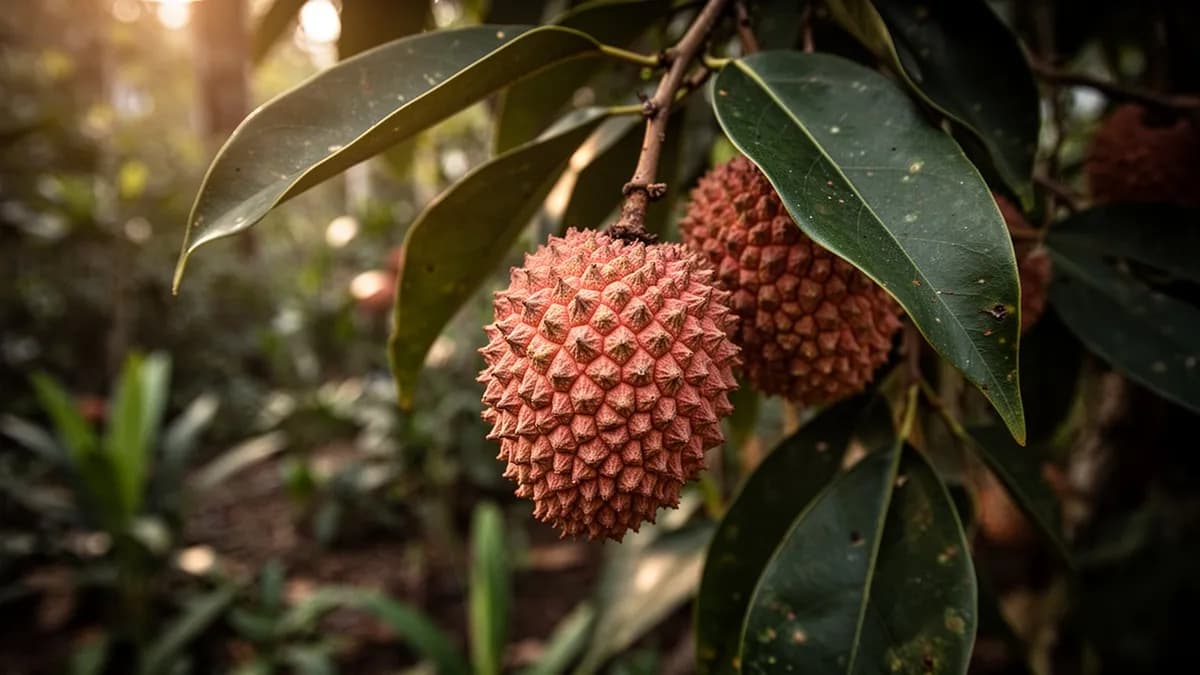
Longan fruit reaches full maturity in summer, typically July through September depending on variety and location. Ripe fruit has a tan to light brown shell, aromatic fragrance, and easily separates from the stem. Entire clusters are harvested by cutting the panicle from the branch.
Post-Harvest Rest & Recovery
After harvesting, the tree enters a recuperative phase. Pruning after harvest encourages the growth of new shoots that will bear next season's flowers. Proper post-harvest nutrition helps the tree rebuild its energy reserves for the following year's fruit production.
Keep the growing medium consistently moist but not waterlogged. Maintain temperatures above 24°C (75°F) for best germination rates.
Caring for Longan month by month
What to do each month for your Longan
October
You are hereApply a final fertilizer application for the year. Mulch around the base of the tree to retain moisture heading into drier months. Inspect for root rot in areas with heavy autumn rains.
Know exactly what to do in your garden — every month
One email at the start of each month: what to sow, plant, and tackle right now — for your Longan and everything growing around it. Plus a short starter course that helps you dodge the classic mistakes.
- What to do, right now
- Matched to your season
- Starter course included
Harvesting Longan
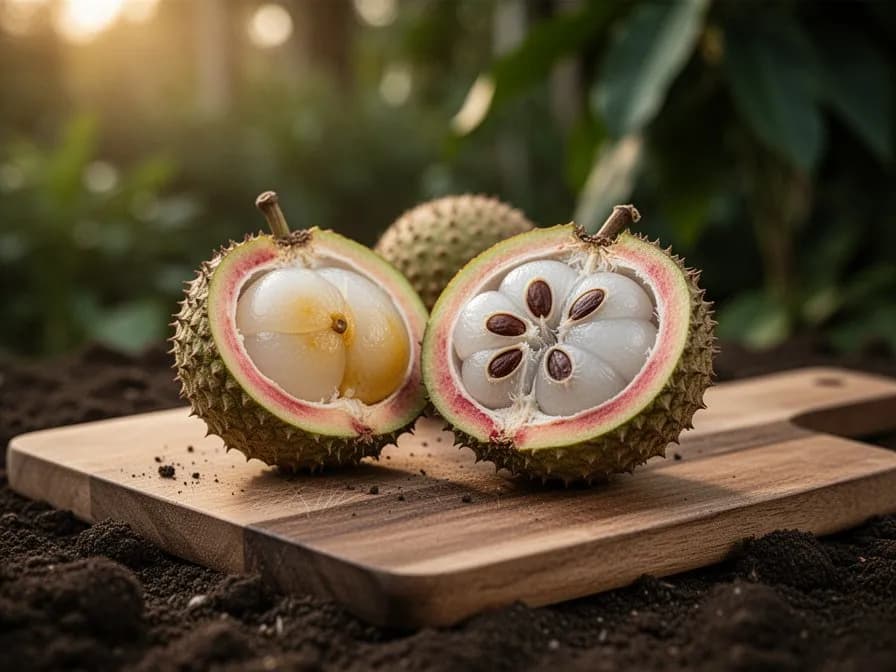
Longans ripen in clusters over a period of several weeks. Harvest when the skin turns tan to light brown and the flesh becomes translucent and sweet. Cut entire fruit clusters from the branch using pruning shears rather than picking individual fruits. Taste-test a few fruits from each cluster to confirm ripeness, as longans do not continue to ripen after picking. Handle clusters carefully to avoid detaching individual fruits, which shortens shelf life.
assuming you plant when the window opens — set your real date
Pick Longan promptly and the plant keeps producing.
Storage & Preservation
Fresh longans store in the refrigerator for up to two weeks in a perforated plastic bag. For longer preservation, freeze whole unpeeled fruits for up to six months. Dried longan is a traditional Chinese medicine ingredient and pantry staple, made by drying peeled and seeded fruit in a dehydrator or low oven until leathery. Longans can also be canned in syrup or preserved as a sweet paste for desserts and beverages.
What goes wrong — and the fix
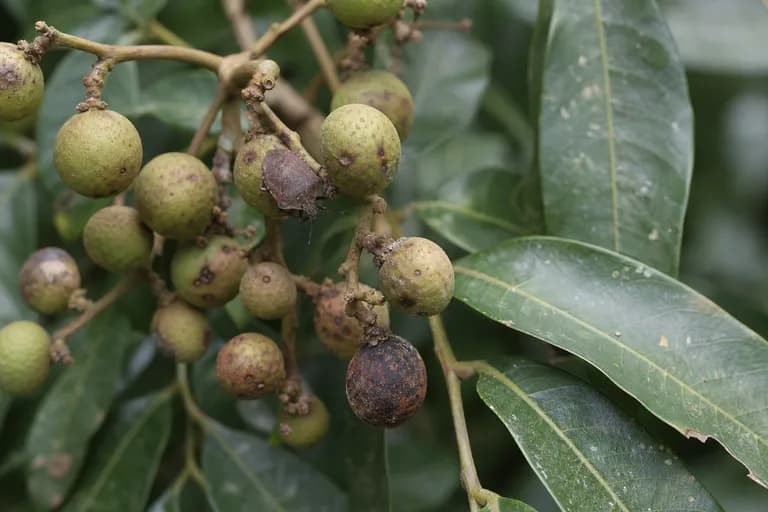
Longan Stink Bug
PestPuncture marks on developing fruit, premature fruit drop, off-flavors in harvested fruit from feeding damage.
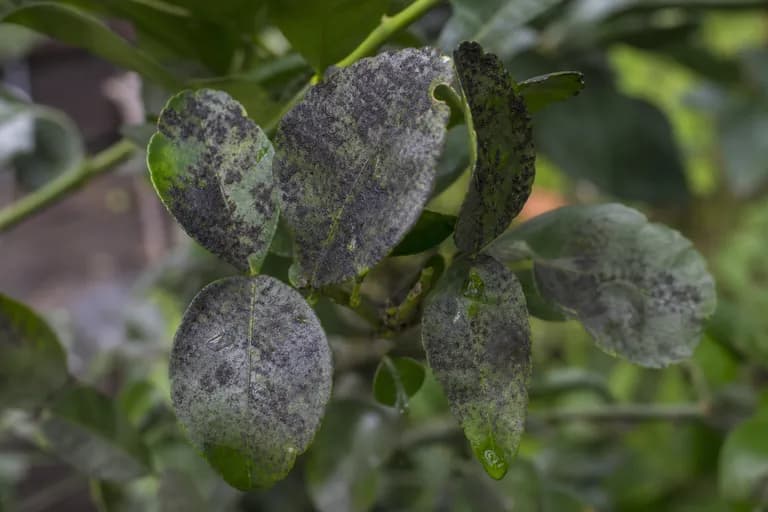
Sooty Mold
DiseaseBlack powdery coating on leaves and fruit, reduced photosynthesis, weakened tree vigor. Grows on honeydew excreted by sap-sucking insects.
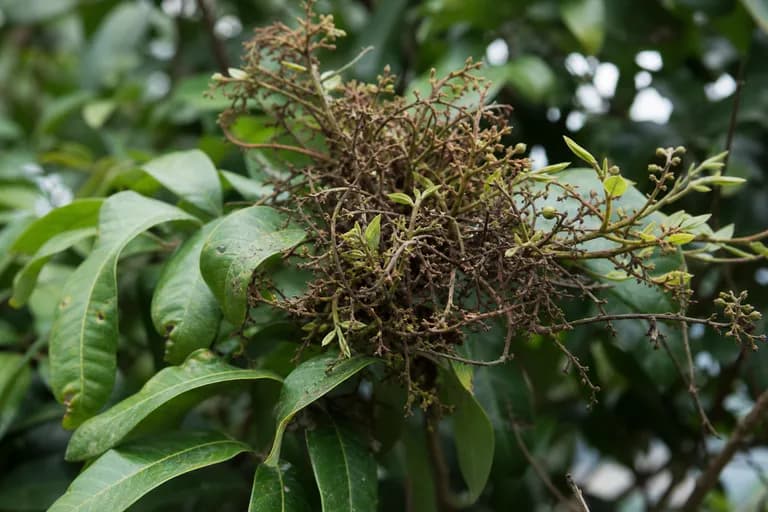
Longan Witch's Broom
DiseaseAbnormal proliferation of small shoots at branch tips forming dense clusters resembling brooms, reduced or no fruit production on affected branches.
Troubleshooting Common Problems
Alternate bearing is common in longans, with heavy crop years followed by light ones. This can be managed through fruit thinning in heavy years and proper fertilization. Poor fruit set may result from insufficient winter dormancy or rainy conditions during flowering that prevent pollination. Fruit cracking occurs with irregular watering patterns. Longans may produce excessive vegetative growth at the expense of fruiting if over-fertilized with nitrogen.
Growing Tips
- Plant longan in full sun — it requires a minimum of 8 hours of direct sunlight daily for healthy growth and fruit production. Shade-grown trees grow slowly and rarely fruit well.
- Longan performs best in well-draining, slightly acidic to neutral soil with a pH of 5.5–6.5. Waterlogged roots are one of the primary causes of tree decline, so avoid heavy clay soils or improve drainage before planting.
- In subtropical climates outside of the tropics, choose a frost-protected microclimate such as a south-facing wall or a hillside above frost-settling valleys. Even a few degrees of frost protection can make the difference between a thriving tree and one that suffers annual damage.
- To encourage flower bud initiation on mature trees, implement a controlled drought period of 4–6 weeks during winter when temperatures are cooler. This mild stress combined with cool nights is the trigger most longan varieties need to break vegetative growth and initiate flowering.
- Avoid applying high-nitrogen fertilizers in the months leading up to flowering, as excessive nitrogen promotes lush vegetative flushes at the expense of flower production. Switch to a low-nitrogen, high-potassium fertilizer blend in late autumn.
- Mulching around the base of the tree with a 10–15 cm (4–6 inch) layer of wood chips or straw helps retain soil moisture, regulate root zone temperatures, suppress weeds, and slowly improve soil organic matter as it decomposes — avoid piling mulch directly against the trunk.
- Container-grown longan trees can be kept productive in cooler climates by moving them indoors or into a greenhouse during winter months. Use the largest container you can manage — a 100–200 liter (25–50 gallon) pot allows the root system to develop adequately.
- Longan is largely self-pollinating, but planting two or more trees of different varieties nearby significantly increases fruit set and overall yield by ensuring cross-pollination during the bloom period.
- When harvesting, cut entire fruit clusters from the tree rather than picking individual fruits. This minimizes handling damage and reduces the risk of tearing branches. Use clean, sharp pruning shears and harvest in the morning.
- After harvest, prune the tree to remove the fruited shoots, cutting back to encourage two to three new vegetative flushes before the next flowering season. These new shoots will become the fruiting wood for the following year's crop.
Grow your best Longan yet — and everything around it.
Start a free plan today. Lay out your beds, drop in your Longan, and let PlotMyGarden handle the timing, spacing, companions and reminders from seed to harvest basket.
Pick your Longan
Kohala
A consistently heavy-bearing Hawaiian variety with large, sweet fruit. The most popular dooryard variety in subtropical regions due to its reliability.
Biew Kiew
A Thai variety known for exceptionally large fruit with crisp, sweet flesh and a small seed. Requires cross-pollination for best yields.
Chompoo
A pink-fleshed variety from Thailand with a unique floral flavor. Smaller fruit size but prized for its distinctive appearance and taste.
Sri Chompoo
Produces medium-sized fruit with excellent sweet flavor and good shelf life. A vigorous grower that bears reliably in subtropical climates.
Fresh longan fruit is seasonal and often expensive when imported, frequently selling for $5–10 USD per pound at Asian grocery stores and specialty markets in North America and Europe. A single mature longan tree growing in a suitable subtropical climate can produce 100–200 kg (220–440 lbs) of fruit annually, representing a potential retail value of $1,100–$4,400 USD per year. Beyond fresh consumption, homegrown longan can be dried for year-round use, eliminating the cost of imported dried longan which often sells for $15–25 USD per pound. For households that regularly cook Chinese cuisine or use longan in herbal teas and traditional preparations, growing even one or two trees can yield significant long-term savings while providing fresher, superior-quality fruit with no added preservatives or sulfites.
Quick recipes
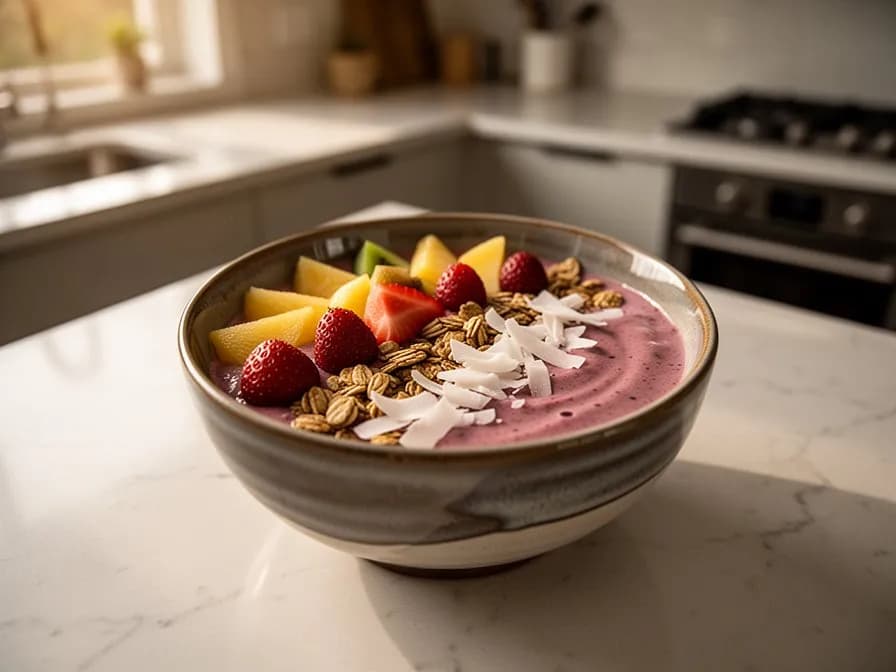
Longan Lychee Fruit Salad
10 minutesA refreshing tropical fruit salad that pairs fresh longan with lychee, mango, and mint for a vibrant, aromatic dessert perfect for warm weather gatherings.
6 ingredientsLongan and Red Date Herbal Tea
20 minutesThis warming, nourishing tea is inspired by traditional Chinese herbal tonics. It combines dried longan flesh with red dates and goji berries for a naturally sweet, restorative drink.
6 ingredientsLongan Coconut Milk Pudding
25 minutesA silky, delicately sweet dessert popular across Southeast Asia, featuring fresh longan set in a creamy coconut milk jelly scented with pandan leaves.
7 ingredientsCulinary Uses
Longans are primarily eaten fresh by peeling the thin shell and consuming the translucent flesh around the seed. They are popular in Asian desserts including sweet soups, puddings, and shaved ice. Dried longan flesh is steeped as a tea or added to herbal tonics. The fruit pairs well with coconut milk in tropical drinks and is used in stir-fries with savory-sweet sauces.
What's inside
Health Benefits
- Rich in vitamin C, with a 100g serving providing nearly the full daily recommended intake, supporting immune defense and the production of collagen for healthy skin and connective tissue.
- Contains polyphenolic antioxidants, including gallic acid, that help neutralize free radicals and may reduce the risk of chronic inflammatory conditions.
- Dried longan has been used in Traditional Chinese Medicine for centuries as a calming tonic believed to support heart health, reduce anxiety, and improve sleep quality.
- Provides a meaningful amount of potassium, an electrolyte that supports healthy blood pressure, proper muscle function, and cardiovascular health.
- Longan contains riboflavin (vitamin B2), which plays a key role in cellular energy metabolism, helping the body convert food into usable energy efficiently.
- The fruit offers a natural source of copper, a trace mineral involved in iron absorption, nerve function, and the formation of collagen and elastin in the body.
Where Longan comes from
Longan (Dimocarpus longan) traces its origins to the subtropical forests of southern China and Southeast Asia, where it has been cultivated for more than 2,000 years. Ancient Chinese texts dating to the Han Dynasty (206 BCE – 220 CE) reference longan as a tribute fruit sent to the imperial court, prized for its exquisite sweetness and perceived medicinal properties. The fruit held such high status in Chinese culture that it was associated with royalty, and poets wrote of its delicate flavor and the curious dragon-eye appearance of the peeled fruit.
From its origins in southern China — particularly the provinces of Fujian, Guangdong, and Guangxi — longan cultivation spread southward and westward through trade and migration into Vietnam, Thailand, Burma (Myanmar), and the broader Indochinese peninsula. By the 15th and 16th centuries, the tree was well established across much of tropical and subtropical Asia, and local farmers had already developed numerous varieties suited to specific growing conditions.
The Portuguese and later the Dutch and British colonial traders are believed to have facilitated the introduction of longan to the Indian subcontinent, with cultivation taking hold in parts of India and Sri Lanka over subsequent centuries. The tree reached the Americas in the late 19th and early 20th centuries, with early plantings recorded in Hawaii, Florida, and California — all regions with climates that can support the tree's subtropical requirements.
In modern times, Thailand has emerged as the dominant global producer and exporter, particularly through its renowned 'Daw' variety developed in Chiang Mai. China remains a massive producer and consumer of longan, with the dried form (gui yuan rou) playing an important ongoing role in Traditional Chinese Medicine. Commercial orchards now operate in Australia, Israel, Madagascar, Mauritius, Cuba, and parts of Central America, bringing this ancient Asian fruit to an increasingly global audience of consumers and home growers alike.
Longan: did you know?
Fascinating facts about Longan
The name 'longan' comes from the Cantonese word meaning 'dragon eye' because when the fruit is peeled, the dark seed visible through the translucent white flesh resembles an eyeball staring back at you.
Longan questions, answered
When should I plant Longan?
What are good companion plants for Longan?
What hardiness zones can Longan grow in?
How much sun does Longan need?
How far apart should I space Longan?
What pests and diseases affect Longan?
How do I store Longan after harvest?
What are the best Longan varieties to grow?
What soil does Longan need?
How long does it take for a longan tree to produce fruit?
Can longan be grown in pots or containers?
Why isn't my longan tree flowering despite being several years old?
How do I know when longan fruit is ripe and ready to harvest?
What pests and diseases should I watch for on longan trees?
Are there cold-hardy longan varieties suitable for mild temperate climates?
You just read the theory. Now grow it on autopilot.
Everything that makes Longan fiddly — the timing, the spacing, the companions, the harvest window — is exactly what PlotMyGarden handles for you, for every plant in your garden.
A plan that knows your weather
Set your location once. Get sow, feed and harvest dates built around your real last-frost date and live forecast — no more guessing from a generic seed packet.
From the “When to plant” sectionDrag-and-drop bed planner
Design beds on a grid. Every plant snaps to its proper spacing, and you can see your whole season laid out before you spend a cent on seed.
From the “Growing guide” sectionCompanion conflicts, caught early
200+ good-and-bad pairings checked live as you plant — so a season-wrecking mistake never makes it into the ground.
From the “Companions” sectionReminders you'll actually act on
“Water the beans.” “Pick today before it turns.” Timely, specific, and tied to the plants you're really growing.
From the “Harvest” sectionSuccession, scheduled
Want a harvest for six weeks, not six days? It spaces your sowings automatically and reminds you when each new block is due.
From the “When to plant” sectionA record that gets smarter
Every harvest you log teaches it your garden. Next year's plan starts from what actually worked in your soil, not a textbook's.
From the “Overview” sectionPlant these alongside Longan
More Tropical Fruits
Grow your best Longan yet — and everything around it.
Start a free plan today. Lay out your beds, drop in your Longan, and let PlotMyGarden handle the timing, spacing, companions and reminders from seed to harvest basket.