Limonero (Lima)
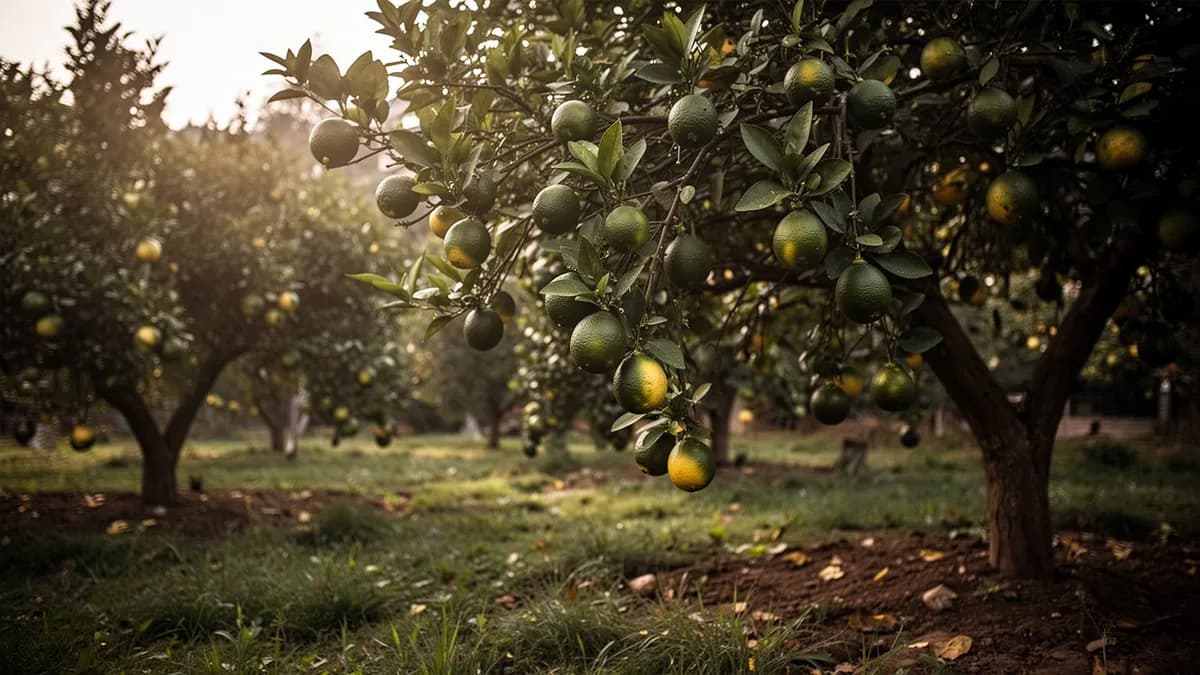
Un cítrico perennifolio de porte compacto que produce frutos ácidos y aromáticos durante todo el año en climas cálidos.





En esta páginaResumen
Conoce Limonero (Lima)
Un cítrico perennifolio de porte compacto que produce frutos ácidos y aromáticos durante todo el año en climas cálidos. Las limas Key son más pequeñas y sabrosas, mientras que las limas persas son más grandes y sin semillas; ambas prosperan en las mismas condiciones. Los limoneros de lima se encuentran entre los cítricos más sensibles al frío y deben cultivarse en contenedor en cualquier zona con riesgo de heladas. Fertilice regularmente con un abono cítrico rico en nitrógeno y mantenga una humedad constante para una producción continua de frutos.
Cuándo plantar Limonero (Lima)
Los limoneros de lima se propagan mejor por injerto o adquiriendo ejemplares injertados en vivero, ya que los árboles cultivados desde semilla pueden no ser fieles a la variedad y tardan muchos años en fructificar. La mayoría de los limoneros de lima comerciales se injertan sobre patrón de naranjo trifoliado o naranjo agrio para aumentar la resistencia al frío y a las enfermedades. Plante los árboles en contenedor en cualquier momento en climas libres de heladas, o en primavera en zonas límite. Las estacas de madera semidura pueden enraizar bajo niebla con hormona de enraizamiento, aunque se prefieren los árboles injertados por su rendimiento predecible.
Tu año de Limonero (Lima)
Ajustado a Zona 7 · temporada típica · la helada se va hacia el 2 abr y vuelve hacia el 1 nov
Planta Limonero (Lima) Mar – May y cosecha Ene – Dic. Consulta los métodos de plantación y elige tu clima para adaptar los periodos.
Cómo cultivar Limonero (Lima)
Los limoneros de lima prosperan a pleno sol con al menos 8 horas de luz directa diaria y un suelo bien drenado y ligeramente ácido con un pH de 6.0 a 7.0. En zonas con riesgo de heladas, cultívelos en contenedores utilizando un sustrato de calidad específico para cítricos, de modo que puedan trasladarse al interior cuando las temperaturas desciendan por debajo de los 10 °C. Plante los árboles en el suelo en primavera, una vez que haya pasado todo riesgo de heladas, espaciándolos de 3.5 a 4.5 metros entre sí. Protéjalos de los vientos fríos plantándolos junto a una pared o valla orientada al sur.
Riegue en profundidad y con regularidad durante la temporada de crecimiento, dejando que los primeros 2–3 cm del suelo se sequen entre riegos. Los limoneros de lima son sensibles tanto a la sequía como al encharcamiento. Abone cada 4 a 6 semanas desde primavera hasta otoño con un fertilizante específico para cítricos rico en nitrógeno, y complemente con hierro y zinc quelatados si las hojas muestran amarillamiento entre las nervaduras. Mantenga una capa de mantillo orgánico de unos 7 cm alrededor de la base, manteniéndolo alejado del tronco.
Pode los limoneros de lima de forma ligera para eliminar la madera muerta, las ramas cruzadas y los chupones que crecen por debajo del injerto. Los ejemplares en contenedor deben trasplantarse cada 2 a 3 años, subiendo un tamaño de maceta. Vigile los daños por frío y pode la madera helada en primavera, cuando el nuevo crecimiento revele la extensión del daño. Los limoneros de lima florecen y fructifican durante todo el año en condiciones tropicales, portando a menudo flores y frutos maduros simultáneamente.
Para Limonero (Lima) un bancal de 120 × 240 cm se queda corto
Cada Limonero (Lima) pide 500 cm de margen. El planificador guarda ese marco por ti — cada planta, cada bancal.
Los mejores vecinos de Limonero (Lima)
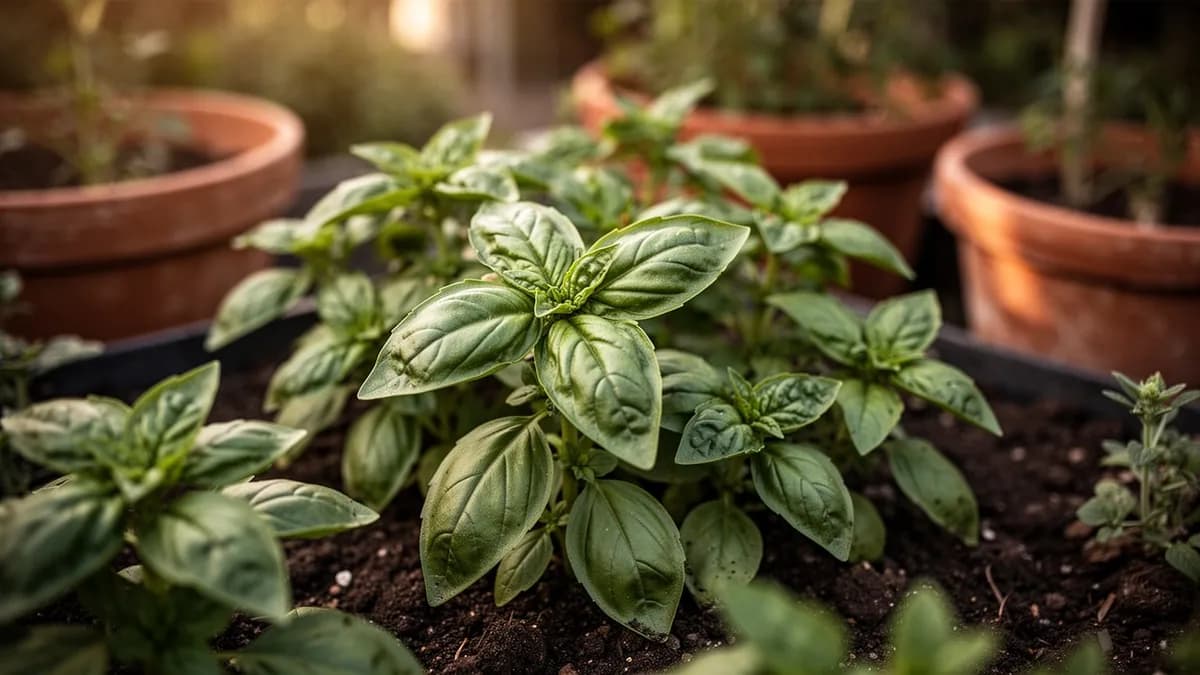
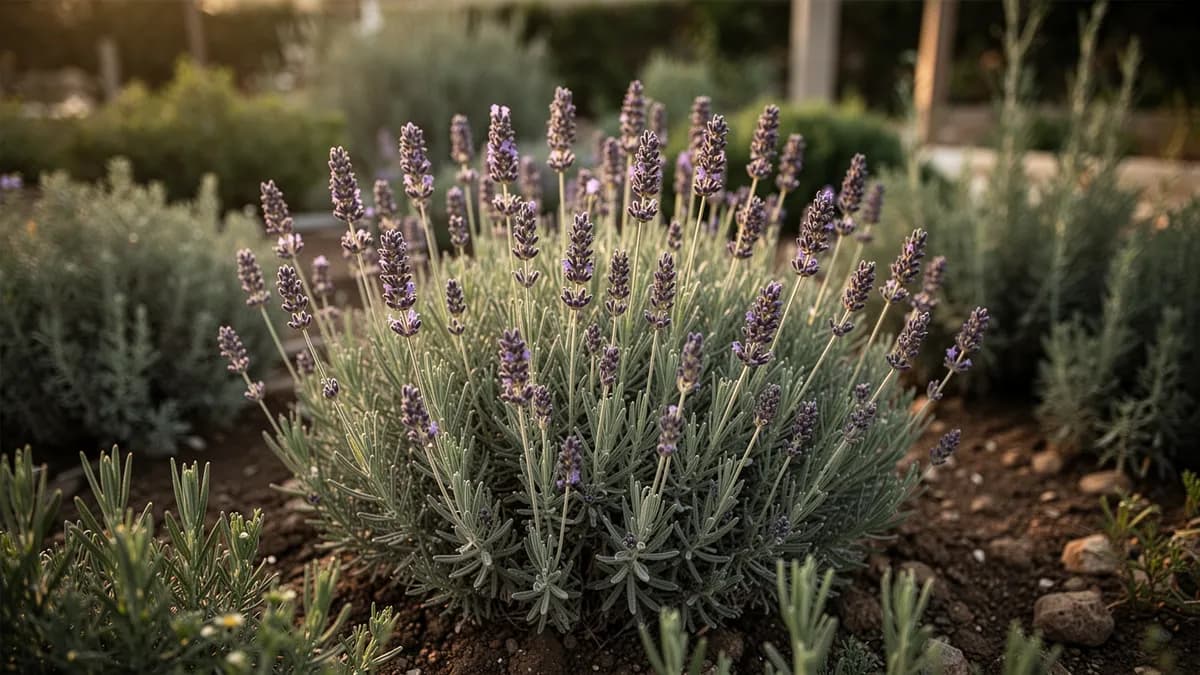
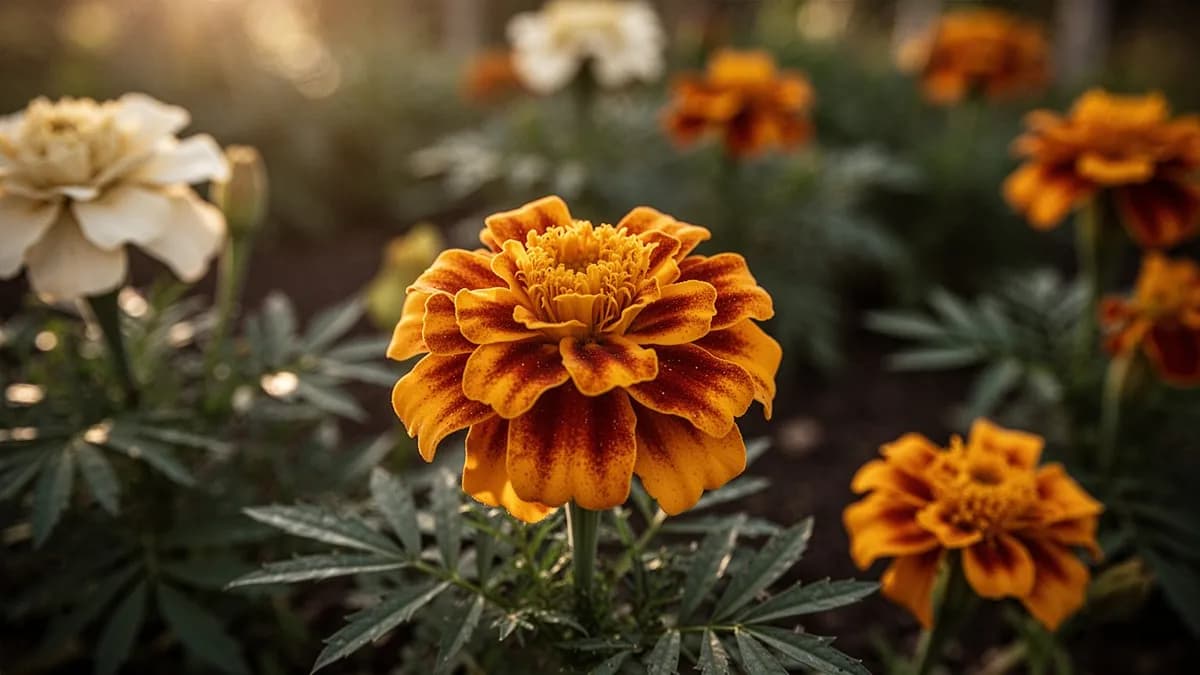
Plante albahaca, lavanda y caléndulas cerca de los limoneros de lima para atraer polinizadores y repeler plagas comunes. Las capuchinas actúan como cultivo trampa para los pulgones, alejándolos del follaje cítrico. La hierba limón y el ajo silvestre plantados alrededor de la línea de goteo ayudan a disuadir a los insectos dañinos para los cítricos. Evite plantar césped directamente bajo los limoneros de lima, ya que compite agresivamente por el agua y los nutrientes. Un acolchado vivo de trébol blanco puede fijar nitrógeno mientras suprime las malas hierbas bajo la copa.
Albahaca va a su lado. Nogal no.
Saber de huerto de siempre, cotejado con la tabla real de Limonero (Lima) — prueba cualquier planta que cultives.
Prueba Limonero (Lima) en un bancal, aquí mismo
Un bancal real del planificador con Limonero (Lima) ya plantado. Toca una planta compañera para colocarla y mira cómo responde la comprobación de vecinos: verde para buenos vecinos, rojo si hay conflicto.


Guías de cultivo relacionadas
Abónalo bien
Los limoneros de lima prefieren suelos franco-arenosos ligeramente ácidos y bien drenados, con un pH de 6.0 a 7.0. Enmiende los suelos arcillosos pesados con arena gruesa y materia orgánica para mejorar el drenaje, o plante en bancales elevados. Aplique un fertilizante específico para cítricos con una relación NPK que priorice el nitrógeno, como 8-3-9, cada 6 a 8 semanas durante la temporada de crecimiento. Complemente con hierro, manganeso y zinc quelatados para prevenir las deficiencias de micronutrientes frecuentes en suelos alcalinos. Reduzca la fertilización en invierno cuando el crecimiento se ralentiza.
Temperatura ideal
Compatibilidad de zonas de rusticidad
De la semilla a la cosecha, etapa por etapa
Germinación y Plántula
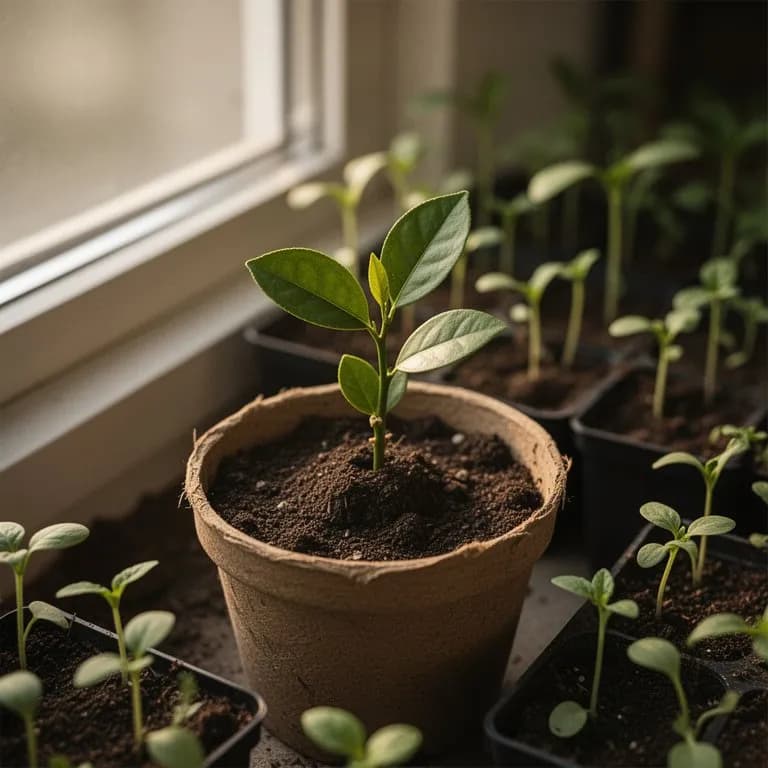
Las semillas de lima germinan en 2 a 4 semanas cuando se mantienen en condiciones cálidas y húmedas. Las plántulas desarrollan su primer par de hojas verdaderas entre las 6 y las 8 semanas. La mayoría de los cultivadores prefieren comenzar con material injertado de vivero en lugar de semillas, ya que los árboles cultivados desde semilla pueden tardar de 5 a 8 años en fructificar.
Crecimiento Vegetativo
El árbol joven se centra en establecer un sistema radicular vigoroso y desarrollar una copa ramificada. Las hojas son lustrosas, de color verde oscuro y aromáticas cuando se frotan. Los brotes de crecimiento se producen varias veces al año en climas cálidos, con hojas nuevas que emergen en un verde más claro antes de oscurecerse.
Floración
Los limoneros de lima injertados pueden comenzar a florecer en su segundo o tercer año. Las pequeñas flores blancas son intensamente fragantes y aparecen en racimos en las puntas de las ramas y en las axilas de las hojas. Cada flor contiene partes masculinas y femeninas, lo que hace que las limas sean en gran medida autopolinizantes, aunque la polinización cruzada puede mejorar el cuajado de los frutos.
Desarrollo del Fruto
Tras una polinización exitosa, los pequeños frutos verdes comienzan a hincharse durante un período de 4 a 6 meses. Las limas se cosechan normalmente cuando aún están verdes, a diferencia de la mayoría de los cítricos. Los frutos crecen de forma constante, desarrollando su característica piel fina y su pulpa jugosa y ácida. Un árbol sano puede cuajar más frutos de los que puede sostener, dejando caer de forma natural algunos frutos inmaduros.
Cosecha y Renovación
Las limas están listas para cosechar cuando alcanzan su tamaño completo, ceden ligeramente al apretarlas con suavidad y presentan una piel verde intenso y lustrosa. En climas tropicales, los limoneros de lima pueden producir frutos durante todo el año una vez maduros. Tras la cosecha, el árbol entra en un breve período de reposo antes de iniciar nuevos brotes de crecimiento y el siguiente ciclo de floración.
Producción Plena
Un limonero de lima bien cuidado alcanza su máxima producción entre los 5 y los 10 años de edad. Los árboles maduros pueden producir entre 14 y 23 kg de fruta al año en condiciones favorables. El árbol desarrolla una copa densa y redondeada y puede alcanzar los 5 a 6 metros de altura si no se poda. En esta etapa, el árbol alterna de forma continua entre las fases de floración y fructificación.
Mantenga el sustrato constantemente húmedo pero nunca encharcado. Proporcione calor basal de 24 a 29 °C para optimizar la tasa de germinación.
Cuidar Limonero (Lima) mes a mes
Qué hacer cada mes para tu Limonero (Lima)
Octubre
Mes actualCoseche la cosecha principal de limas cuando alcancen su tamaño completo. Recoja los frutos mientras estén verdes para obtener el mejor sabor y contenido de zumo. Las limas que se tornan amarillas en el árbol están demasiado maduras y son menos ácidas. Comience los preparativos para trasladar los árboles en contenedor al interior en climas fríos.
Ten claro qué hacer en tu huerto, cada mes
Un correo al empezar cada mes: qué sembrar, plantar y hacer ahora mismo — para tu Limonero (Lima) y todo lo que crece alrededor. Más un breve curso inicial para esquivar los errores clásicos.
- Qué hacer ahora mismo
- Ajustado a tu temporada
- Curso inicial incluido
Cosechar Limonero (Lima)
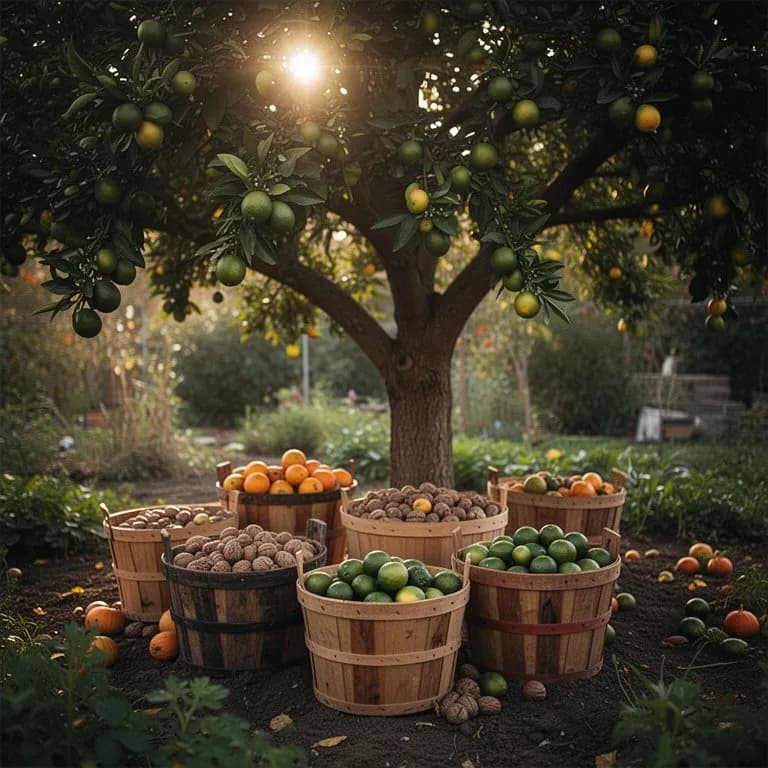
Coseche las limas cuando alcancen su tamaño completo y cedan ligeramente a una presión suave. Las limas Key se tornan de un color amarillo pálido cuando están completamente maduras, mientras que las limas persas se cosechan verdes para obtener la mejor acidez y sabor. Los frutos que permanecen demasiado tiempo en el árbol se vuelven amarillos y pierden su acidez característica. Utilice tijeras de podar para cortar los frutos de la rama y evitar desgarrar la corteza. Los limoneros de lima producen frutos durante todo el año en climas cálidos, con la cosecha más abundante normalmente en los meses de verano.
se supone que plantas al comenzar el periodo — indica tu fecha real
Cosecha Limonero (Lima) a tiempo y la planta sigue produciendo.
Almacenamiento y conservación
Las limas frescas se conservan a temperatura ambiente durante aproximadamente una semana y en el frigorífico de 3 a 4 semanas. Guárdelas en una bolsa de plástico en el cajón de las verduras para evitar que se deshidraten. El zumo puede congelarse en cubiteras para un almacenamiento prolongado de hasta 6 meses. La ralladura puede secarse o congelarse por separado. Las limas pueden conservarse en sal para su uso en la cocina norteafricana y de Oriente Medio, o transformarse en crema de lima, mermelada o limas encurtidas.
Qué falla — y cómo solucionarlo
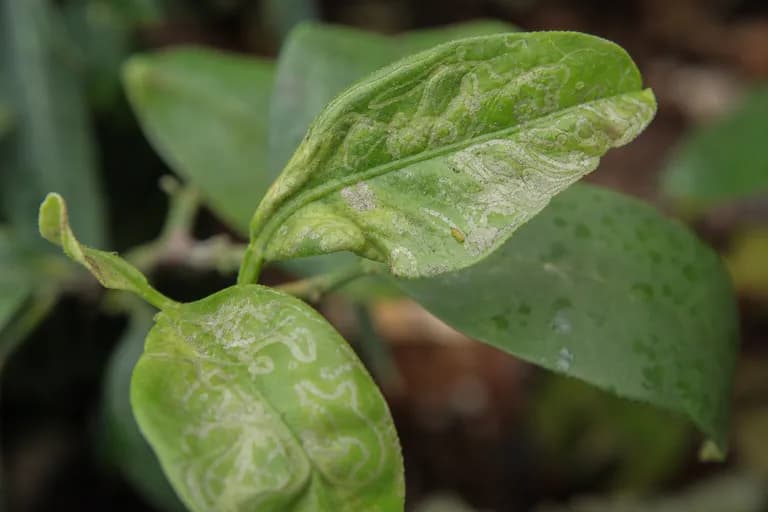
Minador de los Cítricos
PlagaSenderos plateados y serpenteantes en las hojas jóvenes. Las hojas se enrollan y deforman a medida que las larvas excavan túneles en el tejido foliar.
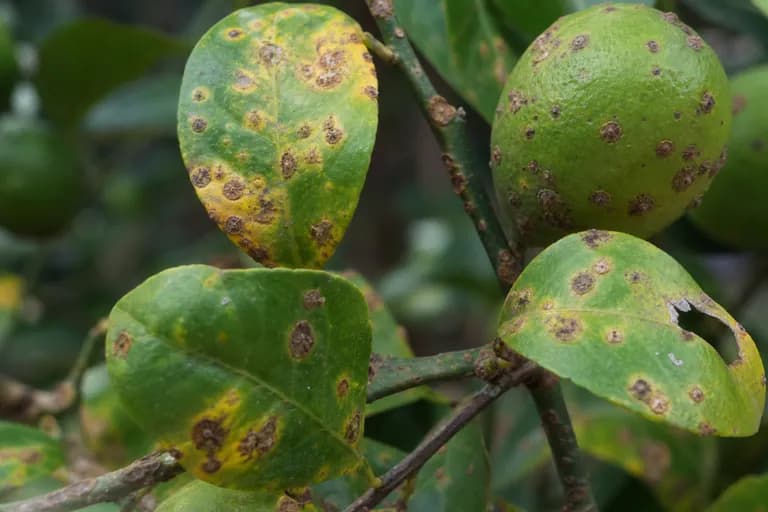
Cancro de los Cítricos
EnfermedadLesiones elevadas, corchosas y marrones con márgenes aceitosos en hojas, tallos y frutos. Las infecciones graves provocan la caída de hojas y manchas en los frutos.
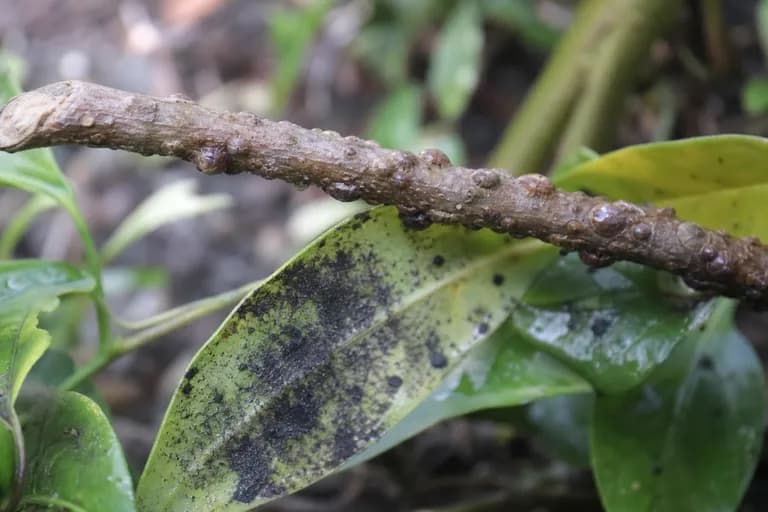
Cochinillas (Insectos Escama)
PlagaPequeñas protuberancias inmóviles en tallos y envés de las hojas. La secreción de melaza provoca la aparición de negrilla (fumagina) en hojas y frutos.
Solución de problemas comunes
La caída de hojas suele estar provocada por el exceso de riego, el estrés por frío o cambios bruscos en el entorno, especialmente al trasladar los árboles en contenedor al interior. Las hojas amarillas con nervaduras verdes indican clorosis férrica por un pH del suelo demasiado alto. La falta de fructificación suele deberse a una iluminación insuficiente, temperaturas frías o carencia de nutrientes. El crecimiento espinoso por debajo del injerto debe eliminarse con prontitud, ya que sustrae energía de la copa fructífera y no producirá frutos de calidad.
Consejos de cultivo
- Elija un limonero de lima injertado de un vivero de confianza en lugar de cultivar desde semilla. Los árboles injertados fructifican en 2 a 3 años, mientras que los cultivados desde semilla pueden tardar de 5 a 8 años y podrían no producir frutos fieles a la variedad.
- Plante en un suelo ligeramente ácido y bien drenado con un pH entre 6.0 y 7.0. Los limoneros de lima son muy susceptibles a la pudrición radicular en condiciones de encharcamiento, así que enmiende los suelos arcillosos pesados con generosas cantidades de arena gruesa y compost orgánico antes de plantar.
- Riegue en profundidad pero con poca frecuencia, dejando que los 5–7 cm superiores del suelo se sequen entre riegos. Los limoneros de lima prefieren una humedad constante, pero desarrollarán pudrición radicular si se mantienen en un sustrato saturado. Los árboles establecidos normalmente necesitan riego cada 5 a 7 días en verano.
- Abone con un fertilizante específico para cítricos que contenga micronutrientes como hierro, zinc, manganeso y magnesio cada 6 a 8 semanas durante la temporada de crecimiento, de marzo a septiembre. Los cítricos son grandes consumidores de nutrientes y las deficiencias causan amarillamiento foliar y mala fructificación.
- Proporcione plena exposición solar de al menos 6 a 8 horas de luz directa al día. En climas extremadamente calurosos con temperaturas superiores a 38 °C, una ligera sombra vespertina puede ayudar a prevenir las quemaduras foliares y el escaldado de los frutos.
- Para el cultivo en contenedor, utilice una maceta de al menos 45 cm de diámetro con excelentes orificios de drenaje. Emplee una mezcla de sustrato de calidad y perlita en proporción 3 a 1. Trasplante cada 2 a 3 años, subiendo un tamaño de contenedor cada vez.
- Pode los limoneros de lima a finales de invierno o principios de primavera antes de que comience el nuevo crecimiento. Elimine las ramas muertas, dañadas y cruzadas para mantener una copa abierta. Los chupones que crecen por debajo del injerto deben eliminarse inmediatamente, ya que no producirán frutos de calidad.
- Proteja los limoneros de lima del frío cubriéndolos con manta antiheladas, utilizando guirnaldas de luces al exterior para un calor suave, o trasladando los árboles en contenedor al interior cuando se prevean temperaturas por debajo de 4 °C. Incluso una breve exposición a temperaturas de congelación puede causar daños significativos.
- Vigile regularmente la presencia de plagas comunes de los cítricos, como pulgones, cochinillas, araña roja y minador de los cítricos. Trate las infestaciones de forma temprana con aceite hortícola o jabón insecticida. Evite los insecticidas de amplio espectro que eliminan los insectos depredadores beneficiosos.
- Acolche la base del árbol con una capa de 7 a 10 cm de virutas de madera o corteza triturada para retener la humedad, suprimir las malas hierbas y regular la temperatura del suelo. Mantenga el mantillo al menos a 15 cm del tronco para prevenir la pudrición del cuello.
Cultiva tu mejor Limonero (Lima) — y todo lo que la rodea.
Empieza un plan gratis hoy. Diseña tus bancales, coloca tu Limonero (Lima) y deja que PlotMyGarden gestione el momento, el espaciado, las asociaciones y los recordatorios de la semilla a la cesta.
Elige tu Limonero (Lima)
Persa (Bearss)
La lima estándar de supermercado, sin semillas, con piel gruesa y producción fiable. Más tolerante al frío que la lima Key y produce frutos más grandes en un árbol vigoroso.
Key (Mexicana)
Frutos pequeños y aromáticos con sabor intenso y piel fina, preferidos para la tarta de lima Key y cócteles. Más sensible al frío, pero apreciada por su sabor superior.
Kaffir (Makrut)
Cultivada principalmente por sus hojas dobles intensamente aromáticas, utilizadas en la cocina tailandesa y del sudeste asiático. Los pequeños frutos rugosos proporcionan una ralladura muy fragante.
Lima Caviar (Finger Lime)
Una especie nativa de Australia que produce frutos alargados rellenos de vesículas de zumo similares al caviar. Una especialidad gourmet cada vez más popular entre chefs y cultivadores domésticos.
Un solo limonero de lima maduro puede producir entre 14 y 23 kg de fruta al año, equivalente a aproximadamente 200 a 350 limas individuales. A los precios medios de supermercado de 0.30 a 0.50 euros por lima, un árbol cultivado en casa puede ahorrarle entre 60 y 175 euros al año solo en compras de limas. Los limoneros de lima en contenedor suelen costar entre 25 y 50 euros en vivero y comienzan a producir en 2 a 3 años, lo que significa que el árbol se amortiza rápidamente. Además de la fruta, obtendrá acceso a hojas de lima frescas y ralladura, que son productos de especialidad caros cuando se compran por separado.
Recetas rápidas
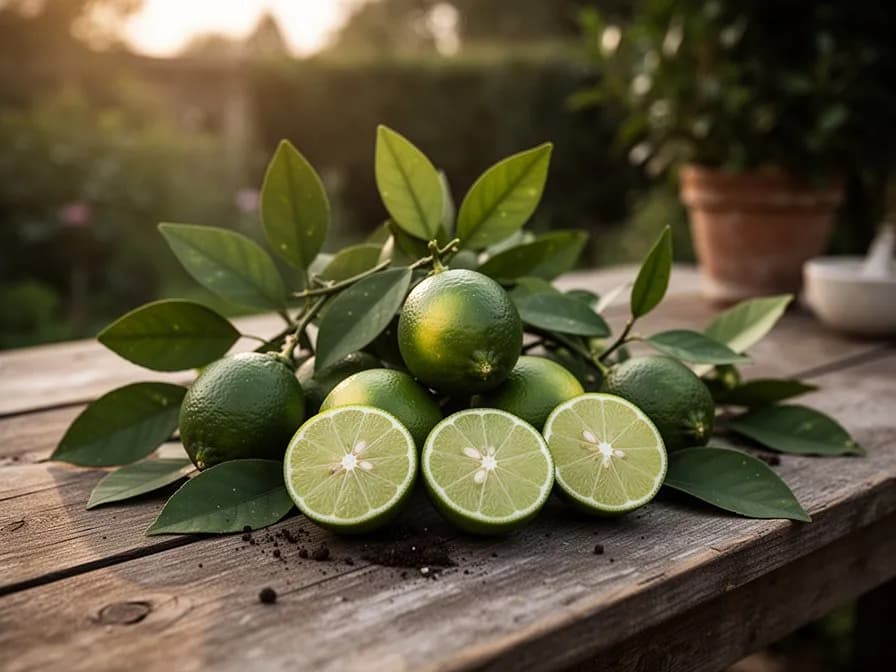
Agua Fresca de Lima Clásica
10 minutosUna refrescante bebida de inspiración mexicana que equilibra los cítricos ácidos con la dulzura justa. Esta sencilla bebida es perfecta para los días calurosos y puede prepararse en grandes cantidades para reuniones. Ajuste el azúcar al gusto o sustitúyalo por miel o agave para un perfil de sabor diferente.
6 ingredientesMarinada de Lima y Hierbas para Pollo a la Parrilla
15 minutos más 2 horas de marinadoEsta vibrante marinada transforma un pollo corriente en un plato central lleno de sabor. El zumo de lima ablanda la carne a la vez que la impregna de brillantes notas cítricas que combinan a la perfección con el ajo y las hierbas frescas. Funciona de maravilla con muslos, pechugas o incluso un pollo entero abierto en mariposa.
8 ingredientesCrema de Lima Rápida
25 minutosUna crema de lima sedosa y ácida perfecta como untable para tostadas, relleno de tartaletas o cobertura para yogur y pavlovas. Esta receta captura el vibrante sabor de las limas frescas en una forma untuosa y exquisita. La crema se conserva refrigerada hasta dos semanas y también puede congelarse para un almacenamiento más prolongado.
6 ingredientesUsos culinarios
Las limas son imprescindibles en las cocinas mexicana, tailandesa, vietnamita y caribeña. El zumo aporta frescura a ceviches, currys, cócteles y marinadas. La ralladura añade un intenso sabor cítrico a postres y salsas. Las limas Key son la elección tradicional para la tarta de lima Key. Las hojas de lima Makrut son indispensables en sopas y currys del sudeste asiático. Las limas secas son un condimento básico en la cocina persa e iraquí.
Qué contiene
Beneficios para la salud
- Rica en vitamina C, que apoya la función del sistema inmunitario, promueve la síntesis de colágeno para una piel sana y la cicatrización de heridas, y actúa como un poderoso antioxidante contra el daño de los radicales libres en todo el organismo.
- Contiene ácido cítrico que puede ayudar a prevenir la formación de cálculos renales al aumentar los niveles de citrato en la orina, lo que inhibe la formación de cristales. El consumo regular de agua con lima se recomienda a veces como parte de una estrategia de prevención de cálculos renales.
- Los flavonoides presentes en las limas, como la hesperidina y la eriocitrina, han demostrado propiedades antiinflamatorias en estudios de investigación, lo que podría contribuir a reducir la inflamación crónica asociada a enfermedades cardíacas y trastornos metabólicos.
- El zumo de lima puede favorecer la salud cardiovascular al ayudar a reducir la presión arterial y los niveles de colesterol LDL. Los compuestos antioxidantes de las limas contribuyen a proteger las paredes de los vasos sanguíneos del daño oxidativo.
- La naturaleza ácida del zumo de lima puede facilitar la digestión al estimular la producción de enzimas digestivas y bilis, mejorando potencialmente la absorción de nutrientes y reduciendo los síntomas de indigestión cuando se consume antes o durante las comidas.
- El limoneno, el compuesto terpénico principal del aceite de la cáscara de lima, está siendo investigado activamente por sus posibles propiedades anticancerígenas, con estudios preliminares que sugieren que podría ayudar a inhibir el crecimiento de ciertos tipos de células cancerosas en entornos de laboratorio.
De dónde viene Limonero (Lima)
El limonero de lima (Citrus aurantiifolia) tiene sus orígenes en el sudeste asiático, muy probablemente en el archipiélago malayo y las regiones tropicales circundantes del ámbito indo-malayo. Las evidencias arqueológicas y genéticas sugieren que las limas fueron una de las primeras especies cítricas cultivadas por el ser humano, con registros de su uso que se remontan a más de 4.000 años en las antiguas civilizaciones india y china. Los comerciantes árabes desempeñaron un papel crucial en la expansión del cultivo de la lima hacia el oeste a lo largo de las rutas de las especias, introduciendo el fruto en Persia, el Mediterráneo oriental y el norte de África durante el período medieval. Para el siglo X, los limoneros de lima estaban bien establecidos en los jardines de Egipto y los reinos moros del norte de África e Iberia. Los exploradores españoles y portugueses de los siglos XV y XVI llevaron semillas de lima al Caribe, América Central y América del Sur, donde los árboles florecieron en el clima tropical y se naturalizaron rápidamente. Los Cayos de Florida se convirtieron en una región productora de limas significativa, dando origen a la famosa variedad Key lime que sigue siendo central en la cultura culinaria estadounidense. A lo largo de la era de la navegación a vela, las limas y otros cítricos adquirieron una enorme importancia como remedio contra el escorbuto, la debilitante enfermedad causada por la deficiencia de vitamina C que azotaba a los marineros en las travesías de larga distancia. La adopción del zumo de lima por la Royal Navy británica en el siglo XIX dio lugar al perdurable apodo de 'Limeys' para los marineros británicos. Hoy en día, India, México, China y Brasil son los mayores productores mundiales de limas, con una producción global anual que supera los 19 millones de toneladas métricas. La lima sigue siendo uno de los cítricos más utilizados en la cocina mundial, esencial en las tradiciones culinarias de México, Tailandia, Vietnam, India y Oriente Medio.
Limonero (Lima): ¿sabías que?
Datos fascinantes sobre Limonero (Lima)
Los marineros británicos recibieron el apodo de 'Limeys' porque la Royal Navy exigió que todos los buques llevaran limas a partir de 1867 para prevenir el escorbuto durante los viajes largos, aunque los limones eran en realidad más eficaces en aquella época.
Limonero (Lima): preguntas frecuentes
¿Cuándo debo plantar Limonero (Lima)?
¿Cuáles son buenas plantas acompañantes para Limonero (Lima)?
¿En qué zonas de rusticidad puede crecer Limonero (Lima)?
¿Cuánto sol necesita Limonero (Lima)?
¿A qué distancia debo espaciar Limonero (Lima)?
¿Qué plagas y enfermedades afectan a Limonero (Lima)?
¿Cómo almaceno Limonero (Lima) después de la cosecha?
¿Cuáles son las mejores variedades de Limonero (Lima) para cultivar?
¿Qué suelo necesita Limonero (Lima)?
¿Por qué mi limonero de lima está perdiendo las hojas?
¿Puedo cultivar un limonero de lima en interior durante todo el año?
¿Cómo sé cuándo mis limas están listas para cosechar?
¿Por qué mi limonero de lima no produce frutos?
¿Qué causa las hojas amarillas en mi limonero de lima?
¿Qué tan resistentes al frío son los limoneros de lima comparados con otros cítricos?
Acabas de leer la teoría. Ahora cultívala en piloto automático.
Todo lo que hace que Limonero (Lima) sea delicado — el momento, el espaciado, las asociaciones, la ventana de cosecha — es justo lo que PlotMyGarden resuelve por ti, para cada planta de tu huerto.
Un plan que conoce tu clima
Indica tu ubicación una vez. Recibe fechas de siembra, abonado y cosecha basadas en tu última helada real y el pronóstico en vivo — sin adivinar con un sobre genérico.
De la sección “Cuándo plantar”Planificador de bancales de arrastrar y soltar
Diseña bancales sobre una cuadrícula. Cada planta encaja con su espaciado correcto y ves toda la temporada antes de gastar un céntimo en semillas.
De la sección “Cultivo”Conflictos de asociación, detectados a tiempo
Más de 200 buenas y malas combinaciones comprobadas en vivo mientras plantas — para que un error que arruine la temporada nunca llegue a la tierra.
De la sección “Asociaciones”Recordatorios que sí vas a seguir
“Riega las judías.” “Recoge hoy antes de que se pase.” Oportunos, concretos y ligados a las plantas que de verdad cultivas.
De la sección “Cosecha”Escalonado, programado
¿Quieres cosechar seis semanas en vez de seis días? Reparte tus siembras automáticamente y te avisa cuando toca el siguiente lote.
De la sección “Cuándo plantar”Un registro que se vuelve más listo
Cada cosecha que registras le enseña tu huerto. El plan del año que viene parte de lo que de verdad funcionó en tu suelo, no en un manual.
De la sección “Resumen”Planta estos junto a Limonero (Lima)
Más Árboles frutales
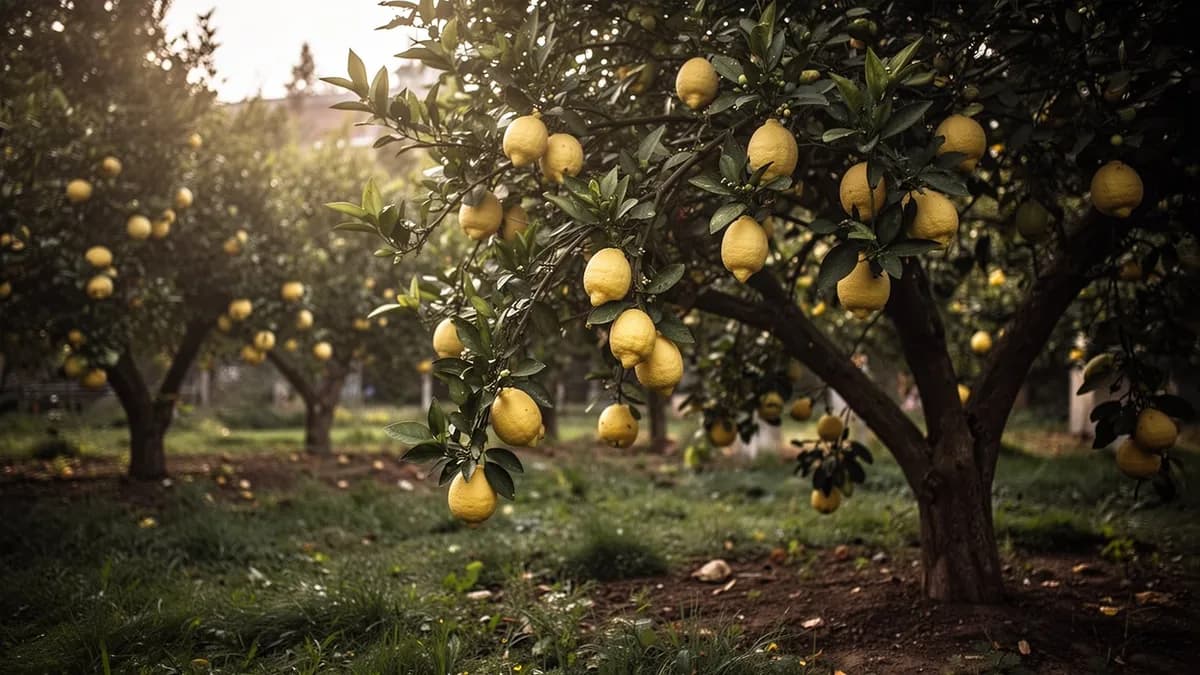
Mantén Limonero (Lima) lejos de estos
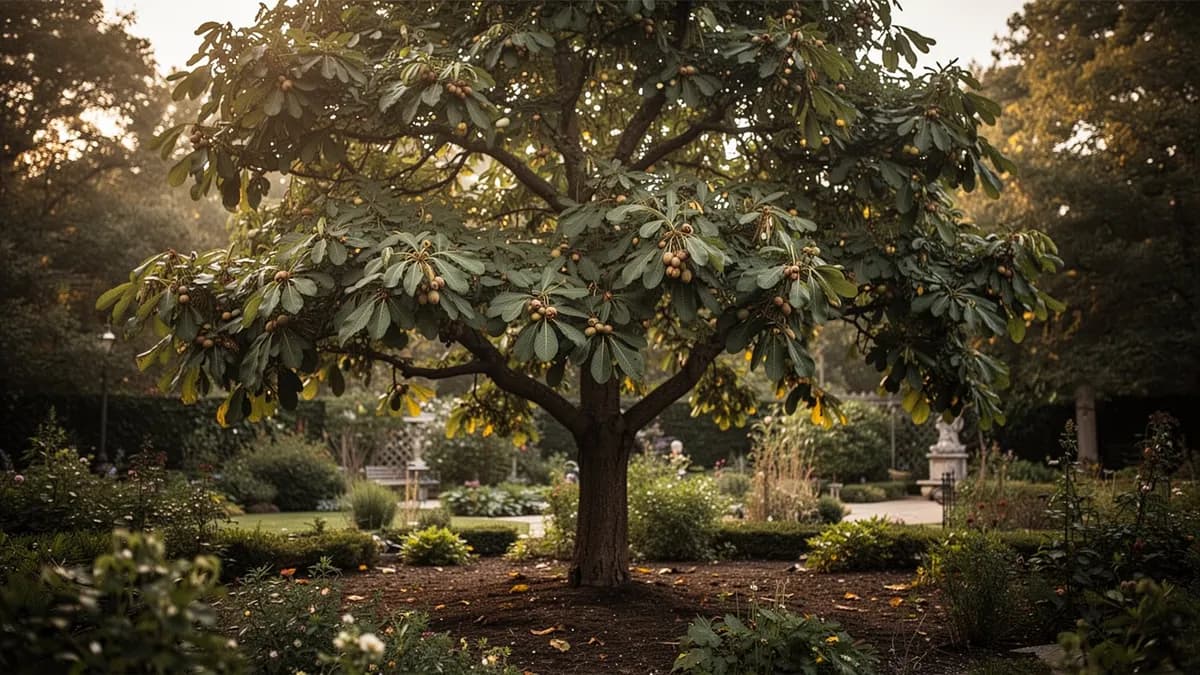
Cultiva tu mejor Limonero (Lima) — y todo lo que la rodea.
Empieza un plan gratis hoy. Diseña tus bancales, coloca tu Limonero (Lima) y deja que PlotMyGarden gestione el momento, el espaciado, las asociaciones y los recordatorios de la semilla a la cesta.