Summer Snowflake
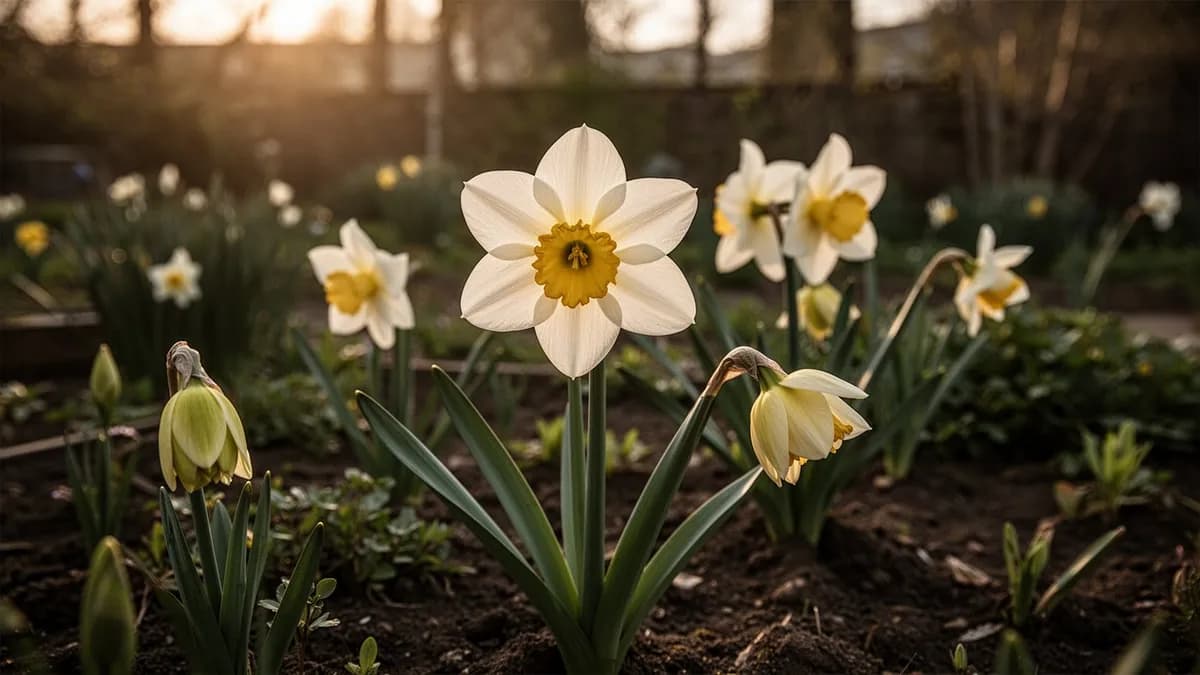
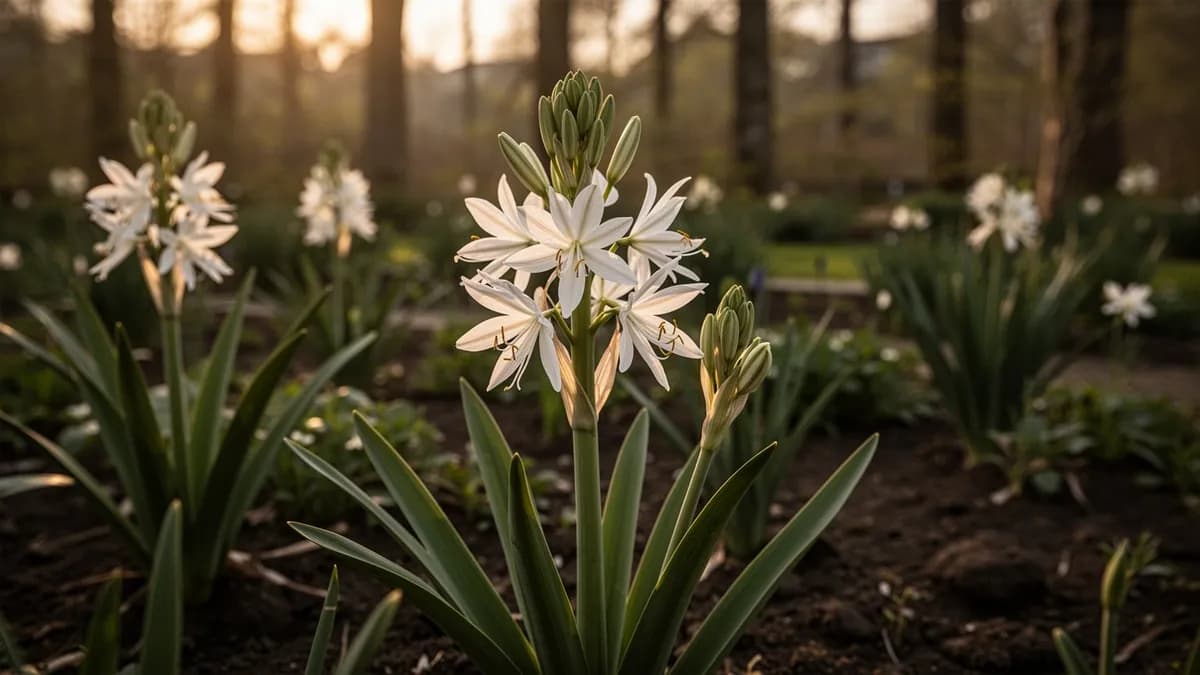
A graceful bulb with nodding white bell-shaped flowers tipped with green spots on tall, slender stems above strap-like foliage.





On this pageOverview
Meet Summer Snowflake
A graceful bulb with nodding white bell-shaped flowers tipped with green spots on tall, slender stems above strap-like foliage. Summer snowflake thrives in moist, even boggy soil and is one of the best bulbs for planting along streams and pond edges. It naturalizes well and is long-lived with minimal care.
When to plant Summer Snowflake
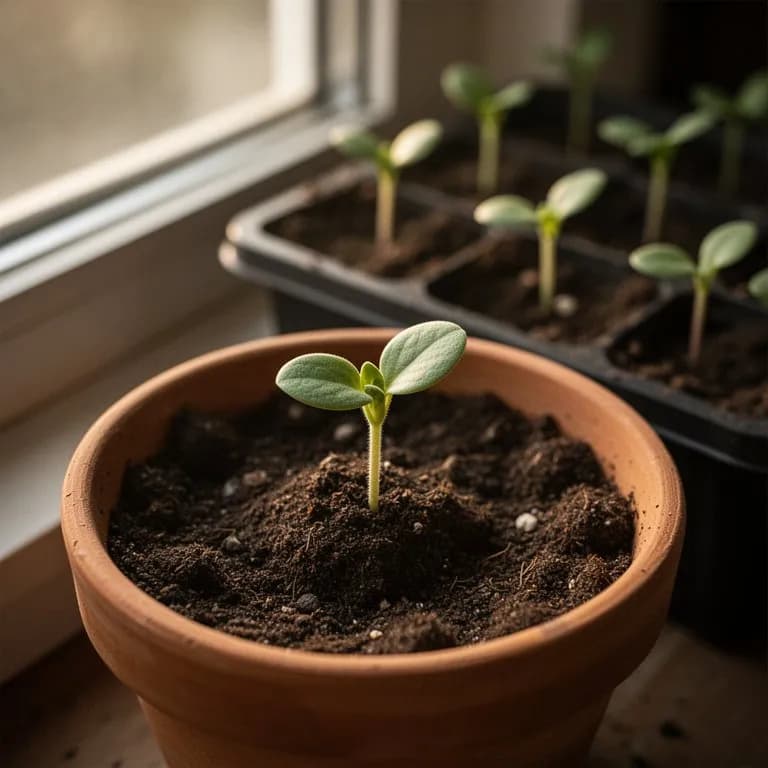
Leucojum produces fleshy seeds that should be sown immediately upon ripening in midsummer for best germination. Sow in deep pots of moisture-retentive compost, covering seeds lightly. Keep consistently moist and place in a shaded cold frame. Seeds germinate the following spring. Grow seedlings on in their pots for two to three years before planting out. Division of mature clumps in early autumn is a faster method, producing flowering-size bulbs immediately.
Your Summer Snowflake Year
Composed for Zone 7 · typical seasons · frost passes Apr 2, returns Nov 1
Plant Summer Snowflake Sep – Oct, pick Apr – May. Check the planting methods below and set your climate to personalize these windows.
How to grow Summer Snowflake
Plant leucojum bulbs in early autumn, four to five inches deep and four to six inches apart, in moisture-retentive soil in partial shade to full sun. Despite its common name of summer snowflake, this species actually blooms in mid to late spring. Leucojum is one of the best bulbs for consistently damp or even seasonally waterlogged sites, thriving along streams, ponds, and in low-lying garden areas where most bulbs would rot.
Water regularly during the growing season from autumn through late spring, ensuring the soil never dries out completely. Leucojum naturally grows in riparian habitats and meadows that flood periodically, so it tolerates conditions far wetter than typical garden bulbs. The nodding, bell-shaped white flowers with distinctive green spots at each petal tip appear on tall stems above strap-like foliage.
Allow foliage to die back naturally after flowering, which takes about six weeks. Once dormant in summer, leucojum tolerates both moist and dry conditions without issue. The bulbs are long-lived and increase steadily over years, eventually forming impressive clumps. Divide only when flowering begins to decline, typically every five to eight years, lifting and replanting clumps in early autumn.
128 plants fit a 4 × 8 ft bed
Each Summer Snowflake wants 15 cm of elbow room. The planner keeps that spacing for you — every plant, every bed.
Summer Snowflake's best neighbours
Leucojum is a natural companion for moisture-loving plants such as primulas, marsh marigolds, and astilbes. It looks stunning naturalized along stream banks and pond edges with iris ensata and water forget-me-nots. In borders, pair with late daffodils and camassia that share a preference for moist soil. The white and green flowers complement blue-flowering perennials like brunnera and pulmonaria.
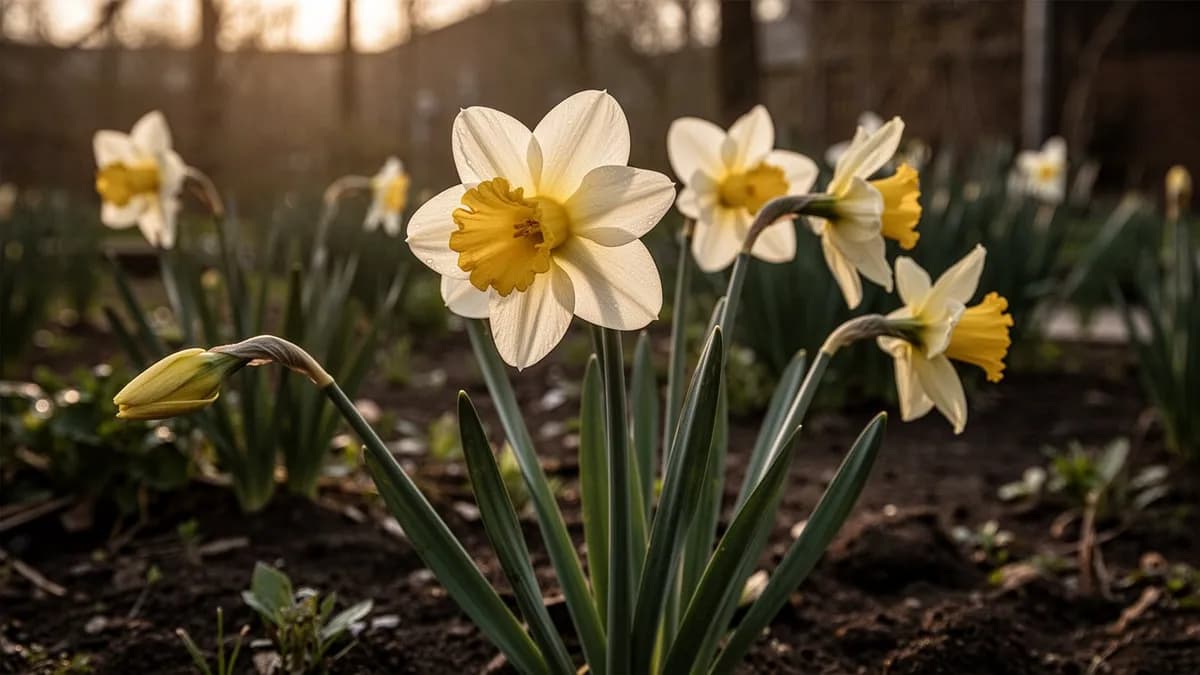
Daffodil belongs beside it.
Old growers' knowledge, checked against Summer Snowflake's real companion table below — test any plant you're growing.
Try Summer Snowflake in a bed — right here
A real planner bed with Summer Snowflake already in it. Tap a companion to place it and watch the pairing checks answer — green for good neighbours, red for a clash.


Related growing guides
Feed it well
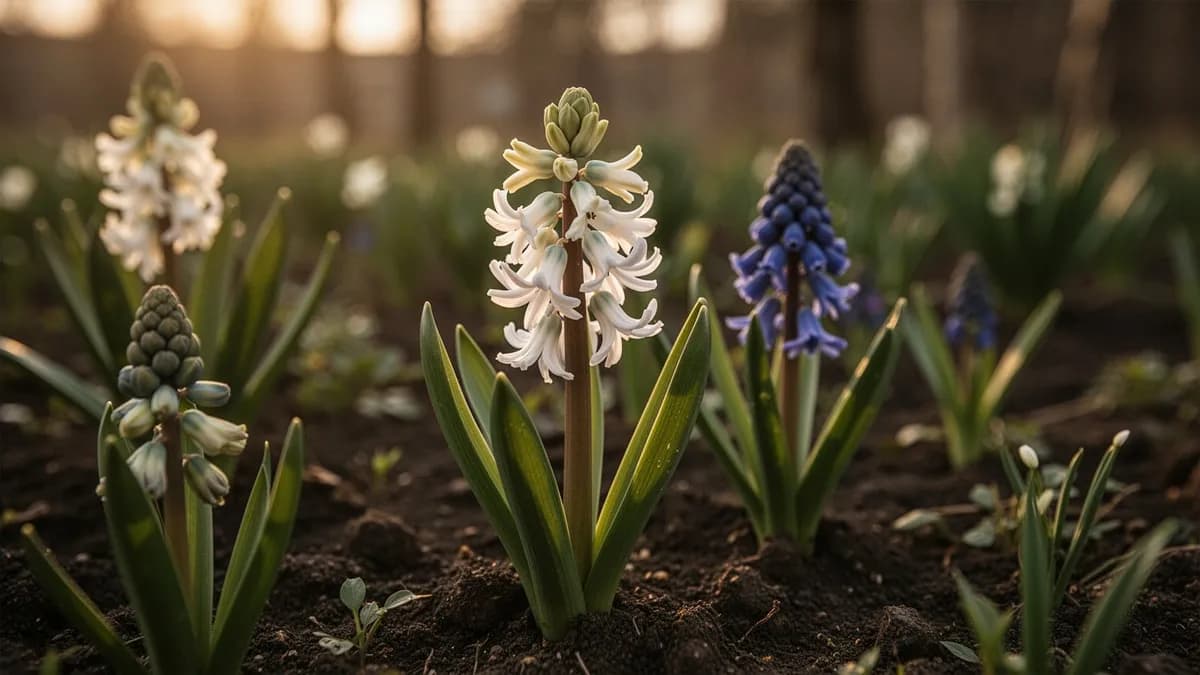
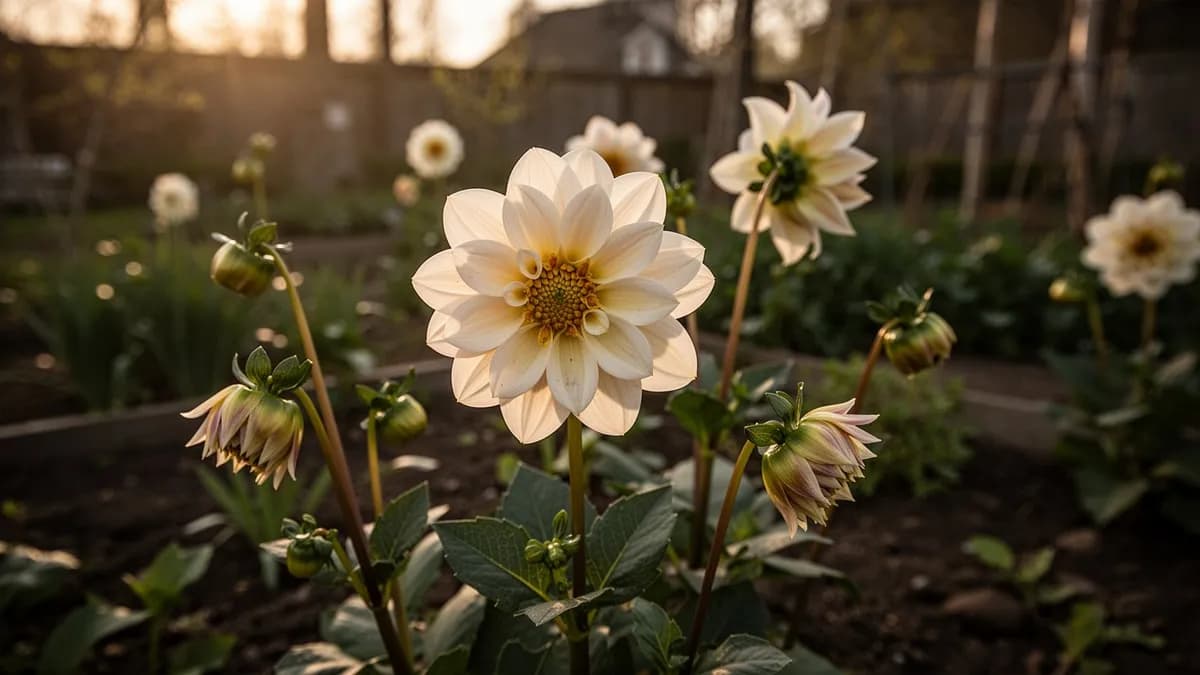
Leucojum thrives in heavy, moisture-retentive soil including clay, with a pH of 6.0 to 7.5. It is one of the few ornamental bulbs that actively prefers damp, even occasionally waterlogged, conditions. Amend very sandy or dry soils with plenty of compost and leaf mold to improve moisture retention. Apply a balanced granular fertilizer in autumn when planting and again in early spring. A mulch of leaf mold or compost in autumn maintains the humus-rich conditions leucojum enjoys.
Ideal Temperature
Hardiness Zone Compatibility
From seed to harvest, stage by stage
Dormancy and Root Development
Leucojum vernum bulbs rest dormant through late summer and early autumn. After planting in September or October, the bulbs begin producing roots from the basal plate into the surrounding soil. The brown papery tunic protects the embryonic shoot and flower bud that formed inside the bulb during the previous growing season. Underground root development is critical during this phase, as a well-established root system ensures strong flowering in late winter.
Shoot Emergence
As winter temperatures begin to moderate, the pale green shoot tip pushes through the soil surface, often emerging through leaf litter or even a thin layer of snow. The narrow, strap-shaped leaves unfurl in a basal rosette, typically reaching 15-25 cm in height. The flower bud is visible early on, nestled within the developing foliage as a swollen pale sheath at the center of the leaf cluster.
Flowering
The flowering stem elongates to 15-30 cm, producing one or two nodding, bell-shaped flowers from a green spathe. Each flower is composed of six equal-sized white tepals, each tipped with a distinctive green or occasionally yellowish-green spot. The flowers emit a faint, sweet violet-like fragrance. Flowering typically occurs from late February through March, depending on climate and microclimate. Bees and early-season pollinators visit the flowers for both nectar and pollen.
Seed Set and Foliage Maturation
After pollination, the flower stem straightens and the ovary swells into a fleshy, three-chambered seed capsule. Seeds develop over several weeks, each bearing a fleshy appendage called an elaiosome that attracts ants, which disperse the seeds to new locations (myrmecochory). The strap-like foliage continues photosynthesizing actively during this phase, channeling energy back into the bulb to fuel the following year's growth and flower formation.
Summer Dormancy and Bulb Ripening
Once the foliage has died back completely, the bulb enters its summer dormancy period. Underground, the bulb is far from inactive — new daughter bulbs (offsets) form around the mother bulb, and the embryonic flower bud for the following season differentiates within the bulb's core. The bulb's reserves of starch and nutrients sustain these internal processes. By late summer, the cycle is poised to begin again with root initiation in autumn.
Plant bulbs immediately after purchase as they do not store well when dry. Set them 8-10 cm deep and 10-12 cm apart in humus-rich, moisture-retentive soil. Water the planting area thoroughly to encourage root initiation and maintain consistent soil moisture throughout autumn.
Caring for Summer Snowflake month by month
What to do each month for your Summer Snowflake
October
You are hereComplete all bulb planting by mid-month. Water new plantings well and apply a light mulch of leaf litter. Existing clumps can be lifted, divided, and replanted now if they have become congested.
Know exactly what to do in your garden — every month
One email at the start of each month: what to sow, plant, and tackle right now — for your Summer Snowflake and everything growing around it. Plus a short starter course that helps you dodge the classic mistakes.
- What to do, right now
- Matched to your season
- Starter course included
Harvesting Summer Snowflake
Cut leucojum stems for elegant spring arrangements when two or three bells per stem have opened. The nodding white bells with green spots are charming in simple glass vases and combine beautifully with daffodils, tulips, and flowering branches. Cut stems in the morning and place in cool water. Flowers last about a week in a vase. Leave the majority of stems to set seed, as the bulbs benefit from the energy investment of fruit production.
assuming you plant when the window opens — set your real date
From bulbs, tubers or cloves
Pick Summer Snowflake promptly and the plant keeps producing.
Storage & Preservation
Leucojum bulbs should remain in the ground year-round, as they are fully hardy and naturalize best when undisturbed. If moving is necessary, lift immediately after foliage dies back and replant as soon as possible, keeping bulbs moist during any transition period. The bulbs dry out and deteriorate quickly in storage. Seed can be collected from ripe capsules in midsummer and sown immediately for best germination.
What goes wrong — and the fix
Narcissus Bulb Fly
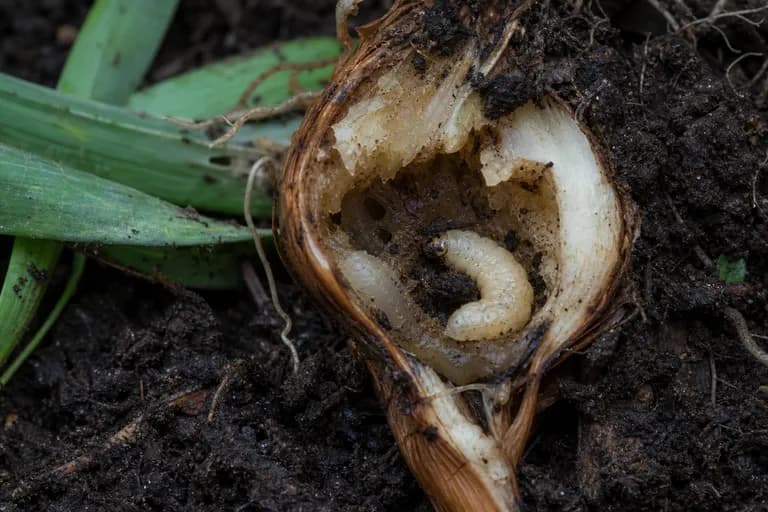
PestBulbs fail to flower or produce only weak, stunted foliage. A large grub may be found inside the bulb when dug up.
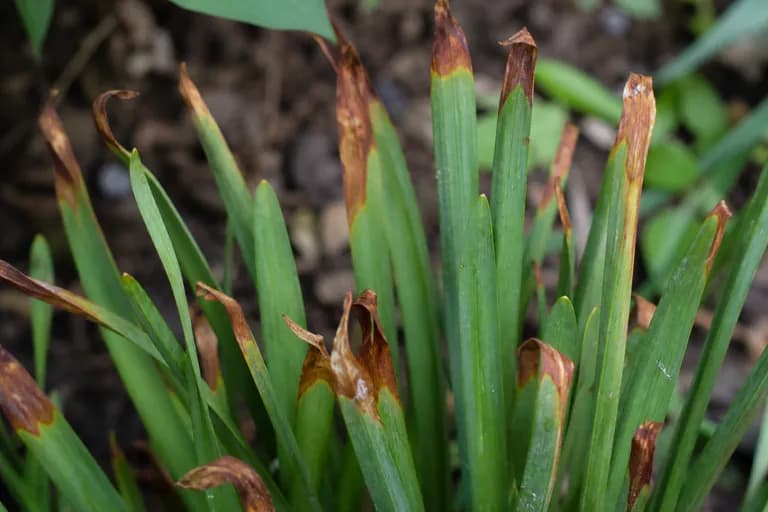
Narcissus Leaf Scorch
DiseaseReddish-brown scorched tips on emerging leaves that spread downward, causing leaf distortion and reduced vigor.
Troubleshooting Common Problems
The most common mistake is planting in soil that is too dry, as leucojum genuinely needs moist conditions to perform well. In dry gardens it gradually declines and stops flowering. The strap-like foliage persists for weeks after flowering and can look untidy, so interplant with emerging perennials to disguise it. Narcissus bulb fly can be problematic, especially in established colonies where many bulbs provide ample targets.
Growing Tips
- Plant bulbs in autumn as soon as they become available, ideally in September or October. Unlike tulips, Leucojum bulbs have thin tunics and dry out quickly in storage, so prompt planting ensures the best establishment.
- Choose a site in partial shade to full shade with moist, humus-rich soil. Spring snowflakes thrive beneath deciduous trees where they receive winter and early-spring sunlight before the canopy closes overhead.
- Plant bulbs at a depth of 8-10 cm and space them 10-12 cm apart. For a natural look, scatter them loosely and plant where they fall rather than arranging them in rigid rows or geometric patterns.
- Incorporate generous amounts of leaf mould or well-rotted compost into the planting area. The soil should be moisture-retentive but never waterlogged — bulbs sitting in standing water will rot.
- Never remove foliage after flowering until it has turned completely yellow and pulls away from the bulb easily. The leaves need at least six to eight weeks after flowering to replenish the bulb's energy reserves.
- Divide congested clumps in late summer while the bulbs are dormant, or immediately after flowering while the foliage is still green and the clump is easy to locate. Replant offsets immediately at the same depth.
- Spring snowflakes are largely pest-free thanks to their toxic alkaloid content, but watch for slugs and snails that may damage emerging shoots in wet springs. Use organic slug pellets or copper barriers if damage is severe.
- Avoid planting Leucojum near vegetable gardens, herb beds, or any area where children or pets play unsupervised. All parts of the plant are toxic if ingested, and the bulbs in particular contain high concentrations of harmful alkaloids.
- For container growing, use a deep pot with excellent drainage and a gritty, peat-free compost mix. Place the container outdoors through winter to ensure the cold period needed for flower initiation, and water sparingly during dormancy.
- Leucojum vernum pairs beautifully with other early-spring woodland plants including snowdrops, winter aconites, hellebores, and dog's tooth violets. Combine them for a succession of bloom from January through April.
Grow your best Summer Snowflake yet — and everything around it.
Start a free plan today. Lay out your beds, drop in your Summer Snowflake, and let PlotMyGarden handle the timing, spacing, companions and reminders from seed to harvest basket.
Pick your Summer Snowflake
Gravetye Giant
A vigorous selection reaching thirty inches with larger flowers and stronger stems than the species, the standard garden variety and most widely available form.
Aestivum
The straight species with graceful clusters of three to seven bells per stem, excellent for naturalizing in moist meadows and alongside water features.
Leucojum vernum bulbs are moderately priced at approximately 3-6 EUR for a pack of 10, and once established they multiply freely through natural offset production. A single initial planting of 25 bulbs can expand to well over 200 flowering bulbs within a decade without any additional expenditure. Division of congested clumps every few years provides abundant free planting stock. Compared to purchasing annual bedding plants for early-spring color, a one-time investment in Leucojum delivers decades of reliable, maintenance-free flowering with zero ongoing cost. Because the bulbs are deer-resistant and largely ignored by rodents due to their toxic alkaloid content, losses to wildlife are minimal, further protecting your investment.
Quick recipes
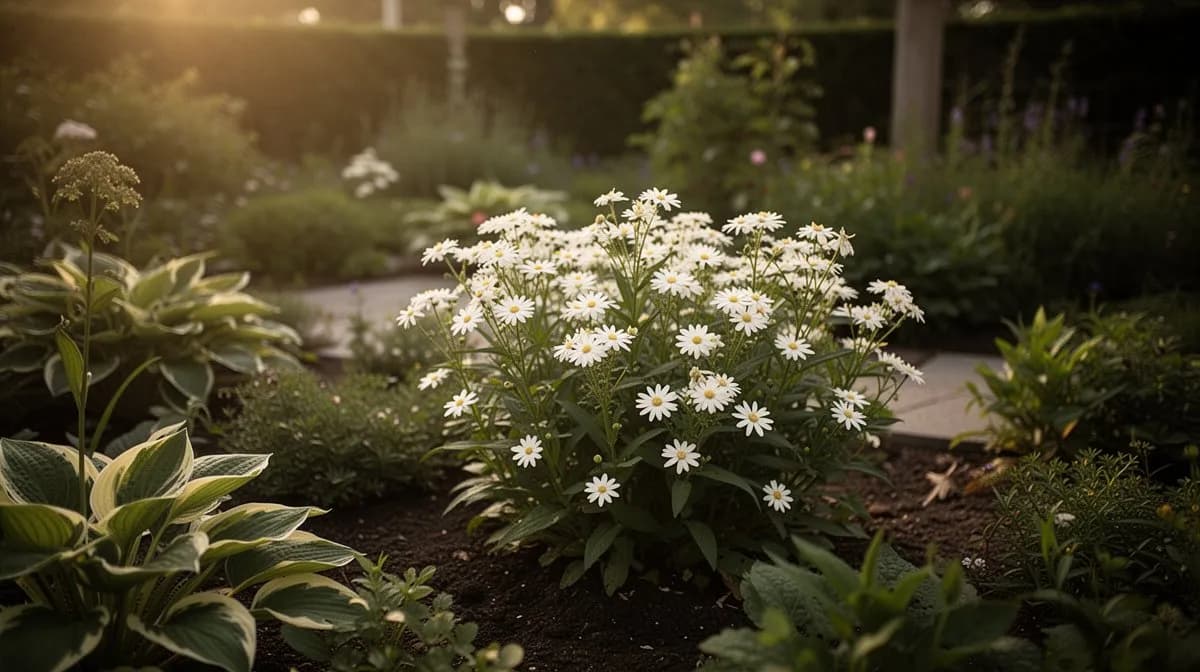
Spring Snowflake Bulb Planting Mix
15 minutesPrepare the ideal soil amendment blend for planting Leucojum vernum bulbs in autumn. This recipe creates a moisture-retentive yet well-drained medium that mimics the plant's native woodland floor habitat. Mix before planting and incorporate into the planting area to a depth of 20 cm.
5 ingredients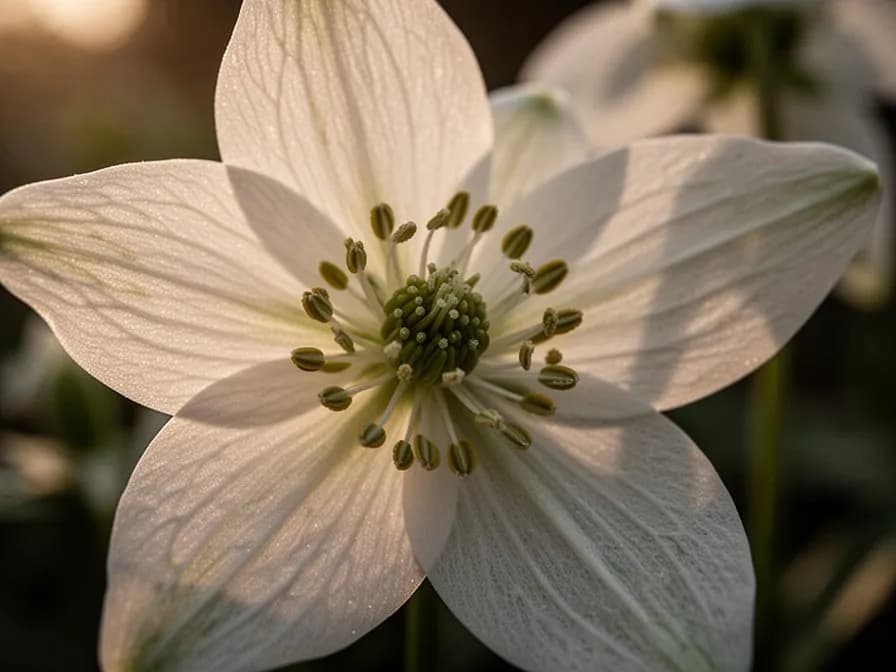
Leucojum Naturalizing Bulb Blend
20 minutesCreate a visually stunning mixed spring bulb planting scheme by combining Leucojum vernum with complementary early-flowering bulbs. This combination provides a succession of bloom from late winter through mid-spring in woodland settings or shaded borders. Plant the entire blend together in a broad, informal drift for the most natural effect.
5 ingredients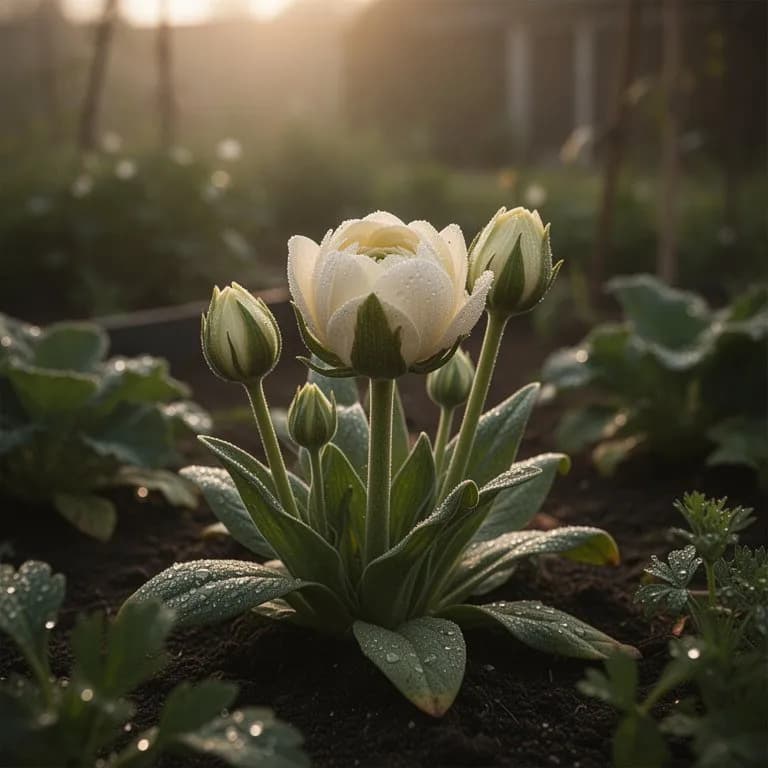
Leucojum Container Display
25 minutesAssemble a charming late-winter container display featuring Leucojum vernum as the centerpiece. Layer bulbs at different depths using the lasagna planting technique for a prolonged display period. This container can be placed by a doorway or on a patio where the delicate flowers and subtle fragrance can be appreciated up close during the earliest weeks of spring.
5 ingredientsWhat's inside
Health Benefits
- TOXIC PLANT — Leucojum vernum has no edible health benefits and must never be ingested in any form. All parts contain dangerous alkaloids including galantamine and lycorine.
- Galantamine derived from related Amaryllidaceae species is an approved pharmaceutical for treating mild to moderate Alzheimer's disease, but extraction and dosing require professional pharmaceutical processes — never attempt home preparation.
- As an ornamental garden plant, Leucojum vernum provides significant mental health and wellbeing benefits through its early-spring blooming, offering a morale-boosting display after long winter months.
- Gardening activities associated with planting and tending spring bulbs including Leucojum have been shown to reduce stress, lower cortisol levels, and improve overall mood through gentle physical exercise and connection with nature.
- The naturalized drifts of spring snowflake in woodland gardens create a calming, meditative environment that supports mindfulness and psychological restoration, particularly valuable during the transition from winter to spring.
- Leucojum vernum supports local pollinator populations by providing an essential early source of nectar and pollen for queen bumblebees and solitary bees emerging from hibernation, contributing to broader ecosystem health in the garden.
Where Summer Snowflake comes from
Leucojum vernum, commonly known as the spring snowflake, is a bulbous perennial native to central and southern Europe. Its natural range extends from Belgium and northern France eastward through Germany, Switzerland, Austria, and the Czech Republic, and southward into northern Italy, Hungary, and parts of the Balkans. The plant grows wild in moist deciduous woodlands, floodplain forests, and along the margins of streams and rivers, typically in humus-rich, slightly acidic to neutral soils that remain damp throughout the growing season but are not permanently waterlogged. Leucojum vernum was first formally described by Carl Linnaeus in his groundbreaking 1753 work Species Plantarum, though the plant had been cultivated in European gardens since at least the sixteenth century. It was a popular feature of Renaissance physic gardens and was noted by early herbalists including Clusius and Dodoens. In folk tradition, the spring snowflake was associated with the end of winter and the return of warmer days, and in some regions picking the flowers was considered bad luck. Over the centuries, wild populations have declined significantly in parts of western Europe due to deforestation, wetland drainage, and overcollection. Today the species is legally protected in Germany, Austria, and several other countries. Despite its toxic alkaloid content, the plant has contributed significantly to modern medicine — galantamine, first isolated from related Amaryllidaceae species, is now an important pharmaceutical used to treat Alzheimer's disease. In the garden, Leucojum vernum remains a cherished harbinger of spring, valued for its graceful nodding bells, reliable perennial nature, and ability to naturalize into large colonies over many years.
Summer Snowflake: did you know?
Fascinating facts about Summer Snowflake
WARNING: All parts of Leucojum vernum are toxic if ingested, containing alkaloids such as galantamine and lycorine. Keep away from children, pets, and livestock. Handle bulbs with gloves if you have sensitive skin.
Summer Snowflake questions, answered
When should I plant Summer Snowflake?
What are good companion plants for Summer Snowflake?
What hardiness zones can Summer Snowflake grow in?
How much sun does Summer Snowflake need?
How far apart should I space Summer Snowflake?
What pests and diseases affect Summer Snowflake?
How do I store Summer Snowflake after harvest?
What are the best Summer Snowflake varieties to grow?
What soil does Summer Snowflake need?
Is Leucojum vernum (spring snowflake) poisonous?
What is the difference between Leucojum vernum (spring snowflake) and Galanthus (snowdrop)?
When and how should I plant Leucojum vernum bulbs?
Why are my Leucojum vernum bulbs not flowering?
Can I grow Leucojum vernum in a pot or container?
How do I propagate Leucojum vernum?
You just read the theory. Now grow it on autopilot.
Everything that makes Summer Snowflake fiddly — the timing, the spacing, the companions, the harvest window — is exactly what PlotMyGarden handles for you, for every plant in your garden.
A plan that knows your weather
Set your location once. Get sow, feed and harvest dates built around your real last-frost date and live forecast — no more guessing from a generic seed packet.
From the “When to plant” sectionDrag-and-drop bed planner
Design beds on a grid. Every plant snaps to its proper spacing, and you can see your whole season laid out before you spend a cent on seed.
From the “Growing guide” sectionCompanion conflicts, caught early
200+ good-and-bad pairings checked live as you plant — so a season-wrecking mistake never makes it into the ground.
From the “Companions” sectionReminders you'll actually act on
“Water the beans.” “Pick today before it turns.” Timely, specific, and tied to the plants you're really growing.
From the “Harvest” sectionSuccession, scheduled
Want a harvest for six weeks, not six days? It spaces your sowings automatically and reminds you when each new block is due.
From the “When to plant” sectionA record that gets smarter
Every harvest you log teaches it your garden. Next year's plan starts from what actually worked in your soil, not a textbook's.
From the “Overview” sectionPlant these alongside Summer Snowflake
More Bulbs
Grow your best Summer Snowflake yet — and everything around it.
Start a free plan today. Lay out your beds, drop in your Summer Snowflake, and let PlotMyGarden handle the timing, spacing, companions and reminders from seed to harvest basket.