Aromatischer Zitronenthymian
Eine besonders duftende Zitronenthymian-Auslese, die für das stärkste Zitrusaroma unter allen Thymian-Sorten gezüchtet wurde.





Auf dieser SeiteÜberblick
Aromatischer Zitronenthymian im Überblick
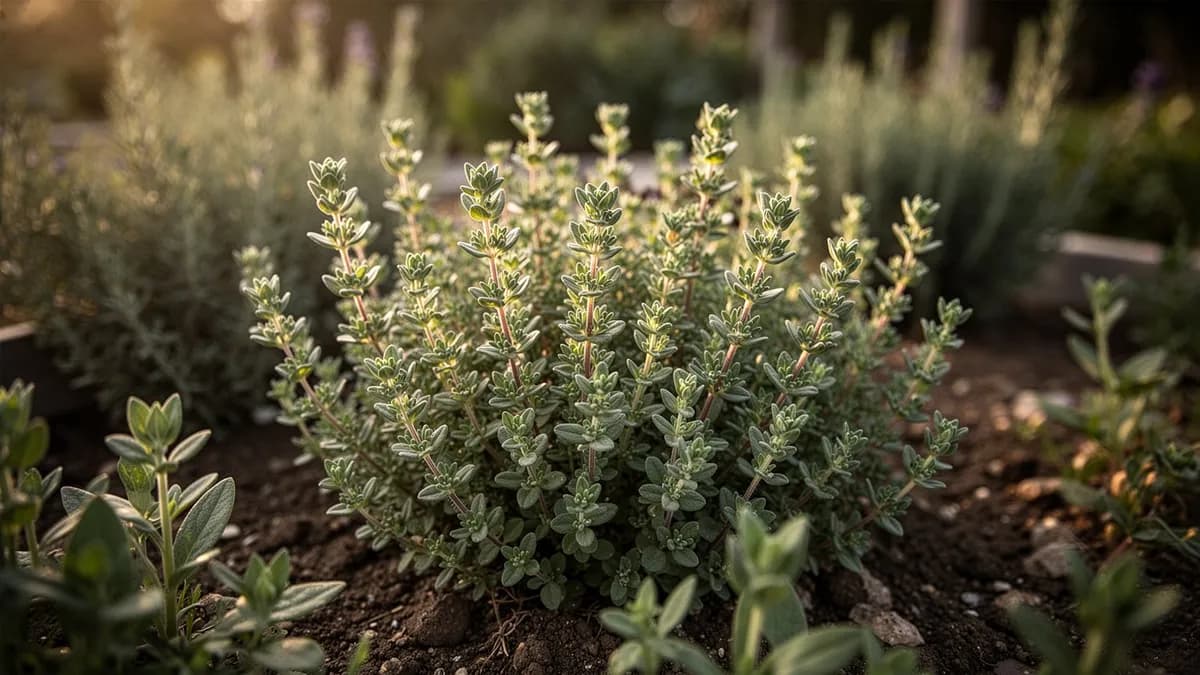
Eine besonders duftende Zitronenthymian-Auslese, die für das stärkste Zitrusaroma unter allen Thymian-Sorten gezüchtet wurde. Die graugrünen Blätter verströmen beim Berühren einen intensiven Zitronenduft und werden in Potpourris, Duftsäckchen und Badeprodukten verwendet. Pflanzen Sie ihn entlang von Wegen, wo Fußgänger den Duft freisetzen, und genießen Sie sowohl das Aroma als auch die kulinarische Vielseitigkeit.
Wann Aromatischer Zitronenthymian pflanzen
Benannte Zitronenthymian-Sorten sind nicht samenecht und müssen vegetativ vermehrt werden. Nehmen Sie 5–7 cm lange Triebspitzen-Stecklinge im späten Frühling oder Frühsommer, entfernen Sie die unteren Blätter und stecken Sie sie in eine kiesige Substratmischung. Halten Sie sie leicht feucht bei hellem Licht. Wurzeln entwickeln sich in 3–4 Wochen. Absenken – niedrige Triebe am Boden befestigen und mit Erde bedecken – ist noch einfacher und liefert gut bewurzelte Pflanzen in 6–8 Wochen. Teilen Sie etablierte Horste im Frühling für die schnellsten neuen Pflanzen.
Dein Aromatischer Zitronenthymian-Jahr
Abgestimmt auf Zone 7 · typische Saison · Frost geht um den 2. Apr. und kehrt um den 1. Nov. zurück
Aromatischer Zitronenthymian Mär – Mai pflanzen, Mai – Sep ernten. Beachte die Pflanzmethoden unten und wähle dein Klima für passende Zeiträume.
So baust du Aromatischer Zitronenthymian an
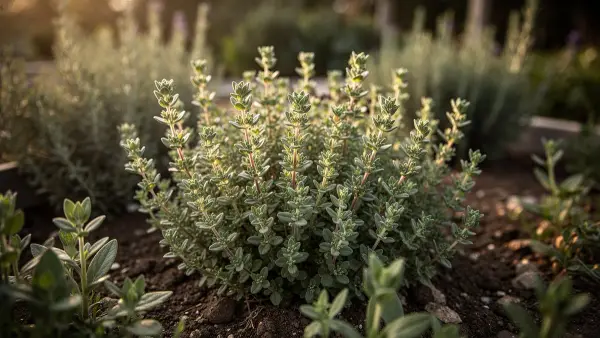
Aromatischer Zitronenthymian ist eine ausgewählte Sorte, die für den intensivsten Zitronenduft unter allen Thymian-Kultivaren geschätzt wird. Dieser niedrig wachsende, sich ausbreitende immergrüne Halbstrauch erreicht eine Höhe von 15–25 cm und eine Breite von 30–40 cm und bildet dichte Matten aus winzigen, graugrünen, aromatischen Blättern. Pflanzen Sie ihn in voller Sonne mit magerem, gut durchlässigem Boden für die höchste Konzentration ätherischer Öle.
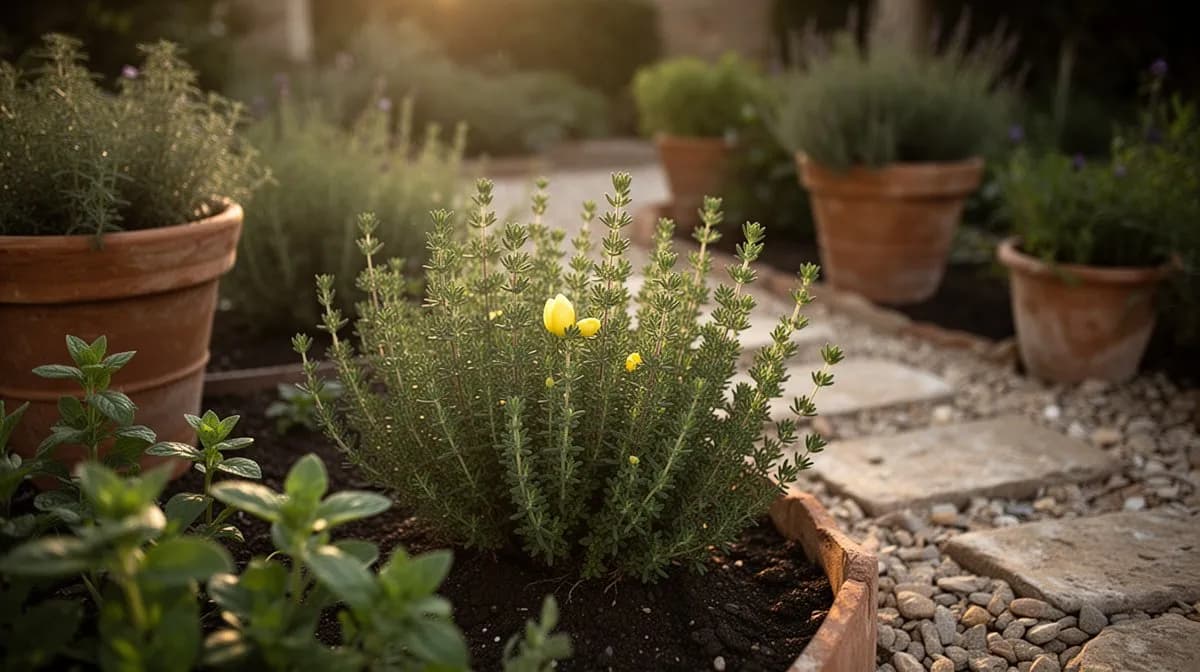
Wie alle Thymiansorten gedeiht diese Variante am besten bei minimaler Pflege. Vermeiden Sie nährstoffreichen Boden, starkes Gießen und übermäßiges Düngen, da diese die aromatischen Öle verdünnen. Sandige, kiesige oder kalkhaltige Böden sind ideal. Pflanzen Sie ihn entlang von Wegen, zwischen Trittsteinen oder am vorderen Rand von Kräuterbeeten, wo Fußverkehr und Berührung den Zitronenduft freisetzen.
Schneiden Sie die Pflanzen nach der Blüte leicht zurück, um eine kompakte Form zu erhalten und kahle, verholzte Zentren zu verhindern. Vermeiden Sie Schnitte ins alte Holz, da Thymian sich schlecht aus kahlen Trieben regeneriert. Ersetzen Sie die Pflanzen alle 3–4 Jahre, wenn sie verholzen, und vermehren Sie sie vorher durch Stecklinge oder abgesenkte Triebe.
36 Pflanzen passen in ein Beet von 120 × 240 cm
Aromatischer Zitronenthymian braucht 25 cm Platz pro Pflanze. Der Planer hält diesen Abstand für dich ein — jede Pflanze, jedes Beet.
Die besten Nachbarn für Aromatischer Zitronenthymian
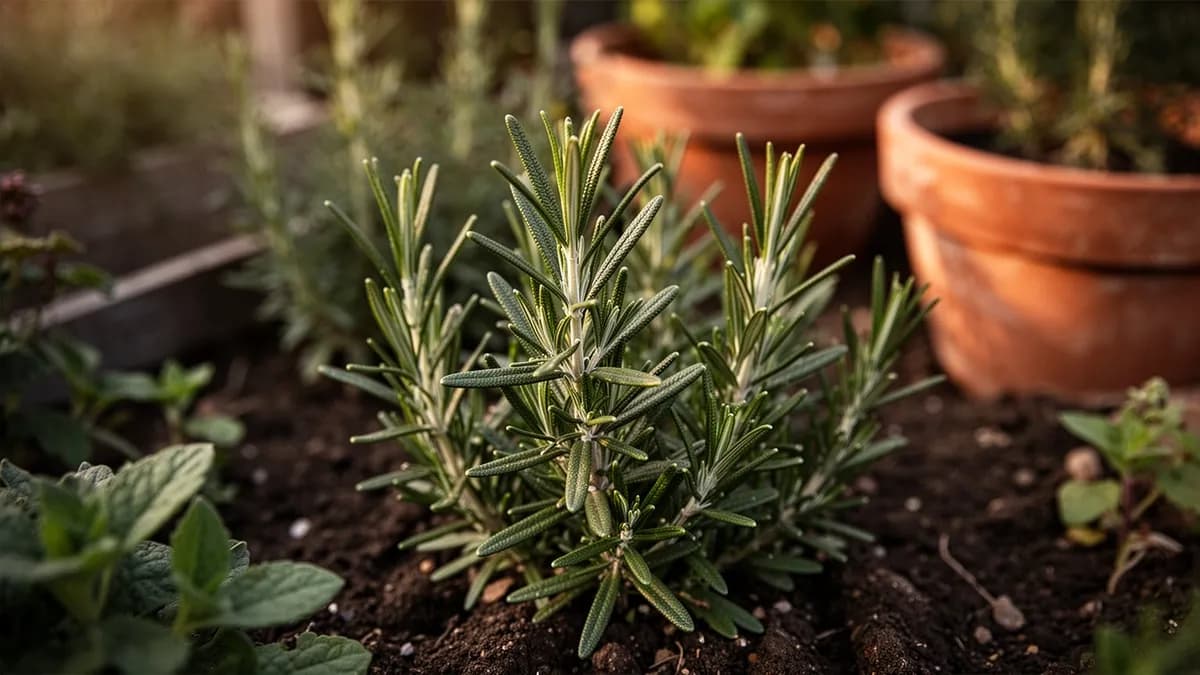
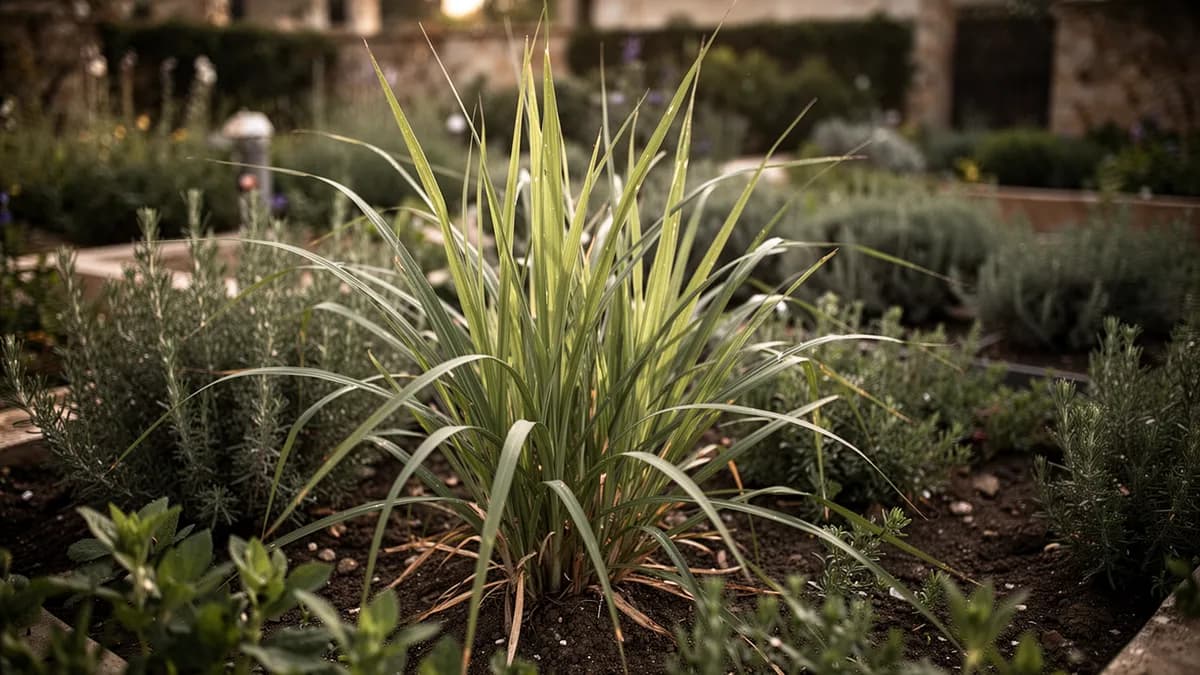
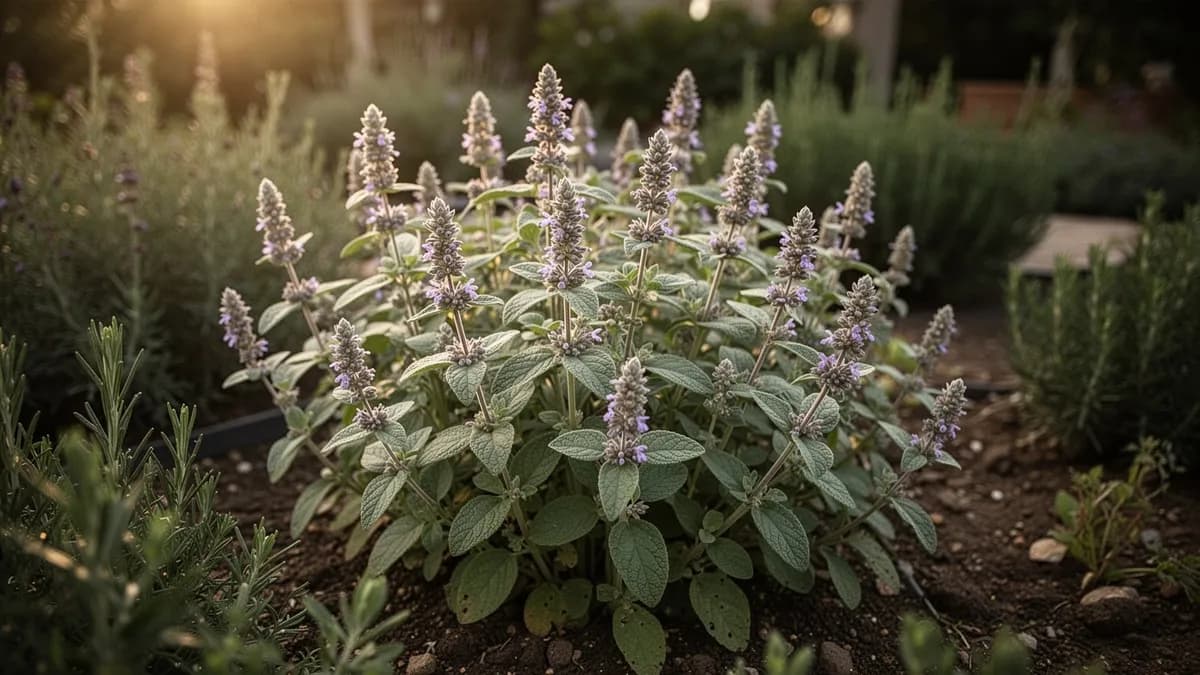
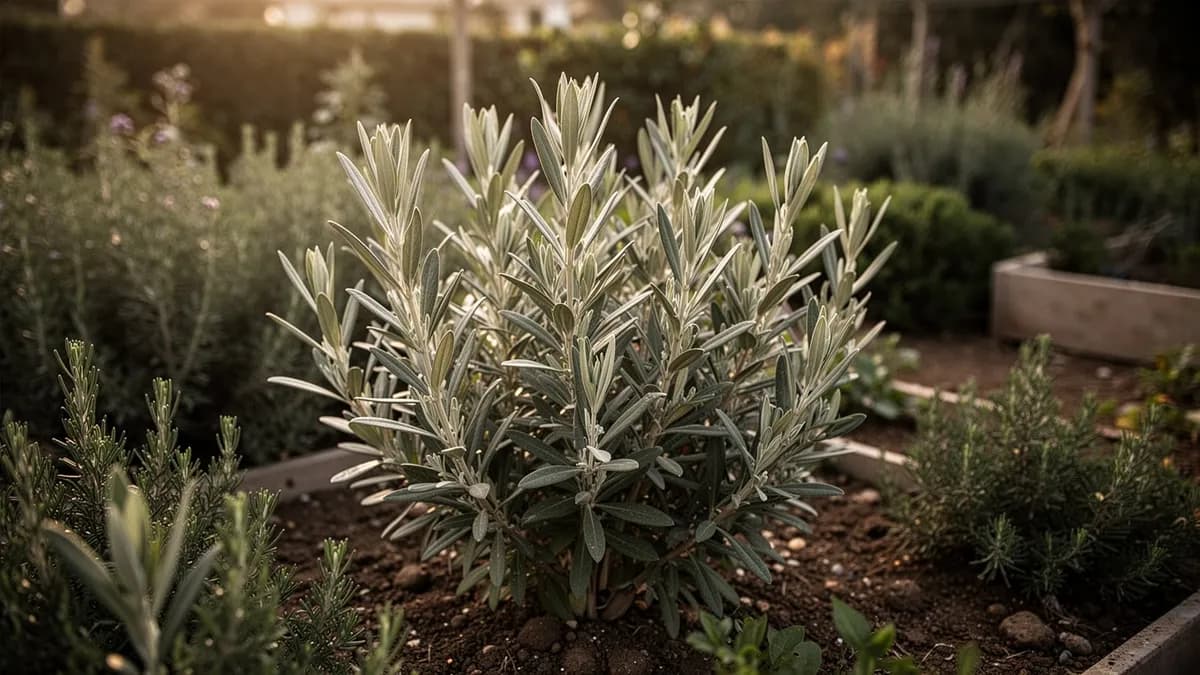
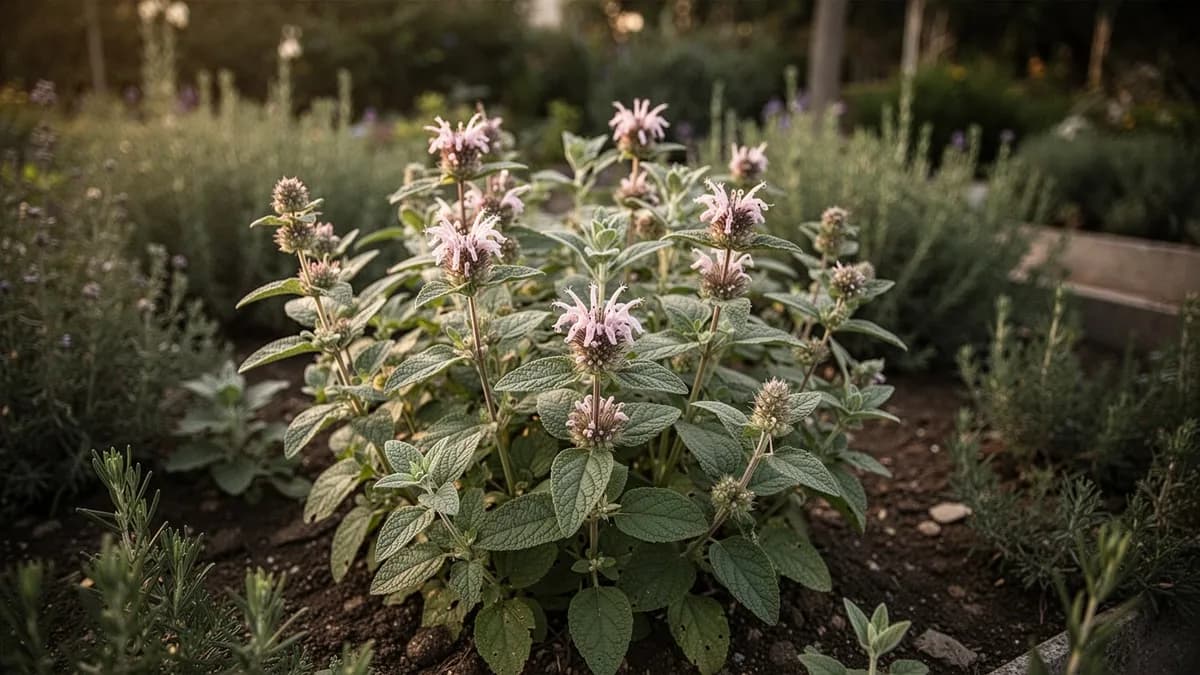
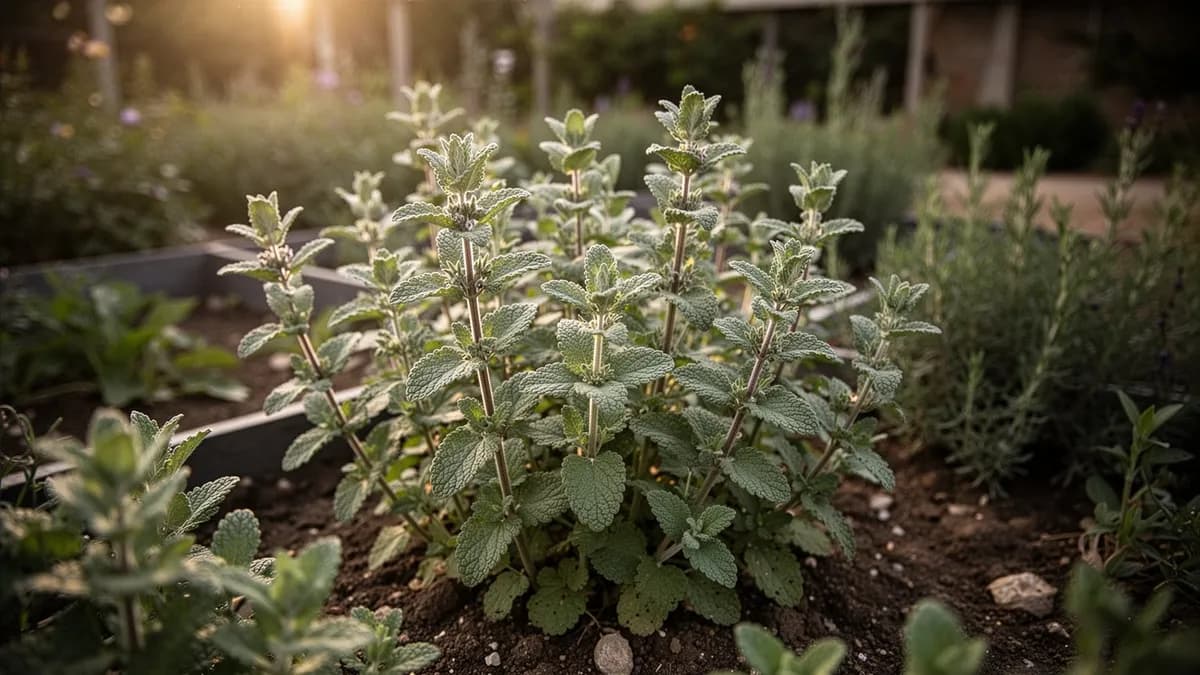
Pflanzen Sie ihn entlang von Wegen und Trittsteinen, wo Fußverkehr den Zitronenduft freisetzt. Kombiniert wunderbar mit anderen mediterranen Kräutern wie Lavendel, Rosmarin und gewöhnlichem Thymian in heißen, trockenen Rabatten und Kiesgärten. Die niedrige, sich ausbreitende Wuchsform macht ihn zu einem ausgezeichneten Bodendecker zwischen höheren Kräutern. Die Blüten ziehen Bienen und Nützlinge in den Garten.
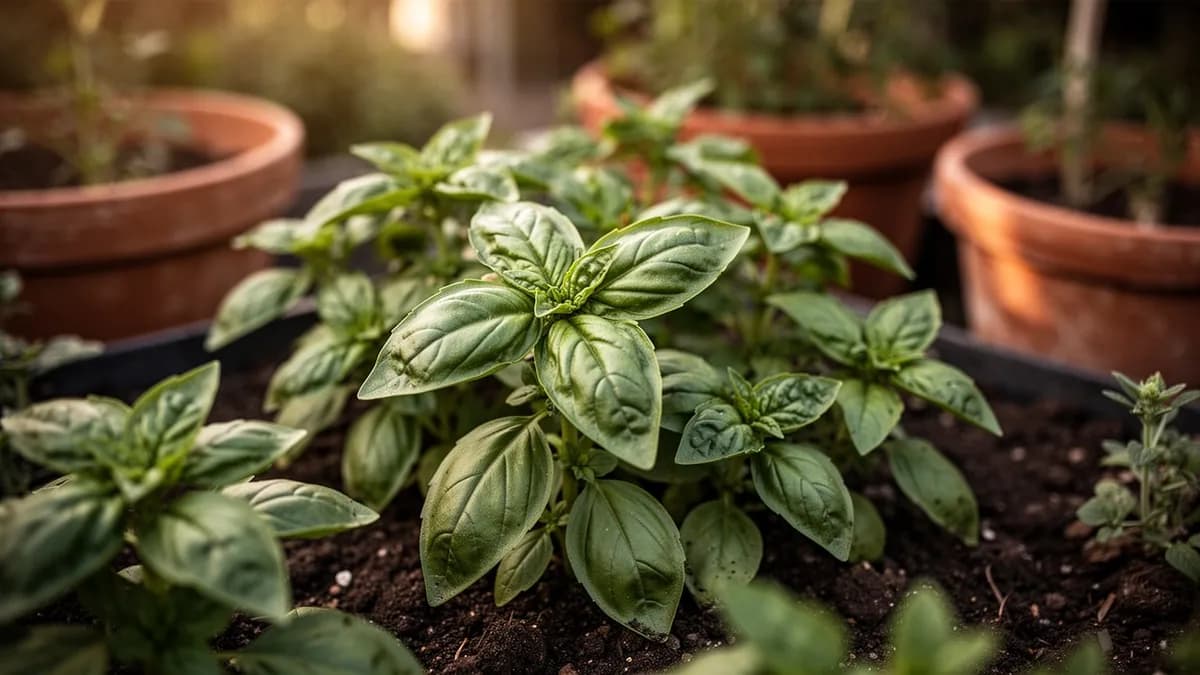
Lavendel gehört daneben. Basilikum nicht.
Altes Gärtnerwissen, geprüft an der echten Nachbartabelle von Aromatischer Zitronenthymian — teste jede Pflanze, die du anbaust.
Probiere Aromatischer Zitronenthymian direkt hier im Beet
Ein echtes Planer-Beet, Aromatischer Zitronenthymian steht schon drin. Tippe einen Begleiter an, platziere ihn und sieh, wie die Nachbarschaftsprüfung antwortet — grün für gute Nachbarn, rot bei Streit.


Passende Anbau-Ratgeber
Richtig düngen
Gedeiht in magerem, gut durchlässigem Boden mit einem pH-Wert von 6,5–8,0. Sandige, kiesige oder kalkhaltige Böden sind ideal. Reichern Sie den Boden nicht an – arme Bedingungen erzeugen die stärksten ätherischen Öle. Mischen Sie Kies in schwere Böden für bessere Drainage. Es wird kein Dünger benötigt. Eine dünne Kiesschicht um die Pflanzen herum hilft bei der Drainage, Unkrautunterdrückung und reflektiert Wärme nach oben in das Laub.
Ideale Temperatur
Winterhärtezone-Kompatibilität
Von der Saat zur Ernte, Schritt für Schritt
Samenkeimung
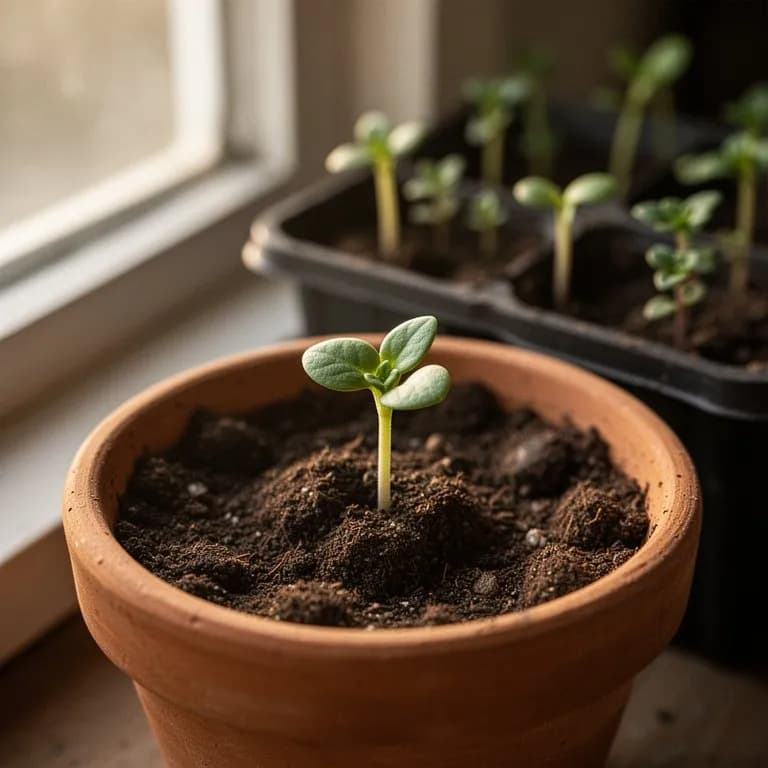
Die Samen des aromatischen Zitronenthymians sind extrem fein, fast staubförmig, und müssen auf der Oberfläche ausgesät werden, da sie Licht zum Keimen benötigen. Die Samen werden sanft auf feuchte Anzuchterde gedrückt, ohne sie zu bedecken. Die Keimung ist langsam und unregelmäßig und dauert typischerweise 14–21 Tage bei 18–24 °C. Das erste sichtbare Wachstum ist ein winziges Paar Keimblätter von kaum 2 mm Breite, gefolgt von den ersten echten Blättern mit einem leichten Zitrusduft.
Keimlingsetablierung
Die Keimlinge entwickeln ihre ersten echten Blattpaare – winzig, oval und bereits mit einem deutlich hellen Zitronen-Zitrusduft beim sanften Reiben. Das Wachstum ist in dieser Phase merklich langsam. Die Stiele beginnen sogar in diesem jungen Alter an der Basis eine leicht holzige Struktur zu entwickeln, ein Kennzeichen der Halbstrauch-Wuchsform. Die Wurzeln sind fein und faserig und etablieren sich langsam im Substrat.
Vegetatives Wachstum
Die Pflanze tritt in ihre Hauptwachstumsphase ein und breitet sich nach außen aus, um einen niedrigen, dichten Hügel aus intensiv aromatischem Laub zu bilden. Die Stiele werden an der Basis zunehmend holzig, während sie an den Spitzen weiches, grünes, belaubtes Wachstum produzieren. Die charakteristische Polsterform nimmt Gestalt an, wobei die Pflanzen 15–25 cm hoch werden und sich auf 30–45 cm Breite ausbreiten. Die Konzentration der ätherischen Öle – insbesondere Citral und Thymol – steigt bei warmem, sonnigem Wetter deutlich an.
Blüte
Quirle winziger röhrenförmiger Blüten erscheinen an den Triebspitzen in Schattierungen von Blassrosa bis zartem Lavendel. Die Blütezeit erstreckt sich vom Frühsommer bis Mittsommer und dauert 4–6 Wochen, während derer die Pflanze zu einem Zentrum der Bestäuberaktivität wird. Honigbienen, Hummeln und verschiedene Nützlinge besuchen sie ständig. Die Blattproduktion verlangsamt sich während der Blüte, aber das Laub bleibt voll aromatisch und erntbar.
Reife und Winterruhe
Als holziger Halbstrauch tritt der aromatische Zitronenthymian im Herbst und Winter in eine halbdormante Phase ein. Das Wachstum verlangsamt sich dramatisch, und in kalten Klimazonen kann etwas Laubfall auftreten. Das beständige holzige Gerüst übersteht den Winter, und frisches grünes Wachstum erscheint im Frühling an der Basis und entlang überlebender Triebe. Etablierte Pflanzen werden mit jedem Jahr zunehmend trockenheitstoleranter und entwickeln einen ausgeprägteren aromatischen Charakter.
Samen auf der Oberfläche aussäen und leicht andrücken – niemals eingraben. Vorsichtig besprühen, um die winzigen Samen nicht zu verdrängen, und die Schalen mit klaren Feuchtigkeitshauben abdecken. Bodenwärme von einer Heizmatte bei 20–22 °C verbessert die Keimungsrate deutlich. Das Substrat gleichmäßig feucht, aber niemals staunass halten.
Aromatischer Zitronenthymian Monat für Monat pflegen
Was du jeden Monat für deine Aromatischer Zitronenthymian tun solltest
Oktober
Aktueller MonatAbgestorbenes oder unordentliches Wachstum aufräumen. In den Zonen 5–6 groben Kies oder Sand um die Pflanzenbasis aufschütten, um die Winterdrainage zu verbessern. Einen kleinen Ableger oder bewurzelten Steckling in einen Topf setzen, um ihn auf einer hellen Fensterbank drinnen für frische Ernten über den Winter zu kultivieren. Freilandbewässerung auf nahezu null reduzieren, um die Pflanzen auf die Winterruhe vorzubereiten.
Immer wissen, was jetzt im Garten zu tun ist
Eine E-Mail zum Monatsanfang: was du jetzt säen, pflanzen und anpacken solltest — für deine Aromatischer Zitronenthymian und alles, was drumherum wächst. Dazu ein kurzer Startkurs, der dich vor den klassischen Fehlern bewahrt.
- Was jetzt zu tun ist
- Passend zu deiner Saison
- Startkurs inklusive
Aromatischer Zitronenthymian ernten
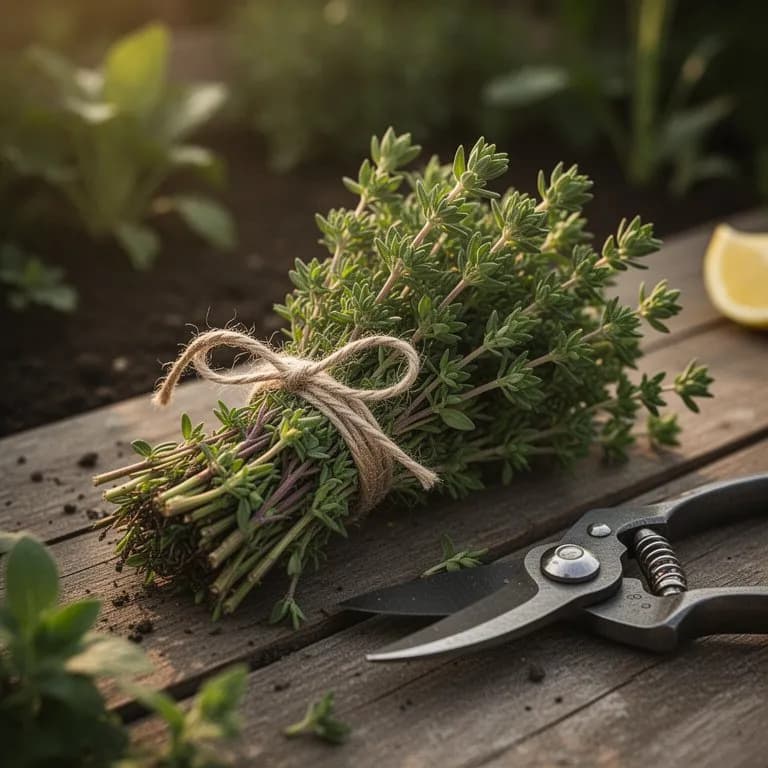
Ernten Sie aromatische Zitronenthymian-Triebe jederzeit während der Wachstumsperiode, indem Sie die Triebspitzen abschneiden. Für den stärksten Zitronenduft ernten Sie bei warmem Wetter, wenn die Konzentration der ätherischen Öle am höchsten ist. Verwenden Sie eine scharfe Schere oder knipsen Sie sauber ab, um Reißen zu vermeiden. Zum Trocknen schneiden Sie längere Stiele kurz vor oder während der Blüte, wenn die aromatischen Verbindungen ihren Höhepunkt erreichen. Die winzigen Blüten sind ebenfalls duftend und ziehen Bienen an.
angenommen, du pflanzt zu Beginn des Zeitraums — trage dein tatsächliches Datum ein
Ernte Aromatischer Zitronenthymian zügig, dann trägt die Pflanze weiter.
Lagerung & Konservierung
Bündeln Sie kleine Sträuße und hängen Sie sie in einem warmen, dunklen, gut belüfteten Bereich zum Trocknen auf. Alternativ können Sie die Blätter von den Stielen streifen und auf Gittern ausbreiten. Getrockneter Zitronenthymian behält seinen Zitrusduft wunderbar für 6–12 Monate in luftdichten Glasgefäßen. Verwenden Sie ihn in Potpourris, Duftsäckchen, Badebeuteln und Kräuterteemischungen. Frische Zweige lassen sich gut in versiegelten Beuteln einfrieren. Geben Sie ihn in Olivenöl, Essig oder Honig ein, um zitrusduftende Küchengrundlagen herzustellen.
Was schiefgeht — und die Lösung
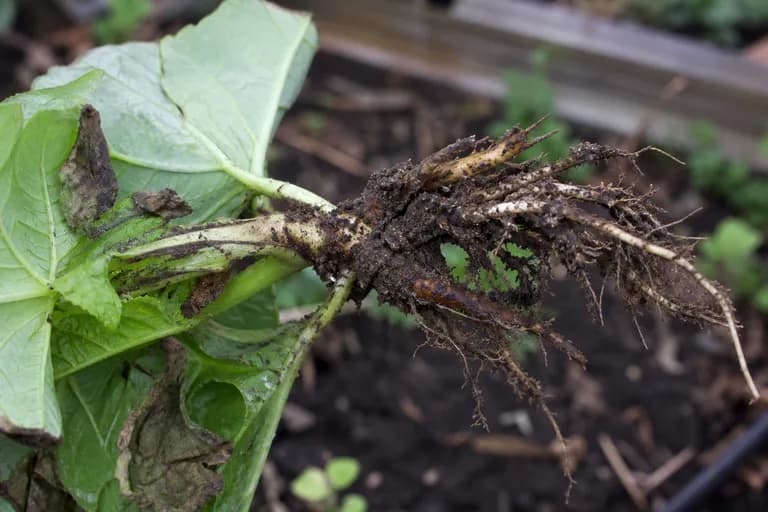
Wurzelfäule
KrankheitBräunung des Laubs, weiche Stielbasen, Zusammenbruch der Pflanze. Verursacht durch schlechte Drainage und Überwässerung.
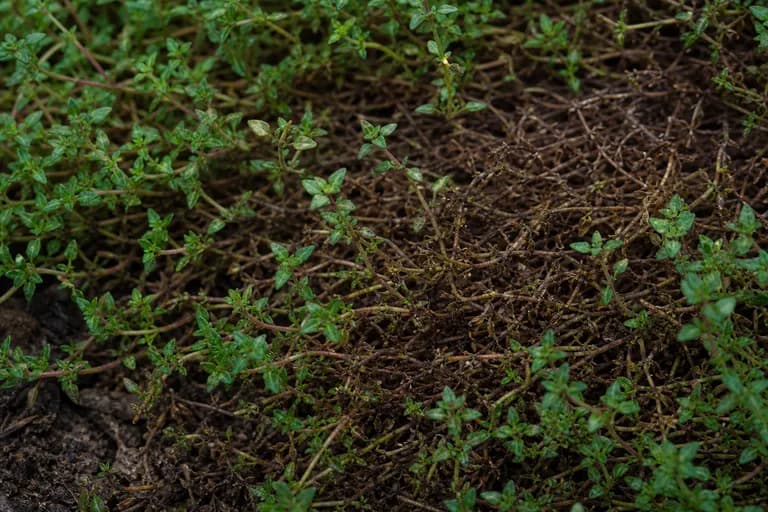
Pilzbefall-Absterben
KrankheitEinzelne Zweige bräunen sich und sterben ab, breiten sich durch die Pflanze aus. Häufig in feuchten Klimazonen.
Fehlerbehebung bei häufigen Problemen
Verholzte, kahle Zentren entwickeln sich natürlich mit dem Alter – ersetzen Sie die Pflanzen alle 3–4 Jahre aus Stecklingen. Schneiden Sie niemals in kahles, altes Holz. Winterverluste in nassen Böden sind die Hauptursache für das Absterben; scharfe Drainage ist unerlässlich. Schwacher Duft deutet auf zu nährstoffreichen Boden oder zu wenig Sonne hin. In feuchten Klimazonen treten Pilzprobleme häufiger auf; sorgen Sie für ausgezeichnete Luftzirkulation.
Anbautipps
- Drainage ist der wichtigste Einzelfaktor für aromatischen Zitronenthymian. Verbessern Sie schwere oder Lehmböden großzügig mit grobem Sand, Perlit oder feinem Kies vor dem Pflanzen. Hochbeete, Steingärten und Gefäße mit Abflusslöchern sind ideale Umgebungen – Staunässe tötet diese Pflanze schneller als jeder Schädling oder jede Krankheit.
- Beginnen Sie mit Baumschul-Jungpflanzen oder Stecklingen für schnellste Ergebnisse und garantierte Sortentreue. Samen keimen sehr langsam und ungleichmäßig, und benannte aromatische Kultivare sind nicht samenecht. Eine einzelne gekaufte Pflanze kann innerhalb eines Jahres durch Stecklinge und Teilung vervielfacht werden.
- Volle Sonne ist unverzichtbar für maximales Aroma und maximale Ölproduktion. Bieten Sie mindestens 6–8 Stunden direktes Sonnenlicht täglich. Im Halbschatten werden die Pflanzen langtriebig und verlieren ihr intensives Zitrusaroma. Südlagen an einer warmen Mauer oder einem Stein sind ideal, besonders in kühleren Klimazonen, wo reflektierte Wärme die Ölproduktion steigert.
- Tief, aber selten gießen und den Boden immer zwischen den Wassergaben abtrocknen lassen. Aromatischer Zitronenthymian stammt aus mediterranen Klimazonen mit knochtrockenen Sommern und verträgt Trockenheit weitaus besser als übermäßige Feuchtigkeit. Überwässerung verursacht Wurzelfäule und schnellen Verfall, besonders in Gefäßen ohne ausreichende Drainage.
- Die Pflanze unmittelbar nach der Hauptblütezeit im Hochsommer um ein Drittel zurückschneiden. Dies verhindert, dass die Mitte holzig und kahl wird, regt einen kräftigen Neuaustrieb aromatischen Wachstums an und erhält eine kompakte, attraktive Polsterform. Immer oberhalb eines Punktes mit sichtbaren grünen Blättern schneiden – braune holzige Triebe regenerieren sich selten.
- Im Hochsommer 8–10 cm halbreife Stecklinge für die zuverlässigste Vermehrung nehmen. Blätter von der unteren Hälfte entfernen, Schnittenden in Bewurzelungshormon tauchen und in eine Mischung aus gleichen Teilen Perlit und Torf oder Kokossubstrat stecken. An einen hellen, indirekt beleuchteten Platz stellen und leichte Feuchtigkeit aufrechterhalten – Wurzeln entwickeln sich typischerweise innerhalb von 3–4 Wochen.
- Aromatischer Zitronenthymian eignet sich hervorragend als Topfkraut. Verwenden Sie einen unglasierten Terrakottatopf mit Abflusslöchern und ein kiesiges, gut drainierendes Substrat. Gefäße ermöglichen es, die Pflanze saisonal der Sonne nachzuführen und sie in Grenzlagen vor dem ersten starken Frost ins Haus zu holen.
- Regelmäßig ernten, indem Sie das obere Drittel der Stiele mit einer scharfen Schere schneiden oder einzelne Zweige abknipsen. Häufiges, leichtes Ernten fördert die Verzweigung und erzeugt eine dichtere, buschigere und produktivere Pflanze. Niemals mehr als ein Drittel des gesamten Wachstums auf einmal entfernen, um eine schnelle Erholung zu gewährleisten.
- Aromatischen Zitronenthymian als Mischkulturpartner neben Rosen, Tomaten, Kohlgewächsen und Erdbeeren pflanzen. Seine konzentrierten aromatischen Öle helfen, Blattläuse, Kohlmotten und Weiße Fliegen abzuschrecken, während die reichlichen Sommerblüten Schwebfliegen und Schlupfwespen anlocken, die häufige Gartenschädlinge bekämpfen.
- Etablierte Pflanzen alle 3–4 Jahre im Frühling teilen, um sie zu verjüngen und verholztem Verfall vorzubeugen. Die gesamte Pflanze ausheben, in kräftige äußere Teilstücke mit Wurzeln und grünem Wachstum trennen und sofort in frischen, gut drainierten Boden wiedereinpflanzen. Die holzige, unproduktive Mitte entsorgen.
Bau deine beste Aromatischer Zitronenthymian an — und alles drumherum.
Starte heute kostenlos. Lege deine Beete an, setze deine Aromatischer Zitronenthymian ein und lass PlotMyGarden Timing, Abstände, Begleiter und Erinnerungen von der Saat bis zum Erntekorb übernehmen.
Finde deine Aromatischer Zitronenthymian
Thymus citriodorus 'Fragrantissimus'
Die am intensivsten nach Zitrone duftende Thymian-Auslese. Graugrünes Laub mit außergewöhnlichem Zitrusaroma. Der Standard für aromatische Gärten.
Thymus citriodorus 'Aureus'
Goldpanaschierter Zitronenthymian mit leuchtend gelbgrünen Blättern. Etwas weniger intensiv duftend, aber dekorativer.
Thymus citriodorus 'Silver Queen'
Silberpanaschierte Form mit cremefarben gerandeten Blättern und gutem Zitronenduft. Attraktiv in Gefäßen und Rabatten.
Frischer Zitronenthymian kostet im Supermarkt 3–5 € pro kleiner Verpackung (ca. 15–20 g), und getrockneter Spezialzitronenthymian liegt bei 8–14 € pro 30 g. Eine einzelne Baumschul-Jungpflanze kostet 3–6 € und produziert 5–7 Jahre lang, was über ihre produktive Lebensdauer einem Gegenwert von 80–200 € an gekauftem frischem Kraut entspricht. Selbst angebauter aromatischer Zitronenthymian bietet auch einen erheblichen Qualitätsvorteil – frisch geerntet und mit maximalem Ölgehalt ist er dramatisch duftender und aromatischer als die tagelang in Plastikverpackungen lagernden Zweige aus dem Handel.
Schnelle Rezepte
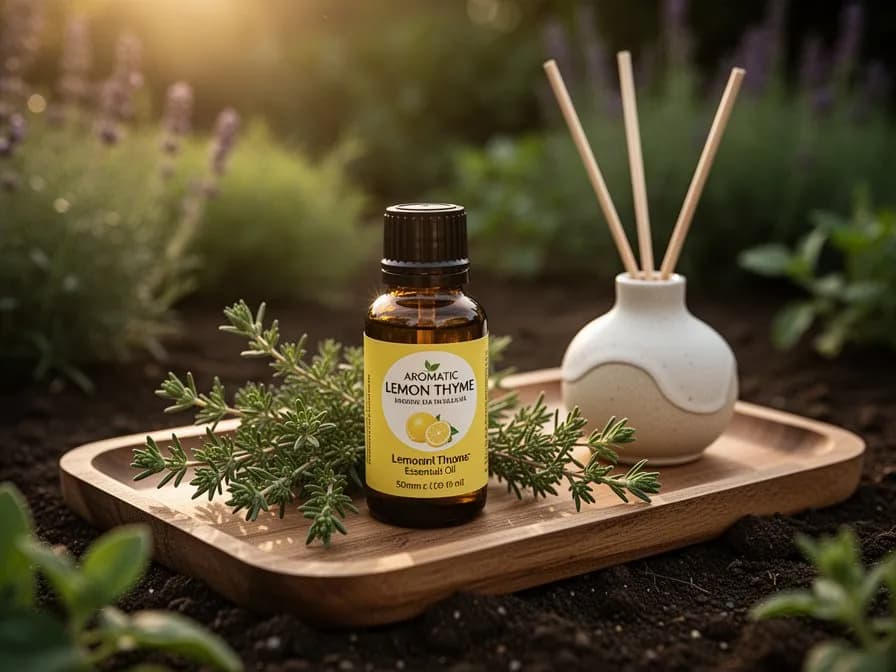
Aromatischer Zitronenthymian-Honig-Aufguss
15 Min.Ein duftender Kräutertee, der den hellen Zitruscharakter des aromatischen Zitronenthymians hervorhebt. Frische Zweige werden in nicht mehr kochendem Wasser aufgegossen und mit einem Spritzer Rohhonig gesüßt – ein beruhigendes, koffeinfreies Getränk, das traditionell zur Beruhigung der Nerven und Linderung von Atemwegsbeschwerden genossen wird.
4 ZutatenGegrillter Fisch mit aromatischer Zitronenthymian-Butter
25 Min.Eine Kräuterbutter, verfeinert mit fein gehackten Blättern des aromatischen Zitronenthymians und Zitronenschale, die über frisch gegrillten Fischfilets schmilzt. Das helle Zitrus-Würz-Aroma des Krauts ergänzt Meeresfrüchte wunderbar und ergibt ein beeindruckendes, aber müheloses Sommergericht.
7 ZutatenAromatisches Zitronenthymian-Olivenöl
10 Min.Ein einfaches Aromaöl, das die zitrusartige Essenz des frischen aromatischen Zitronenthymians einfängt. Sanft erwärmtes natives Olivenöl extra wird mit leicht angedrückten Kräuterzweigen und Zitronenschale aufgegossen und ergibt ein vielseitiges Finishöl zum Beträufeln von geröstetem Gemüse, frischem Brot oder gegrilltem Fleisch.
5 ZutatenKulinarische Verwendung
Aromatischer Zitronenthymian eignet sich hervorragend sowohl für kulinarische als auch für aromatische Anwendungen. Geben Sie frische Zweige zu Fisch-, Hähnchen- und Gemüsegerichten für eine helle Zitrusnote. Lassen Sie ihn in Sahne für zitronenduftende Desserts ziehen. Bereiten Sie einen erfrischenden Kräutertee zu, heiß oder eiskalt. Der Zitronengeschmack harmoniert wunderbar mit Honig und macht ihn ideal für Zitronenthymian-Honig. Verwenden Sie ihn in Marinaden, Dressings und Kräuterbutter für ein dezentes Zitrus-Kräuter-Aroma.
Was drinsteckt
Gesundheitsvorteile
- Reich an Citral und Thymol, zwei potenten ätherischen Ölverbindungen mit gut dokumentierten antimikrobiellen, antimykotischen und antiviralen Eigenschaften – Zitronenthymian-Tee ist ein altbewährtes traditionelles Hausmittel bei Halsschmerzen, Husten und Atemwegsbeschwerden.
- Liefert eine außergewöhnlich konzentrierte Vitamin-C-Quelle von 160 mg pro 100 g frischer Blätter (178 % TW) und unterstützt die Immunabwehr, die Kollagenproduktion für gesunde Haut und die verbesserte Aufnahme von Nahrungseisen aus pflanzlichen Lebensmitteln.
- Enthält die Flavonoid-Antioxidantien Apigenin und Luteolin, die neuere Forschung mit entzündungshemmenden, angstlösenden und neuroprotektiven Wirkungen in Verbindung bringt – was die traditionelle Verwendung von Thymiantee als sanftes Beruhigungsmittel möglicherweise unterstützt.
- Liefert beträchtliches Provitamin A als Beta-Carotin (4751 IE pro 100 g, 95 % TW) und trägt zu gesundem Sehvermögen, der Hautbarrierefunktion und der Reifung von Immunzellen bei, wenn es regelmäßig als Teil einer abwechslungsreichen Ernährung konsumiert wird.
- Die flüchtigen Öle im aromatischen Zitronenthymian haben in der traditionellen Pflanzenheilkunde karminative und krampflösende Eigenschaften, weshalb ein warmer Aufguss nach dem Essen ein sanftes Mittel zur Linderung von Blähungen, Völlegefühl und Verdauungsbeschwerden ist.
- Enthält bedeutsame Mengen an Eisen (17,4 mg pro 100 g) und Mangan (1,7 mg pro 100 g) – die regelmäßige Verwendung als Küchenkraut und Tee-Zutat bietet einen kumulativen Mikronährstoffvorteil, der besonders wertvoll für Personen mit pflanzenbasierter Ernährung ist.
Woher Aromatischer Zitronenthymian stammt
Zitronenthymian (Thymus citriodorus) gilt allgemein als natürlich entstandener Hybrid aus einer Kreuzung zwischen Echtem Thymian (Thymus vulgaris) und Breitblättrigem Thymian (Thymus pulegioides) auf den sonnenverbrannten Hügeln des westlichen Mittelmeerraums. Während der genaue Zeitpunkt und Ort dieser Hybridisierung unbekannt sind, wurden zitronenduftende Thymiansorten bereits im sechzehnten Jahrhundert in europäischen Kräuterkundeschriften von gewöhnlichem Thymian unterschieden, erkennbar an ihren merklich breiteren Blättern und dem unverwechselbaren Zitrusduft.
Die Gattung Thymus selbst hat eine außergewöhnlich tiefe Beziehung zur menschlichen Zivilisation. Die alten Ägypter verwendeten Thymian in ihren Einbalsamierungsmischungen und schätzten seine starken konservierenden Eigenschaften. Die griechische und römische Kultur nutzte Thymian ausgiebig in Küche, Medizin und sakralen Zeremonien – Bündel des Krauts wurden als reinigender Weihrauch in Tempeln und öffentlichen Räumen verbrannt. Als europäische Kolonisten den Atlantik überquerten, gehörte Thymian zu den unverzichtbaren Kräutern, die sie mitnahmen, und er verwilderte schnell in den gemäßigten Regionen Nordamerikas.
Zitronenthymian erlangte besondere Beliebtheit in englischen Bauerngärten des siebzehnten und achtzehnten Jahrhunderts, wo seine kompakte immergrüne Wuchsform, der Zitrusduft und die kulinarische Vielseitigkeit ihn zum festen Bestandteil der Küchenkräuterrabatte machten. Die viktorianische Ära brachte die Entwicklung dekorativer Kultivare mit goldpanaschierten und silbergerandeten Blättern hervor, die als Zierbodenbedeckung in formalen Gärten geschätzt wurden. Diese benannten Sorten müssen vegetativ vermehrt werden, da sie nicht samenecht sind.
Heute werden aromatische Zitronenthymian-Kultivare kommerziell in Südfrankreich, Spanien, Italien und zunehmend in Kalifornien und dem pazifischen Nordwesten sowohl für den Frischkräutermarkt als auch für die Gewinnung ätherischer Öle angebaut. Das ätherische Öl, reich an Citral und Geraniol neben dem charakteristischen Thymol, erzielt Premiumpreise in der Parfüm- und Naturkosmetikindustrie. In Hausgärten weltweit bleibt Zitronenthymian eines der beliebtesten mehrjährigen Kräuter – gleichermaßen geschätzt von Köchen für seinen hellen Zitrus-Würz-Geschmack, von Gärtnern für seine Trockenheitstoleranz und dekorative Schönheit und von Naturfreunden für seine außergewöhnliche Fähigkeit, Bestäuberpopulationen während der Sommermonate zu unterstützen.
Aromatischer Zitronenthymian: Schon gewusst?
Faszinierende Fakten über Aromatischer Zitronenthymian
Aromatischer Zitronenthymian erhält seinen charakteristischen Zitrusduft von Citral, genau derselben aromatischen Verbindung, die auch Zitronengras und Zitronenverbene ihren zitronigen Duft verleiht – aber im Gegensatz zu diesen tropischen Pflanzen ist Zitronenthymian eine winterharte Staude, die eisige Winter übersteht.
Aromatischer Zitronenthymian: Fragen & Antworten
Wann sollte ich Aromatischer Zitronenthymian pflanzen?
Was sind gute Begleitpflanzen für Aromatischer Zitronenthymian?
In welchen Winterhärtezonen kann Aromatischer Zitronenthymian wachsen?
Wie viel Sonne braucht Aromatischer Zitronenthymian?
Welchen Abstand sollte ich zwischen Aromatischer Zitronenthymian lassen?
Welche Schädlinge und Krankheiten befallen Aromatischer Zitronenthymian?
Wie lagere ich Aromatischer Zitronenthymian nach der Ernte?
Was sind die besten Aromatischer Zitronenthymian-Sorten zum Anbauen?
Welchen Boden braucht Aromatischer Zitronenthymian?
Was unterscheidet aromatischen Zitronenthymian von gewöhnlichem Zitronenthymian?
Kann aromatischer Zitronenthymian kalte Winter im Freiland überstehen?
Wie konserviere ich das Aroma von aromatischem Zitronenthymian für den Wintergebrauch?
Warum wird mein aromatischer Zitronenthymian in der Mitte holzig und kahl?
Kann ich aromatischen Zitronenthymian erfolgreich drinnen anbauen?
Ist aromatischer Zitronenthymian sicher für Kinder und Haustiere?
Du hast die Theorie gelesen. Jetzt baue sie auf Autopilot an.
Alles, was Aromatischer Zitronenthymian knifflig macht — das Timing, die Abstände, die Begleiter, das Erntefenster — genau das übernimmt PlotMyGarden für dich, für jede Pflanze im Garten.
Ein Plan, der dein Wetter kennt
Standort einmal festlegen. Aussaat-, Dünge- und Erntedaten rund um deinen echten letzten Frosttermin und die Live-Vorhersage — kein Raten mehr nach Saattüte.
Aus dem Abschnitt „Pflanzzeit“Beetplaner per Drag & Drop
Beete auf einem Raster gestalten. Jede Pflanze rastet im richtigen Abstand ein, und du siehst die ganze Saison, bevor du einen Cent für Saatgut ausgibst.
Aus dem Abschnitt „Anbau“Begleiter-Konflikte früh erkannt
Über 200 gute und schlechte Kombinationen werden beim Pflanzen live geprüft — so landet ein saisonruinierender Fehler nie in der Erde.
Aus dem Abschnitt „Begleiter“Erinnerungen, nach denen du wirklich handelst
„Gieß die Bohnen.“ „Heute ernten, bevor's umschlägt.“ Pünktlich, konkret und auf deine echten Pflanzen bezogen.
Aus dem Abschnitt „Ernte“Staffel-Aussaat, geplant
Sechs Wochen ernten statt sechs Tage? Die App verteilt deine Aussaaten automatisch und erinnert dich, wenn der nächste Satz fällig ist.
Aus dem Abschnitt „Pflanzzeit“Ein Verlauf, der schlauer wird
Jede protokollierte Ernte bringt der App deinen Garten bei. Der Plan fürs nächste Jahr startet bei dem, was in deinem Boden wirklich funktioniert hat.
Aus dem Abschnitt „Überblick“Pflanze diese neben Aromatischer Zitronenthymian
Weitere Duftkräuter
Halte Aromatischer Zitronenthymian von diesen fern
Bau deine beste Aromatischer Zitronenthymian an — und alles drumherum.
Starte heute kostenlos. Lege deine Beete an, setze deine Aromatischer Zitronenthymian ein und lass PlotMyGarden Timing, Abstände, Begleiter und Erinnerungen von der Saat bis zum Erntekorb übernehmen.