Langsat
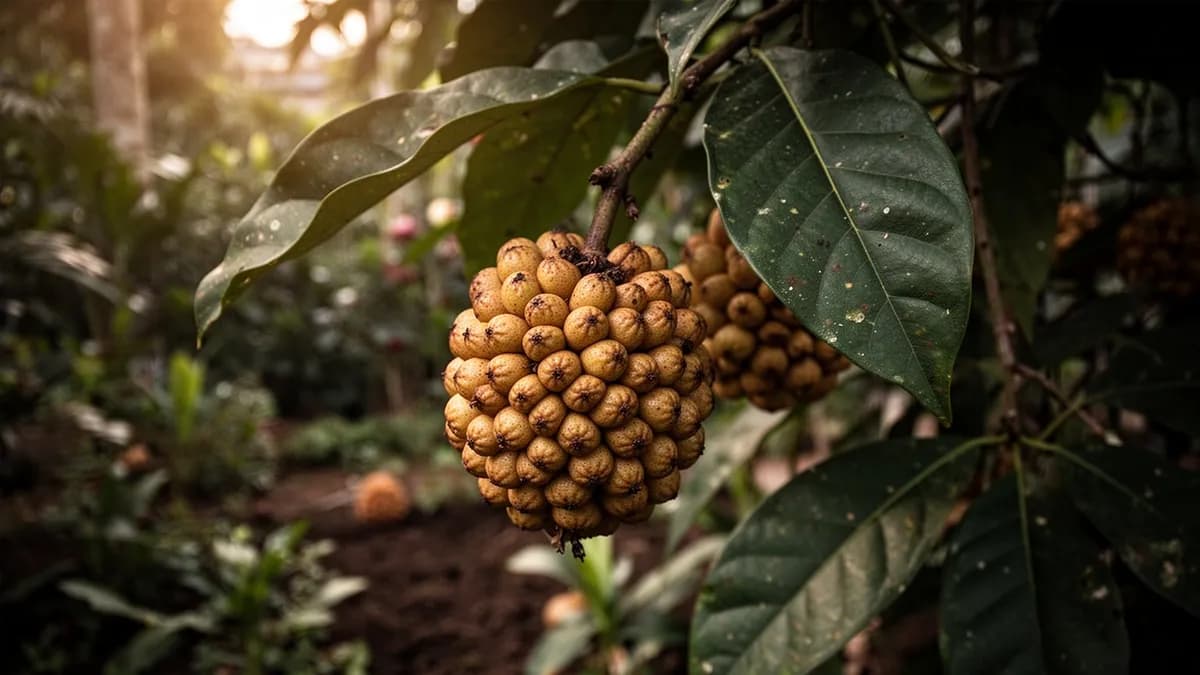
A Southeast Asian tree producing clusters of translucent, grape-sized fruits with sweet-tart flesh reminiscent of a blend of grapefruit and lychee.





On this pageOverview
Meet Langsat
A Southeast Asian tree producing clusters of translucent, grape-sized fruits with sweet-tart flesh reminiscent of a blend of grapefruit and lychee. Langsat requires consistently warm, humid conditions and cannot tolerate any cold or drought. The fruits are borne in heavy hanging clusters and are popular across Southeast Asia as a fresh snack.
When to plant Langsat
Langsat seeds lose viability rapidly and must be planted within a day or two of extraction from ripe fruit. Plant seeds one inch deep in moist, humus-rich potting mix and maintain temperatures above 75 degrees Fahrenheit with high humidity. Germination takes one to three weeks. Seedlings are very slow-growing and sensitive to direct sun for the first year. Provide shade and consistent moisture. Seedling trees may take six to ten years to fruit. Grafted or air-layered trees are preferred for faster production.
Your Langsat Year
Composed for Zone 7 · typical seasons · frost passes Apr 2, returns Nov 1
Plant Langsat May – Jul, pick Jul – Sep. Check the planting methods below and set your climate to personalize these windows.
How to grow Langsat
Langsat requires a truly tropical environment with consistent warmth, high humidity, and protection from wind. Plant in a location with partial shade to full sun and deep, fertile soil that retains moisture but does not become waterlogged. Space trees 25 to 30 feet apart. The tree is extremely sensitive to cold and will suffer damage at temperatures below 40 degrees Fahrenheit, making it suitable only for USDA zones 11 and 12.
Water frequently to maintain consistently moist soil, as langsat cannot tolerate drought. In its native Southeast Asian habitat, the tree receives abundant rainfall year-round. Provide deep irrigation three to four times per week during dry periods and mist foliage if humidity drops below 70 percent. Mulch heavily to conserve soil moisture.
Fertilize every two months with a balanced organic fertilizer, as langsat is sensitive to chemical burn from synthetic fertilizers applied too heavily. The tree grows slowly and may take six to ten years to fruit from seed. Grafted trees bear sooner, typically in four to five years. Prune minimally to maintain shape, removing only dead or crossing branches. The tree naturally develops an attractive dome-shaped canopy.
Langsat needs more room than a 4 × 8 ft bed gives
Each Langsat wants 500 cm of elbow room. The planner keeps that spacing for you — every plant, every bed.
Related growing guides
Feed it well
Langsat thrives in deep, fertile, well-drained clay-loam or sandy-loam soil with a pH of 5.5 to 6.5. The tree requires consistently rich soil with high organic matter content. Apply a balanced organic fertilizer every two months, supplemented with potassium during fruiting. Avoid heavy applications of synthetic fertilizer, which can burn the sensitive root system. Top-dress annually with aged compost and maintain a thick layer of organic mulch to feed the soil biology.
Ideal Temperature
Hardiness Zone Compatibility
From seed to harvest, stage by stage
Seed Germination and Seedling Establishment
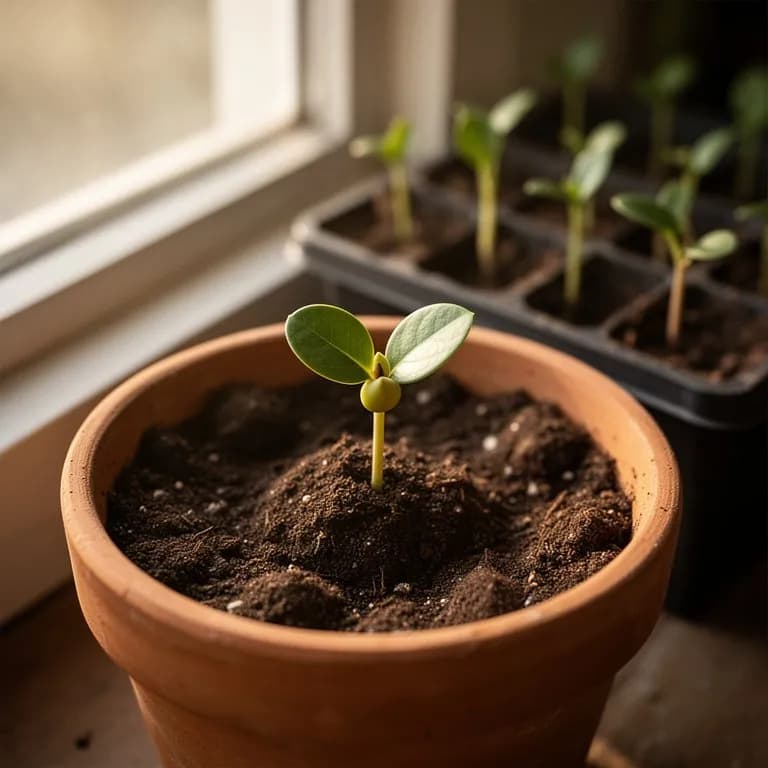
Langsat seeds lose viability quickly and should be sown within a few days of extraction from the fruit. Germination occurs in 10–20 days under warm, humid conditions. The seedling develops a taproot first, followed by a pair of simple cotyledon leaves. Growth is slow during this phase, with the young plant reaching only 10–15 cm in height. The seedling is extremely sensitive to direct sunlight and requires 70–80 percent shade.
Juvenile Vegetative Growth
The young langsat tree develops its characteristic pinnate compound leaves and begins building a branching framework. Growth remains slow compared to most tropical fruit trees, adding roughly 30–50 cm of height per year. The trunk thickens gradually and the bark remains smooth and pale grey. The root system expands outward rather than deeply, forming a dense mat of feeder roots in the top 30 cm of soil.
Pre-Bearing Canopy Development
From approximately year three to year five, the langsat tree accelerates its growth and builds a dense, rounded canopy. The tree can reach 3–5 metres in height during this stage. Branches become more horizontal and the canopy fills in, shading the trunk — an important development for the cauliflorous fruiting habit that will follow. The bark begins to develop a slightly flaky texture and the trunk diameter increases noticeably.
First Flowering and Fruit Set
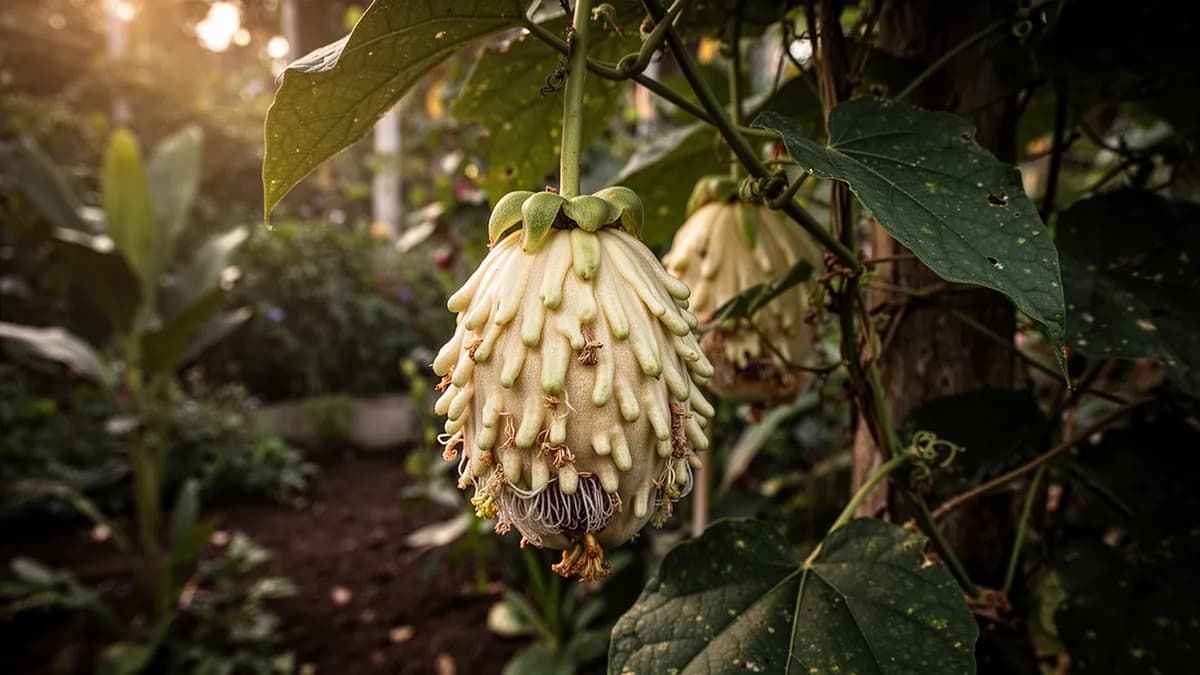
Seed-grown langsat trees typically begin flowering between years five and seven, though grafted specimens may flower as early as year three. Small creamy-yellow flowers emerge directly from the trunk and major branches in pendant racemes. Each raceme can carry 15–40 individual flowers. Pollination is primarily by small insects including stingless bees and tiny beetles. Not all flowers set fruit in the initial seasons, and early crops tend to be small.
Fruit Development and Ripening
After successful pollination, fruits develop over a period of 90–120 days. Young fruits are green and hard, gradually swelling to 3–5 cm in diameter. As they approach maturity, the skin transitions from green to pale yellow and finally to a golden-brown colour. The translucent flesh inside becomes sweet and aromatic. Fruits within a cluster ripen somewhat unevenly, with those at the tip of the raceme maturing first.
Mature Bearing Tree
A fully mature langsat tree reaches 10–15 metres in height and produces reliable annual or biennial crops. Under optimal conditions a single tree can yield 100–200 kg of fruit per season. The tree continues to fruit from the trunk and main branches, and older trees develop increasingly thick bark with a distinctive flaky appearance. Langsat trees are notably long-lived, with productive lifespans of 40–60 years or more in suitable climates.
Sow seeds in a well-drained medium of equal parts peat and perlite, keeping the soil consistently moist but never waterlogged. Provide heavy shade using shade cloth or position under a canopy. Maintain temperatures between 25–30 °C and humidity above 70 percent. Mist the seedling daily and avoid any fertiliser until the second set of true leaves appears.
Caring for Langsat month by month
What to do each month for your Langsat
October
You are hereApply a generous top-dressing of well-rotted compost or aged manure around the drip line of the tree. Check soil pH and adjust with dolomite lime if it has fallen below 5.5. Treat any fungal infections on leaves with a copper-based fungicide before the wet season intensifies.
Know exactly what to do in your garden — every month
One email at the start of each month: what to sow, plant, and tackle right now — for your Langsat and everything growing around it. Plus a short starter course that helps you dodge the classic mistakes.
- What to do, right now
- Matched to your season
- Starter course included
Harvesting Langsat
Langsat fruits are ready to harvest when the skin turns from green to pale yellow or golden and the clusters hang heavily from the branches. Cut entire fruit clusters from the tree with pruning shears rather than picking individual fruits. The skin should be smooth and slightly translucent when ripe. Harvest in the morning when fruits are cool for best shelf life. Avoid bruising the delicate fruits during handling, as damaged skin exudes a sticky, bitter latex.
assuming you plant when the window opens — set your real date
Pick Langsat promptly and the plant keeps producing.
Storage & Preservation
Fresh langsat is highly perishable and should be consumed within three to five days of harvest. Refrigerate at 50 to 55 degrees Fahrenheit to extend freshness up to one week, but avoid temperatures below 45 degrees which cause chilling injury. The fruit does not freeze well due to its delicate texture. Langsat can be canned in light syrup or dried, though this is uncommon. The fresh fruit is the primary way it is consumed across Southeast Asia.
What goes wrong — and the fix
Fruit Borer
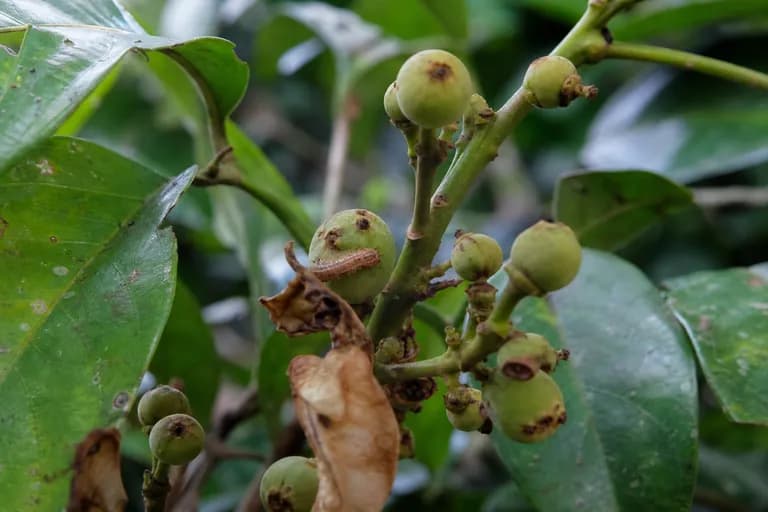
PestSmall entry holes in developing fruit clusters; larvae feed internally causing fruit drop and brown discoloration of flesh.
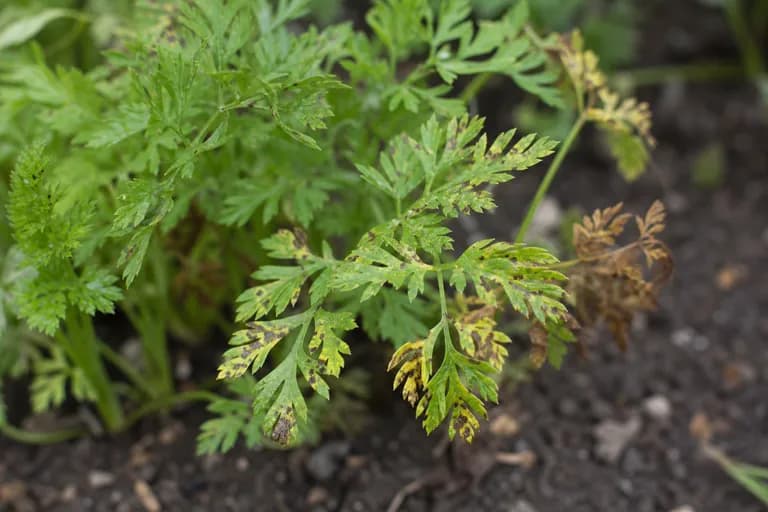
Leaf Blight
DiseaseBrown, water-soaked lesions on leaves that expand rapidly during wet weather; severe cases cause defoliation.
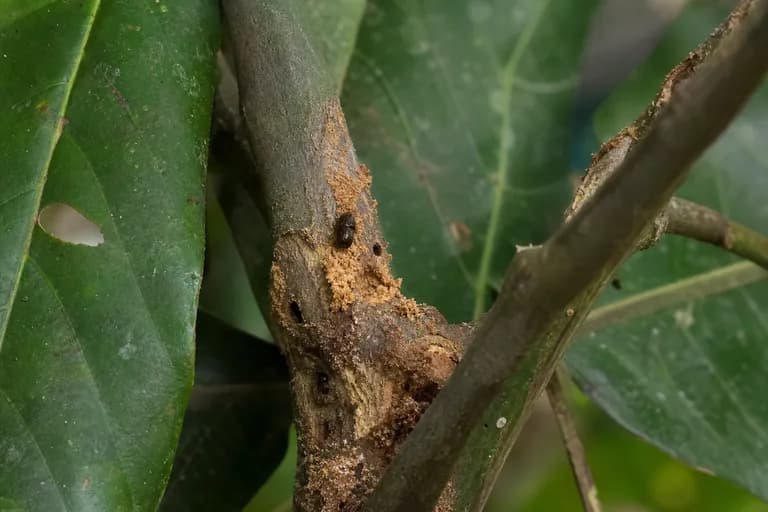
Bark Beetle
PestSmall holes in bark with sawdust-like frass; tunneling damage weakens branches and can kill young trees.
Troubleshooting Common Problems
The primary challenge is providing the warm, humid, frost-free environment langsat demands. Any exposure to temperatures below 40 degrees Fahrenheit causes leaf drop and potential death. Drought stress leads to poor fruit set and premature fruit drop. Latex staining from the fruit skin can irritate sensitive skin and stain clothing. Slow growth and long juvenile periods test grower patience. High humidity without adequate air circulation promotes fungal diseases.
Growing Tips
- Start langsat seeds within 24–48 hours of removing them from the fruit, as they lose viability rapidly once dried. Press seeds 1–2 cm into moist growing medium and maintain consistent warmth of 25–30 °C for best germination rates.
- Provide 70–80 percent shade for langsat seedlings during their first year, gradually reducing to 50 percent shade in the second year and full sun by the third year. Sudden exposure to direct sunlight can severely scorch young leaves.
- Plant langsat in deep, well-drained loamy soil rich in organic matter with a slightly acidic to neutral pH of 5.5–6.5. The tree does not tolerate heavy clay soils or waterlogged conditions, which quickly lead to root rot.
- Space langsat trees 8–10 metres apart in an orchard setting to allow the broad canopy to develop fully. For home gardens, a single tree can be managed at a smaller size through annual pruning after harvest to keep it under 6 metres.
- Water young langsat trees deeply twice per week during dry periods, but allow the top few centimetres of soil to dry between waterings. Mature trees are moderately drought-tolerant but produce significantly better crops with consistent irrigation during fruit development.
- Apply a complete fertiliser (NPK 15-15-15) every three months during the juvenile phase, transitioning to a high-potassium formulation (8-8-16) once the tree begins flowering. Always water thoroughly after applying granular fertiliser to prevent root burn.
- Encourage earlier fruiting by grafting scion wood from a proven bearing tree onto vigorous seedling rootstock. Cleft grafting and approach grafting are the most successful techniques for langsat, typically reducing the time to first fruit by two to three years.
- Protect developing fruit clusters from fruit fly damage by enclosing them in fine mesh bags or newspaper wraps when the fruits begin to change colour from green to pale yellow. This simple barrier method is more effective than chemical sprays for home gardeners.
- Harvest langsat by cutting entire clusters from the tree with sharp secateurs rather than pulling individual fruits, which damages the delicate skin and drastically shortens shelf life. Handle harvested clusters gently and avoid stacking them more than two layers deep.
- Burn dried langsat fruit peels in a fire-safe container near outdoor seating areas during evening hours as a traditional and effective mosquito repellent. The aromatic smoke deters mosquitoes without the need for chemical-based repellents.
Grow your best Langsat yet — and everything around it.
Start a free plan today. Lay out your beds, drop in your Langsat, and let PlotMyGarden handle the timing, spacing, companions and reminders from seed to harvest basket.
Pick your Langsat
Duku
The thicker-skinned variety with sweeter, less resinous flesh and better shelf life, preferred in Indonesian and Malaysian markets.
Langsat (thin-skinned)
The classic thin-skinned form that is juicier but more perishable, with slightly more tartness and sticky latex when peeled.
Duku-Langsat
A natural hybrid between duku and langsat combining the sweetness of duku with the juiciness of langsat.
Growing your own langsat tree eliminates the extremely high retail cost of imported langsat fruit, which can reach $15–25 per kilogram in Western markets due to its limited shelf life and specialised air-freight requirements. A single mature tree producing 100–200 kg annually could represent a yearly value of $1,500–5,000 in fruit, though the tree requires 5–7 years from seed to first harvest. In suitable tropical or warm subtropical climates, the tree requires minimal ongoing input costs once established.
Quick recipes

Fresh Langsat and Coconut Salad
10 minutesA refreshing tropical salad that pairs the sweet-tart flavour of langsat with creamy toasted coconut and a zesty lime dressing. The contrast of textures and temperatures makes this an ideal light dessert or afternoon snack in warm weather. Serve immediately after assembling to preserve the delicate texture of the langsat flesh.
6 ingredients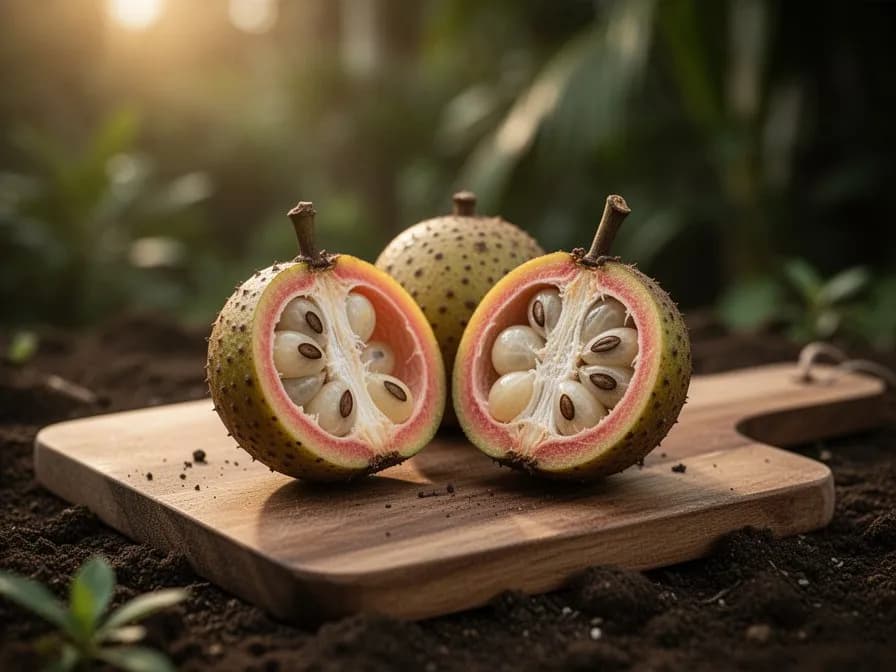
Langsat Sorbet with Ginger
20 minutes plus 4 hours freezingA silky tropical sorbet that captures the complex sweet-and-sour flavour of langsat with a warming hint of fresh ginger. The natural sugars in the fruit create a smooth texture without the need for excessive added sweeteners. This recipe works best with fully ripe langsat that have no bitter latex residue in the skin.
5 ingredientsLangsat Preserves in Light Syrup
30 minutes plus cooling timeA traditional Southeast Asian method for extending the short shelf life of langsat by preserving the peeled segments in a light sugar syrup infused with pandan leaf. The preserves keep refrigerated for up to two weeks and are delicious served over sticky rice, stirred into yoghurt, or eaten straight from the jar as a sweet tropical treat.
6 ingredientsCulinary Uses
Langsat is almost exclusively eaten fresh as a snack, peeled and enjoyed for its refreshing sweet-tart flavor. The translucent flesh segments separate easily from the thin skin. Avoid biting into the bitter seeds. The fruit is used in tropical fruit salads and occasionally juiced. In Southeast Asia it is sometimes candied or preserved in syrup.
What's inside
Health Benefits
- The B-vitamin complex in langsat flesh, particularly riboflavin and thiamine, supports healthy energy metabolism and may help reduce fatigue in tropical climates where the fruit is traditionally consumed as a midday snack.
- Langsat fruit provides a meaningful amount of dietary potassium, which plays an essential role in maintaining healthy blood pressure levels and supporting proper muscle and nerve function.
- The high water content of langsat flesh (approximately 83 percent) makes it an excellent hydrating food choice during hot weather, contributing to daily fluid intake alongside its nutritional benefits.
- Traditional medicine systems across Southeast Asia have long used langsat bark and seed extracts to treat intestinal parasites and diarrhoea, and modern research has identified bioactive compounds that support these traditional uses.
- The phosphorus content in langsat contributes to bone and dental mineralisation, working synergistically with calcium from other dietary sources to maintain skeletal health.
- Langsat peel extracts have demonstrated antioxidant activity in laboratory studies, with identified compounds including onoceranoid triterpenoids that may help protect cells from oxidative stress damage.
Where Langsat comes from
Langsat (Lansium parasiticum) is native to the Malay Peninsula and the western regions of Southeast Asia, where it has been cultivated for centuries as one of the most prized tropical fruits. Wild populations are still found in the lowland rainforests of Peninsular Malaysia, Sumatra, and Borneo, typically growing as an understorey tree beneath the taller dipterocarp canopy. Archaeological and historical evidence suggests that langsat was among the earliest fruit trees domesticated by the indigenous peoples of the Malay Archipelago, with cultivation likely beginning over a thousand years ago. Arab and Chinese traders encountered langsat in the spice ports of Malacca and the Sulu Archipelago during the medieval period, and references to the fruit appear in Chinese trade records from the Song Dynasty. Spanish colonial records from the Philippines describe langsat orchards in Laguna province as early as the sixteenth century. The fruit spread gradually across tropical Asia through trade and migration, reaching Thailand, Myanmar, India, and Sri Lanka by the nineteenth century. European botanists first formally described the species in 1825 when the Dutch-German naturalist Carl Ludwig Blume placed it in the genus Lansium within the mahogany family Meliaceae. Despite its exceptional flavour and cultural importance throughout Southeast Asia, langsat has never achieved major commercial status on the global stage, primarily due to the fruit's extremely short postharvest shelf life and the tree's slow growth from seed. Modern horticultural efforts have focused on grafting superior duku-langsat cultivars to reduce the time to first bearing and improve fruit quality for regional export markets.
Langsat: did you know?
Fascinating facts about Langsat
Langsat is one of the few tropical fruit trees that is cauliflorous, meaning its flowers and fruits grow directly from the trunk and older branches rather than from new shoots at the branch tips.
Langsat questions, answered
When should I plant Langsat?
What hardiness zones can Langsat grow in?
How much sun does Langsat need?
How far apart should I space Langsat?
What pests and diseases affect Langsat?
How do I store Langsat after harvest?
What are the best Langsat varieties to grow?
What soil does Langsat need?
How long does it take for a langsat tree to produce fruit from seed?
Can langsat be grown in a container or indoors?
What is the difference between langsat, duku, and duku-langsat?
Why do some langsat fruits taste bitter while others are sweet?
What pests and diseases commonly affect langsat trees?
How should langsat fruit be stored after harvesting?
You just read the theory. Now grow it on autopilot.
Everything that makes Langsat fiddly — the timing, the spacing, the companions, the harvest window — is exactly what PlotMyGarden handles for you, for every plant in your garden.
A plan that knows your weather
Set your location once. Get sow, feed and harvest dates built around your real last-frost date and live forecast — no more guessing from a generic seed packet.
From the “When to plant” sectionDrag-and-drop bed planner
Design beds on a grid. Every plant snaps to its proper spacing, and you can see your whole season laid out before you spend a cent on seed.
From the “Growing guide” sectionCompanion conflicts, caught early
200+ good-and-bad pairings checked live as you plant — so a season-wrecking mistake never makes it into the ground.
From the “Companions” sectionReminders you'll actually act on
“Water the beans.” “Pick today before it turns.” Timely, specific, and tied to the plants you're really growing.
From the “Harvest” sectionSuccession, scheduled
Want a harvest for six weeks, not six days? It spaces your sowings automatically and reminds you when each new block is due.
From the “When to plant” sectionA record that gets smarter
Every harvest you log teaches it your garden. Next year's plan starts from what actually worked in your soil, not a textbook's.
From the “Overview” sectionMore Tropical Fruits
Grow your best Langsat yet — and everything around it.
Start a free plan today. Lay out your beds, drop in your Langsat, and let PlotMyGarden handle the timing, spacing, companions and reminders from seed to harvest basket.