Kumquat
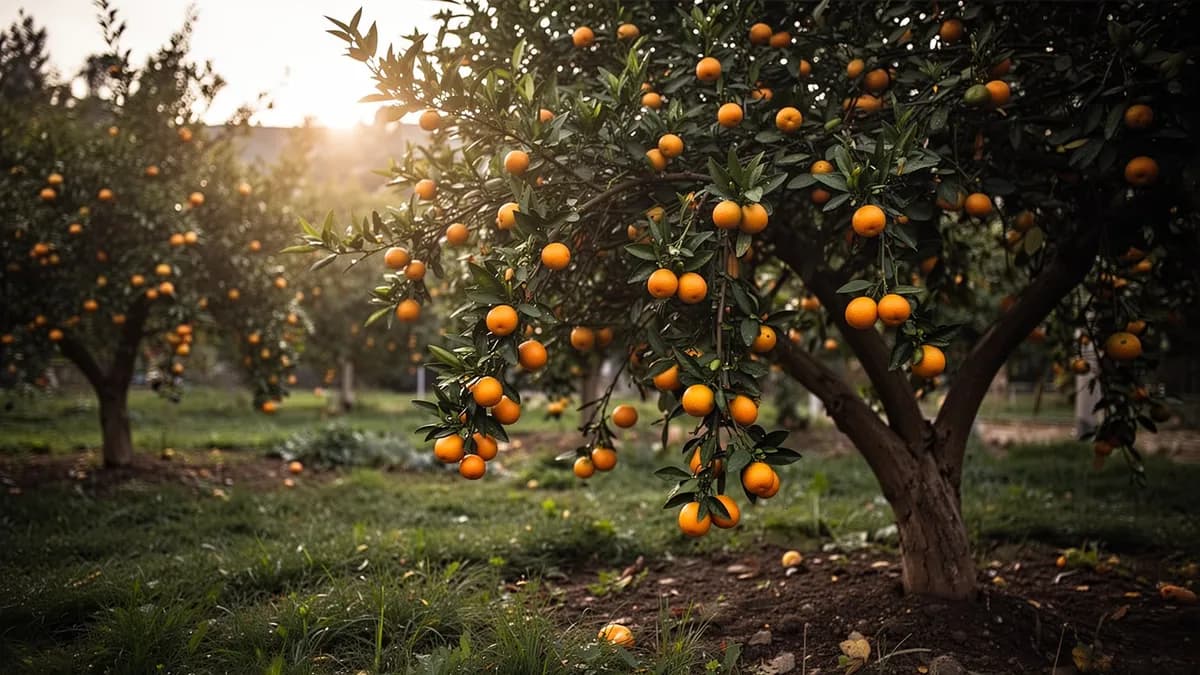
El más resistente al frío de la familia de los cítricos, este árbol compacto produce pequeños frutos ovalados que se comen enteros, con piel y todo.





En esta páginaResumen
Conoce Kumquat
El más resistente al frío de la familia de los cítricos, este árbol compacto produce pequeños frutos ovalados que se comen enteros, con piel y todo. Los kumquats tienen un perfil de sabor único, con una corteza comestible dulce y una pulpa interior ácida. Su tamaño reducido los convierte en excelentes plantas de maceta para terrazas y cultivo en interiores con buena iluminación solar. Florecen más tarde que otros cítricos, lo que les ayuda a evitar los daños por heladas tardías de primavera en las flores.
Cuándo plantar Kumquat
Los kumquats se propagan generalmente por injerto sobre patrón de naranjo trifoliado o Flying Dragon, lo que proporciona resistencia al frío y controla el tamaño del árbol. Adquiera plantones injertados en vivero para obtener los mejores resultados y la fructificación más temprana. Los kumquats también pueden cultivarse a partir de esquejes semileñosos tomados en verano, tratados con hormona de enraizamiento y colocados bajo nebulización intermitente. Los kumquats de semilla son más fieles al tipo que la mayoría de los cítricos, pero aún así tardan de 5 a 7 años en fructificar frente a los 2 a 3 años de los árboles injertados.
Tu año de Kumquat
Ajustado a Zona 7 · temporada típica · la helada se va hacia el 2 abr y vuelve hacia el 1 nov
Planta Kumquat Mar – May y cosecha Ene – Mar, Nov – Dic. Consulta los métodos de plantación y elige tu clima para adaptar los periodos.
Cómo cultivar Kumquat
Los kumquats son los cítricos verdaderos más tolerantes al frío, capaces de sobrevivir a temperaturas de hasta -8 °C aproximadamente cuando están en plena dormancia. Plántelos a pleno sol en un suelo bien drenado con un pH de 6.0 a 7.0. Su tamaño compacto, que suele alcanzar entre 2.5 y 3.5 metros de altura, los hace ideales para jardines pequeños, terrazas y cultivo en contenedores. Separe los árboles plantados en tierra entre 2.5 y 3 metros, o utilice macetas de 55 a 75 litros para el cultivo en terraza.
Riegue los kumquats con regularidad durante la temporada de crecimiento, manteniendo el sustrato uniformemente húmedo pero no encharcado. Los árboles en maceta se secan más rápido y pueden necesitar riego cada 2 o 3 días durante el calor del verano. Abónelos con un fertilizante específico para cítricos cada 6 a 8 semanas desde la primavera hasta principios del otoño. Los kumquats necesitan menos nutrientes que la mayoría de los cítricos, así que evite el exceso de fertilización, que puede reducir la calidad del fruto y favorecer un crecimiento vegetativo excesivo.
Los kumquats florecen más tarde que otros cítricos, normalmente a mediados de verano, lo que les ayuda a evitar los daños por heladas tardías de primavera. El fruto tarda varios meses en madurar y generalmente está listo para la cosecha de noviembre a marzo. Estos árboles necesitan muy poca poda, más allá de eliminar ramas muertas o cruzadas y mantener una forma armoniosa. En zonas con inviernos fríos, los kumquats en maceta pueden pasar el invierno en una habitación luminosa y fresca a 10-15 °C con riego reducido.
Para Kumquat un bancal de 120 × 240 cm se queda corto
Cada Kumquat pide 400 cm de margen. El planificador guarda ese marco por ti — cada planta, cada bancal.
Los mejores vecinos de Kumquat
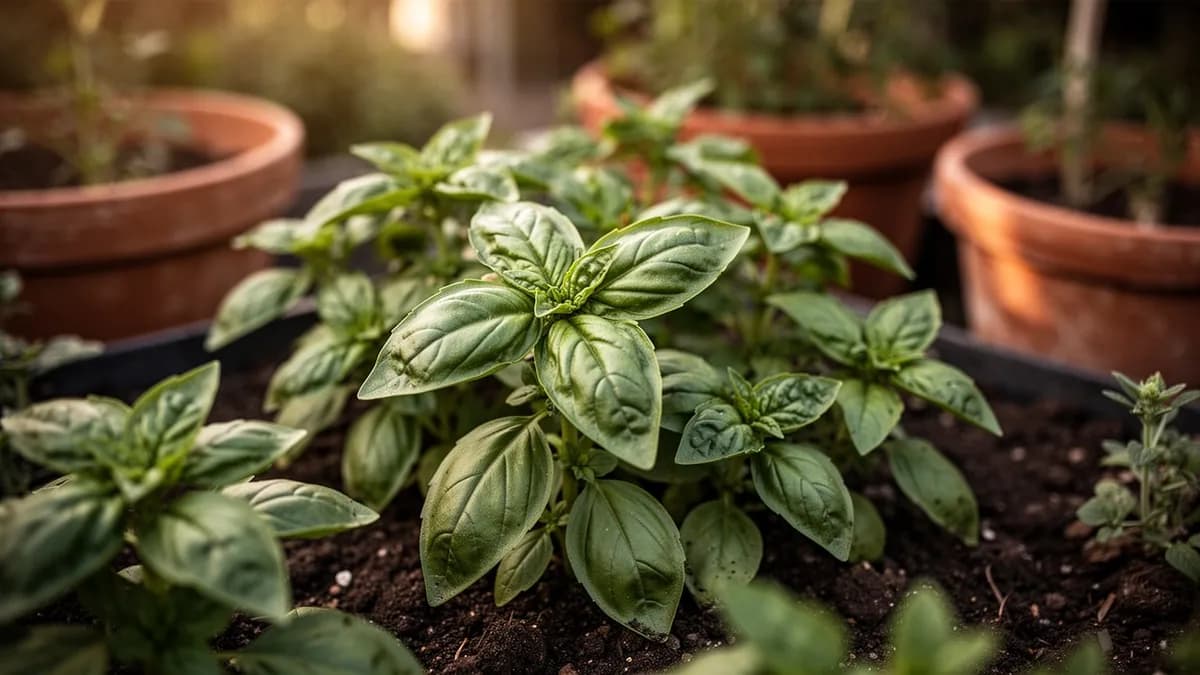
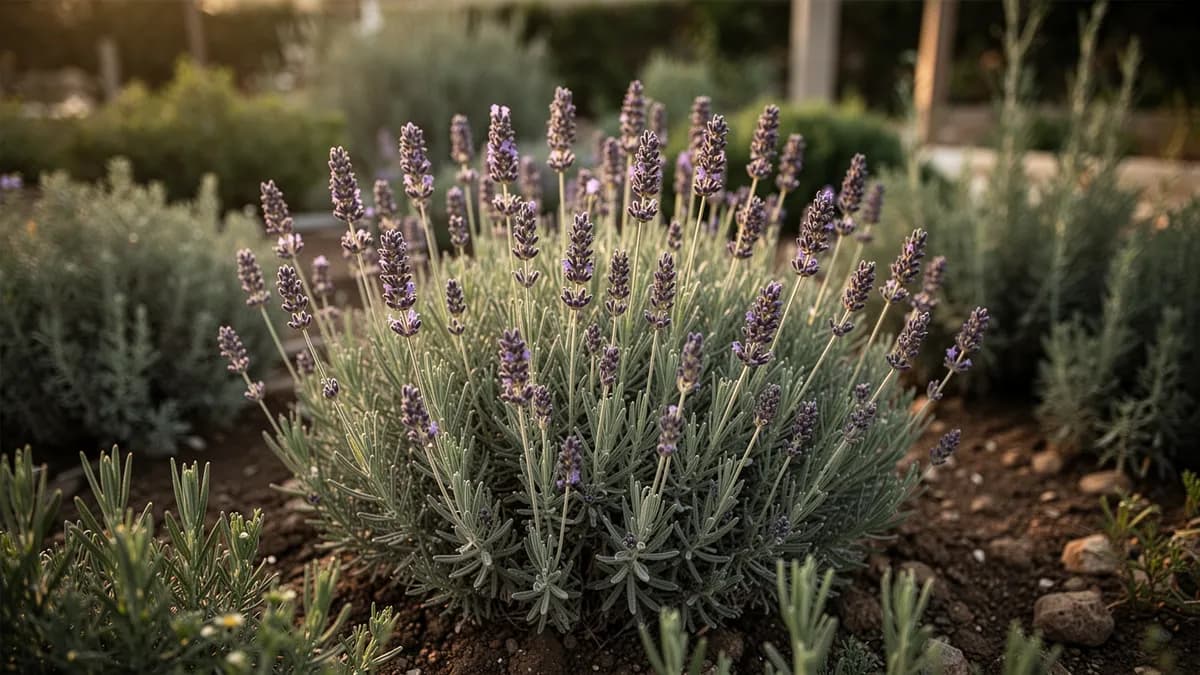
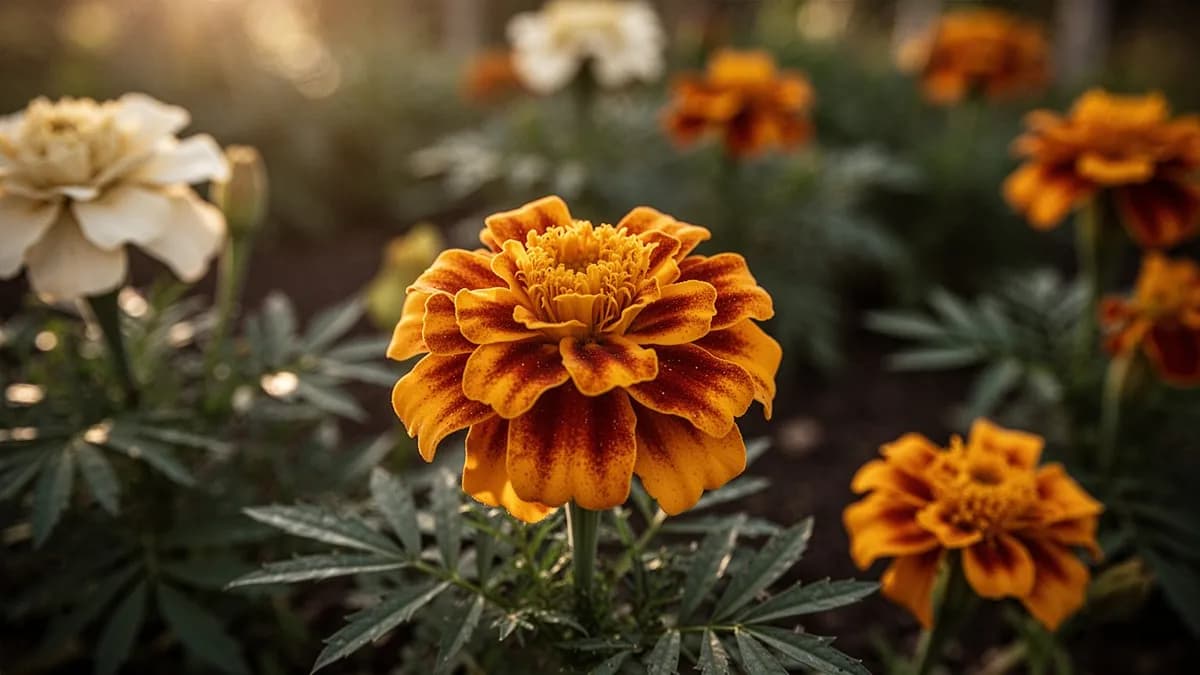
Los kumquats combinan bien con otras plantas compactas que comparten su preferencia por suelos bien drenados y pleno sol. Intercale con lavanda, romero y tomillo para atraer polinizadores y crear un jardín de aromáticas. Las caléndulas plantadas cerca repelen las moscas blancas y los nematodos. En agrupaciones de macetas, rodee los kumquats con albahaca, pimientos enanos y capuchinas rastreras para crear un conjunto comestible en la terraza. Evite plantar en zonas de césped donde la competencia de la hierba reduce el vigor del árbol.
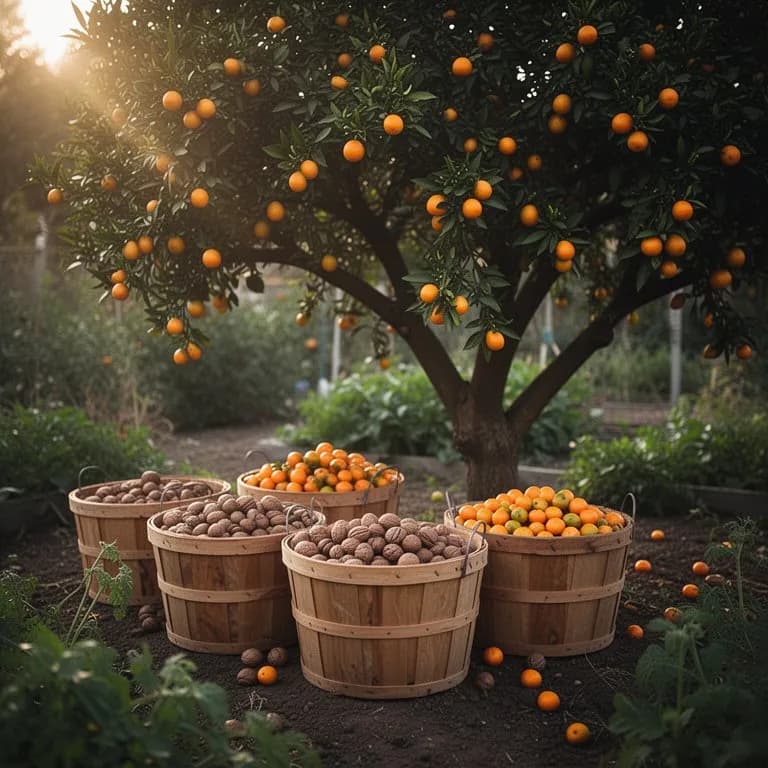
Albahaca va a su lado. Nogal no.
Saber de huerto de siempre, cotejado con la tabla real de Kumquat — prueba cualquier planta que cultives.
Prueba Kumquat en un bancal, aquí mismo
Un bancal real del planificador con Kumquat ya plantado. Toca una planta compañera para colocarla y mira cómo responde la comprobación de vecinos: verde para buenos vecinos, rojo si hay conflicto.


Guías de cultivo relacionadas
Abónalo bien
Los kumquats crecen bien en una variedad de suelos bien drenados, desde franco arenoso hasta franco arcilloso, con un pH de 5.5 a 7.0. Son más tolerantes a condiciones de suelo no ideales que la mayoría de los cítricos. Aplique un fertilizante equilibrado para cítricos tres o cuatro veces durante la temporada de crecimiento a dosis moderadas. Suplemente con hierro quelatado si aparece amarillamiento entre las nervaduras de las hojas. Para árboles en maceta, utilice un sustrato premium para cítricos y abone con fertilizante líquido para cítricos cada 4 semanas durante el crecimiento activo.
Temperatura ideal
Compatibilidad de zonas de rusticidad
De la semilla a la cosecha, etapa por etapa
Germinación y plántula
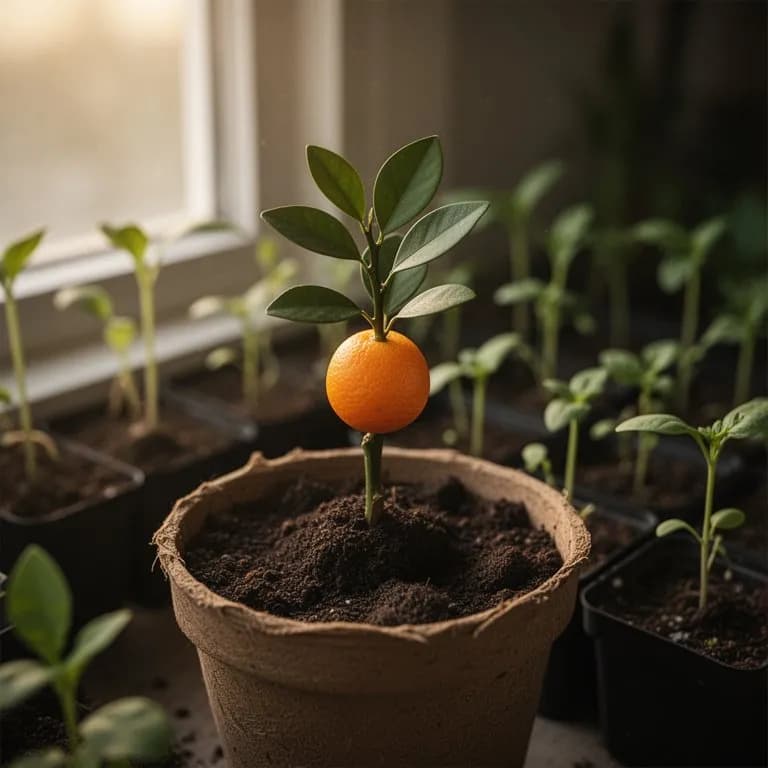
Las semillas de kumquat germinan en 2 a 4 semanas cuando se mantienen en un ambiente cálido y húmedo. Las plántulas desarrollan su primer par de hojas verdaderas durante los dos primeros meses. Los árboles injertados de vivero omiten por completo esta etapa y se establecen con mayor rapidez.
Crecimiento juvenil
El árbol joven desarrolla un sistema radicular fuerte y comienza a producir un follaje denso y brillante. Durante esta fase el tronco se engrosa y se inicia la ramificación lateral. Los árboles juveniles normalmente no florecen ni fructifican.
Floración
Los kumquats maduros florecen a finales de primavera o principios de verano, produciendo racimos de pequeñas flores blancas y fragantes. Cada flor tiene cinco pétalos y es capaz de autopolinizarse, aunque la polinización cruzada mejora el cuajado del fruto.
Desarrollo del fruto
Tras la polinización, aparecen pequeños frutos verdes que se agrandan lentamente a lo largo de varios meses. Los kumquats tardan aproximadamente de 90 a 120 días en madurar en el árbol. Los frutos pasan gradualmente del verde al dorado-anaranjado a medida que los azúcares se acumulan en la corteza.
Cosecha y dormancia
Los kumquats maduros pueden cosecharse desde finales de otoño hasta principios de primavera, según la variedad y el clima. Los frutos se conservan bien en el árbol durante semanas después de madurar. Tras la cosecha, el árbol entra en un breve período de crecimiento reducido antes del siguiente ciclo de floración.
Mantenga el sustrato constantemente húmedo pero no encharcado. Procure temperaturas de entre 20-25 °C (68-77 °F) para una germinación óptima.
Cuidar Kumquat mes a mes
Qué hacer cada mes para tu Kumquat
Octubre
Mes actualLas variedades tempranas pueden comenzar a madurar. Pruebe un fruto para comprobar el dulzor de la corteza antes de cosechar a gran escala. Reduzca ligeramente el riego.
Ten claro qué hacer en tu huerto, cada mes
Un correo al empezar cada mes: qué sembrar, plantar y hacer ahora mismo — para tu Kumquat y todo lo que crece alrededor. Más un breve curso inicial para esquivar los errores clásicos.
- Qué hacer ahora mismo
- Ajustado a tu temporada
- Curso inicial incluido
Cosechar Kumquat
Los kumquats son únicos entre los cítricos porque se comen enteros, con piel y todo. Coseche cuando el fruto esté completamente coloreado de un naranja intenso y ligeramente blando al tacto. La corteza dulce contrasta maravillosamente con la pulpa interior ácida. Pruebe un fruto para verificar la madurez, ya que el color puede ser engañoso. El fruto puede permanecer en el árbol durante varias semanas después de madurar sin deteriorarse, lo que permite un período de cosecha prolongado a lo largo del invierno.
se supone que plantas al comenzar el periodo — indica tu fecha real
Cosecha Kumquat a tiempo y la planta sigue produciendo.
Almacenamiento y conservación
Los kumquats frescos se conservan a temperatura ambiente durante varios días y en el frigorífico de 2 a 3 semanas. Guárdelos en una bolsa de plástico para evitar que se deshidraten. Los kumquats son excepcionales para conservar enteros en almíbar, elaborar mermelada o confitarlos. Pueden congelarse enteros para usarlos en batidos y platos cocinados. Las conservas y chutneys de kumquat son excelentes condimentos, y el fruto puede cortarse en rodajas y secarse para picotear o añadir al té.
Qué falla — y cómo solucionarlo
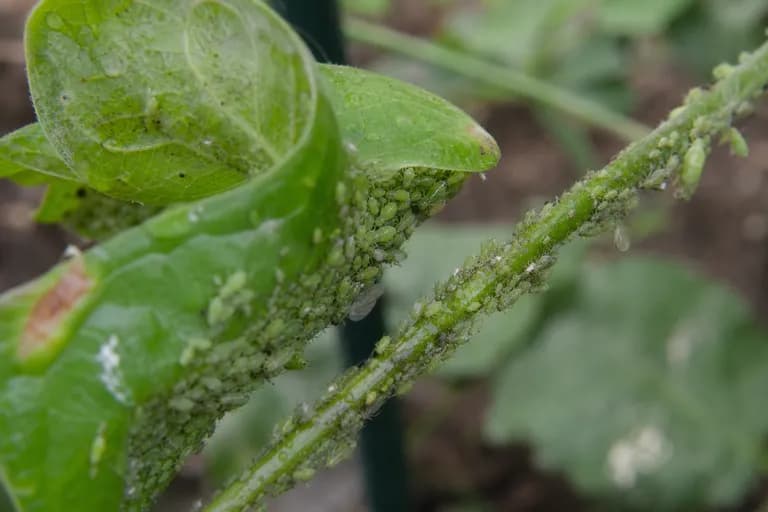
Pulgones
PlagaAgrupaciones de pequeños insectos verdes, negros o marrones en los brotes nuevos y el envés de las hojas. Las hojas se enrollan y se vuelven pegajosas por la melaza, desarrollando a menudo negrilla (fumagina).
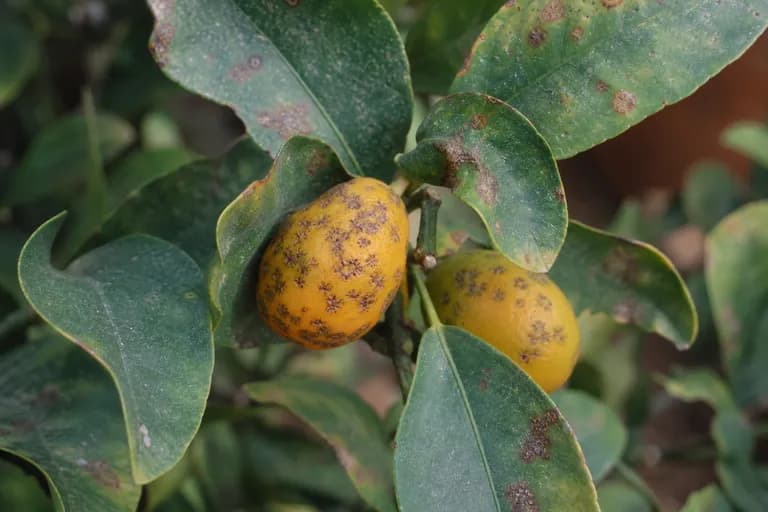
Melanosis de los cítricos
EnfermedadManchas pardas elevadas y rugosas en frutos, hojas y ramillas que confieren una textura similar al papel de lija. Es principalmente estética, pero reduce la apariencia del fruto.
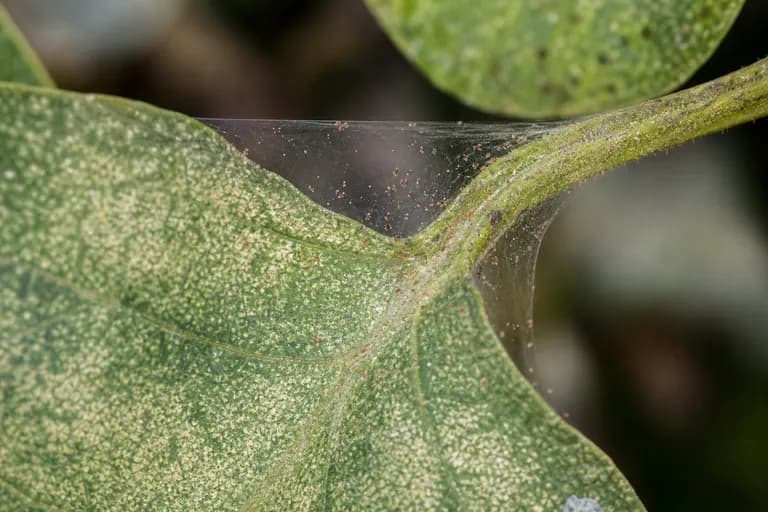
Araña roja
PlagaPunteado fino en las hojas que aparecen polvorientas o bronceadas. Telarañas diminutas visibles entre hojas y tallos en infestaciones graves. Las hojas pueden caer prematuramente.
Solución de problemas comunes
La caída prematura de frutos antes de la madurez suele deberse al estrés hídrico, ya sea por exceso o por defecto de riego, durante el desarrollo del fruto. Los kumquats en maceta son propensos al enraizamiento excesivo y a la deficiencia de nutrientes si no se trasplantan cada 2 o 3 años. Los árboles de interior pueden perder hojas por luz insuficiente o baja humedad durante el invierno. La producción de espinas es habitual, especialmente en los brotes vigorosos de árboles jóvenes, pero las espinas disminuyen a medida que el árbol madura. El riego irregular provoca el rajado de los frutos casi maduros.
Consejos de cultivo
- Elija un plantón injertado de vivero en lugar de uno de semilla para una fructificación más rápida y características varietales fieles al tipo.
- Plante en un suelo bien drenado y ligeramente ácido, con un pH entre 5.5 y 6.5, para una absorción óptima de nutrientes.
- Sitúe el árbol en un lugar que reciba al menos 6 a 8 horas de luz solar directa al día para la mejor producción de frutos.
- Riegue en profundidad pero con poca frecuencia, dejando secar los 5 cm superiores del sustrato entre riegos para prevenir la pudrición radicular.
- Aplique un fertilizante de liberación lenta para cítricos tres veces al año: a principios de primavera, principios de verano y principios de otoño.
- Proteja los árboles jóvenes de las heladas con manta antiheladas o trasladando las macetas al interior cuando la temperatura descienda por debajo de -4 °C (25 °F).
- Pode después de la temporada de cosecha para mantener la forma y eliminar ramas muertas, enfermas o que crezcan hacia el interior.
- Vigile las plagas más comunes como cochinillas, pulgones y el minador de las hojas de los cítricos, y trátelas con aceite mineral o aceite de neem.
- Acolche alrededor de la base del árbol con material orgánico, manteniendo el acolchado a 10 cm del tronco para prevenir la podredumbre del cuello.
- Para el cultivo en maceta, utilice un recipiente de al menos 50 cm de diámetro con orificios de drenaje y trasplante cada 2 o 3 años para renovar el sustrato.
Cultiva tu mejor Kumquat — y todo lo que la rodea.
Empieza un plan gratis hoy. Diseña tus bancales, coloca tu Kumquat y deja que PlotMyGarden gestione el momento, el espaciado, las asociaciones y los recordatorios de la semilla a la cesta.
Elige tu Kumquat
Nagami
La variedad más común, con fruto ovalado y un clásico sabor agridulce. Su crecimiento vigoroso y erguido y su abundante producción la convierten en el kumquat estándar para huertos domésticos.
Meiwa
Fruto más redondeado con pulpa más dulce y corteza más gruesa y dulce que el Nagami. Considerado el mejor kumquat para consumo en fresco gracias a su sabor más suave y menos ácido.
Marumi
Fruto redondo con un sabor especiado y ligeramente ácido. Más resistente al frío que otros kumquats, apreciado tanto por su valor ornamental como por su versatilidad culinaria.
Centennial Variegated
Una llamativa variedad ornamental con frutos listados en verde y crema que maduran a naranja. El fruto es sin semillas y de excelente sabor para consumo en fresco.
Un solo kumquat maduro puede producir de 30 a 50 kg de fruta por temporada. Teniendo en cuenta que las tiendas especializadas venden los kumquats entre 8 y 14 € por kilogramo, un árbol sano en el jardín o en maceta puede rendir entre 240 y 700 € de fruta al año. Los kumquats también se conservan bien en el árbol durante semanas, lo que reduce el desperdicio en comparación con la fruta comprada. Los árboles en maceta pueden mantenerse durante décadas, lo que convierte la inversión inicial de 25 a 60 € por un plantón injertado de vivero en un excelente valor a largo plazo.
Recetas rápidas
Mermelada de kumquat
45 minutosUna mermelada brillante y agridulce que combina a la perfección con tostadas, bollos o tablas de quesos. Se utiliza el fruto entero, creando una conserva con un sabor cítrico complejo y un color dorado como una joya.
5 ingredientesEnsalada de kumquat y rúcula
15 minutosUna ensalada refrescante que equilibra el bocado agridulce de los kumquats laminados con la rúcula picante, almendras tostadas y una ligera vinagreta cítrica. Perfecta como entrante o almuerzo ligero.
7 ingredientesKumquats confitados
30 minutos más enfriadoUn dulce de inspiración china tradicional en el que los kumquats enteros se cuecen a fuego lento en almíbar hasta quedar translúcidos y tiernos. Los kumquats confitados pueden comerse como tentempié dulce, utilizarse como guarnición de postres o añadirse a cócteles.
5 ingredientesUsos culinarios
Los kumquats se comen enteros para disfrutar de un estallido de sabor cítrico agridulce. Son excelentes cortados en ensaladas, mermeladas y chutneys. Los kumquats confitados constituyen una sofisticada guarnición para postres y cócteles. El fruto combina de maravilla con pato, cerdo y quesos fuertes. La compota o mermelada de kumquat es un condimento maravilloso para tostadas y repostería. También aportan un toque original a los cócteles artesanales y los licores macerados.
Qué contiene
Beneficios para la salud
- Su alto contenido en vitamina C refuerza el sistema inmunitario y ayuda a proteger las células del daño oxidativo causado por los radicales libres.
- La corteza comestible aporta una cantidad excepcional de fibra dietética, favoreciendo una digestión saludable y un tránsito intestinal regular.
- Los compuestos flavonoides como la quercetina y el kaempferol presentes en los kumquats tienen efectos antiinflamatorios que pueden ayudar a reducir la inflamación crónica.
- La combinación de fibra y bajo índice glucémico convierte a los kumquats en una opción frutal adecuada para personas que controlan sus niveles de azúcar en sangre.
- Los aceites esenciales de la corteza, en particular el d-limoneno, se han asociado en estudios de investigación con el apoyo a las vías de desintoxicación hepática.
- Los kumquats son una buena fuente de calcio y manganeso en comparación con otros cítricos, contribuyendo a la salud ósea y la función metabólica.
De dónde viene Kumquat
El kumquat (Citrus japonica, anteriormente Fortunella spp.) es originario del centro-sur de China, donde se cultiva al menos desde el siglo XII. Las primeras referencias escritas aparecen en la literatura imperial china de la dinastía Song, donde el fruto era apreciado tanto como delicia de mesa como planta ornamental en los jardines de palacio. Los agricultores chinos desarrollaron varias variedades distintas a lo largo de los siglos, incluyendo el kumquat redondo Marumi y el kumquat ovalado Nagami, cada uno seleccionado por distintas cualidades culinarias y decorativas.
Los kumquats fueron introducidos en Europa en 1846 por Robert Fortune, un botánico escocés que trabajaba para la Real Sociedad de Horticultura, quien recolectó especímenes durante sus viajes por China. El nombre del género Fortunella fue establecido posteriormente en su honor por el botánico estadounidense Walter Swingle en 1915. Desde Europa, los kumquats se extendieron a América del Norte, donde encontraron un clima acogedor en Florida y los estados de la costa del Golfo. Los jardineros japoneses habían cultivado este fruto de forma independiente durante siglos, lo que explica el nombre de la especie 'japonica'.
Hoy en día, los kumquats se cultivan comercialmente en China, Japón, Taiwán, el sudeste asiático, Oriente Medio y partes del sur de Estados Unidos. Siguen siendo especialmente populares en las provincias de Guangdong y Fujian, donde los kumquats confitados son una delicia tradicional. En Occidente, los kumquats han ganado popularidad entre jardineros domésticos y chefs por igual, gracias a su experiencia de consumo única y su versatilidad tanto en platos dulces como salados. Los programas modernos de hibridación han producido cruces como el limequat y el orangequat, extendiendo la influencia del kumquat a toda la familia de los cítricos.
Kumquat: ¿sabías que?
Datos fascinantes sobre Kumquat
Los kumquats son el único cítrico que habitualmente se come entero, incluida la corteza dulce y comestible y la pulpa interior ácida.
Kumquat: preguntas frecuentes
¿Cuándo debo plantar Kumquat?
¿Cuáles son buenas plantas acompañantes para Kumquat?
¿En qué zonas de rusticidad puede crecer Kumquat?
¿Cuánto sol necesita Kumquat?
¿A qué distancia debo espaciar Kumquat?
¿Qué plagas y enfermedades afectan a Kumquat?
¿Cómo almaceno Kumquat después de la cosecha?
¿Cuáles son las mejores variedades de Kumquat para cultivar?
¿Qué suelo necesita Kumquat?
¿Se pueden cultivar kumquats en interior durante todo el año?
¿Qué resistencia al frío tienen los kumquats en comparación con otros cítricos?
¿Necesito dos kumquats para la polinización cruzada?
¿Por qué se están poniendo amarillas las hojas de mi kumquat?
¿Cuánto tarda un kumquat en dar fruto?
¿Se puede comer la piel del kumquat?
Acabas de leer la teoría. Ahora cultívala en piloto automático.
Todo lo que hace que Kumquat sea delicado — el momento, el espaciado, las asociaciones, la ventana de cosecha — es justo lo que PlotMyGarden resuelve por ti, para cada planta de tu huerto.
Un plan que conoce tu clima
Indica tu ubicación una vez. Recibe fechas de siembra, abonado y cosecha basadas en tu última helada real y el pronóstico en vivo — sin adivinar con un sobre genérico.
De la sección “Cuándo plantar”Planificador de bancales de arrastrar y soltar
Diseña bancales sobre una cuadrícula. Cada planta encaja con su espaciado correcto y ves toda la temporada antes de gastar un céntimo en semillas.
De la sección “Cultivo”Conflictos de asociación, detectados a tiempo
Más de 200 buenas y malas combinaciones comprobadas en vivo mientras plantas — para que un error que arruine la temporada nunca llegue a la tierra.
De la sección “Asociaciones”Recordatorios que sí vas a seguir
“Riega las judías.” “Recoge hoy antes de que se pase.” Oportunos, concretos y ligados a las plantas que de verdad cultivas.
De la sección “Cosecha”Escalonado, programado
¿Quieres cosechar seis semanas en vez de seis días? Reparte tus siembras automáticamente y te avisa cuando toca el siguiente lote.
De la sección “Cuándo plantar”Un registro que se vuelve más listo
Cada cosecha que registras le enseña tu huerto. El plan del año que viene parte de lo que de verdad funcionó en tu suelo, no en un manual.
De la sección “Resumen”Planta estos junto a Kumquat
Más Árboles frutales
Mantén Kumquat lejos de estos
Cultiva tu mejor Kumquat — y todo lo que la rodea.
Empieza un plan gratis hoy. Diseña tus bancales, coloca tu Kumquat y deja que PlotMyGarden gestione el momento, el espaciado, las asociaciones y los recordatorios de la semilla a la cesta.