Kudzu
Una vigorosa enredadera cuyas raíces, flores y hojas se emplean en la medicina tradicional china y japonesa como té para aliviar la resaca y promover el bienestar general.





En esta páginaResumen
Conoce Kudzu
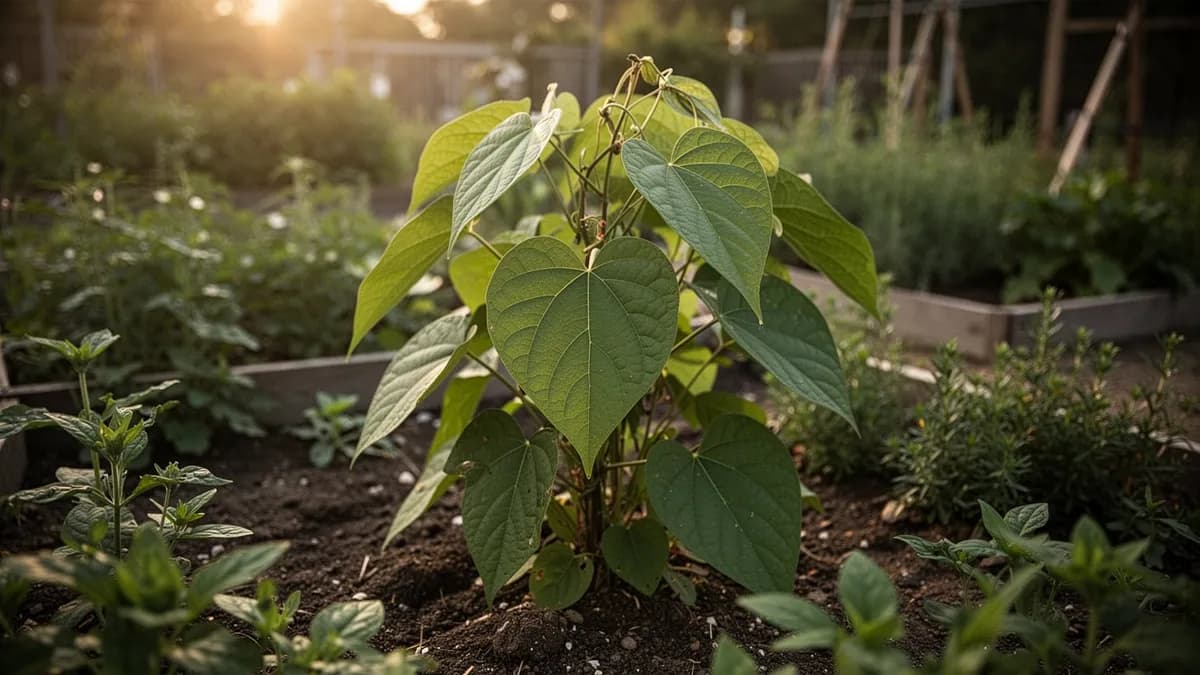
Una vigorosa enredadera cuyas raíces, flores y hojas se emplean en la medicina tradicional china y japonesa como té para aliviar la resaca y promover el bienestar general. El almidón de la raíz de kudzu se utiliza también en la cocina asiática como espesante para sopas y salsas. Cultívela únicamente en zonas estrictamente delimitadas, ya que esta enredadera de fama invasora puede crecer hasta 30 cm por día en climas cálidos.
Cuándo plantar Kudzu
Las semillas de kudzu tienen una cubierta muy dura que requiere escarificación para germinar. Raspe la cubierta de la semilla con una lima o remoje las semillas en agua caliente durante 24 horas antes de sembrarlas. Plante las semillas a 2.5 cm de profundidad en sustrato húmedo a 24-29 °C. La germinación ocurre en 7 a 21 días. Sin embargo, la propagación vegetativa a partir de esquejes de raíz o divisiones de corona es mucho más habitual y fiable. Tome secciones de raíz de 15 cm con al menos una yema de crecimiento y plántelas horizontalmente a 5 cm de profundidad. Los esquejes de raíz se establecen rápidamente y comienzan un crecimiento vigoroso en pocas semanas.
Tu año de Kudzu
Ajustado a Zona 7 · temporada típica · la helada se va hacia el 2 abr y vuelve hacia el 1 nov
Planta Kudzu Abr – May y cosecha Sep – Nov. Consulta los métodos de plantación y elige tu clima para adaptar los periodos.
Cómo cultivar Kudzu
El kudzu es una enredadera perenne extremadamente vigorosa procedente del este de Asia que debe cultivarse con suma precaución debido a su legendaria capacidad invasora. En el sureste de los Estados Unidos ha llegado a cubrir millones de hectáreas de bosque. Cultívelo únicamente en entornos completamente contenidos, como grandes macetones enterrados, bancales delimitados por hormigón o espacios interiores donde pueda controlarse su expansión.
Plante divisiones de raíz o esquejes en primavera, en pleno sol o semisombra. El kudzu tolera prácticamente cualquier tipo de suelo, pero prospera en tierra profunda, franca y bien drenada. Instale una estructura de soporte resistente, como un enrejado o pérgola de gran solidez, ya que la enredadera puede alcanzar más de 18 metros en una sola temporada y produce una biomasa considerable.
Riegue con regularidad durante el establecimiento y reduzca gradualmente a un riego moderado, ya que la planta es bastante tolerante a la sequía una vez que su profunda raíz pivotante se ha desarrollado. El sistema radicular puede penetrar más de 1.8 metros en el suelo, lo que hace que las plantas establecidas sean extraordinariamente difíciles de eliminar. En las zonas más frías (5 a 6), la enredadera muere hasta el suelo cada invierno pero rebrota vigorosamente en primavera. Vigile constantemente las barreras de contención y retire de inmediato cualquier runner que intente escapar para evitar daños ecológicos.
2 plantas caben en un bancal de 120 × 240 cm
Cada Kudzu pide 120 cm de margen. El planificador guarda ese marco por ti — cada planta, cada bancal.
Guías de cultivo relacionadas
Abónalo bien
El kudzu es notablemente adaptable y crece en casi cualquier tipo de suelo, incluidos suelos pobres, erosionados y ácidos. Al ser una leguminosa, fija el nitrógeno atmosférico mediante nódulos en las raíces, mejorando la fertilidad del suelo en lugar de agotarla. En situaciones de cultivo contenido, use una tierra de jardín estándar con un pH de 5.5 a 7.0. La fertilización rara vez es necesaria y puede acelerar un crecimiento ya de por sí agresivo. Si se cultiva para maximizar la producción de almidón en la raíz, una ligera aplicación de fósforo y potasio a principios de primavera favorece el desarrollo radicular sin estimular un crecimiento excesivo de la enredadera.
Temperatura ideal
Compatibilidad de zonas de rusticidad
De la semilla a la cosecha, etapa por etapa
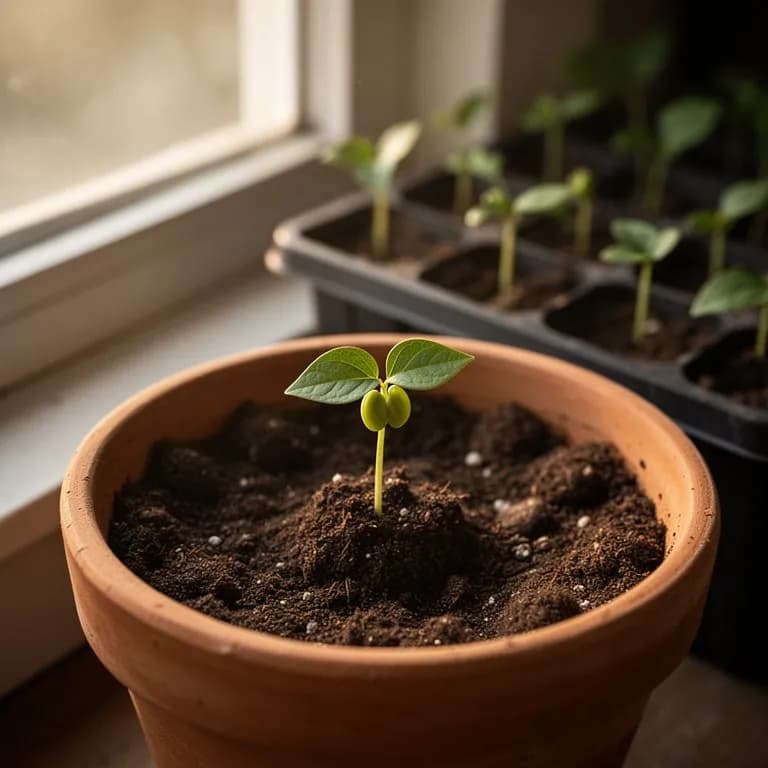
Germinación de la semilla
Las semillas de kudzu tienen una cubierta dura que se beneficia de la escarificación antes de la siembra. Una vez que la cubierta ha sido rayada o remojada en agua tibia durante la noche, las semillas germinan en suelo cálido y húmedo en un plazo de 7 a 14 días. Las tasas de germinación suelen ser bajas en comparación con la propagación vegetativa a partir de coronas de raíz o esquejes de tallo.
Establecimiento de plántulas
Las plántulas jóvenes de kudzu desarrollan hojas trifoliadas y comienzan a establecer su sistema radicular. El crecimiento es moderado durante esta fase inicial, ya que la planta invierte energía en el desarrollo de las raíces. Las plántulas desarrollan sus primeros zarcillos trepadores y empiezan a mostrar el hábito trepador característico de la especie.
Extensión rápida de la enredadera
El kudzu entra en su fase de crecimiento explosivo, produciendo tallos que pueden extenderse hasta 30 cm por día en condiciones cálidas y húmedas ideales. La planta lanza múltiples runners en todas direcciones, trepando por todo lo que encuentra a su paso mediante tallos volubles. El dosel foliar se expande rápidamente, sombreando la vegetación competidora.
Floración
A finales del verano, el kudzu maduro produce colgantes racimos de fragantes flores de color morado rosado con un inconfundible aroma a uva. Cada racimo de flores mide entre 10 y 25 cm de longitud. Las flores son atractivas para los polinizadores, especialmente las abejas. En muchas regiones fuera de su área de origen, el kudzu florece pero a menudo no produce semillas viables debido a la ausencia de polinizadores específicos.
Desarrollo del tubérculo radicular
A medida que el crecimiento aéreo se ralentiza en otoño, el kudzu dirige su energía hacia el desarrollo de un masivo sistema radicular tuberoso. Las raíces crecen rápidamente tanto en profundidad como en diámetro, almacenando enormes cantidades de almidón. Una sola planta puede desarrollar sistemas radiculares que pesan más de 180 kg en pocos años. Las raíces penetran profundamente, lo que hace que las plantas establecidas sean extraordinariamente difíciles de erradicar.
Dormancia invernal
El kudzu es caducifolio y pierde sus hojas tras las primeras heladas fuertes. Los tallos aéreos mueren en regiones con inviernos heladores, pero el masivo sistema radicular permanece viable, almacenando energía para un rebrote explosivo la próxima primavera. En climas sin heladas, el kudzu puede permanecer semiperverdeas y continuar su crecimiento lento durante todo el año.
Escarifique las semillas rascando suavemente la cubierta con una lima o sumergiéndolas en agua tibia durante 24 horas antes de la siembra. Siembre a 1-2 cm de profundidad en sustrato húmedo a 21-27 °C. Mantenga el suelo uniformemente húmedo. Empiece siempre en recipientes, nunca directamente en el suelo.
Cuidar Kudzu mes a mes
Qué hacer cada mes para tu Kudzu
Octubre
Mes actualEl crecimiento se ralentiza significativamente al bajar las temperaturas. Realice una poda final intensa para eliminar el exceso de material vegetal antes de la dormancia. Coseche las hojas comestibles restantes antes de que la primera helada ennegrezca el follaje. Composte todos los recortes con precaución.
Ten claro qué hacer en tu huerto, cada mes
Un correo al empezar cada mes: qué sembrar, plantar y hacer ahora mismo — para tu Kudzu y todo lo que crece alrededor. Más un breve curso inicial para esquivar los errores clásicos.
- Qué hacer ahora mismo
- Ajustado a tu temporada
- Curso inicial incluido
Cosechar Kudzu
Coseche las raíces de kudzu en otoño, después de las primeras heladas, cuando el contenido de almidón es máximo, excavando con cuidado para extraer los grandes tubérculos que pueden pesar varios kilos. Para el té, recoja hojas jóvenes y flores en verano. Corte las flores en el momento en que abren para obtener el mejor aroma y sabor. Las hojas destinadas al té deben ser jóvenes y tiernas, cosechadas en los extremos en crecimiento. Las raíces requieren al menos un año completo de desarrollo antes de la primera cosecha, aunque las raíces de 2 a 3 años contienen más almidón y compuestos beneficiosos.
se supone que plantas al comenzar el periodo — indica tu fecha real
Cosecha Kudzu a tiempo y la planta sigue produciendo.
Almacenamiento y conservación
Limpie bien las raíces de kudzu cosechadas, córtelas en rodajas finas y séquelas en un deshidratador de alimentos a 55 °C hasta que estén completamente secas y quebradizas. Guarde las rodajas secas en recipientes herméticos durante hasta dos años. Para obtener almidón de kudzu, ralle las raíces frescas, remójelas en agua, cuélelas y deje que el almidón se sedimente antes de secarlo. Seque flores y hojas sobre mallas en un lugar bien ventilado durante 3 a 5 días. Guarde las flores y hojas secas por separado en tarros de vidrio alejados de la luz, con una vida útil de hasta un año.
Qué falla — y cómo solucionarlo
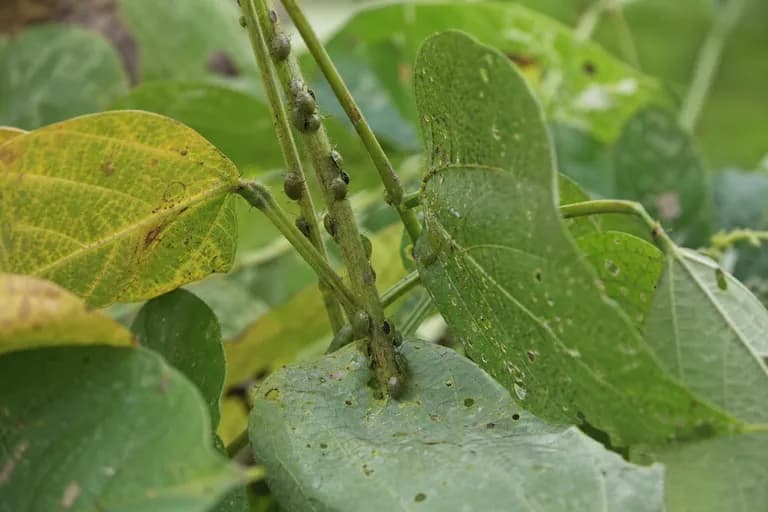
Chinche del kudzu
PlagaPequeños chinches de color verde oliva que se agrupan en tallos y el envés de las hojas, provocando amarillamiento del follaje y pérdida de vigor por succión de savia.
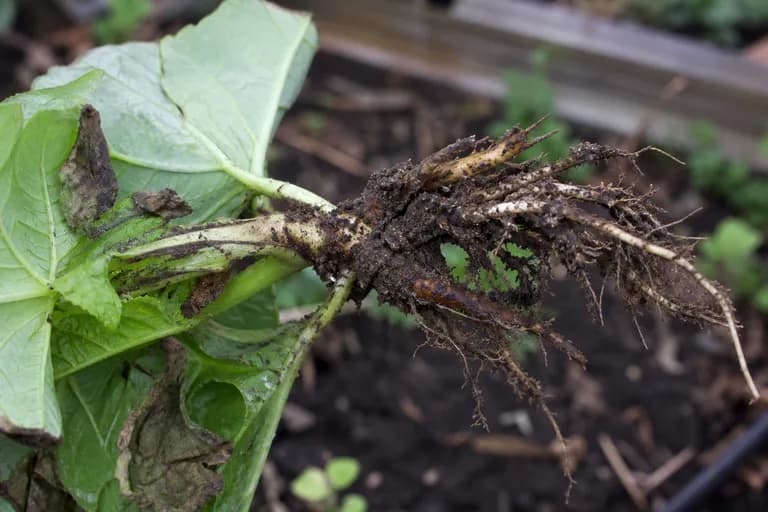
Pudrición de raíces
EnfermedadMarchitamiento a pesar de un riego adecuado, hojas amarillentas y raíces blandas y decoloradas al inspeccionarlas. Más frecuente en suelos mal drenados y encharcados.
Solución de problemas comunes
El principal problema del kudzu es controlar su crecimiento. Sin una contención rigurosa, escapará y dañará el paisaje circundante ahogando árboles y estructuras. Los runners subterráneos pueden avanzar mucho más allá de las barreras visibles, y las semillas pueden establecer nuevas colonias. En entornos contenidos, la enredadera puede superar su estructura de soporte y derrumbarse bajo su propio peso. El sistema radicular puede agrietar el hormigón y dañar los cimientos si se planta demasiado cerca de estructuras. Disponga siempre de un plan de contención y eliminación antes de plantar kudzu.
Consejos de cultivo
- ADVERTENCIA CRÍTICA: El kudzu está clasificado como mala hierba nociva federal en los Estados Unidos y es invasor en muchos países. Verifique la normativa local antes de cultivarlo. Nunca plante kudzu en tierra sin barreras impenetrables para las raíces, y preferiblemente cultívelo solo en recipientes robustos sobre el nivel del suelo.
- Utilice recipientes reforzados de plástico de paredes gruesas, metal u hormigón sin agujeros de drenaje que contacten con tierra desnuda. Coloque los recipientes sobre superficies de hormigón o pavimentadas para evitar que las raíces escapen por la parte inferior y se establezcan en el suelo.
- Instale un sistema de barrera para raíces que se extienda al menos 60 cm de profundidad alrededor de cualquier zona de cultivo en tierra, utilizando material de barrera de HDPE de calidad comercial con juntas selladas superpuestas. Incluso las pequeñas aberturas serán aprovechadas por las raíces del kudzu.
- Pode los tallos de forma agresiva al menos dos veces por semana durante la temporada de crecimiento activo, de mayo a septiembre. Nunca permita que los segmentos de tallos cortados entren en contacto con tierra desnuda, ya que enraizarán en cada nudo y establecerán nuevas plantas.
- Retire todos los racimos de flores antes de que desarrollen vainas de semillas, a menos que esté cosechando específicamente flores para uso culinario. Incluso en regiones donde el kudzu rara vez produce semillas viables, evitar cualquier posibilidad de dispersión de semillas es una práctica responsable.
- Proporcione un sistema de enrejado resistente y contenido para que trepen los tallos. Utilice soportes metálicos o de madera pesada, ya que los tallos de kudzu pueden volverse sorprendentemente pesados y derrumbarán estructuras ligeras. Mantenga el enrejado completamente dentro de la zona de contención.
- Coseche hojas jóvenes y puntas de brotes tiernos con frecuencia a lo largo de la temporada de crecimiento. La cosecha regular cumple el doble propósito de proporcionar verduras nutritivas para la cocina y ayudar a controlar el explosivo crecimiento de la planta.
- Riegue el kudzu cultivado en recipientes con regularidad durante el tiempo caluroso, ya que el extenso dosel de hojas transpira intensamente y los recipientes se secan más rápido que las plantaciones en tierra. Sin embargo, el kudzu establecido es notablemente tolerante a la sequía una vez que su profundo sistema radicular se ha desarrollado.
- Deseche todos los residuos de poda con cuidado, embolsándolos y enviándolos al vertedero o compostándolos exhaustivamente en un sistema de compost caliente que alcance al menos 60 °C. Nunca descarte recortes de kudzu en zonas silvestres, montones de residuos de jardín o cerca de cursos de agua donde puedan enraizar.
- Si decide eliminar completamente su plantación de kudzu, prepárese para un esfuerzo de varios años. Corte todos los tallos al nivel del suelo repetidamente cada dos semanas durante la temporada de crecimiento para agotar las reservas de la raíz, y extraiga el mayor volumen posible de masa radicular durante la dormancia invernal.
Cultiva tu mejor Kudzu — y todo lo que la rodea.
Empieza un plan gratis hoy. Diseña tus bancales, coloca tu Kudzu y deja que PlotMyGarden gestione el momento, el espaciado, las asociaciones y los recordatorios de la semilla a la cesta.
Elige tu Kudzu
Pueraria montana var. lobata
La forma más extendida en el sureste de EE. UU. y en el este de Asia. Produce grandes hojas trifoliadas y fragantes racimos de flores moradas a finales de verano.
Pueraria montana var. thomsonii
Variedad china apreciada por sus raíces más grandes y feculentas, preferidas para usos culinarios y medicinales. Ligeramente menos agresiva que la variedad estándar.
El kudzu es una de las pocas plantas en las que la principal consideración económica es la contención más que el cultivo. Una sola planta de kudzu produce cantidades prácticamente ilimitadas de hojas, brotes, flores y raíces comestibles sin coste continuado más allá del mantenimiento. Sin embargo, los cultivadores deben tener en cuenta el gasto en recipientes de alta resistencia, barreras para raíces y la mano de obra necesaria para la poda constante. Los ahorros reales provienen de recolectar kudzu silvestre en las regiones donde crece de forma invasora: las hojas, flores y raíces son gratuitas, abundantes y nutritivas. El almidón de raíz de kudzu (polvo de kuzu) se vende entre 30 y 65 € por kilogramo en tiendas especializadas, por lo que cosecharlo y procesarlo de plantas cultivadas o recolectadas ofrece un ahorro considerable para quienes lo utilizan habitualmente en la cocina.
Recetas rápidas
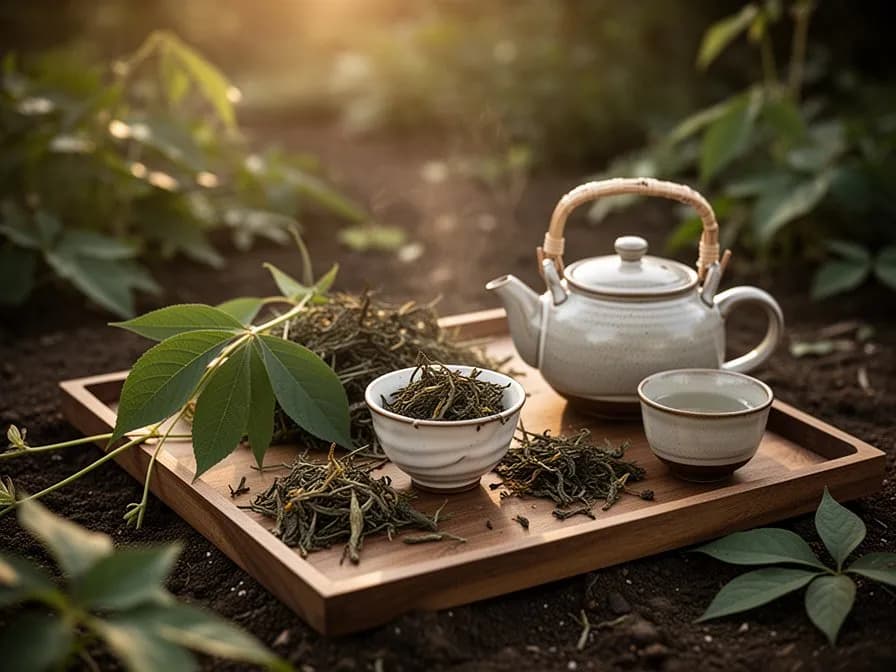
Mochi de almidón de raíz de kudzu (Kuzu Mochi)
20 minutosUn dulce tradicional japonés elaborado disolviendo almidón de raíz de kudzu en agua y calentándolo hasta formar una gelatina translúcida y sedosa. El mochi resultante tiene una textura delicadamente fresca y refrescante, muy apreciada en la cocina veraniega japonesa. Se sirve frío con kinako (harina de soja tostada) y kuromitsu (jarabe de azúcar negro) para un postre estacional reconfortante.
6 ingredientes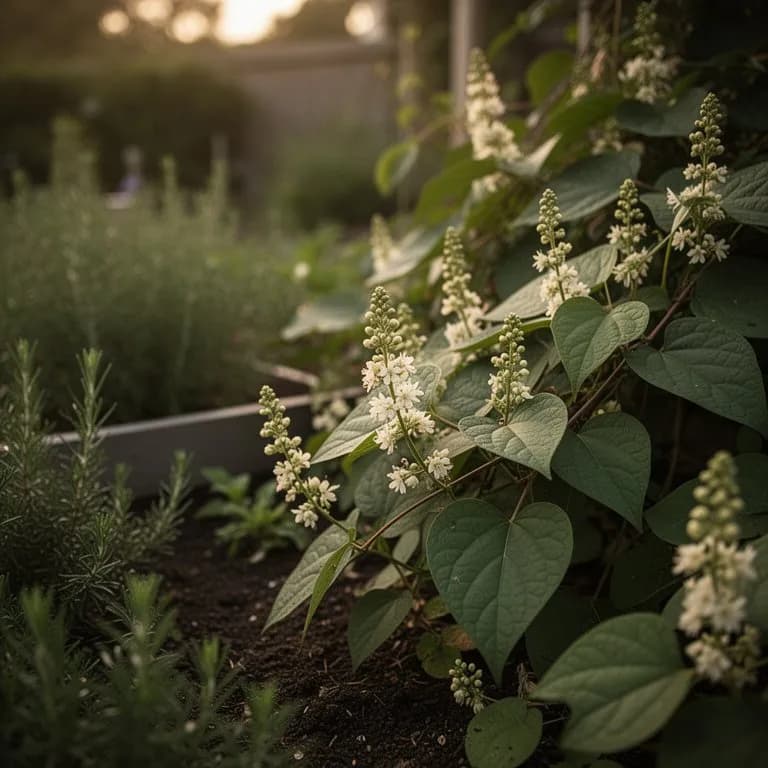
Jalea de flor de kudzu
30 minutos más tiempo de cuajadoUna jalea de aroma único elaborada con flores de kudzu recién recogidas, capturando su distintivo bouquet a uva y su delicada dulzura floral. Esta tradición de los Apalaches del Sur transforma una planta invasora en una preciosa conserva de color joya. La jalea tiene un hermoso color rosa lavanda y resulta deliciosa sobre bizcochos o tostadas calientes.
6 ingredientes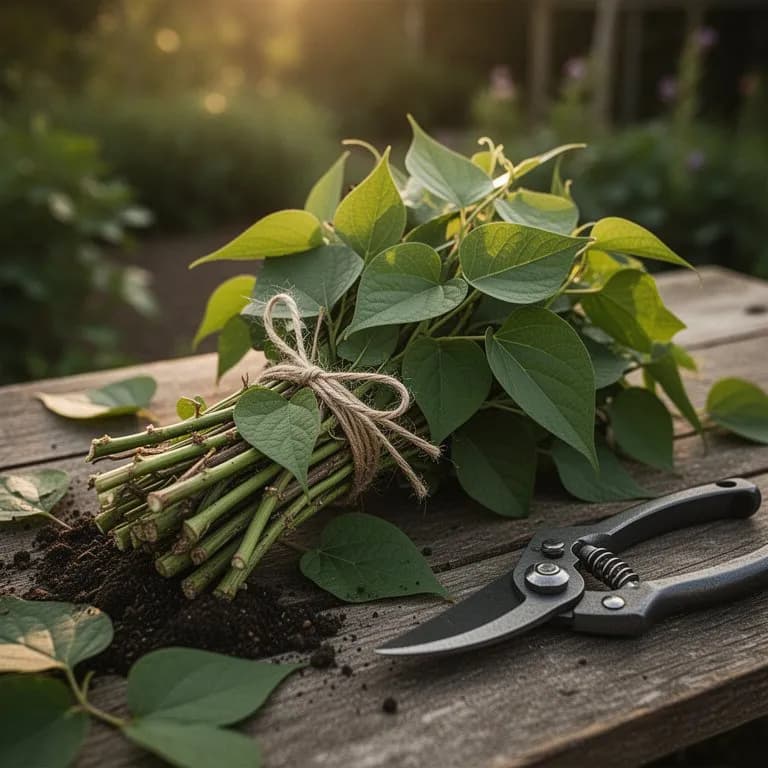
Hojas y brotes de kudzu salteados
15 minutosUna preparación sencilla y nutritiva que pone en valor las tiernas hojas jóvenes de kudzu y las puntas de los brotes, cuyo sabor recuerda a un cruce entre espinacas y guisantes mollar. Salteado rápidamente con ajo y sésamo, este plato transforma una mala hierba invasora en una sorprendente y deliciosa guarnición vegetal rica en proteínas.
8 ingredientesUsos culinarios
El almidón de raíz de kudzu se usa ampliamente en la cocina japonesa y china como espesante superior para sopas, salsas y postres. La raíz seca se corta en lonchas y se elabora en forma de té caliente, utilizado tradicionalmente para aliviar los resfriados y la resaca. Las flores frescas de kudzu producen un té fragante con aroma a uva y pueden rebozarse y freírse como buñuelos. Las hojas jóvenes y los extremos de los tallos pueden cocinarse al vapor o salteados como espinacas. La jalea de flor de kudzu es una especialidad de los Apalaches del Sur.
Qué contiene
Beneficios para la salud
- La raíz de kudzu contiene altas concentraciones de la isoflavona puerarina, que ha sido extensamente estudiada por su potencial para reducir el deseo de consumir alcohol y apoyar la recuperación de la dependencia alcohólica, tanto en la investigación tradicional como en ensayos clínicos modernos
- Rica en fitoestrógenos como la daidzeína y la genisteína, el kudzu se ha utilizado tradicionalmente para ayudar a controlar los síntomas menopáusicos como los sofocos, y la investigación preliminar sugiere posibles beneficios para el equilibrio hormonal
- Contiene flavonoides antioxidantes que pueden favorecer la salud cardiovascular ayudando a mejorar el flujo sanguíneo, reducir la presión arterial y disminuir los niveles de colesterol LDL según varios estudios preclínicos
- Las isoflavonas de la raíz de kudzu han demostrado propiedades antiinflamatorias en estudios de laboratorio, con aplicaciones potenciales en la reducción de la inflamación crónica asociada al síndrome metabólico
- El almidón de raíz de kudzu es fácilmente digestible y se ha utilizado tradicionalmente en la medicina del este de Asia como alimento suave para apoyar la recuperación digestiva durante enfermedades, en particular para calmar el malestar estomacal y aliviar la diarrea
- La medicina tradicional china ha utilizado preparados de raíz de kudzu durante más de dos milenios para tratar dolores de cabeza, migrañas y rigidez cervical, atribuyendo la investigación moderna estos efectos a las propiedades vasodilatadoras de la puerarina
De dónde viene Kudzu
El kudzu (Pueraria montana) es una enredadera trepadora perenne originaria del este y sureste de Asia, con su área de distribución principal en Japón, China y Corea. La planta ha sido cultivada en su región de origen durante miles de años, valorada por sus raíces feculentas comestibles, sus propiedades medicinales y sus tallos productores de fibra. En la medicina tradicional china, la raíz de kudzu (gegen) está documentada en farmacopeas que se remontan al menos al año 200 a. C., prescrita para tratar la fiebre, la disentería y los efectos del consumo de alcohol. La cocina japonesa ha utilizado durante mucho tiempo el almidón de raíz de kudzu (kuzu) como agente espesante de primera calidad para salsas, sopas y dulces tradicionales. El viaje hacia el occidente de la planta comenzó en la Exposición Centenaria de Filadelfia de 1876, donde los expositores japoneses mostraron el kudzu en su pabellón. Los jardineros estadounidenses quedaron inicialmente encantados con sus fragantes flores moradas y su rápido crecimiento, adoptándolo como enredadera ornamental de porche. La trayectoria de la planta cambió drásticamente durante la era de la Gran Depresión de la década de 1930, cuando el Servicio de Conservación de Suelos de EE. UU. promovió activamente el kudzu como solución para la grave erosión que azotaba las tierras agrícolas del sureste americano. El Cuerpo Civil de Conservación plantó kudzu de forma masiva, y el gobierno pagaba a los agricultores hasta ocho dólares por hectárea para establecer kudzu en sus tierras. A mediados de la década de 1950, se habían distribuido un estimado de 36 millones de plántulas de kudzu. Sin embargo, las mismas cualidades que hacían al kudzu eficaz para el control de la erosión resultaron catastróficas para los ecosistemas nativos. El cálido y húmedo clima del sureste de los Estados Unidos proporcionó condiciones de crecimiento ideales con escasos controles naturales. Sin los insectos, enfermedades e inviernos fríos que mantienen el kudzu a raya en su hábitat nativo, la enredadera se extendió sin control por millones de hectáreas, ahogando la vegetación autóctona, derribando árboles bajo su peso y engullendo edificios abandonados. En 1953, el USDA retiró el kudzu de su lista de plantas de cobertura recomendadas, y en 1970 fue clasificado oficialmente como mala hierba común. Hoy en día, el kudzu figura como mala hierba nociva federal en los Estados Unidos y es reconocida como una de las especies invasoras más problemáticas del mundo.
Kudzu: ¿sabías que?
Datos fascinantes sobre Kudzu
El kudzu puede crecer hasta 30 cm por día durante las condiciones pico del verano, lo que le ha valido el apodo de 'la enredadera que se comió el Sur' tras su expansión incontrolada por el sureste de los Estados Unidos.
Kudzu: preguntas frecuentes
¿Cuándo debo plantar Kudzu?
¿En qué zonas de rusticidad puede crecer Kudzu?
¿Cuánto sol necesita Kudzu?
¿A qué distancia debo espaciar Kudzu?
¿Qué plagas y enfermedades afectan a Kudzu?
¿Cómo almaceno Kudzu después de la cosecha?
¿Cuáles son las mejores variedades de Kudzu para cultivar?
¿Qué suelo necesita Kudzu?
¿Es legal cultivar kudzu en mi zona?
¿Cómo evito que el kudzu se propague de forma incontrolada?
¿Qué partes de la planta de kudzu son comestibles?
¿Por qué alguien cultivaría intencionalmente una planta invasora como el kudzu?
¿Cómo cosechar y procesar el almidón de raíz de kudzu?
¿Puede el kudzu sobrevivir a los inviernos fríos?
Acabas de leer la teoría. Ahora cultívala en piloto automático.
Todo lo que hace que Kudzu sea delicado — el momento, el espaciado, las asociaciones, la ventana de cosecha — es justo lo que PlotMyGarden resuelve por ti, para cada planta de tu huerto.
Un plan que conoce tu clima
Indica tu ubicación una vez. Recibe fechas de siembra, abonado y cosecha basadas en tu última helada real y el pronóstico en vivo — sin adivinar con un sobre genérico.
De la sección “Cuándo plantar”Planificador de bancales de arrastrar y soltar
Diseña bancales sobre una cuadrícula. Cada planta encaja con su espaciado correcto y ves toda la temporada antes de gastar un céntimo en semillas.
De la sección “Cultivo”Conflictos de asociación, detectados a tiempo
Más de 200 buenas y malas combinaciones comprobadas en vivo mientras plantas — para que un error que arruine la temporada nunca llegue a la tierra.
De la sección “Asociaciones”Recordatorios que sí vas a seguir
“Riega las judías.” “Recoge hoy antes de que se pase.” Oportunos, concretos y ligados a las plantas que de verdad cultivas.
De la sección “Cosecha”Escalonado, programado
¿Quieres cosechar seis semanas en vez de seis días? Reparte tus siembras automáticamente y te avisa cuando toca el siguiente lote.
De la sección “Cuándo plantar”Un registro que se vuelve más listo
Cada cosecha que registras le enseña tu huerto. El plan del año que viene parte de lo que de verdad funcionó en tu suelo, no en un manual.
De la sección “Resumen”Más Hierbas para té
Cultiva tu mejor Kudzu — y todo lo que la rodea.
Empieza un plan gratis hoy. Diseña tus bancales, coloca tu Kudzu y deja que PlotMyGarden gestione el momento, el espaciado, las asociaciones y los recordatorios de la semilla a la cesta.